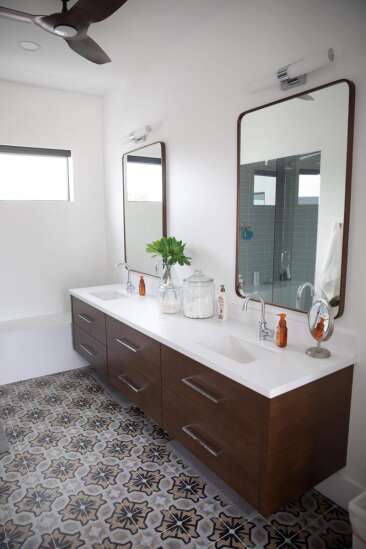
Restoring the gloss on scratched cultured-marble countertops
Cultured marble, a composite material comprising polyester resin, catalysts, fillers, and pigments, is commonly used for bathroom vanities and countertops due to its smooth, glossy gel-coat surface. Over time, however, these surfaces can develop fine scratches from normal use or improper cleaning agents, diminishing their aesthetic appeal. Traditional abrasive cleaners are typically avoided as they can exacerbate scratching.
For minor scratches, a product like Gel-Gloss Kitchen & Bath Polish can be applied. This product is primarily composed of water (80-90%) and fine quartz particles (10-20%) and is intended to coat the surface to restore its shine. An alternative, Original Gel Gloss RV One Step Polish and Protector, shares the same formulation and is suitable for countertops, offering UV inhibitors for added protection. The manufacturer, TR Industries, recommends applying the liquid with a clean microfiber cloth and buffing it with another clean cloth. For older, more stubborn scratches, an orbital buffer may be necessary, with multiple applications suggested for enhanced protection and shine. Over-application of Gel-Gloss can lead to a foggy appearance, which requires removal with soap, water, and mineral spirits.
For more significant scratches, a more intensive restoration process is recommended, as advised by Luke Haas, president of Elite Marble Company and a board member of the International Cast Polymer Association. His company utilizes a two-step approach involving sanding and buffing, similar to automotive paint restoration techniques. The initial step involves sanding the affected areas with 600- to 800-grit sandpaper. If performing this manually, it is crucial to progress to finer grits, such as 1,000 and 1,200, to ensure a smooth transition and minimize visible sanding marks. Wet-dry sandpaper or sanding sponges, like 3M Sanding Sponges (ultrafine and microfine), are suitable for this purpose.
Following sanding, an automotive buffing compound is applied to remove the scratches left by the sandpaper and restore the surface's luster. While professional use might involve products like Aqua Blue 100 Fast-Cut Compound, consumer-grade options such as Turtle Wax T-241A Polishing Compound & Scratch Remover are readily available at auto-parts stores or hardware stores. It is important to distinguish between 'rubbing compound,' which is more aggressive and can potentially substitute for sandpaper, and 'polishing compound,' which is used for the final buffing stage. Regardless of whether a rubbing compound is used, it must be followed by a polishing compound to achieve the desired finish.
For increased efficiency and a more even finish, particularly on larger areas, a lightweight, one-hand orbital buffer (e.g., Ryobi 0.5 amp corded six-inch orbital buffer/polisher) is recommended over larger, two-handed models. Prior to sanding and buffing, it is advisable to leave faucets in place but protect their bases with painter's tape to prevent accidental damage. The final step involves applying Gel-Gloss to seal the surface and enhance its newly restored gloss, providing a like-new appearance to the cultured-marble countertops.
#CulturedMarble #CountertopRestoration #HomeImprovement #DIYHomeRepair #SurfaceCare #ScratchRemoval #GelGloss #AutomotiveBuffing #HomeMaintenance #CulturedMarble #CountertopRestoration #HomeImprovement #DIYHomeRepair #SurfaceCare #ScratchRemoval #GelGloss #AutomotiveBuffing #HomeMaintenance
0 Kommentare insgesamt
 Noch keine Kommentare
Das könnte Ihnen auch gefallen
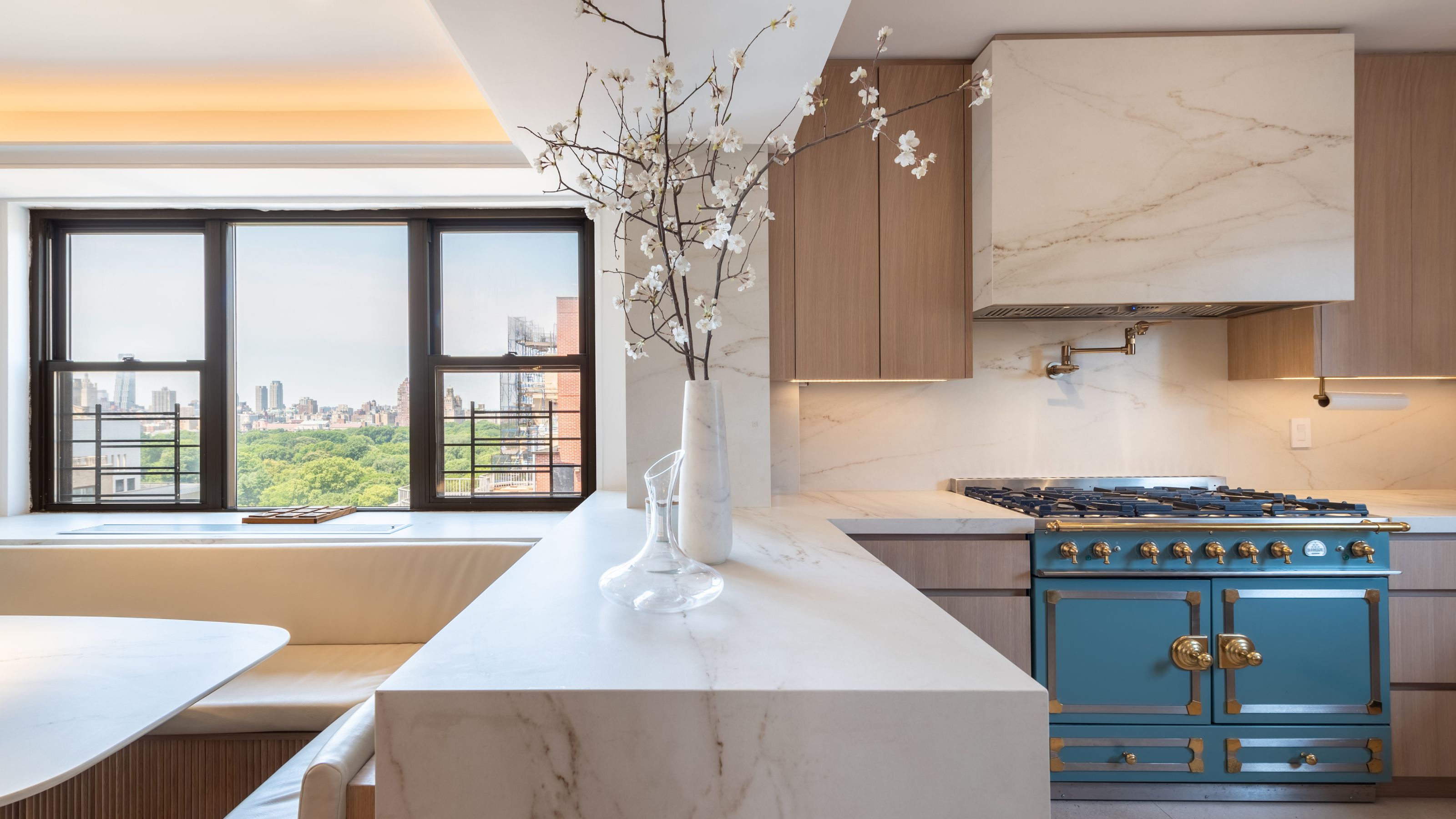
How to Get Red Wine Stains Out of White Marble Countertops

The Best Granite Sealers for Countertop Maintenance

We Researched 30 Marble Sealers—Our Top Pick is Long-Lasting and Easy to Apply
How To Clean & Maintain Countertops: From Corian to Quartz
Marble vs. Quartz Countertops: Which Is Better?


How to Properly Clean Quartz Countertops — And the Products You Should Never (Ever) Use
Don't Replace Your Laminate Countertops Yet—How to Repair Them to Extend Their Life

The Best Quartz Countertop Cleaners According To Reviews


5 cleaning myths that will damage your countertops – and what to do instead

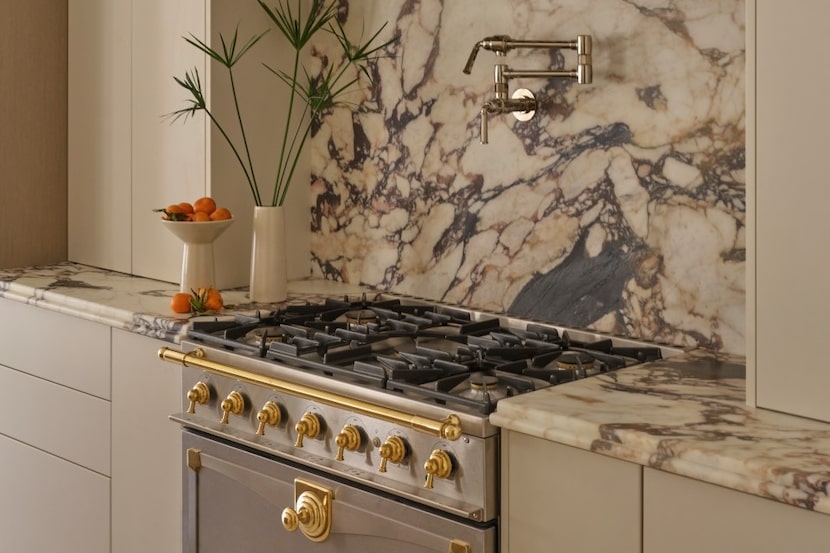
Clean up those marble countertops and keep your stone protected from stains


The Best Countertop Materials for Every Type of Kitchen
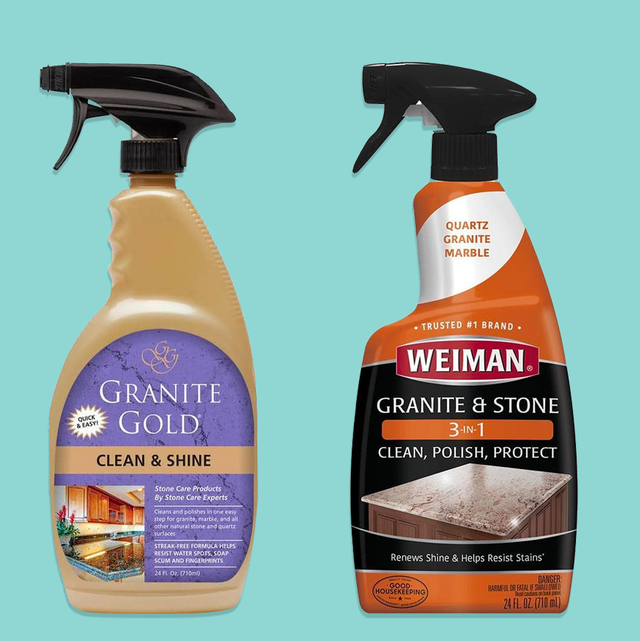
Our Pros Swear By These Kitchen Countertop Cleaners


How To Clean Marble Countertops And Tile

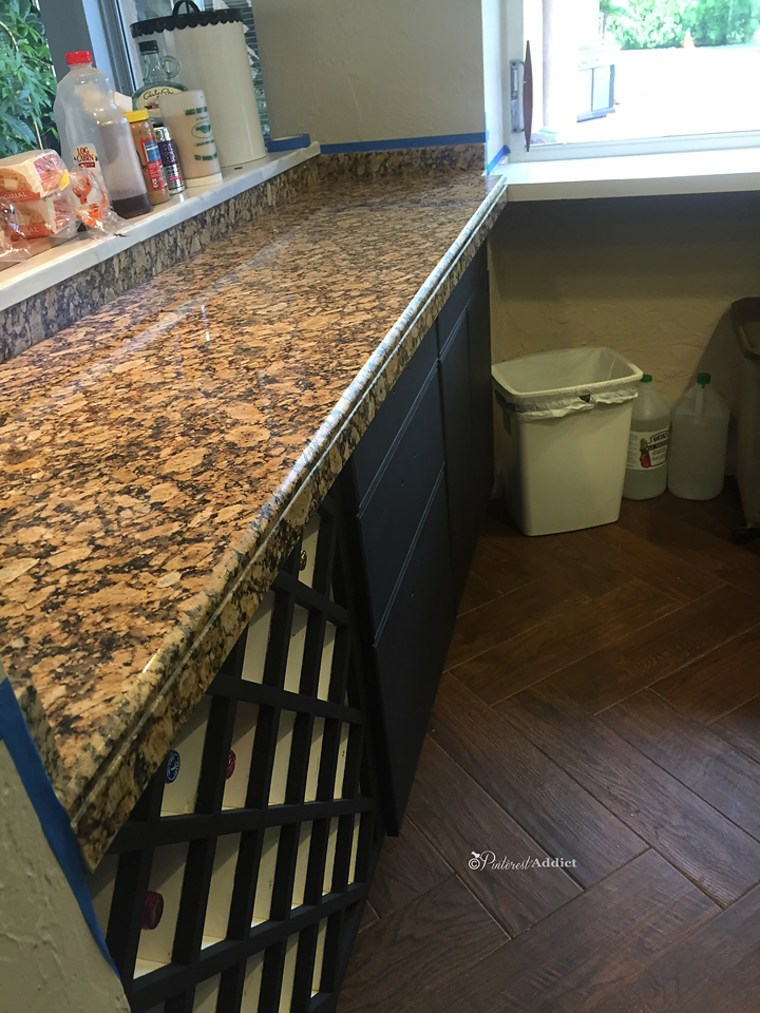
This dated granite countertop looks like marble now — just by using paint!


5 Problems With Tiled Backsplashes in Kitchens That No One Ever Talks About
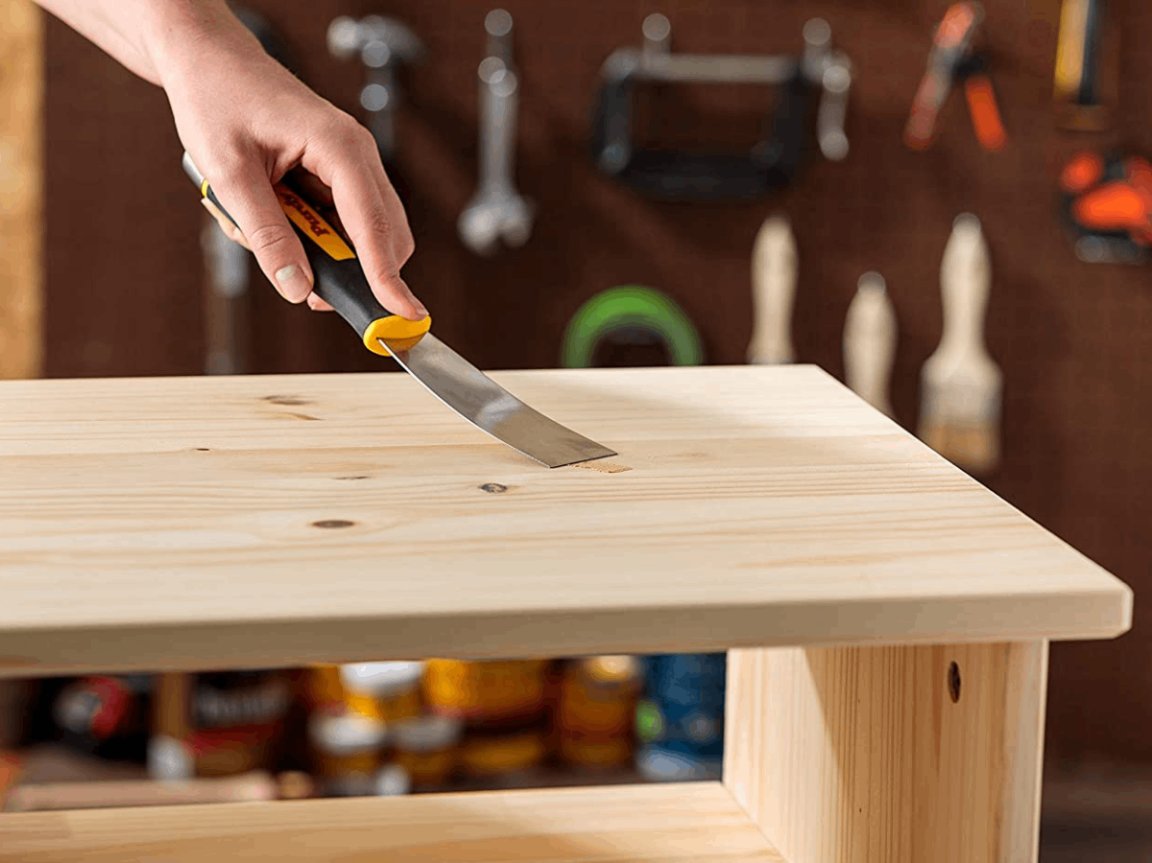
10 Genius Ways To Fix Scratches on Any Surface
Marble Countertops: 9 Tips for Choosing a White Marble Slab

Insider Tips For Buying Marble Or Stone Remnants Secondhand

4 Cool Countertop Ideas That’ll Spark Your Next Kitchen Remodel
Sintered Stone Countertops