1/2
Rammed Earth in 2025: A Time-Tested Solution to Environmental Construction Challenges
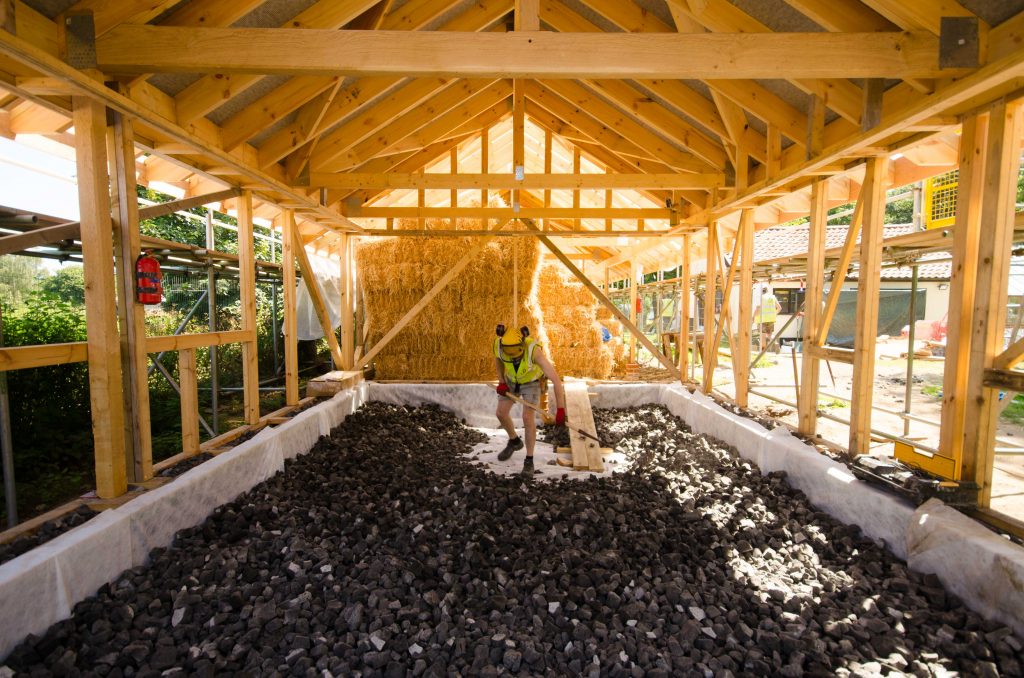
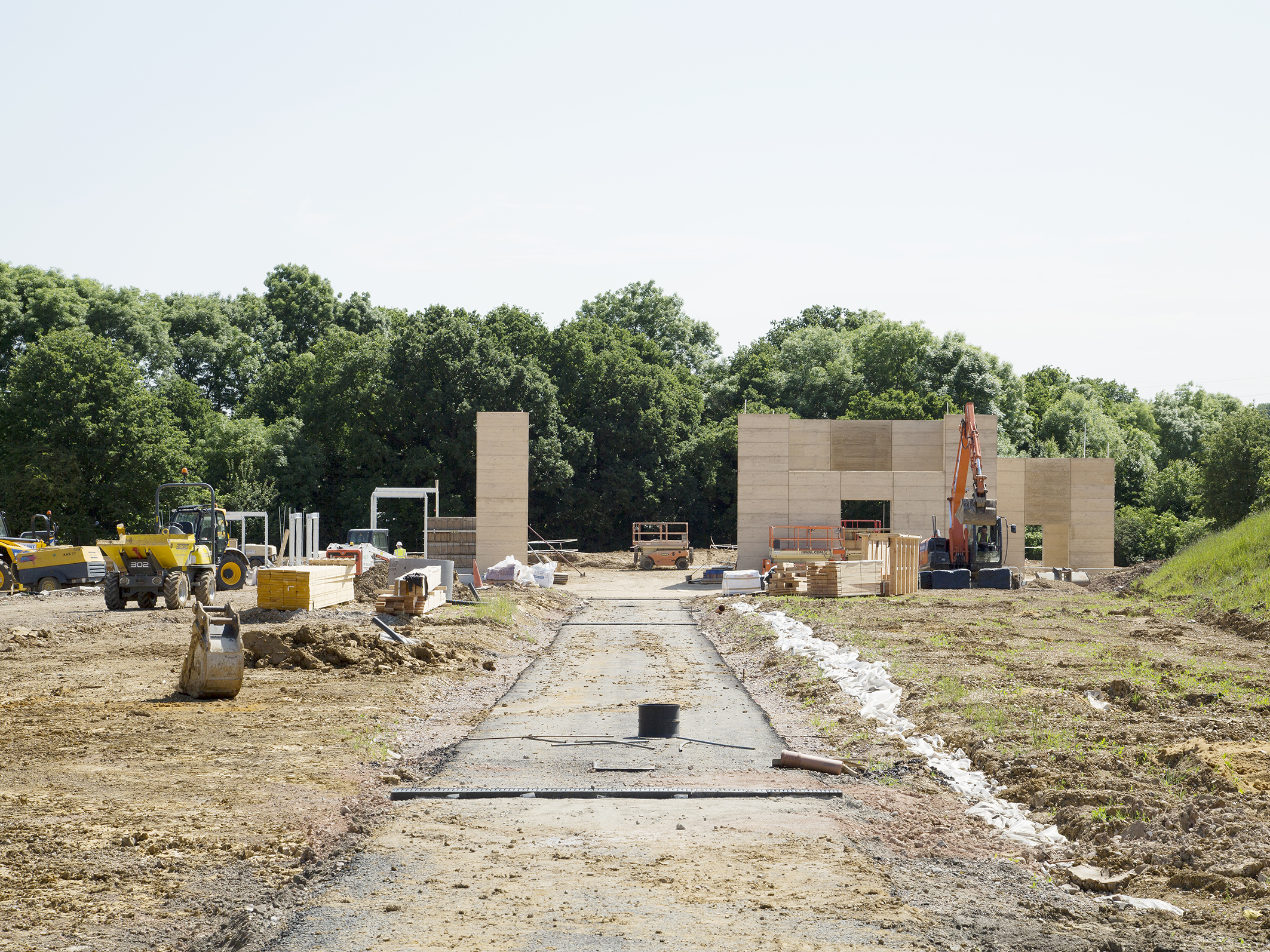
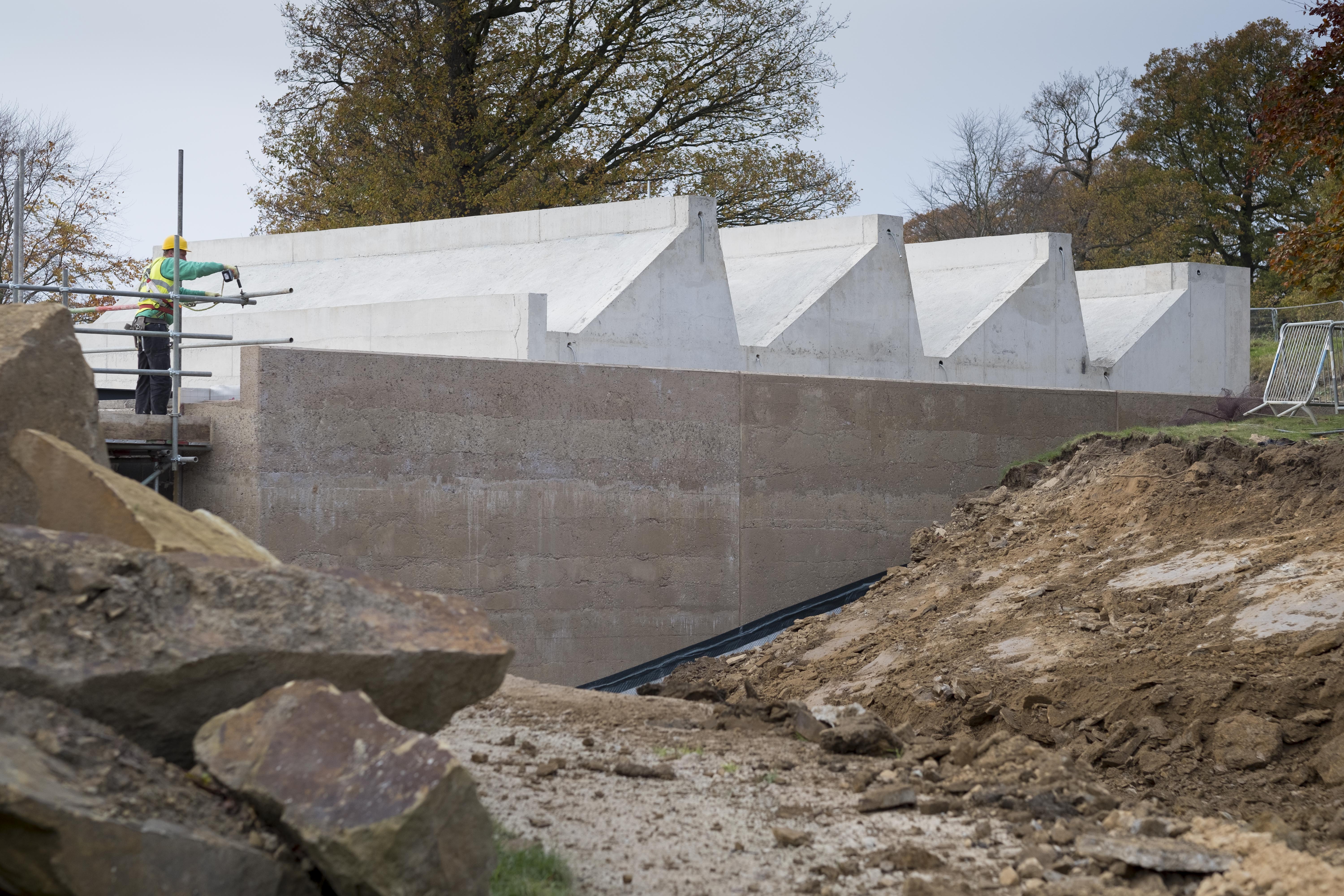
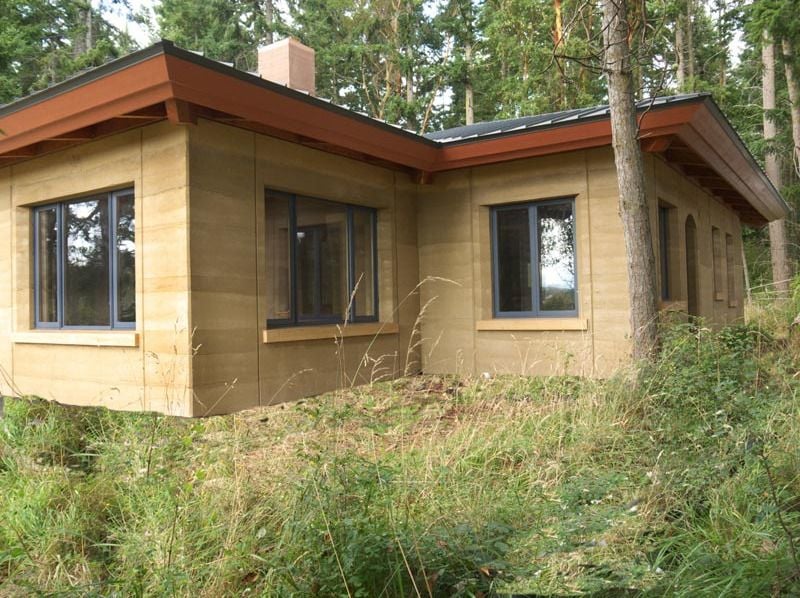
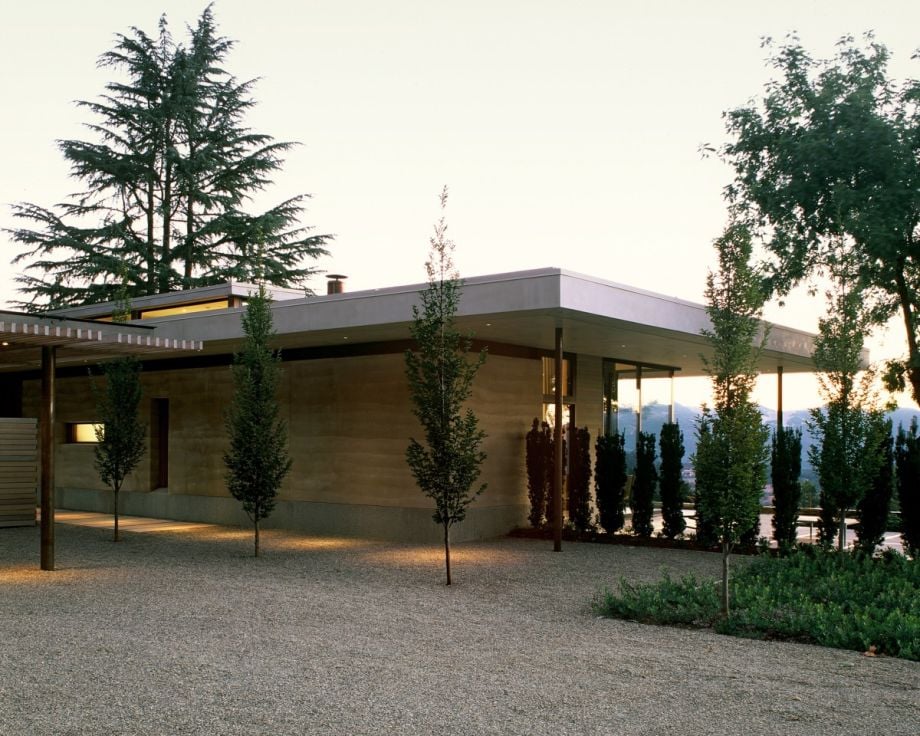
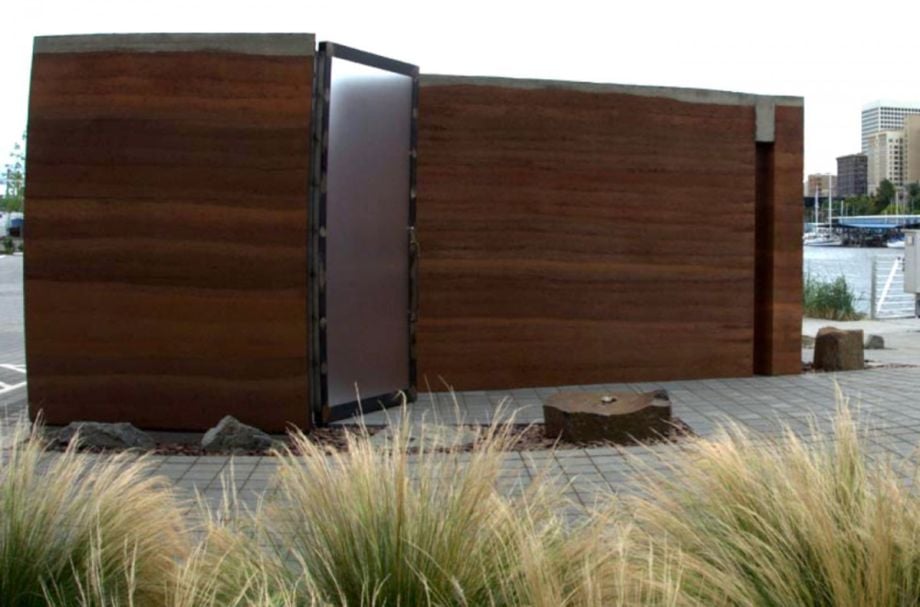
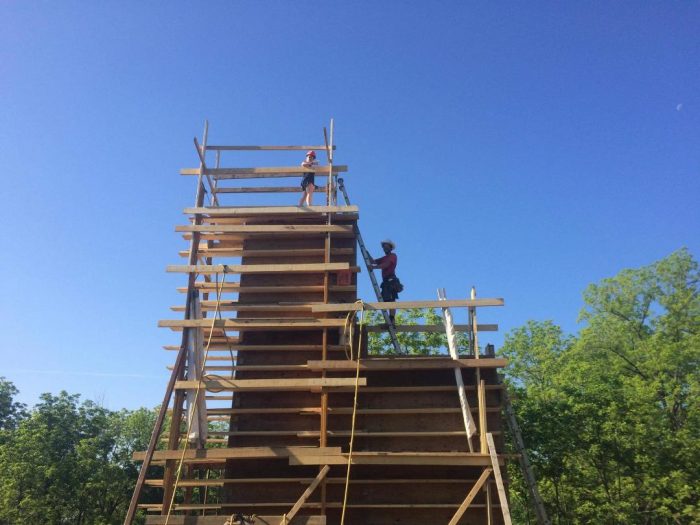
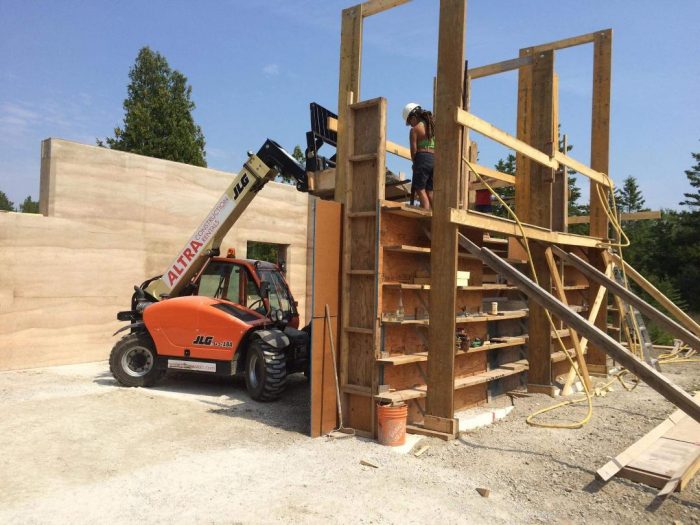
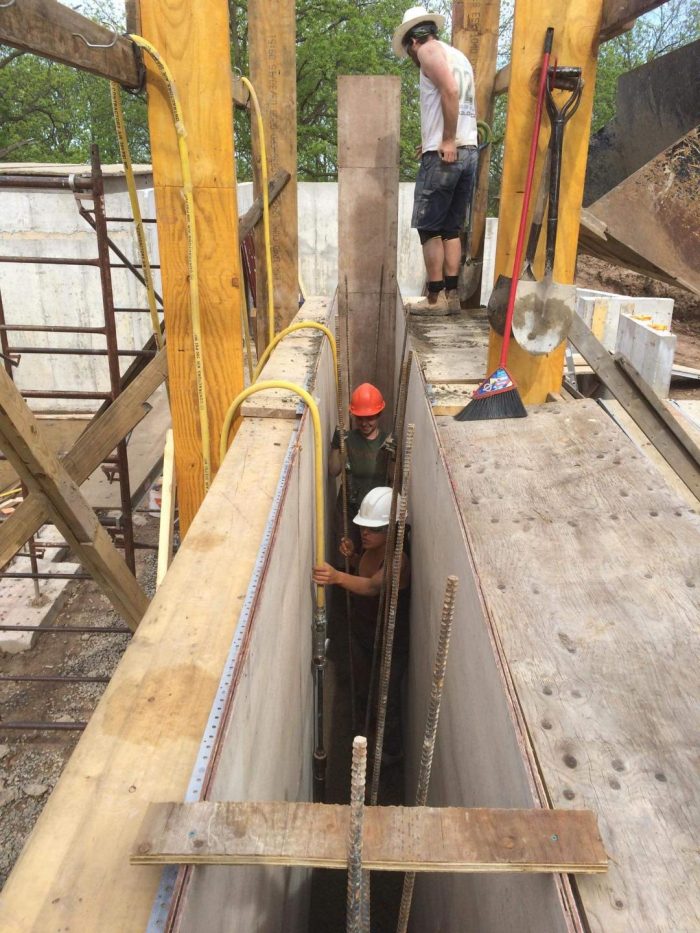
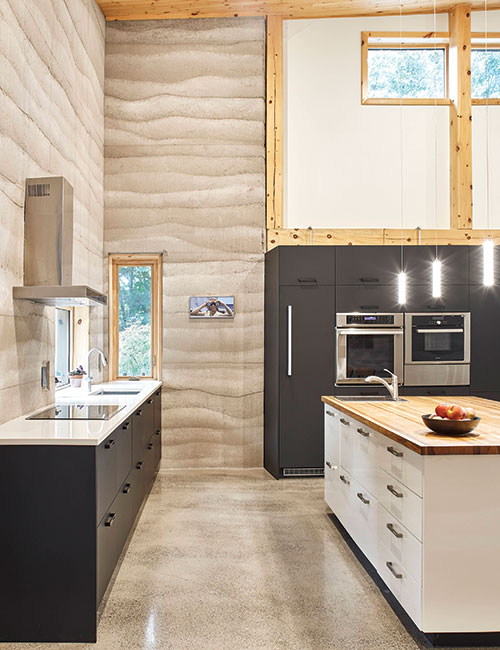
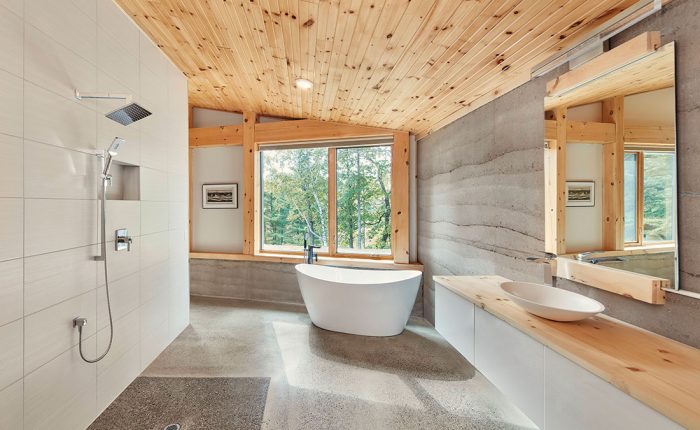
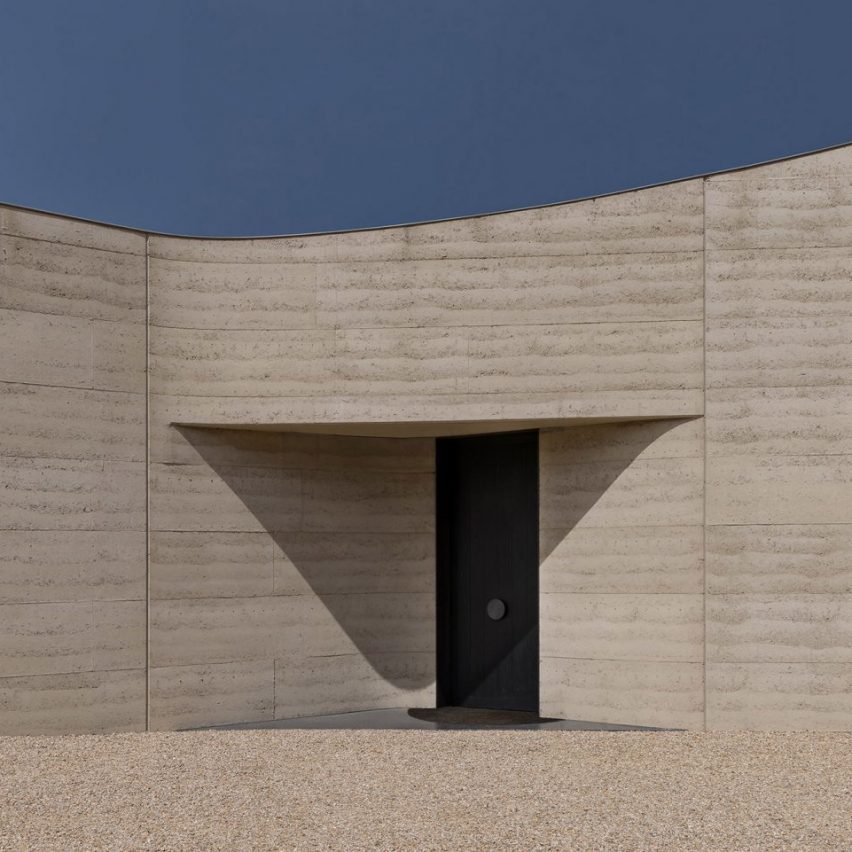
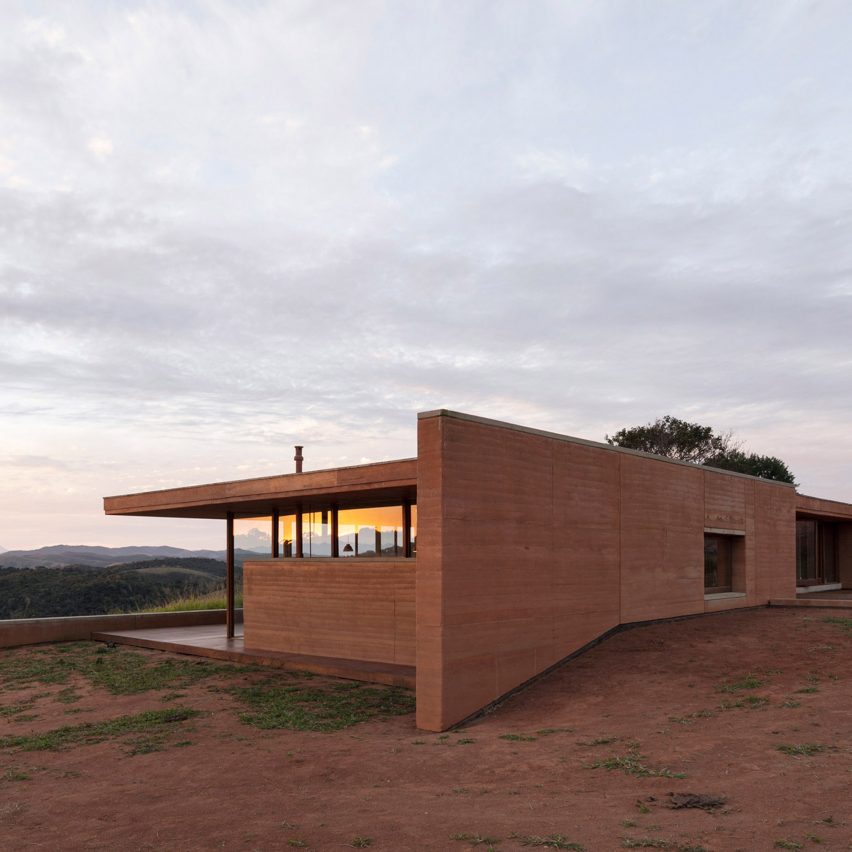
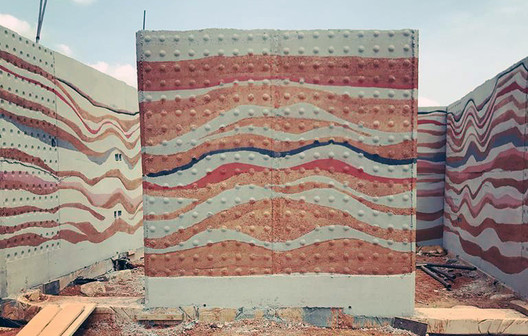
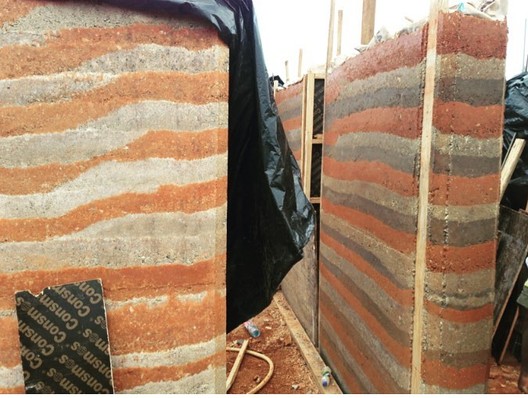
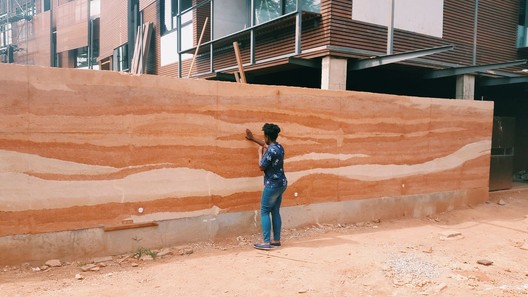
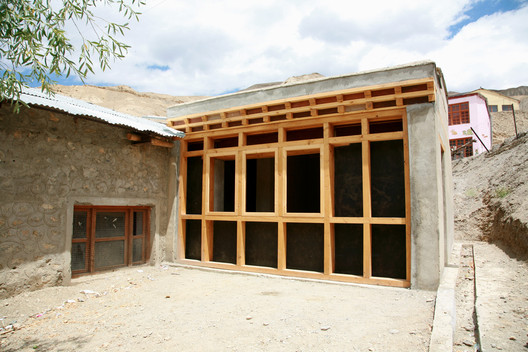
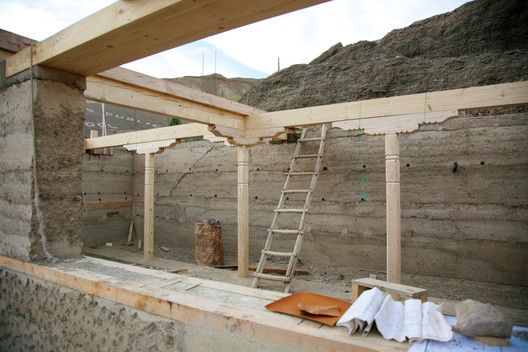
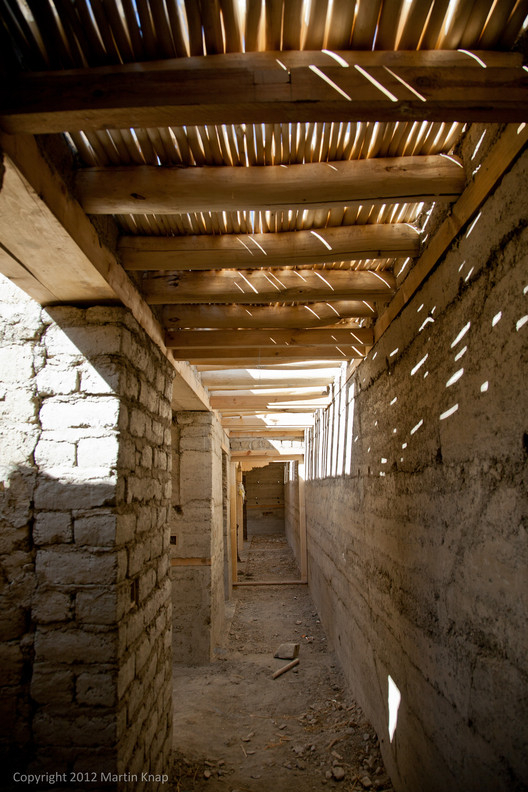
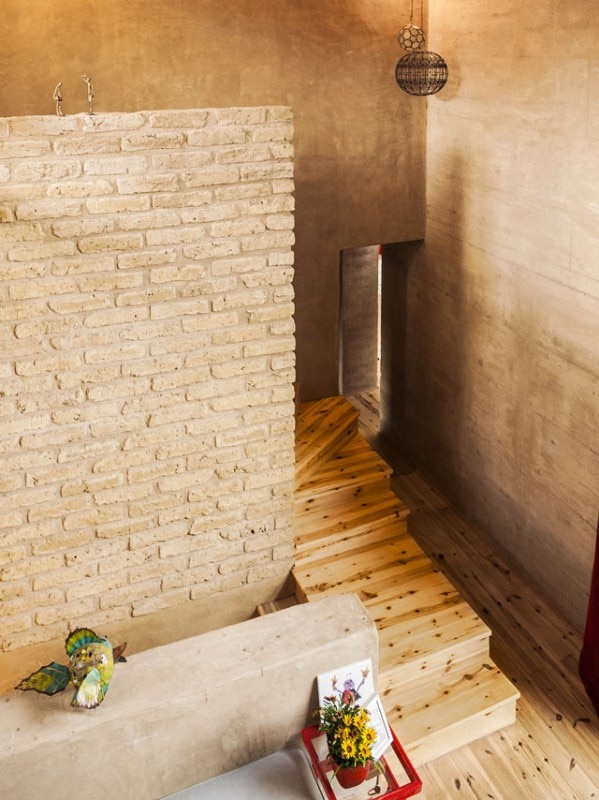
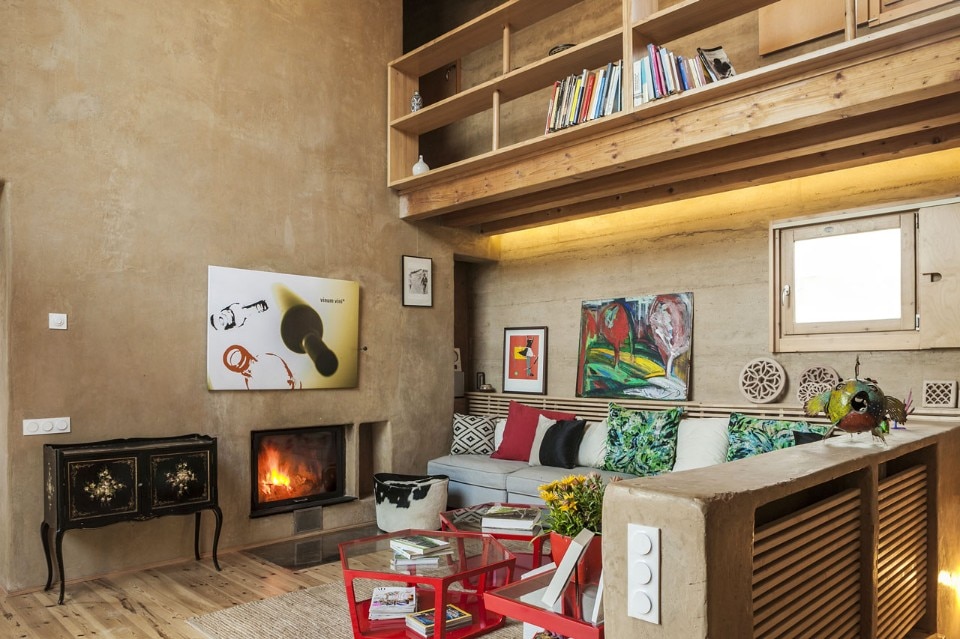
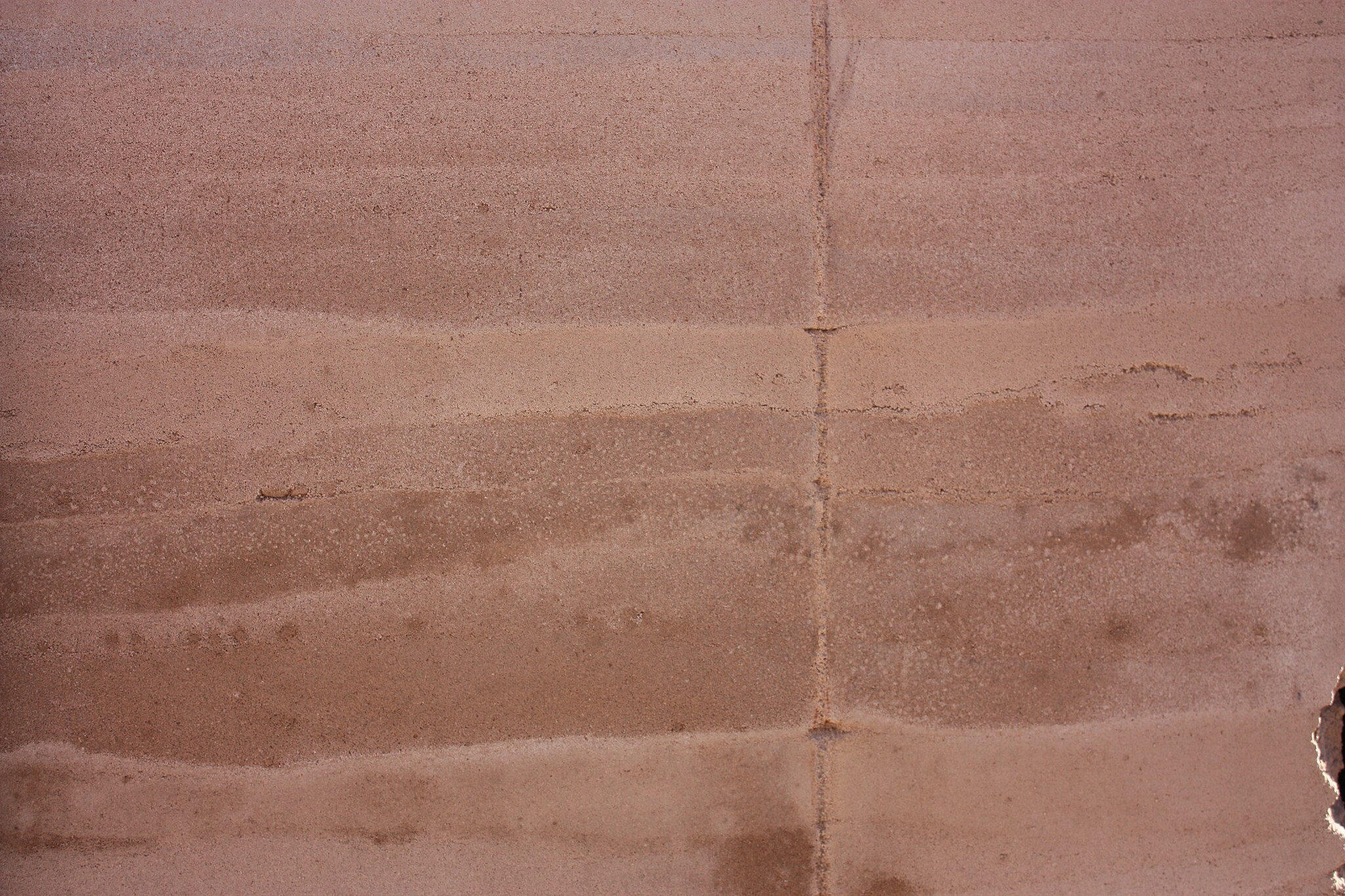
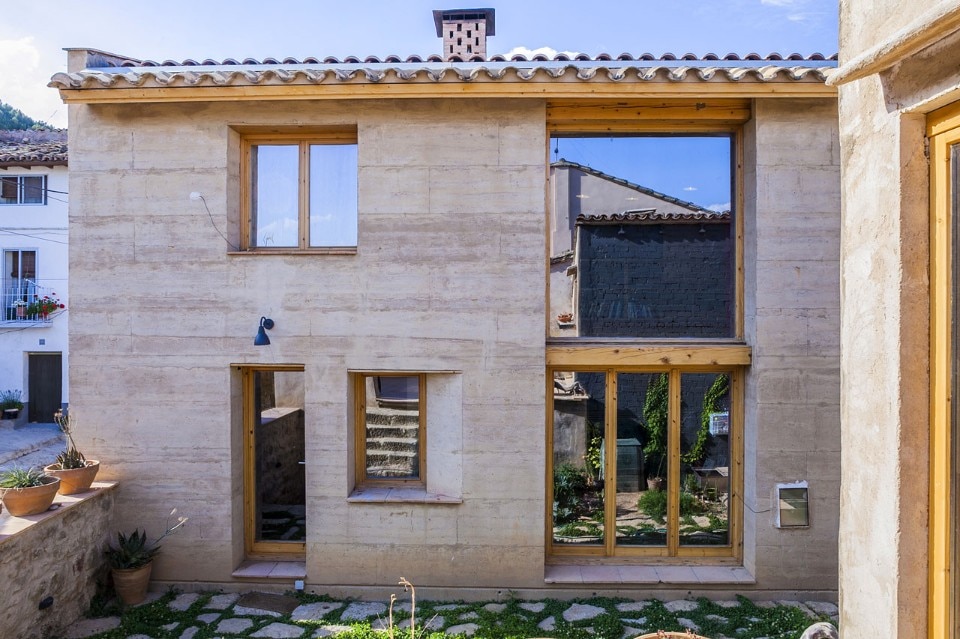
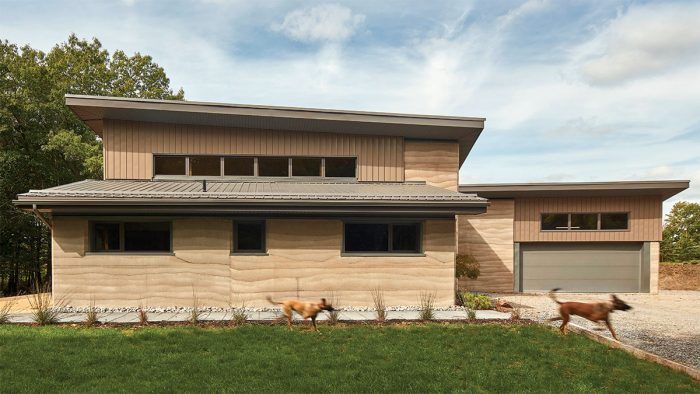
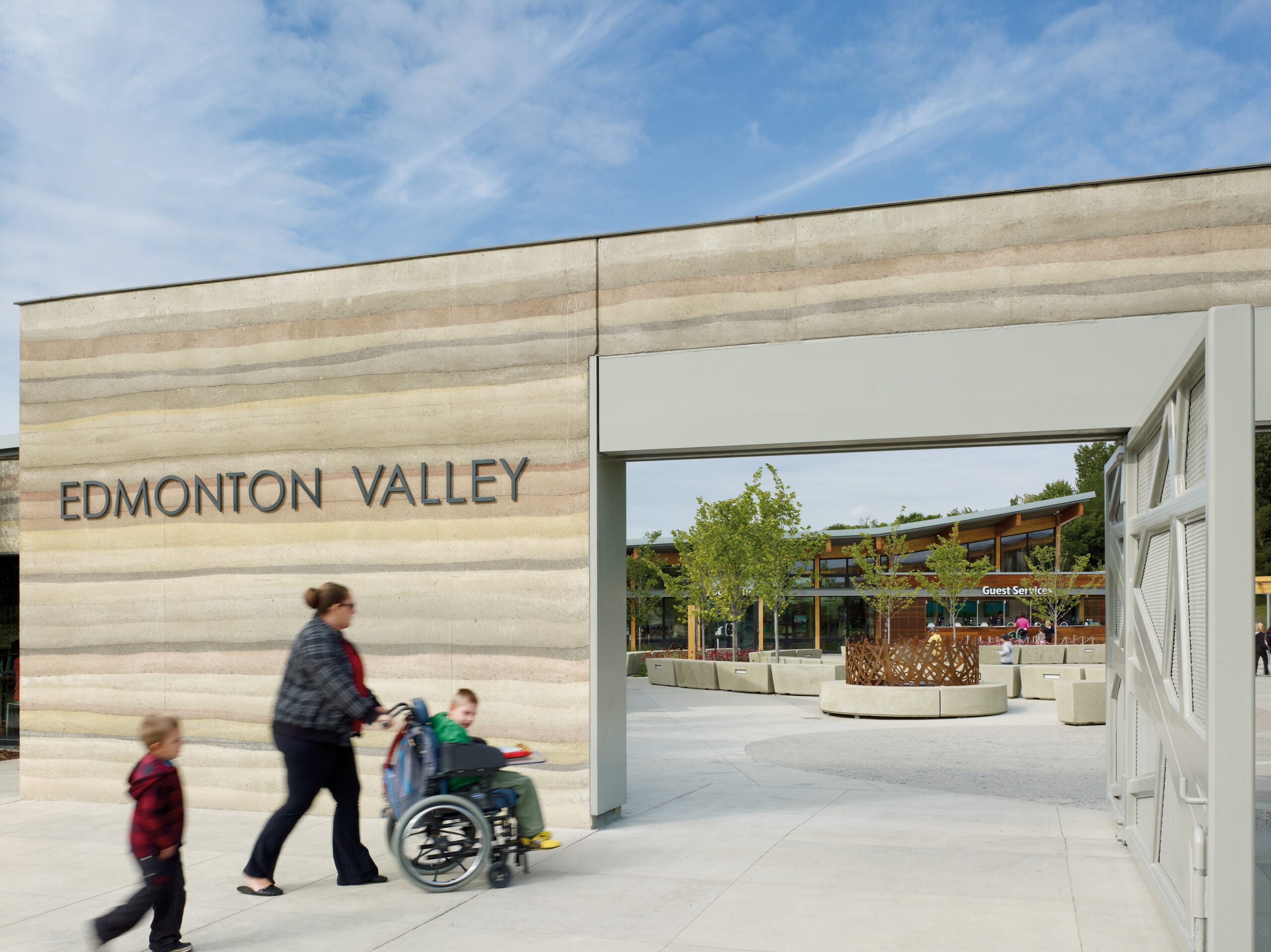
The construction industry is actively seeking sustainable alternatives to mitigate its substantial environmental impact, which accounts for 37% of global greenhouse gas emissions. Rammed earth, an ancient building technique, is emerging as a viable solution for green construction in 2025. This method involves compacting layers of moist soil—comprising clay, gravel, silt, stones, and sand—to create robust walls, typically 30-60 centimeters thick. Additives like lime or small quantities of cement can enhance strength and durability. Rammed earth structures are aesthetically appealing, with organic textures and earthy colors that blend harmoniously with natural environments, and offer versatility in shape and finish, creating distinctive, warm, and serene spaces.
The sustainability of rammed earth construction is evident in several aspects. It utilizes local natural resources, thereby reducing transportation emissions. Its exceptional durability and longevity, with structures potentially lasting over 500 years with proper maintenance, minimize waste and resource consumption. The construction process involves low emissions and energy consumption due to the limited use of synthetic materials. Additionally, rammed earth has the capacity to sequester carbon dioxide from the atmosphere, employs low-cost materials and labor, and supports local economies and craftsmen. Beyond construction, these structures promote sustainability through thermal comfort; thick walls combined with approximately 300 millimeters of breathable insulation, such as mineral wool or wood fiber, delay solar heat effects for up to 12 hours, facilitating passive solar gain as outdoor temperatures drop.
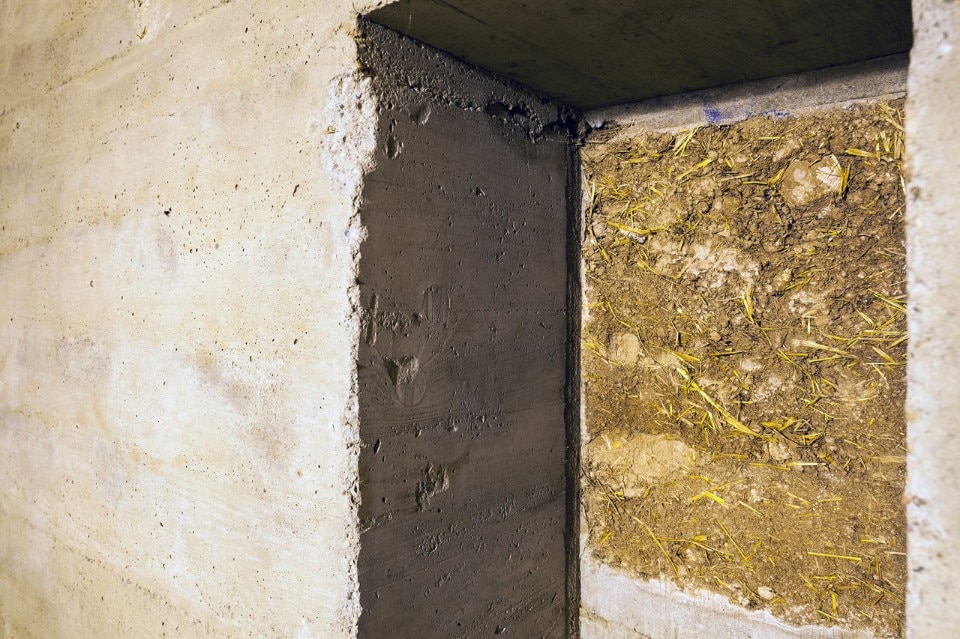
Key components are crucial for the durability and strength of rammed earth. Soil, sourced locally, undergoes rigorous testing, ideally possessing a high sand content of 30-50% and about 8% clay, which acts as a natural binder. Portland cement and water may constitute 5-10% of the mixture to reinforce the structure. The water content is critical, with studies suggesting that 10% moisture content is optimal for mixtures. Proper drainage and permeability are essential to prevent issues like hydrostatic pressure and cracking, thereby maintaining structural integrity.
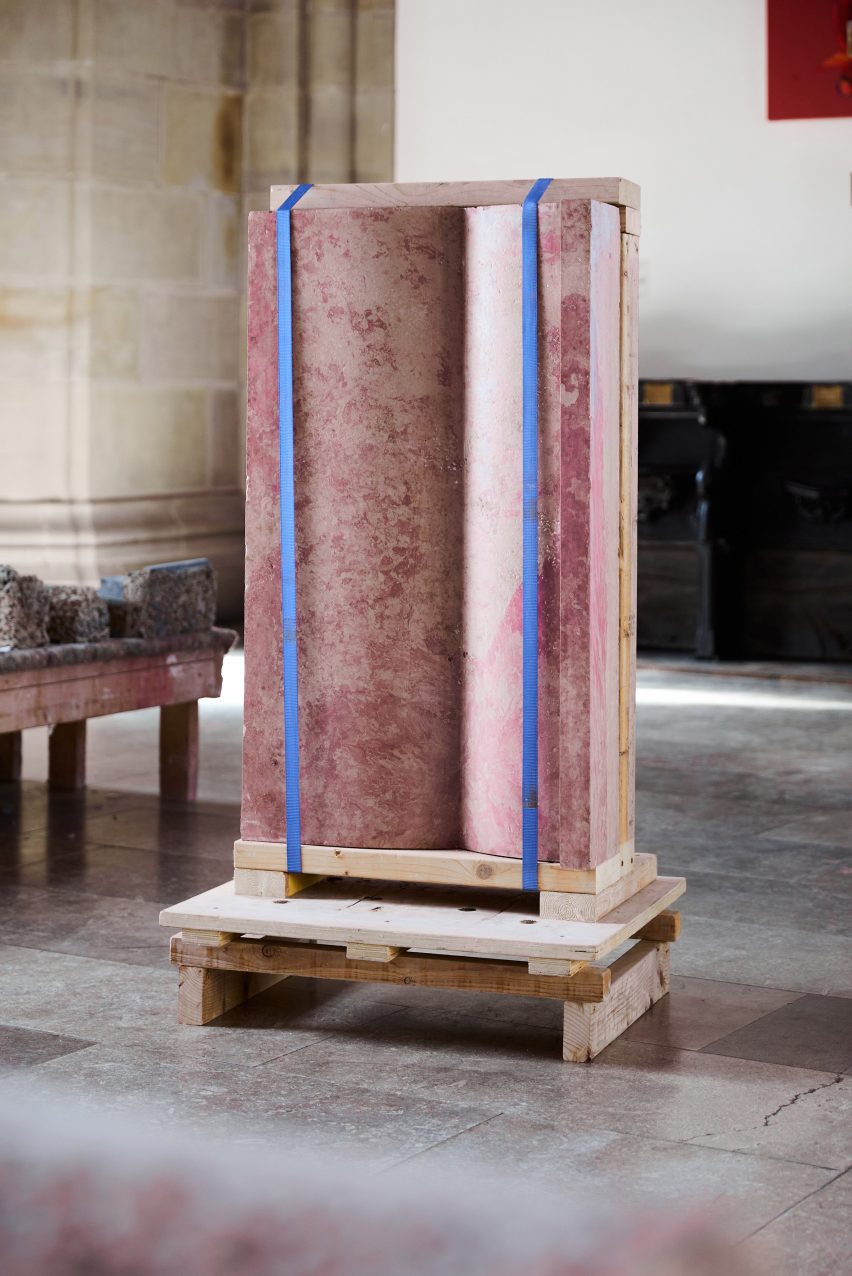
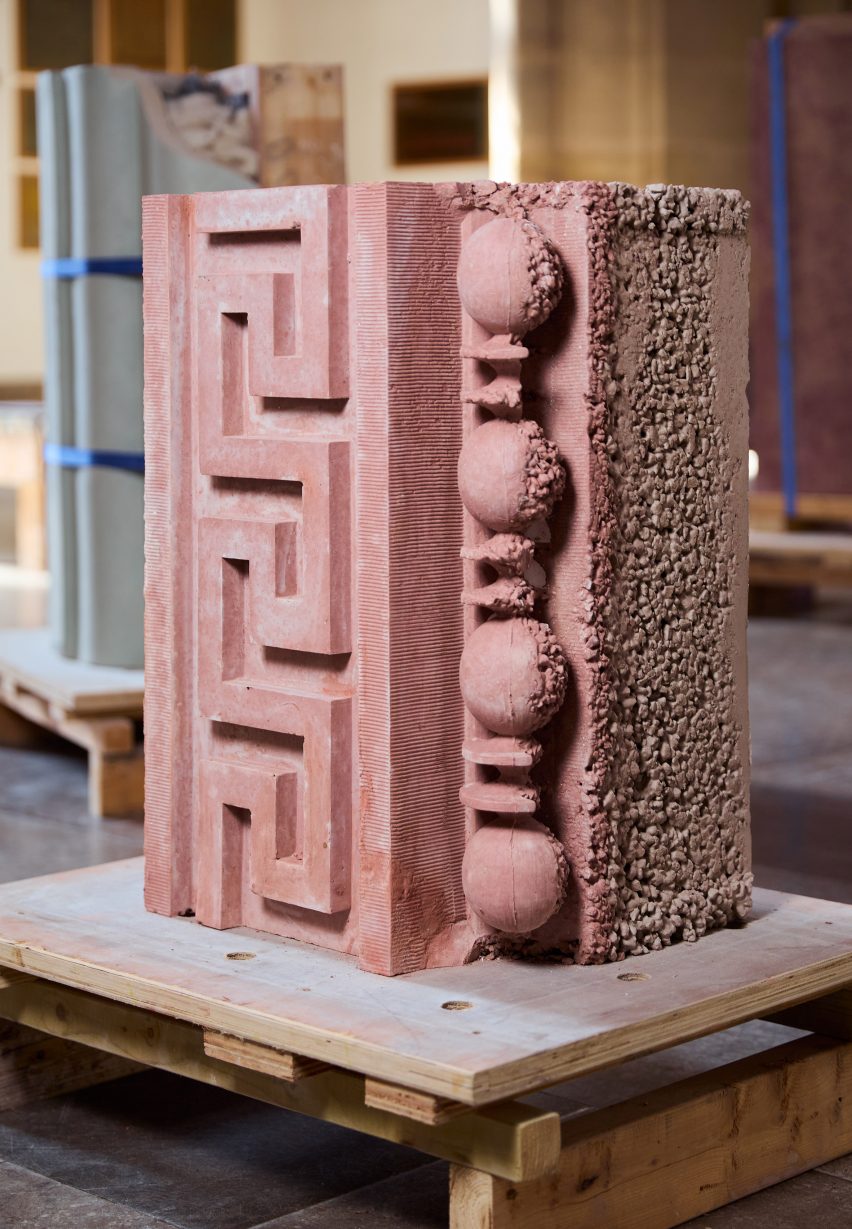
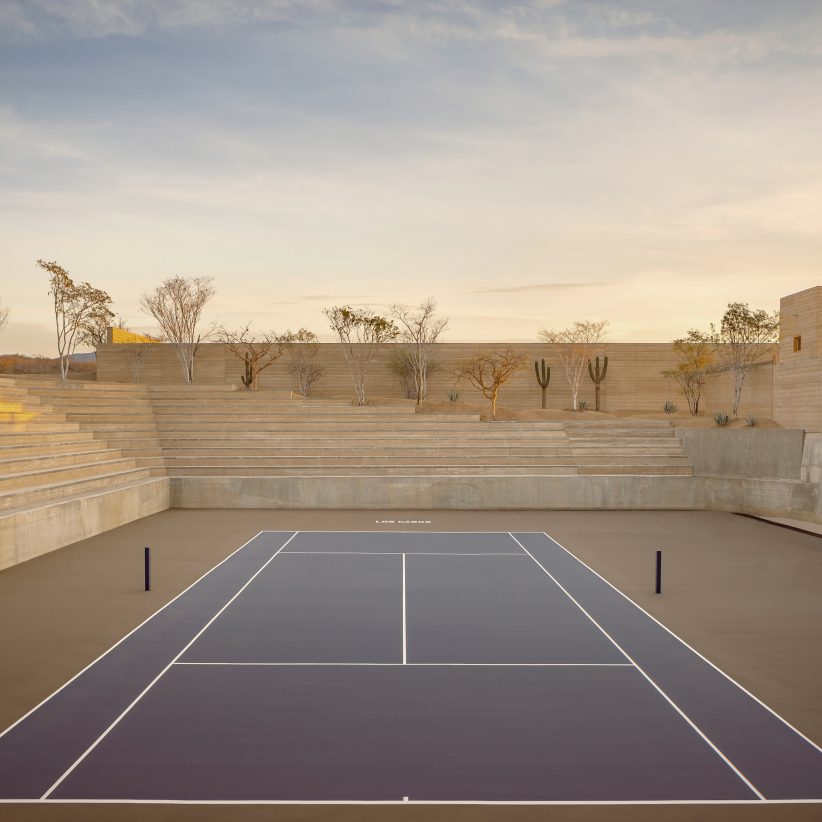
Historical examples of rammed earth construction include the Great Wall of China and the Alhambra. Contemporary projects showcase its adaptability with modern processes. The Tanah Pottery Studio in Bali, for instance, uses crushed terracotta tiles for its pink-toned rammed earth walls. The Cabo Sports Complex in Mexico features rammed earth walls supported by an interior steel grid, blending seamlessly with its surroundings. Achioté in Costa Rica incorporates durable clay rammed earth walls made from local resources, designed to withstand the humid climate. These projects often involve training local artisans to ensure skilled labor and community engagement.
Despite its benefits, rammed earth construction faces challenges, including longer project timelines and the need for highly skilled labor. Moisture management and cracking remain concerns, particularly in wetter climates. However, ongoing technological advancements are improving equipment and processes, leading to greater precision and efficiency. Future trends involve discovering new sustainable additives for enhanced strength and durability, developing new aesthetic designs, and integrating recycled materials and energy-efficient upgrades to further boost its appeal for green projects. Ultimately, rammed earth offers a compelling, time-tested solution for sustainable construction, moving the industry towards healthier and more environmentally responsible building practices by embracing historical methods.
#RammedEarth #SustainableConstruction #GreenBuilding #EcoFriendlyMaterials #ThermalComfort #LowCarbonFootprint #NaturalResources #Architecture #BuildingTechnology #RammedEarth #SustainableConstruction #GreenBuilding #EcoFriendlyMaterials #ThermalComfort #LowCarbonFootprint #NaturalResources #Architecture #BuildingTechnology
0 Kommentare insgesamt
 Noch keine Kommentare
Das könnte Ihnen auch gefallen
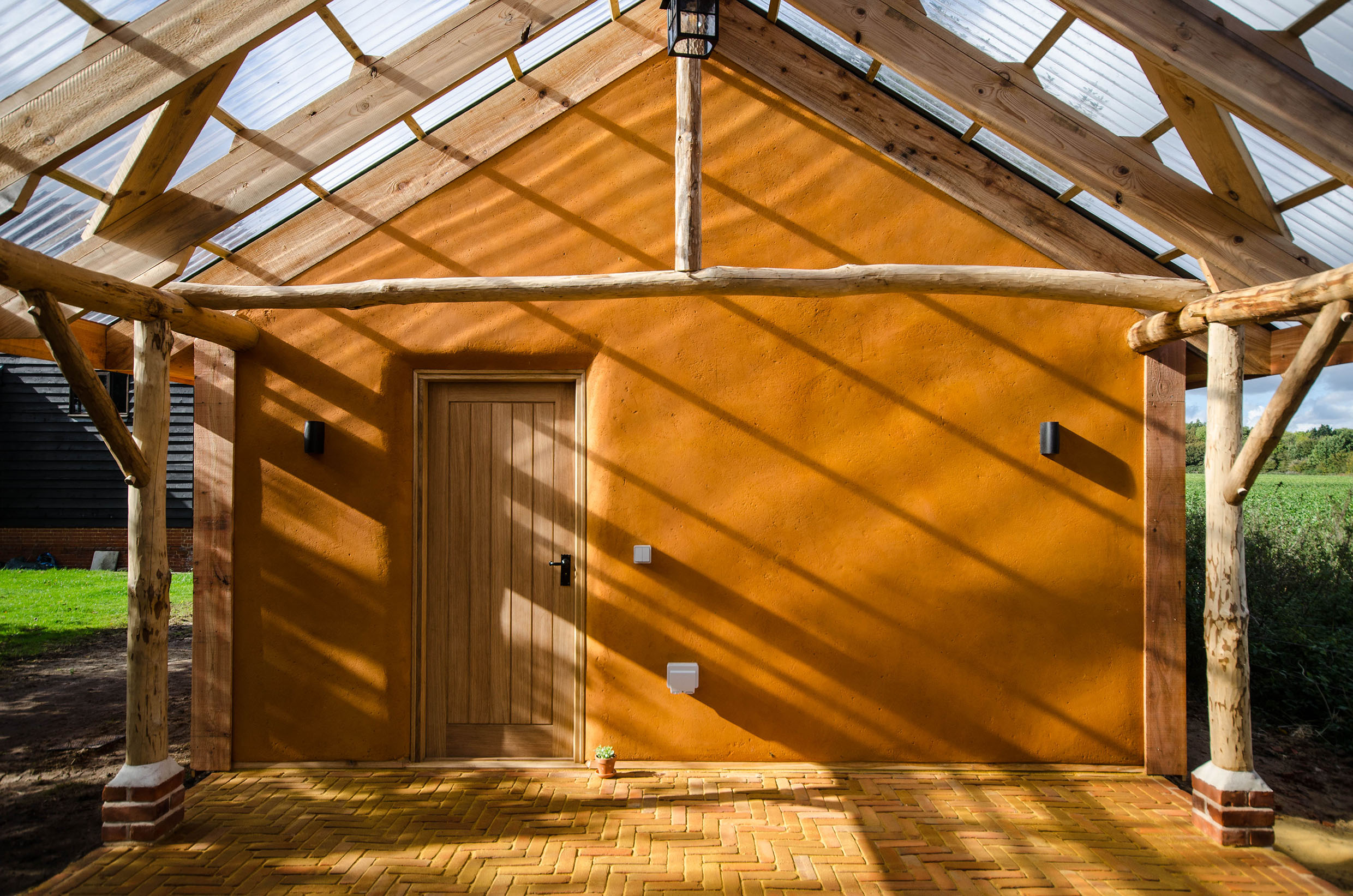
Saving the earth: making the case for rammed earth architecture
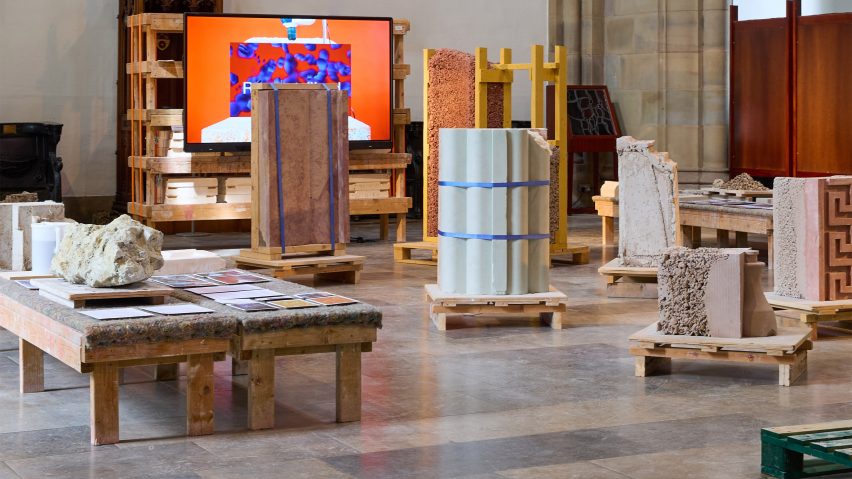
Poured Earth is a sustainable construction method modelled on concrete casting
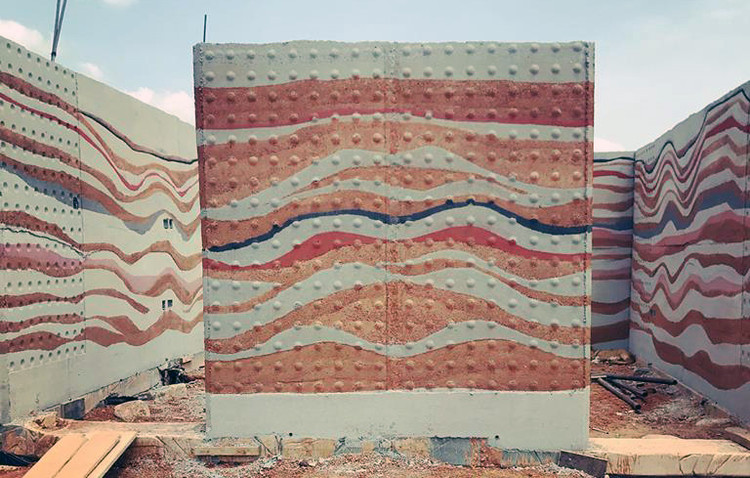
Colors Of the Earth: Ghana's Incredible, Rammed Earth Walls

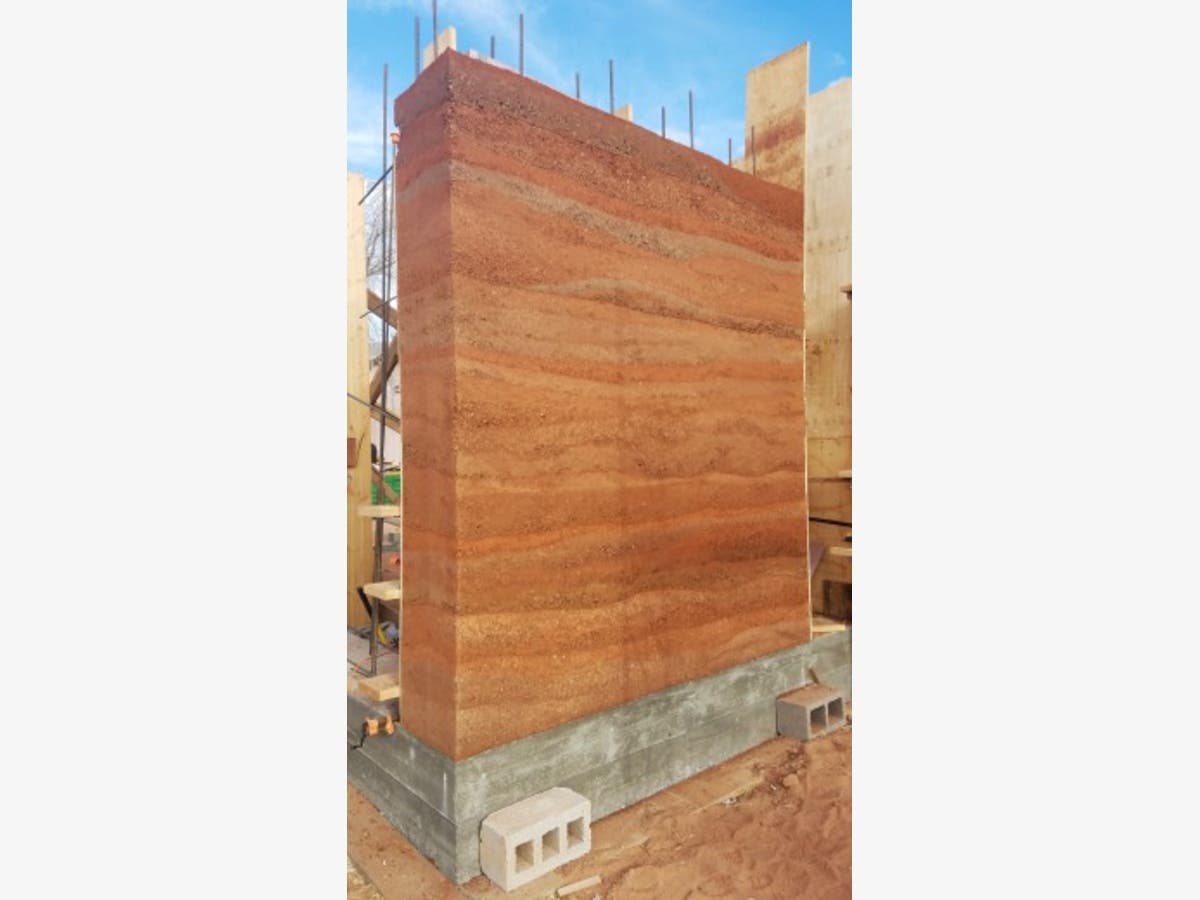
Earth Wall Builders Unite!
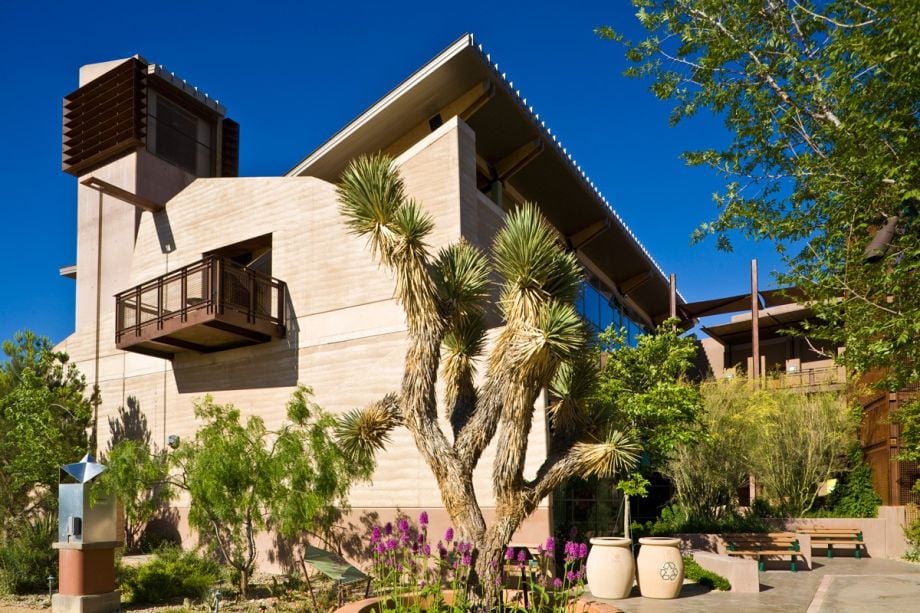
Rammed Earth Fits Into Urban Architecture’s Sustainable Future
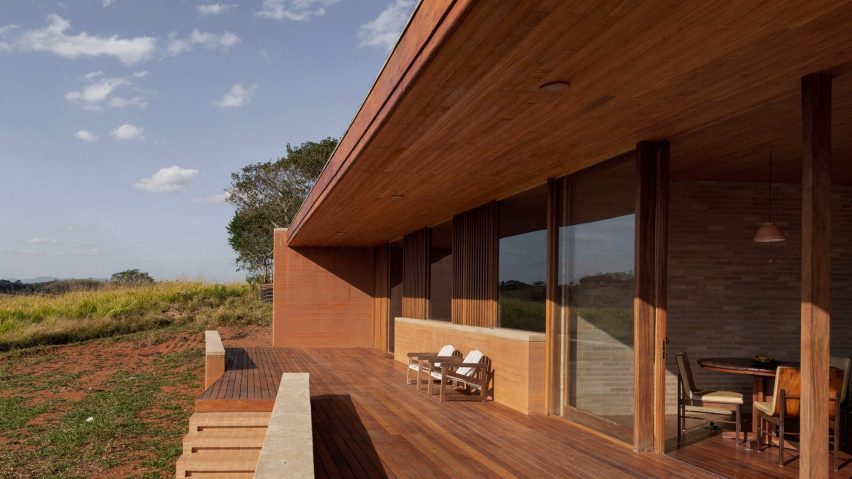
Eleven rammed-earth buildings from around the world
The future of sustainable building materials

We Predict 2025 Will Be Our Celestial-Chic Decor Era

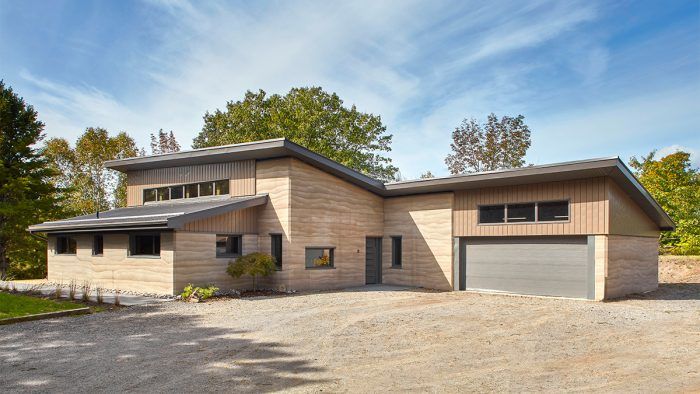
Rammed Earth Construction

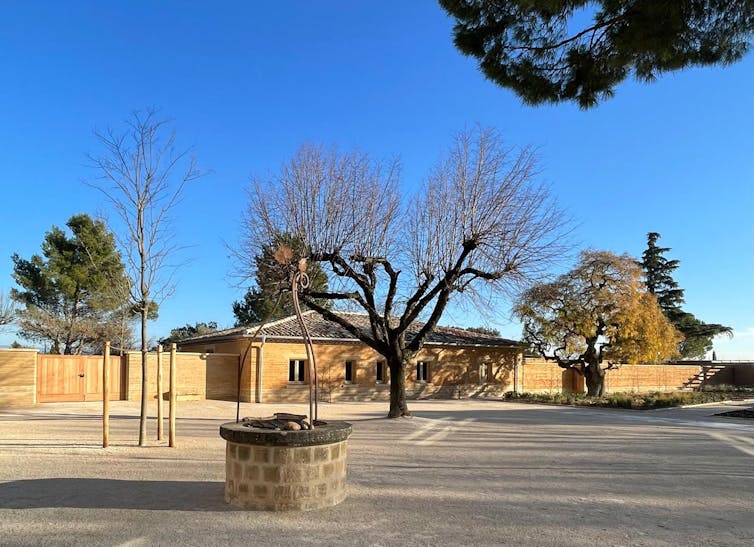
Building with earth could transform sustainable construction – here’s how

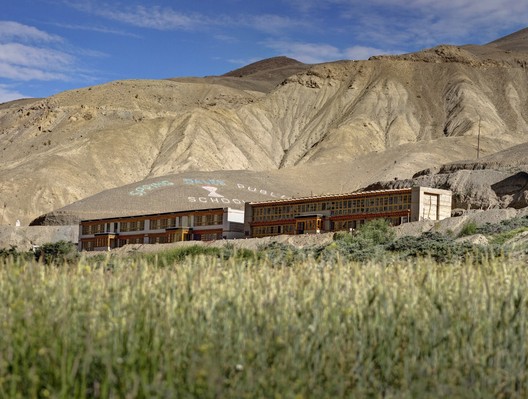
How Rammed Earth Walls Were Given a New Lease of Life in Vernacular Himalayan Buildings
5 reasons why floating development is set to take the world by storm

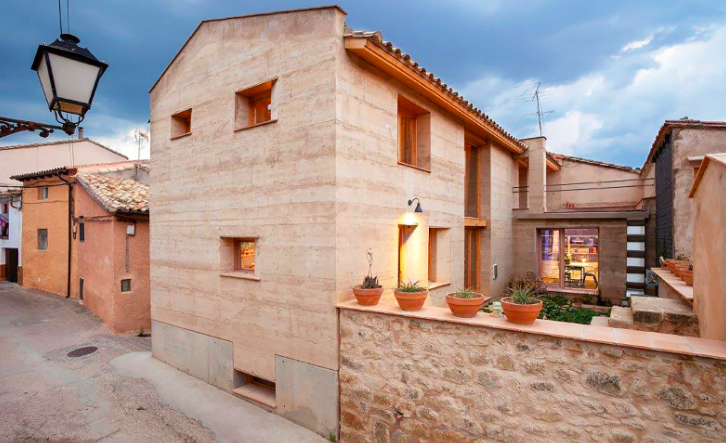
Are rammed earth buildings the new way forward?


Earth Day 2025: Biophilic Design, Modular Multifunctional Furniture And Other Sustainable Home Trends That Are Here to Stay
Rammed Earth House

Why We're Embracing Earthy Decor In 2023, According To An Expert
Rammed Earth: Creating a 500-Year House
The Tile Designers Can’t Wait to Use in 2025

7 Earth-based Solutions For Building Closer to Nature
5 Concrete Technologies to Reduce Carbon Footprint