Paving, Japanese Style
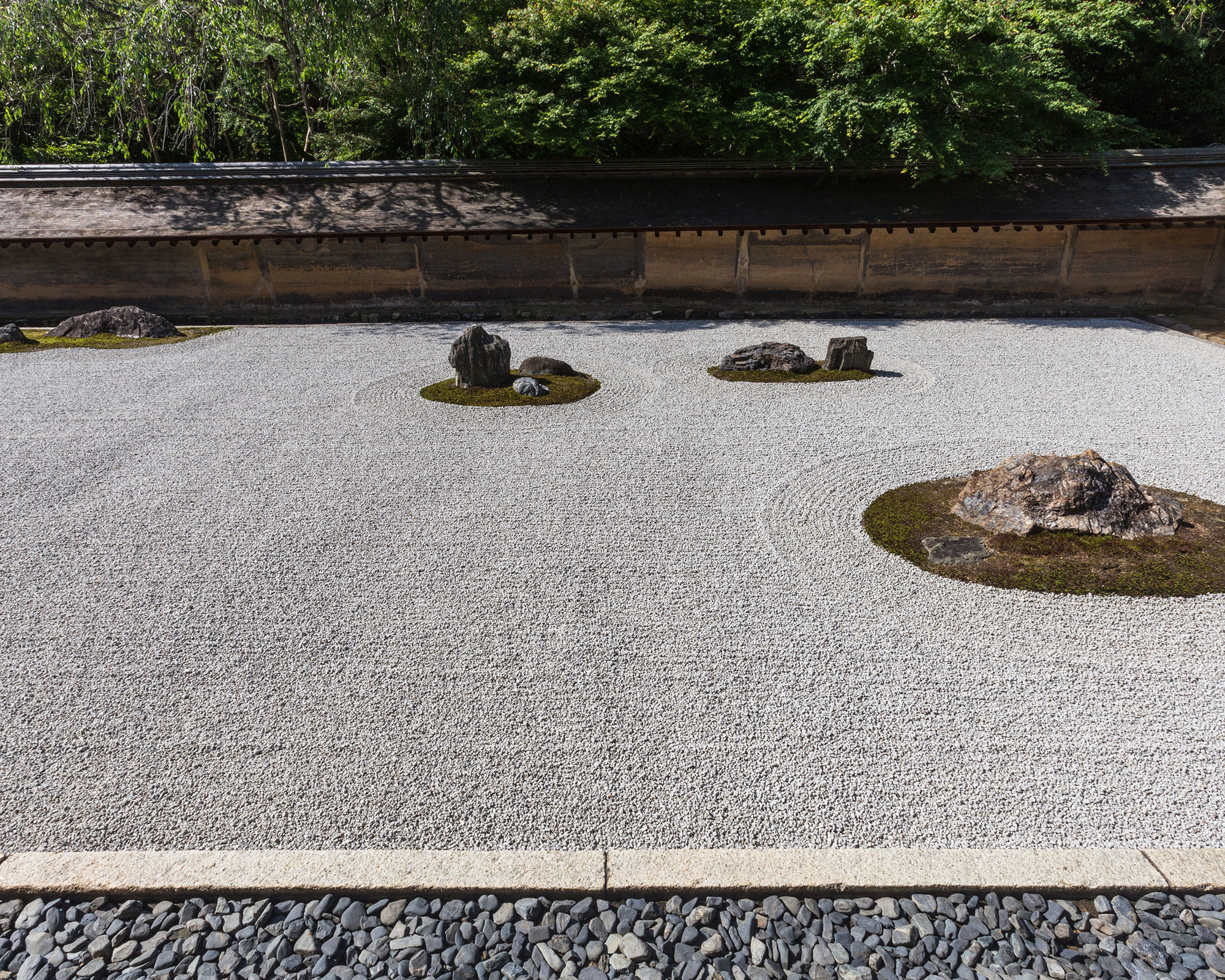
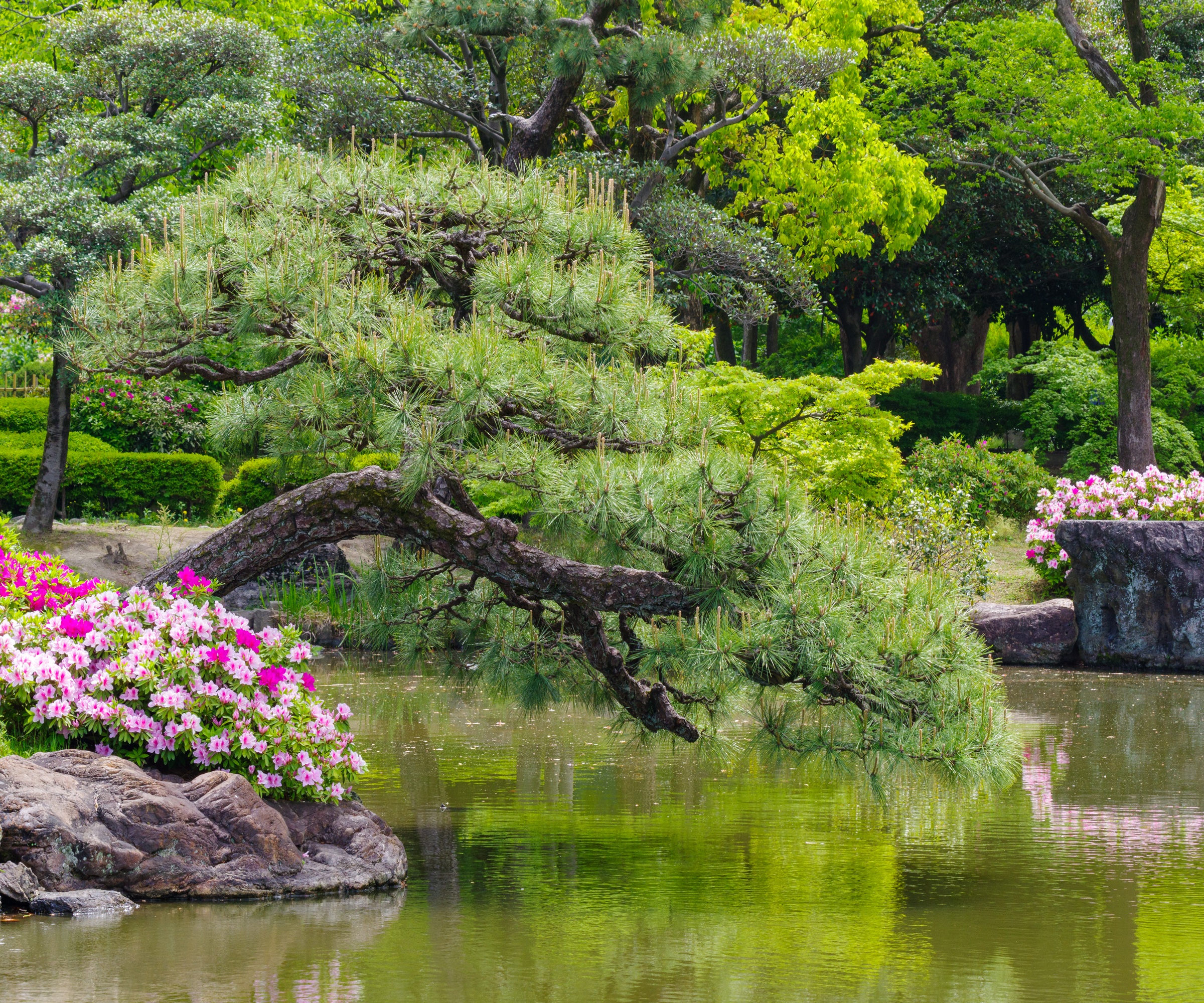
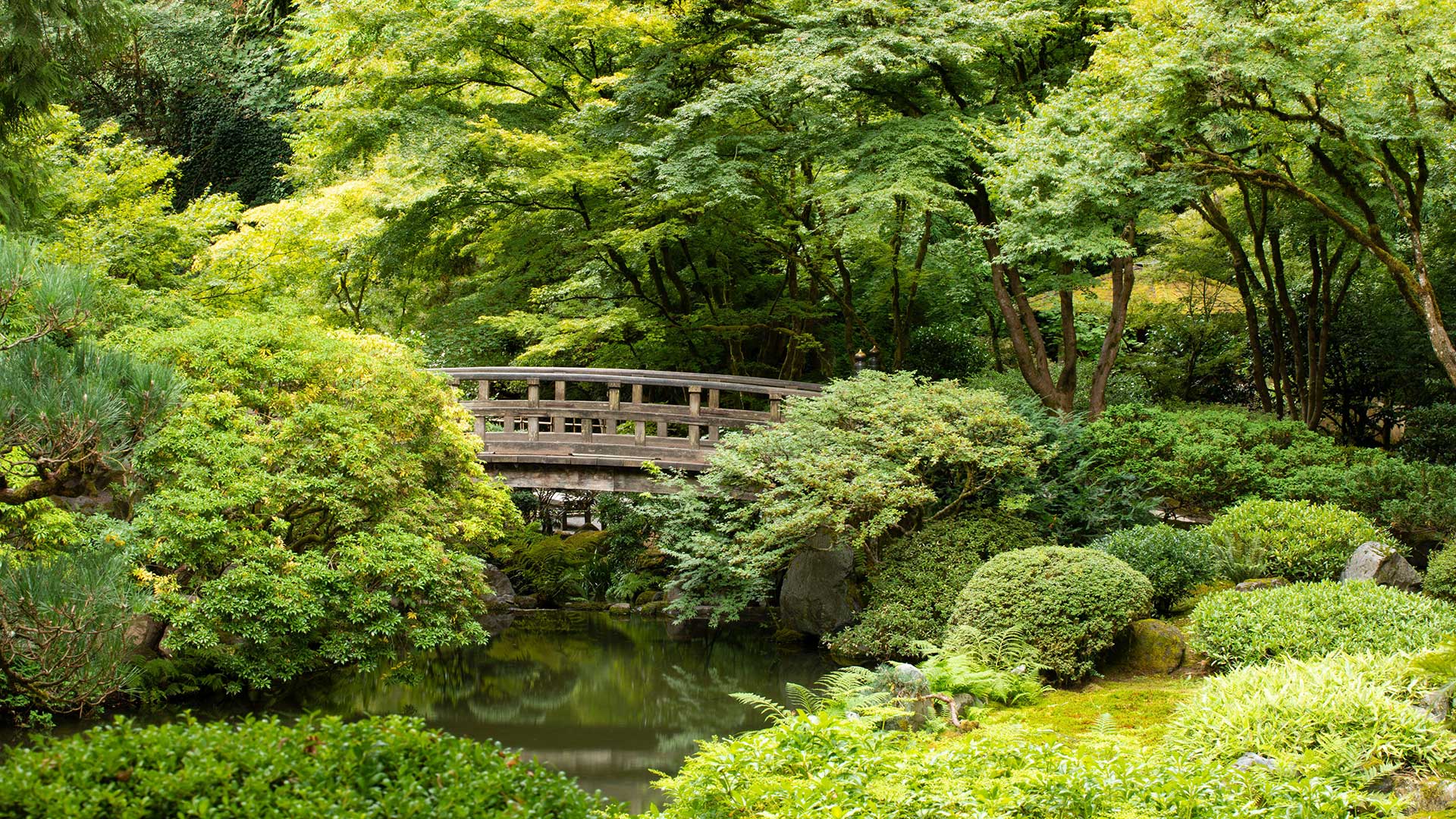
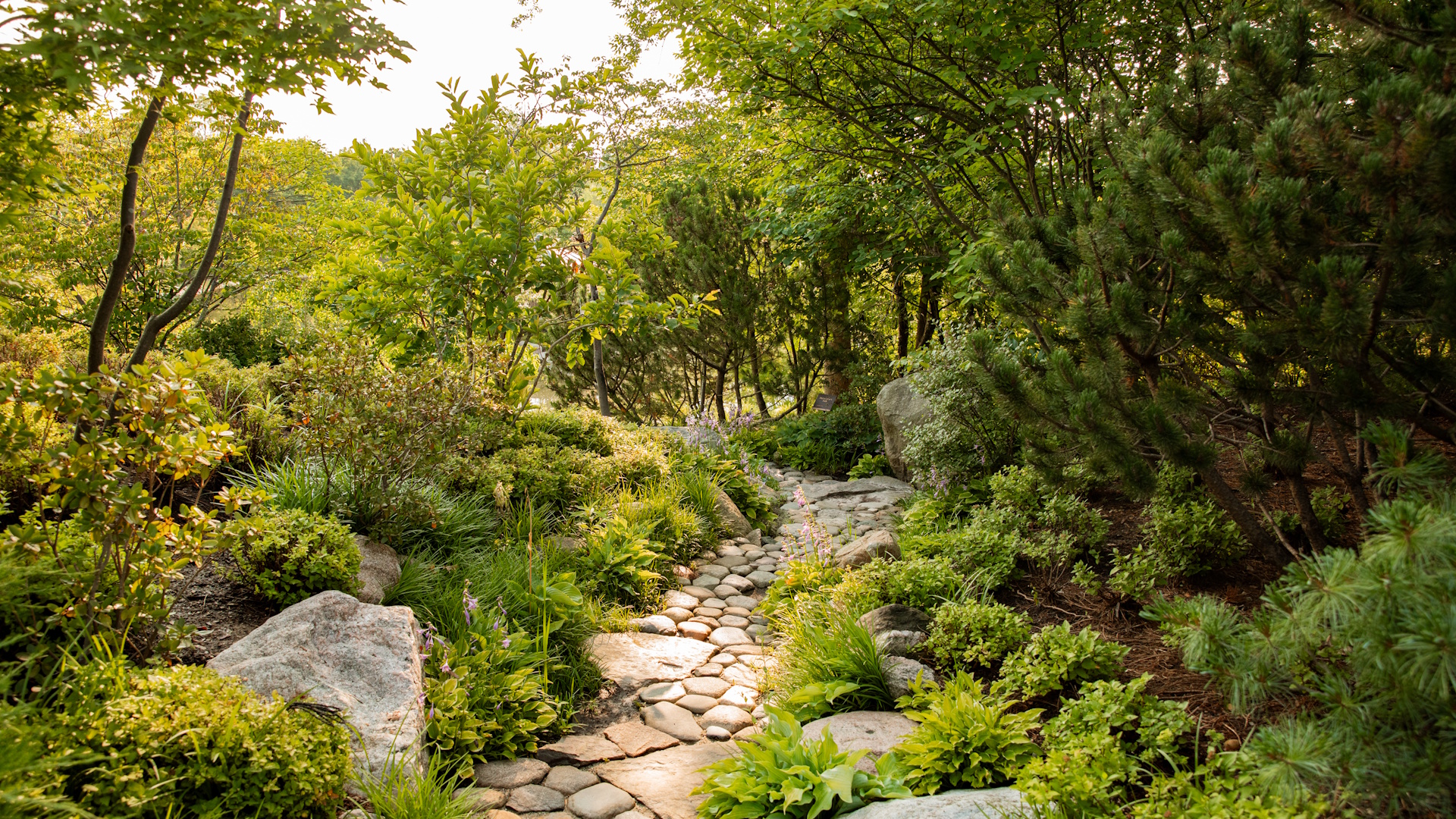
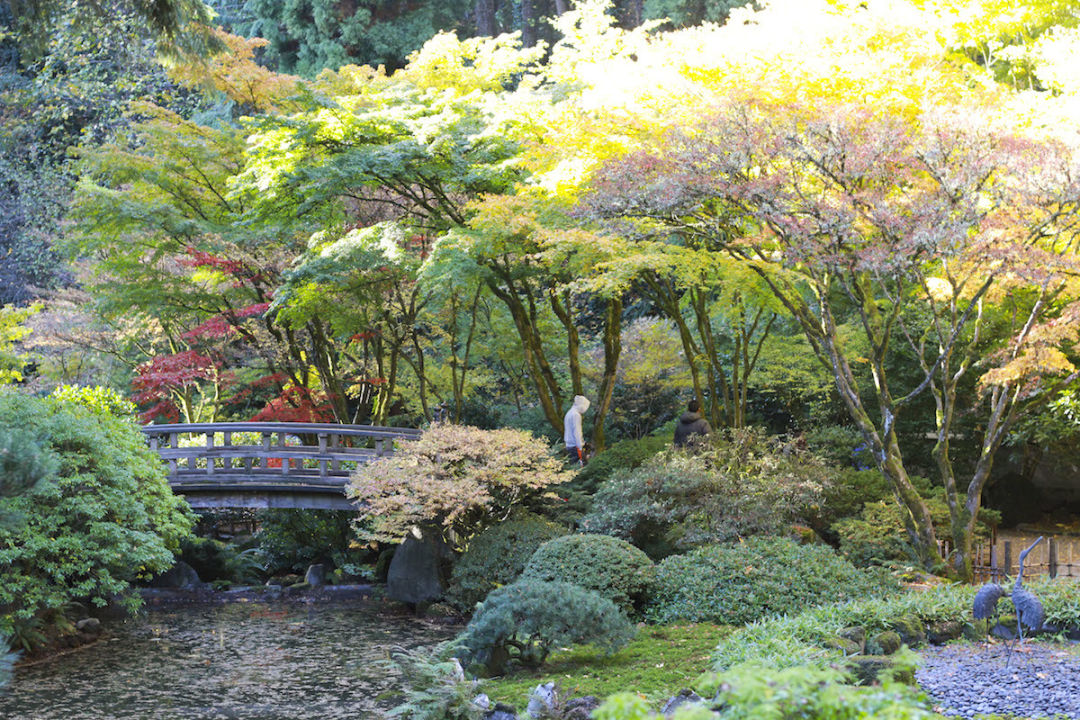
The Portland Japanese Garden, a significant cultural landmark in the West Hills, offers a unique and practical source of inspiration for home garden design, particularly concerning paving patterns. While often visited with guests, the garden's intricate details, such as its diverse paving, can be overlooked. The garden serves as a real-world catalog of beautiful and varied paving designs achieved with a limited selection of materials. In 2013, the garden celebrated its 50th anniversary with an expanded schedule of special events, providing additional reasons for locals and tourists alike to explore its offerings.
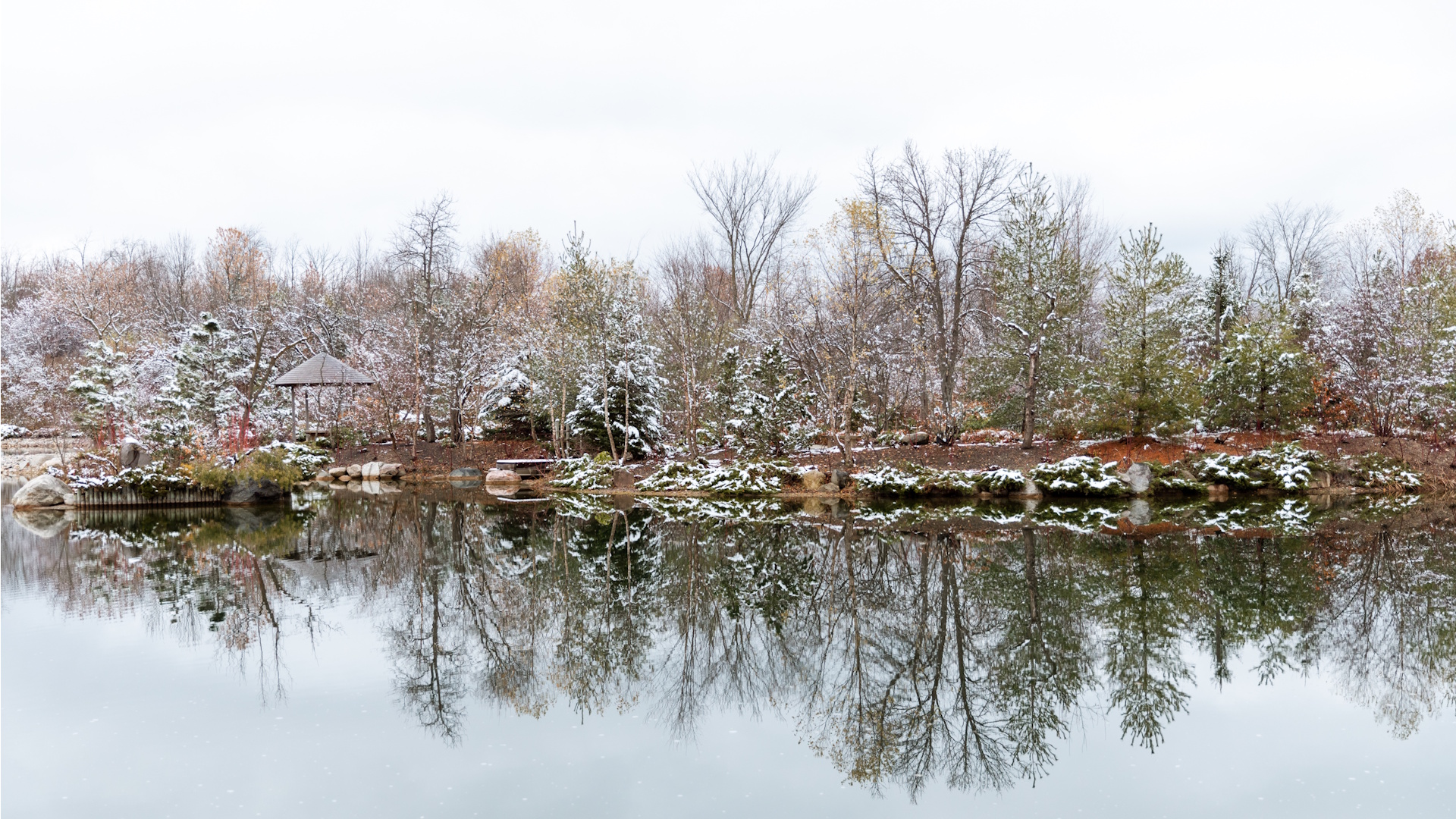
At a practical level, the Japanese Garden provides valuable lessons for individuals seeking to enhance their home gardens. During the colder months, when many gardens are less vibrant, the garden offers welcome inspiration. The article highlights upcoming series of visits to the garden to delve into various aspects, including classes, exhibits, and fence designs. A particular focus is placed on the garden's remarkable paving patterns. While appreciating the garden's overall aesthetic is crucial, examining the individual components like paving offers a deeper understanding of its design principles.
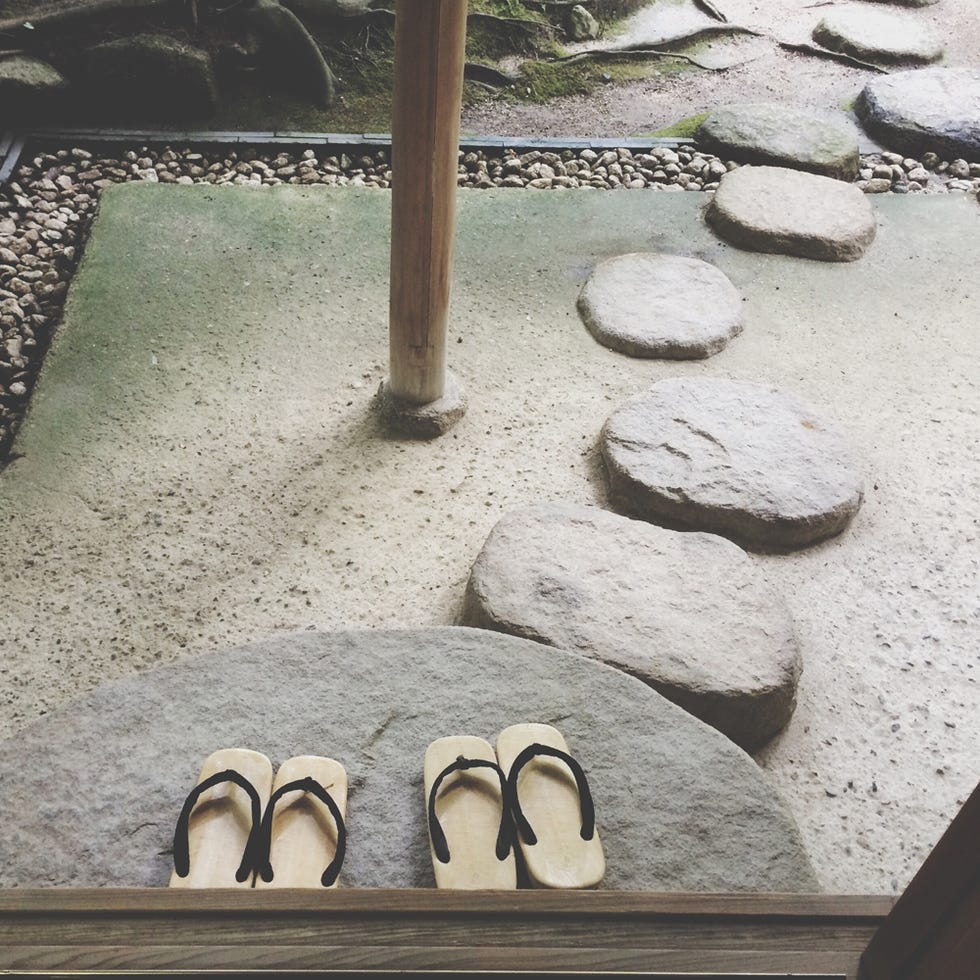
Traditional Japanese gardens incorporate two primary styles of stone paths: _tobi-ishi_ (stepping stones) and _nobedan_ (stone carpet). The garden planned to host a two-day workshop in September on constructing a _nobedan_ stone pathway, led by Garden Curator Sadafumi Uchiyama and Head Gardener Michael Kondo. Reservations for this workshop were scheduled to open on August 27 for the session taking place on September 21-22. Prior to this workshop, a special tour was conducted by Uchiyama himself, accompanied by gardening staff members Adam Hart and Desirae Williams, specifically to highlight the nuanced details of the garden's paving.
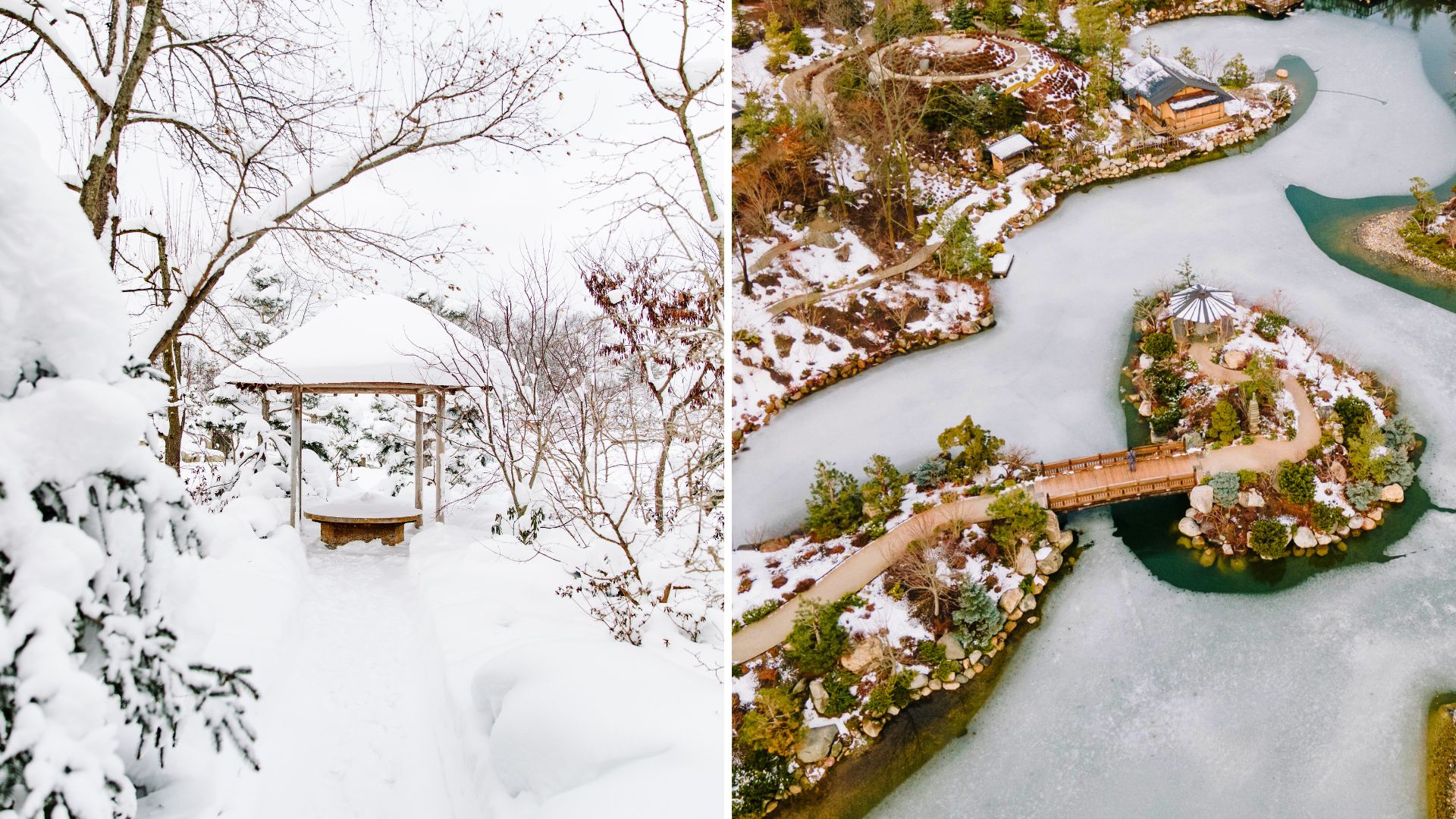
The article encourages readers to view an accompanying slide show to experience this detailed tour of the paving, observing the elements that the gardening experts emphasized during a winter visit. This approach allows visitors to appreciate the subtleties and artistry embedded in the garden's construction, offering tangible ideas and techniques that can be adapted for personal use in home landscaping projects. The Japanese Garden, therefore, functions not only as a place of beauty and tranquility but also as an educational resource for garden enthusiasts.
#JapaneseGarden #GardenDesign #PavingPatterns #HomeGardening #PortlandOregon #LandscapeInspiration #StonePathways #CulturalLandmark #JapaneseGarden #GardenDesign #PavingPatterns #HomeGardening #PortlandOregon #LandscapeInspiration #StonePathways #CulturalLandmark
0 Kommentare insgesamt
 Noch keine Kommentare
Das könnte Ihnen auch gefallen
Japanese garden ideas – 11 design tips for a zen backyard


Dual native-filled courtyards form the centrepiece of this new Japanese-style build


A look back at The Block’s best-ever backyards
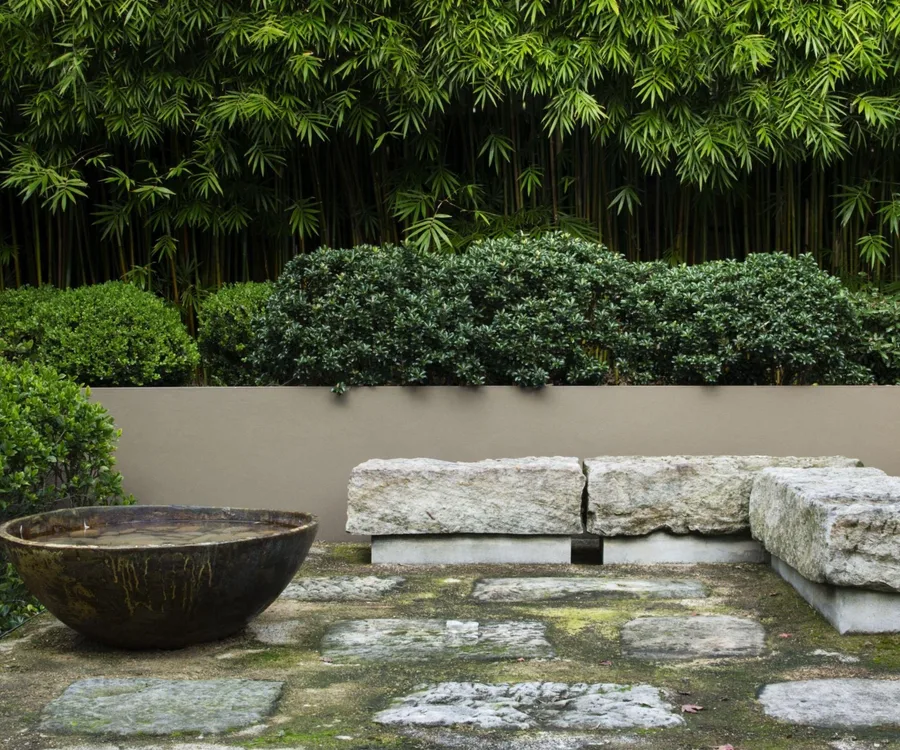
7 Japanese-style gardens to inspire and delight
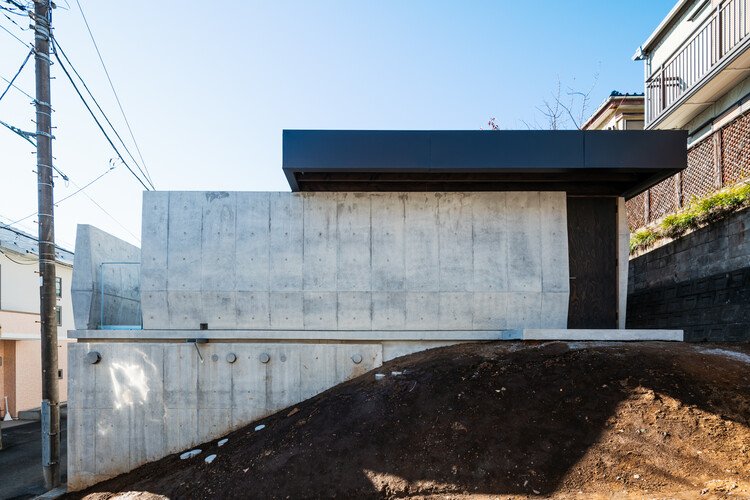
House in Tama / Cheng Hao Chung Architect

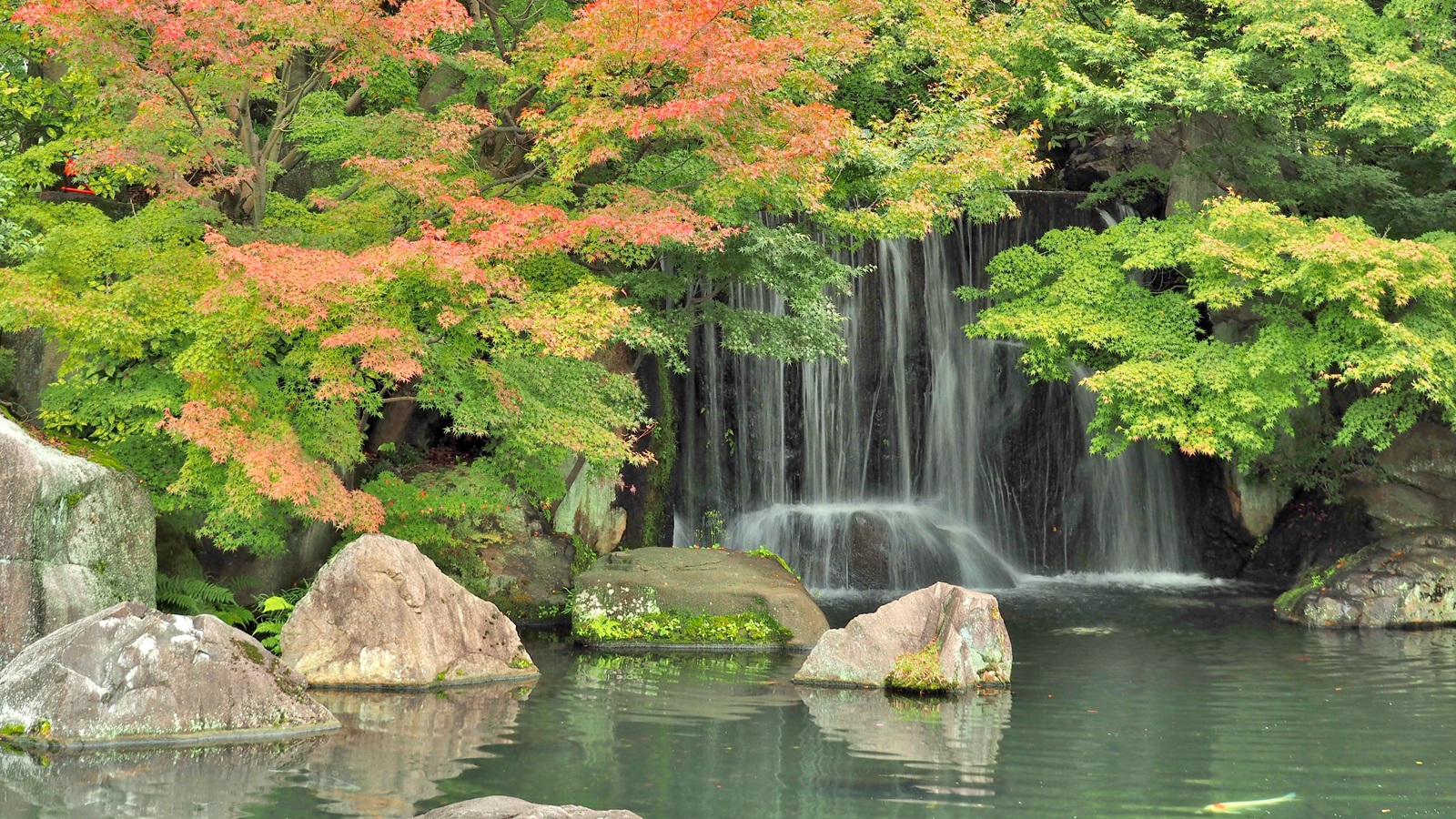
Garden Pros Say This Japanese Design Idea Is the Secret to an Easy Yard
Playful paving


See the Mesmerizing Interlocking Geometric Patterns Produced With This Ancient Japanese Woodworking Technique

Arakabe clay plaster by Clayworks
t-square design associates adds a transitional corridor linking a japanese house to nature
A Japanese Design Inspired Pied-à-Terre in the Heart of Hong Kong

Japanese garden ideas – 10 ways to create a soothing space, with advice from the experts


Bringing Out Luxurious Japanese Design


Bonsai: Seating Inspired by Japanese Culture
Experts reveal how to plant a Japanese-inspired garden

Michigan’s Slice of Japan: Where Design Connects Humanity with Nature

takao shiotsuka atelier connects the floors of SJ building in japan via outdoor concrete ramp
7 Japanese Garden Ideas That Channel the Elements of Nature to Make Your Outdoor Space Feel Serene


Tour 5 Japanese-Inspired Modern Homes That Embody Contemporary Elegance

In a Japanese garden, you’re never under the weather