1/2
Kitchen remodel: What it really costs, plus three ways to save big
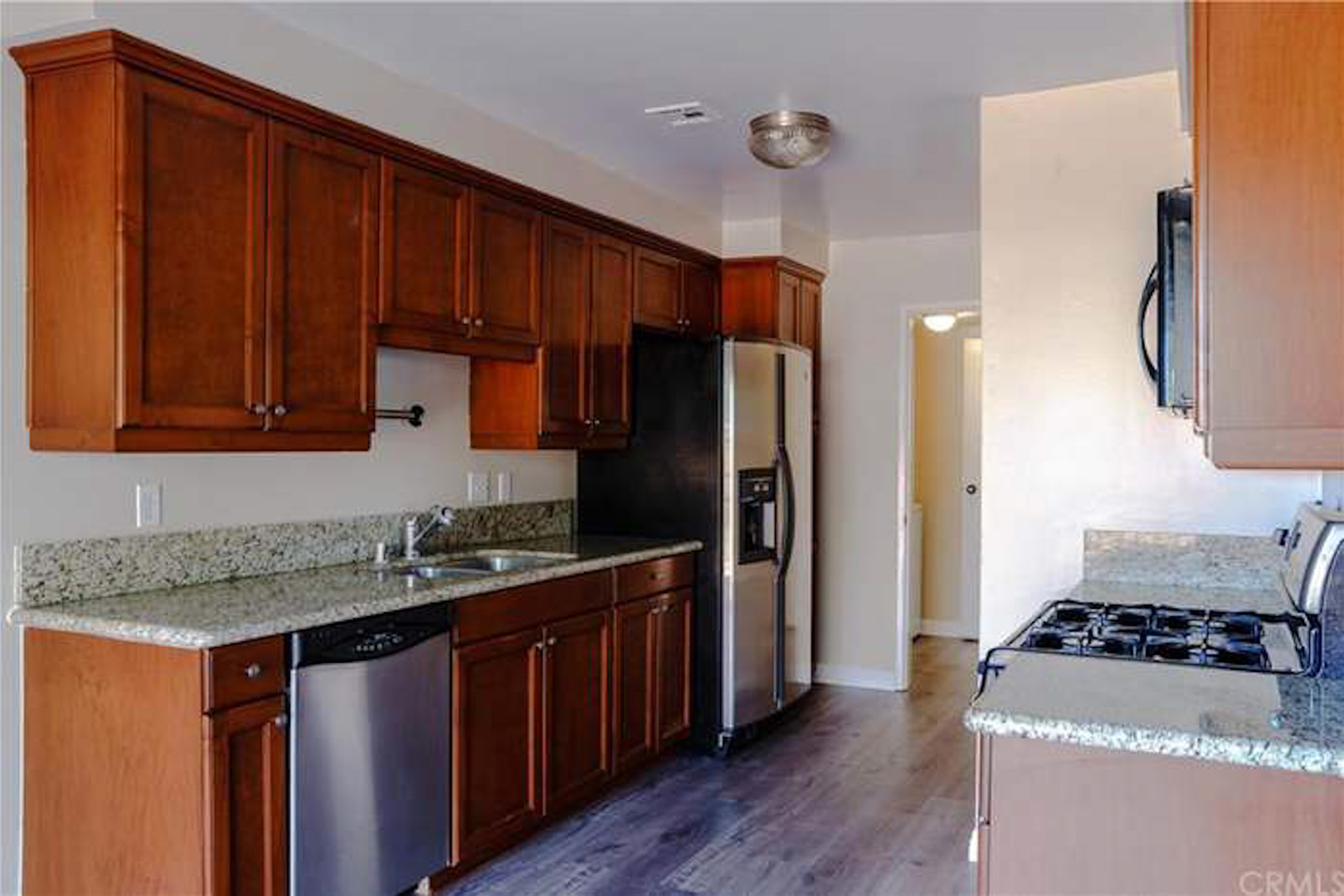
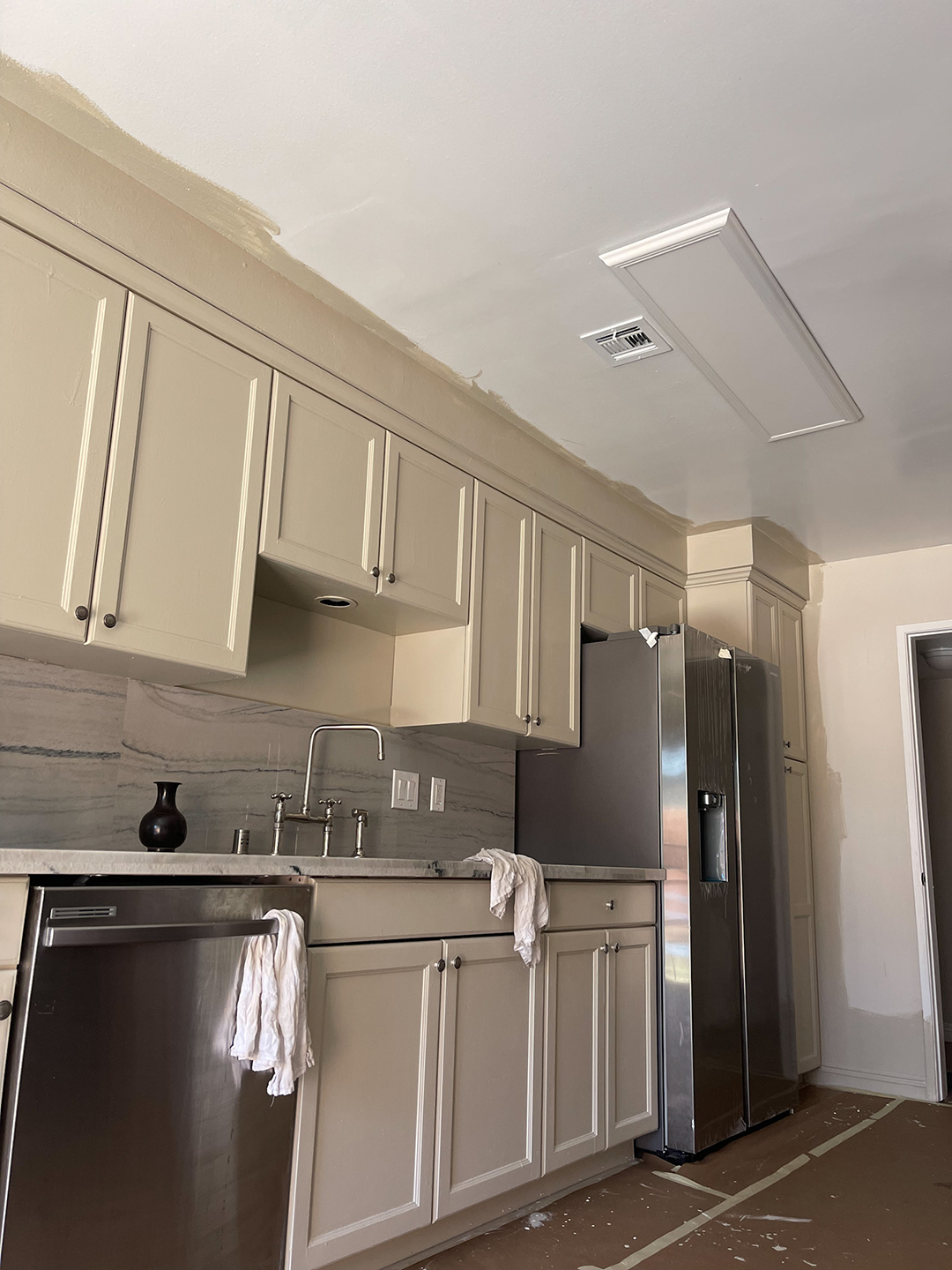
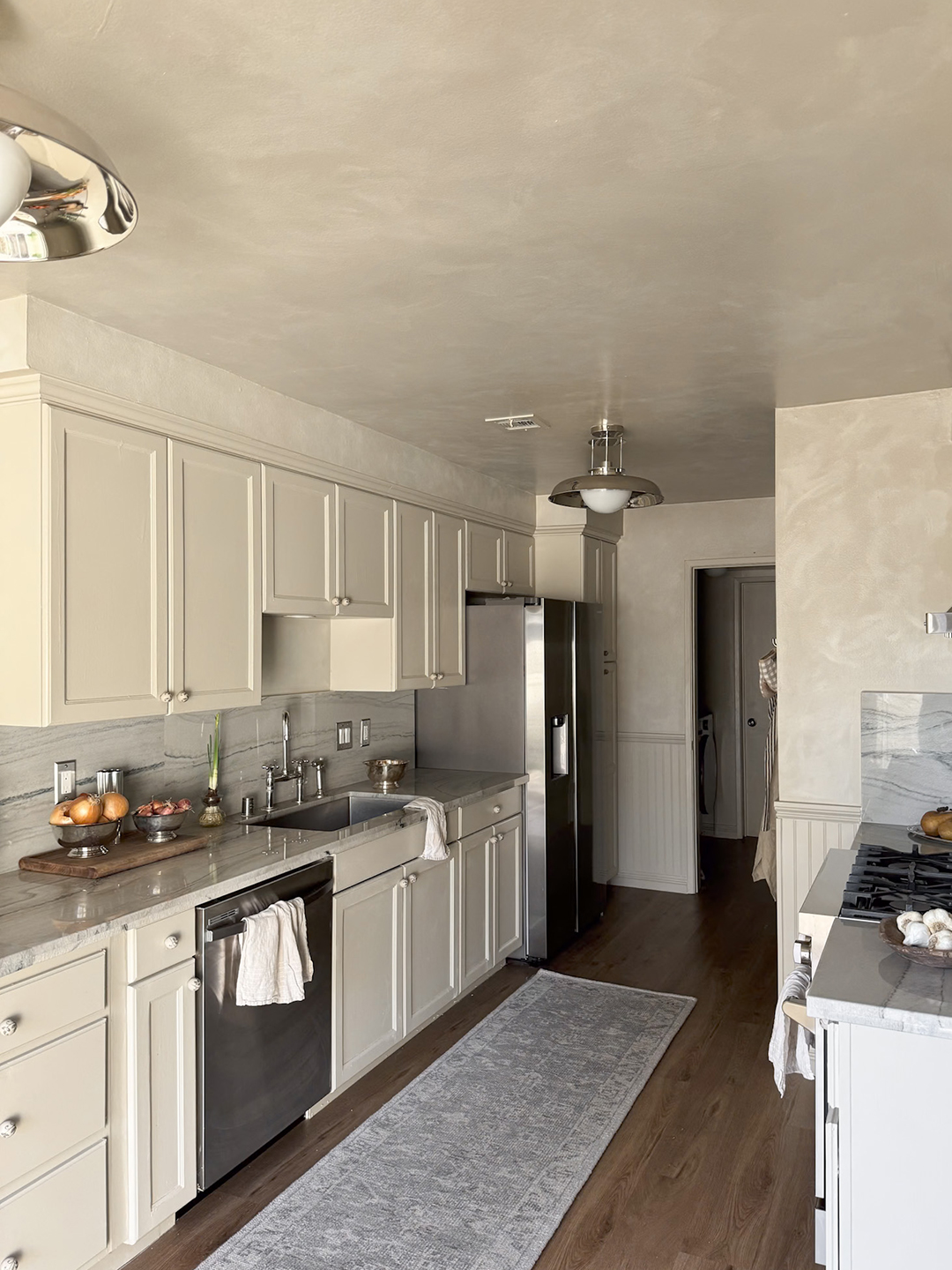
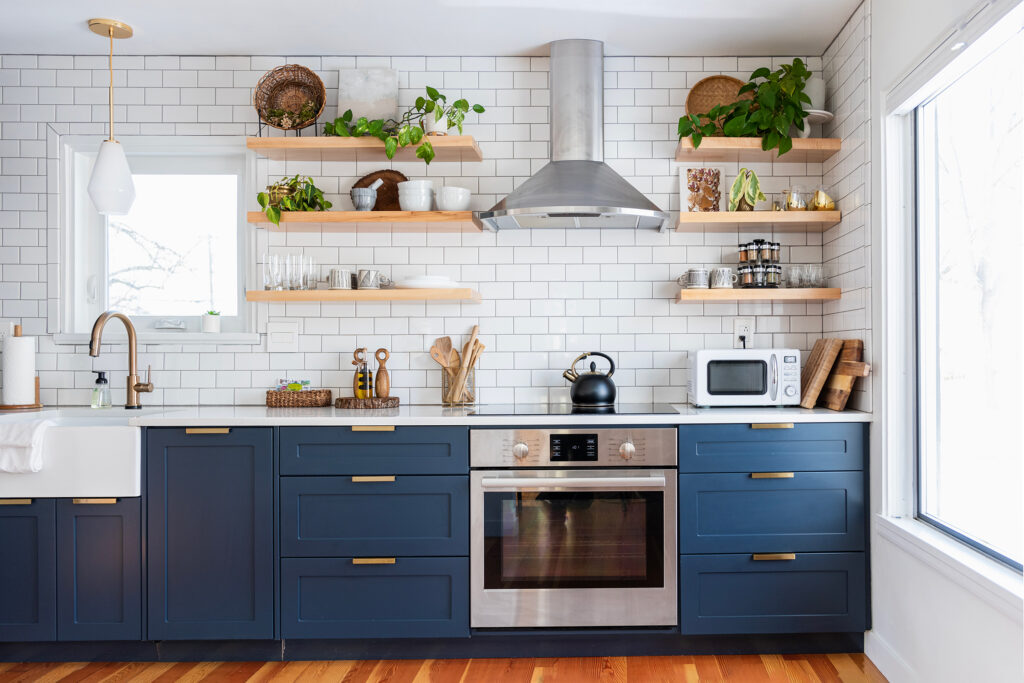
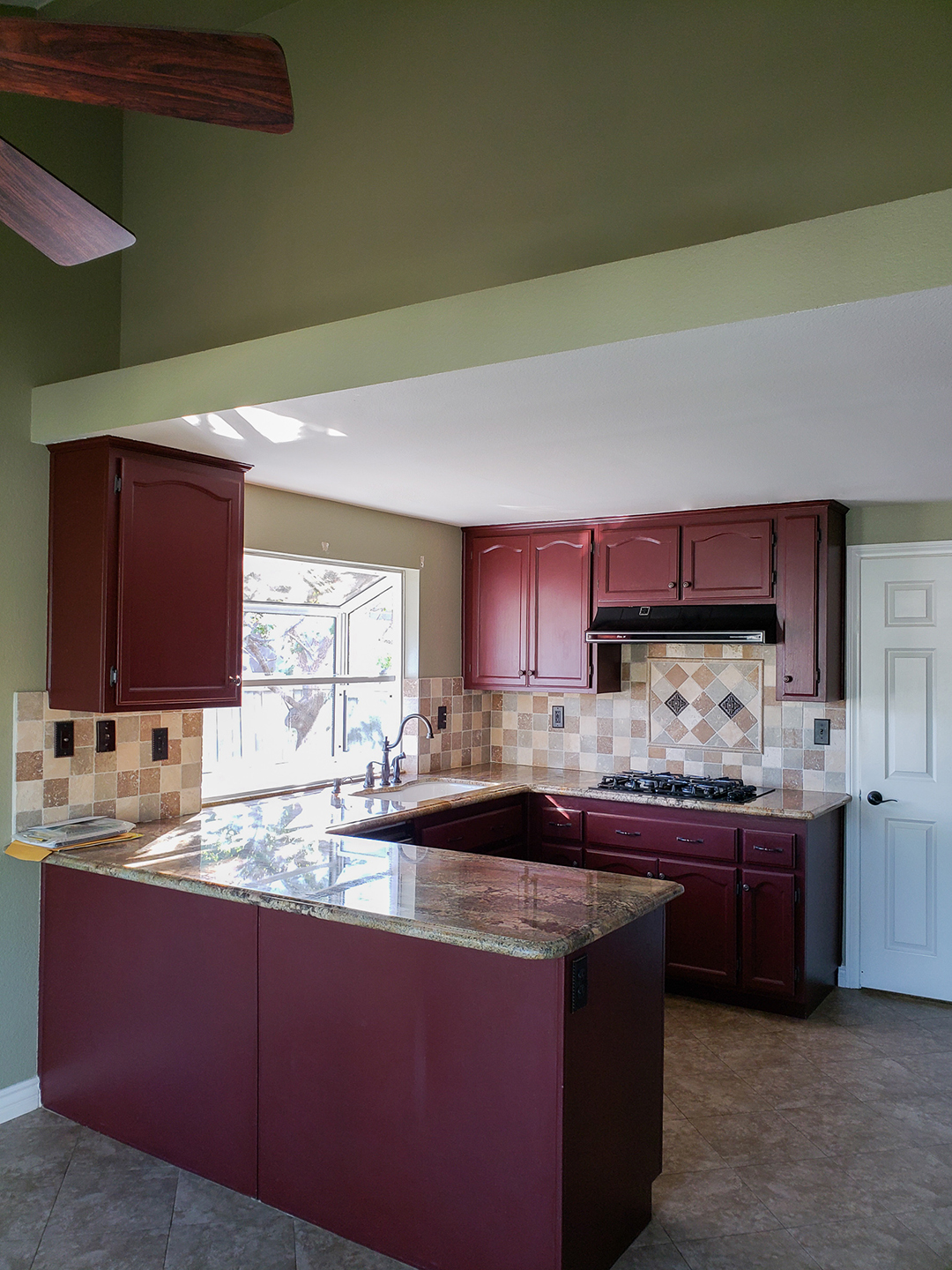
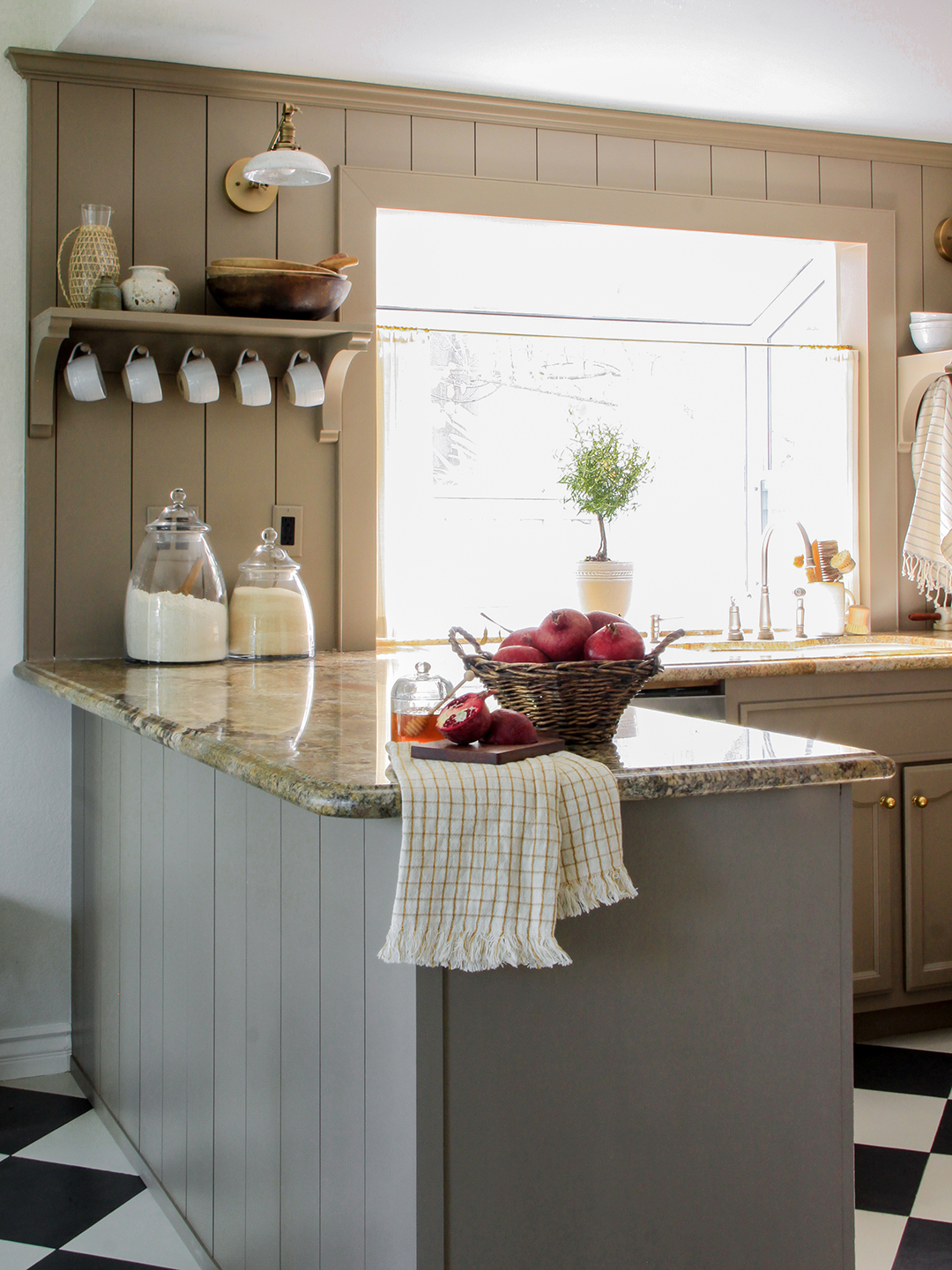
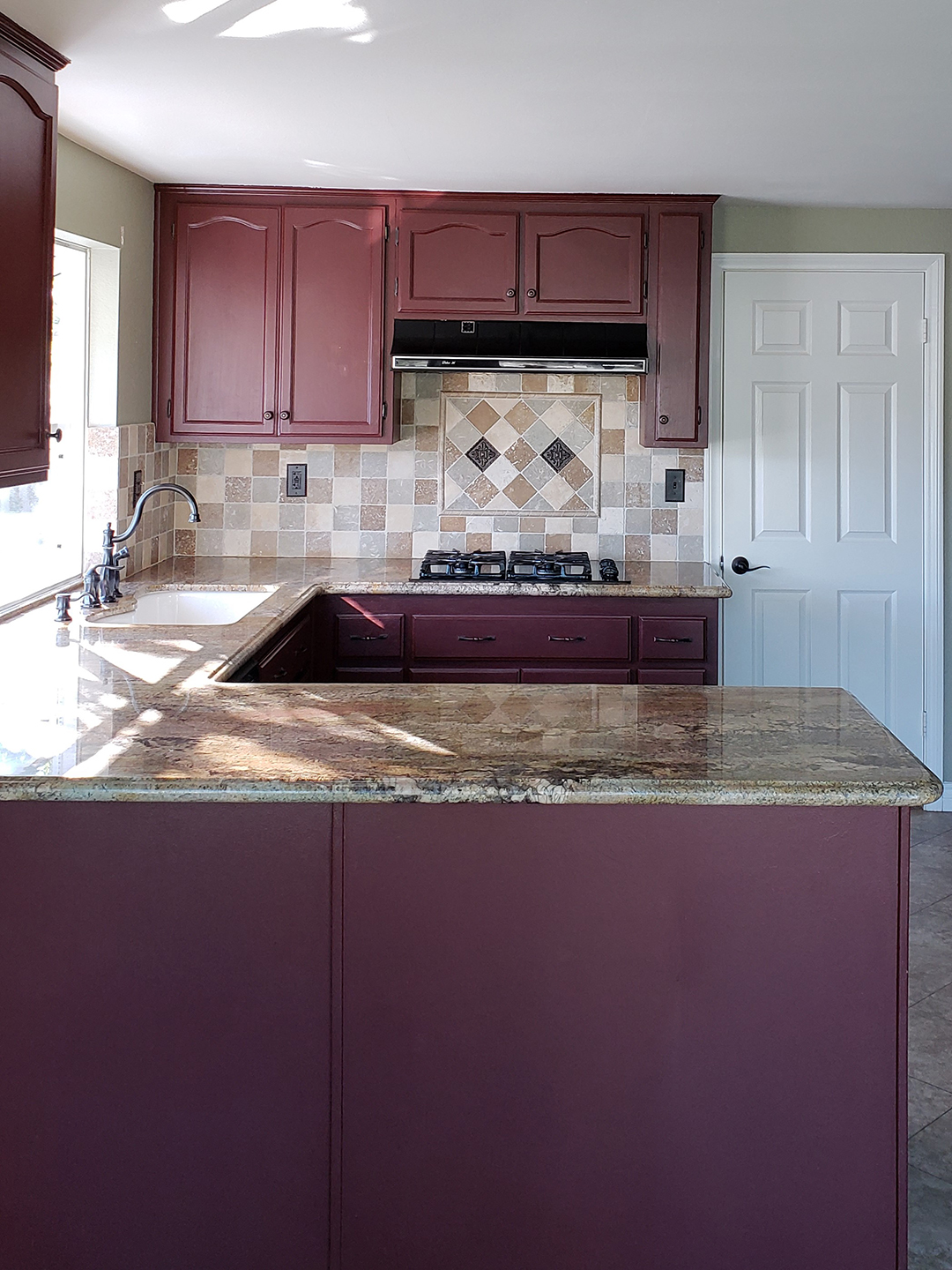
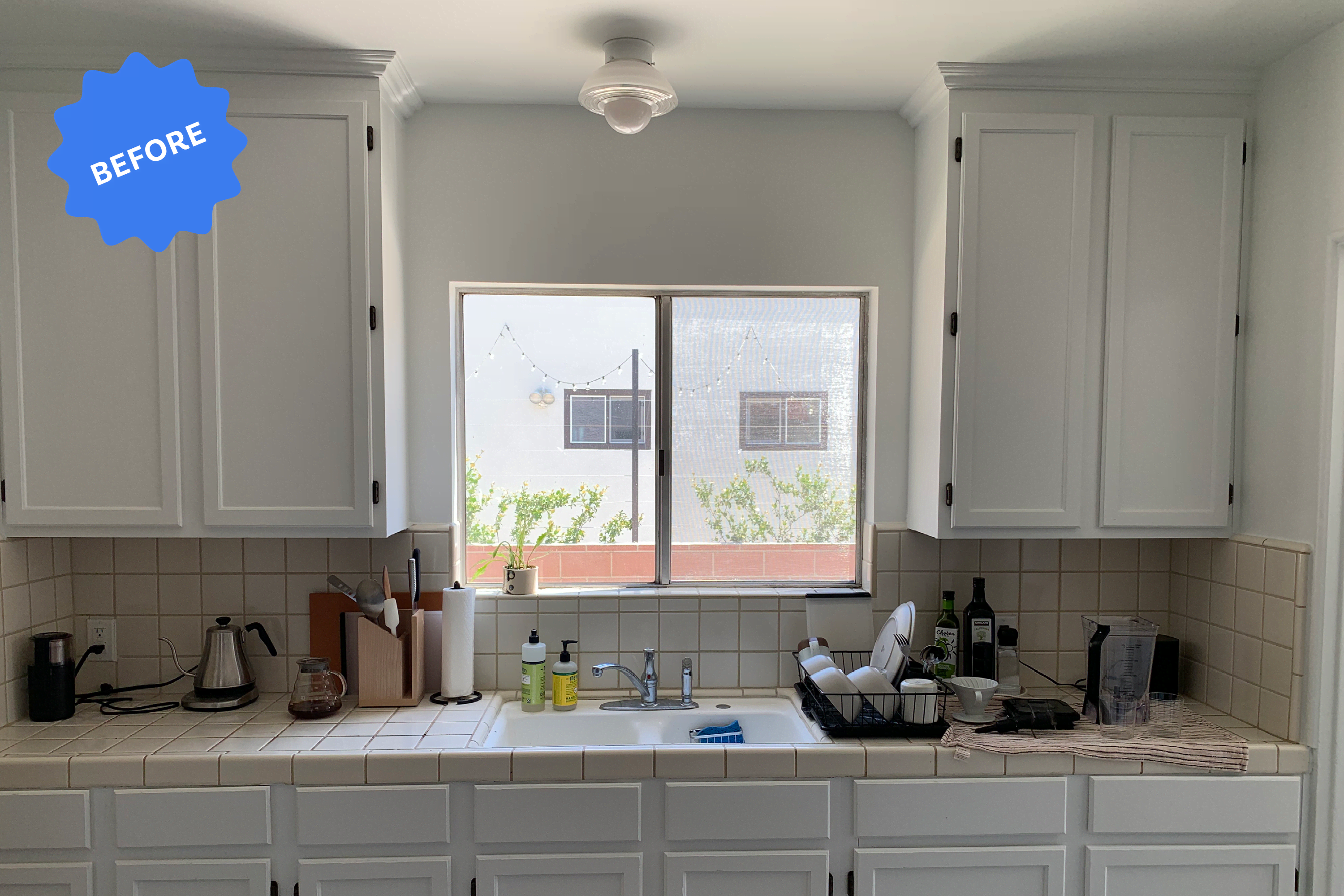
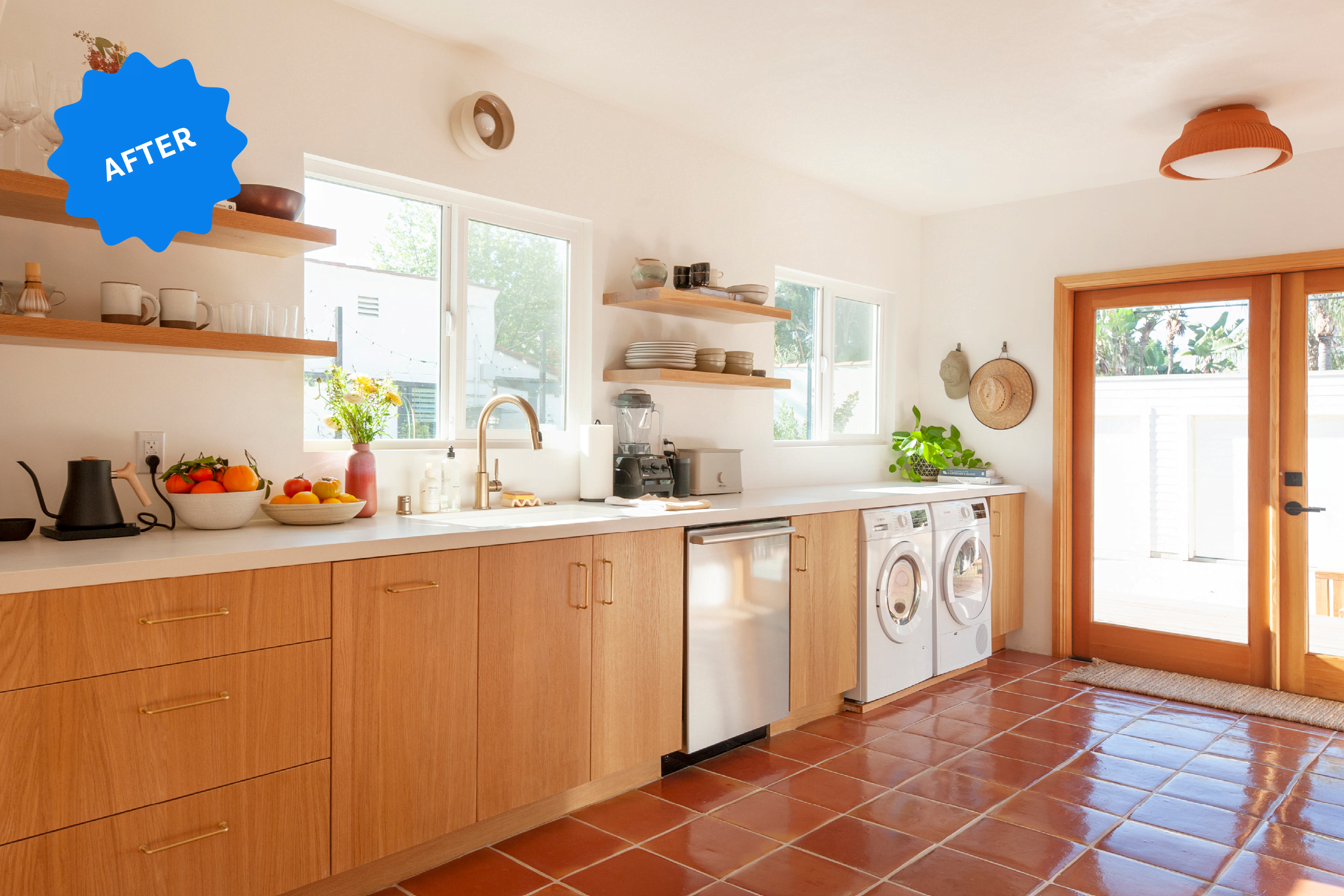
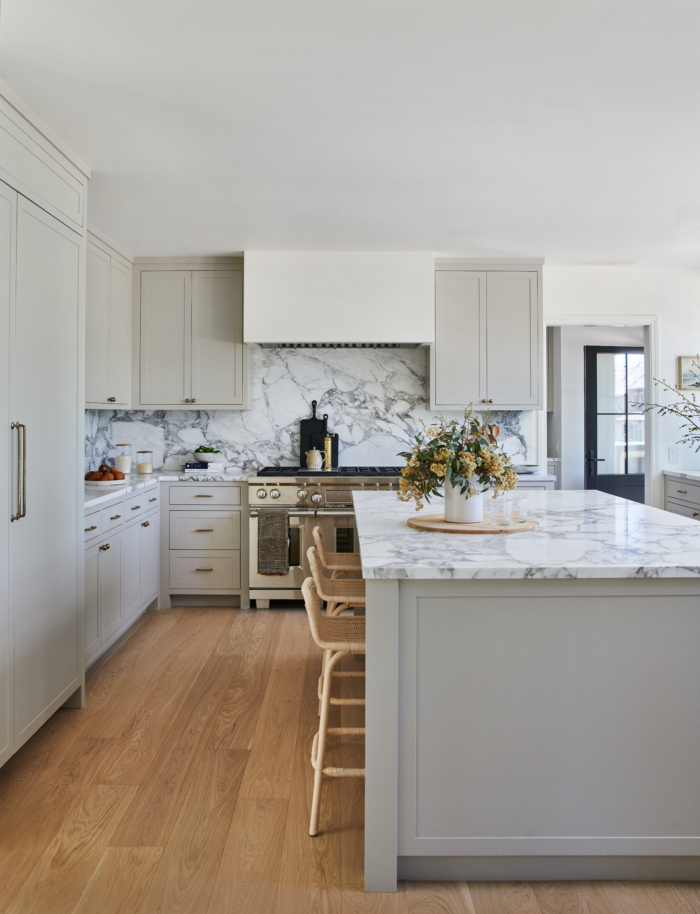
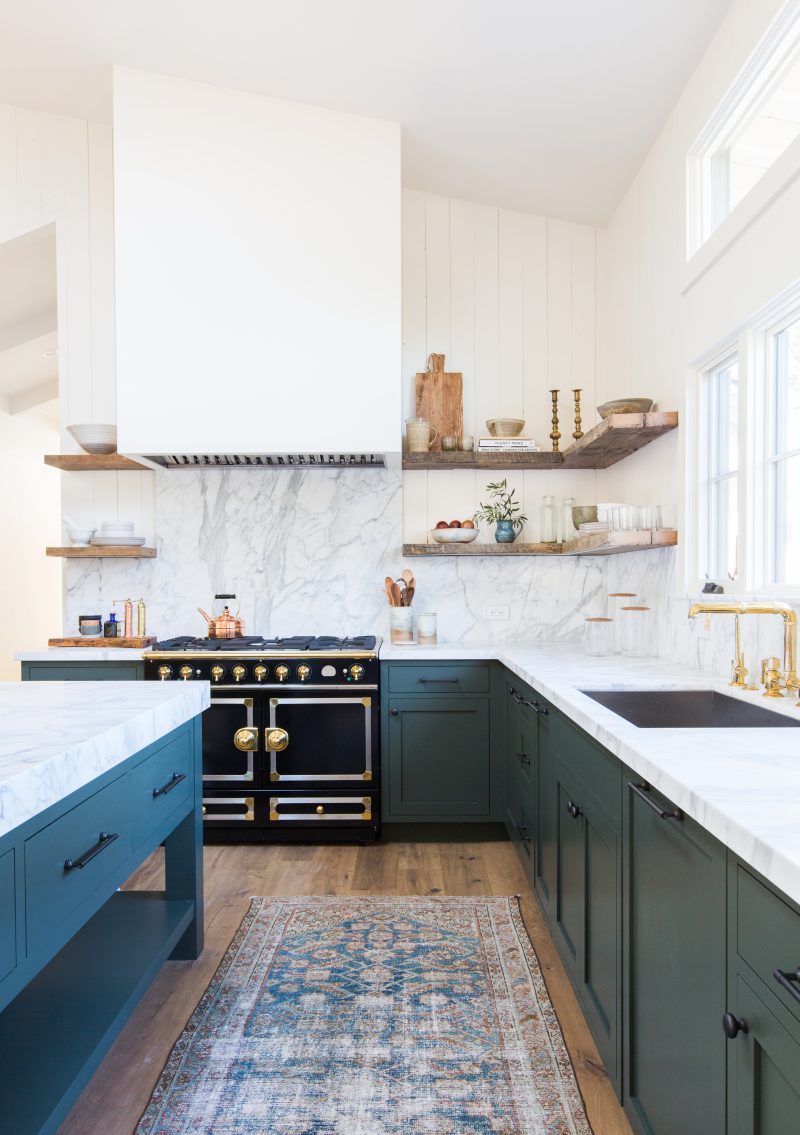
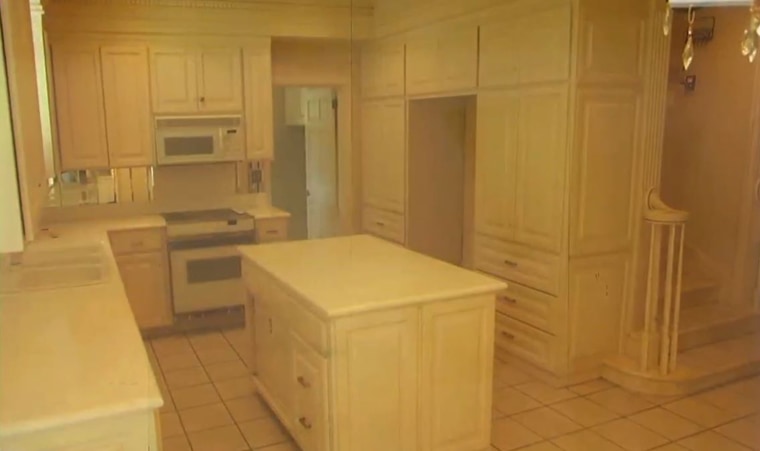
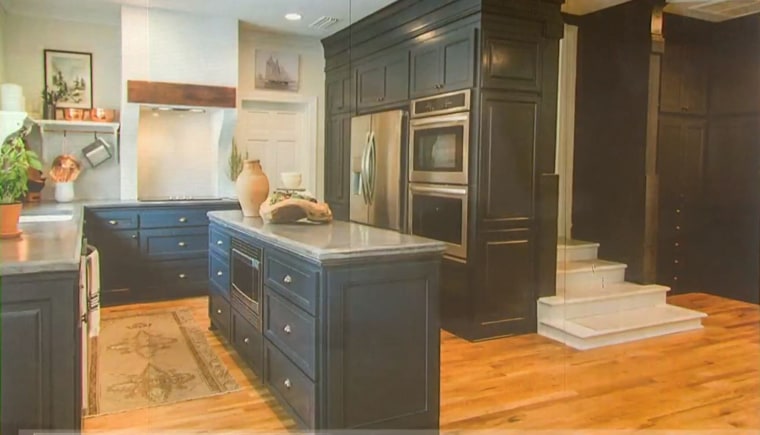
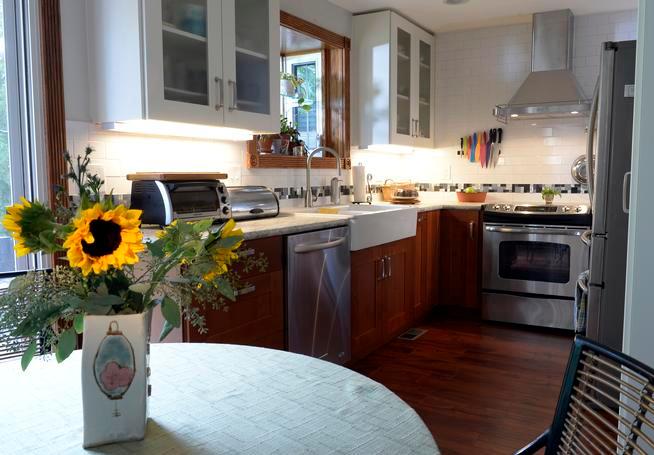
The aspiration for a new kitchen is a common desire among homeowners, but the financial realities often present a significant hurdle. This article delves into the true costs associated with kitchen remodels, highlighting a personal experience of a remodel costing around $22,000, a figure considerably lower than the $54,394 average for a midrange kitchen remodel in Denver, as reported by Remodeling.com’s 2014 Cost vs. Value report. The article emphasizes that design magazines and renovation television shows frequently showcase kitchens with budgets far exceeding what most homeowners can afford, creating unrealistic expectations. These portrayals often feature kitchens costing upwards of $50,000 to $70,000, leading to a disconnect between inspiration and practical budget planning.
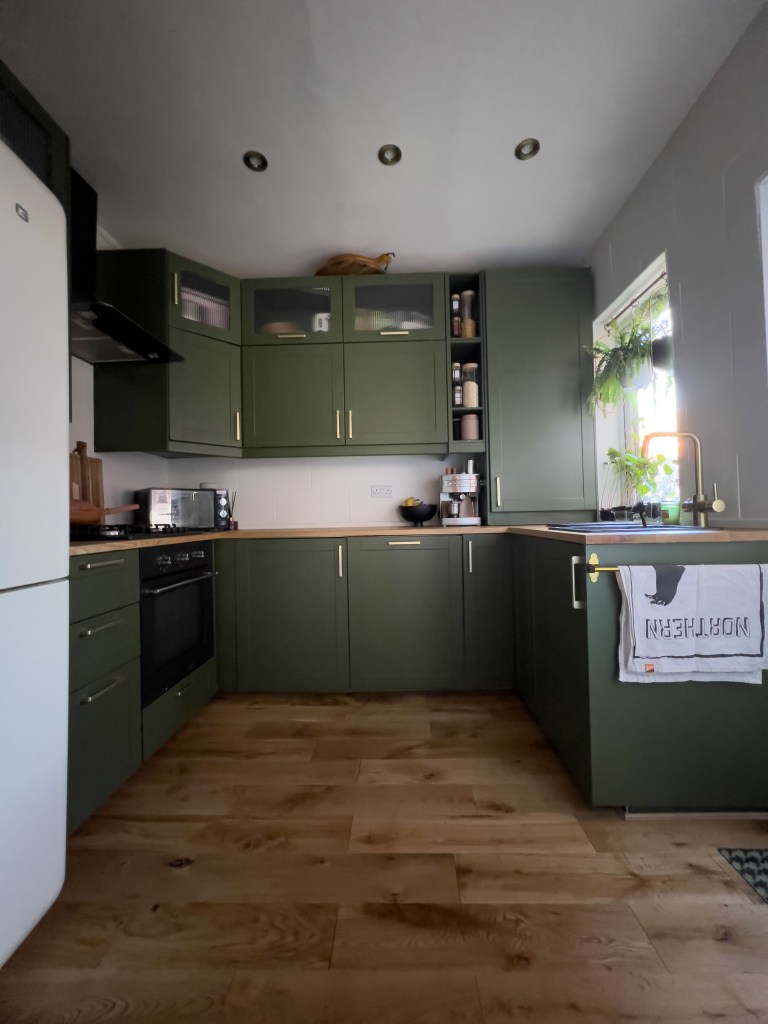
Budget transparency is identified as a critical factor in any remodeling project. Kitchen designers often encounter clients who develop extensive wish lists without a clear understanding of the associated expenses, resulting in plans that exceed their financial comfort zones. The article stresses that there is no shame in pursuing scaled-back designs or adhering to a modest budget; the primary objective should be to achieve a result that satisfies the homeowner within their financial constraints. Furthermore, the perceived affordability of certain options, such as Ikea kitchens, can be misleading. While Ikea's base cabinet prices might appear low, the fine print reveals that these figures typically exclude essential components like countertops, appliances, lighting, flooring, tile work, sinks, faucets, and even hardware like knobs and handles. The average cost for an Ikea kitchen, once all these elements are factored in, can escalate significantly, often reaching around $25,000.
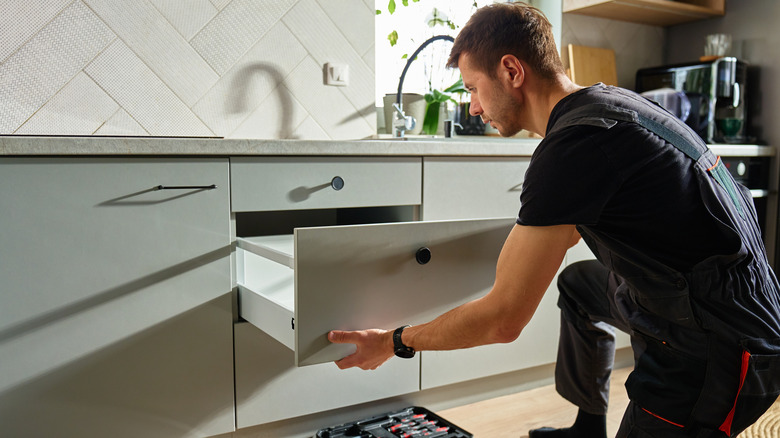
Several hidden costs and often-overlooked expenses contribute to the final bill of a kitchen remodel. Labor costs are a significant component, with delivery, assembly, and installation services from vendors like Ikea potentially doubling the initial cabinet expenses. The article also advises caution regarding contractor bids, suggesting that the lowest bid might not always be the best, as some contractors may underbid to secure a project and then recover costs through change orders or subpar work, necessitating additional expenses for correction. Structural changes, such as removing walls to create an open-concept space, can incur substantial costs for engineering consultations and the installation of support beams and headers, potentially adding $10,000 to $12,000 to the budget. Moving existing kitchen fixtures also necessitates costly plumbing and electrical reconfigurations. Permits and adherence to local building codes add both financial cost and time to a project, though they provide assurance of safety and compliance. Unexpected discoveries during demolition, such as electrical wiring or plumbing issues concealed within existing structures, can lead to unforeseen expenses. Lastly, service add-ons, like upgrading electrical panels for new high-wattage appliances or extending gas lines, represent additional costs that homeowners often overlook.
To mitigate these costs, the article proposes three key money-saving strategies. The first involves homeowners undertaking as much of the work themselves as their skills and time allow, emphasizing an honest self-assessment of DIY capabilities. This can lead to substantial savings, such as thousands of dollars saved on painting or cabinet assembly. The second strategy is aggressive shopping for all components, from cabinets and appliances to fixtures. This includes timing purchases during sales events, exploring appliance outlets for closeout or scratch-and-dent items, and utilizing consumer resources like ConsumerReports.org for price comparisons. The third strategy involves making informed compromises on materials and finishes. Opting for premium laminate countertops instead of quartz or choosing more affordable tile options for backsplashes can significantly reduce costs without necessarily sacrificing aesthetic appeal. These compromises, when carefully considered, can help keep the remodel within budget while still achieving a desirable outcome.
#KitchenRemodel #HomeRenovation #CostSavingTips #DIYHomeImprovement #BudgetPlanning #KitchenDesign #HomeownerGuide #RemodelingCosts #ApplianceShopping #KitchenRemodel #HomeRenovation #CostSavingTips #DIYHomeImprovement #BudgetPlanning #KitchenDesign #HomeownerGuide #RemodelingCosts #ApplianceShopping
0 Kommentare insgesamt
 Noch keine Kommentare
Das könnte Ihnen auch gefallen
With a $6,500 Budget, I Was Determined to Fall in Love With My Galley Kitchen

5 Kitchen Appliances You Don't Need to Spend Money on If Money is Tight

How to renovate your kitchen on a budget

Beware the 4 most expensive words in home remodeling: 'As long as we're ..'


7 Things You Can Actually Cut Corners on During a Home Renovation, According to Experts
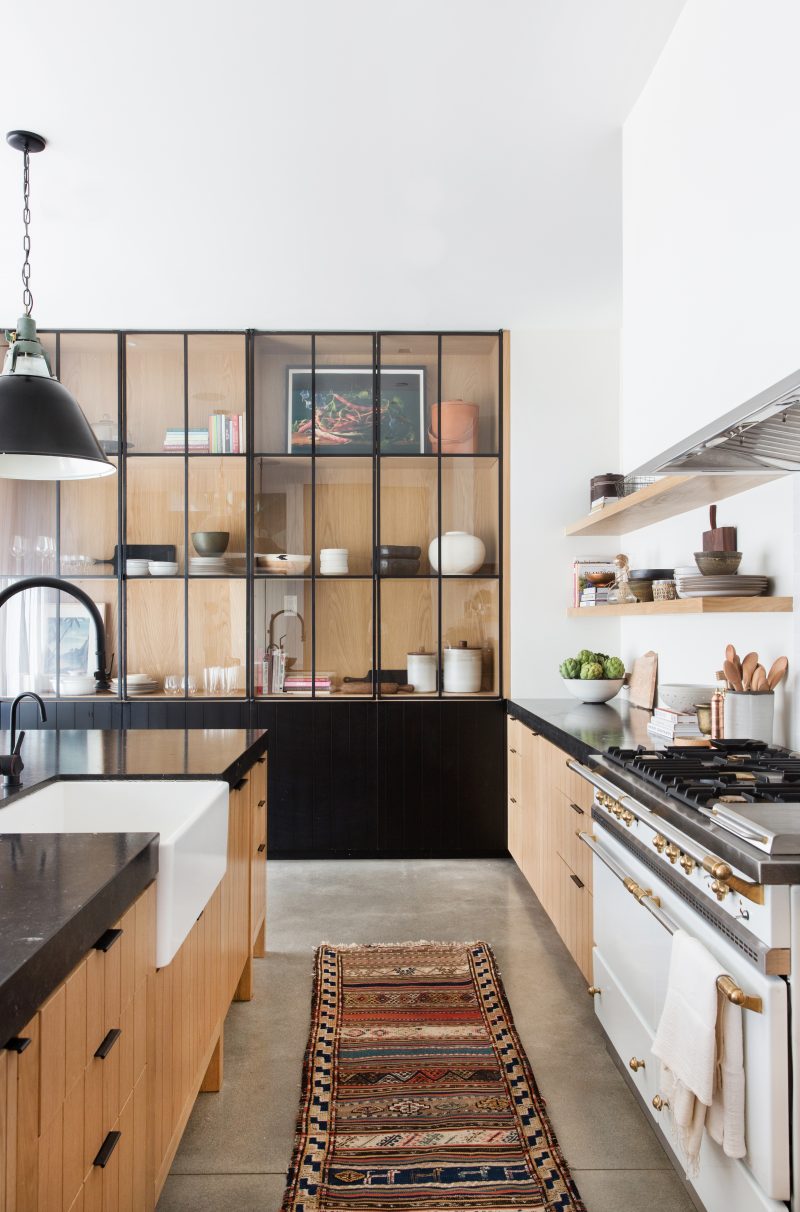
I’ve Renovated Over 30 Kitchens, This Is My Top Tip for Remodeling on a Budget
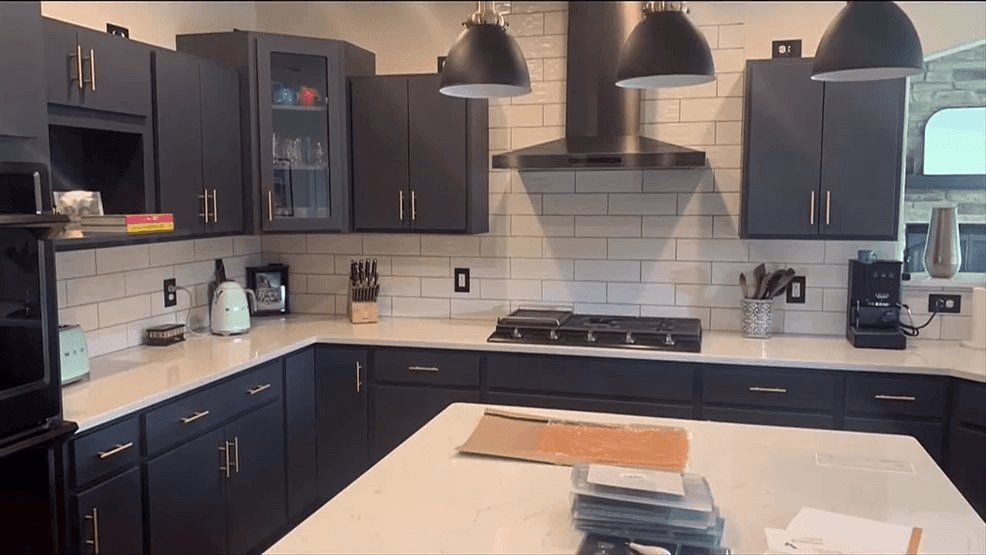
Fun Tips for an Amazing Kitchen Remodel

3 Ways to Revamp Your Kitchen, According to an Interior Designer

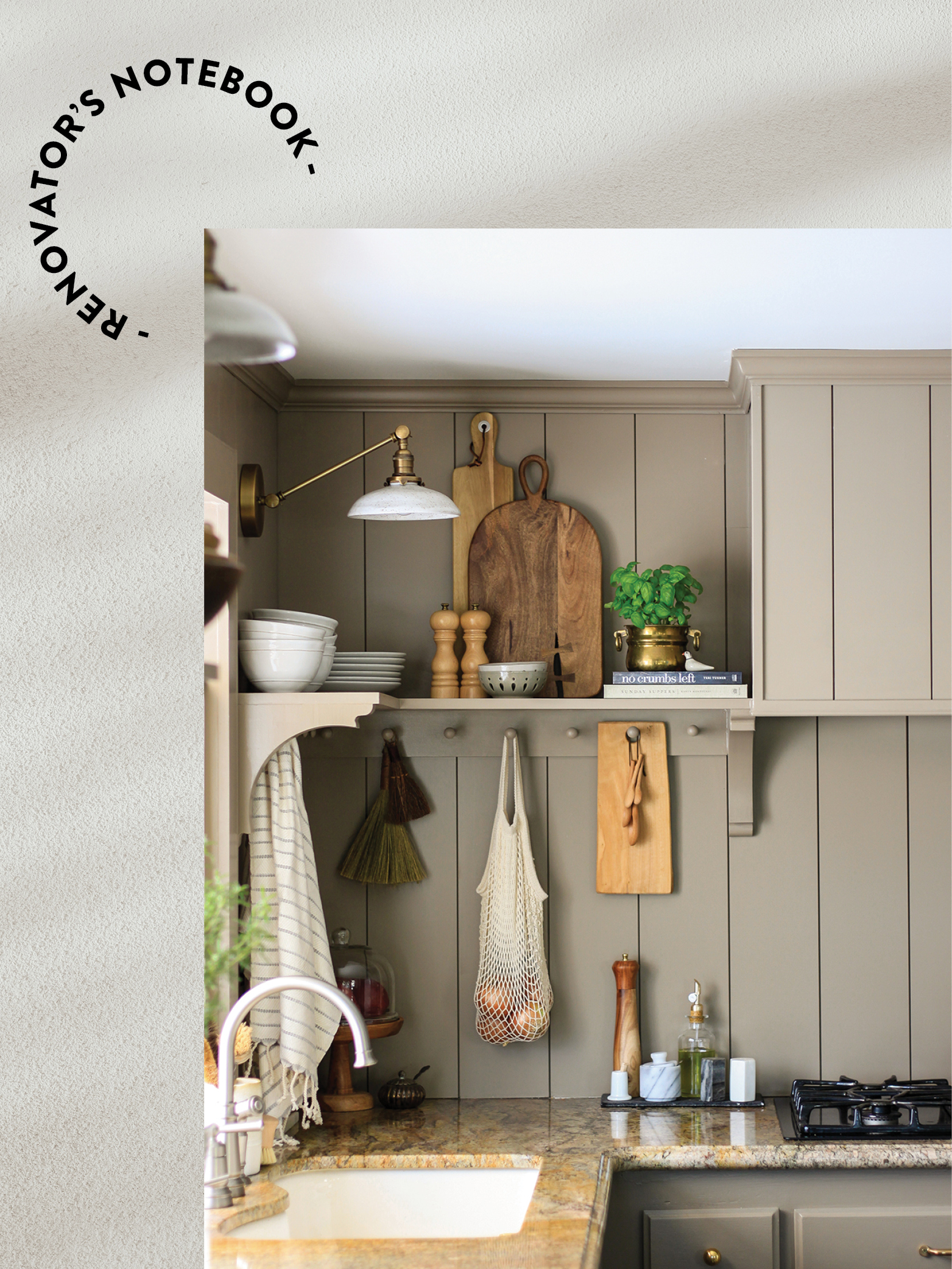
I Chose Materials for My $4K Kitchen Reno That I Can Reuse When I Eventually Do a Big Gut
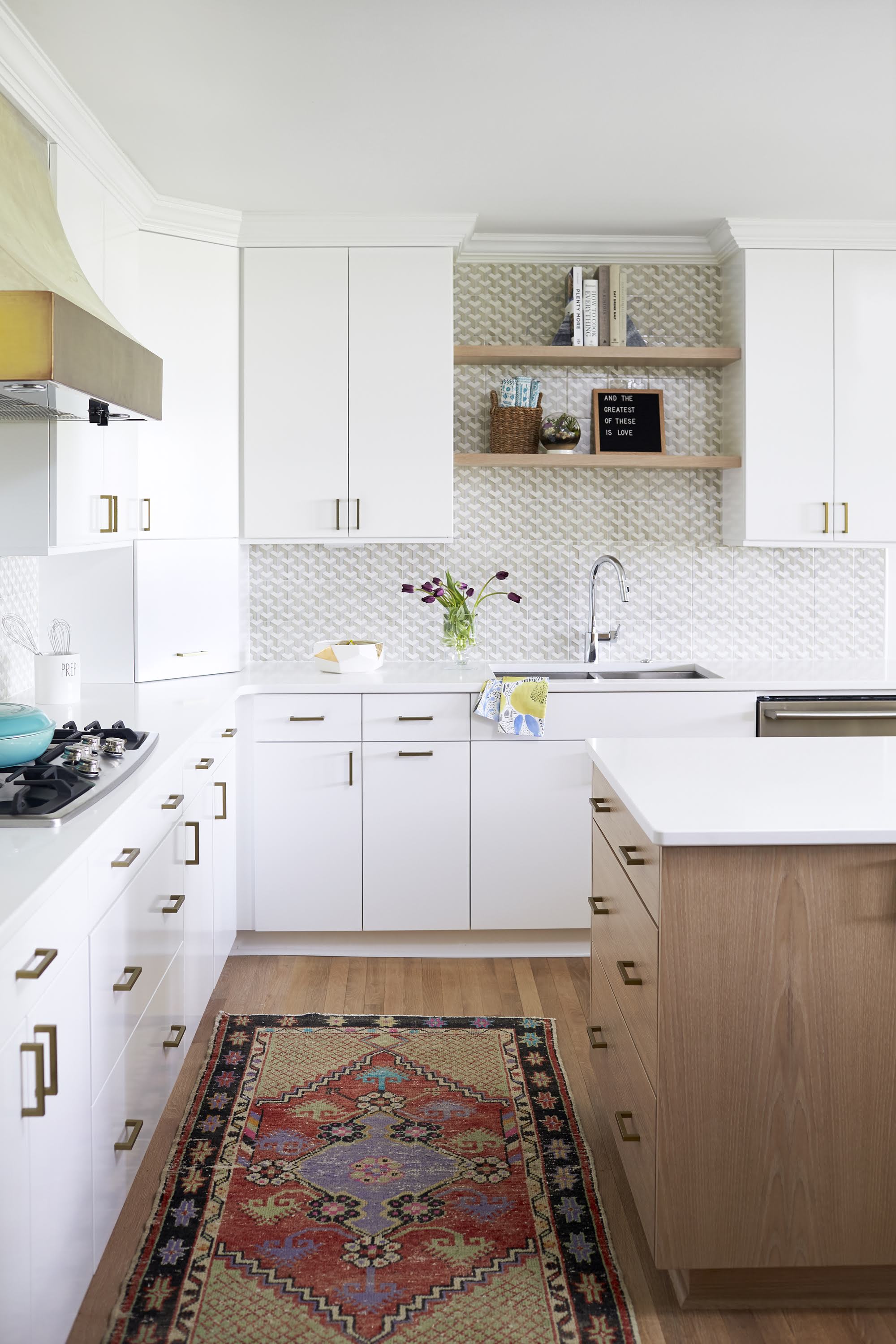
Exactly How Much to Spend on a Kitchen Reno to Make It Worth the Investment

Kitchen Renovations Can Be Expensive, But Your Cabinets Don’t Have to Be

'Home Town' hosts share budget-friendly kitchen renovation ideas

Dreaming of a New Kitchen Island? Here's How Much It Will Cost You


15 Tips For Remodeling Your Kitchen On A Budget


Expert Advice on Where to Splurge in Your Kitchen Renovation

This Budget Kitchen Remodel Only Cost $7K

This $50,000 Kitchen Remodel Features a Mix of High-End and Affordable Finds
I saved thousands on my kitchen renovation just by watching a few DIY videos — it was easy
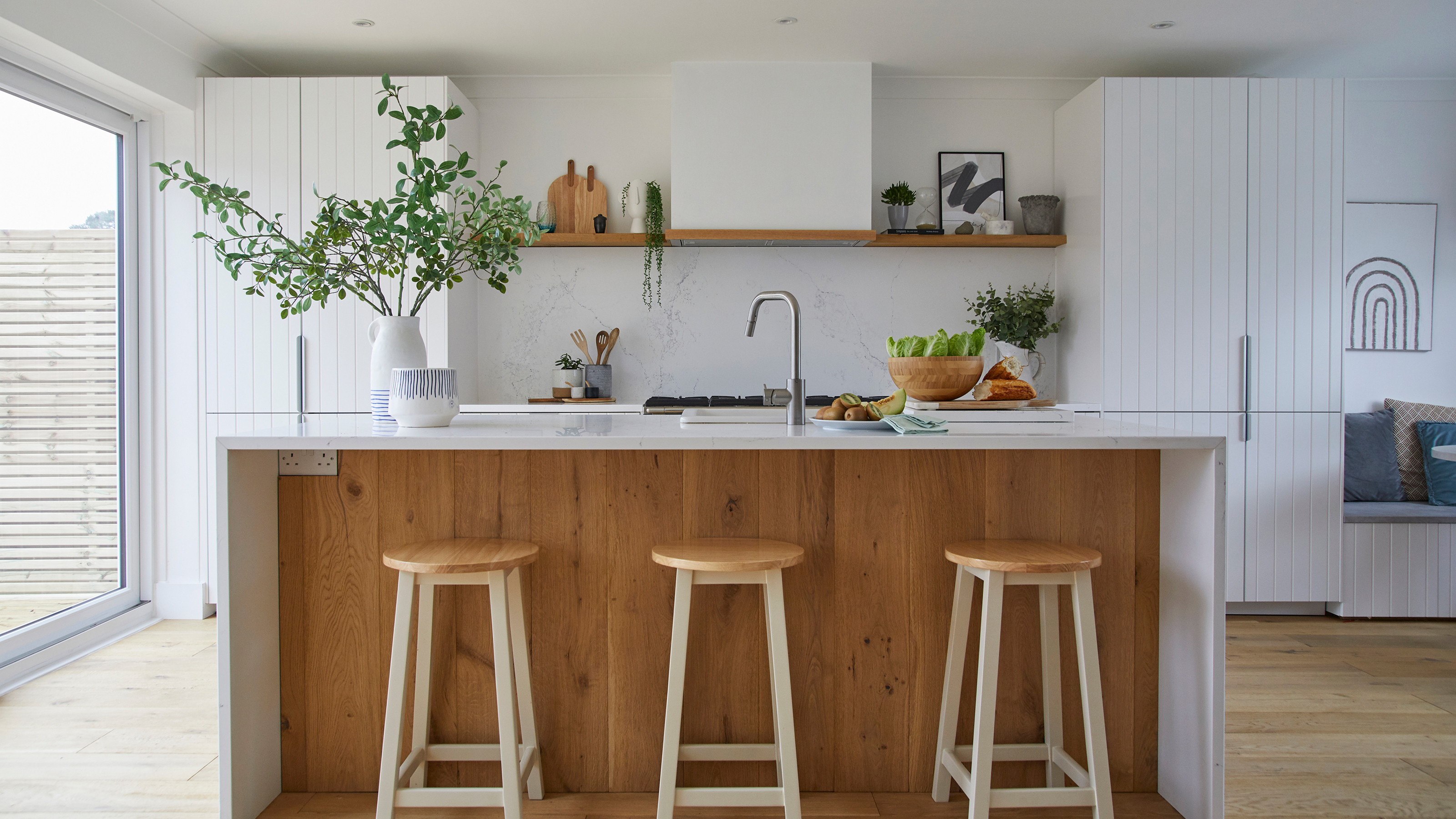
Where to spend and save on a kitchen to ensure you stick to your budget
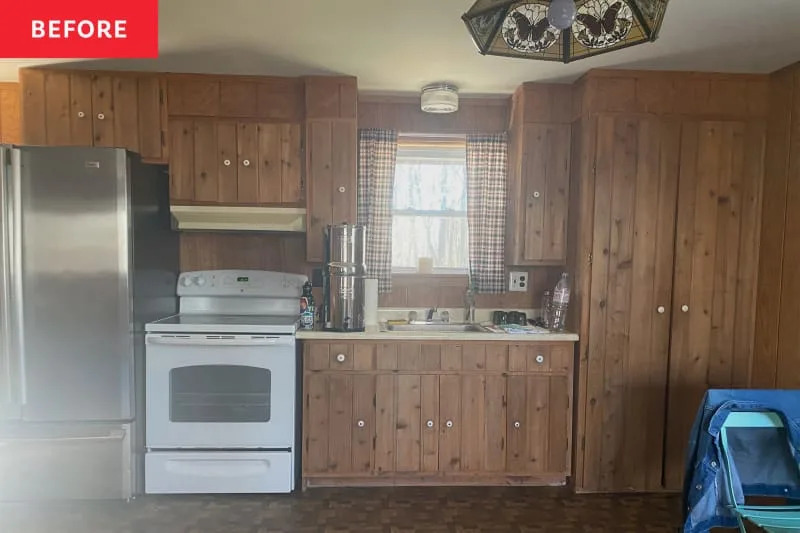
The 10 Best Kitchen Makeovers of 2024 Will Totally Wow You