
1/16
15 Tips For Remodeling Your Kitchen On A Budget
The aspiration for a kitchen remodel often arises from a desire for improved functionality, aesthetics, or to align with contemporary trends. However, budget constraints frequently present a significant challenge. This article, featuring insights from Surjit Singh Namli, founder and creative director of Artique Designs, provides 15 actionable tips for achieving a dream kitchen makeover without exceeding financial limits.
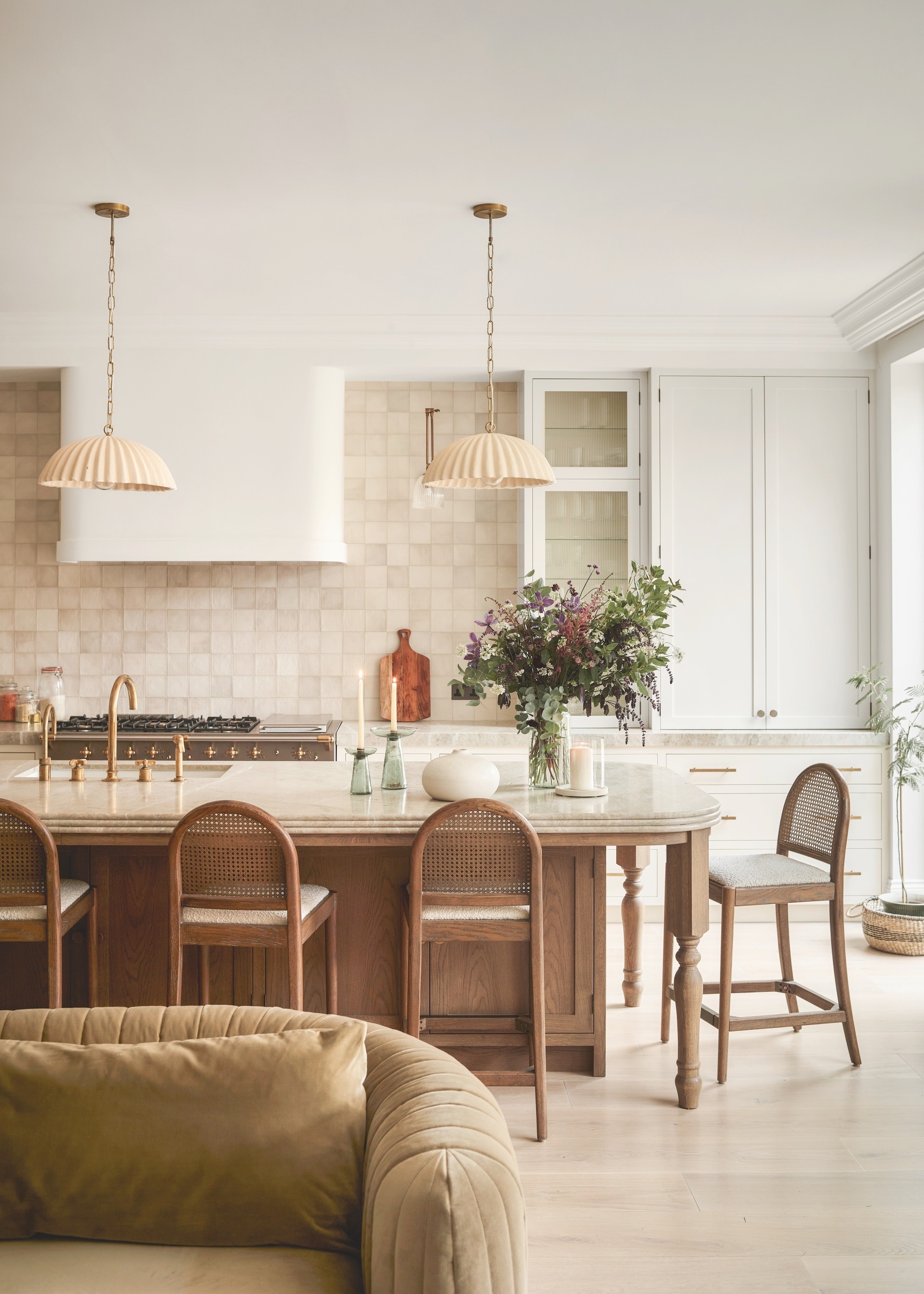
Effective budget allocation is paramount, with a recommendation to dedicate 60% to 70% of the budget to essential items like an island, smart storage, or improved lighting. An additional 10% should be reserved for unforeseen expenses such as plumbing or electrical upgrades. Singh Namli emphasizes that luxury is rooted in a functional space that supports daily routines rather than just expensive finishes, advocating for an investment in daily rituals.
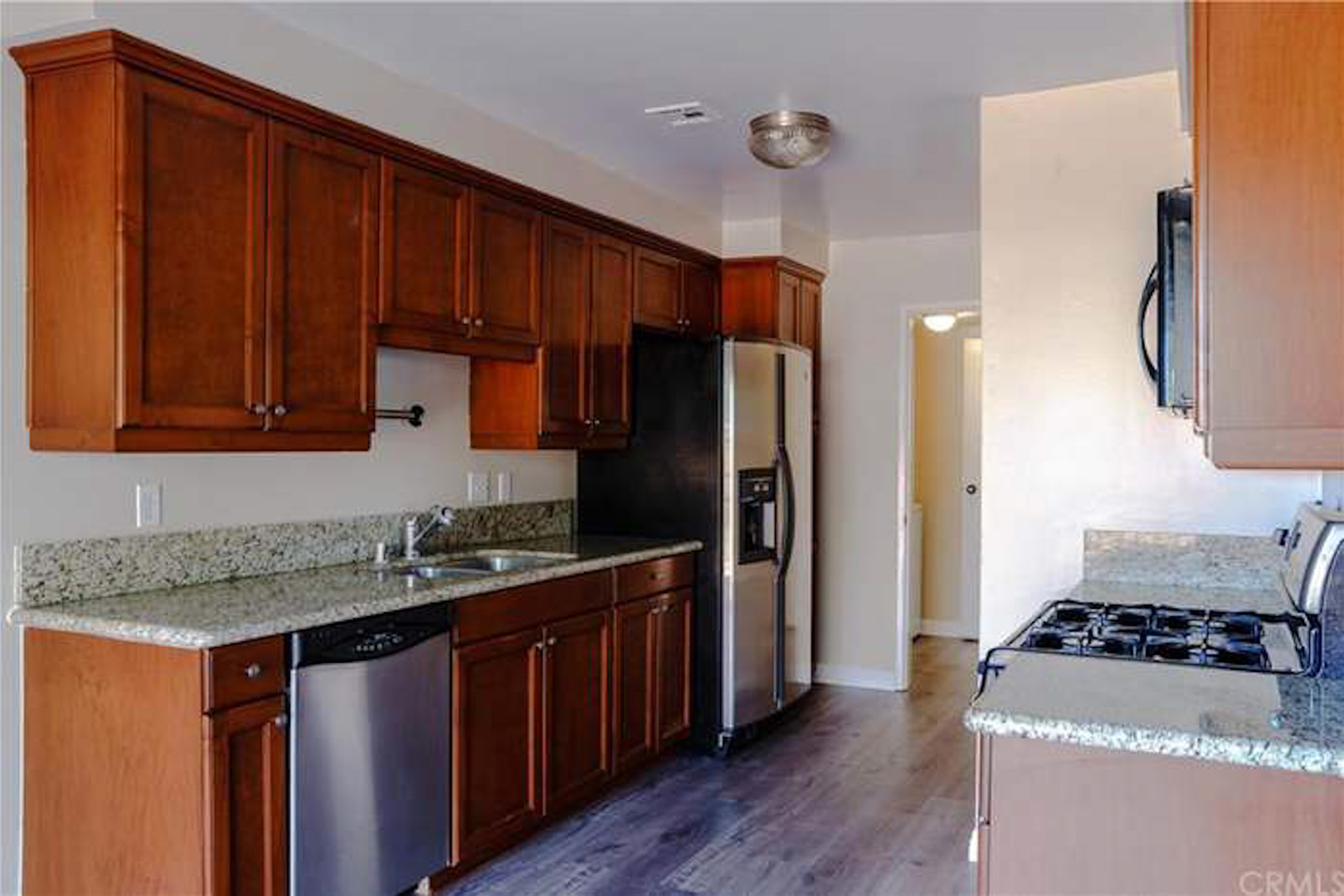
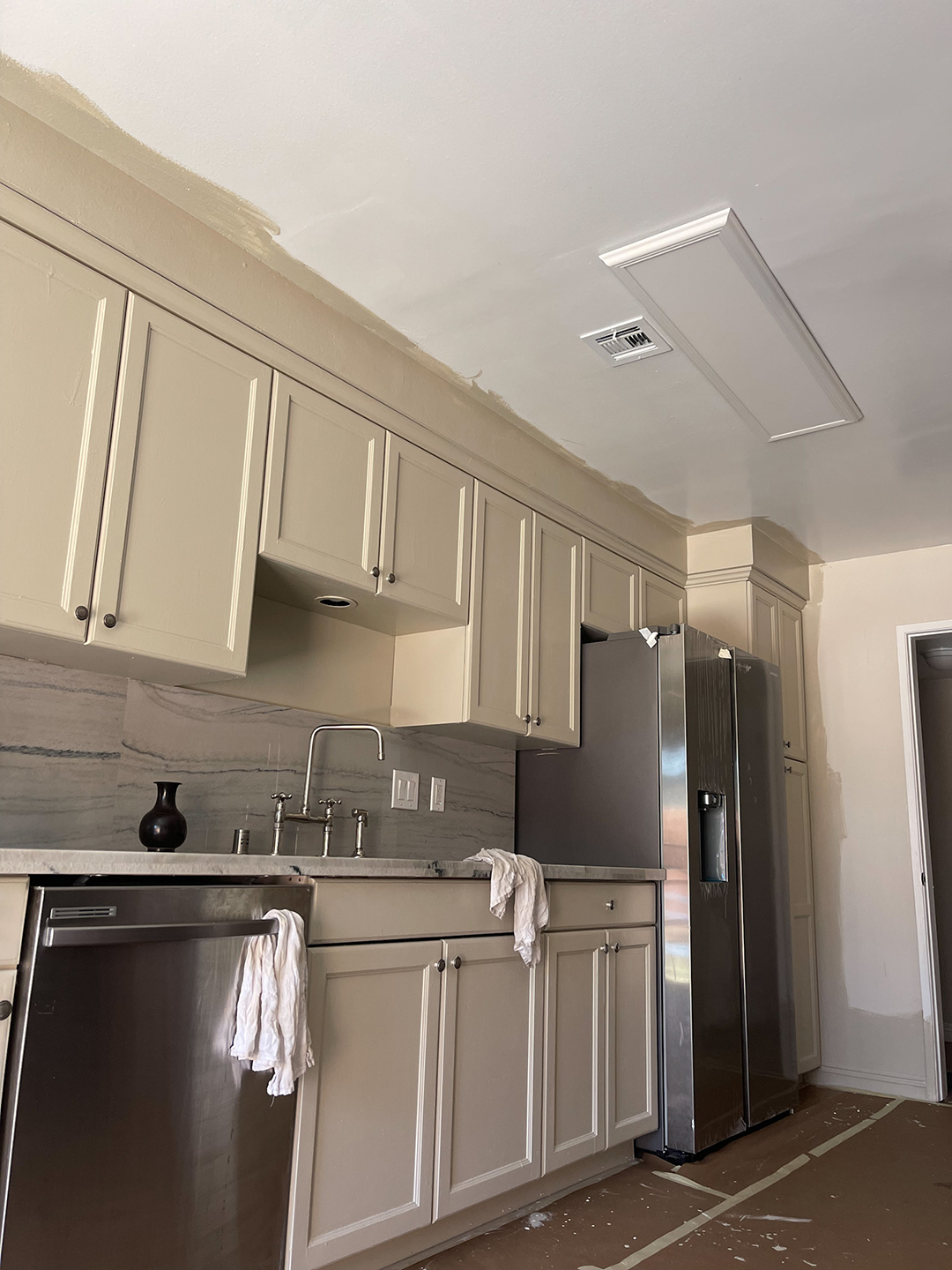
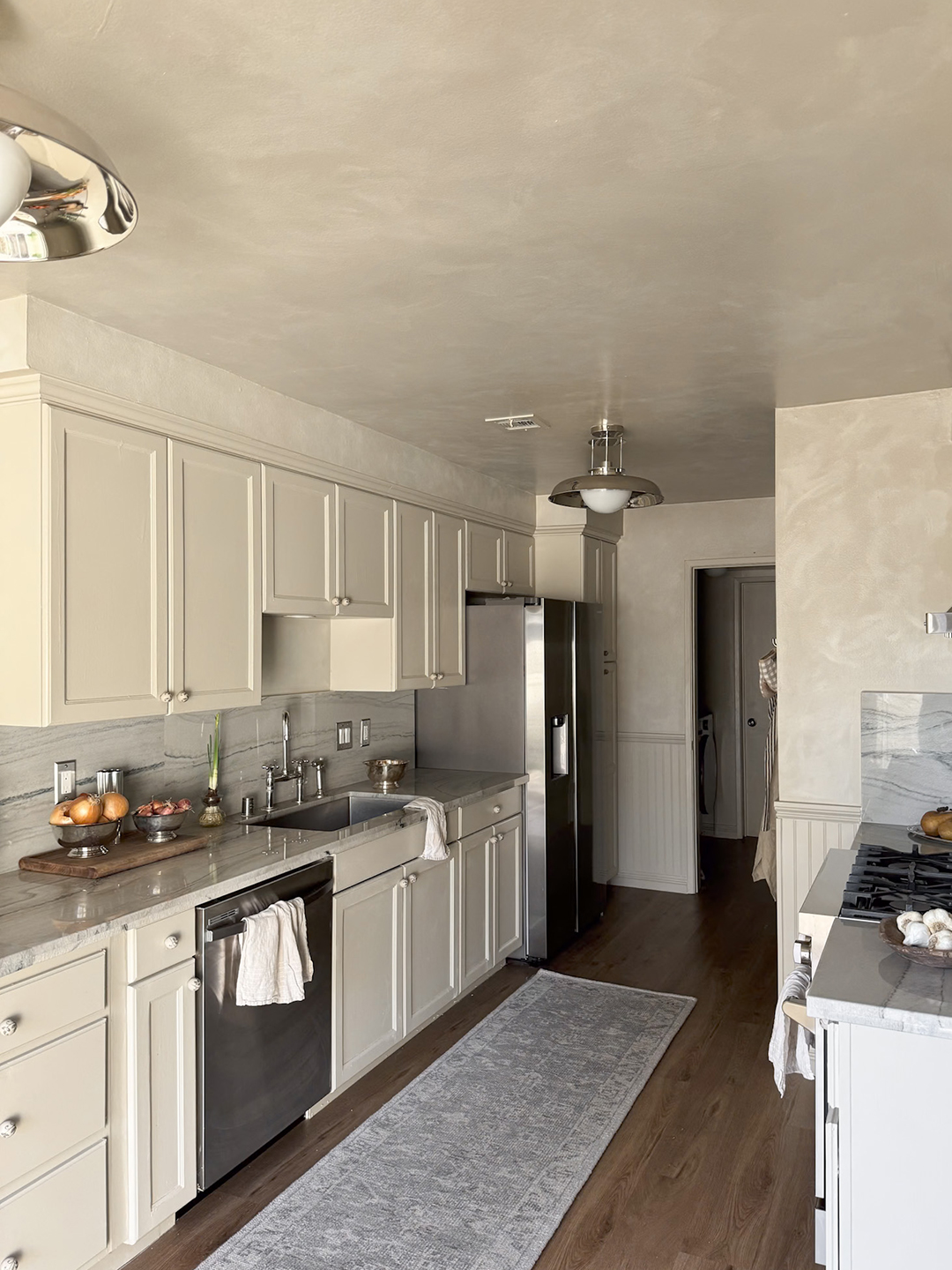
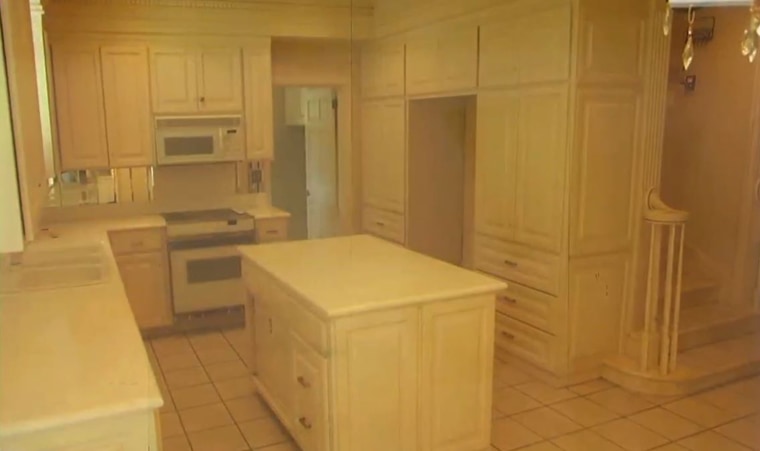
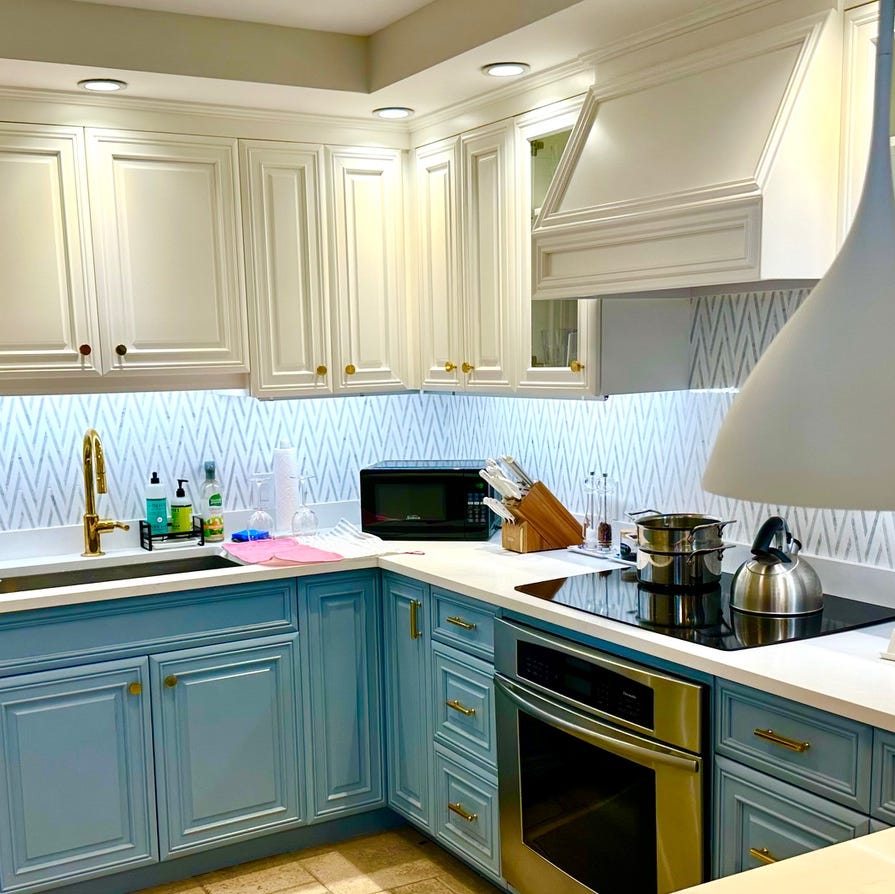
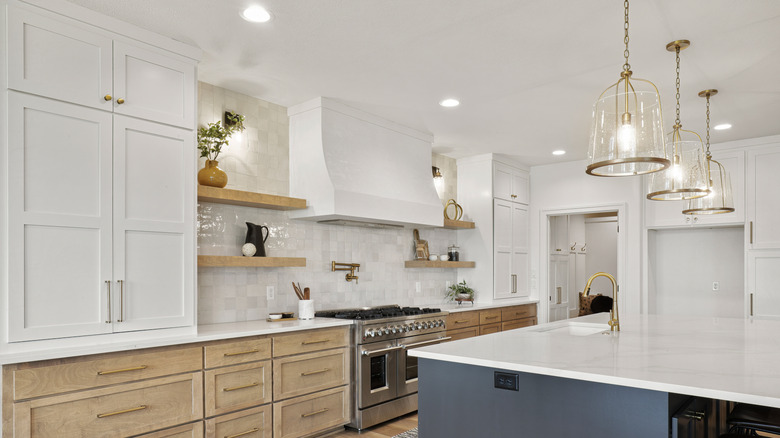
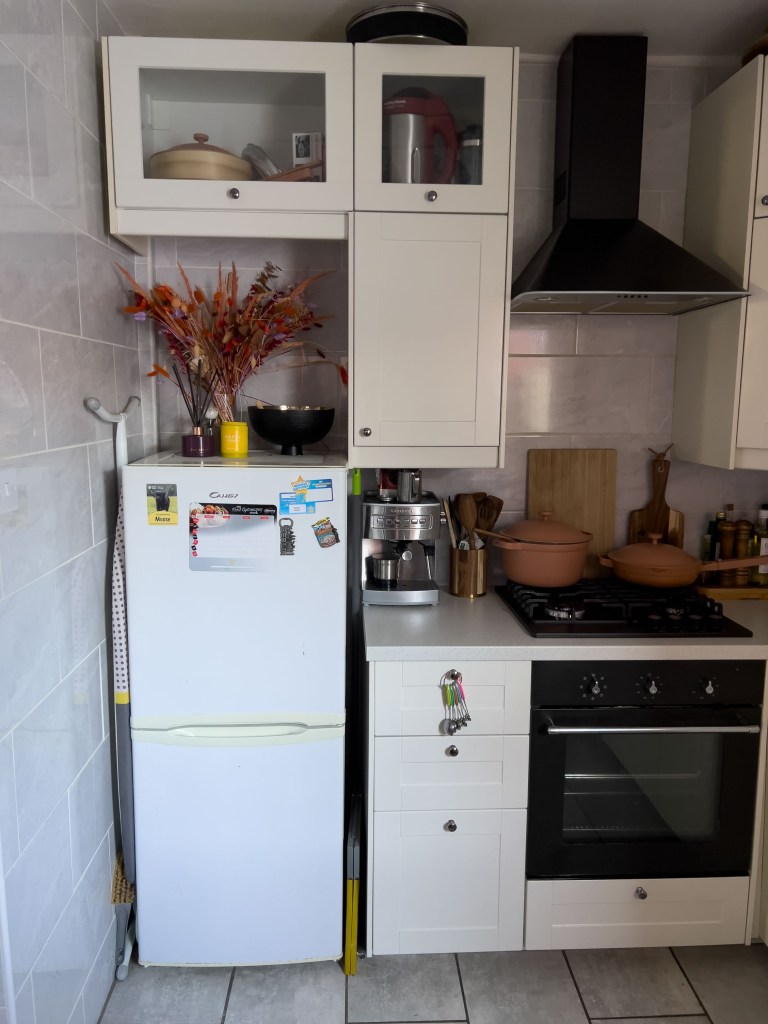
Reusing existing elements is a key strategy for cost savings. Inspecting the structural integrity of cabinets and countertops can determine if refreshing them through sanding, new hardware, and a fresh coat of paint is a viable alternative to replacement. Resurfacing countertops or adding a statement backsplash can also revitalize the space without a complete overhaul. Viable lighting fixtures can be rewired and refinished to serve as focal points.
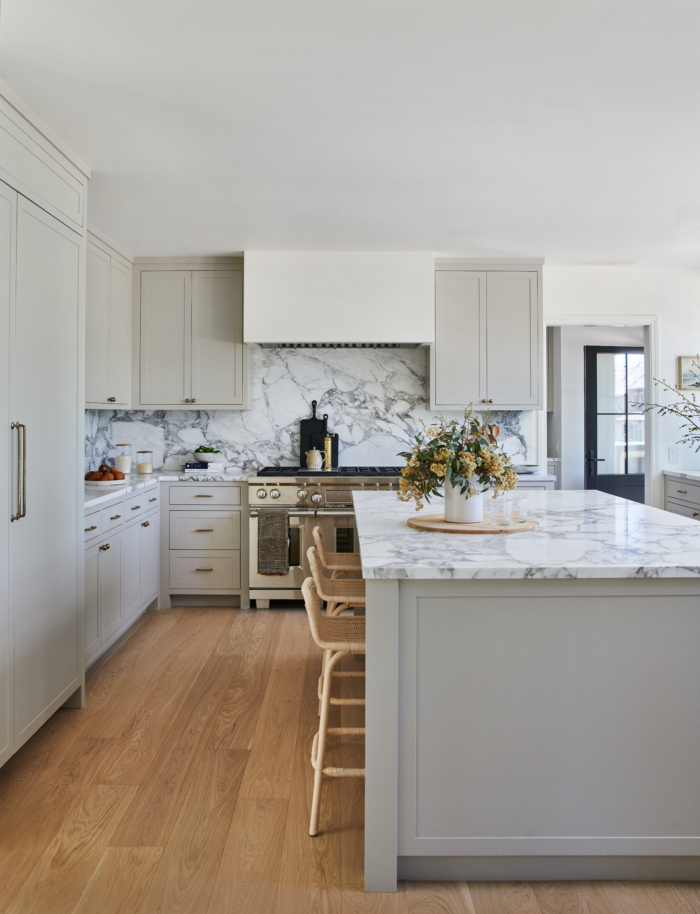
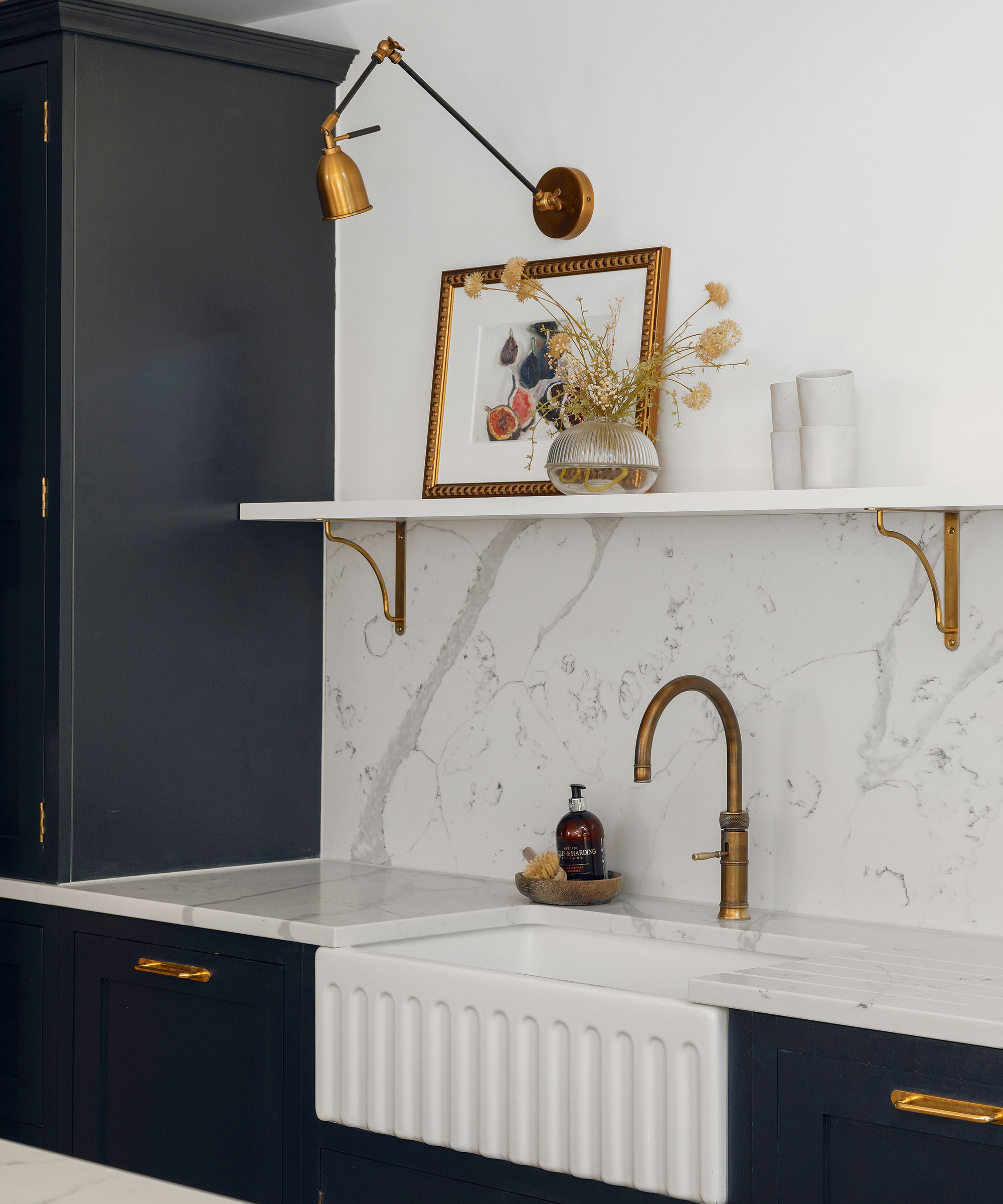
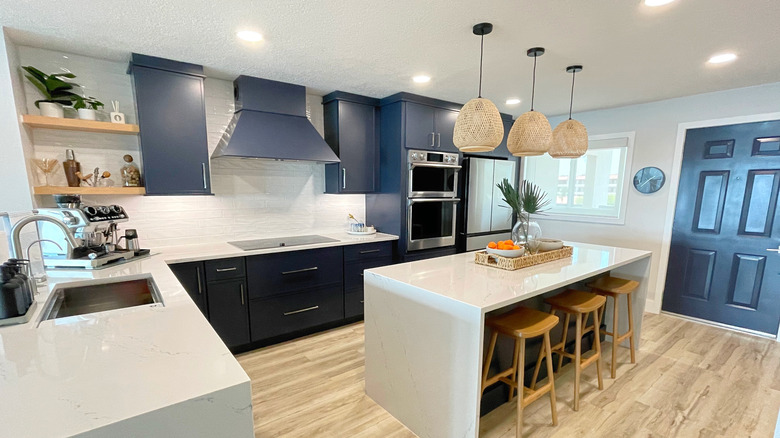
When it comes to countertops, cost-effective options like quartz, which mimics marble's luxury, and laminates with stone-like textures are recommended. Delicate materials requiring constant upkeep are to be avoided when on a tight budget. The true luxury of a countertop is its enduring and confident feel, not its price.
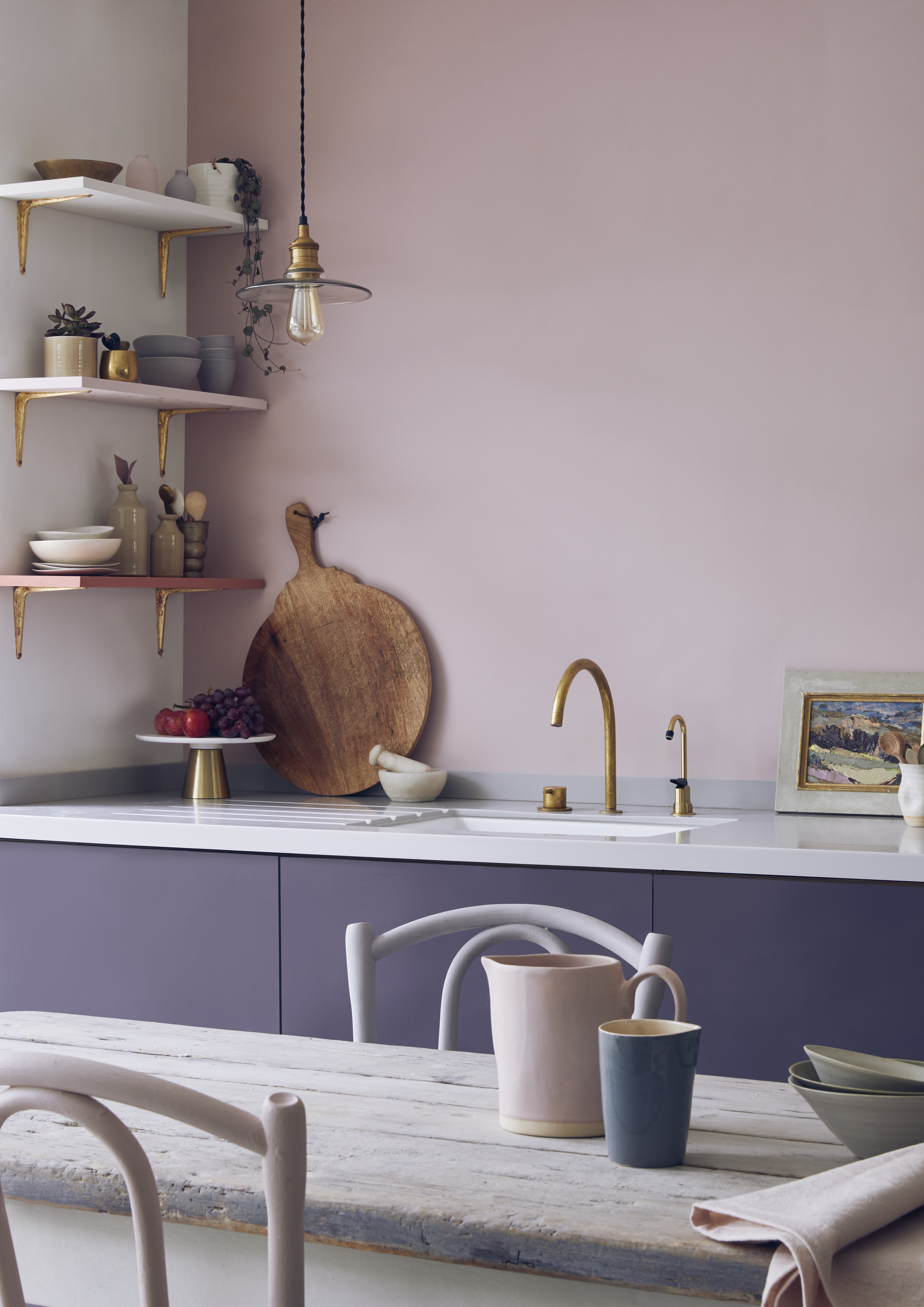
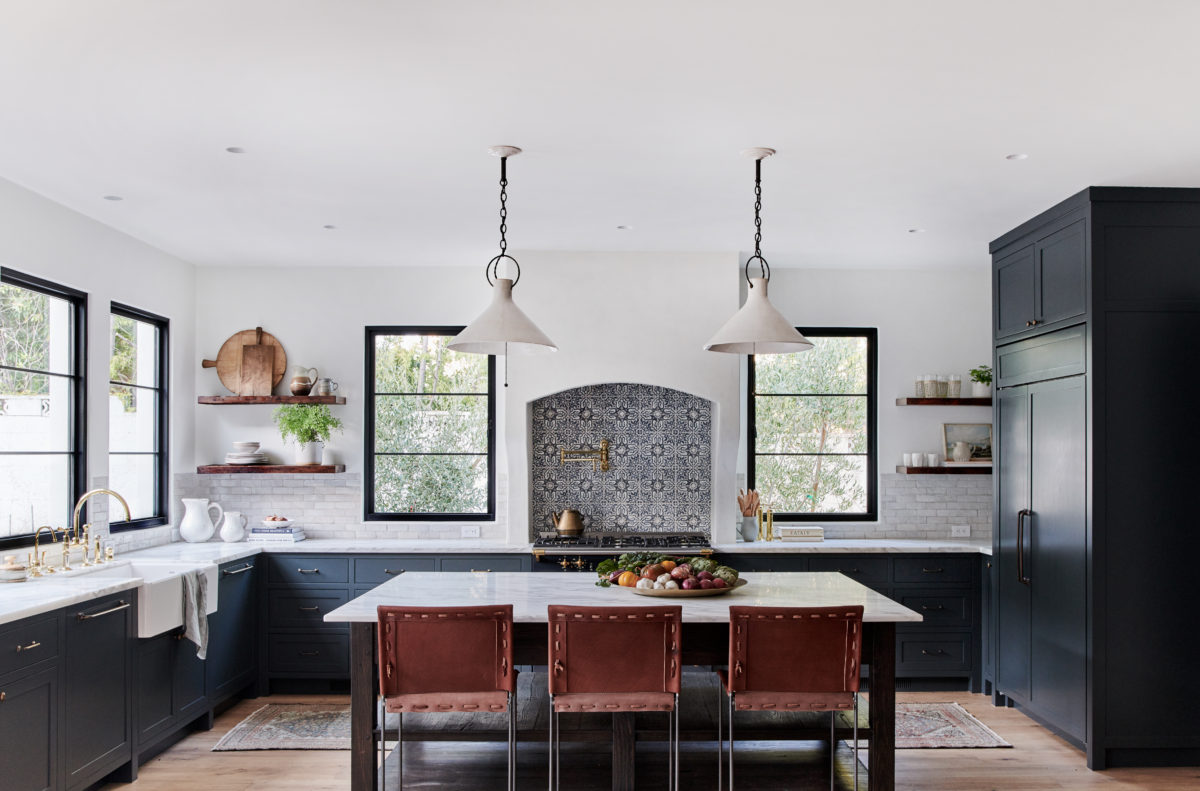
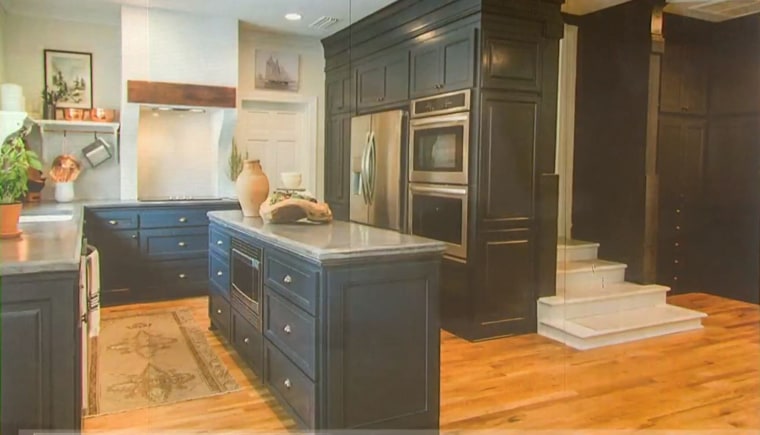
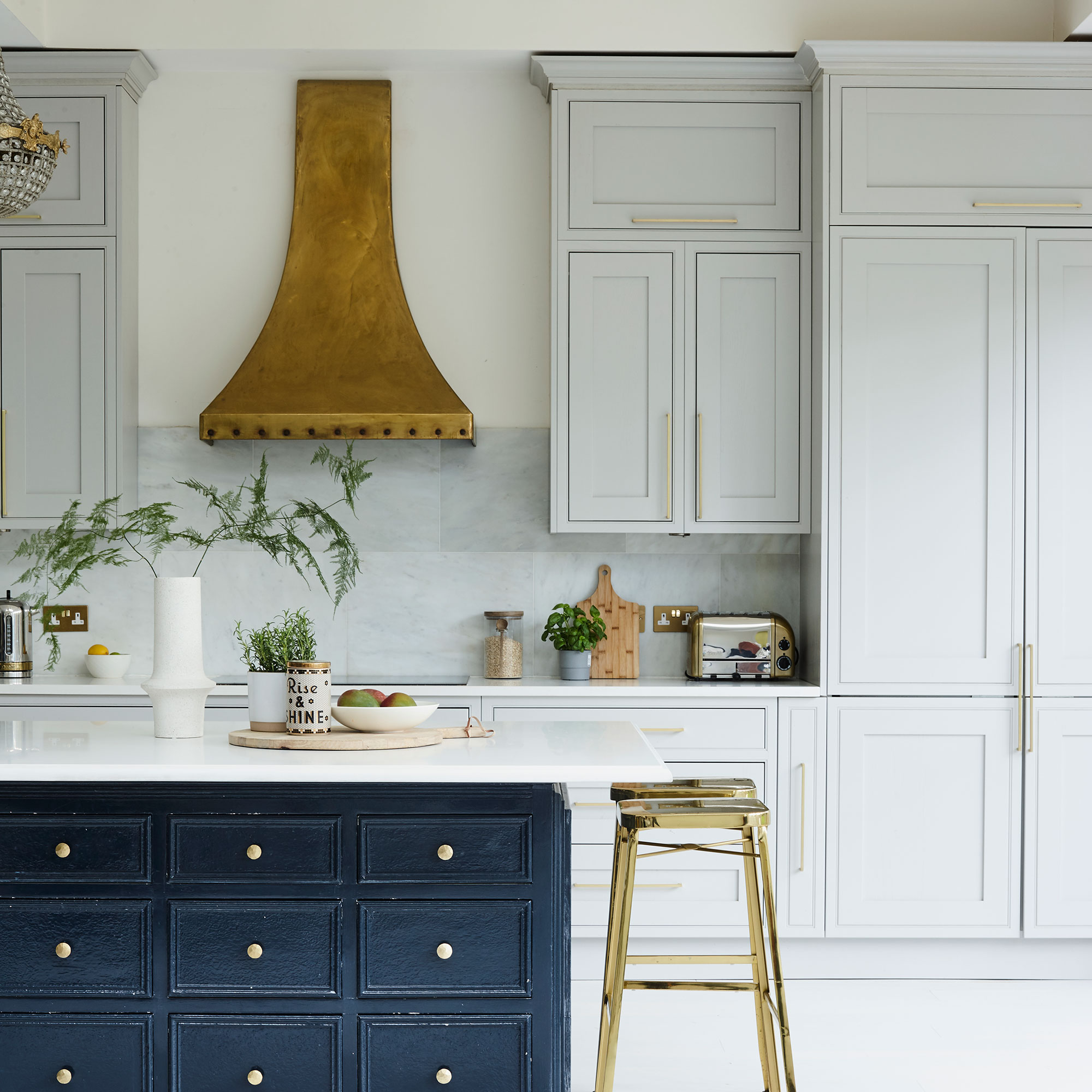
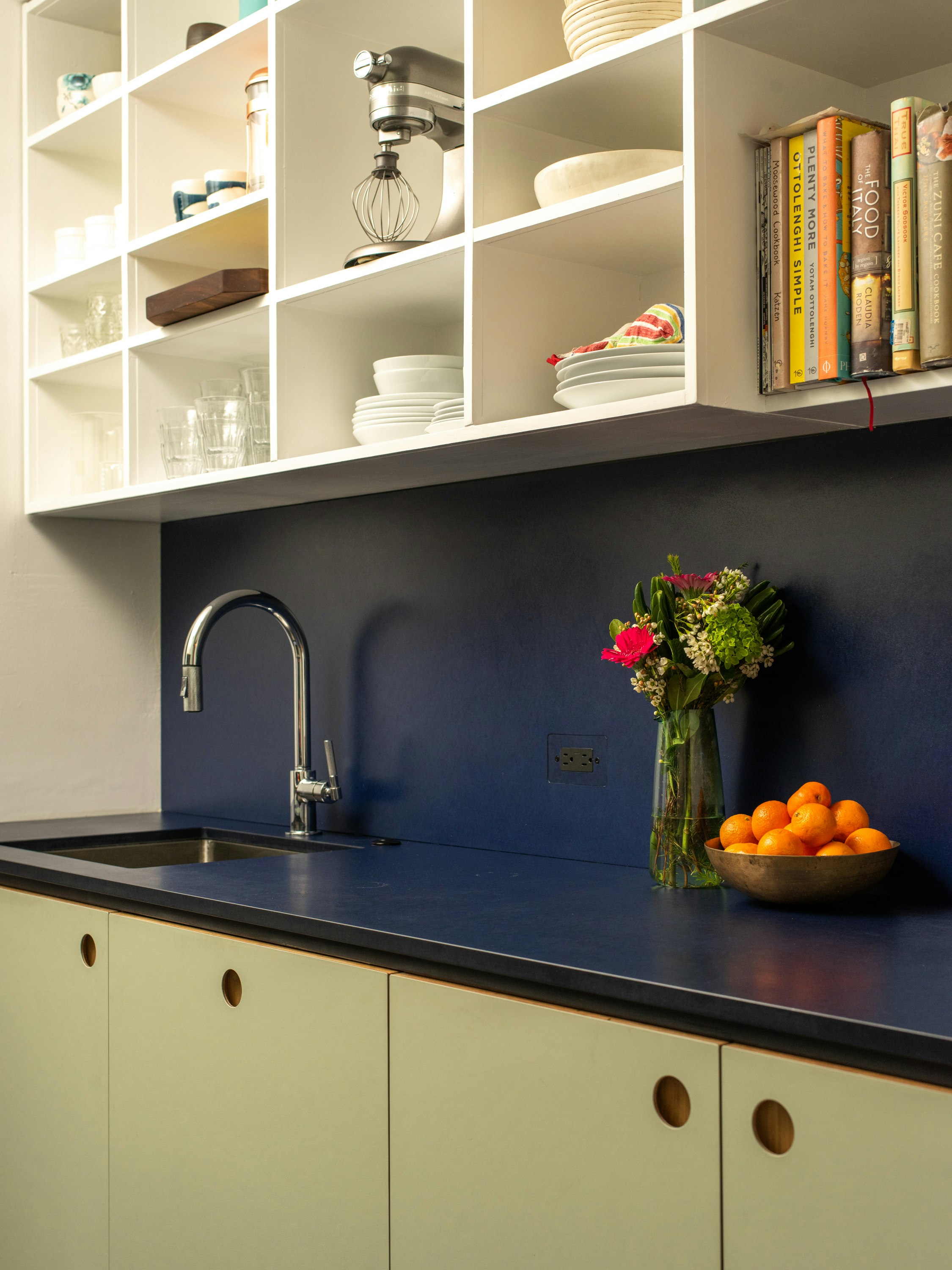
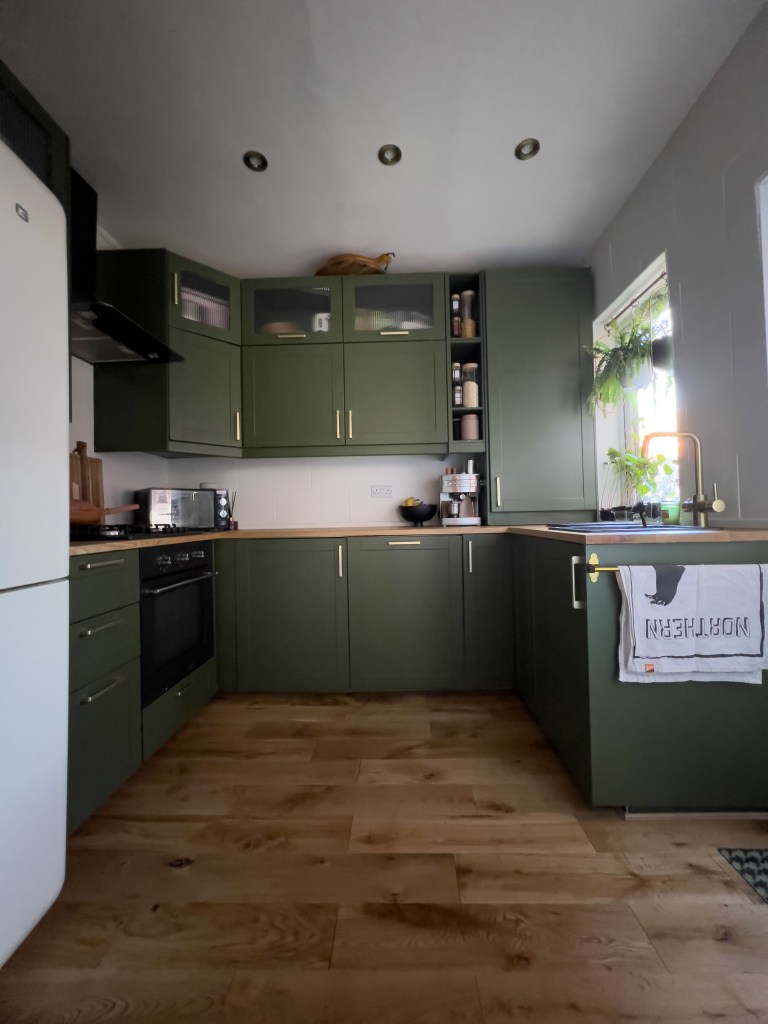
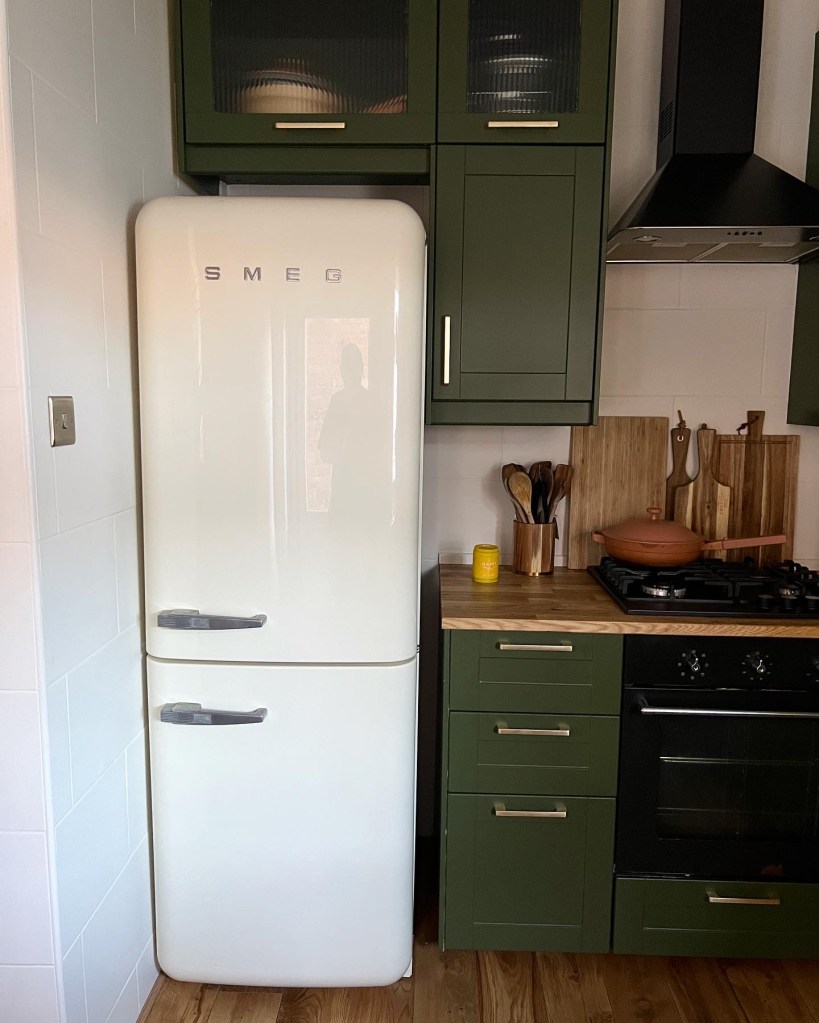
Paint is highlighted as an unsung hero for transforming a space. A fresh coat on cabinets, using timeless shades like soft whites, muted grays, or deep navy, can update a dated kitchen. Warmer neutrals for walls create calm, while an accent wall can add energy without overwhelming the space.
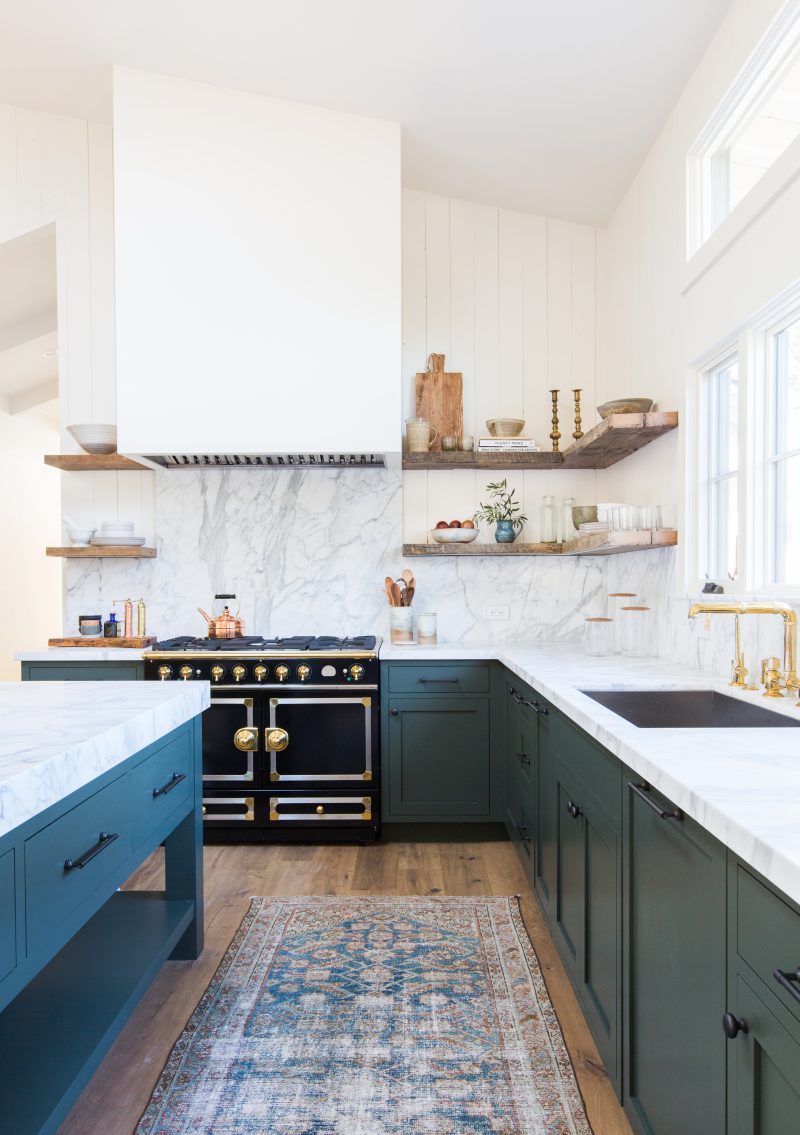
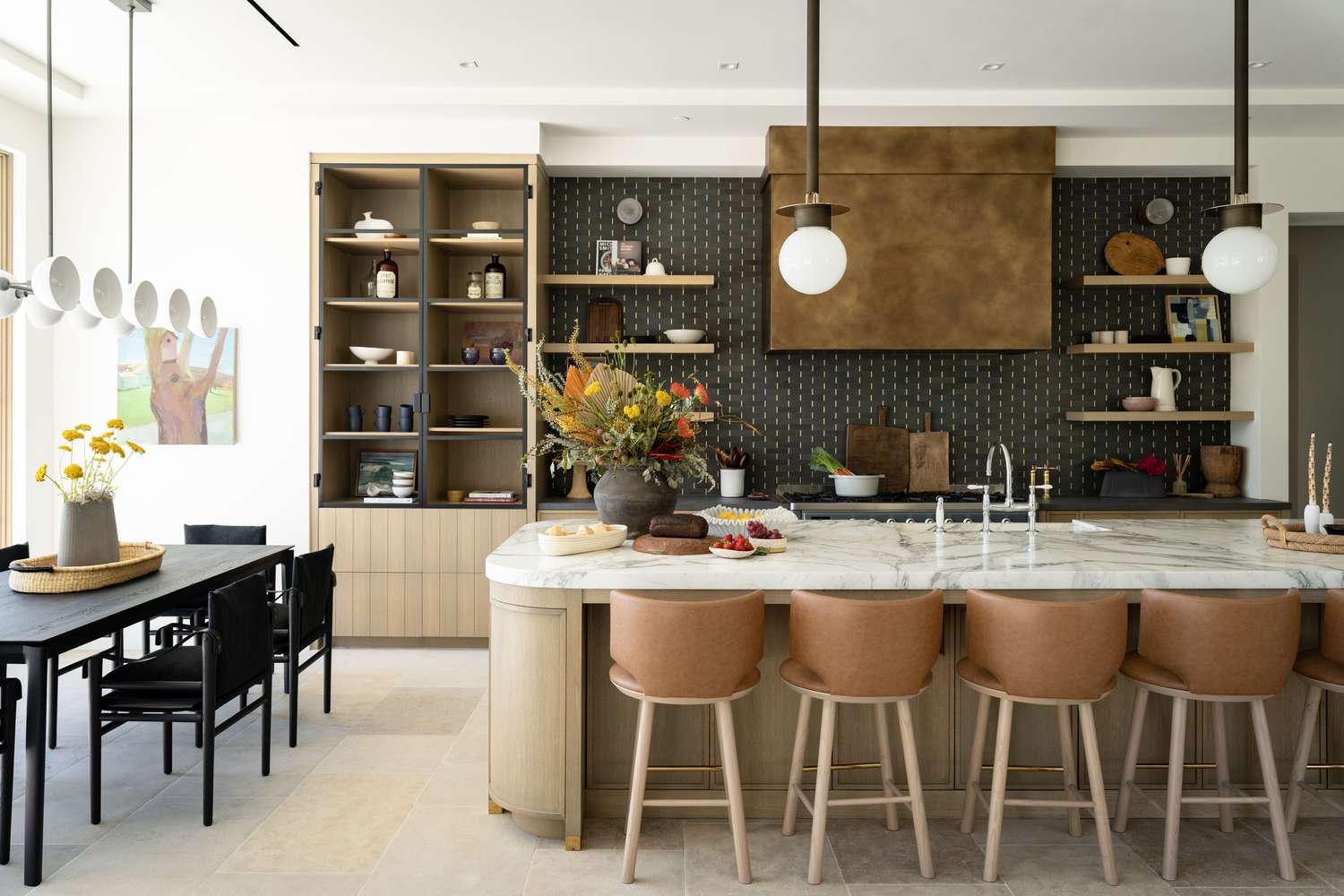
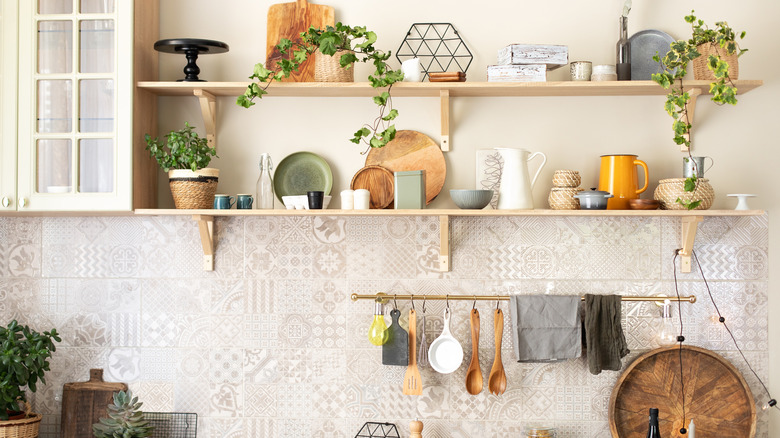
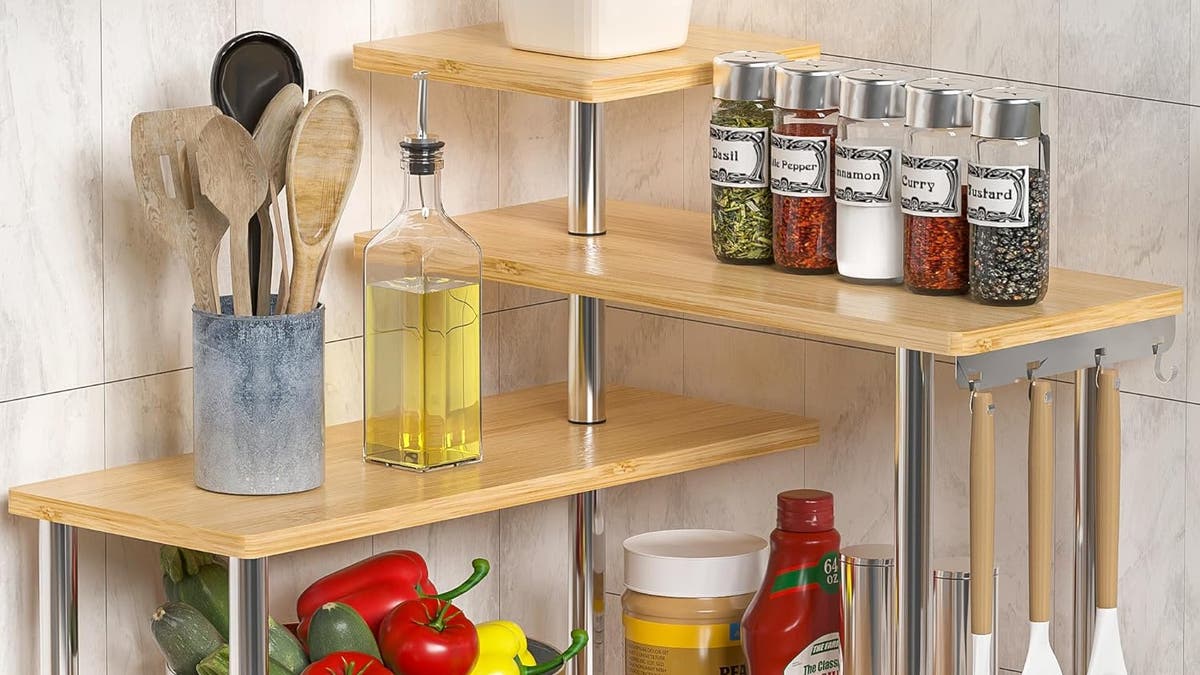
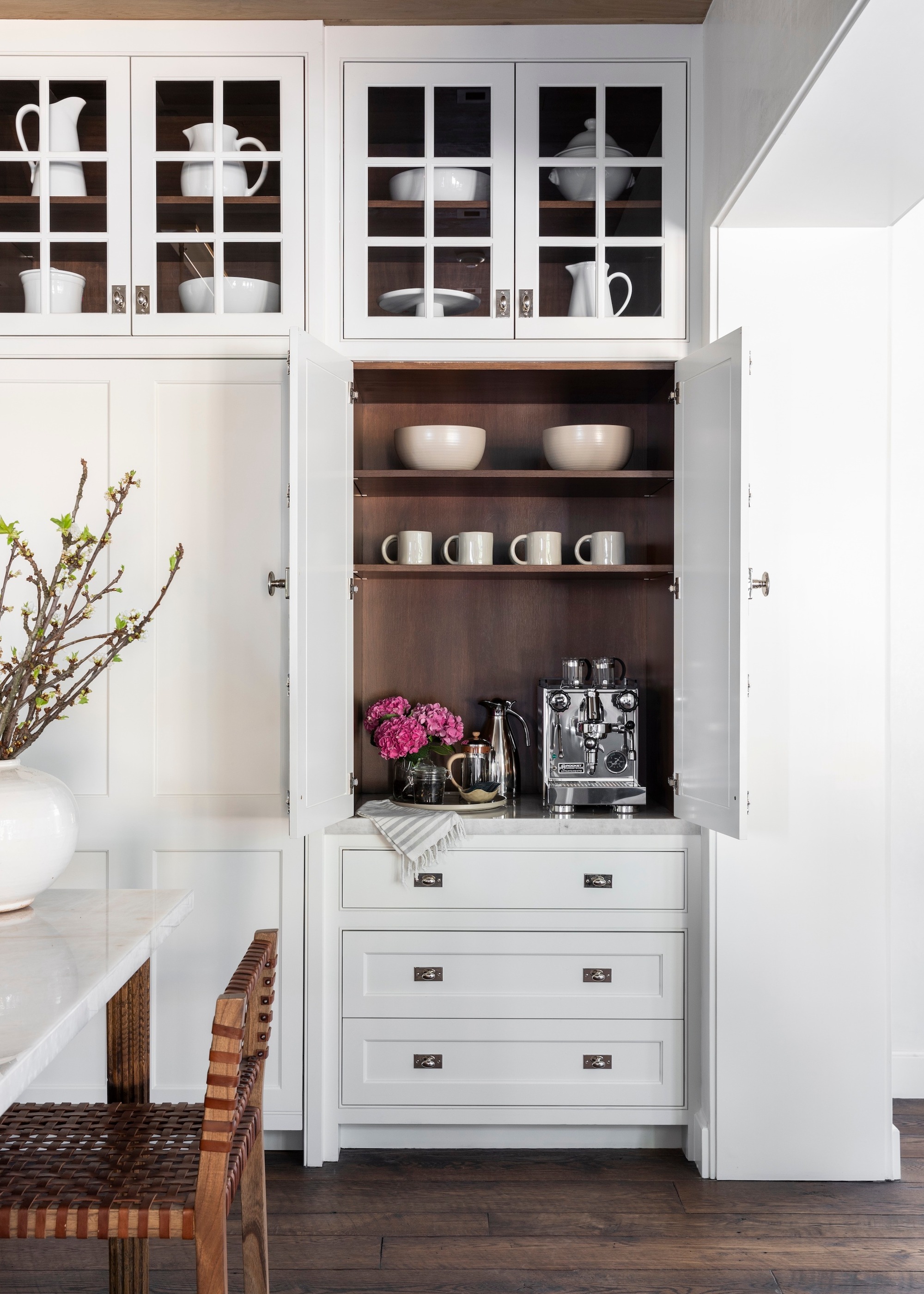
Open shelving offers a budget-friendly way to reduce carpentry costs and create an open feel. While it allows for displaying cherished items, it requires consistent styling and organization to avoid clutter and higher maintenance due to dust and grease. Strategic placement, such as on an accent wall, can balance display with closed storage.
For flooring, durability must meet budget. Vinyl planks and tiles, which can replicate wood or stone, along with porcelain tiles, are cost-effective and resilient choices. Comfort, including the use of soft rugs or anti-fatigue mats, should also be considered, as the kitchen floor is a central stage for daily activities.
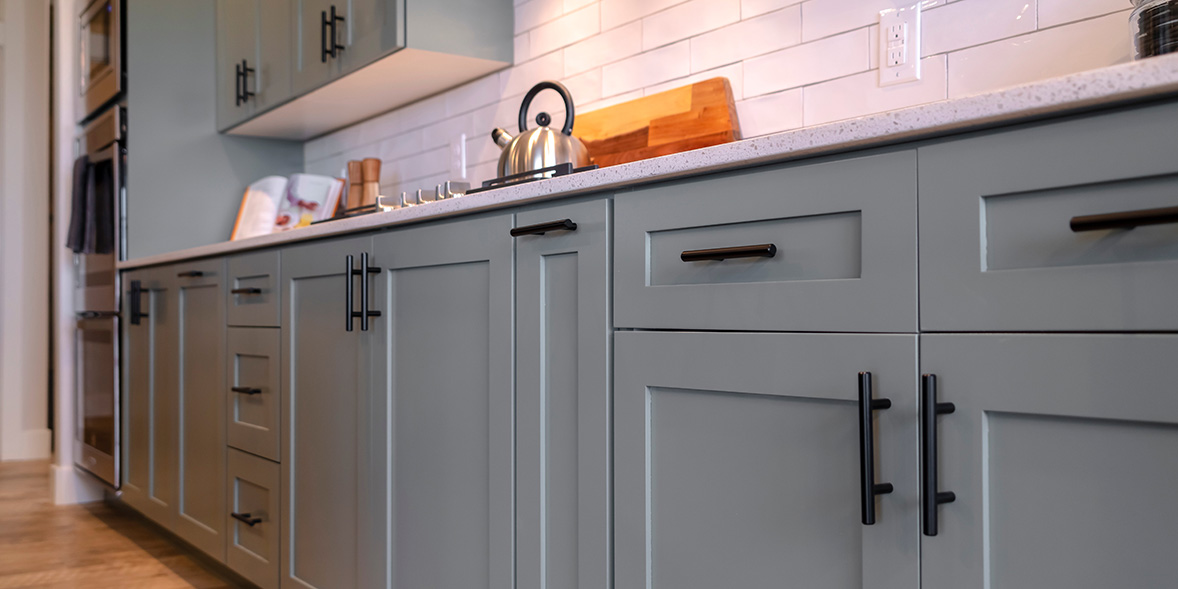
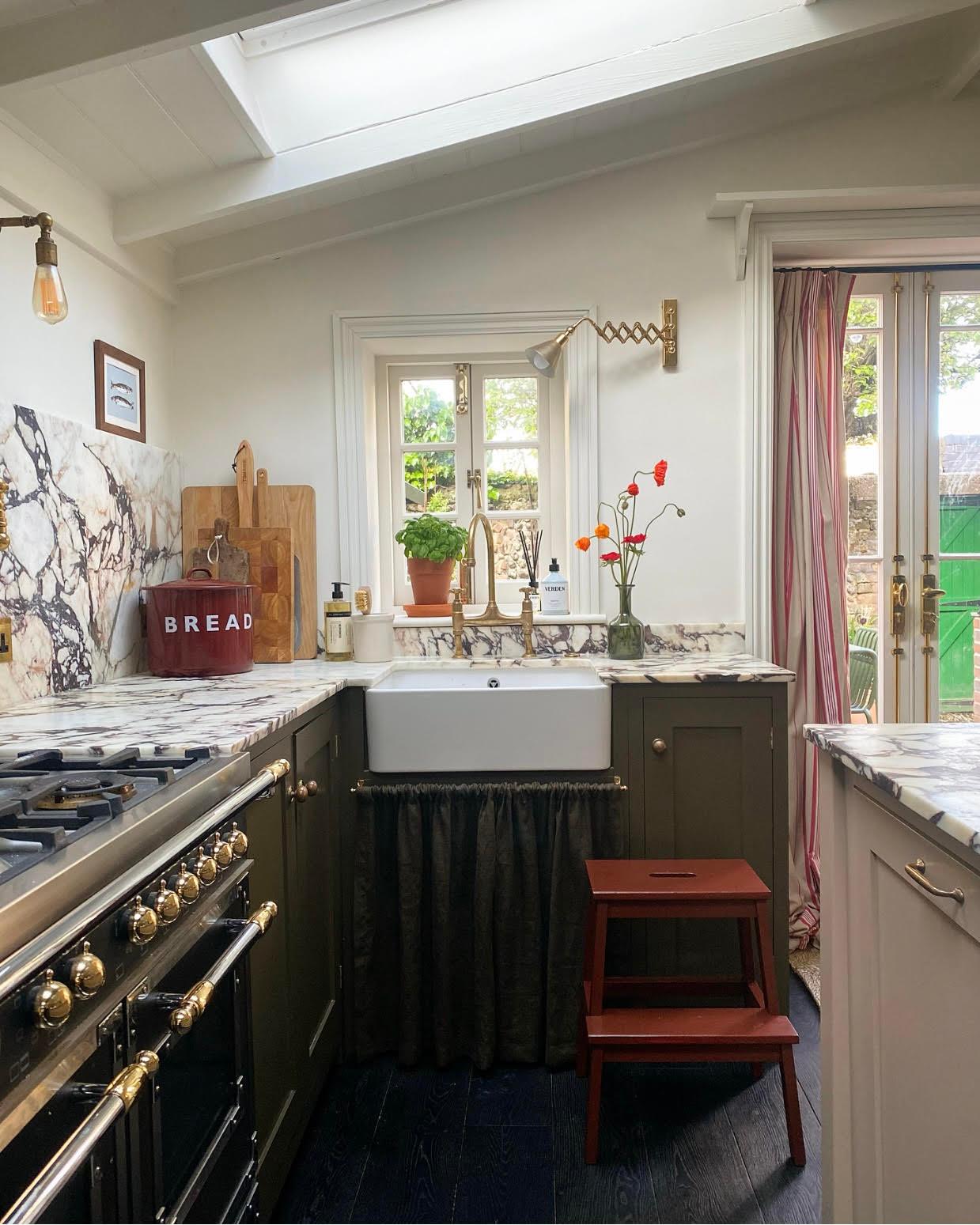
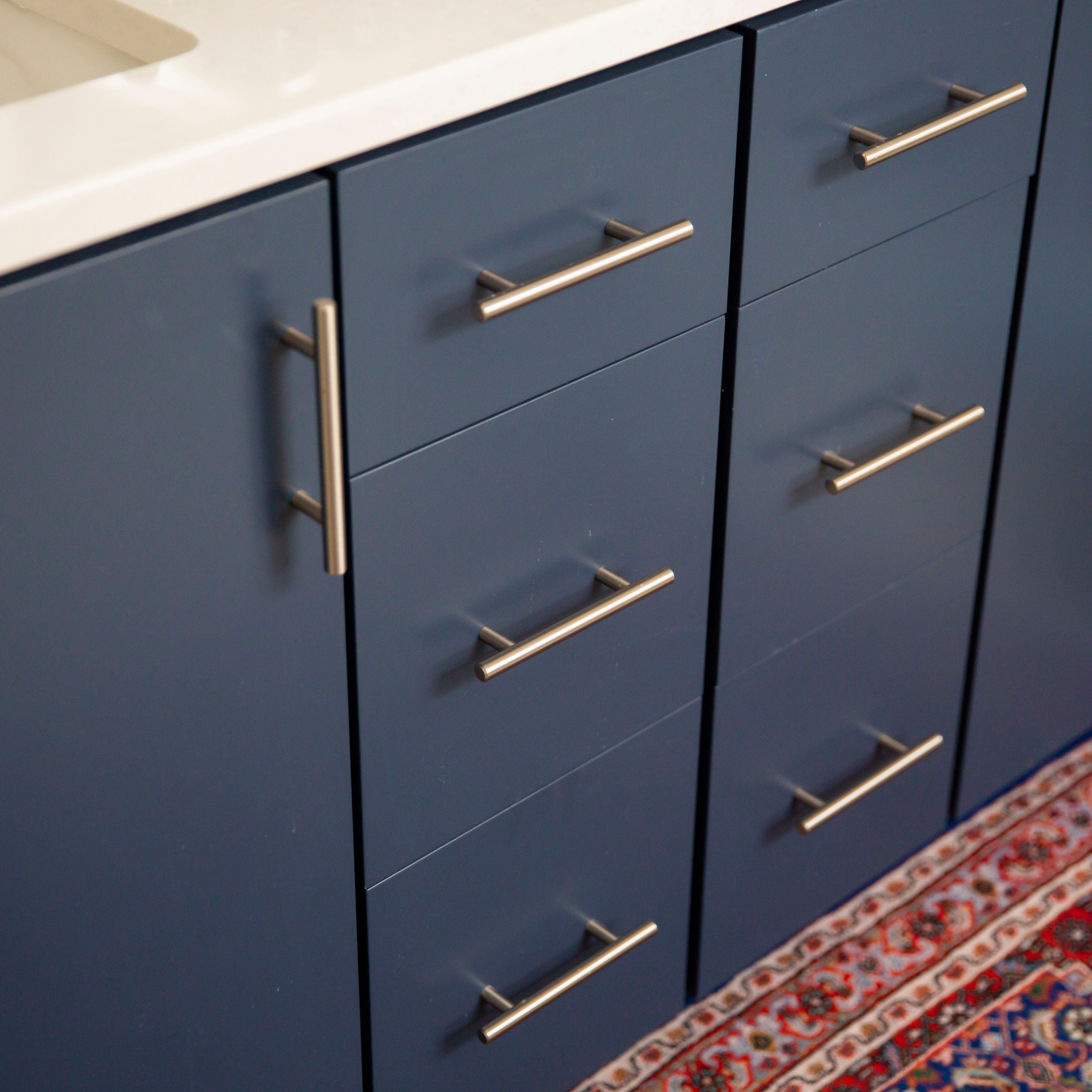
Hardware, though small, significantly influences a kitchen's identity. Matte black, brushed brass, and antique bronze finishes are recommended for their affordability and ability to elevate the space. Overly ornate or trendy designs should be avoided for longevity, and a consistent finish throughout the kitchen prevents visual chaos.
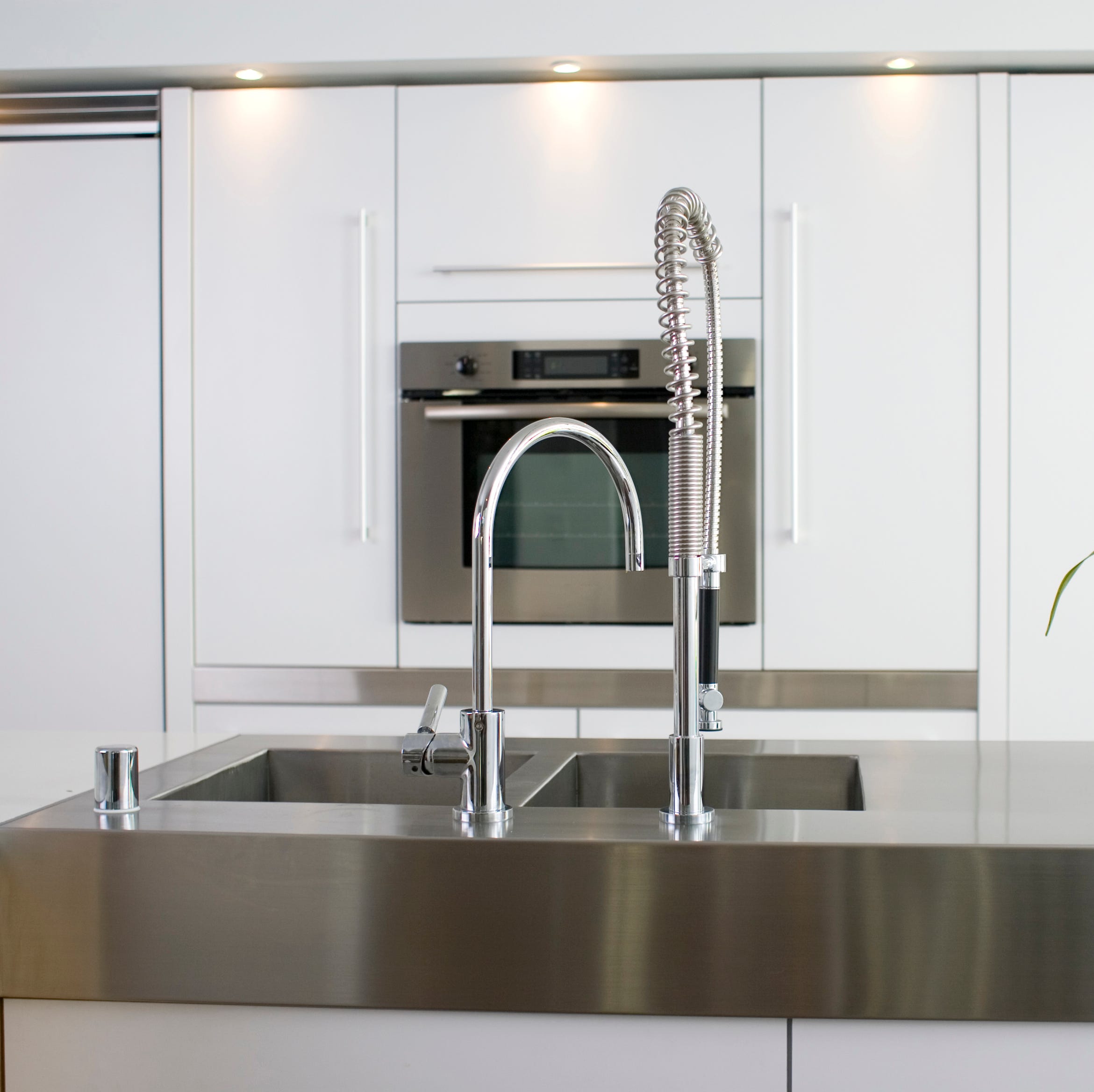
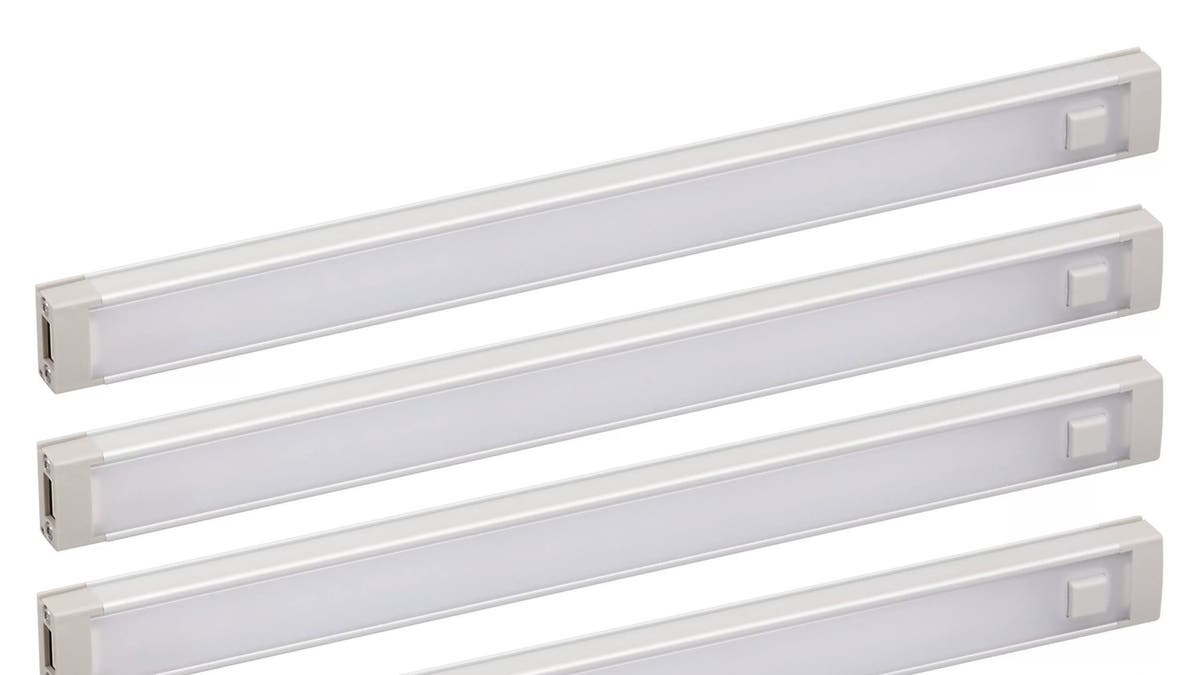
Layered lighting, combining ambient, task, and accent lighting, is crucial. Affordable options like under-cabinet strips and stick-on LED lights can enhance visibility and illuminate dark corners. Warm, dimmable lights create a cozy ambiance. Avoiding incorrect scale in fixtures is important for maintaining visual harmony.
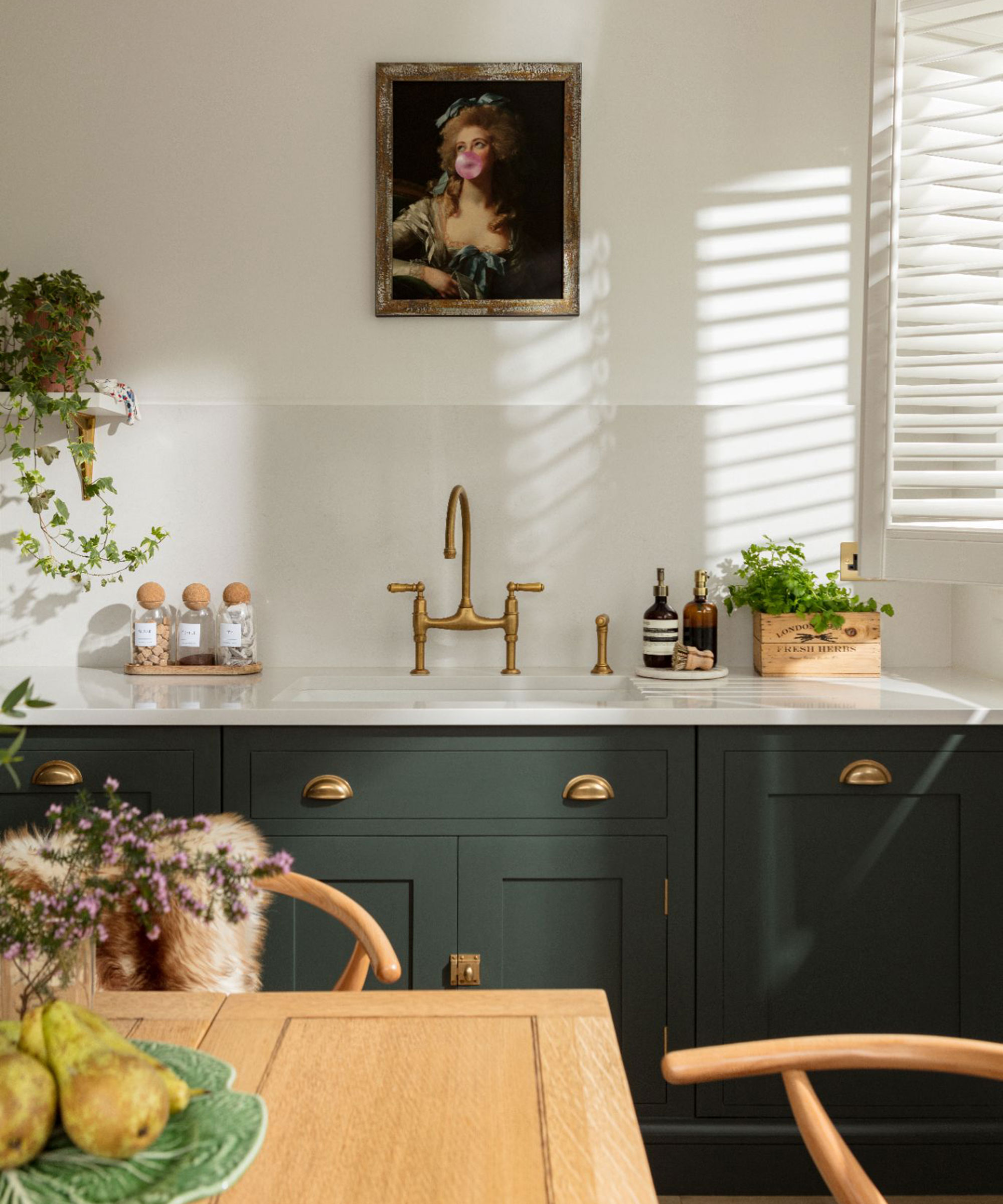
Affordable yet intentional decor, such as fresh greenery, succulents, or framed recipes, can personalize the kitchen. Textiles like patterned runners or linen tea towels add softness. Restraint in decor is advised to maintain a calm and uncluttered flow.
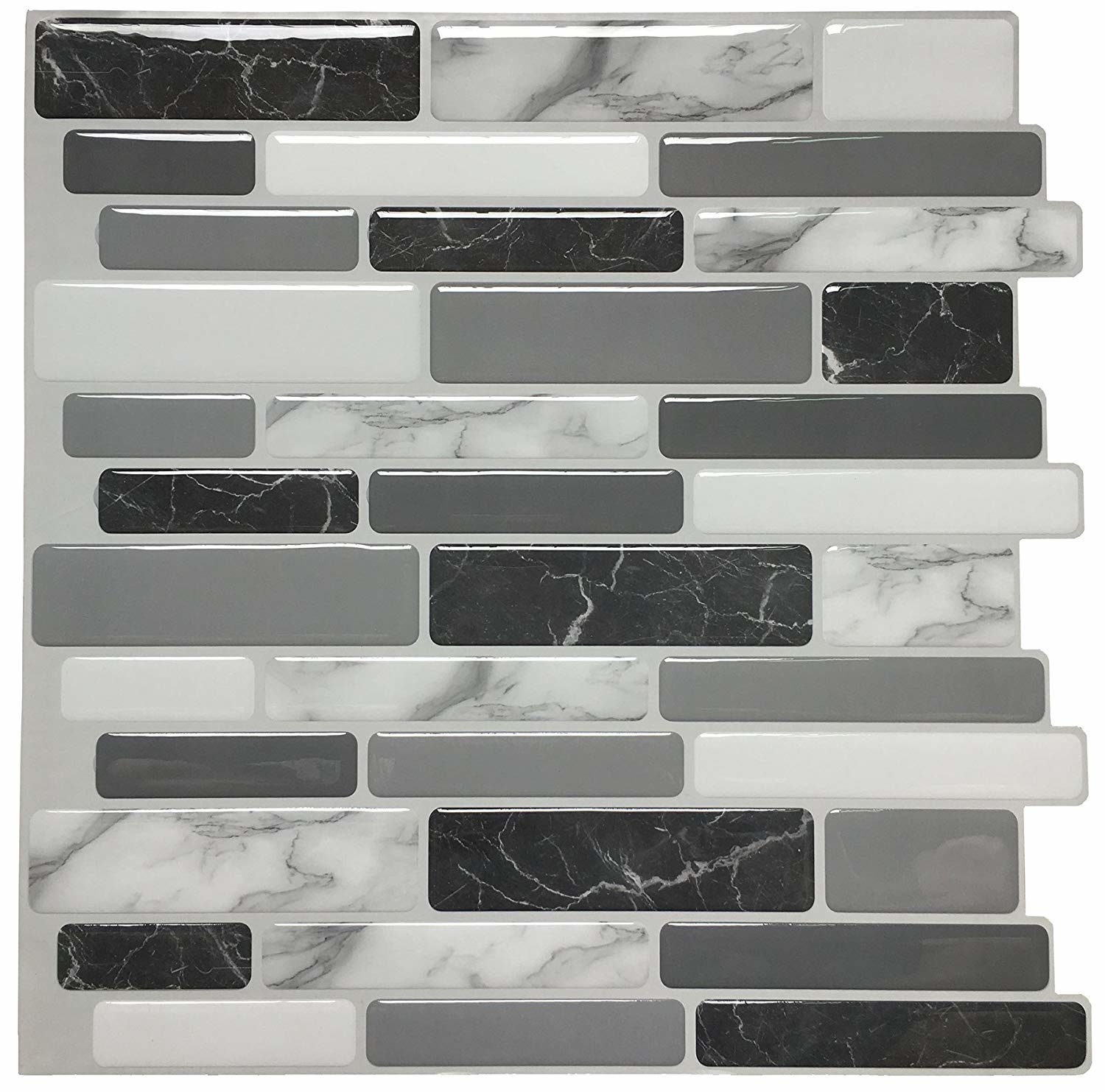
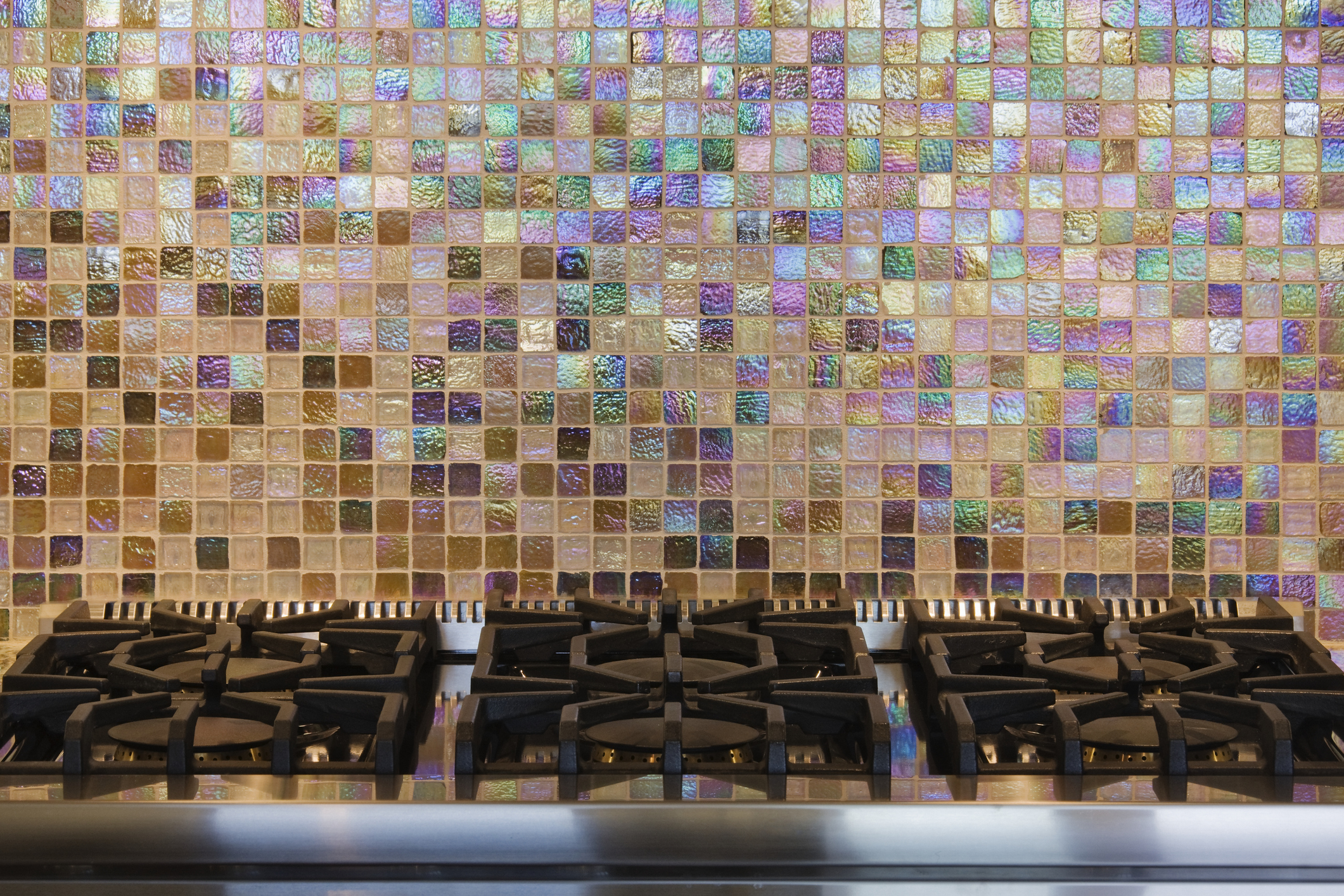
Updating the backsplash budget-friendly can be achieved with patterned peel-and-stick wallpaper or adhesive decals. Timeless neutrals and subtle textures are preferred over extremely bold patterns. Subway tiles, adapted into herringbone or vertical stacks, offer a cost-effective and stylish option.
Incorporating repurposed or upcycled materials, such as reclaimed wood for shelving or vintage tiles for a backsplash, is both environmentally friendly and cost-saving, adding a unique character to the kitchen. Repurposed furniture can also be reimagined for new uses, like a kitchen island base.
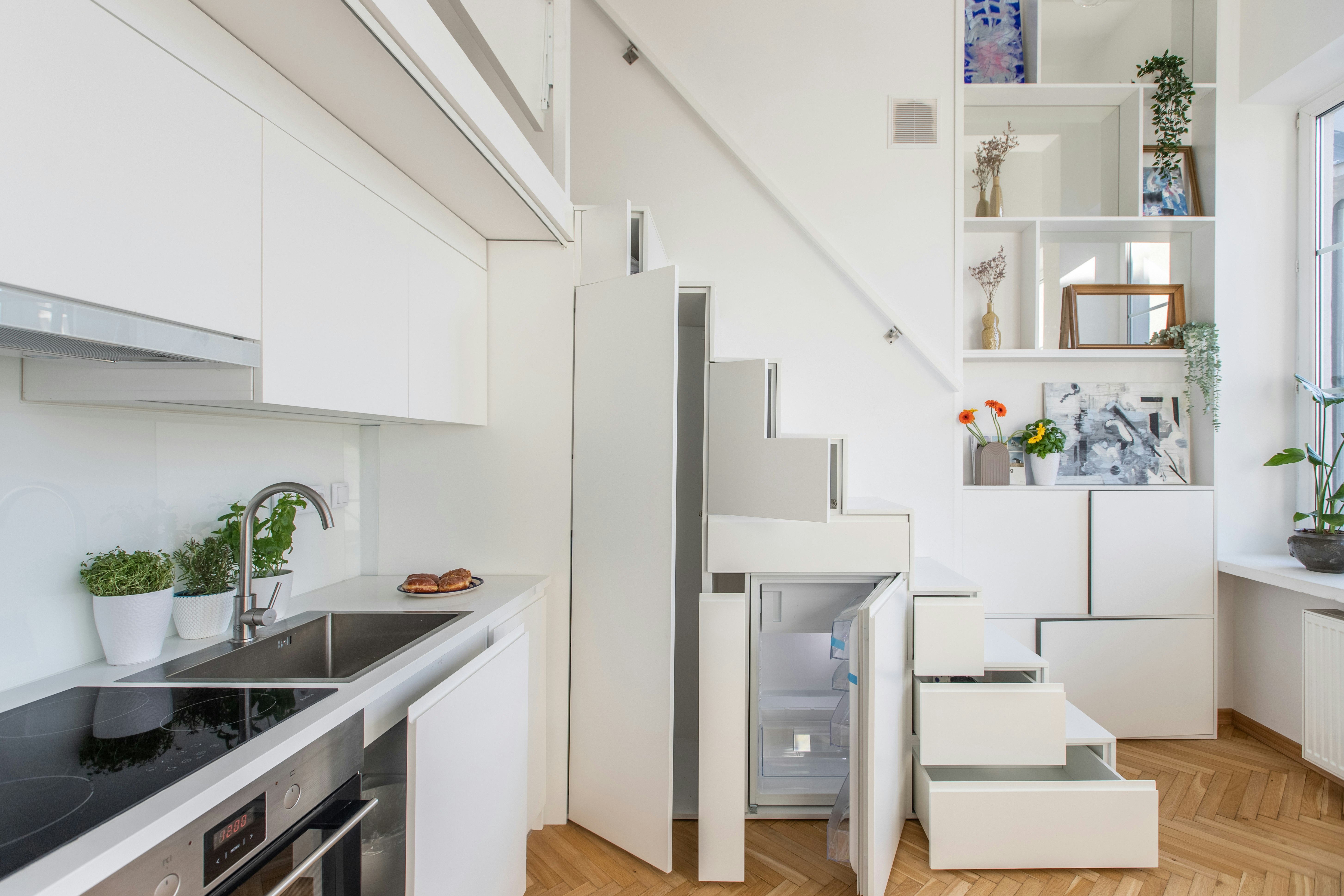
Low-cost storage solutions are essential for a functional kitchen. Pull-out baskets, magnetic knife strips, and hooks under shelves can enhance utility without major expense. Organizing existing drawers with dividers is also effective. Strategic use of existing space often negates the need for additional cabinets.
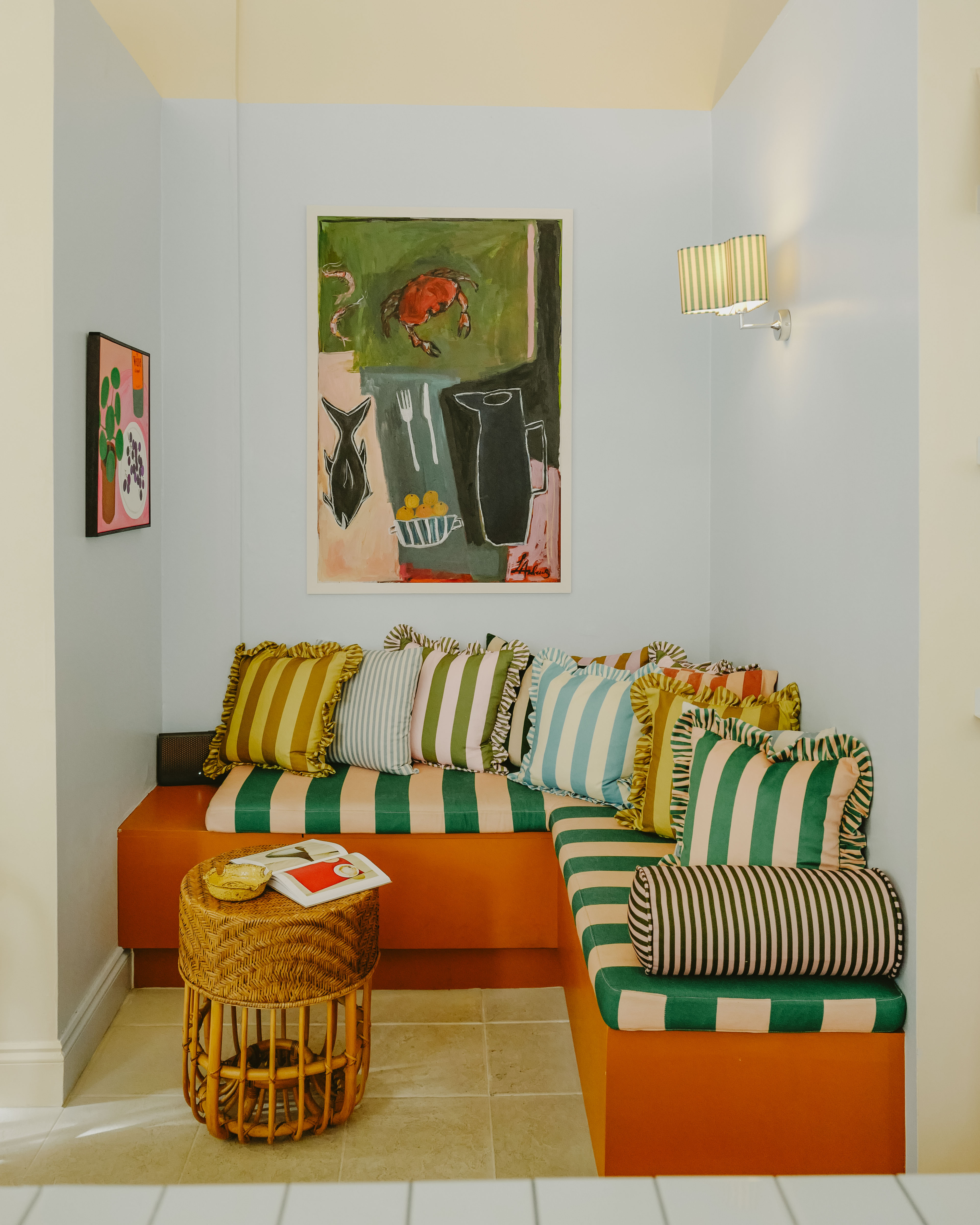
Working in soft furnishings, such as cotton or jute fabrics for curtains, table runners, or rugs, balances the rigid surfaces of the kitchen, adding emotional softness and comfort. These items can be easily updated seasonally without significant investment.
Cost-effective wallpaper, particularly vinyl-coated options resistant to moisture, can add dimension and personality. Subtle textures, soft geometrics, and botanical prints are recommended. A feature wall with wallpaper can create impact on a budget.
Finally, recognizing when to seek professional help is critical. DIY projects like painting or hardware installation are rewarding, but technical tasks such as plumbing, electrical work, and structural changes require professionals to ensure safety and prevent costly repairs. Intricate installations like countertops also benefit from experienced hands to achieve a sophisticated finish, ultimately ensuring longevity and a luxurious feel in the details.
#KitchenRemodel #BudgetDecor #HomeImprovement #InteriorDesign #DIYKitchen #CostSavingTips #KitchenDesign #SustainableDesign #HomeRenovation #KitchenRemodel #BudgetDecor #HomeImprovement #InteriorDesign #DIYKitchen #CostSavingTips #KitchenDesign #SustainableDesign #HomeRenovation
0 comment in total
 No comments yet
You may also like
How to renovate your kitchen on a budget

'Home Town' hosts share budget-friendly kitchen renovation ideas

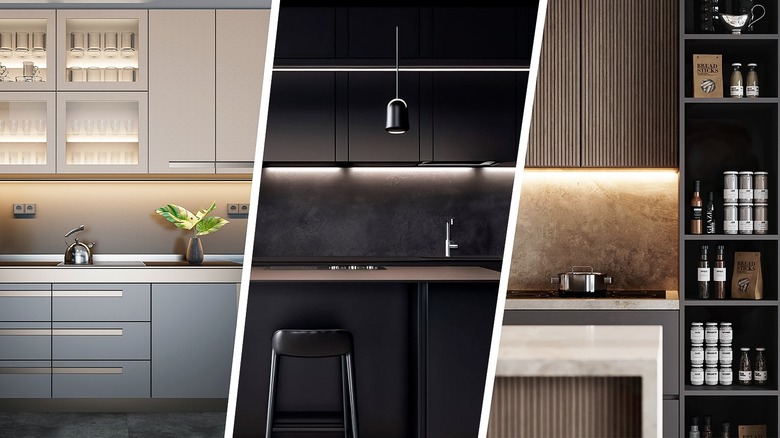
13 Pro Tips To Make Your Kitchen Look Bougie On A Budget

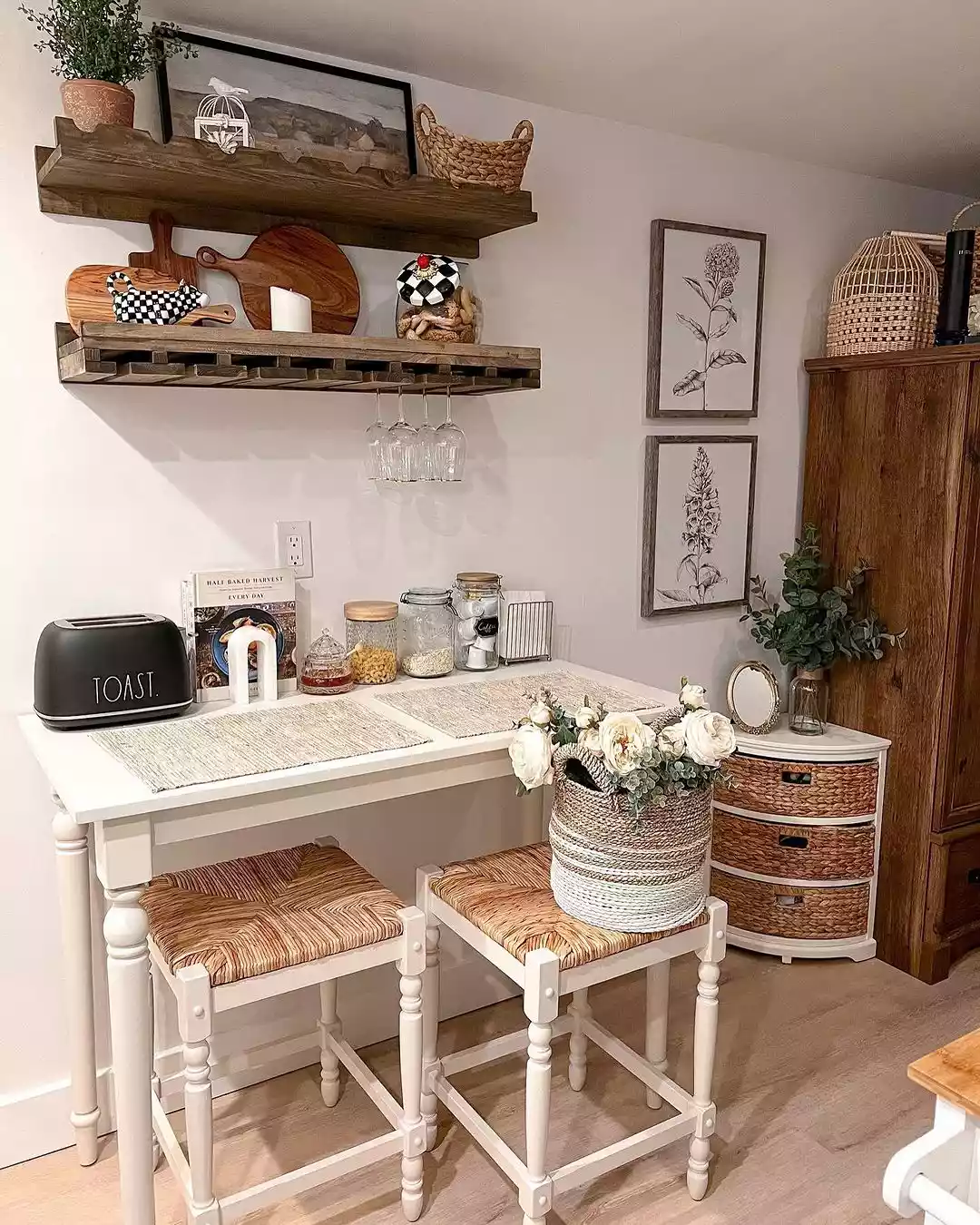
22 Small Kitchen Ideas on a Budget That Are Worth Your Time and Money

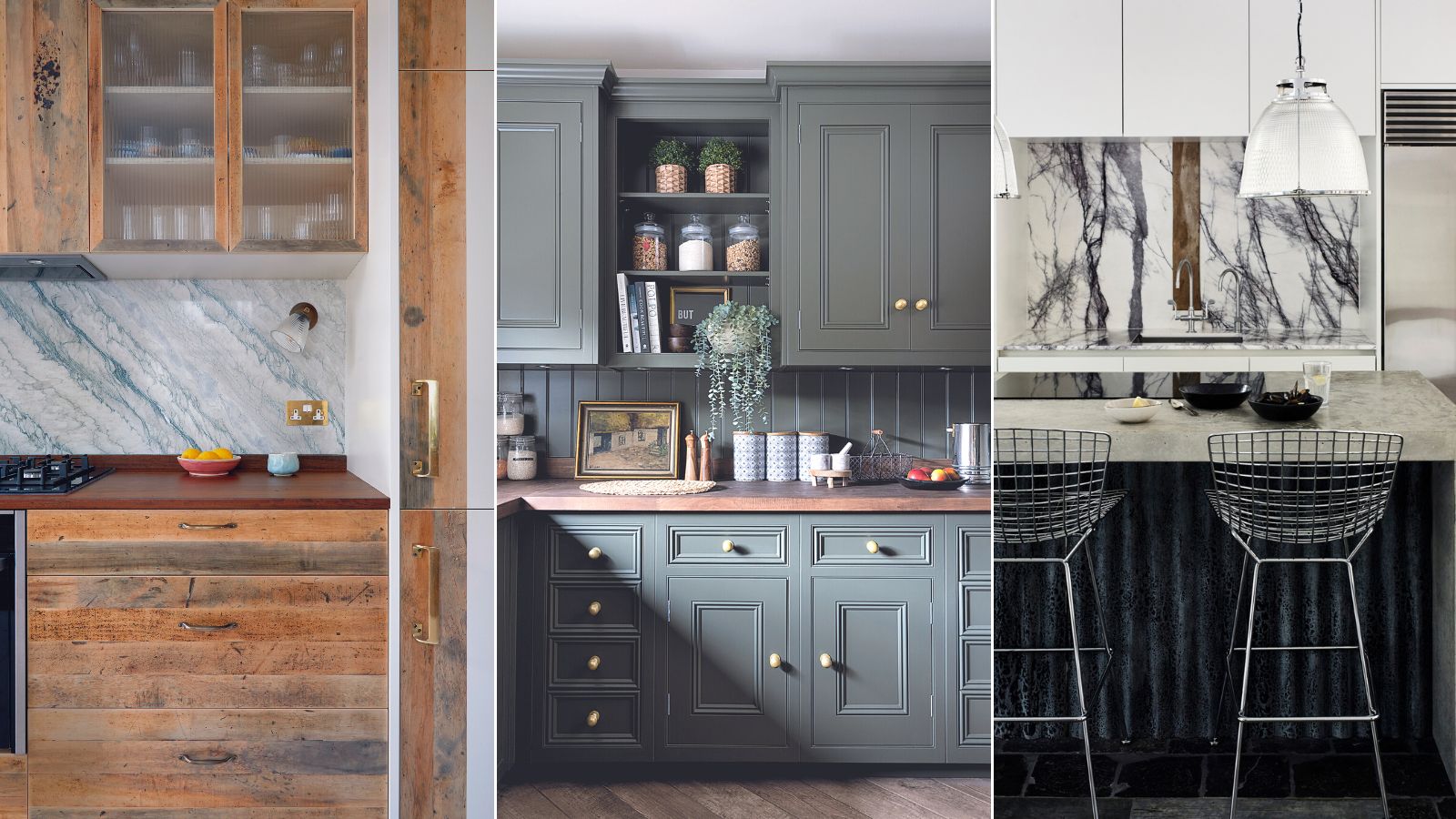
Budget kitchen remodel ideas – 10 ways to transform your space with minimal spend
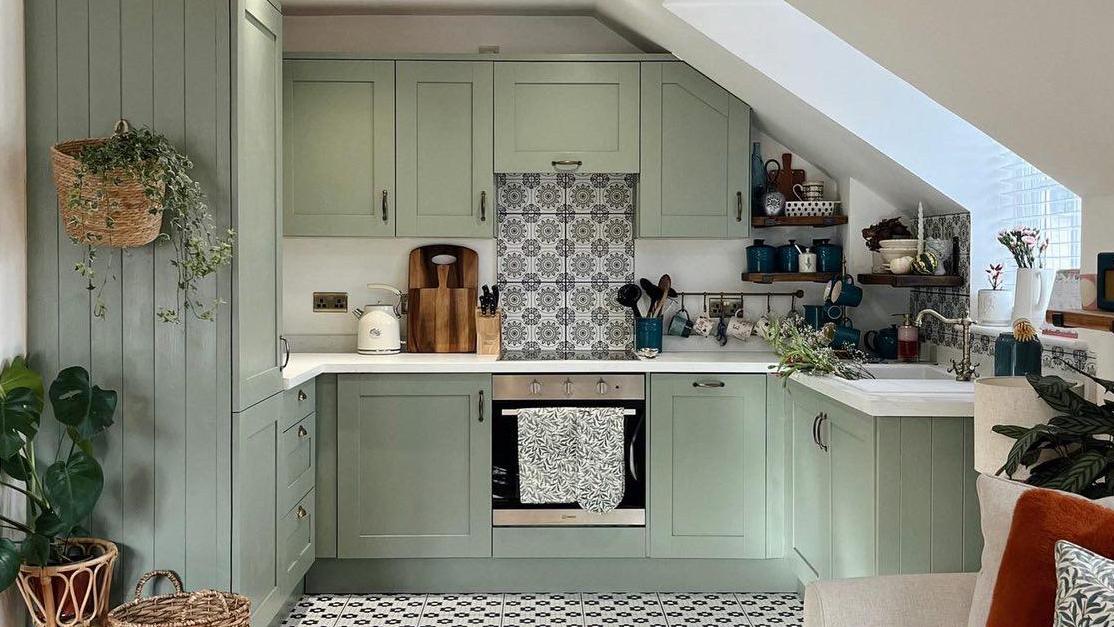
Budget kitchen trends, from benches to open shelving
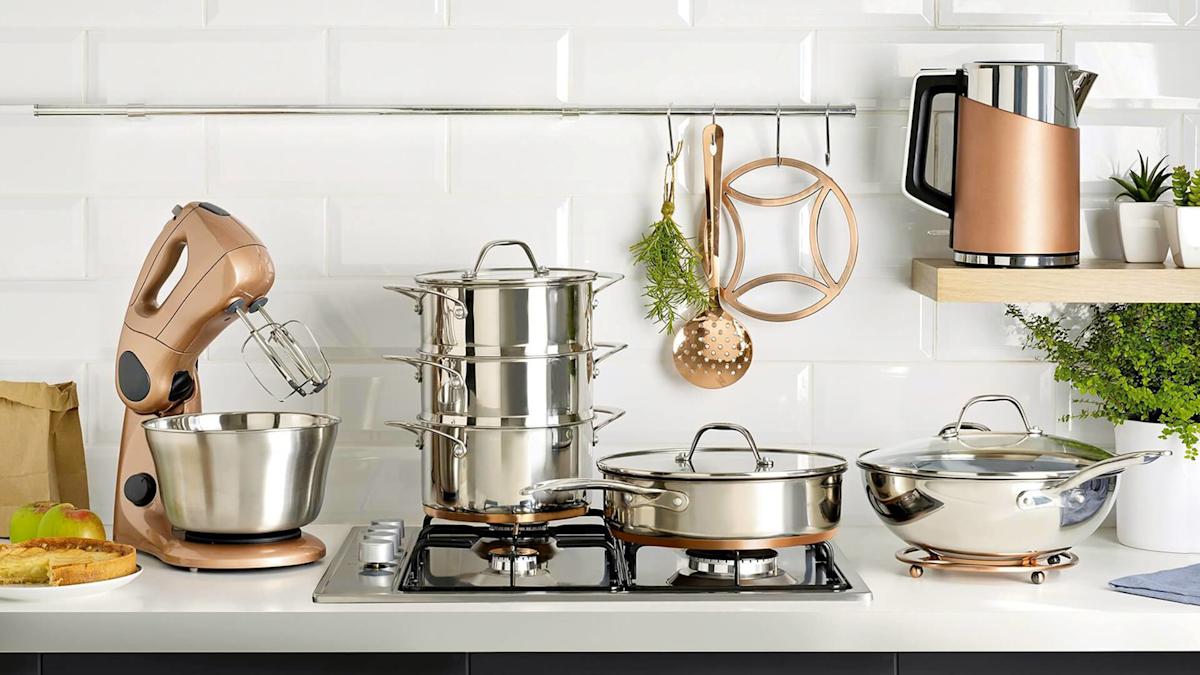
5 Millionaire Kitchen Upgrades You Can Copy on a Budget

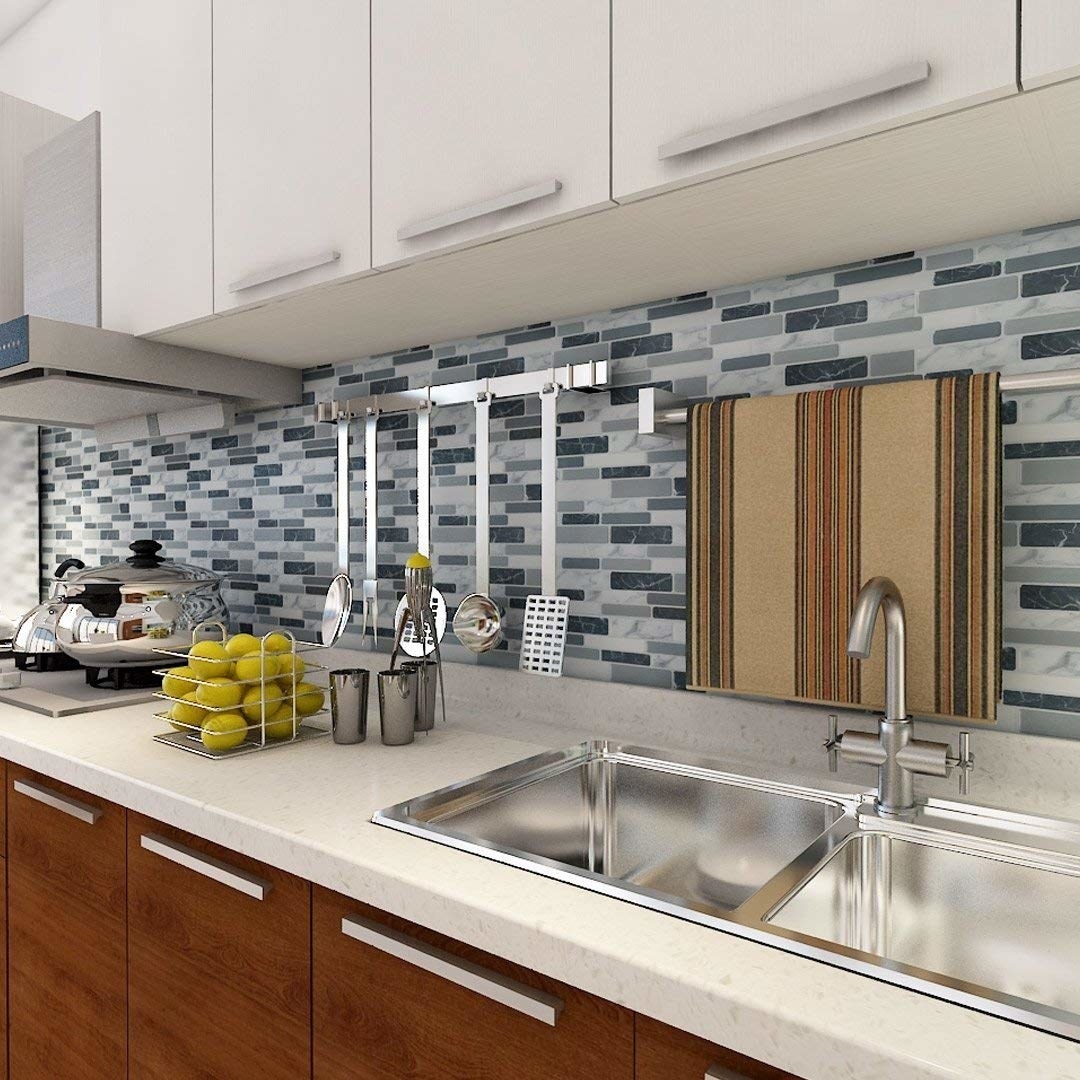
27 Small Ways To Make Your Kitchen Look Like An “After” Shot On HGTV

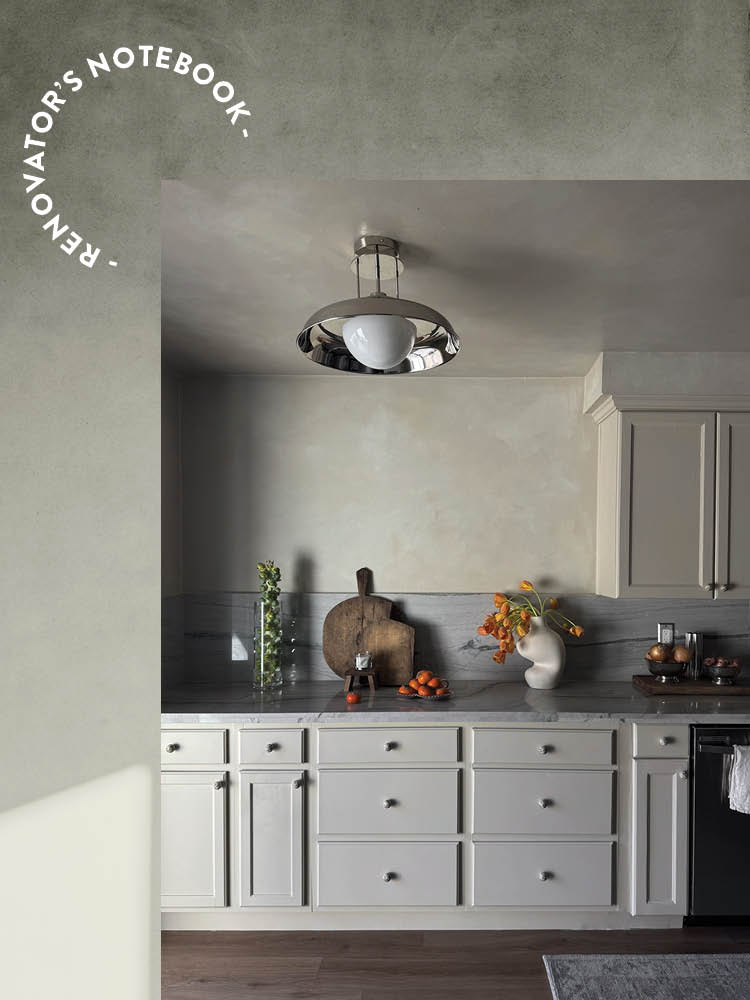
With a $6,500 Budget, I Was Determined to Fall in Love With My Galley Kitchen

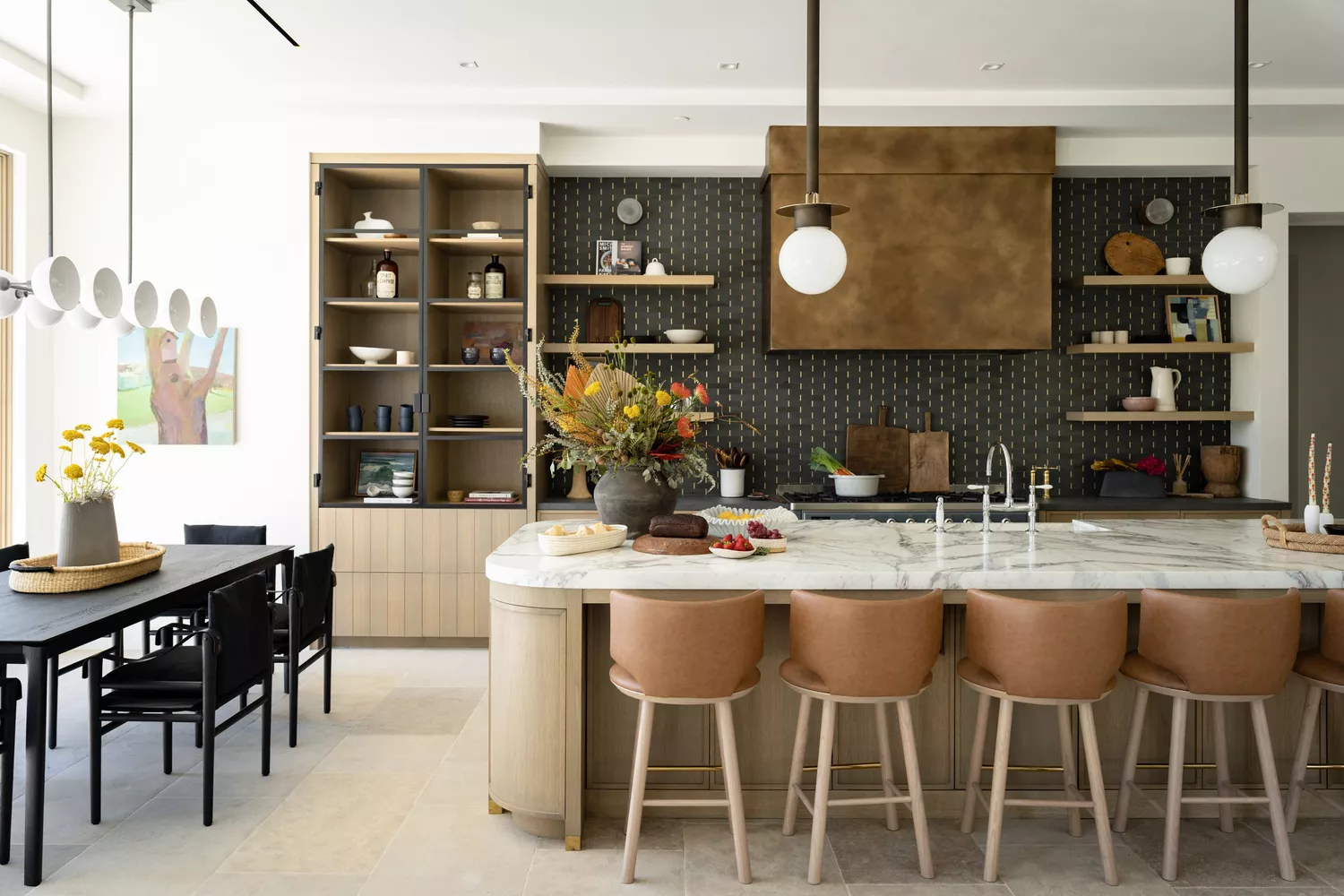
How to Get a Designer Kitchen Without Breaking the Bank, According to Decor Pros

These 14 Compact Kitchen Renovations Start With the Best Ingredients


Expert Advice on Where to Splurge in Your Kitchen Renovation

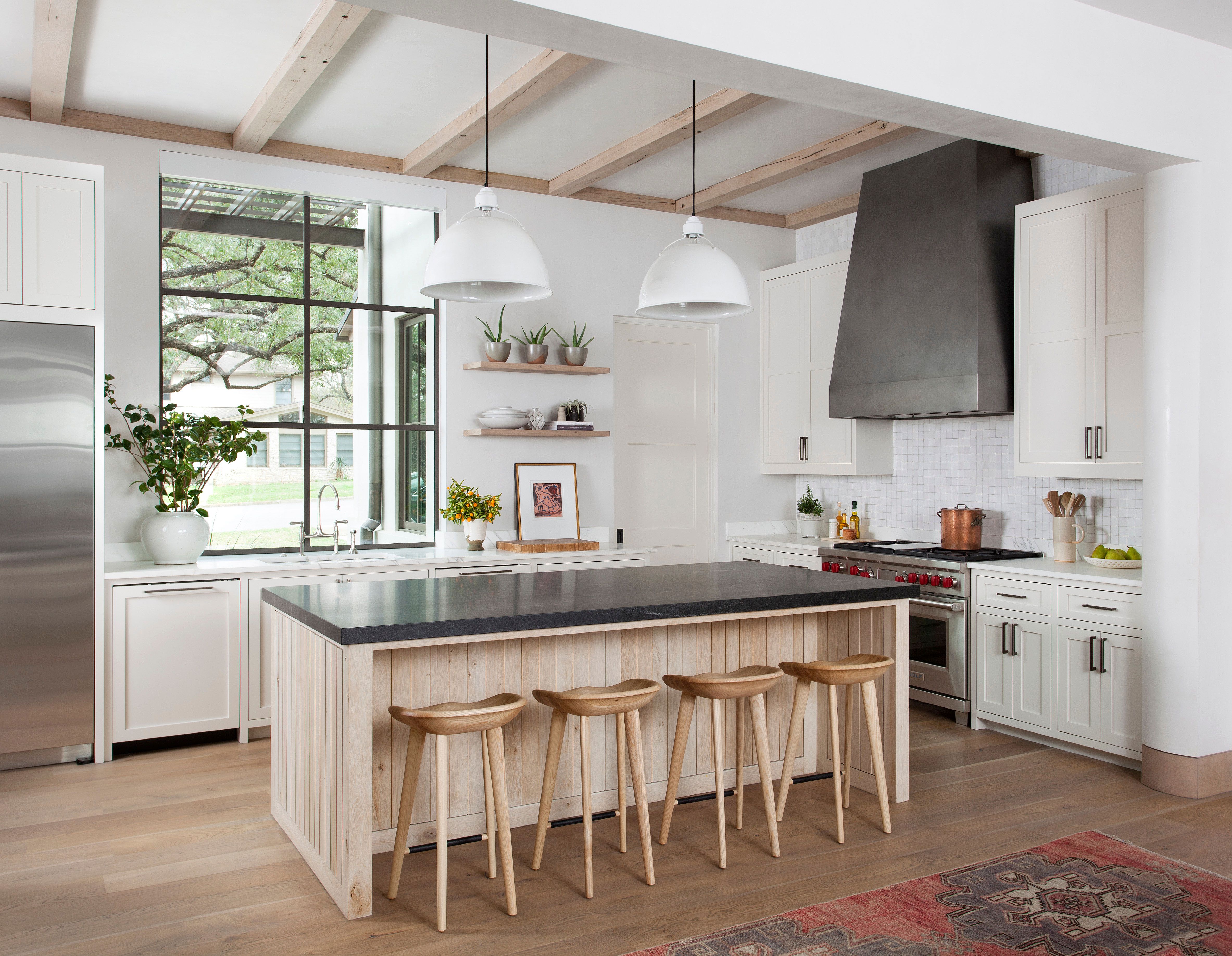
7 Clever (and Cost-Saving) Ways to Make Your Kitchen Look Expensive

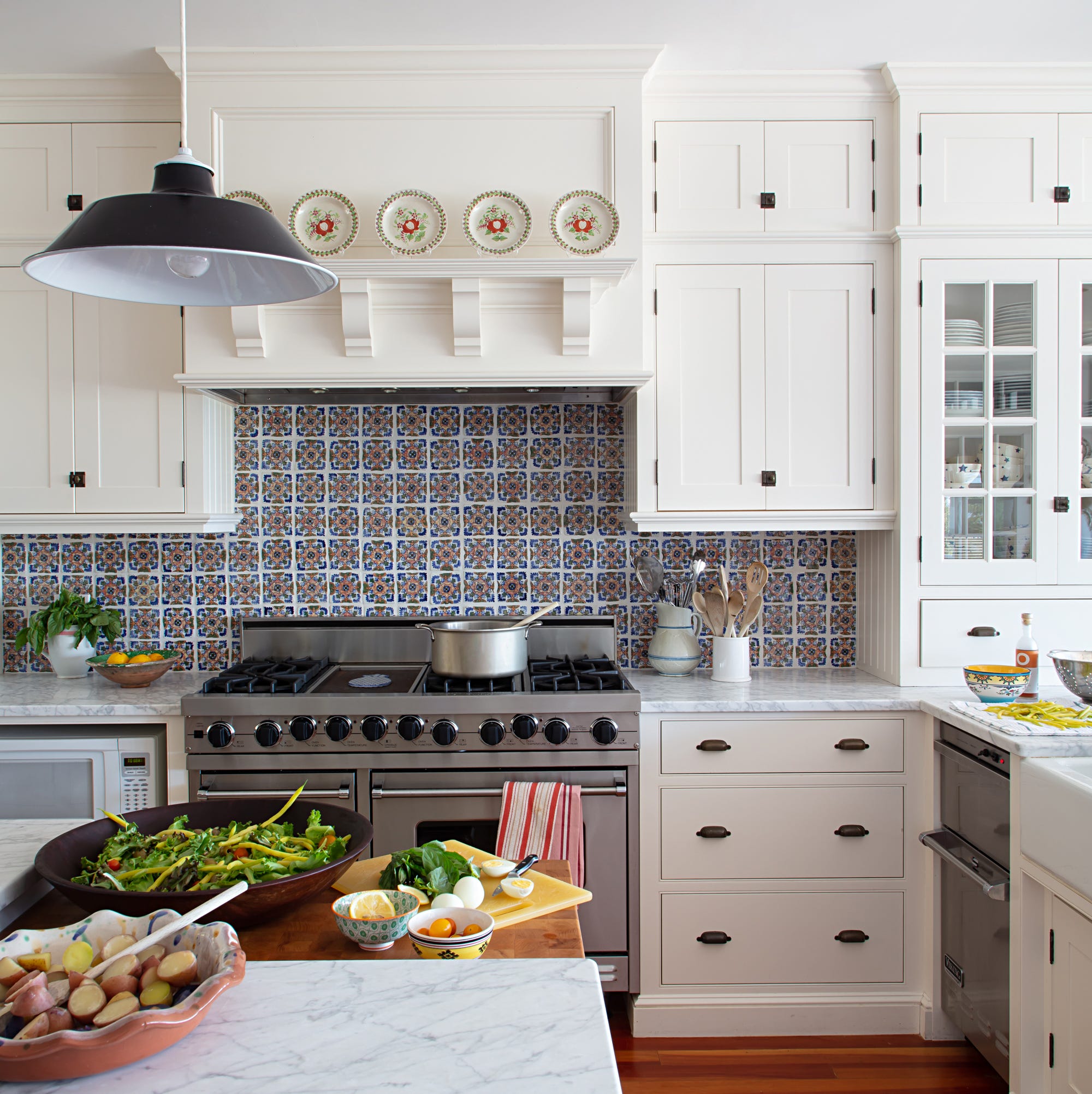
Designers Say Making This Small Change Can "Transform" Your Kitchen

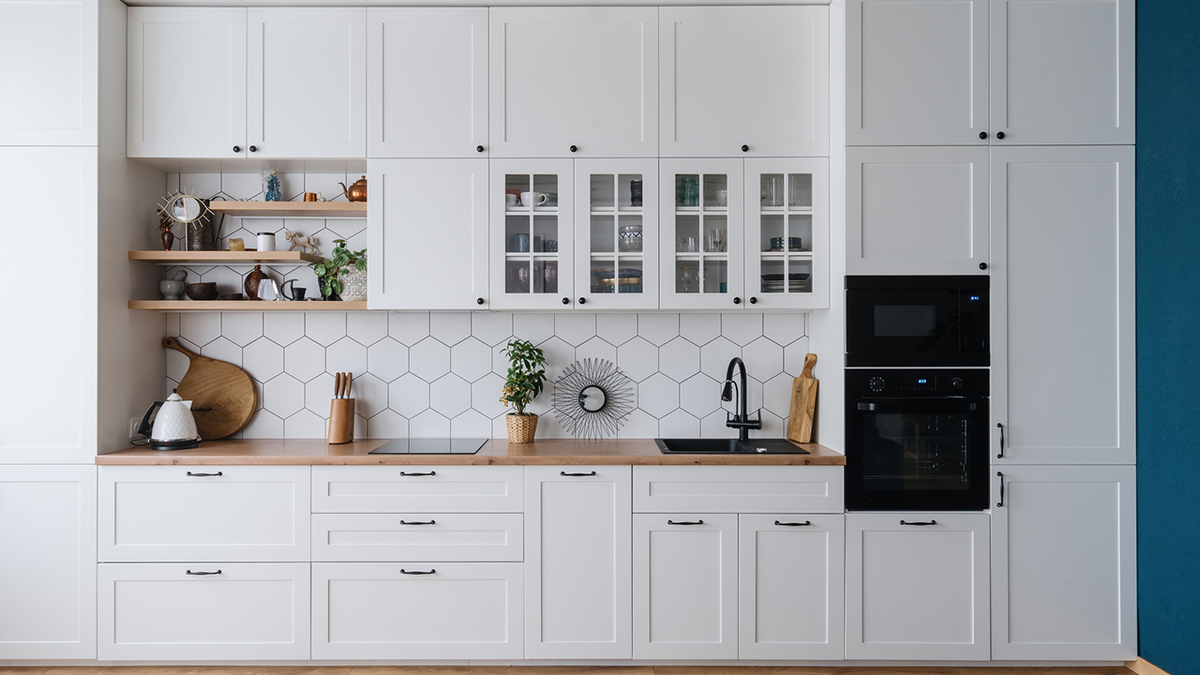
Revamp your kitchen with these 5 DIY hacks for under $125

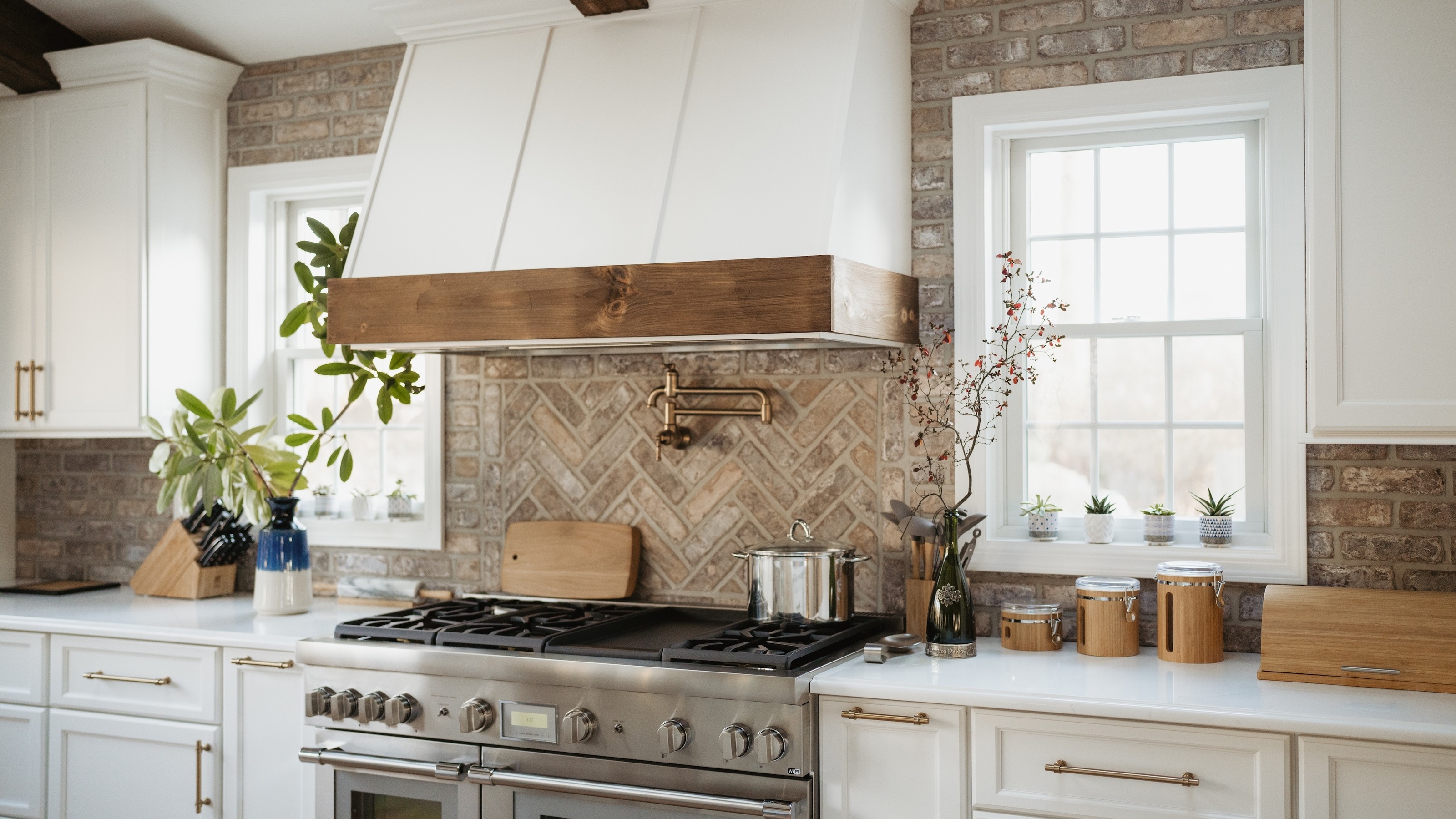
5 Kitchen Appliances You Don't Need to Spend Money on If Money is Tight

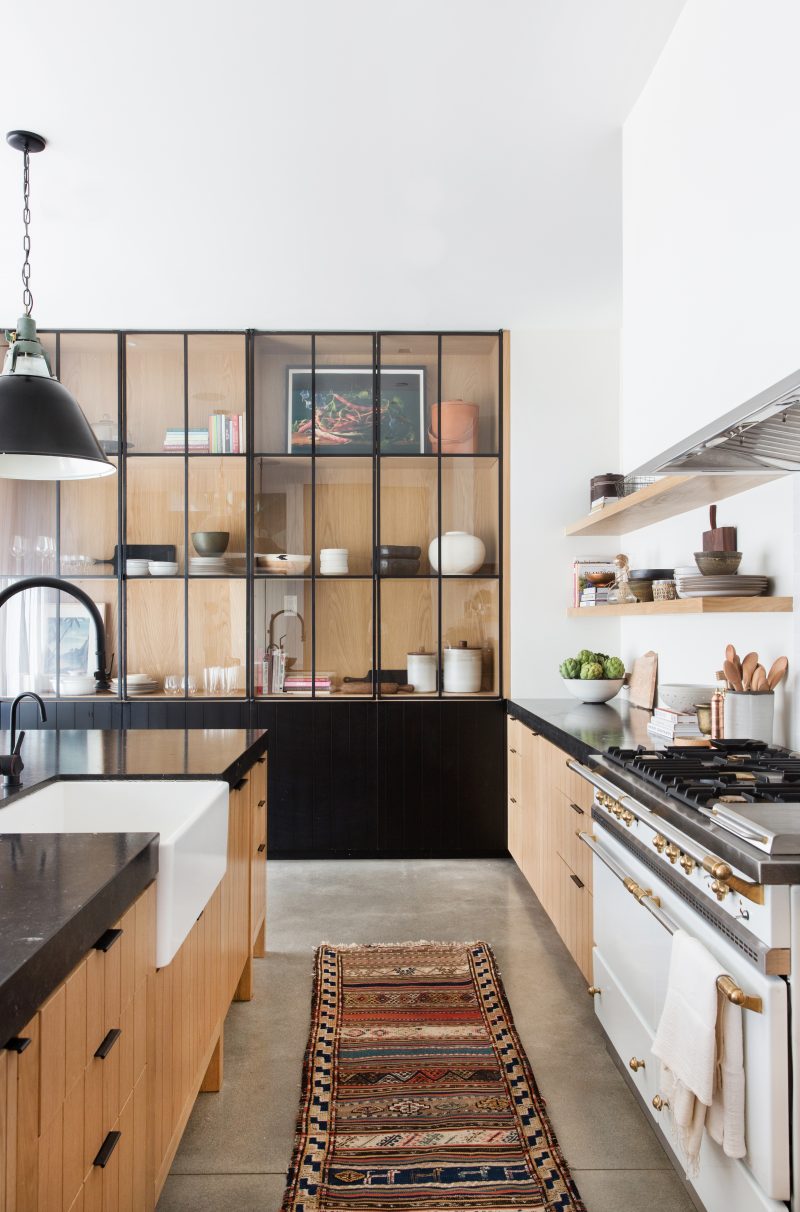
I’ve Renovated Over 30 Kitchens, This Is My Top Tip for Remodeling on a Budget
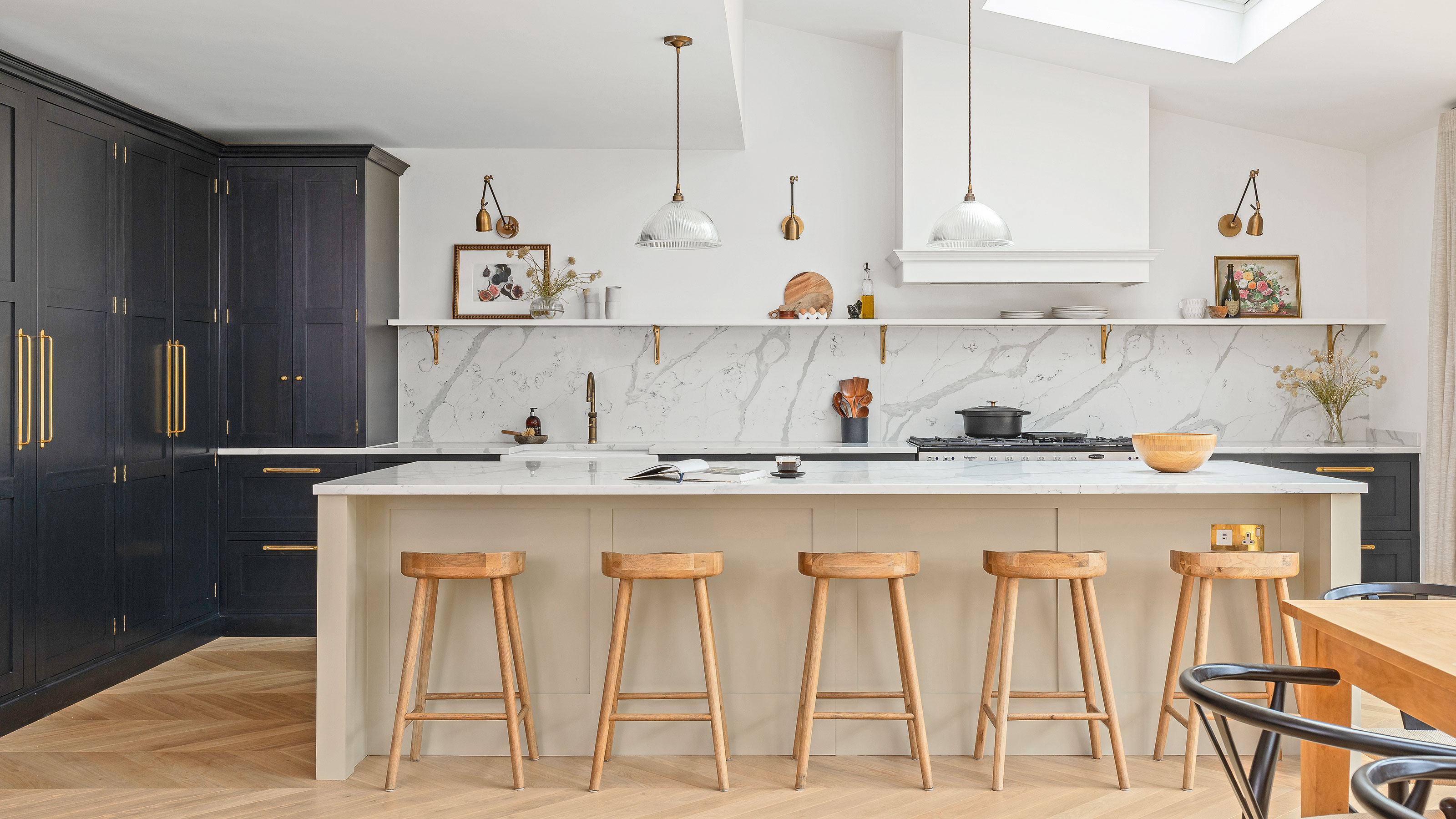
27 budget kitchen ideas - the best low cost ways to spruce up your cooking space

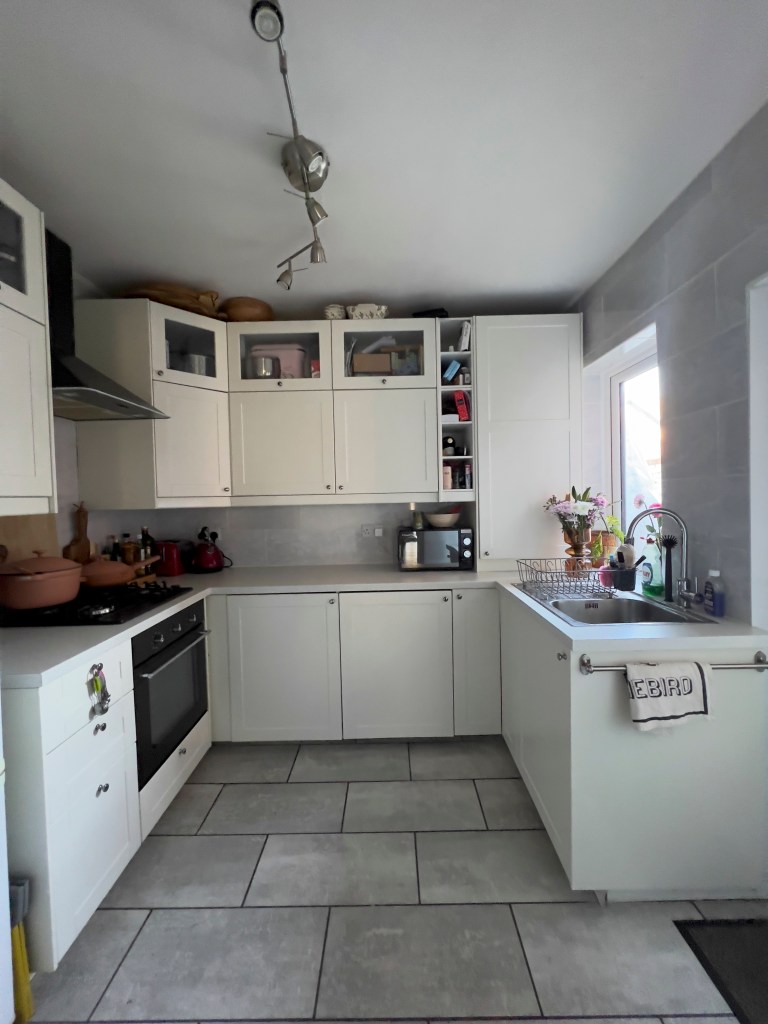
I saved thousands on my kitchen renovation just by watching a few DIY videos — it was easy
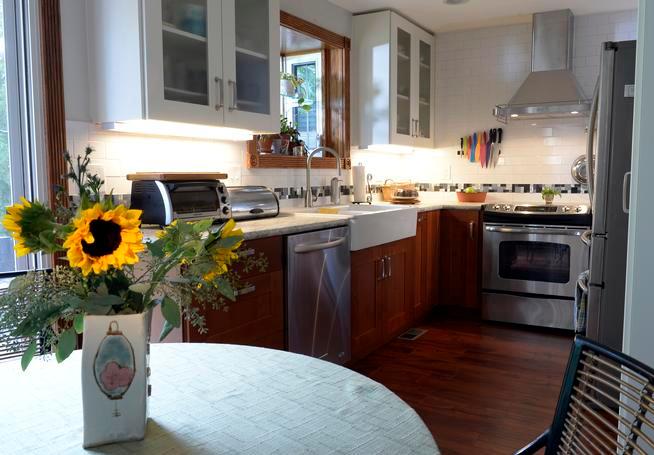
Kitchen remodel: What it really costs, plus three ways to save big