How AI and Automation Are Transforming the Home Textile Industry: A New Era of Efficiency and Innovation
The home textile industry is currently experiencing a significant transformation due to the integration of artificial intelligence (AI) and automation. This technological shift is impacting various aspects of the industry, from initial fabric production and design processes to quality control measures and sophisticated supply chain management. AI-powered analytics, advanced robotic automation, and the emergence of smart textiles are collectively contributing to a manufacturing environment that is faster, more efficient, and increasingly sustainable. Companies that are embracing these innovative technologies are observing notable improvements in product quality, substantial reductions in waste generation, and an enhanced ability to offer highly personalized solutions that cater to individual consumer preferences.
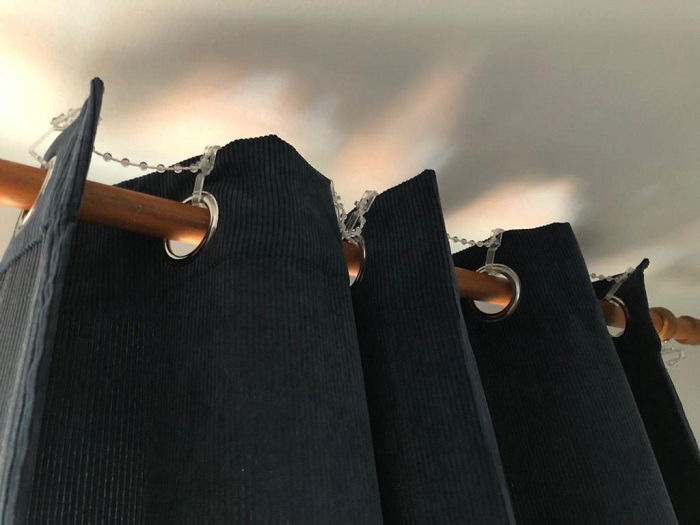
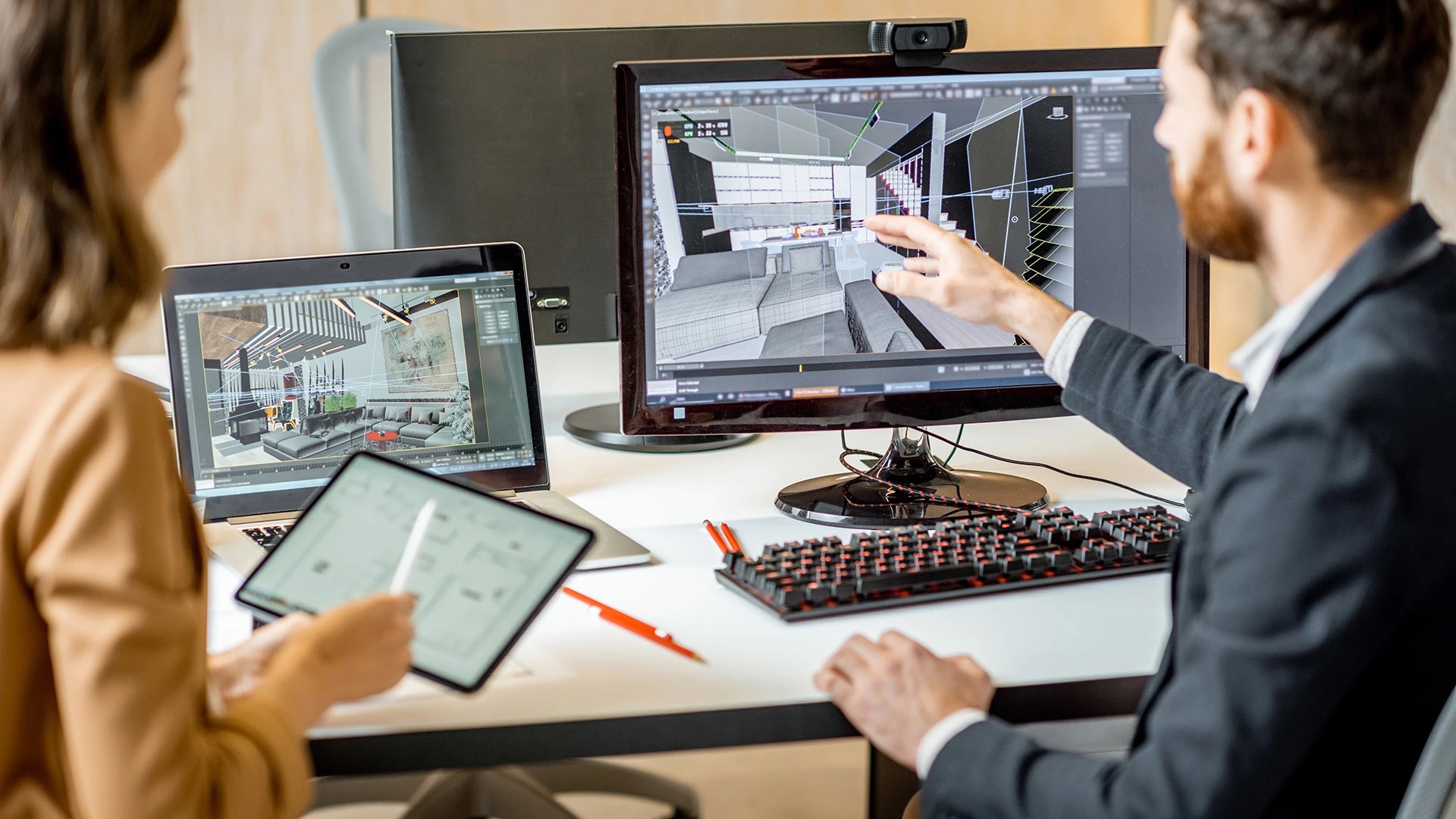
AI is proving instrumental in home textile design and customization. Sophisticated algorithms are capable of analyzing current market trends, incorporating customer feedback, and processing historical data to accurately predict popular patterns, colors, and material choices. AI-driven design software can generate complex and intricate patterns with efficiency that would be time-consuming for human designers, enabling companies to quickly adapt to evolving fashion trends. Furthermore, AI is elevating customization capabilities, allowing consumers to personalize items such as curtains, bed linens, and upholstery fabrics to match their specific color and design preferences. AI-powered platforms offer a valuable feature that allows users to virtually visualize how different textiles will appear within their homes prior to making a purchase, thereby enriching the overall shopping experience.
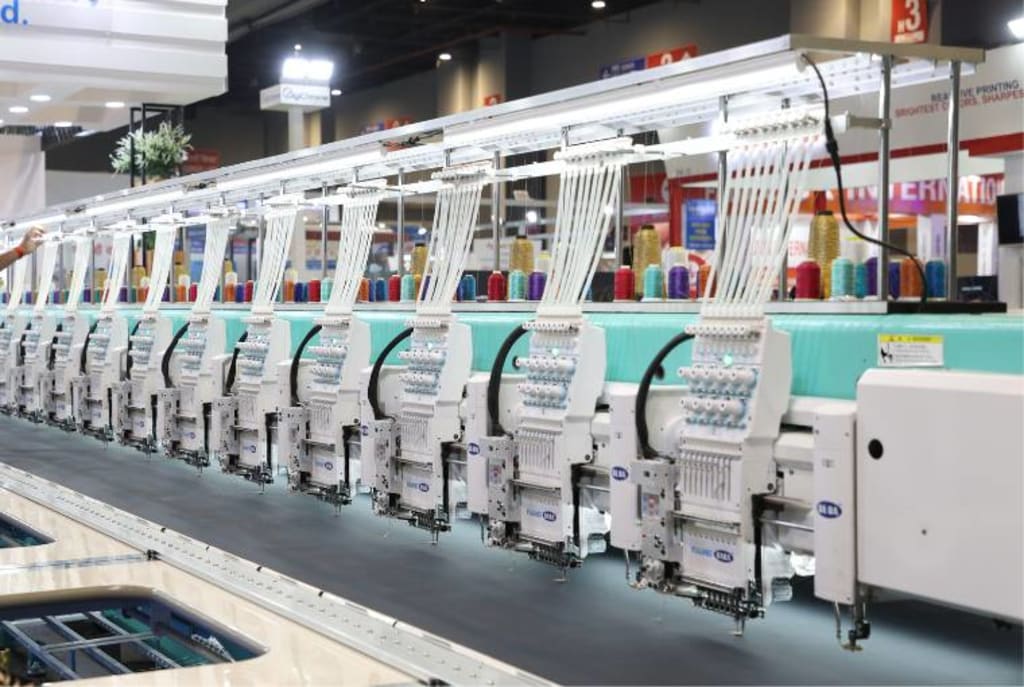
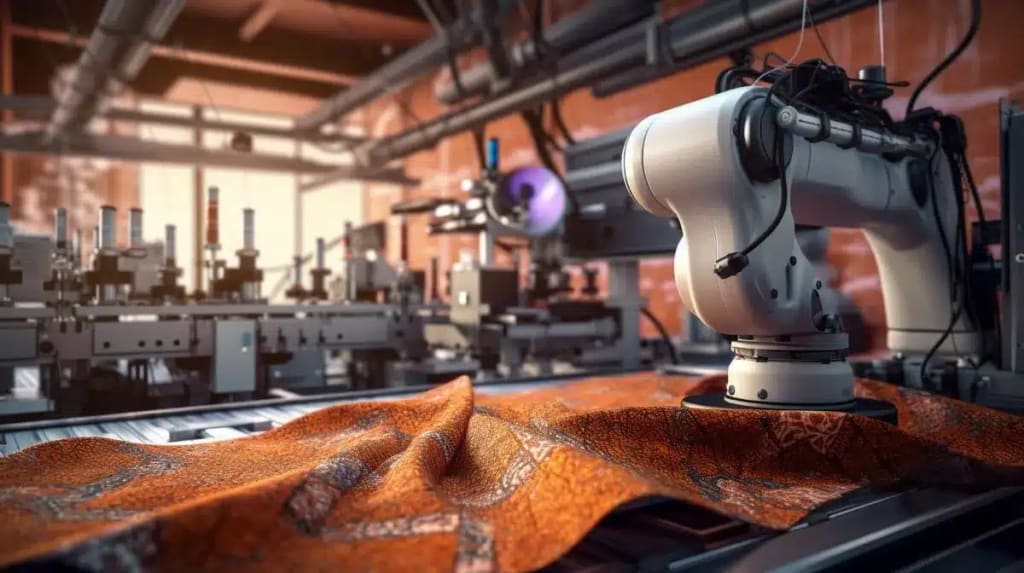
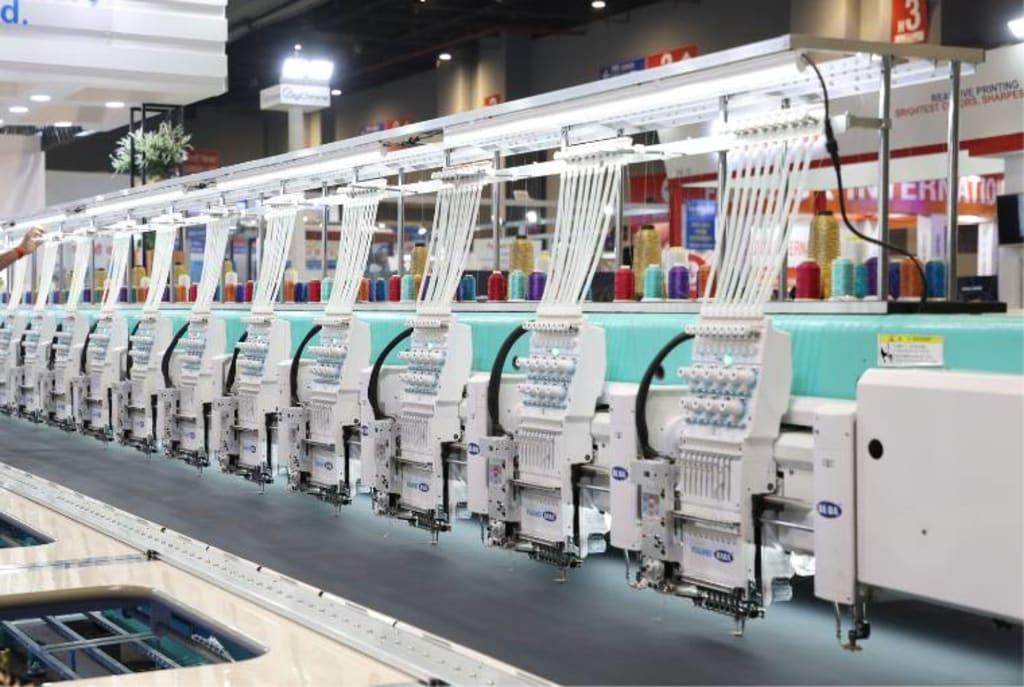
Automation is playing a critical role in streamlining home textile production by significantly boosting efficiency and minimizing human errors. Intelligent machines, integrated with AI and robotics, are precisely handling tasks such as fabric weaving, cutting, and sewing. Automated weaving machines can produce complex textile patterns with high accuracy and speed, drastically cutting down production time. Robotic cutting systems, powered by AI, optimize fabric usage to reduce waste and improve precision. Automated sewing machines consistently stitch textiles with high accuracy, leading to fewer defects and ensuring uniform product quality. The adoption of automation is allowing manufacturers to substantially increase production capacity while maintaining rigorous quality standards.
In the realm of quality control and defect detection, AI is revolutionizing processes that were traditionally manual, time-consuming, and prone to human error. AI-powered vision systems are now capable of identifying defects like irregular patterns, fabric inconsistencies, and stitching errors in real-time. Machine vision technology, utilizing AI-powered cameras, rapidly analyzes fabrics for imperfections, ensuring that only high-quality textiles reach the market. Additionally, AI facilitates predictive maintenance by monitoring machinery performance to foresee potential failures, which reduces downtime, enhances operational efficiency, and lowers maintenance costs. This AI-driven approach to quality control ensures consistent product quality while simultaneously reducing waste and operational expenditures.
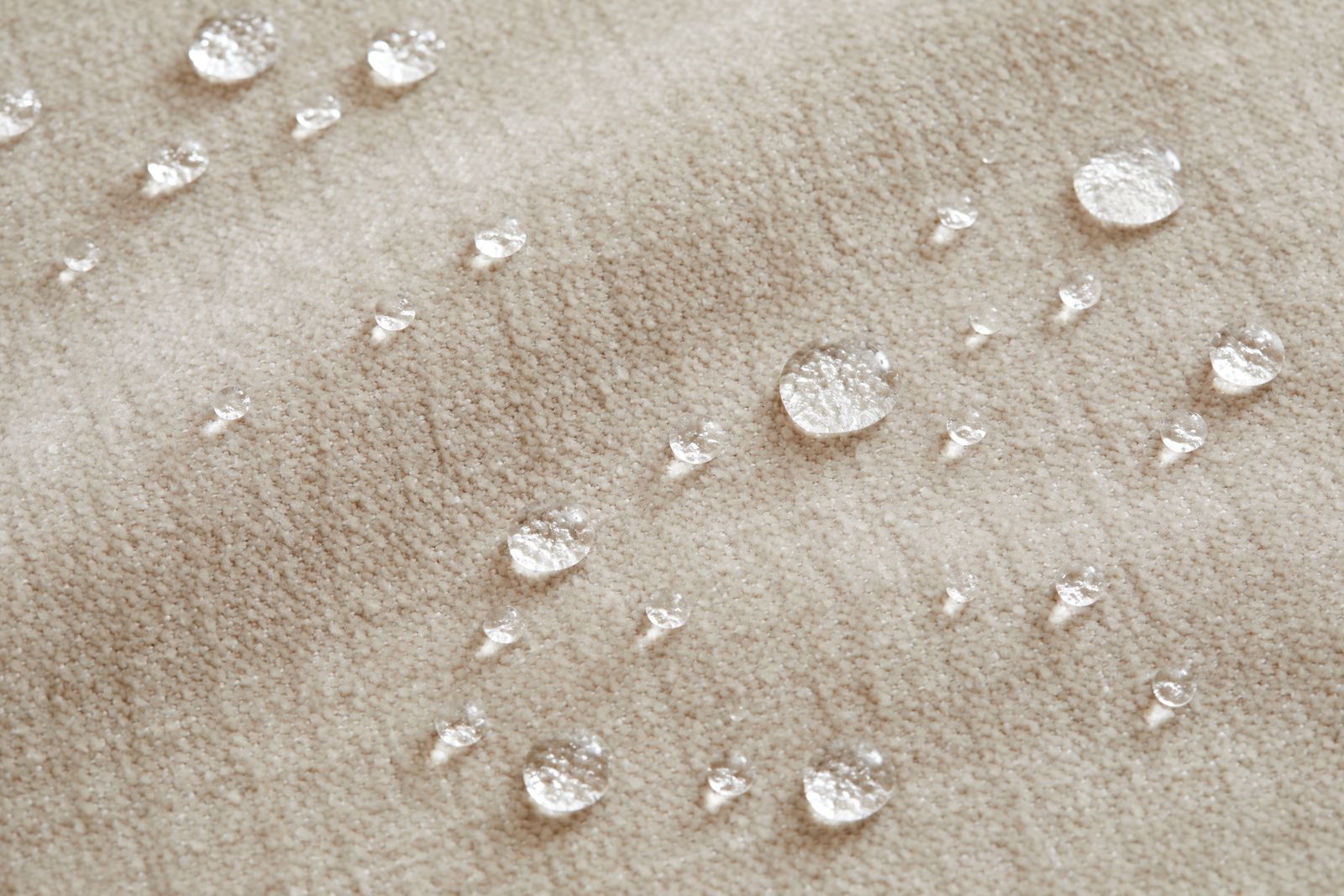
The development of smart textiles, integrated with IoT (Internet of Things) technology, represents a groundbreaking advancement in the industry. These fabrics now offer enhanced functionalities such as temperature regulation, moisture-wicking, anti-bacterial properties, and even self-cleaning capabilities through nanotechnology. These innovations are redefining home textiles by providing smarter, more durable, and highly functional fabric solutions.
AI and automation are also optimizing the home textile supply chain and inventory management. AI-driven analytics assist businesses in tracking market demand and adjusting production accordingly, which minimizes overproduction and waste. AI-powered tools forecast demand by analyzing customer trends and sales data, automate inventory management by tracking stock levels in real-time, and enhance logistics through route optimization for more efficient transportation. These implementations lead to reduced costs, improved efficiency, and greater customer satisfaction.
Sustainability is a key focus for the home textile industry, and AI is contributing significantly to reducing its environmental impact. AI-optimized fabric cutting maximizes material utilization, thereby minimizing waste. AI monitors water and energy consumption, leading to more efficient resource use. Furthermore, AI assists in the sorting and processing of recycled fabrics, enabling manufacturers to create new textiles from discarded materials. This integration of AI and automation is fostering a more sustainable and environmentally responsible home textile industry.
In e-commerce, AI is transforming how home textiles are marketed and sold. E-commerce platforms leverage AI to analyze customer behavior and provide personalized product recommendations. AI-driven virtual reality (VR) and augmented reality (AR) applications allow customers to visualize textiles in their homes before purchase, while AI-powered chatbots offer instant customer support. These innovations enhance the shopping experience, increase customer satisfaction, and boost sales.
The future of the home textile industry will be defined by continuous advancements in AI and automation. Emerging trends include AI-generated textile designs, the proliferation of fully automated factories with minimal human intervention, and further development in sustainable AI-driven production. As these technologies evolve, the industry is expected to become even more efficient, sustainable, and innovative. The ongoing revolution in home textiles, propelled by AI and automation, is creating a landscape where product quality is improved, costs are reduced, and customer experiences are significantly enhanced, with early adopters poised to lead this new era of innovation.
#AITransformation #HomeTextileIndustry #Automation #SmartTextiles #SupplyChainOptimization #SustainableProduction #QualityControl #Customization #ECommerceInnovation #AITransformation #HomeTextileIndustry #Automation #SmartTextiles #SupplyChainOptimization #SustainableProduction #QualityControl #Customization #ECommerceInnovation
0 Kommentare insgesamt
 Noch keine Kommentare
Das könnte Ihnen auch gefallen

The Influence of AI in the Interior Design Industry

The floral fabric that was banned


Are Interiors Headed for an Industrial Revolution?

Why Smart Textiles Are the Future of Home Furnishings: The Intersection of Innovation and Comfort

Twelve fabric-covered gadgets that show how technology can be more cosy

15 highlights from Heimtextil: spot the textile trends for 2025

Innovations in Smart Textiles Transforming Home Décor

Rugs and Textiles go Vertical as Wall Art

Beyond Aesthetics: How Tech is Redefining Interior Design
How AI and Automation Are Transforming Home Textile Technology: The Future of Smart and Sustainable Living

The 5 fabric trends ruling interiors now, according to the pros


Top 16 AI Tools for Interior Design

How AI and Automation Are Transforming the Home Textile Industry: A New Era of Efficiency and Innovation
SwitchBot Curtain Rod 2 Review


The Transformative Power of AI in Architecture Design
Rising Home Equity Keeps People In Place, Exploding Remodeling Tech


Smart home must-haves – the 8 smart products to upgrade your home and lifestyle


30 Home Features That Jumped in Popularity This Year


Bru closes imagination gap with digital textiles rendered with AWS

Home Textile Industry News: Growth and Challenges in 2025