1/6
Finished basements
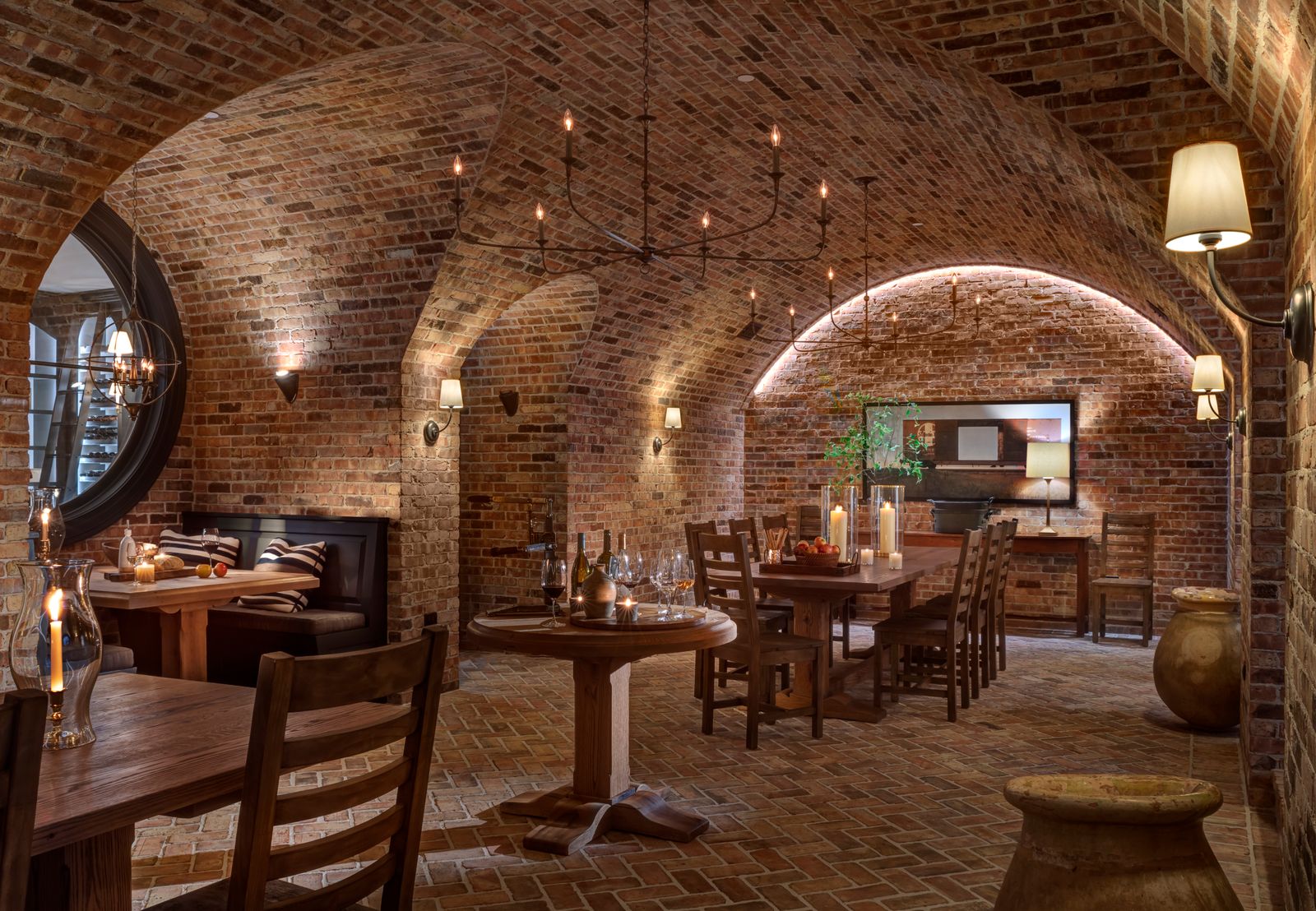
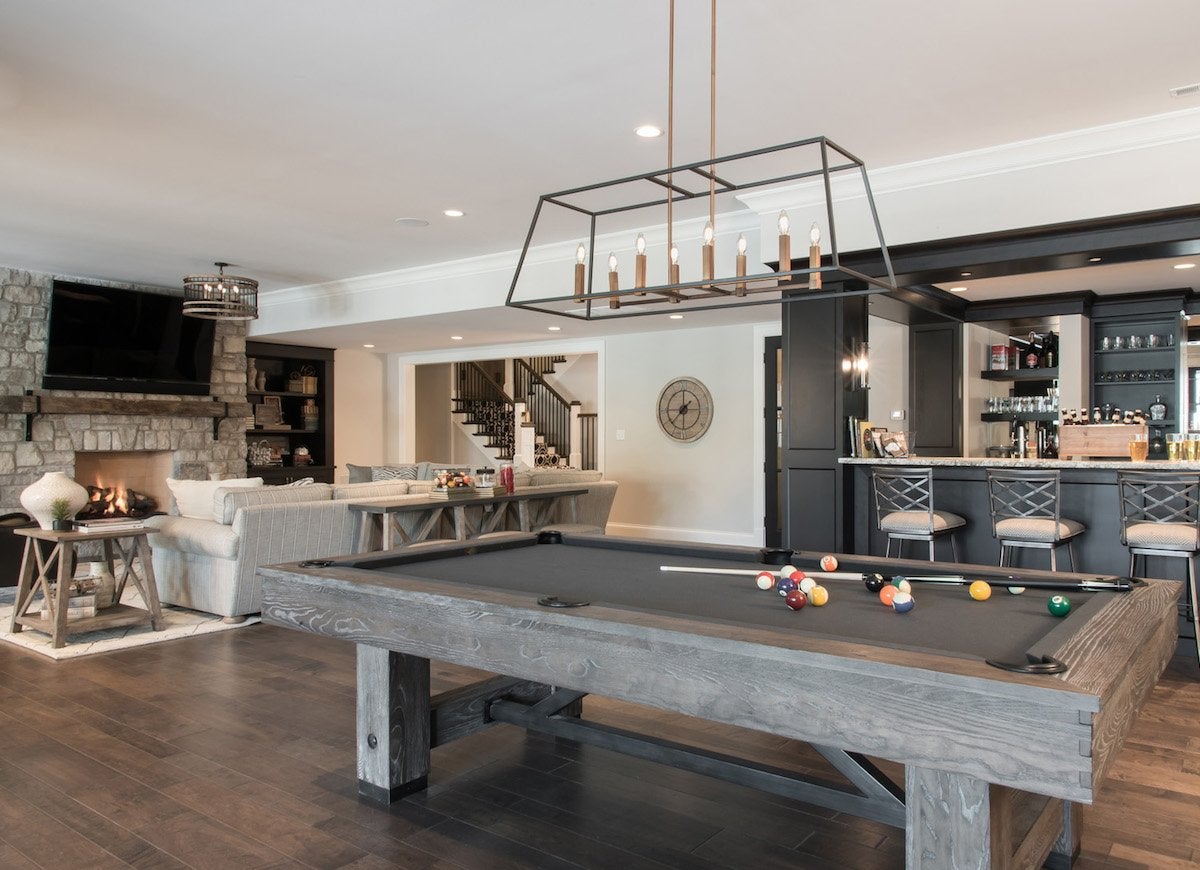
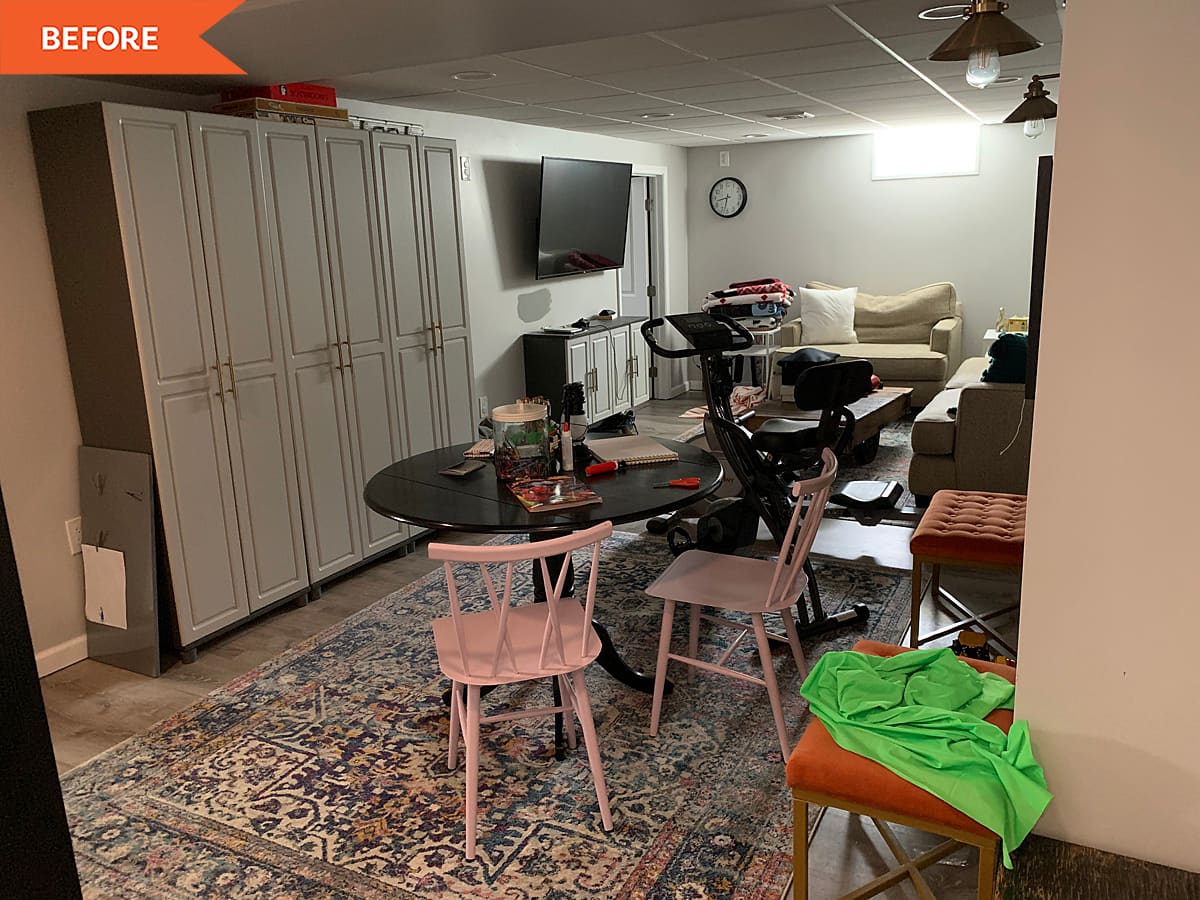
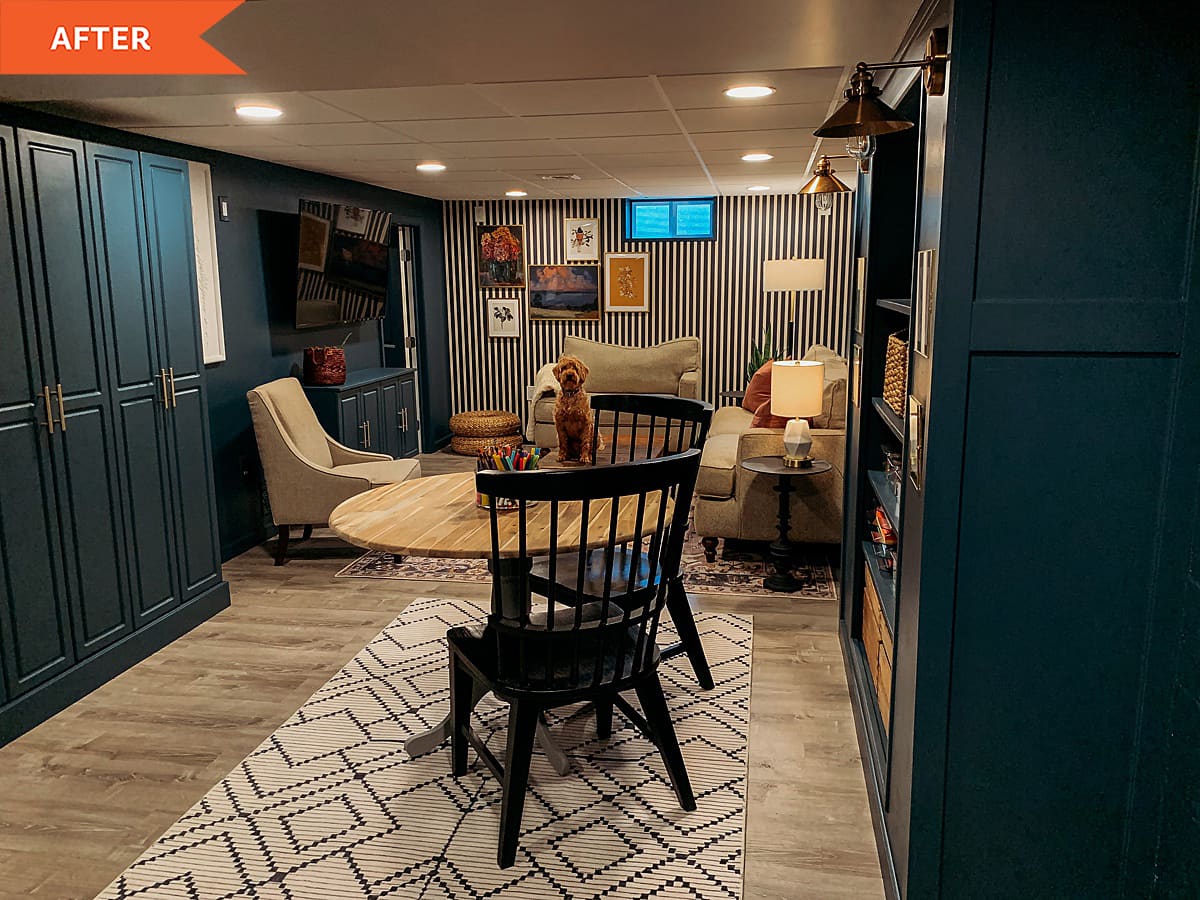
Finishing a basement can significantly increase a home's living space, offering a practical solution for families needing more room without the expense or feasibility of an addition. While an appealing option, basement finishing is not a simple do-it-yourself project and often requires professional help due to specific village requirements and potential complexities.
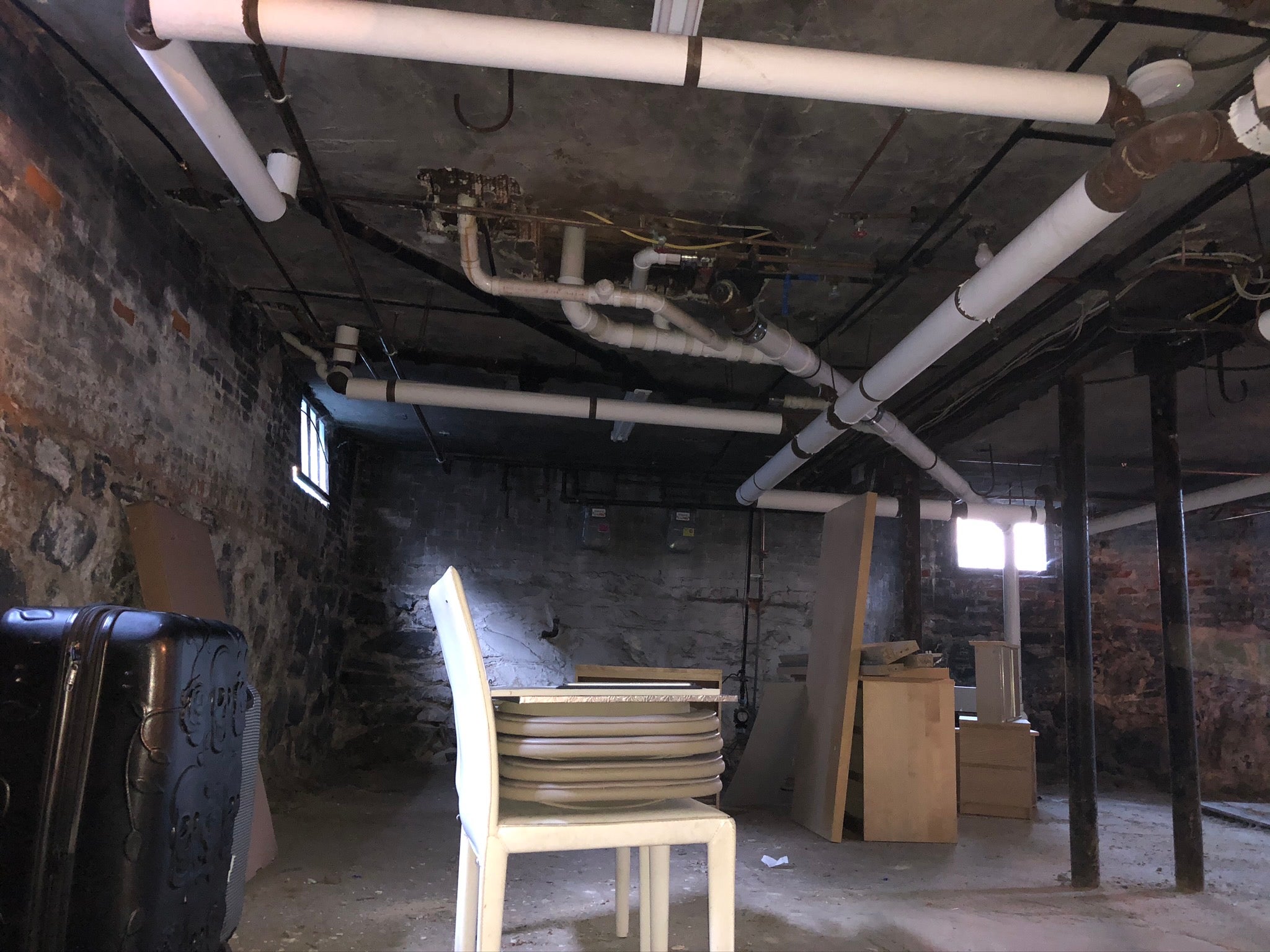
One of the primary considerations in Oak Park, according to Chief Building Inspector Steve Touloumis, is ceiling height. For a basement to be considered habitable, it must have a minimum of 7 feet of headroom from the finished floor to the finished ceiling, measured from the bottom of the overhead floor joists. This requirement often poses a challenge in older homes not originally designed for habitable basement spaces. Another crucial safety standard is the presence of an emergency escape and rescue opening. This could be a grade exterior door or appropriately sized windows that provide basement-level exits. Stairs that open only into the middle of the house are not sufficient, and any bedroom located in the basement must have its own dedicated emergency exit.
Plumbing installations also require careful planning, typically involving breaking up the floor to install an ejector system. Tying this system into the existing plumbing and drain system is recommended for protection against potential backups, a common issue with sewer systems in the area. Other structural requirements, such as framing walls and adding insulation, are generally straightforward. Touloumis emphasizes that while the village is flexible given the age of many homes, safety remains paramount. Accessibility, including reasonable stair steepness and width, is also considered, as these standards are designed to ensure safety for all occupants and emergency responders.
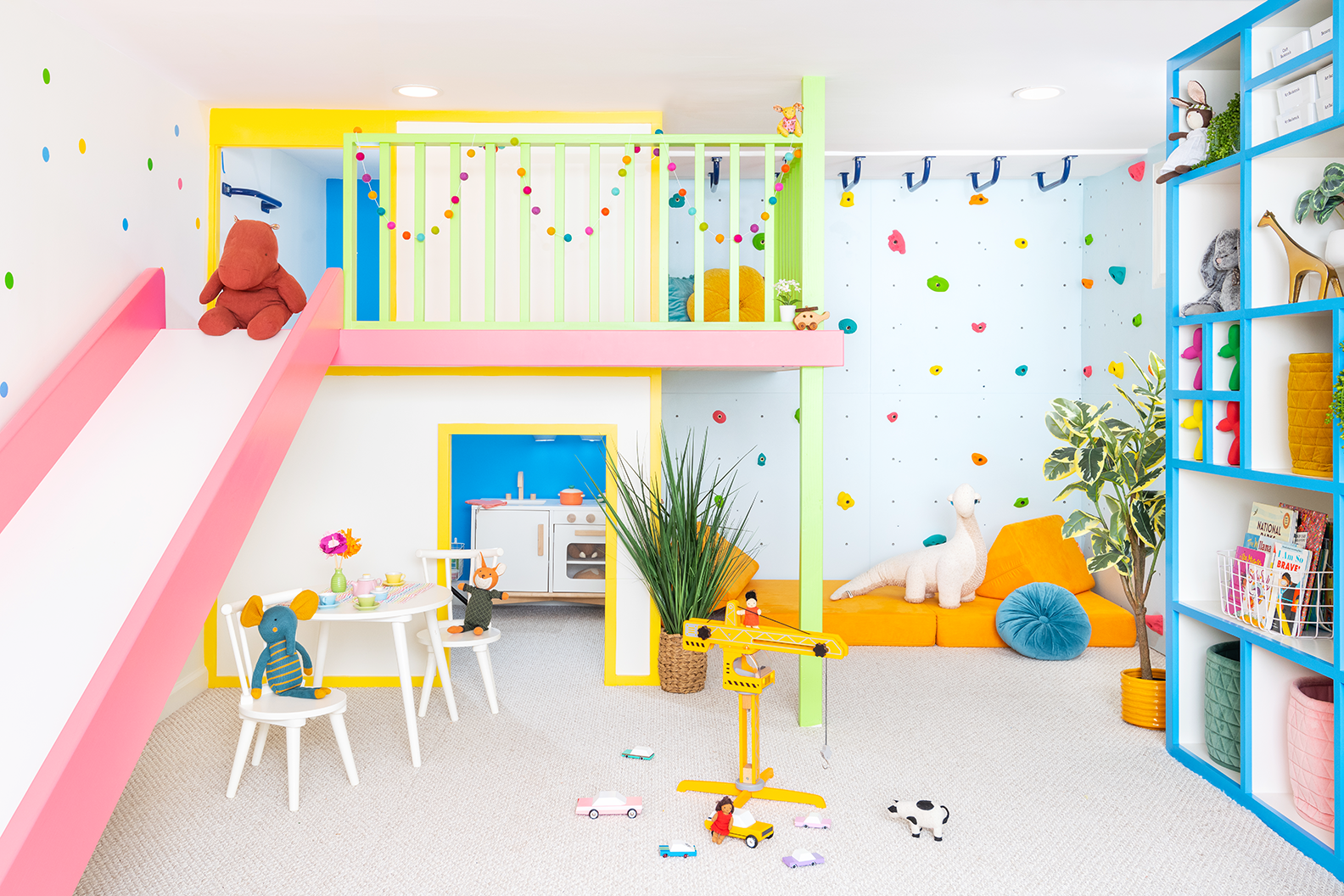
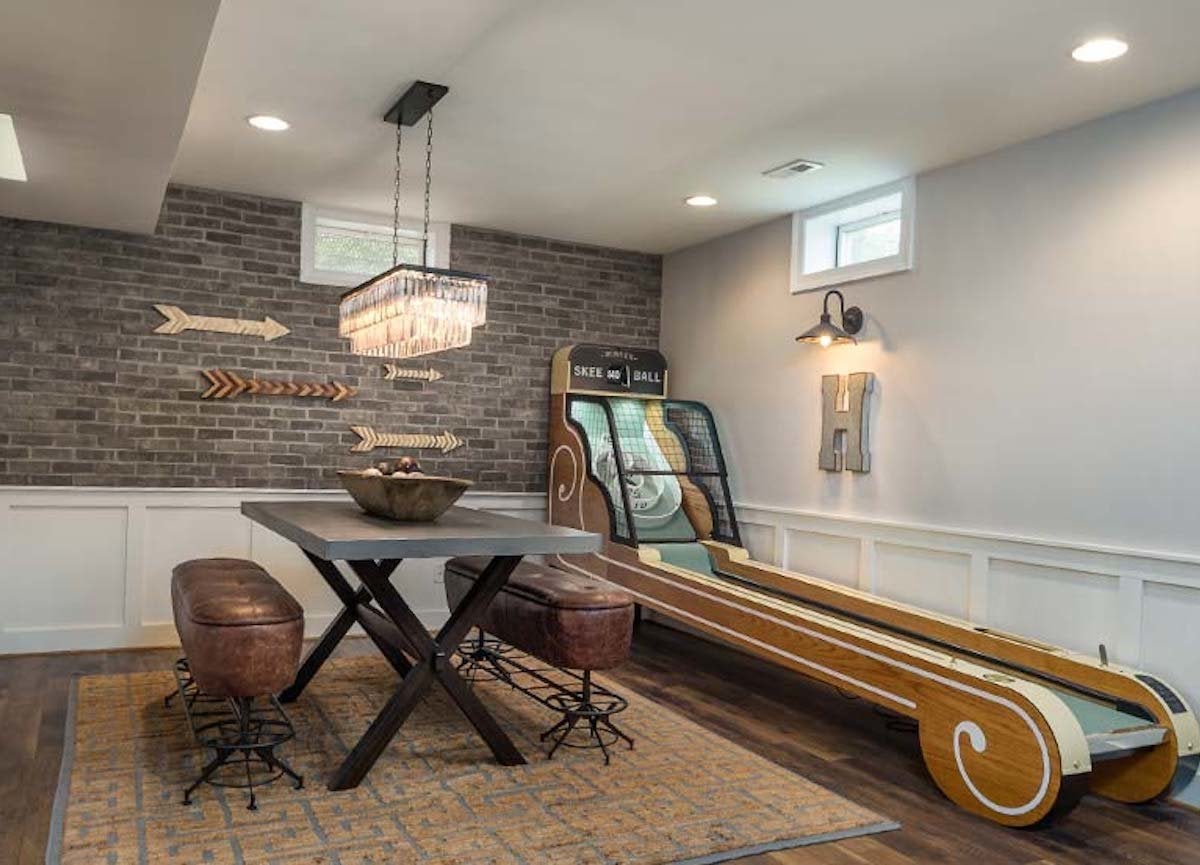
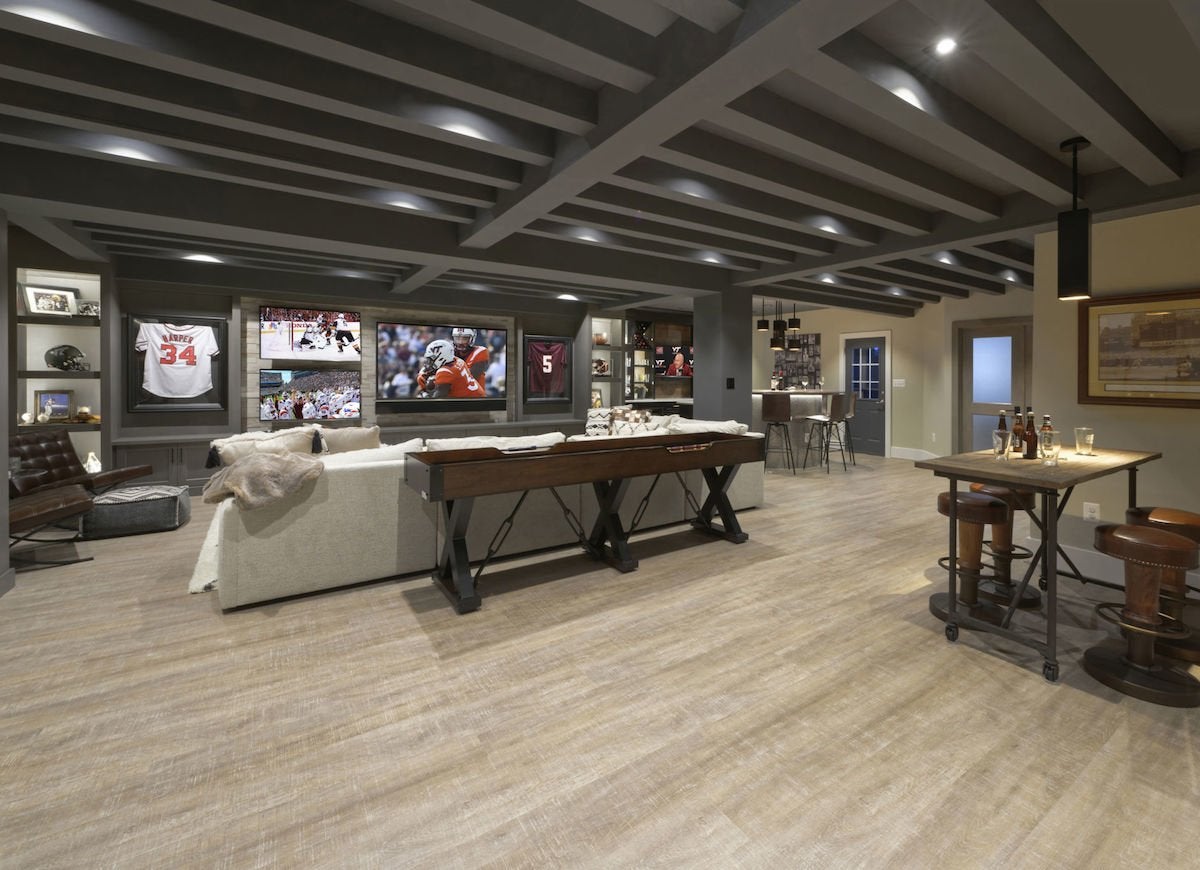
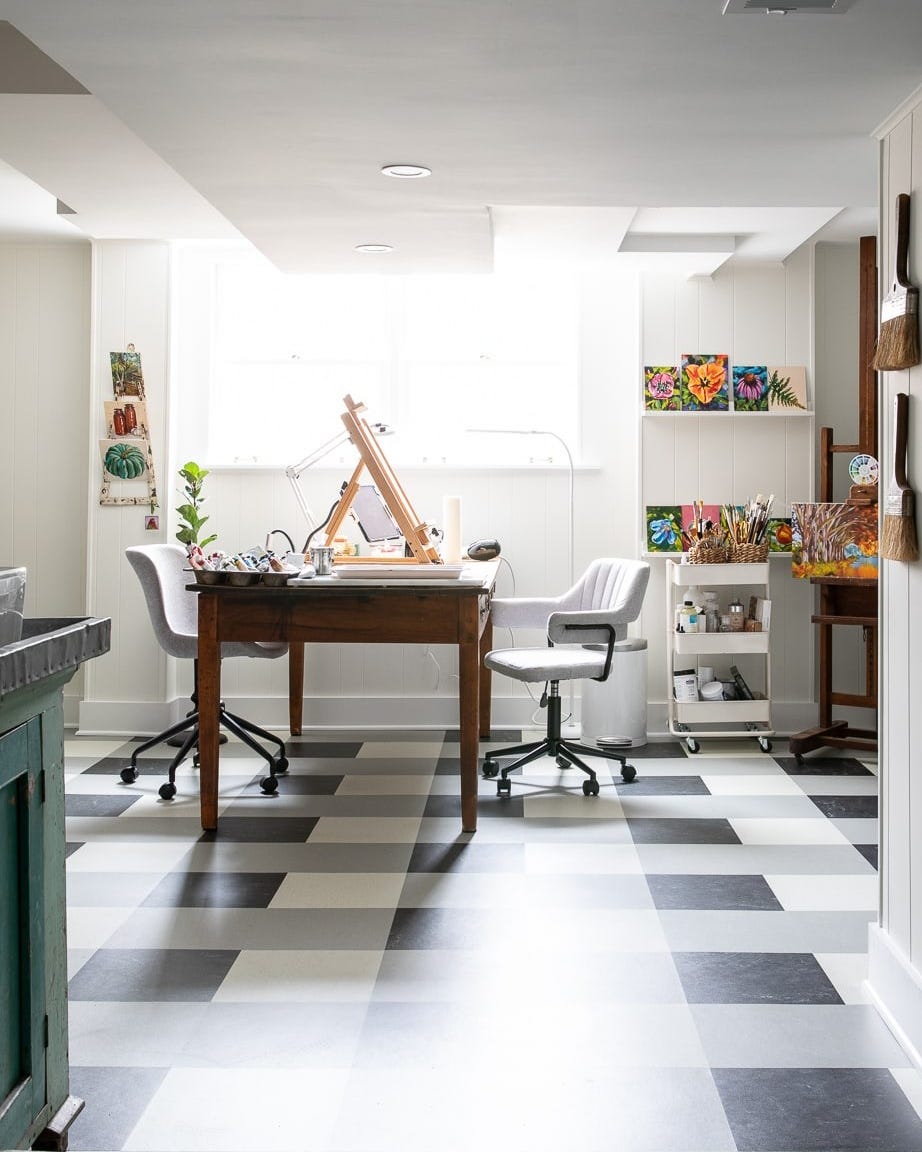
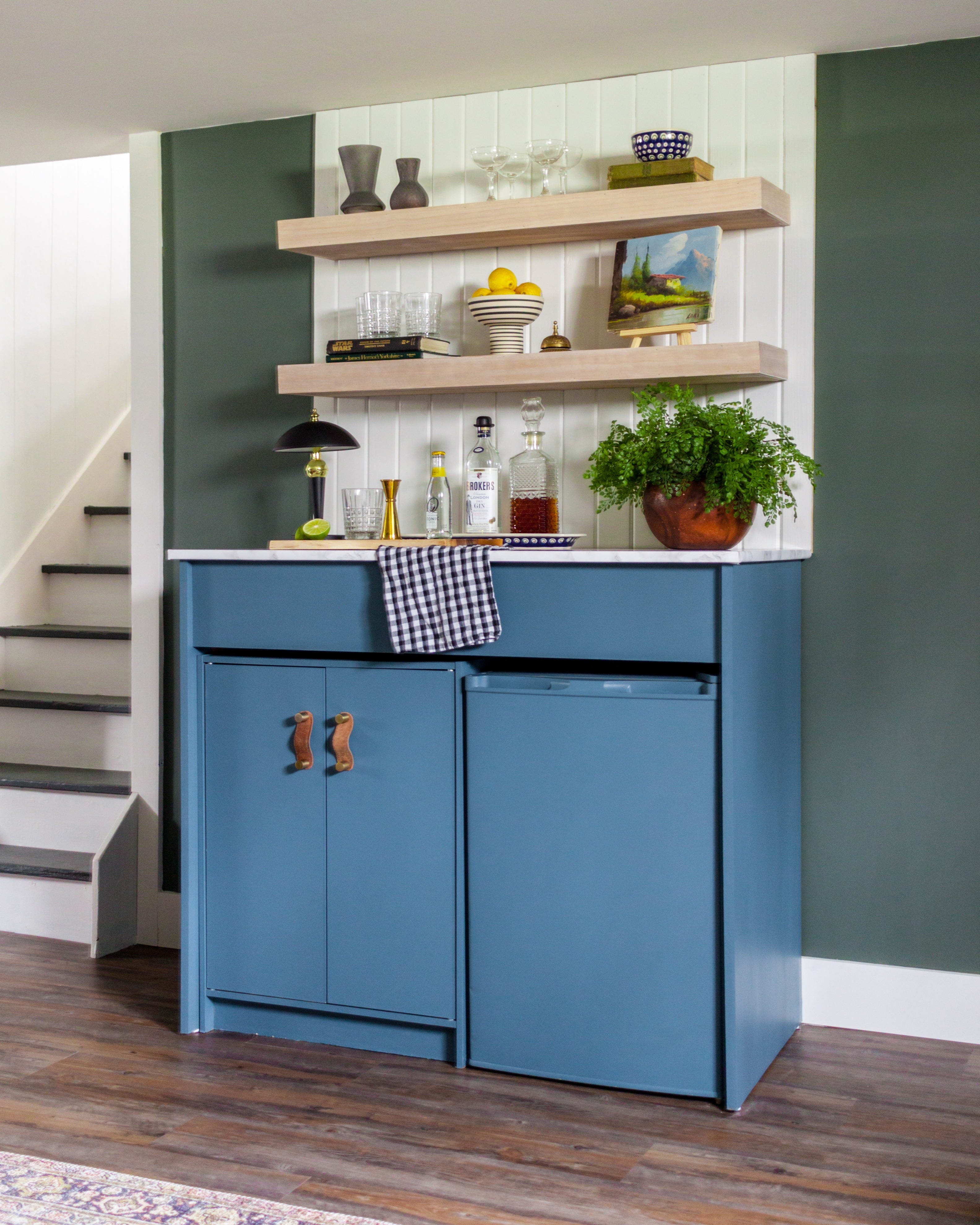
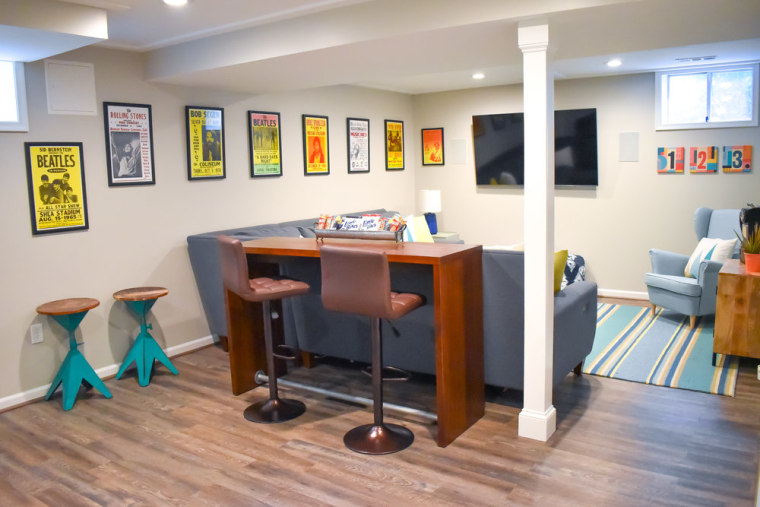
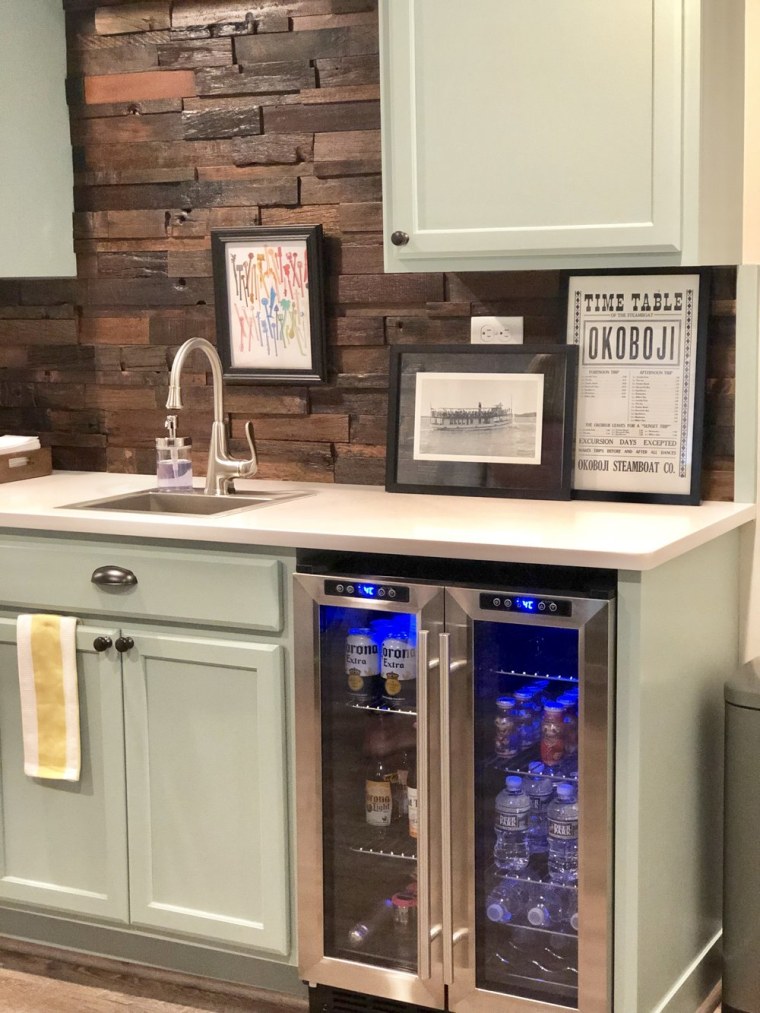
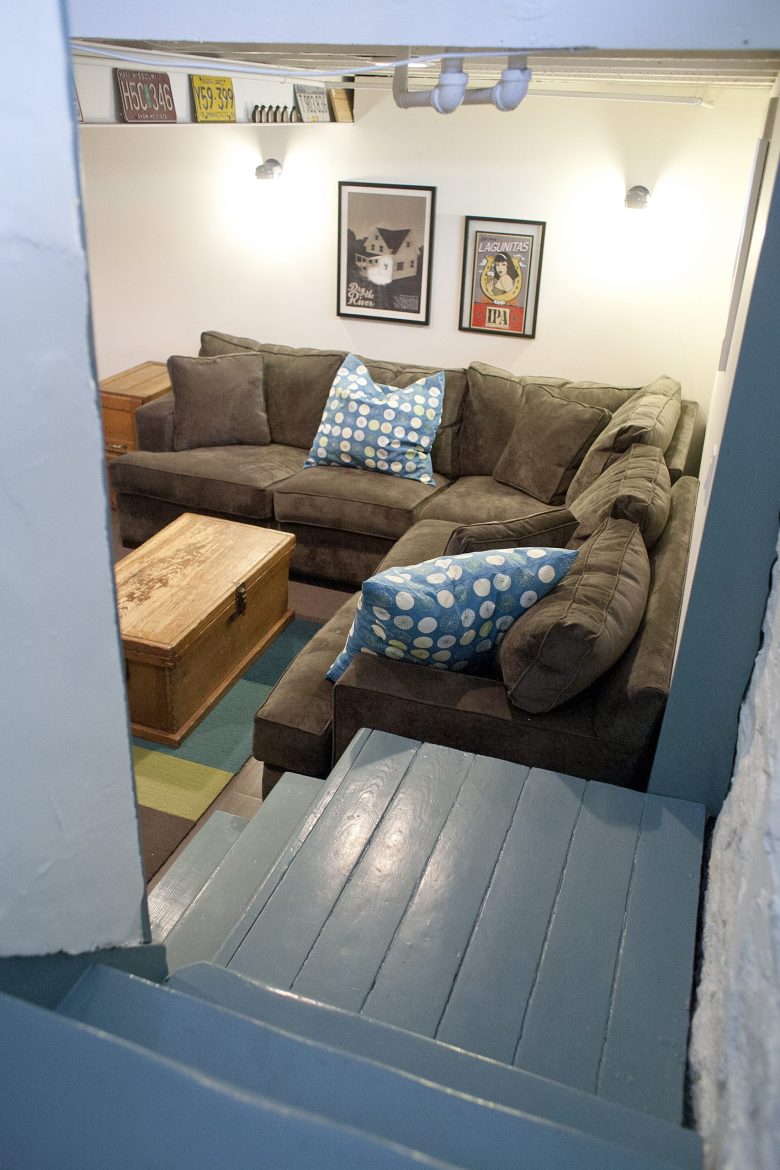
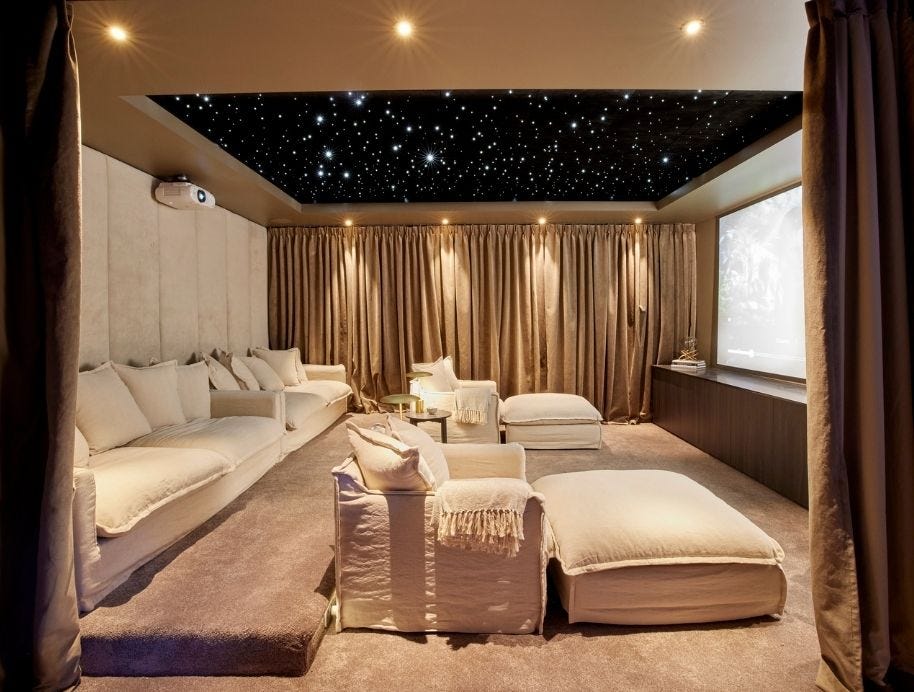
Local interior designer Amanda Miller from Amanda Miller Design Studio has observed a growing interest in basement remodeling, particularly as homeowners opt to improve their current residences rather than move. Basements are popular for families with children, providing dedicated spaces for play, toys, and media, thereby allowing adults to reclaim primary living areas. Clients often seek multi-functional basement designs, incorporating spaces for various activities like offices that double as guest bedrooms or craft rooms combined with laundry areas.
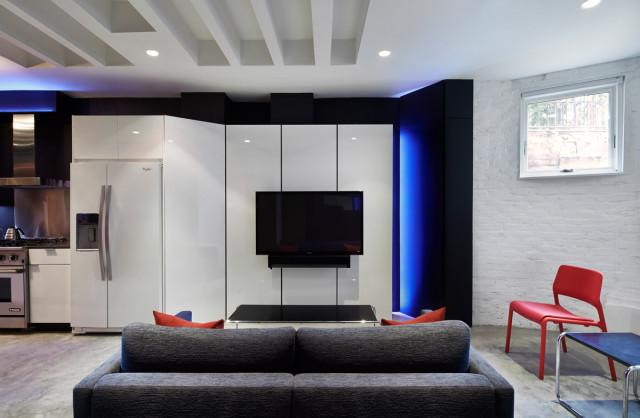
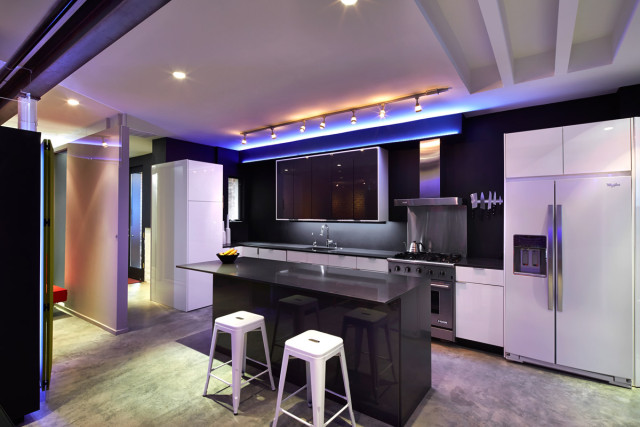
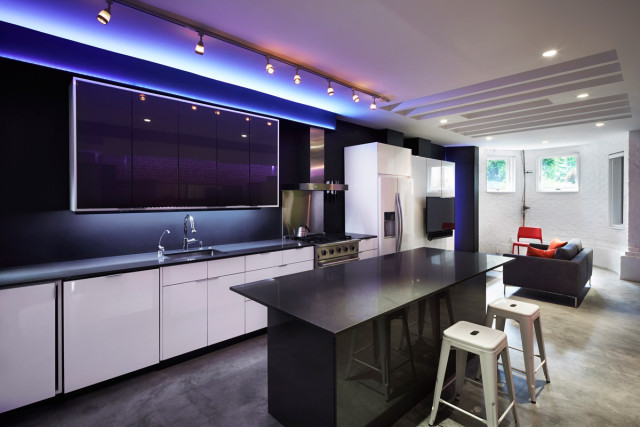
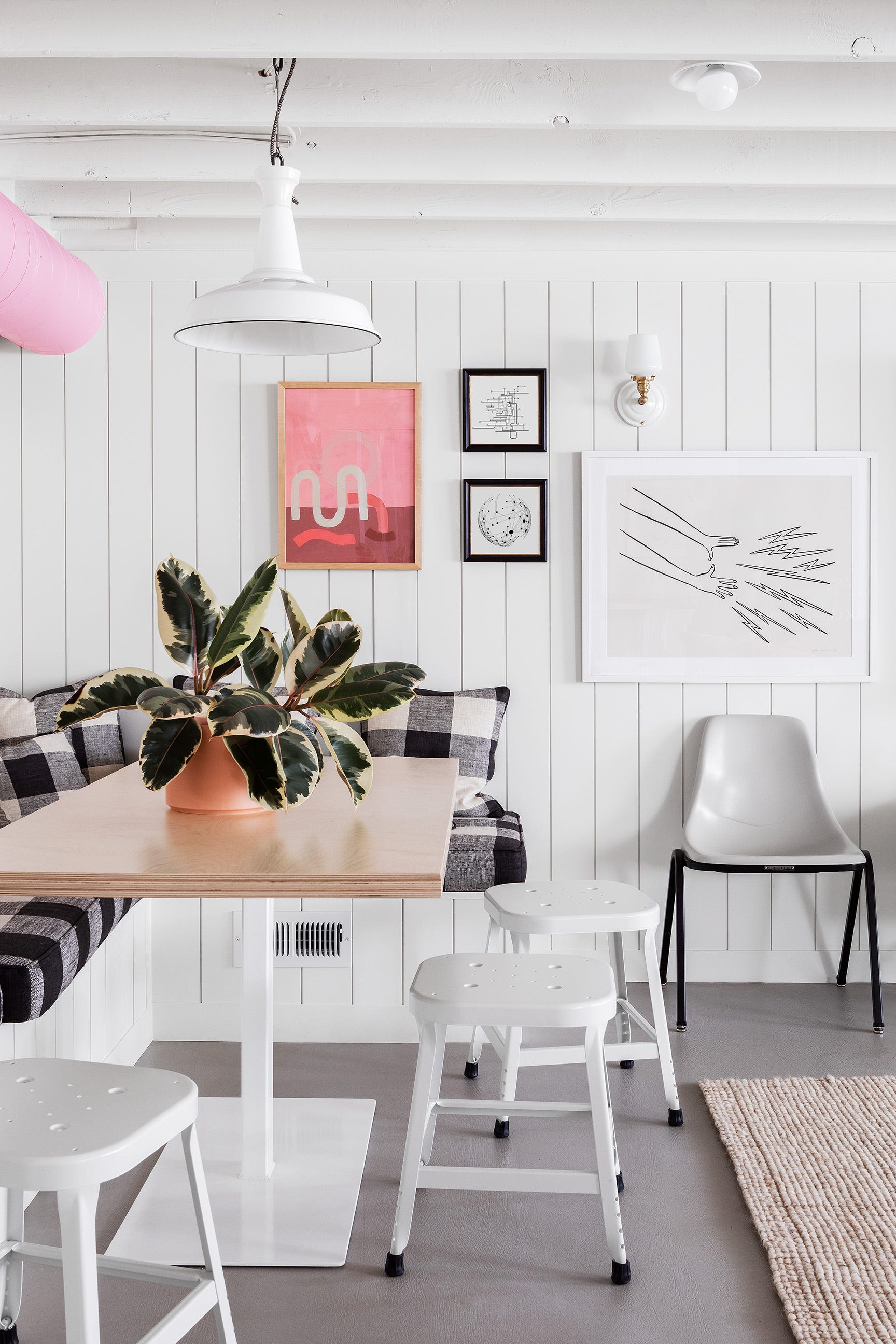
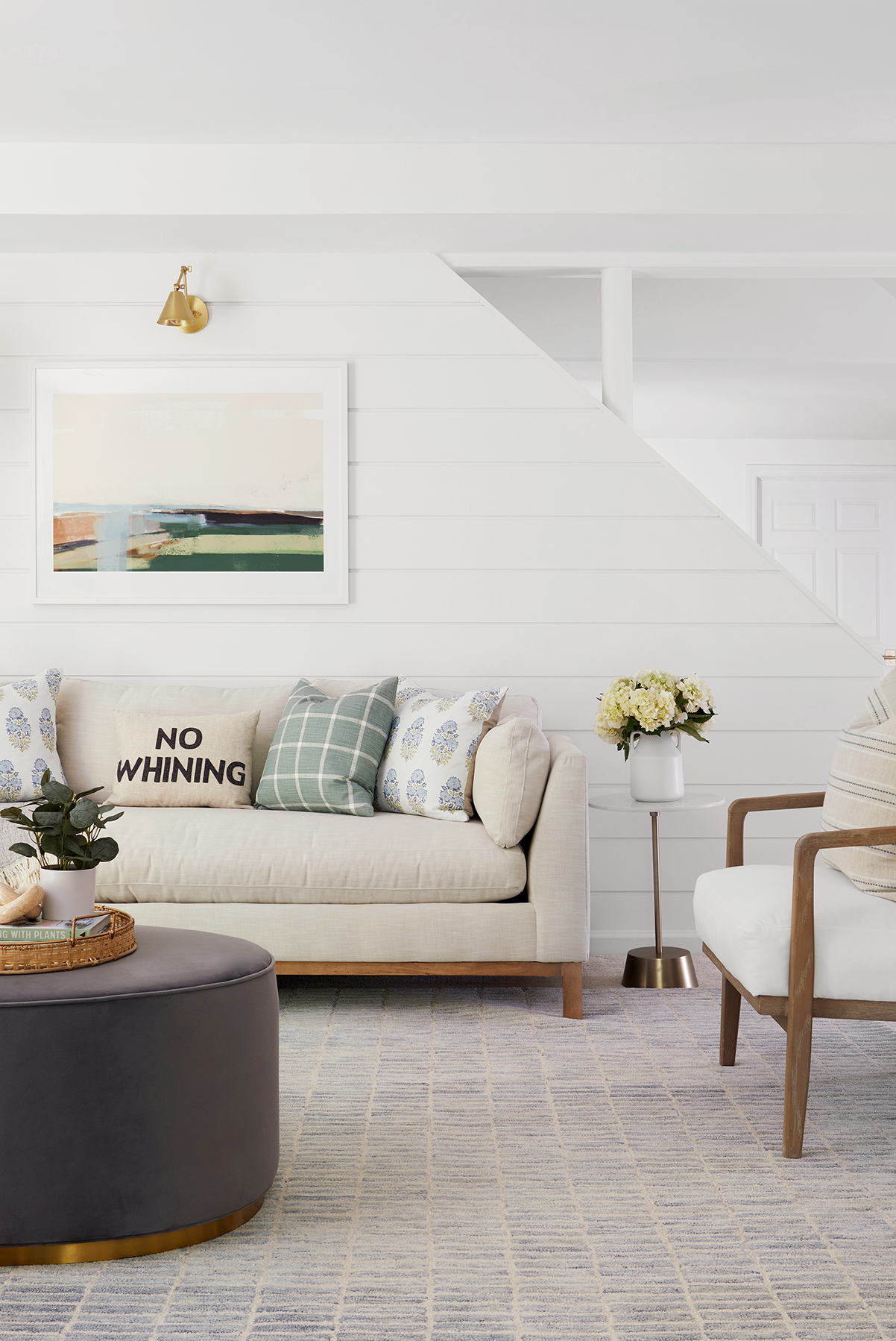
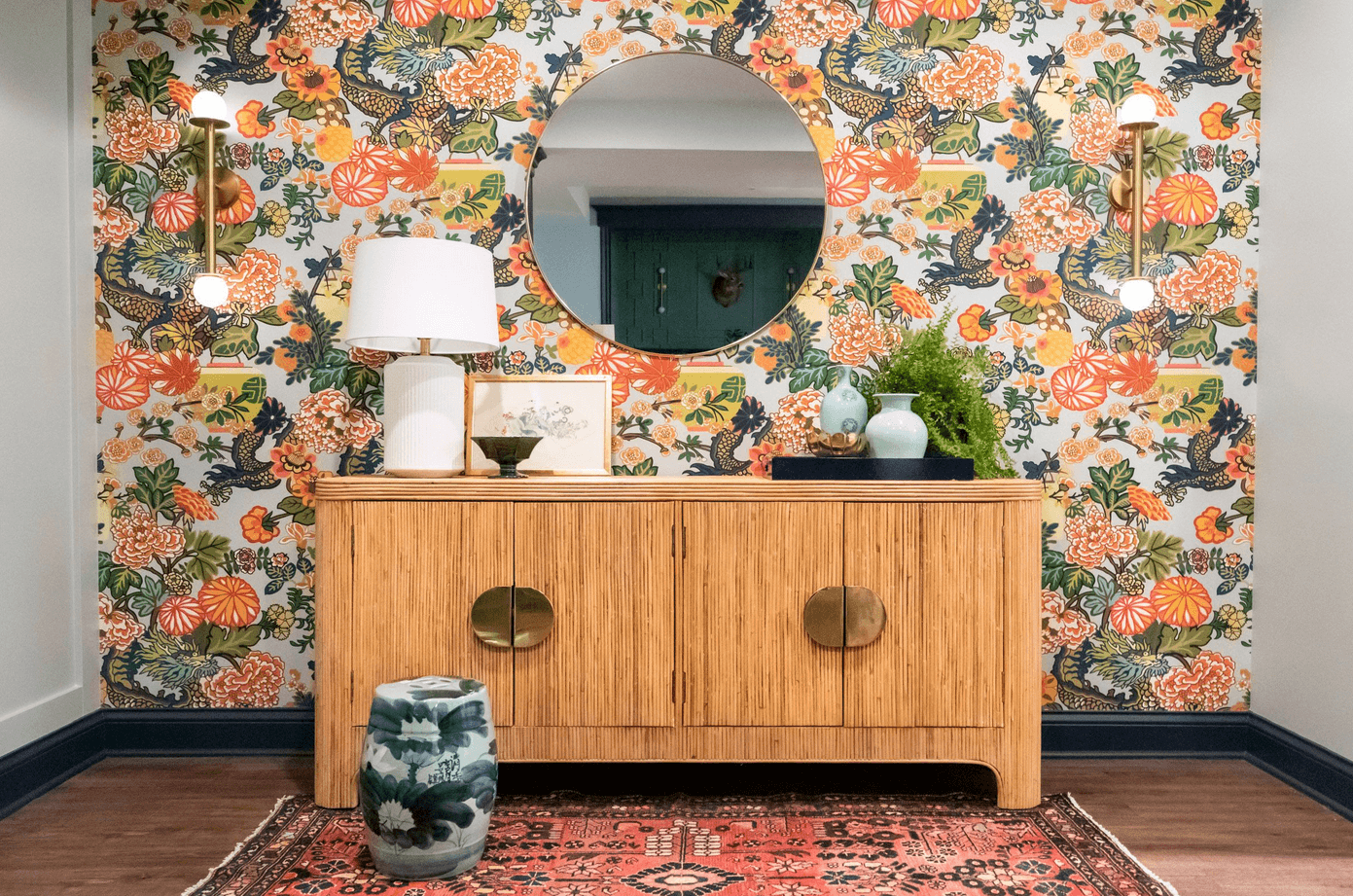
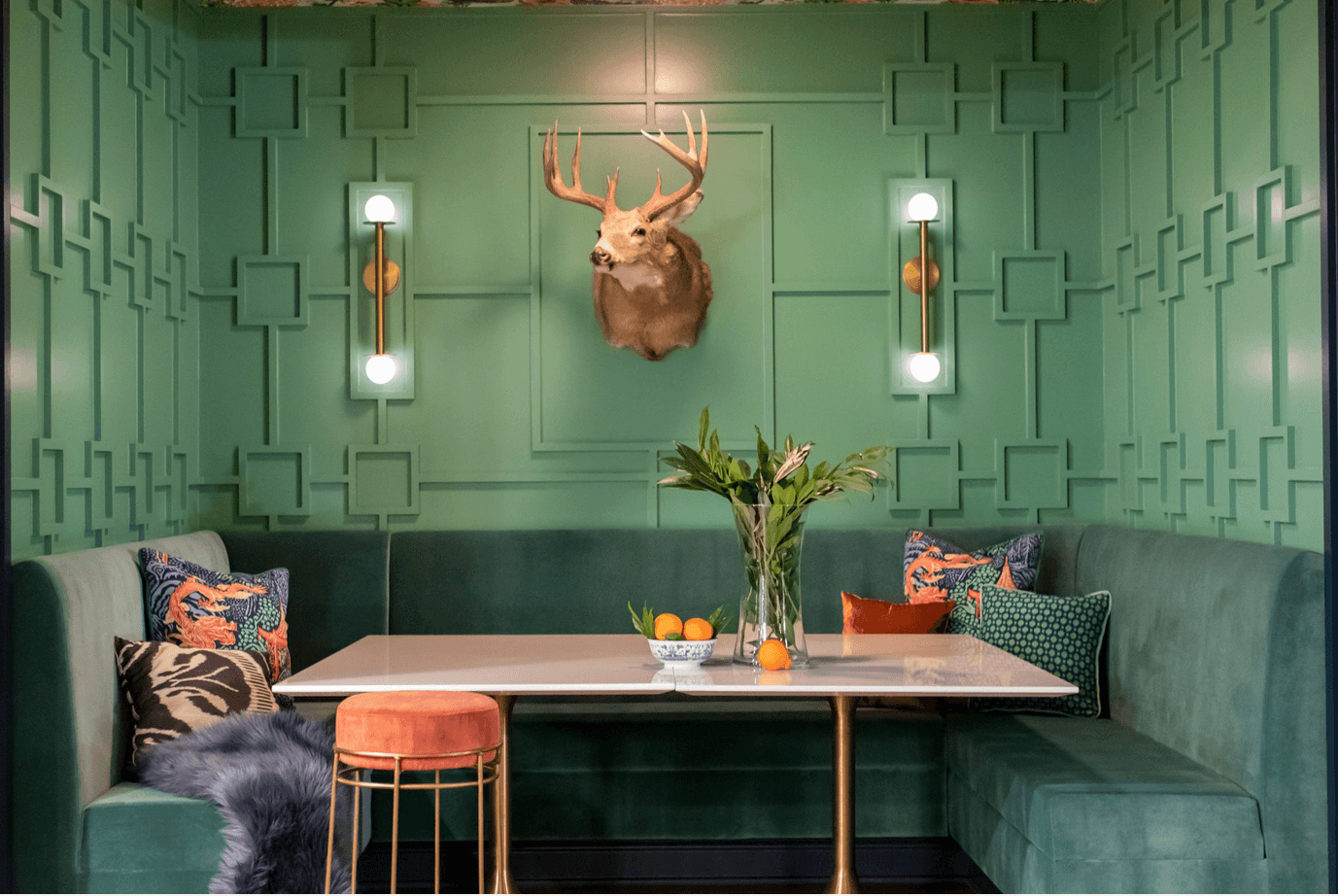
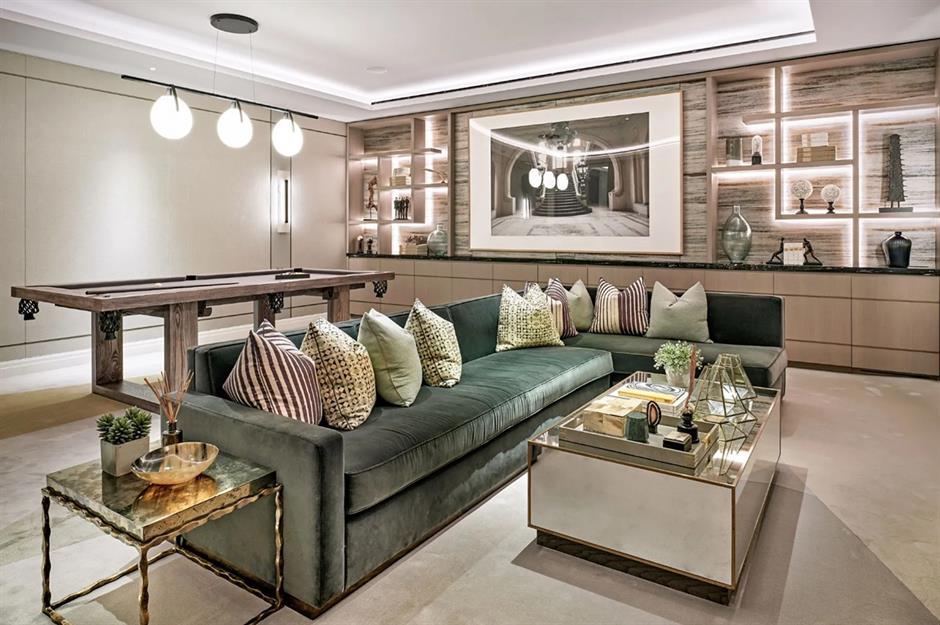
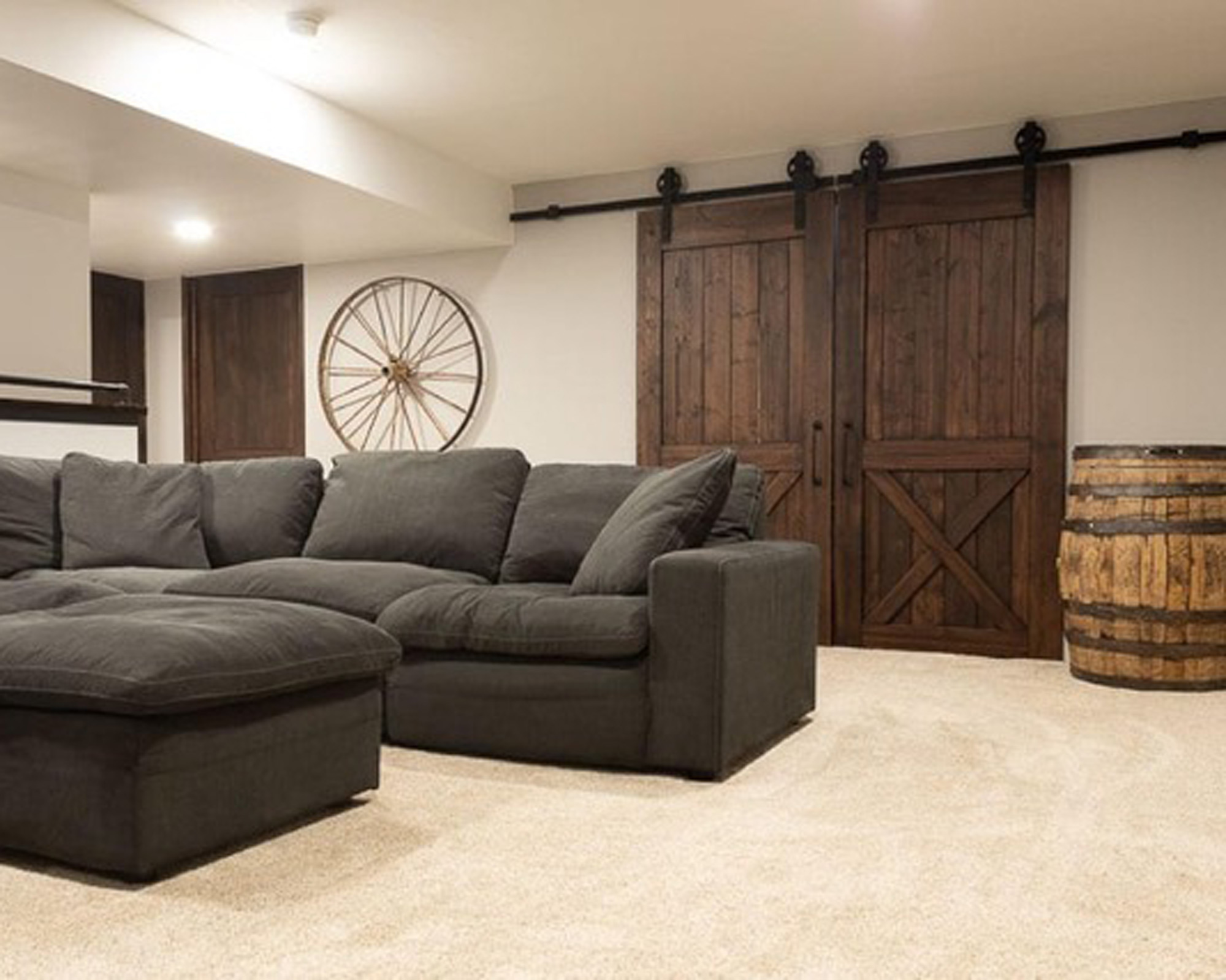
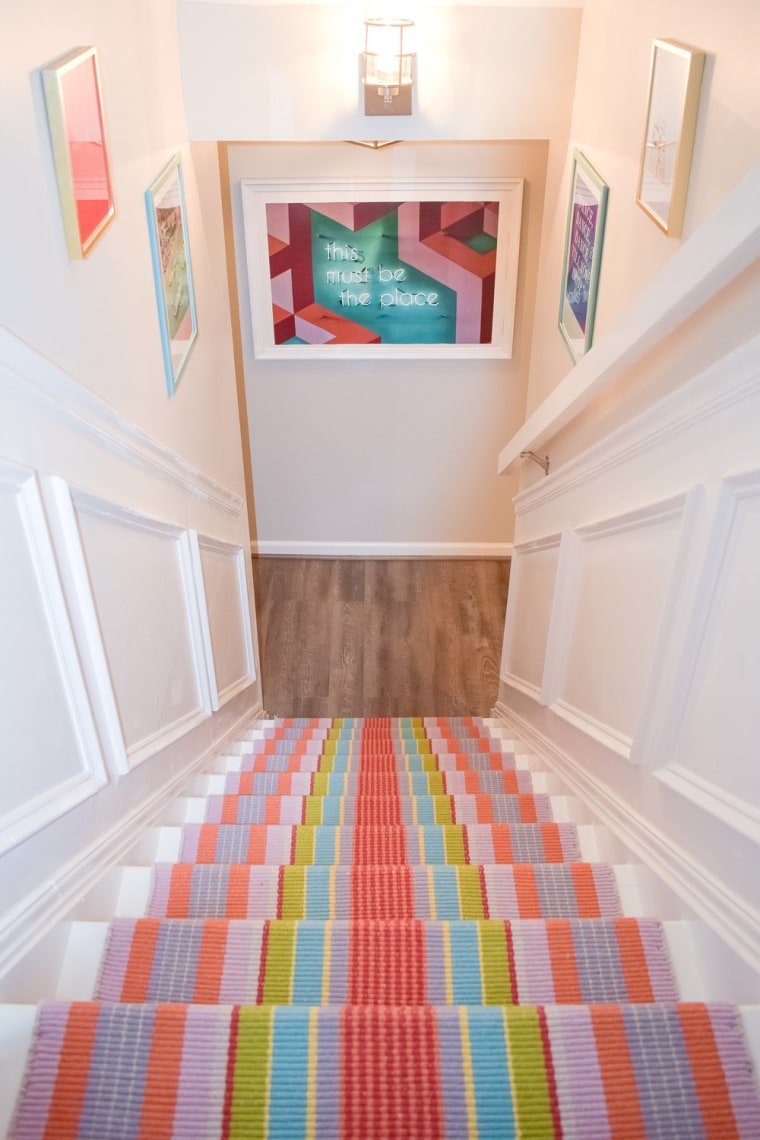
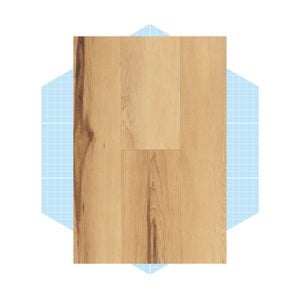
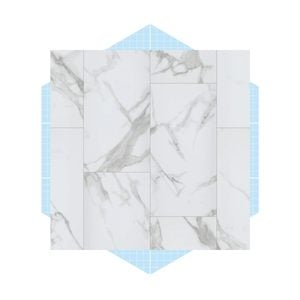
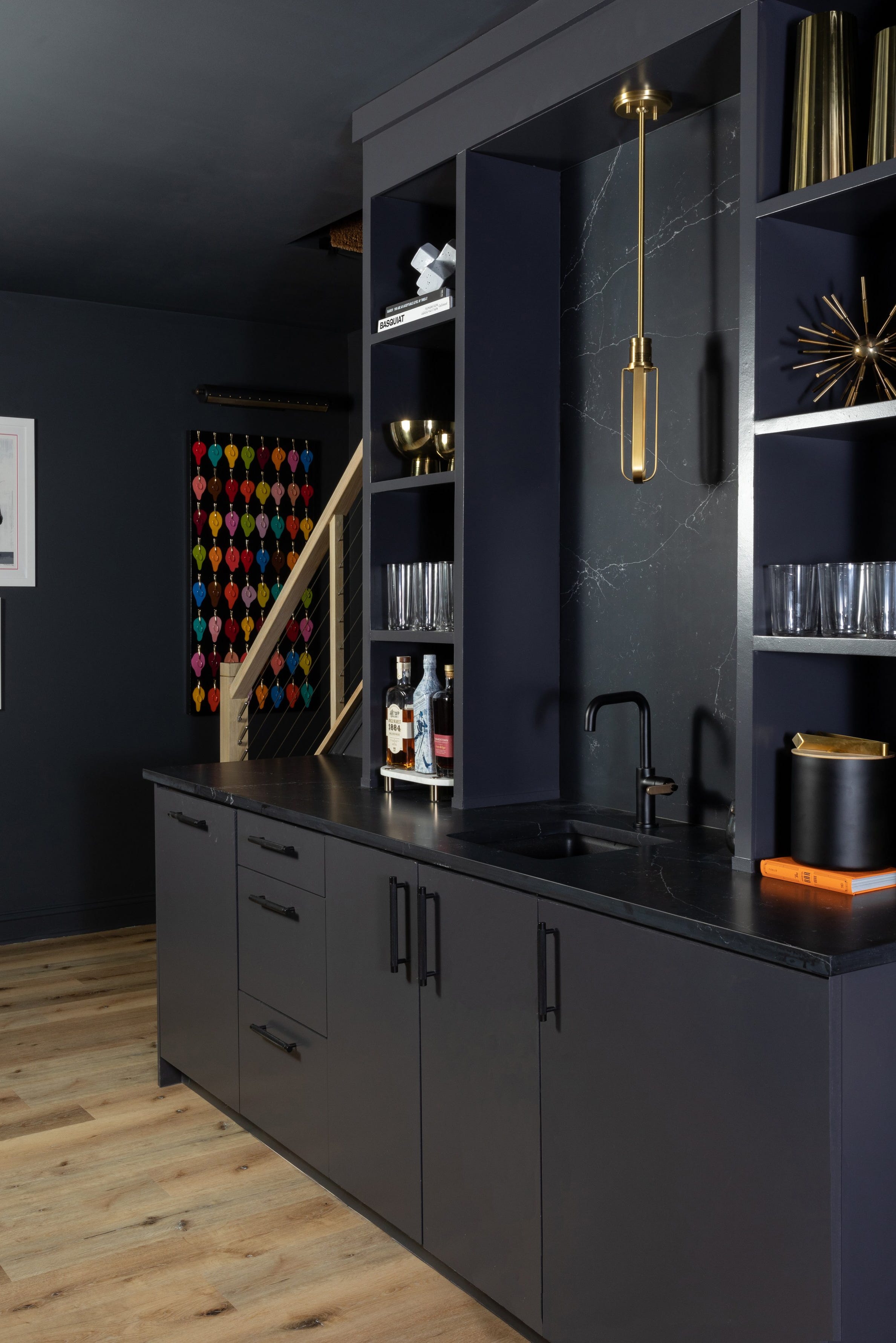
In terms of design, homeowners frequently choose finishes that complement their upstairs living spaces, while also making practical material selections to account for potential mess and moisture. Common flooring choices include tile, vinyl plank that mimics wood, epoxy, painted concrete, carpet, or modular FLOR tiles. Water issues are addressed by contractors before design work begins, but in cases of past water problems, designers might suggest cabinets on legs and easily removable modular floors. Some clients leverage the basement to introduce a more modern aesthetic, contrasting with the historic styles of their upstairs, while others prefer to extend traditional design elements, such as a Prairie style or even an English pub theme, into their lower levels. Ultimately, finishing basements allows homeowners to adapt their historic properties to meet the evolving demands of modern family life.
#BasementFinishing #HomeRenovation #InteriorDesign #BuildingCodes #HomeImprovement #FamilyLivingSpace #HistoricHomes #BasementFinishing #HomeRenovation #InteriorDesign #BuildingCodes #HomeImprovement #FamilyLivingSpace #HistoricHomes
0 Kommentare insgesamt
 Noch keine Kommentare
Das könnte Ihnen auch gefallen
Dope Basement Renovation
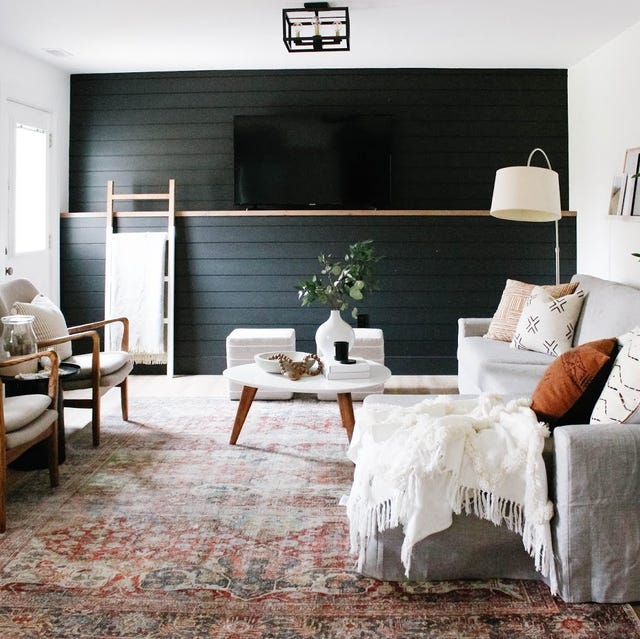
A Finished Basement Is Just What Your Home Needs in 2025

Our Block houses are FINALLY finished!
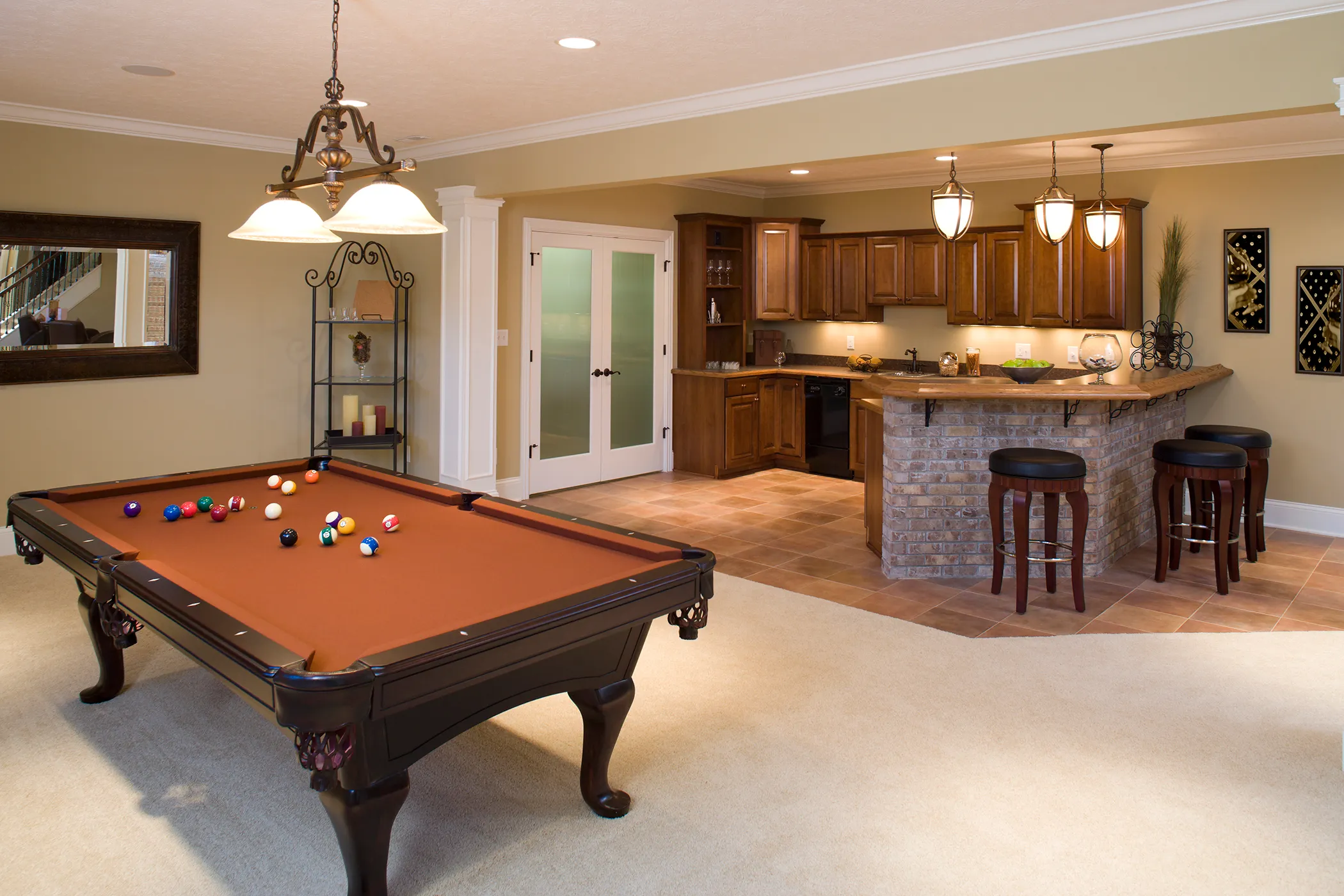
What to Know Before You Finish Your Basement
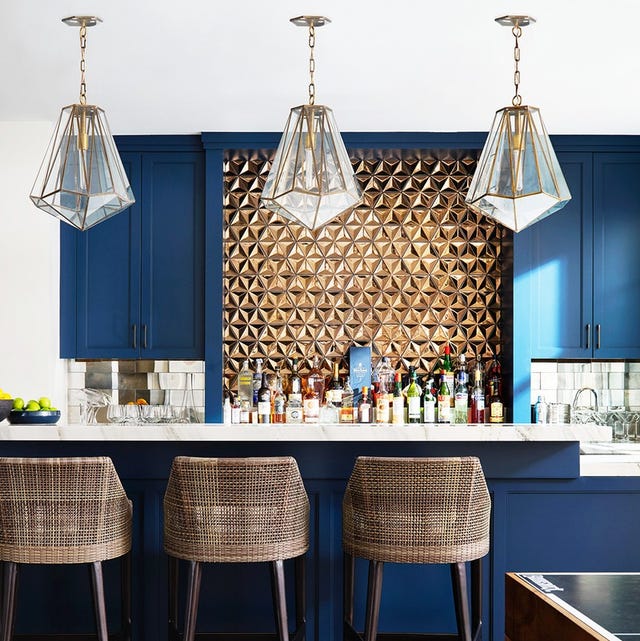
25 Finished Basement Ideas to Inspire Your Next Remodel

8 Basement Flooring Ideas to Elevate Your Subterranean Space

The Inside Outside Guys: Finishing a basement: part one
Before and After: After a Glam Yet Cozy Redo, This Basement Doesn’t Even Look Like a Basement
13 Creative Basement Ideas That Go Beyond Adding a Ping-Pong Table


Homestyle: Awesome basements
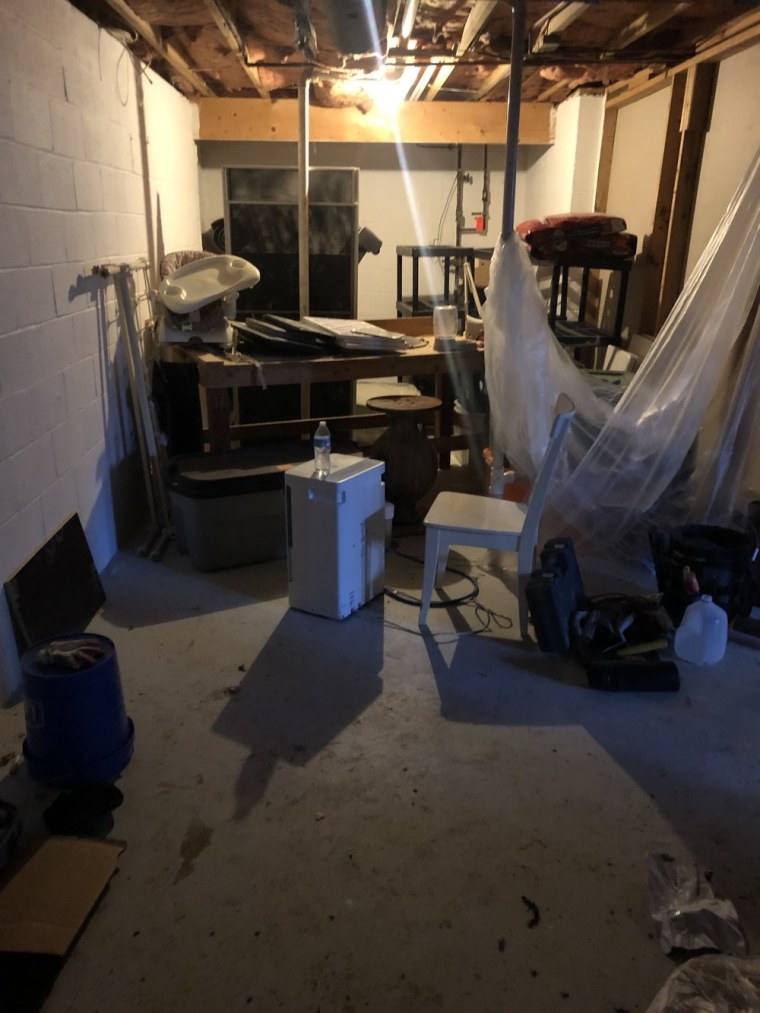
See this scary basement gets a clean and colorful DIY makeover

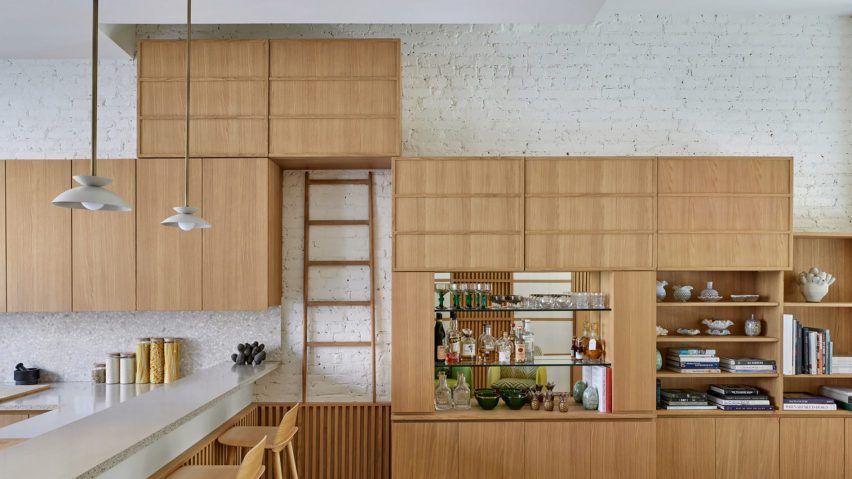
Eight interiors that are stepped up by the addition of ladders
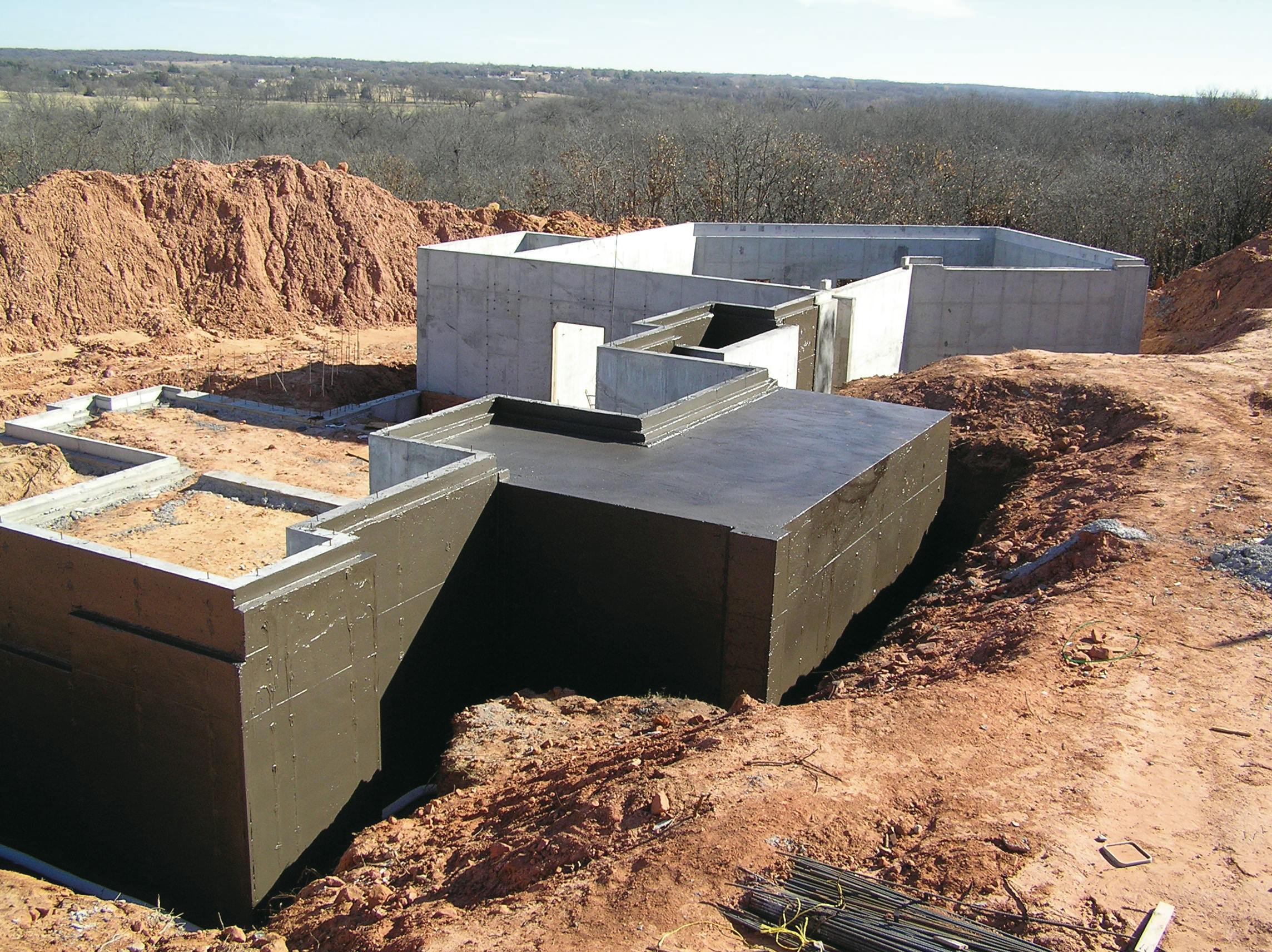
Basements and Beyond

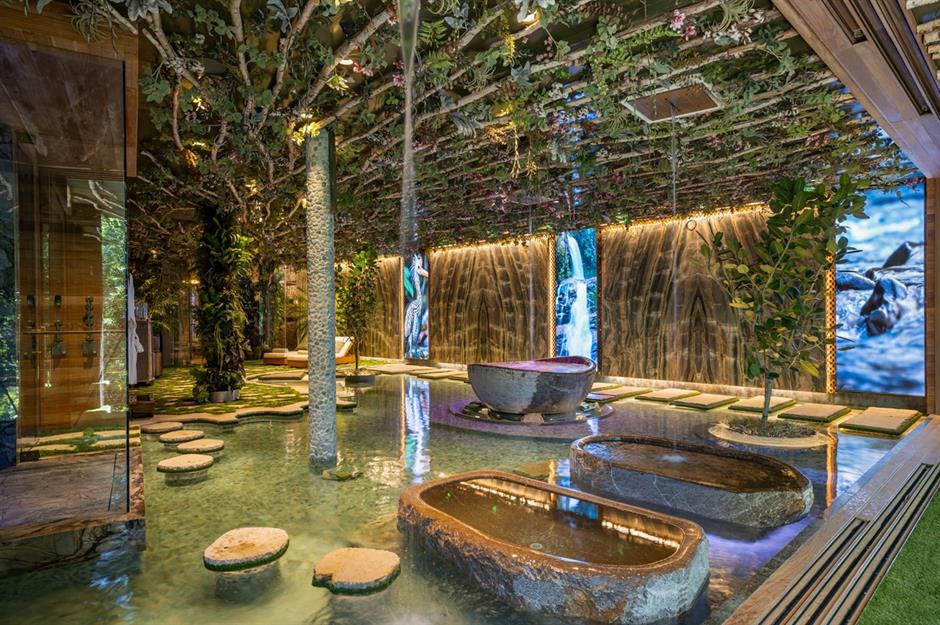
The most luxurious basements in the world | loveproperty.com

5 Best Types of Flooring for Your Basement in 2022

26 Basement Bar Ideas For the Best Holiday Parties Ever
Beautiful Basements: 13 Surprisingly Cool Underground Amenities in Real American Homes
29 basement ideas to convert your downstairs space into a hidden gem of possibility

The Block 2021: Basement Reveal
Taking the plunge on a basement renovation — literally