1/8
A journey through the vibrant kaleidoscope of crafts in India's district of Kutch
The district of Kutch in Gujarat, India, serves as a significant hub for a diverse range of traditional crafts, influenced by its unique geographical position bordering India and Pakistan, as well as its coastal access. This region has fostered a rich cultural exchange that has led to the development and preservation of several fascinating art forms, many of which continue to thrive today.
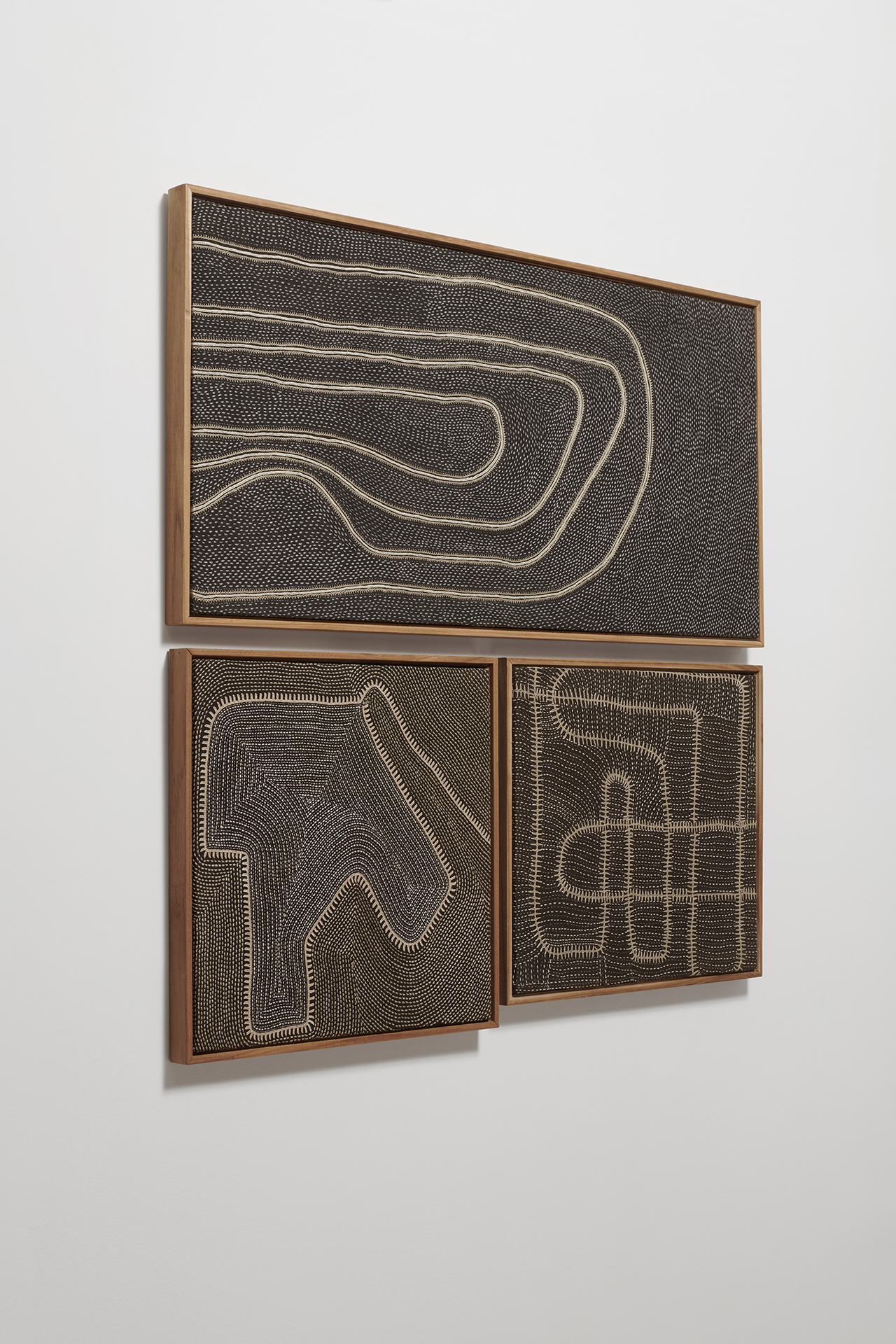
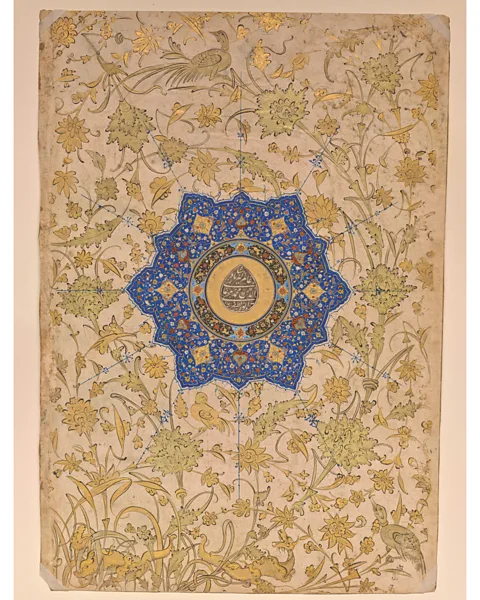
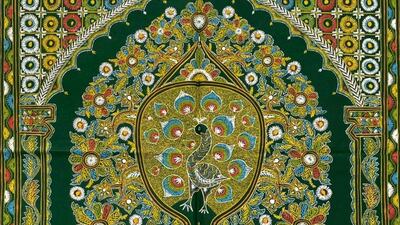
Among the most distinctive crafts is rogan painting, an art form that has been maintained for over eight generations by the Khatri family in Nirona village. Rogan painting, believed to have originated in Persia approximately 300 years ago, involves applying a natural paint made from boiled castor oil and pigments using a six-inch 'kalam' pen or an iron stylus. The paint is meticulously applied without directly touching the fabric, creating intricate, needlework-like patterns, often depicting the Tree of Life. Historically used to adorn bridal trousseaus and ceremonial clothing, rogan art faced decline after the 1960s with the advent of machine-made textiles. However, it experienced a resurgence in popularity after Prime Minister Narendra Modi gifted a rogan painting to then-US President Barack Obama in 2014, bringing international recognition and awards to master artisans like Abdul Gafur Khatri.
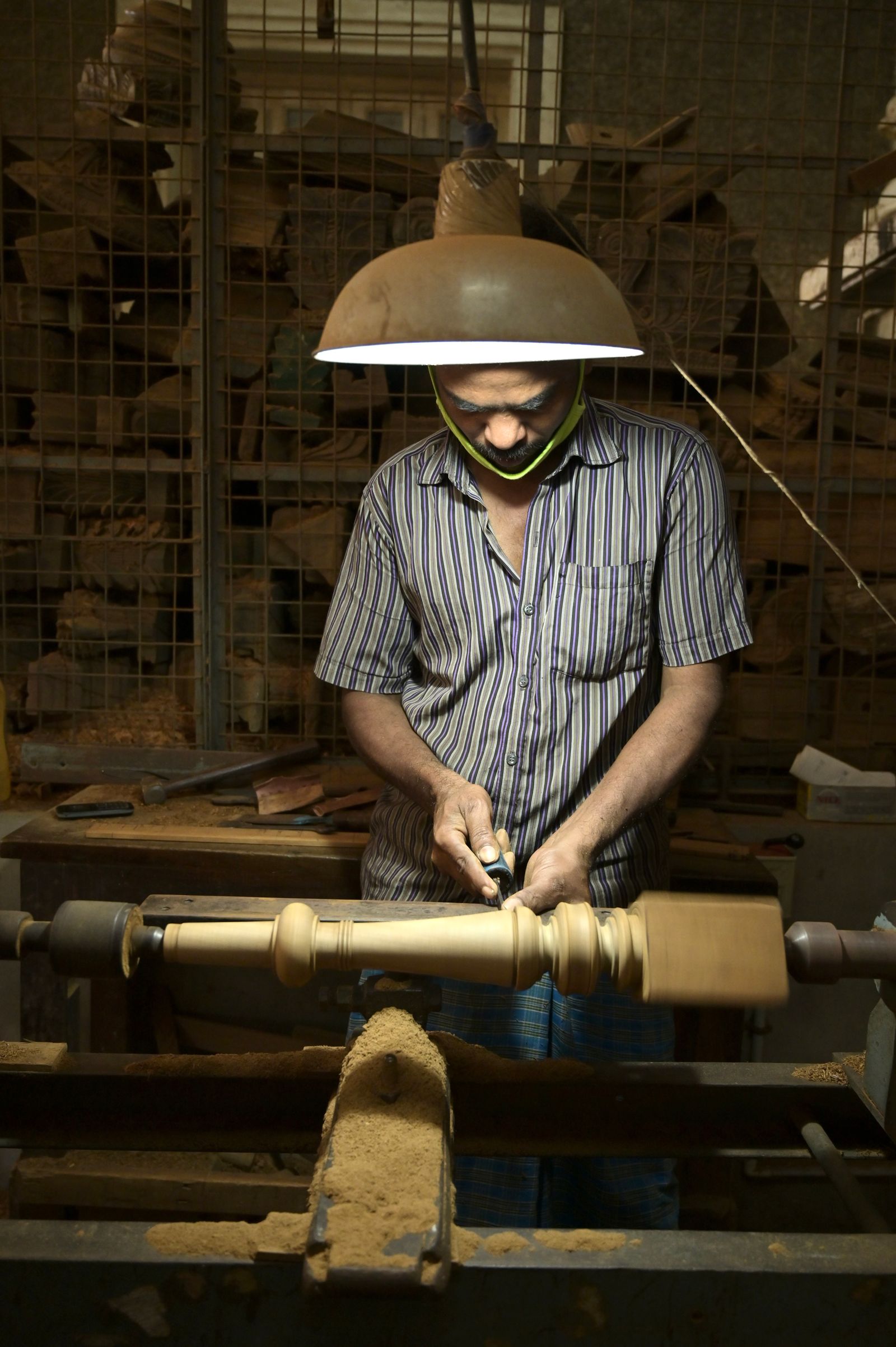
Nirona village is also renowned for its lacquerwork, brought by the nomadic Vadhas community who migrated from Sindh. This craft utilizes lac, a resinous secretion, which is heated, kneaded with color, and then pressed onto wooden articles rotated on a lathe, creating colorful household items such as spoons, spatulas, and rolling pins. Additionally, leatherwork is a prominent craft in Kutch. Traditionally used for animal harnesses, footwear, and musical instruments, modern leather craftsmen like Devji Poonja adapt their skills to create contemporary lifestyle products including sandals, shoes, phone covers, bags, and lampshades. These items often feature geometric patterns created using various punches, with men typically handling the cutting and shaping, and women adding embellishments like embroidery and mirror work.
Beyond Nirona, Kutch boasts a rich metalworking tradition, with artisans in Bhuj specializing in copper bells. The Lohar community, originating from Sindh, introduced the craft of making copper bells (ghantadi) for cattle. These bells are uniquely crafted without welding or nails, instead employing an interlocking system. Over ten generations, the Lohars have perfected this art, producing bells in various sizes and tones, now also fashioned into wind chimes. Furthermore, Khavda village is known for its maati no kaam pottery, a craft tracing its roots to the Indus Valley Civilisation. The local Kumbhars (potters) use a specific type of mud (rann ki mitti) to create utility products such as pots, plates, and bowls, which are then decorated with natural red, black, and white colors by women and baked in a furnace.
Kutch's rich crafting heritage is a testament to the indigenous skills, cross-cultural influences from Hindu and Islamic traditions, and historical trade relations with regions like the Swat Valley, Africa, and the Middle East. The challenging climate fostered continuous innovation, leading to a vibrant array of material and textile crafts that reflect the diverse communities and their adaptive spirit.
#IndianCrafts #Kutch #RoganPainting #Lacquerwork #LeatherCraft #CopperBells #Pottery #CulturalHeritage #TraditionalArt #IndianCrafts #Kutch #RoganPainting #Lacquerwork #LeatherCraft #CopperBells #Pottery #CulturalHeritage #TraditionalArt
0 Kommentare insgesamt
 Noch keine Kommentare
Das könnte Ihnen auch gefallen
6 Indian brands making craftsmanship cool again

These home decor brands are weaving Indian traditions into modern living
Meet Bengaluru’s secret carpet collector with an enviable collection and knowledge of rugs
Quilt school - 4 Jun 2025 - Today's Quilter Magazine


5 studios bringing Indian craft into modern homes

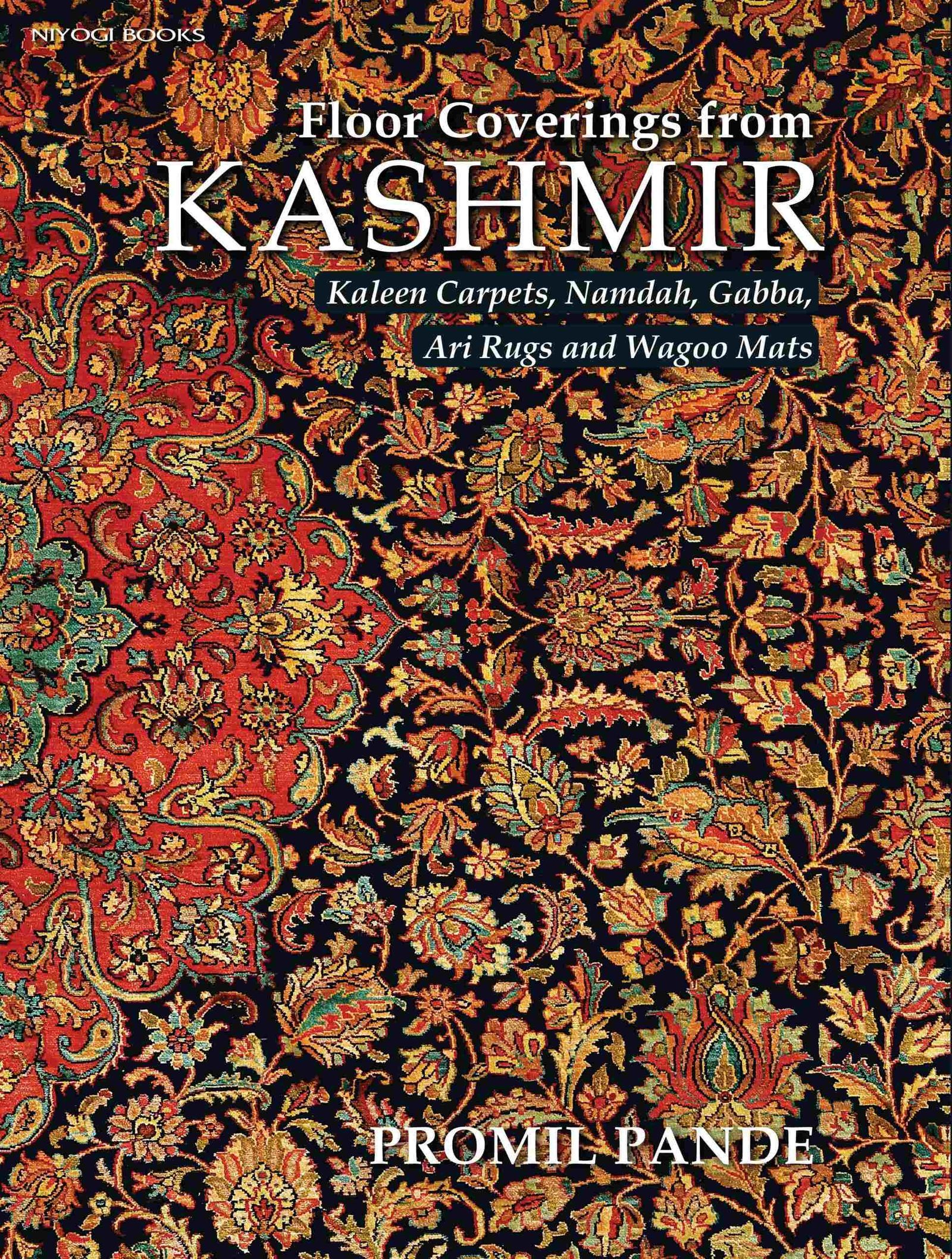
A book on Kashmiri carpets reveals the complex histories of the crafts
Weaving life into the past through Punjab's Khes'
Exclusive: The Indian label revolutionising the Benarasi weave is now turning 10
The Thrill of the Hunt: Understanding the art of antiquing in KC

DIY: The art of indigo dyeing
Bard reimagines the hardware shop as a home for modern craft

Let’s Talk Pattern Design With Shadé Akanbi
Stone Craft in India

20 Simple and Beautiful Art Designs In India 2024


Timeless Traditions Abound in a Local Designer’s Home

Traditional wall-carpet craftsmanship in Romania and the Republic of Moldova
Crafting Topographies: Hand-Embroidered Wall Art by Morii Design

30 Easy and Profitable Crafts to Make and Sell in 2026

The ancient Islamic roots of modernity

AI illustrations of food adorn vibrant mosaic plates for dining table installation in hong kong