1/6
5 kitchen countertop mistakes designers warn to avoid
Designing a kitchen involves numerous significant decisions, and selecting the right countertops is crucial for both aesthetics and functionality. This article highlights five common kitchen countertop mistakes that designers frequently observe, which can lead to regret and unnecessary costs. These easily overlooked factors can significantly impact the overall look and practicality of a cooking space.
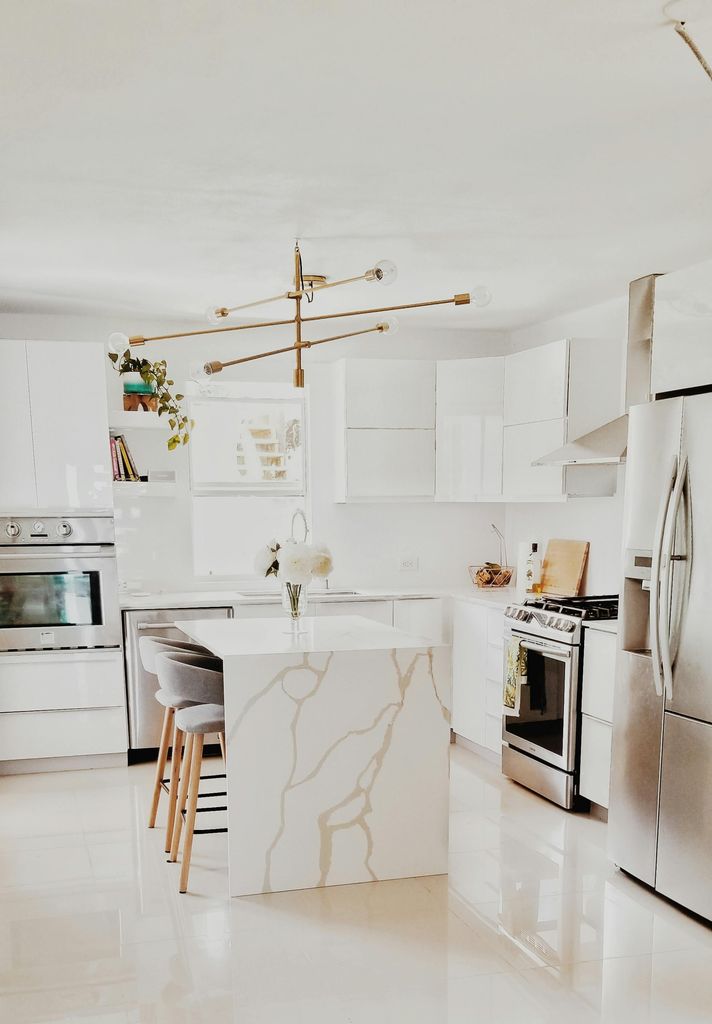
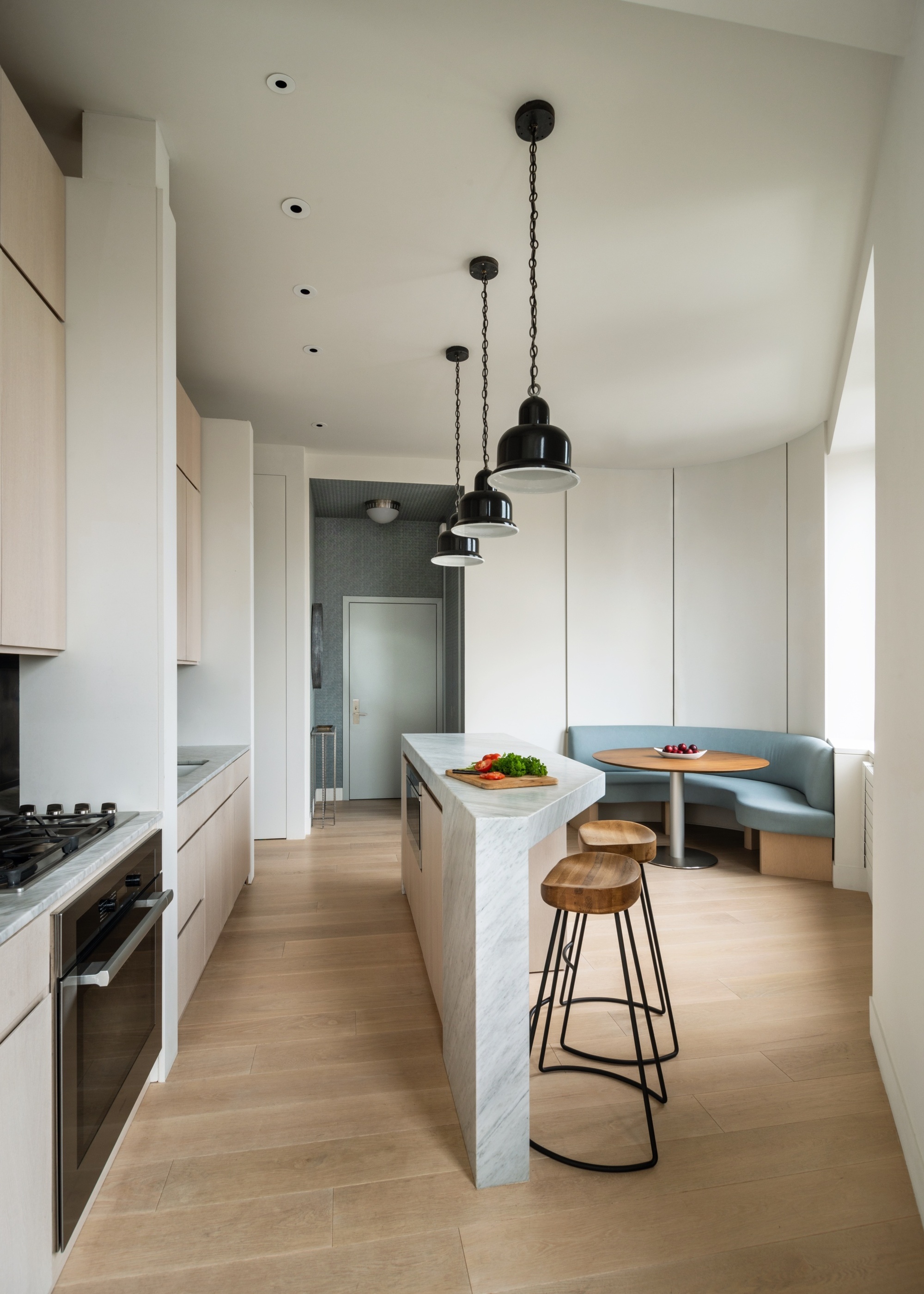
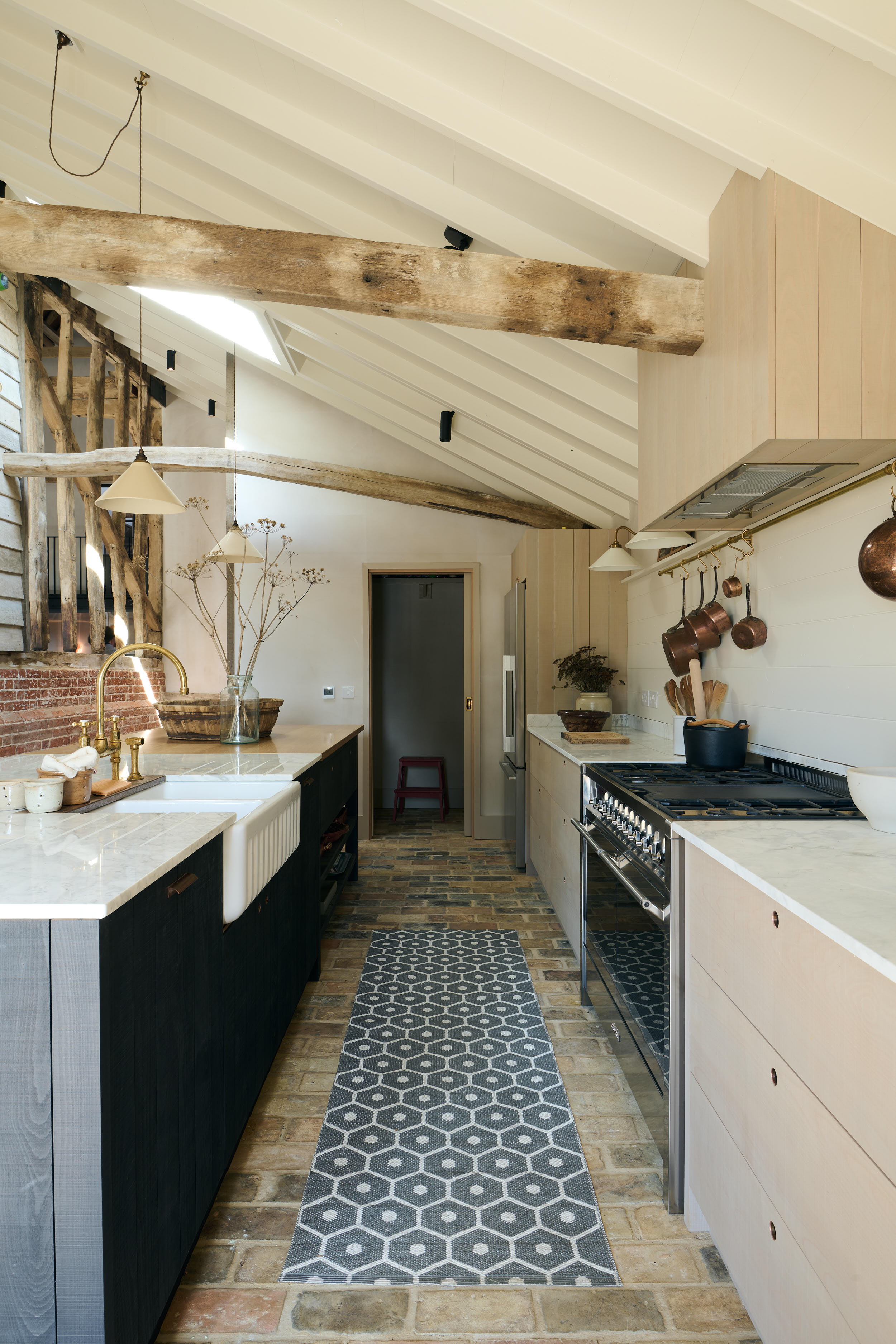
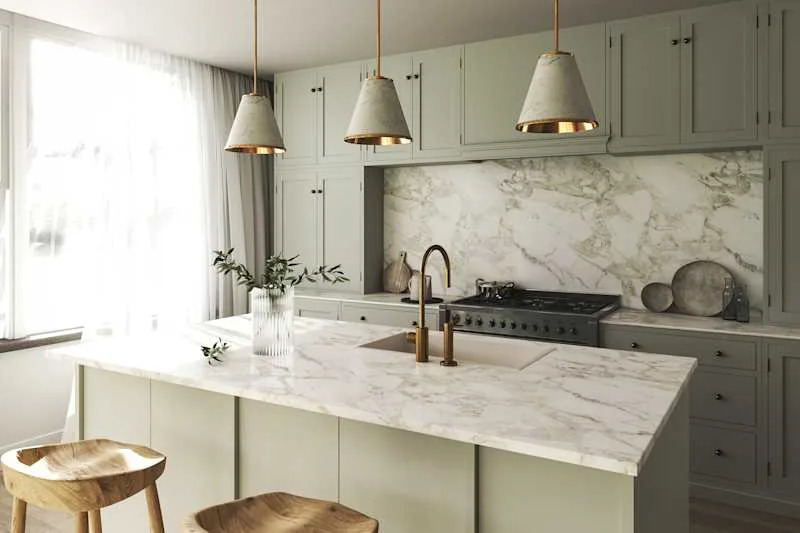
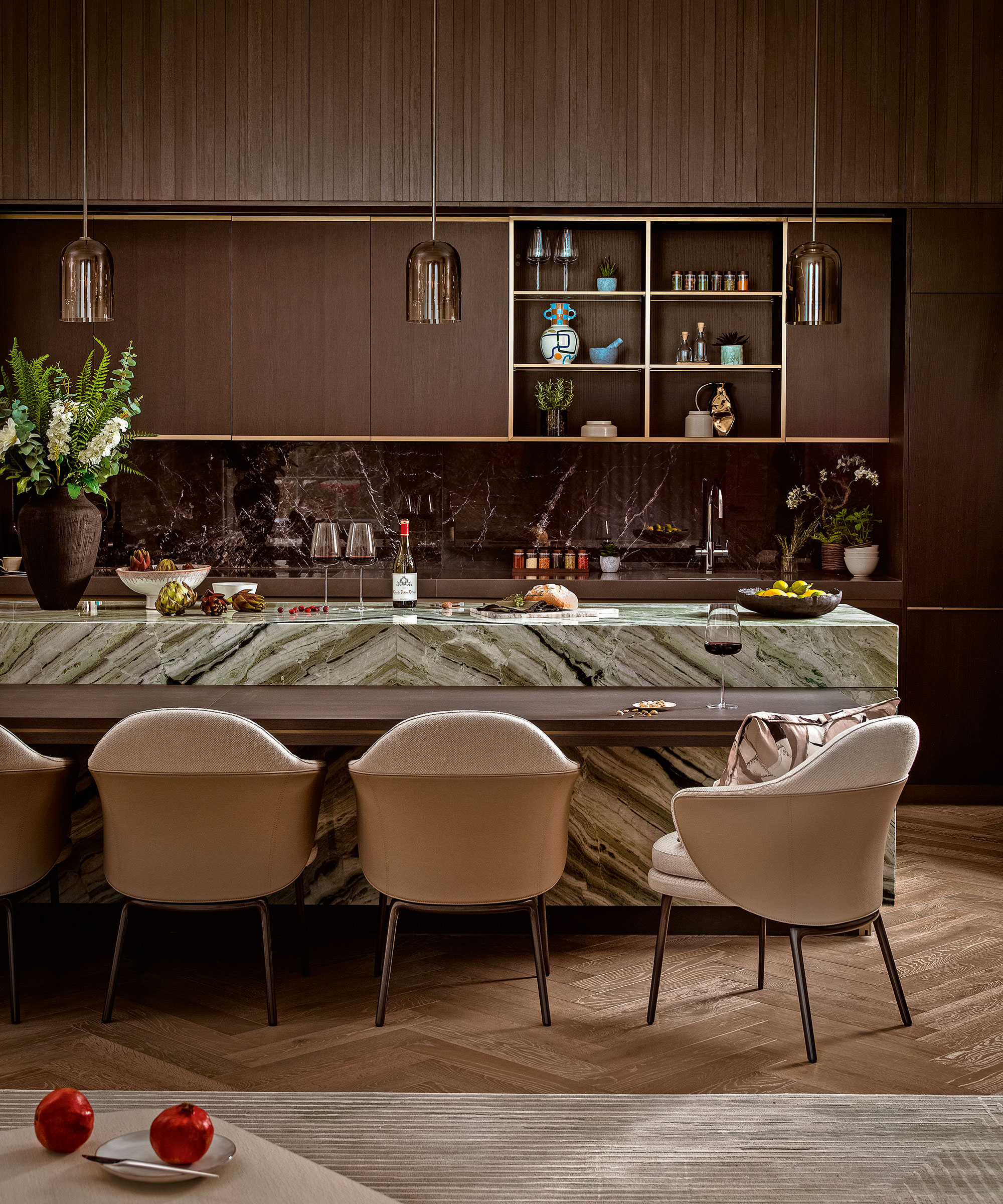
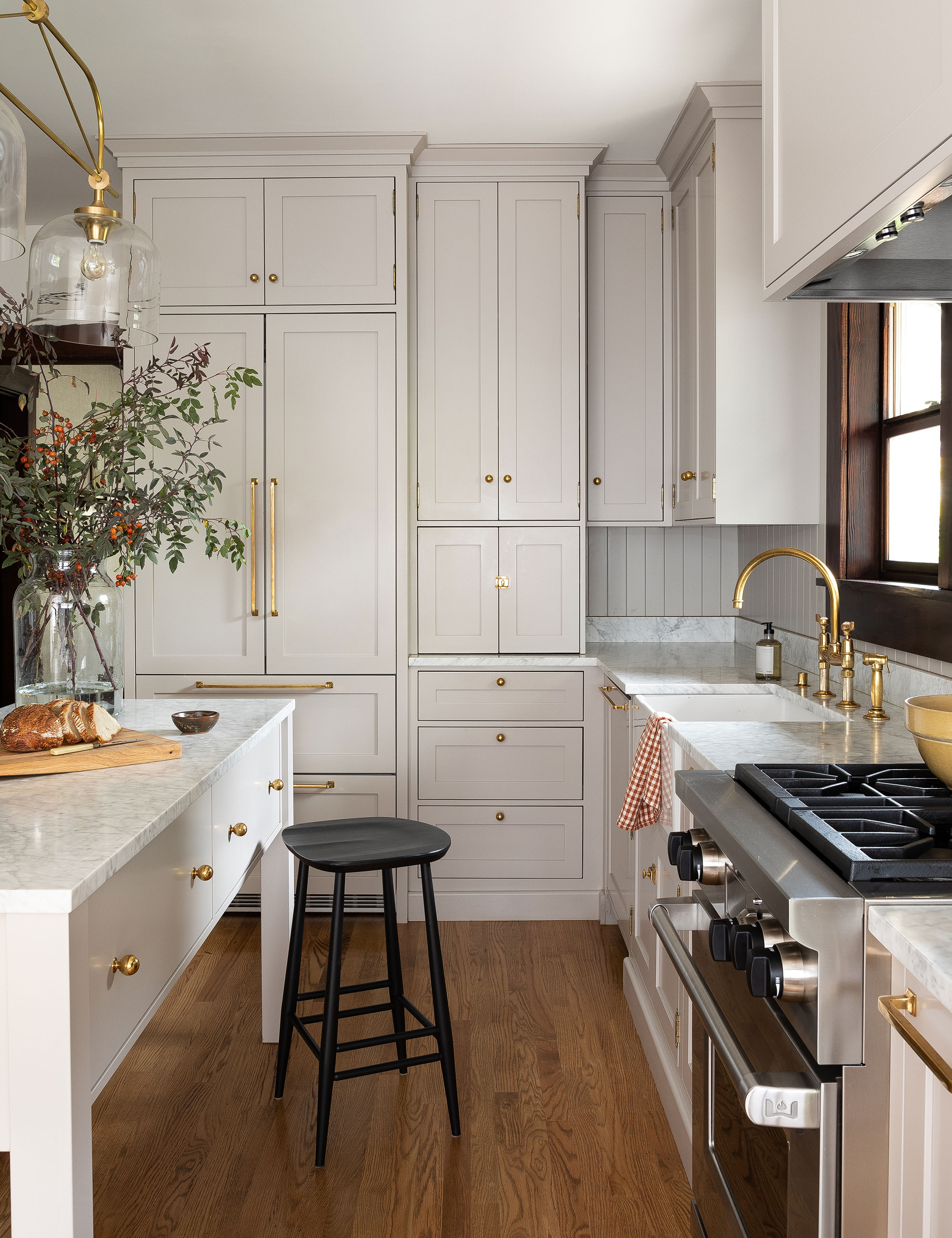
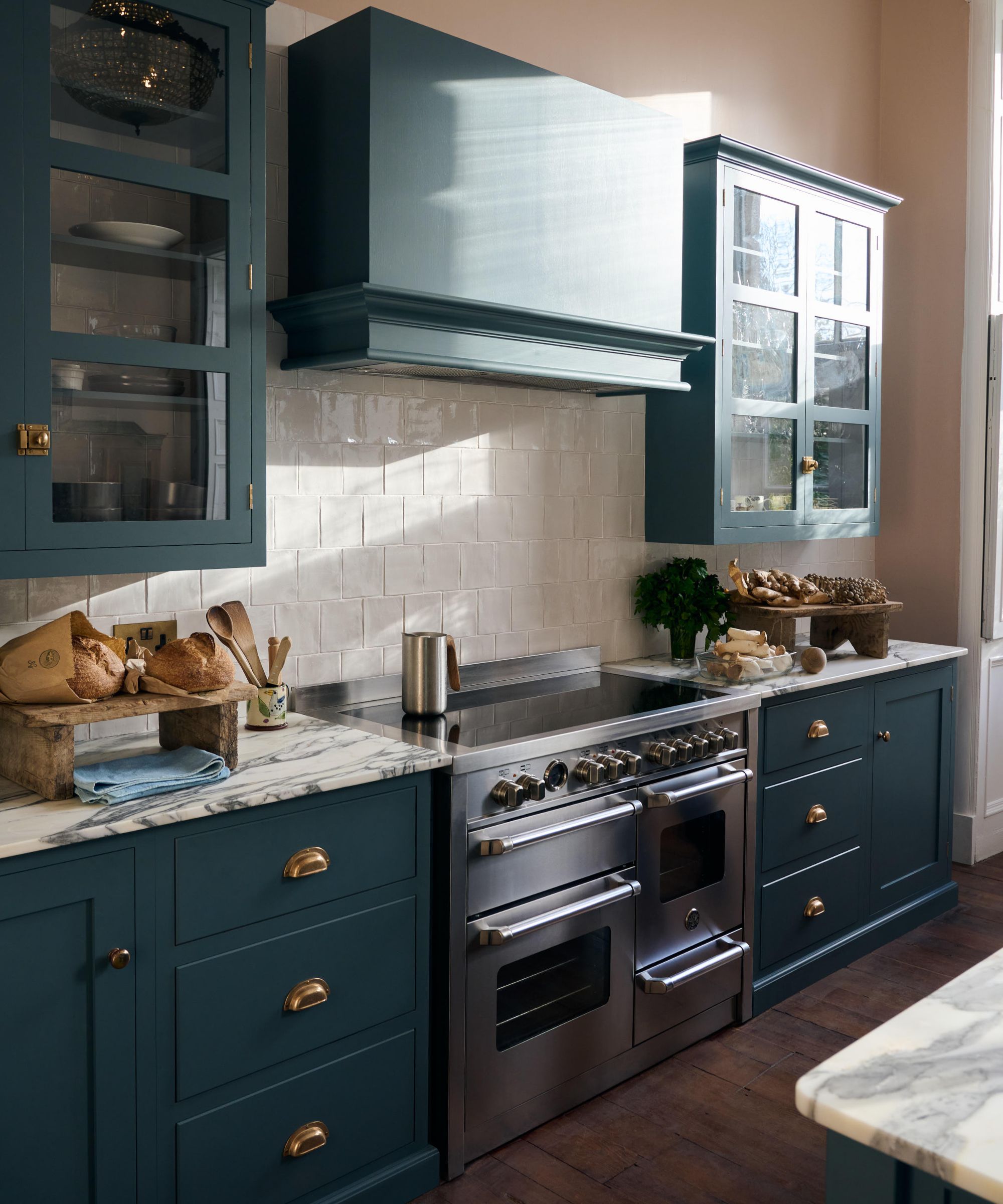
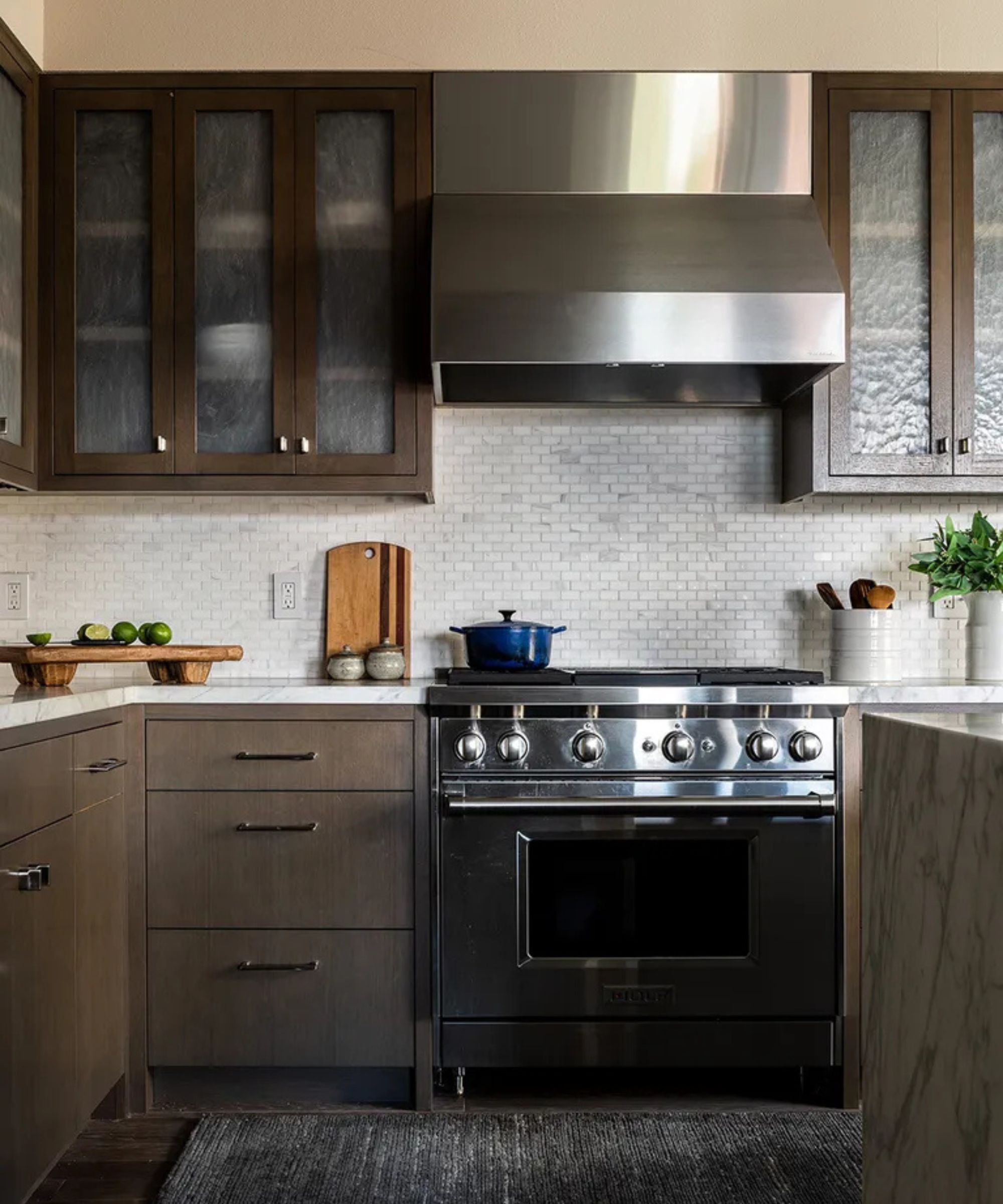
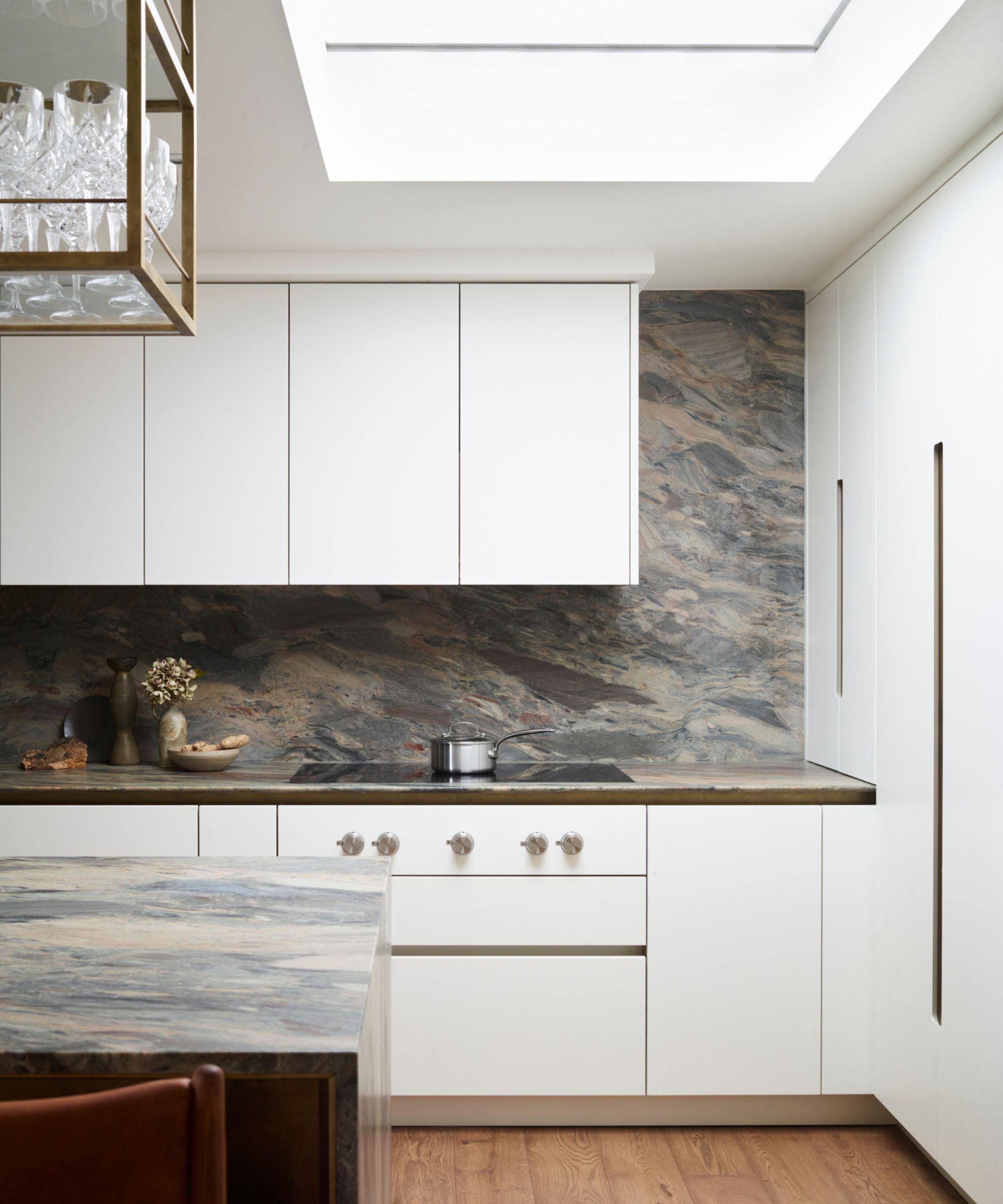
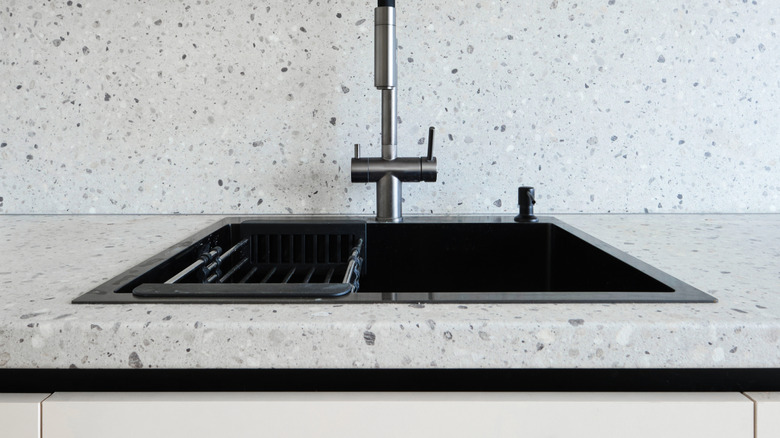
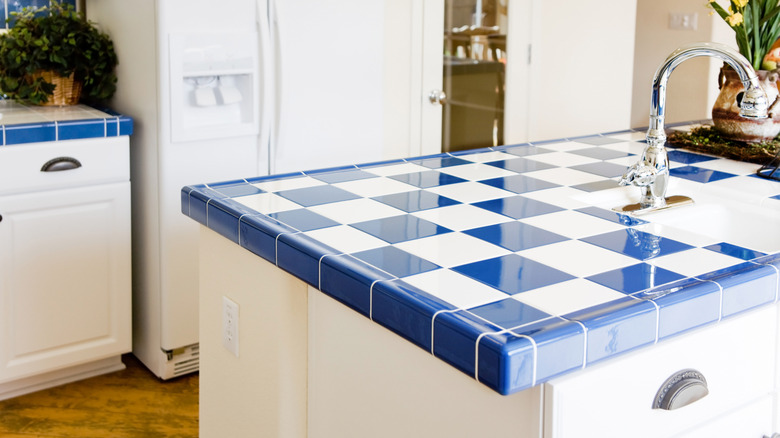
One common error is choosing a glossy finish for countertops. While appealing in terms of color and tone matching, glossy materials, heavily speckled granite, and intensely veined quartz can often cheapen the kitchen's appearance and quickly become outdated. Instead, designers recommend opting for natural stones like marble or soapstone with honed finishes. These matte alternatives add texture and warmth, providing a classic, timeless appeal that serves as a versatile base for other design elements, allowing for both bold and neutral kitchen schemes without quickly fatiguing the eye.
Another significant mistake to avoid is using faux marble paint on existing countertops. Despite the popularity of DIY hacks on social media, replicating a luxurious marble look cheaply often results in a poor finish that wears quickly. Furthermore, cleaning and maintaining a painted surface in a high-traffic area like a kitchen is impractical and can become a nightmare. For those on a budget, natural stone remnants offer a more durable and aesthetically pleasing solution. The article also advises against man-made stone countertops like Quartz due to the negative environmental and health impacts associated with their production processes and high silica content.
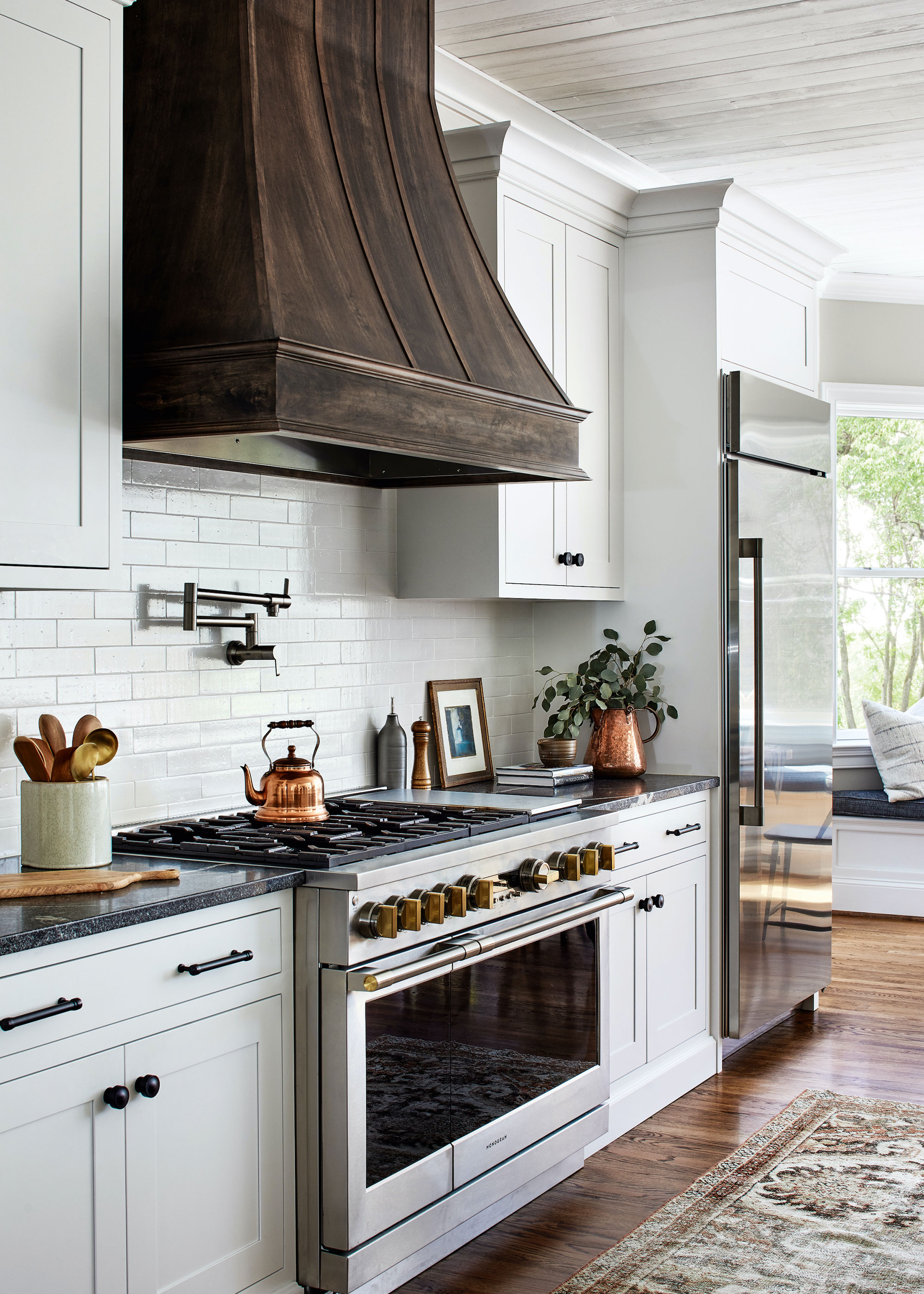
The third mistake discussed is prioritizing style over function. While a countertop's beauty is important, its durability and ability to withstand daily wear and tear are equally critical, especially for active kitchens. Softer stones, such as soapstone, might offer a classic look but are prone to scratches and chips, making them unsuitable for busy households with frequent cooking or children. In such cases, more durable alternatives like leathered granite can provide a similar aesthetic with enhanced resilience, ensuring the countertop makes life easier rather than adding stress about nicks and spills.
The fourth common oversight involves underestimating the required countertop space. Countertops serve multiple functions beyond just cooking, often becoming hubs for meal serving, family meals, homework, or remote work. Insufficient countertop space can render an otherwise beautifully designed kitchen impractical. Designers suggest allocating more space than initially seems necessary during the planning stages to ensure the kitchen remains genuinely functional and adaptable to various household activities.
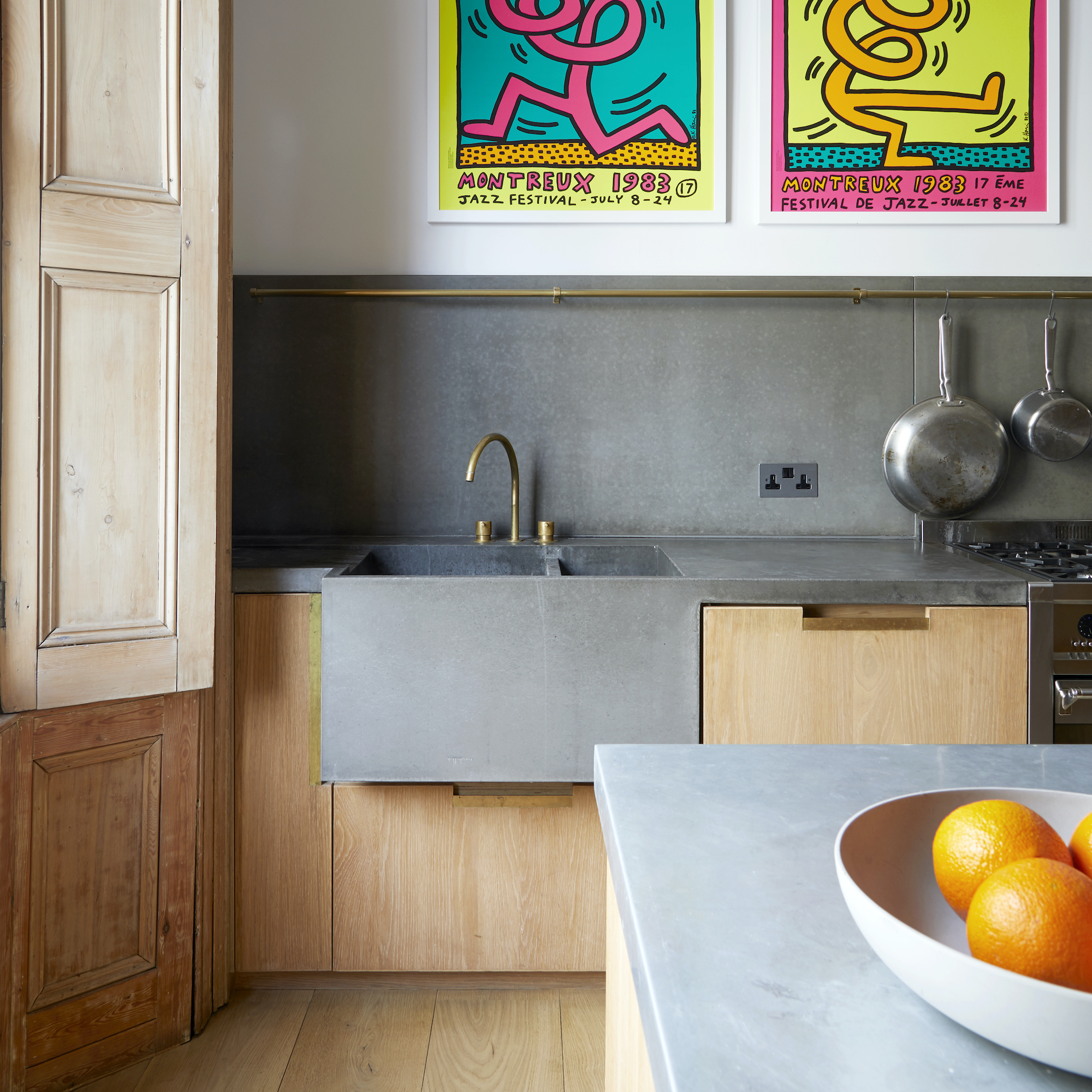
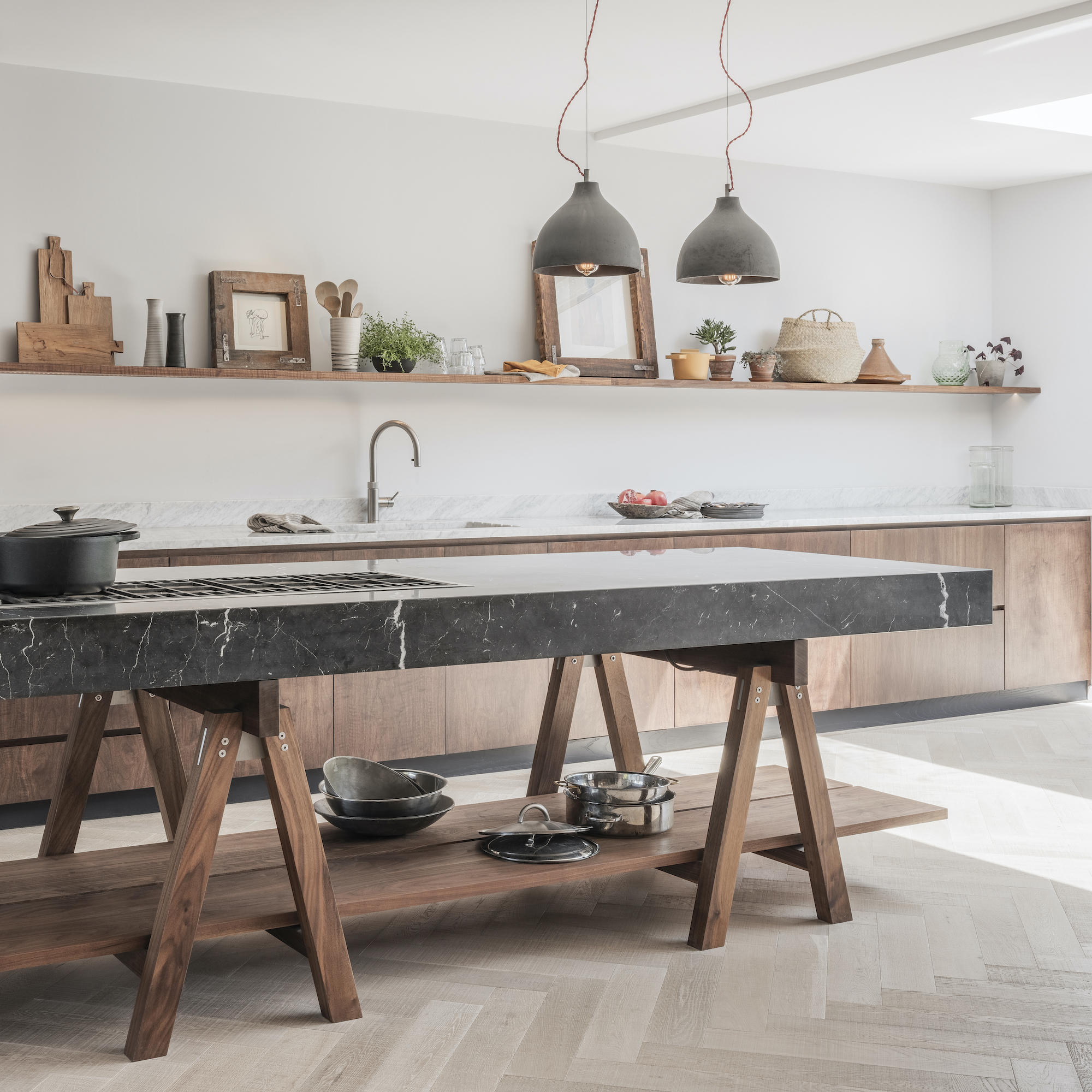
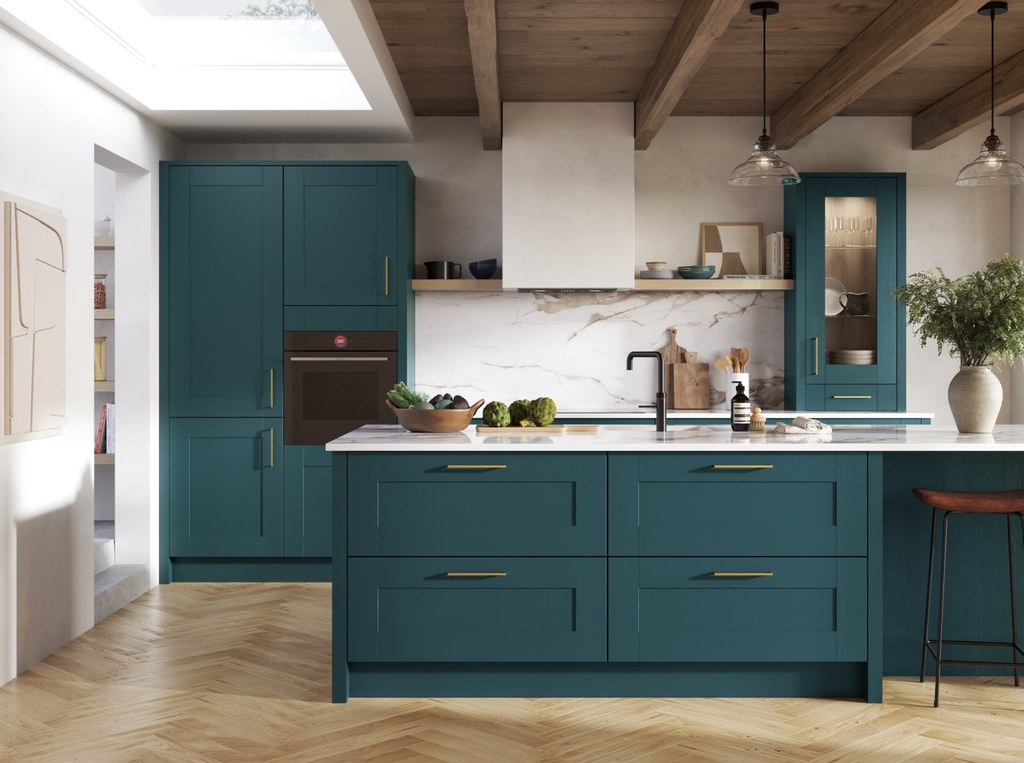
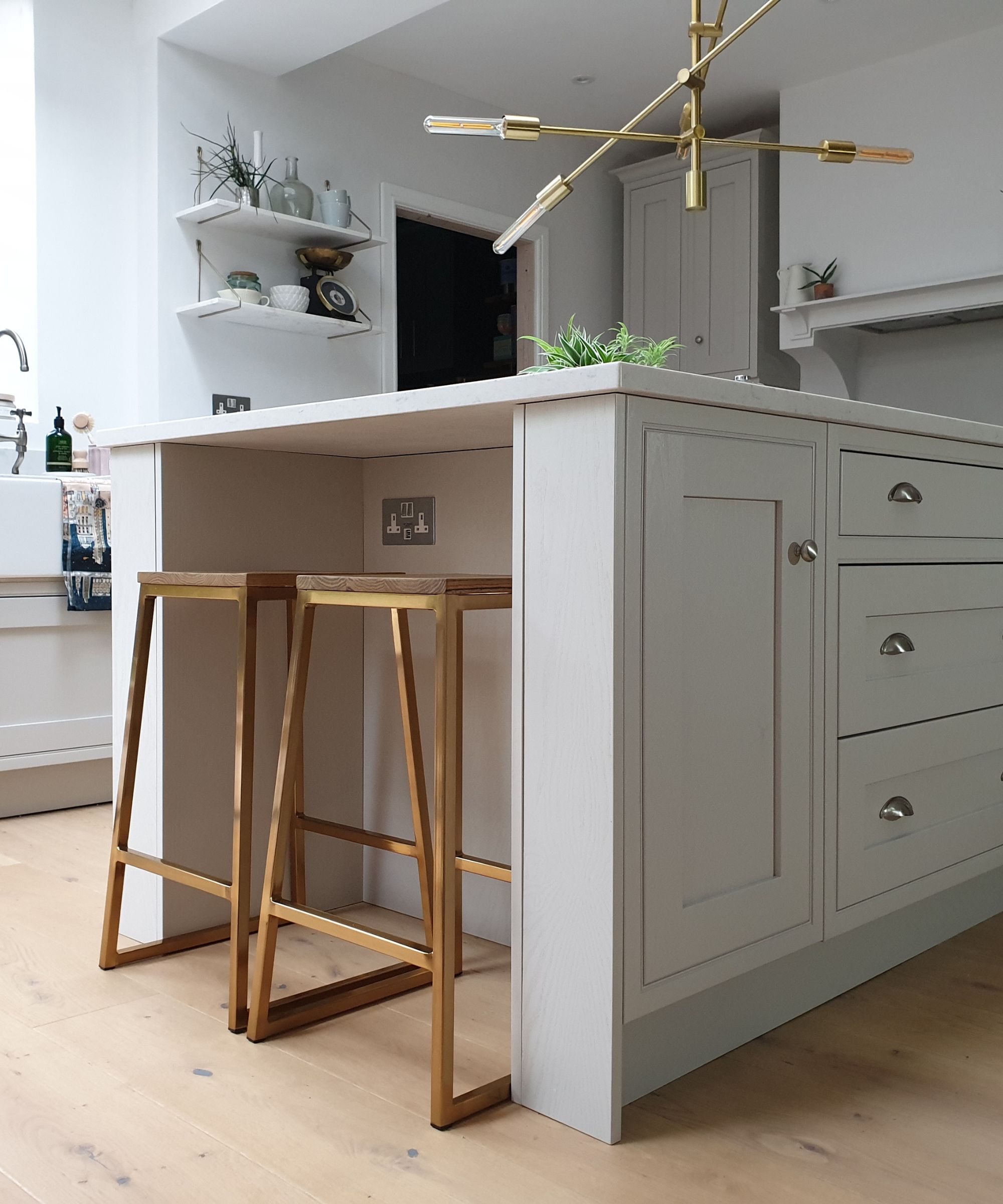
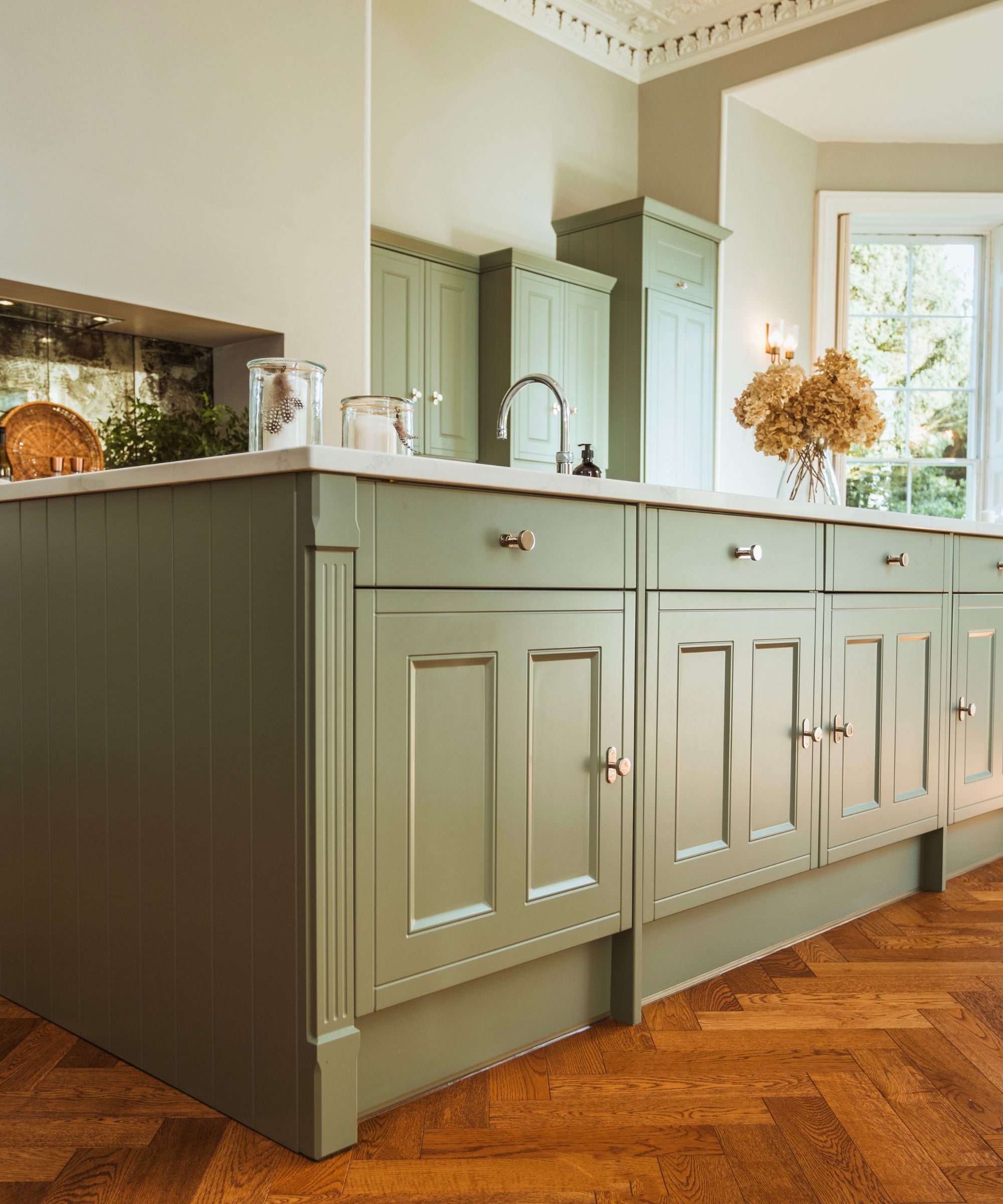
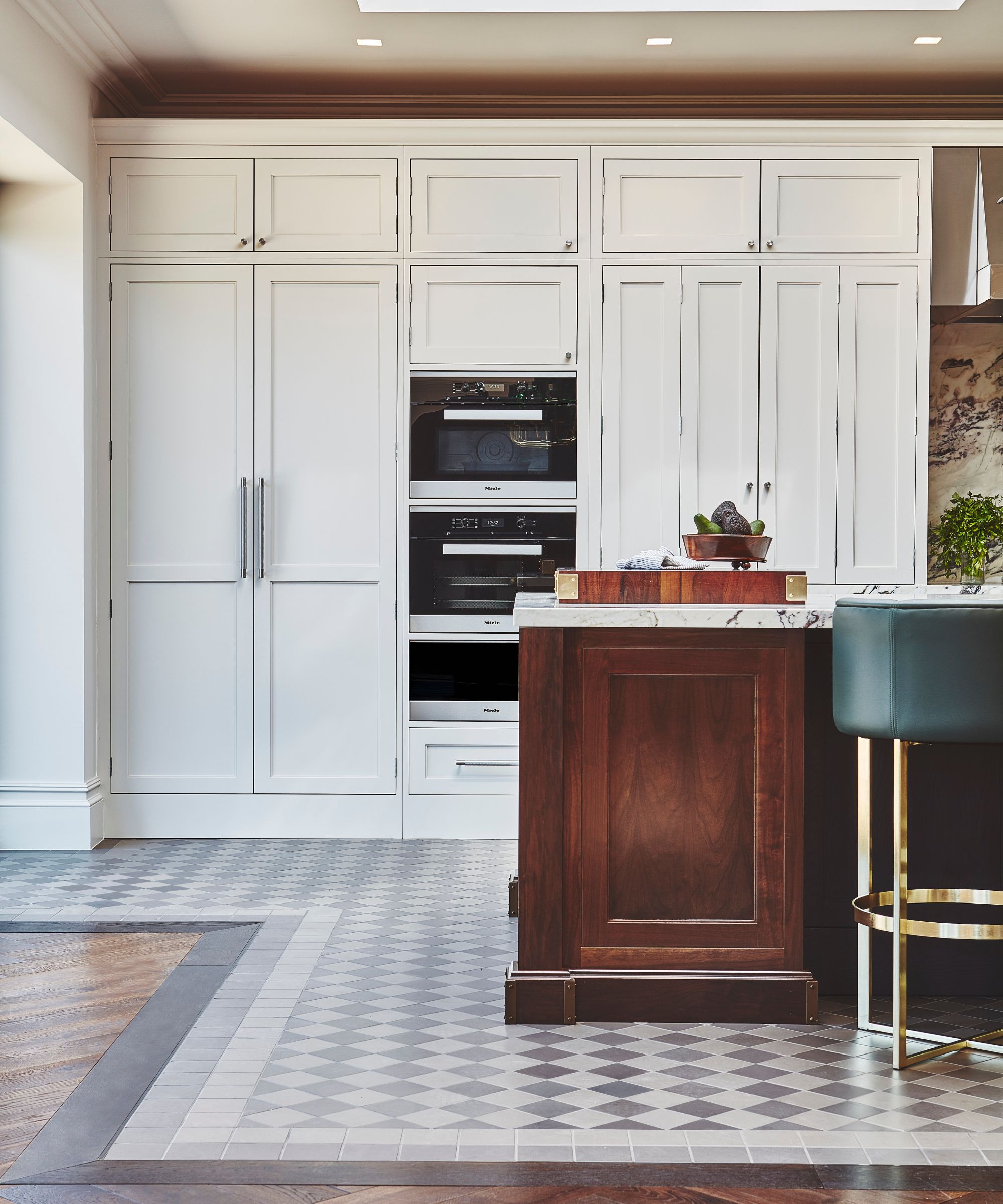
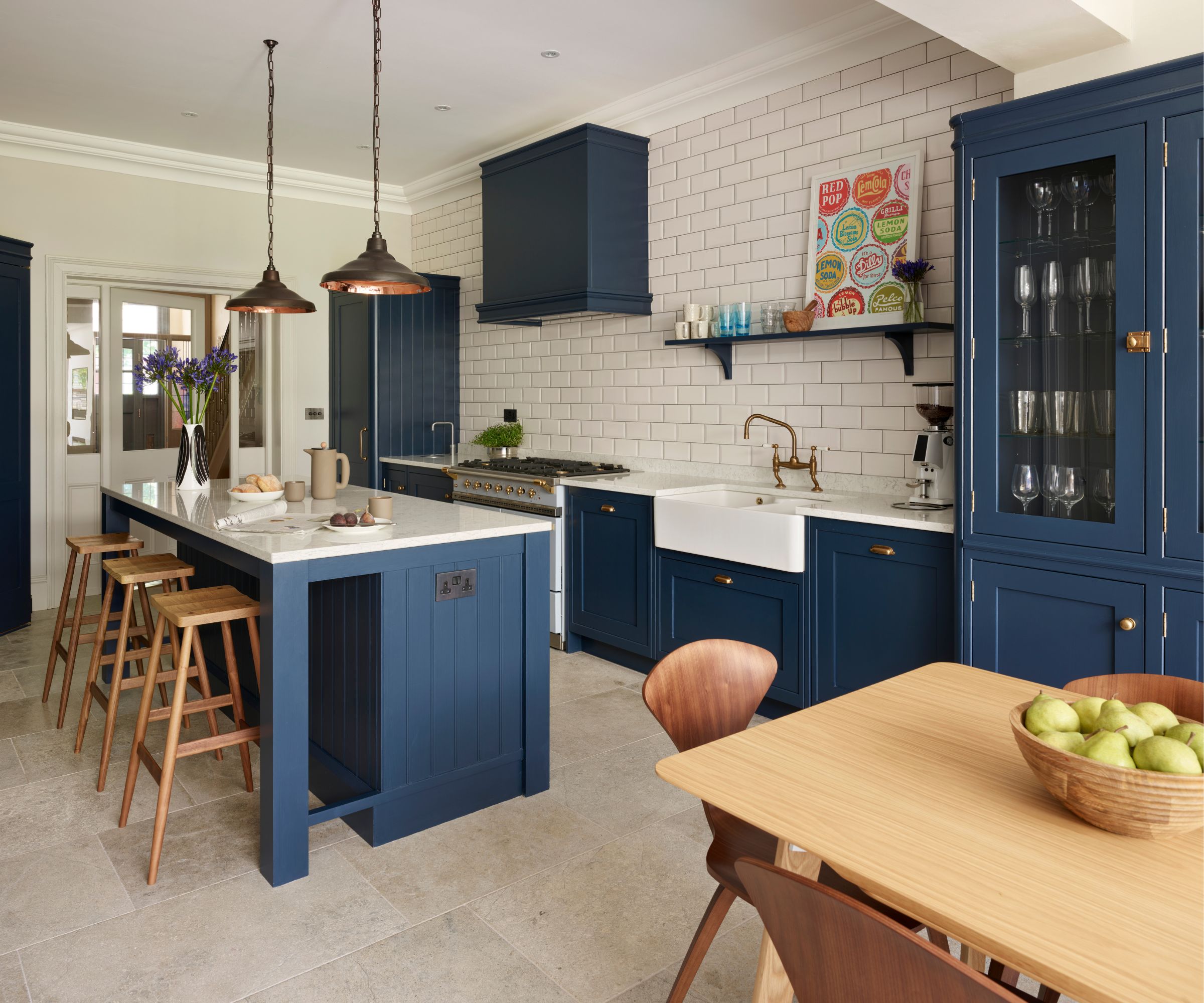
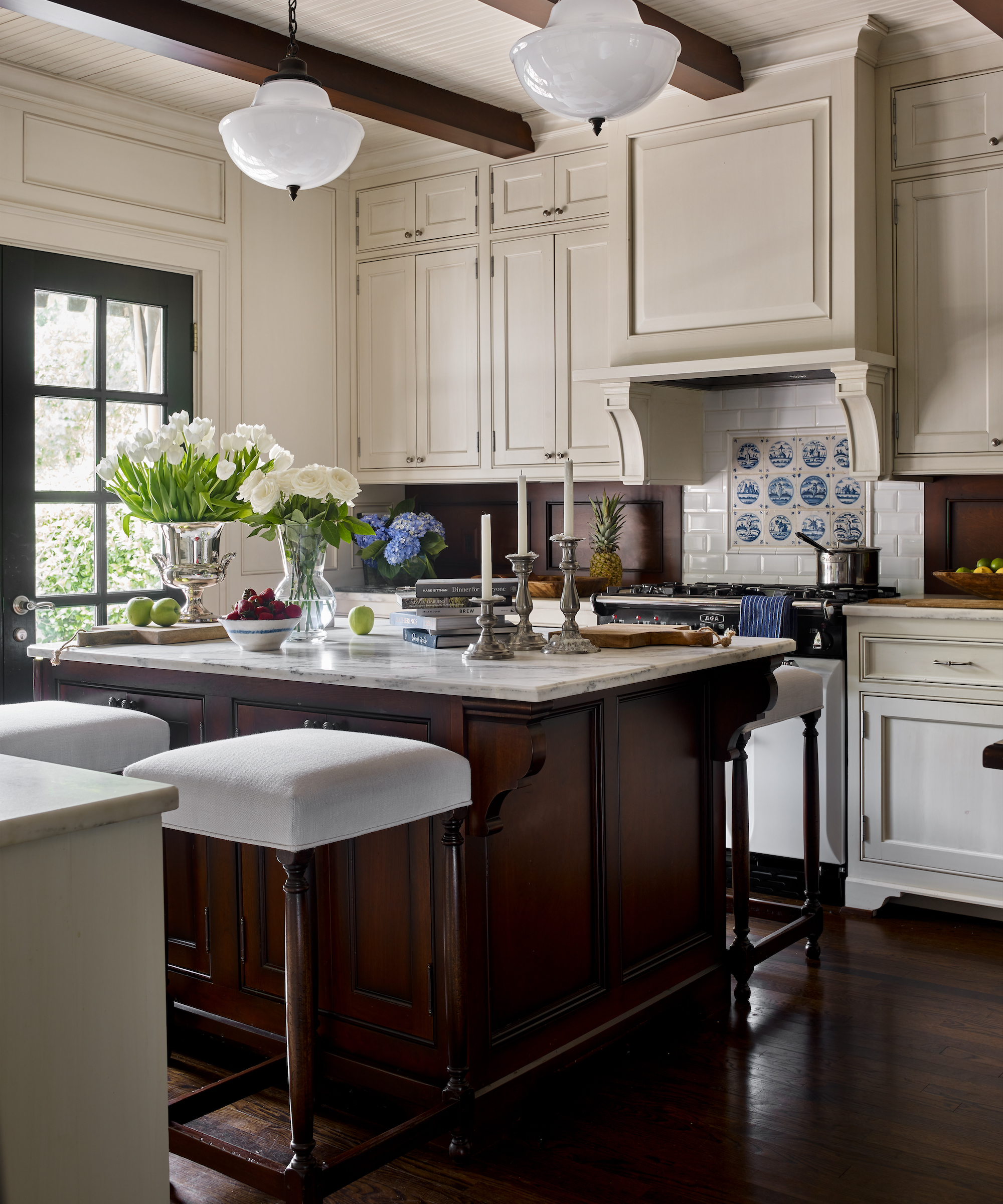
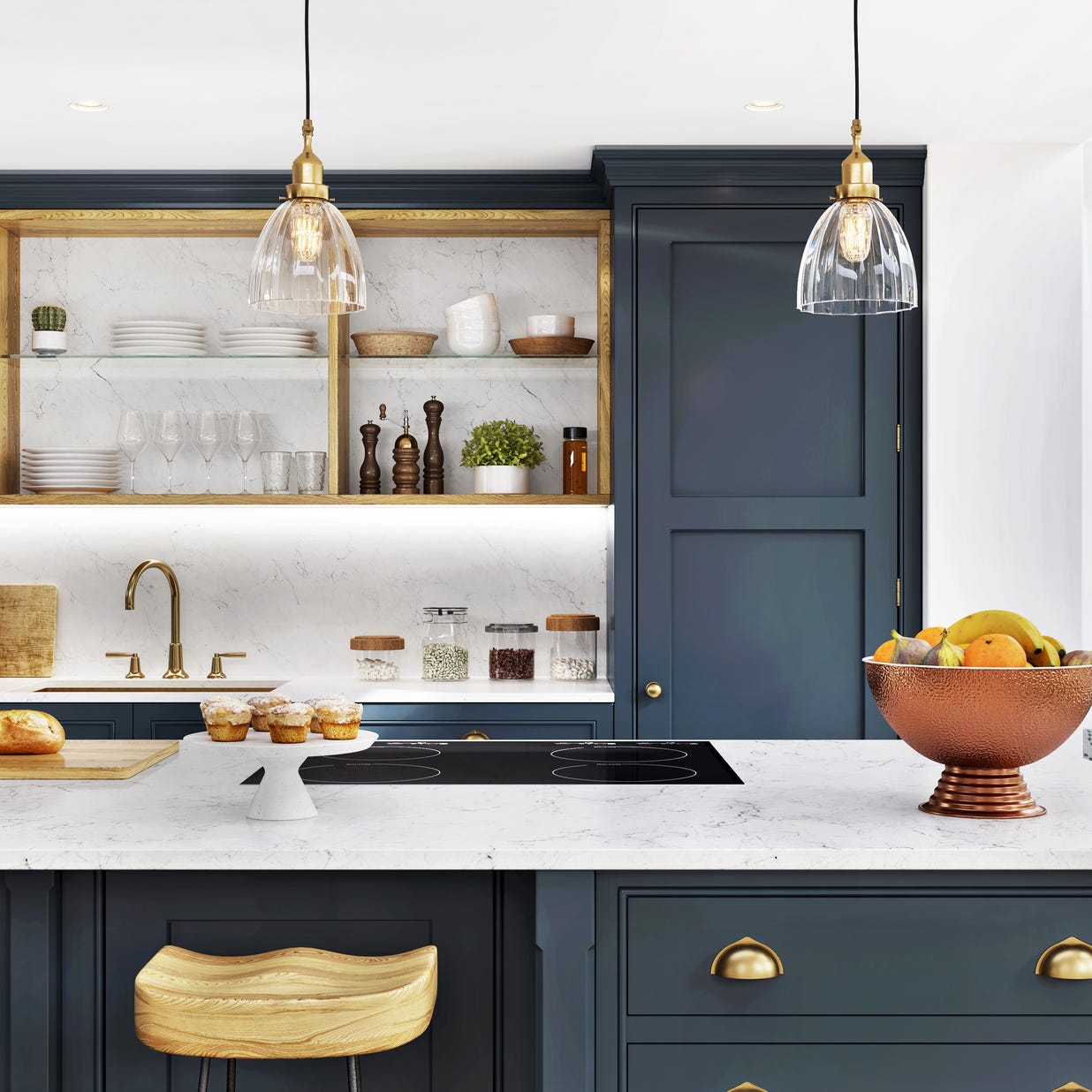
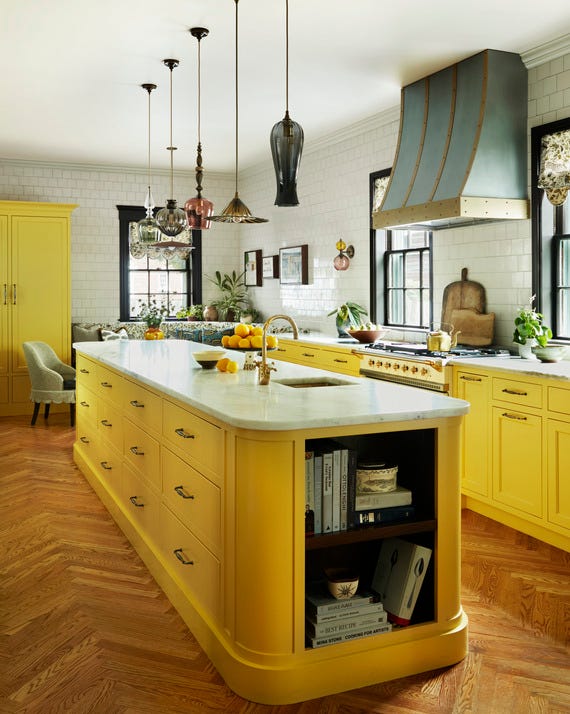
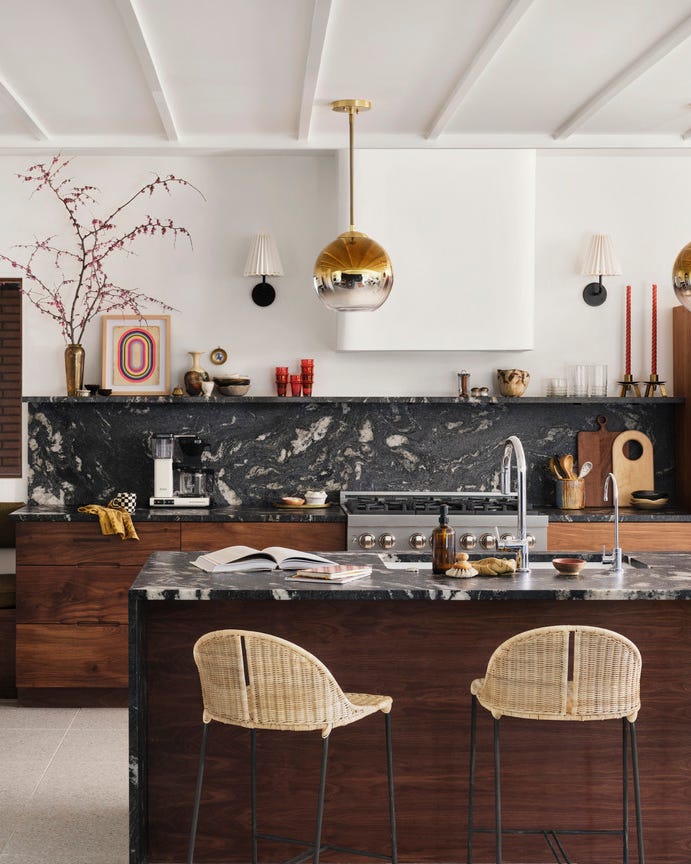
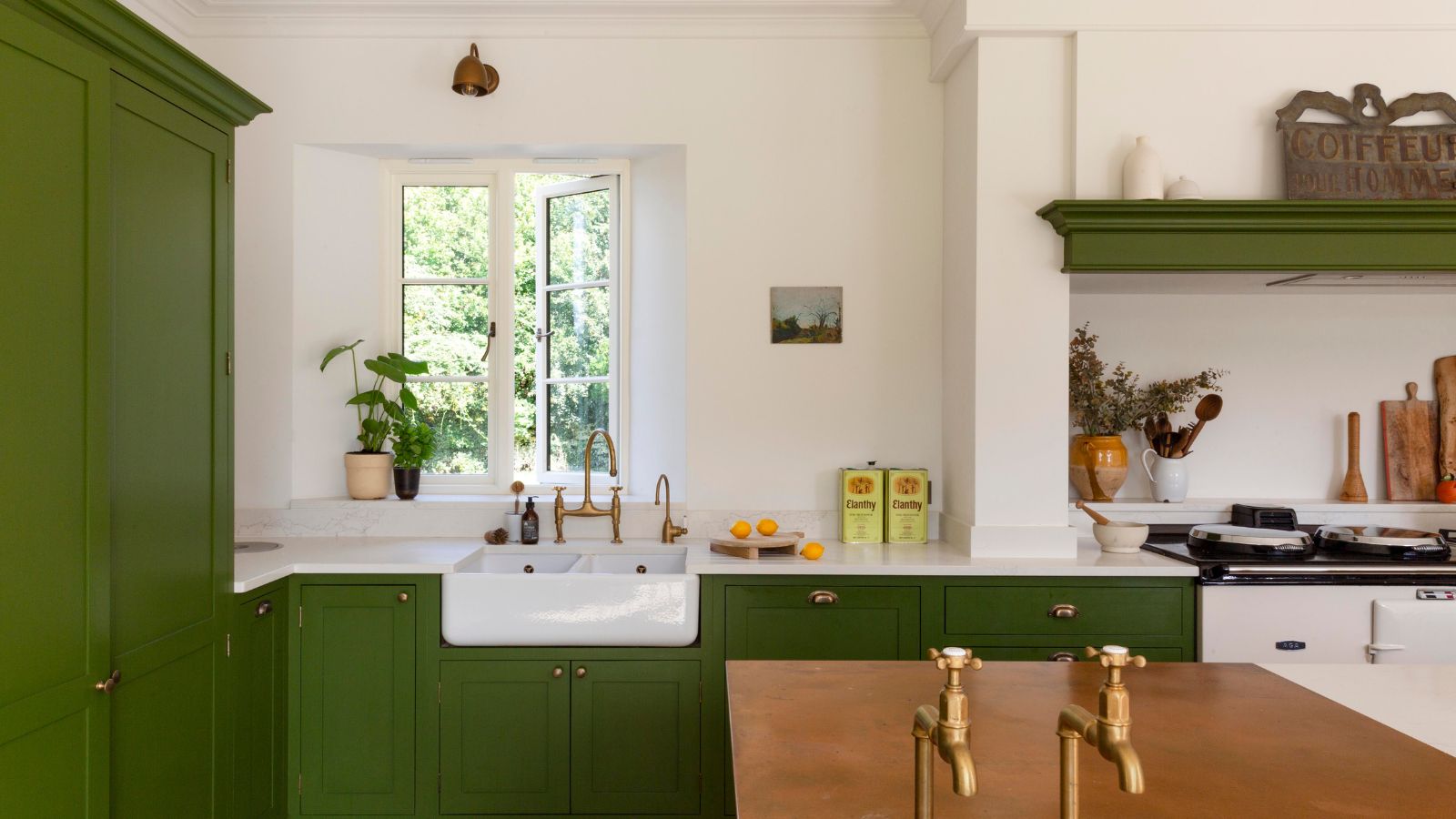
Finally, the article addresses the misconception that all cabinet and island countertops must match. Uniformity can lead to a lack of visual interest and missed opportunities for design depth. A considered contrast between island and wall cabinet countertops can add personality, create visual intrigue, and introduce new textures, enhancing the overall design. This approach allows for creative expression while maintaining a cohesive and harmonious kitchen aesthetic, demonstrating that thoughtful contrast can be more impactful than strict uniformity.
#KitchenDesign #CountertopMistakes #HomeRenovation #InteriorDesign #KitchenTrends #MaterialSelection #KitchenFunctionality #DesignTips #KitchenPlanning #KitchenDesign #CountertopMistakes #HomeRenovation #InteriorDesign #KitchenTrends #MaterialSelection #KitchenFunctionality #DesignTips #KitchenPlanning
0 Kommentare insgesamt
 Noch keine Kommentare
Das könnte Ihnen auch gefallen
5 things not to put on your bathroom countertops, according to interior designers
10 Small Kitchen Layout Mistakes Designers Will Always Urge You to Avoid for a Better Working Space

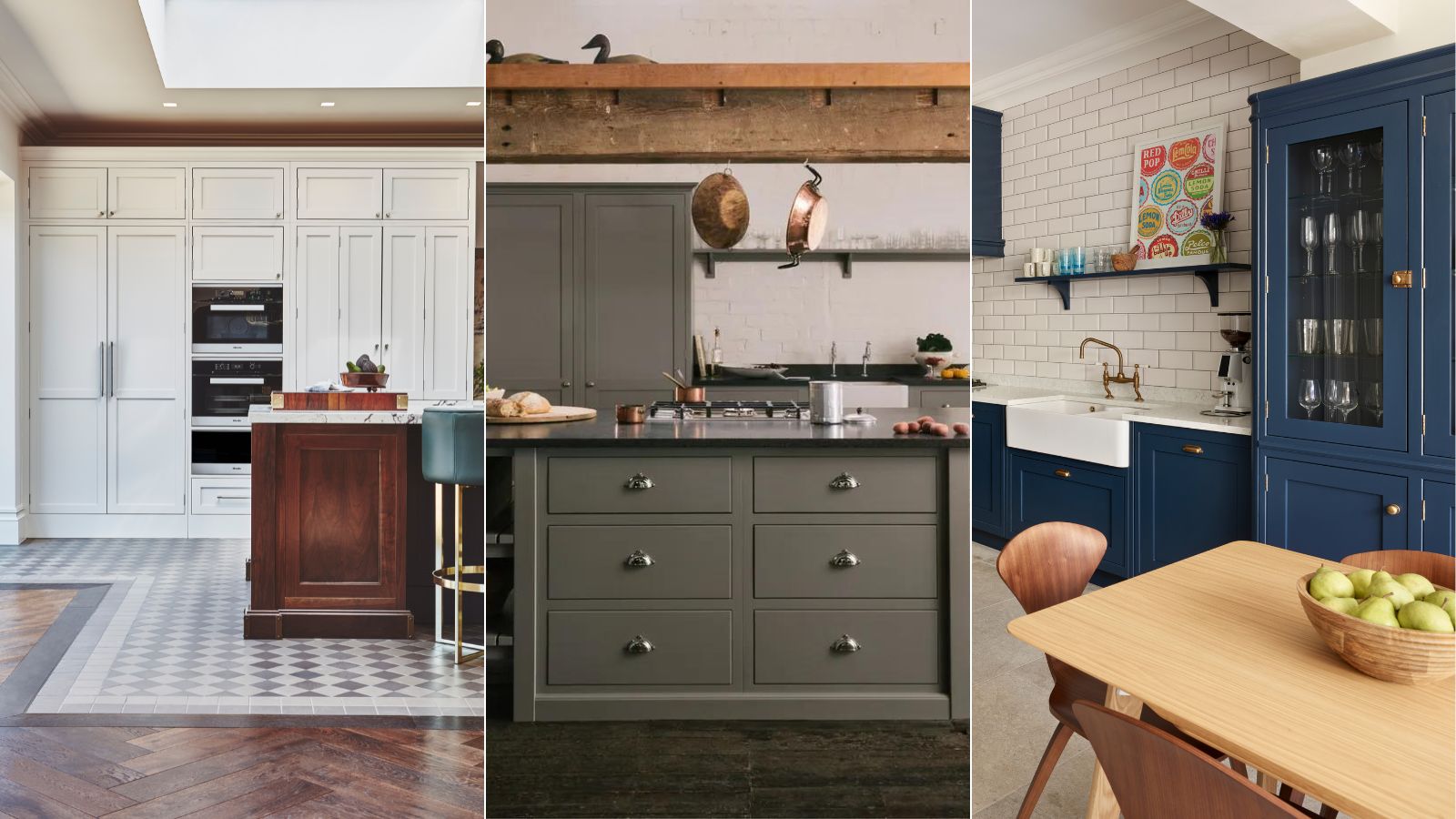
5 kitchen hardware mistakes interior designers say homeowners always make, and how to fix them
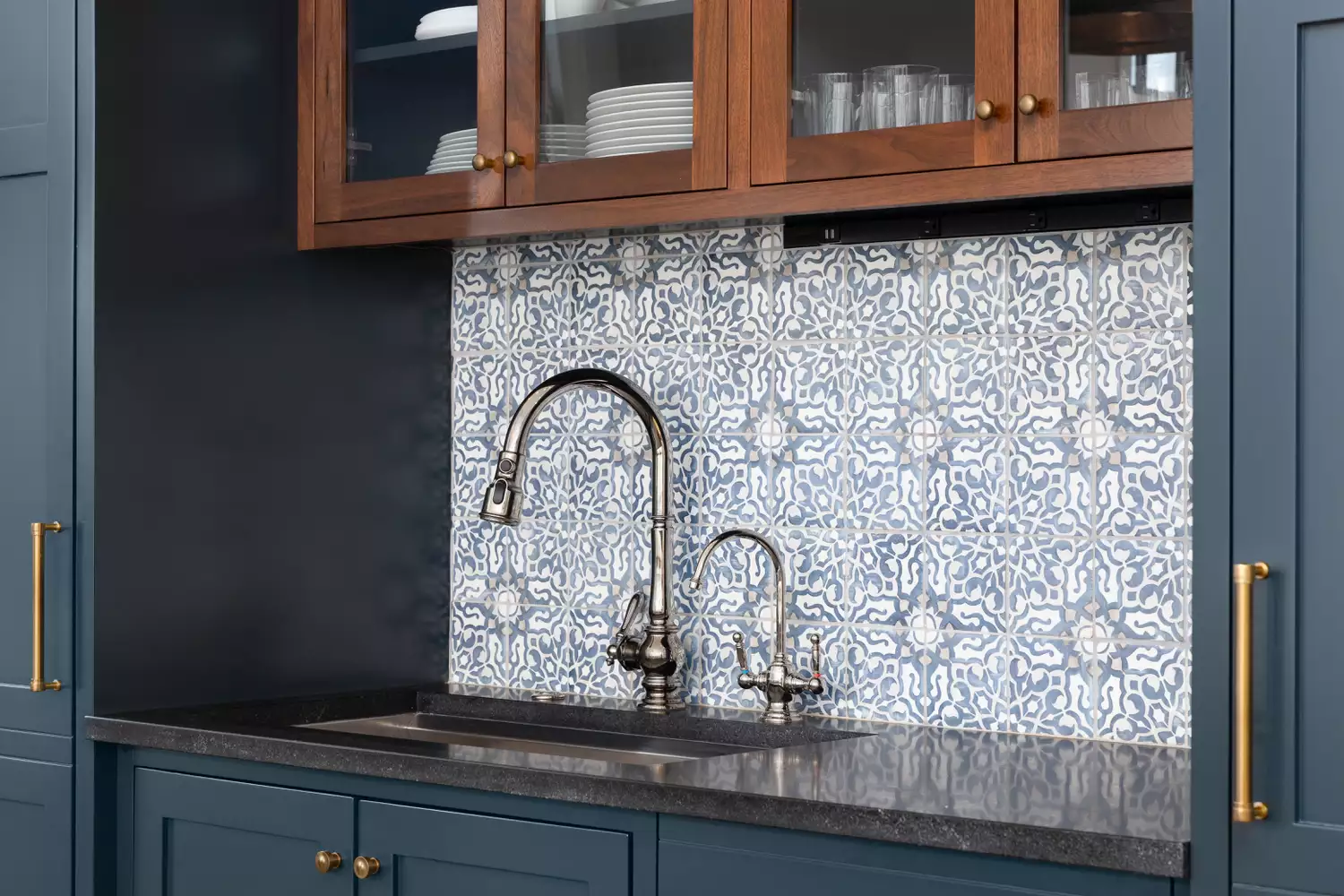
5 Kitchen Backsplash Mistakes Almost Everyone Makes—and What to Do Instead, According to Tile Pros

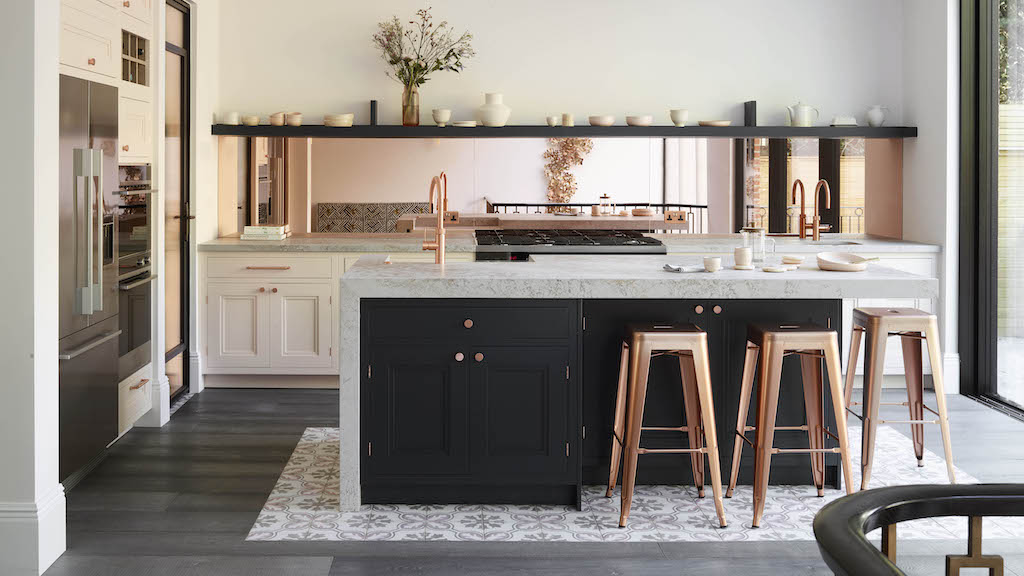
Experts reveal the kitchen worktop mistakes to avoid - ignore at your peril
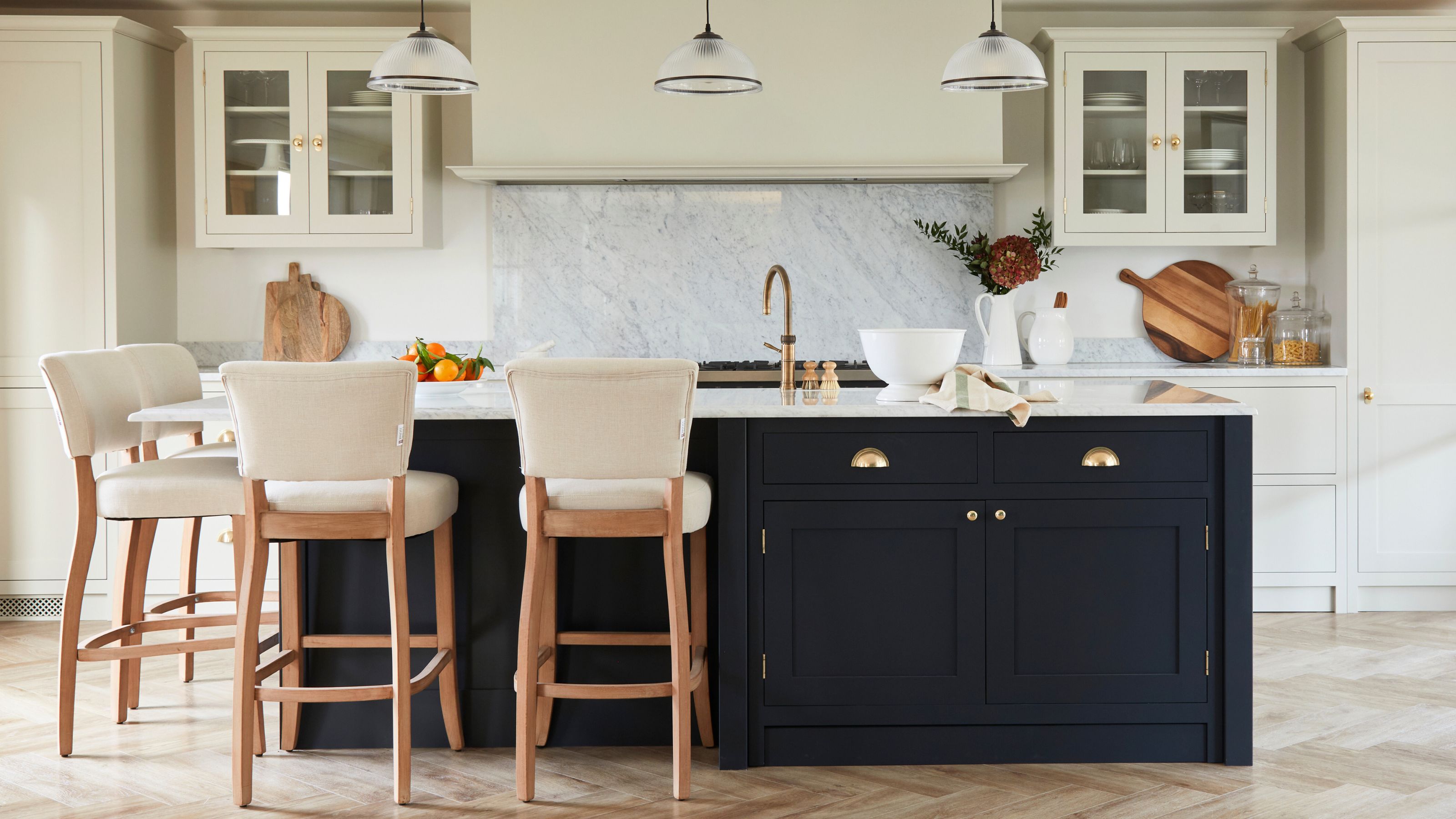
The 7 kitchen island mistakes designers always avoid — and what you can try instead

The Kitchen Countertop Material Designers Say You Should Avoid
Five Mistakes People Make When Selecting Kitchen Cabinets—and How to Avoid Them

8 shockingly common kitchen design mistakes according to a pro

5 Outdated Kitchen Rules You Should Definitely Ignore, According to Designers

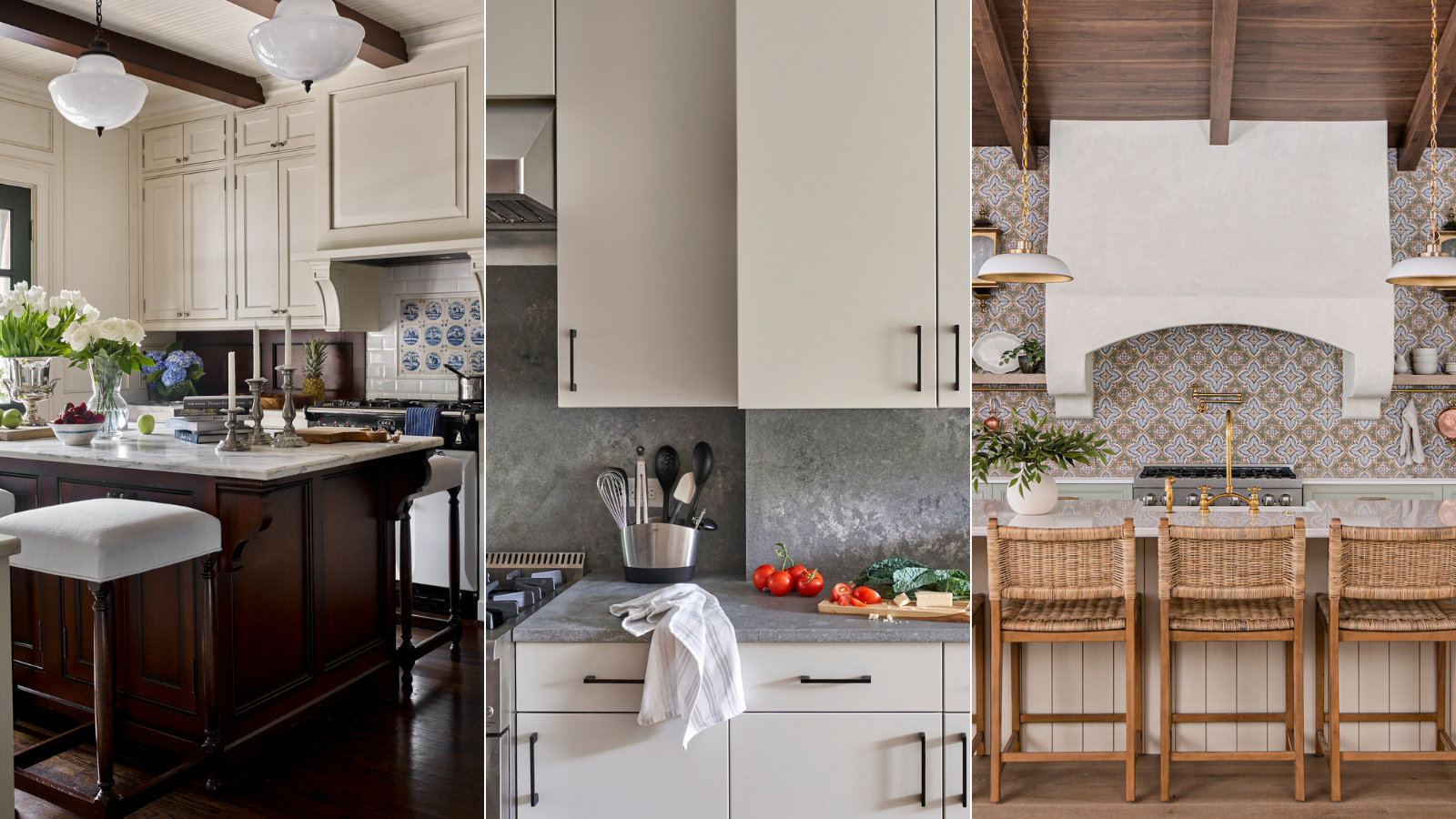
8 kitchen backsplash mistakes to always avoid, according to interior designers

5 coffee table mistakes you should always avoid, according to interior designers
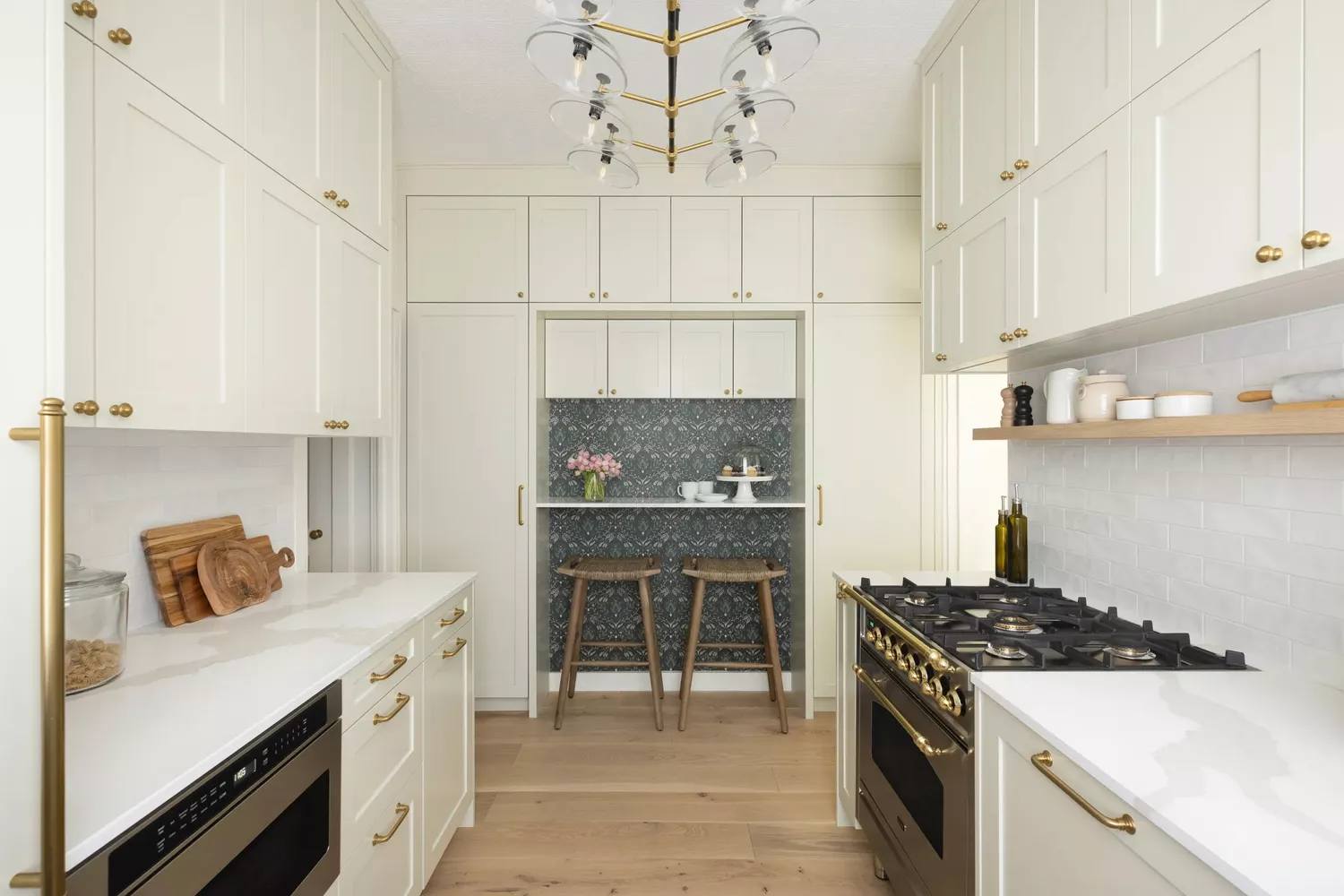
6 Kitchen Backsplash Mistakes Designers Want You to Stop Making Right Now
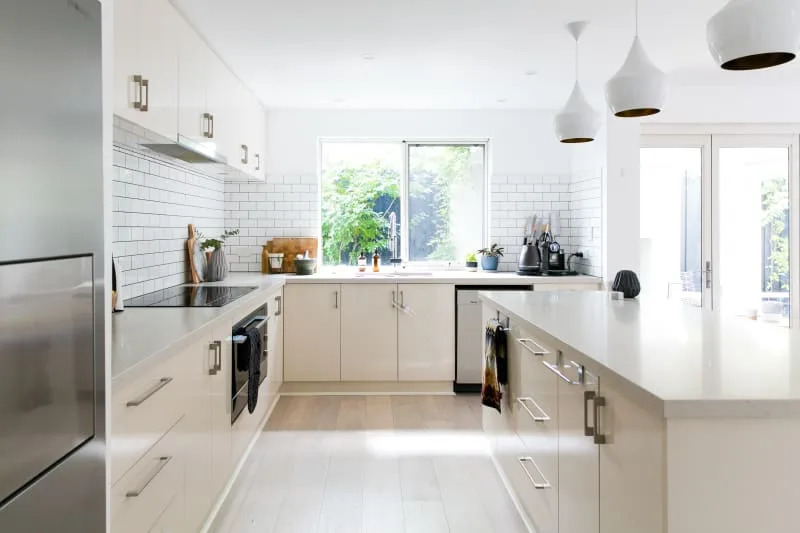
The Worst Thing About Every Popular Kitchen Countertop Designers Don’t Tell You
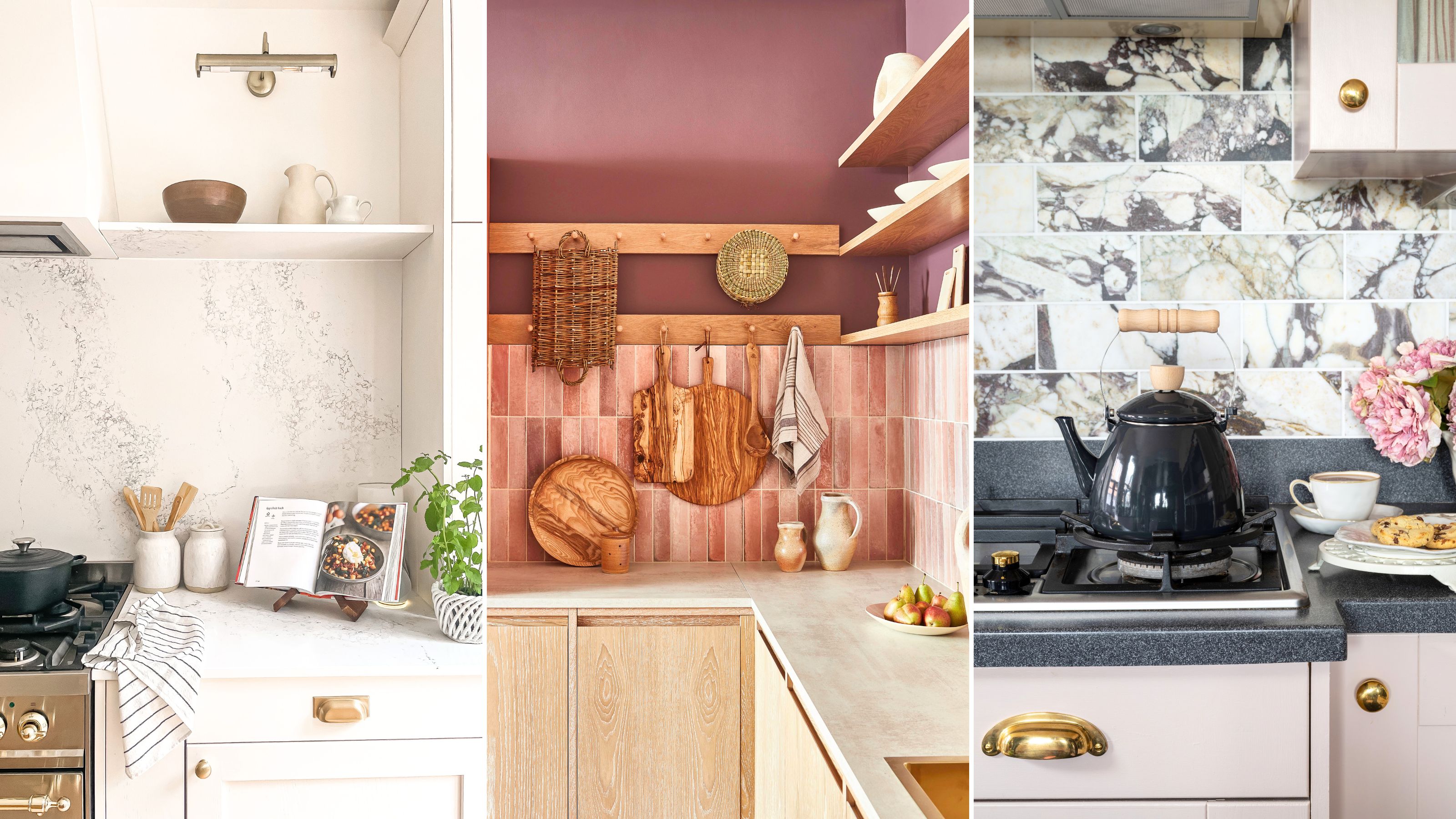
The 5 kitchen storage mistakes interior designers always avoid

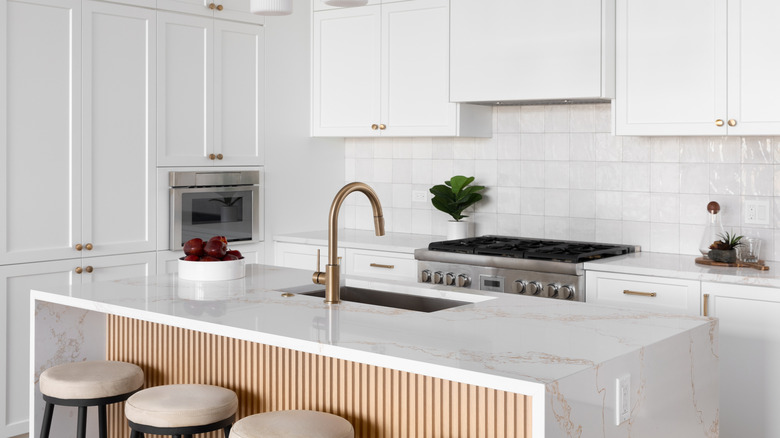
5 Outdated Countertop Trends To Avoid And 5 To Try Instead

8 shockingly common kitchen design mistakes according to a pro

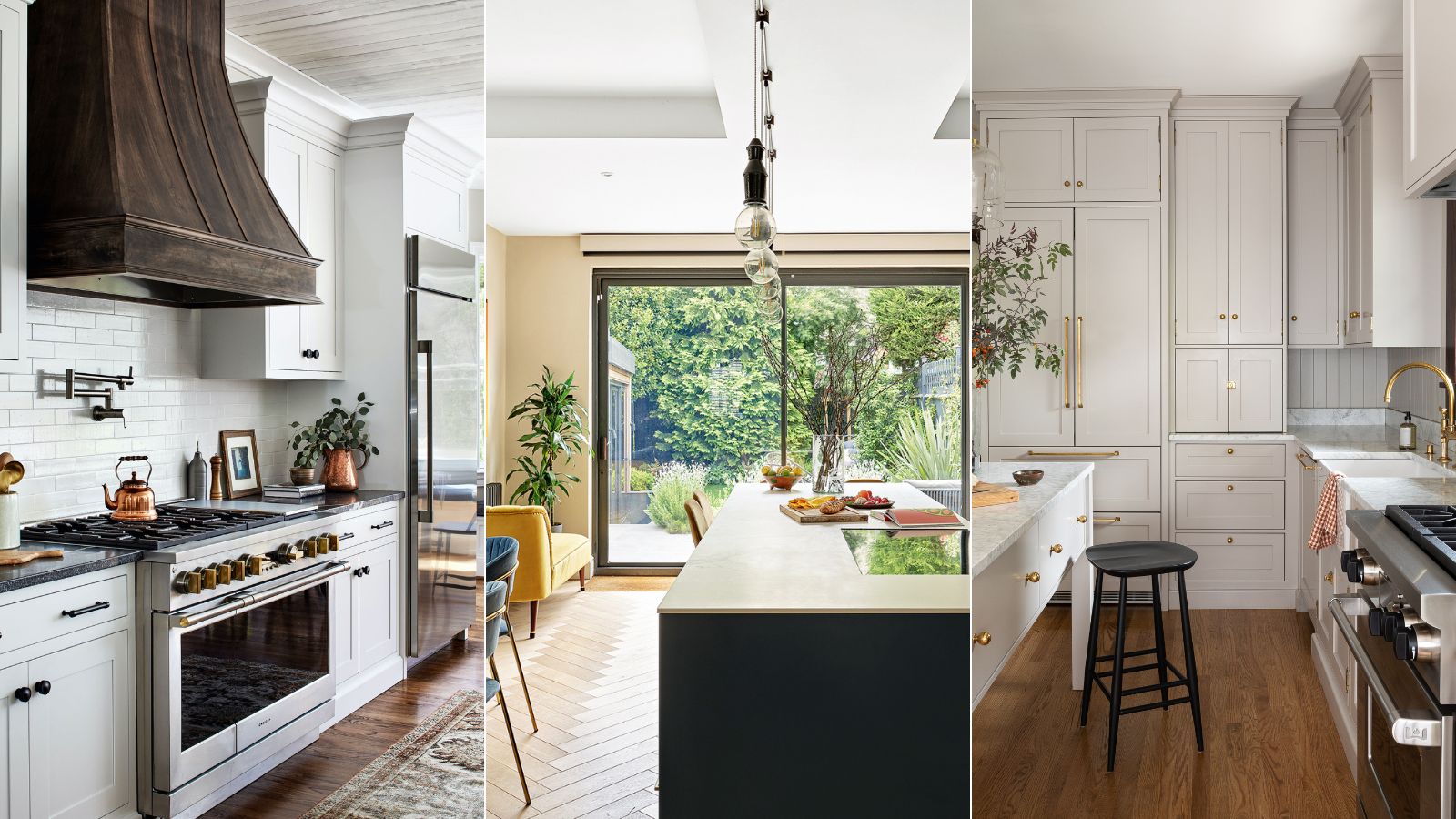
Outdated kitchen trends – 5 overdone looks that designers like to avoid, and here's why you should too
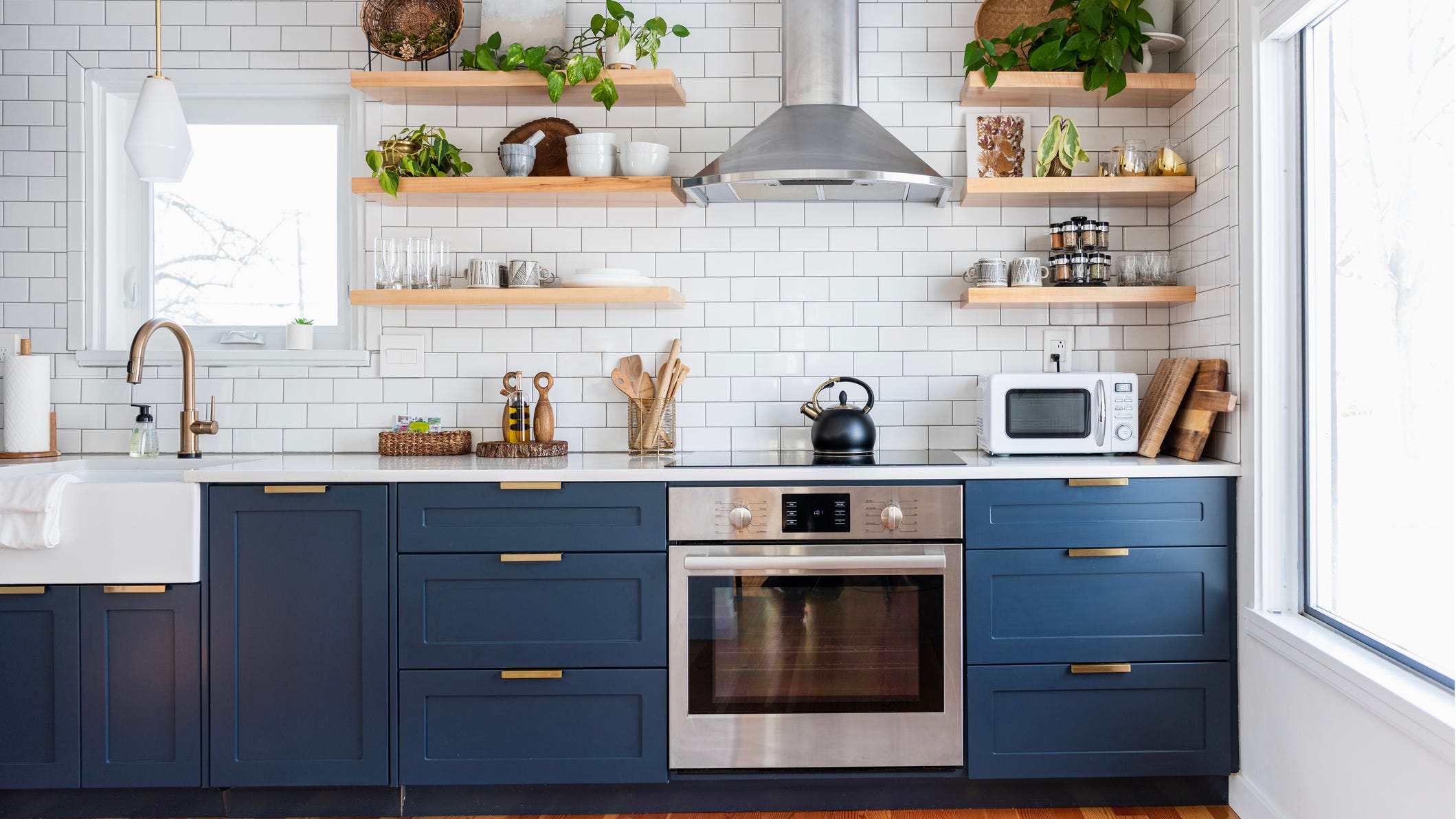
11 WORST Kitchen Design Mistakes You're Probably Making


Local Announcement: What Are the Top Mistakes to Avoid During Kitchen Remodeling?