1/7
After Finding Victorian Cabinets in an Antiques Shop, Everything Fell Into Place
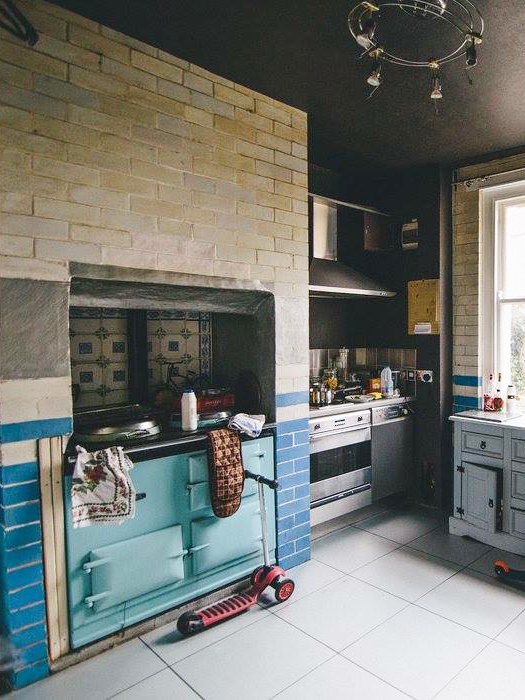
This article details the comprehensive kitchen renovation undertaken by journalist and photographer Caroline Briggs in her four-bedroom Edwardian seaside home in Whitley Bay, Newcastle, England. After purchasing the property in 2014, Briggs initially postponed renovating the kitchen, which she dubbed “the kitchen of doom,” due to its dark, inefficient layout and the extensive work required. She recognized that any minor fixes would be temporary and decided to wait for a complete overhaul, a decision she ultimately found rewarding despite the stress and inconvenience, which included washing dishes in the bathtub for months.
The renovation transformed the once-dingy space into the heart of her home, where her family now gathers for meals, board games, and creative activities. Briggs emphasizes the importance of incorporating meaningful items into the design, such as a sketch by Tony Curtis, which adds a personal touch to the space.
A key aspect of Briggs's design philosophy was to honor the home's original Edwardian character. Although the oil-burning AGA stove was too costly to convert and had to be replaced, she retained charming elements like a stained-glass door and Victorian-glazed bricks. These original features served as a mood board, guiding her material and color choices, including the inspiration for her subway tile backsplash pattern.
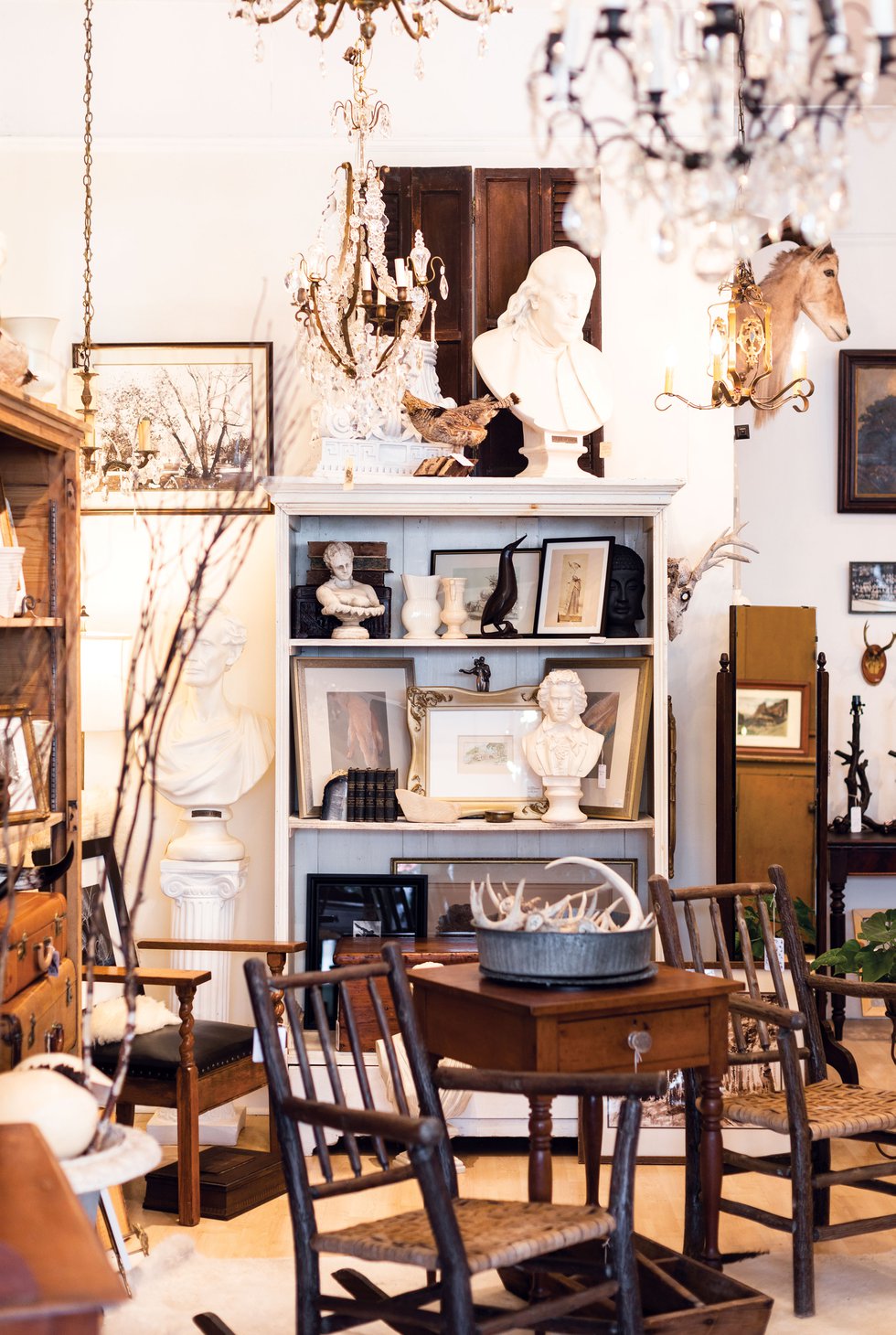
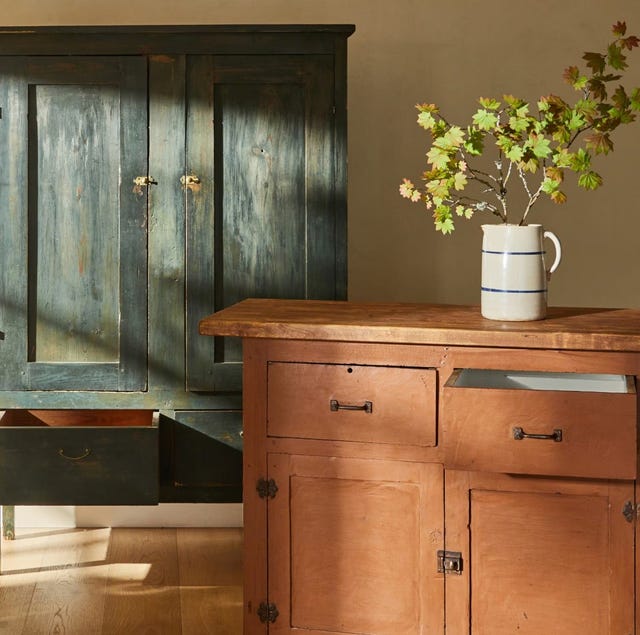
Briggs demonstrated a strong commitment to upcycling and sourcing unique, reclaimed items. A significant find was a nearly complete set of Victorian kitchen cabinets, including a glass cabinet, drawers, and five cupboards, discovered in an antiques shop by her sister. These were acquired for approximately $1,970 and were expertly integrated into the new kitchen by her joiner, with custom fixtures made from reclaimed timber filling any gaps. Another notable upcycling effort involved salvaging parquet flooring from her children’s school, which was being replaced. Briggs, along with a friend, collected enough of the original 1905 flooring to cover her kitchen, bringing a sense of history and community connection into her home.
Briggs describes her decorating process as organic, avoiding rigid spreadsheets and instead shopping instinctively for finishing touches over four years. Her criteria for these items were simple: they had to be reclaimed to maintain the old-world aesthetic. She frequently browses eBay and Facebook Marketplace, trusting her instinct to find pieces she loves and then finding a place for them, rather than planning every detail in advance. She acknowledges that this approach might lead to occasional “bloopers” but ultimately allows for a more personalized and authentic design.
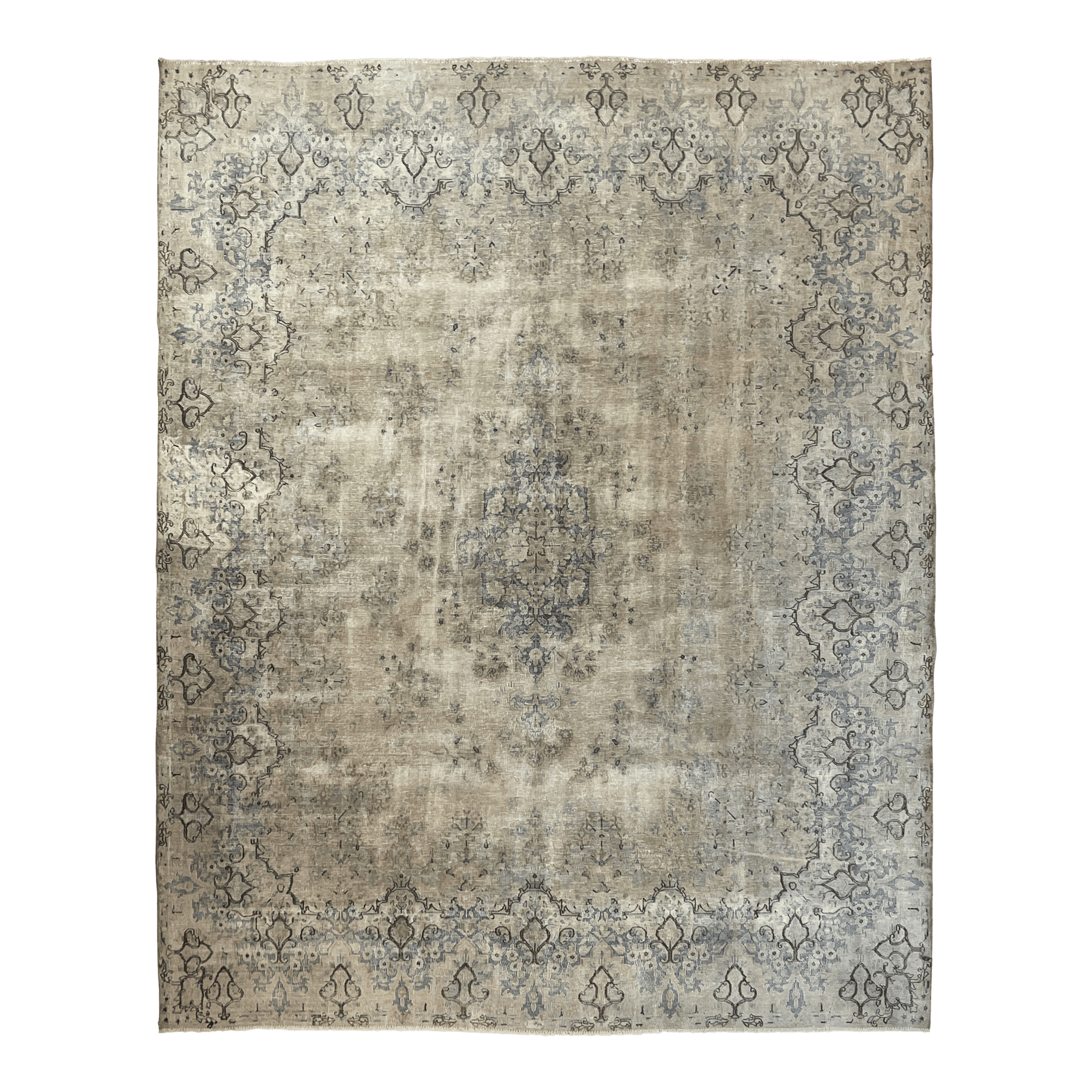
Finally, Briggs highlights the critical importance of carefully selecting renovation professionals. While she praised her joiner, she experienced challenges with the builders, which prolonged the project. She advises others to seek recommendations for experienced, “old-school” builders who prioritize quality craftsmanship over flashy brochures, particularly when working with antiques and older structures. The article concludes with product recommendations for items that align with the renovated kitchen's aesthetic, such as white ceramic tiles, a glass dome pendant light, reclaimed wood shelving, and a vintage Turkish rug.
#KitchenRenovation #EdwardianHome #Upcycling #Antiques #HomeDesign #ReclaimedMaterials #InteriorDesign #DIYRenovation #PeriodAccents #KitchenRenovation #EdwardianHome #Upcycling #Antiques #HomeDesign #ReclaimedMaterials #InteriorDesign #DIYRenovation #PeriodAccents
0 Kommentare insgesamt
 Noch keine Kommentare
Das könnte Ihnen auch gefallen

The Lodge Pantry Just Got a Makeover!

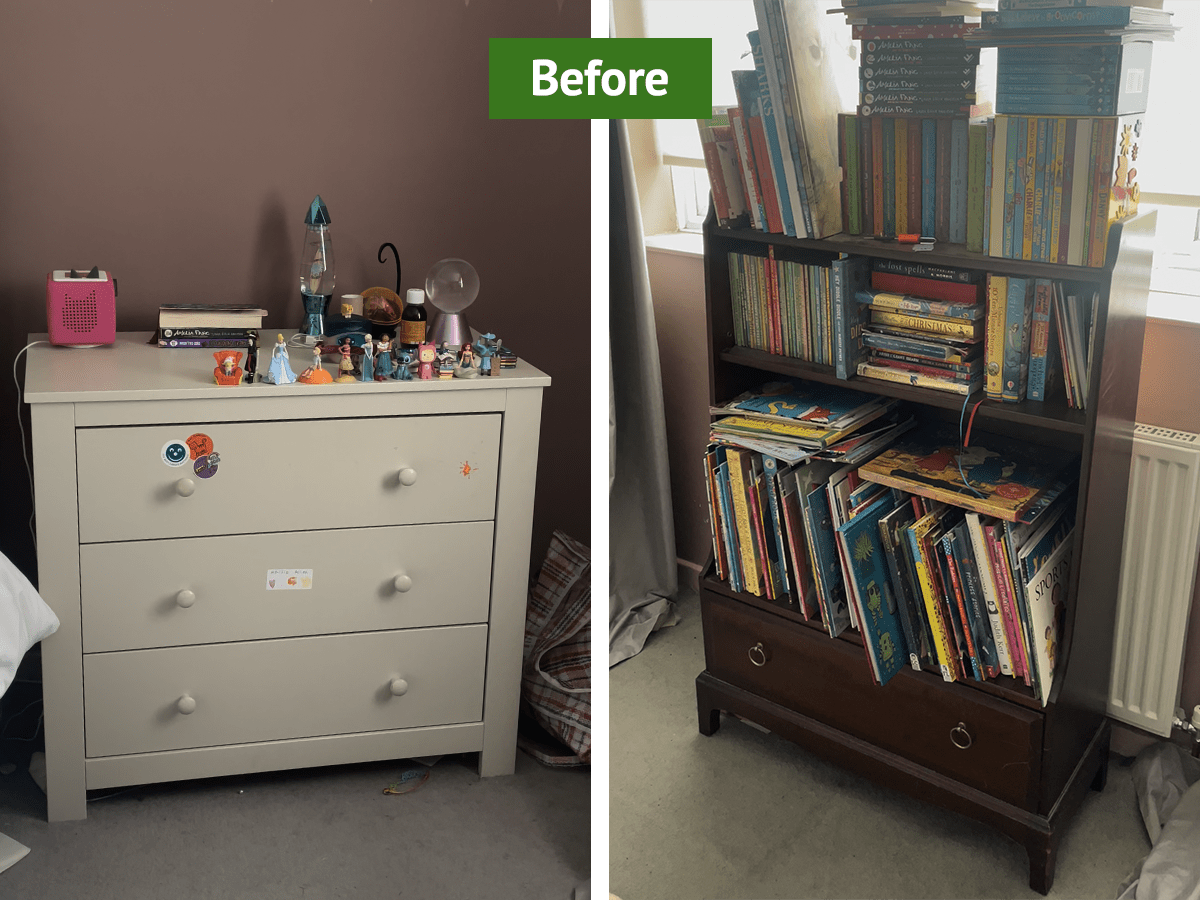
Before & After: Watch This Unique DIY Furniture Combo Come to Life
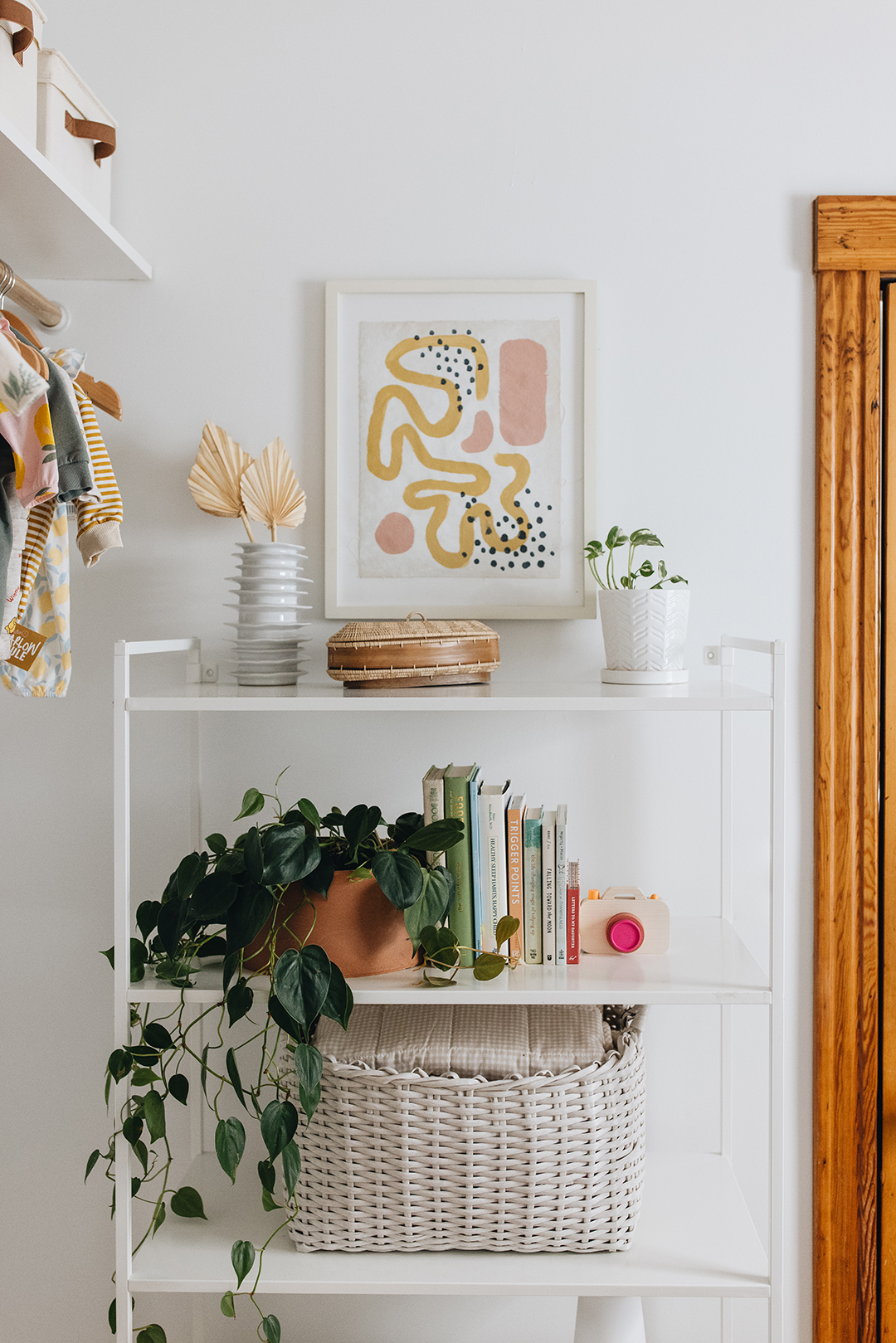
An Amazon Find Made This 80-Square-Foot Nursery’s Dresser–Changing Station Possible
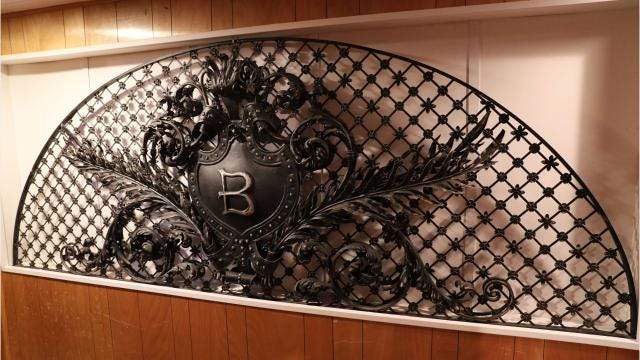
Step inside this suburban ranch home and you'll swear it's a Victorian mansion

19th Century Montclair Home Undergoes Stunning Makeover

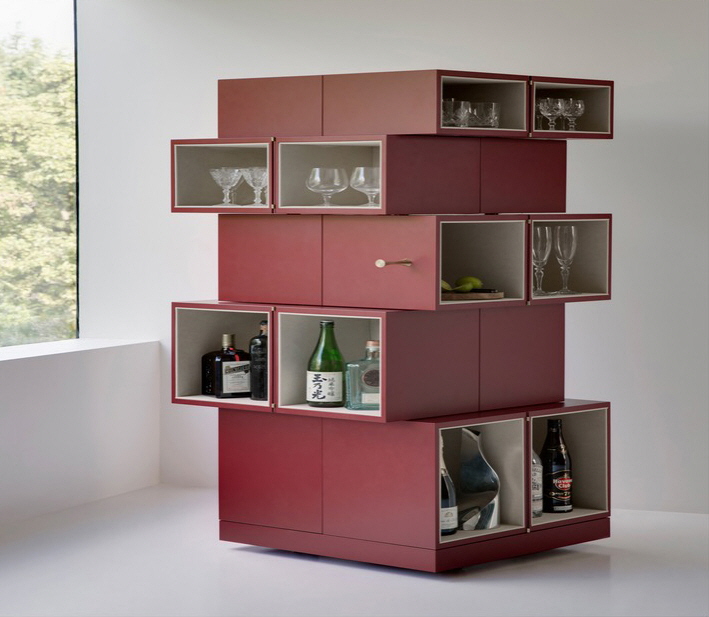
The Transforming Cubrick Cabinet Comes from "Chaos Technique"


Ready-to-assemble furniture getting a PR makeover after improving quality and ease of set-up

New Cabinet Hardware Updates a Kitchen Instantly — Designers Love These Retailers

Clever storage solutions turned this retro hallway into a maximalist’s delight
Dirty Janes Canberra
Made.com Is Back & Better Than Ever
The 8 Best Vintage Furniture Stores to Shop in-Person and Online

Restoration Hardware’s Growing Sale Is Overflowing With Sleek, Luxurious Pieces
Old Versus New: Victorian Home Gets Modern Update

A Guide to Vintage and Antiques Shops in the Twin Cities

"Digital Antiquing" Is About to Be Your NEW Favorite Grandma Hobby


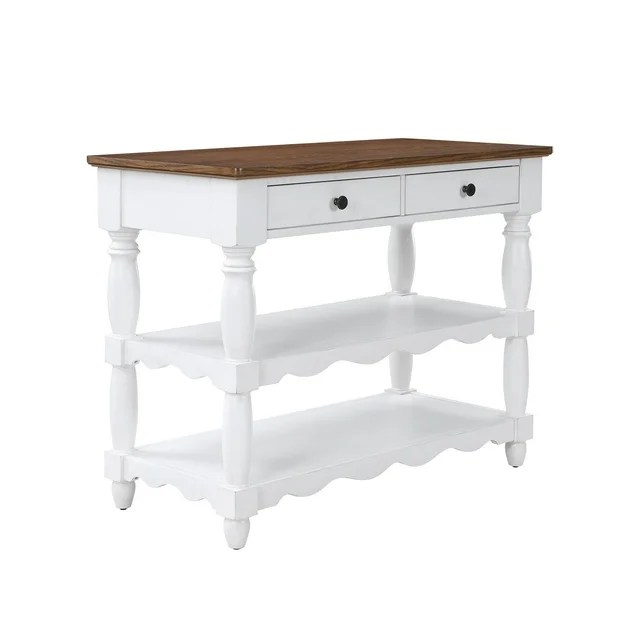
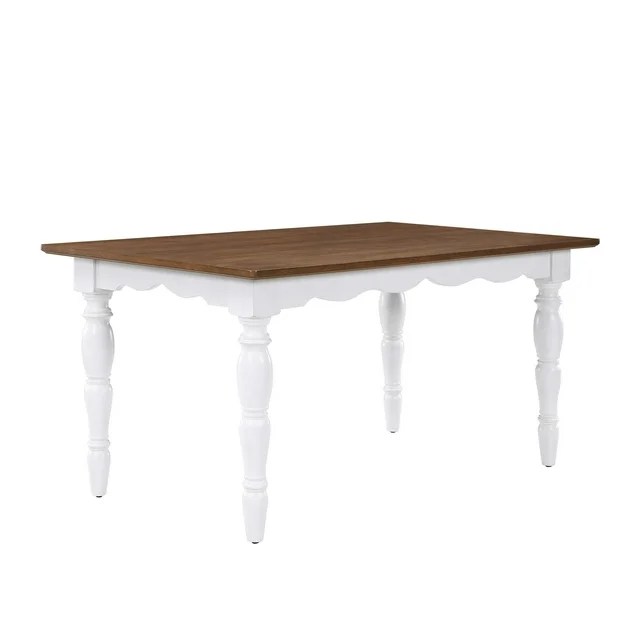
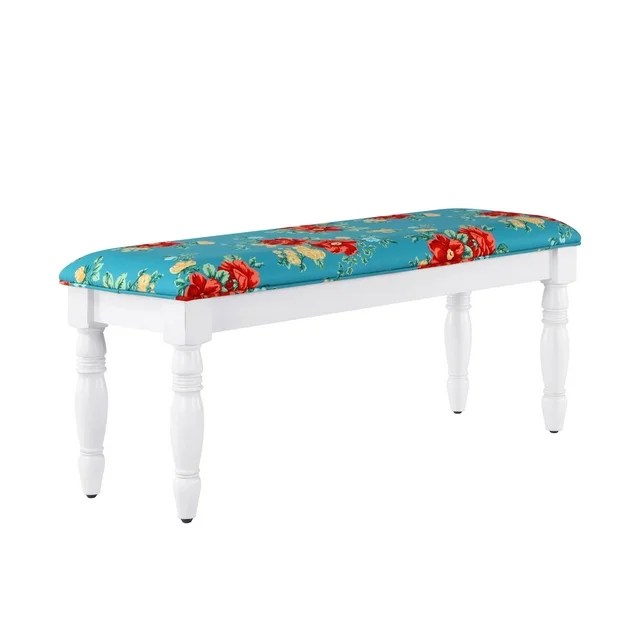
The Pioneer Woman Just Dropped Brand New Kitchen & Dining Furniture in Her Walmart Collection

The Row Has Dropped a Curated Vintage Furniture Line

I Turned My Chaotic Pantry Into an Oasis of Organization


Turn ‘Where Did I Put That?’ Into ‘Right Where It Lives’ With On-Sale Organizers for Every Corner of the Kitchen