1/10
Why Do So Many Millennial Women's Bathrooms Look The Same?
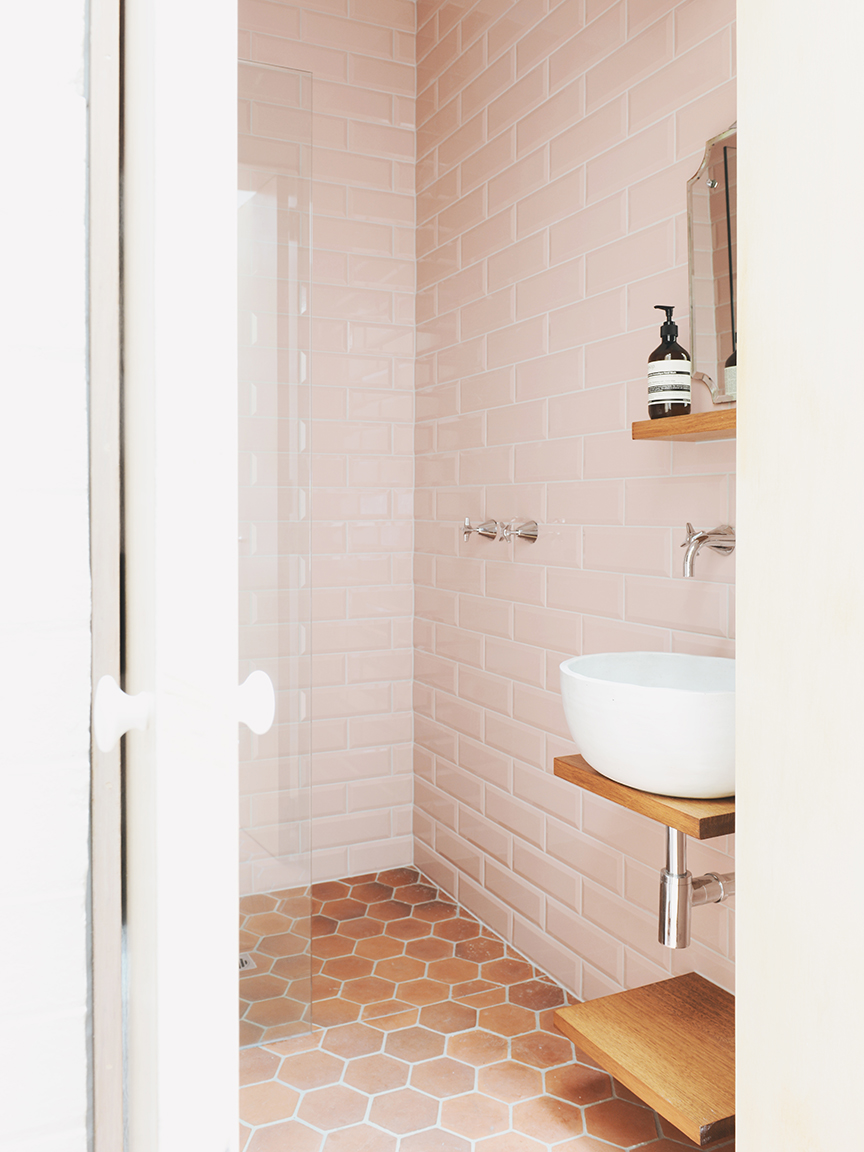
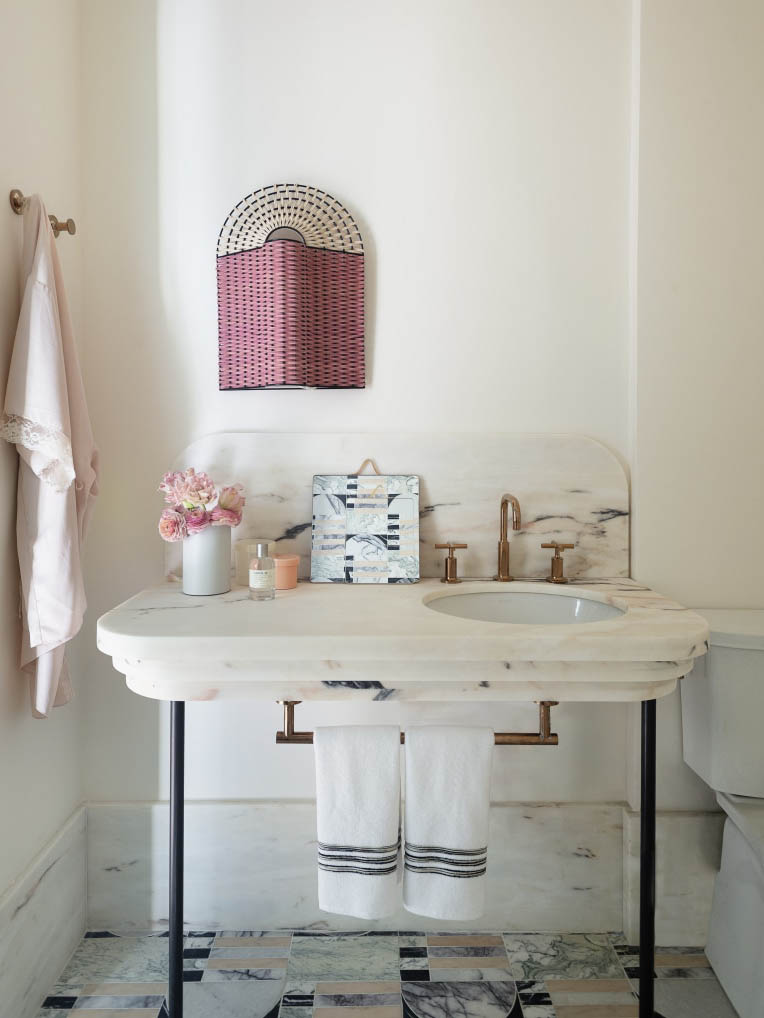
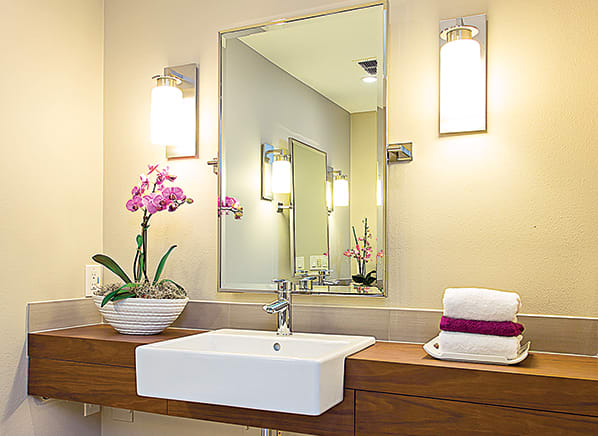
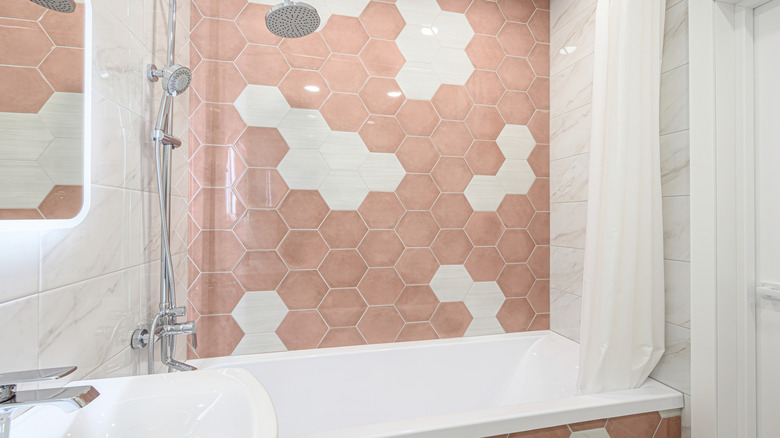
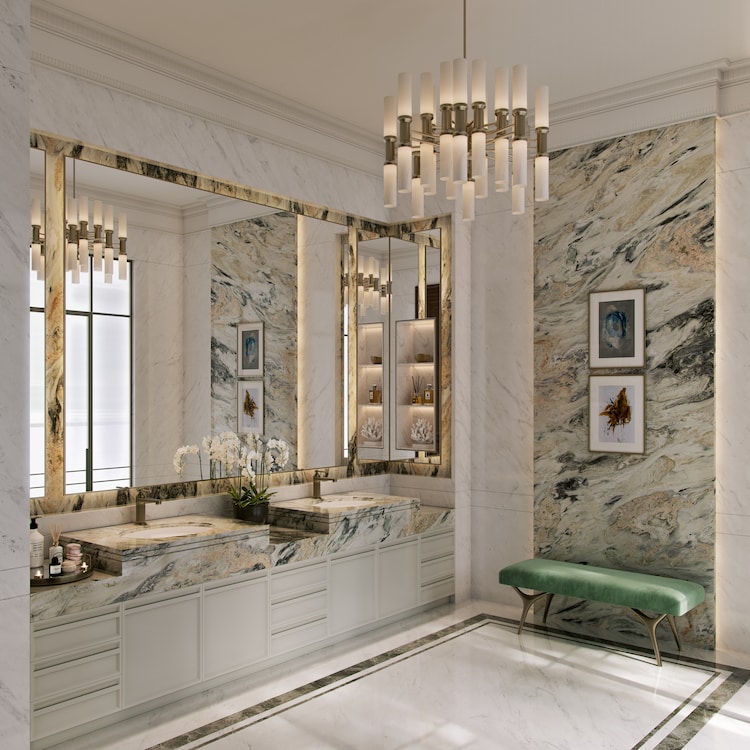
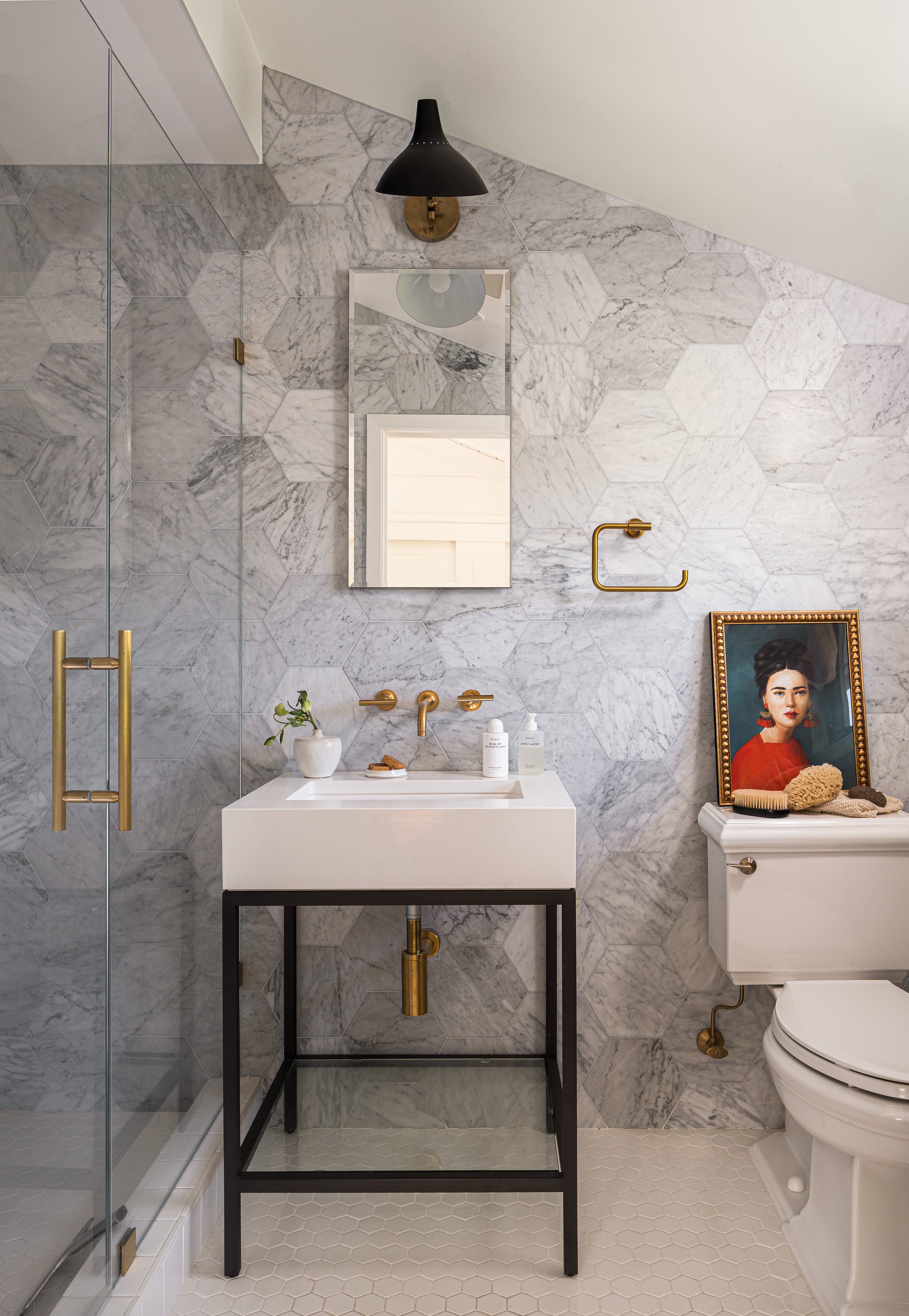
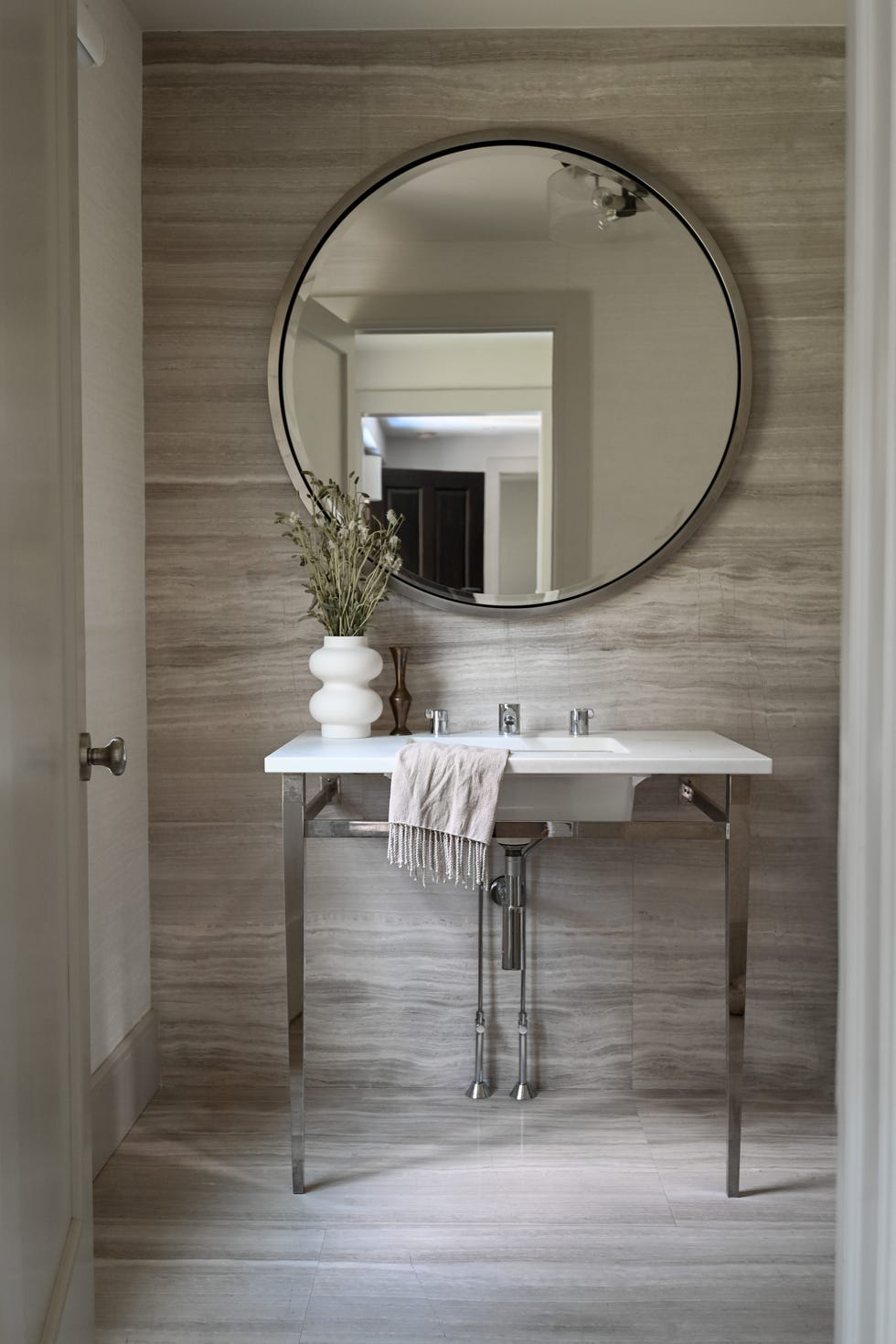
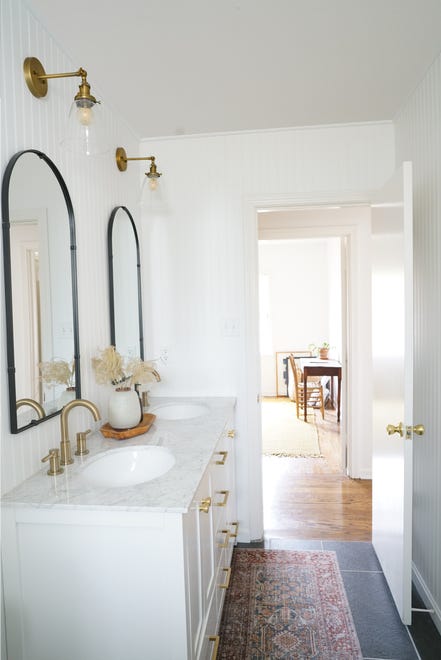
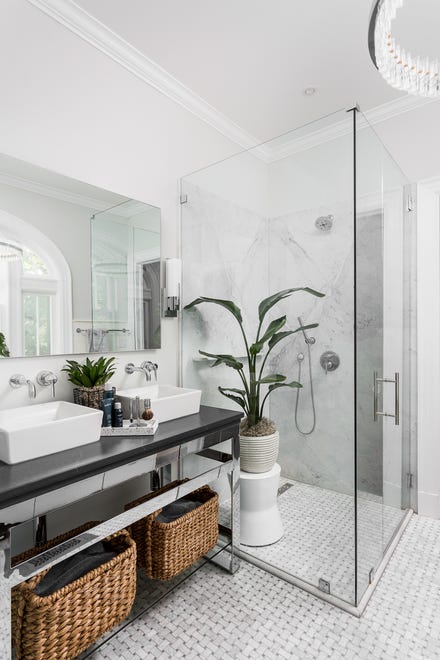
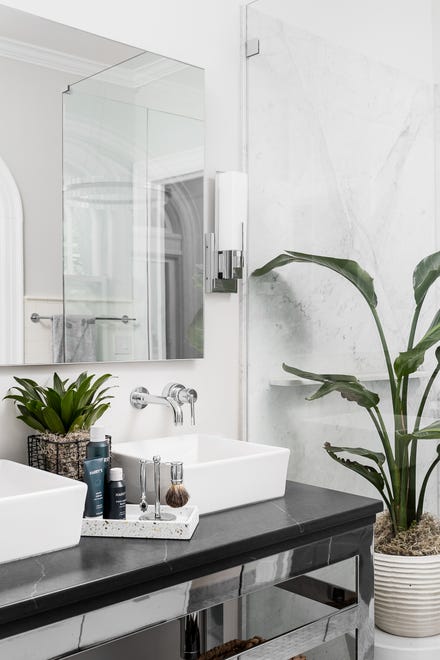
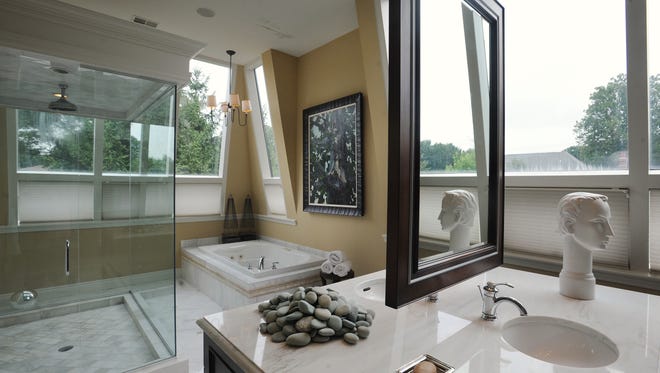
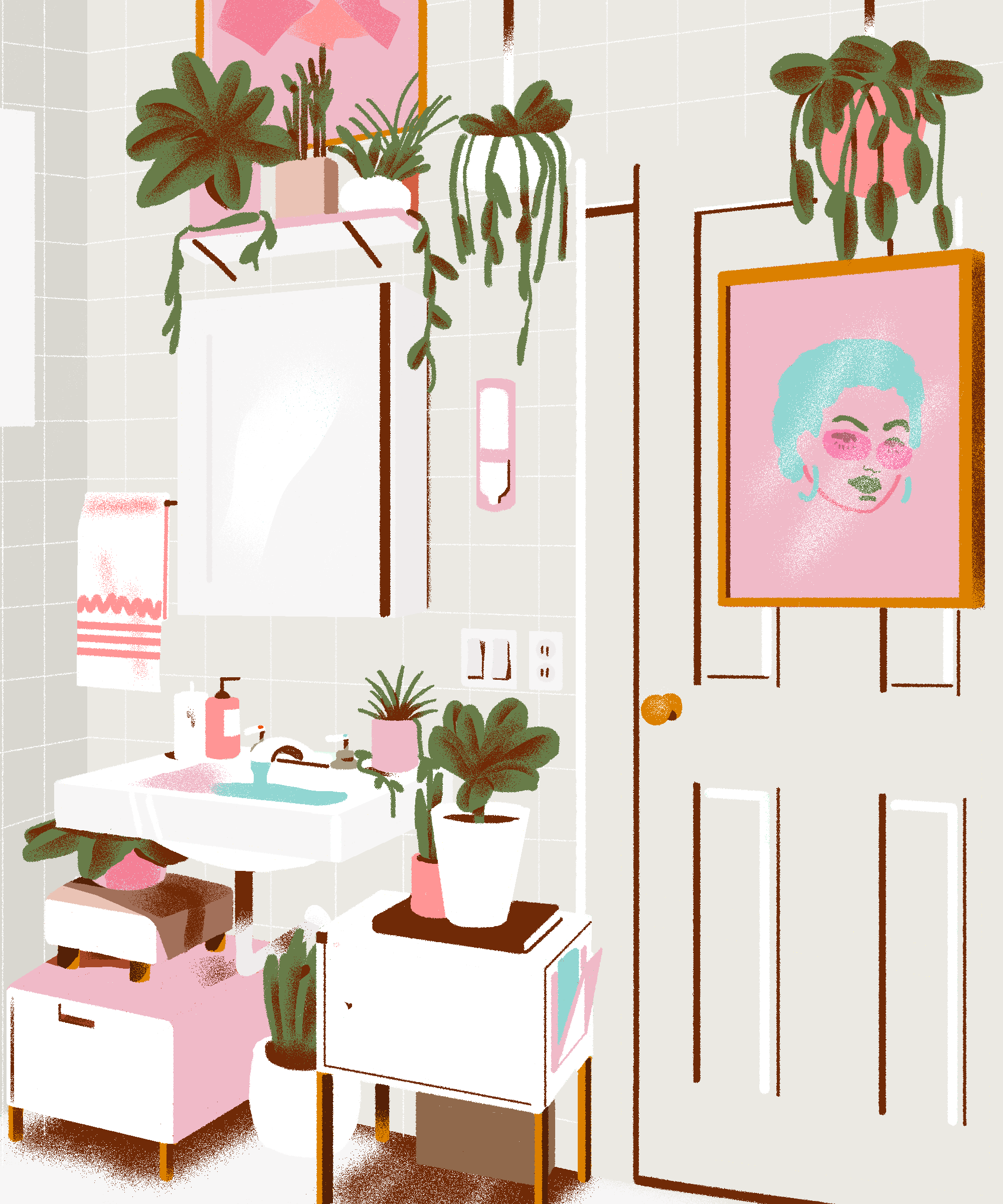
The millennial bathroom aesthetic, characterized by well-lit, spacious rooms with white marble surfaces, Diptyque candle jars repurposed for makeup, mirrored trays holding curated beauty products, and hanging plants, has become ubiquitous, largely due to its popularization on influencer-driven beauty and lifestyle sites like Into The Gloss and The Coveteur. These platforms, while aiming to showcase the routines of stylish and often wealthy women, have inadvertently established a highly specific interior design trend that many millennial women have adopted.
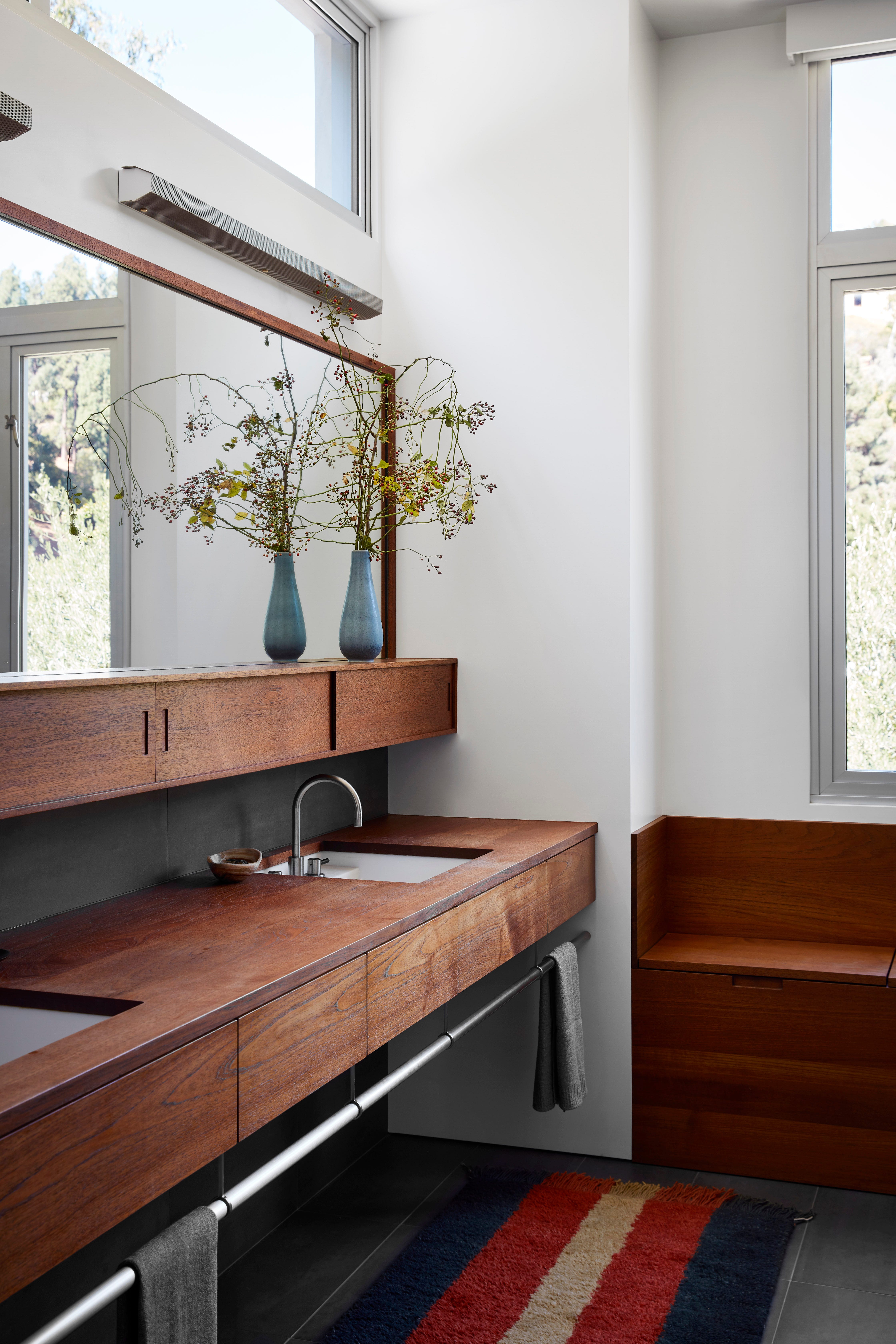
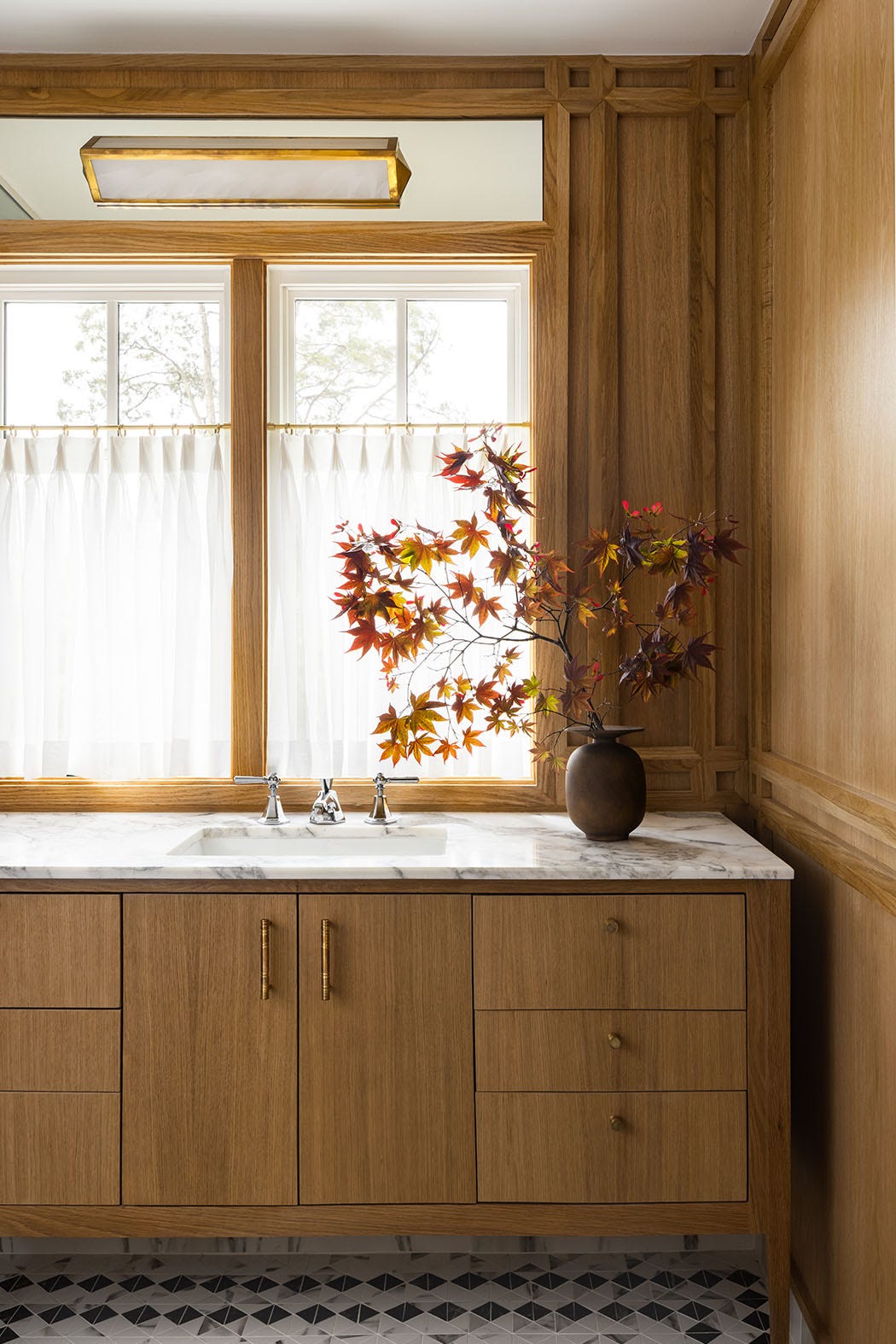
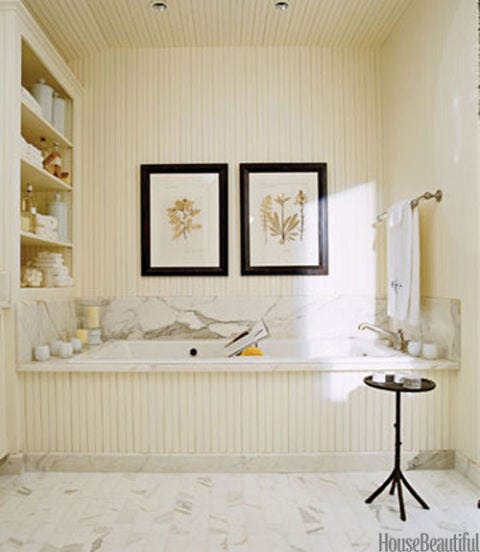
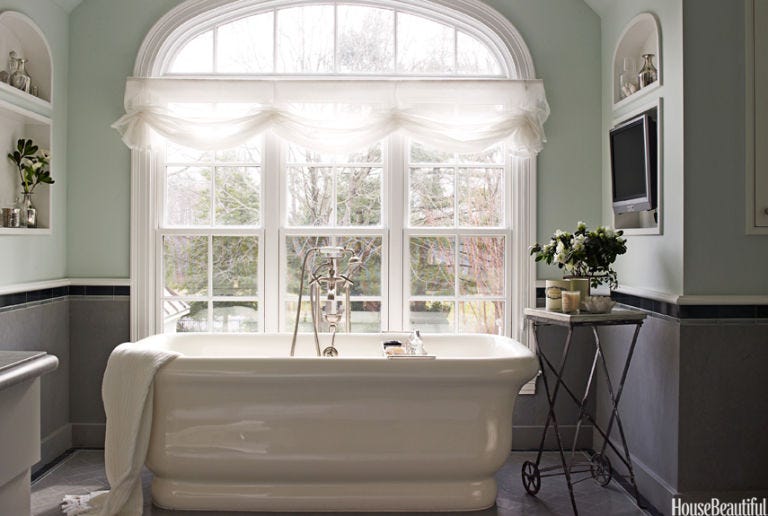
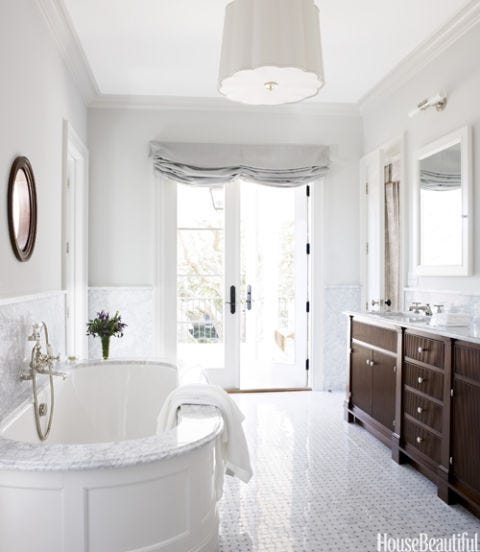
Interior designers, such as Ariel Okin and Chiara de Rege, acknowledge the significant influence of this aesthetic, noting that clients frequently request elements like "teak accents," "plants in the shower," and color-coordinated products in medicine cabinets, inspired by these online trends. This contemporary emphasis on creating a "zen, spa-like atmosphere" in bathrooms echoes historical precedents of women's personal pampering spaces, from Cleopatra's marble tub to Victorian-era boudoirs. However, the current minimalist approach differs significantly from the richer, overtly feminine styles of the past, like Old Hollywood's glam bathrooms.
The widespread adoption of this look can also be attributed to its accessibility and the democratic nature of social media. The minimalist style, often featuring budget-friendly solutions, makes it relatively easy for many to recreate. The proliferation of hashtags like #TopShelfie and #ITGTopShelfie on Instagram, with tens of thousands of posts, demonstrates how everyday users, unaffiliated with the original brands, eagerly share their interpretations of this minimalist-luxe bathroom glamour. This phenomenon suggests that the aesthetic became popular not just among the elite but also among a wider audience seeking an aspirational yet achievable look.
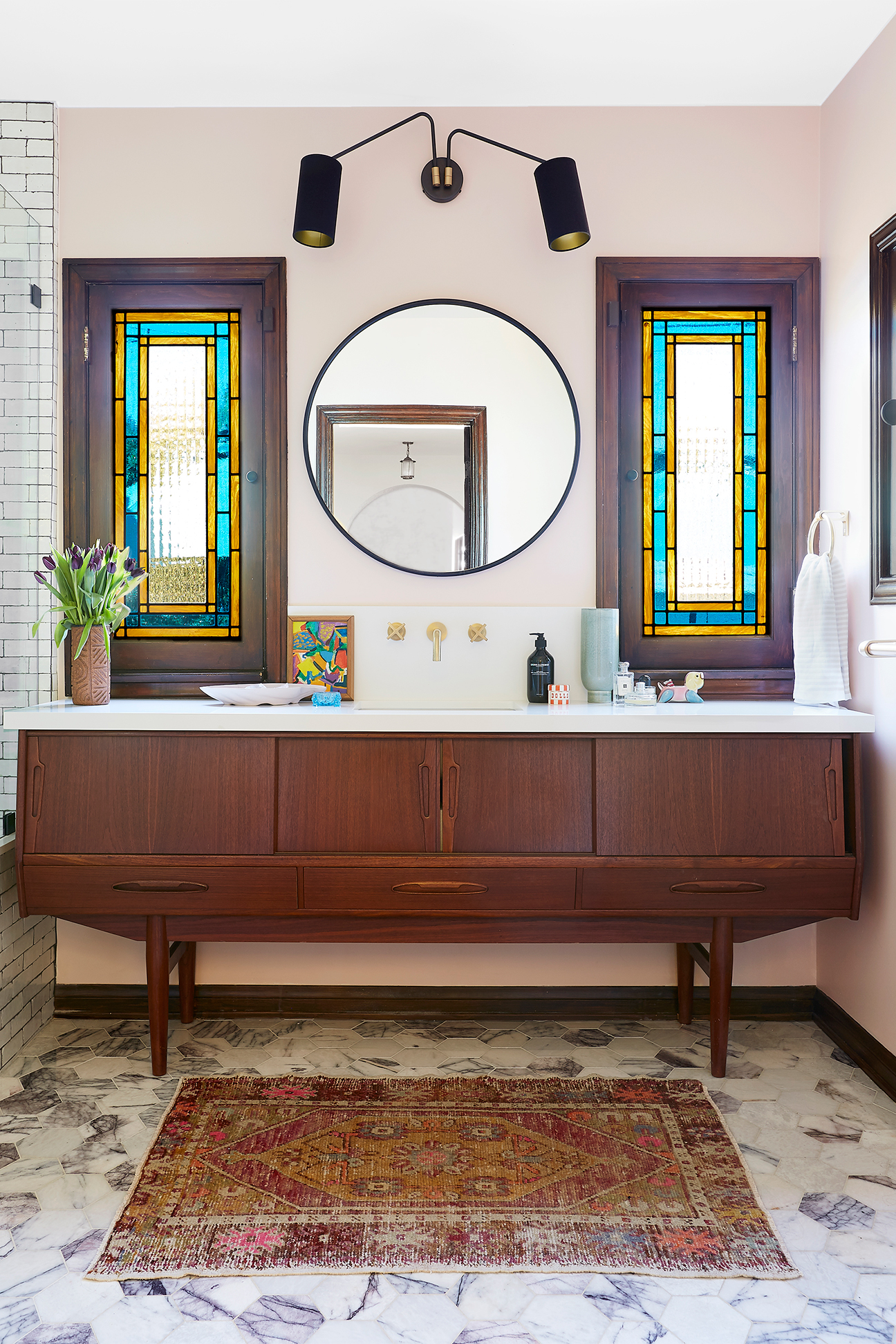
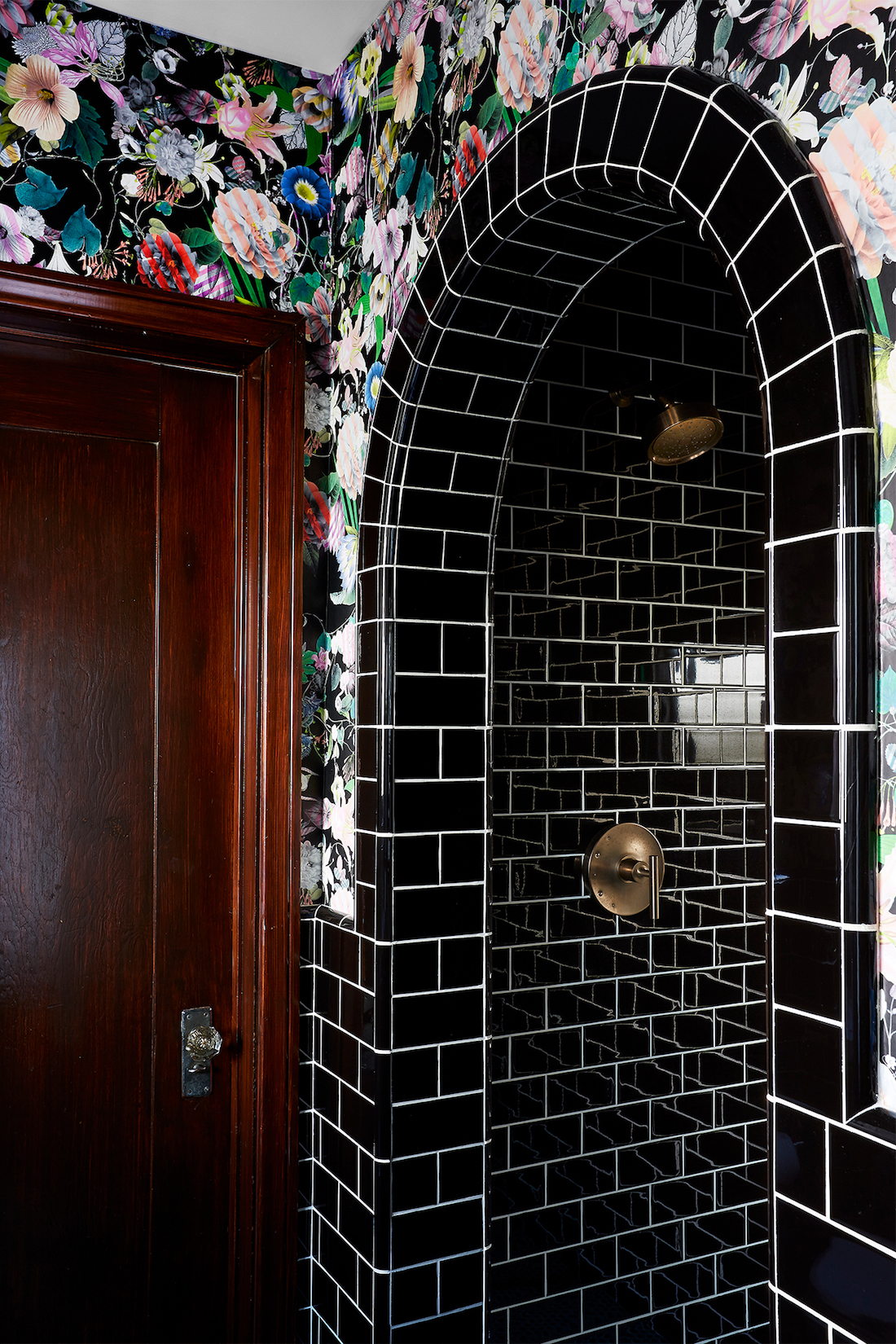
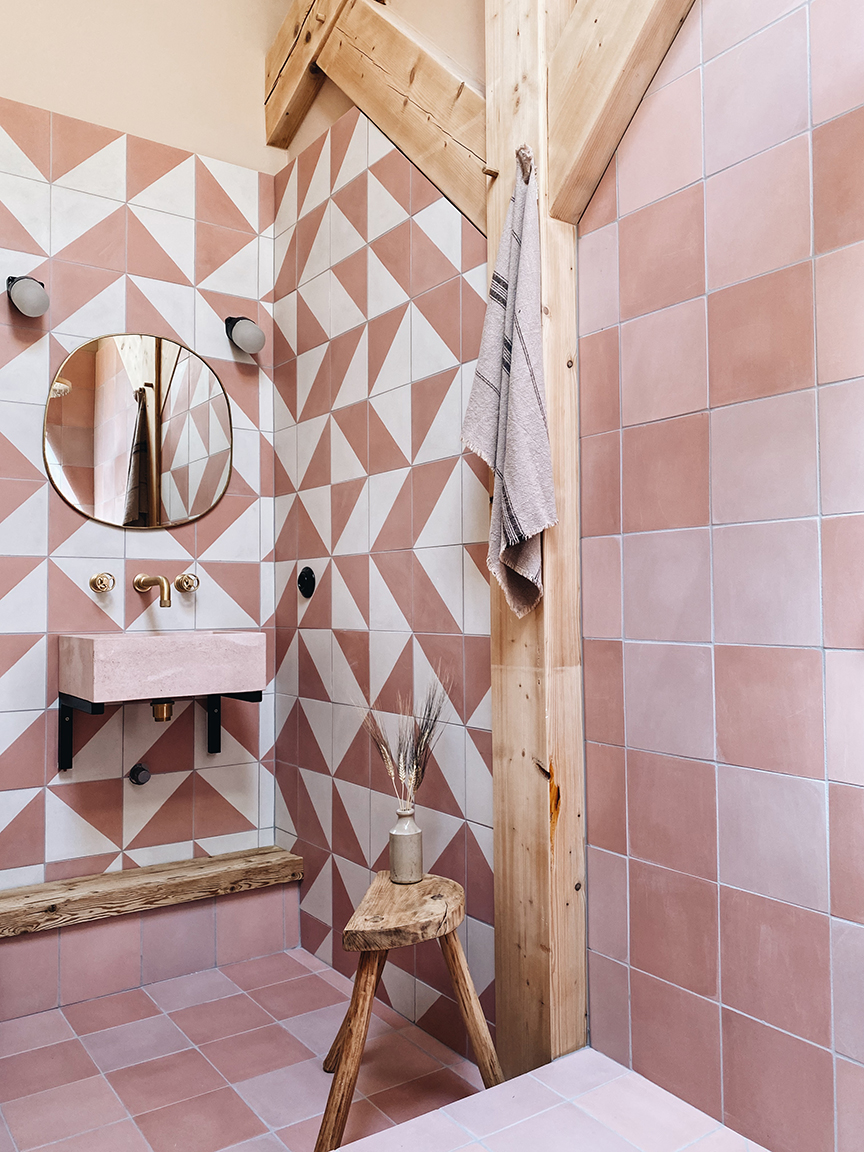
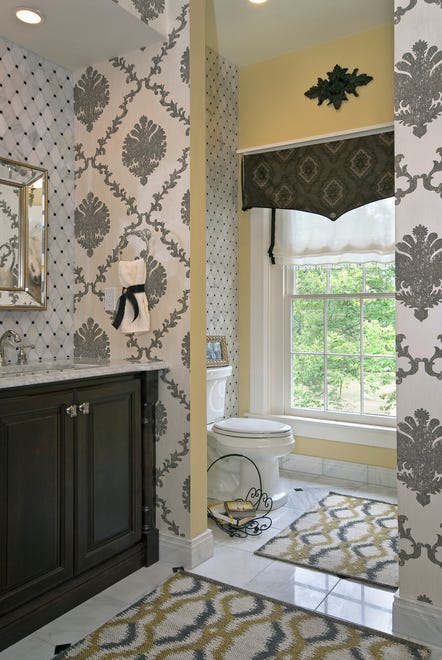
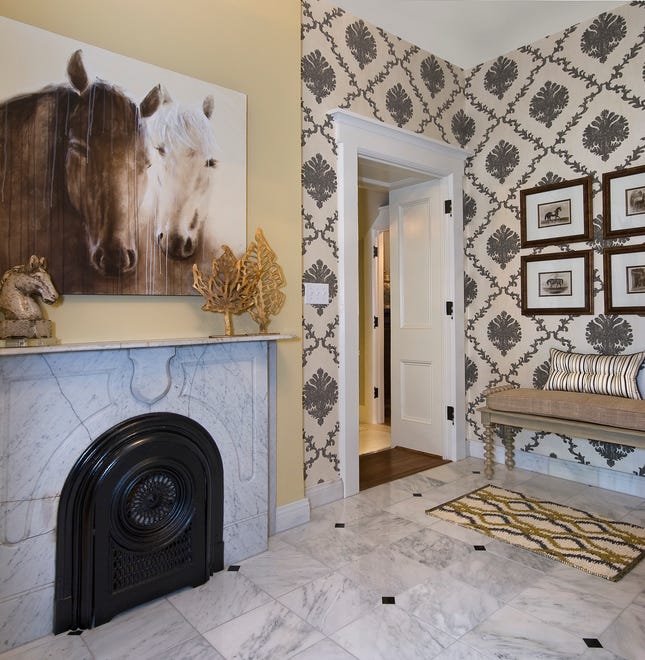
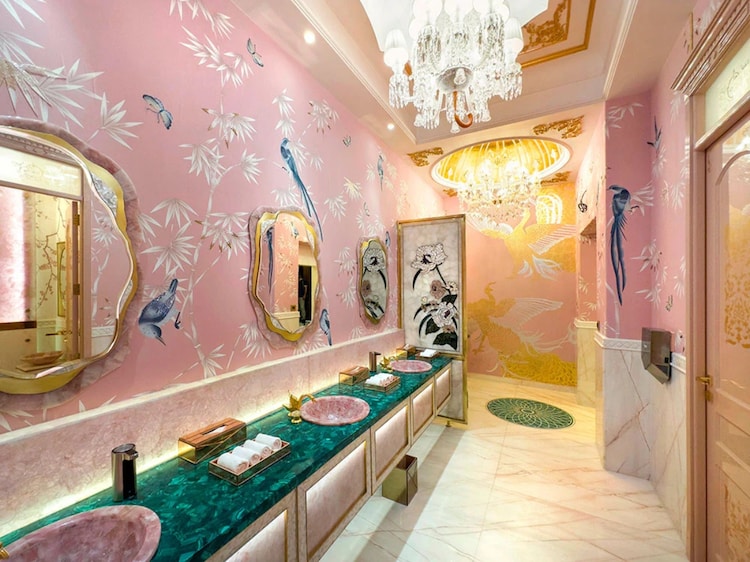
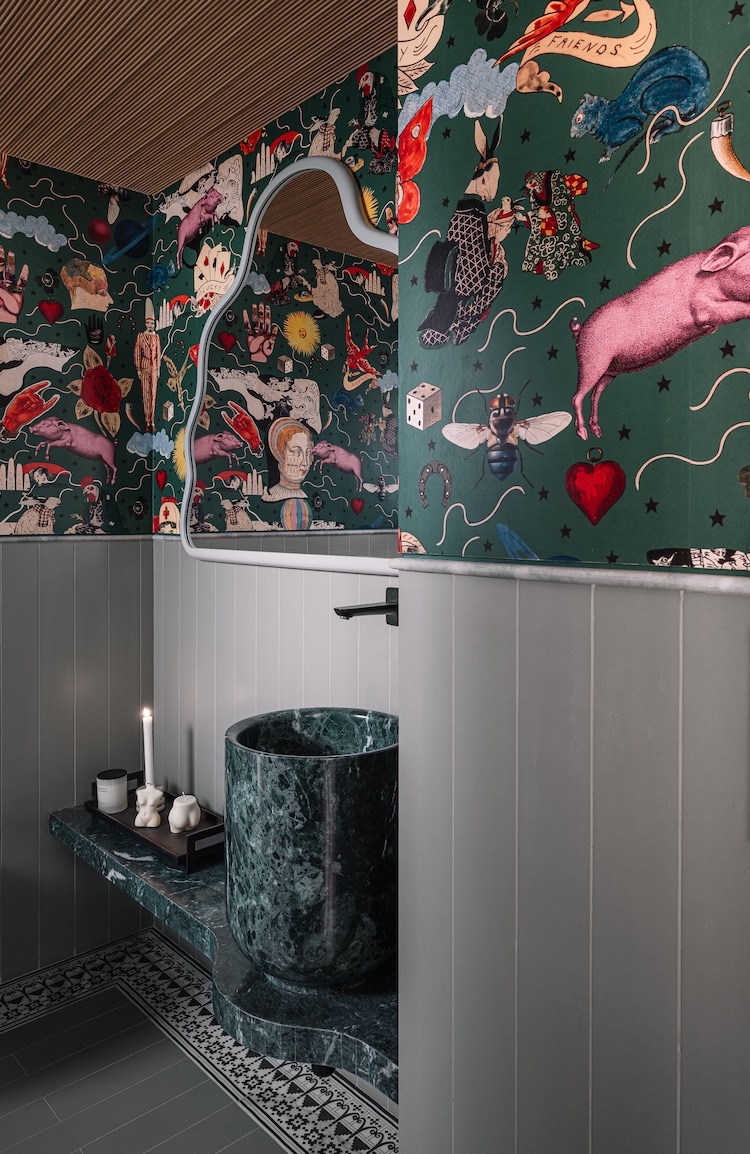
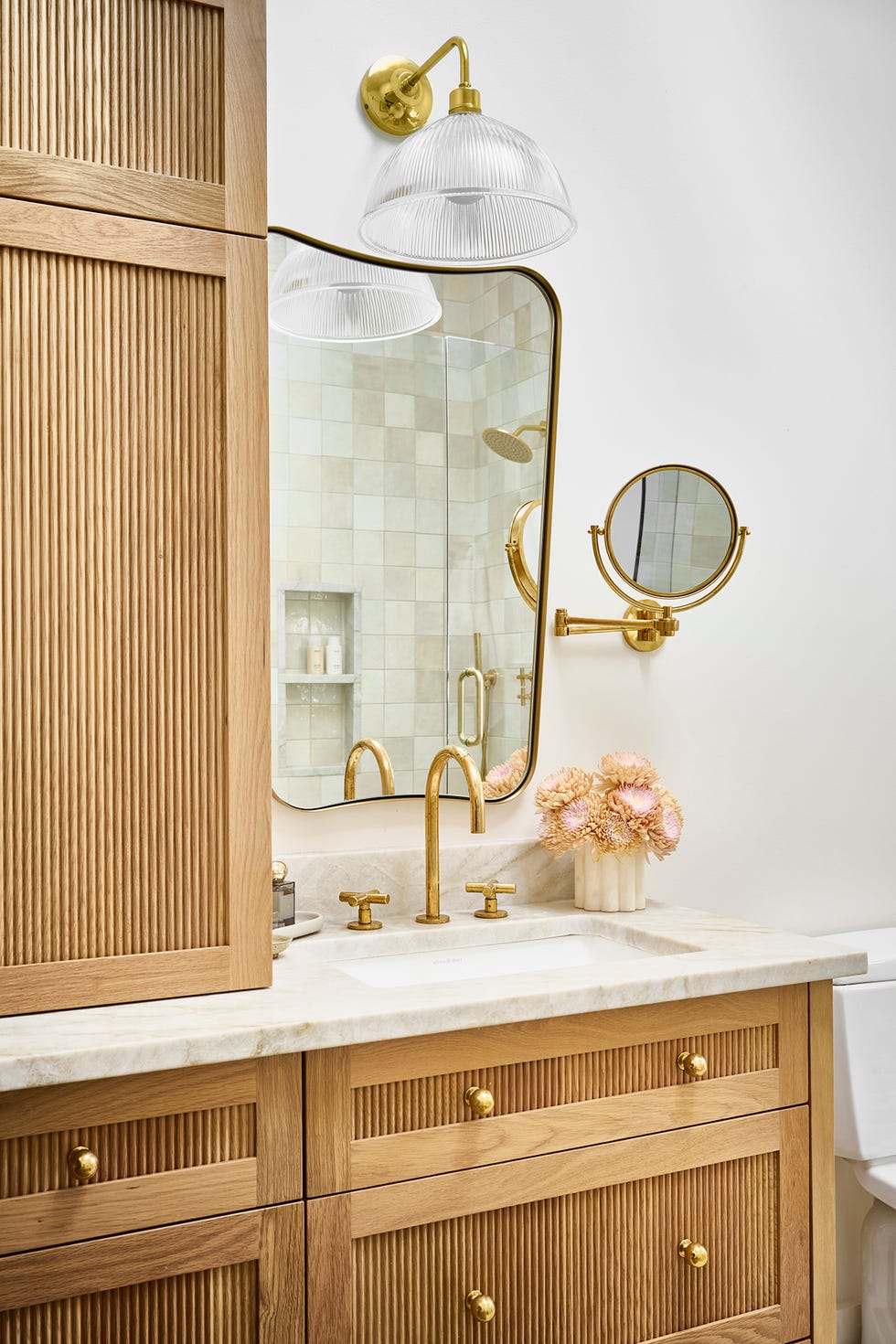
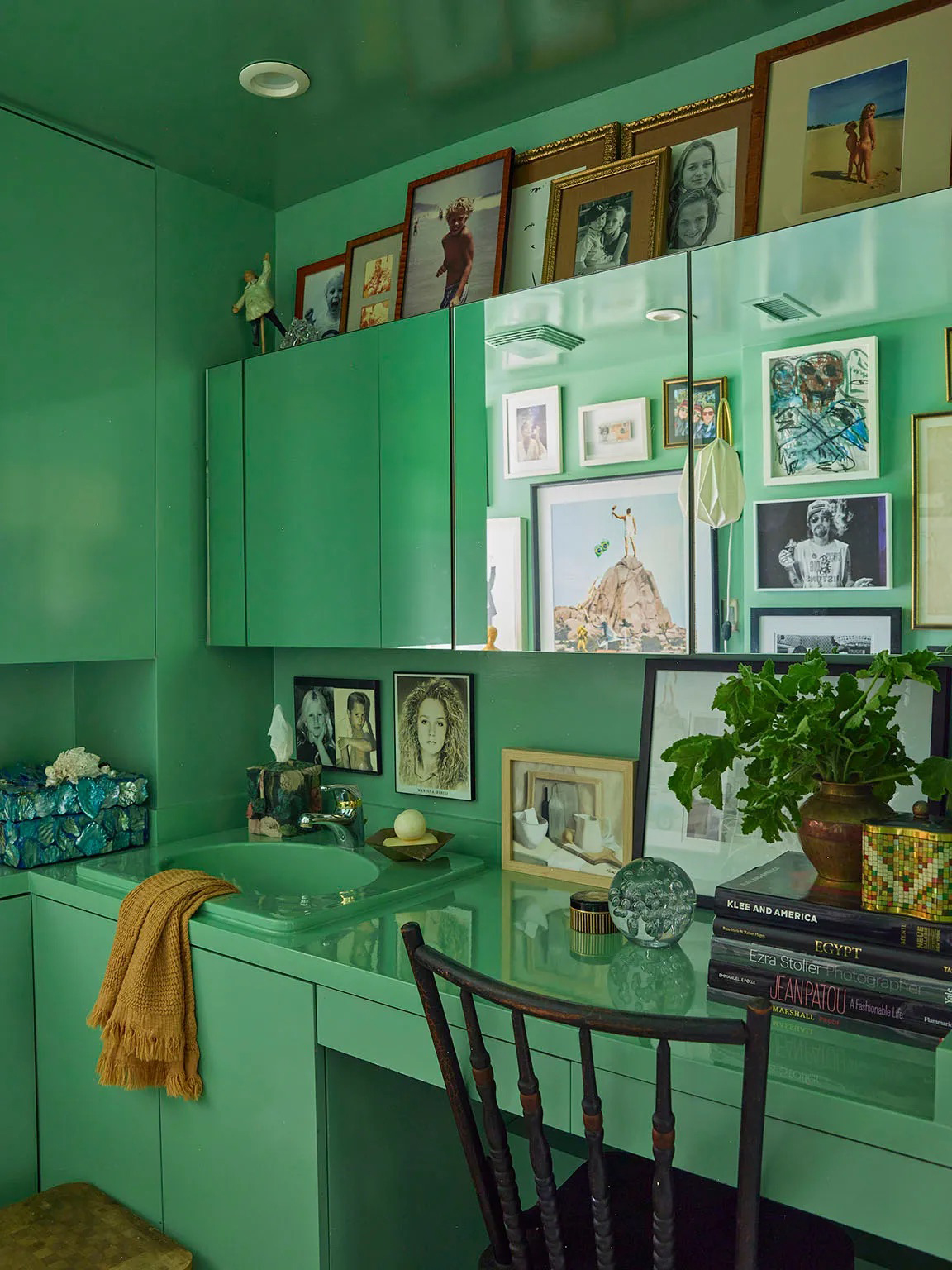
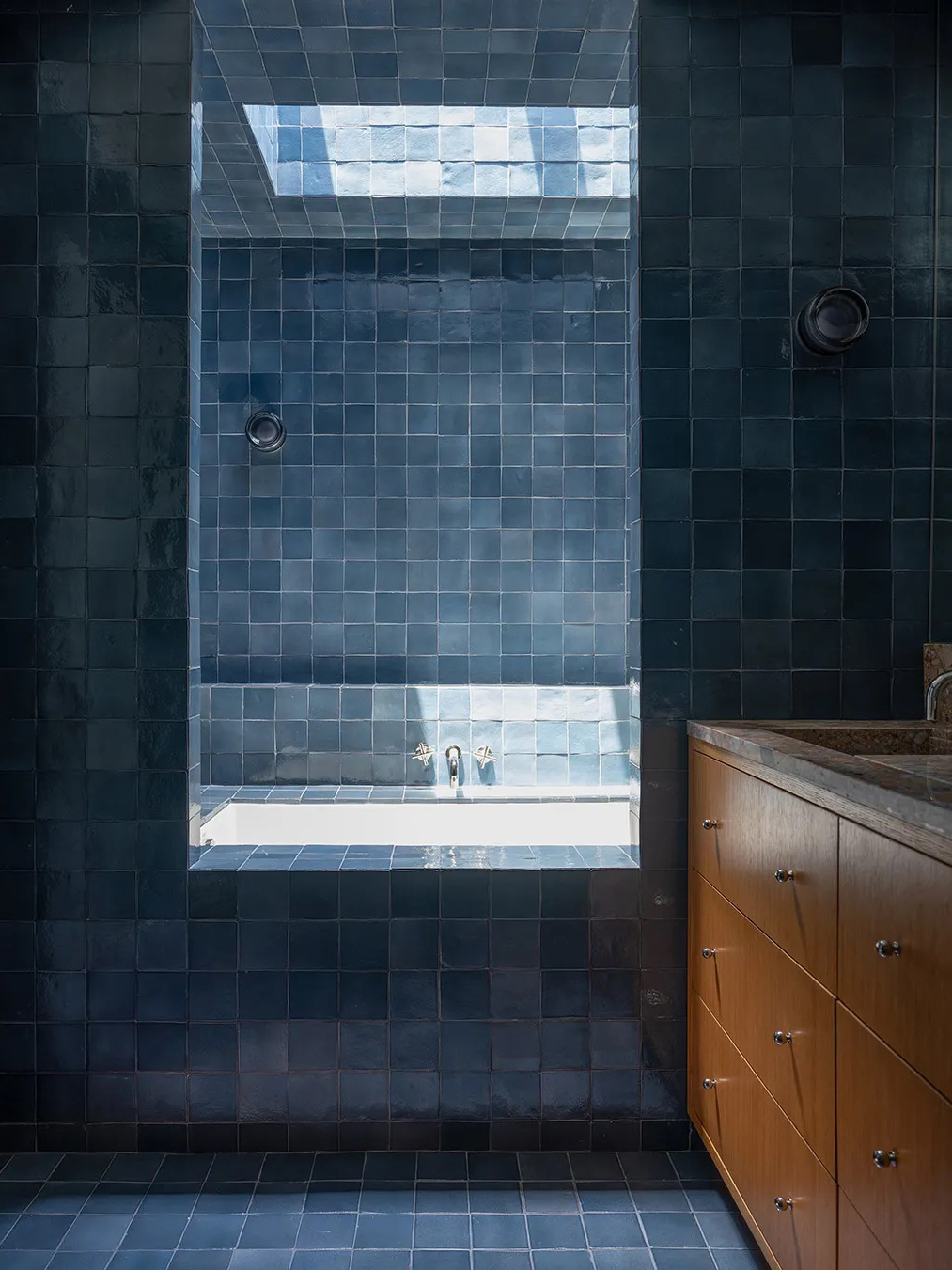
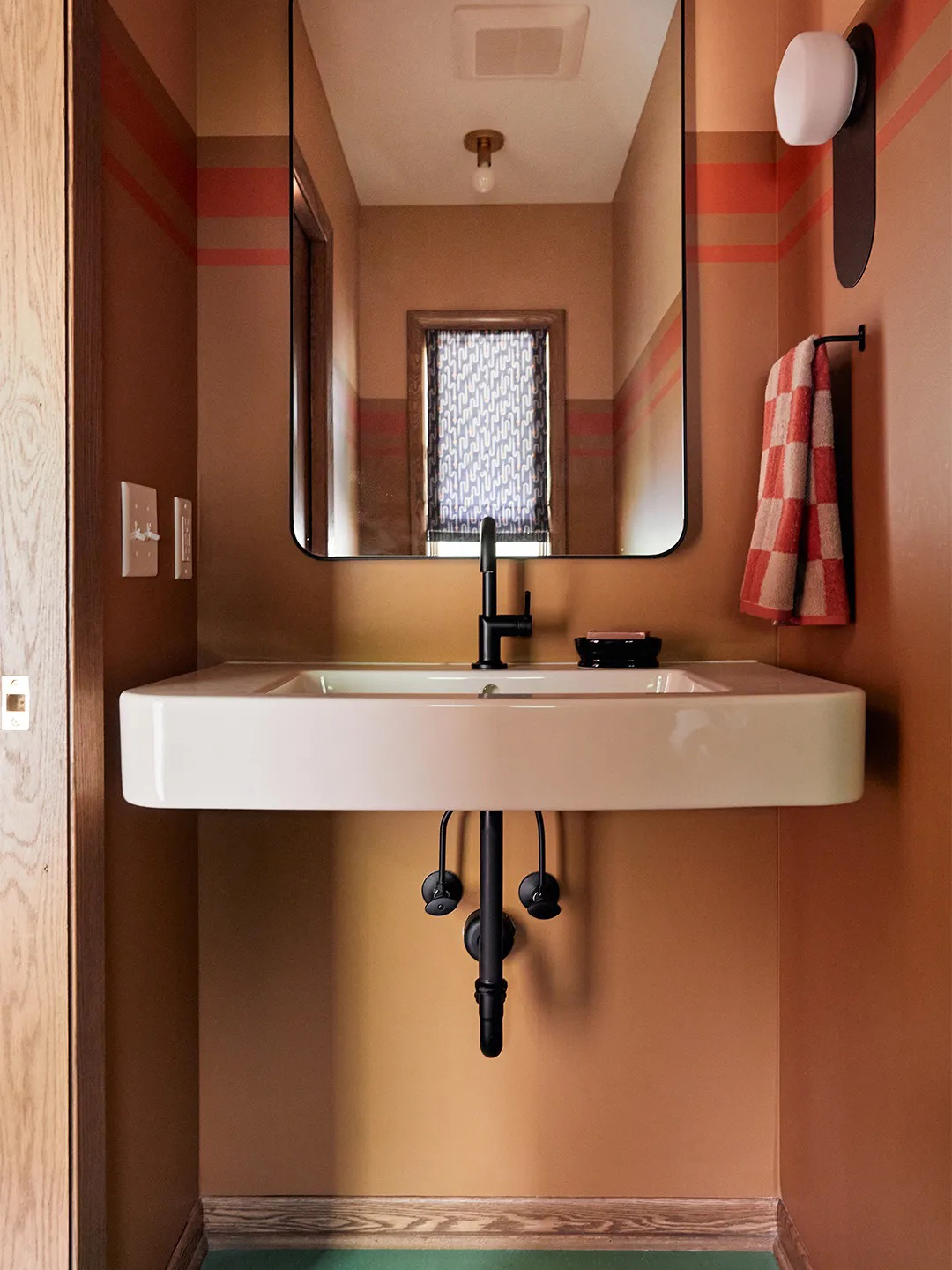
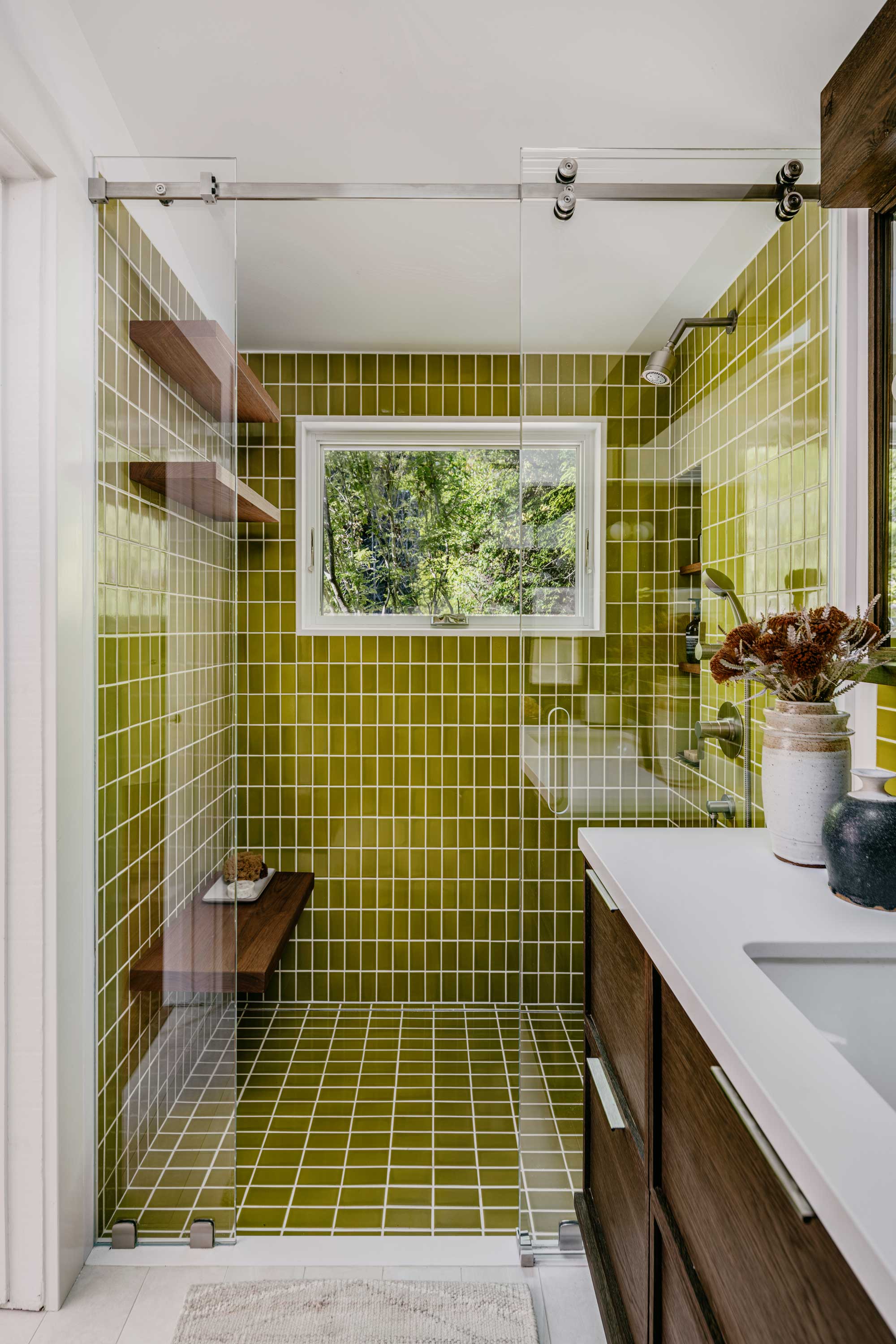
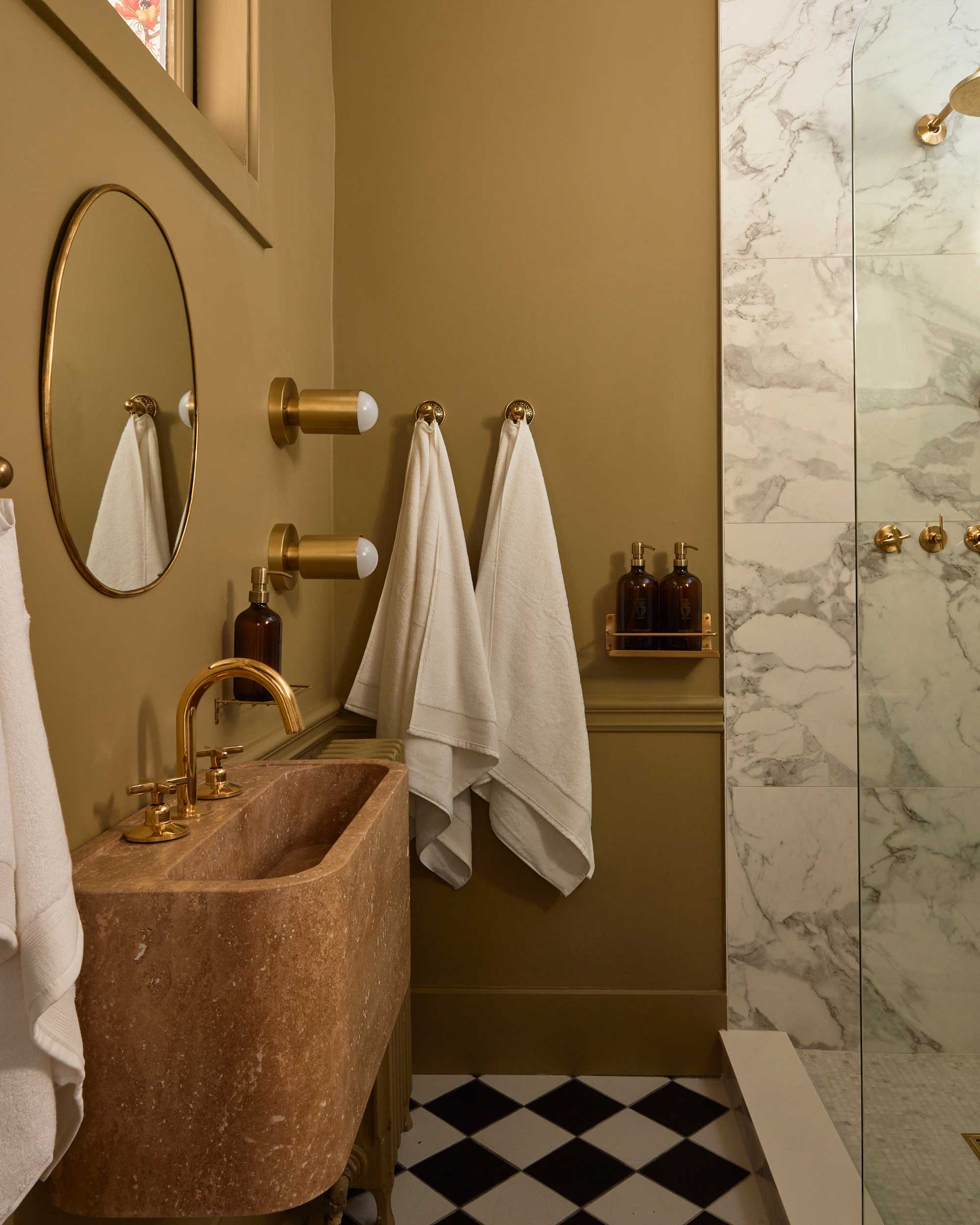
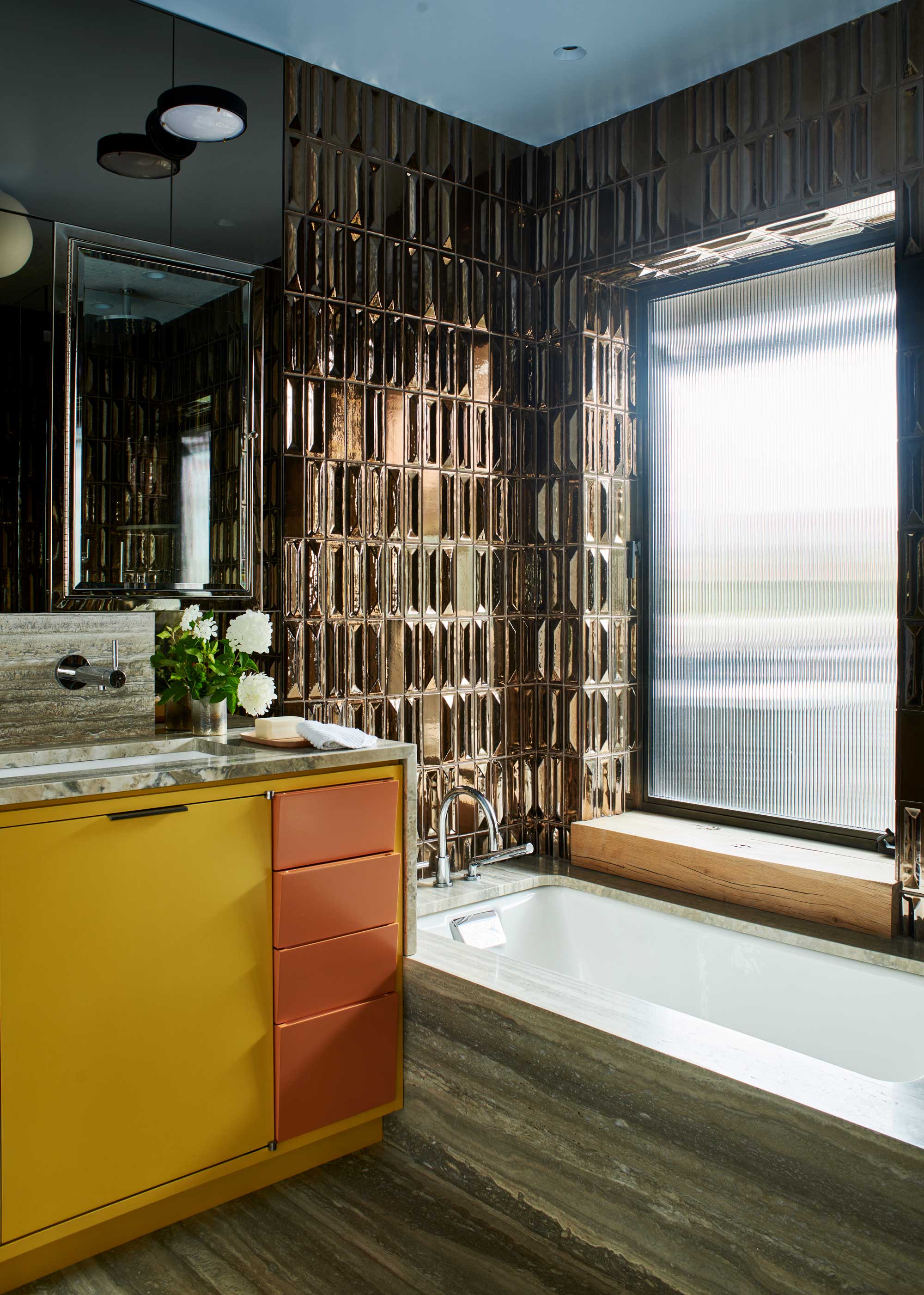
The article also raises the question of the origin of this specific aesthetic, pondering whether it was intentionally curated by the influential sites or if it organically emerged from the shared preferences of the women they featured. It suggests that trends in fashion often bleed into interior design, and the internet's relative infancy allowed personal bathrooms to be shared publicly on a large scale for the first time, contributing to the rapid spread of this style. However, the piece concludes by noting an emerging shift away from extreme minimalism and millennial pink in favor of more personalized spaces. Interior designers are now seeing a demand for bathrooms that infuse individual personality, stories, and layers through unexpected materials, colors, patterns, and art, indicating a potential sunset for the current homogenous aesthetic.
#MillennialTrends #BathroomDecor #InteriorDesign #SocialMediaInfluence #MinimalistStyle #HomeDecoration #GlossierAesthetic #BeautyTrends #LifestyleInfluence #MillennialTrends #BathroomDecor #InteriorDesign #SocialMediaInfluence #MinimalistStyle #HomeDecoration #GlossierAesthetic #BeautyTrends #LifestyleInfluence
0 Kommentare insgesamt
 Noch keine Kommentare
Das könnte Ihnen auch gefallen
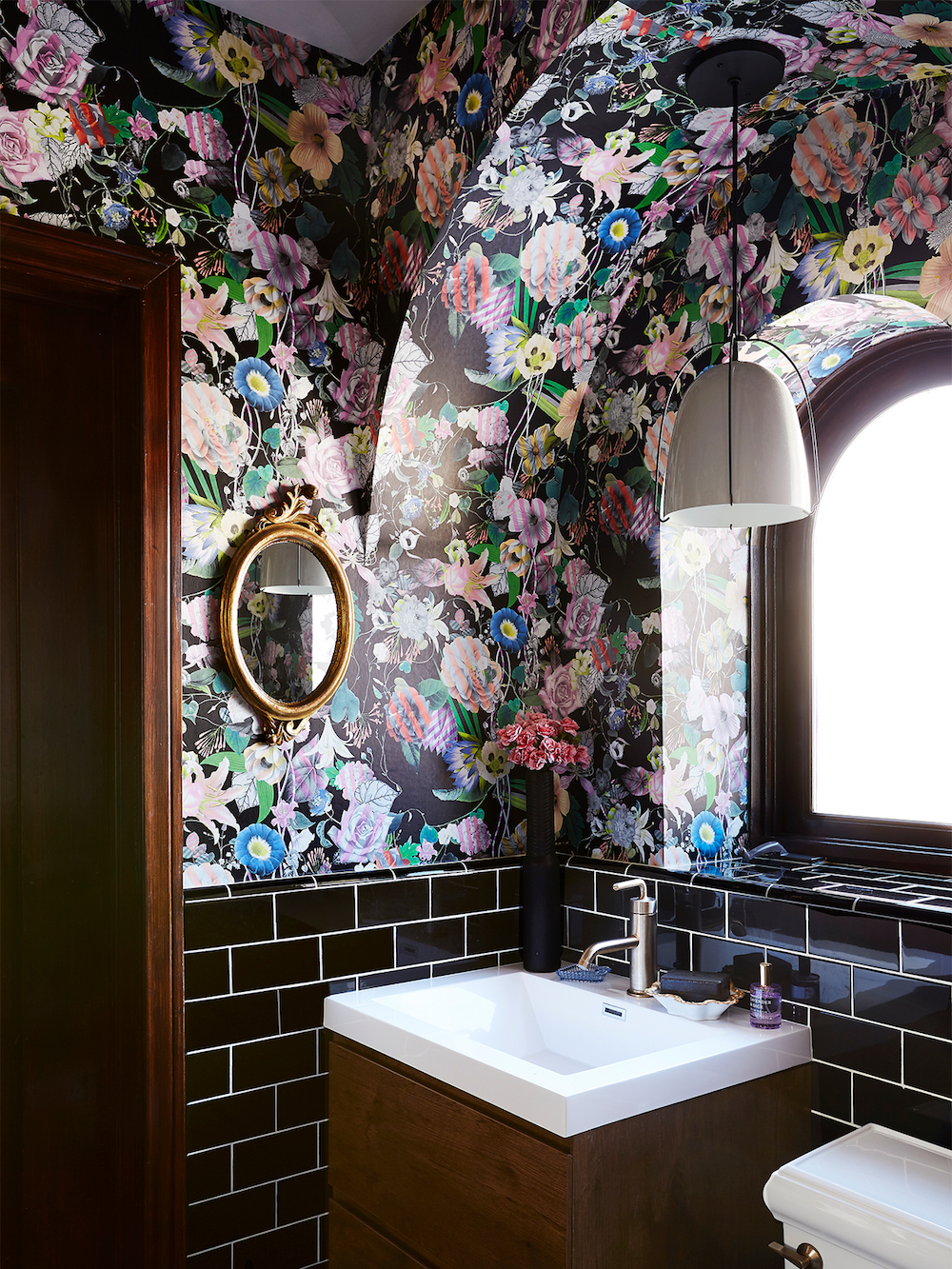
Who Says Your Bathrooms Have to Look the Same?
The Aging-in-Place Bathroom
17 GLARING Signs Your Bathroom is Outdated, According to Designers

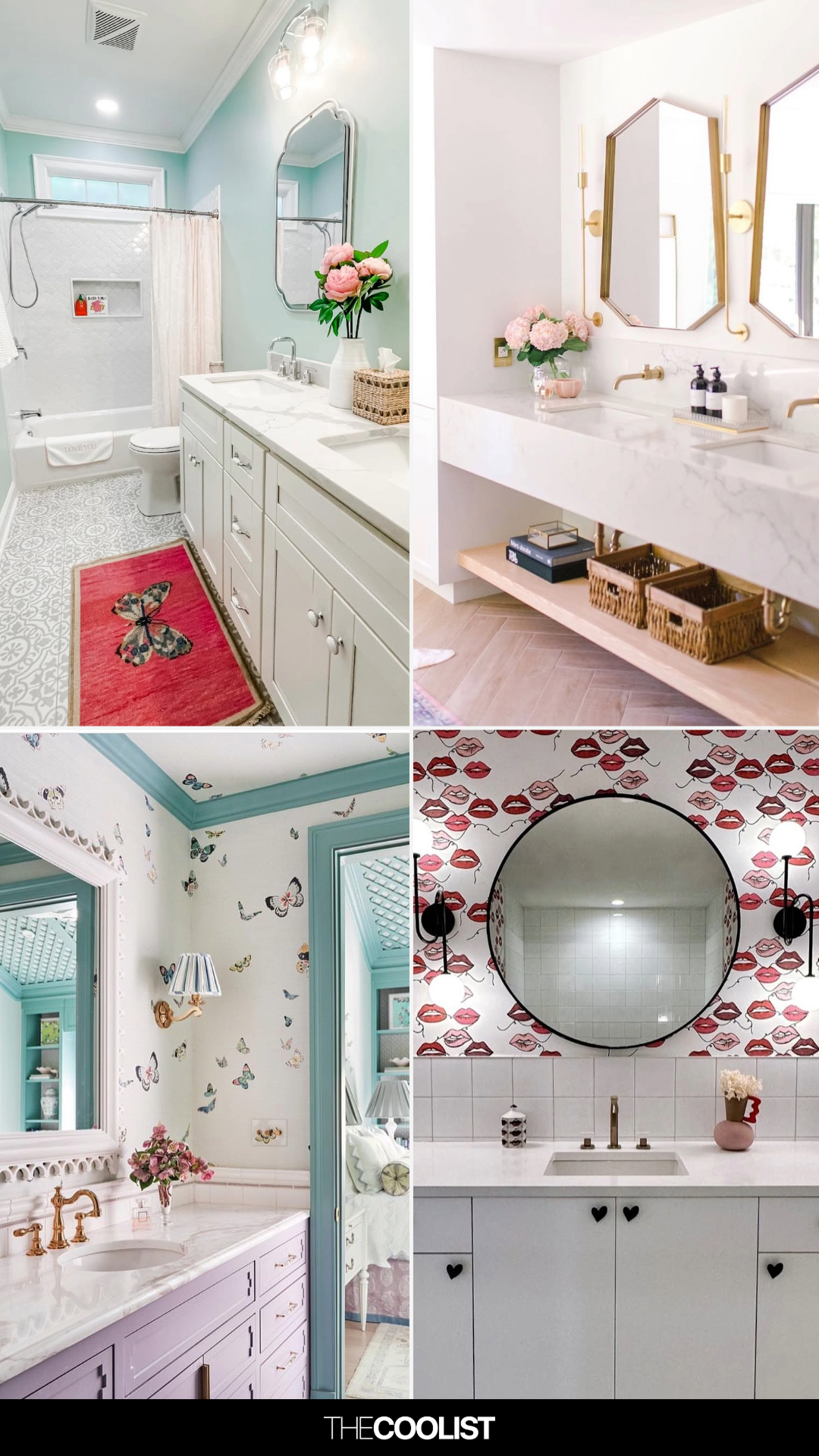
29 Girly Bathroom Ideas You’ll Want to Try Before Your Next Mini Makeover

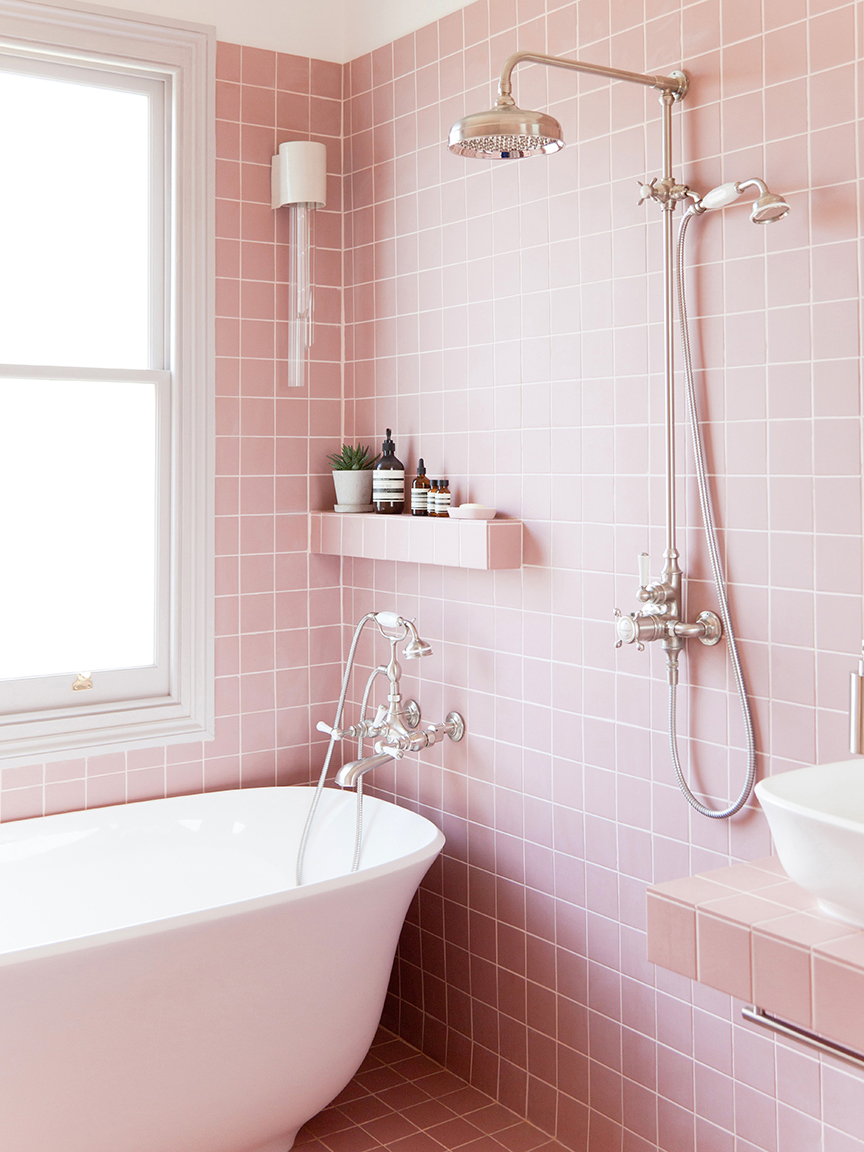
These Aren’t Your Typical 1950s Pink-Tiled Bathrooms

Bathrooms

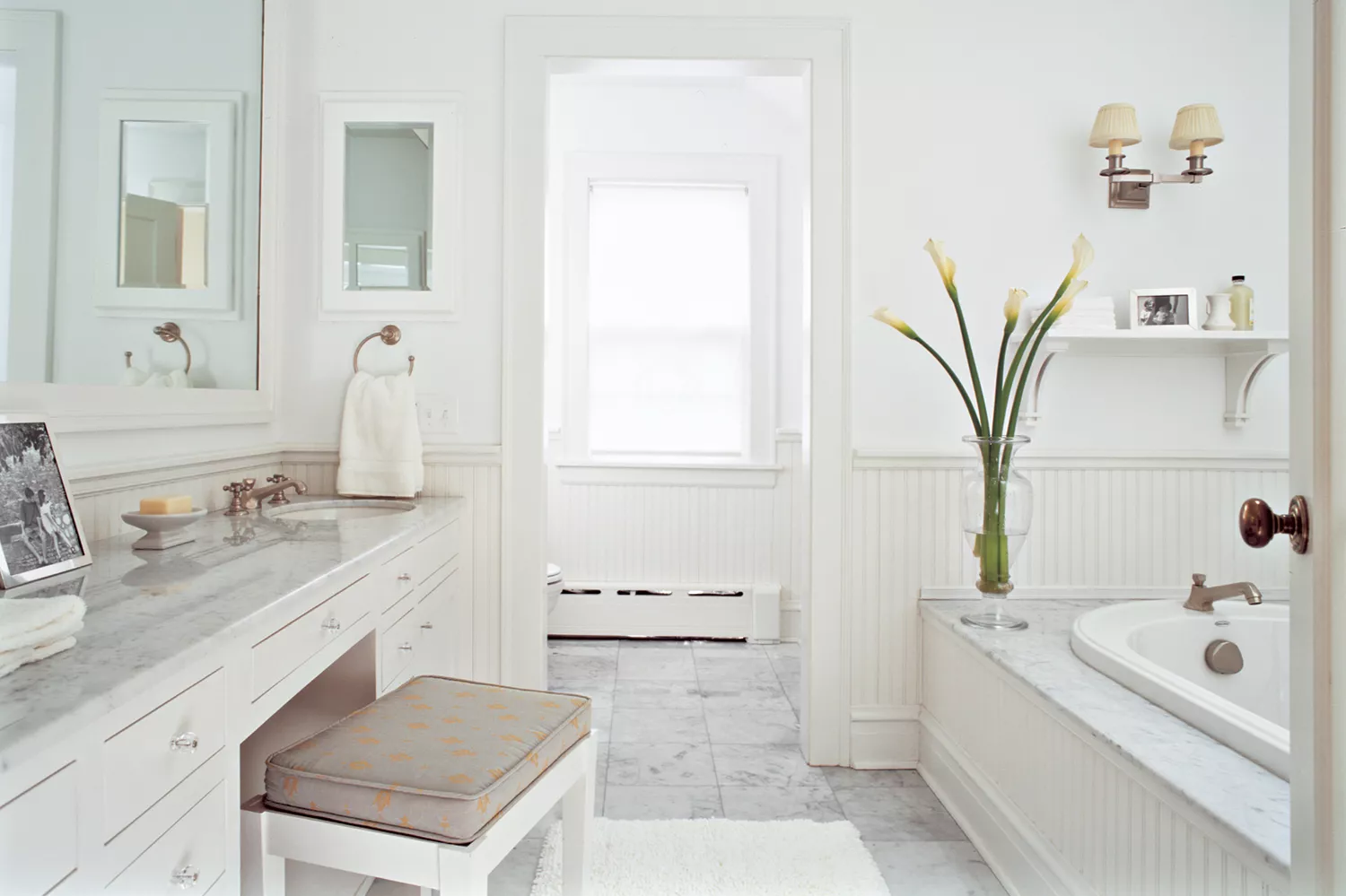
'90s Kitchens Are Back in Style, But What About Bathrooms? Why Designers Are Divided

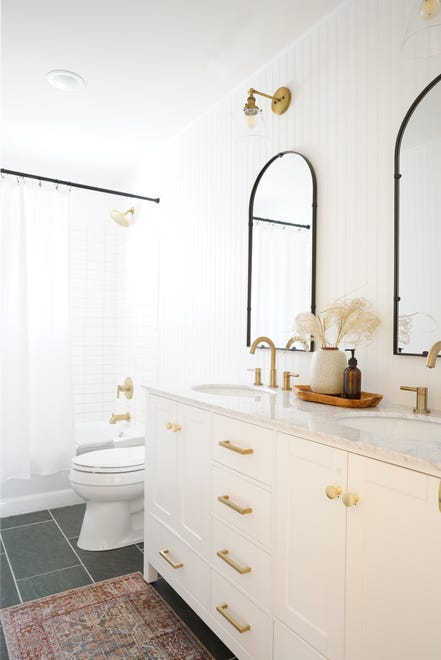
SEE IT: Look at these renovations that brought 3 bathrooms into the 21st century
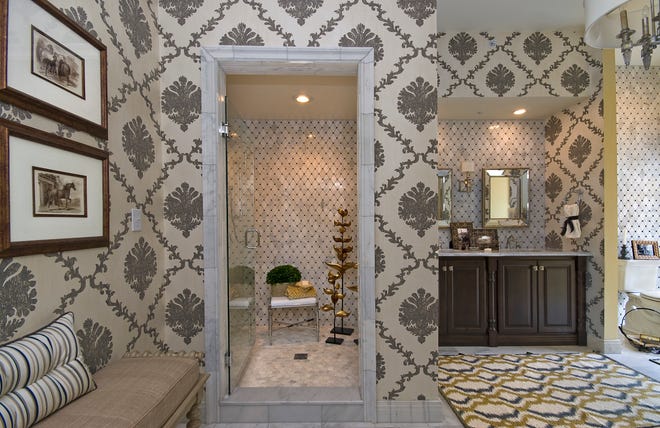
PHOTOS: How 3 distinct looks completely transformed these bathrooms
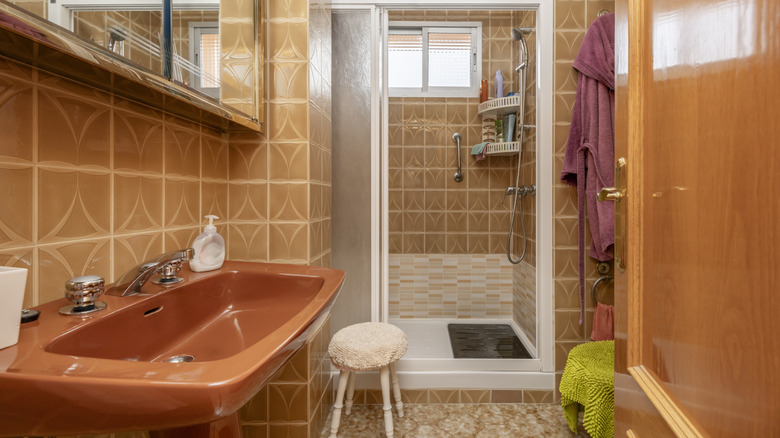
The Decades Old Tile Trend That Is Popping Back Up In Bathrooms
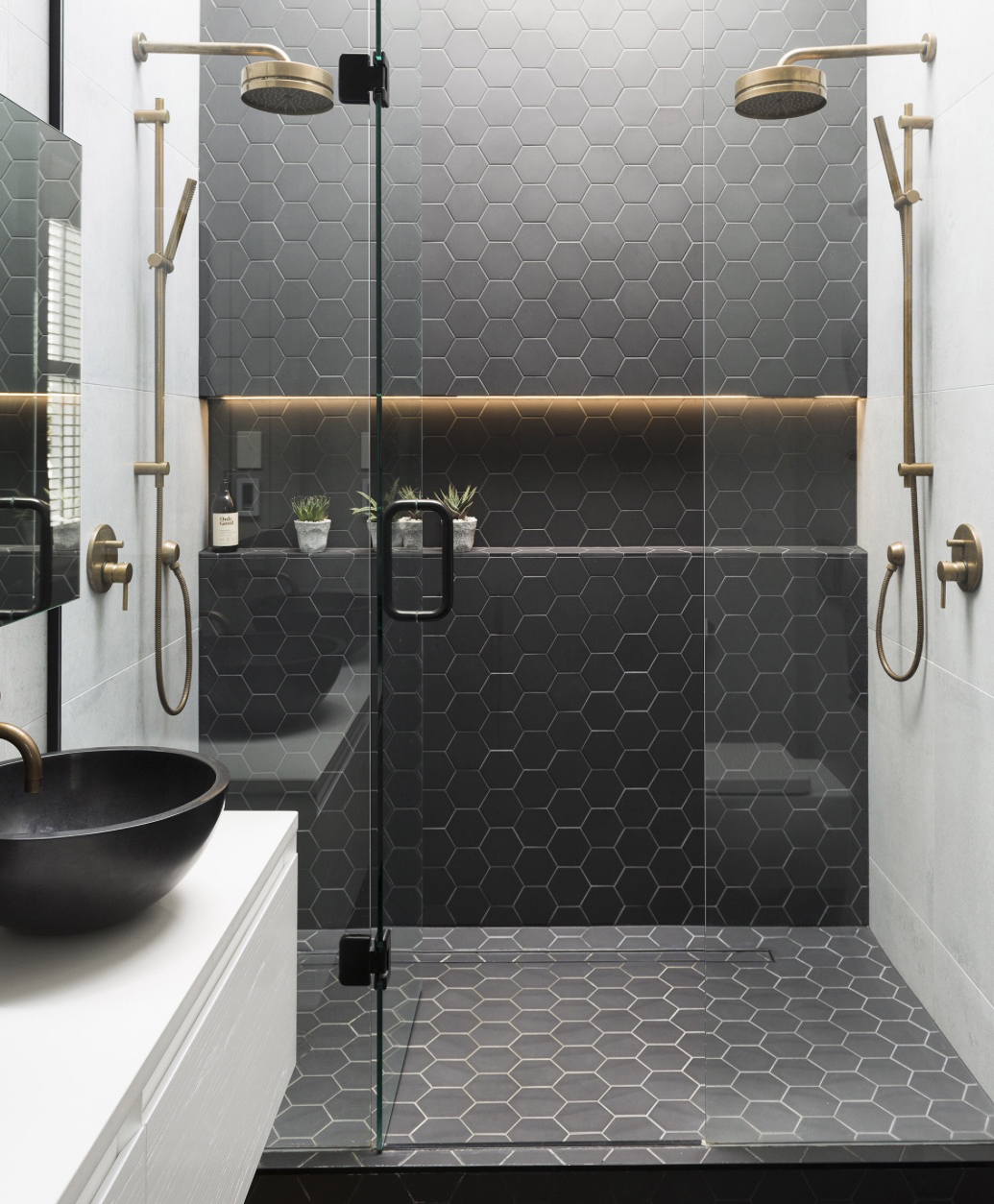
Battle of Old Vs. New in the Bathrooms
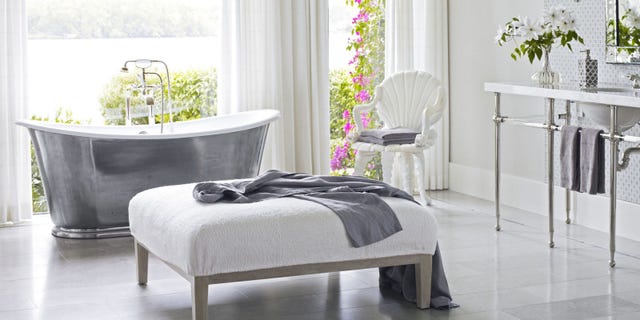
20 Traditional Bathrooms with Timeless Style
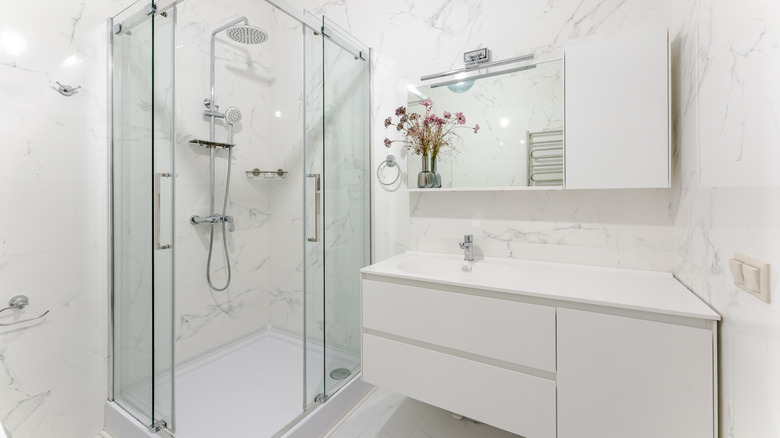
Tiled Bathroom Floors Are Hot For 2025 - Except For This One Outdated Style
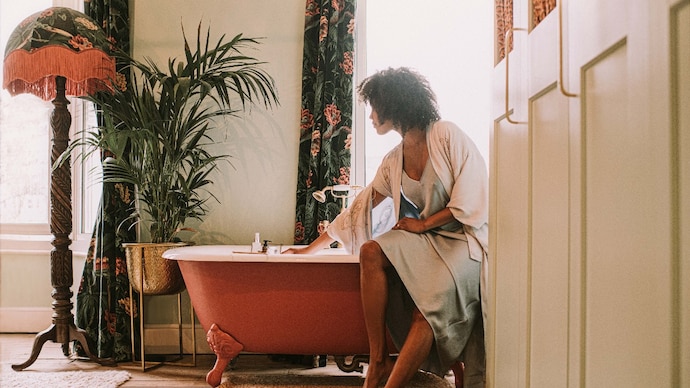
For Gen Z, bathroom is where the heart, and Instagram is
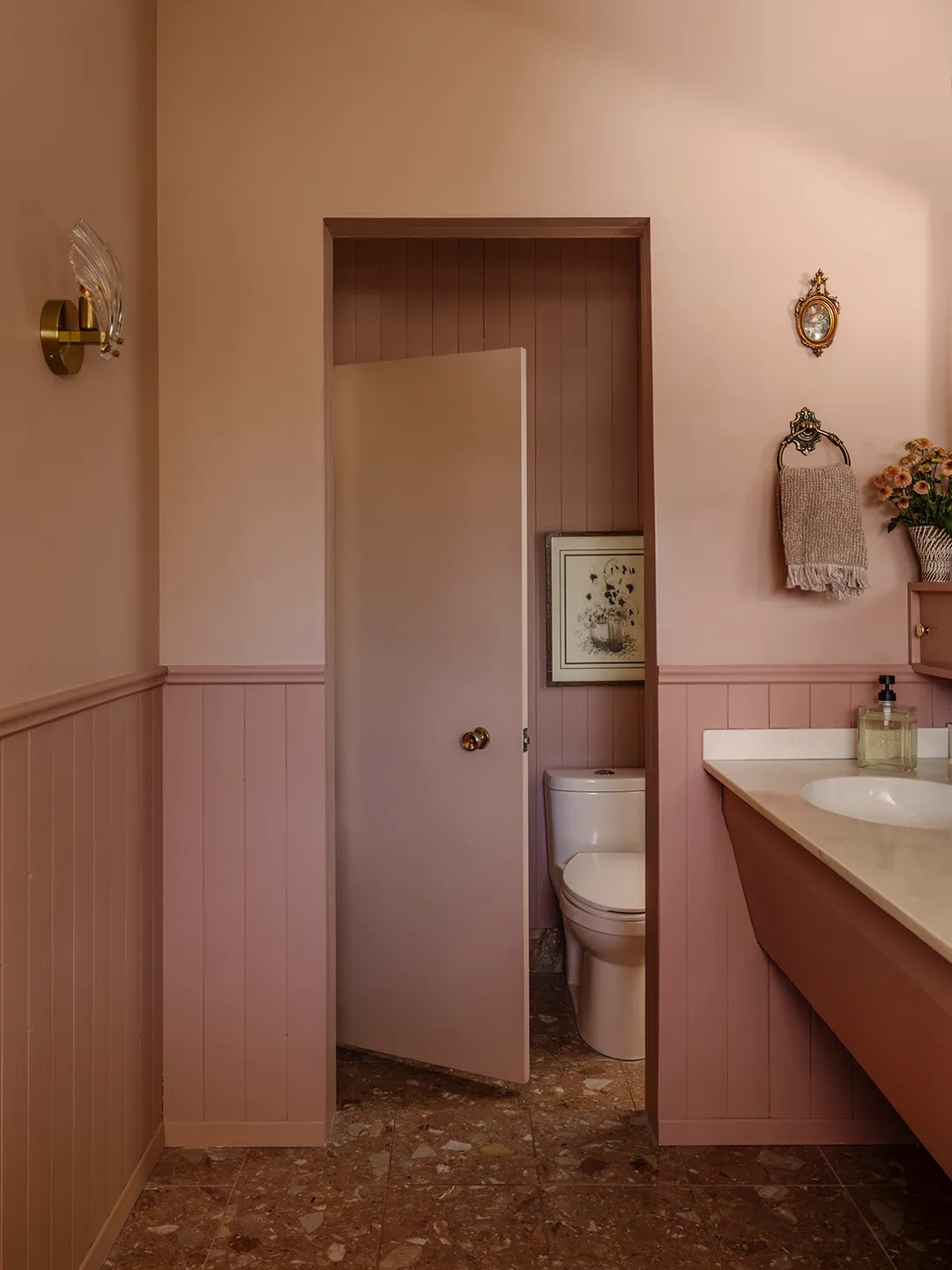
The Era That’s Inspiring the Next Wave of Bathroom Remodels

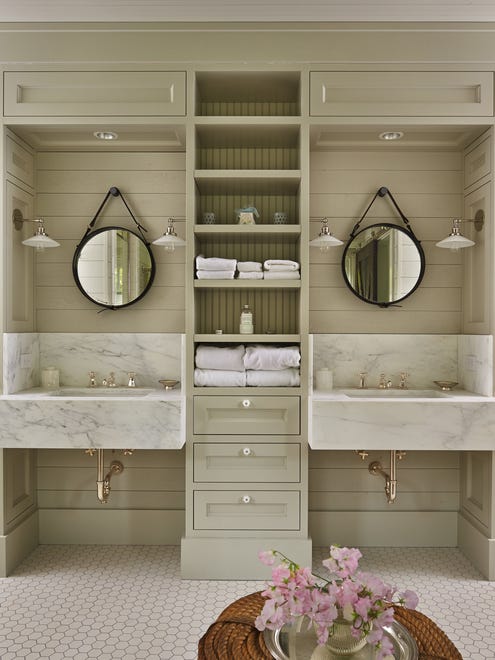
Bathroom Trends
More and More People Are Putting 'His and Hers' Bathrooms In Their Homes
This Bathroom Trend Will Literally Stand the Test of Time
These Bathroom Colors Were Once Considered "Ugly" — Now They're Having a Renaissance in Modern Homes

Does Your Bathroom Feel Outdated? These 7 Design Choices Might Be Why