1/6
Who Says Your Bathrooms Have to Look the Same?
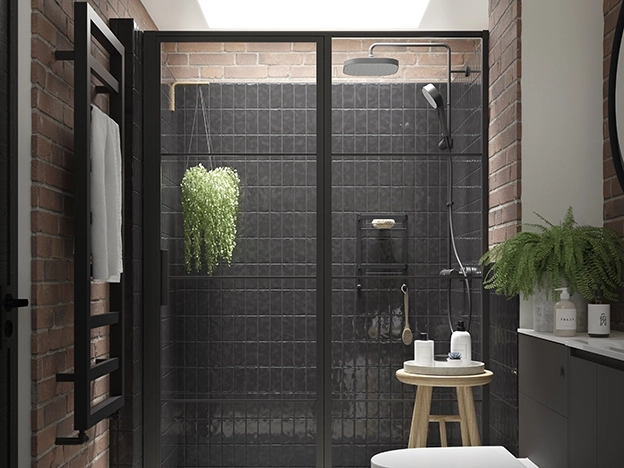
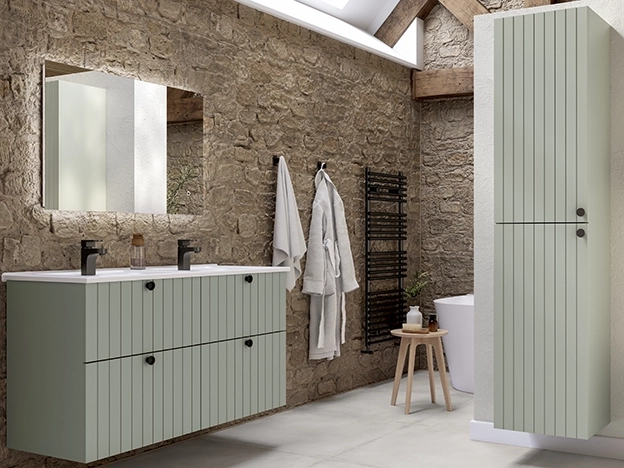
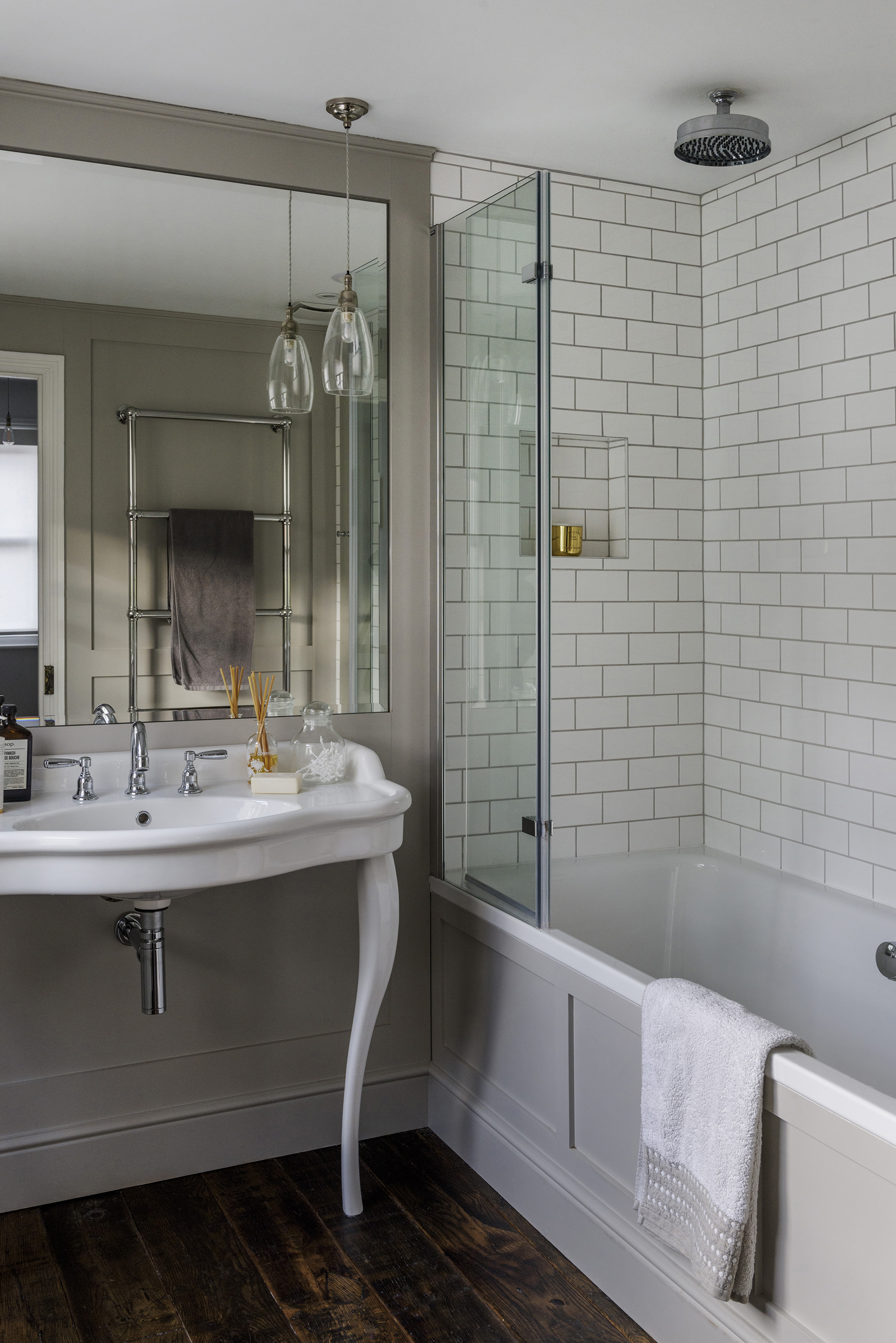
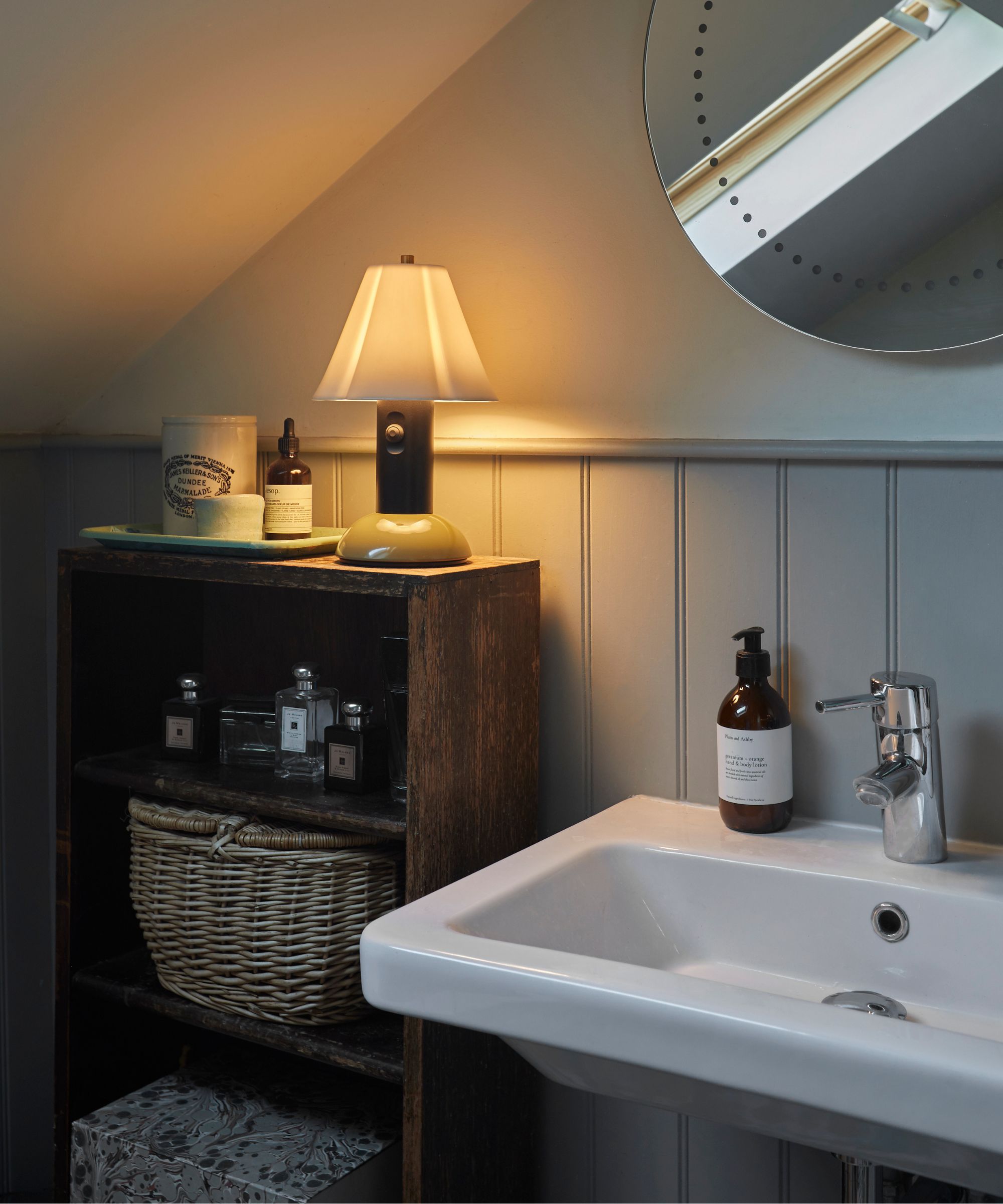
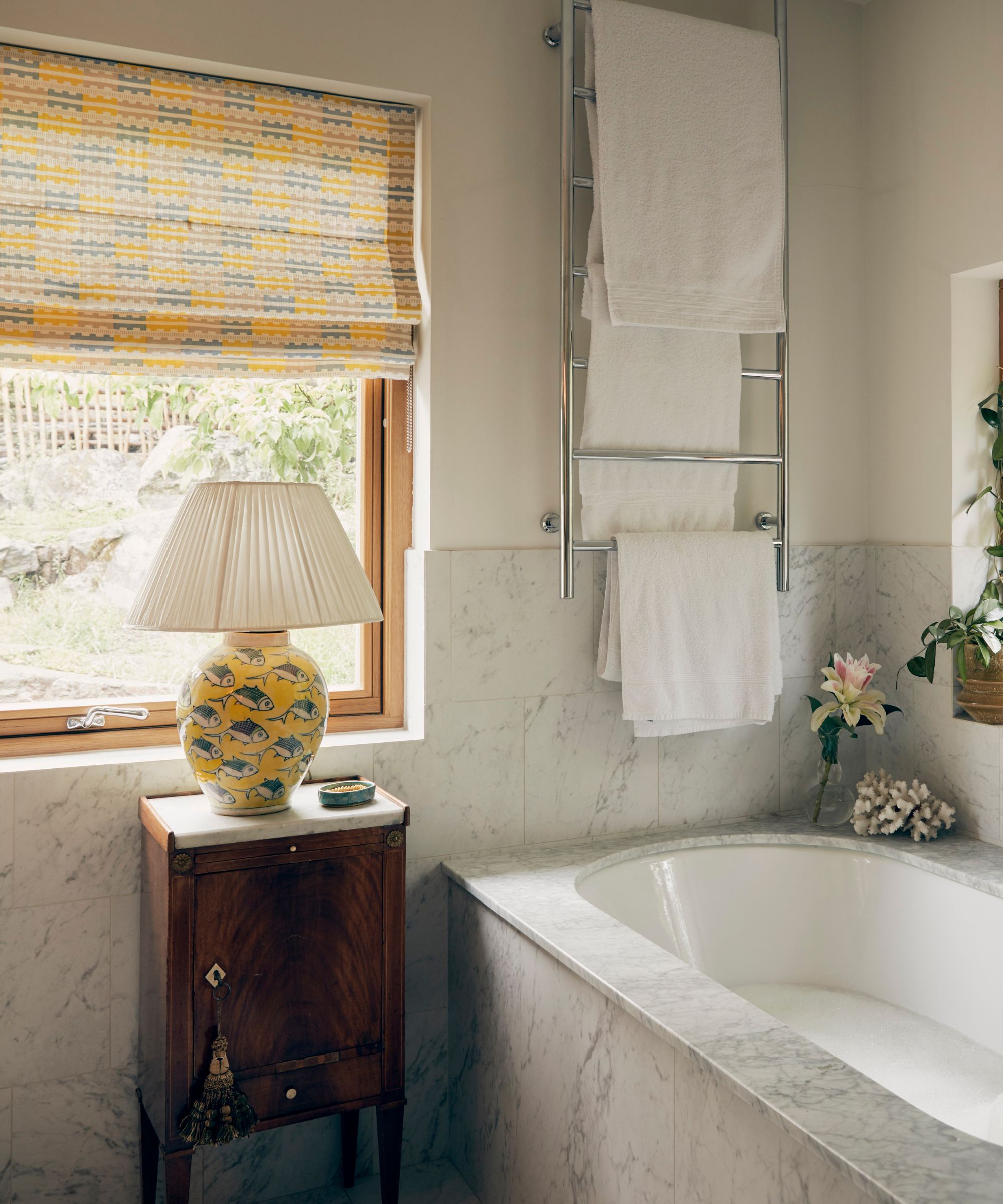
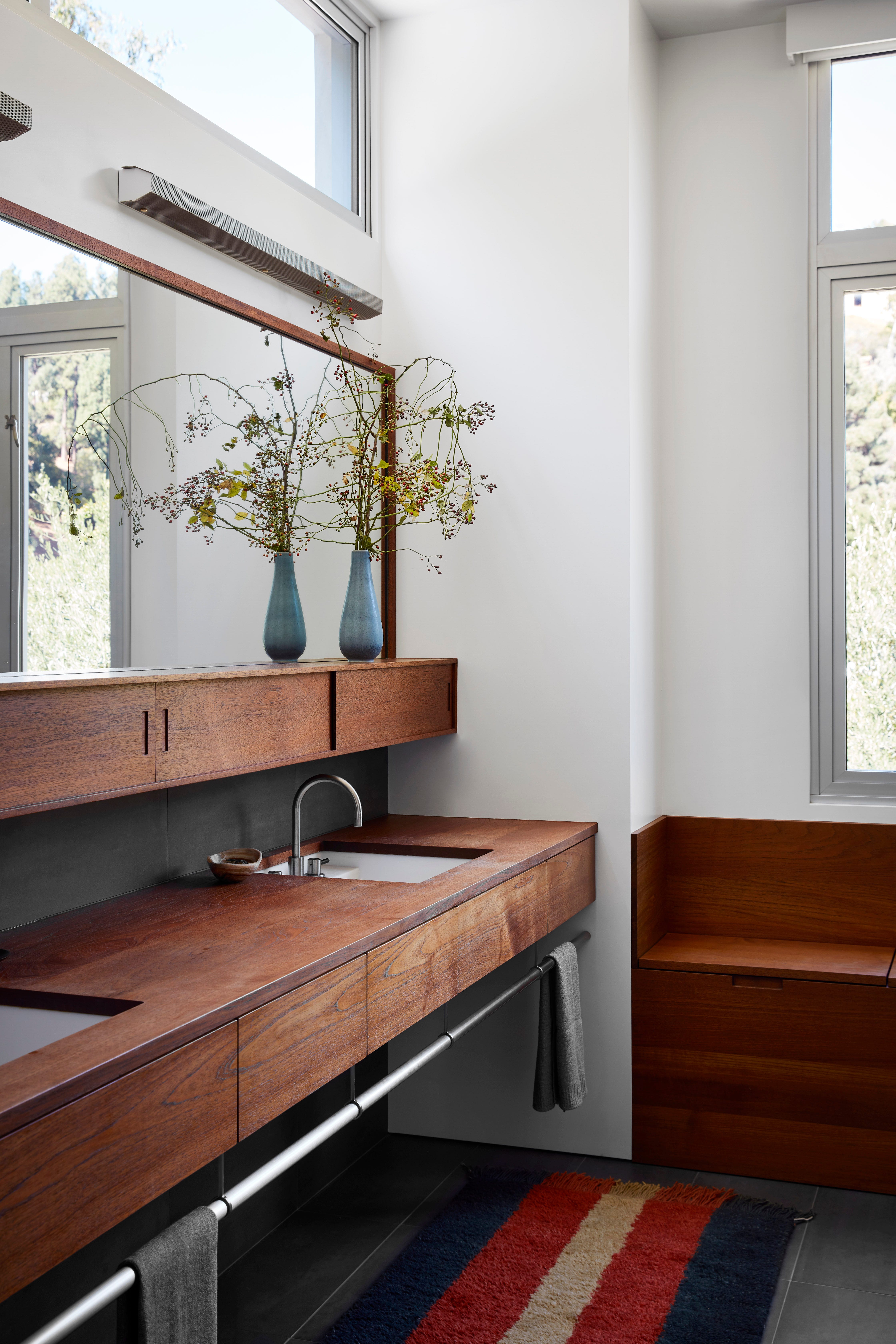
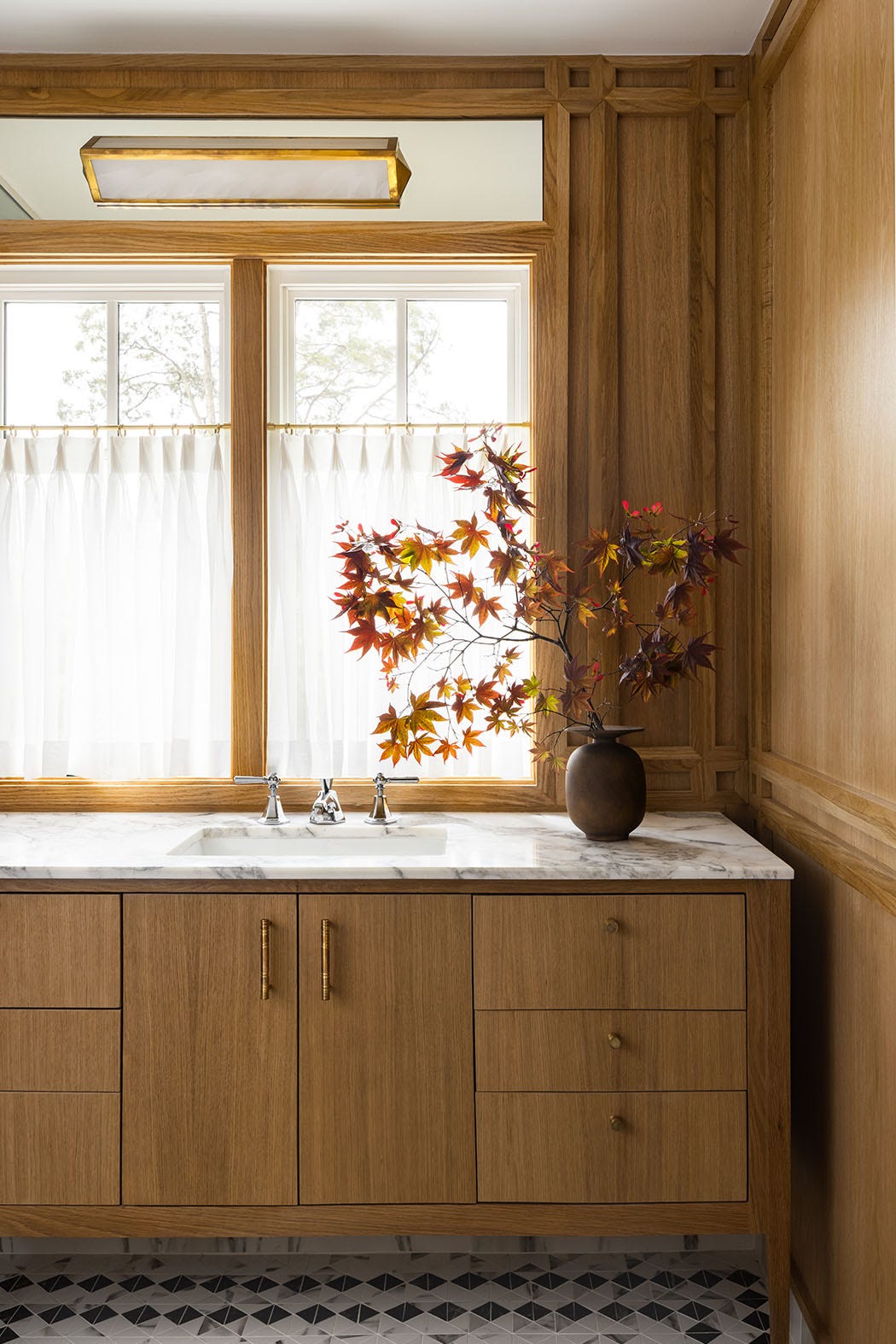
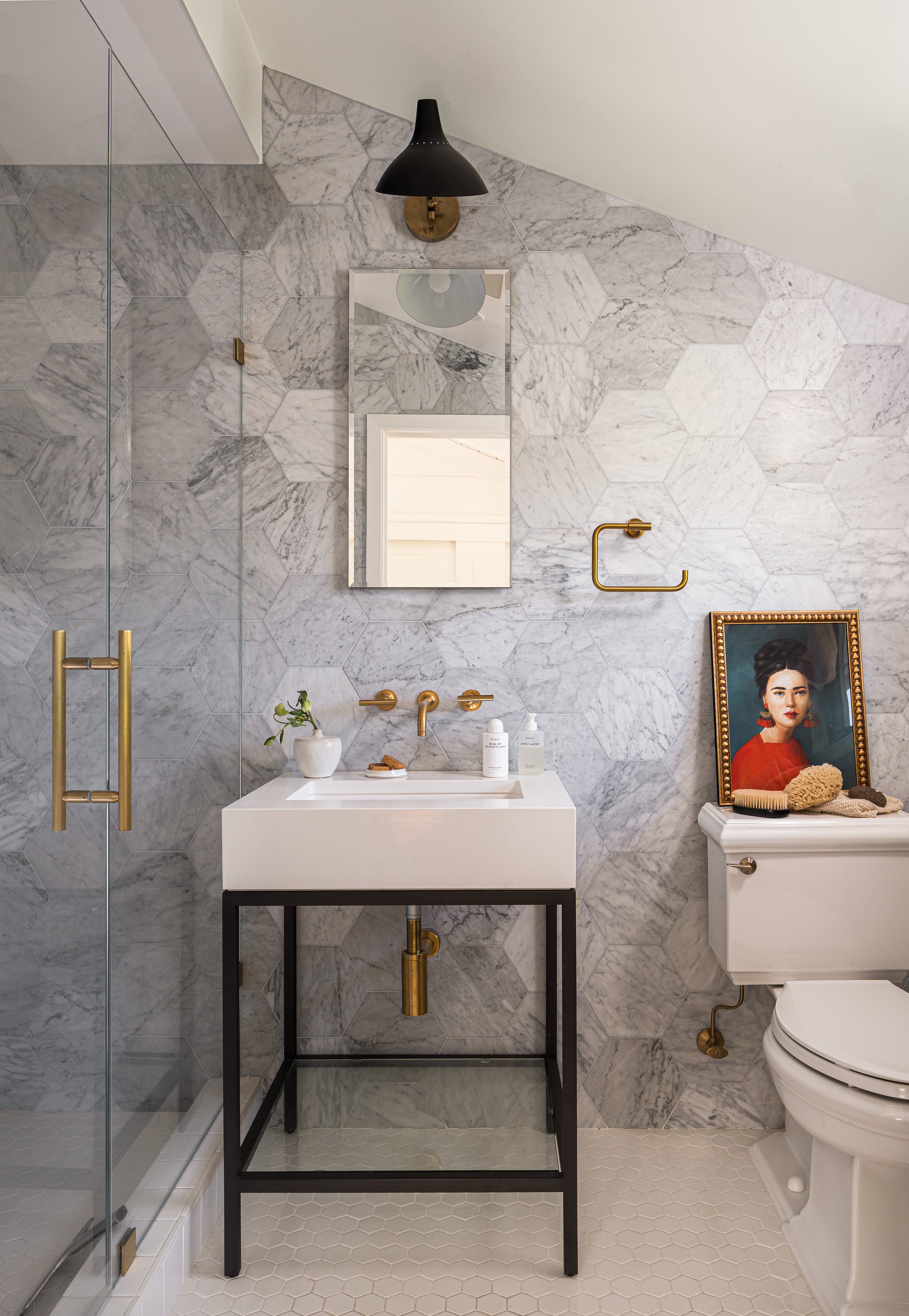
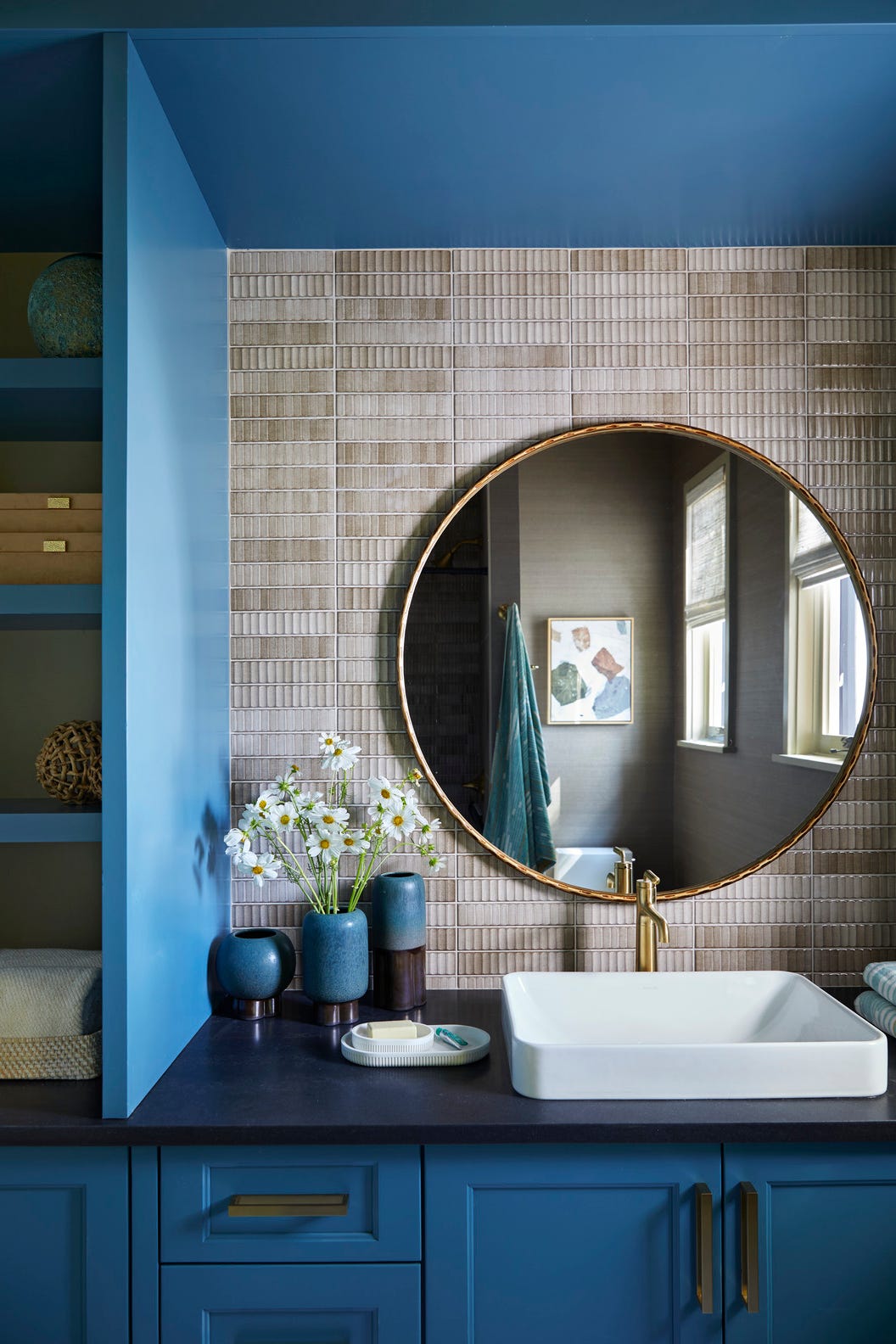
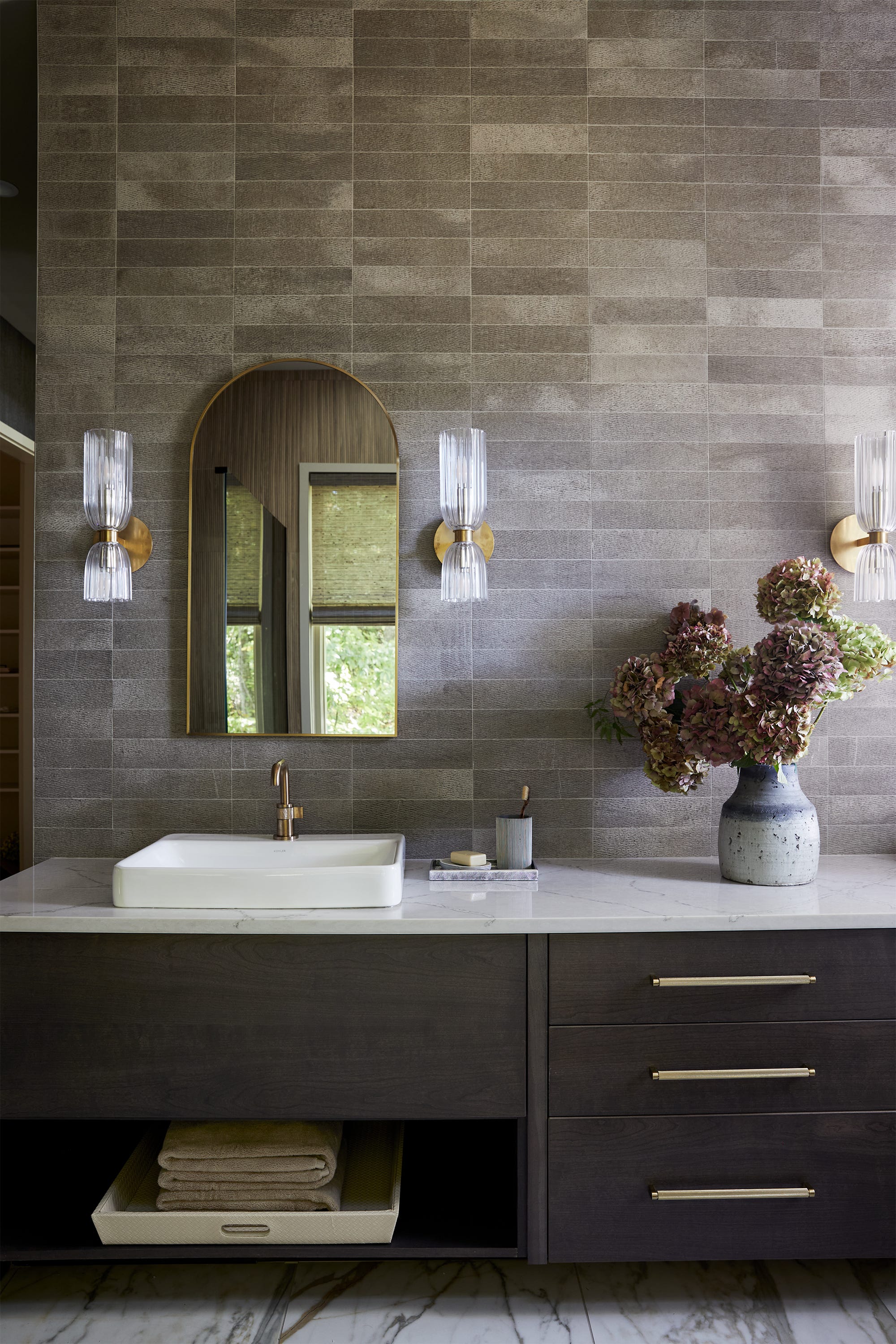
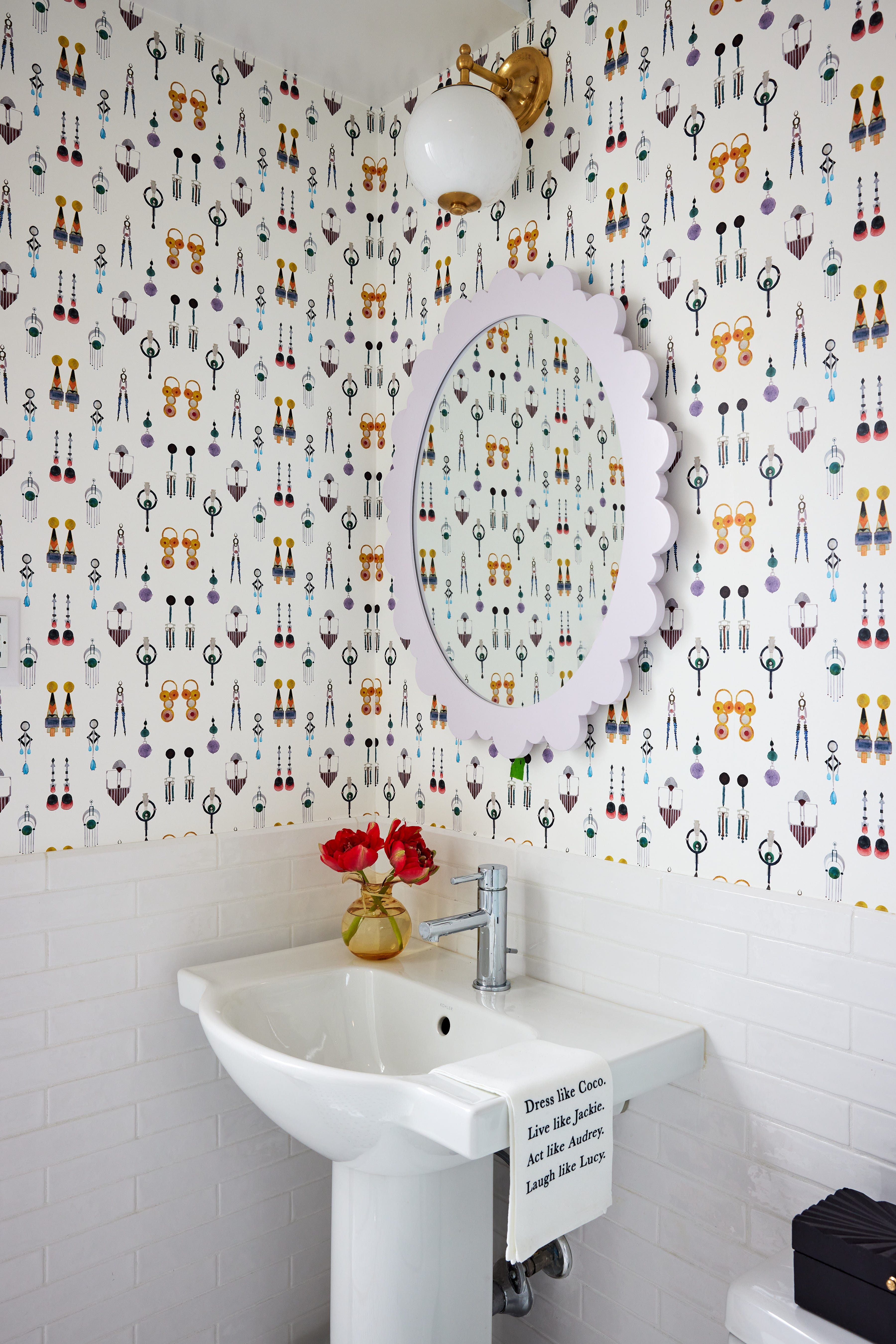
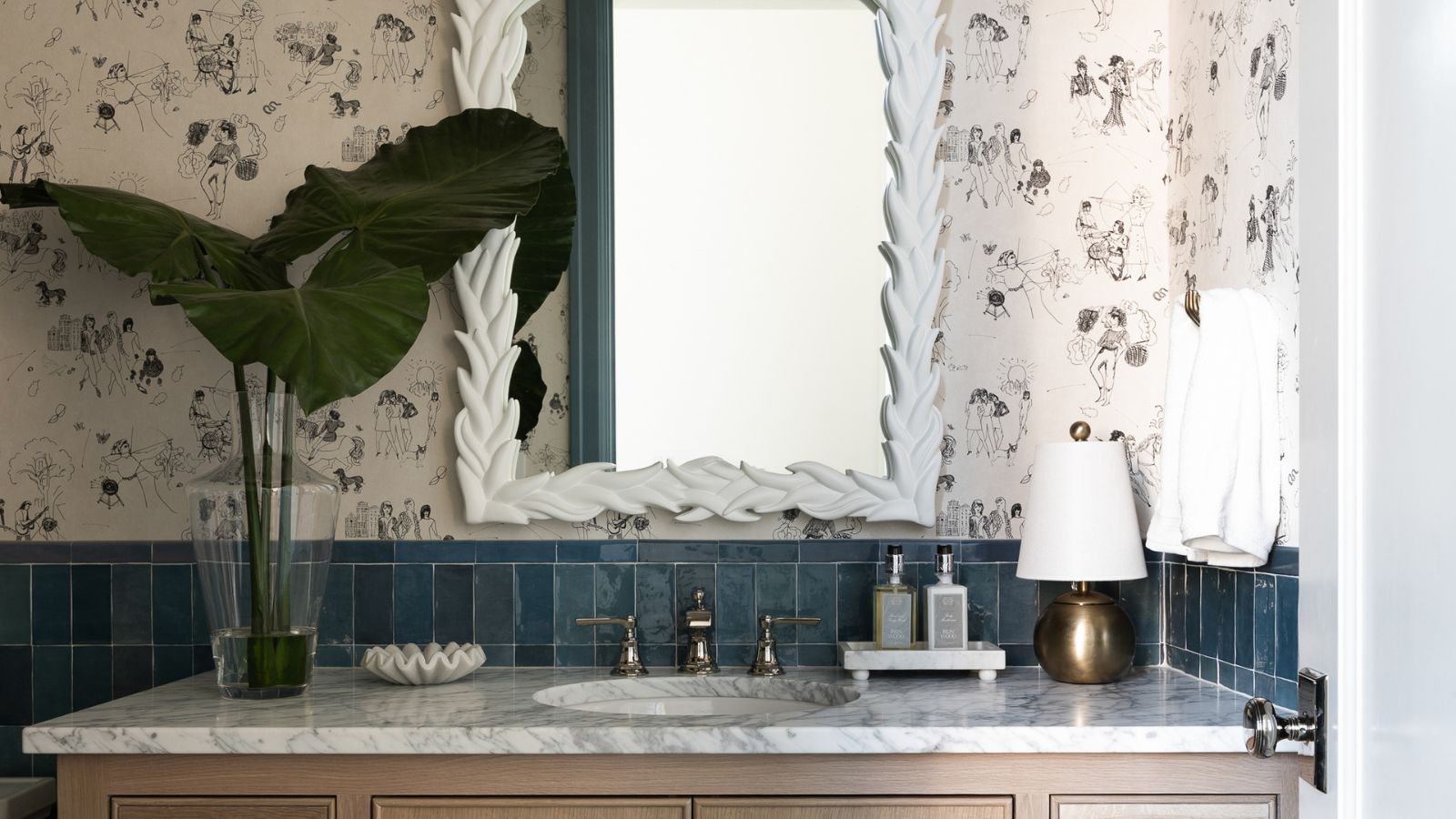
The article details a bathroom renovation project undertaken by designer Caitlin Murray of Black Lacquer Design for a couple with young children, focusing on creating two distinct yet cohesive spaces within a 1930s bungalow. Murray faced the challenge of transforming two dated bathrooms, one with "McDonald's-yellow" walls and the other with a "retro pink sink," into modern spaces that respected the home's original architectural style while reflecting individual personalities.
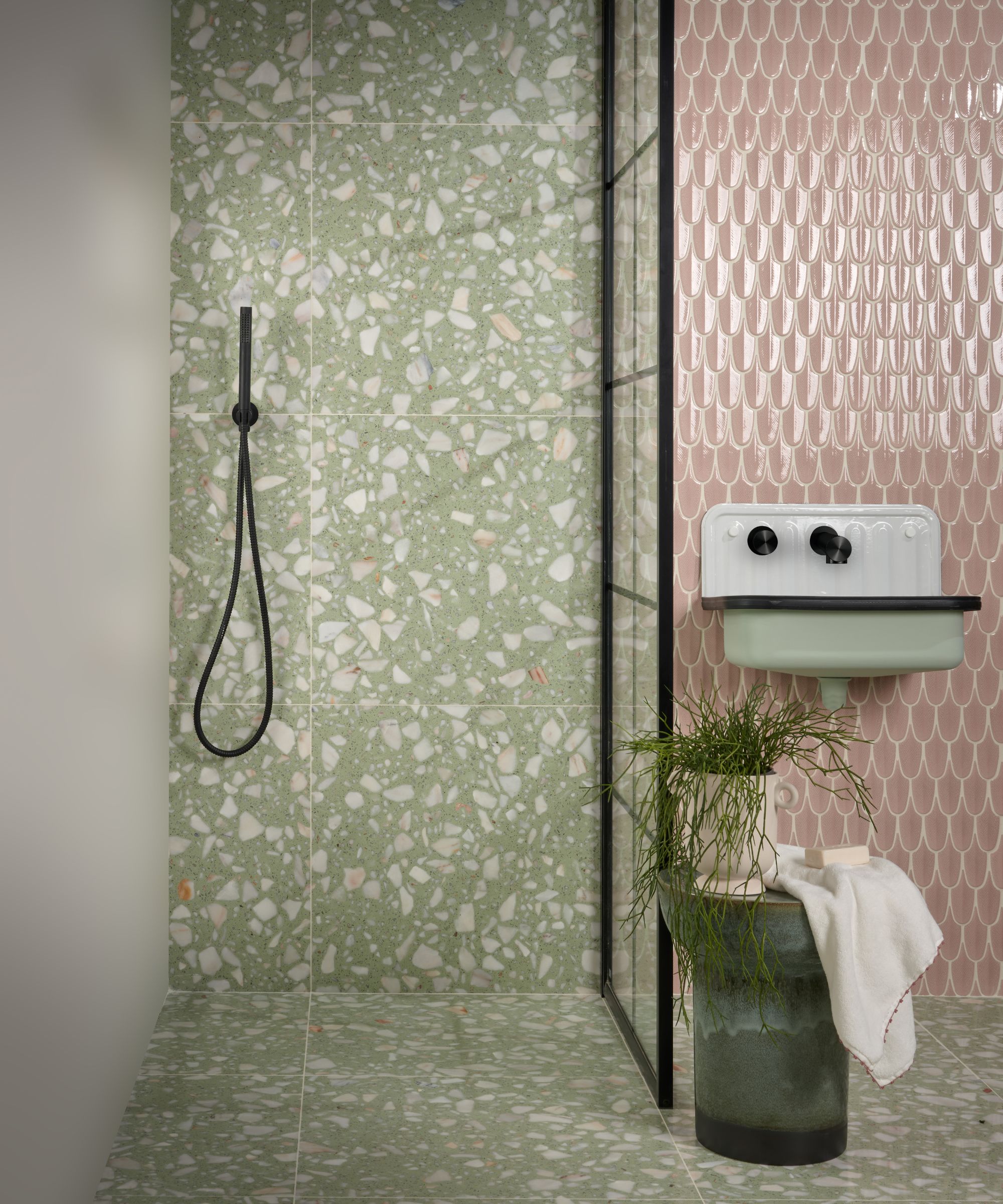
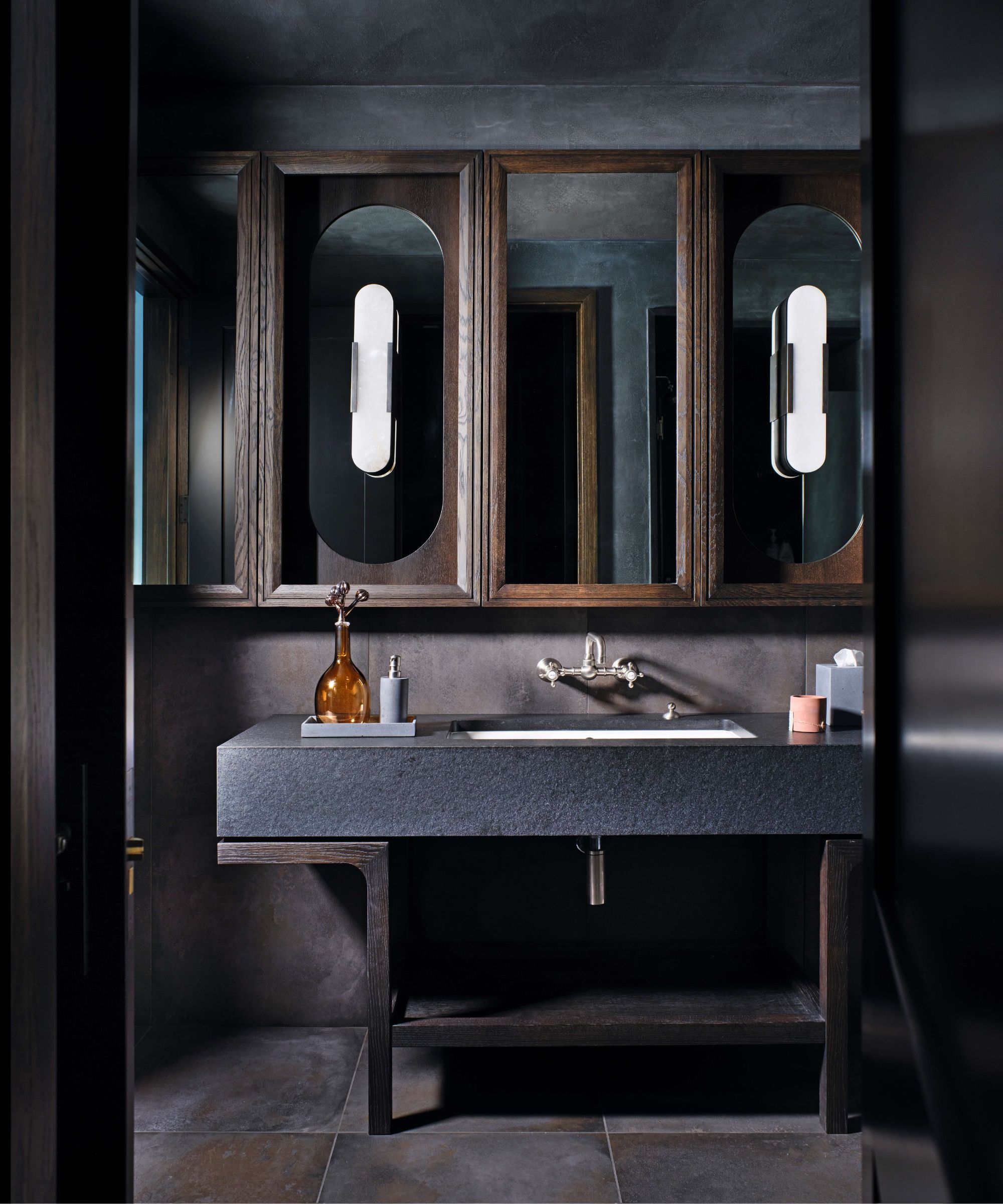
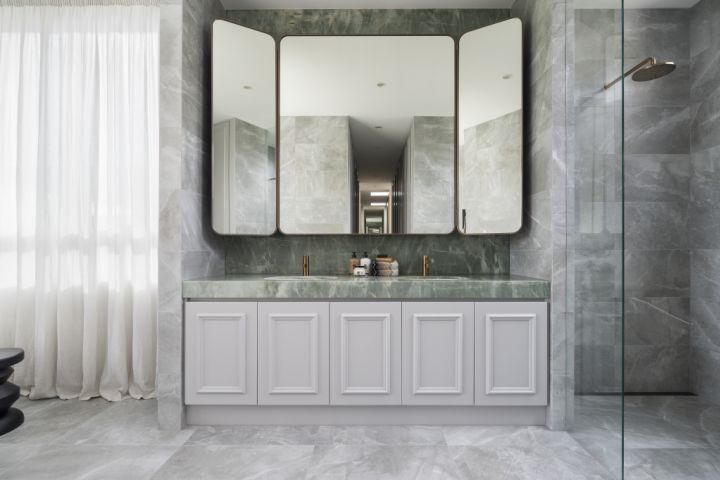
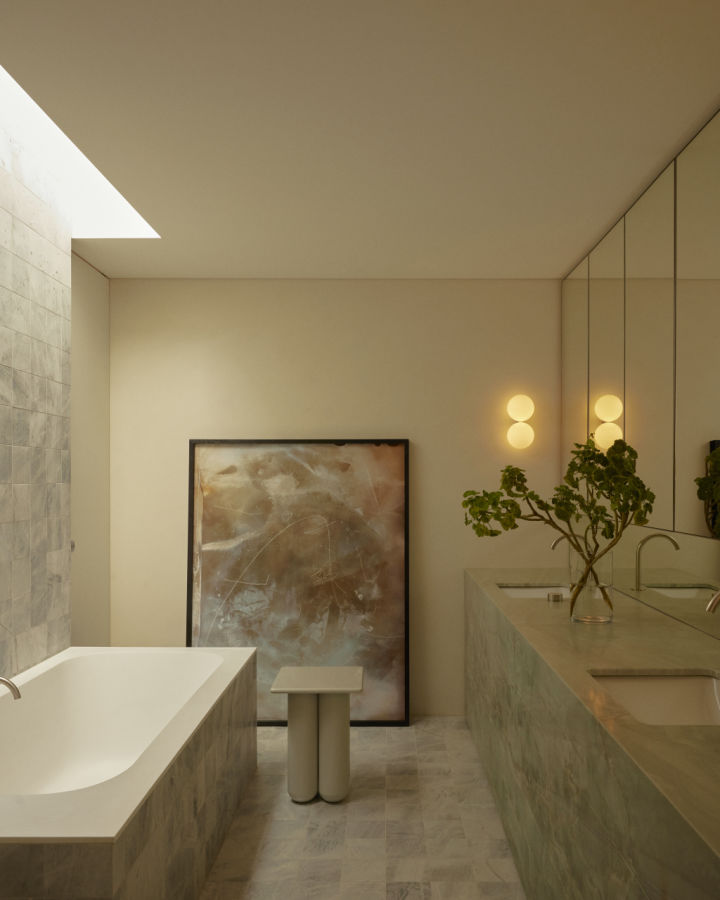
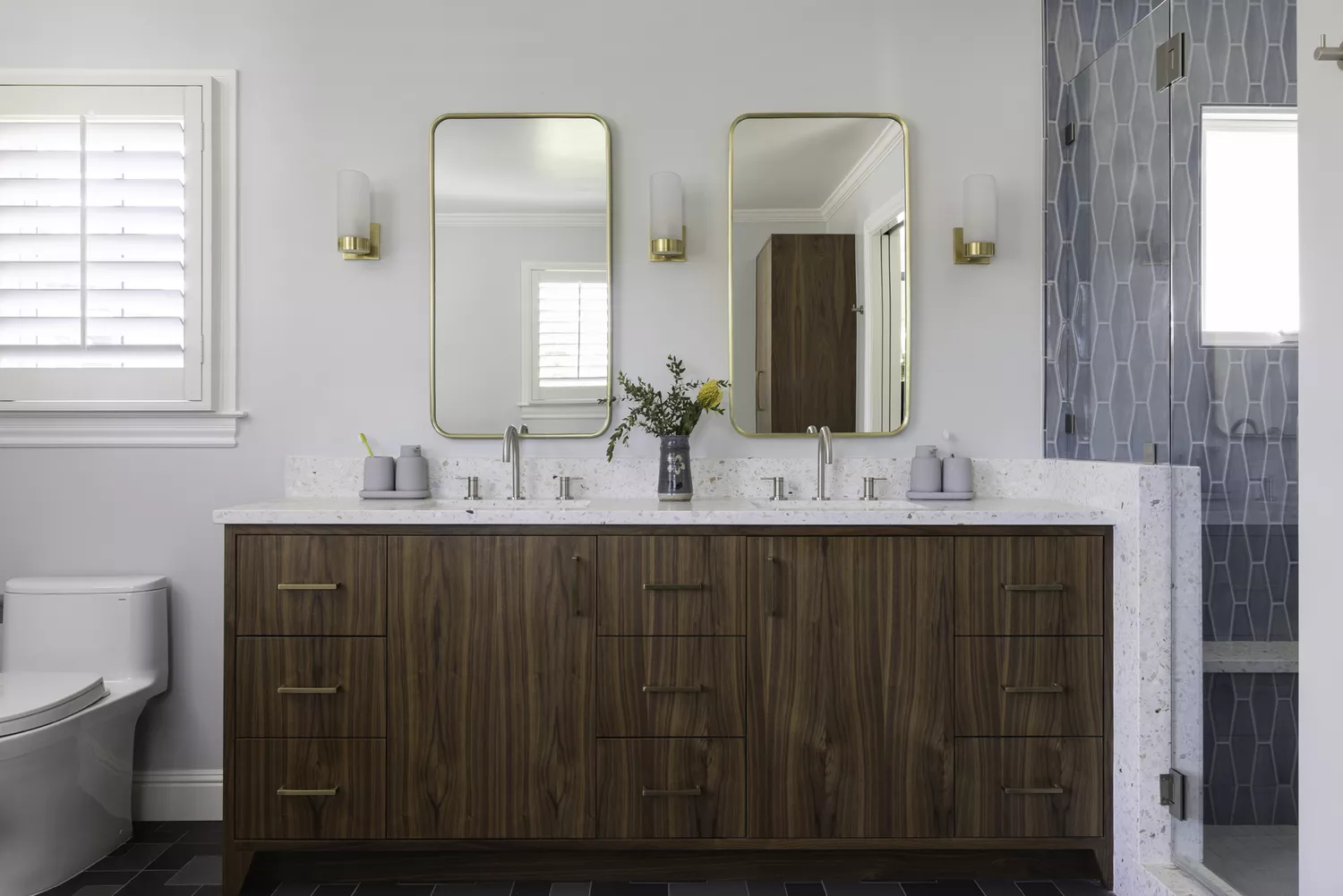
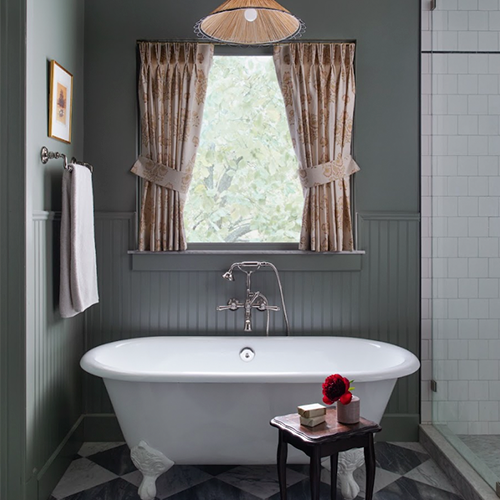
Instead of creating two identical bathrooms, Murray opted for a more unconventional approach, designing two drastically different spaces. Her design philosophy centered on paring back elements to align with the 1930s era, acknowledging the home's beautiful but previously altered architectural features. The primary challenge was to ensure that these unique spaces did not feel disjointed from each other or the rest of the home.
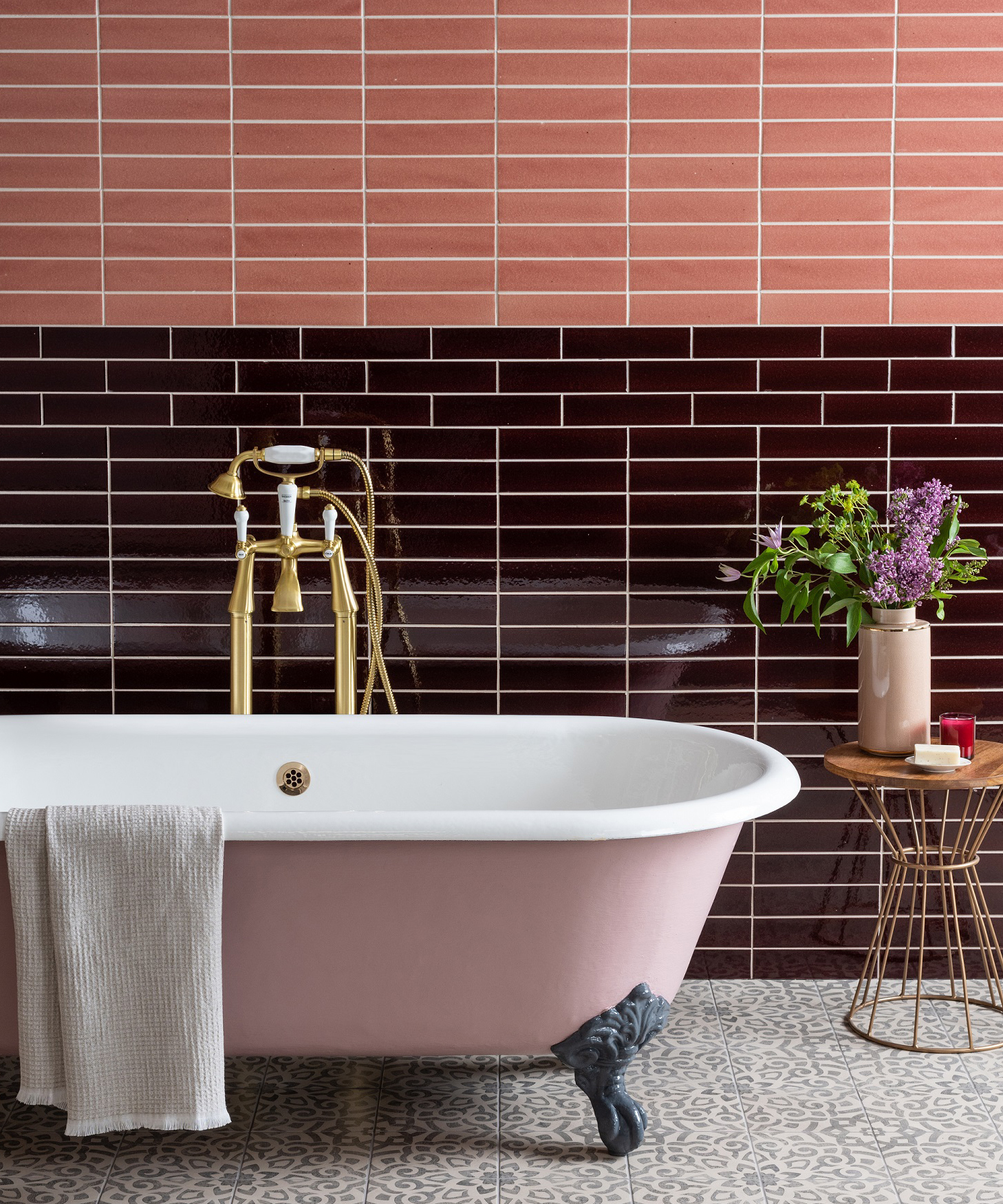
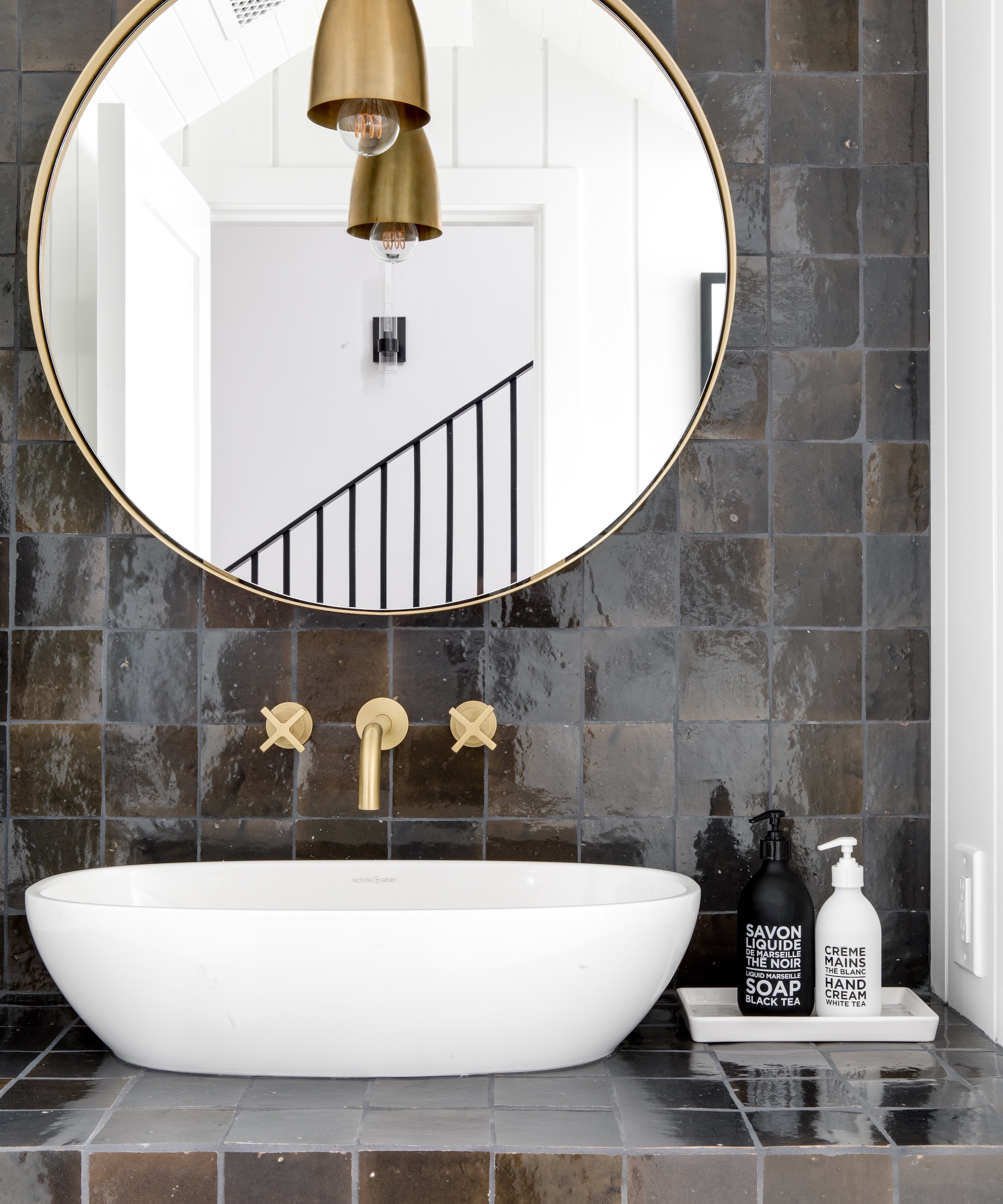
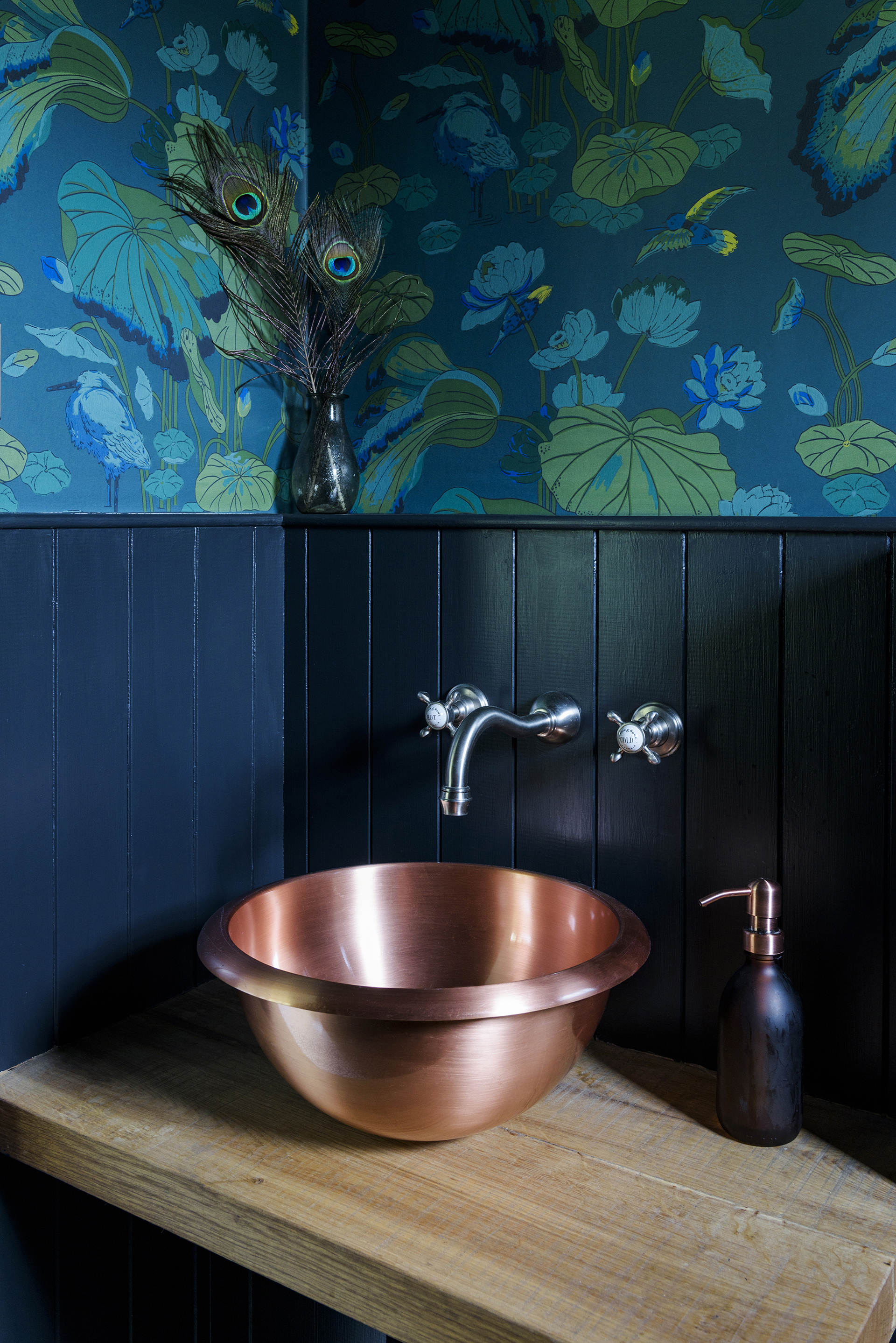
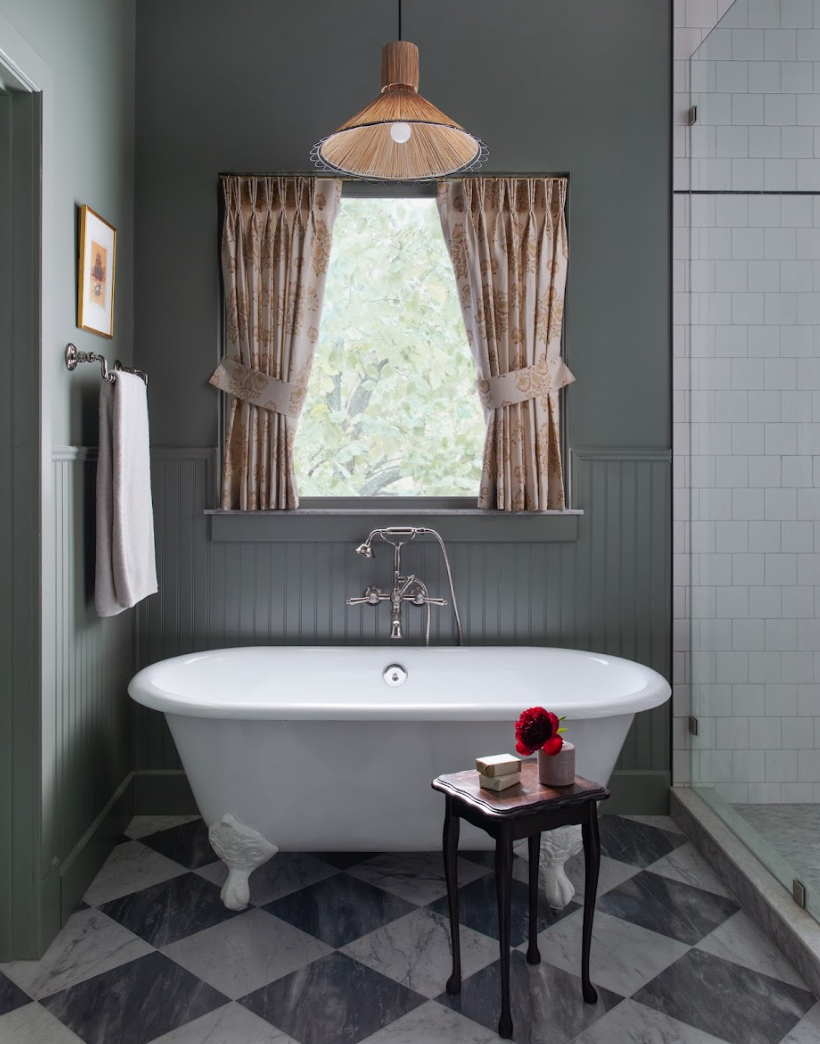
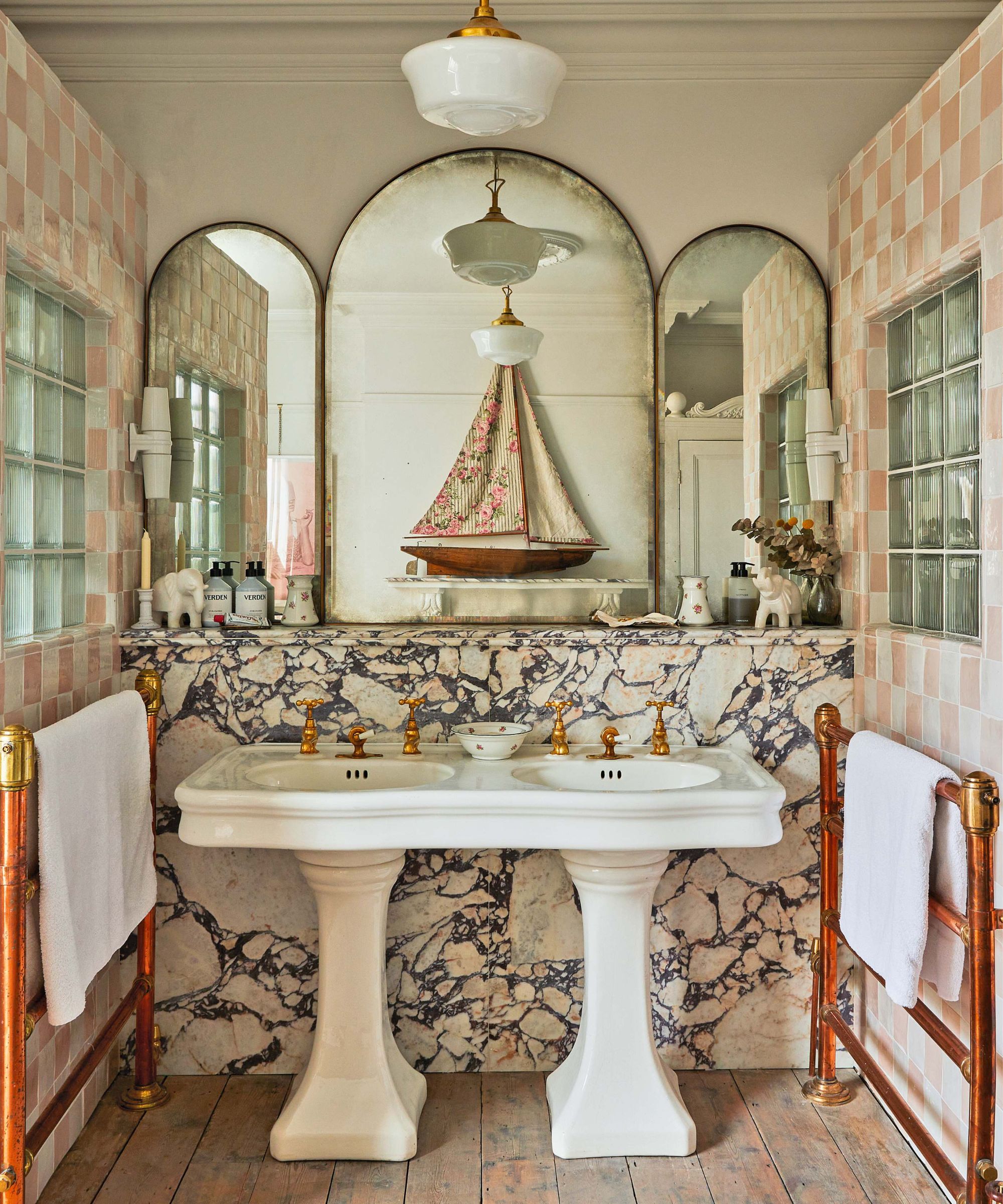
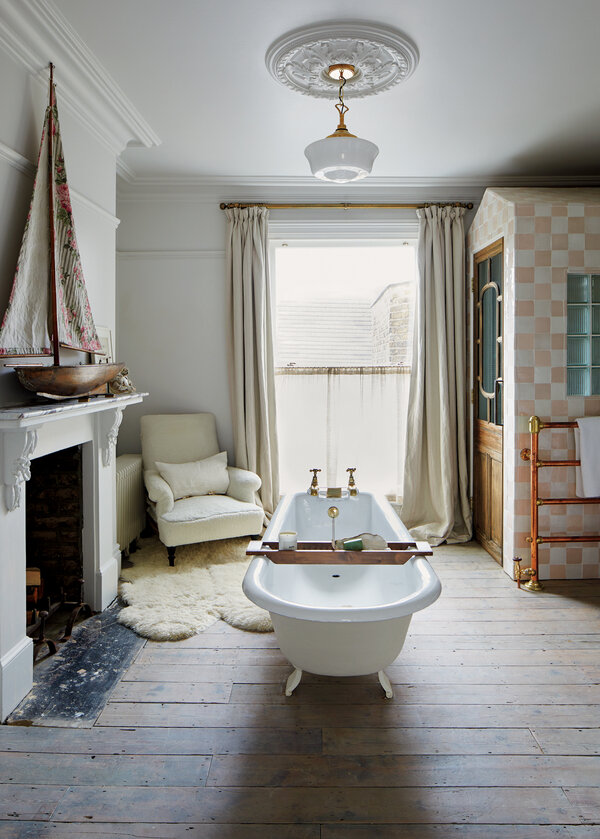
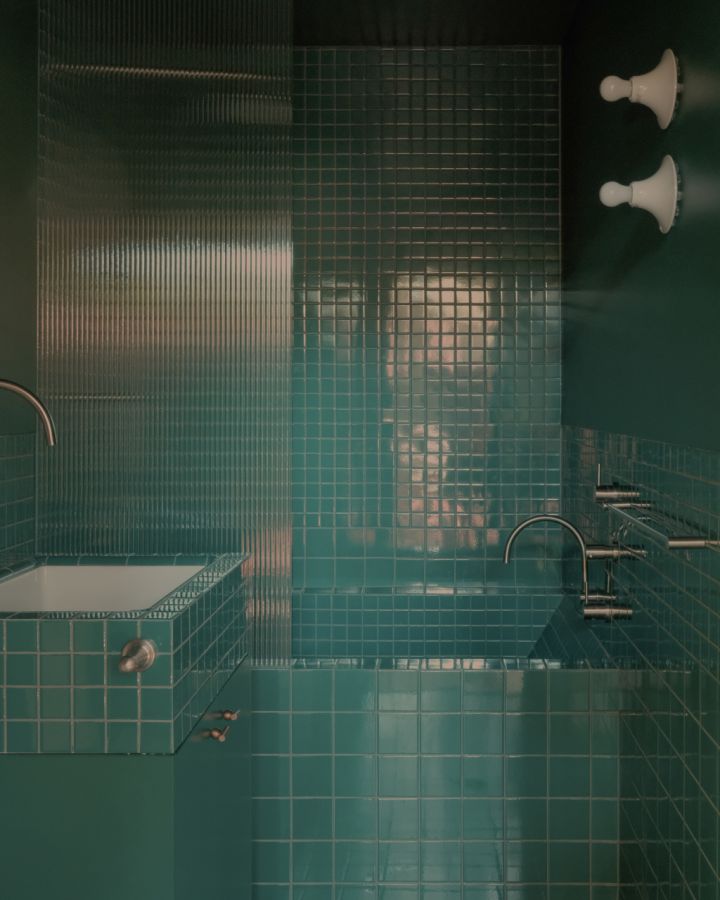
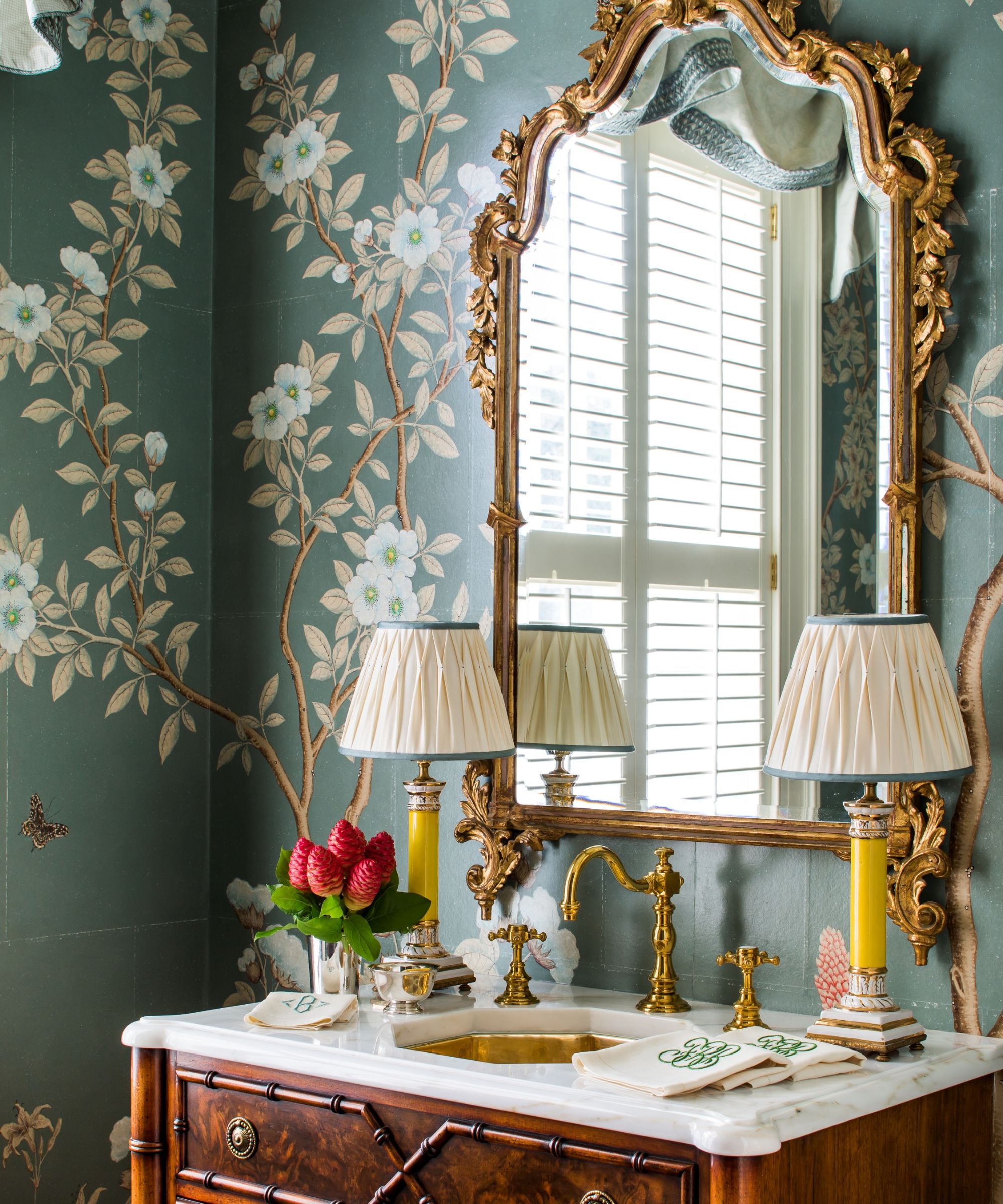
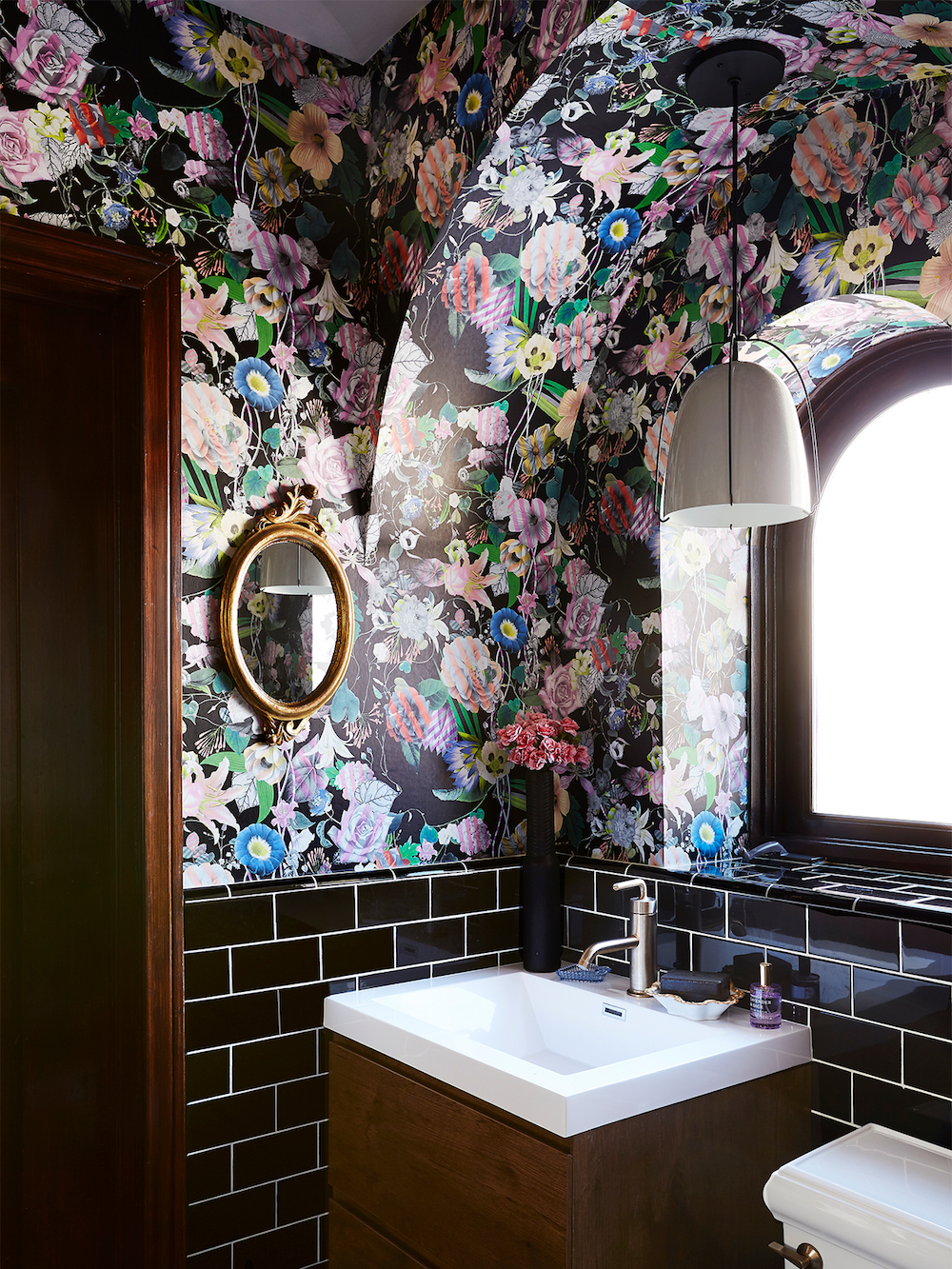
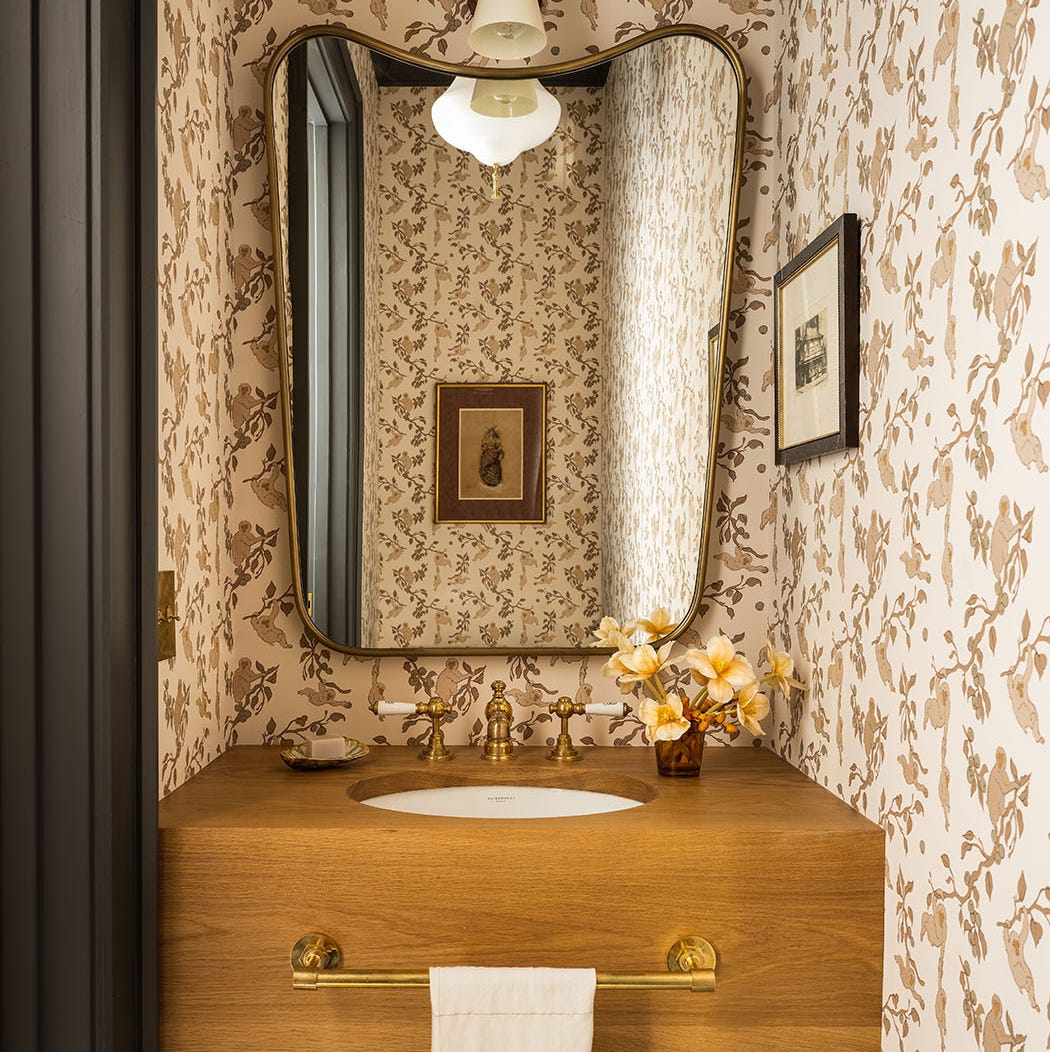
Murray's first trick involved drawing inspiration from the house's history. In the larger bathroom, she chose zellige tiles for the shower, aiming for a timeworn aesthetic that deviated from standard ceramic tiles. For the smaller bathroom, she embraced a bolder design, highlighting the original arches with a pendant light and using bright teal penny tiling. Fixtures were largely vintage, including antique rugs and gilded mirrors. A key decision was replacing a built-in vanity with a repurposed credenza in one bathroom to prevent a contemporary piece from overwhelming the space, emphasizing the idea of a supporting cast rather than a single star element.
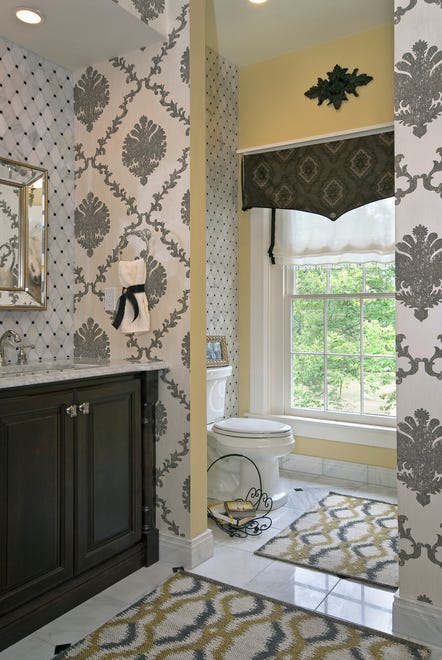
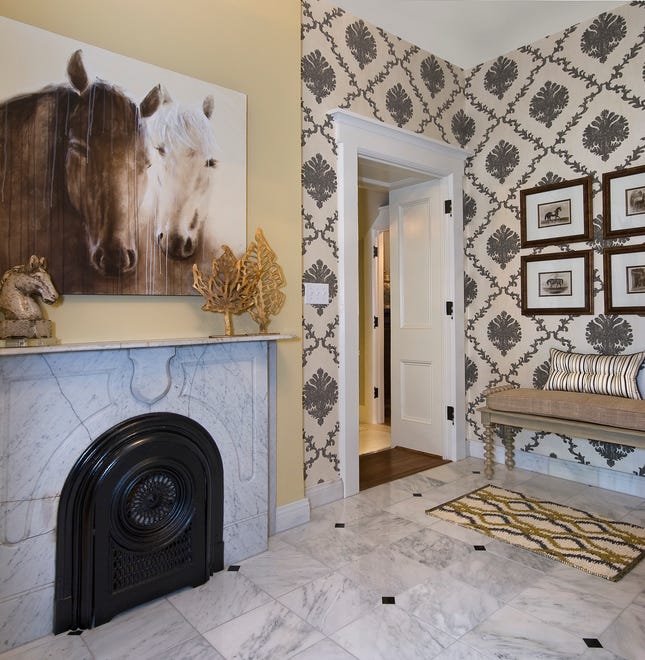
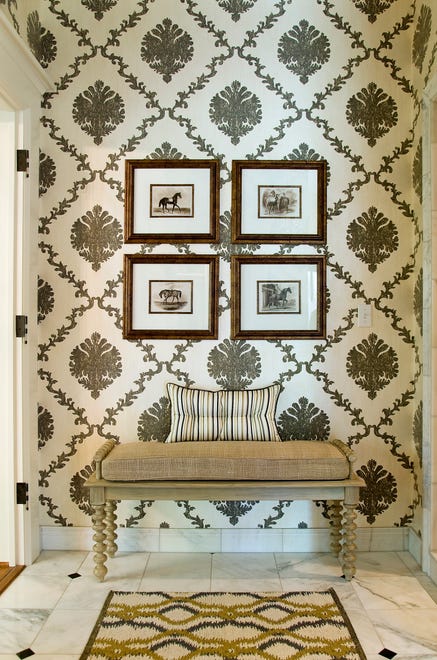
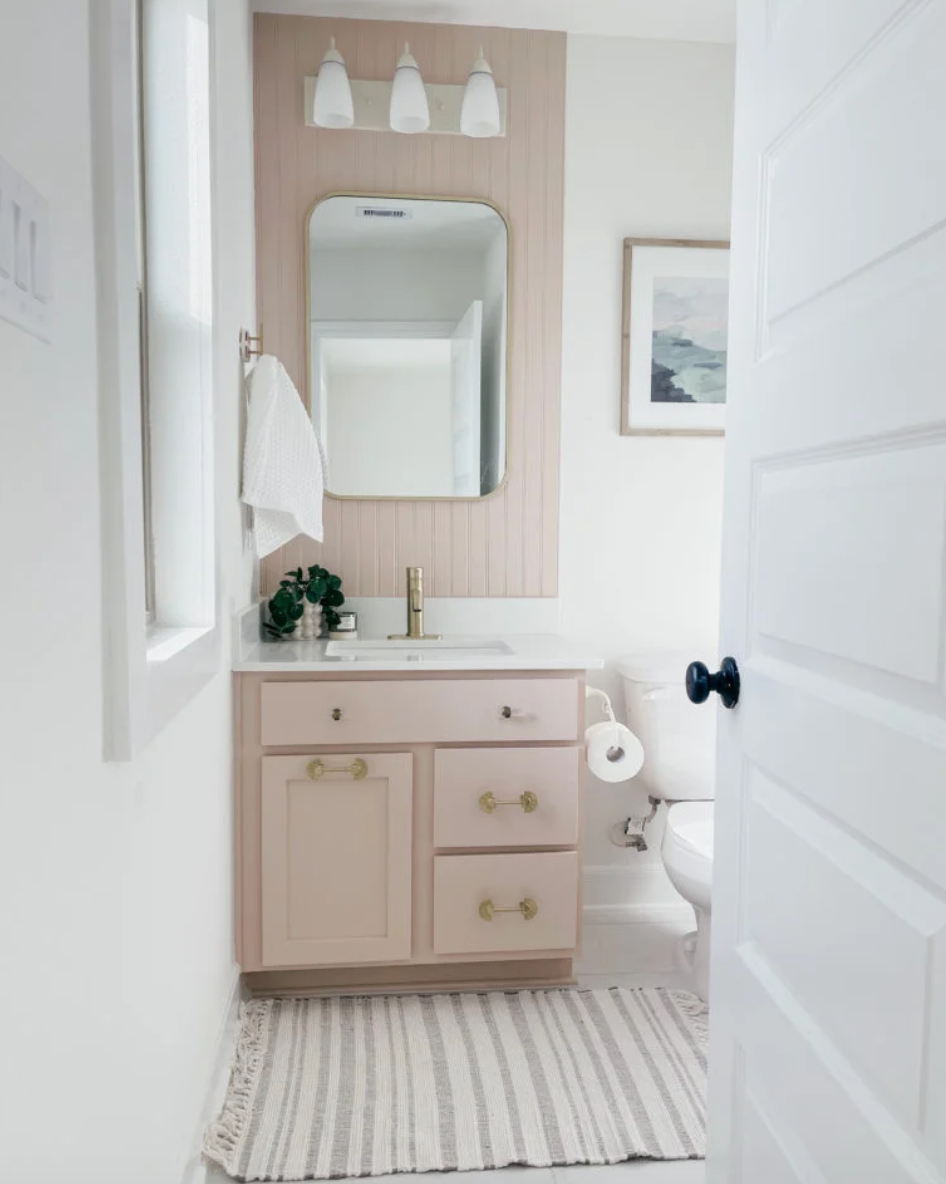
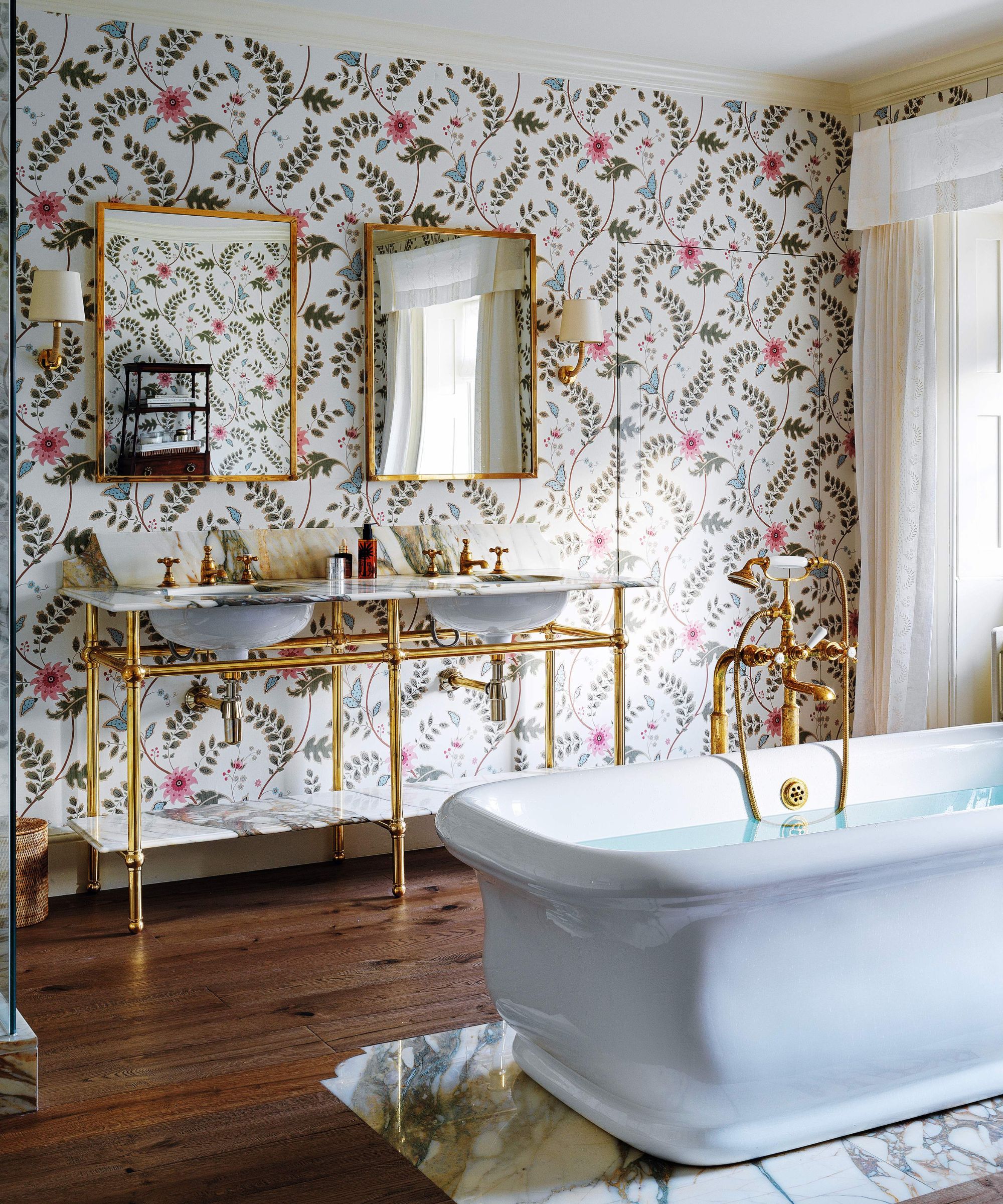
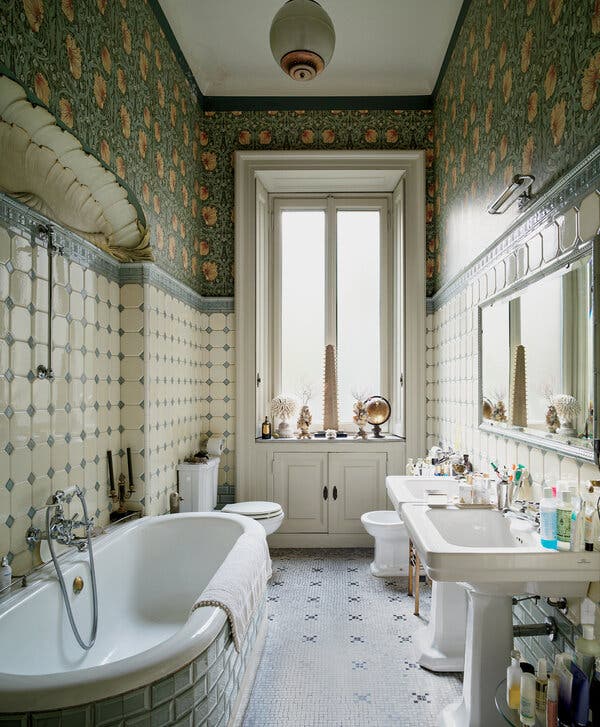
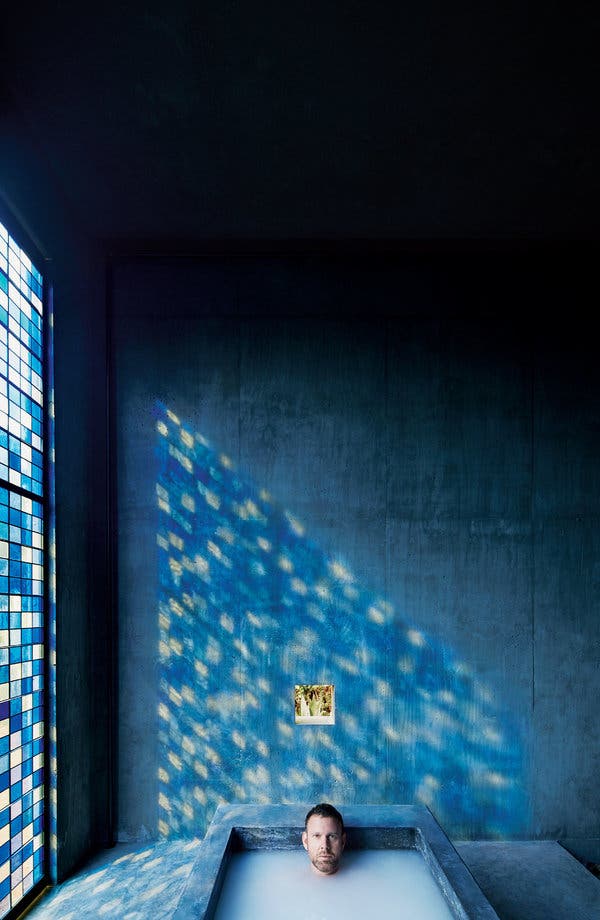
Another technique employed by Murray was using color to establish cohesiveness across the distinct designs. Pink served as the unifying color, subtly incorporated into the floral wallpaper, which was one of the first design choices made, and echoed on the walls of the larger bathroom. This specific shade of pink was chosen because it complemented the blue and yellow reflections from the stained glass windows. Murray noted that a common denominator like this color allows for the integration of various styles without creating a fragmented appearance.
Finally, Murray designated the smaller bathroom as a space for creative experimentation, labeling it a "jewel box." This allowed for bolder design choices, given the smaller square footage and the reduced financial and commitment risk associated with it. She advised considering the surrounding areas; if adjacent spaces are neutral, it provides more leeway for vibrant and impactful designs within a smaller room. This strategy maximized the visual impact in a compact area while maintaining a balanced aesthetic throughout the home.
#BathroomRenovation #InteriorDesign #HomeDecor #VintageStyle #DesignInspiration #ColorPalette #HistoricHome #SmallSpaceDesign #BathroomRenovation #InteriorDesign #HomeDecor #VintageStyle #DesignInspiration #ColorPalette #HistoricHome #SmallSpaceDesign
0 comment in total
 No comments yet
You may also like
Why Do So Many Millennial Women's Bathrooms Look The Same?


Bathrooms

We asked 6 interior designers for their favorite bathroom remodels – these are the fabulous projects they picked

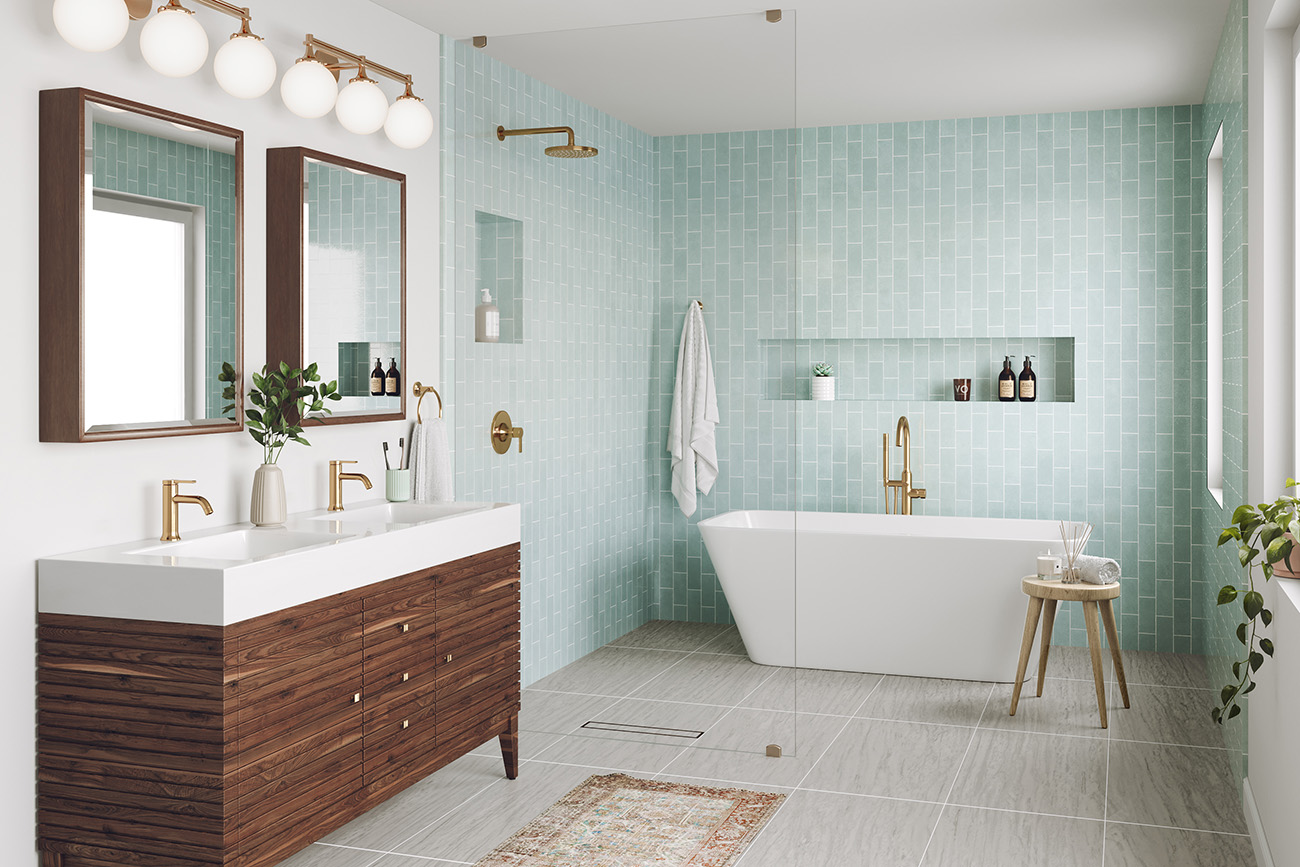
The Most Popular Finishes for Bathroom Remodels
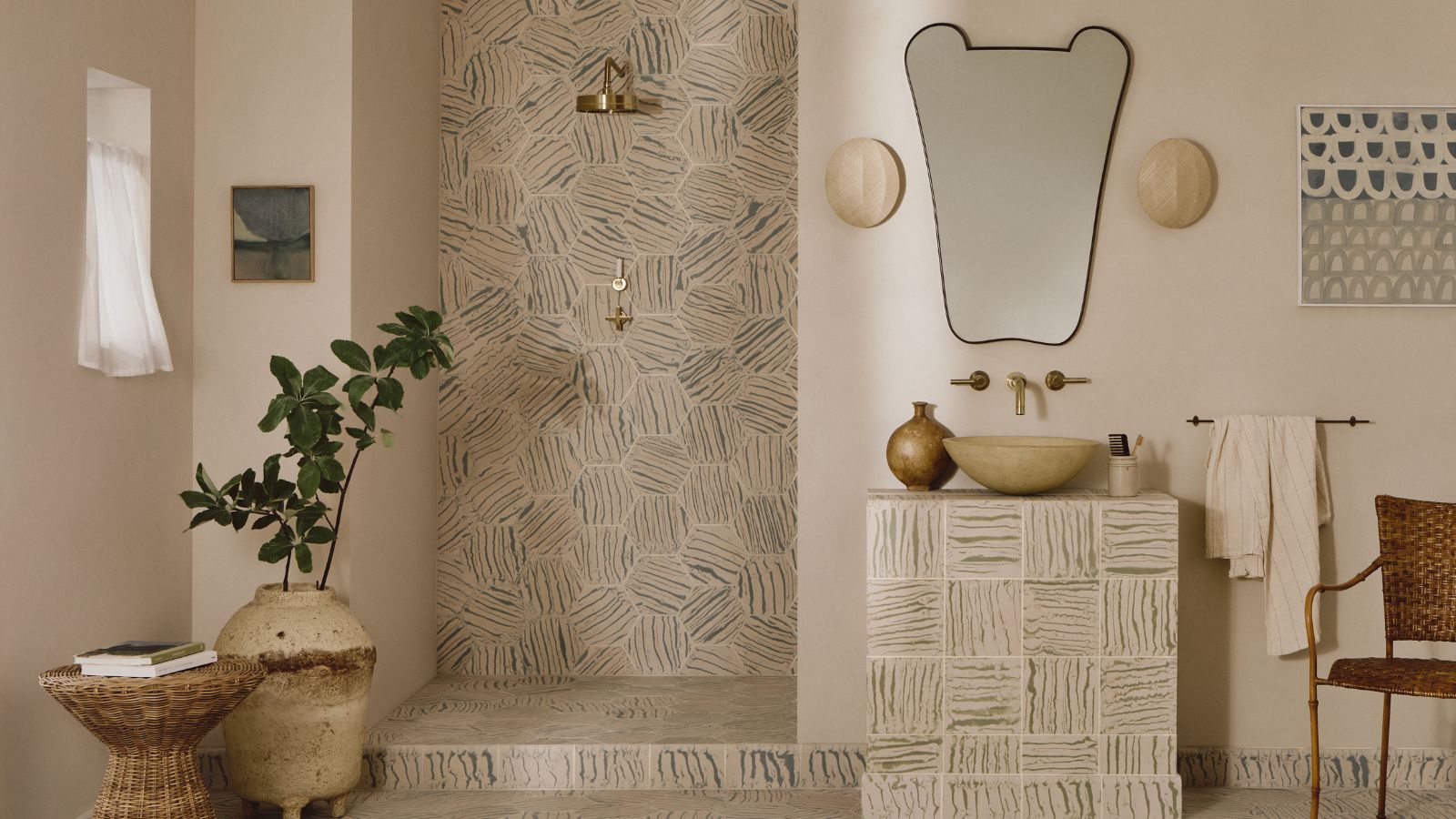
Should your shower tiles match the rest of your bathroom?
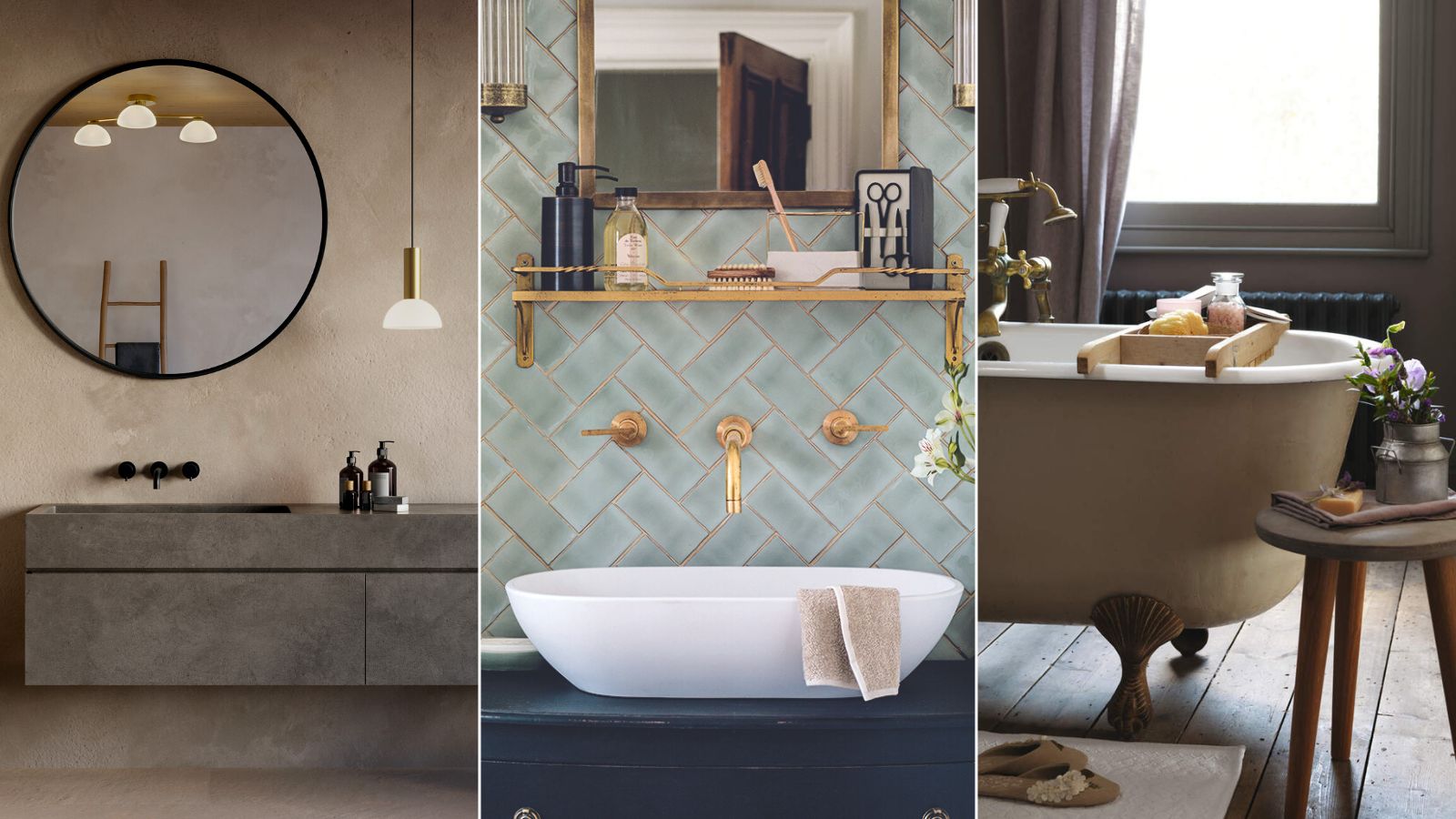
13 bathroom design mistakes to avoid at all costs, according to experts
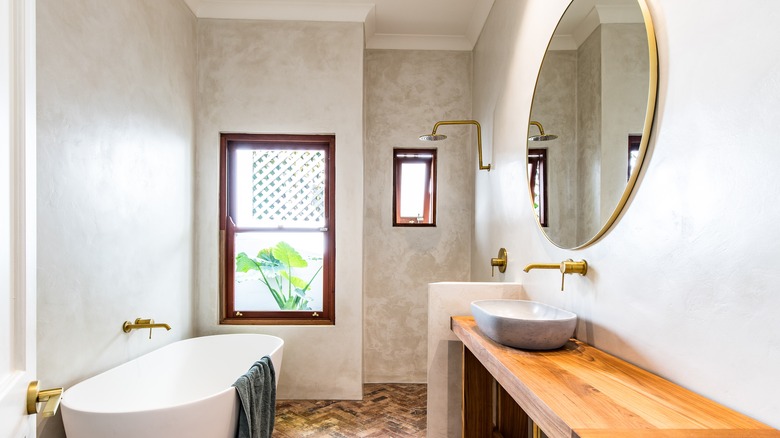
The Bathroom Wall Design That's Completely Changing Showers

Designers Say Your Bathroom is Missing This 1 Thing
PHOTOS: How 3 distinct looks completely transformed these bathrooms
The Bathroom Design Trend That Experts Are Seriously Conflicted On (Is It An Eyesore?)
Bathroom Decor Items That Will Look Severely Outdated In 2025
This Bathroom Trend Will Literally Stand the Test of Time

Your Bathroom Fixtures Shouldn't Match, Some Designers Say—How to Nail the Look

The Bathroom Paint Colors Interior Designers Swear By

Our Favorite Bathrooms
Refreshing THIS Design Feature Can Completely Transform Your Bathroom

Colorful bathrooms are on trend – but what do interior design experts think?

Remodel Your Bathroom And We'll Tell You Which Shower Routine You *Should* Have
17 modern bathroom ideas to inspire your next renovation
How to Redecorate Your Bathroom, According to Interior Designers