1/3
New Glowing Plants Emit Ambient Light From Their Leaves
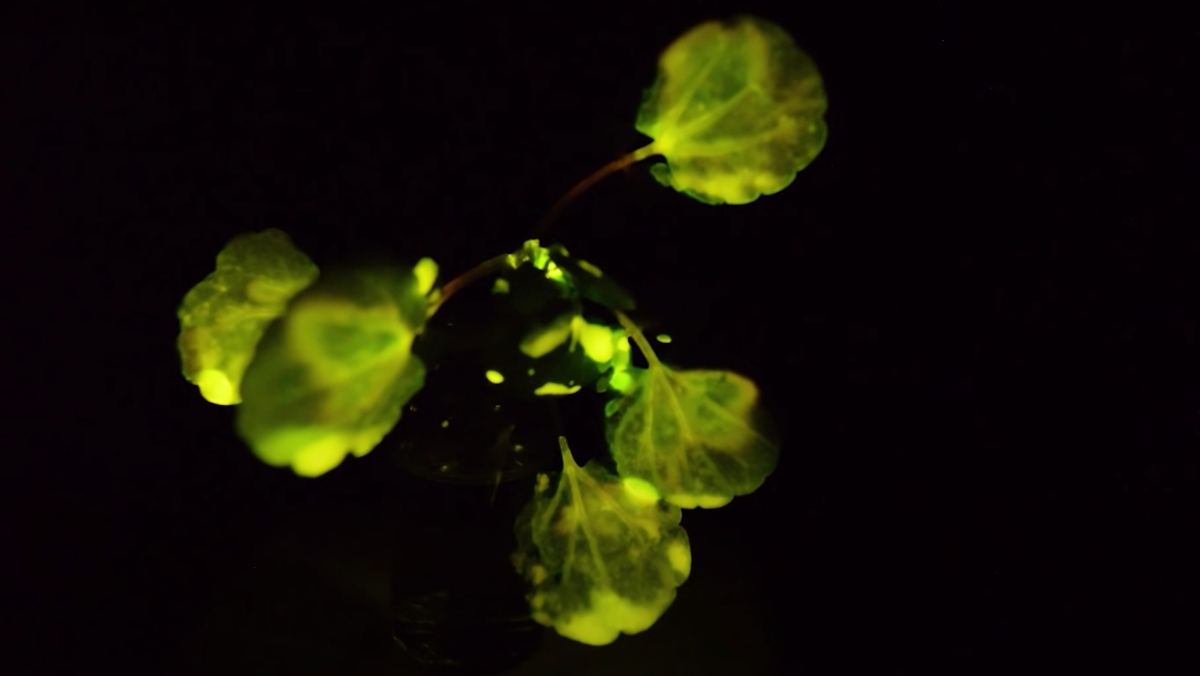
Researchers at MIT have developed glowing plants capable of emitting ambient light directly from their leaves, offering a novel approach to lighting that could integrate living organisms into everyday environments. This innovation stems from earlier research conducted in 2017 by Professor of Chemical Engineering Michael Strano and his team. Initially, their method involved injecting watercress plants with nanoparticles containing luciferase and luciferin, chemicals responsible for the bioluminescence observed in fireflies, to produce a very dim glow. The project has since evolved significantly, moving beyond this enzymatic reaction to a more sustainable and potentially scalable solution.
The updated technique, introduced in 2021, focuses on making the plants' leaves intrinsically luminescent without relying on transient chemical injections. The team achieved this by creating a "light capacitor" using strontium aluminate, a phosphorescent compound. Strontium aluminate nanoparticles possess the unique ability to absorb light energy and then slowly release it as a phosphorescent glow. These nanoparticles are infused into the mesophyll substrate of various plant types through their stomata, which are the small pores on the leaf surfaces. Once inside, the nanoparticles collect and form a thin film within the mesophyll, effectively turning the plant's internal structure into a light-storing mechanism.
This advanced system allows the plants to store electrical energy, similar to how a capacitor functions in an electrical circuit. The practical application of this technology demonstrates that these newly engineered plants can emit light for approximately one hour after receiving a mere ten-second charge from an LED light source. While the intensity of the light emitted by these prototypes is not yet sufficient for reading, the development marks a substantial step forward in the field of plant nanobionics and sustainable lighting solutions. The concept holds significant promise for future applications, particularly in interior design and urban planning.
According to Sheila Kennedy, an MIT architecture professor and co-author of the related paper, these findings pave the way for a future where living plants could become an integral component of lighting infrastructure in both workspaces and residential areas. Kennedy envisions a scenario where such bio-engineered plants could potentially replace current, less sustainable urban electrical lighting grids, leading to mutual benefits for all plant-dependent species, including humans. This research not only pushes the boundaries of biotechnology but also aligns with broader goals of environmental sustainability and energy efficiency by harnessing natural processes for technological advancements, thereby transforming living organisms into functional elements of our built environment.
#GlowingPlants #MIT #Nanotechnology #StrontiumAluminate #SustainableLighting #PlantNanobionics #BioengineeredPlants #Luciferase #UrbanPlanning #GlowingPlants #MIT #Nanotechnology #StrontiumAluminate #SustainableLighting #PlantNanobionics #BioengineeredPlants #Luciferase #UrbanPlanning
0 Kommentare insgesamt
 Noch keine Kommentare
Das könnte Ihnen auch gefallen
These 30 Low-Light Houseplants Refuse to Die in Dim Conditions


Lighting Up

15 Colorful Plants to Brighten Up Your Landscape

Enhancing the power of a flower
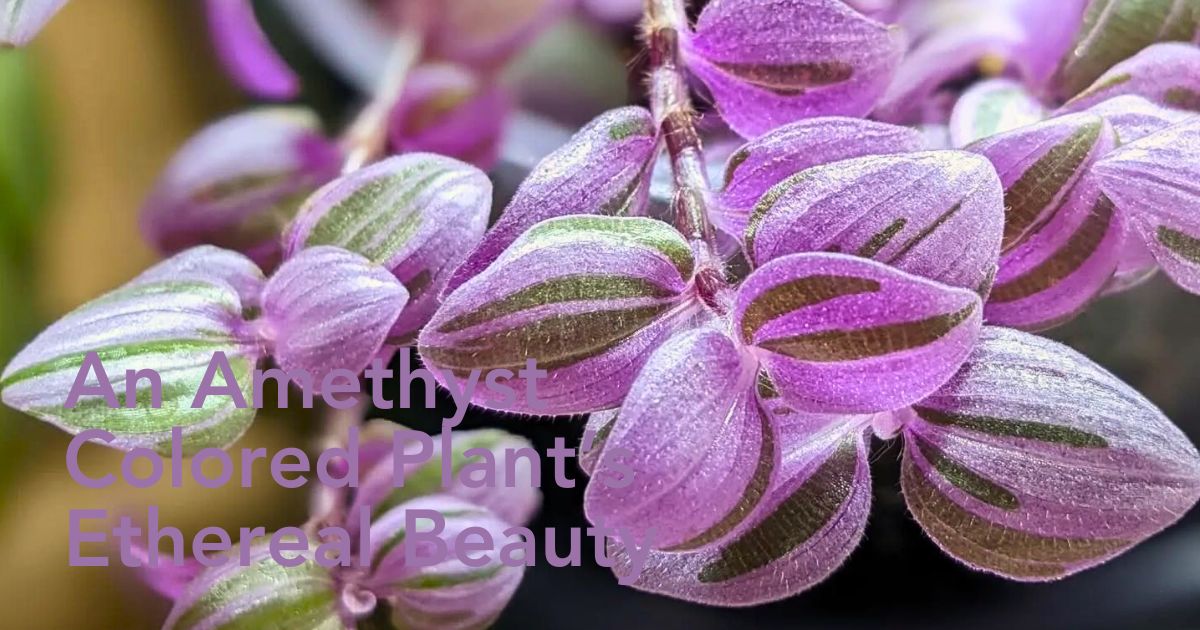
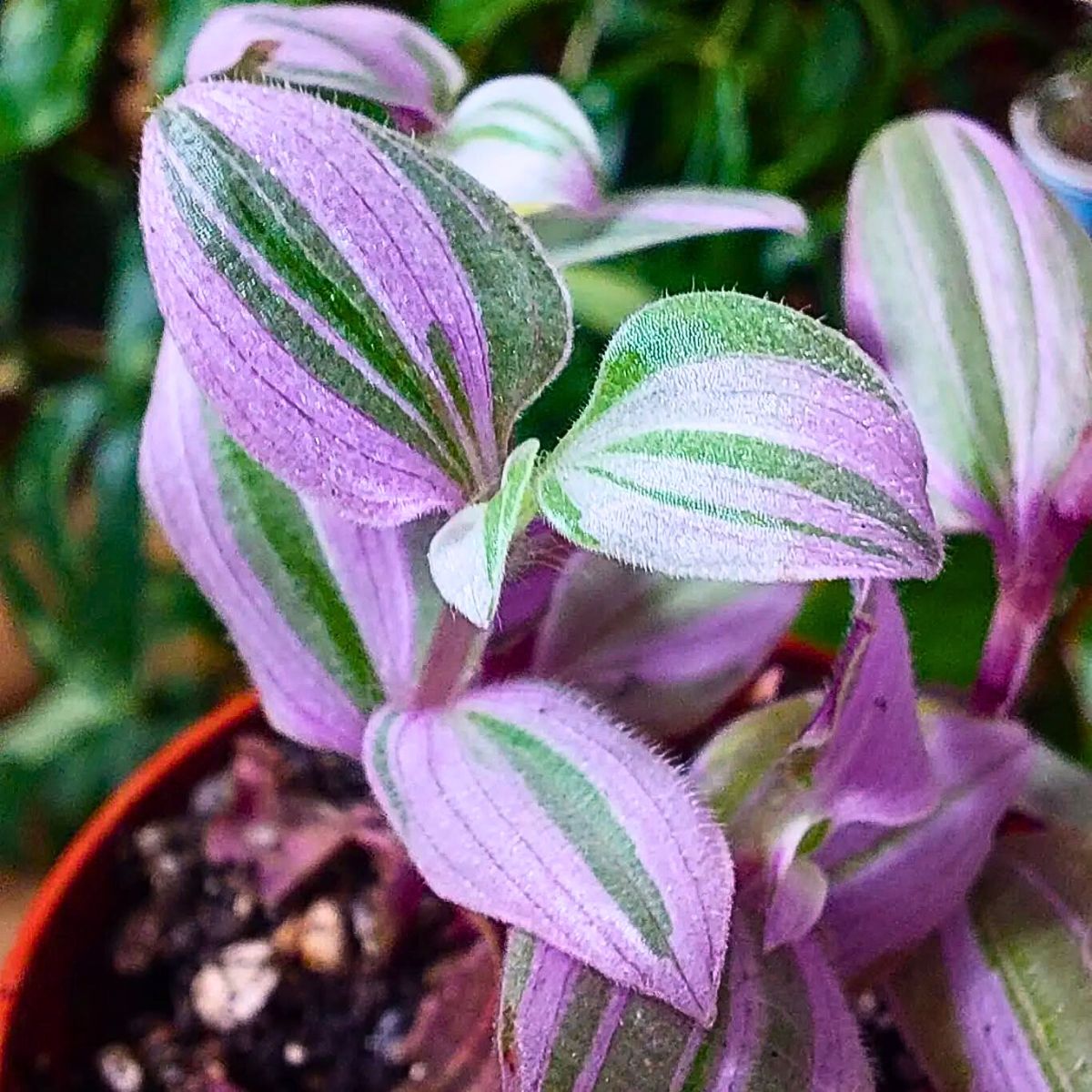
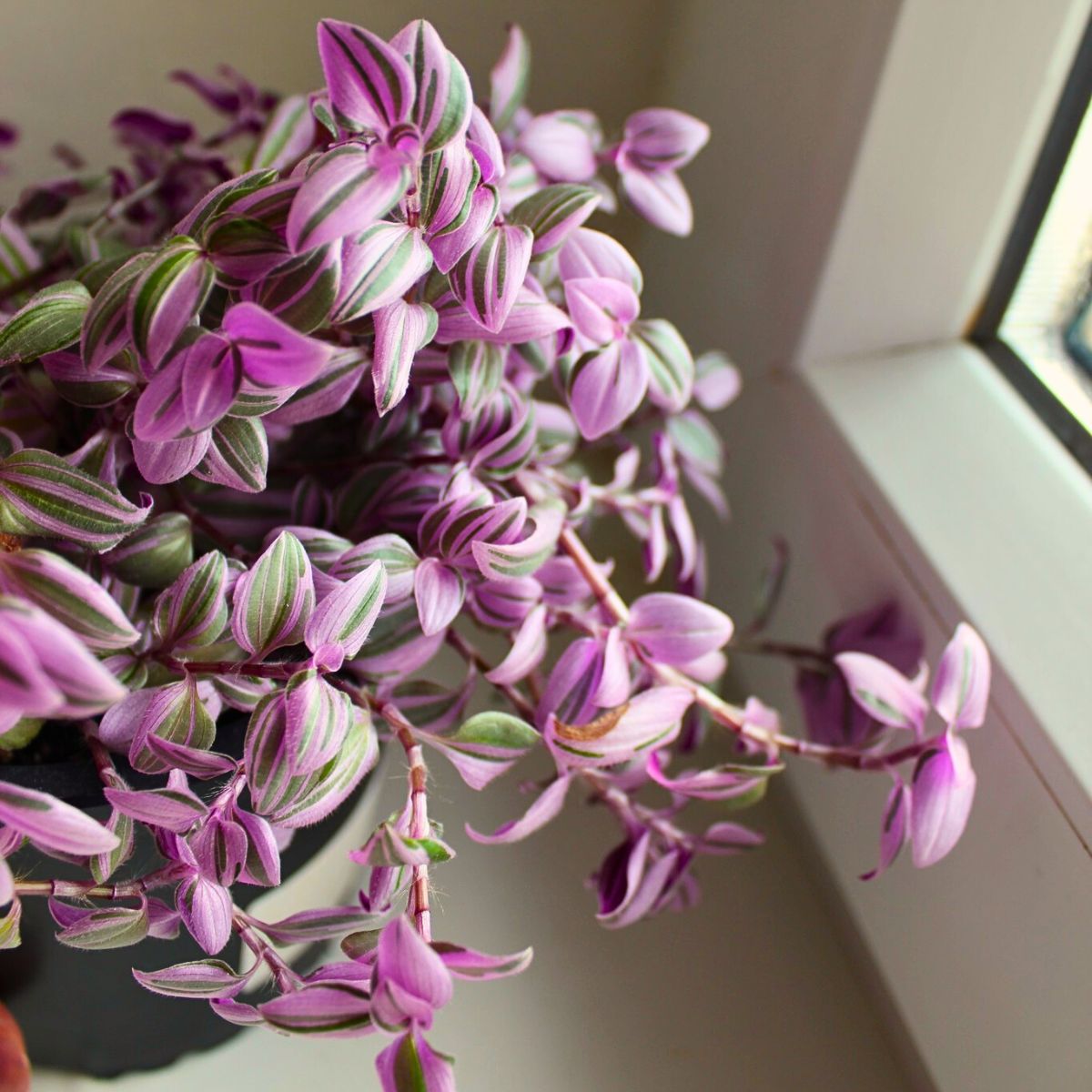
Tradescantia Mundula Fairy Wings - A Rare Beauty That Radiates the Amethyst Glow

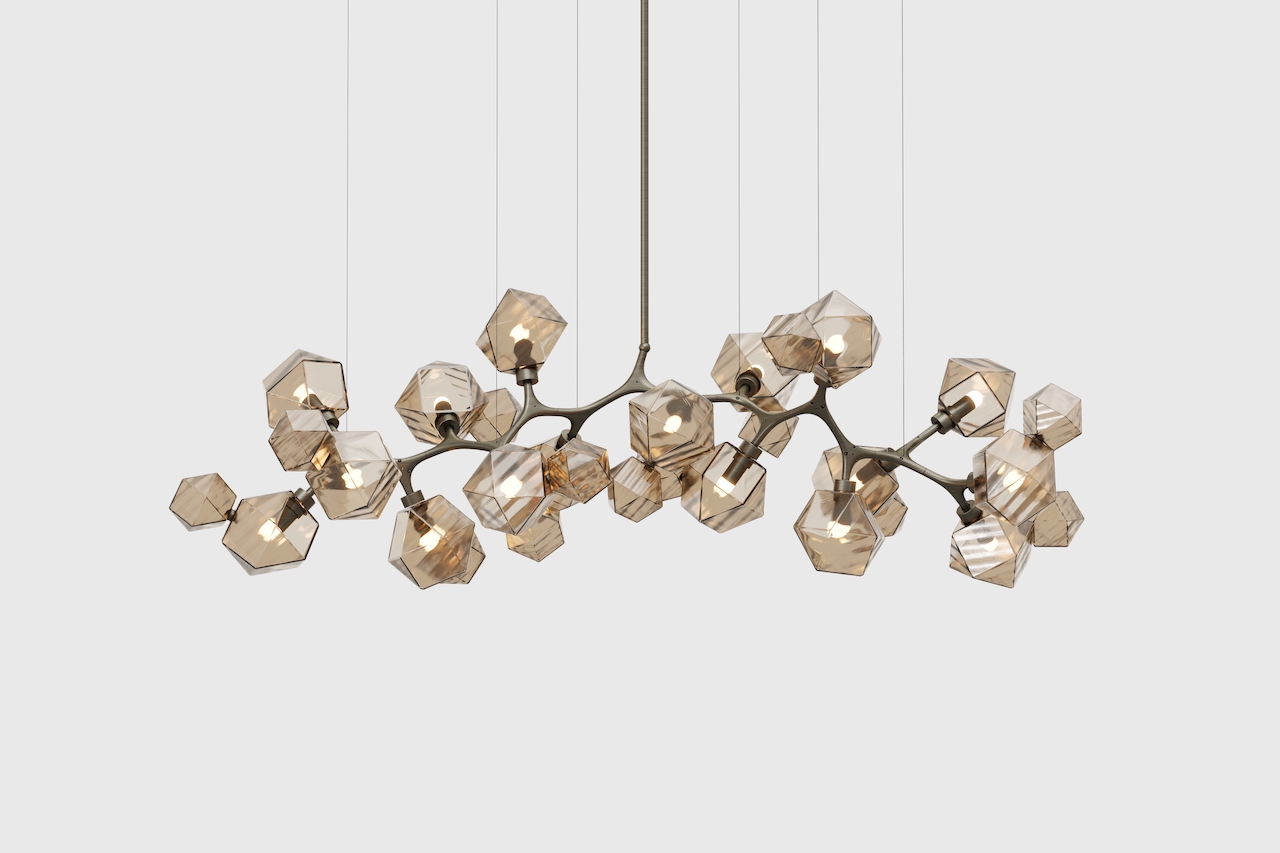
Formations In Nature Inspires Sculptural Clusters of Light
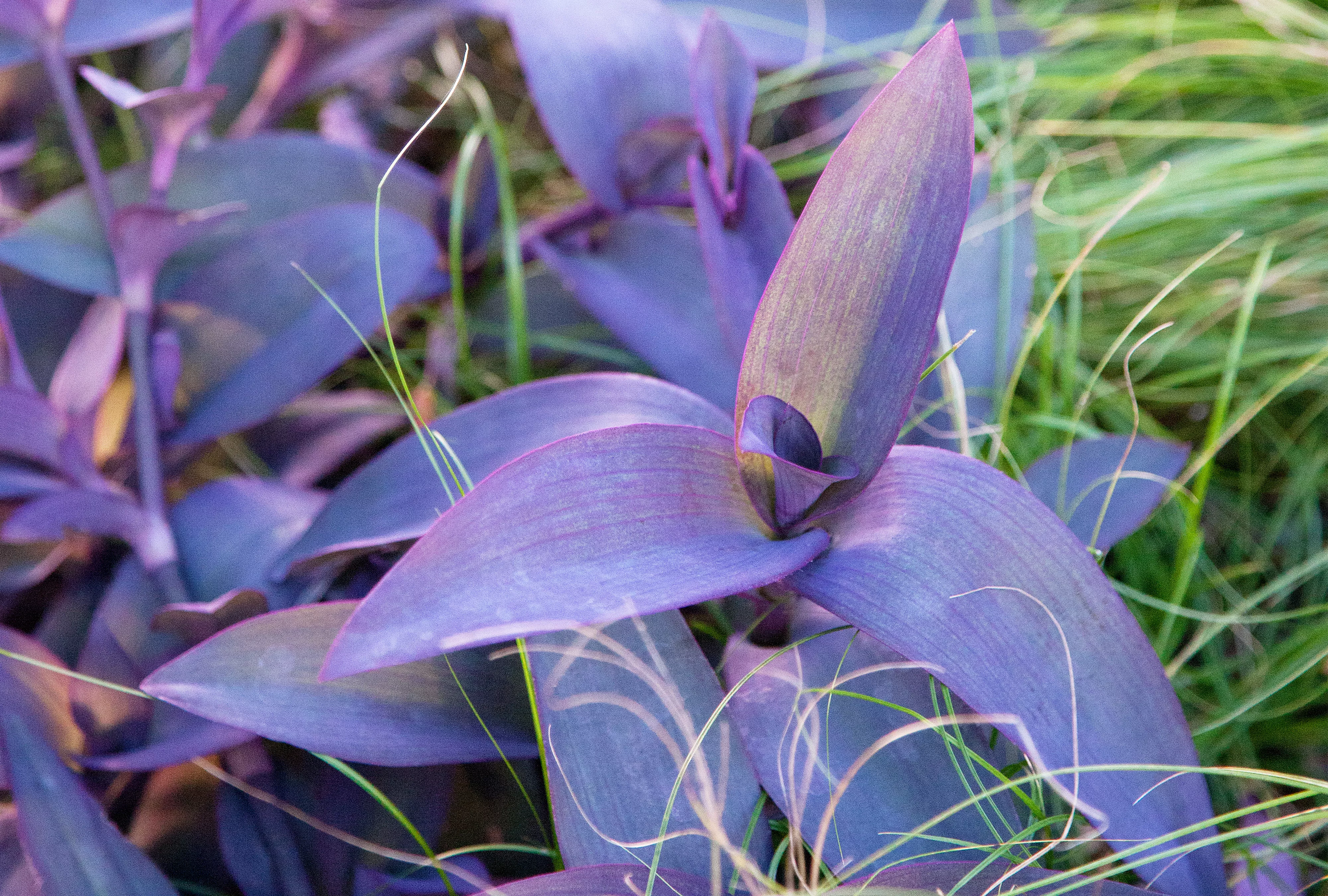
15 Purple Plants with Leaves that Stay Perpetually Purple

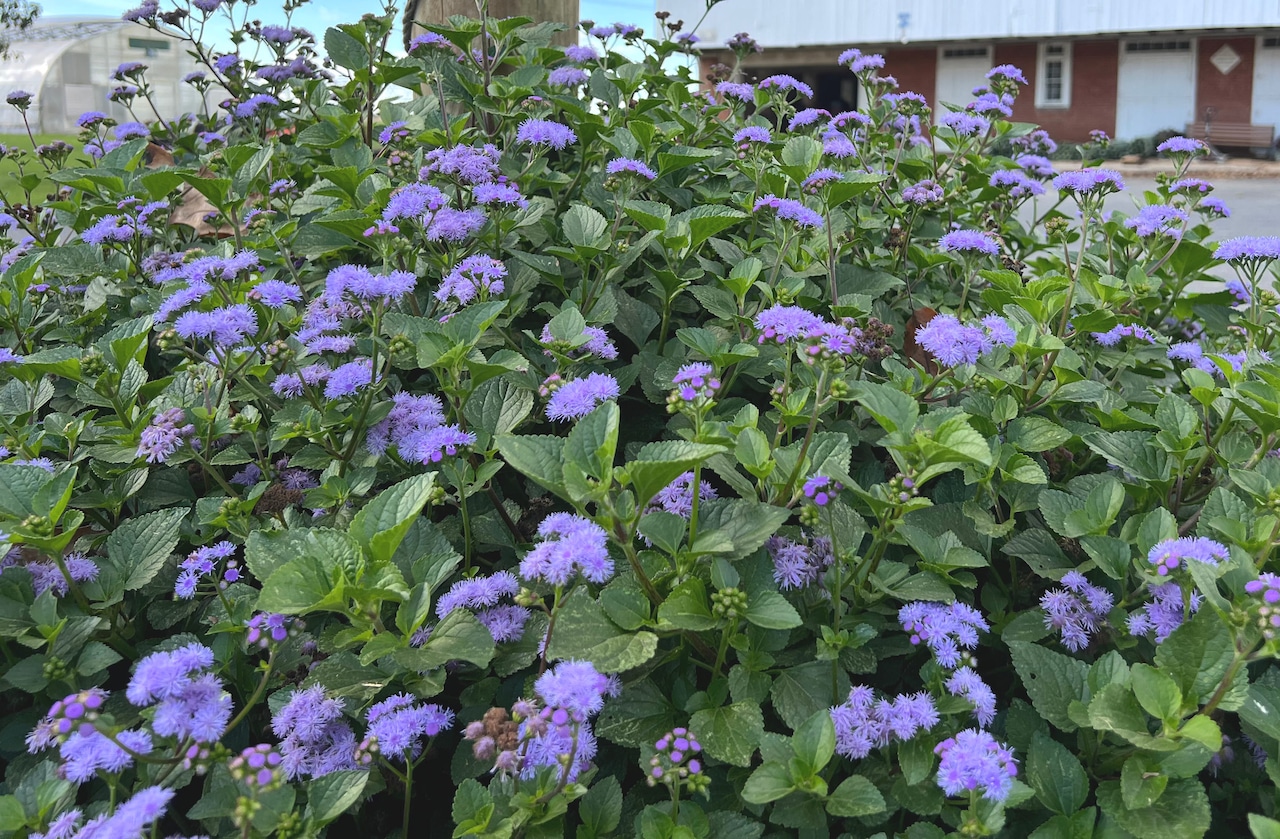
The best new annual flowers of 2025


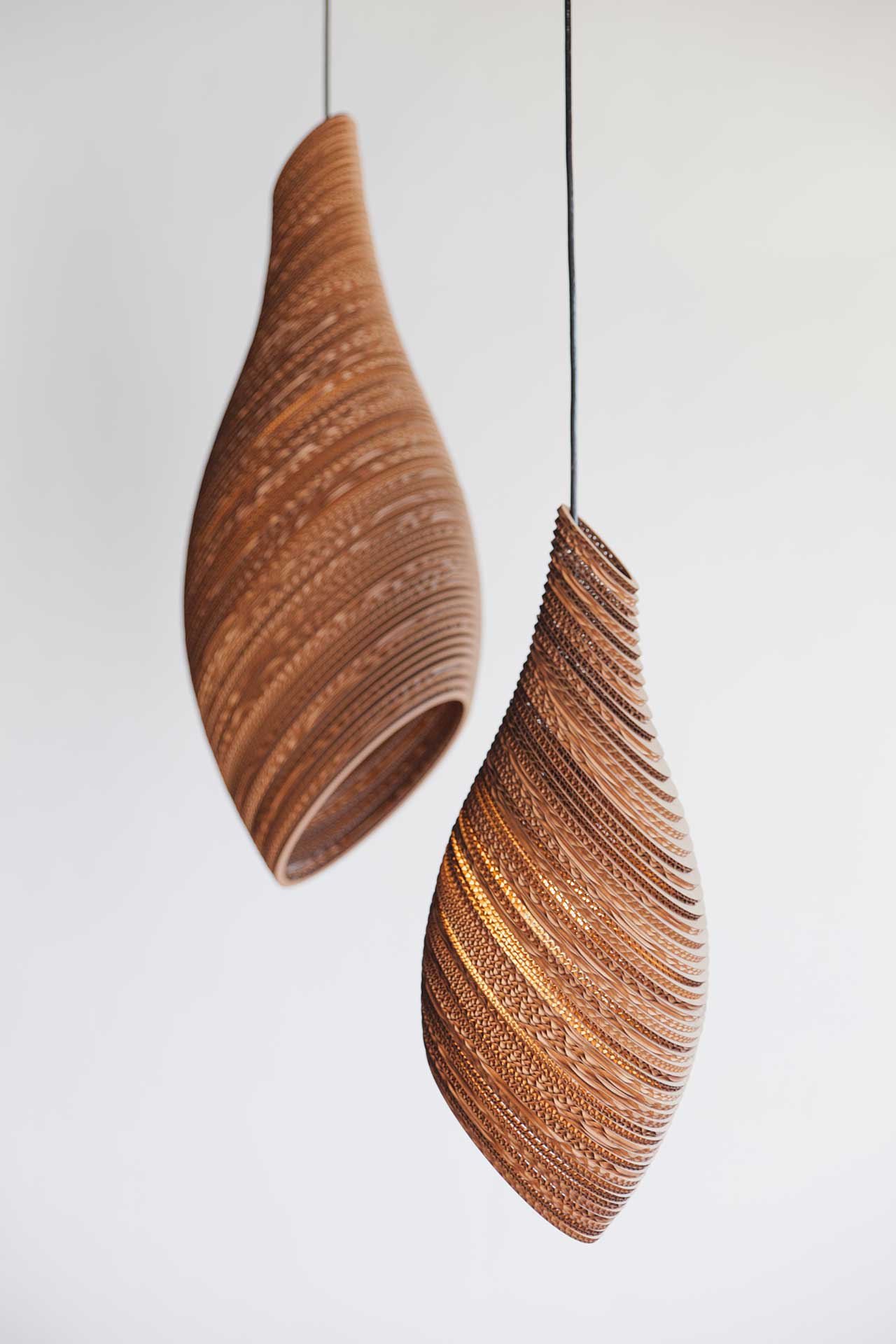
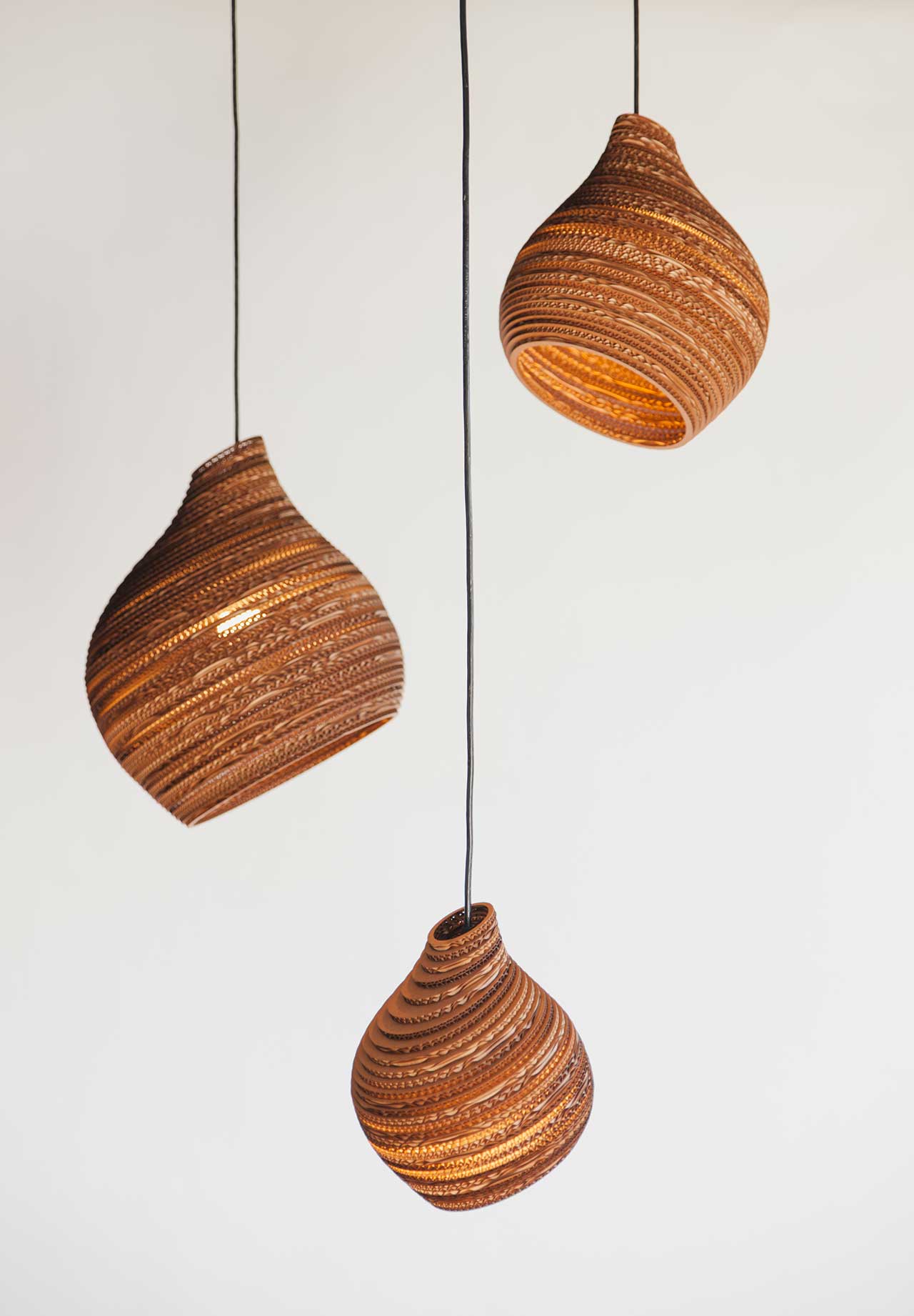
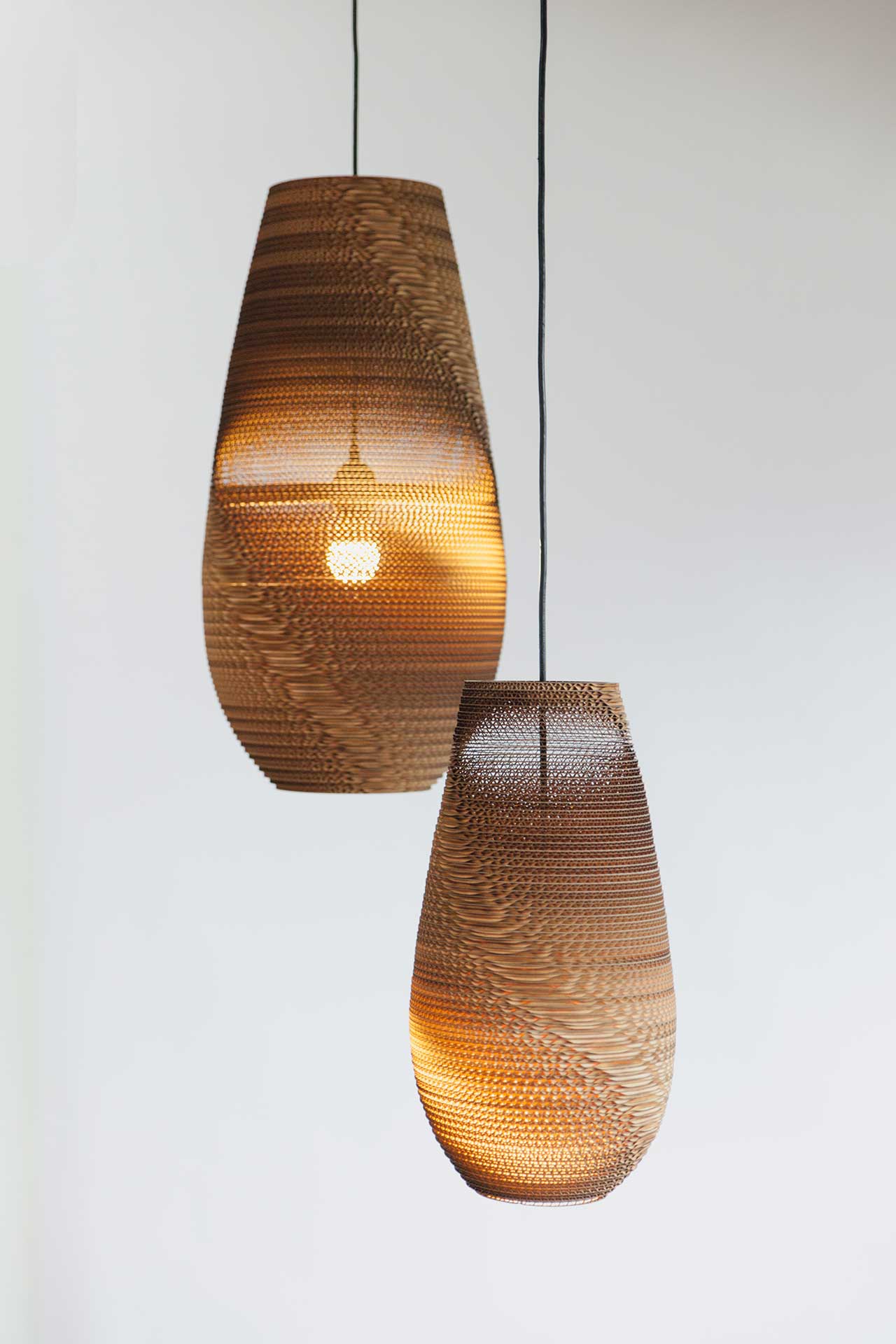
Graypants’ Scraplights Transforms Cardboard into Elegant Lighting
11 Blooming Plants with Breathtakingly Big Flowers

Trueing's Cerine lighting hangs from chunky coloured glass chains

Flower power: Botanical designs can make any room radiant

These hanging light sculptures bloom like flowers

This Striking "Ombre" Tree Has Unreal-Looking Foliage That Transforms in Fall

11 Beautiful Purple Flowers and Plants That Attract Hummingbirds

5 climbing plants perfect for your pergola


Bud Vases Are in Full Bloom

12 Light Fixtures Inspired by Nature

8 of the best indoor plants with patterned leaves

16 Low-Light Hanging Plants to Try Growing