1/2
5 Tacky Dining Room "Upgrades" That Instantly Make a Home Look Bad, According to Designers
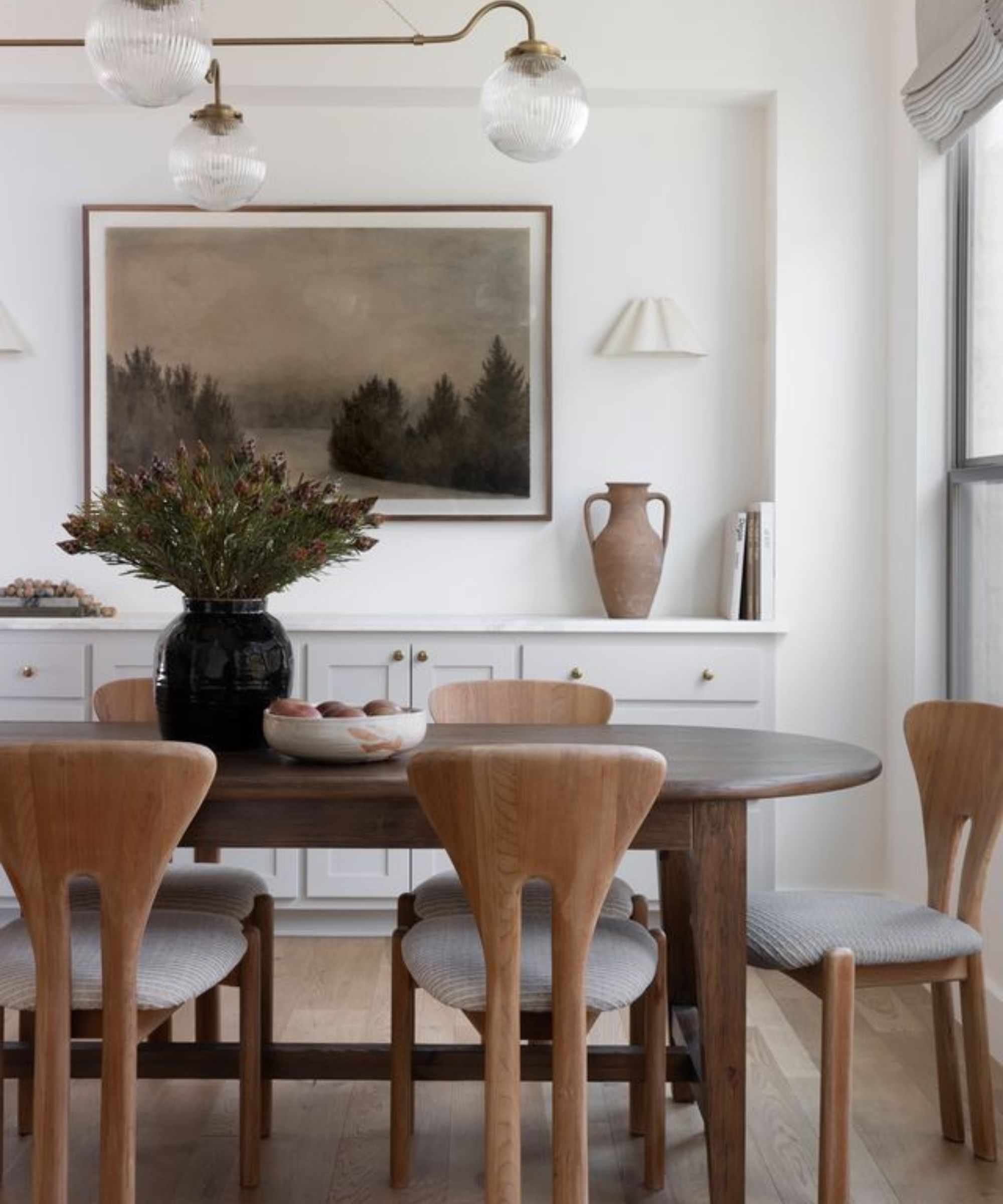
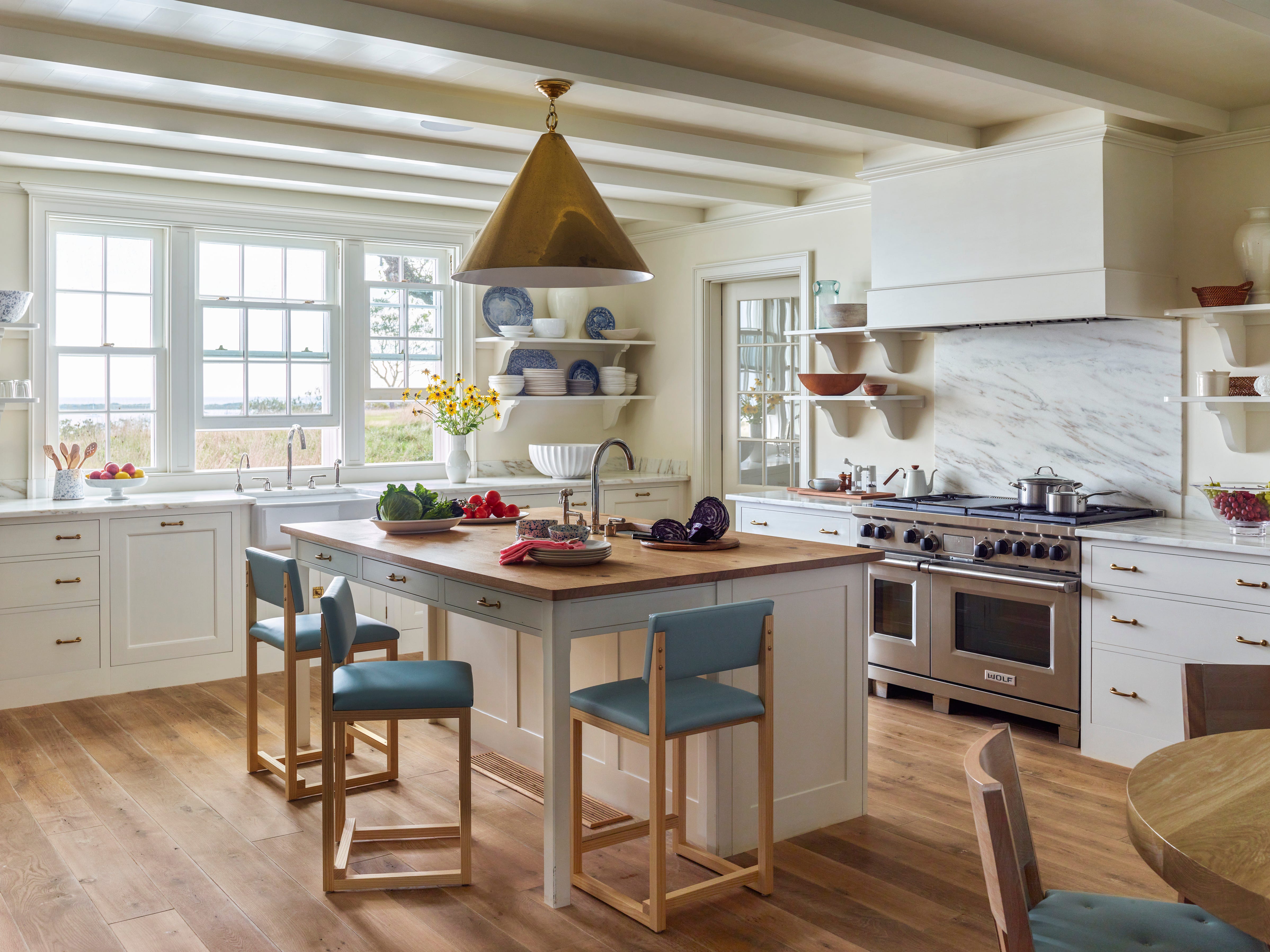
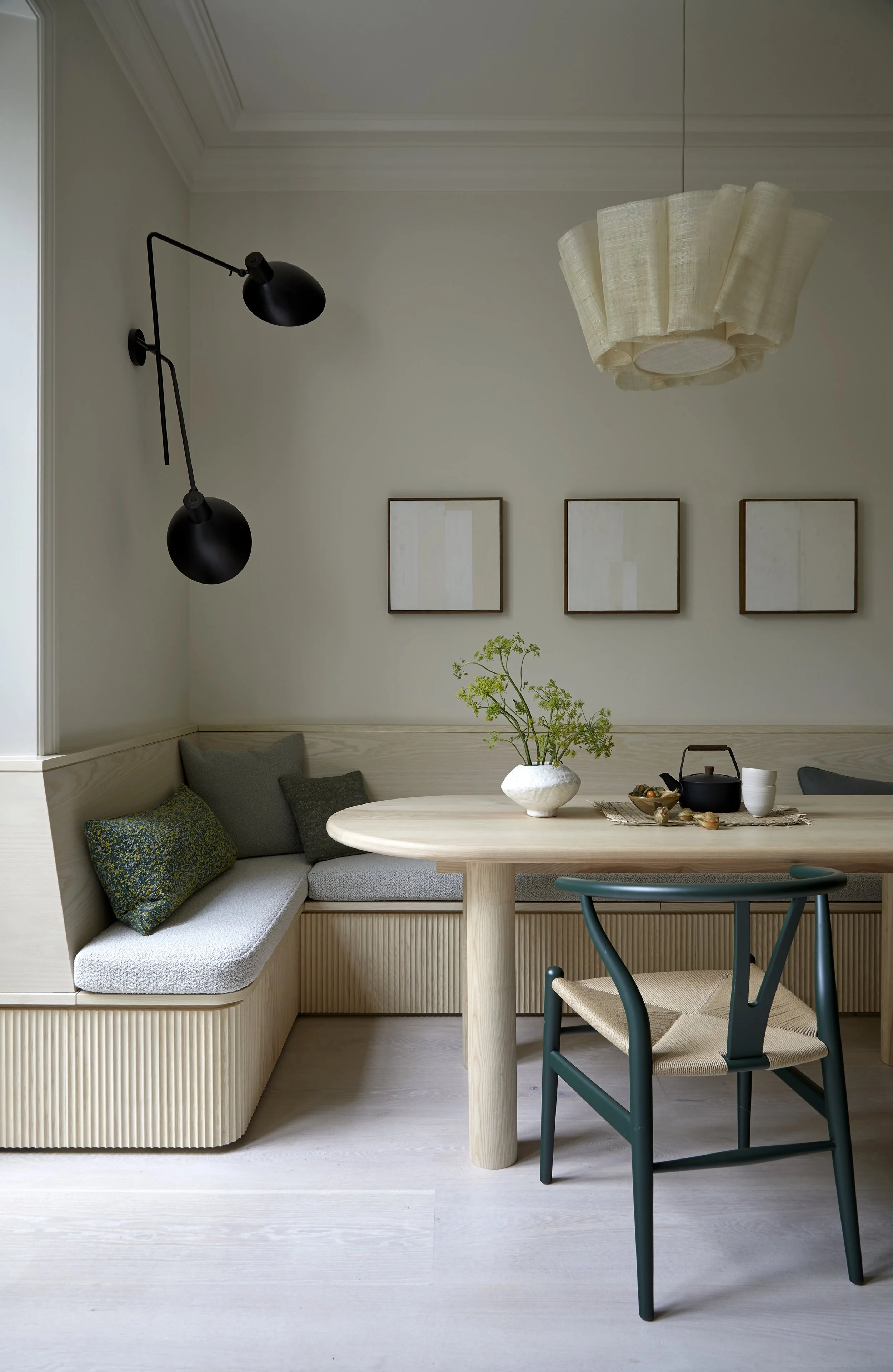
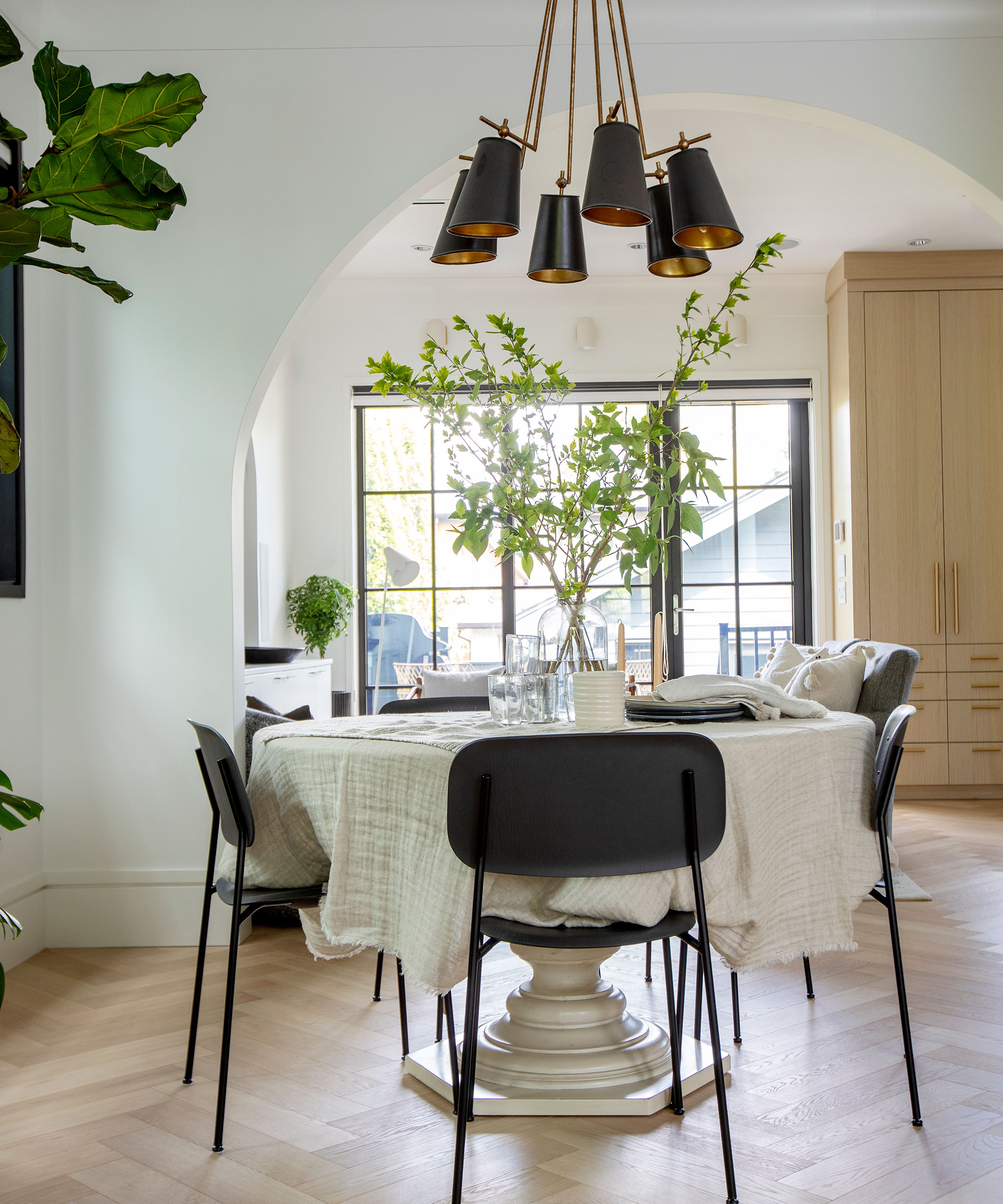
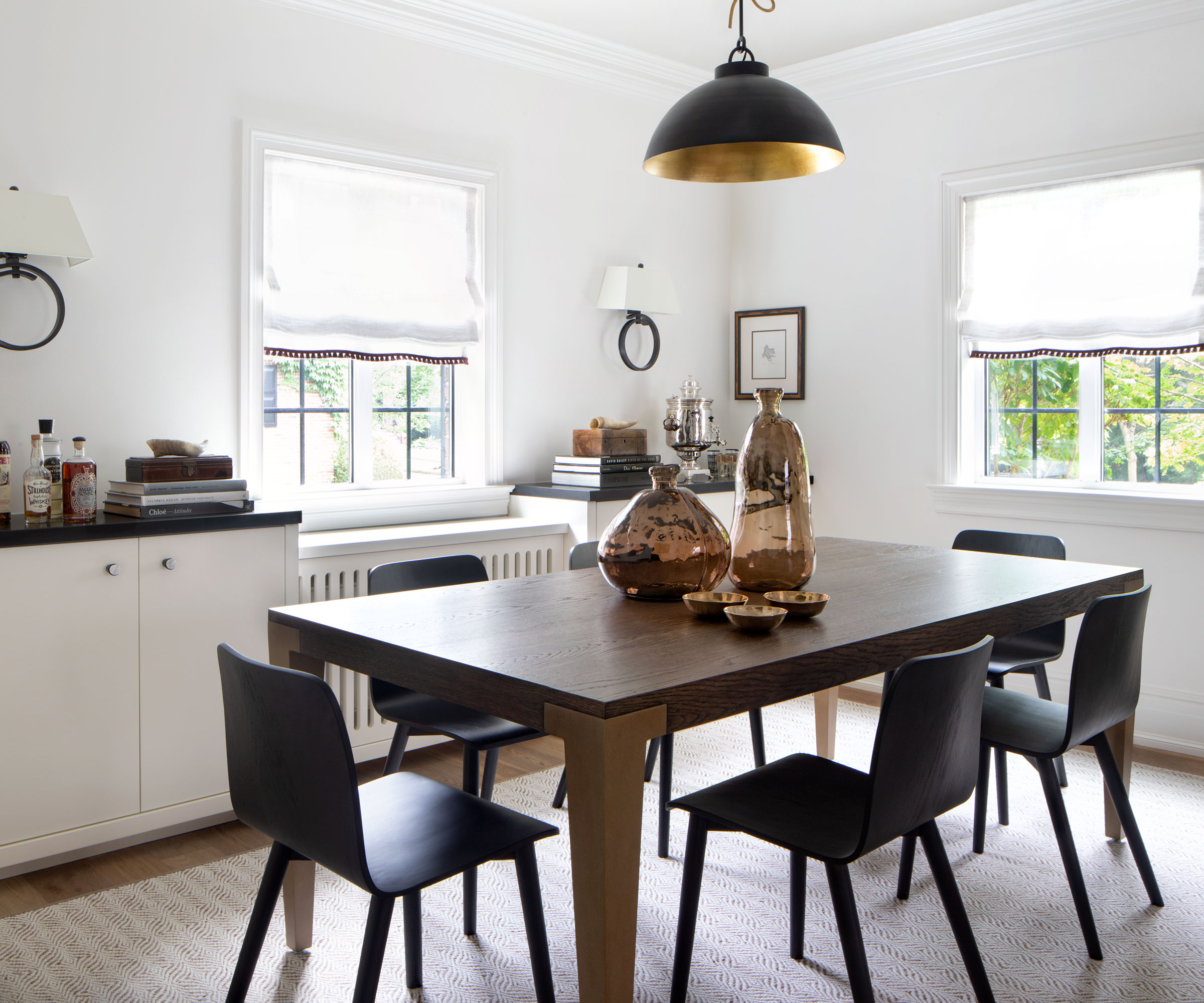
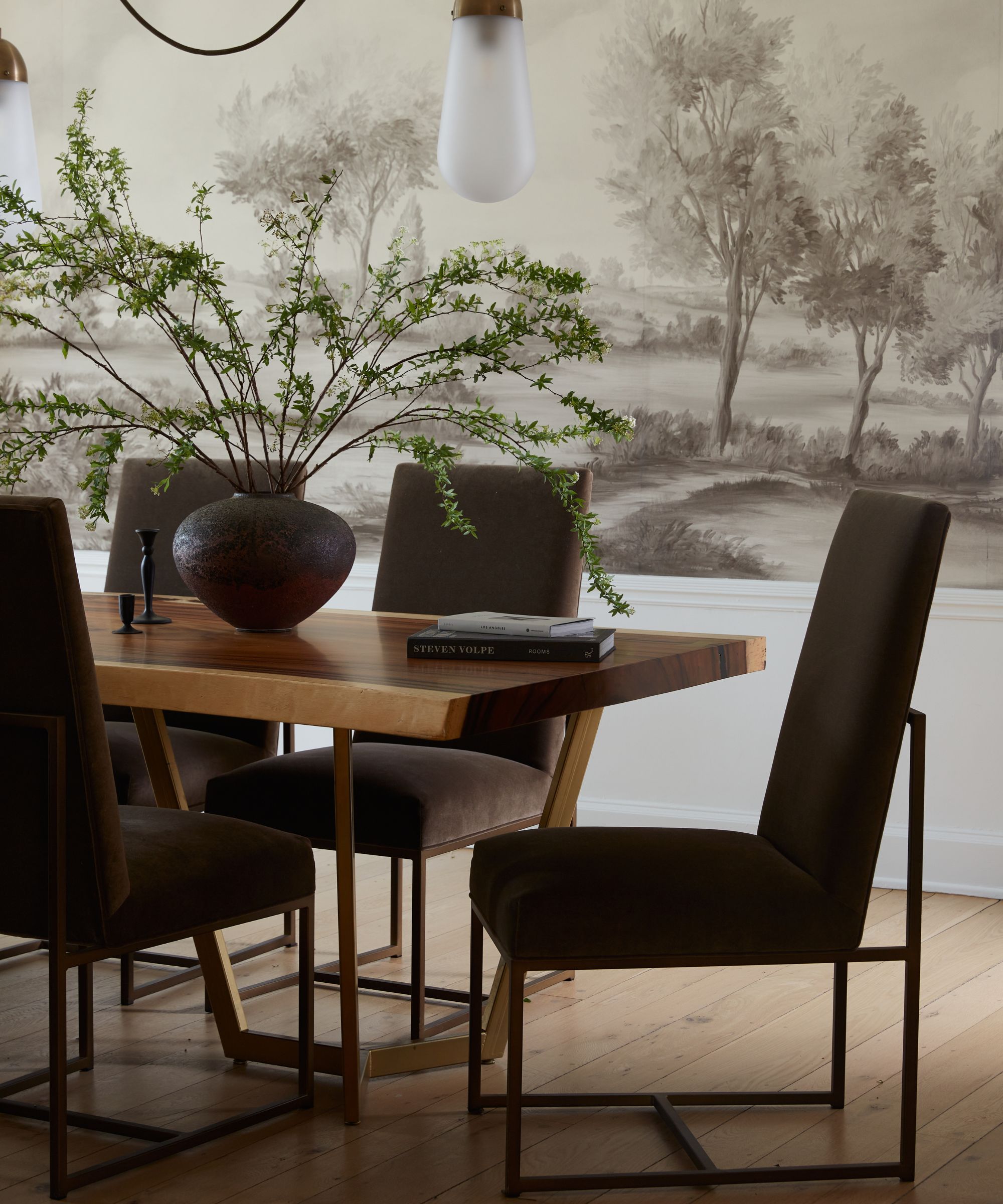
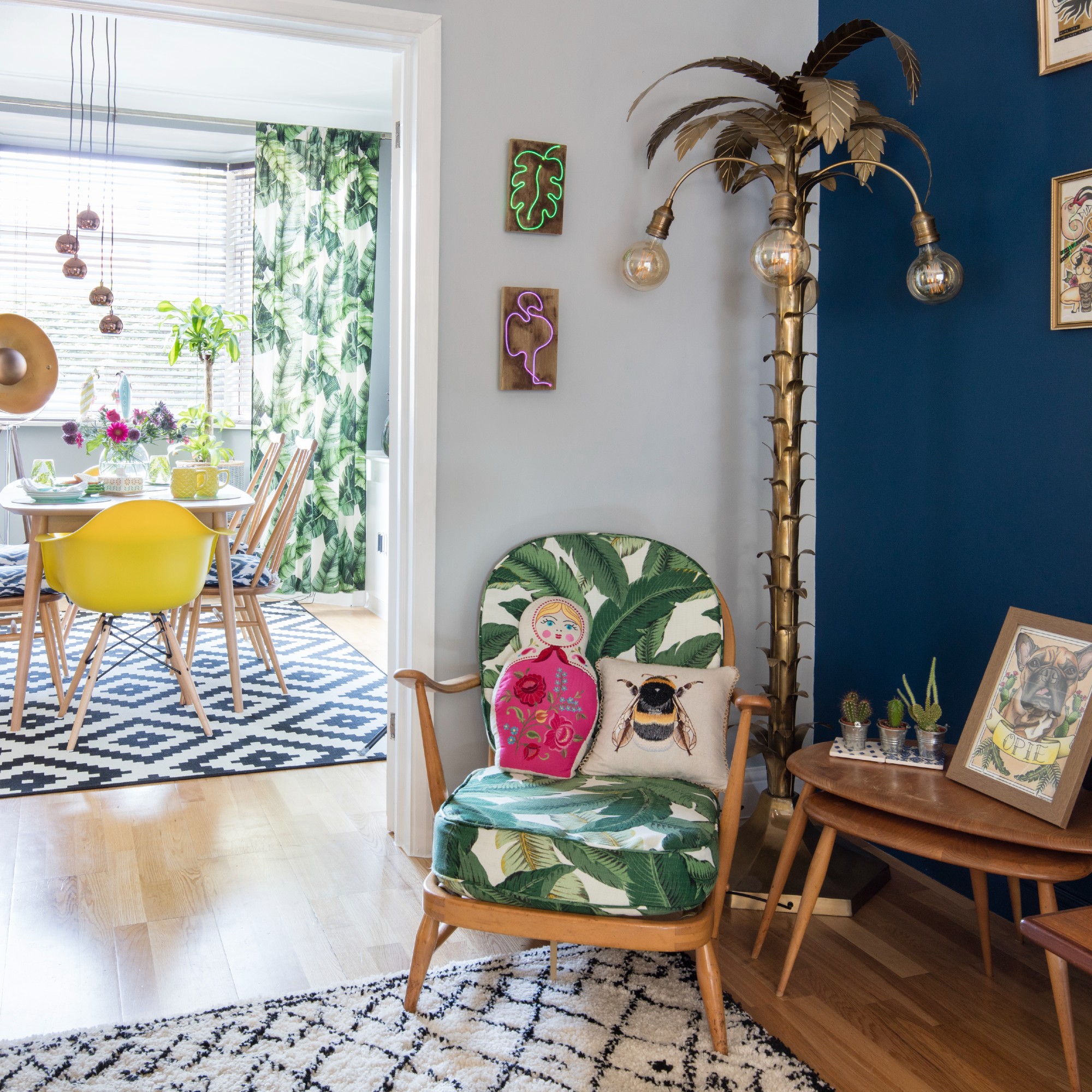
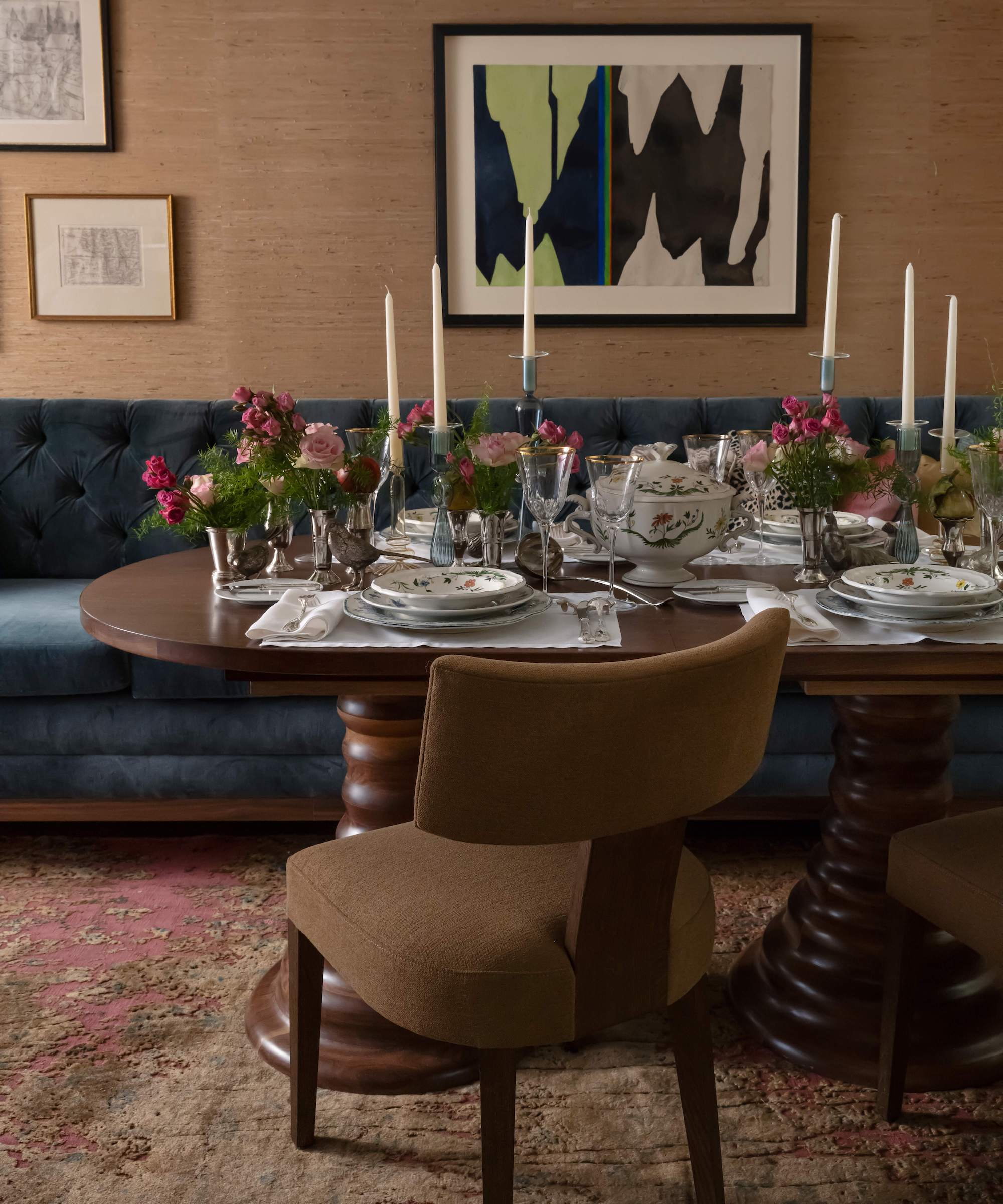
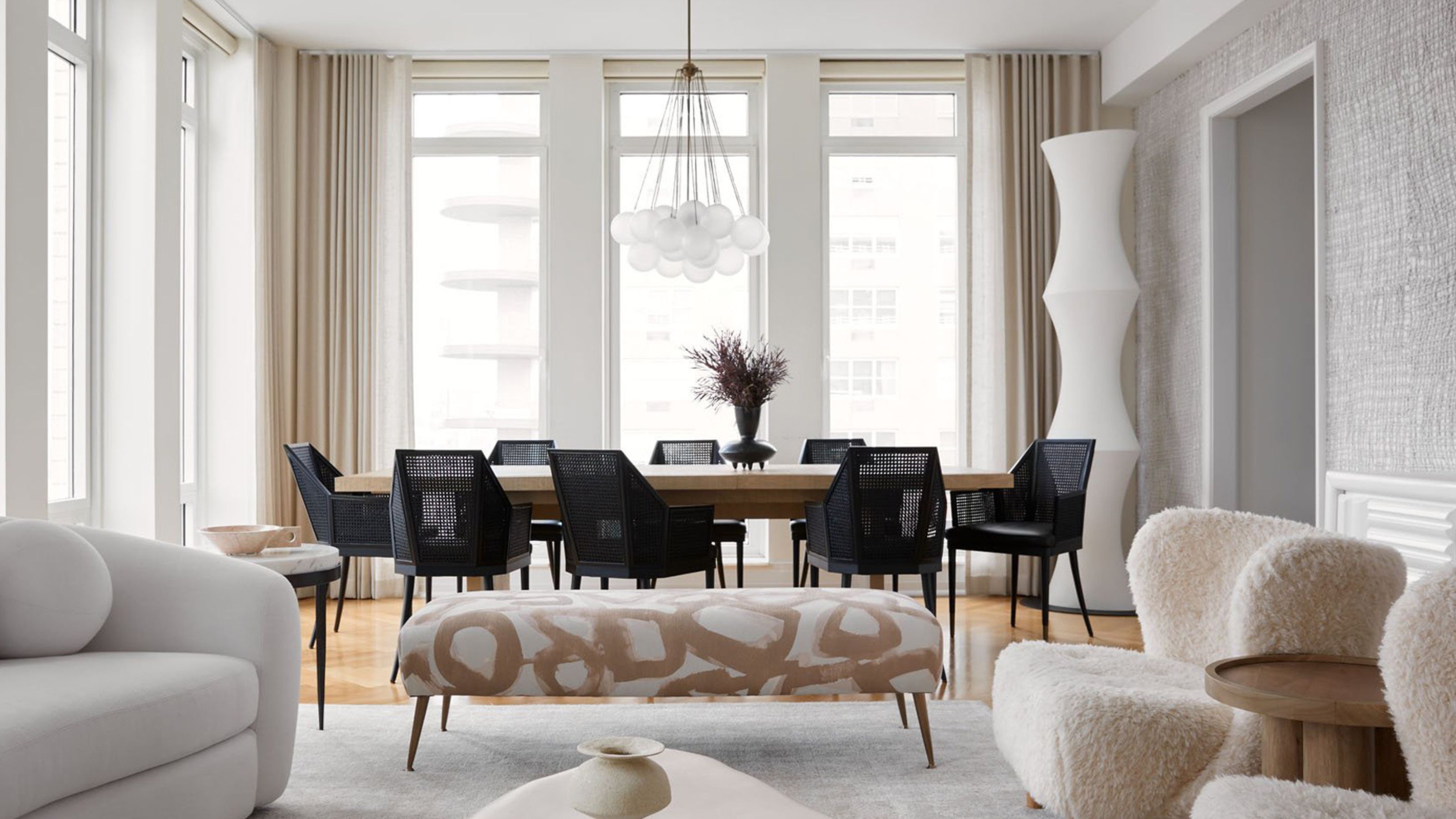
Professional interior designers frequently encounter common dining room design choices that they consider to be less than sophisticated. This guide outlines five such features often implemented in dining rooms and provides alternative approaches to create a welcoming, elevated, and timeless dining space. The first point of concern is the use of matching dining room sets. While some may believe that coordinating furniture creates a cohesive look, experts Elizabeth Burch and Marlaina Teich argue that a highly uniform set, even an expensive one, can appear low-end and lack character. Instead, they recommend a more curated approach, suggesting homeowners collect pieces over time, mixing textures, finishes, and colors to achieve a layered and cozy aesthetic. This method allows for a more personalized and sophisticated feel, avoiding the impersonal look of pre-matched sets.
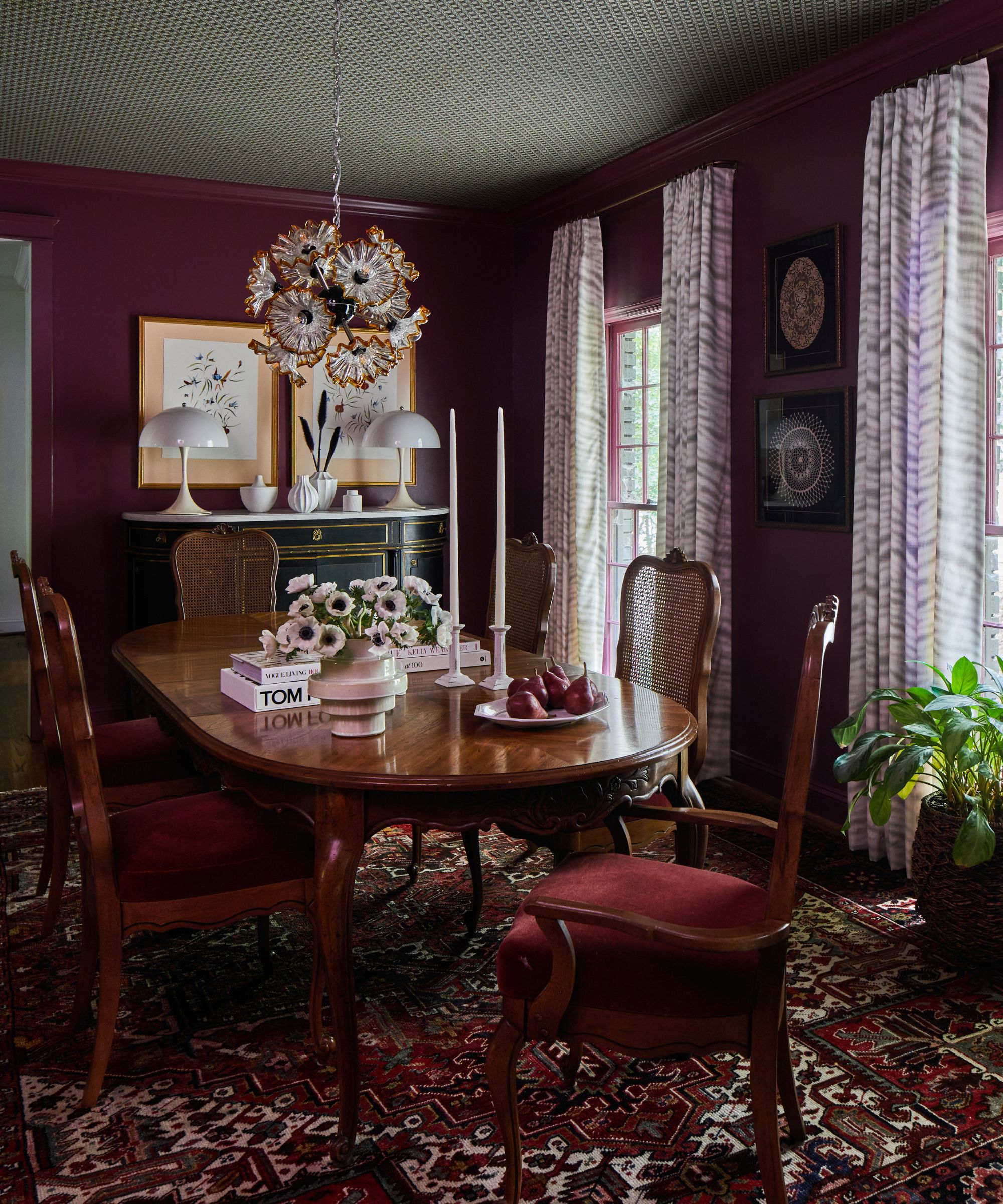
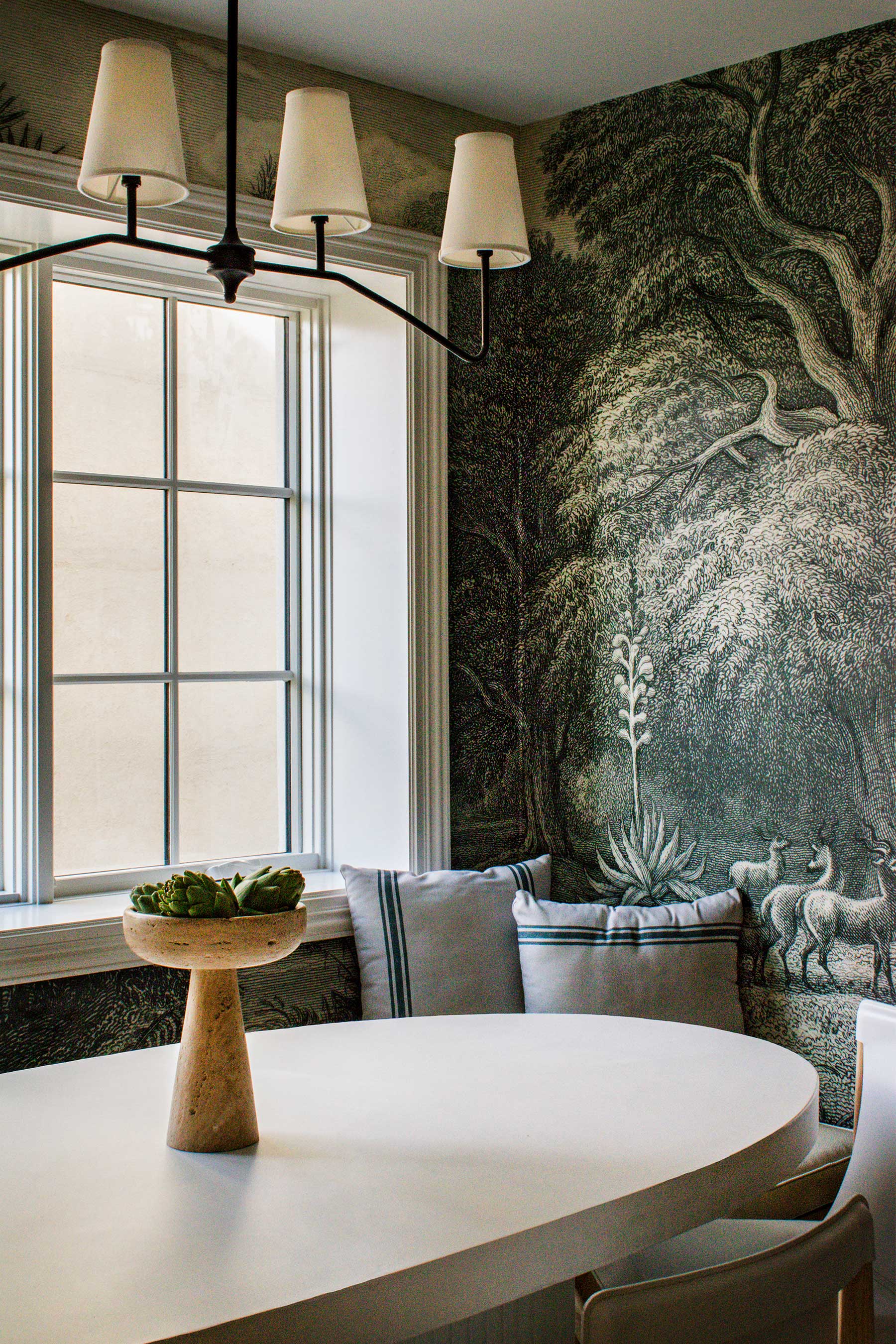
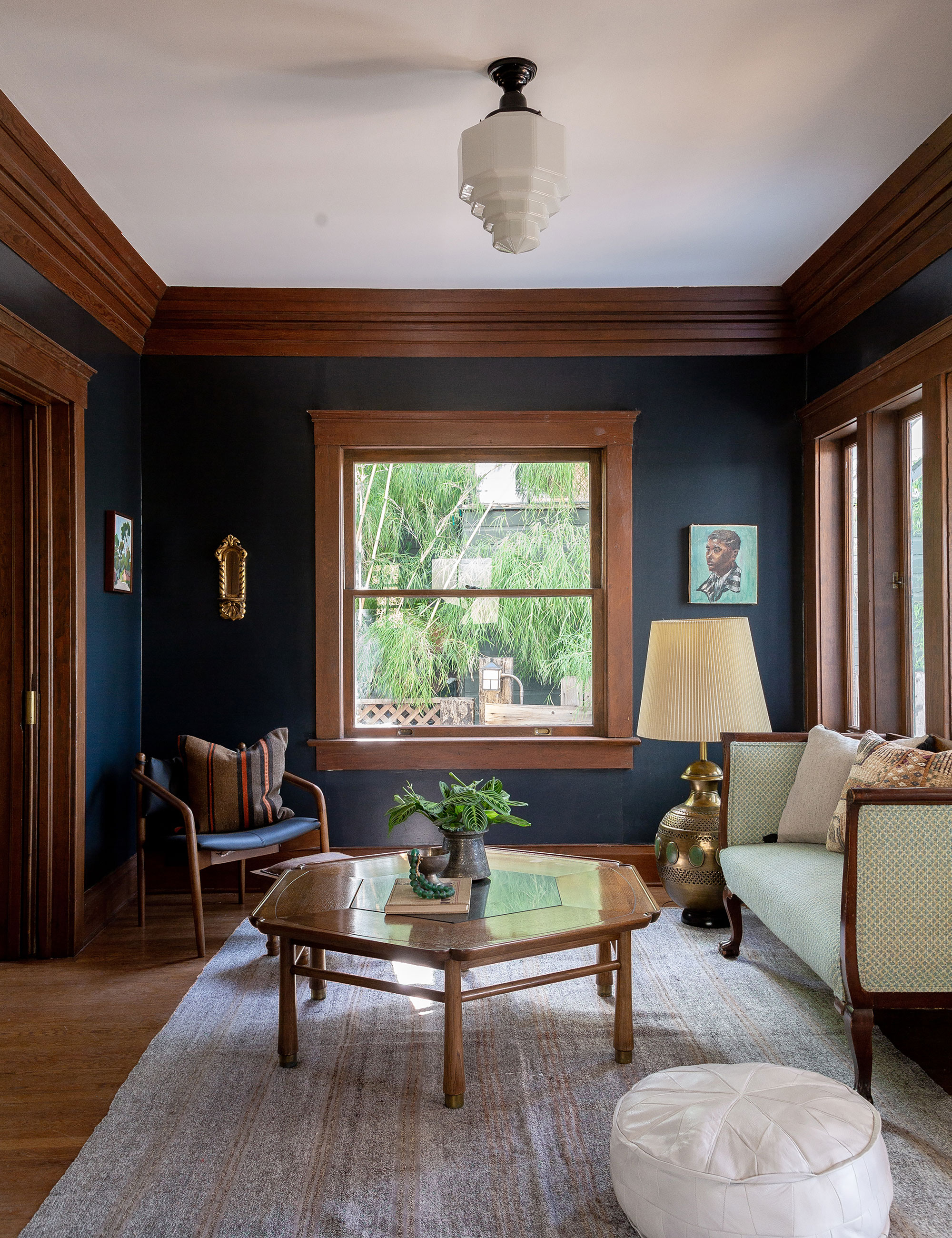
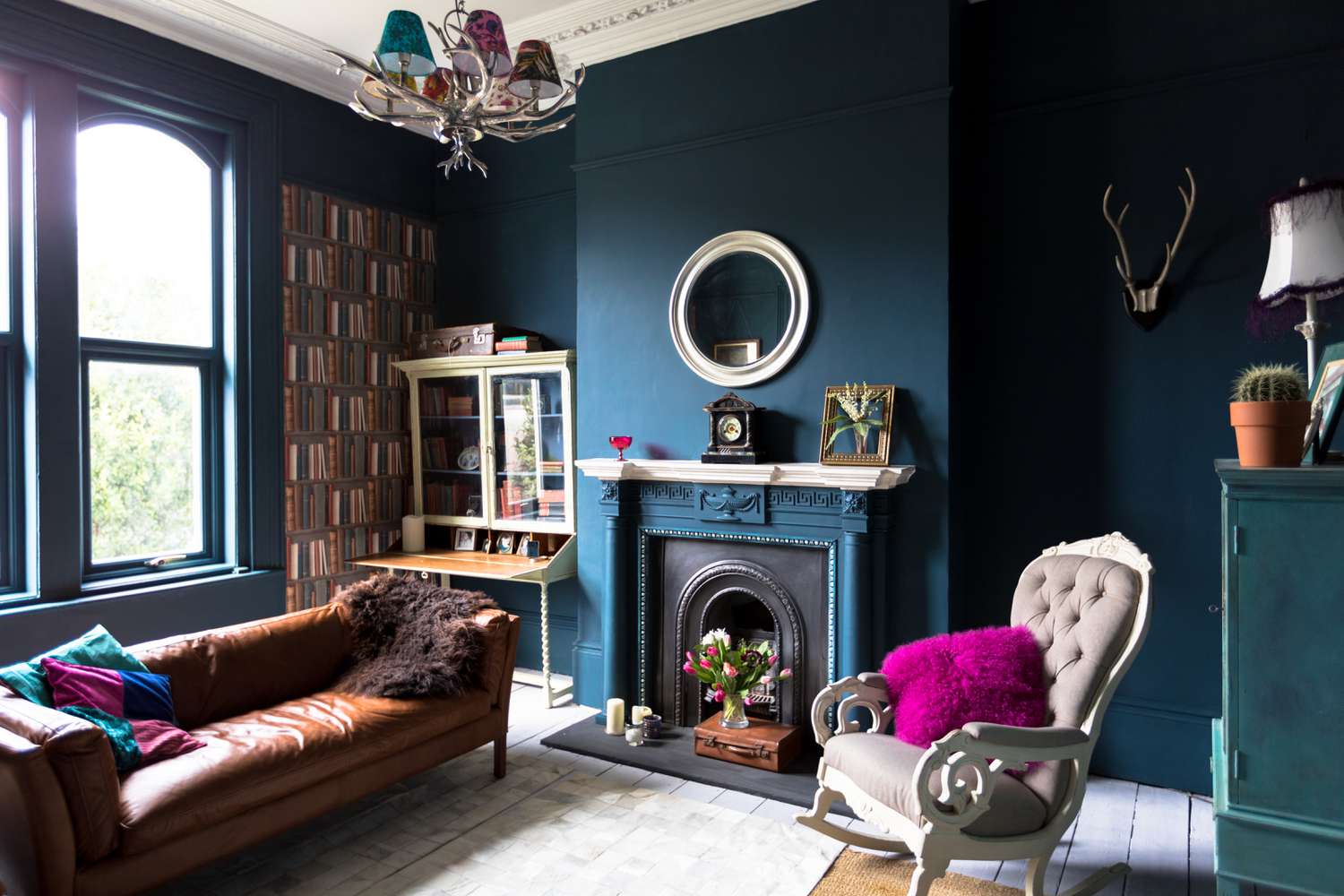
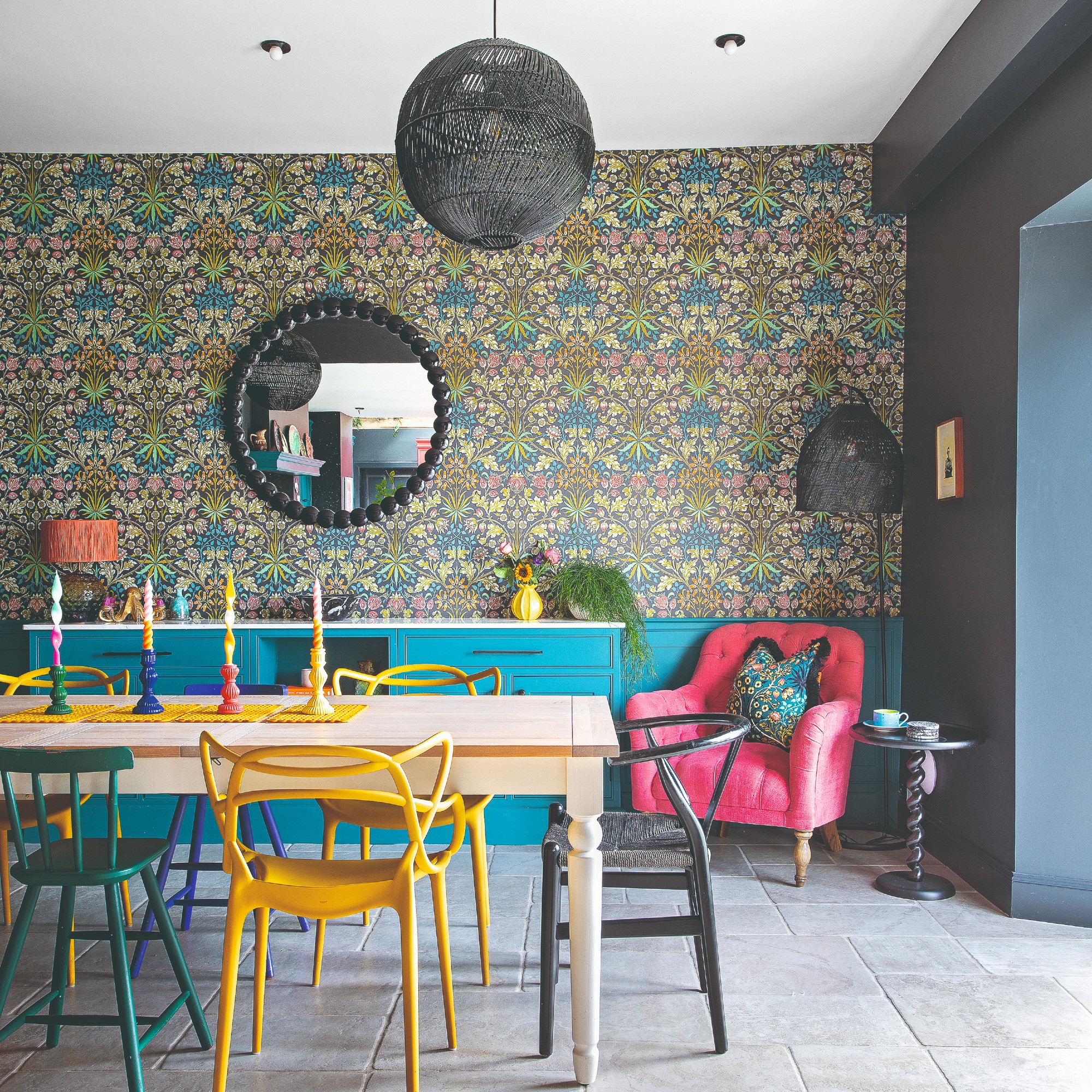
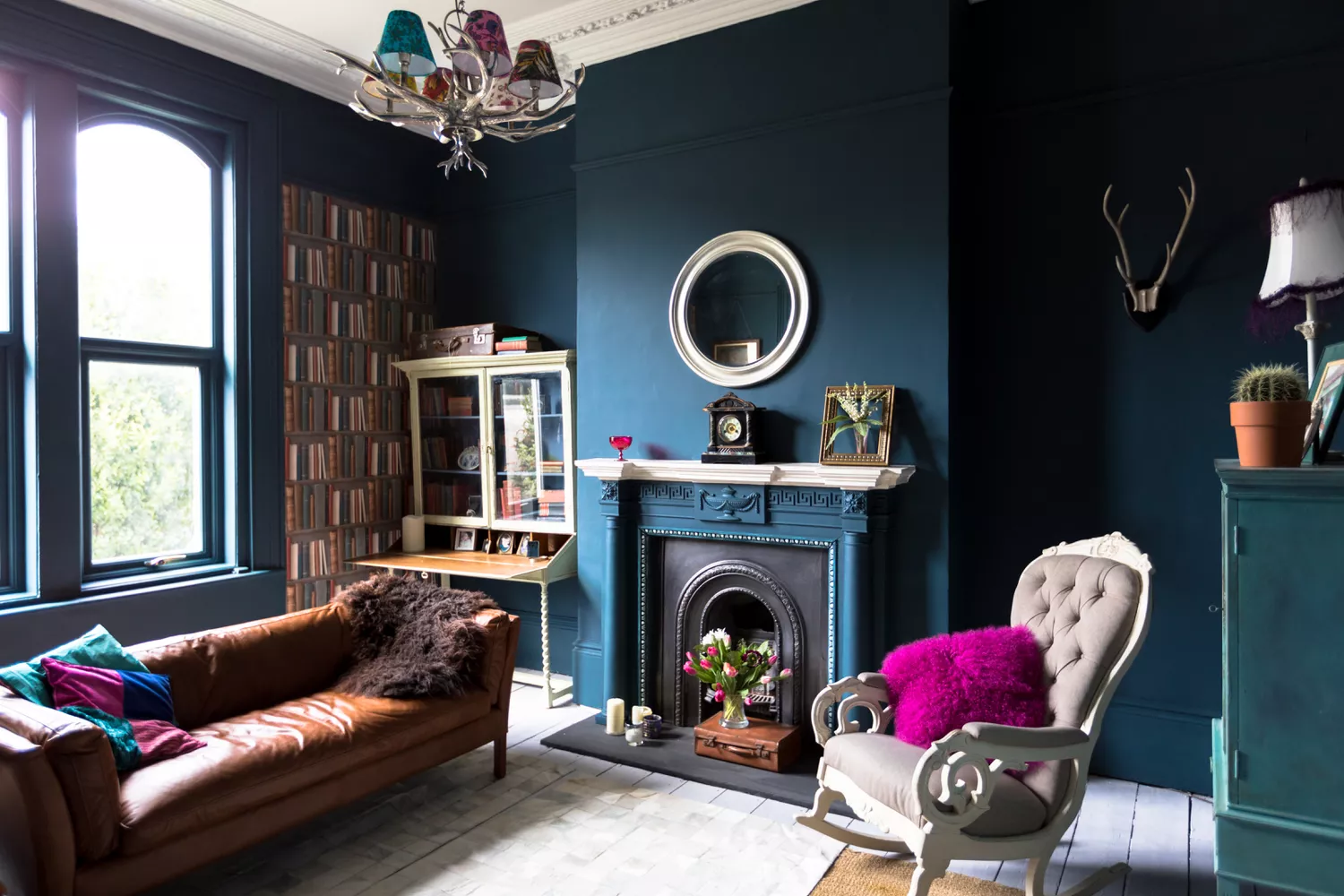
Accent walls are another design element that often receives criticism from designers. Elizabeth Burch notes that accent walls can make a room feel incomplete. Rather than highlighting a single wall, she advises homeowners to embrace 'color drenching,' a technique that involves painting all walls, trim, and even the ceiling in a single hue. This creates a more immersive and unified atmosphere. Alternatively, wallpapering an entire room can offer a similar effect, adding texture and pattern more effectively than a lone accent wall.
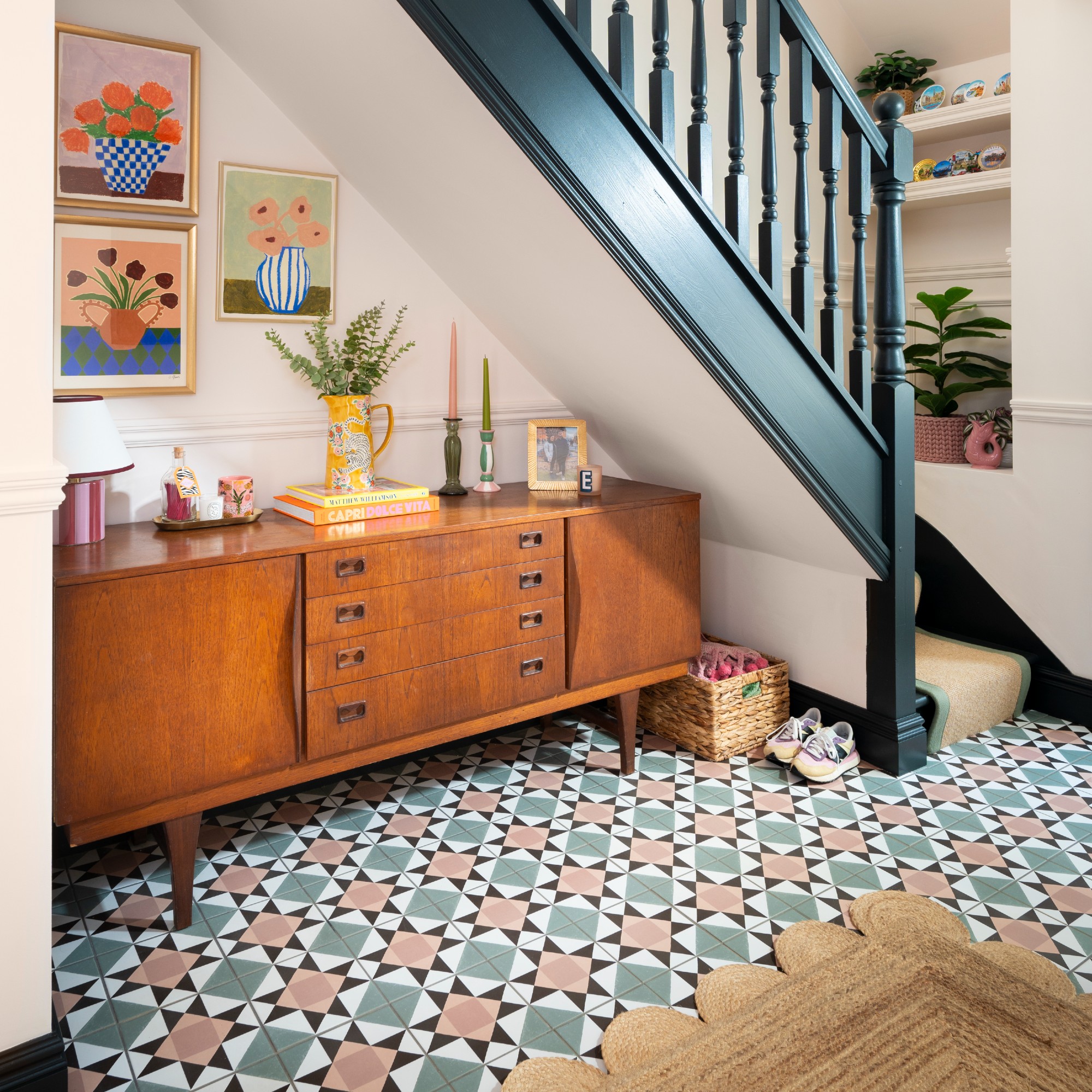
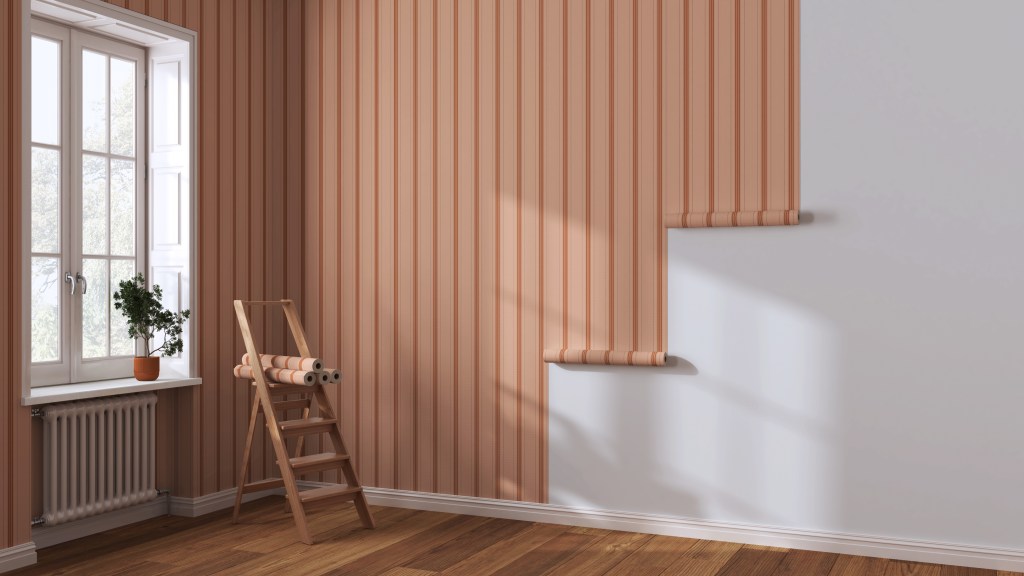
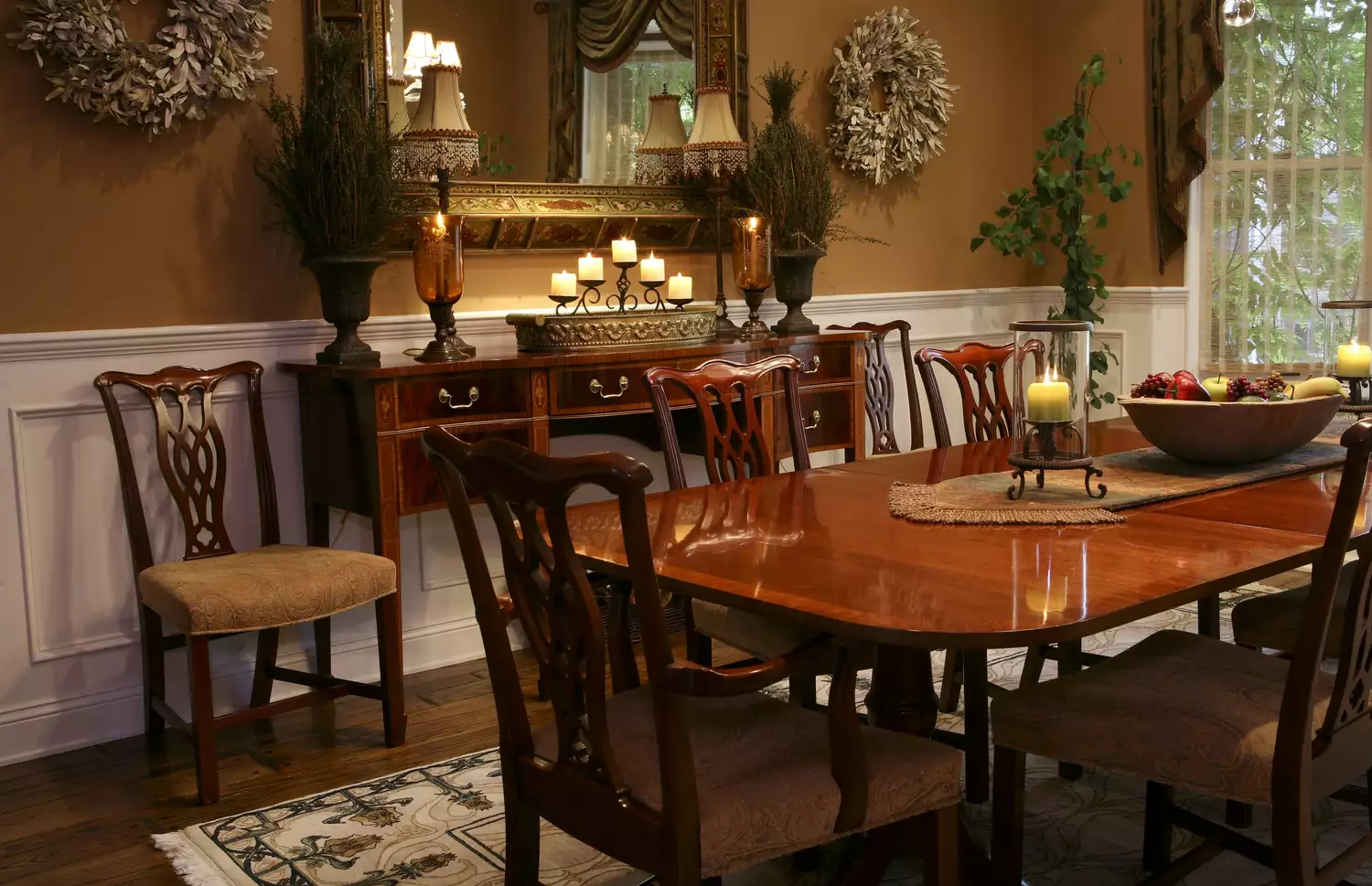
Callie Windle, another interior designer, points out issues with picture frame molding, particularly when it's artificially added to modern homes. She emphasizes that while a chair rail or wainscoting can be beautiful in an architecturally appropriate setting, attempting to replicate century-old charm in a contemporary house using DIY methods and common materials can look out of place and diminish the overall aesthetic. For renters or those seeking temporary updates, Windle suggests using wallpaper or paint to add charm without committing to potentially inauthentic architectural details.
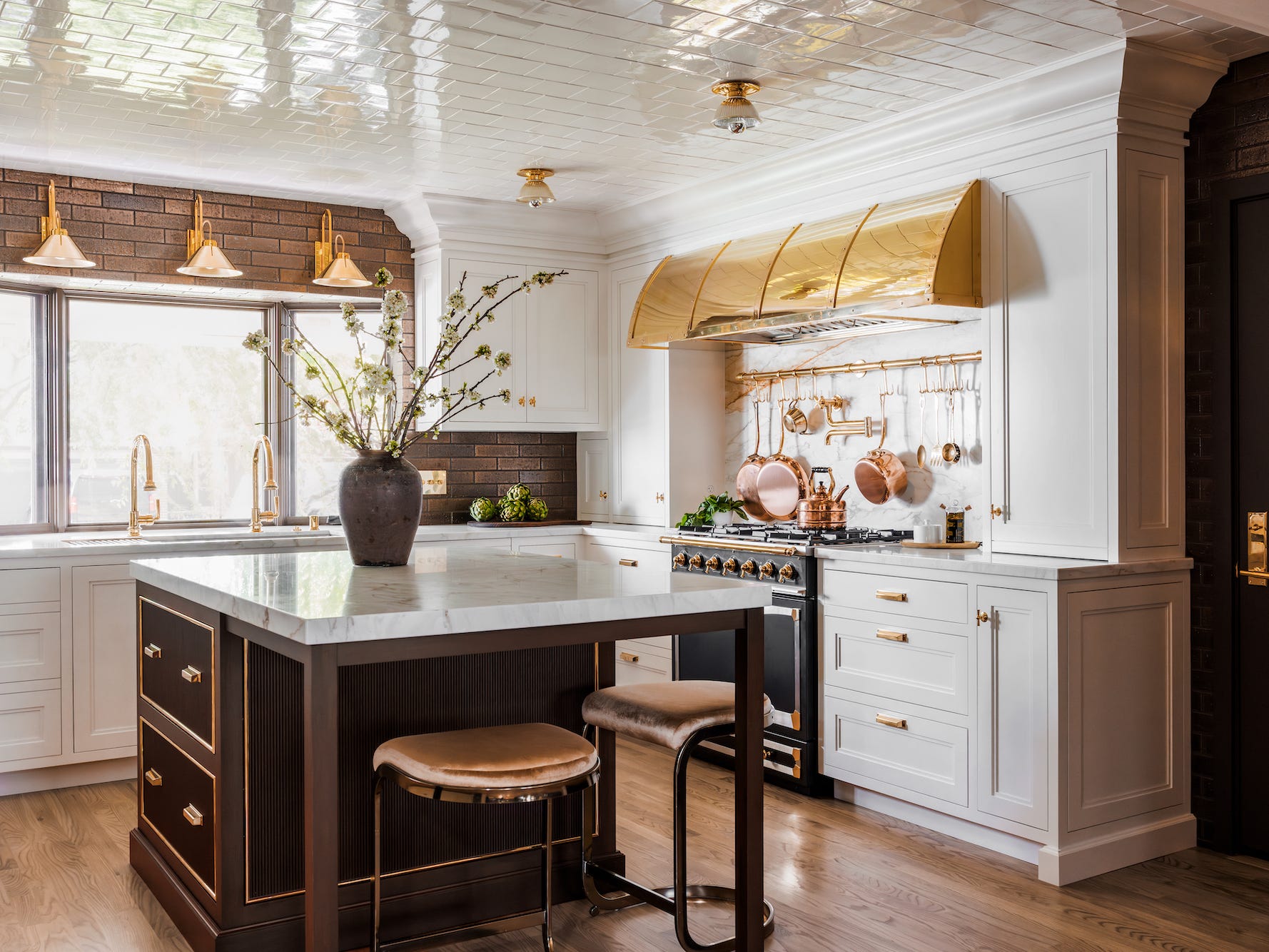
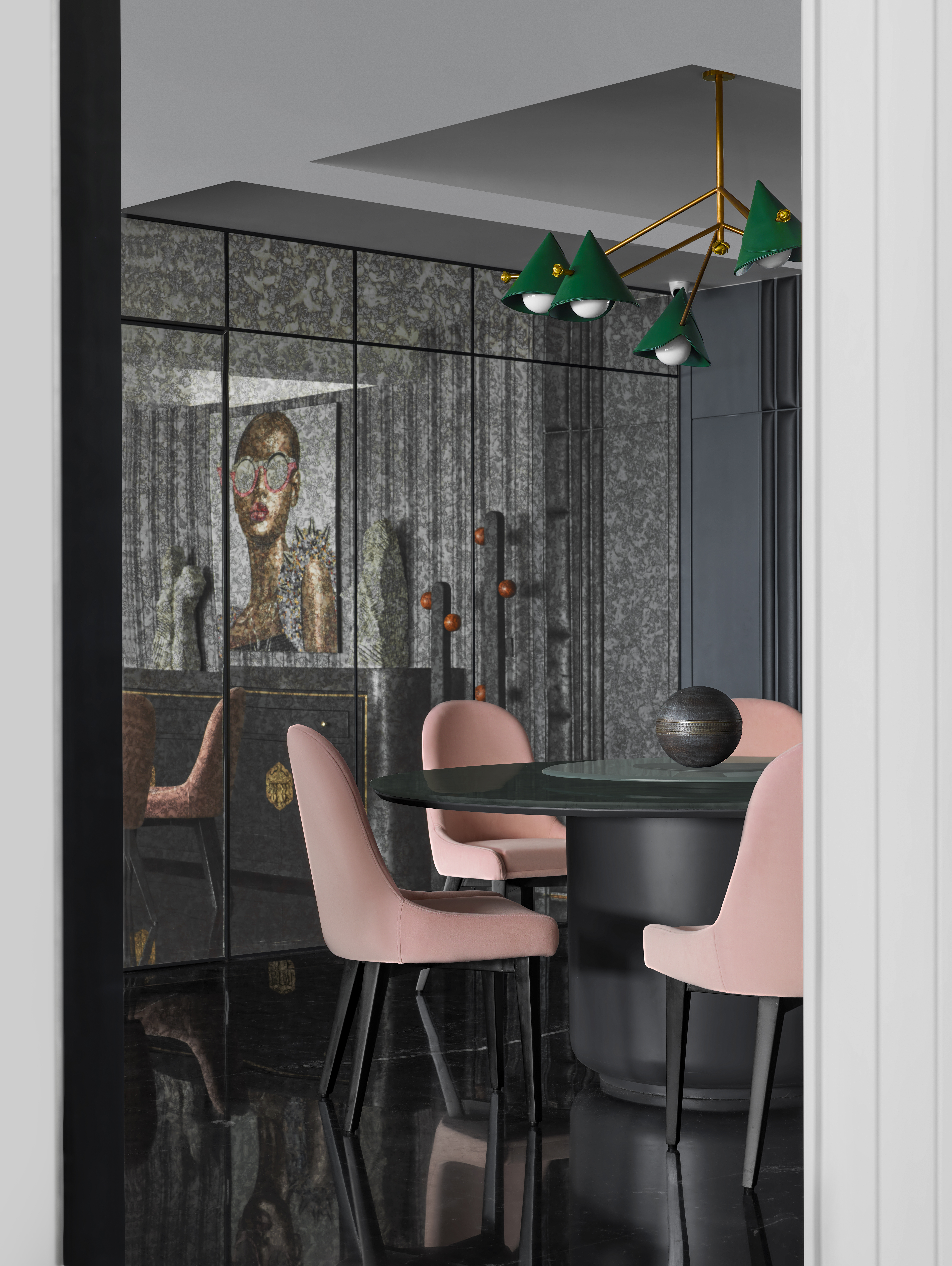
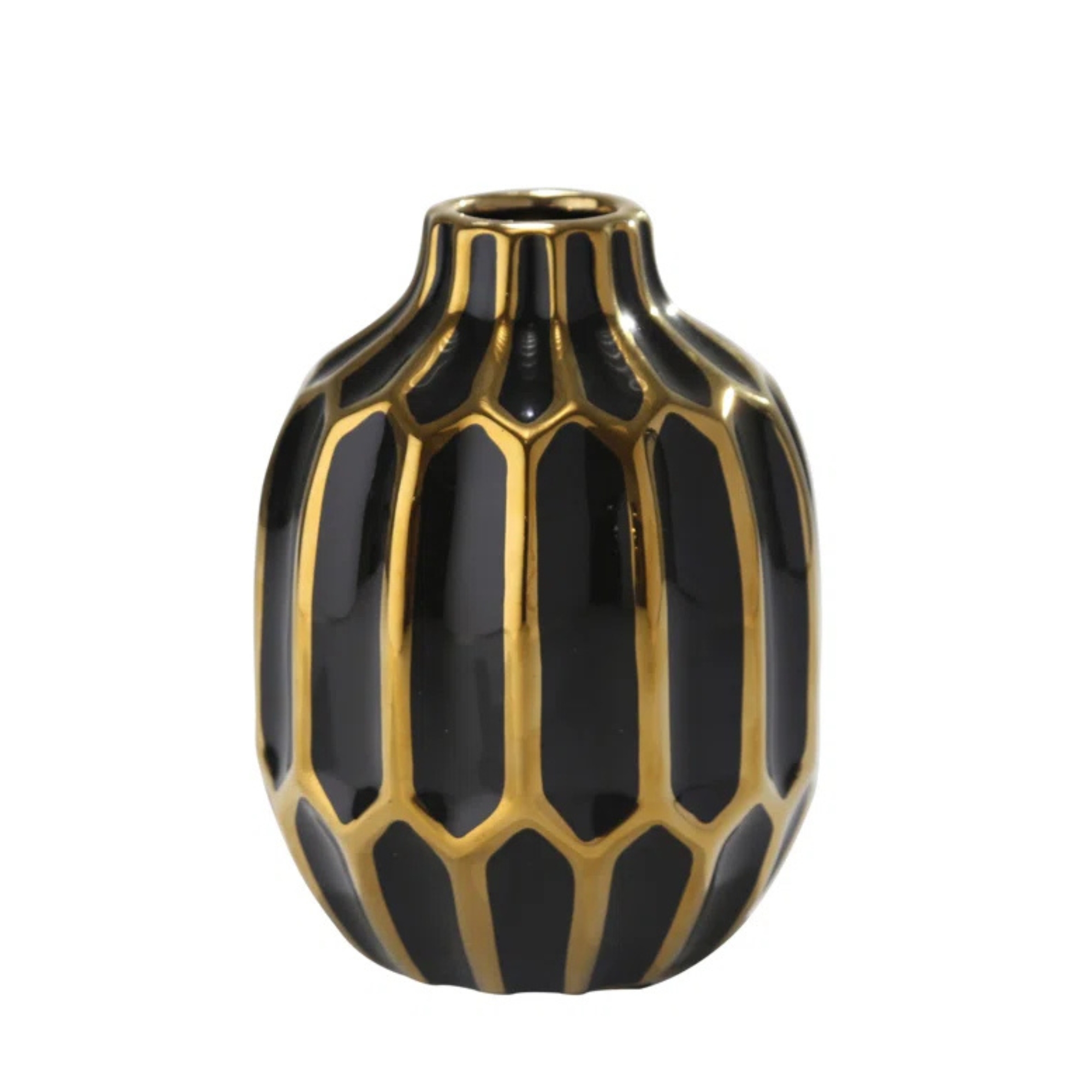
The fourth pitfall identified by designers is an excessive use of shiny elements. Marlaina Teich notes that an abundance of crystal, mirrored, or glossy accessories can make a dining room appear cheap rather than chic. To achieve an elevated look, she recommends balancing glam touches with natural textures such as wood, rattan, or linen. This combination introduces visual interest and depth without overwhelming the space with reflective surfaces.
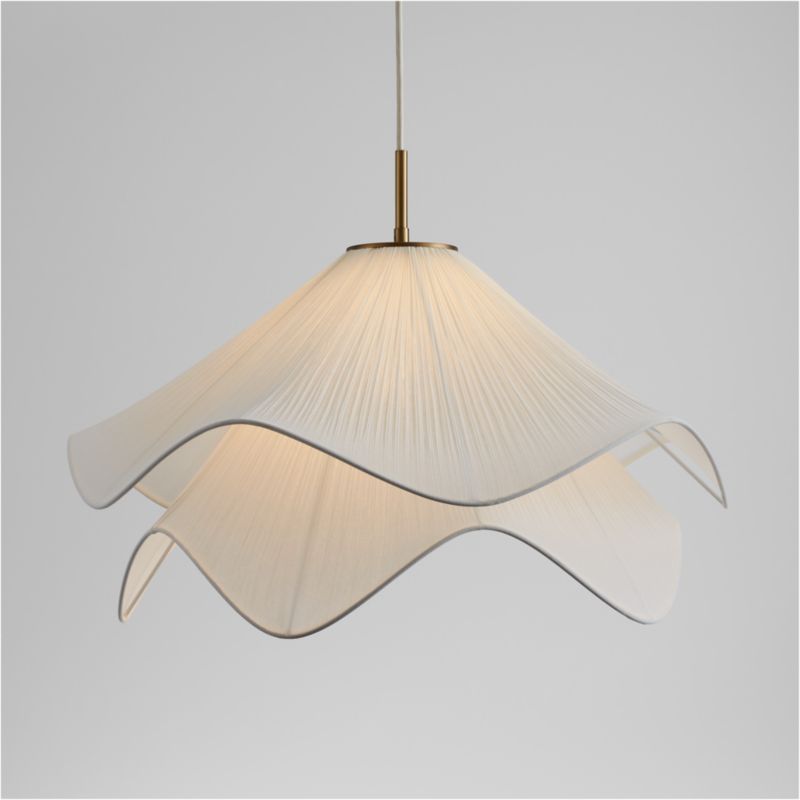
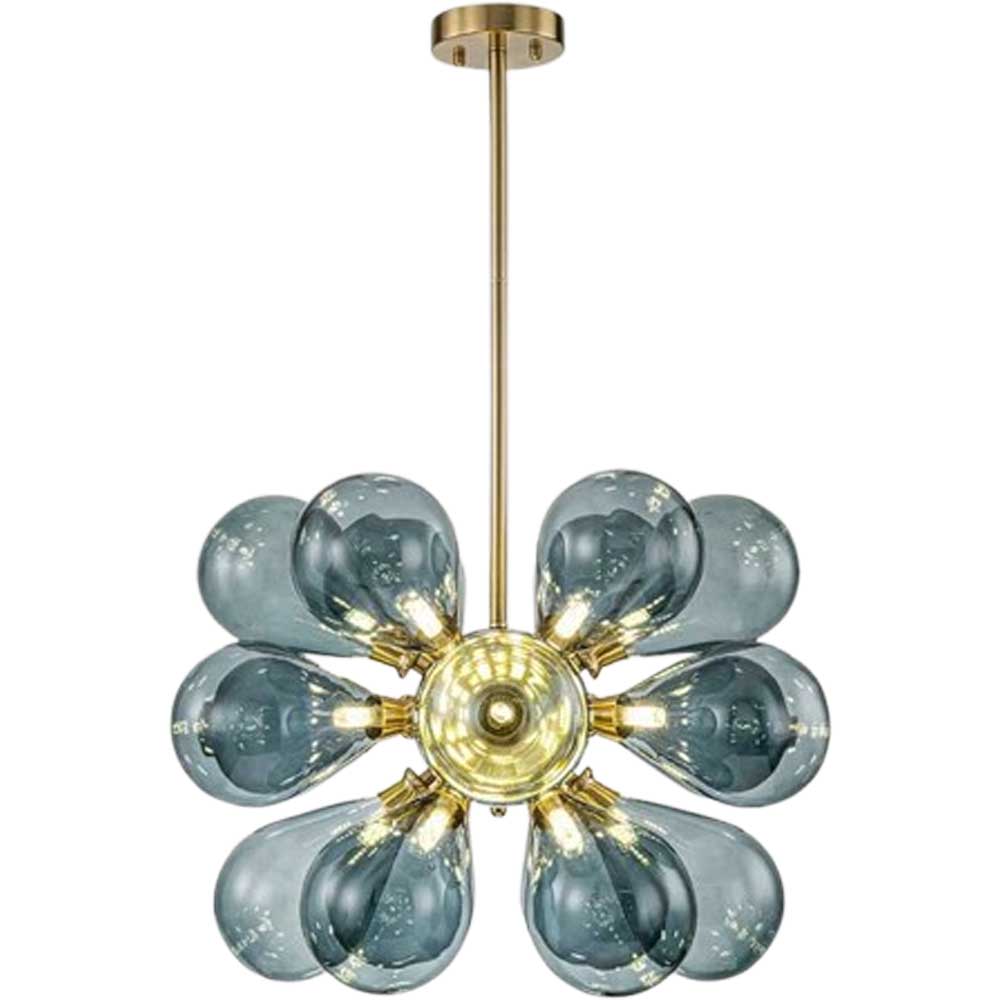
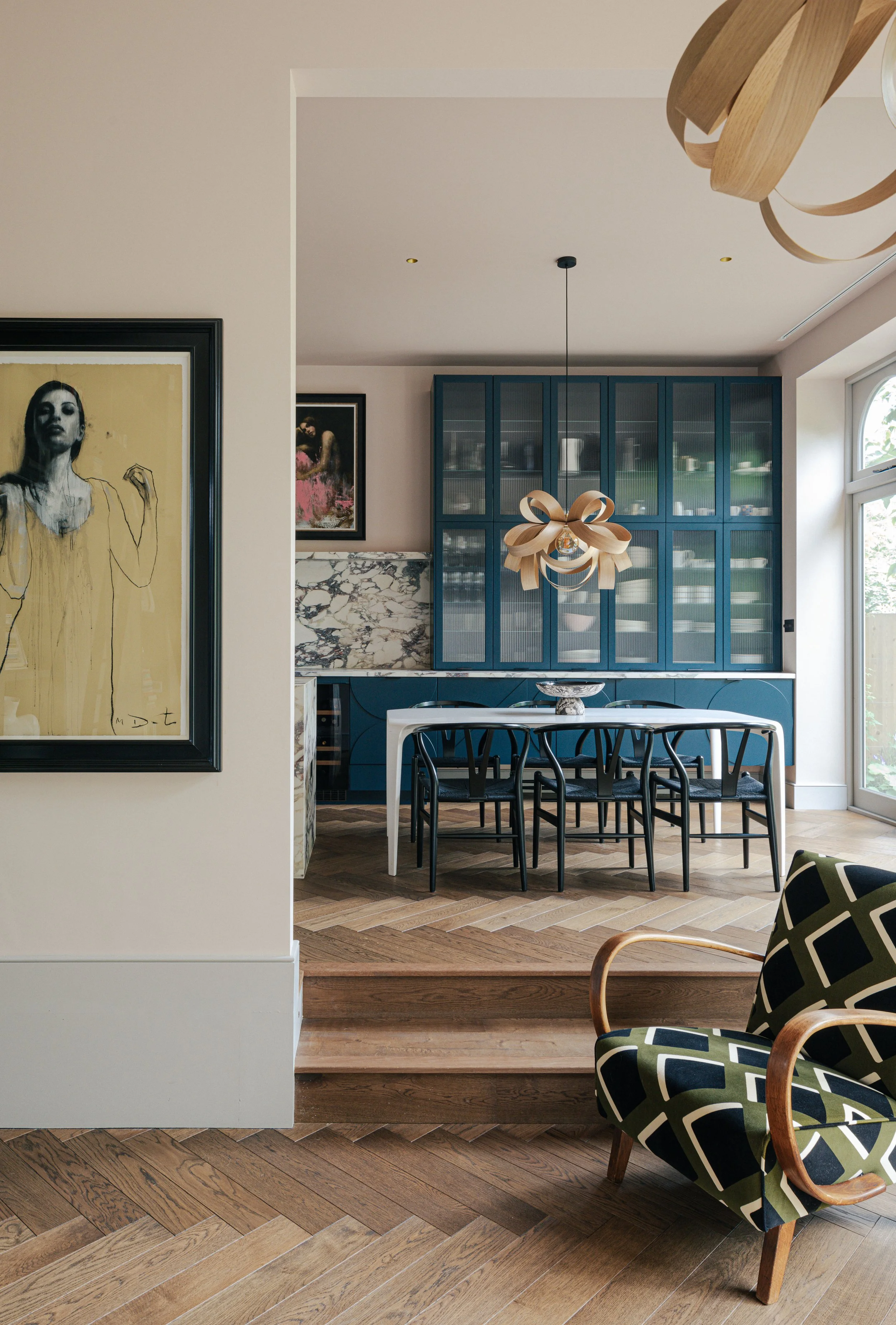
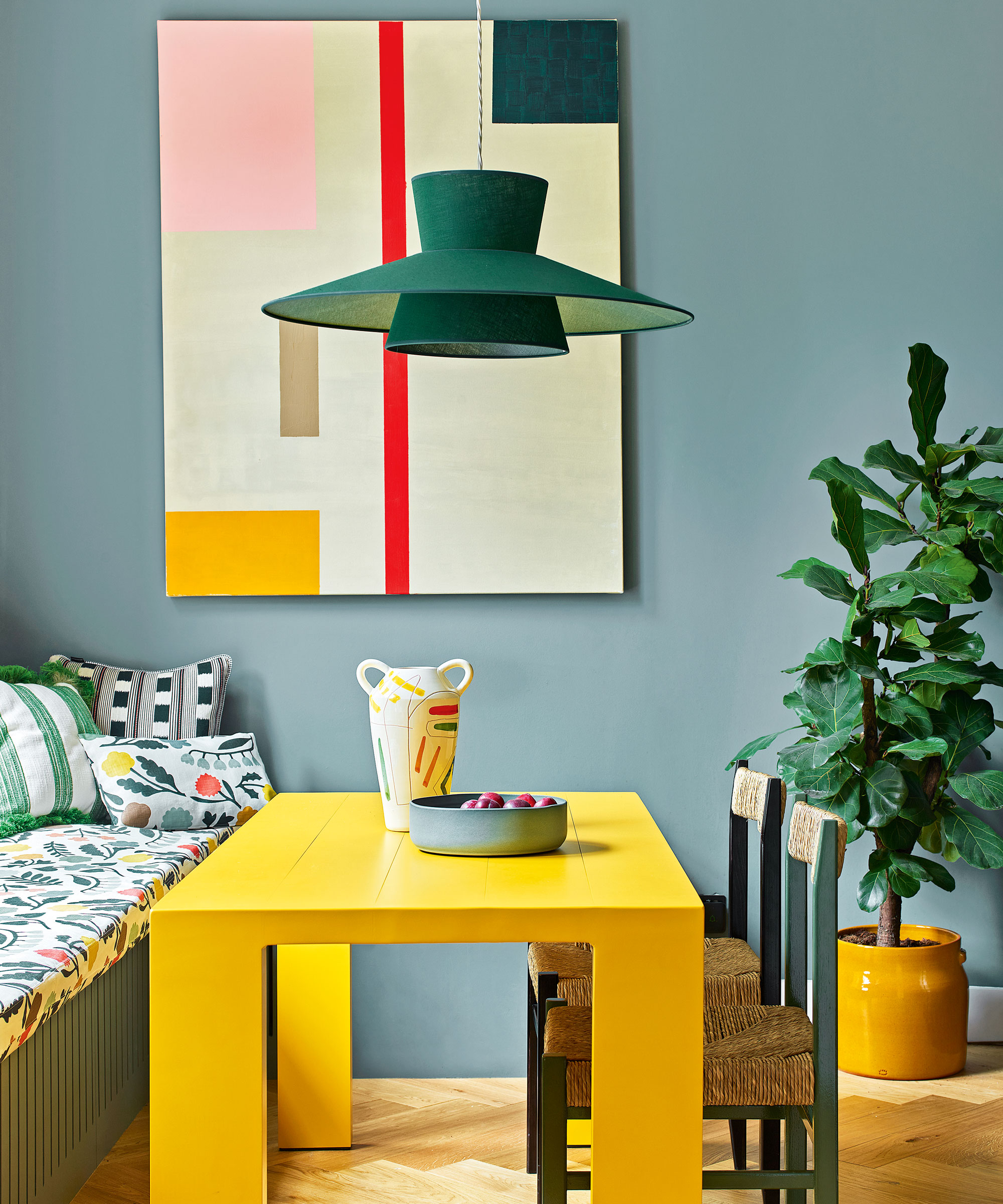
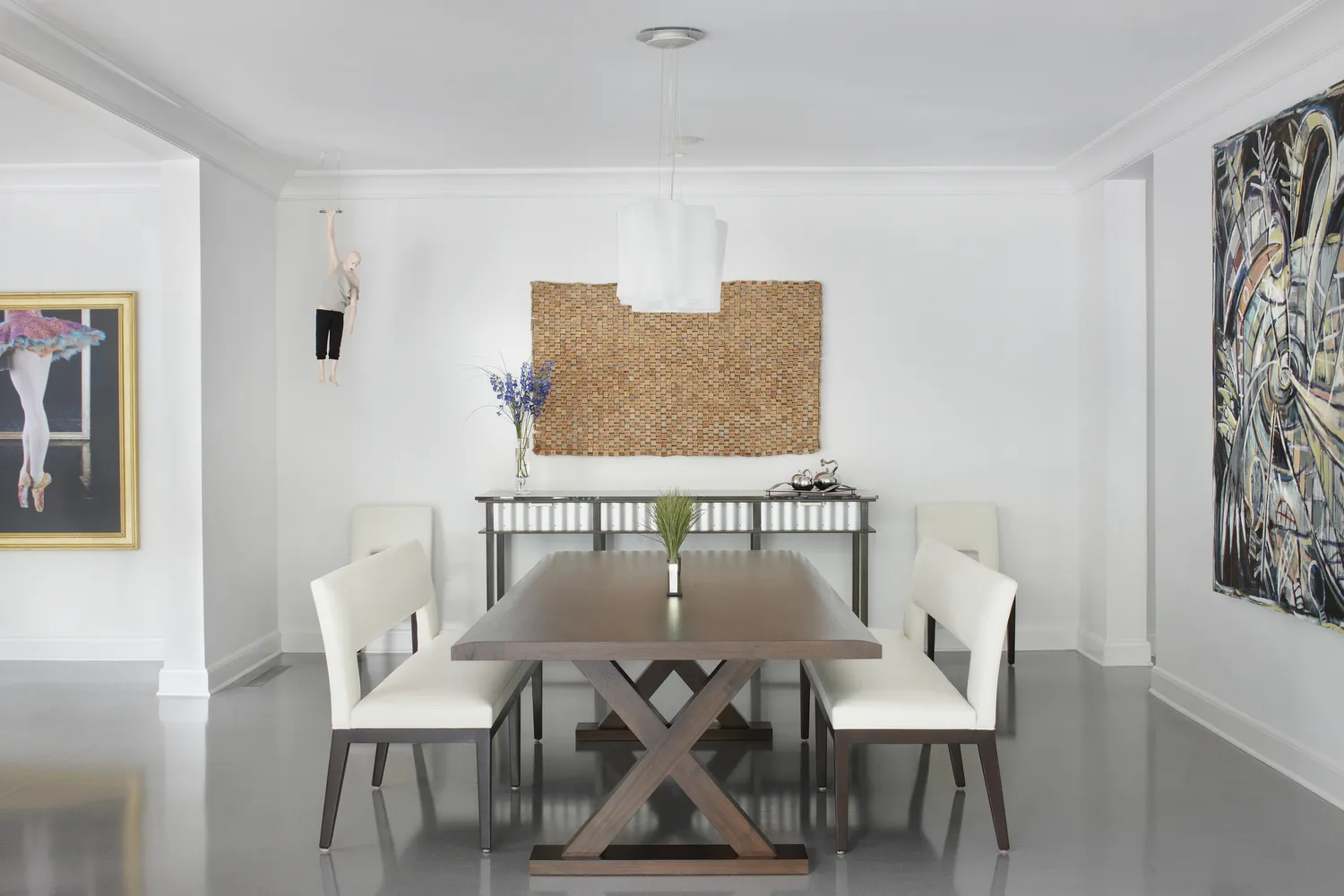
Finally, gigantic wall art is often cited as a common mistake. While a large, custom art piece can make a statement, Teich warns that a single, generic oversized piece or mirror can often overwhelm the dining room, making it look flashy and dated. Her preferred strategy involves either hanging a grouping of smaller art pieces to create a dynamic gallery wall or installing a sculptural light fixture. Both options provide a sophisticated focal point without the intensity or potential tackiness associated with a single, massive artwork. Adopting these designer-backed suggestions can transform a dining room from potentially tacky to timeless and elegant.
#DiningRoomDesign #InteriorDesignTips #HomeDecorMistakes #DesignerInsights #RoomStyling #FurnitureSelection #WallTreatment #AccentDecor #ArtPlacement #DiningRoomDesign #InteriorDesignTips #HomeDecorMistakes #DesignerInsights #RoomStyling #FurnitureSelection #WallTreatment #AccentDecor #ArtPlacement
0 Kommentare insgesamt
 Noch keine Kommentare
Das könnte Ihnen auch gefallen
5 Kitchen Renovation Moves That Make Designers CRINGE

10 Easy-to-Make Dining Room Mistakes That Are Killing the Vibe — And How to Fix Them Before Your Next Dinner Party

5 small living room mistakes – designers share the worst decorating disasters that we need to stop doing right now

5 Tacky Home Decor Items That Instantly Make a Home Look Bad, According to Designers
Designers Say These 5 Dining Room Clichés Are Going Out of Style
6 Pricey Kitchen Upgrades That Aren't Worth It

6 Tacky Living Room "Upgrades" That Instantly Make Your Home Look Bad, Designers Say
"Frankly, It's Tacky": People Are Revealing Common Interior Design Trends They Can't Stand

5 Ways to Make Your Kitchen Look Instantly More Expensive, According to Designers

7 Things That Immediately Make Your Dining Room Look Bad, According to Designers
Outdated kitchen trends – 5 overdone looks that designers like to avoid, and here's why you should too
6 things you should never put on your dining room table, according to interior designers
5 Tacky Kitchen "Upgrades" That Instantly Make a Home Look Bad, According to Designers

7 major dining room layout mistakes to avoid, according to designers
5 TikTok home decor trends that interior design experts can't stand – are you guilty of any?
7 cheap and tacky interior design errors rich people never make — ban these aesthetic atrocities from your home
7 Dining Room Lighting Mistakes That Could Be Making Your Space (and Food) Look Less Appetizing
5 things that always make a dining table look cluttered
7 Kitchen Design Trends Chefs Say Are Totally Bogus
5 Dining Room Features That Are So Outdated, According to Designers