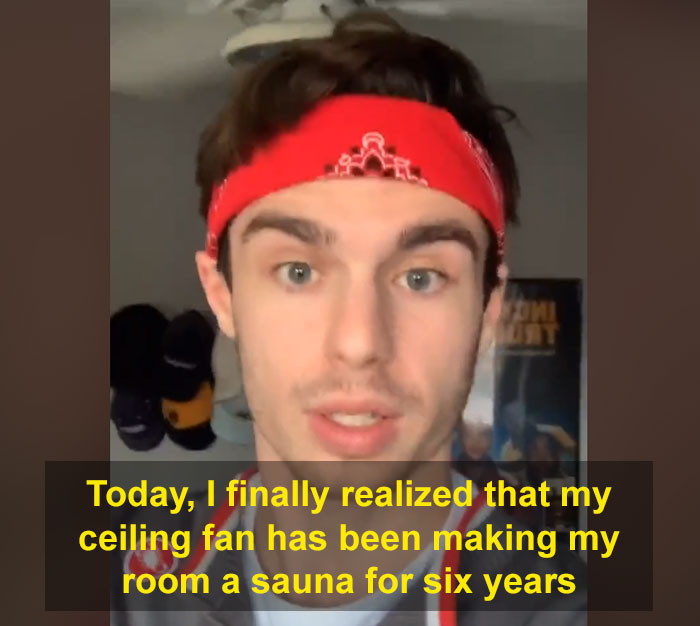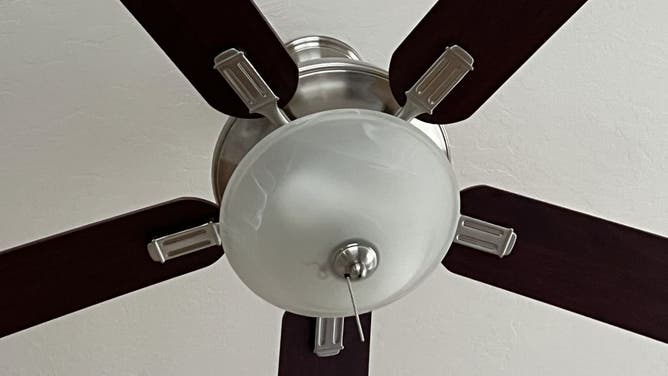
The unknown switch that you should change twice a year on your ceiling fan
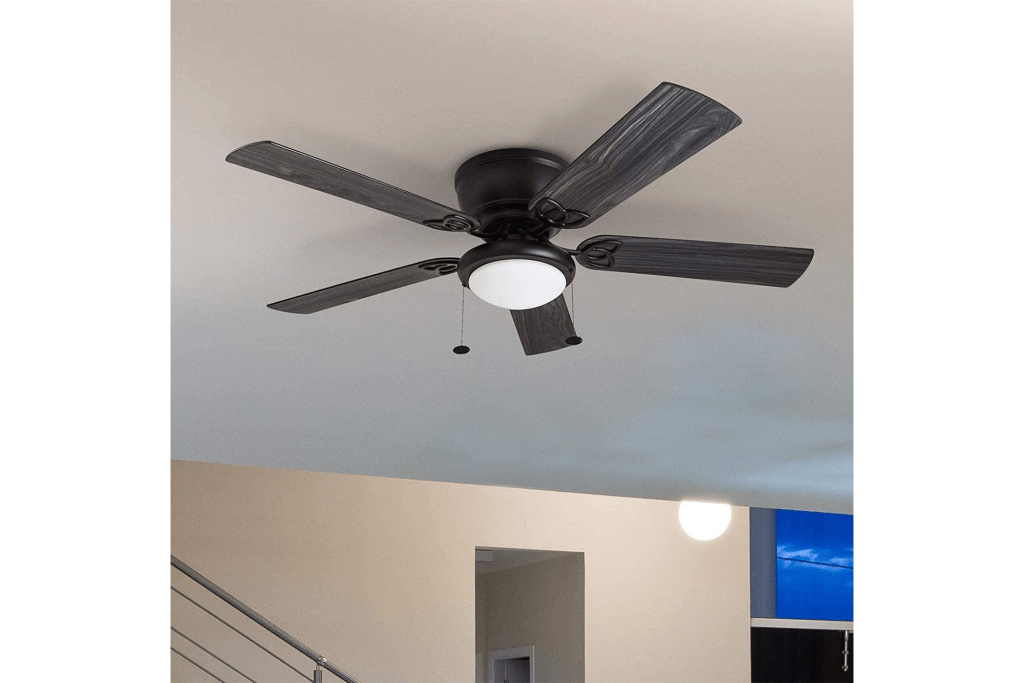
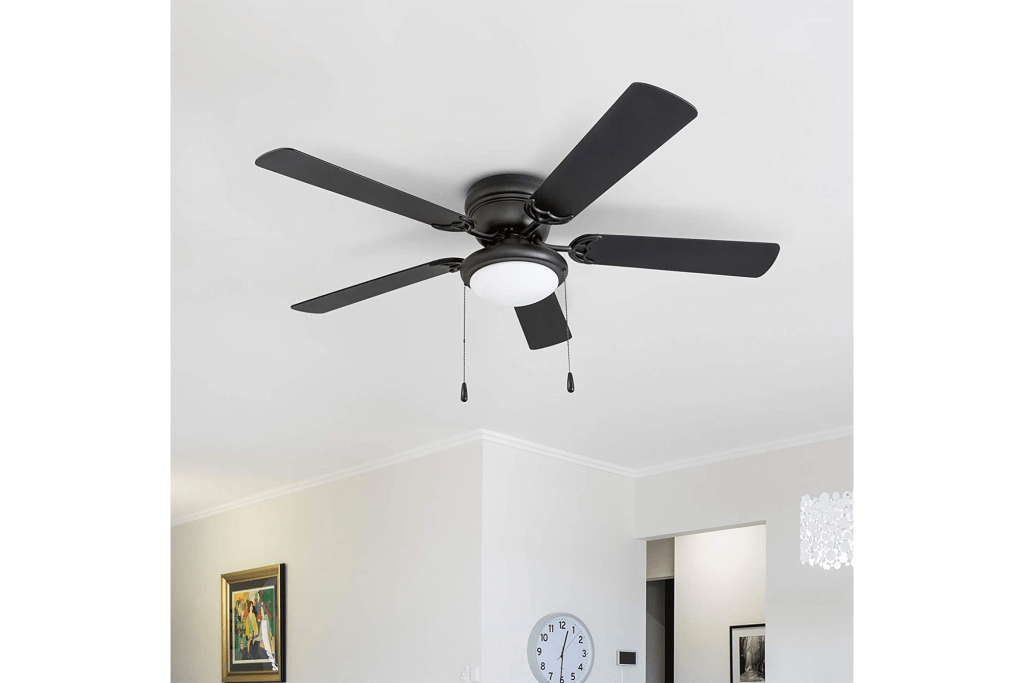
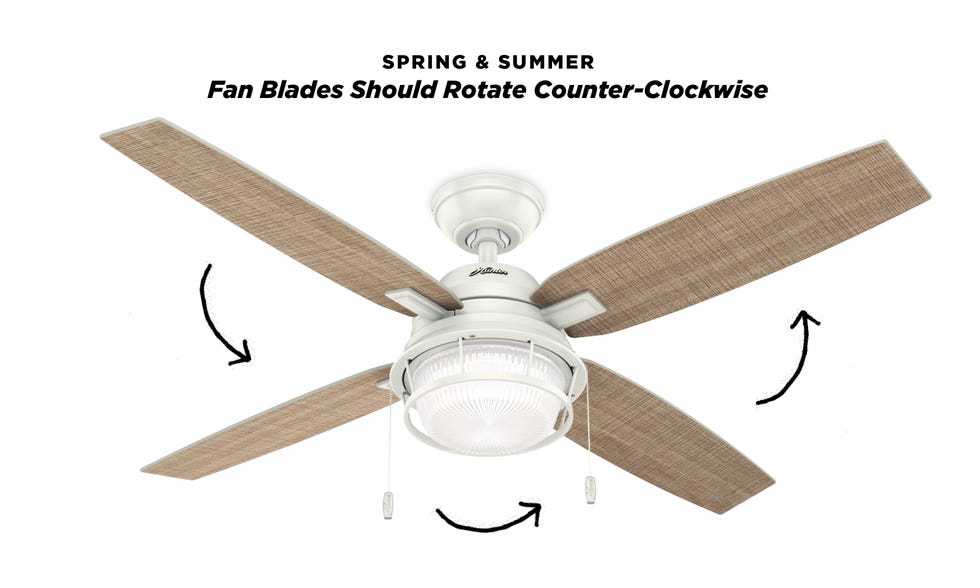
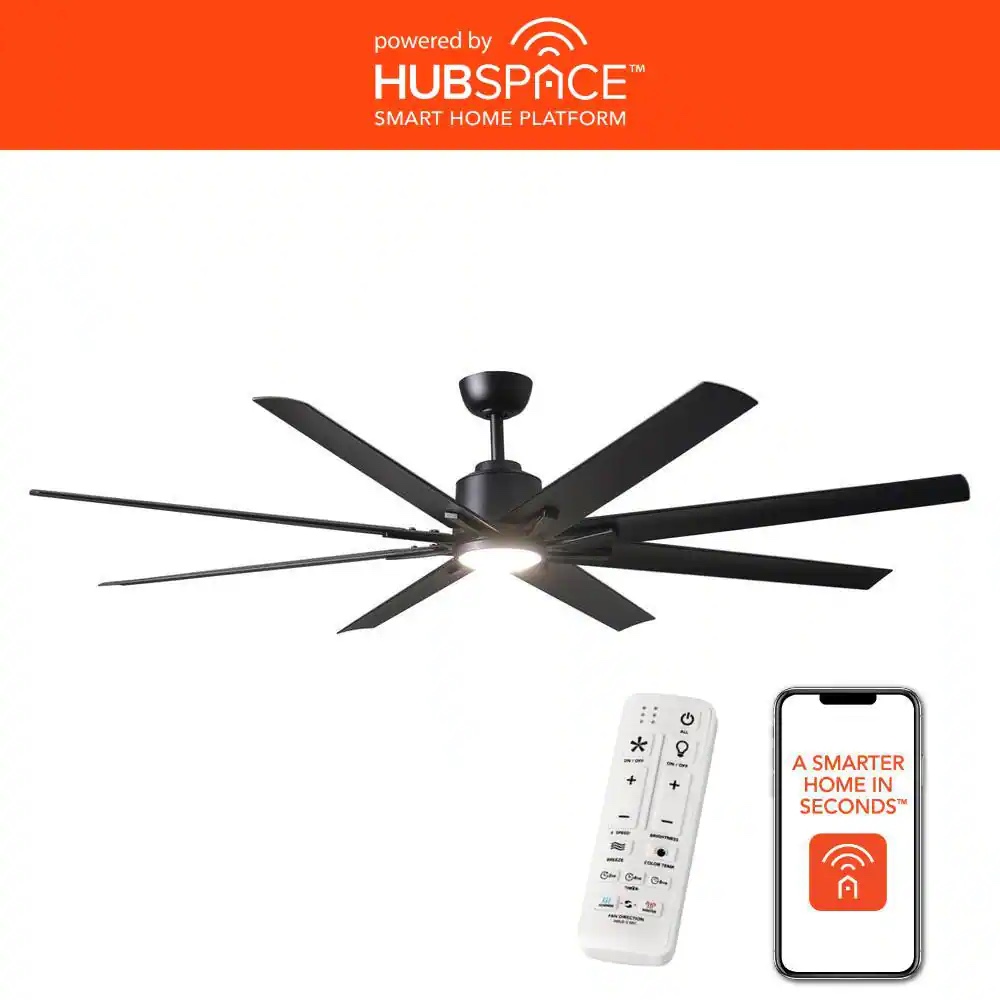
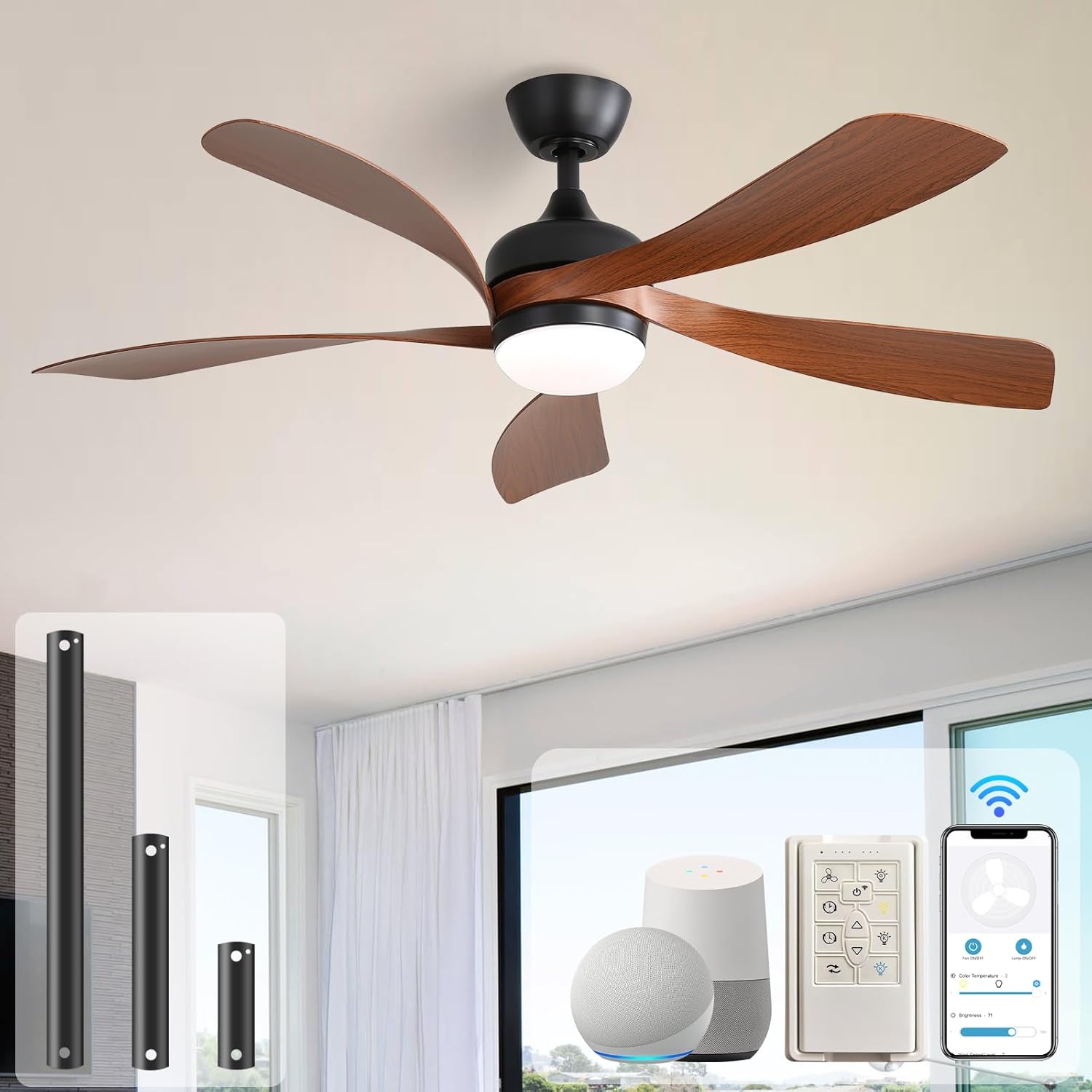
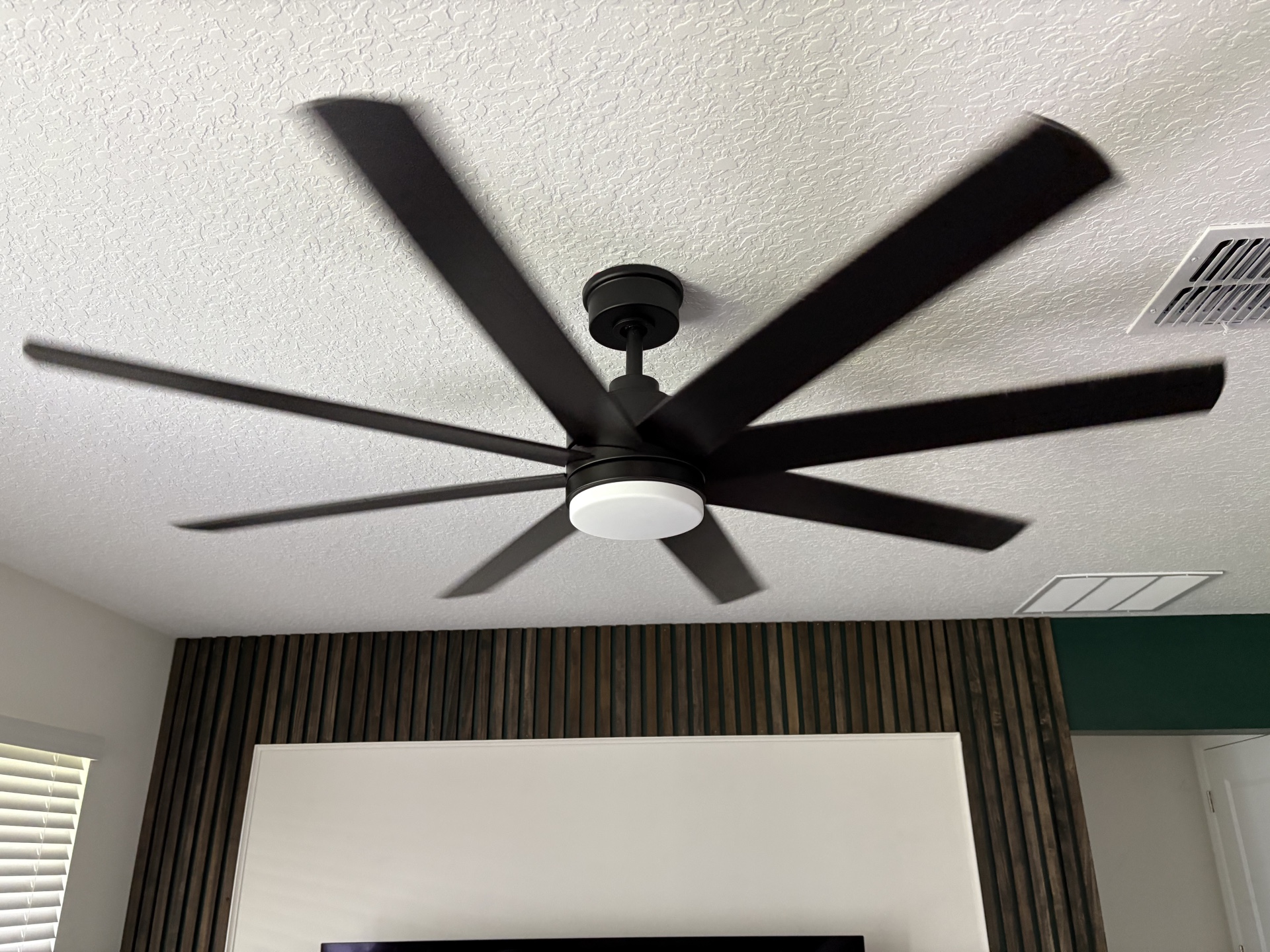
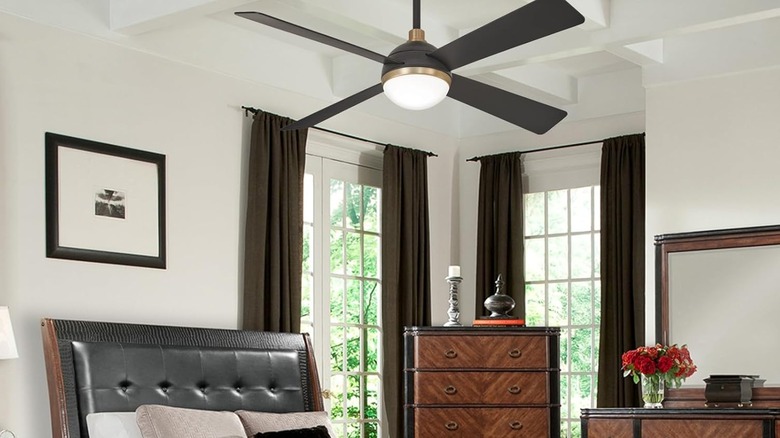
The direction a ceiling fan spins should be adjusted seasonally to optimize comfort and reduce energy consumption. During the summer months, it is recommended that a fan operates in a counterclockwise direction. This rotation creates a downdraft, which effectively pushes cooler air downwards, generating a wind chill effect and making a room feel approximately four degrees cooler. This can lead to a reduction in air conditioning costs.
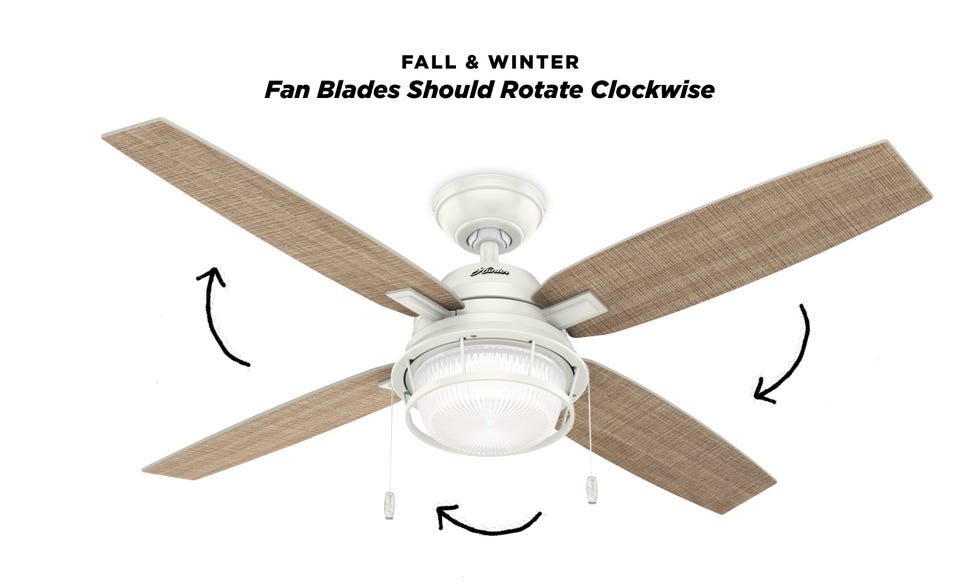
Conversely, as the weather transitions to cooler months, the ceiling fan's direction should be reversed to a clockwise rotation. This change in direction creates an updraft, drawing cool air from the floor towards the ceiling. This action helps to redistribute warm air that naturally rises and gets trapped near the ceiling, pushing it back down towards the living space. This process assists in warming the room, potentially lowering heating costs.
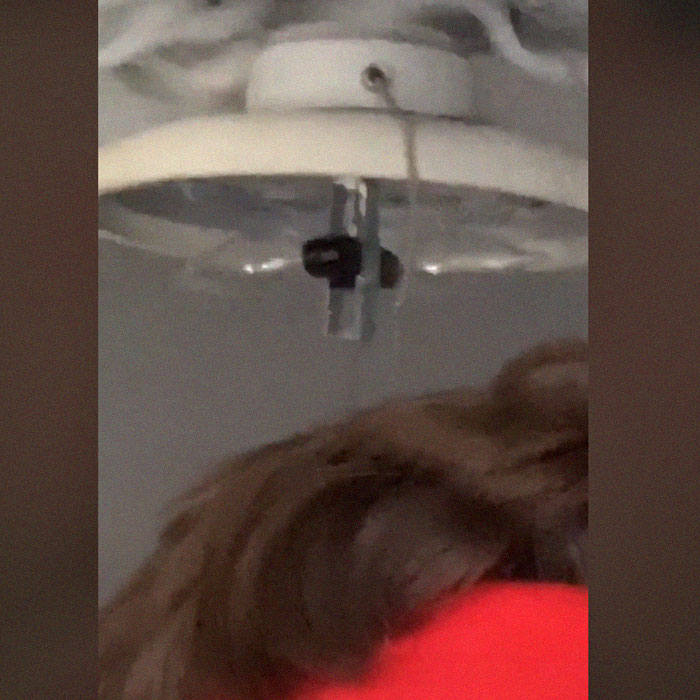
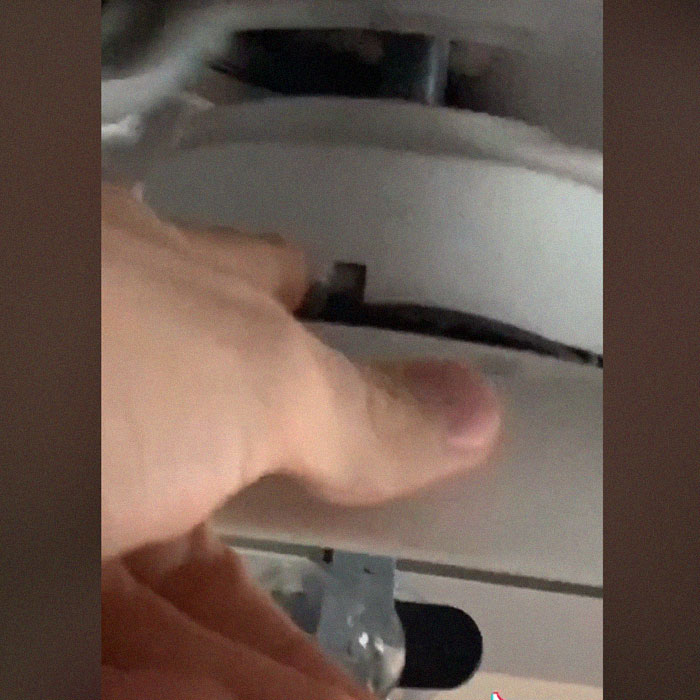
Making this seasonal adjustment is straightforward, typically involving a small switch located on the fan's motor or by pulling a chain. The U.S. Department of Energy highlights the financial benefits of proper fan usage, noting that heating and cooling account for nearly half of a homeowner's annual utility expenses, which can exceed $1,900. By correctly utilizing ceiling fans, individuals can enhance thermal comfort and decrease energy costs by as much as 14%.
The effectiveness of a ceiling fan is also influenced by its size; larger fans are capable of moving a greater volume of air. However, running a fan is only beneficial when the room is occupied, as fans cool people, not spaces. Energy experts advise that fans with a diameter of 36 to 44 inches are suitable for cooling or warming rooms up to 225 square feet. In rooms with high ceilings where a downdraft might not be felt, maintaining a counterclockwise rotation is still advisable to maximize any potential benefits.
Despite the significant benefits, the practice of seasonally adjusting ceiling fan direction is not widely known or advertised. Many people remain unaware of this simple yet effective trick. Once adopted, the sight of a fan operating in the winter becomes a practical measure for energy efficiency rather than an unusual occurrence.
#CeilingFan #EnergyEfficiency #HomeComfort #SeasonalTips #EnergySaving #UtilityBills #HomeMaintenance #WeatherImpact #CeilingFan #EnergyEfficiency #HomeComfort #SeasonalTips #EnergySaving #UtilityBills #HomeMaintenance #WeatherImpact
0 Kommentare insgesamt
 Noch keine Kommentare
Das könnte Ihnen auch gefallen
Apparently, Ceiling Fans Have A Dual Purpose Switch But Not Everyone Knows That

Ceiling fans 101: a guide to choosing the right one


Upgrade Your Lighting With These Smart Light Switches

You're Wasting Heat If Your Ceiling Fan Isn't Doing This During Fall And Winter

Light Switches - Our Pick of the Best

The Fan Mistake You’re Making That’s Making Your House Hotter
You Should Install One of These Remote Controls for Your Older Ceiling Fan

Switches & Sockets | Electrical indoor Lighting

The 16 best ceiling fans for extra airflow, plus expert tips
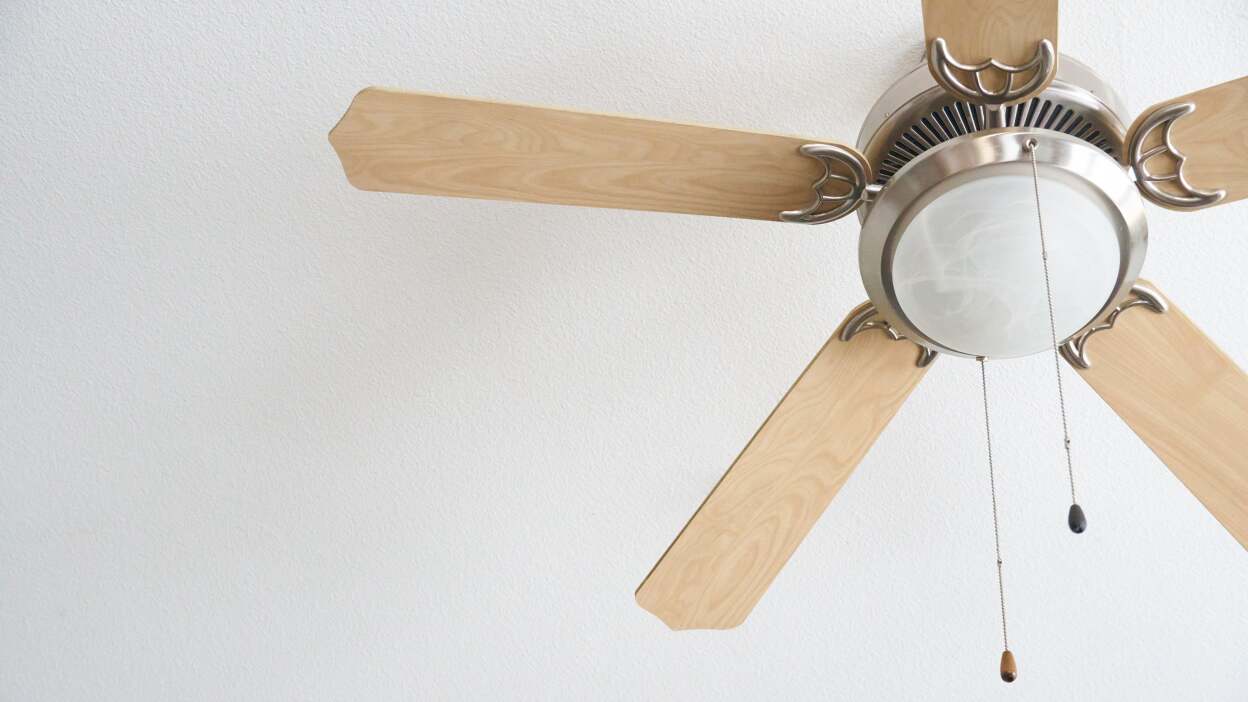
It's Time to Reverse Your Ceiling Fans

16 Best Ceiling Fans You Can Buy Online Right Now

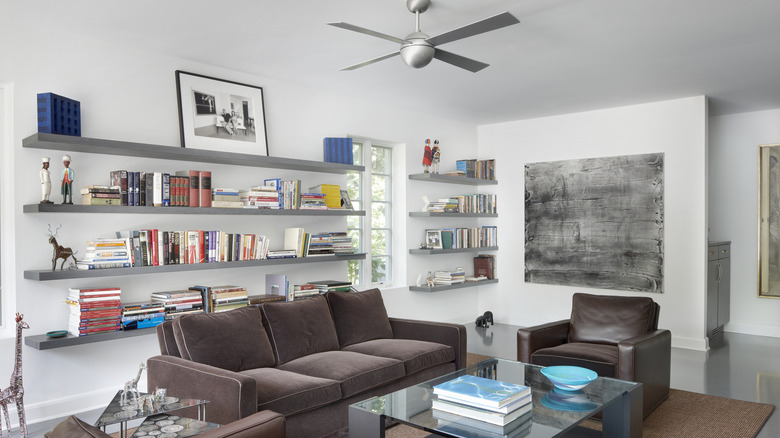
The Best Ceiling Fans For Each Room Of Your Home
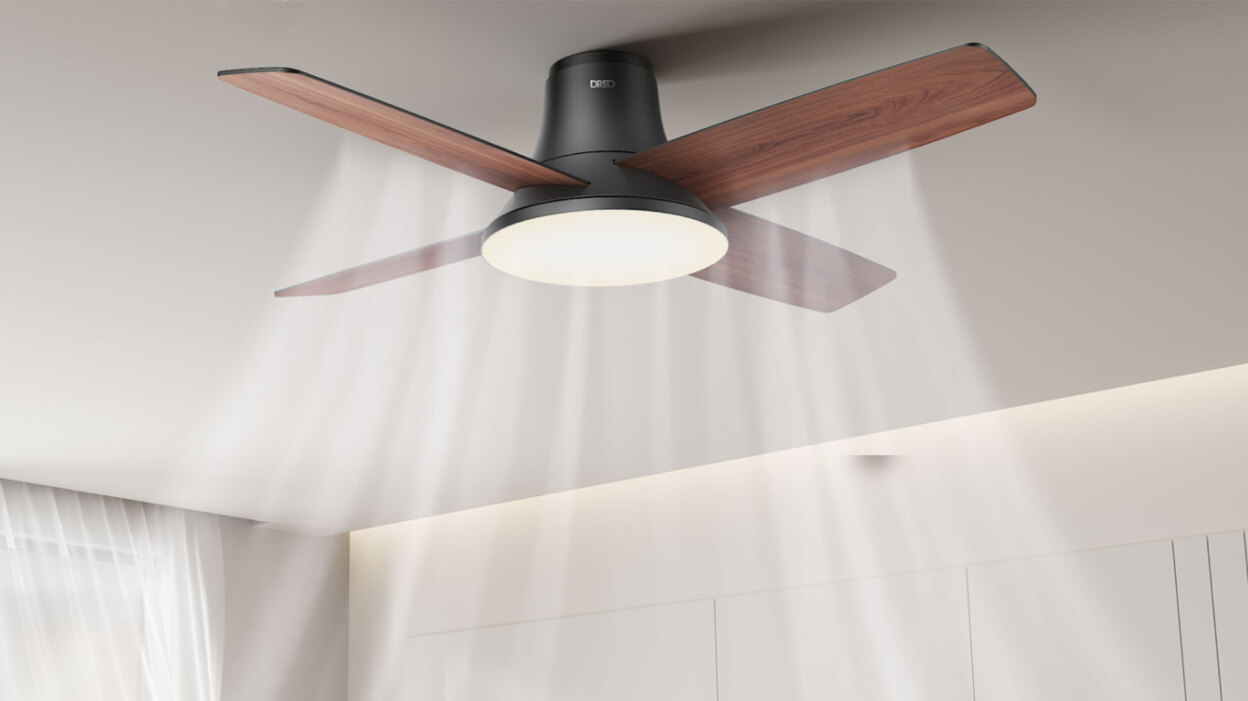
You Should Replace Your Dumb Ceiling Fan With This Smart One
Here’s what to look for when buying a new fan — from ceiling fans to handhelds

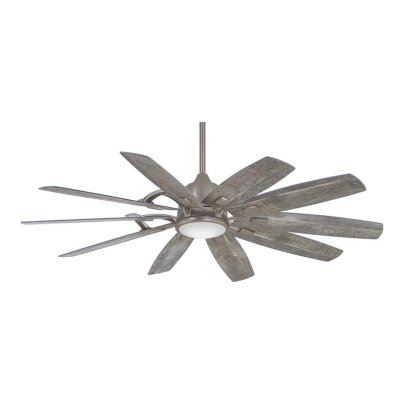
The Best Ceiling Fans for a Breezy, Comfortable Home

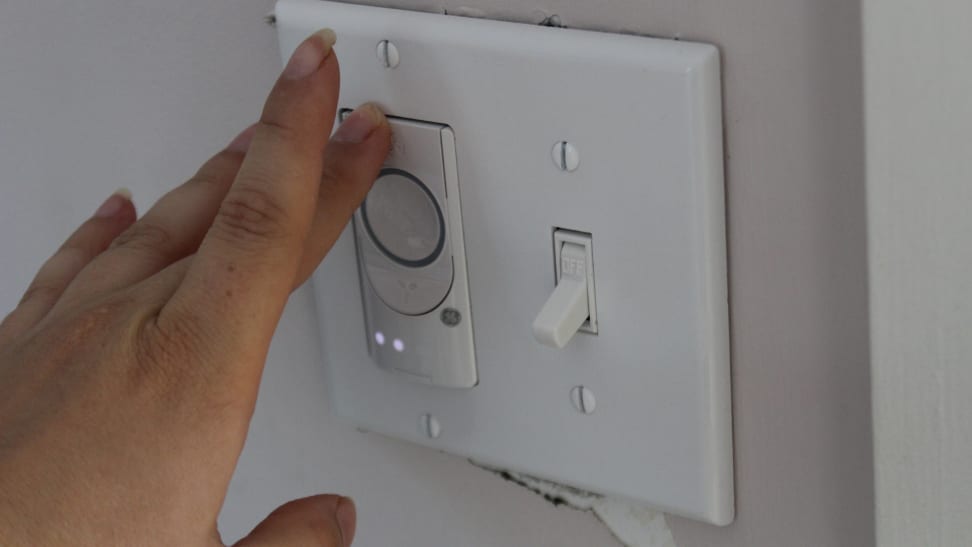
I tried a smart ceiling fan switch—here's how it went

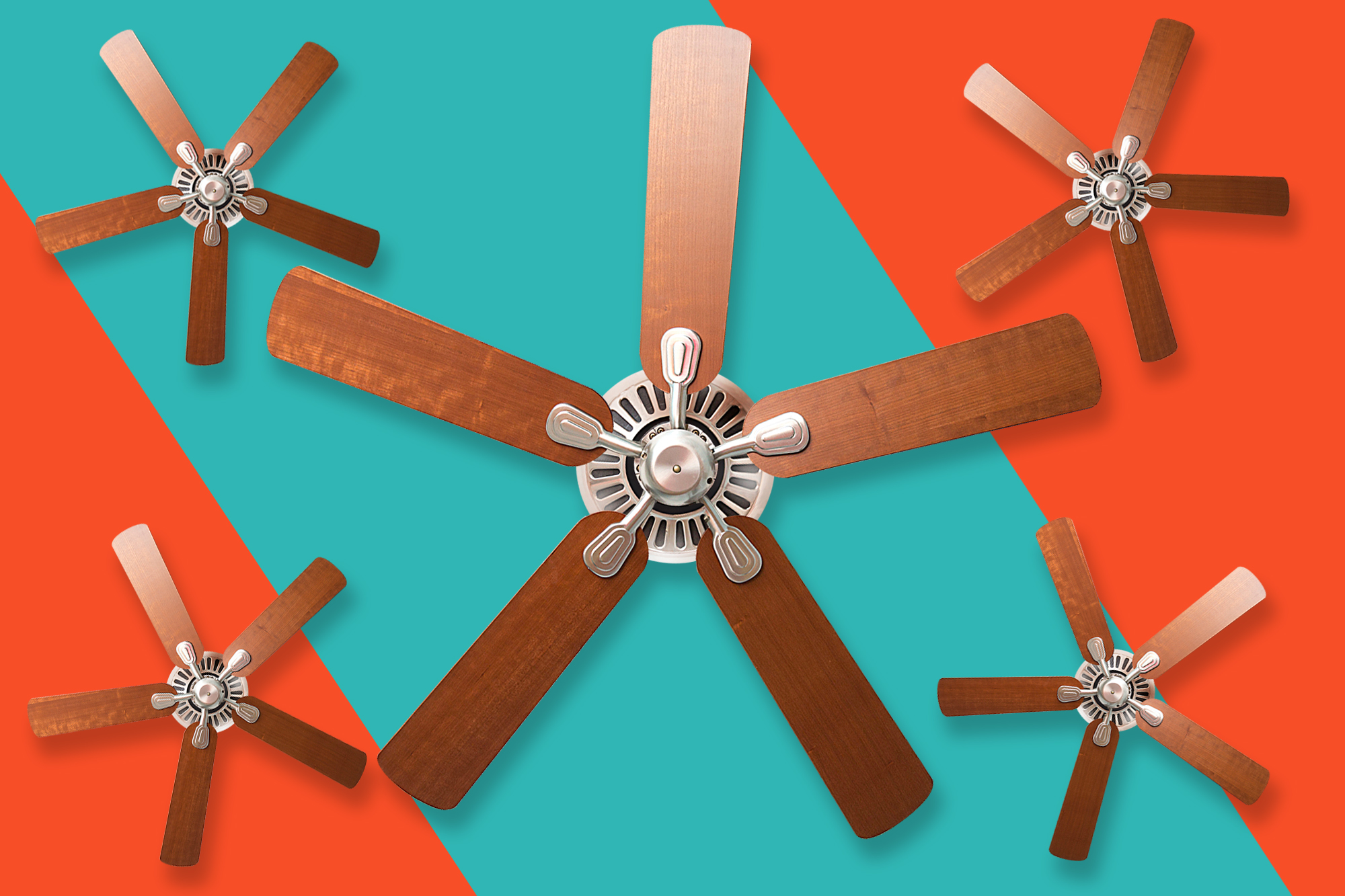
The 16 best ceiling fans for extra airflow in 2023, plus expert tips
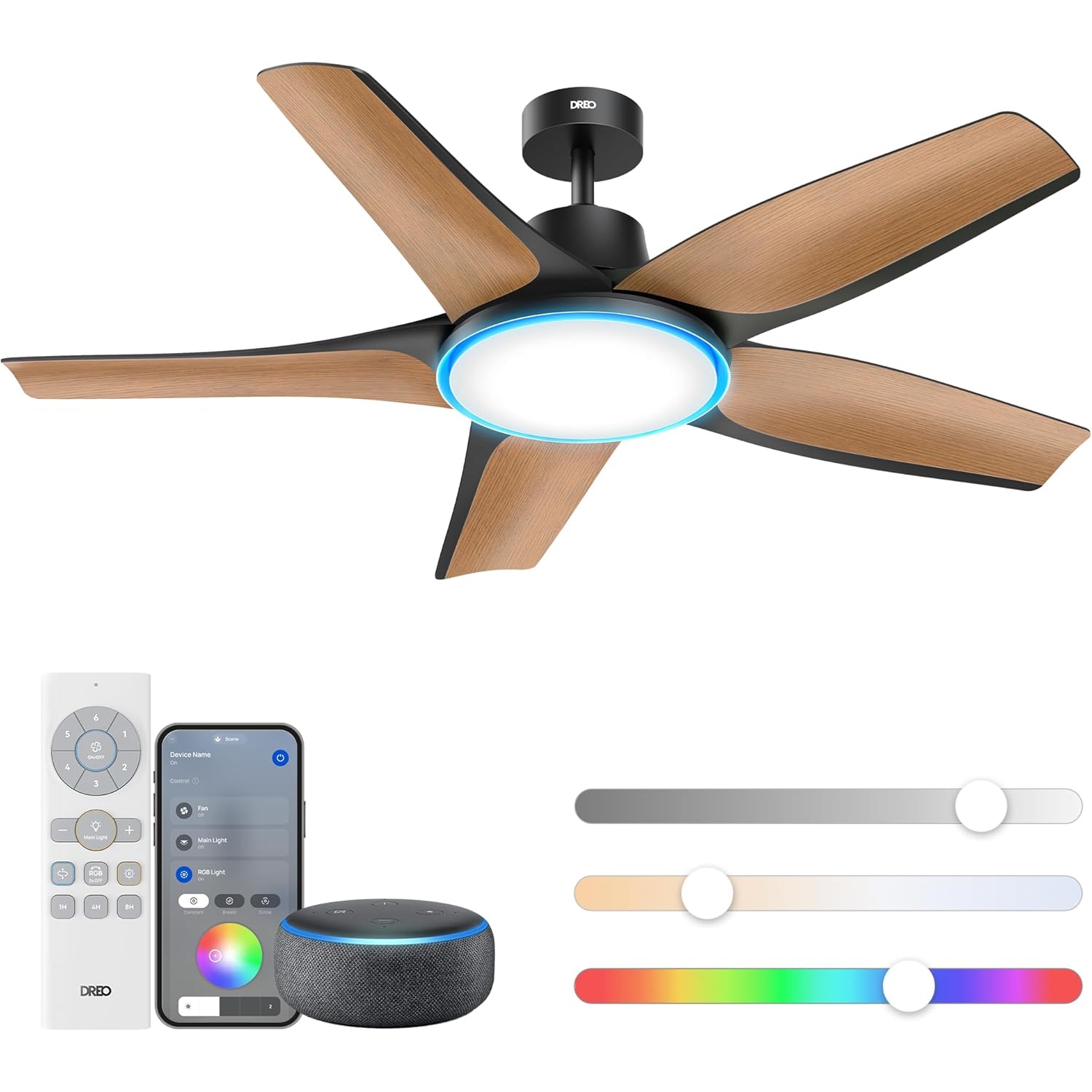
Spin Smarter, Not Harder: Our Favorite Smart Ceiling Fans

Finally, a Smart Ceiling Fan That Is Seriously Smart
The Ceiling Fan Mistake That's Costing You Money Every Month