1/8
Would You Wear This Sofa? Why Bold Stripes Are Fall's Hottest Trend
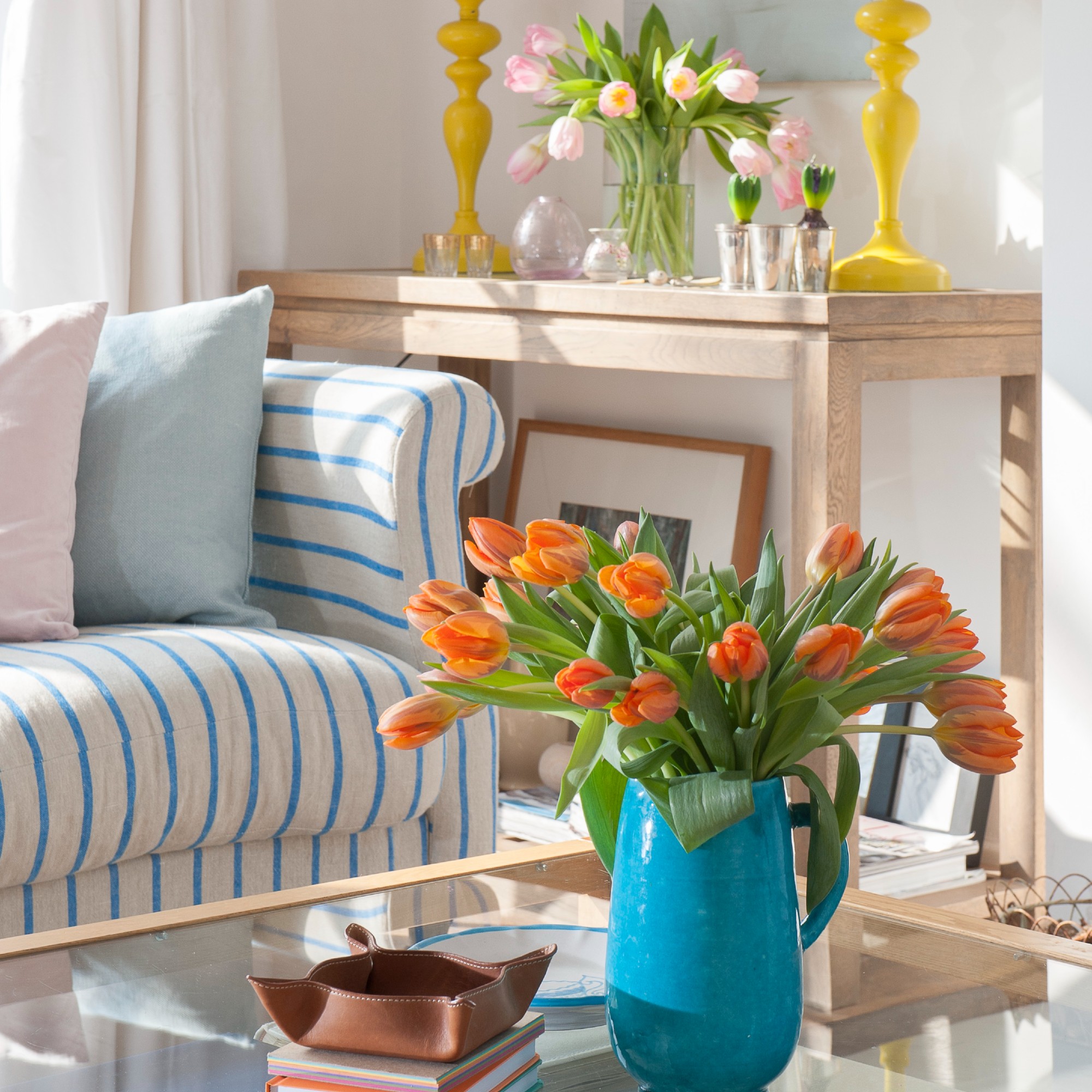
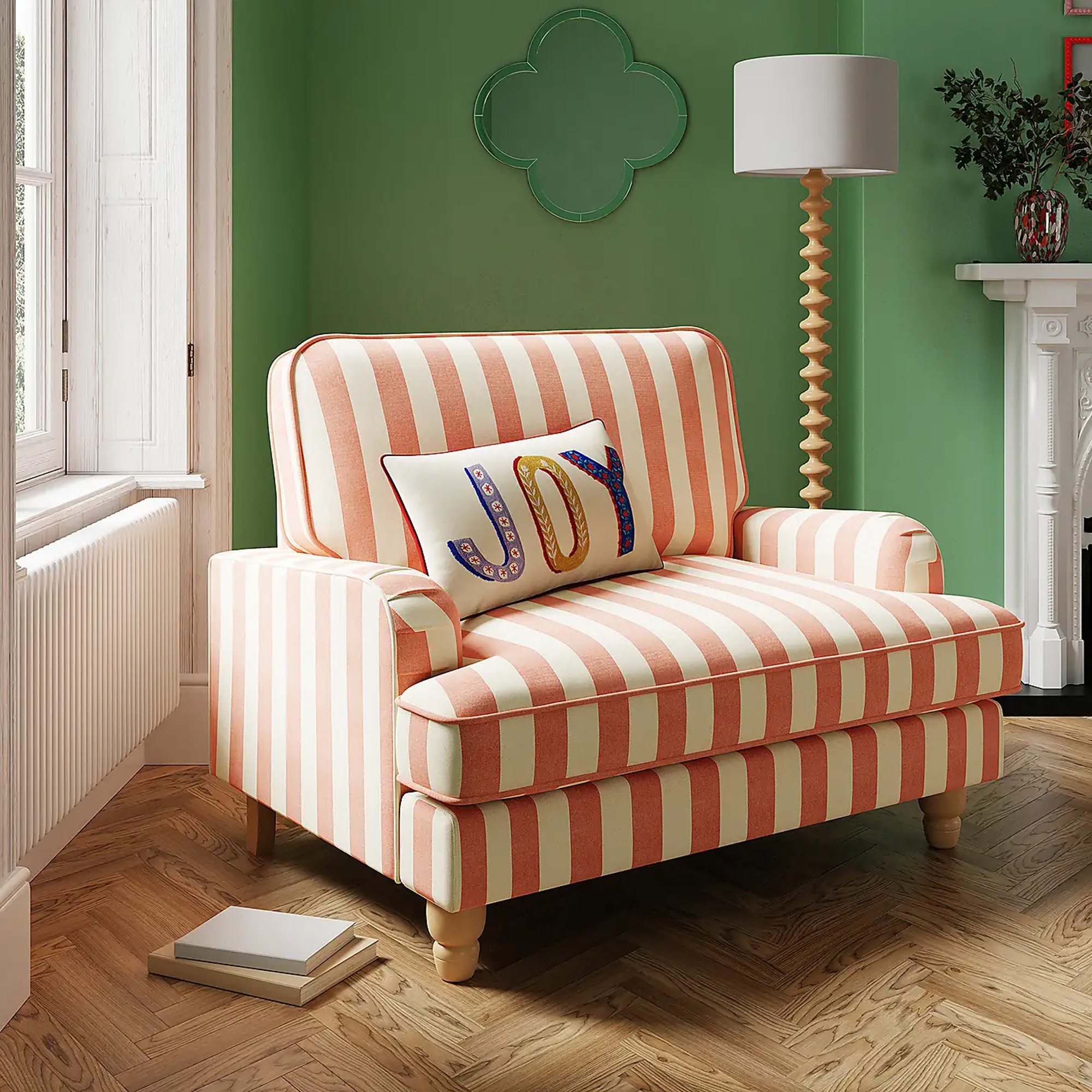
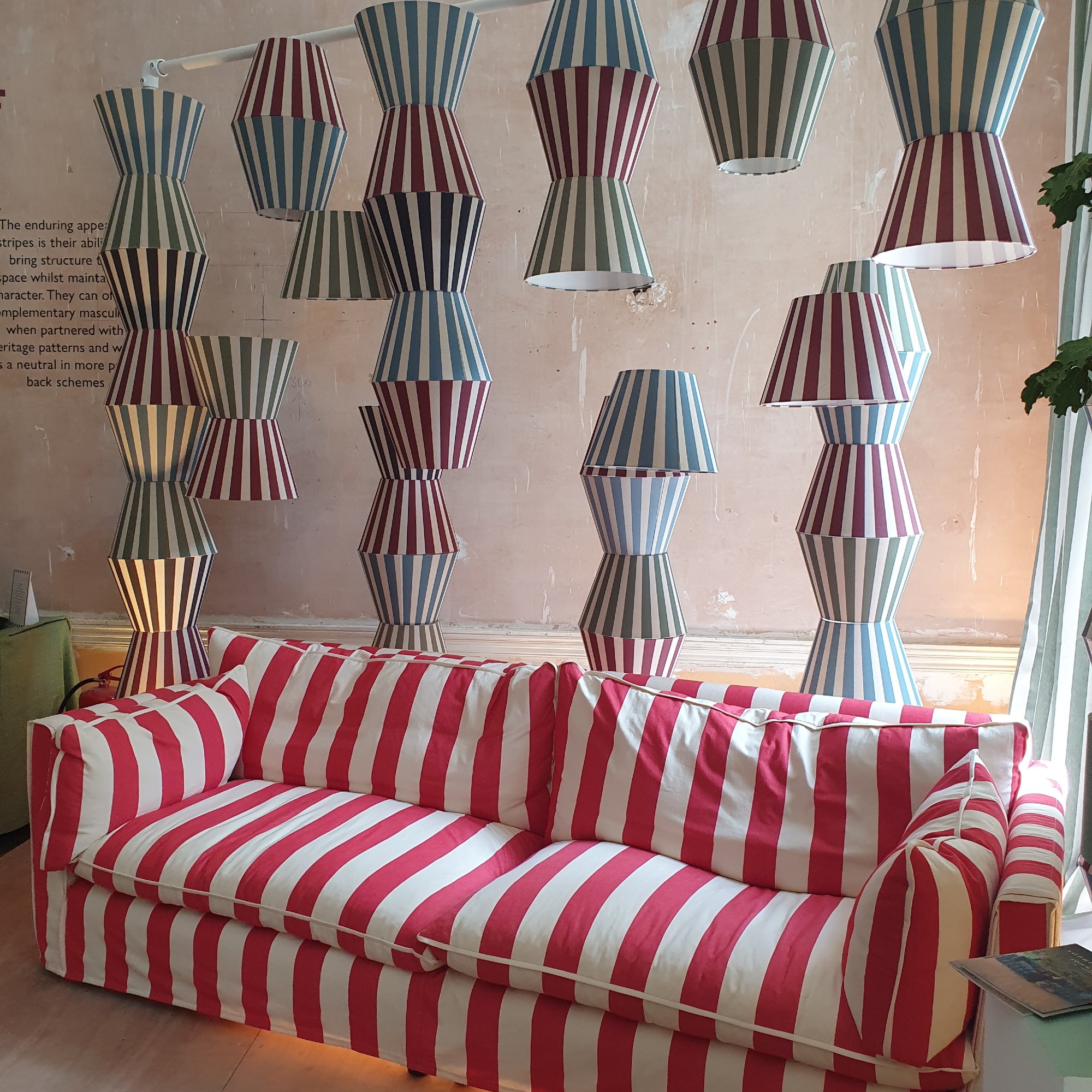
This article explores the rising trend of incorporating bold stripe patterns, traditionally found in sofa upholstery, into wearable fashion and home decor. The piece highlights how various types of stripes, from classic ticking to vibrant cabana stripes, are transcending their original applications to appear in clothing, accessories, and storage solutions. The core idea is that familiar and timeless fabric motifs are being playfully reimagined, moving from furniture to personal wardrobes and other decorative items.
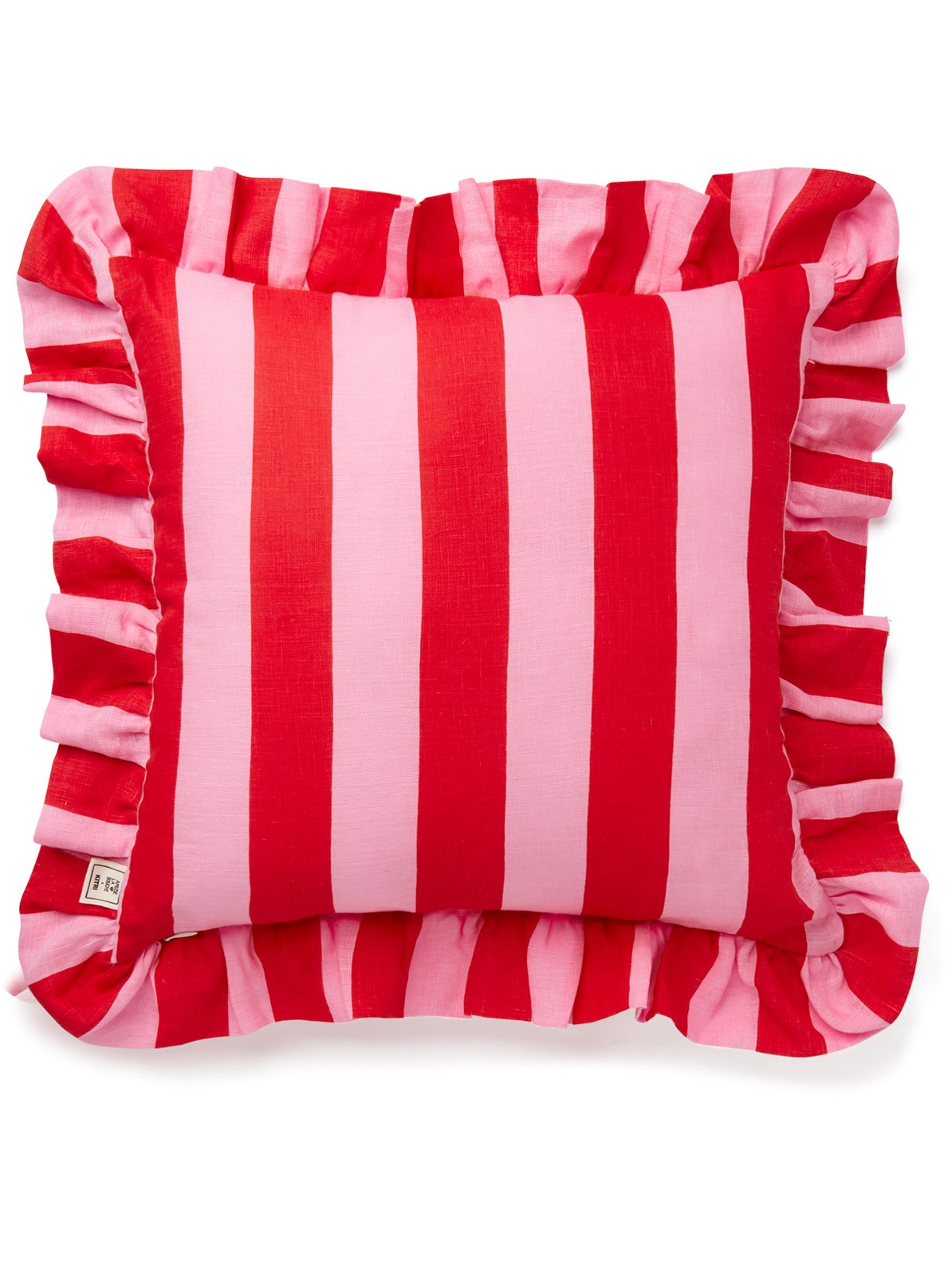
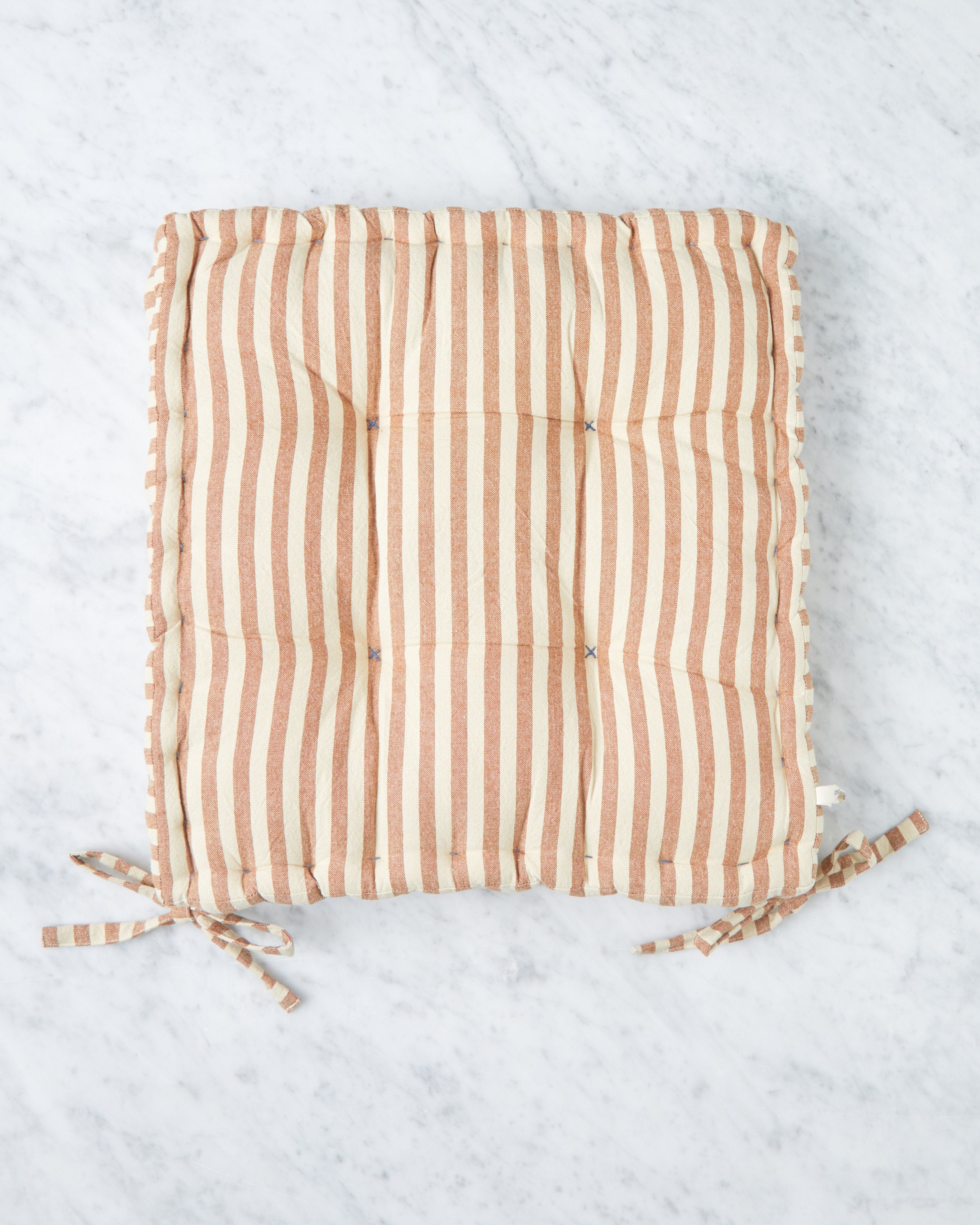
The article delves into the versatility of different stripe patterns. Candy stripes are noted for their crisp, high-contrast aesthetic, while mixed-width multi-stripes add a dynamic rhythm. Bengal stripes, characterized by sharp verticals alternating with white, are presented as a symbol of tailored elegance. In contrast, block-printed versions introduce an element of artisanal irregularity. Woven stripes offer durable, dimensional texture, and sawtooth zigzags or jagged edges provide a graphic appeal. The iconic cabana stripes are described as evoking seaside glamour with their broad, joyful color swaths, transitioning from their traditional use in outdoor furniture to a broader design context.
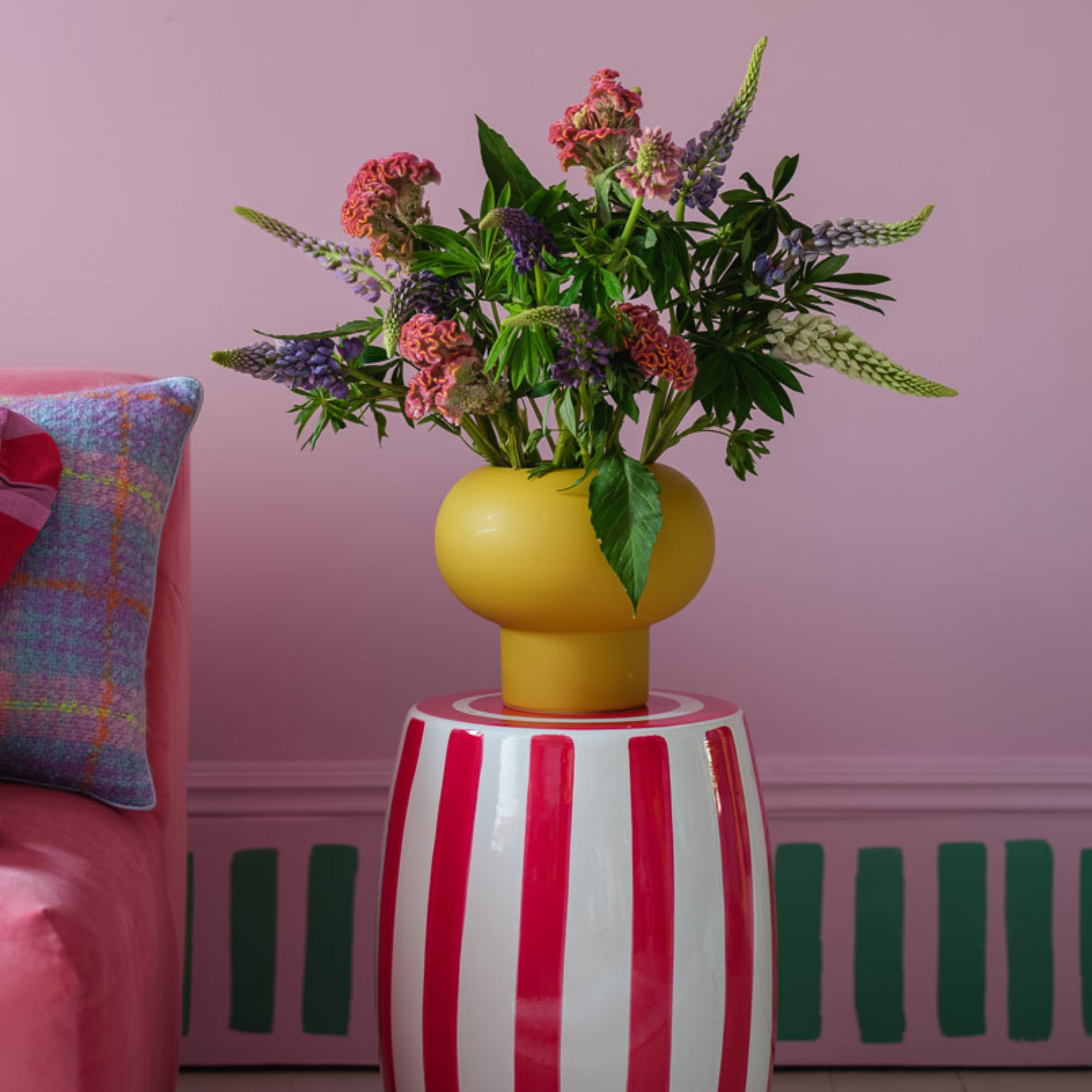

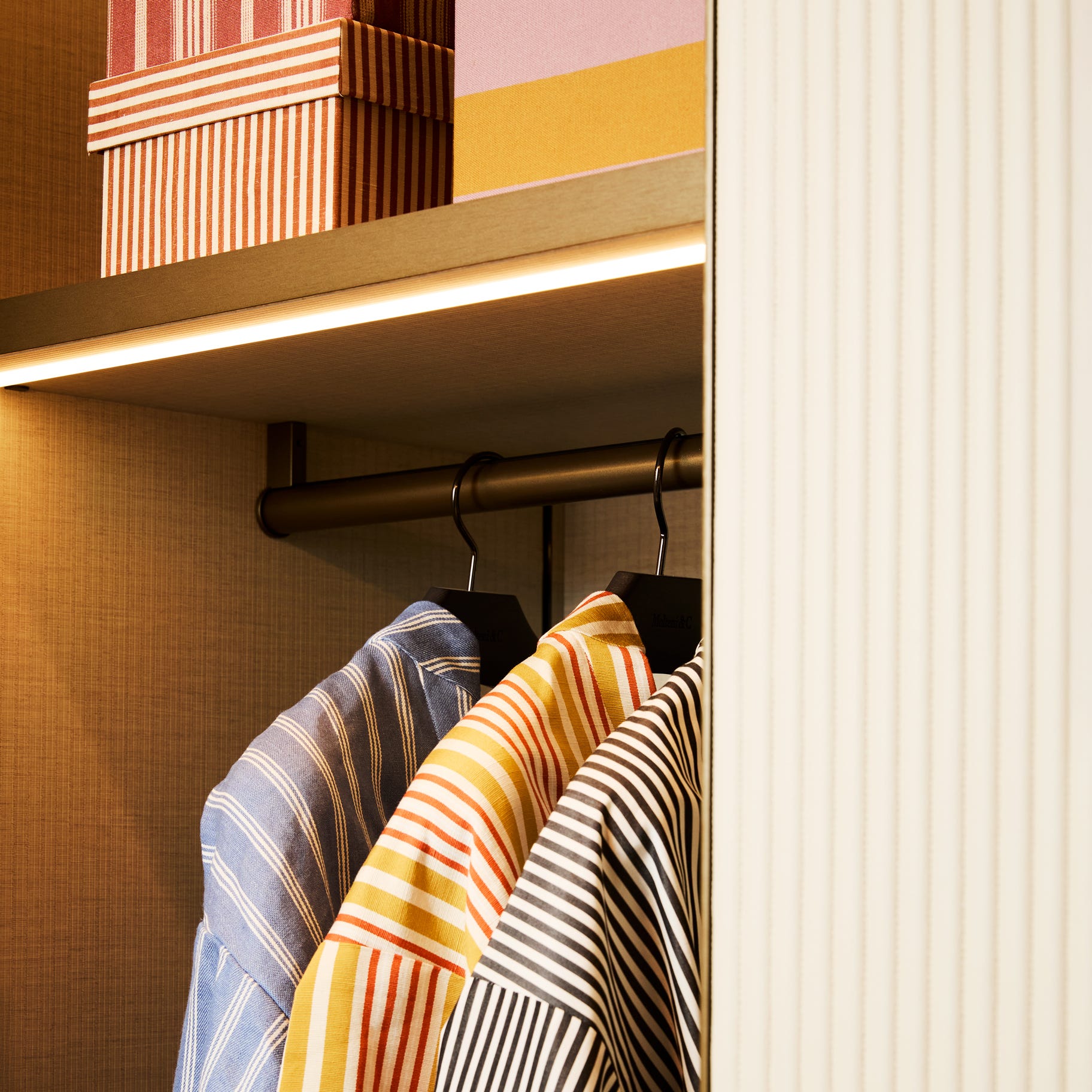
The content is supported by several visual examples. One image showcases three striped shirts hanging in a closet, directly illustrating the concept of 'wearing' a sofa fabric. Another image features a striped shirt draped over a box, combining fashion and storage. A wardrobe display meticulously arranges various striped shirts, emphasizing the adaptability of these patterns. Additional visuals include a decorative gift box alongside colorful fabrics, a striped garment on a hook, and clothes displayed in a sophisticated wardrobe setting with a striped shirt and skirt. There is also an image of a modern cloth draped over a unique stool next to a patterned tray, and a textile featuring a striped pattern draped over a chair, further reinforcing how stripes can be applied across different items.
The article cites specific fabric designs and brands, such as Jodhpur by Manuel Canovas, Yalda by Clare Louise Frost, Addison Stripe by Kerry Joyce Textiles, Moire Stripe by Helene Blanche, and Belmondo by Dedar, providing concrete examples of the textiles inspiring this trend. It also mentions Branca Ticking by Casabranca, Holden Stripe by Anna French, Delamain Yellow by Robert Kime, Avenue Stripe by Paolo Moschino, and Regency Aperigon by Giles Deacon for Sanderson, showcasing a range of styles from classic to contemporary. The inclusion of items like the Gliss Master-Bamboo Door by Vincent van Duysen and the Podi stool by Emmanuel Gallina adds an element of high-end design.
Ultimately, the article concludes that stripes are an endlessly adaptable pattern, capable of being both structured and playful, timeless and constantly reinvented. This adaptability allows them to seamlessly transition between interiors and wardrobes, making them a widely popular design choice. The piece was originally published in the September 2025 issue of ELLE Decor.
#SofaFabrics #UpholsteryTrends #StripePatterns #HomeDecor #FashionTrends #TextileDesign #InteriorDesign #HomeFurnishings #PatternVersatility #SofaFabrics #UpholsteryTrends #StripePatterns #HomeDecor #FashionTrends #TextileDesign #InteriorDesign #HomeFurnishings #PatternVersatility
0 comment in total
 No comments yet
You may also like
This Chic Color Pairing Is Cooler Than Beige and Black and Set to Dominate Fall Outfits

Experts say this timeless pattern is the next big upholstery trend – here's how to style it in your living room

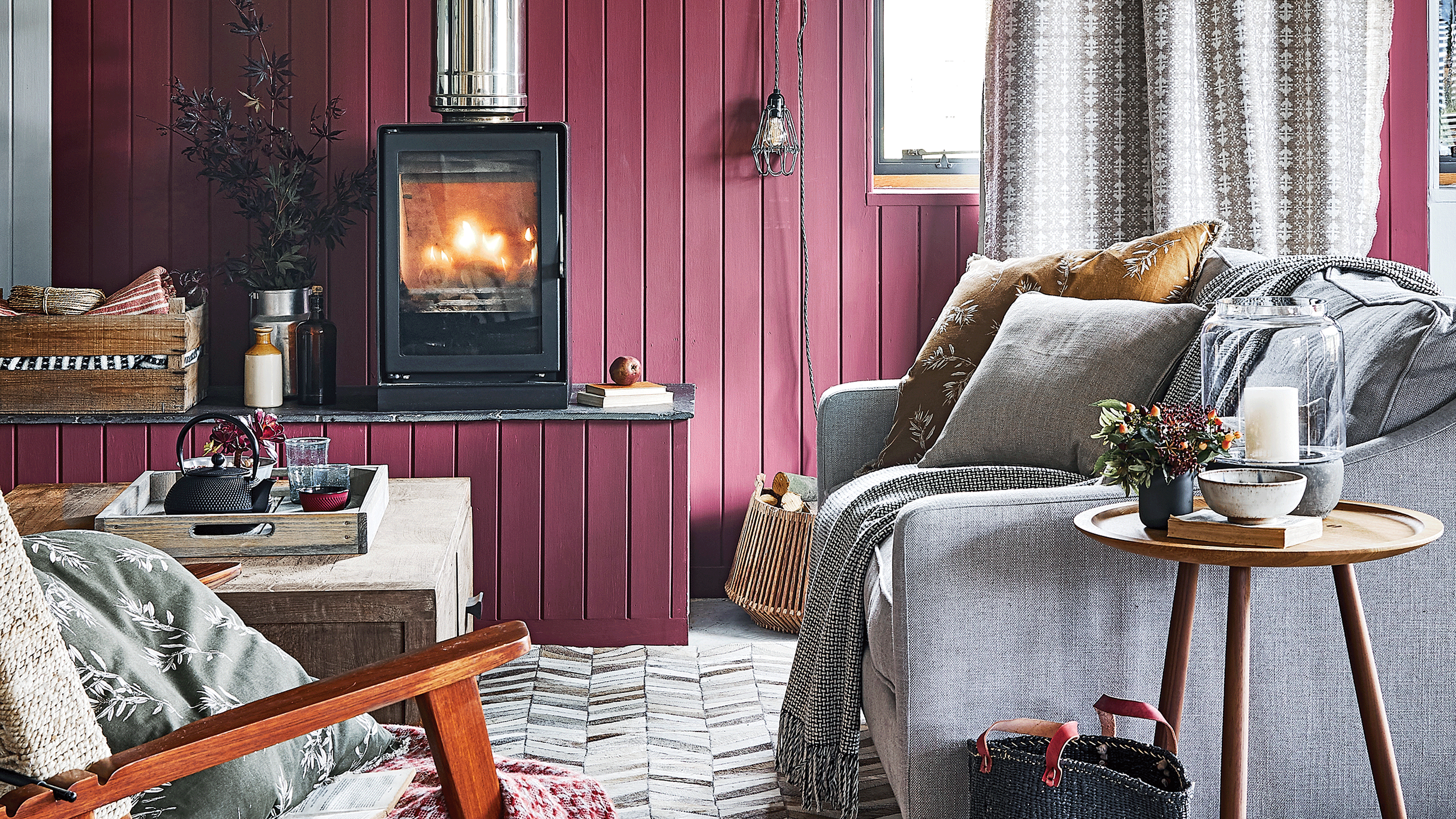
This cosy and warm colour is on track to become autumn's stand out shade
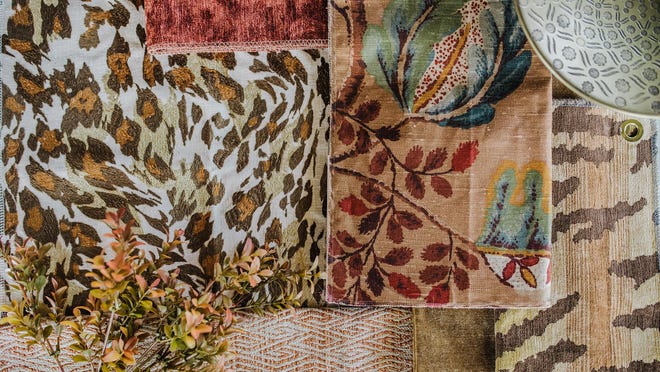
Style at Home: Fresh fabrics for a new fall season
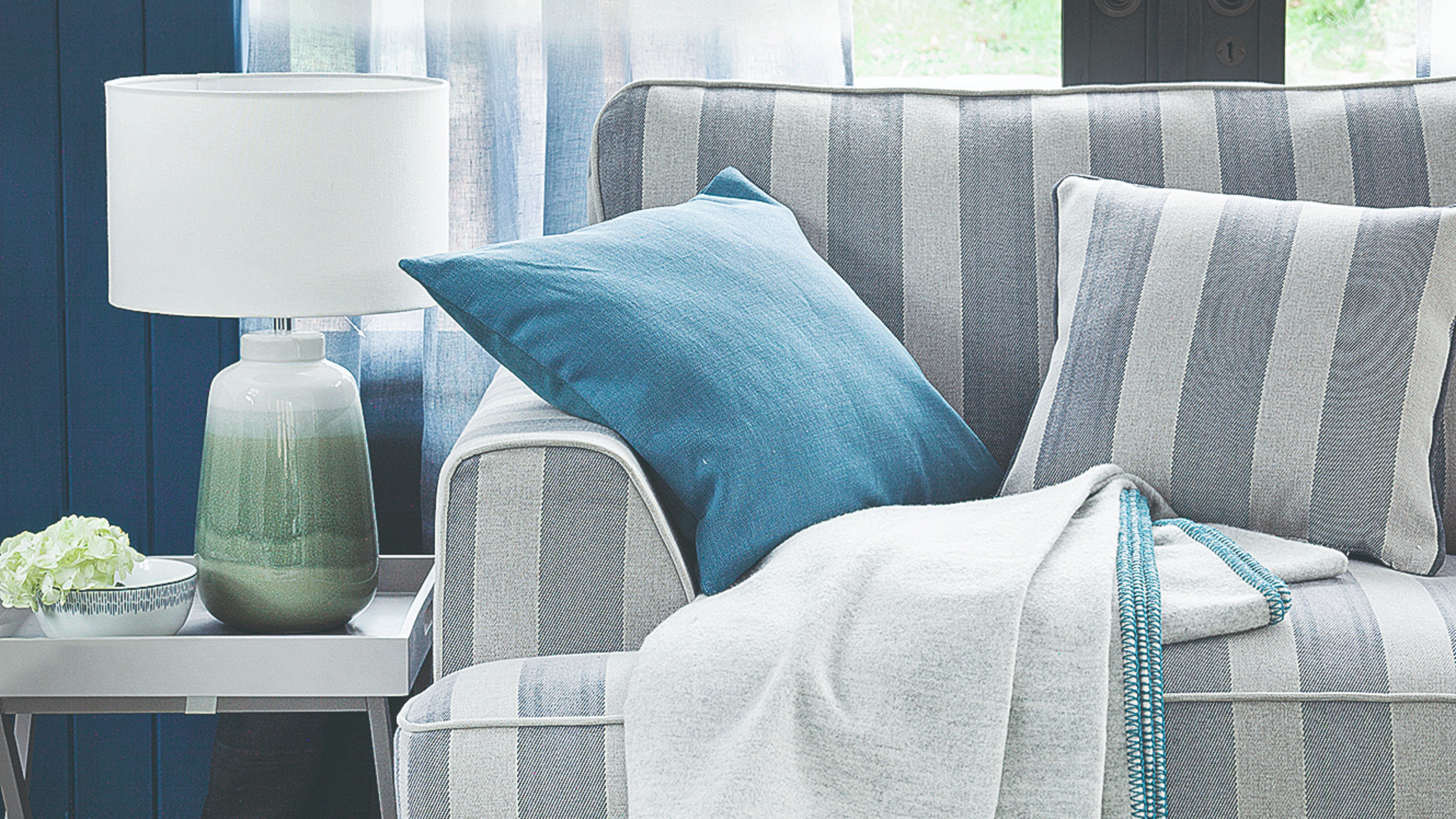
Experts say this timeless pattern is the next big upholstery trend – here's how to style it in your living room
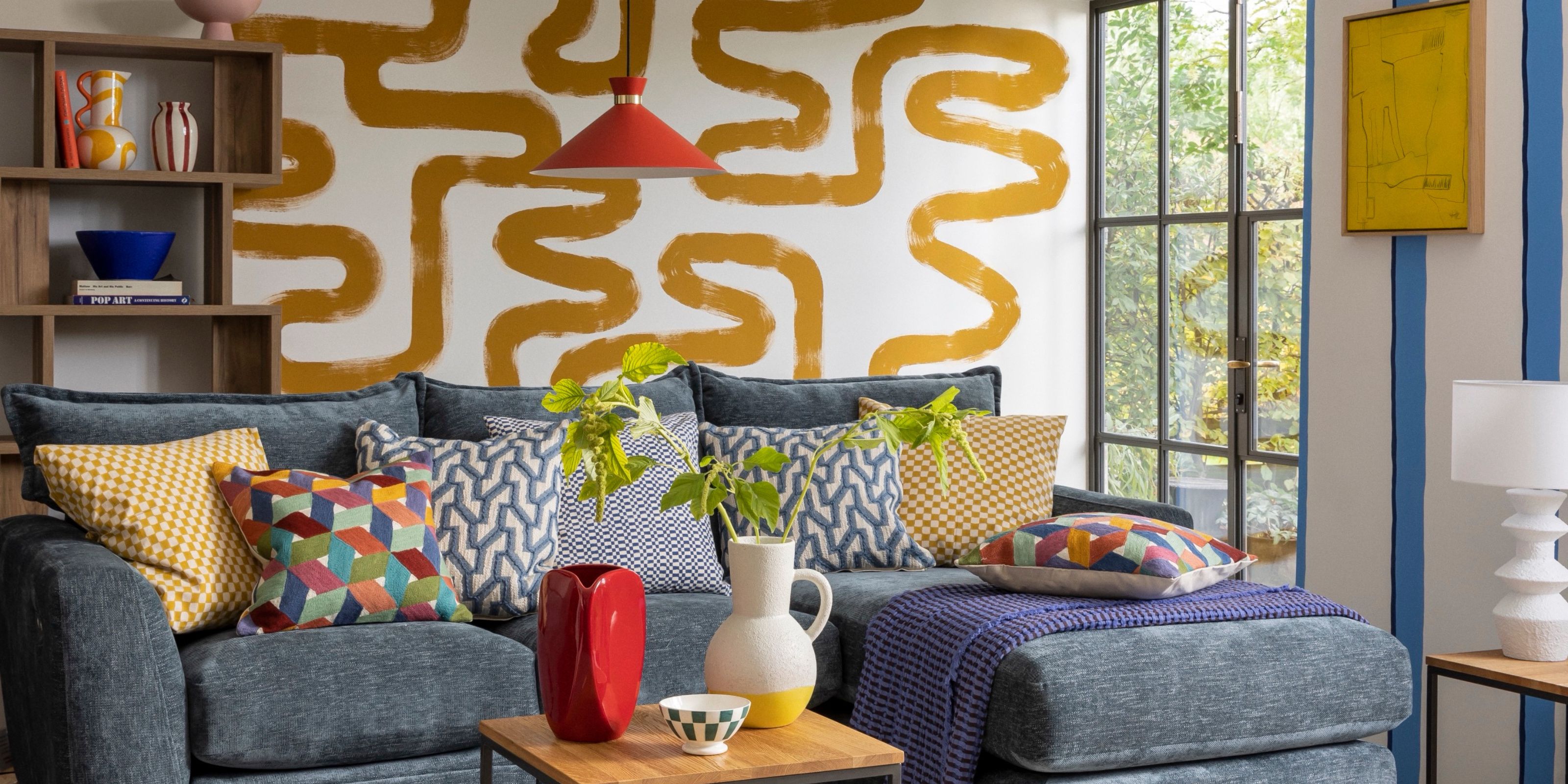
Stripes have got a bold new look – here’s how to make the trend work in your home, according to interior experts
8 Seasonal Décor Swaps That Make Your Space Feel Like Fall (Without a Total Makeover) — from $9
Interior design ideas — adding quirky stripes for summer
The Rich-Looking Color Trend That's Better Than Black (Yes, Really)


Fearless fall fashion forecast
Trending now — bold fabrics that will update your home style

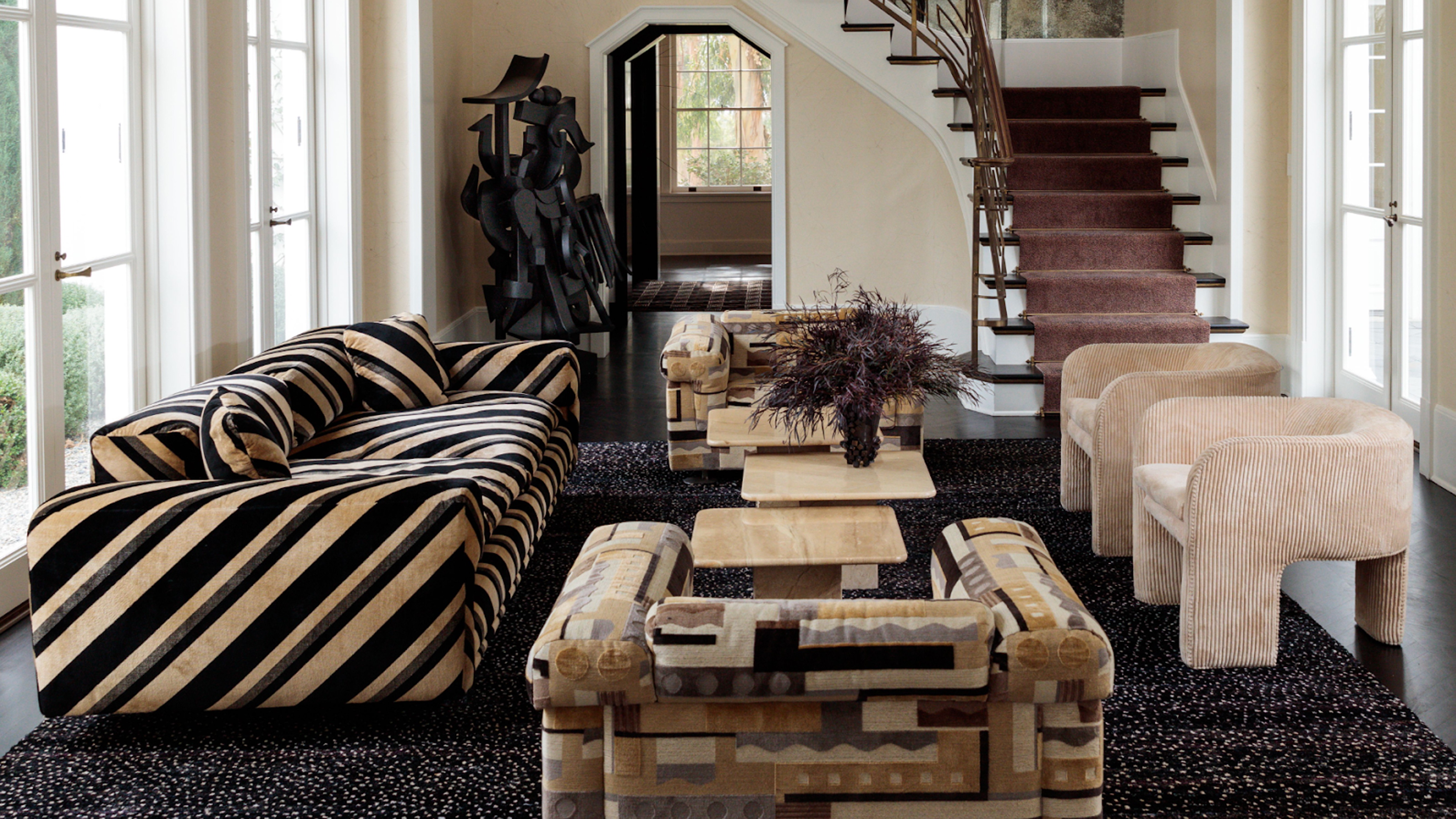
10 of the Biggest Sofa Trends for 2025 — These Are the Couches You'll See in the Coolest Homes This Year

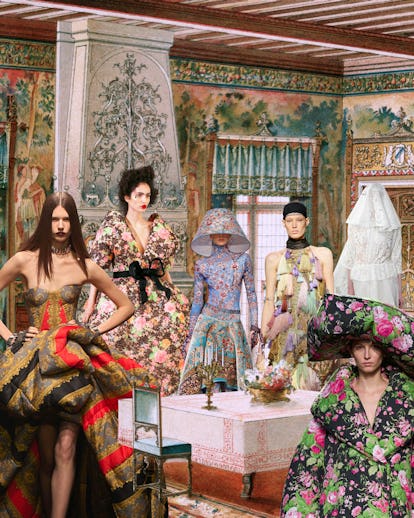
Upholstery Chic Is the Fall Runway Trend You Didn't Know You Needed
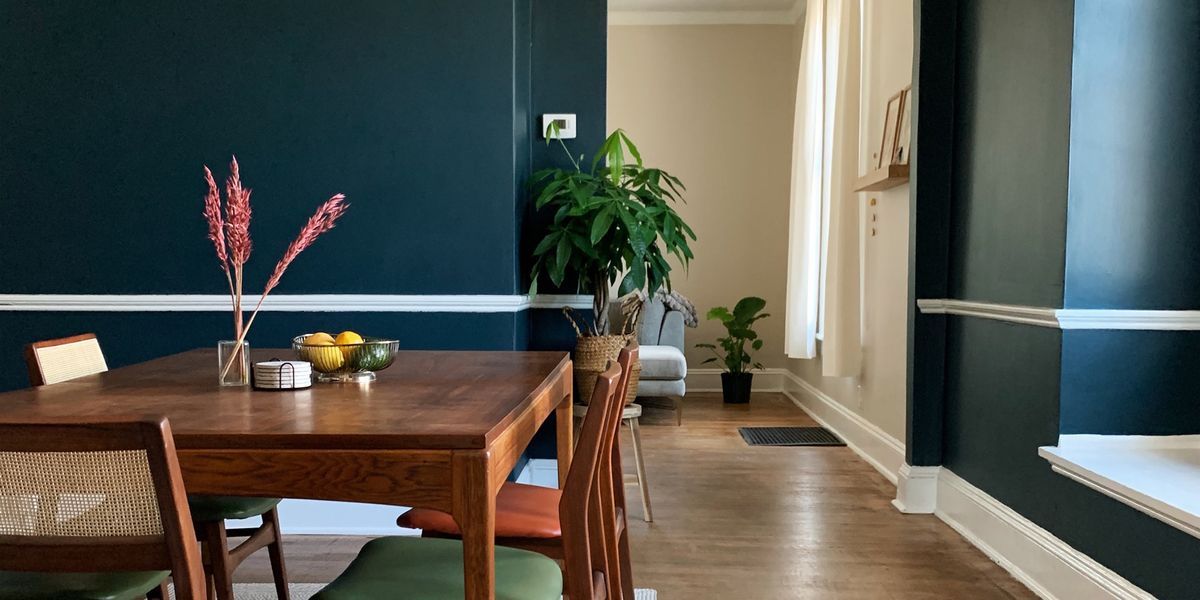
Fall’s Most Stylish Paint Color Trends Have Us Swooning
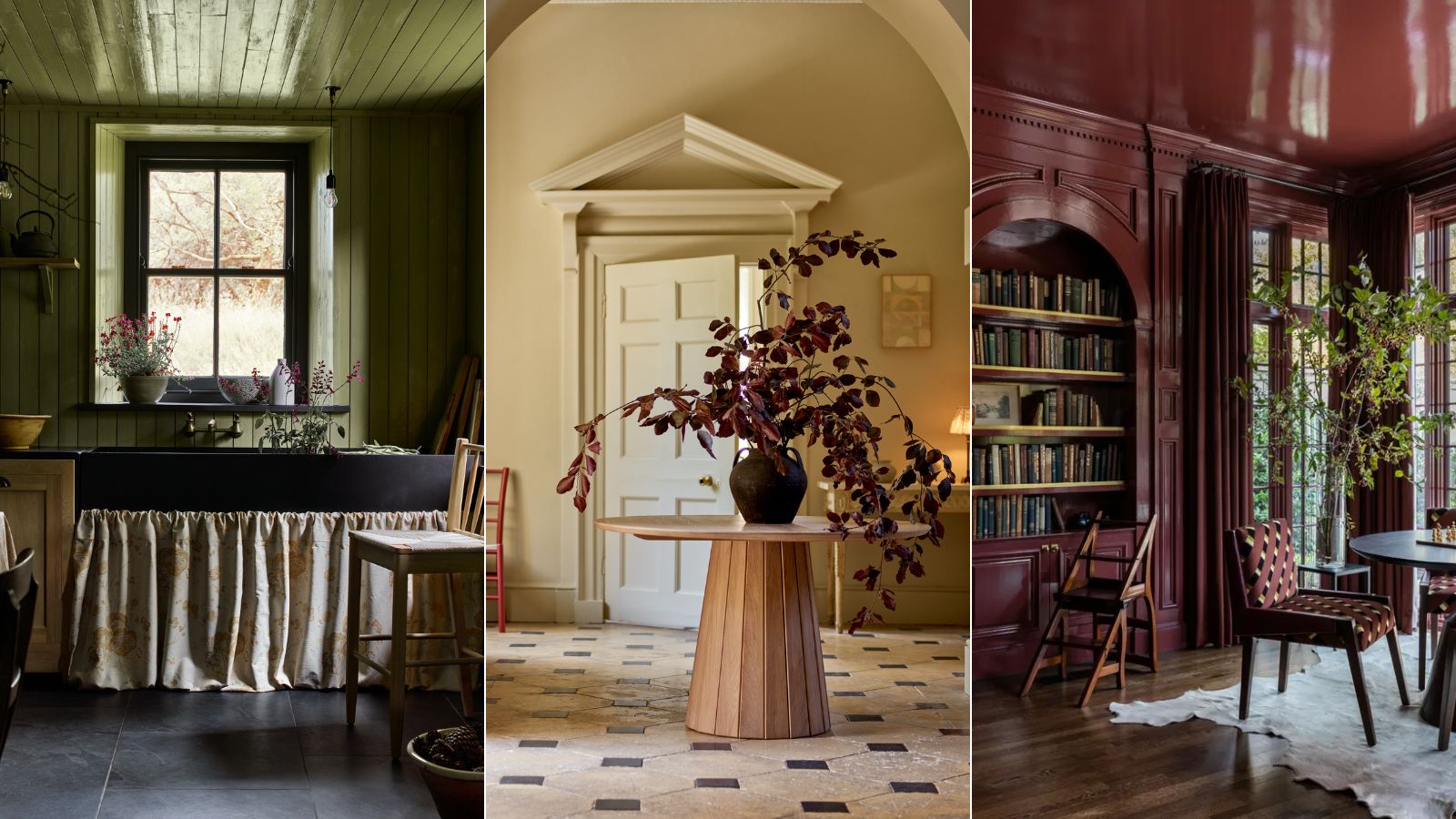
11 fall interior design trends that will help you to create elegant, warm looks for your home this autumn

15 Trends That'll Be "In" This Fall—and 5 That'll Be "Out"
I’ve been seeing sofa skirts all over my Instagram feed – experts reveal whether this is a sofa trend worth investing in

Turn Your Home Into a Cozy Fall Dream With These Designer Ideas
The Fall Home Trends Designers Say Will Be Huge
5 Colors Taking Over Home Design This Fall