1/11
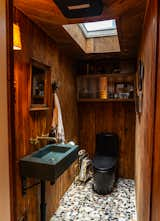
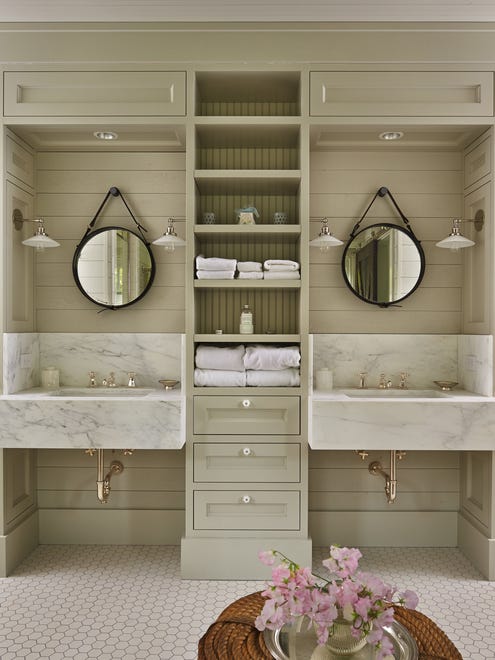
Why wood is the material of the moment when it comes to bathrooms
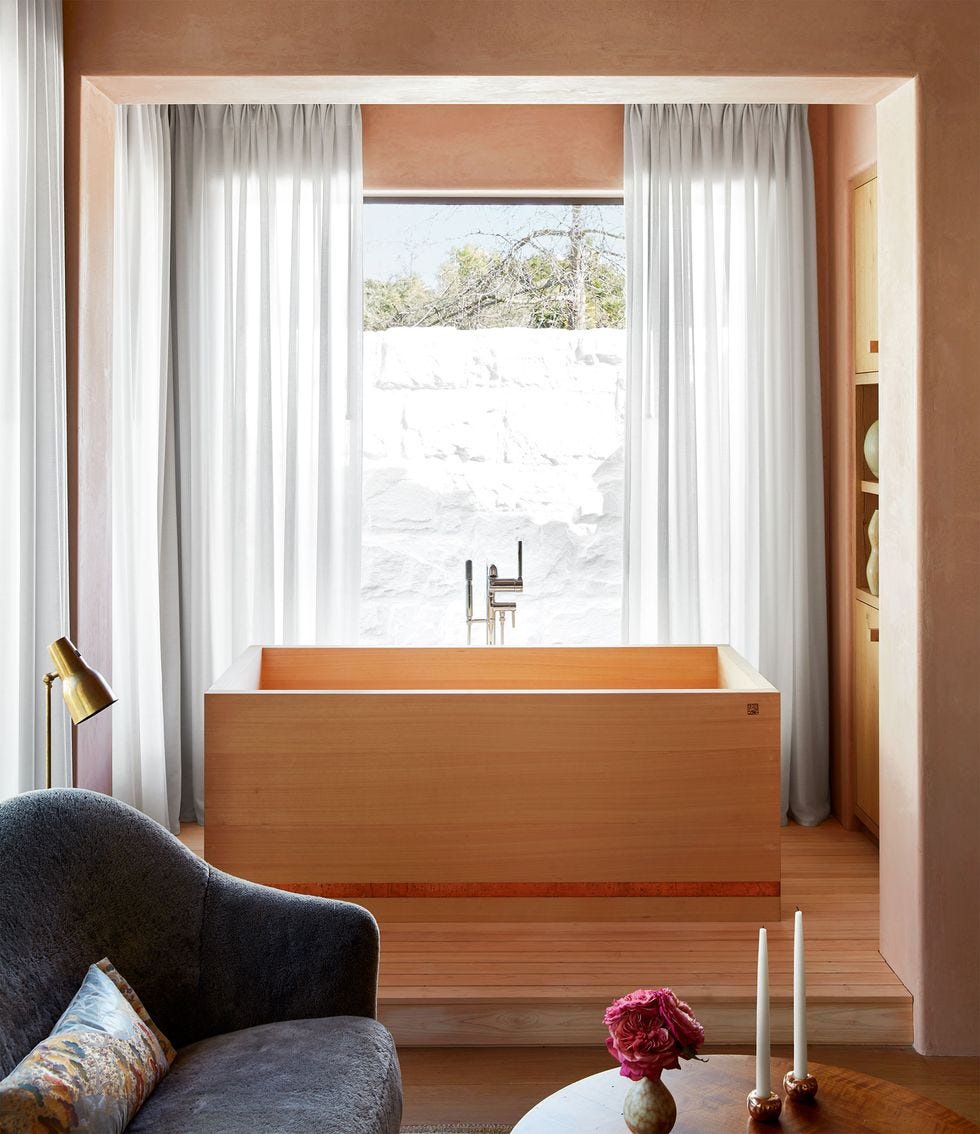
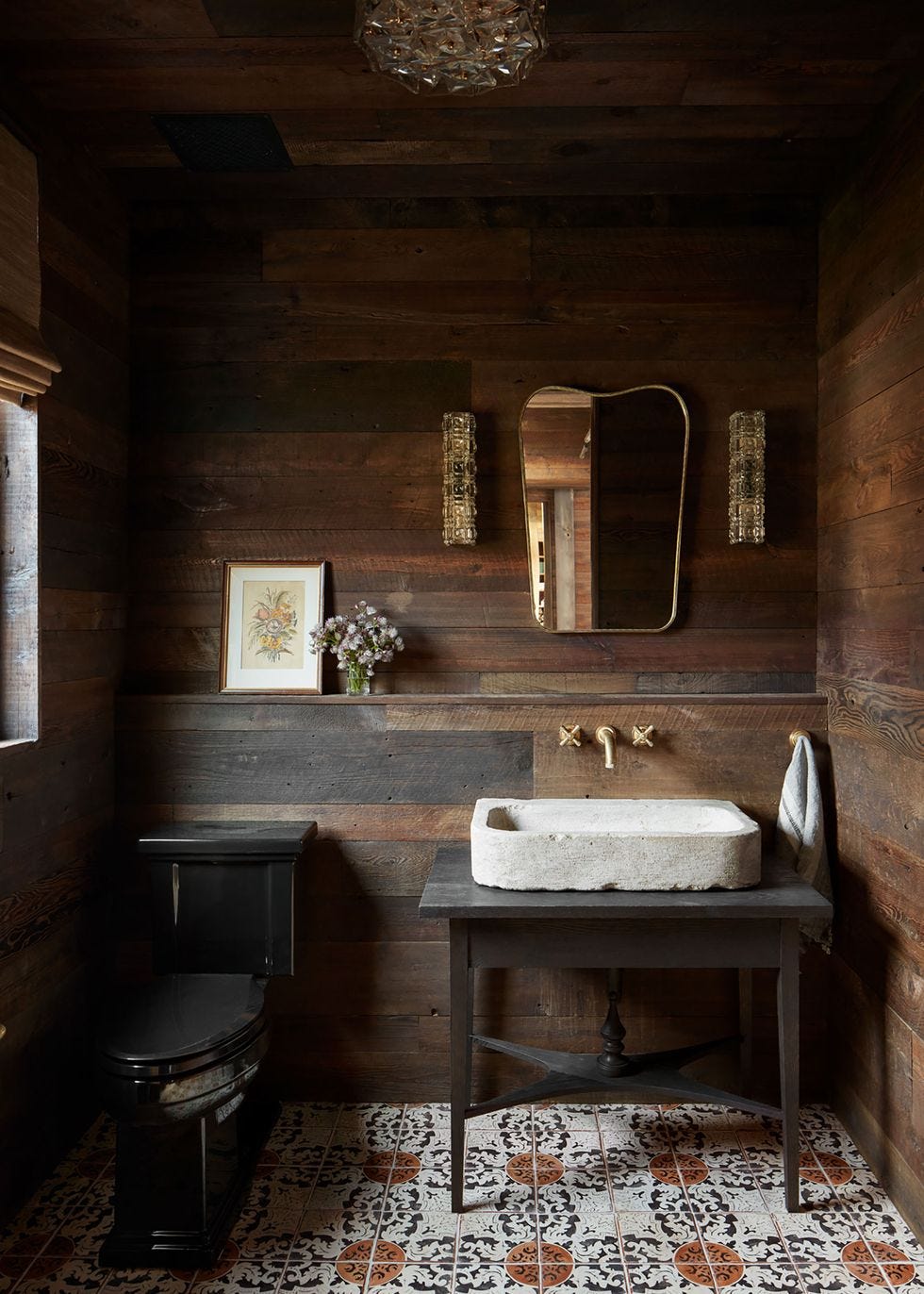
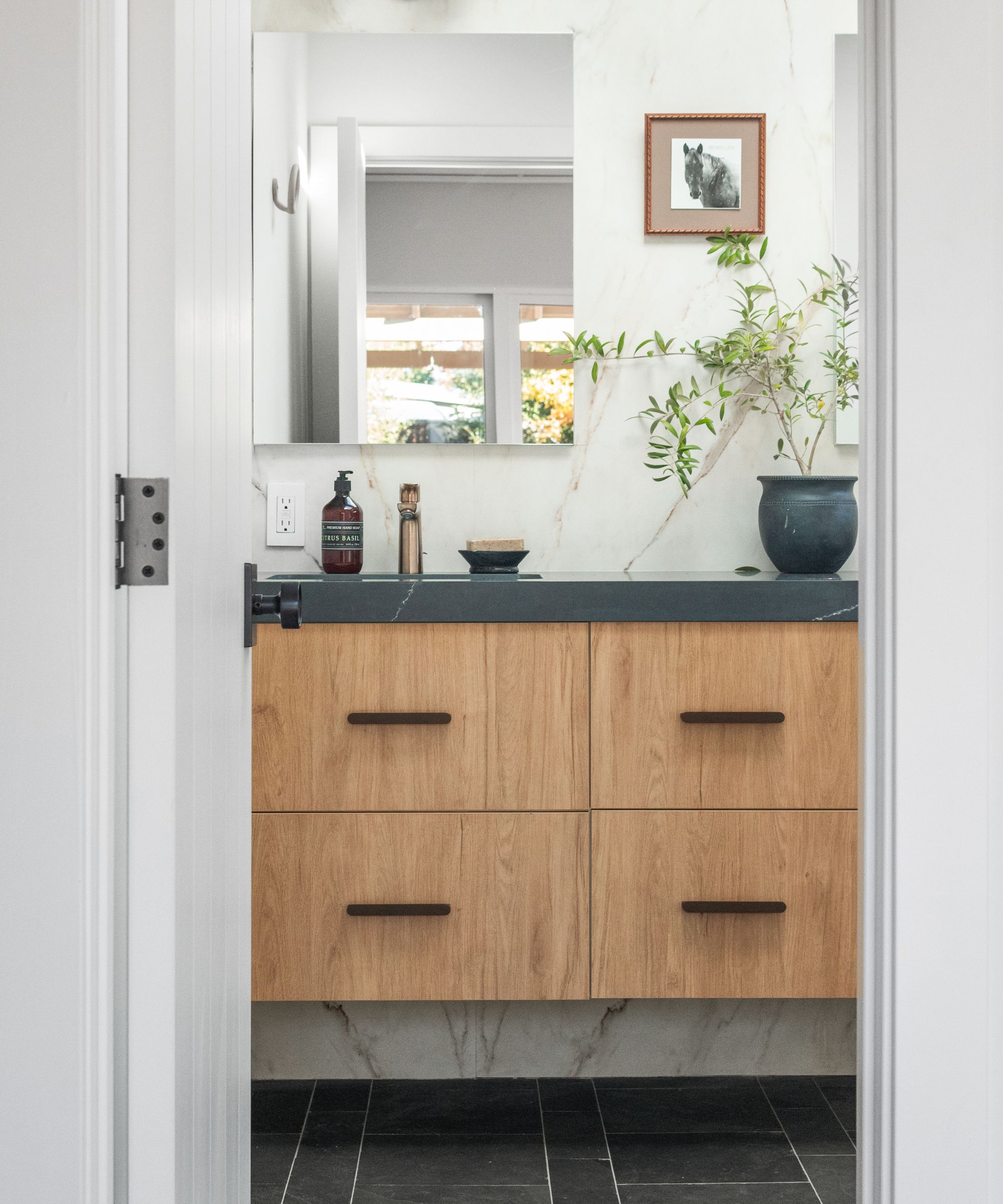
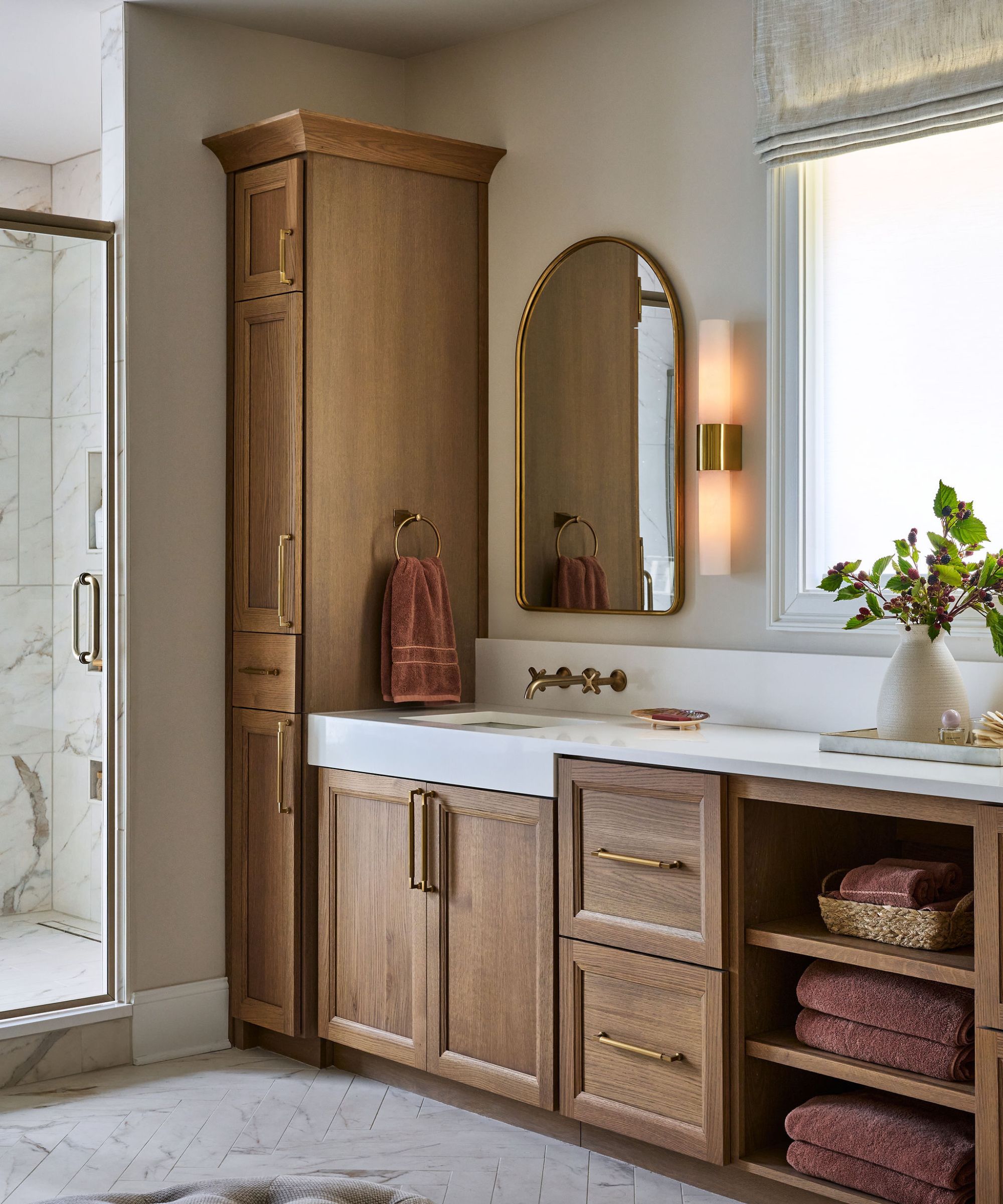
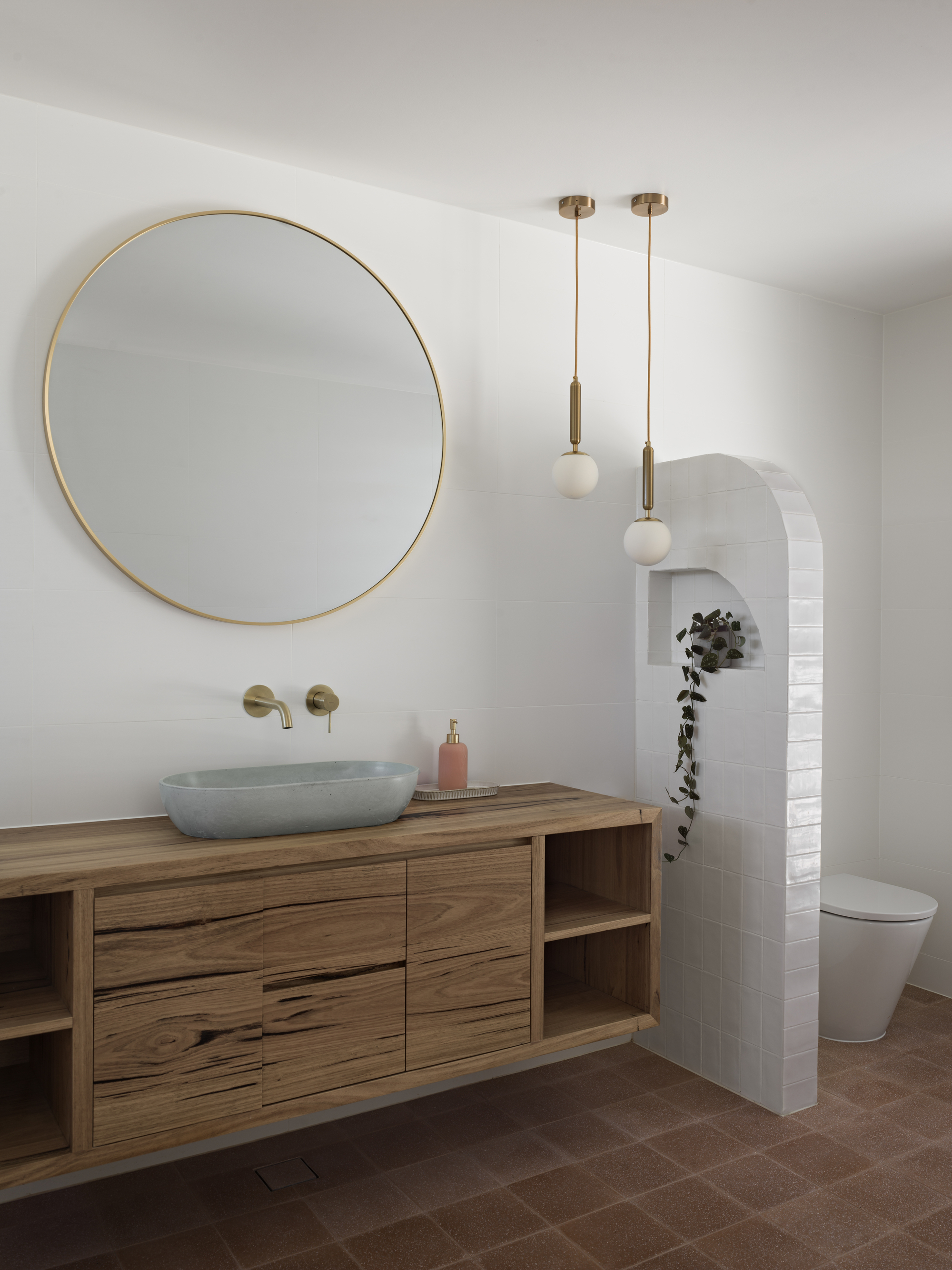
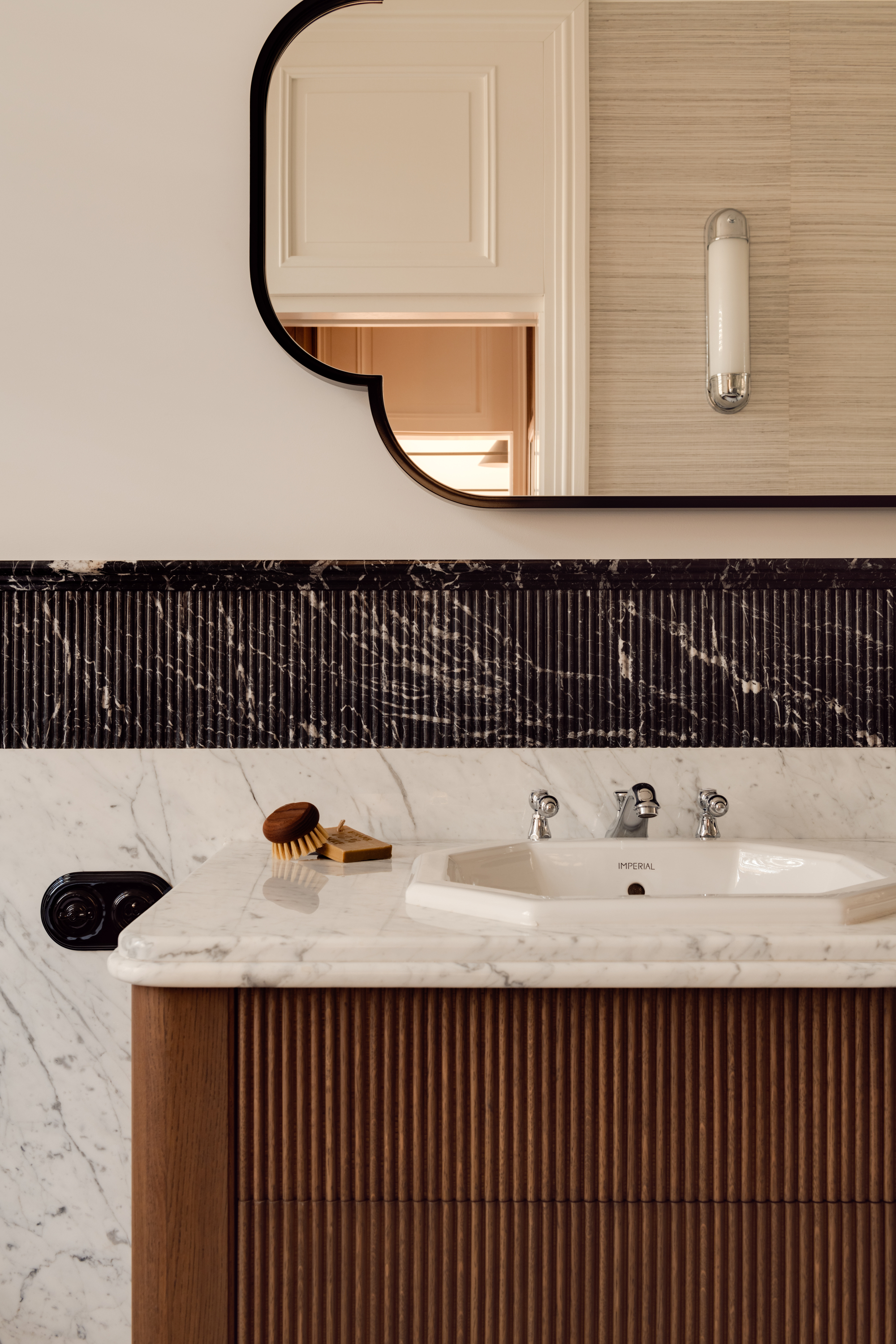
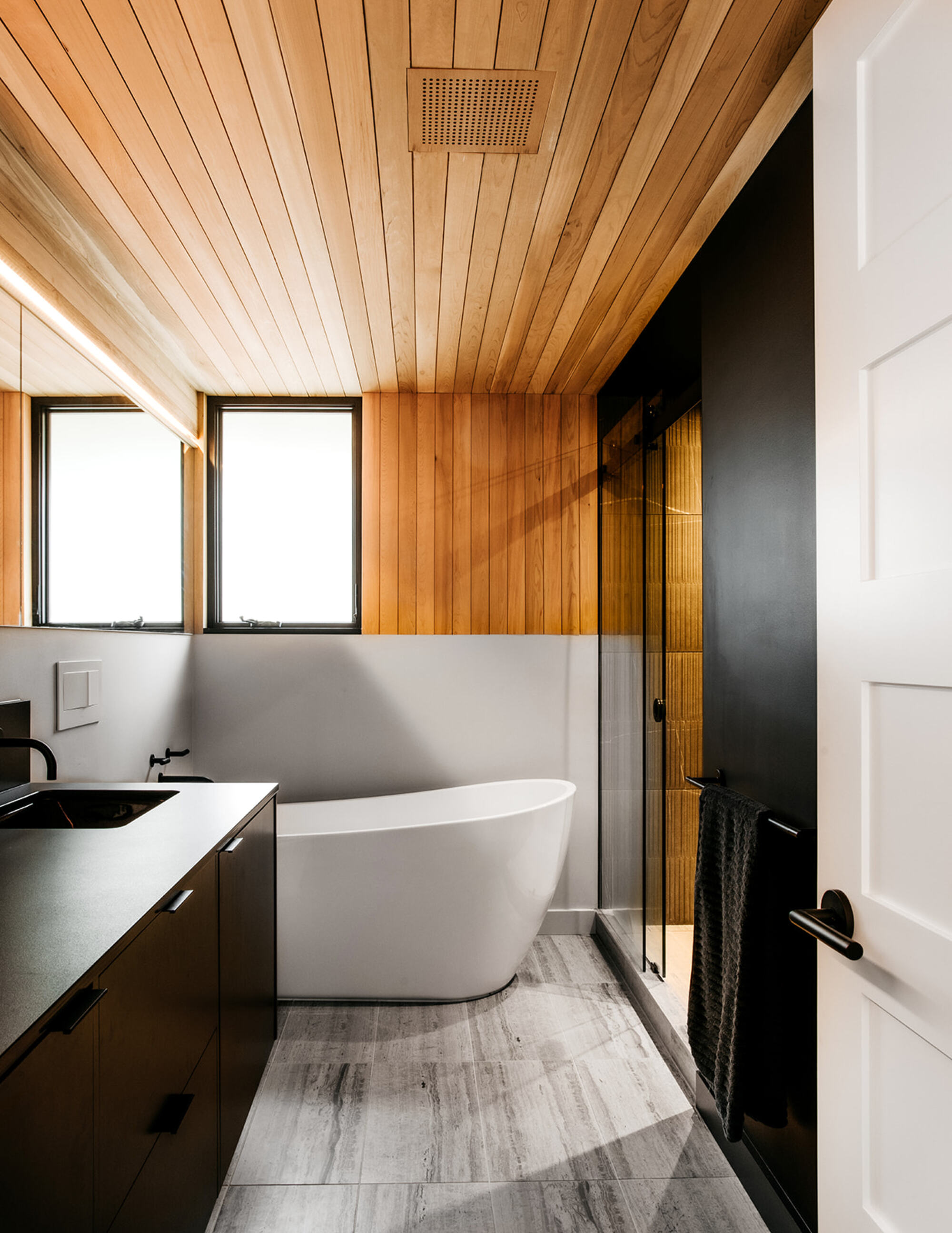
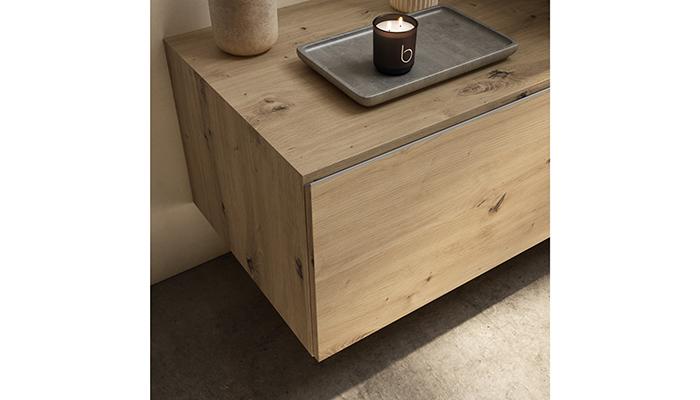
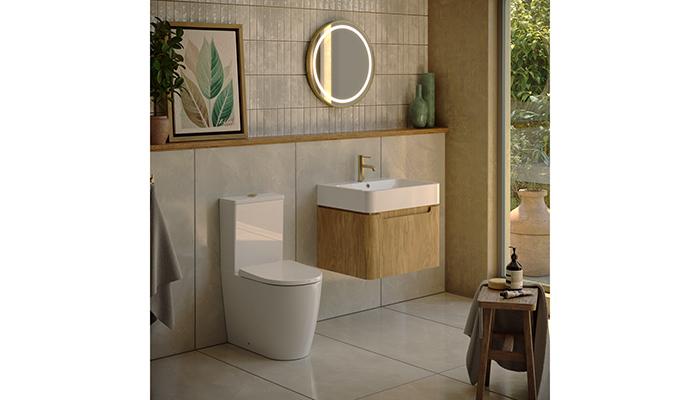
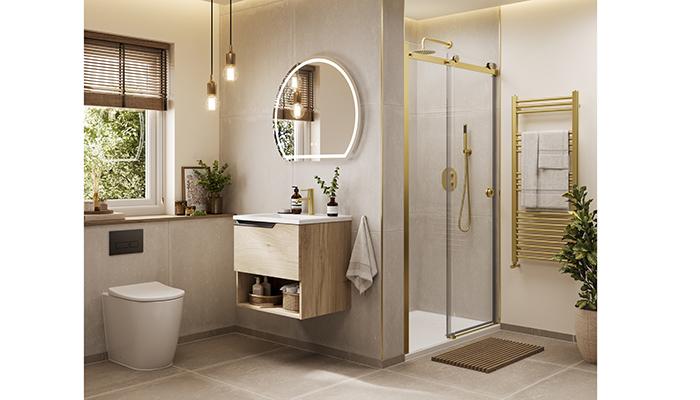
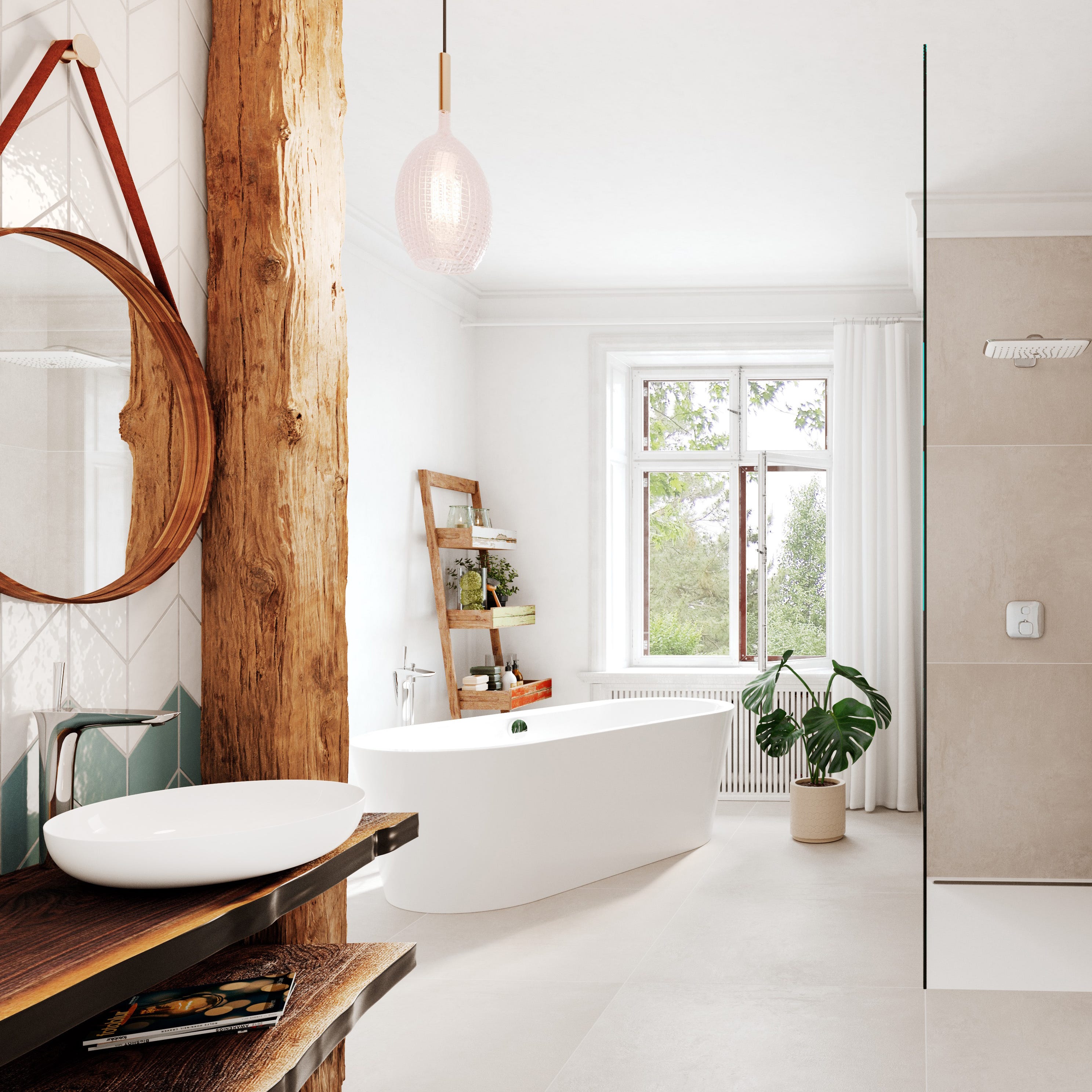
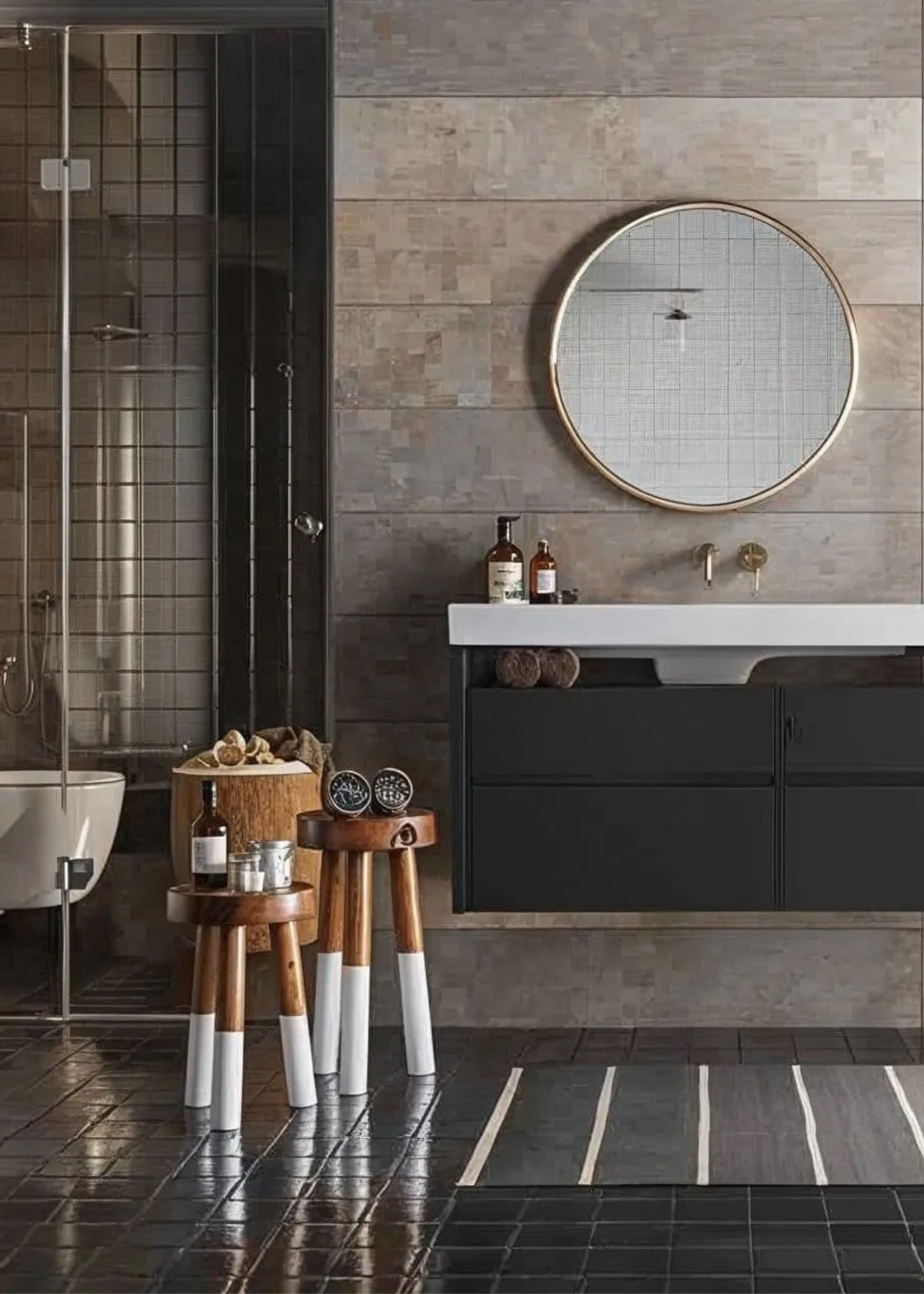
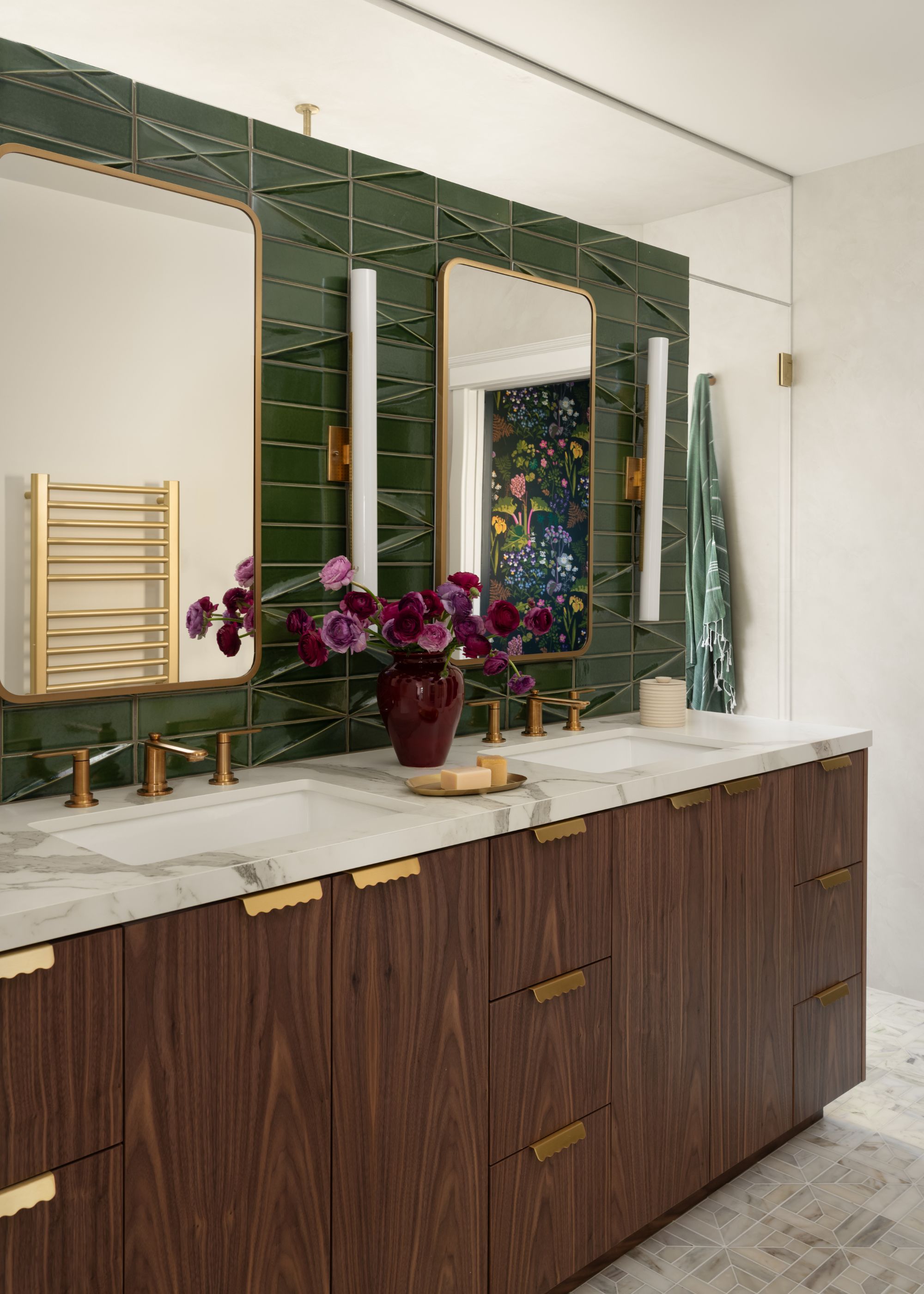
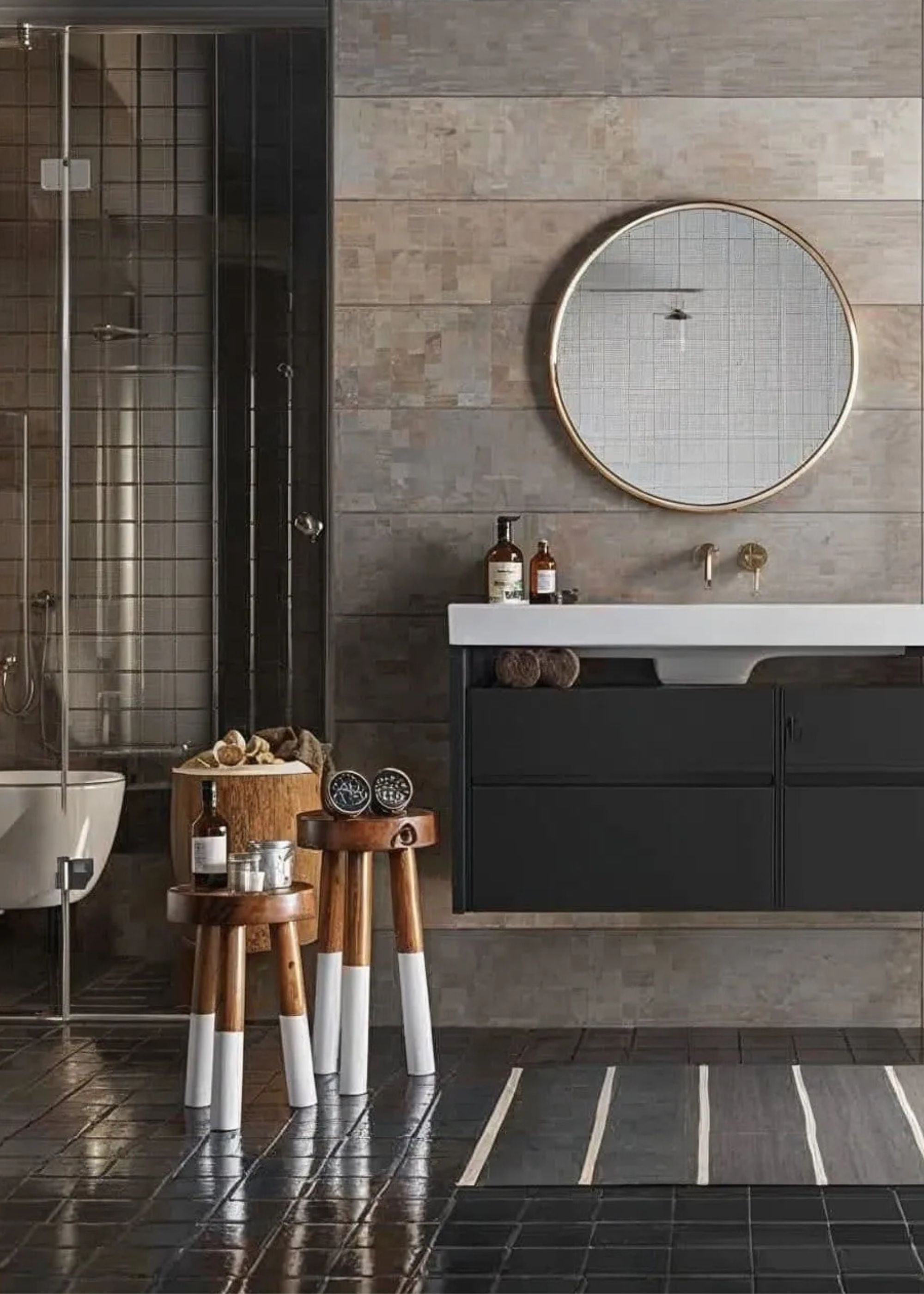
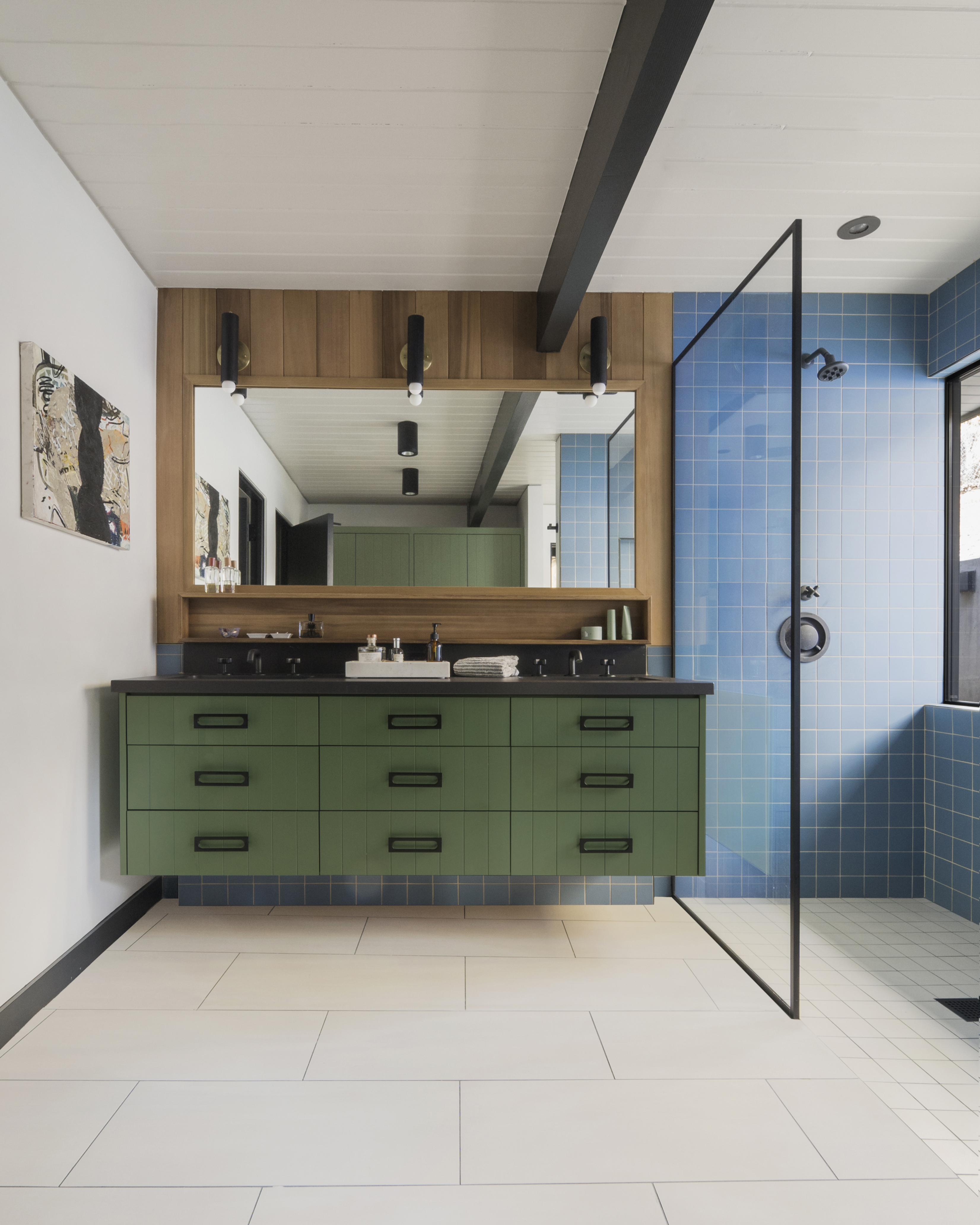
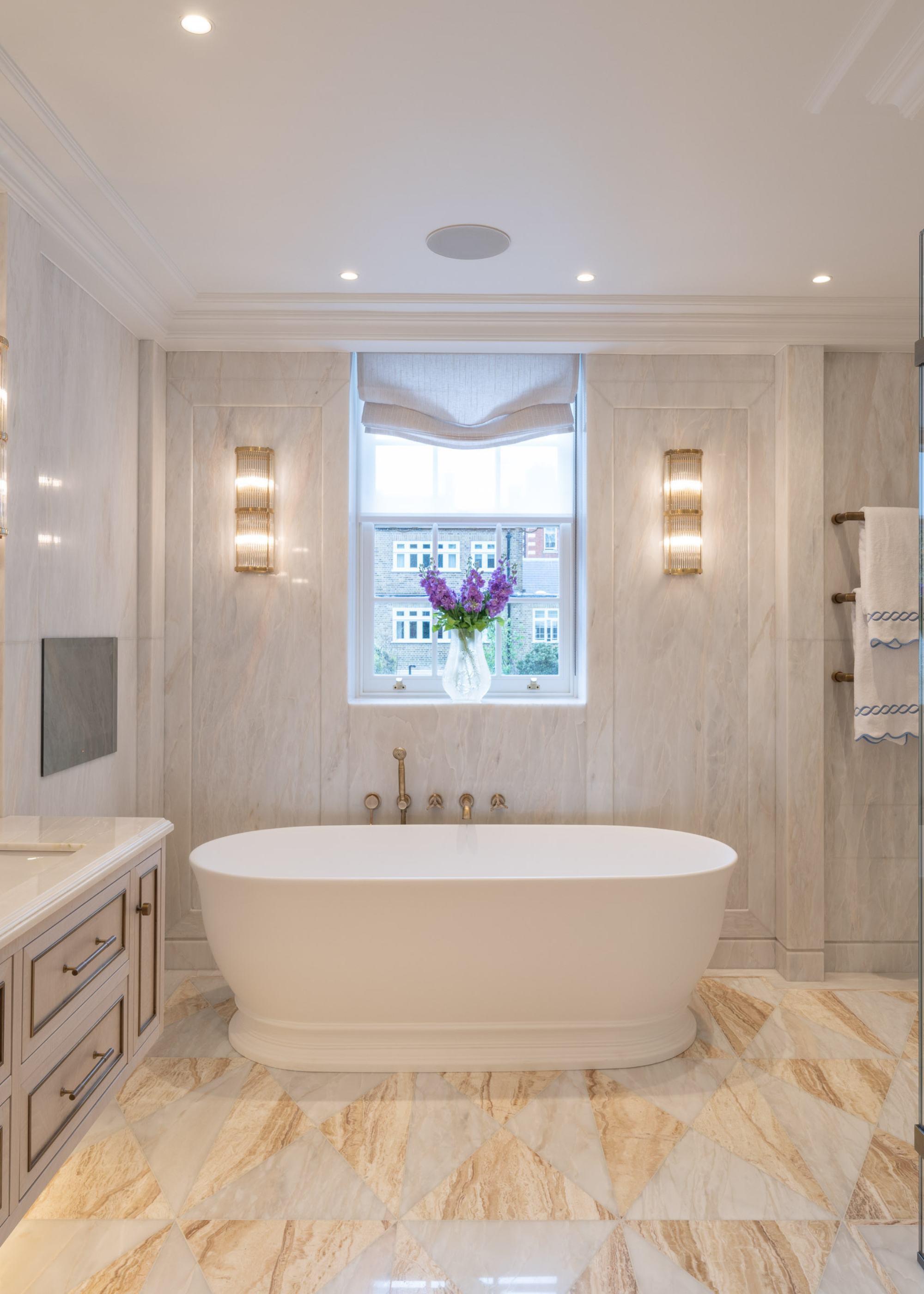
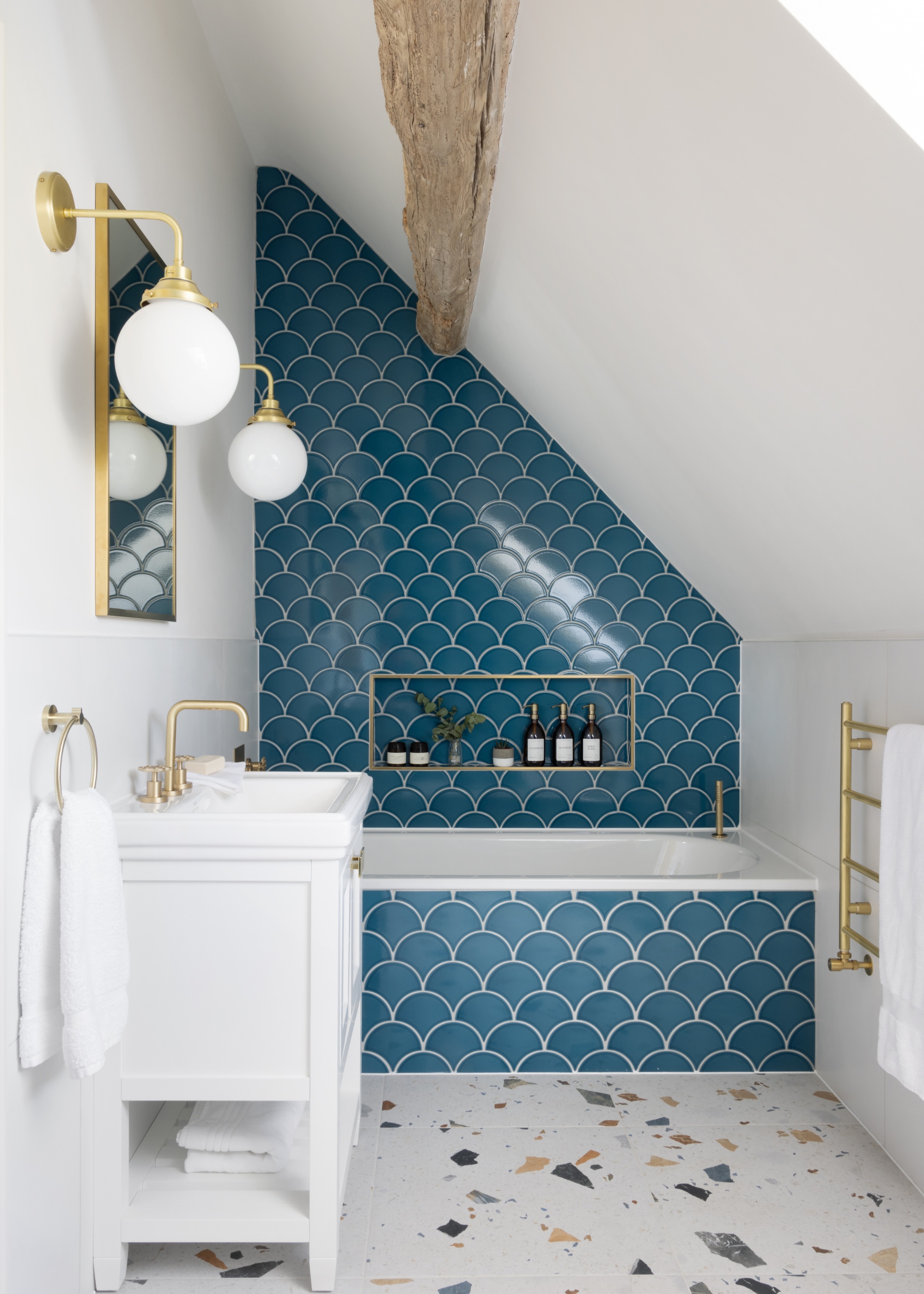
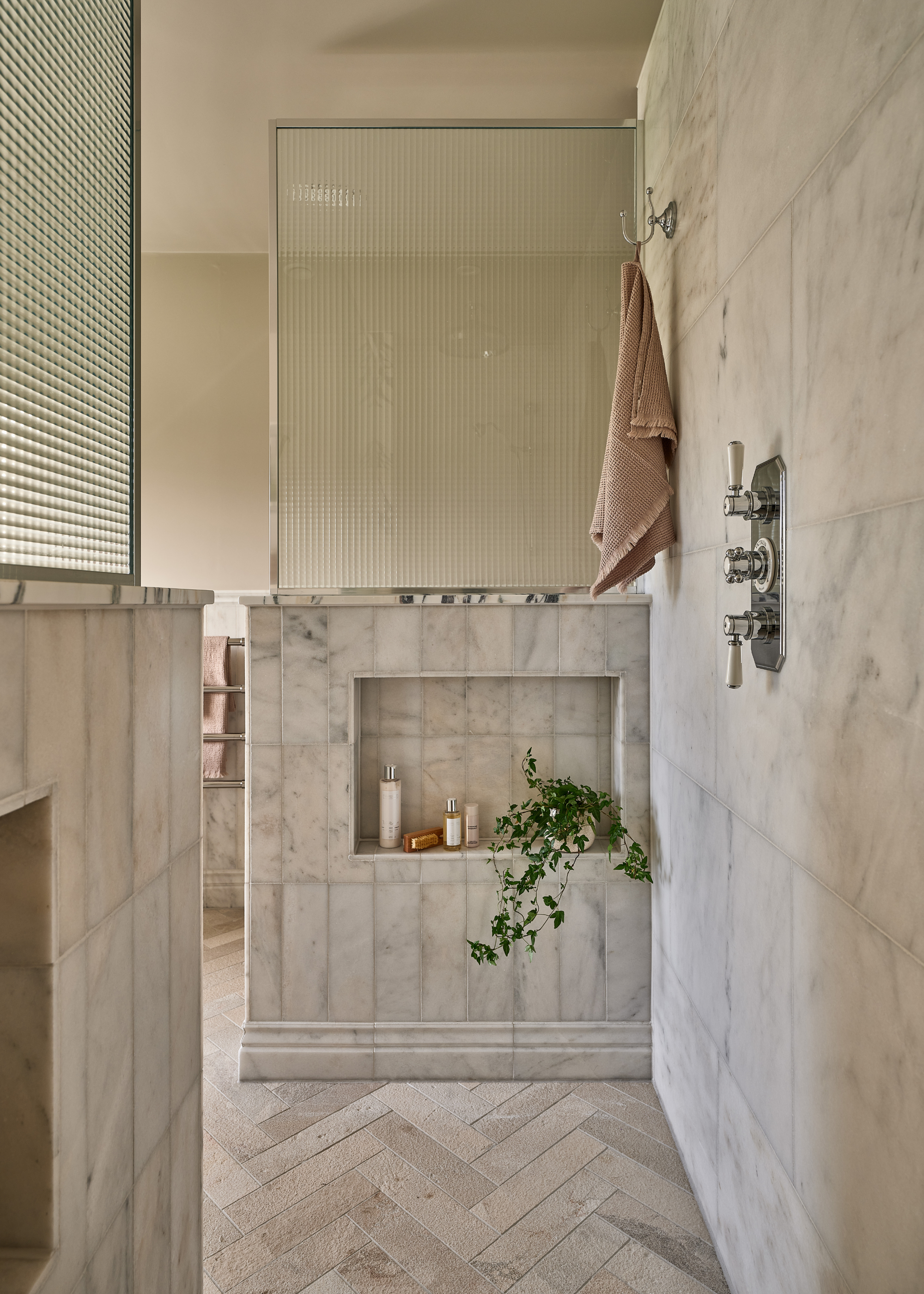
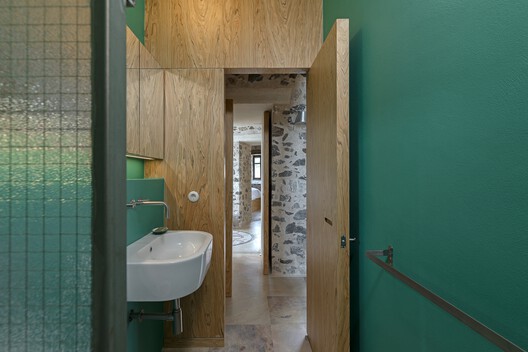
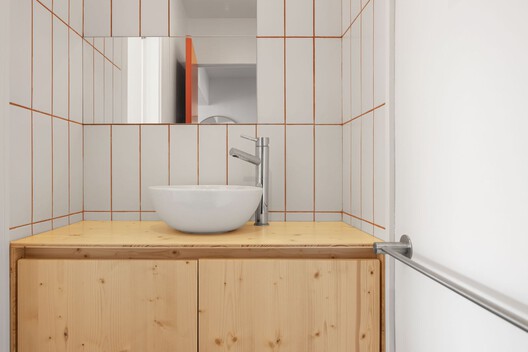
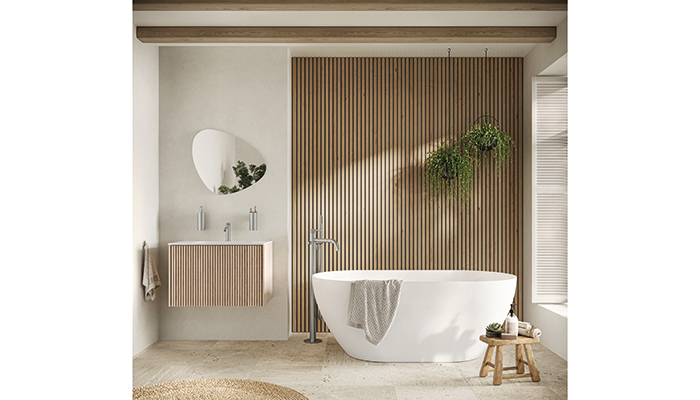
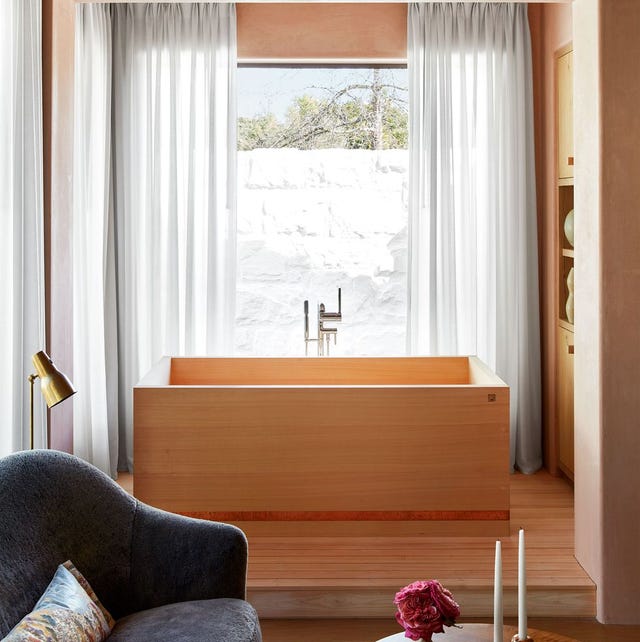
The increasing prominence of wood and wood-effect materials in bathroom design reflects a growing consumer trend towards creating natural, spa-like sanctuaries at home. This movement is influenced by a broader embrace of mindful living and a desire for health and wellness, transforming bathrooms into spaces for relaxation.
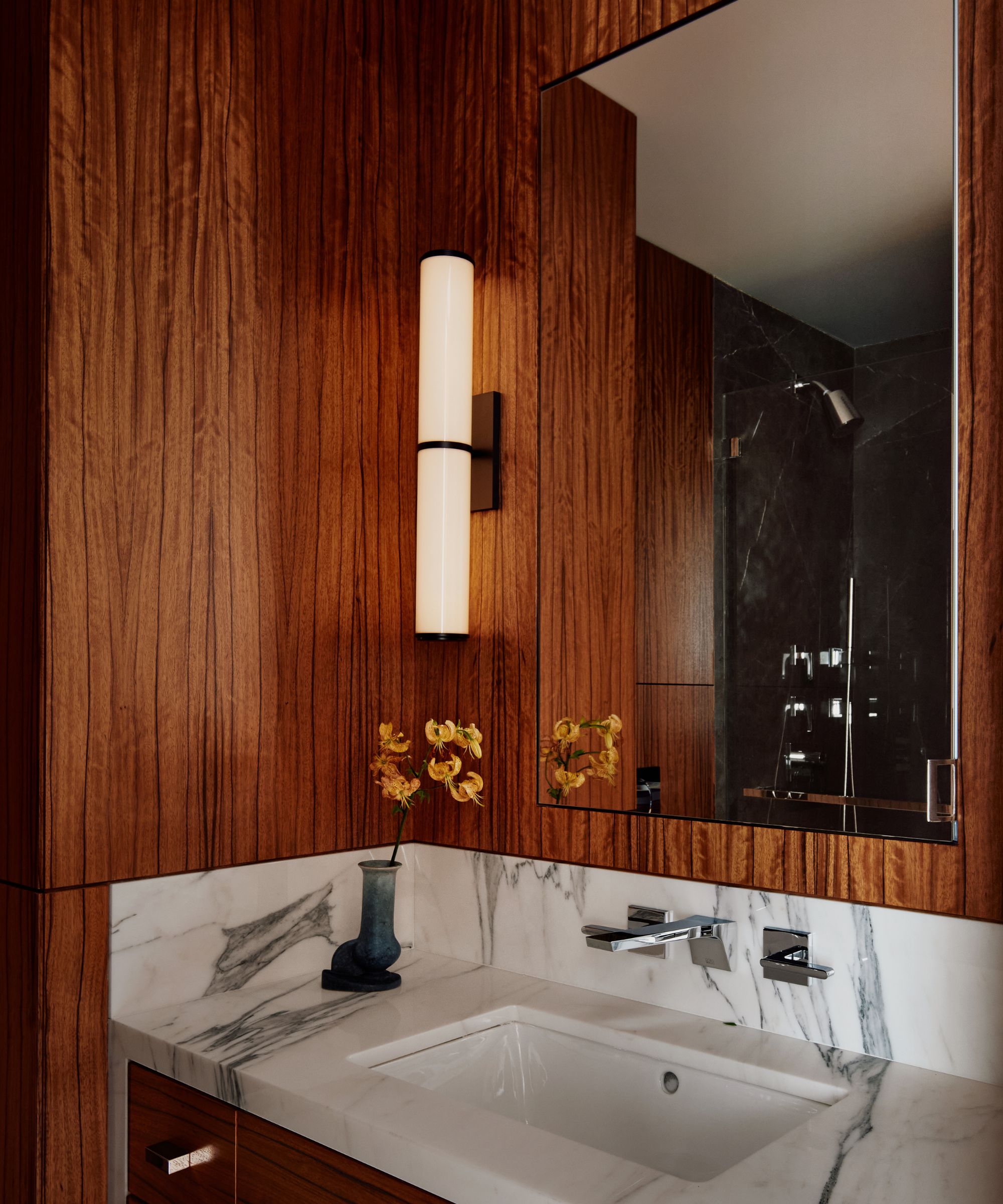
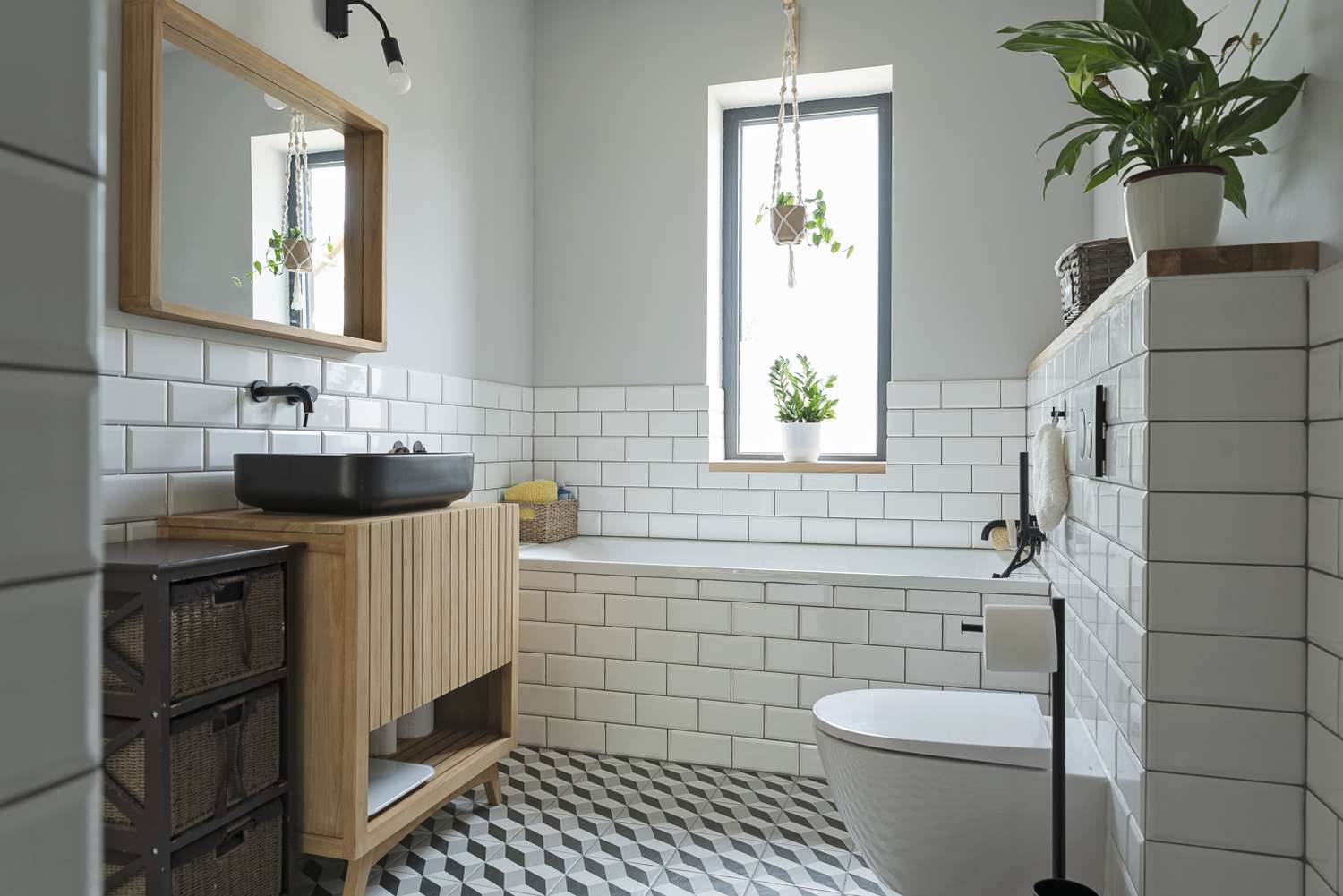
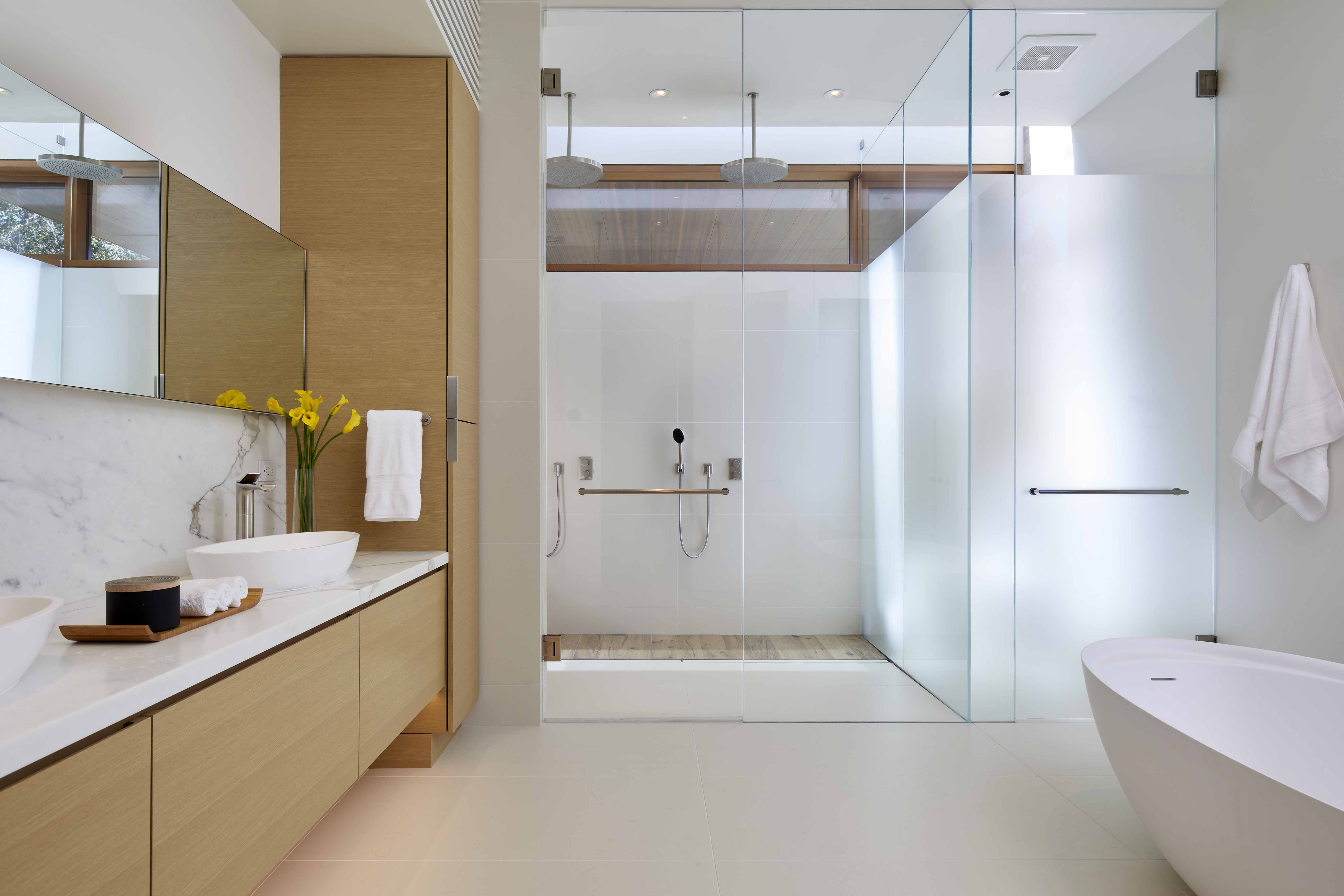
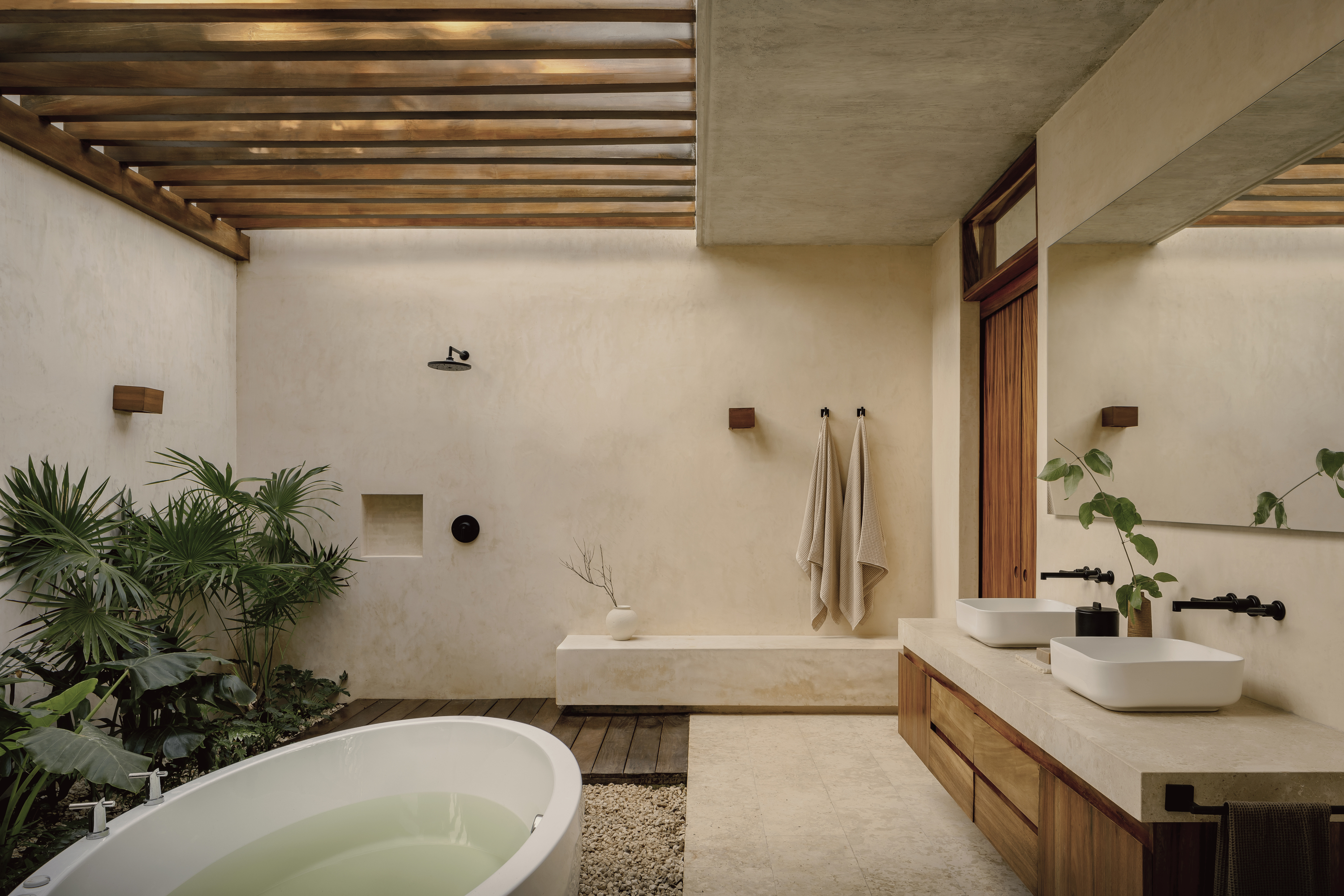
Industry experts note a significant shift towards authentic-looking wood and timber-effect finishes. Julie Lockwood, furniture product manager at Bathrooms to Love by PJH, highlights how the 'natural' biophilic theme, which integrates elements from the outdoors into interior design, promotes calm and relaxation. This aesthetic pairs natural materials like wood, stone, and plant life with earthy, muted tones, providing a harmonious contrast to crisp white bathroom ceramics for a clean and fresh look. Helen Clark, head of marketing at Utopia Bathrooms, observes that while demand for wood in bathrooms has always existed, the current trend emphasizes realism, moving away from artificial-looking wood-effect foils and laminates.
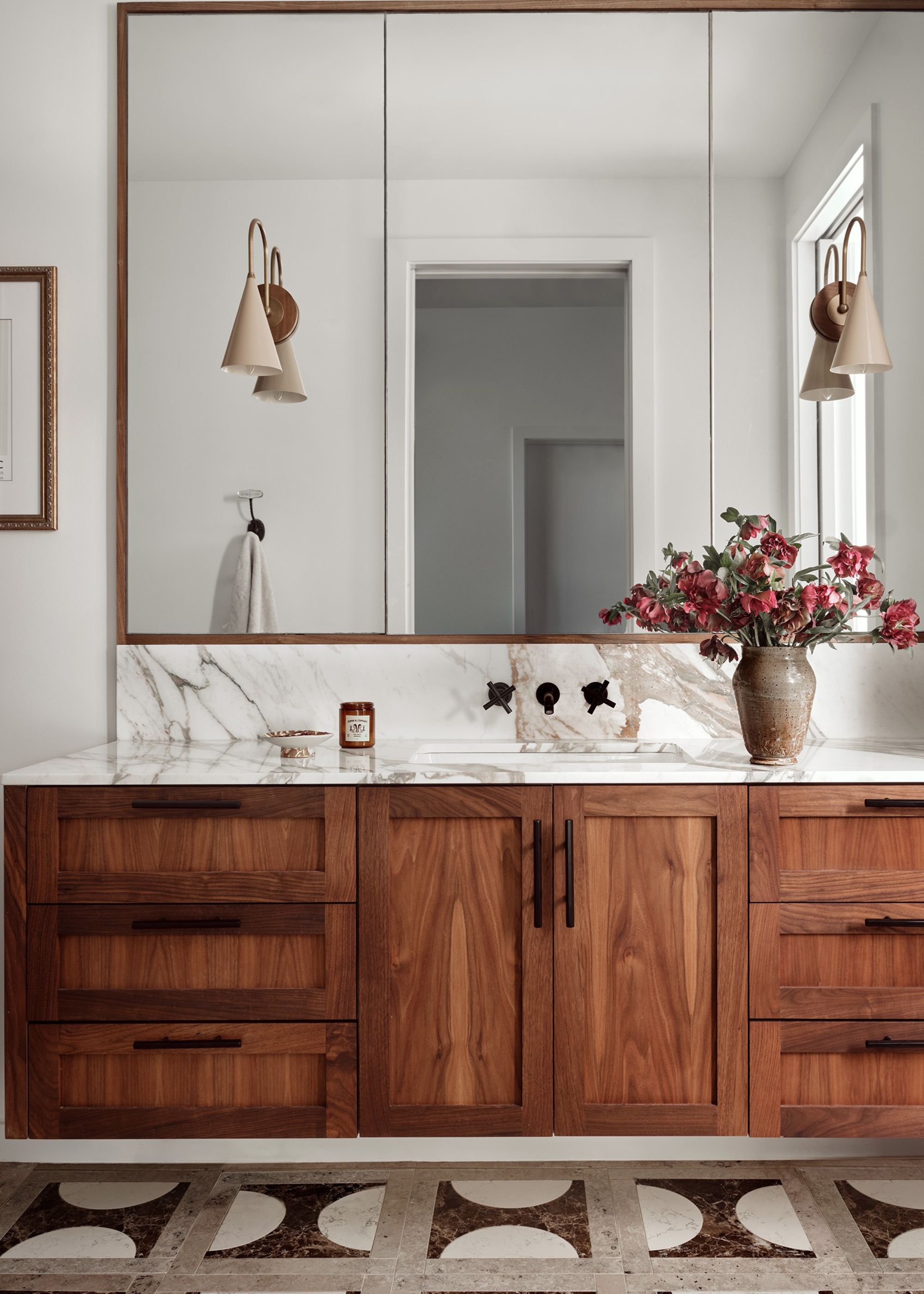
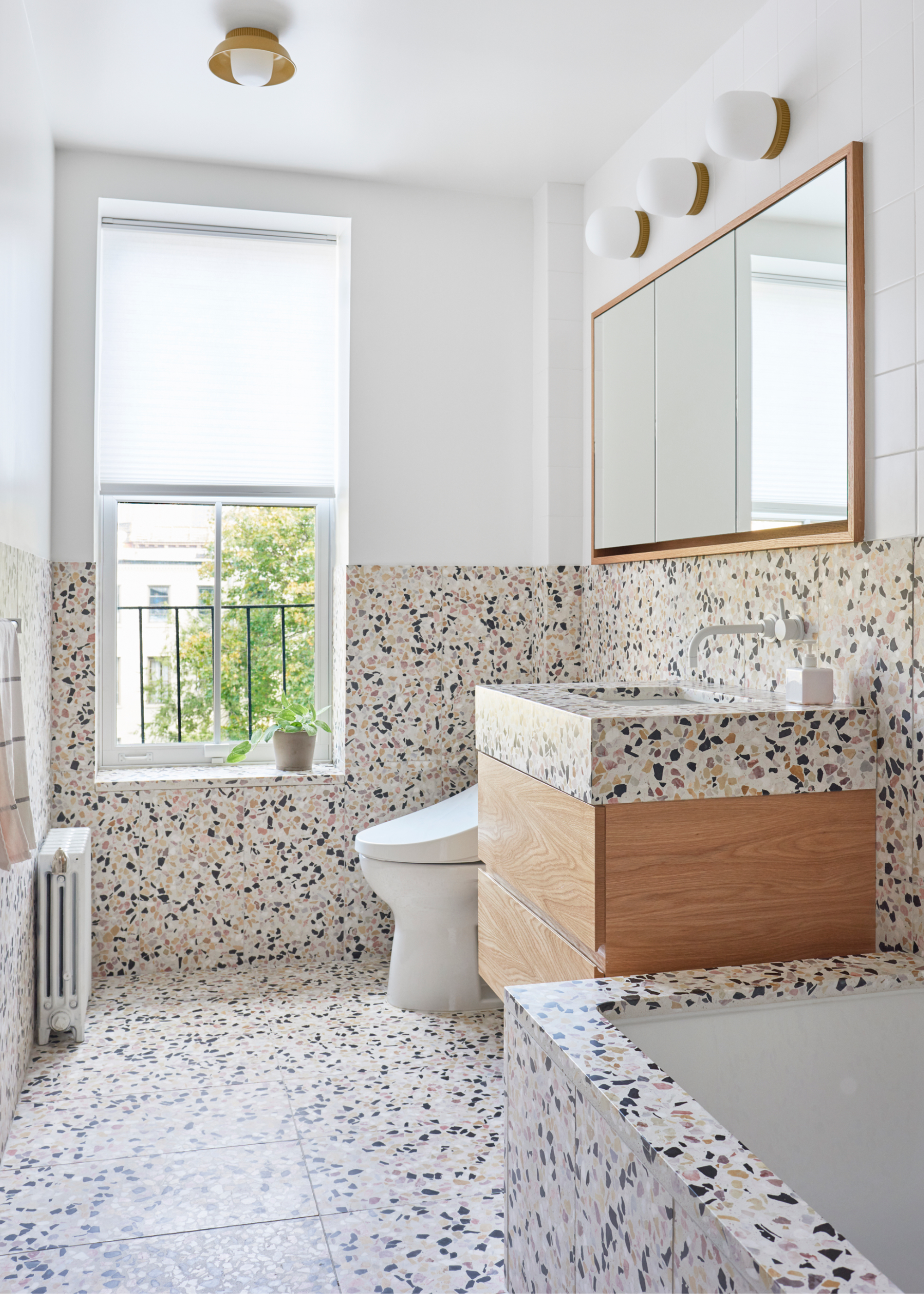
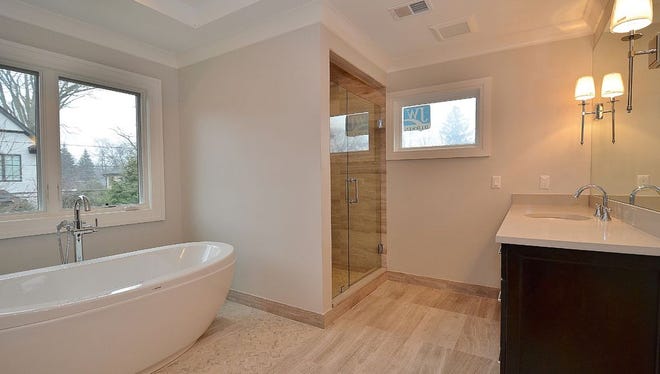
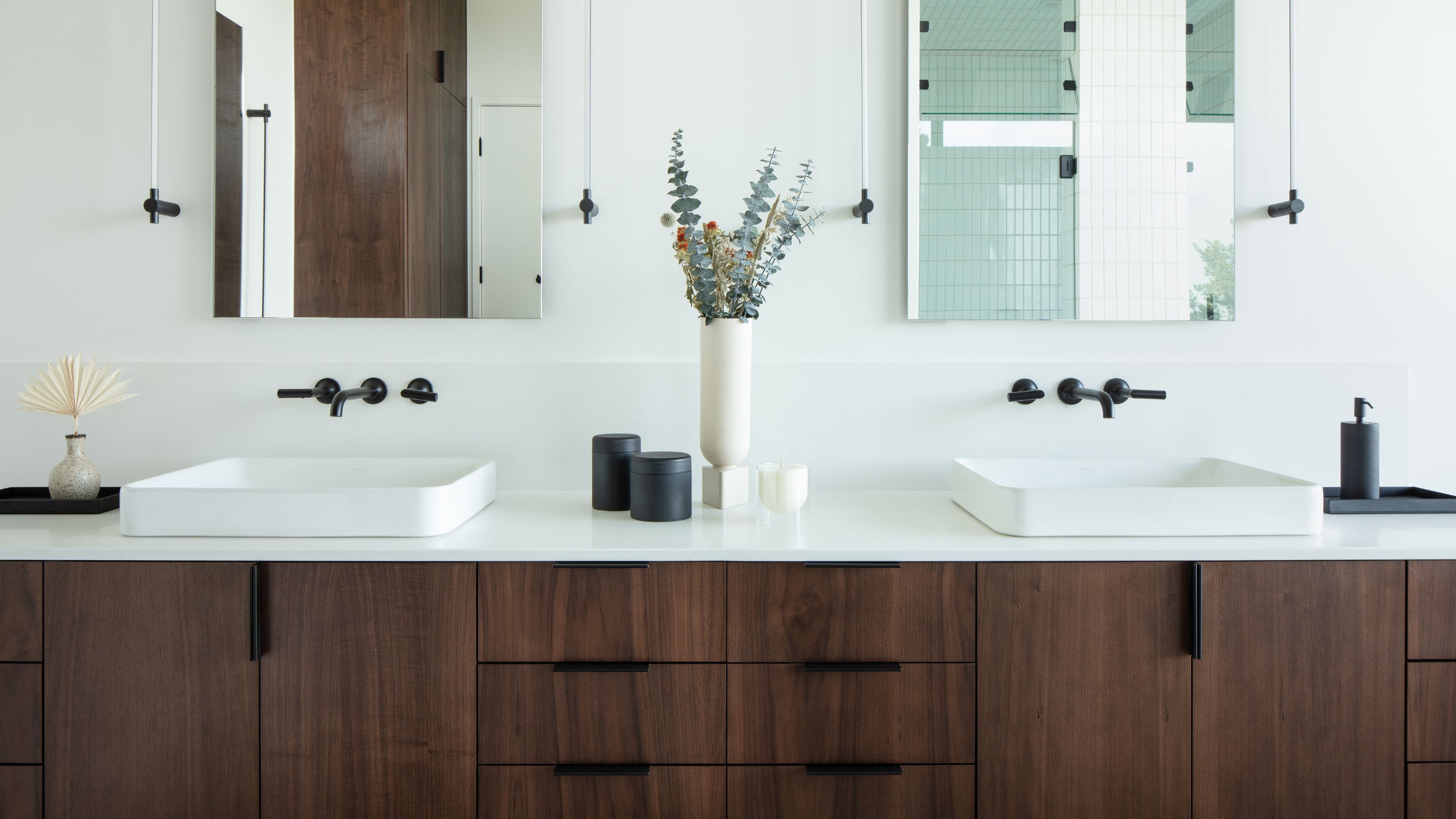
Wood introduces character and personality to a space, imparting warmth and an inviting feel, aligning with the trend of creating spa-like bathrooms. Kerri Asker, senior designer at Ripples’ Winchester showroom, indicates that clients increasingly seek to make bathrooms feel more homely and integrated with other living spaces, leading to a reduction in clinical-feeling tiles and shiny materials in favour of more texture and warmth. Nick Duggan, managing director at The Radiator Centre, concurs, emphasizing wood's natural warmth and its ability to foster an inviting atmosphere. He also notes that, when properly sealed or treated, wood can be a durable and long-lasting material for bathroom applications.
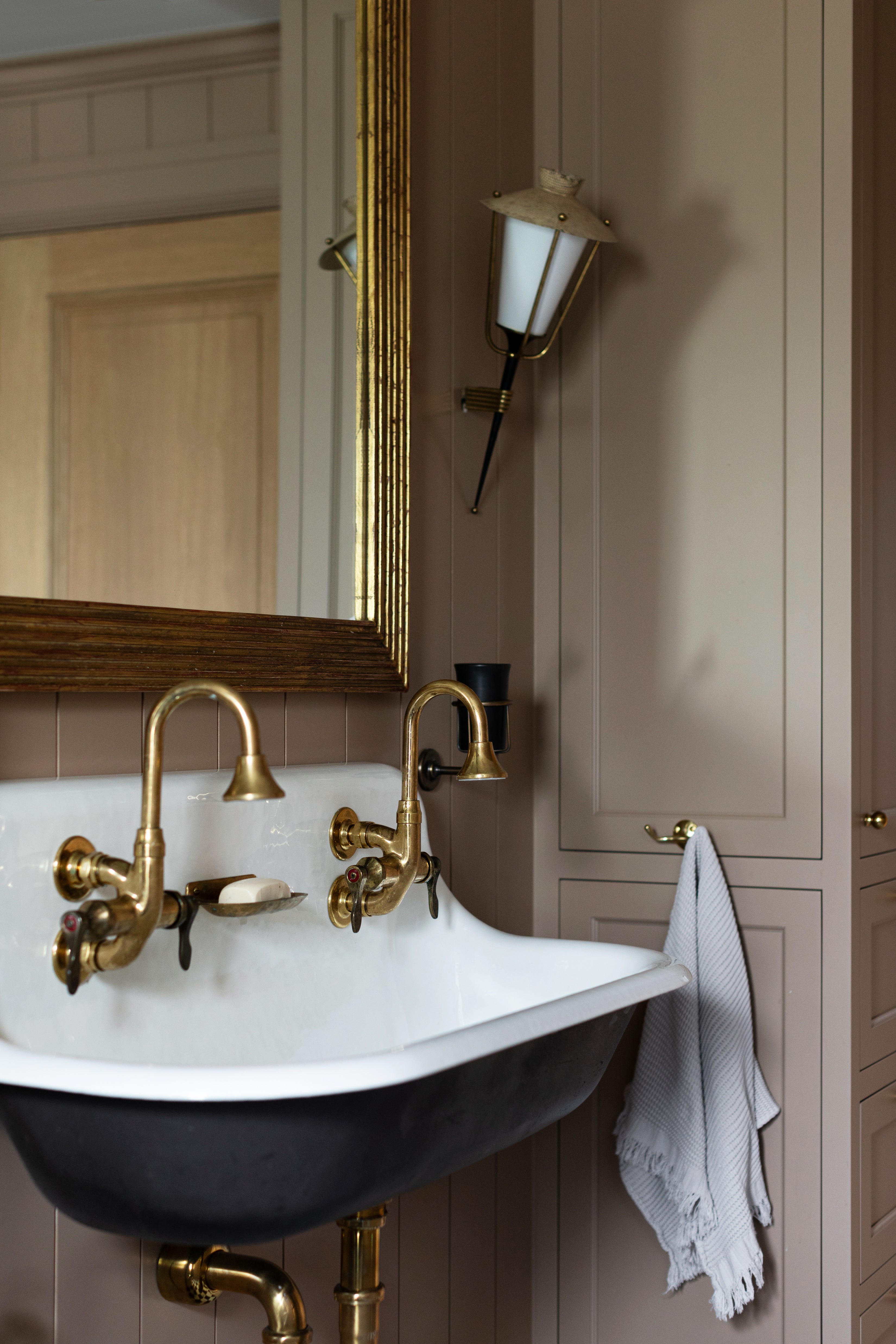
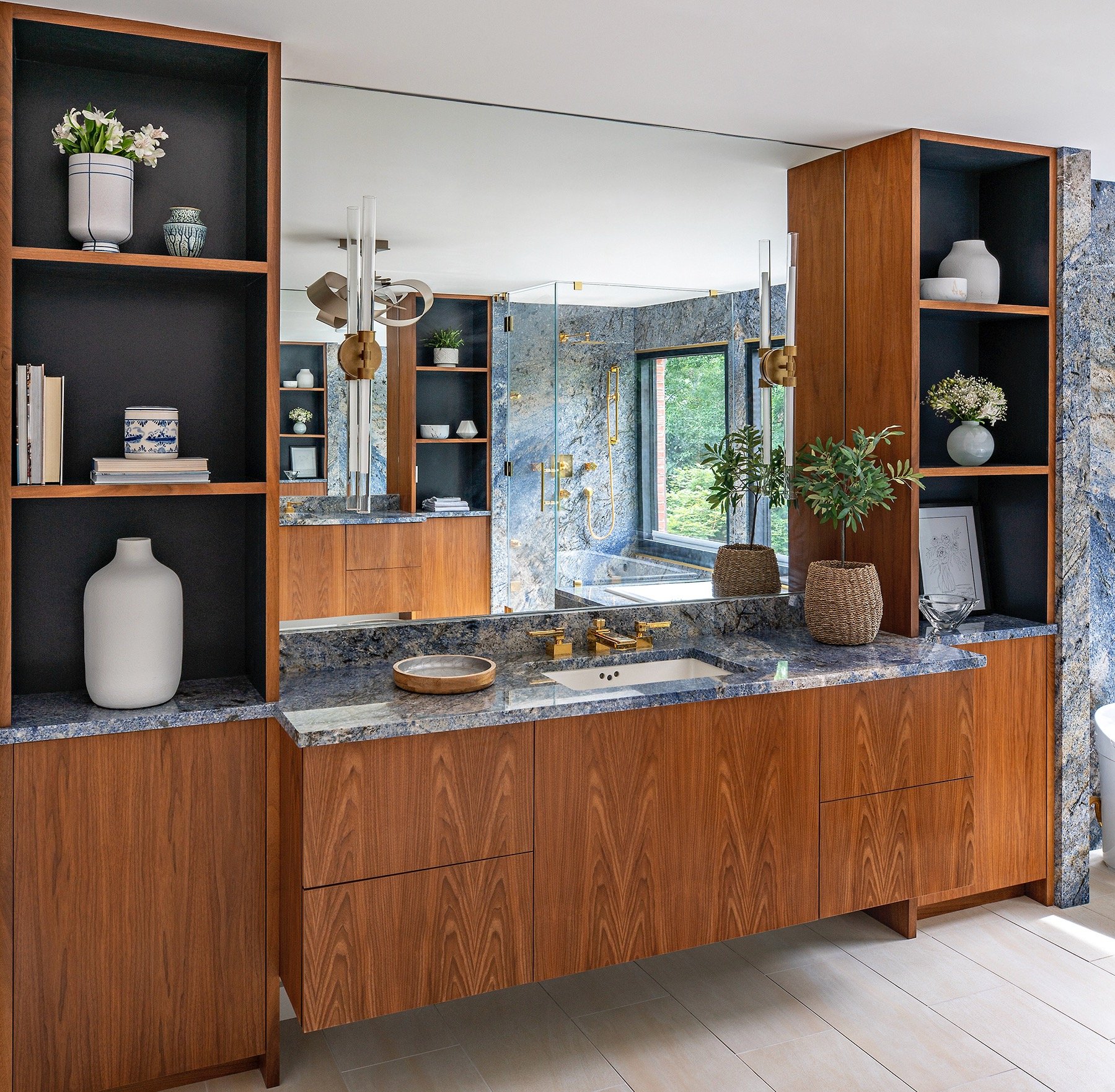
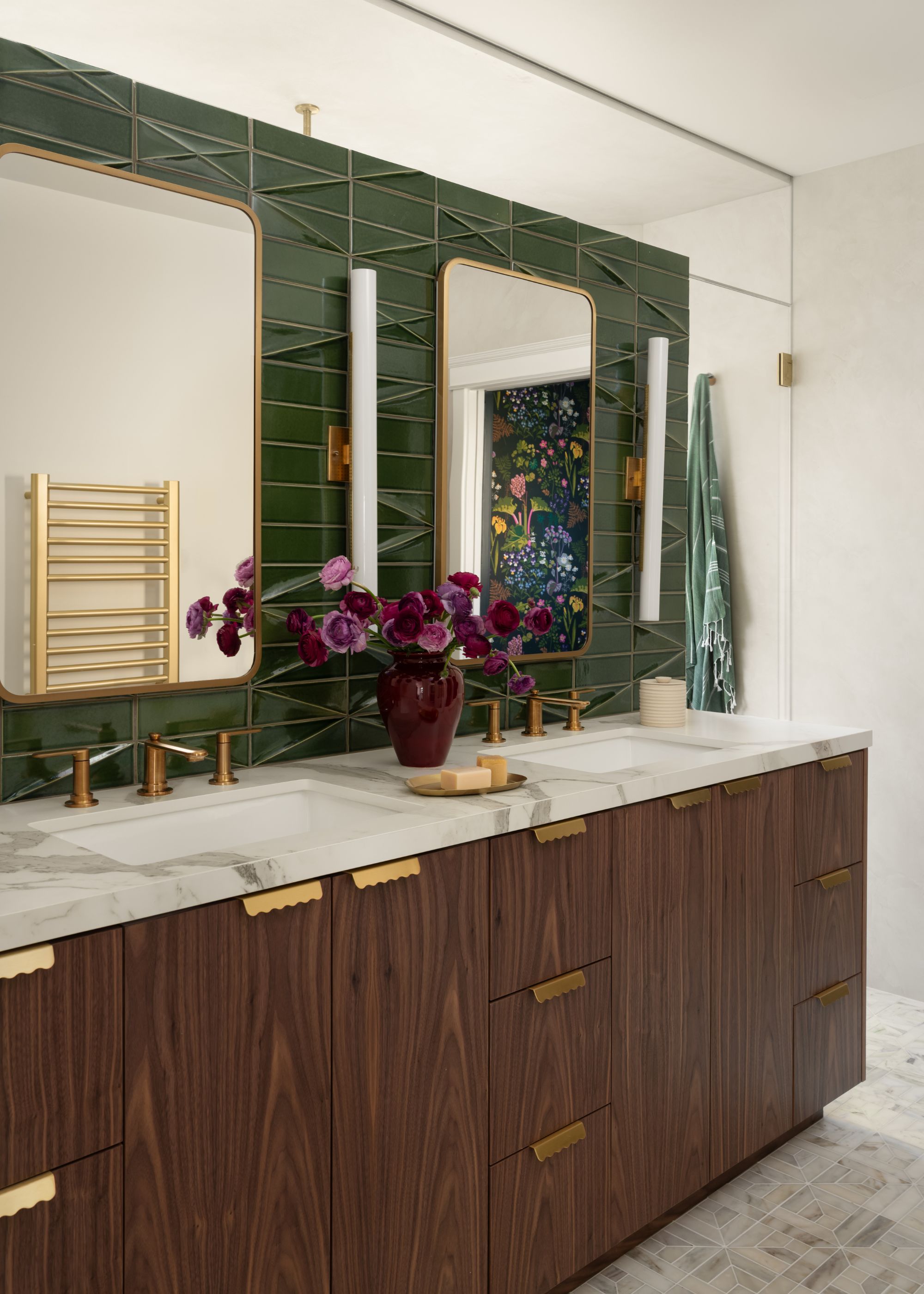
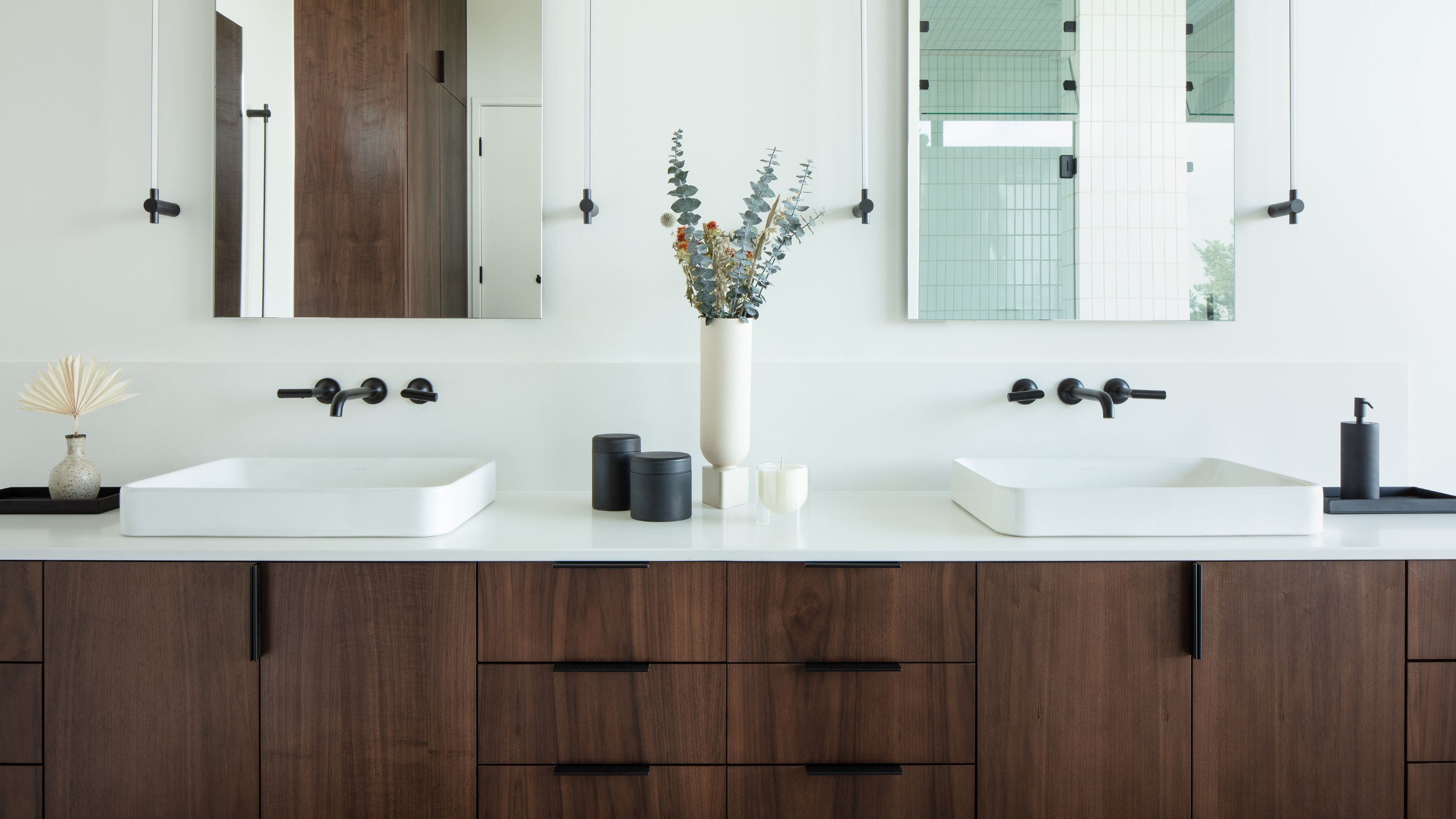
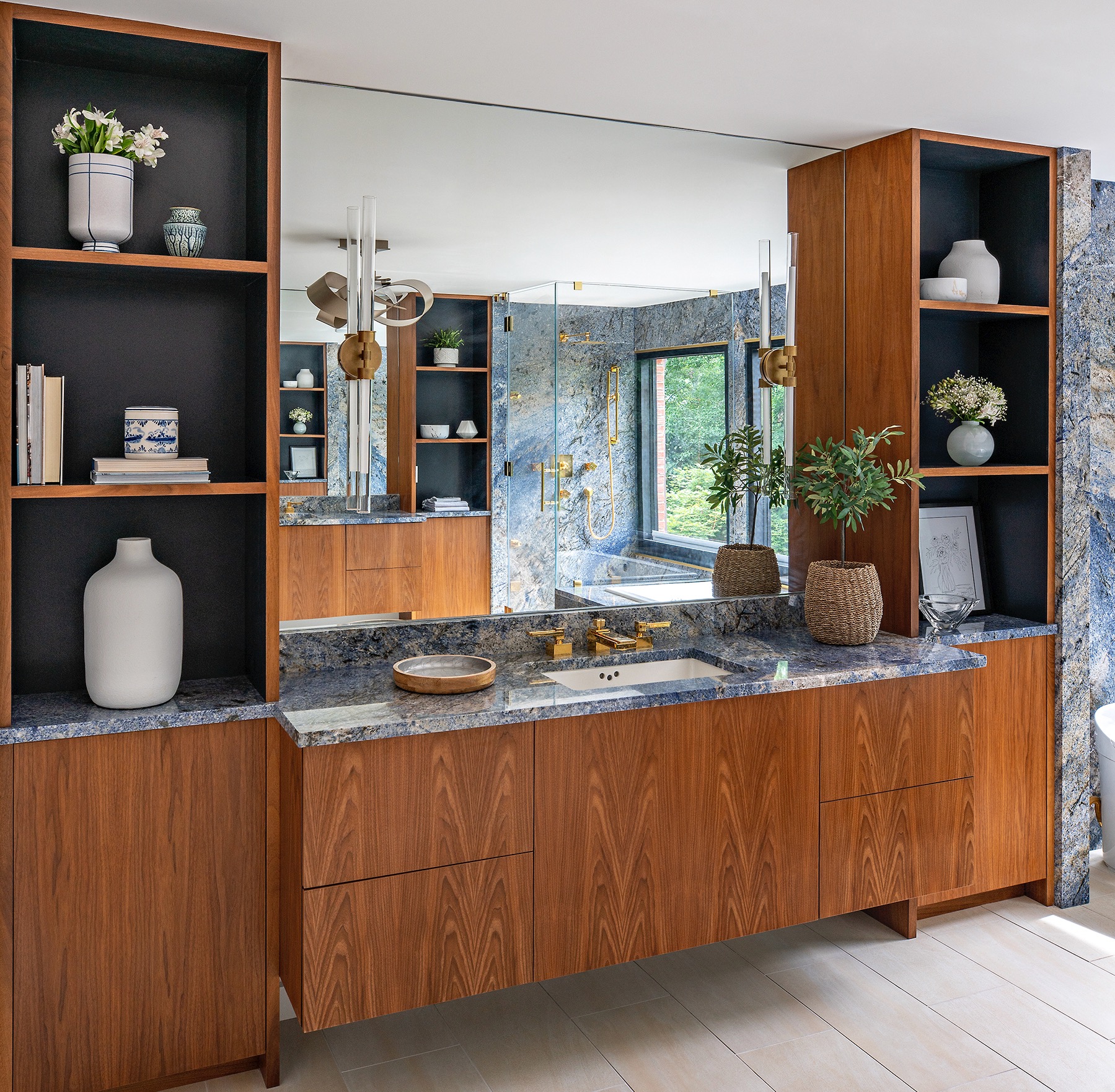
Sustainability is another key driver for wood’s popularity. Consumers are increasingly prioritizing products designed for longevity and environmental compatibility. Helen Clark from Utopia Bathrooms points out a heightened awareness regarding sustainability, with people looking to purchase products that are more eco-friendly. Kerri Asker from Ripples Winchester supports this, stating that items with history, character, and a sustainable story are highly valued. To ensure a truly sustainable solution, both designers and consumers should verify the sourcing of wood. Nick Duggan advises choosing sustainably harvested or reclaimed wood for bathroom elements to contribute to an environmentally conscious design. Wooden elements can range from small accessories to prominent features like vanity units, cabinetry, or worktops.
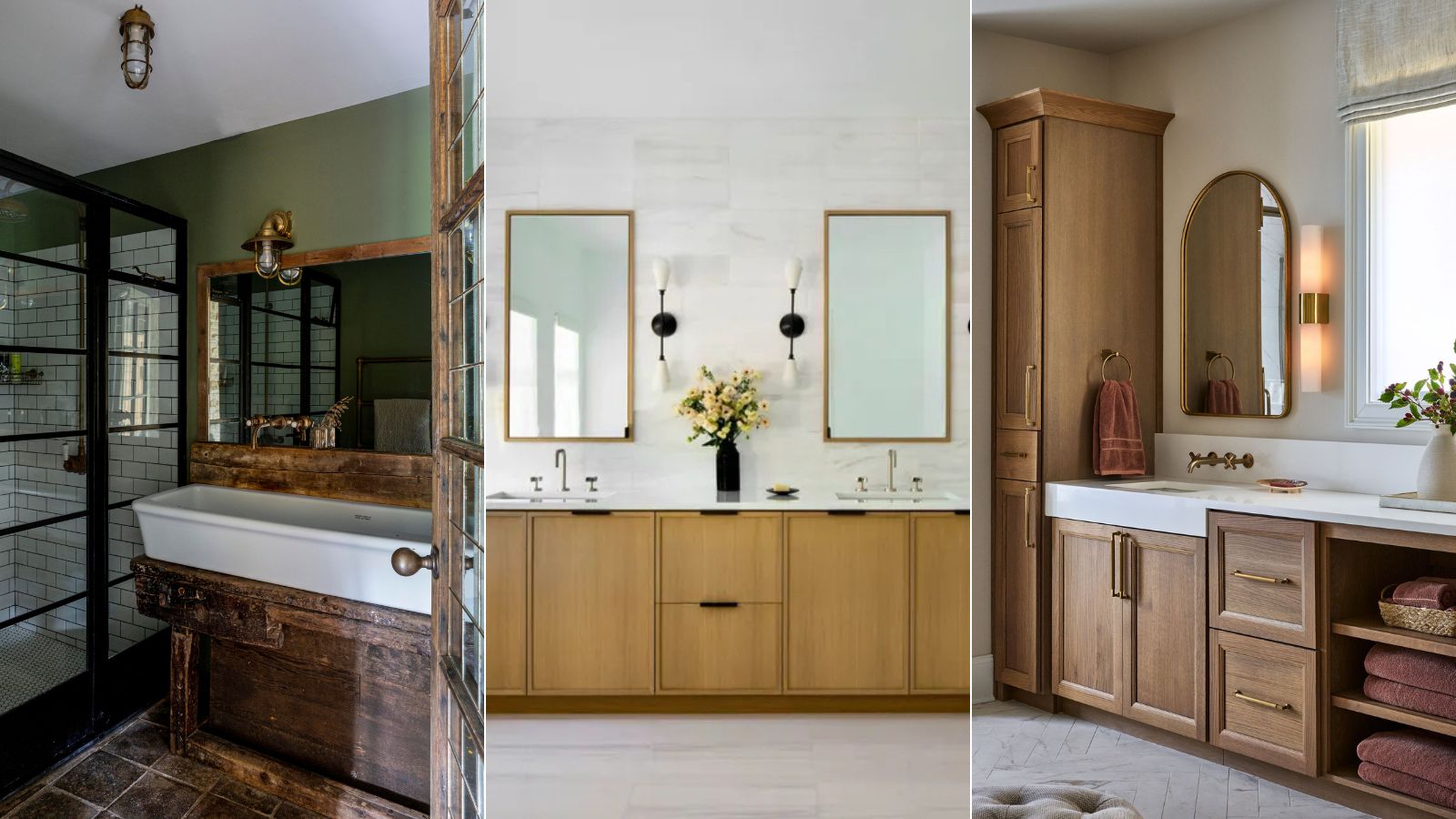
Joss Thomas, founder and designer at Indigenous, emphasizes wood’s versatility across various home types and interior styles, asserting that it can either be a subtle feature or dictate a room's entire design. He believes the trend for wood in bathrooms will continue to grow, driven by increasing eco-consciousness among consumers. Helen Clark confirms wood's enduring presence in Utopia’s product portfolio, with future changes primarily concerning the type, color, and grain of wood to align with evolving interior design trends. Kerri Asker concludes that natural materials like wood, marble, and stone are timeless choices that remain perpetually fashionable and will not easily become dated.
#BathroomDesign #WoodInBathrooms #NaturalMaterials #SustainableDesign #BiophilicDesign #InteriorTrends #SpaStyle #HomeWellness #BathroomDesign #WoodInBathrooms #NaturalMaterials #SustainableDesign #BiophilicDesign #InteriorTrends #SpaStyle #HomeWellness
0 comment in total
 No comments yet
You may also like
Why a Wood Bathroom Is the Way to Go Right Now


Frontline Bathrooms' Hayley Bowman on wood grain's rise in popularity
Dark Bathroom Vanities Are Here to Make a Statement in 2025

Check Out the Statement-Making Wood Vanities in These Bathrooms

Are wooden bathrooms making a comeback in 2025?
Top trending #sustainableliving materials to use in your bathroom
5 Bathroom Decorating Trends Designers Totally Regret Trying This Year (And Never Will Again)

The 10 golden rules for bathrooms interior designers swear by – 'they're the principles to a timeless space'

10 bathrooms that nail the natural wood trend in surprisingly different ways
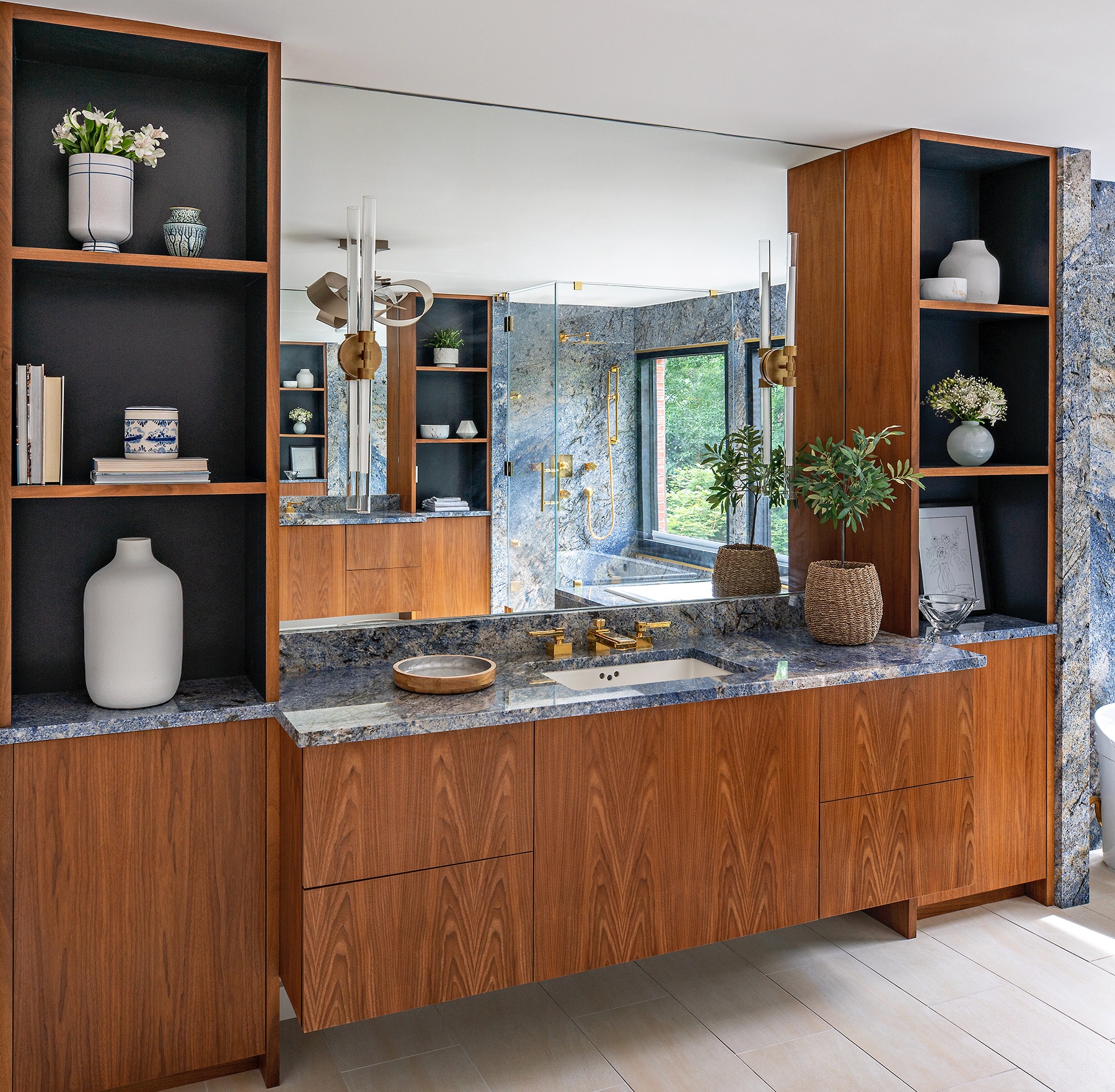
These Wooden Bathroom Vanities Make a Big Statement
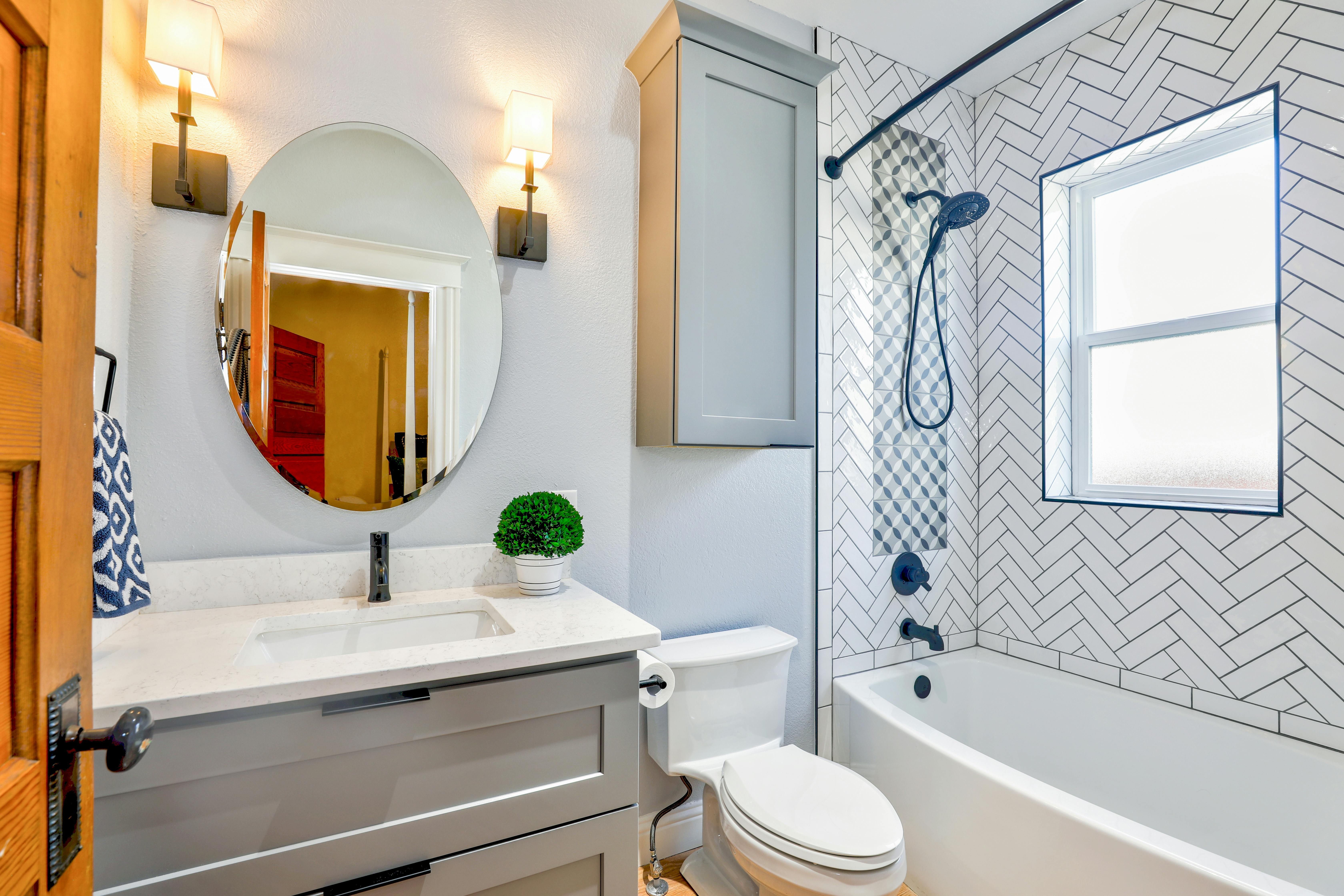
12 “Outdated” Bathroom Trends That Need To Go In 2025

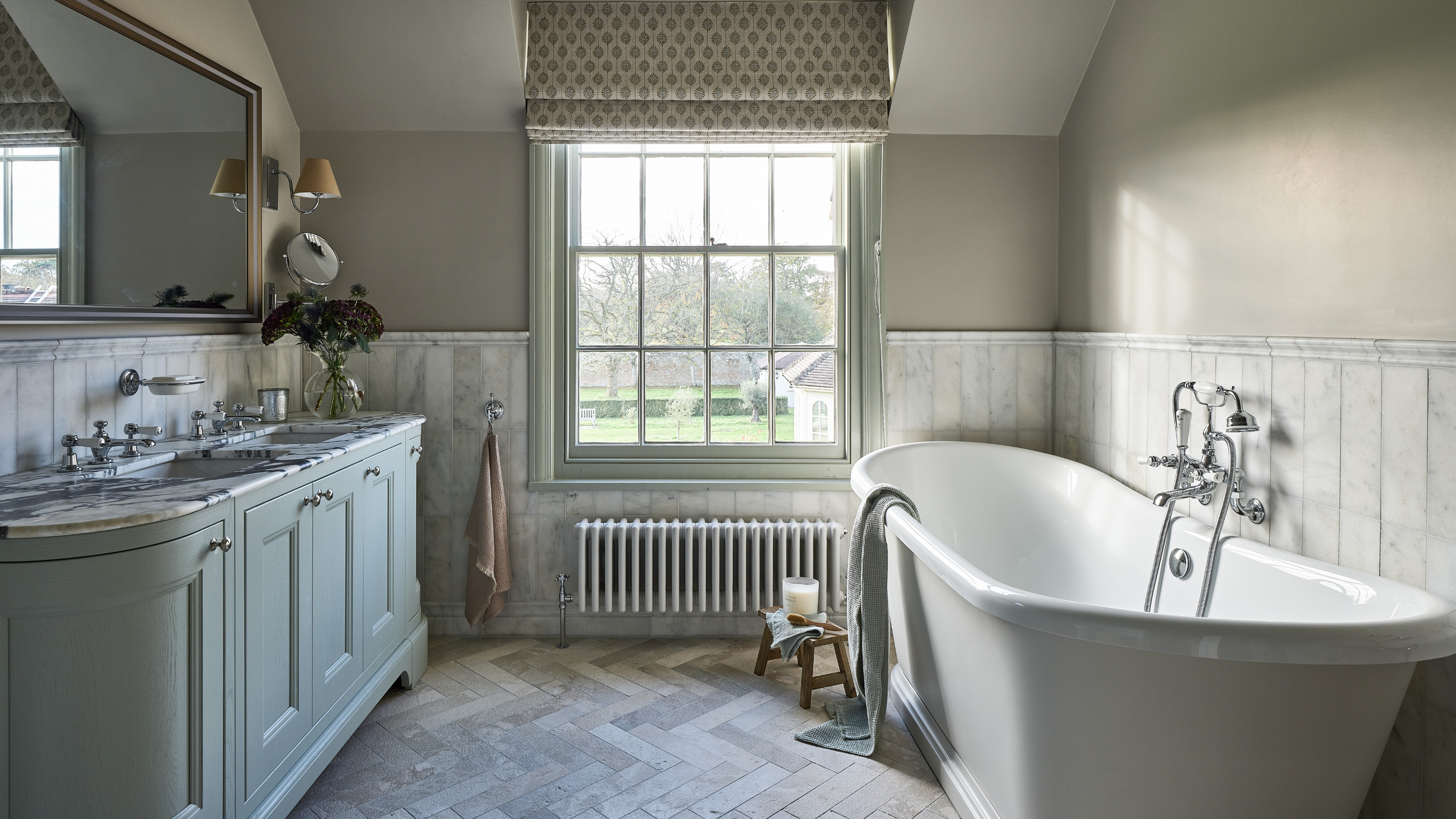
5 Outdated Tile Trends Designers Are Still Noticing in 2025 That Can Make Your Space Look Old-Fashioned
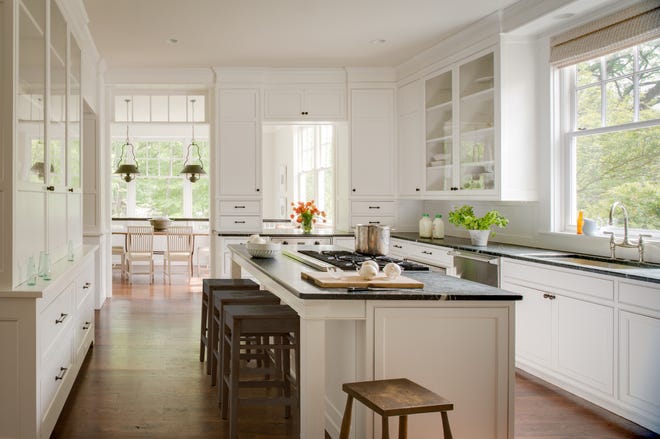
Why wood floors are design of the moment
Designers Are Choosing This Material That Was Once Considered Dated for Even the Most Modern Bathroom Vanities Right Now
5 Bathroom Vanity Countertops Experts Avoid
Bathroom Cabinets: 15 Examples

This New Bathroom Trend Is Going to TRIGGER Minimalists

Bathroom Wall Mount Sinks Wood Counters Design Photos and Ideas

Bathroom Trends
Interior designers share 6 bathroom trends that'll be huge this season and 4 that will be out