1/6
Are wooden bathrooms making a comeback in 2025?
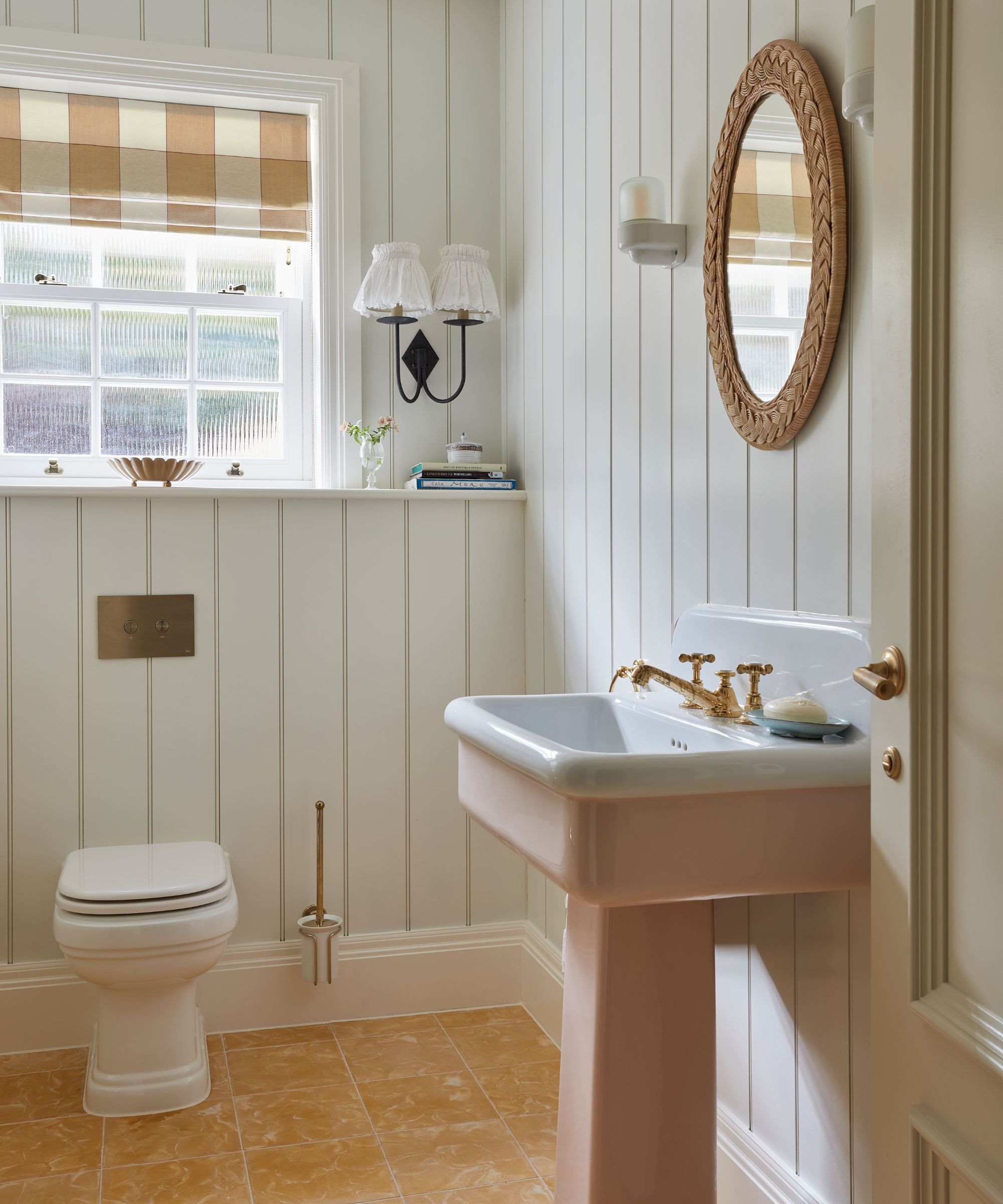
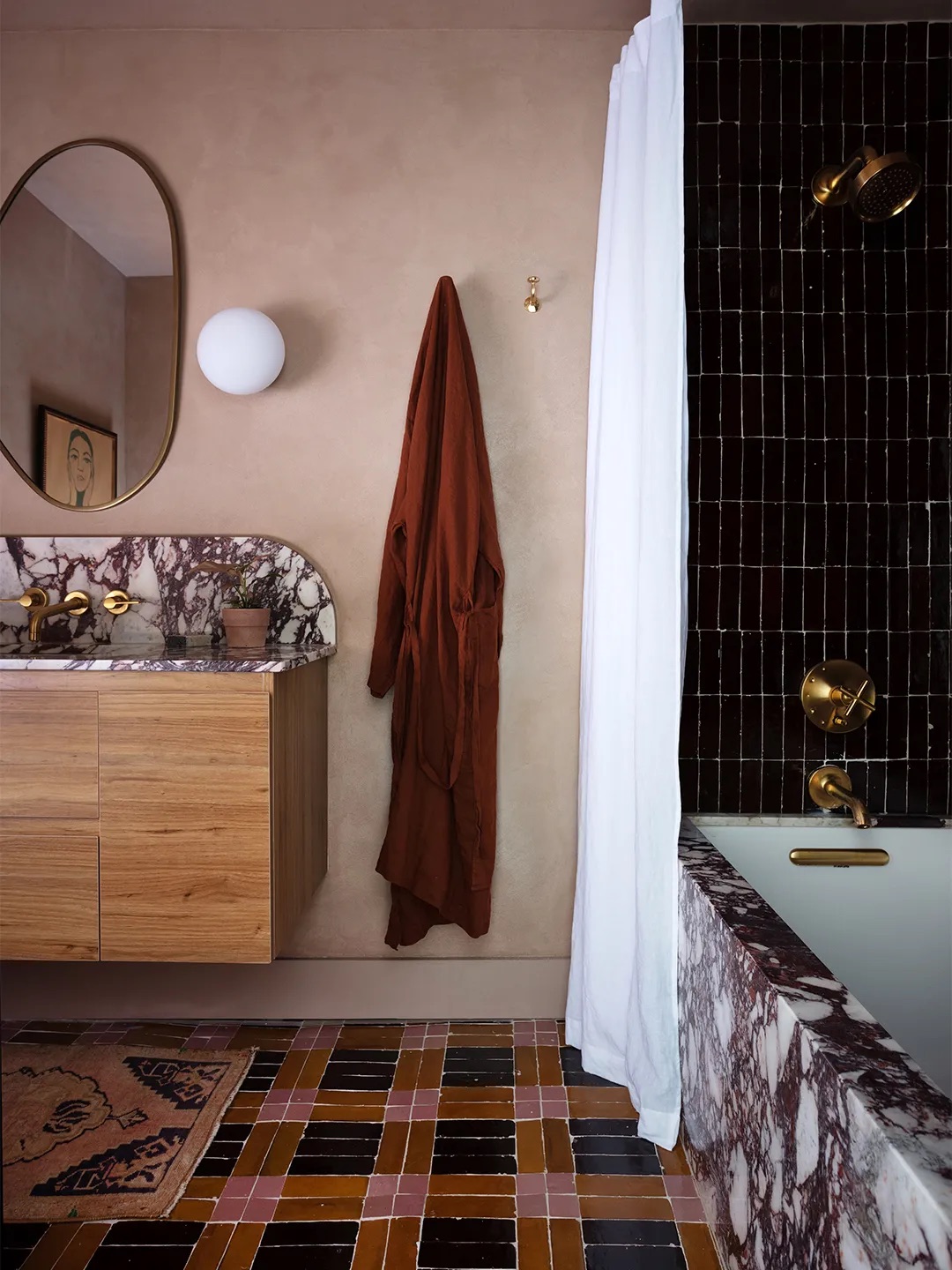
The article explores whether wooden bathrooms are making a comeback in 2025 and if they are a practical design choice, drawing on insights from interior designers. Nature-inspired designs, including the use of natural materials like wood, are highlighted as a significant trend for the year, contributing to a tranquil aesthetic in bathrooms. Despite the damp environment of bathrooms and past hesitations about wood's suitability or perceived outdatedness, interior designers overwhelmingly support its integration.
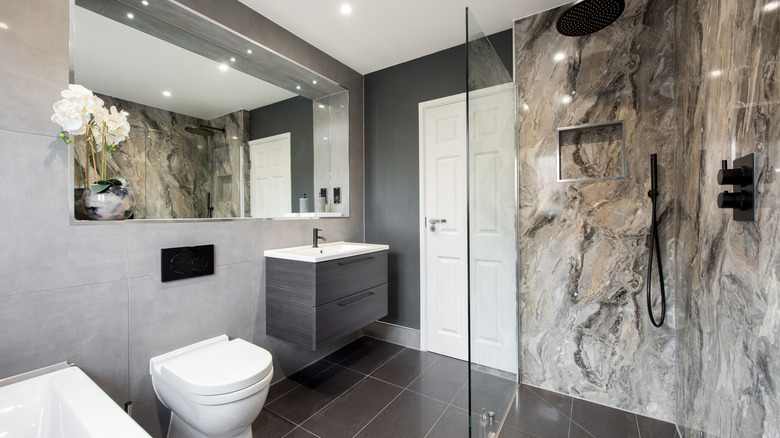
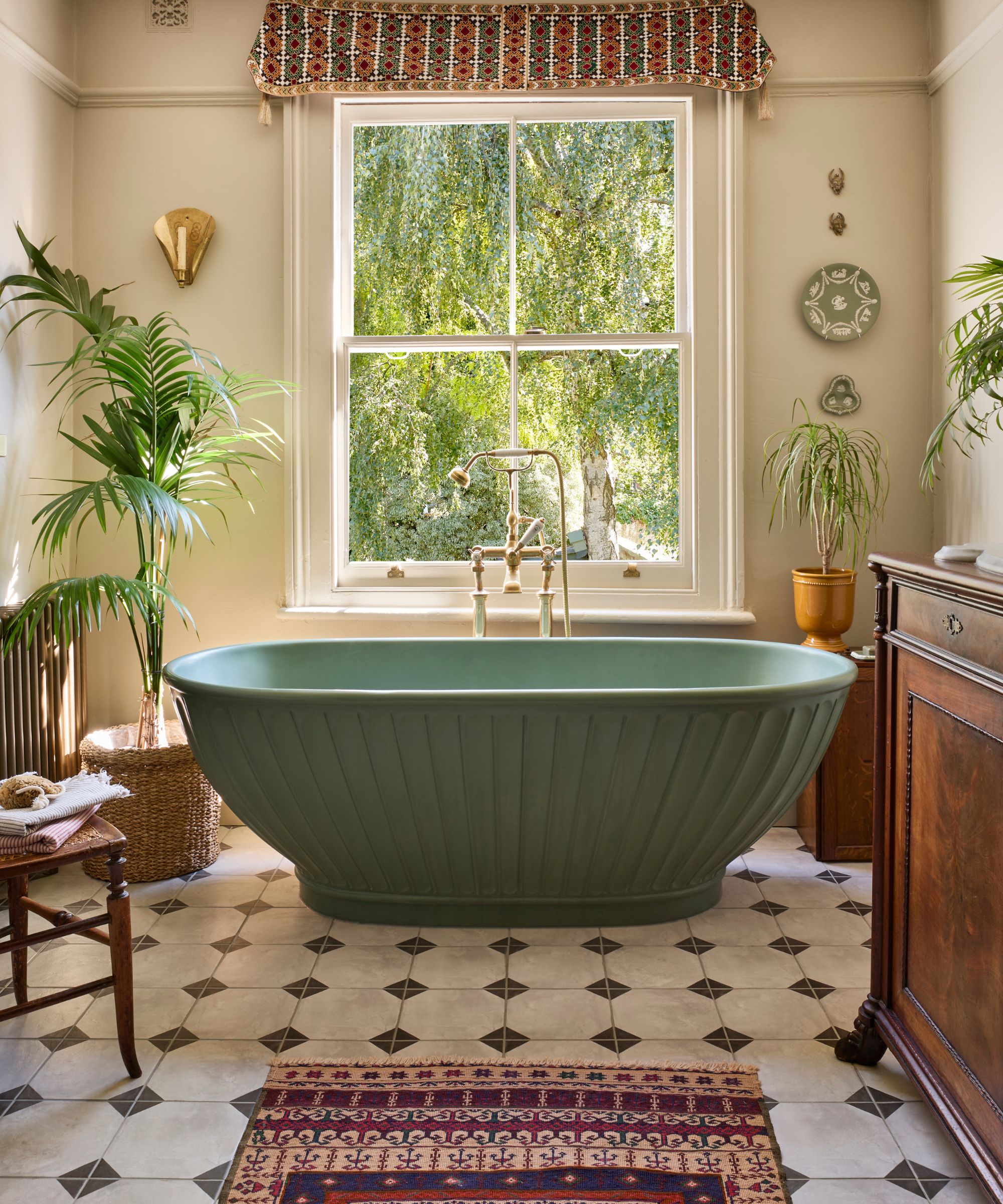
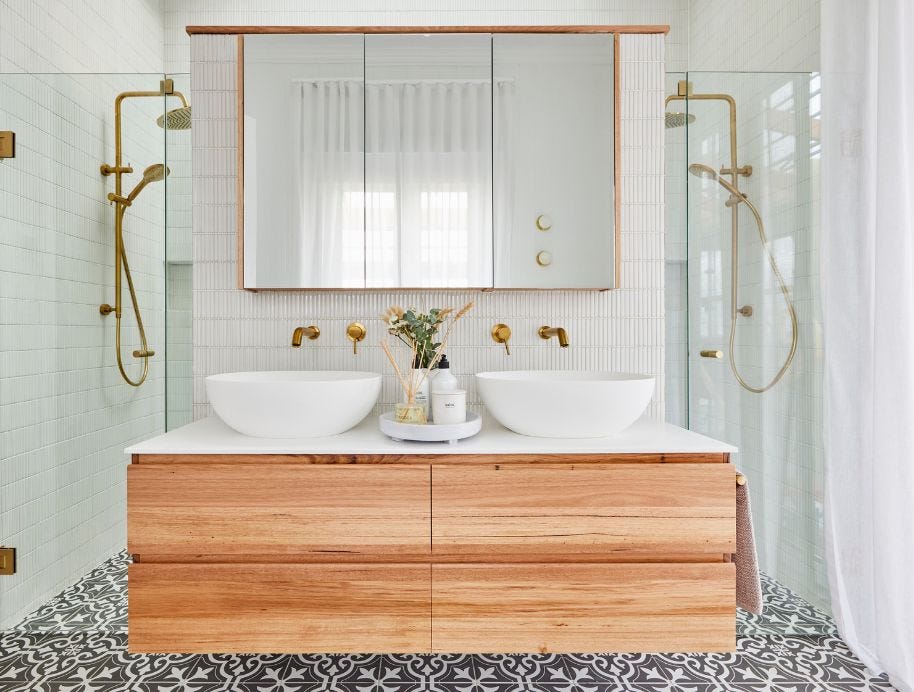
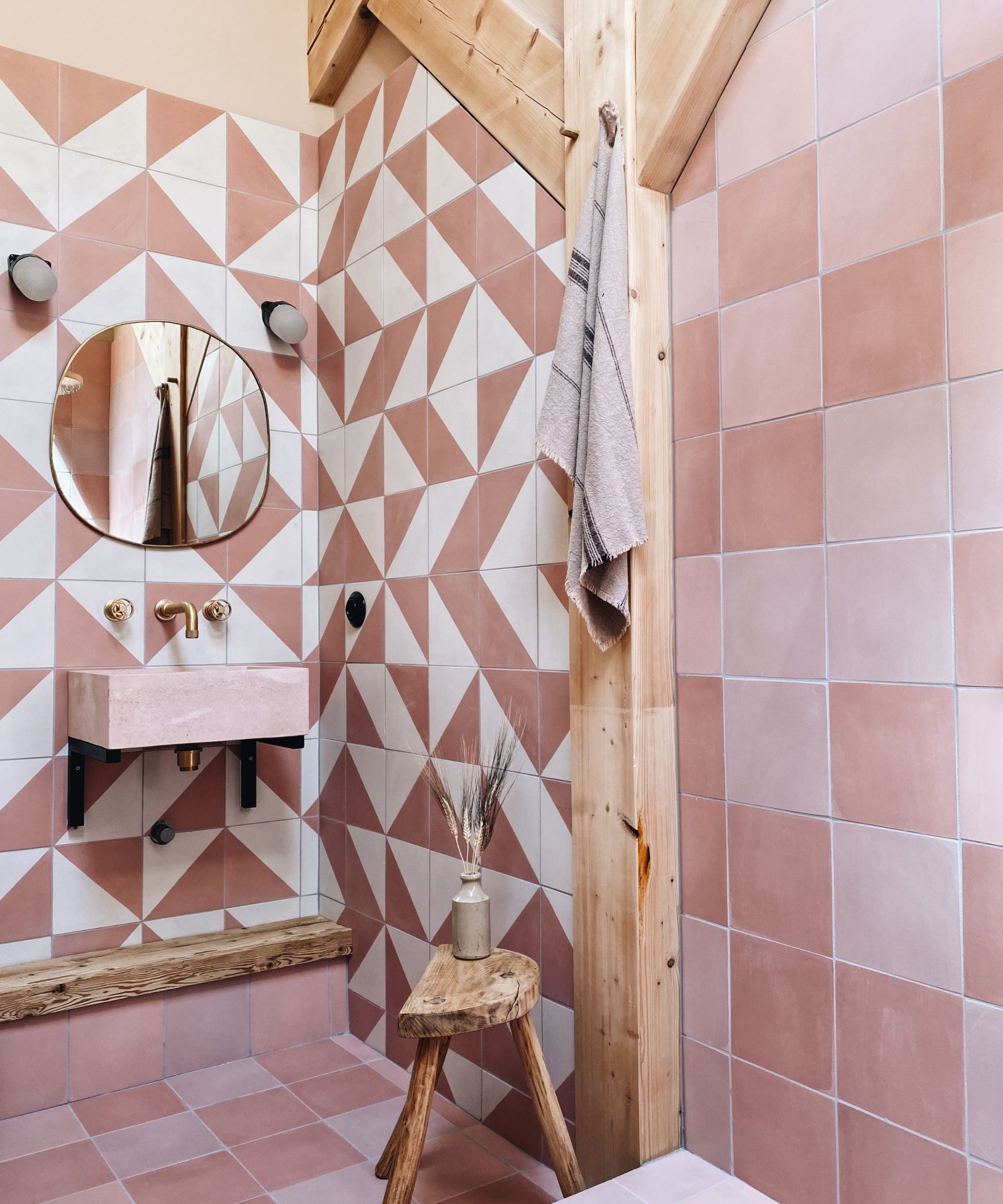
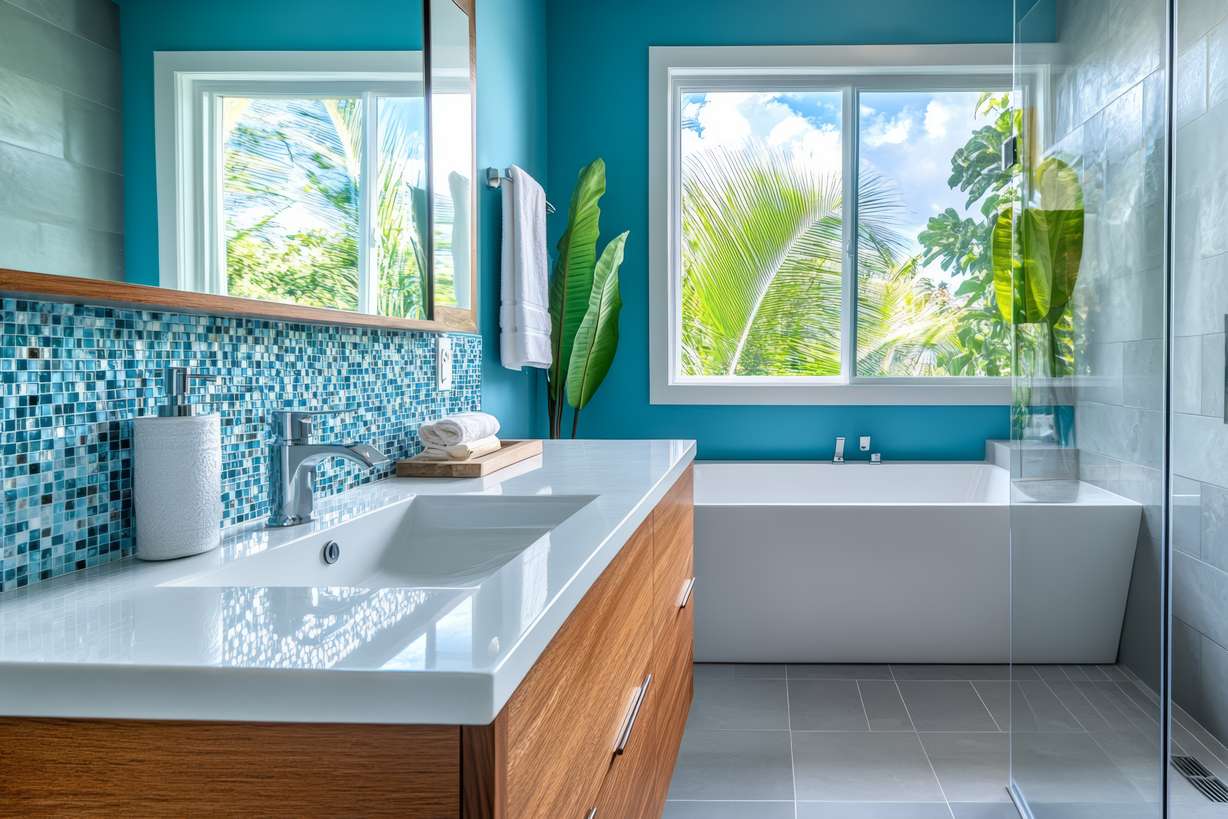
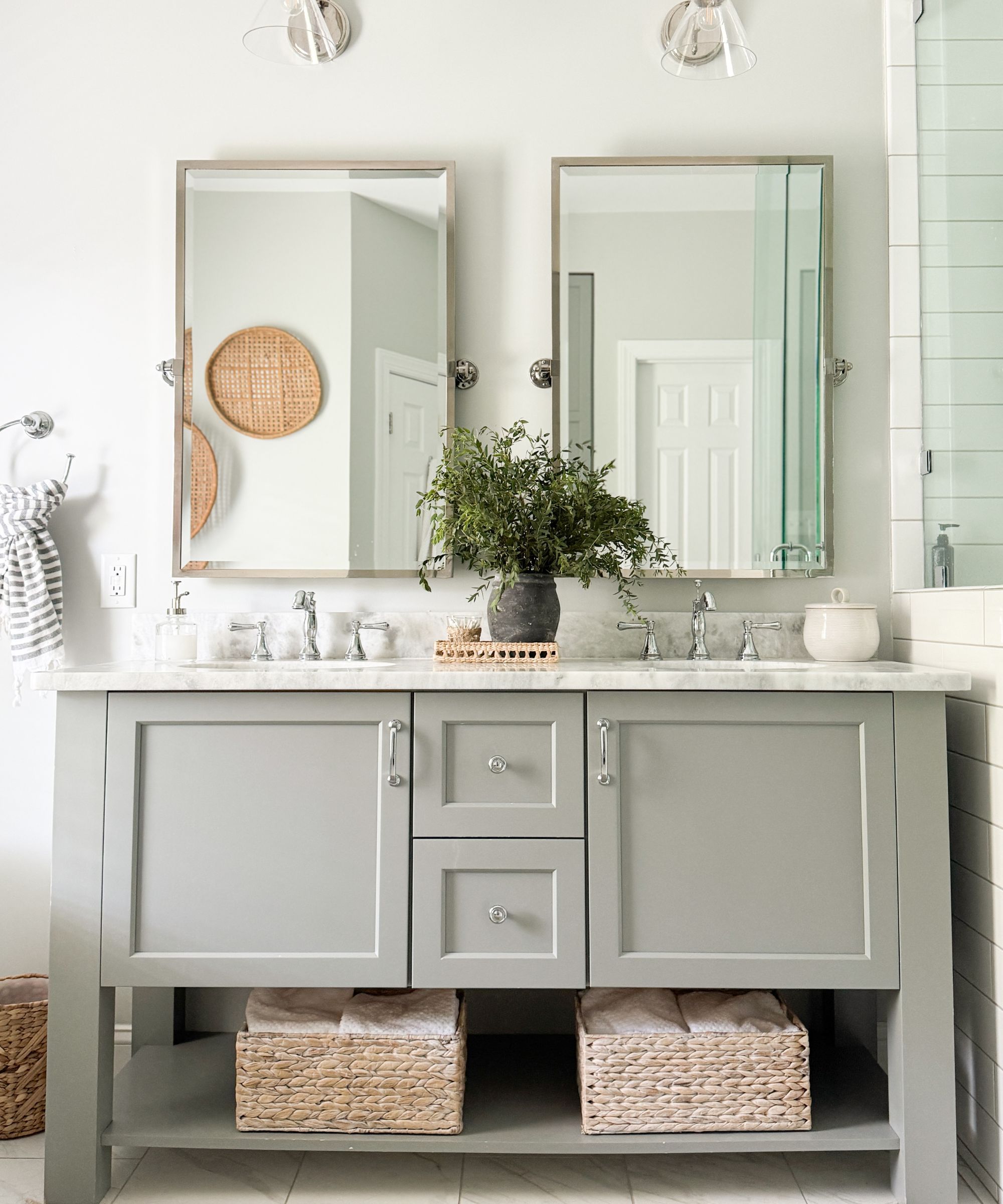
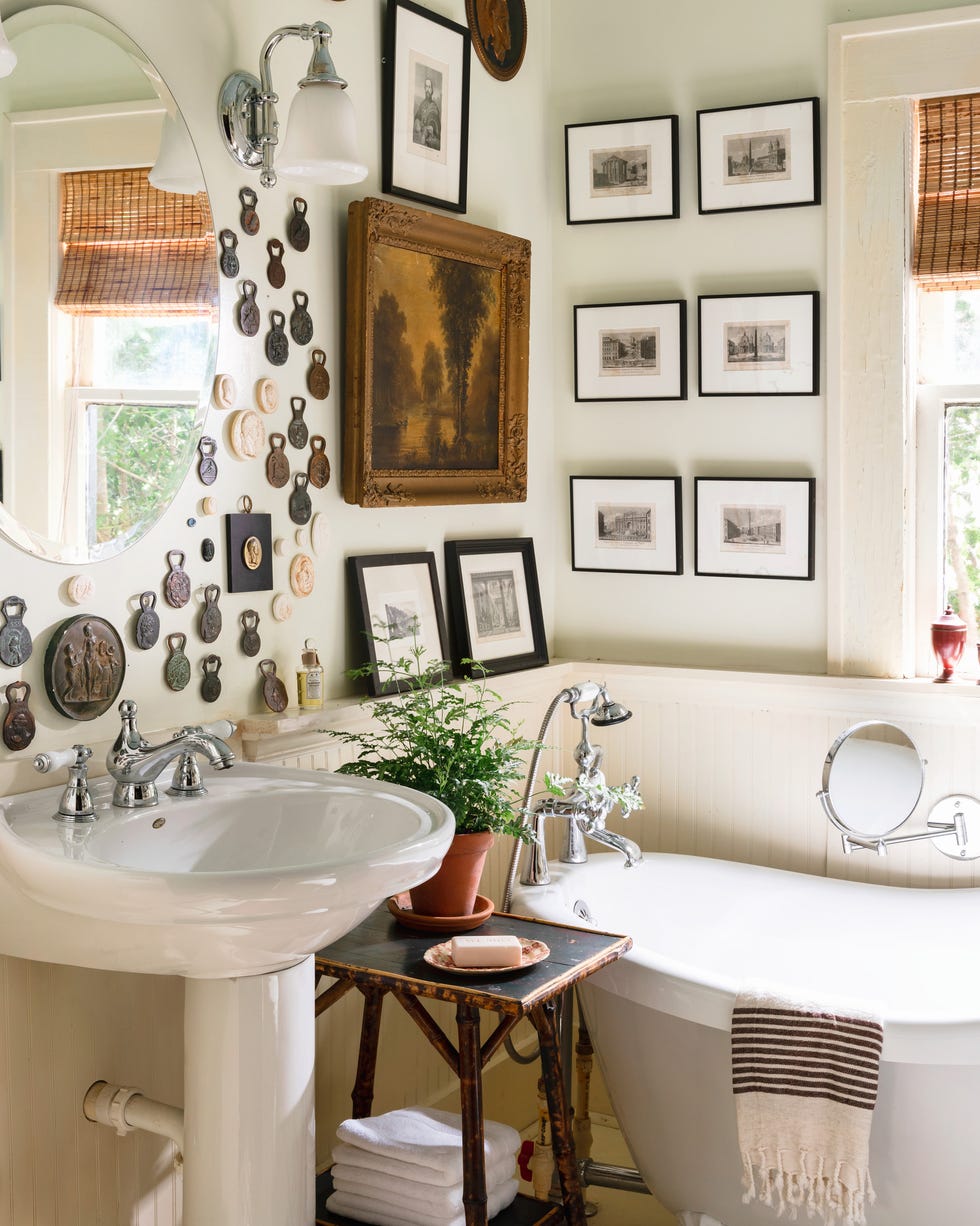
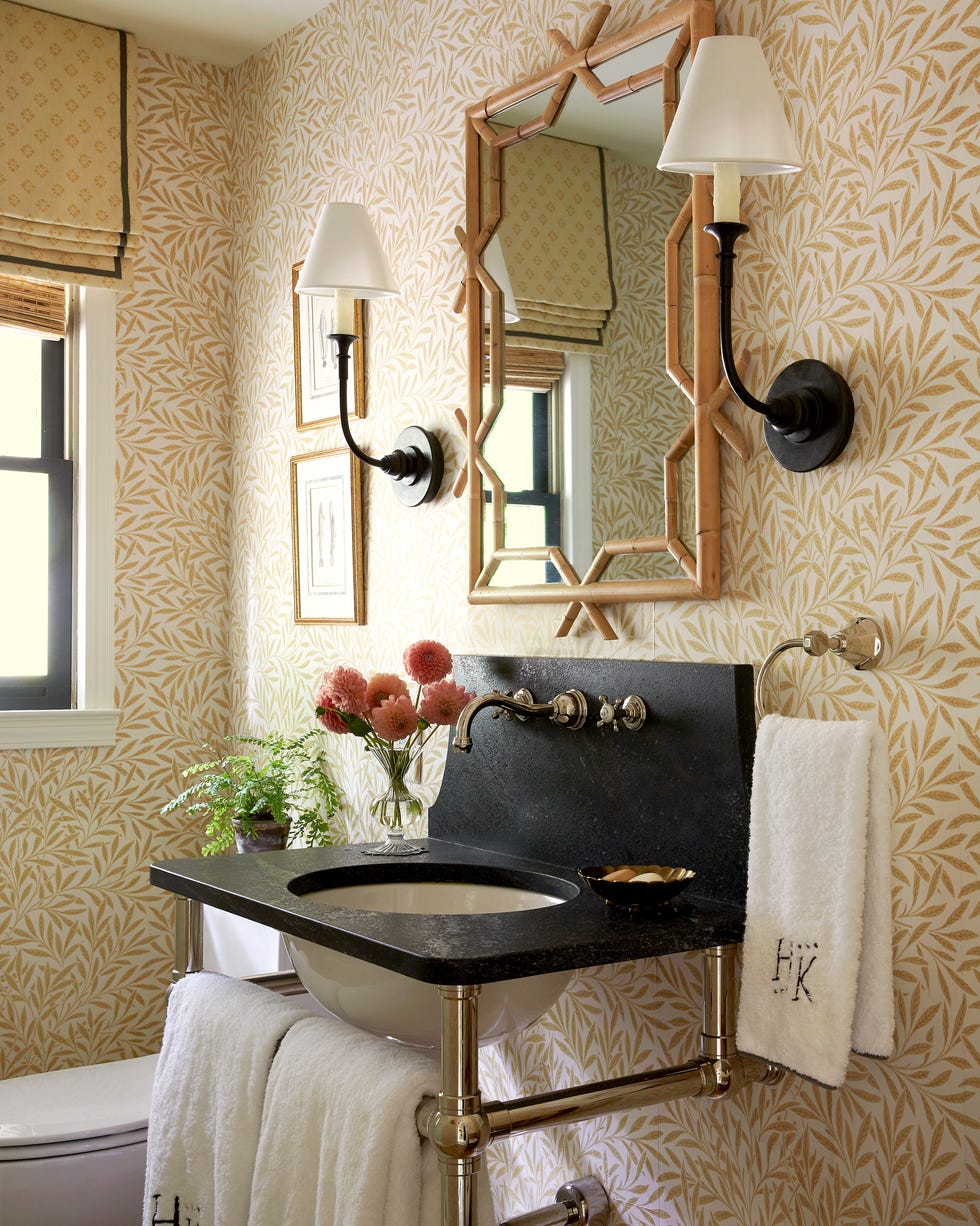
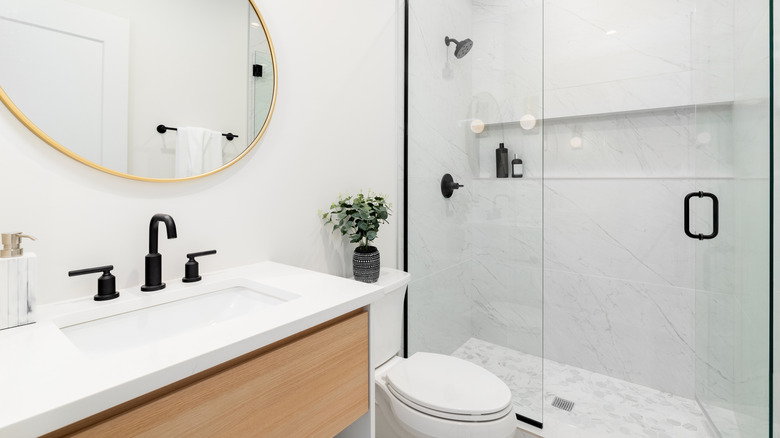
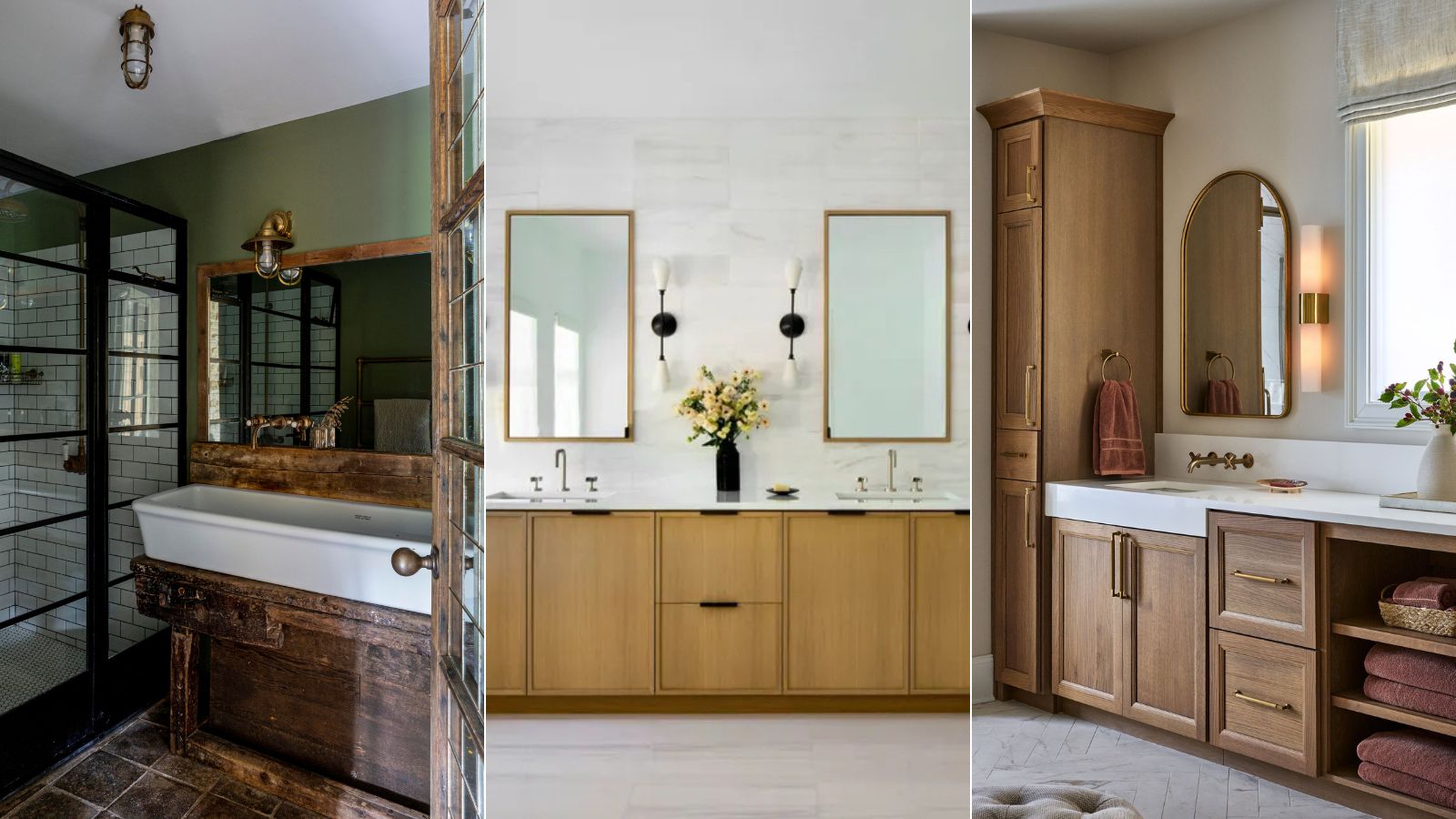
Interior designer Lauren Gilberthorpe emphasizes that wood in bathrooms is a timeless choice, offering warmth, texture, and a sense of history that can transform a clinical space into one rich in character and atmosphere. Brenda from Houselift Design echoes this sentiment, noting the material's versatility. Wood can be incorporated in numerous ways beyond just a bathroom vanity, extending to accent walls and other features, making it suitable for almost any bathroom design.
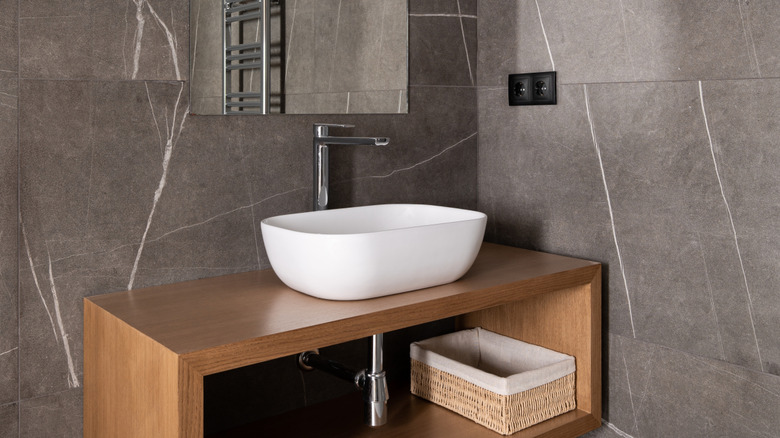
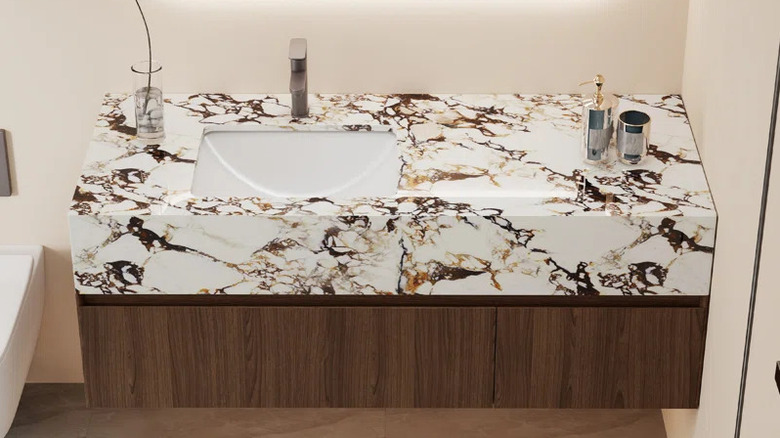
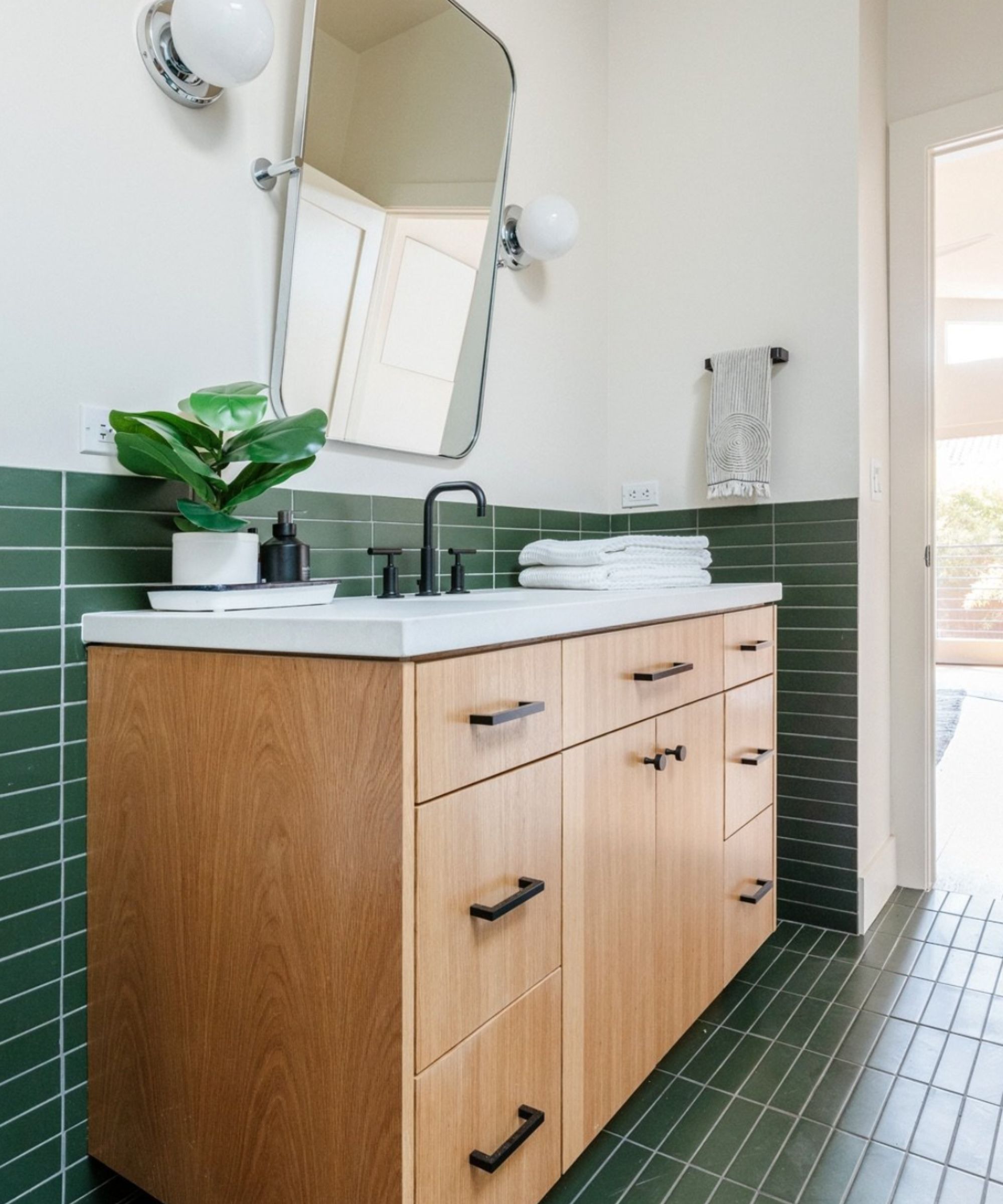
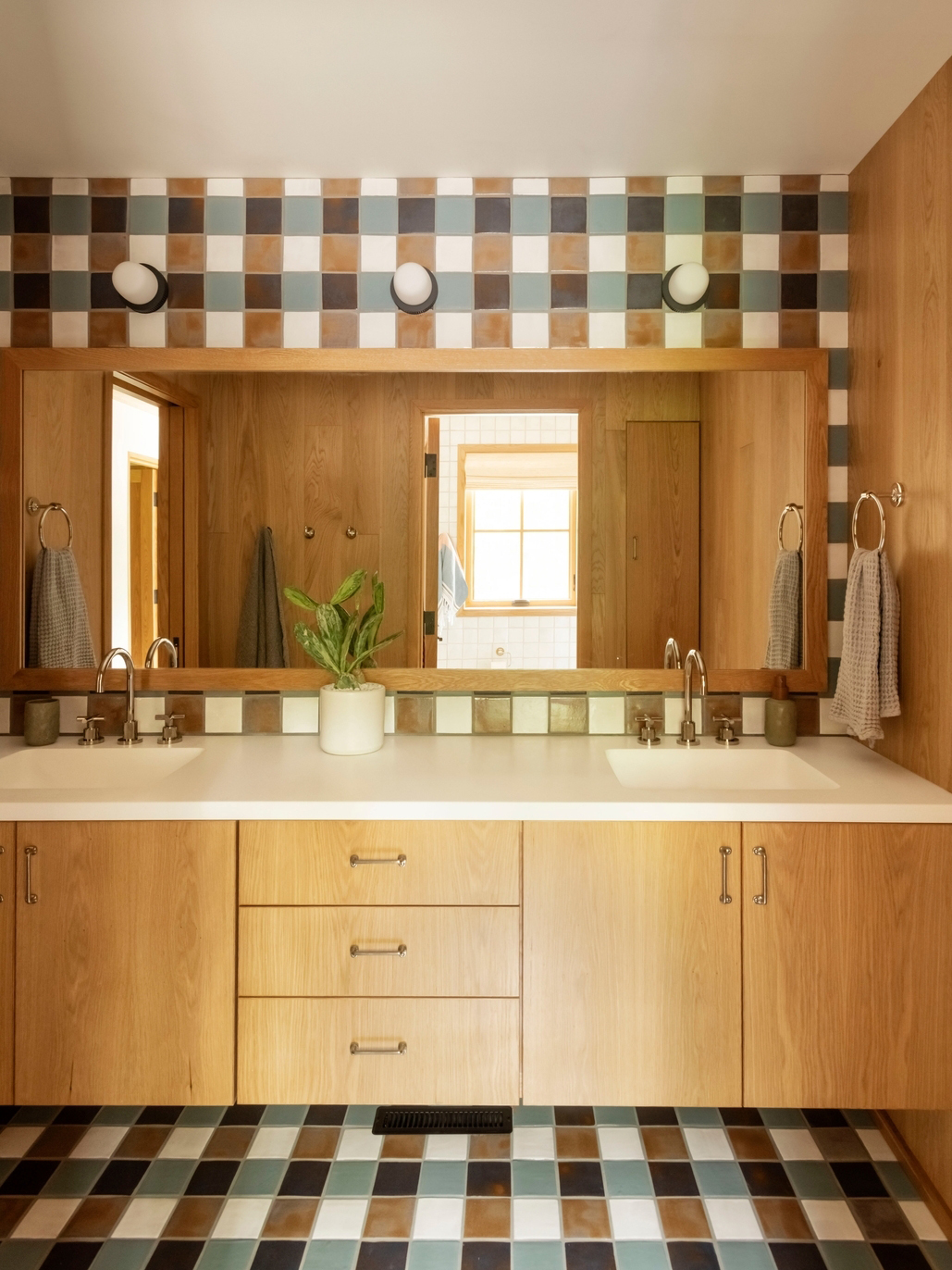
Selecting the appropriate type of wood is crucial, not only for visual appeal but also for its resilience to moisture. For vanities, white oak is recommended due to its natural beauty and ability to absorb stains effectively. The article cites a client who sought a peaceful retreat, and white oak's natural complexion sealed to protect it, creates a timeless feel. For damper areas, such as accent walls or benches, teak is highly recommended due to its exceptional resistance to constant water exposure and steam. While no wood is invincible, teak is considered the most resilient option.
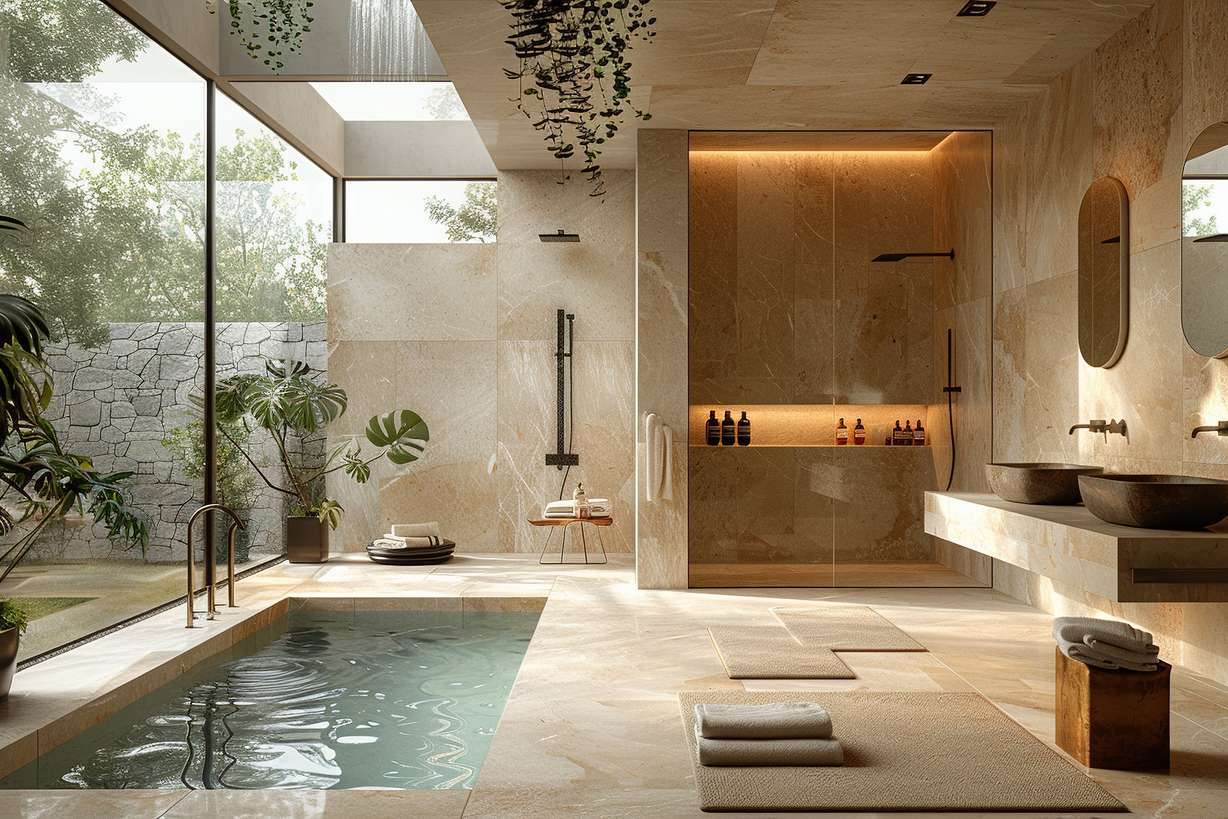
The designers confirm that wooden bathrooms are indeed back on trend for 2025. This resurgence is driven by a desire to create calming havens and spa-like sanctuaries at home. Brenda explains that hectic schedules lead people to seek spaces for rejuvenation, and natural materials like raw linens, earthy tones, and wood with natural veining contribute to this relaxing ambiance. However, successful integration of wood requires a thoughtful approach, combining it with the right colors, textures, and other materials to achieve a harmonious and timeless design.
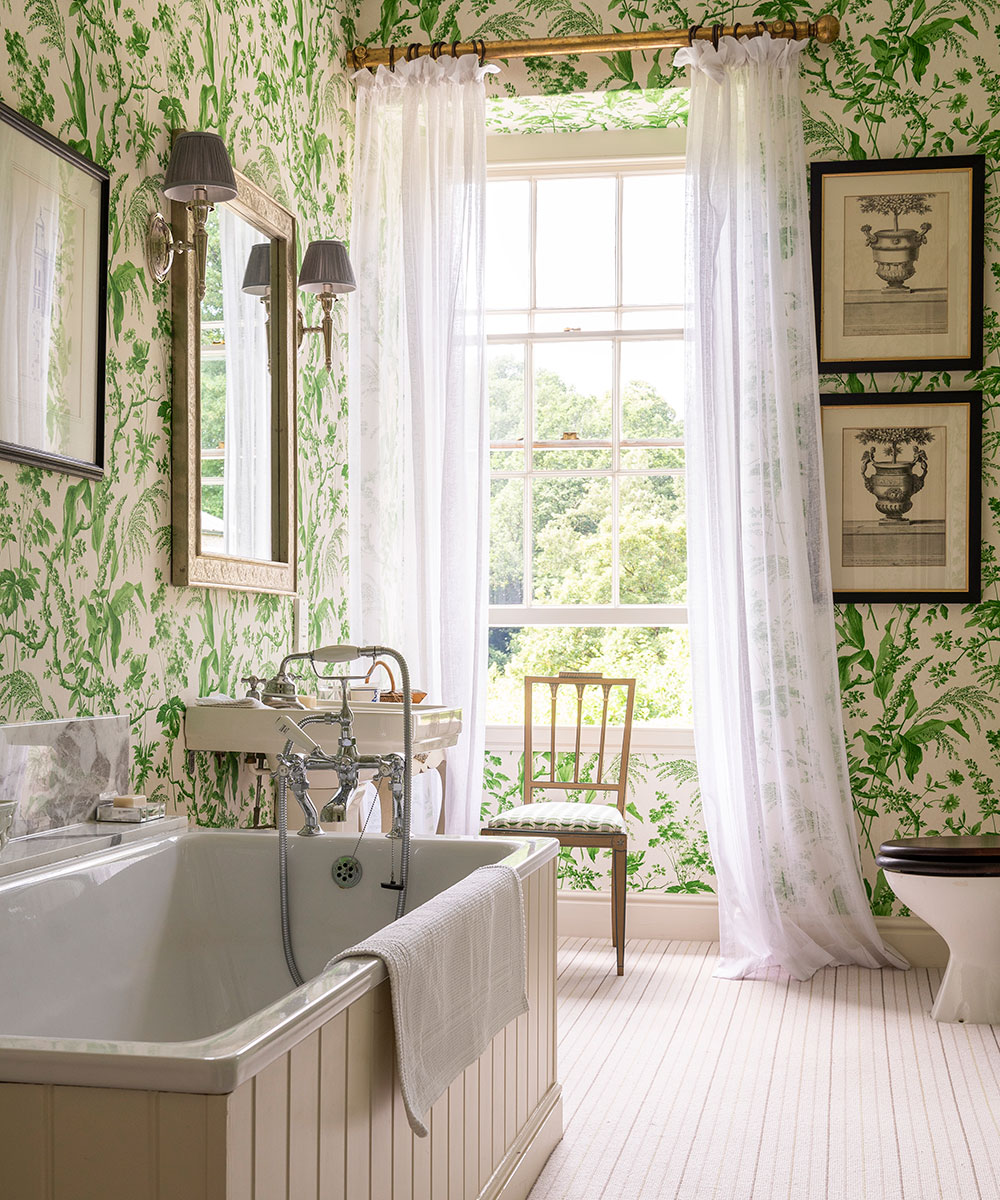
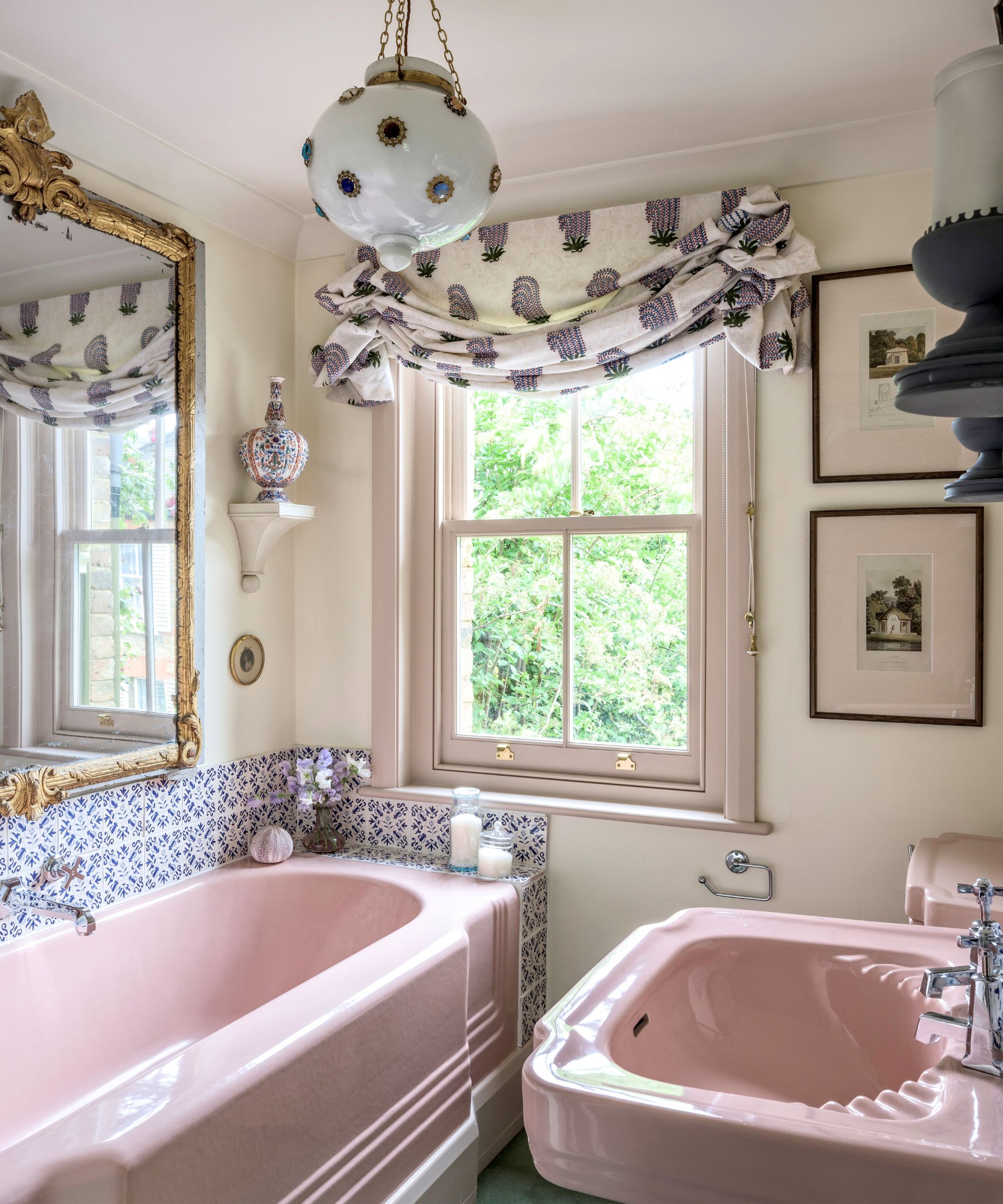
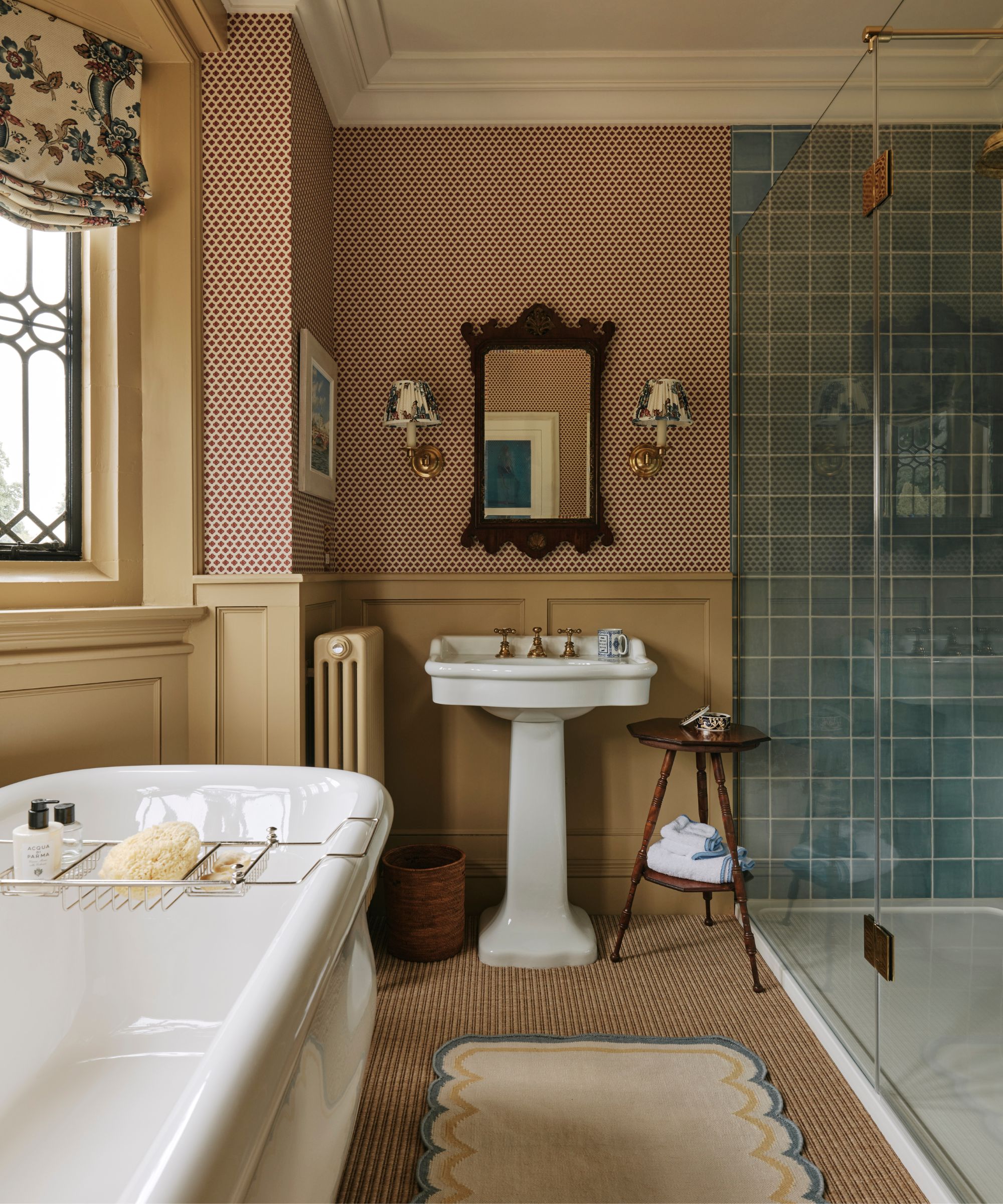
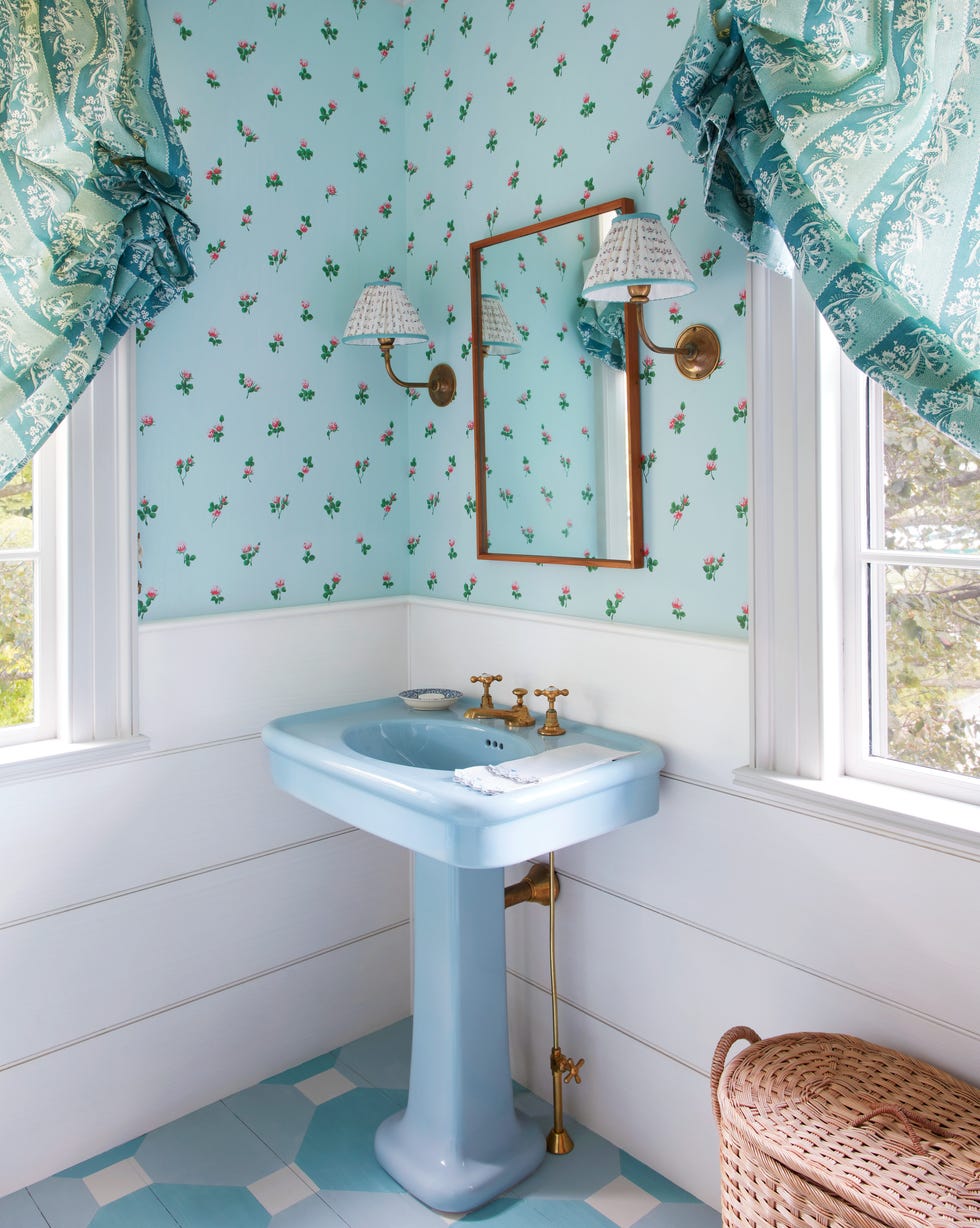
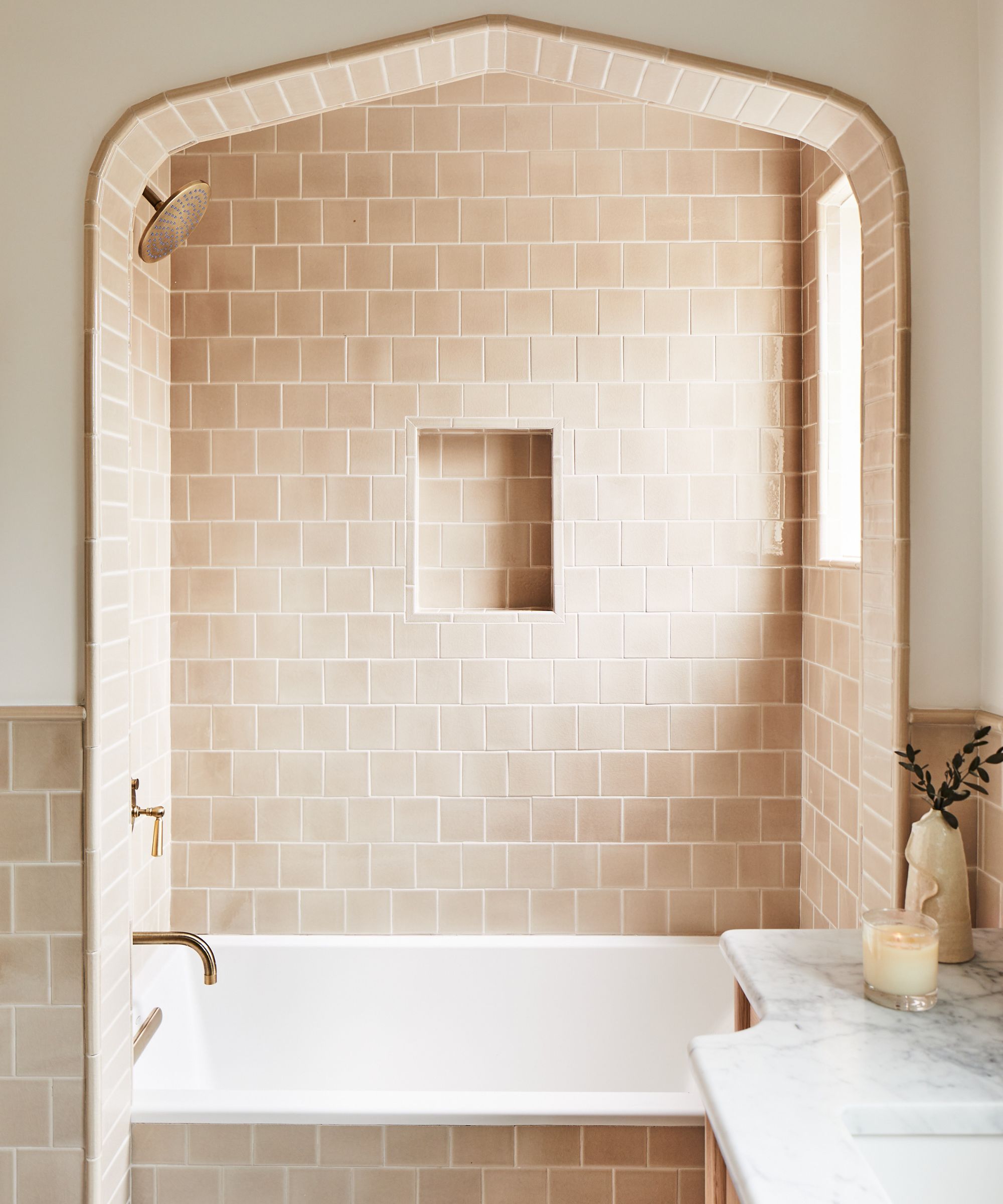
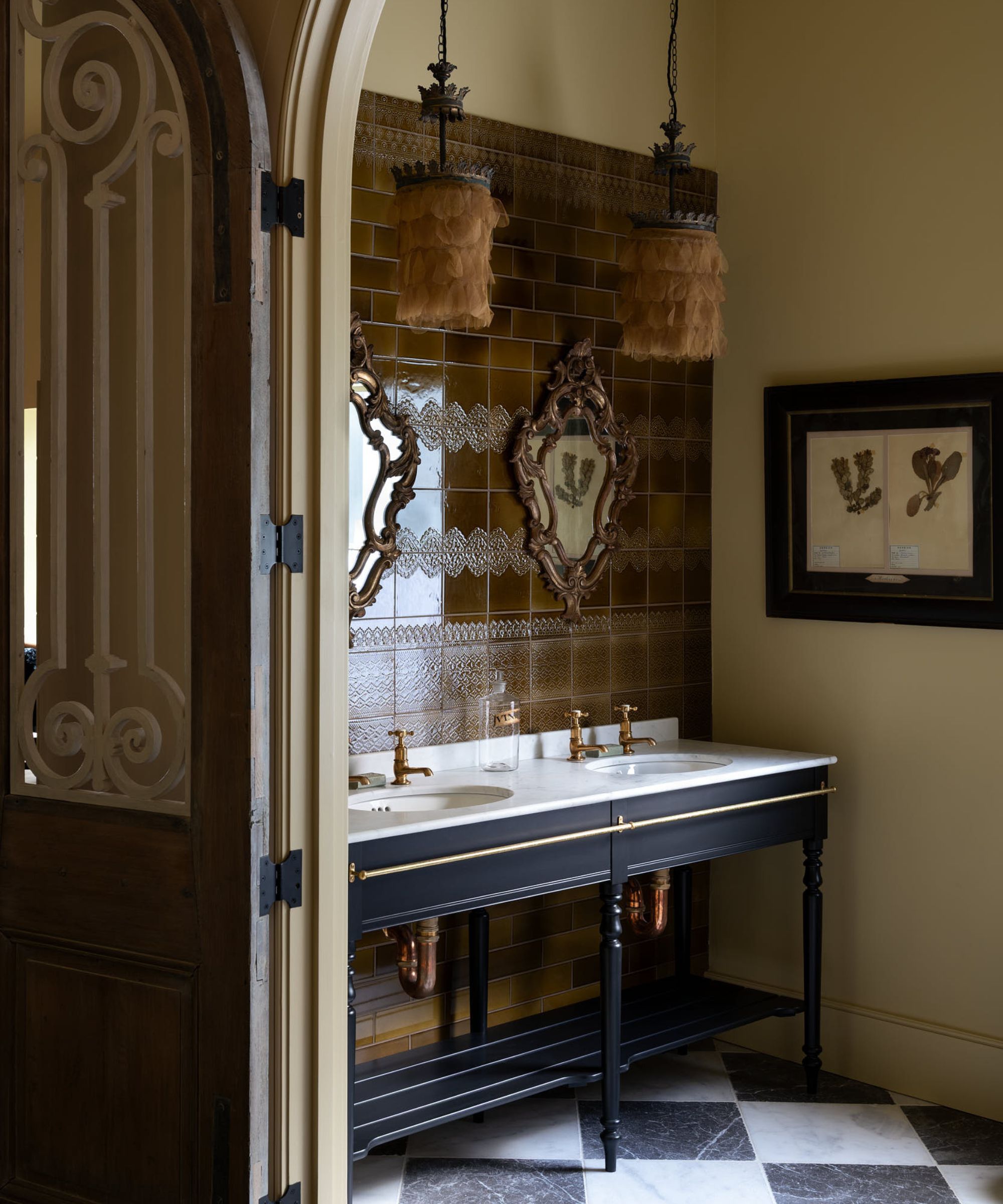
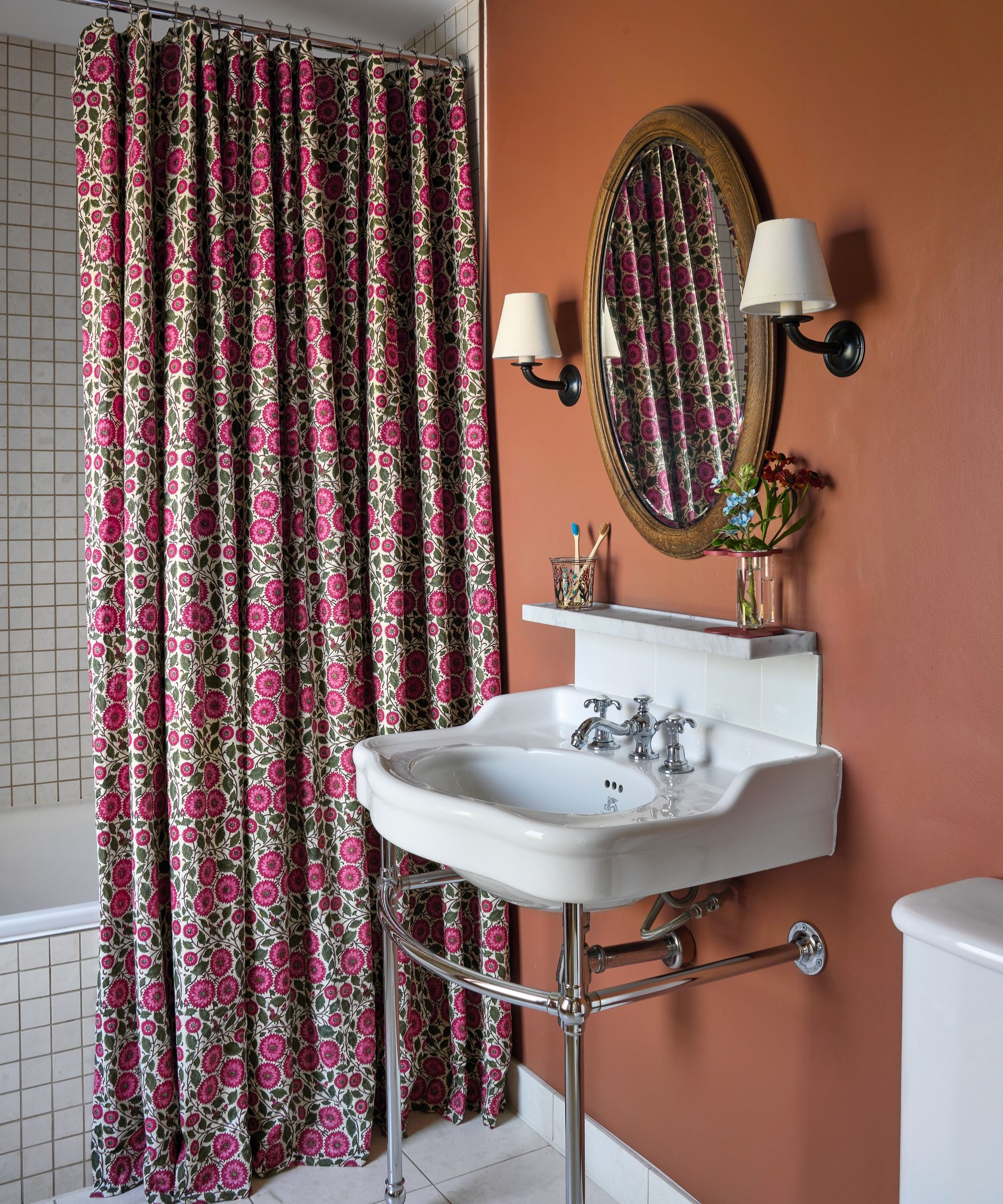
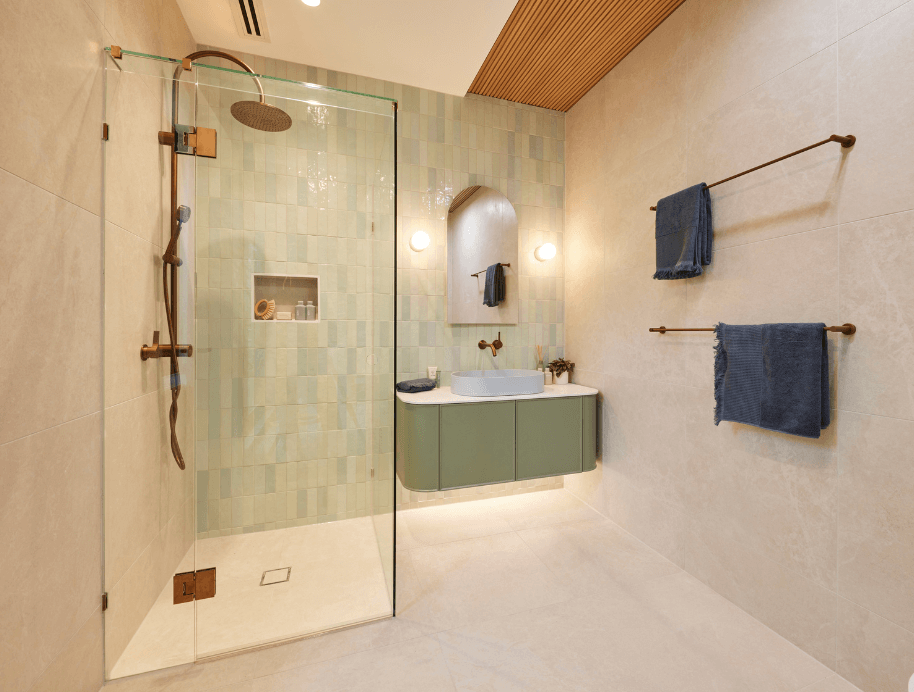
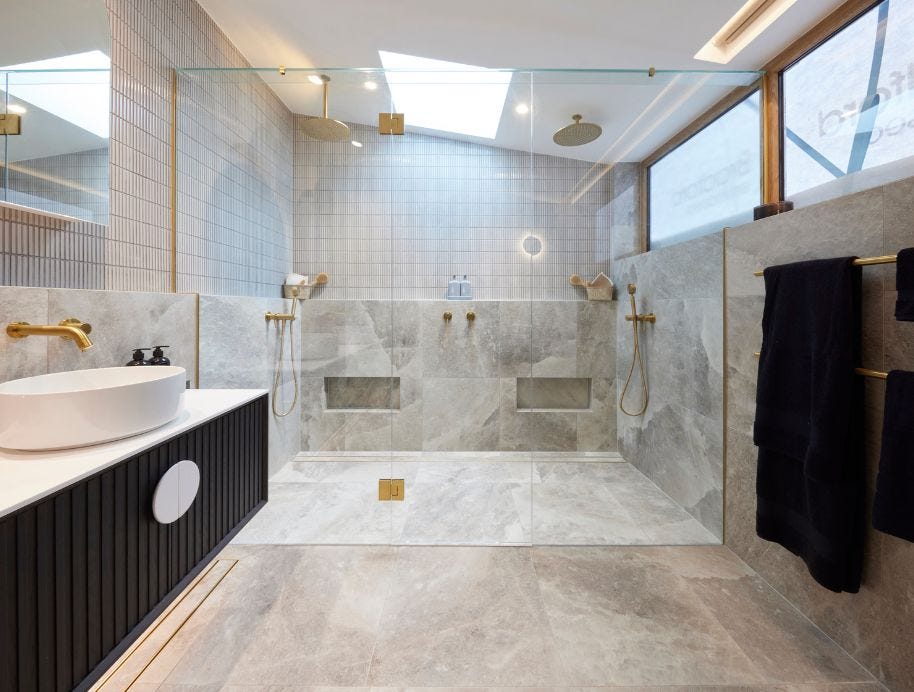
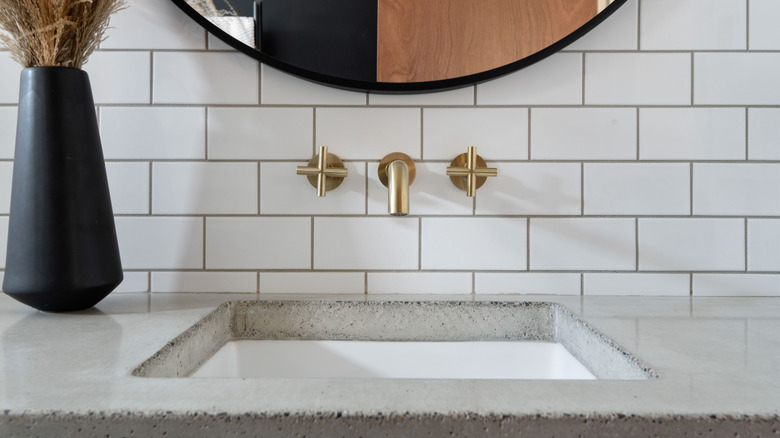
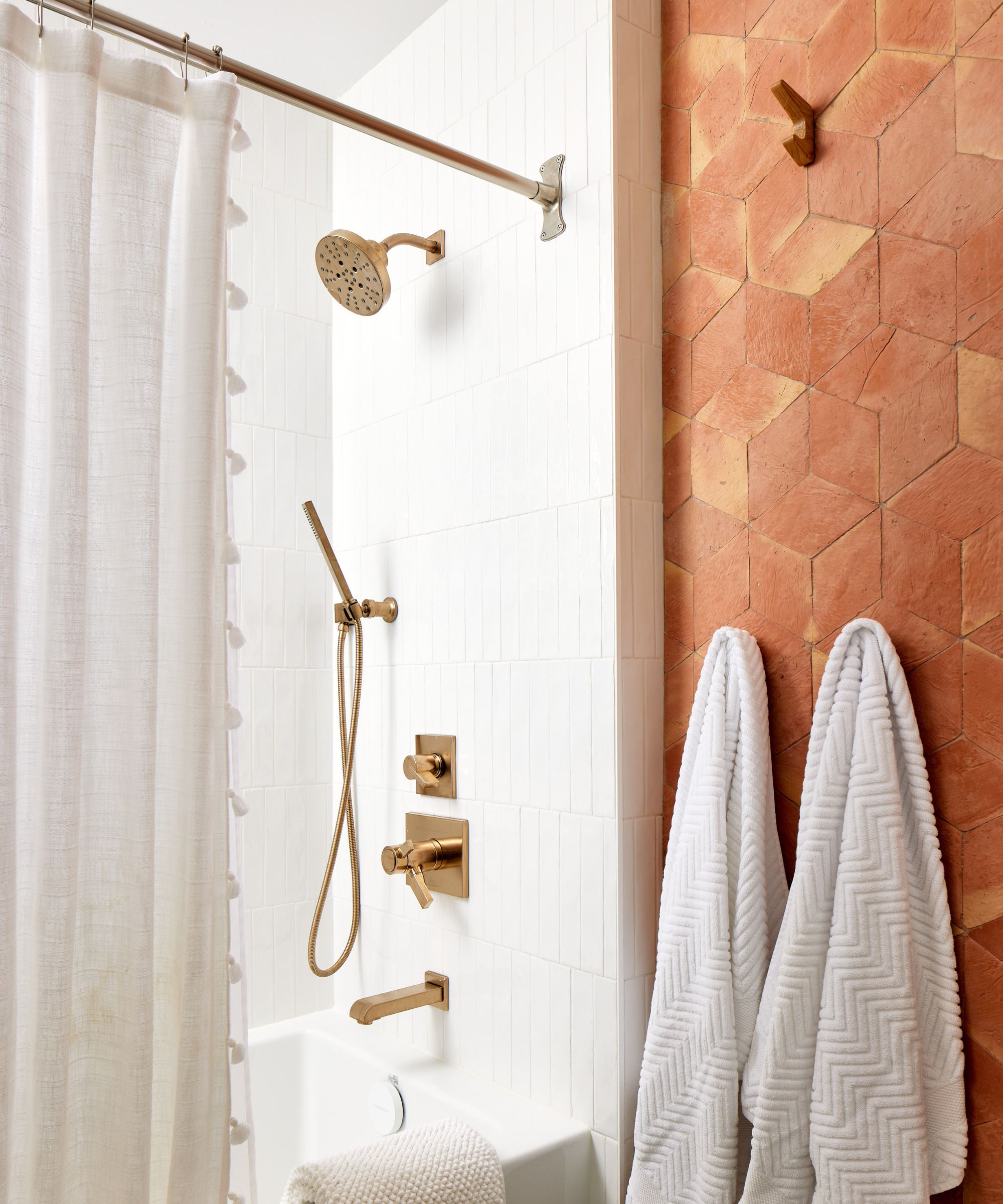
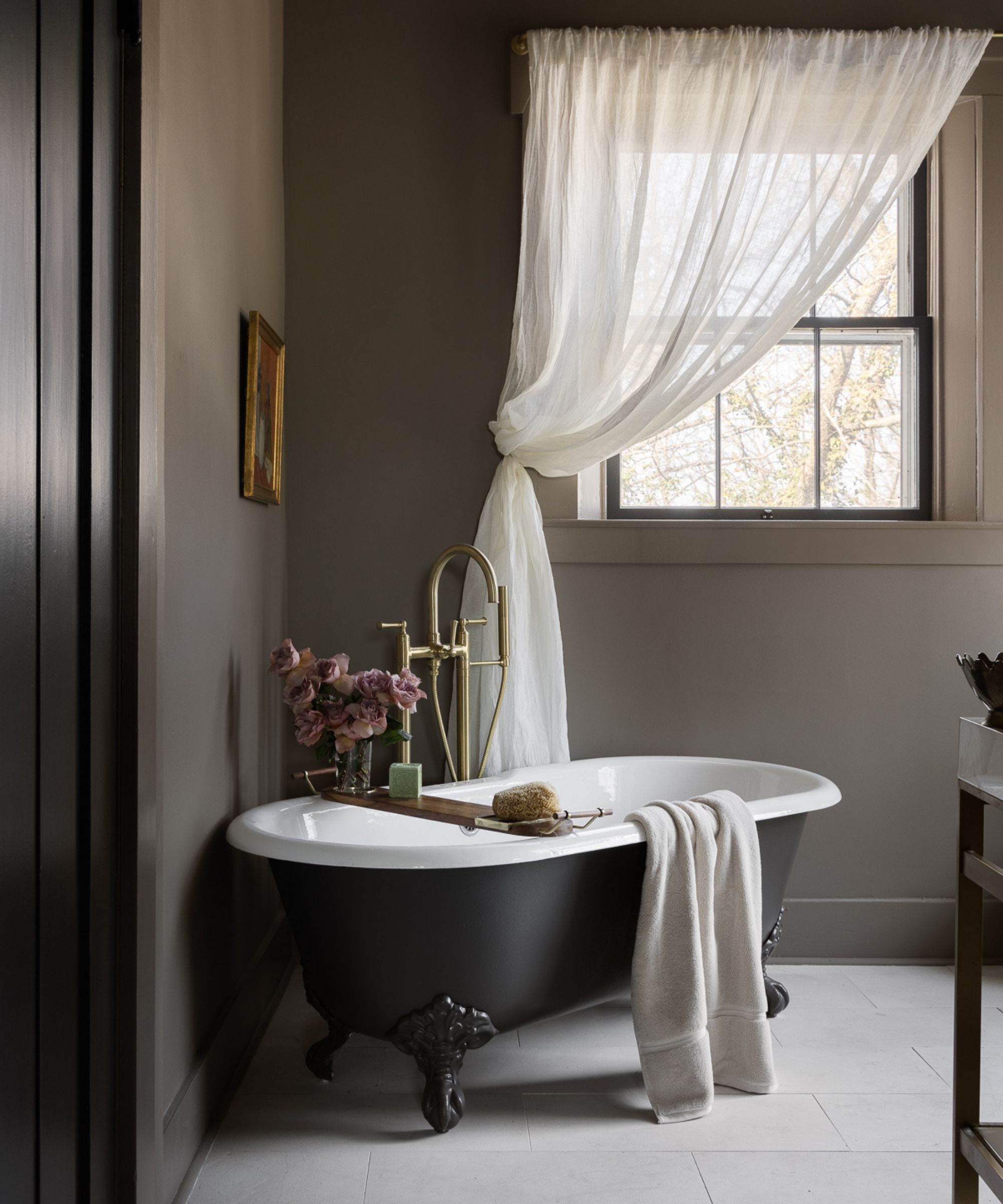
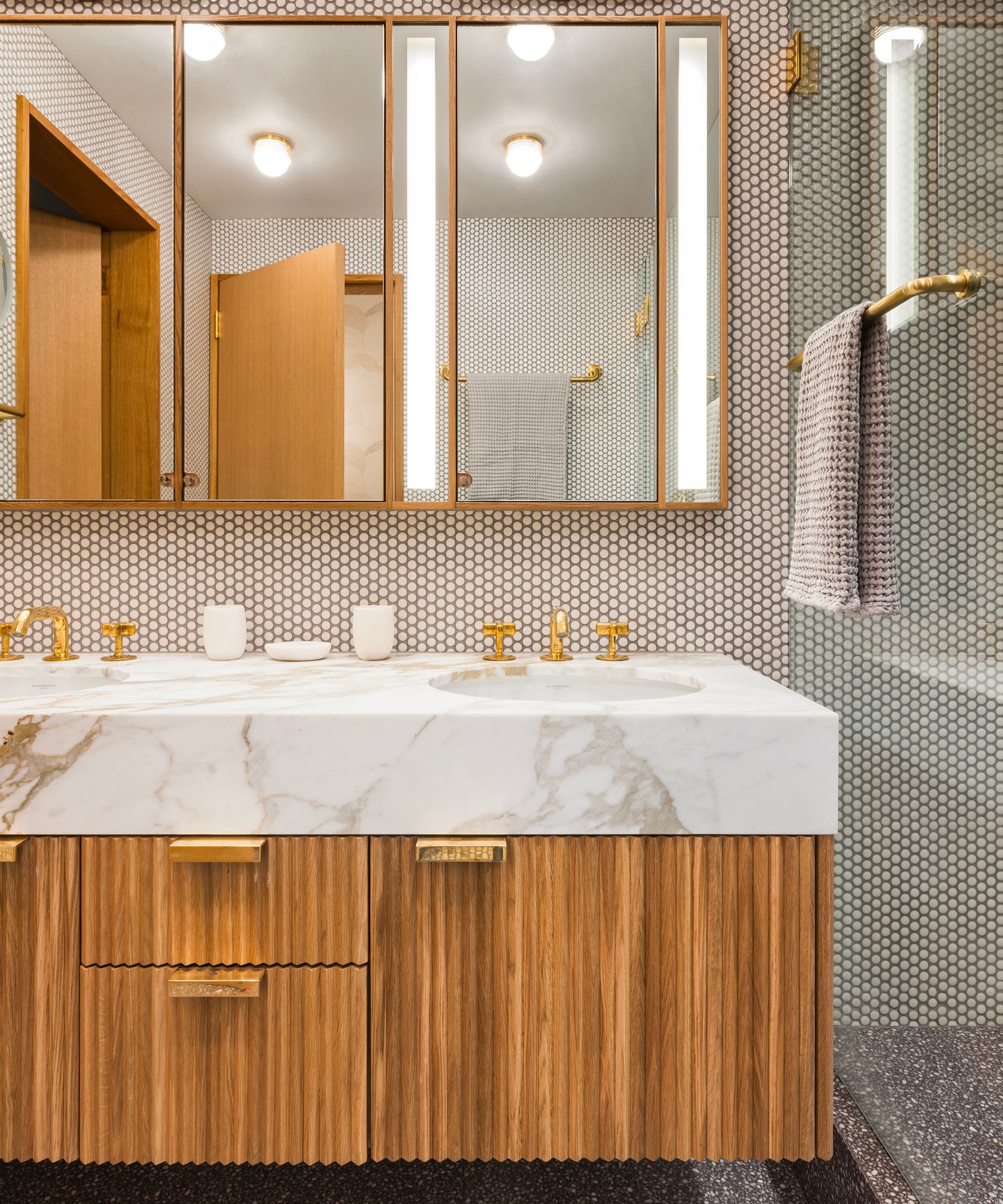
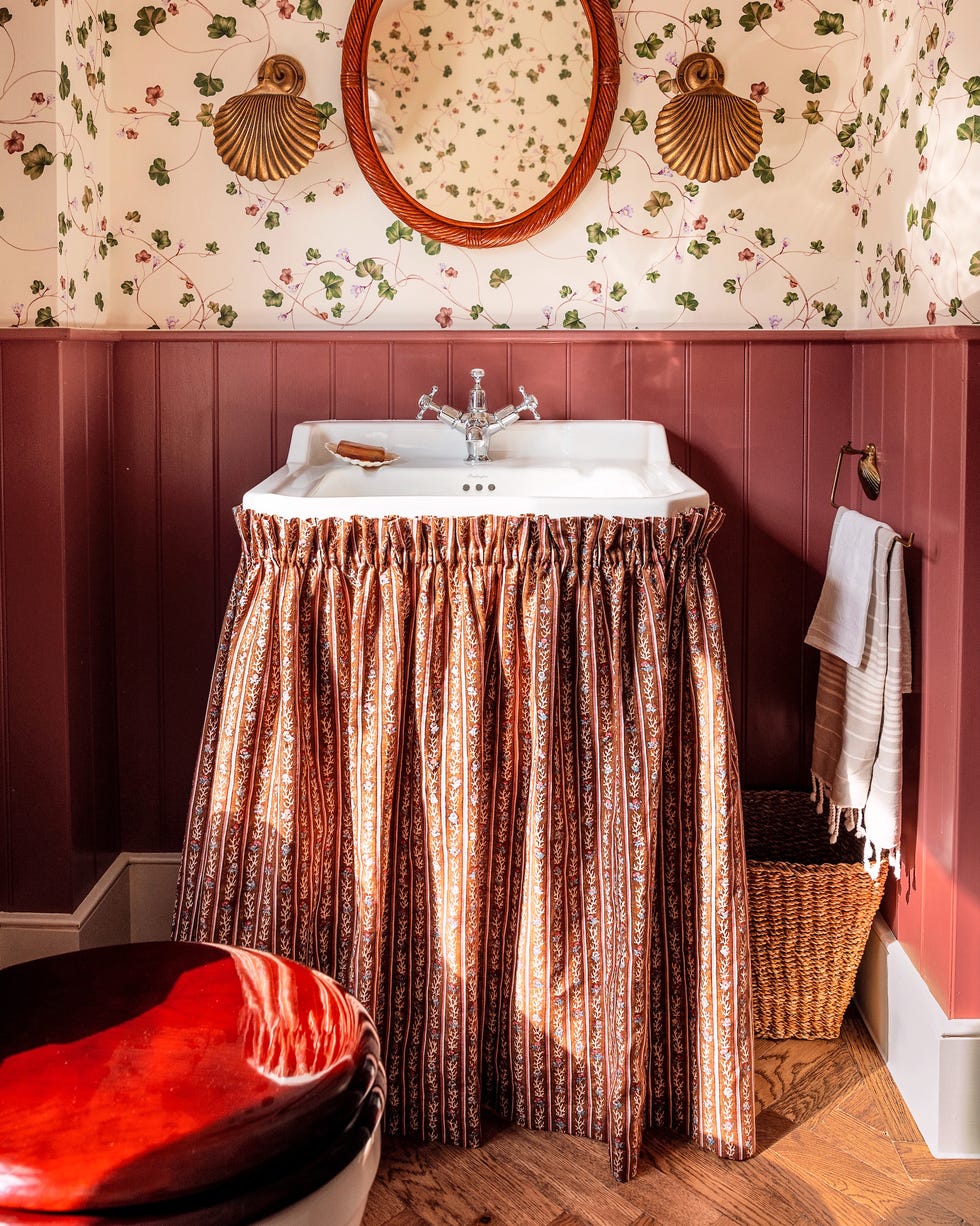
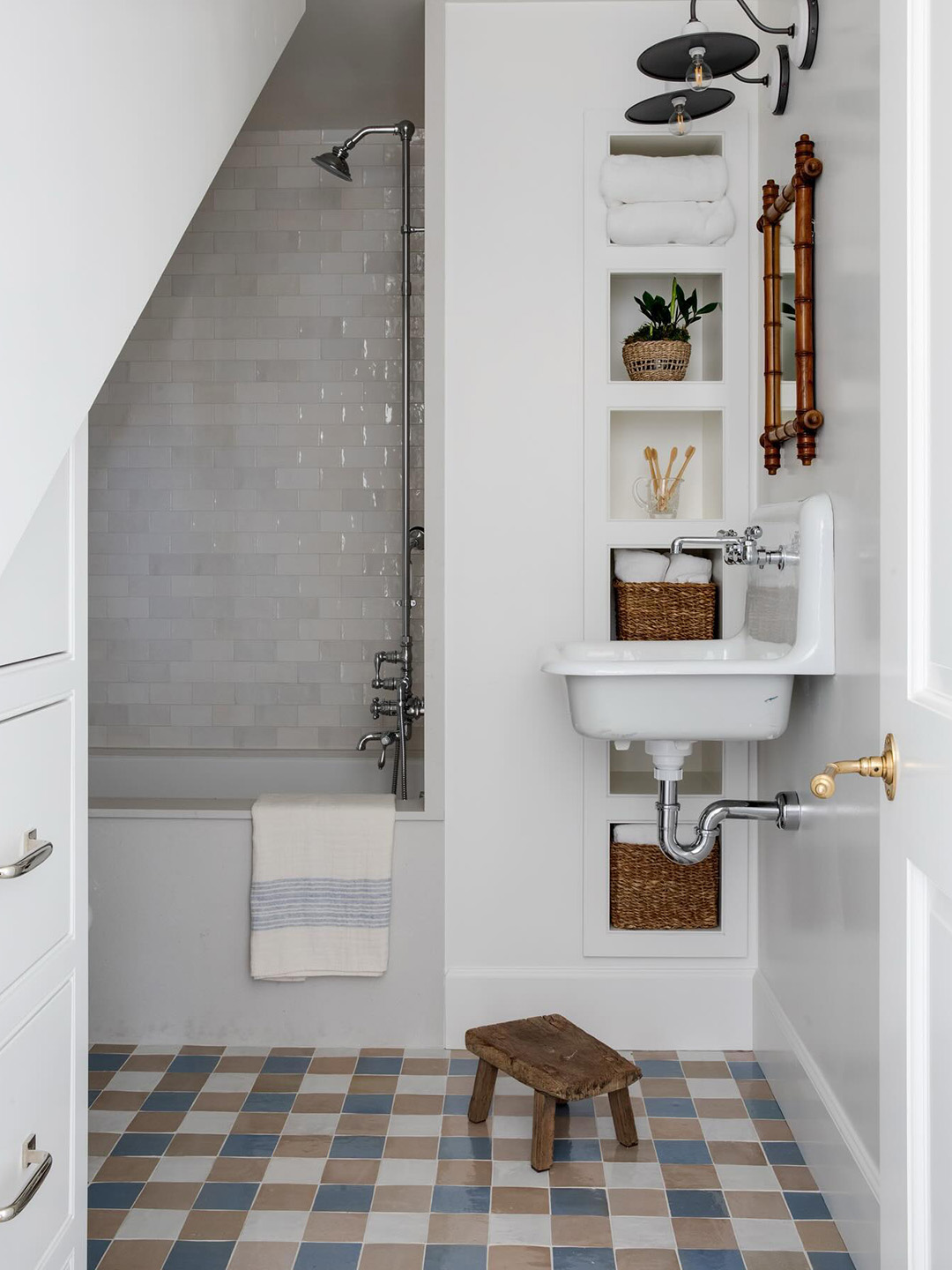
Wood's versatility allows it to seamlessly fit into various interior design styles, from traditional and vintage to contemporary and Scandinavian aesthetics. Lauren Gilberthorpe notes that wood vanities, mirrors, or architectural features add a natural, tactile quality, which is enhanced when paired with durable finishes like brass, stone, or tile. This creates depth and contrast, with wood’s warmth complementing earthy tones or soft neutrals for a timeless yet fresh palette. Brenda further elaborates that wood can be paired with small penny tile for an Art Deco feel, microcement for a contemporary European style, or whimsical wallpaper. The evolving nature of design promises even more creative pairings with wood in the future.
Ultimately, the article concludes that incorporating wood into bathroom design is a good decision. It helps create a tranquil environment and a scheme that endures over time. Even if interior design preferences change, a wooden bathroom can be easily adapted to evolving tastes, solidifying its place as a practical and stylish choice for 2025 and beyond. #WoodenBathrooms #BathroomTrends2025 #InteriorDesign #NaturalMaterials #HomeDecor #DesignVersatility #SustainableDesign
0 comment in total
 No comments yet
You may also like
I can't believe I'm saying this, but is the carpeted bathroom making a return? Designers reveal whether this dated style can work in 2025

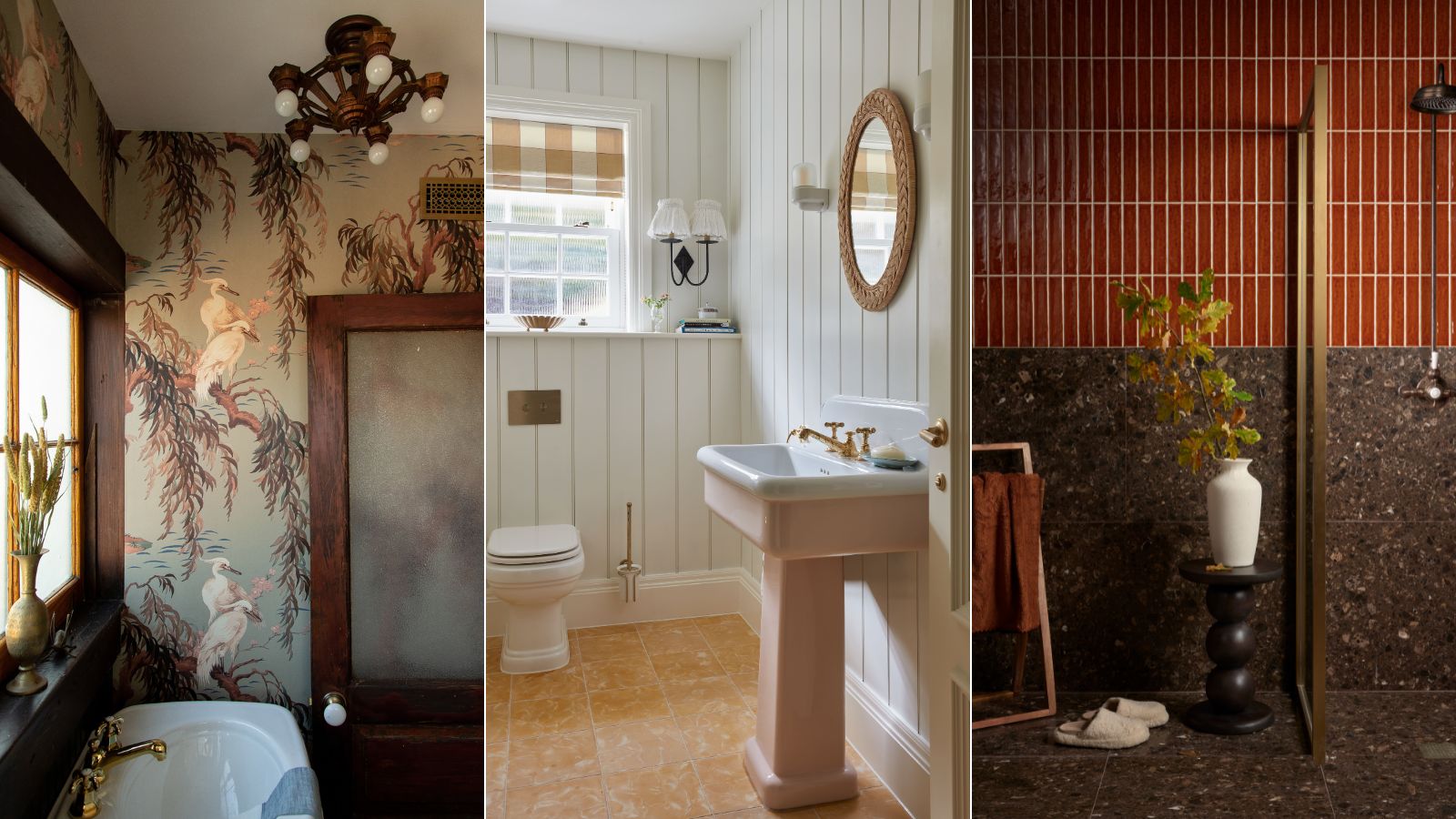
5 once-dated bathroom styles designers say are making a comeback in 2024
12 Bathroom Design Trends Going Out Of Style In 2025

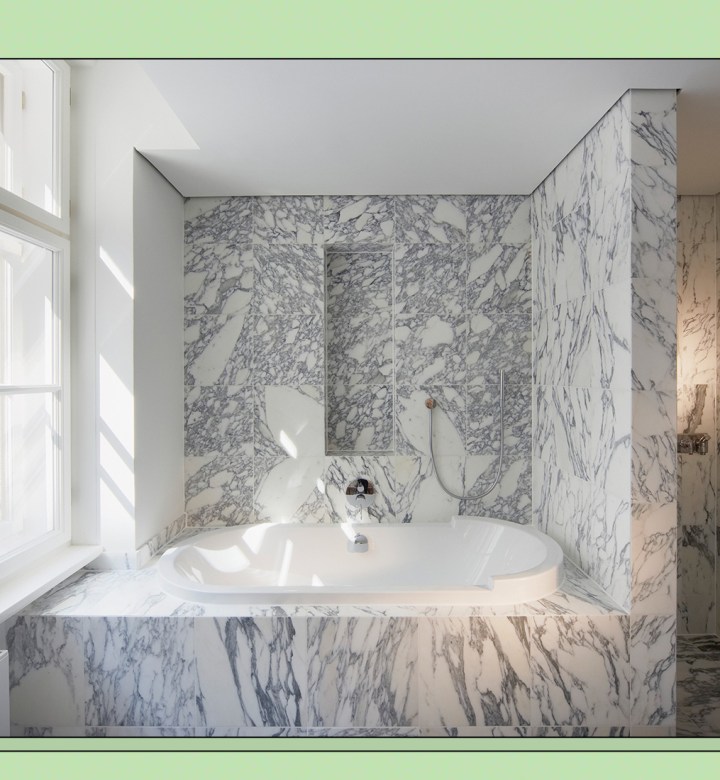
5 Bathroom Trends That Will Be Everywhere in 2025 (And One We're Definitely Saying Goodbye To)
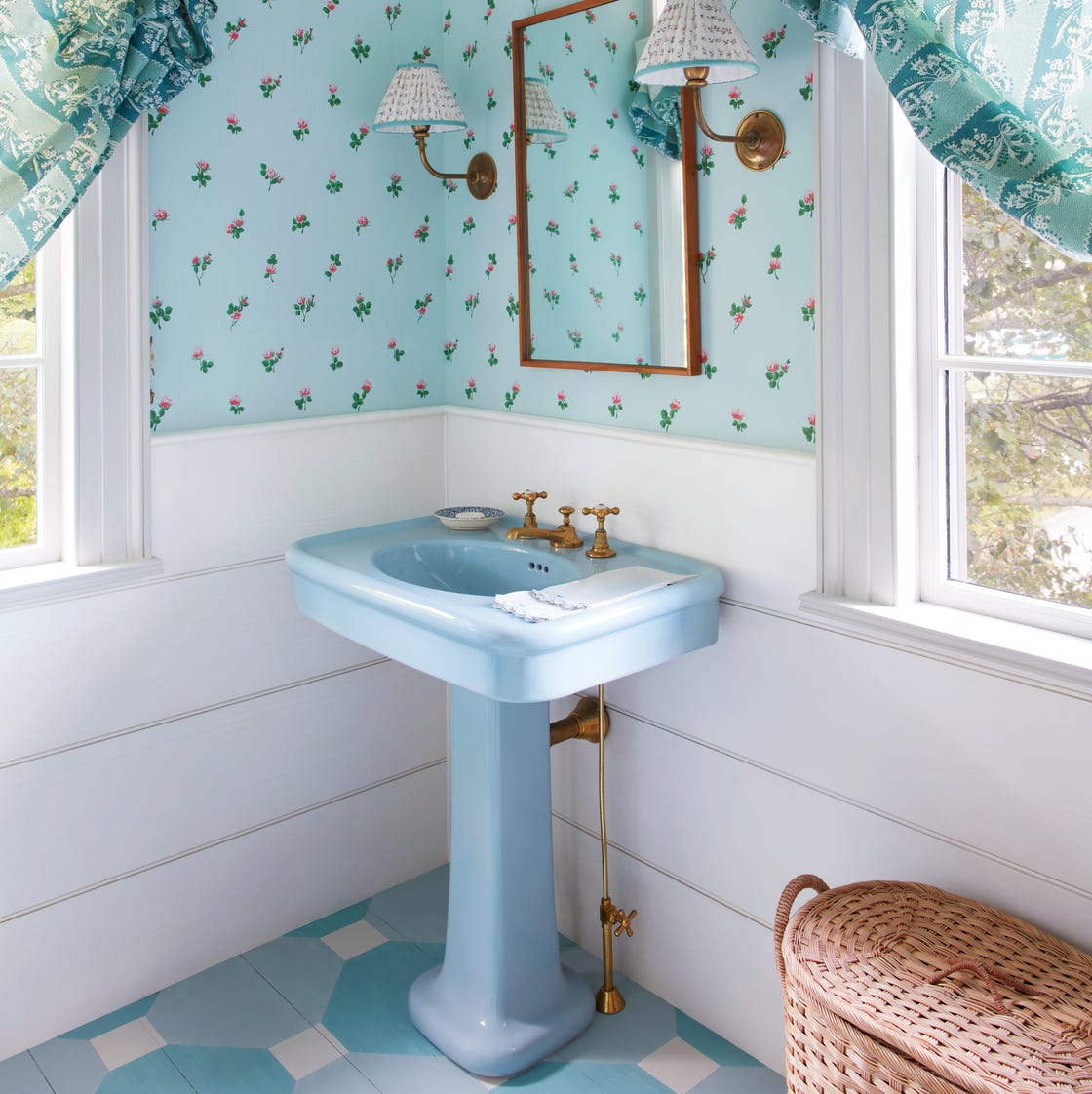
This “Dated” 1950s Bathroom Design Trend Is Making a Major Comeback in 2025
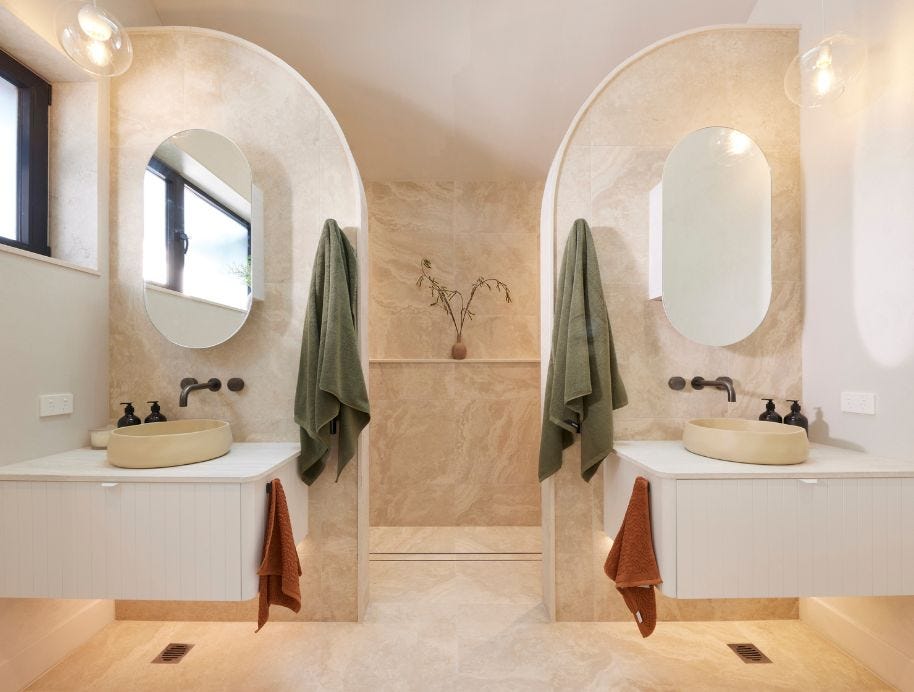
2025 Best Bathroom Trends
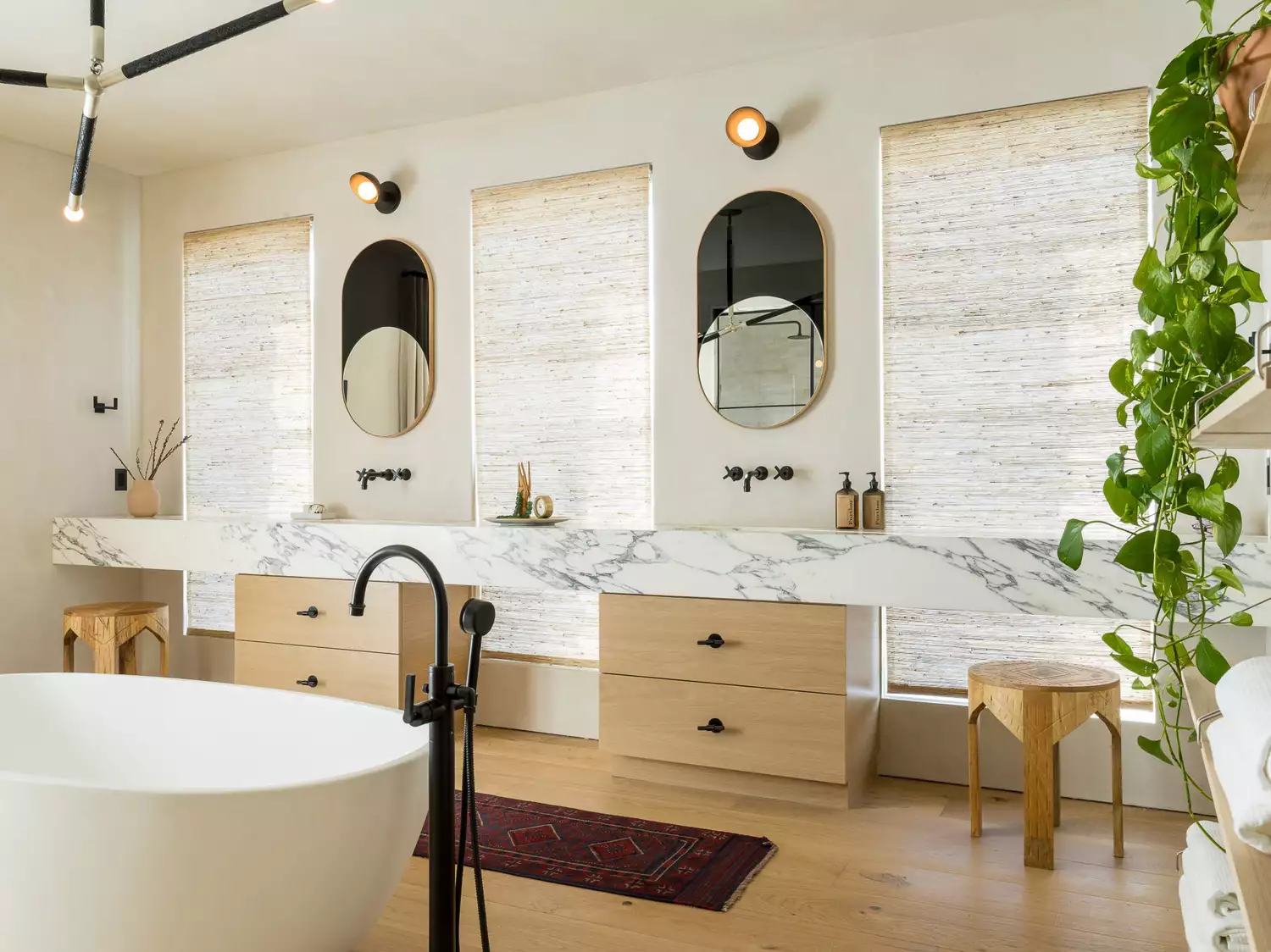
These Will Be The Biggest Bathroom Trends in 2025, According to Designers
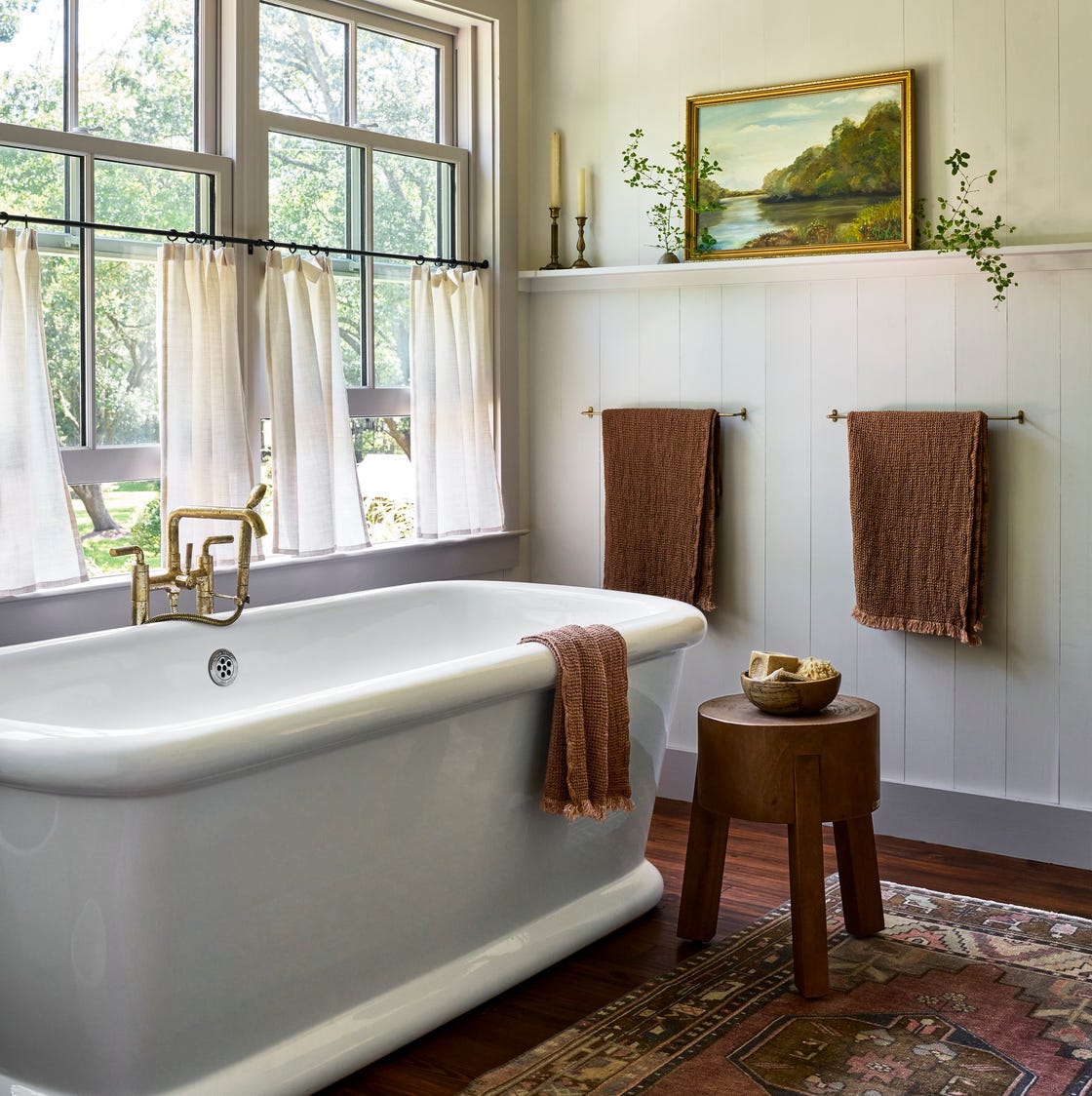
5 Bathroom Design Trends Already Taking Over in 2026
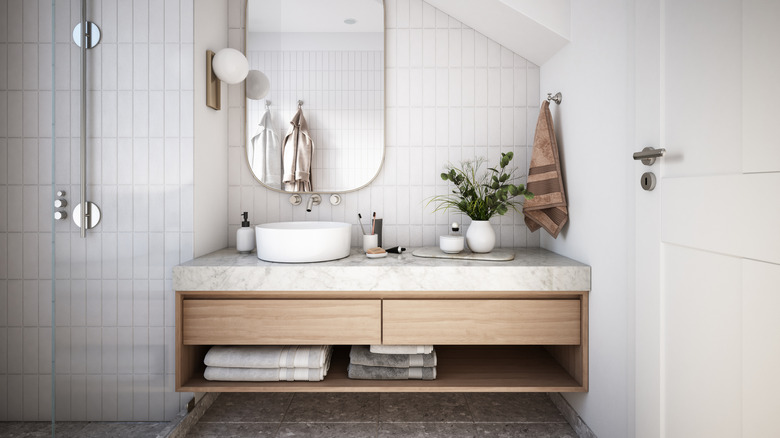
Once-Trending Bathroom Designs That Are Being Replaced In 2025

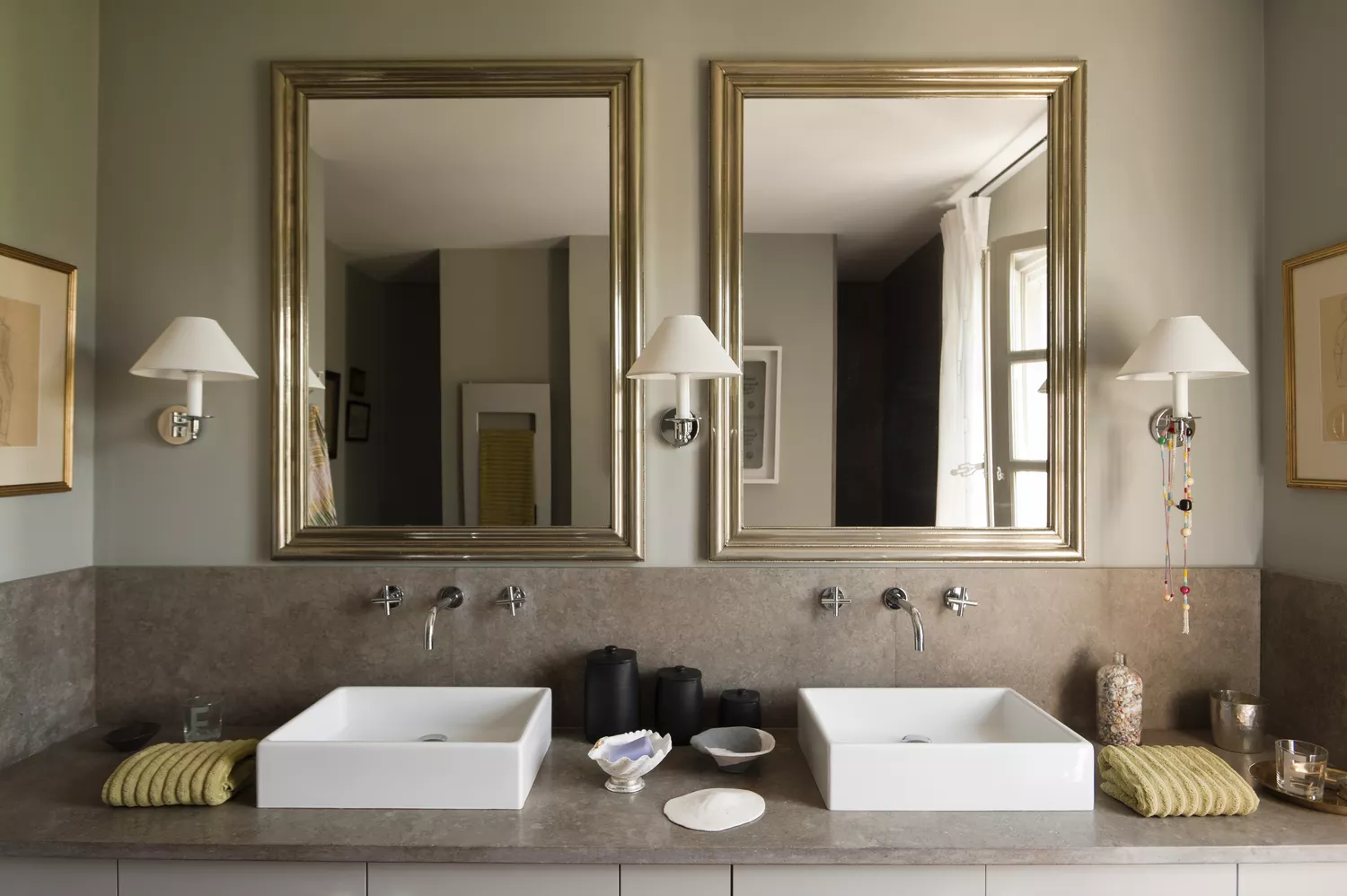
These Are the Bathroom Trends That Will Take Over in 2025, According to Designers

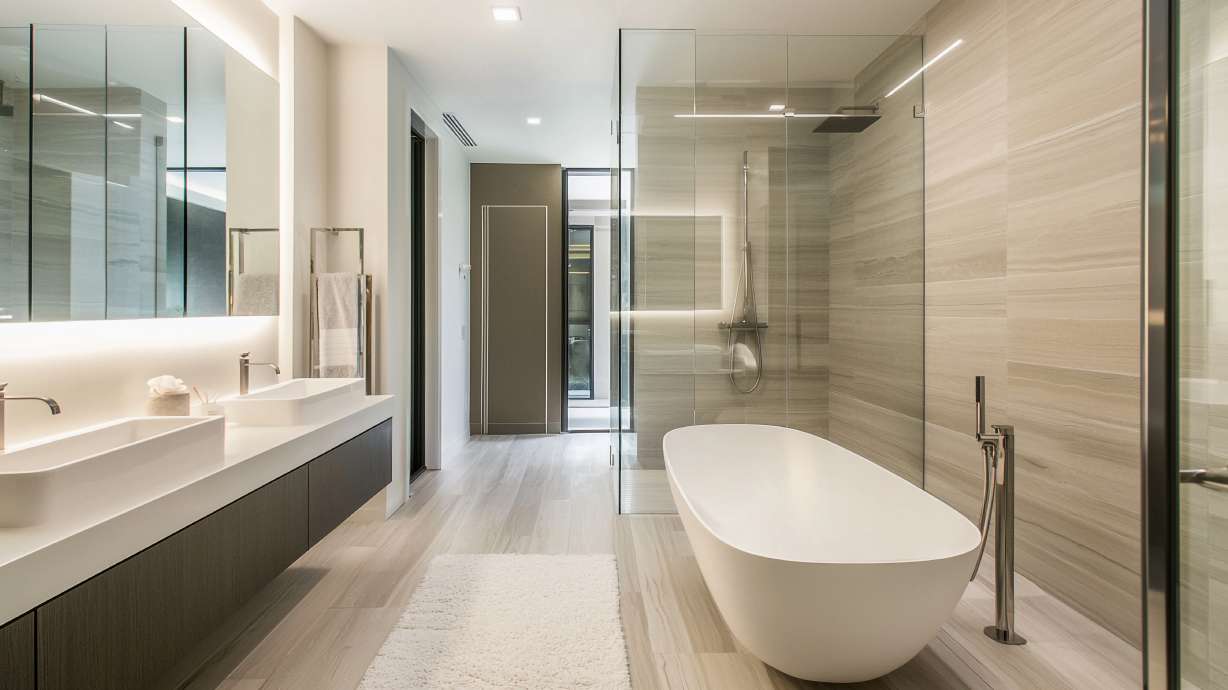
Top bathroom design trends in 2025
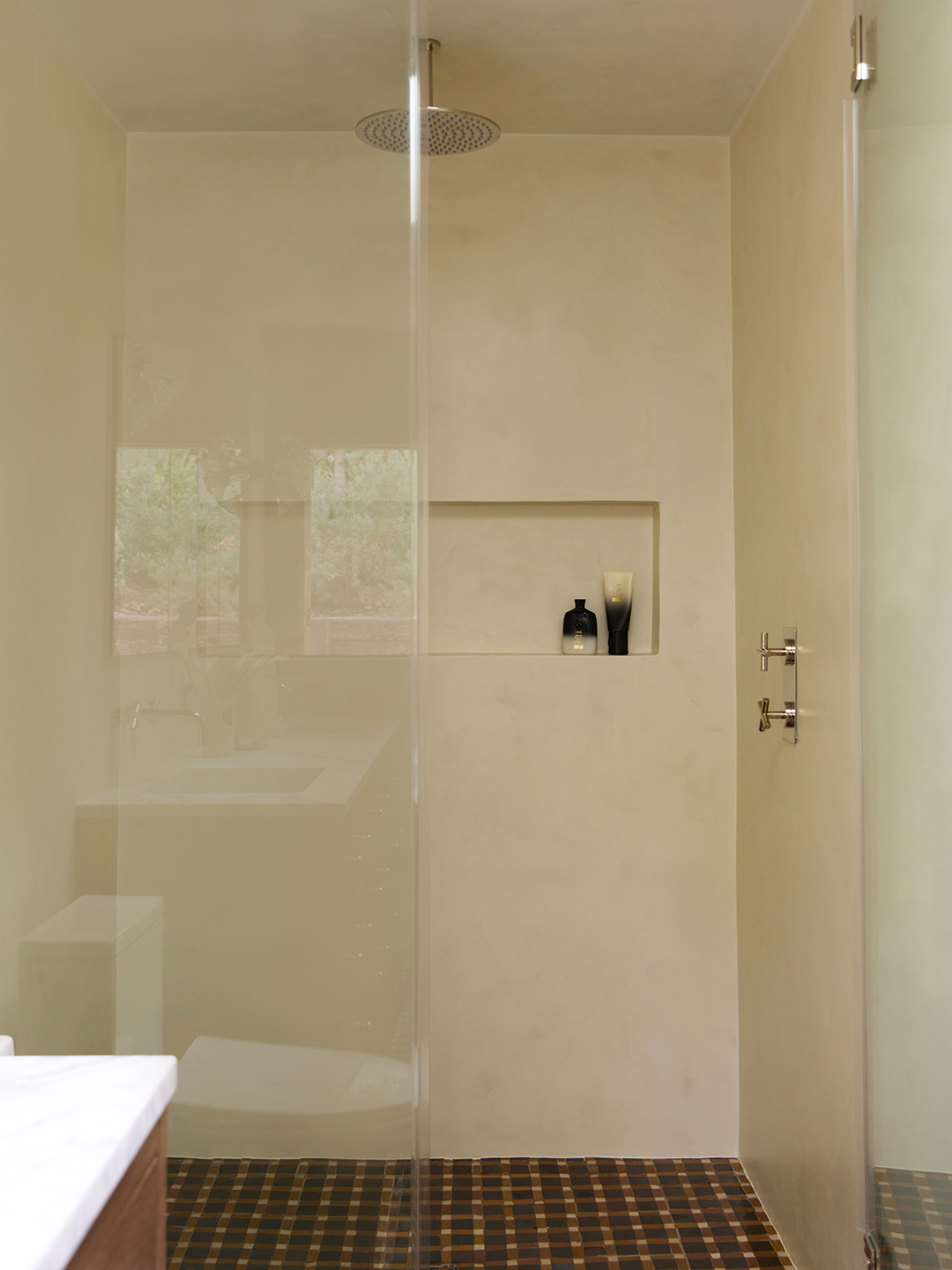
2025 Is the Year of Splashy Bathroom Floors

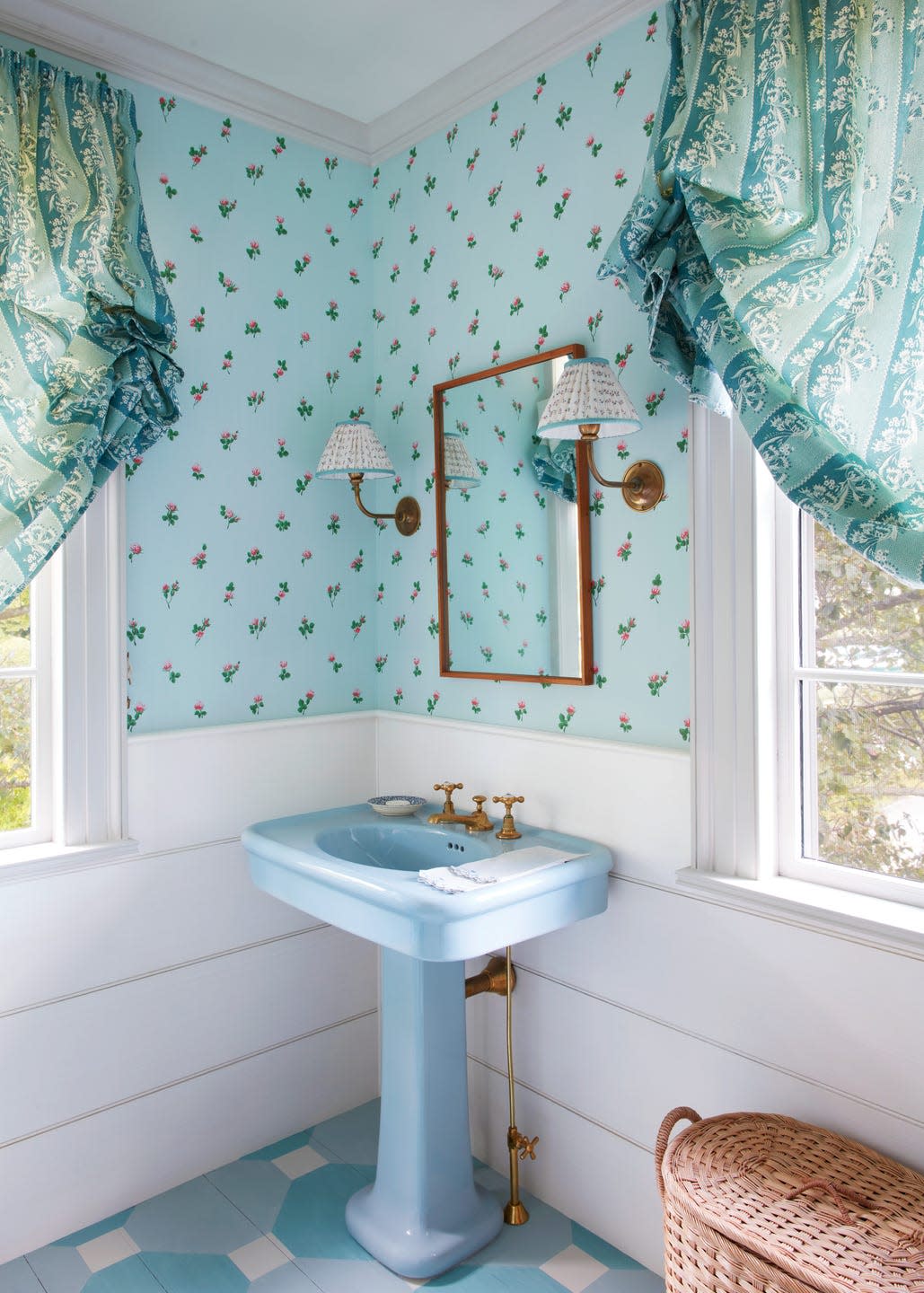
This “Dated” 1950s Bathroom Design Trend Is Making a Major Comeback in 2025

Bathroom Hardware Trends Set To Dominate In 2025
Bathroom Decor Items That Will Look Severely Outdated In 2025
Is mahogany wood back on trend in 2025?
5 Traditional Bathroom Features Making a Comeback – and How Designers are Making Them Work in 2026
These are the bathroom tile trends designers say will be everywhere in 2025
5 bathroom cabinet trends interior designers are loving for 2025
Bathtubs Are Going Out Of Style In 2025 - Here's The Trend Taking Over Bathroom Design