1/2
Why Quartz Has Become Such A Popular Countertop Stone
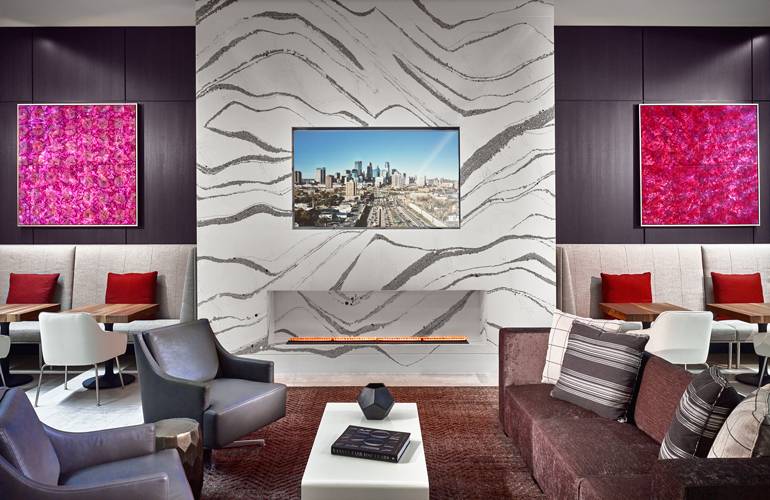
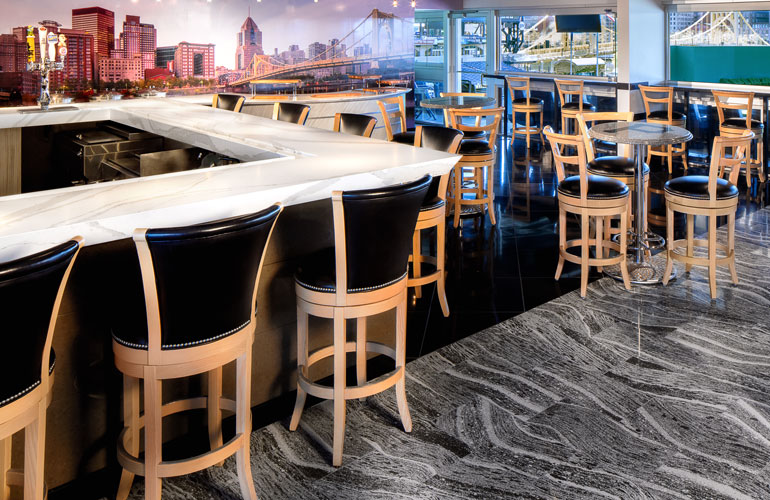
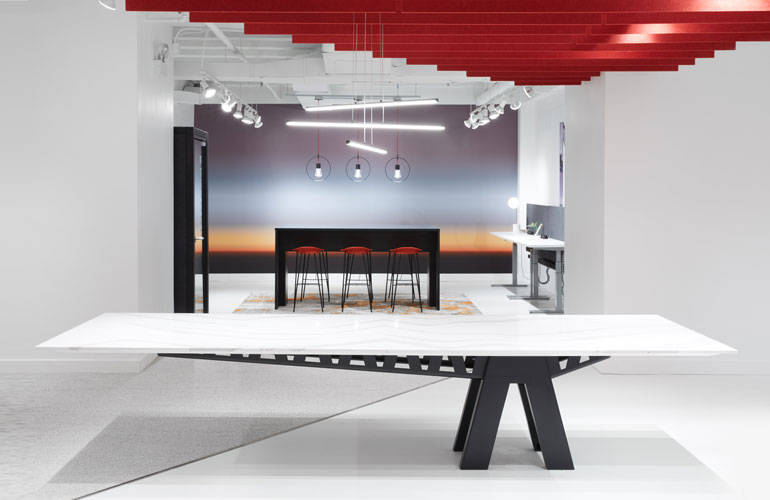
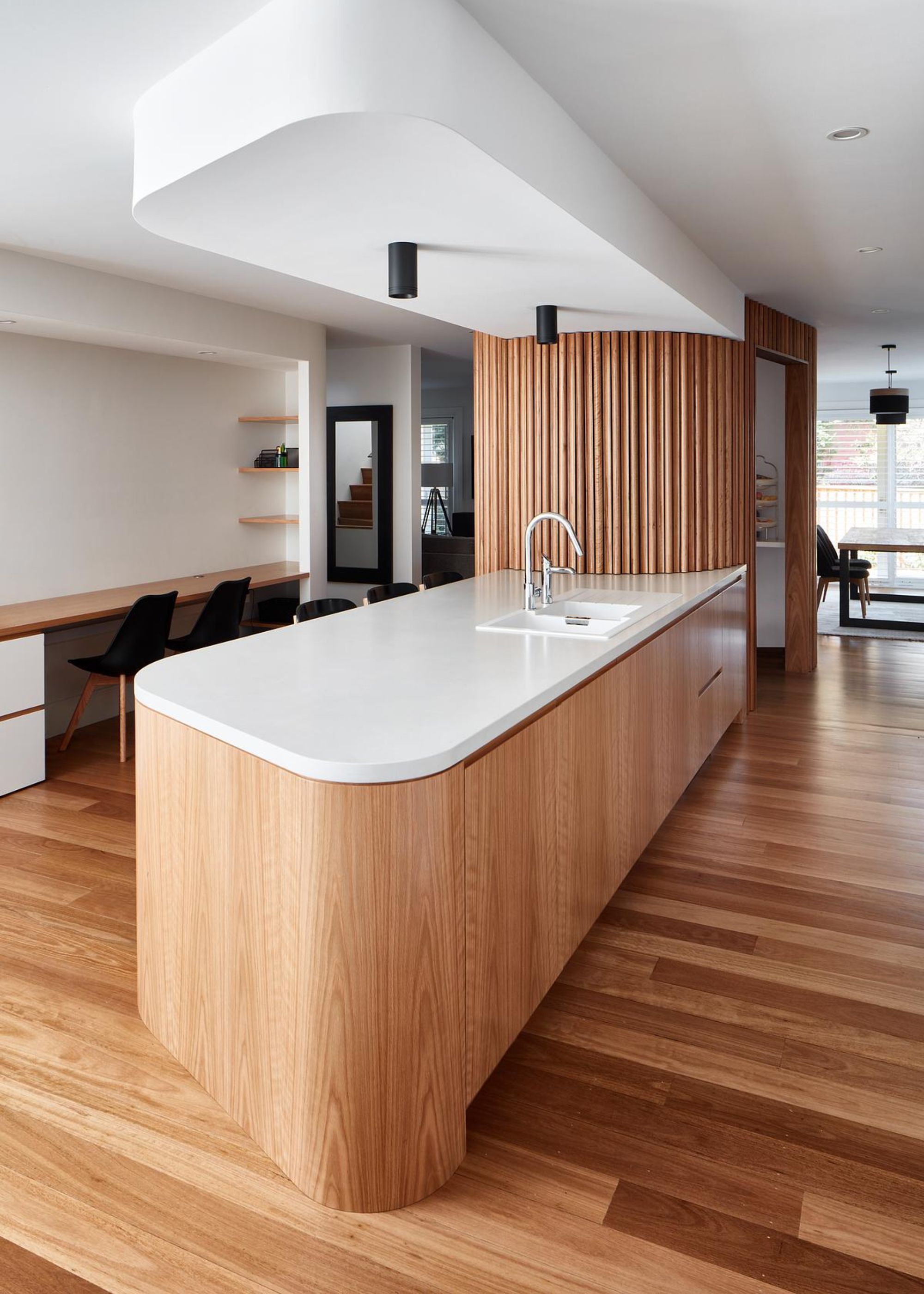
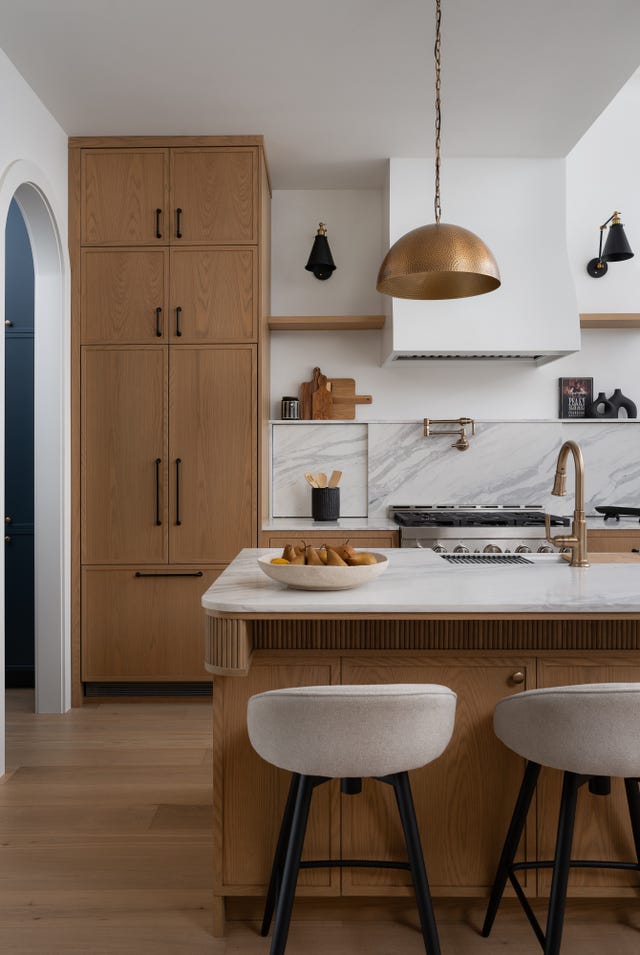
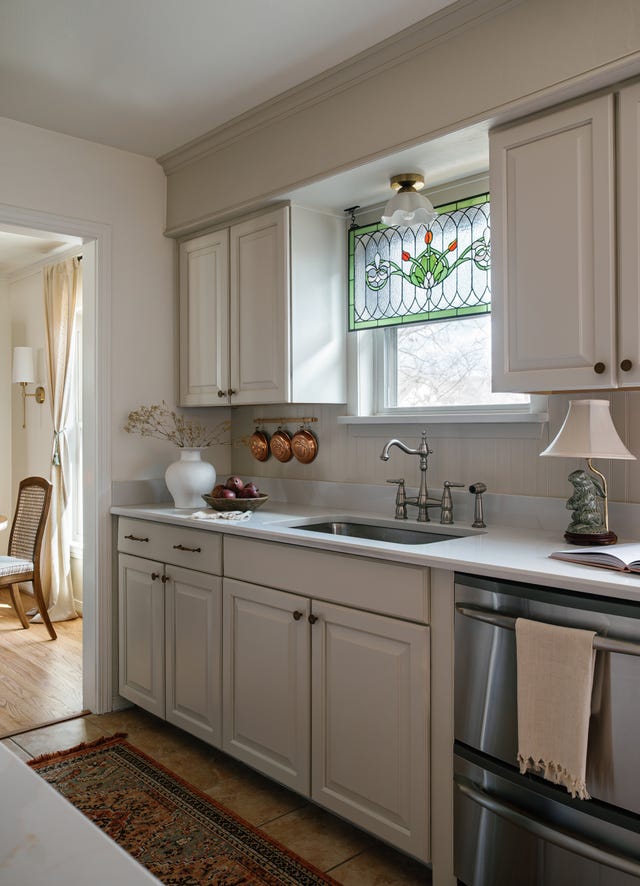
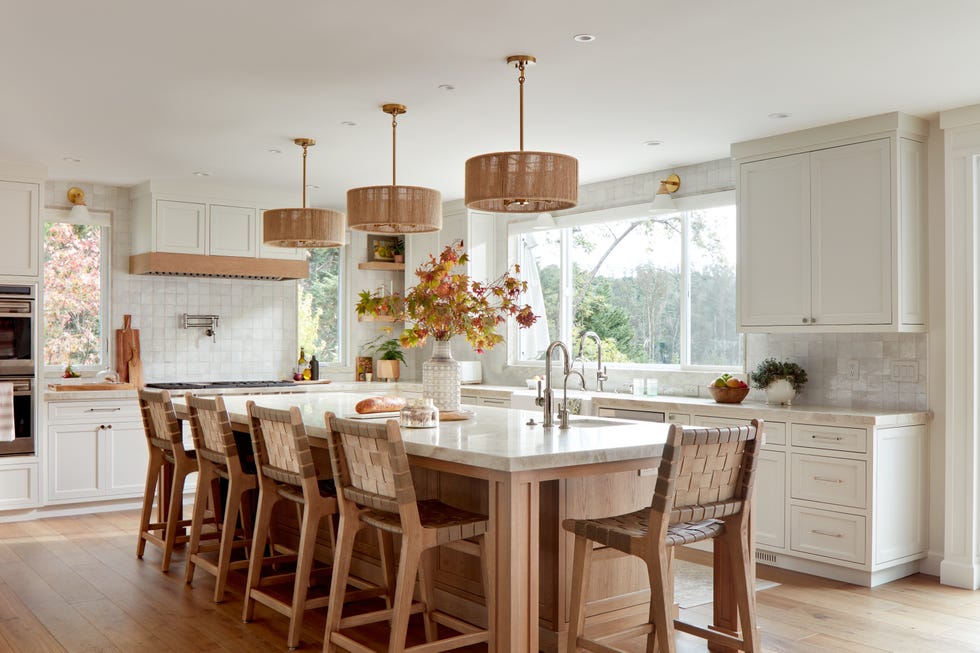
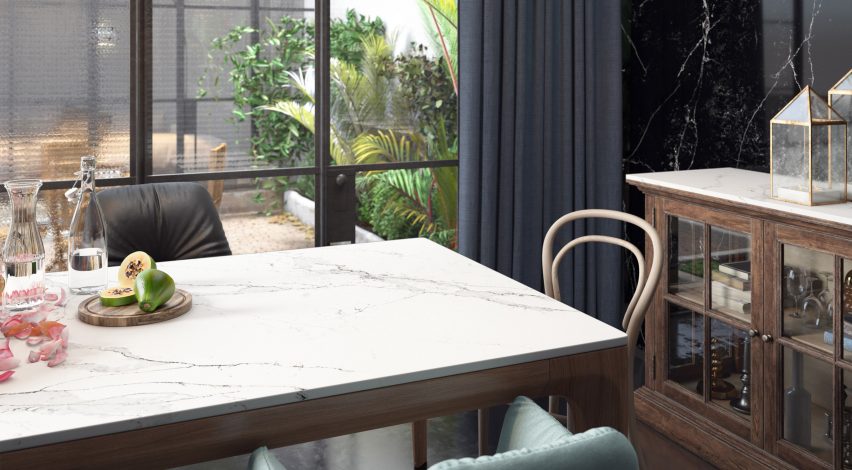
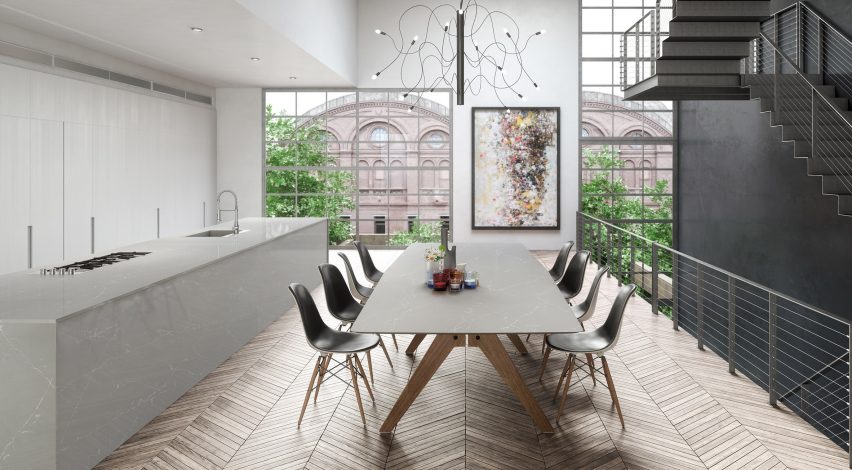
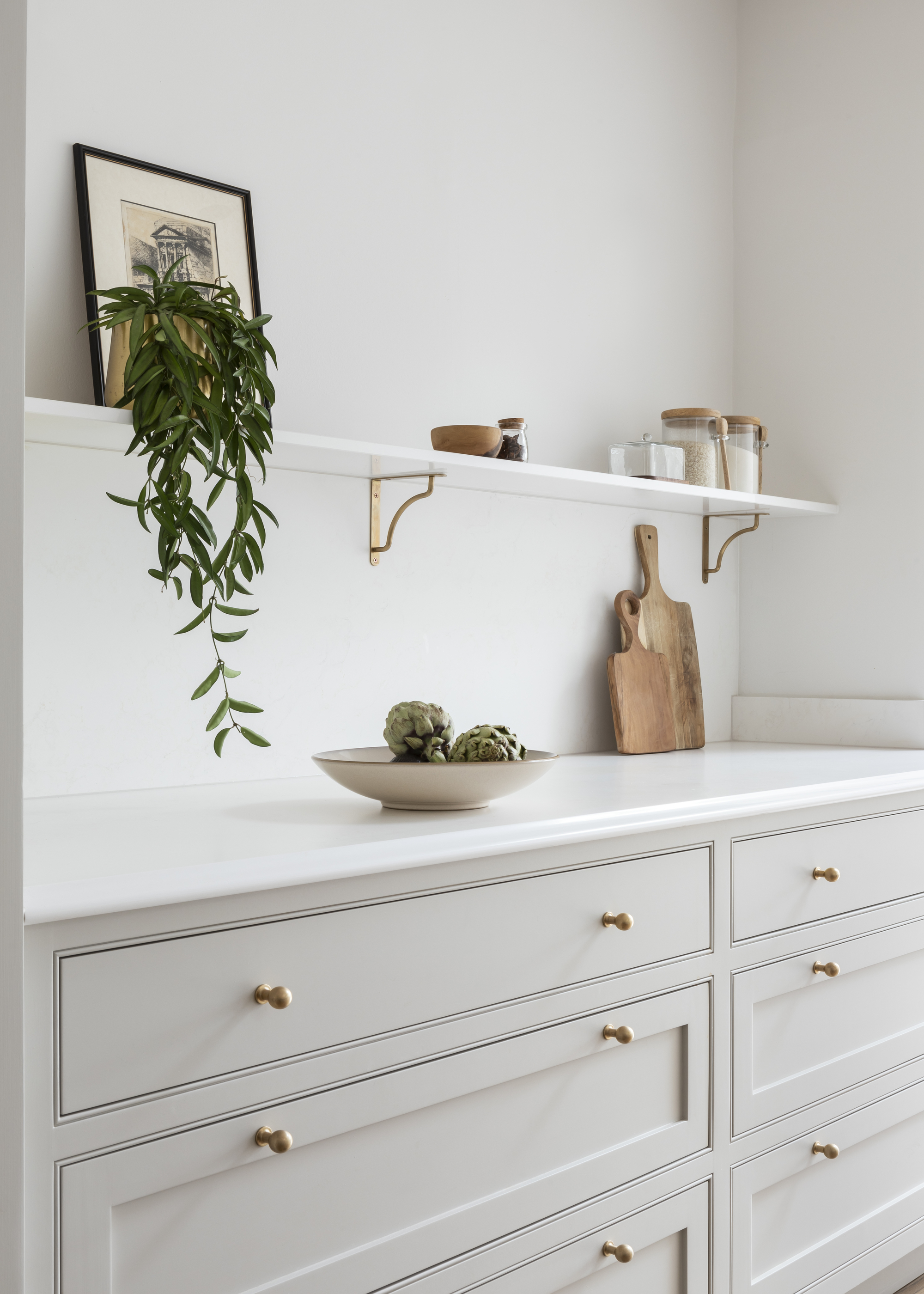
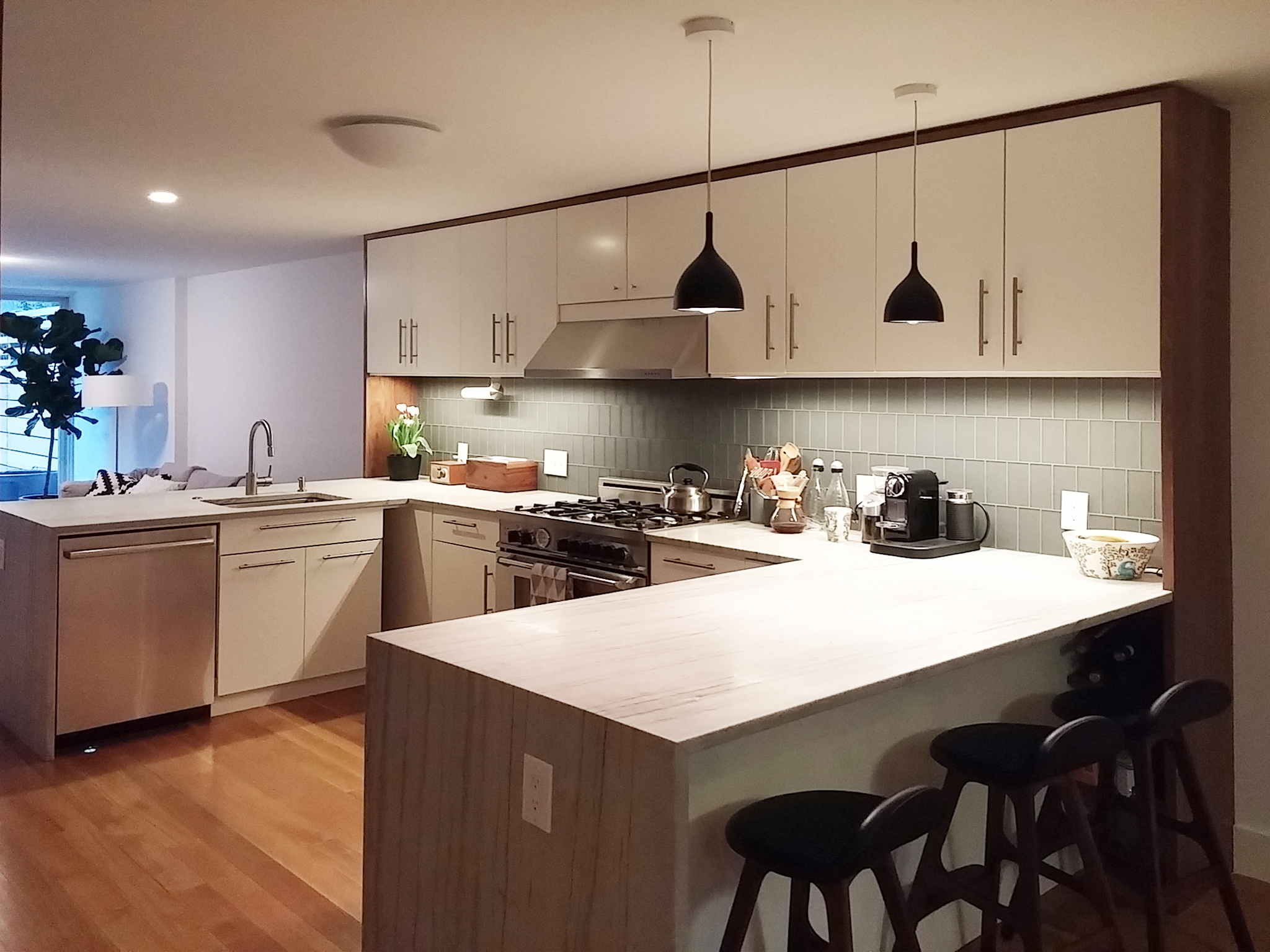
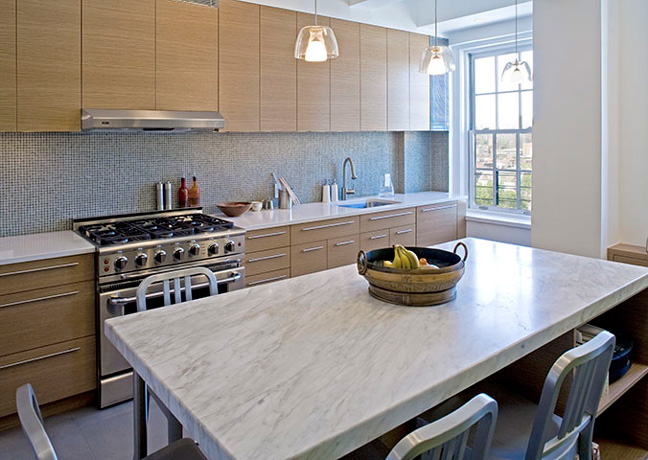
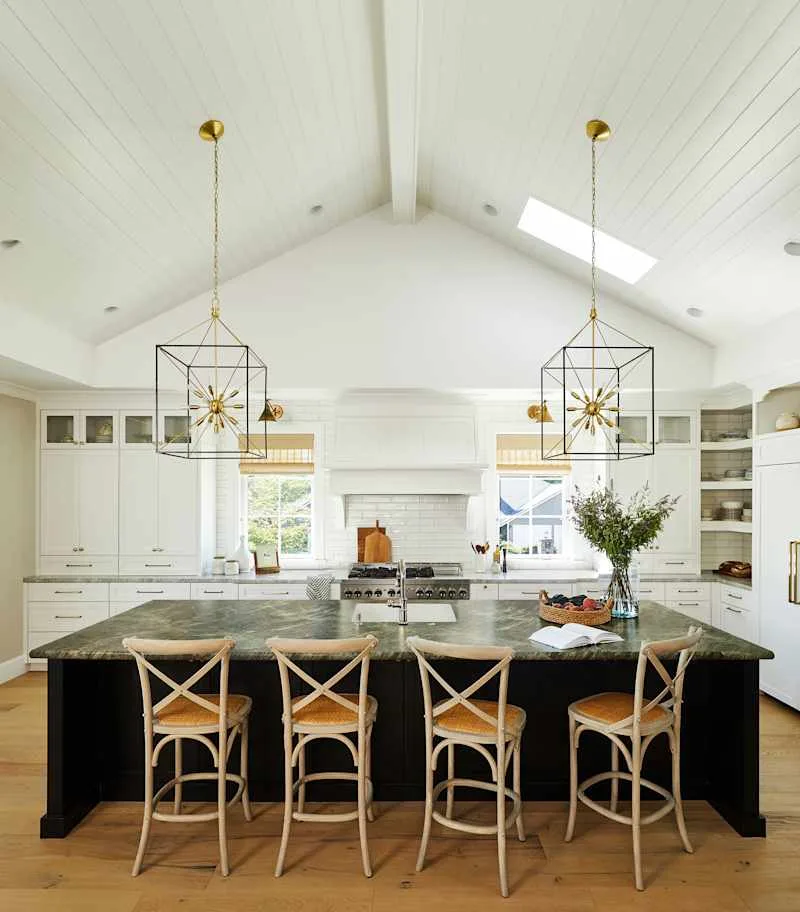
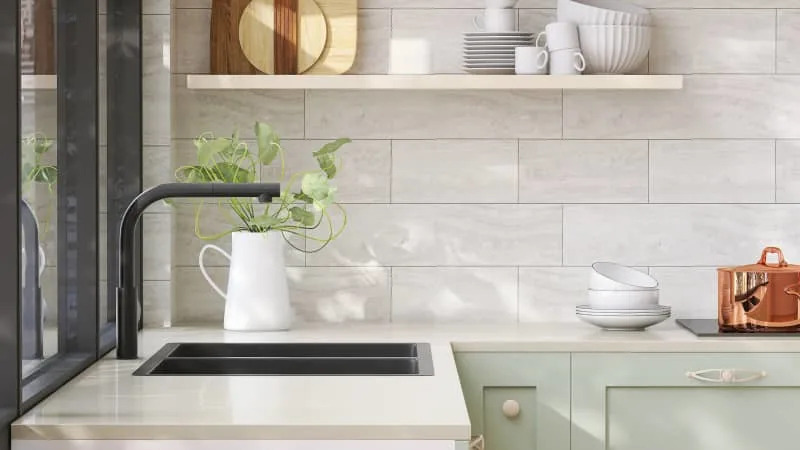
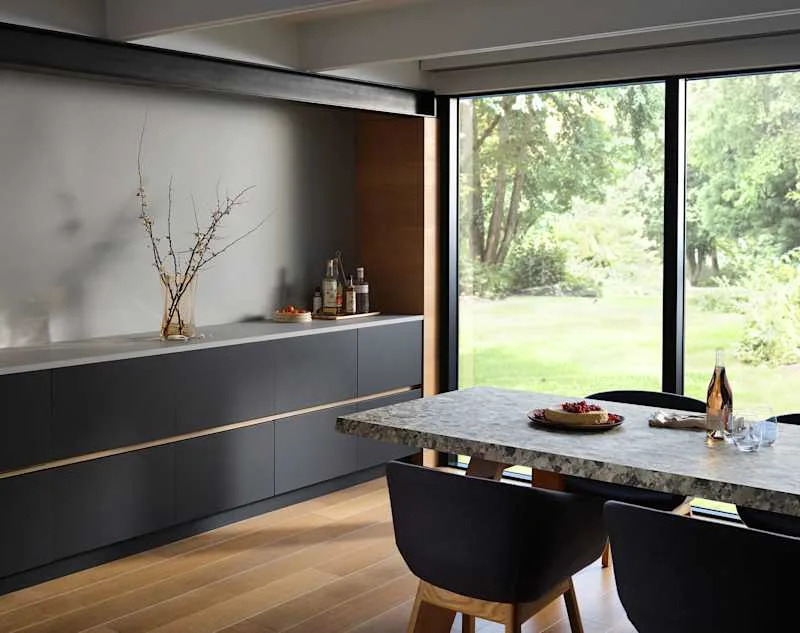
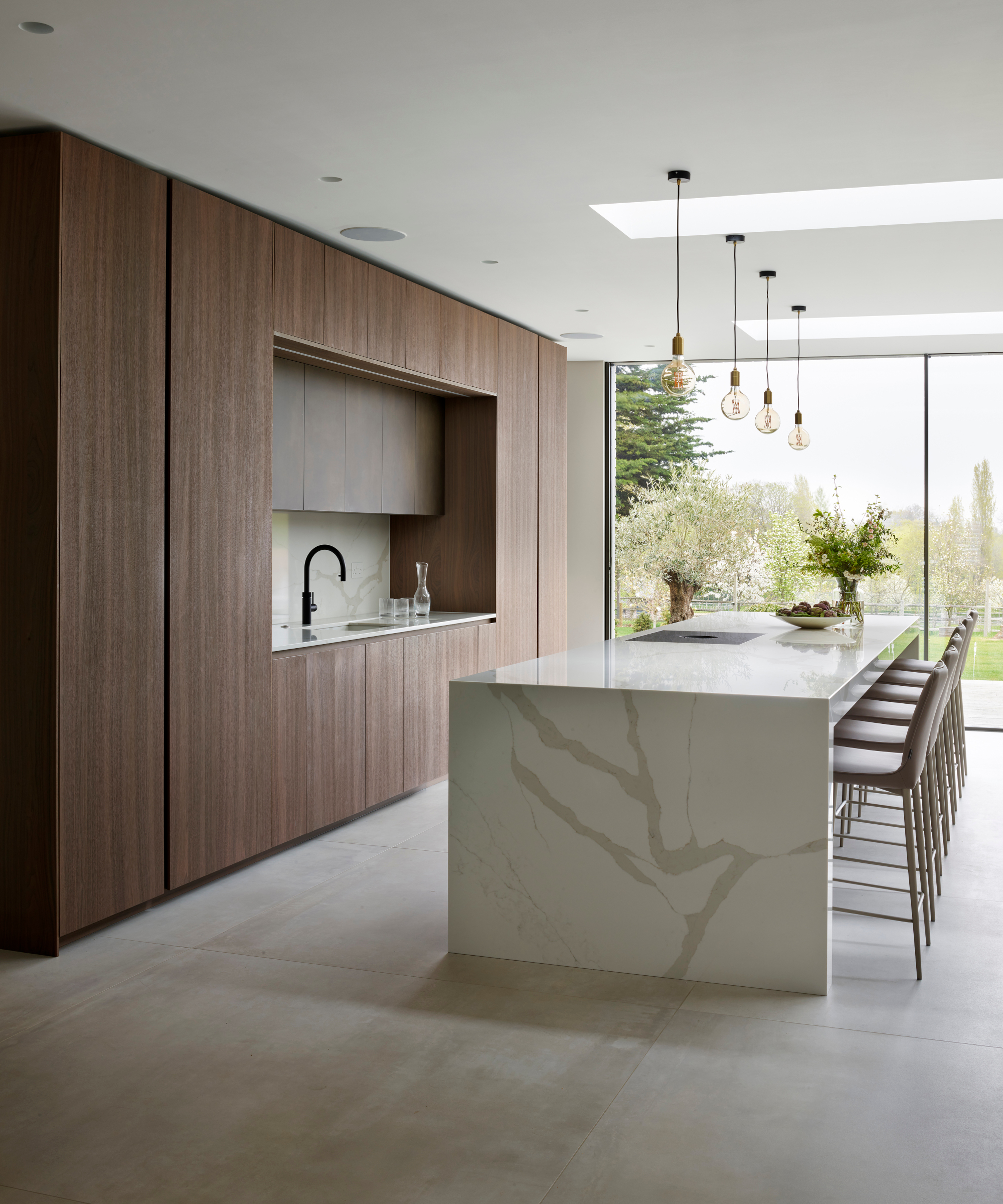
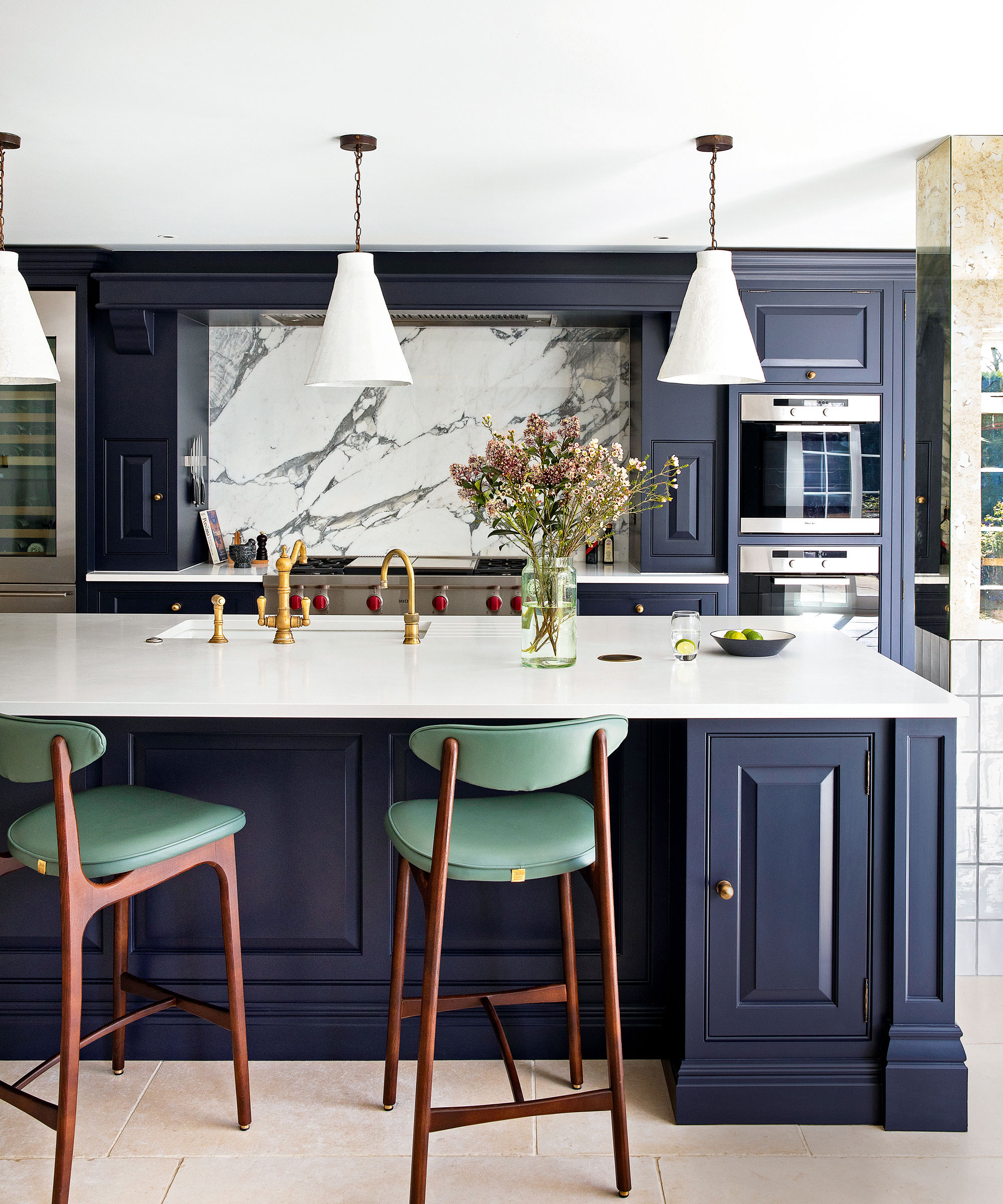
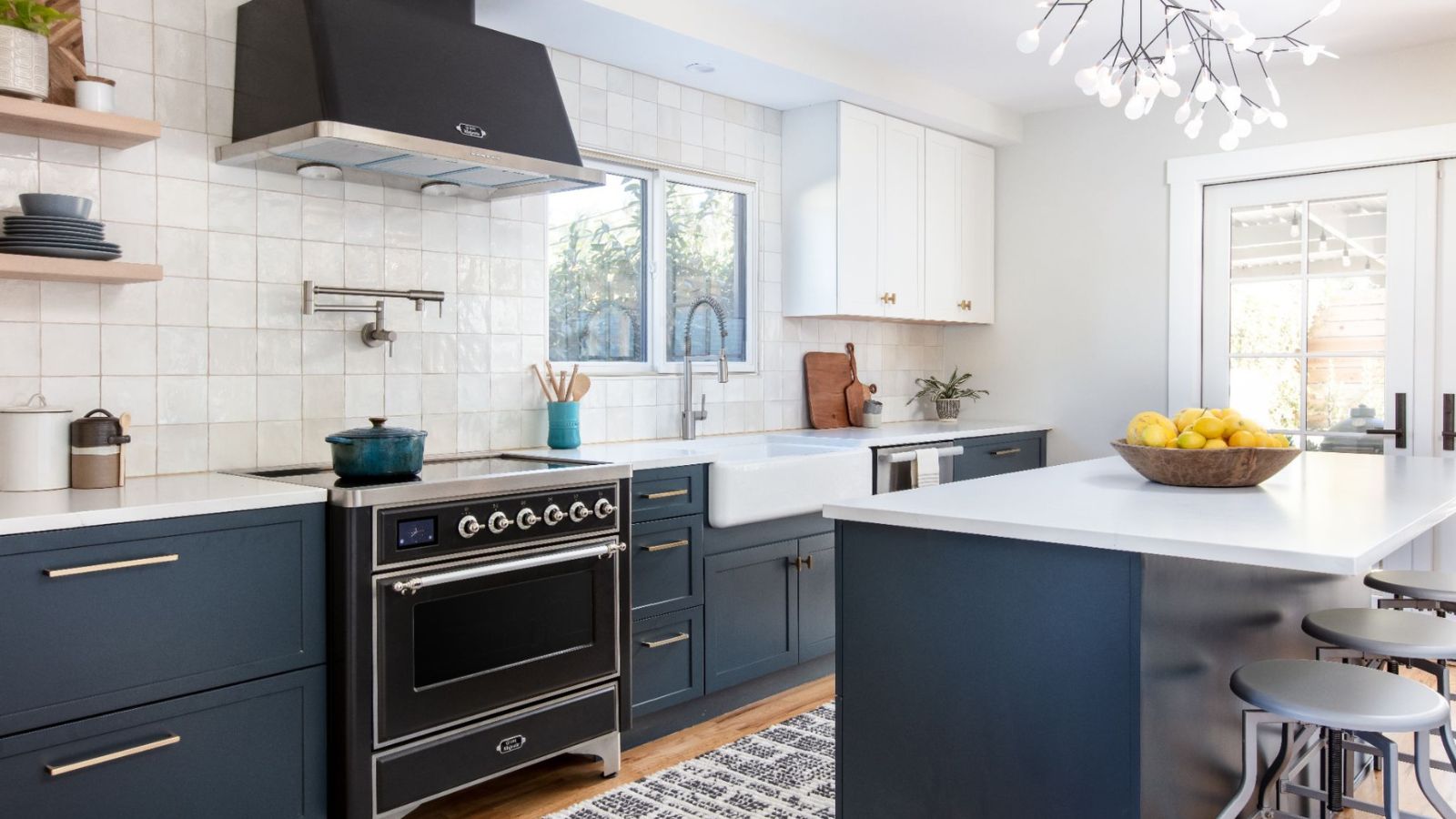
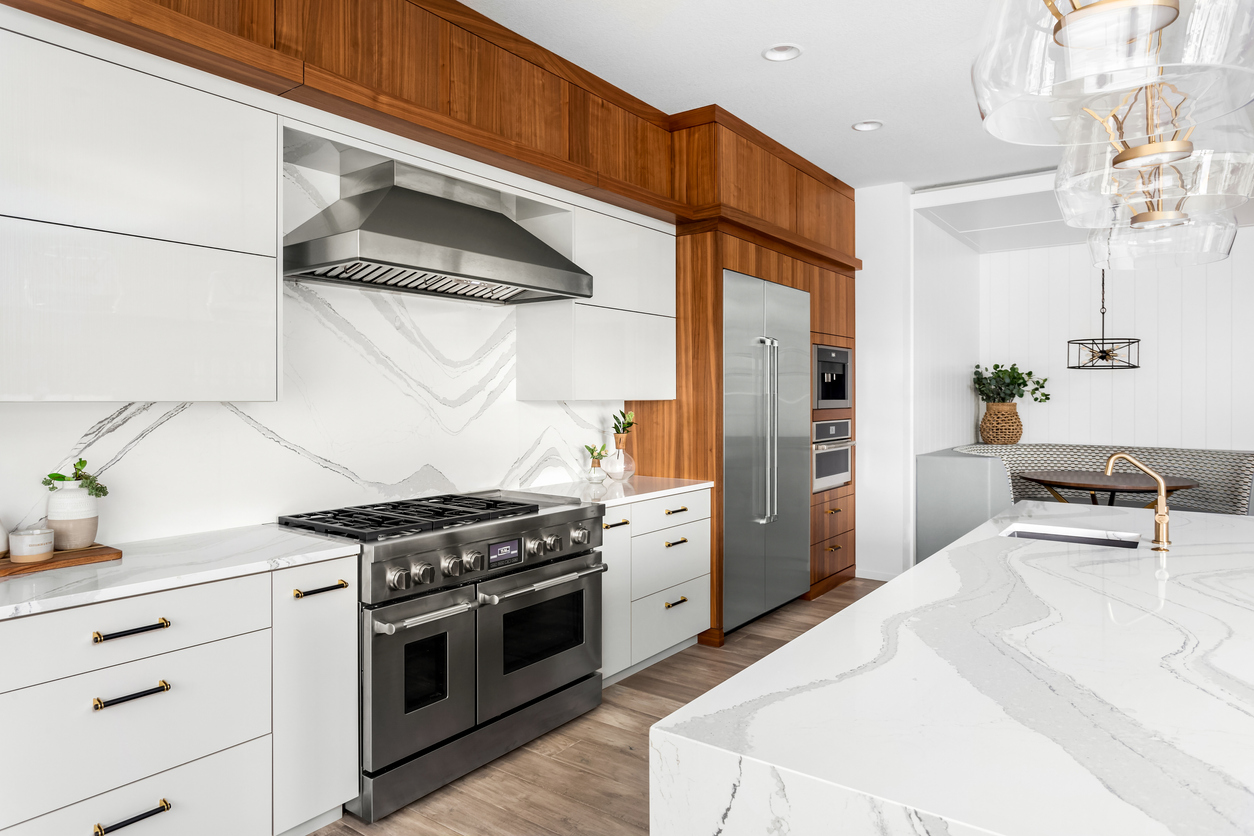
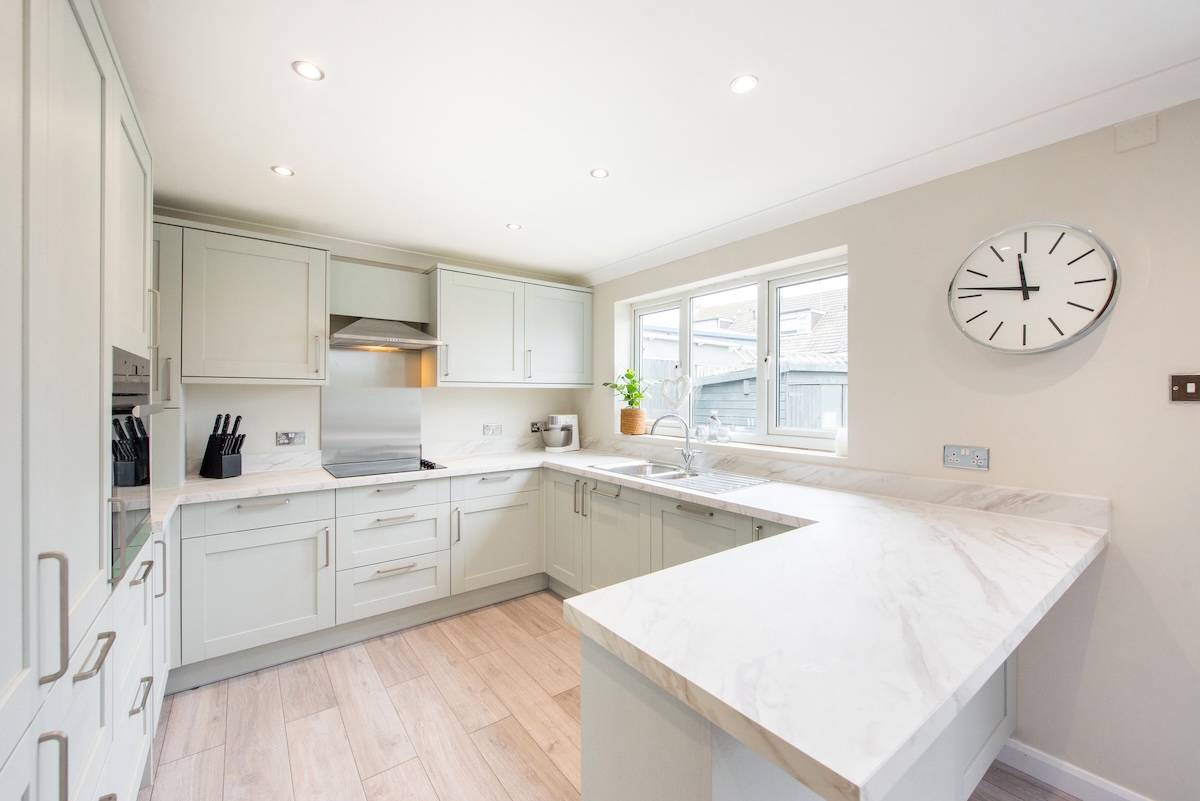
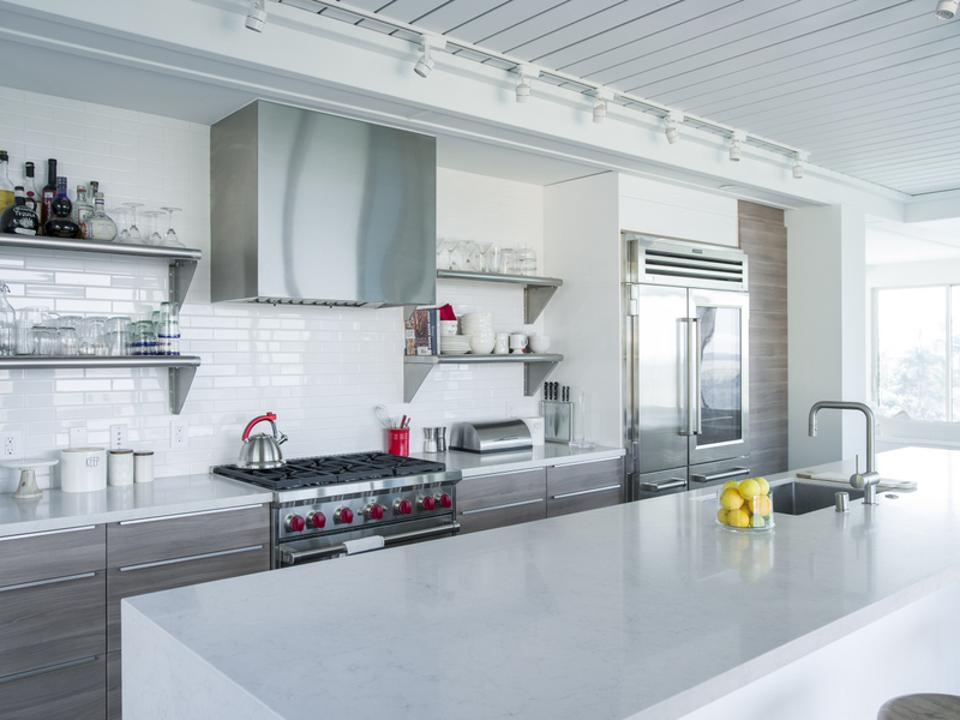
Quartz has emerged as a favored alternative to natural stone countertops like granite, due to its engineered composition and various benefits. Unlike natural stones that are used in their raw state, quartz countertops are manufactured using approximately 90-95% ground quartz, combined with 5-10% polyester resins, polymers, and pigments. This engineering process makes quartz one of the hardest and most abundant minerals on Earth, offering exceptional durability.
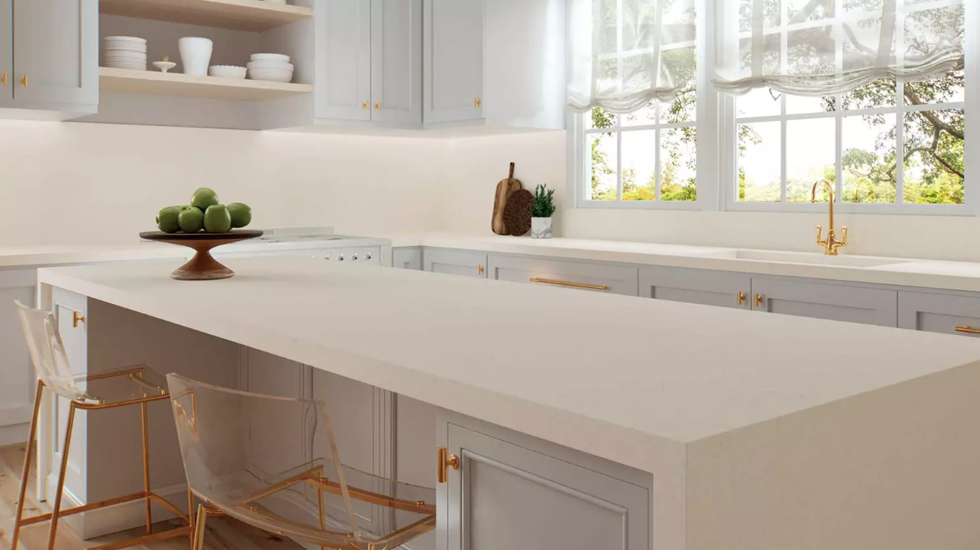
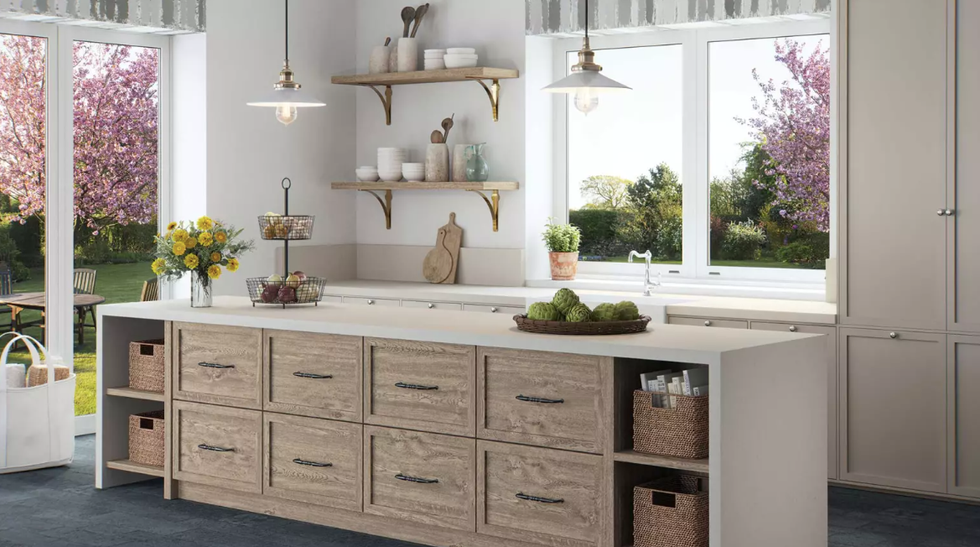
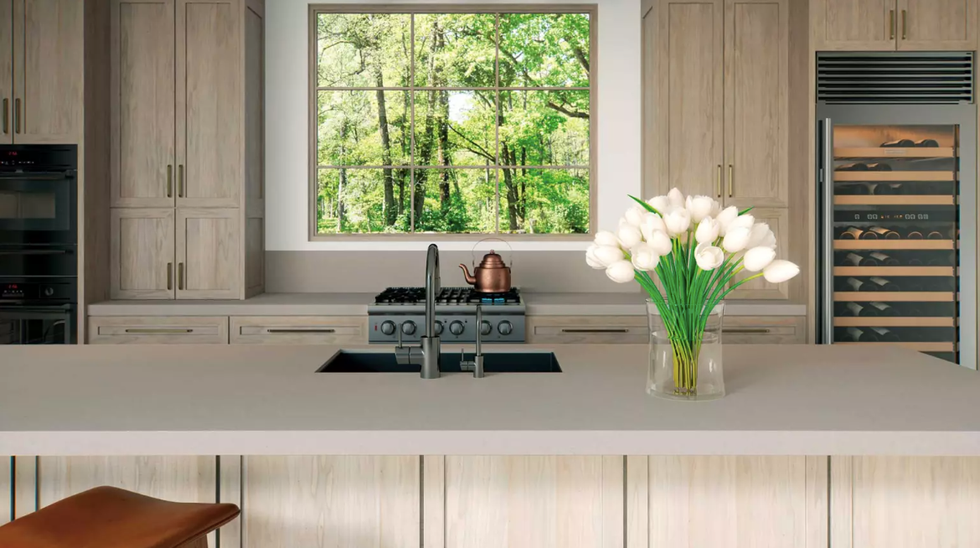
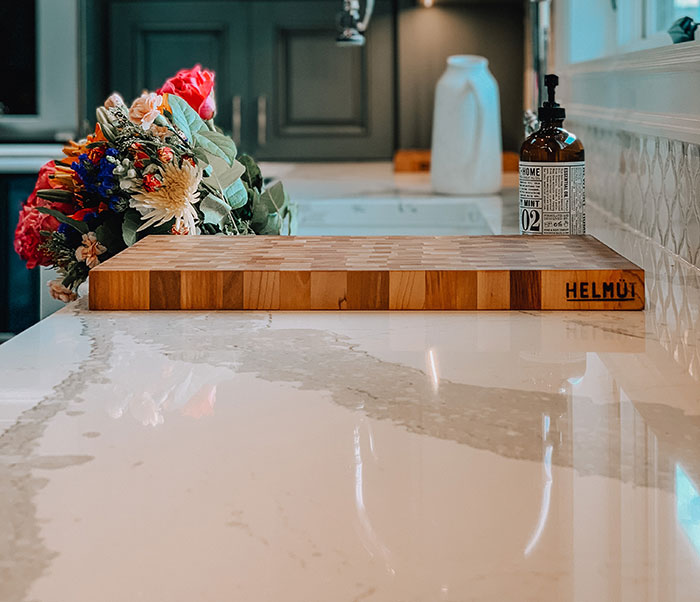
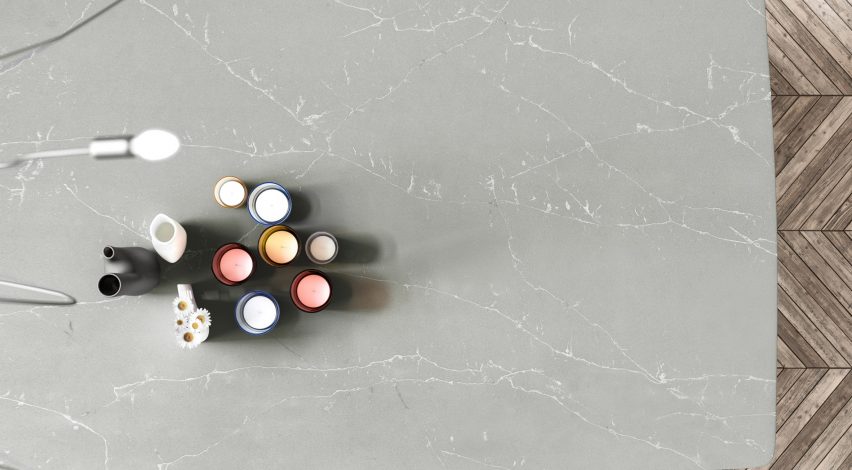
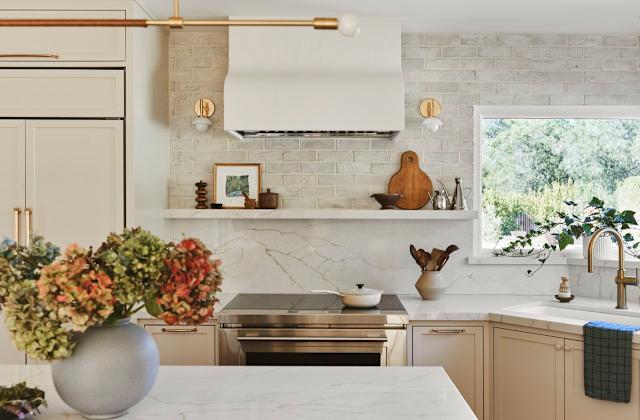
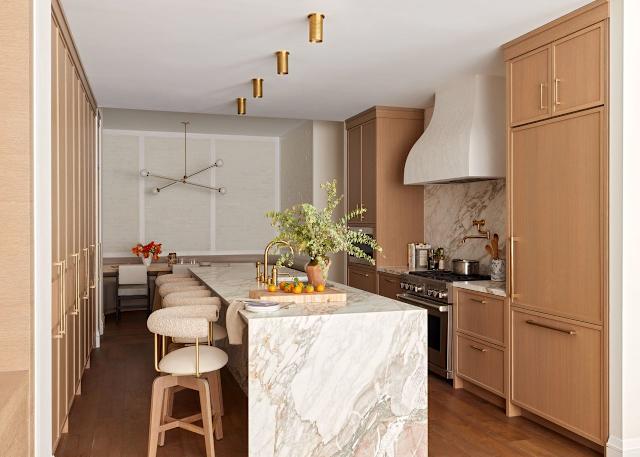
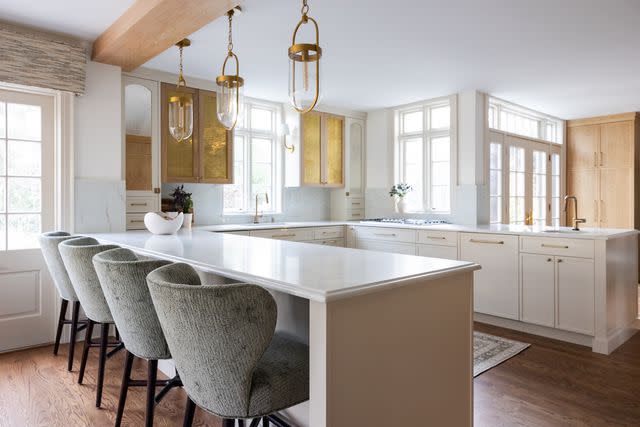
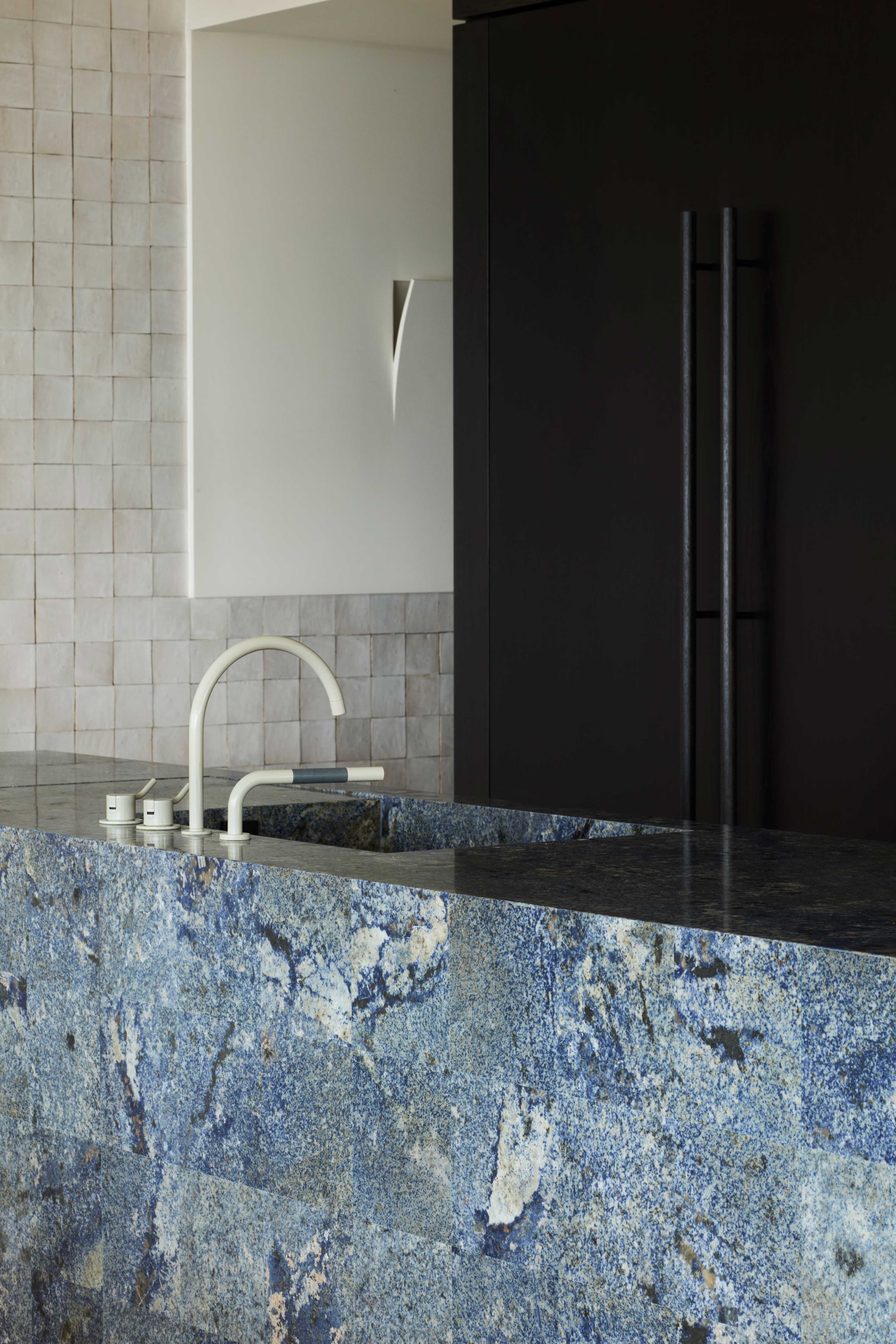
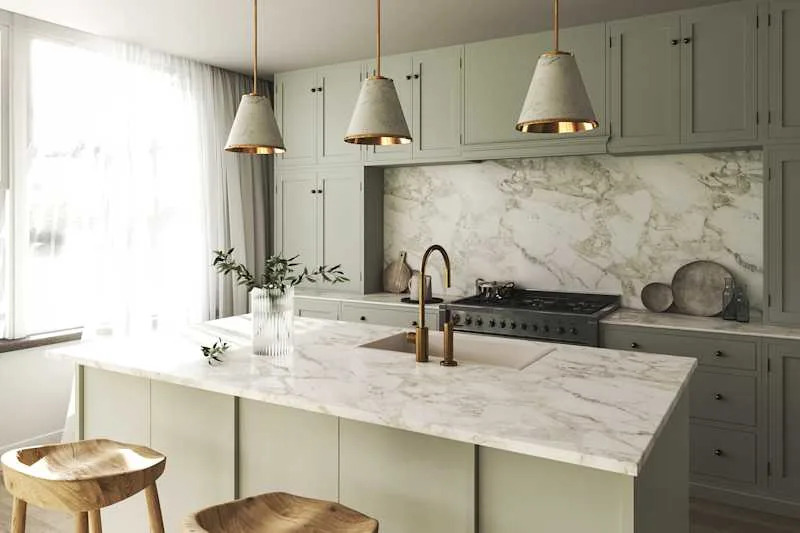
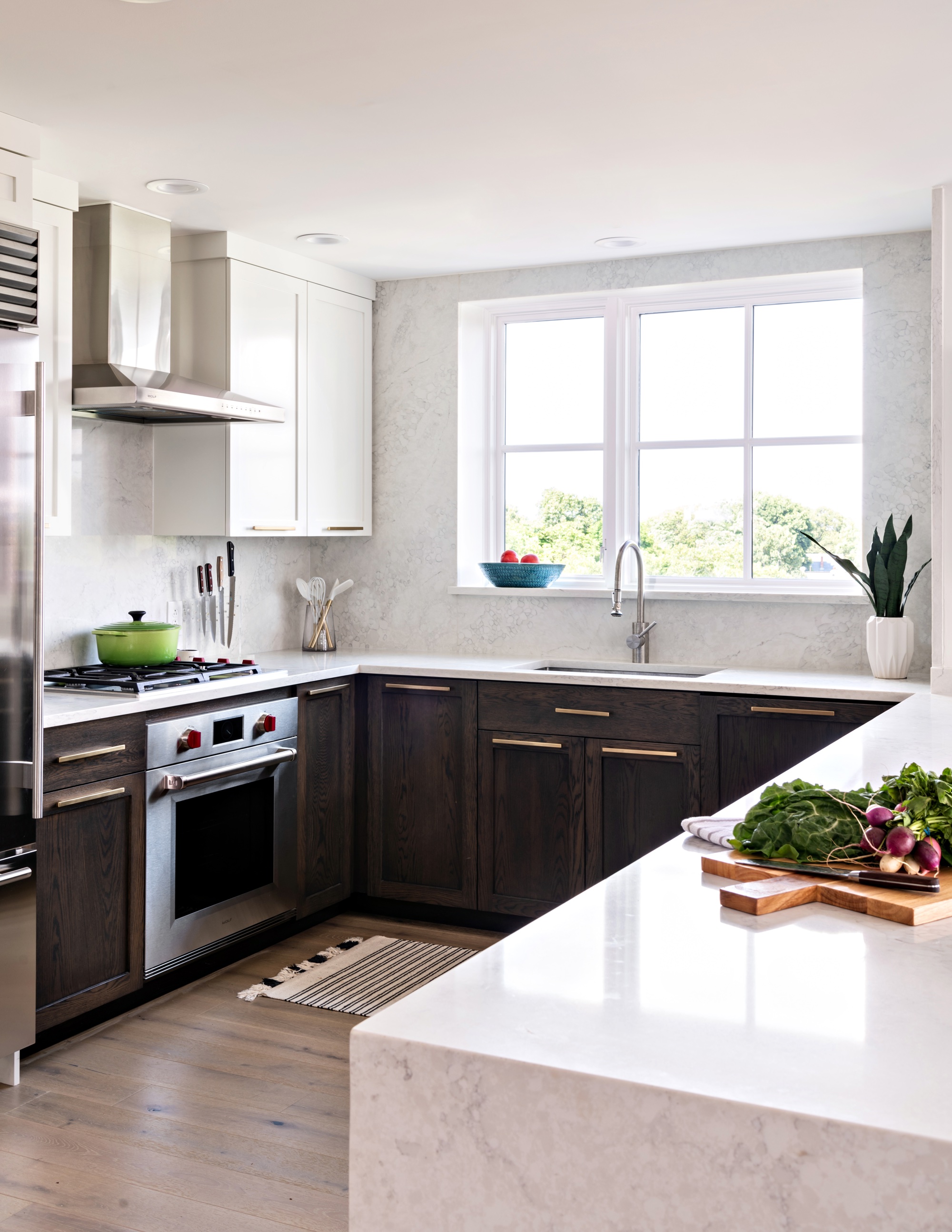
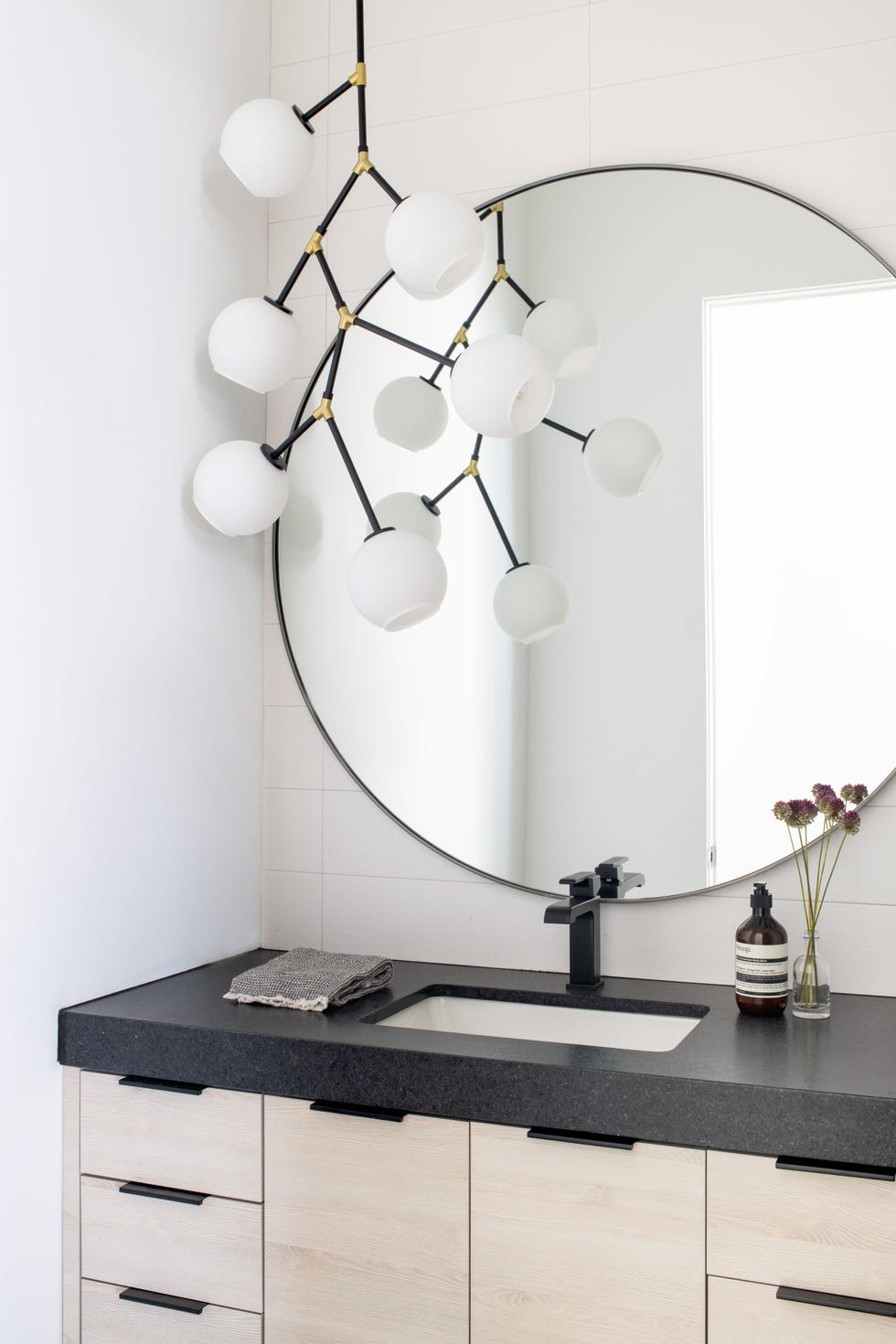
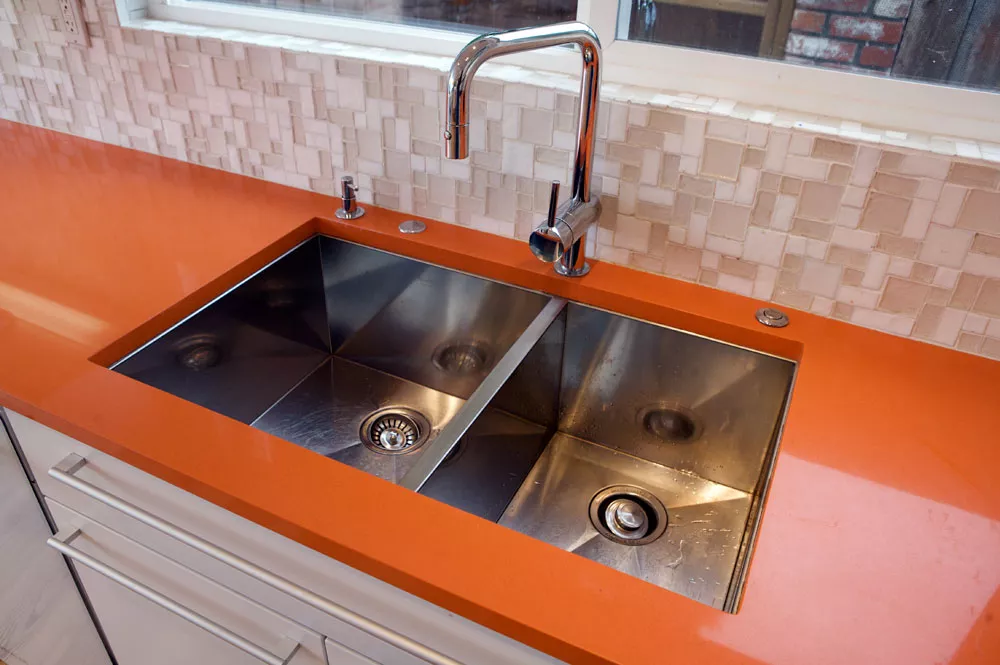
One of the primary advantages of quartz is the wide array of color options and the consistent appearance of its slabs. The addition of pigments during manufacturing allows for an unlimited spectrum of colors, which is not feasible with natural stones that come with inherent variations. This consistency in color and pattern is highly appealing to homeowners and designers seeking a uniform aesthetic.
Another significant benefit is quartz's non-porous nature. This characteristic makes it highly resistant to mold, mildew, and bacteria, a crucial advantage in kitchen environments where food preparation occurs. Unlike porous natural stones, quartz does not absorb liquids or harbor harmful microorganisms, making it a hygienic choice for countertops. Furthermore, its non-porous surface eliminates the need for regular polishing and sealing, simplifying maintenance to simple cleaning with warm water and mild soap.
Quartz is renowned for its durability, exhibiting strong resistance to stains, scratches, and impacts. However, it is susceptible to damage from extreme heat; placing hot pots or pans directly on its surface without a trivet can cause discoloration or damage. Therefore, protective measures are recommended in such situations.
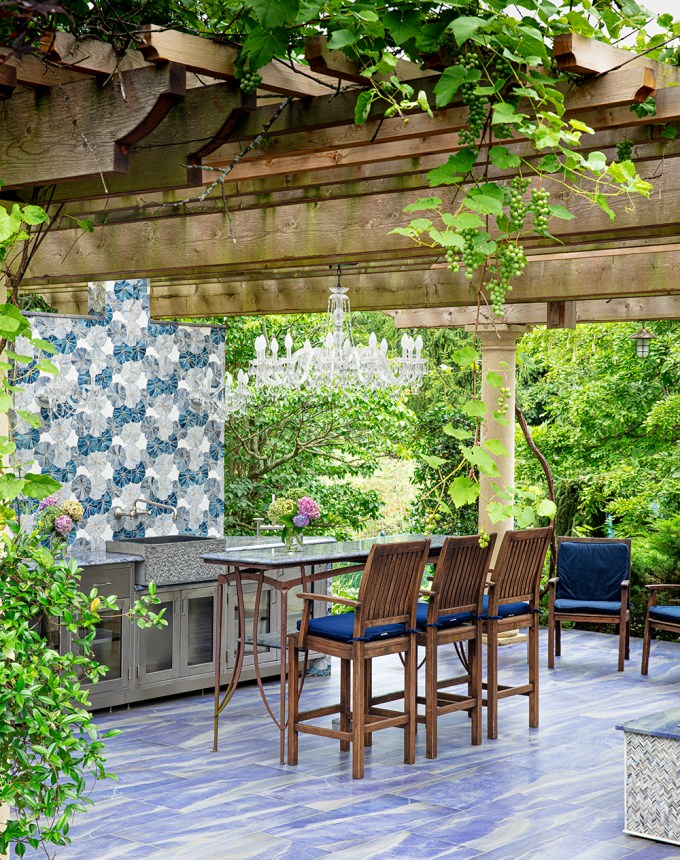
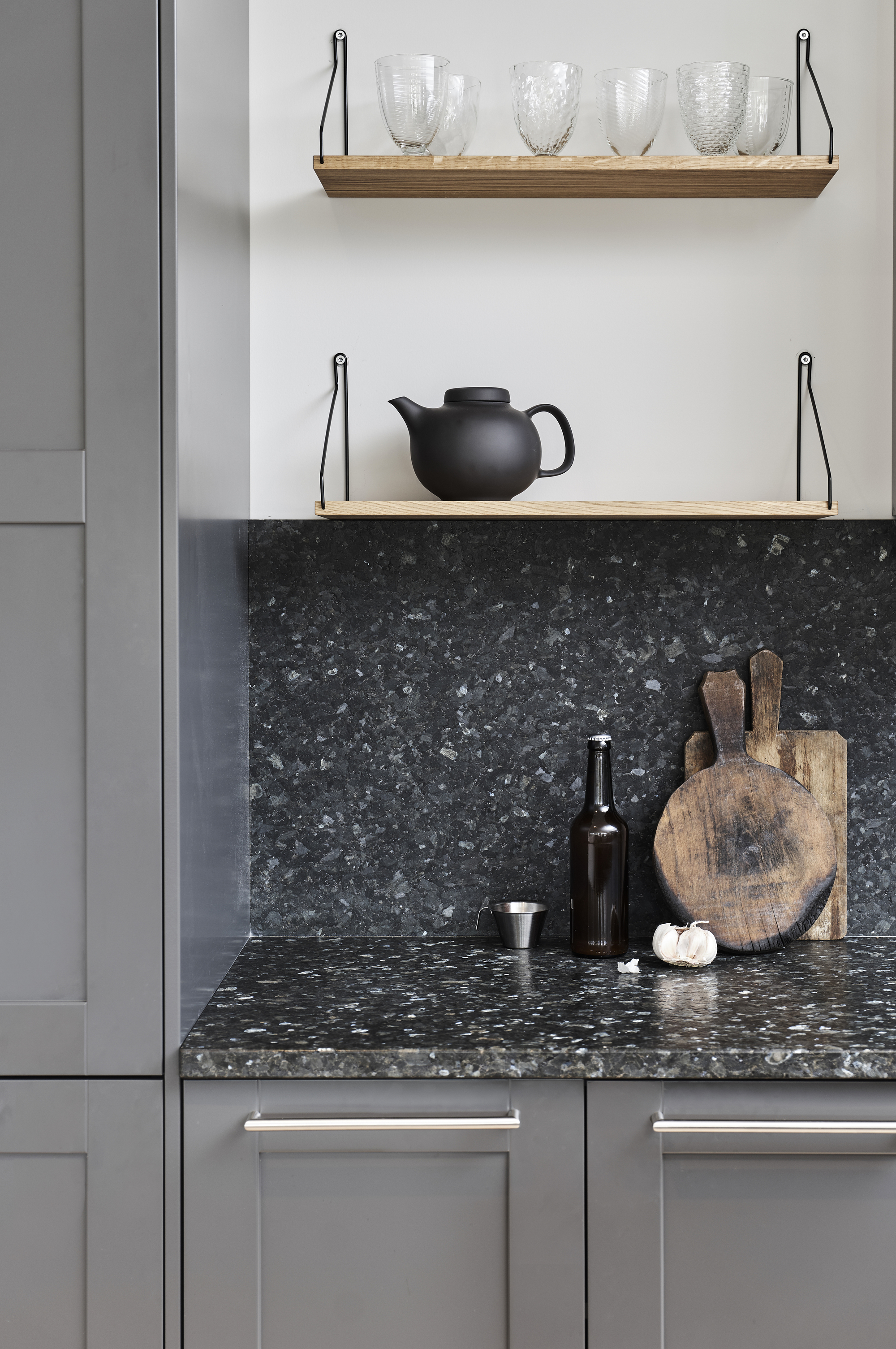
While highly advantageous, quartz does have a notable limitation: dark-colored slabs can fade over time when exposed to excessive sunlight. In spaces with abundant natural light, lighter shades of quartz or alternative materials should be considered to prevent this issue.
Many quartz manufacturers prioritize environmental sustainability in their production processes. For instance, Caesarstone, a prominent manufacturer, is Greenguard certified, ensuring that its products meet stringent chemical emission limits for improved indoor air quality. This certification is valued by homeowners and builders focused on creating healthier living spaces. Another manufacturer, Cambria, highlights its commitment to sustainability by recycling 100% of the water used in polishing its surfaces, conserving an estimated 1.6 billion gallons of water annually. The utilization of quartz, often a byproduct of other mining operations, also contributes to waste reduction, reinforcing its eco-friendly appeal.
Beyond Caesarstone and Cambria, other notable quartz manufacturers include Silestone, Santamargherita, and Zodiaq, all contributing to the material's widespread availability and popularity in the market. The combination of aesthetic versatility, hygienic properties, durability, and environmental responsibility has cemented quartz's position as a top choice for modern countertops.
#QuartzCountertops #HomeImprovement #InteriorDesign #KitchenDesign #SustainableMaterials #EcoFriendly #BuildingMaterials #RealEstateTrends #QuartzCountertops #HomeImprovement #InteriorDesign #KitchenDesign #SustainableMaterials #EcoFriendly #BuildingMaterials #RealEstateTrends
0 comment in total
 No comments yet
You may also like
Natural Quartz Surfaces Never Looked So Good

Quartz Countertops Guide: Maintenance Tips & 15 Chic Decor Ideas

6 Kitchen Countertop Trends That Are on Their Way Out This Year (and What to Do Instead)
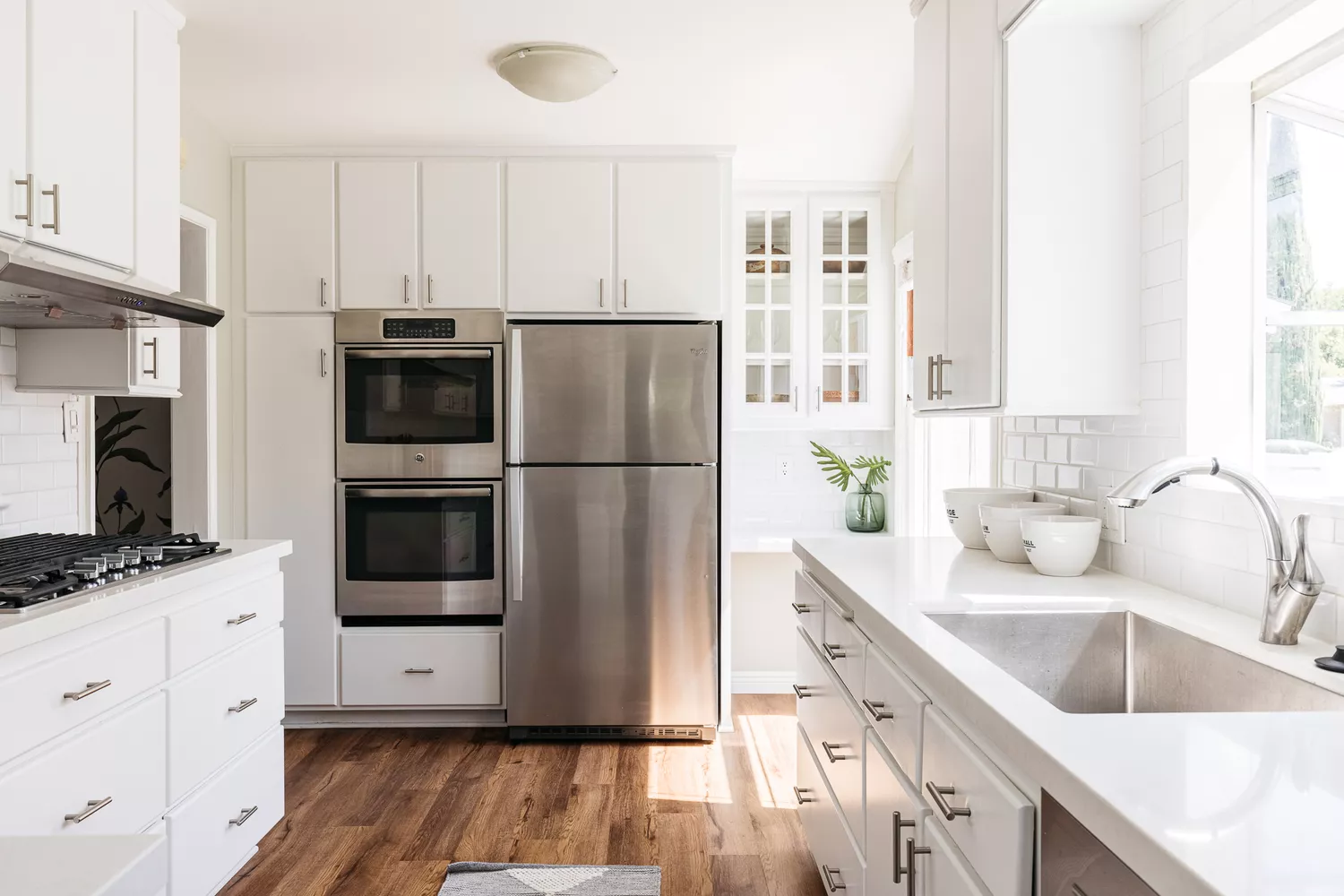
These 16 Quartz Kitchen Countertops Are Perfect for Busy Cooking Spaces

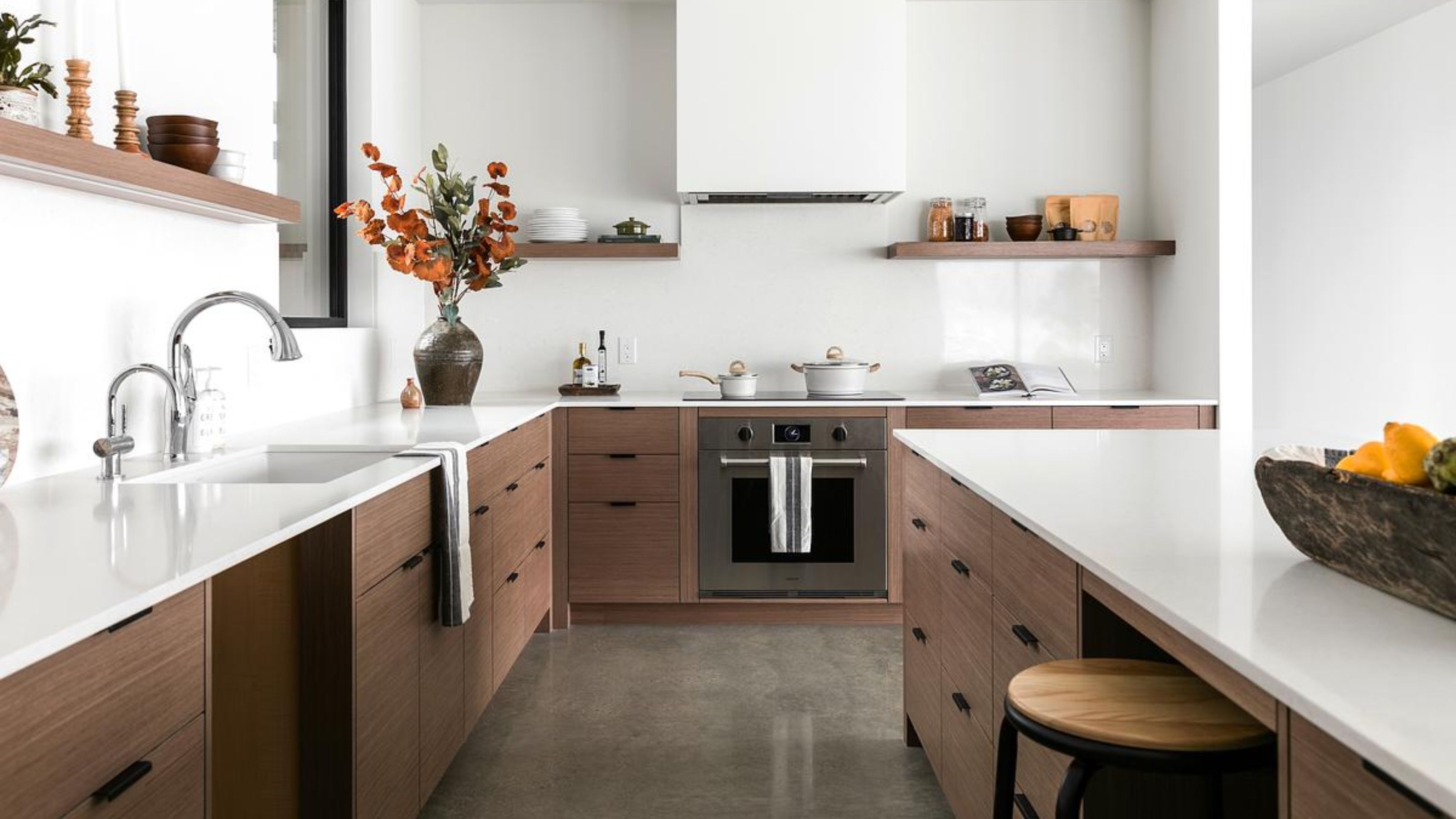
I Picked Quartz Countertops for My New Kitchen, but Was It the Right Choice? Experts Weigh Up the Pros and Cons

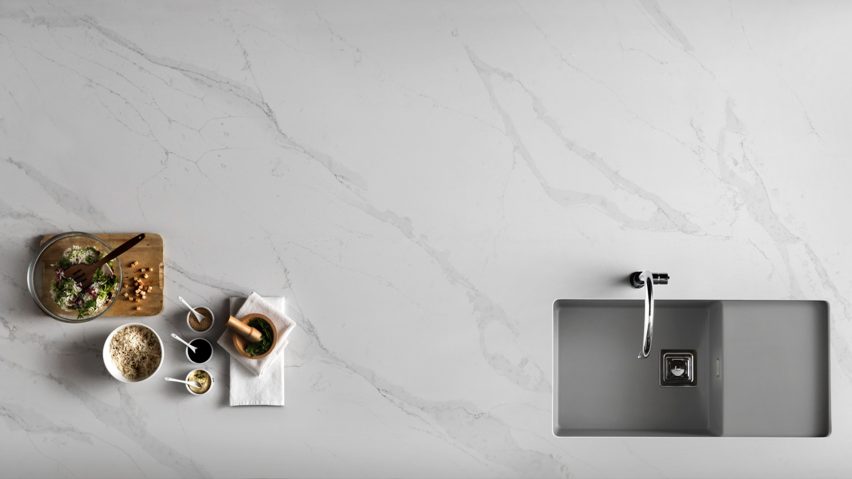
Compac launches quartz surface collection based on natural patterns and forms
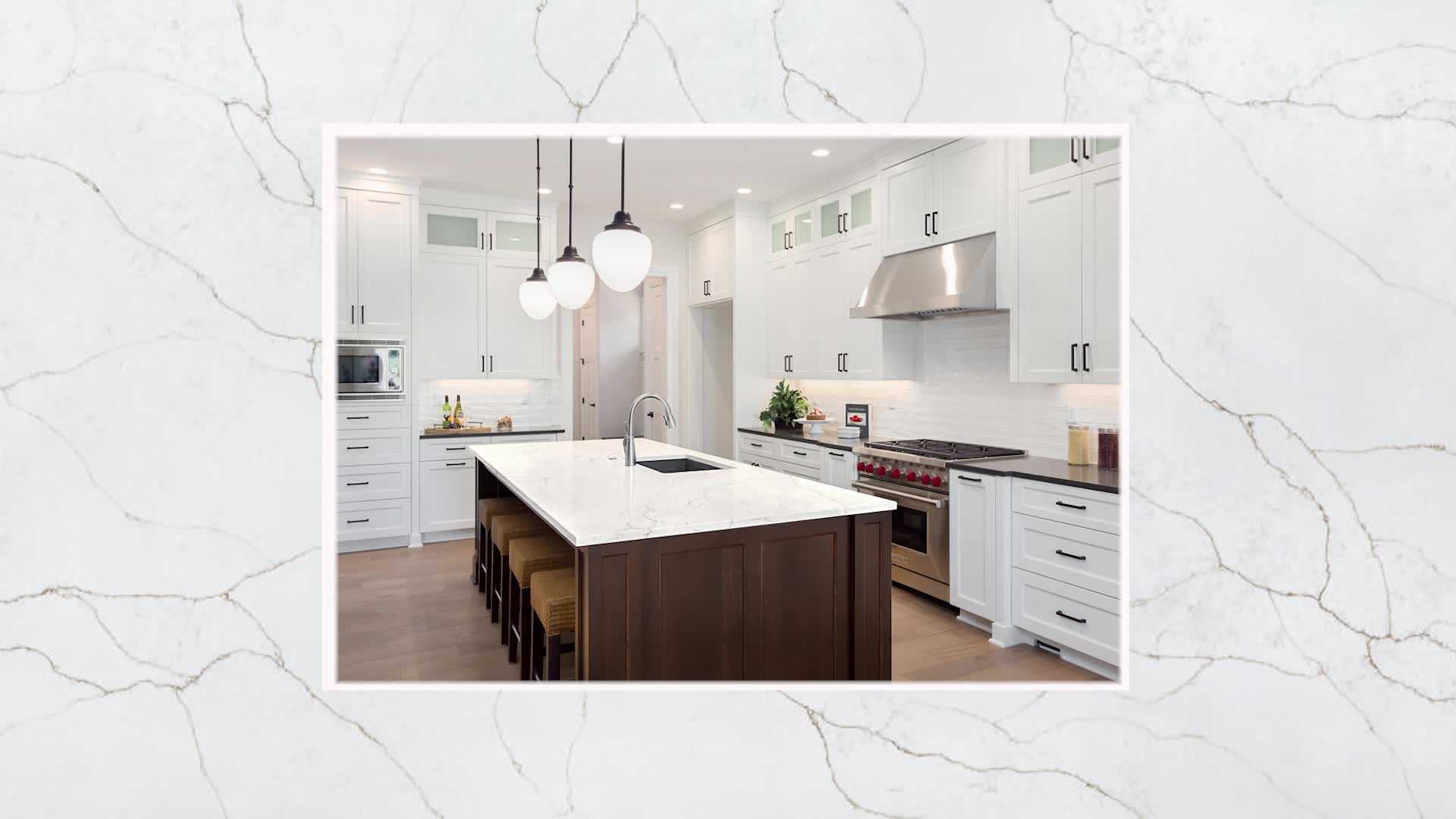
Architectural Surfaces: All About Quartz

Why a 111-Year-Old Kitchen Countertop Material Is Suddenly Popular with Gen Z

This Stone Is About to Be More Popular Than Marble, According to Designers

Goodbye, Marble—This Moody Counter Trend Is Taking Over

What is the most low maintenance kitchen countertop? Design experts unanimously agree
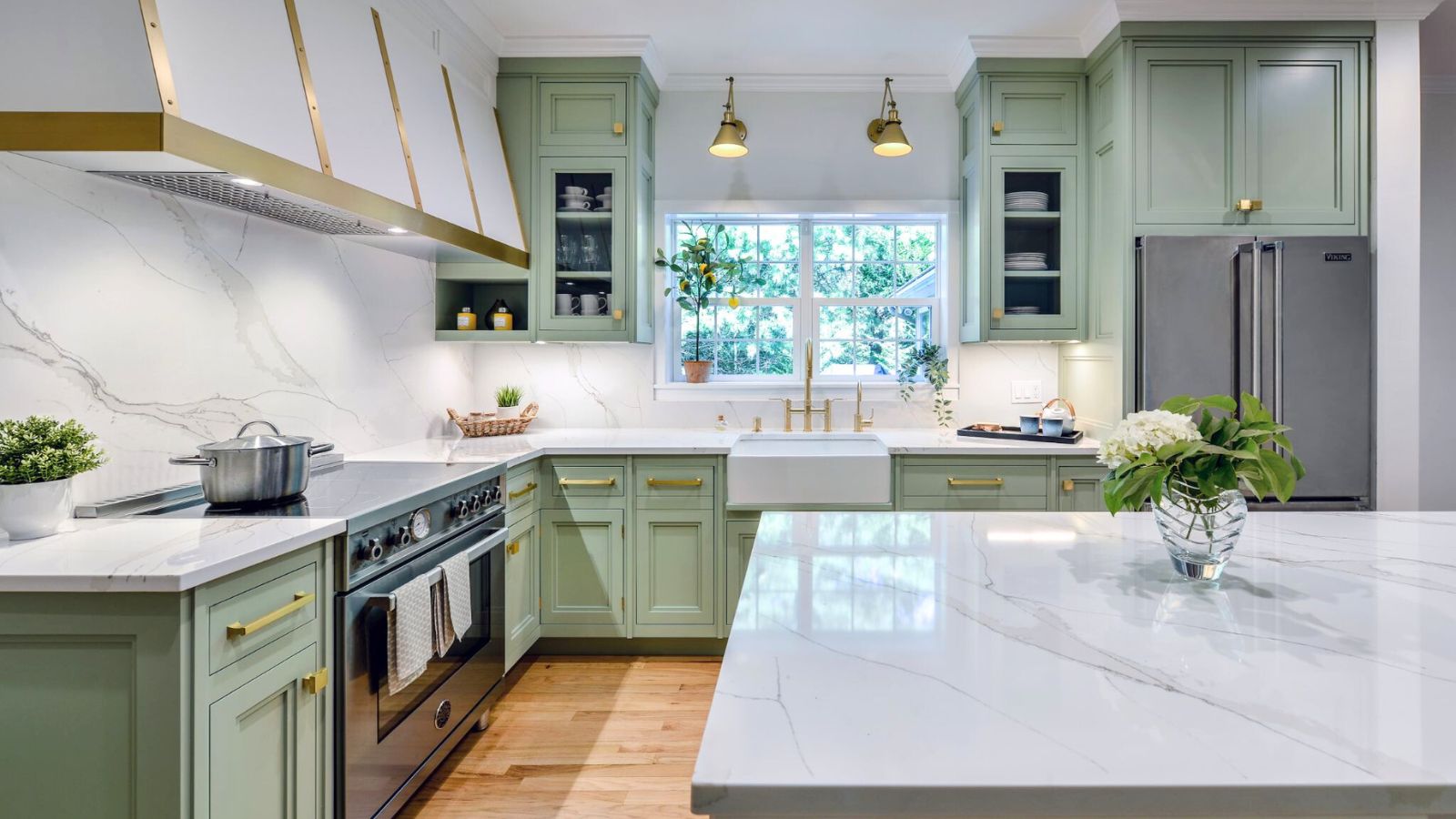
Are quartz countertops right for your home? We examine the pros and cons
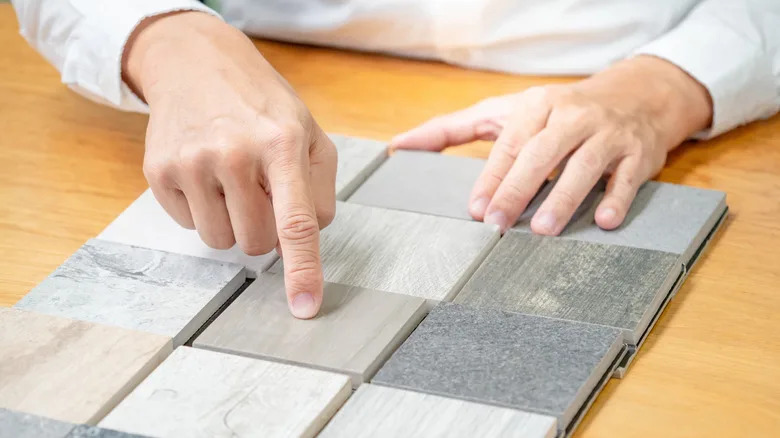
Goodbye Granite: These Countertop Materials Are The New Favorite (And They Aren't Marble)

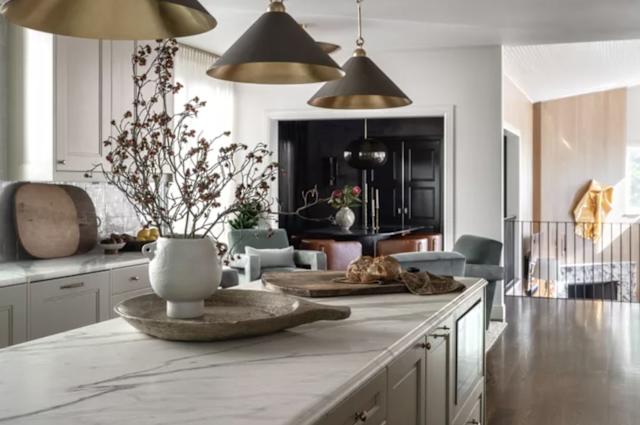
We Asked Designers What Kitchen Countertop Materials Are Out in 2026—Their Answers May Surprise You

Are Granite Countertops Outdated?

The Best Countertop Materials for Every Type of Kitchen

Why Quartz Countertops Will Never Go Out of Style

Should You Choose Quartz or Granite Countertops? Experts Settle the Debate on These Two Popular Materials
6 great alternatives to marble and granite for your NYC kitchen renovation: quartz, quartzite, porcelain, soapstone & more
Designers Talk ’tops