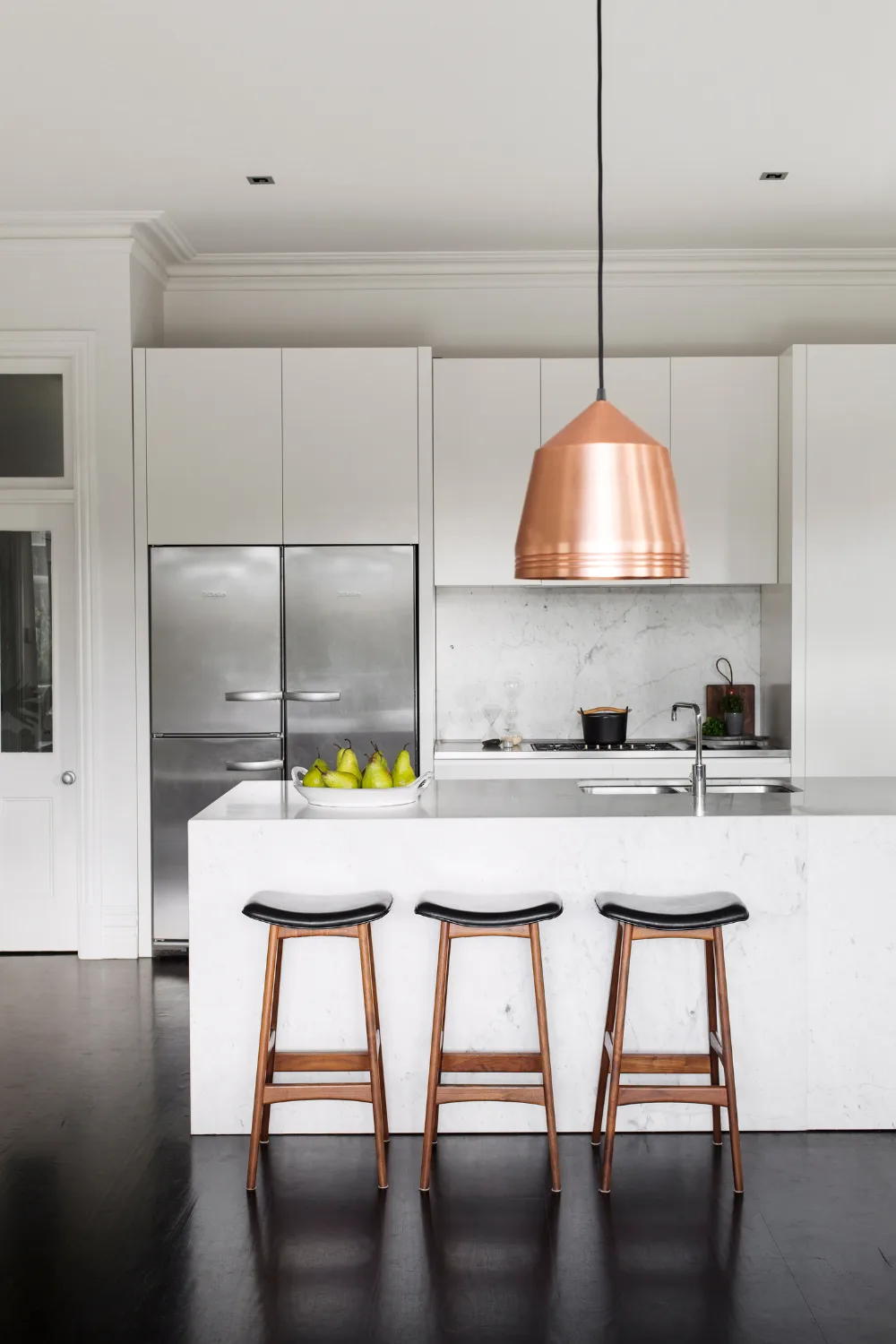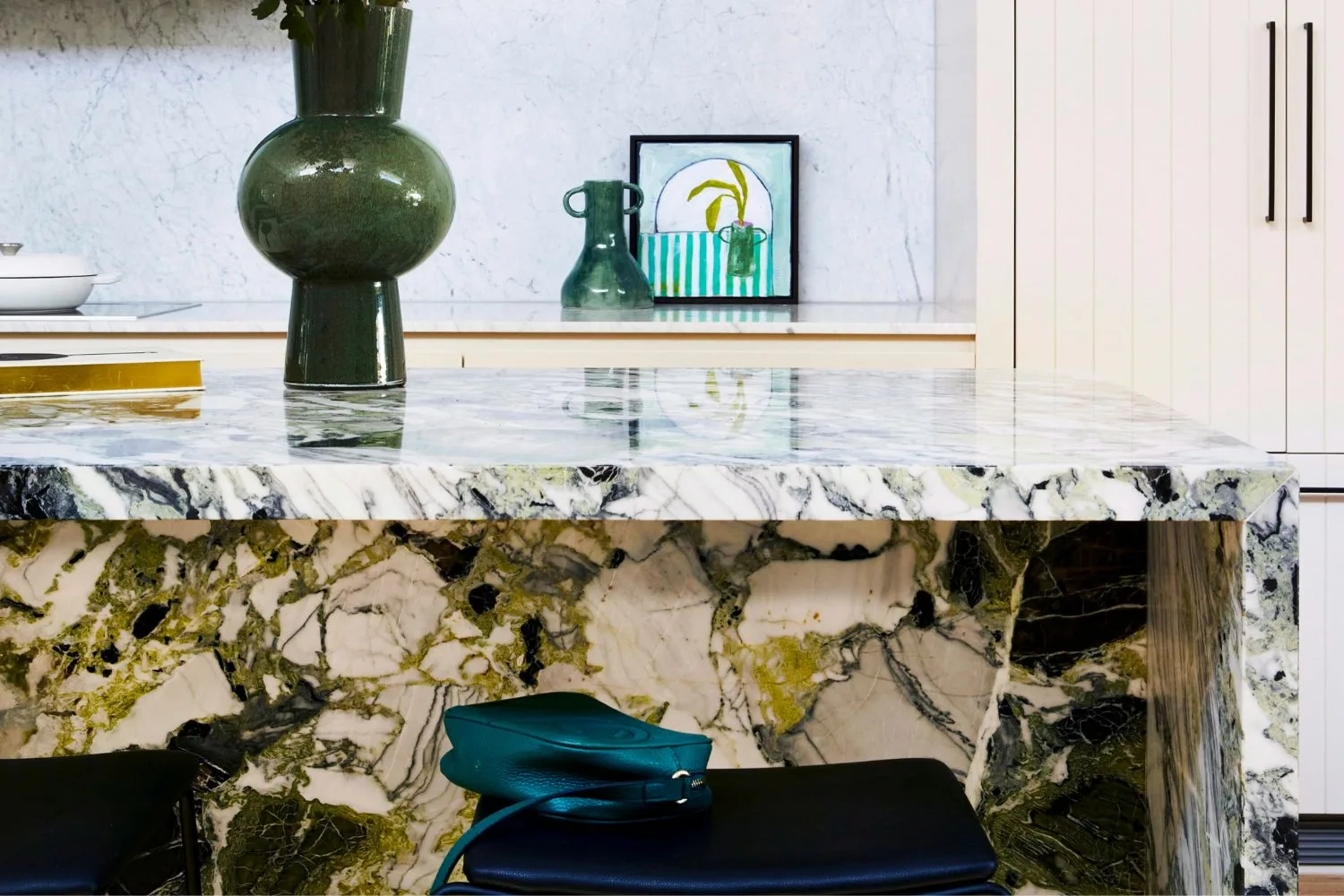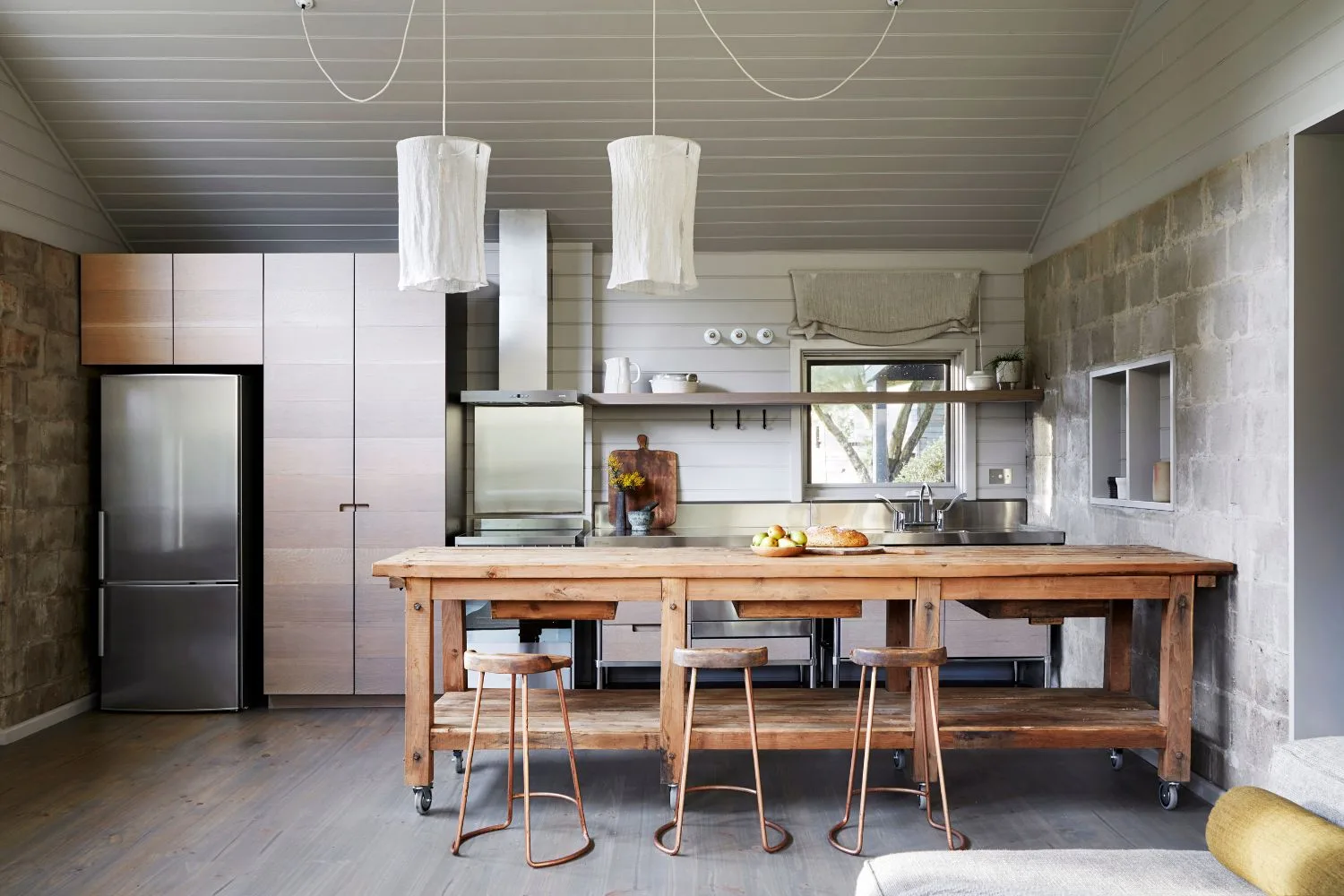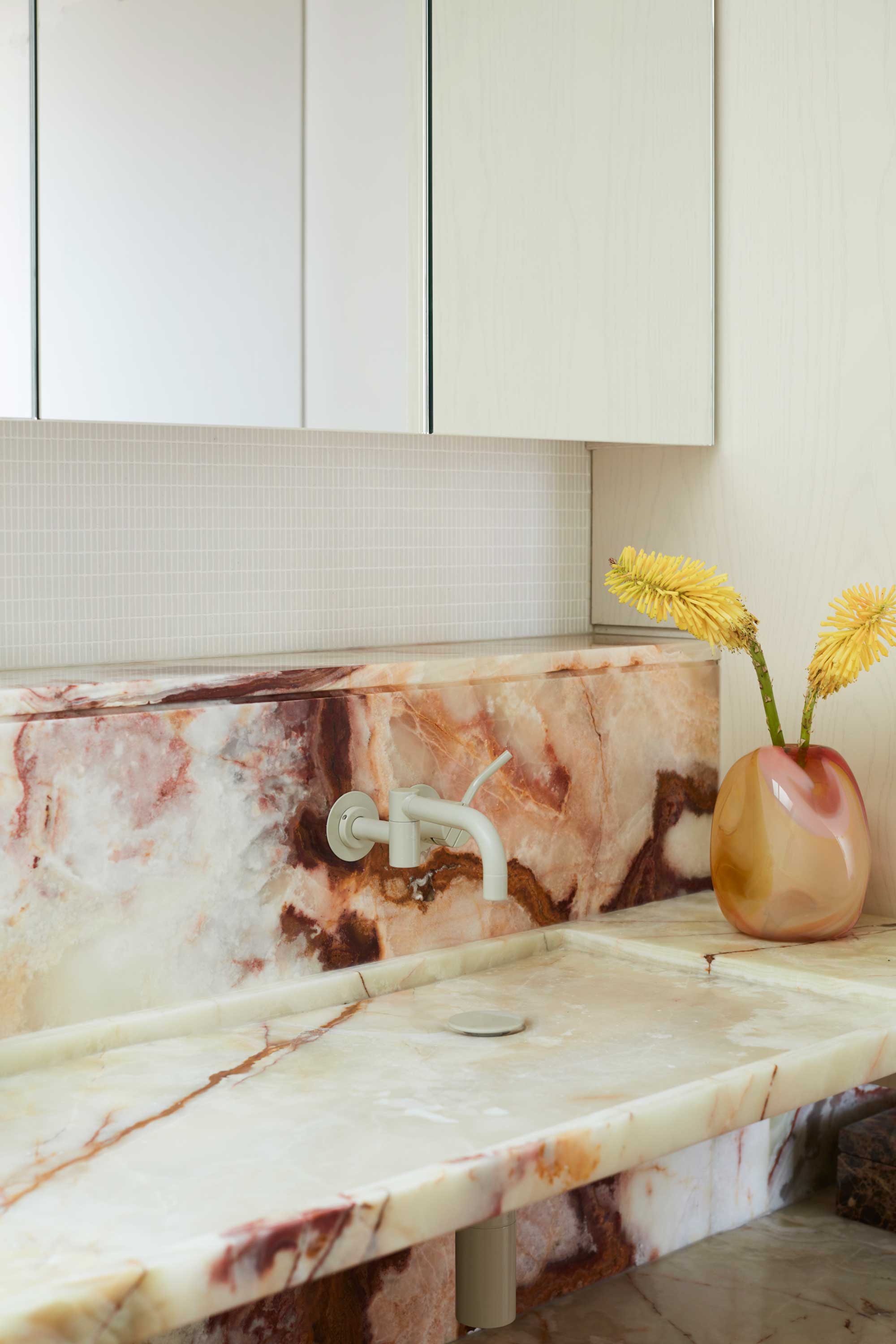
1/4
6 great alternatives to marble and granite for your NYC kitchen renovation: quartz, quartzite, porcelain, soapstone & more
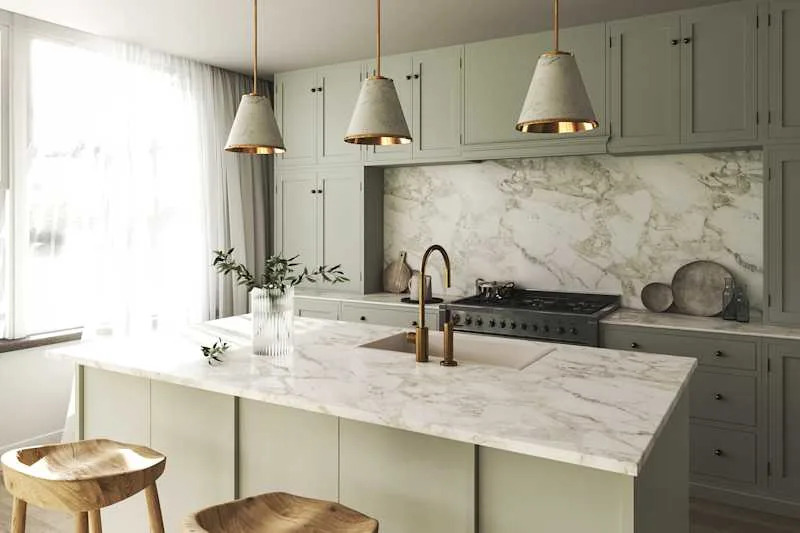
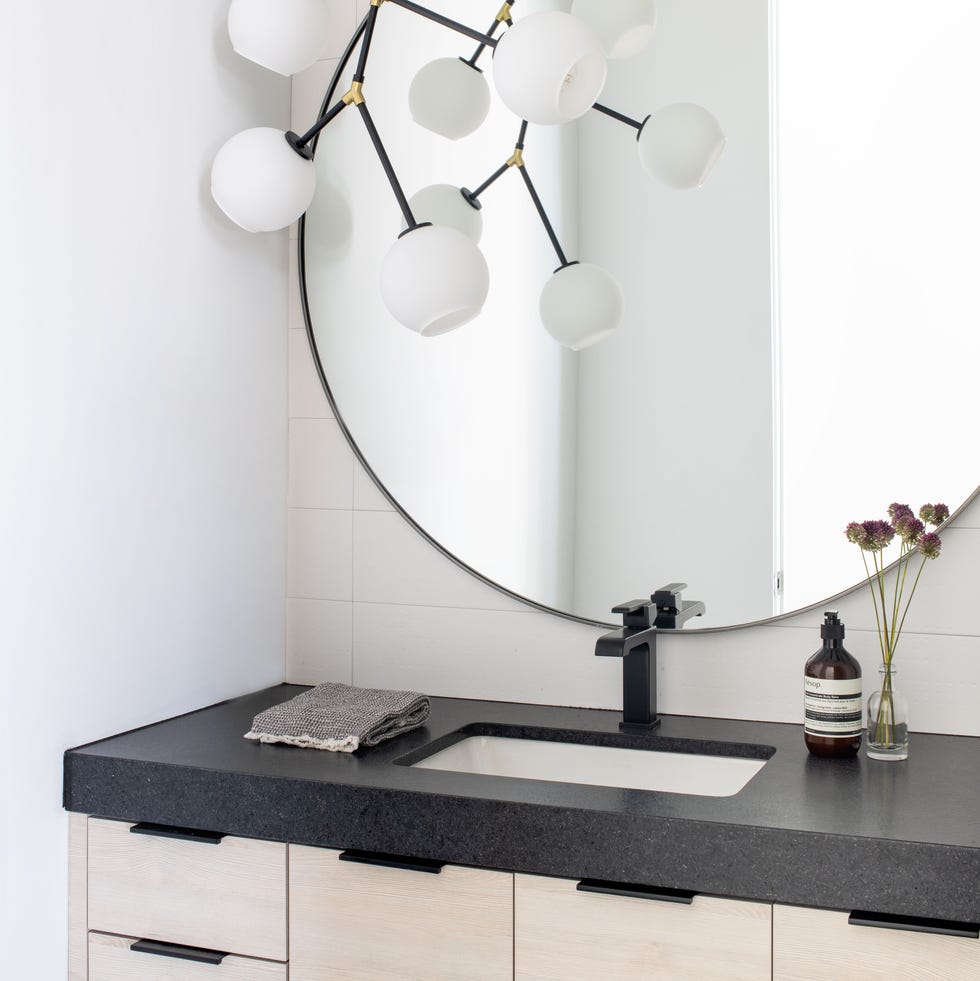
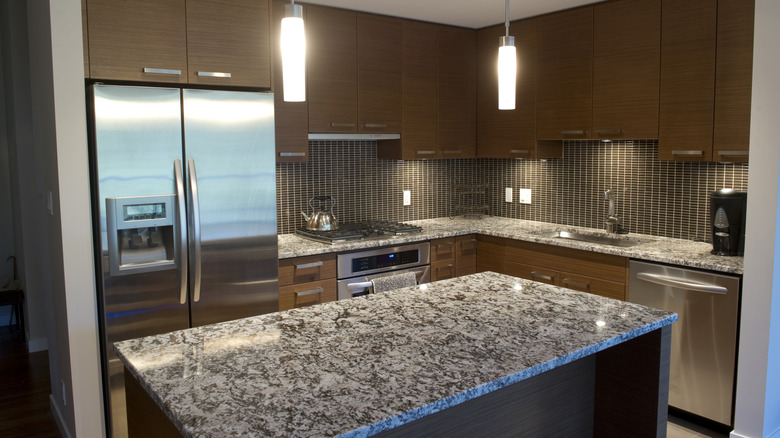
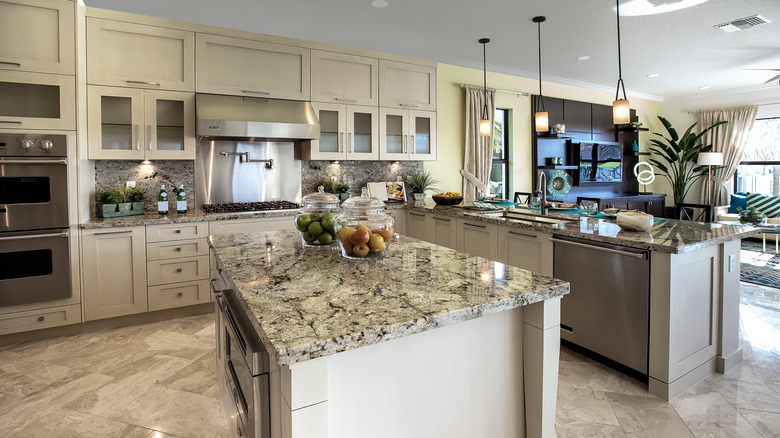
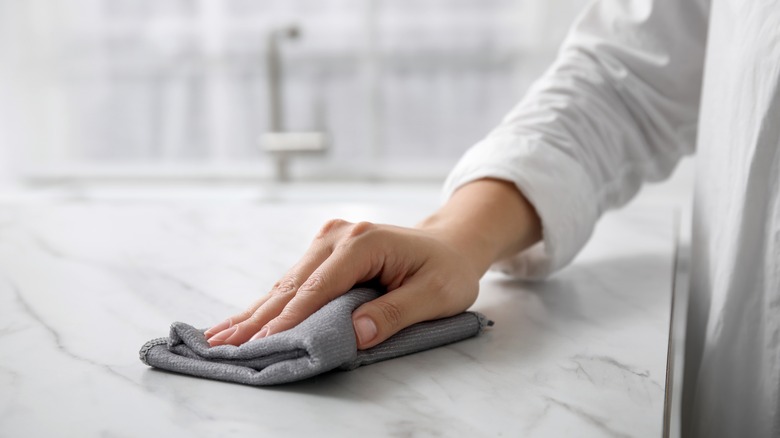
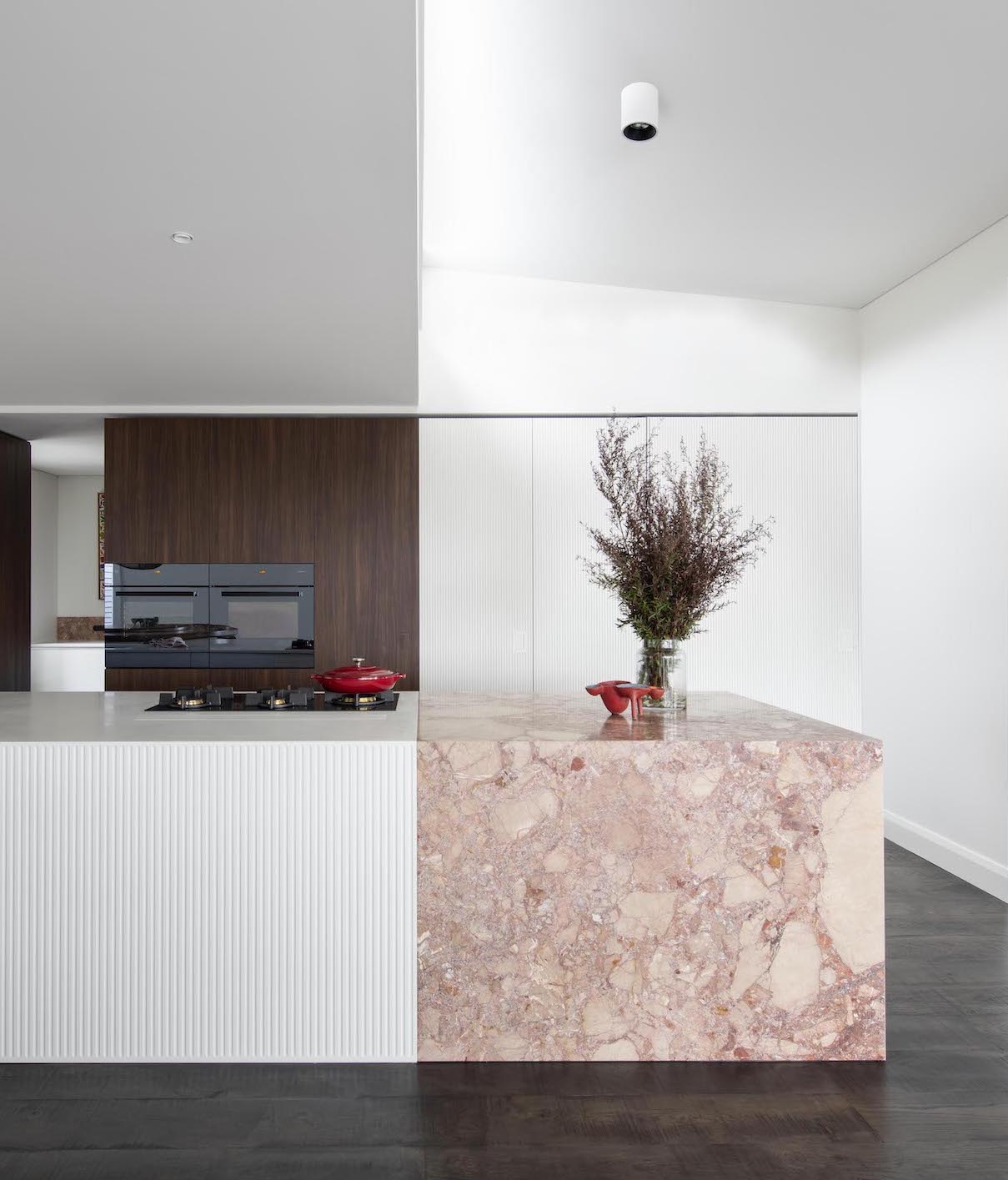
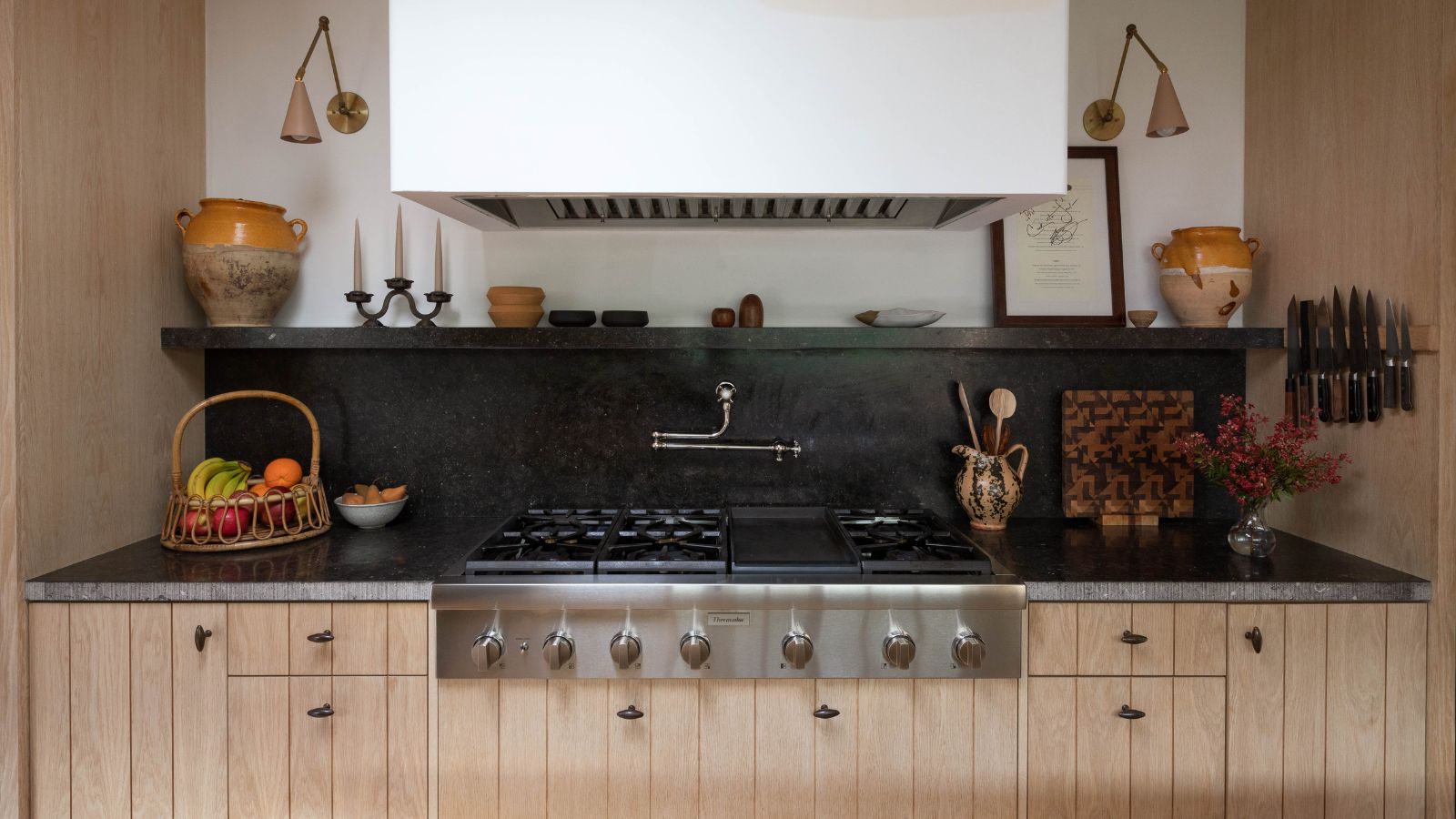
For individuals undertaking a kitchen renovation in New York City, selecting the right countertop material involves balancing aesthetic preferences with practical considerations such as durability, maintenance, and cost. While marble remains a classic choice for some, its susceptibility to stains and scratches from everyday use, such as spilled red wine or hot pans, often leads homeowners to explore more resilient alternatives. Granite, although generally durable, can discolor over time and is not universally favored by interior designers due to aesthetic concerns. Designers like Meret Lenzlinger and Kelly Giesen often avoid granite, with Black Absolute being a rare exception for its solid black appearance and resistance to water stains.
The demand for countertops that offer both visual appeal and long-term performance has led to increased interest in natural stones like quartzite and advanced man-made materials such as quartz and porcelain. These newer options leverage improved manufacturing technologies to offer superior resistance to heat, stains, scratches, bacteria, and fading, often without the need for sealing. Materials that are porous, like some natural stones, typically require regular sealing, a maintenance step that homeowners often neglect after initial installation, compromising the material's protective qualities.
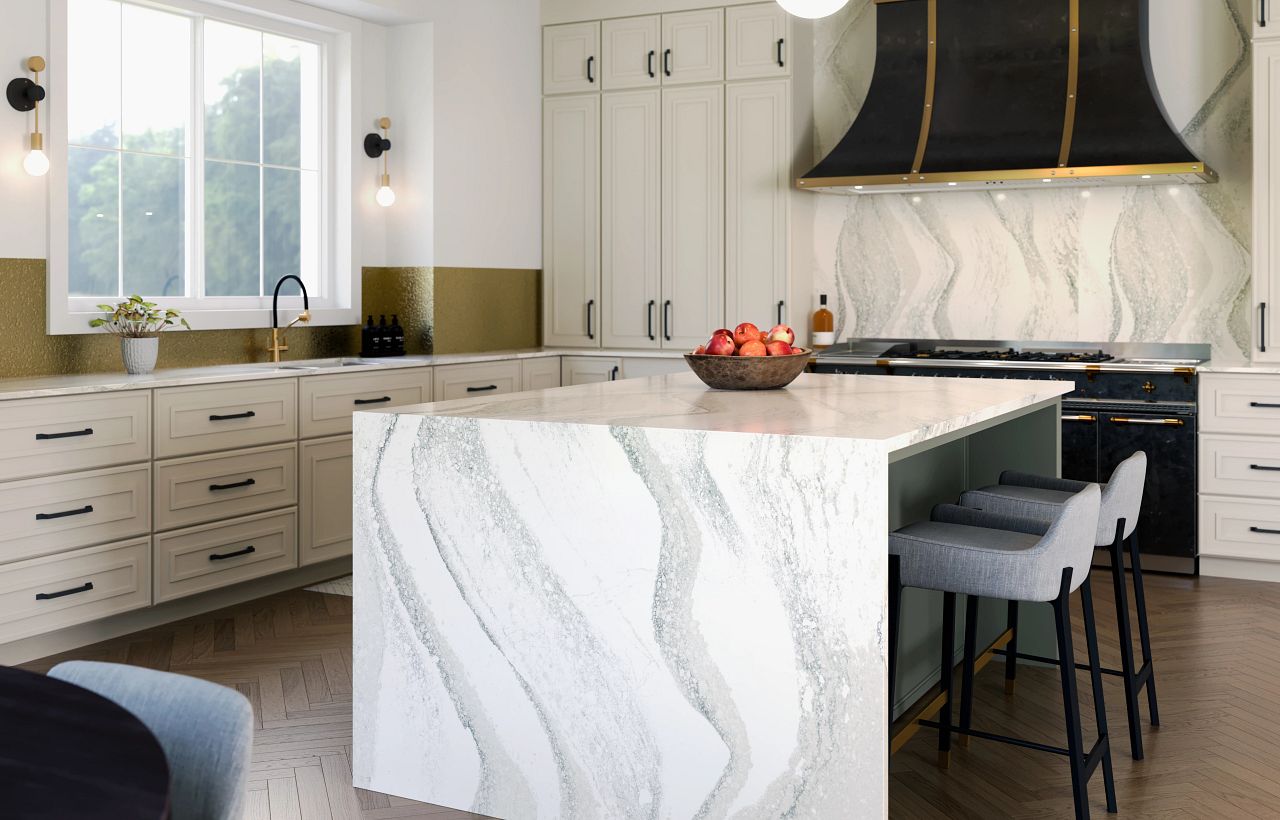
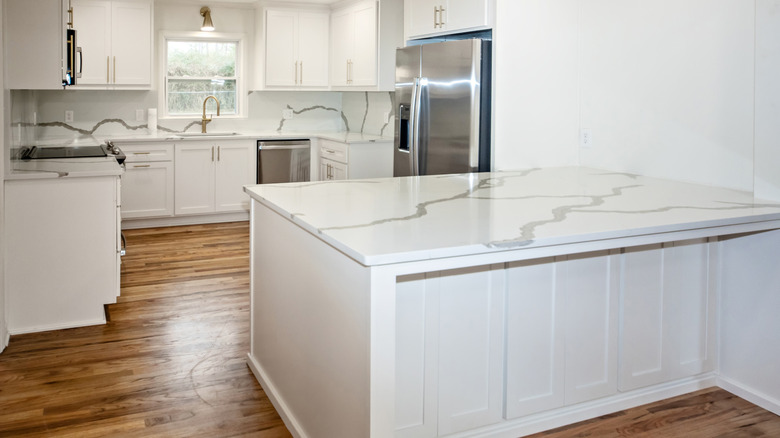
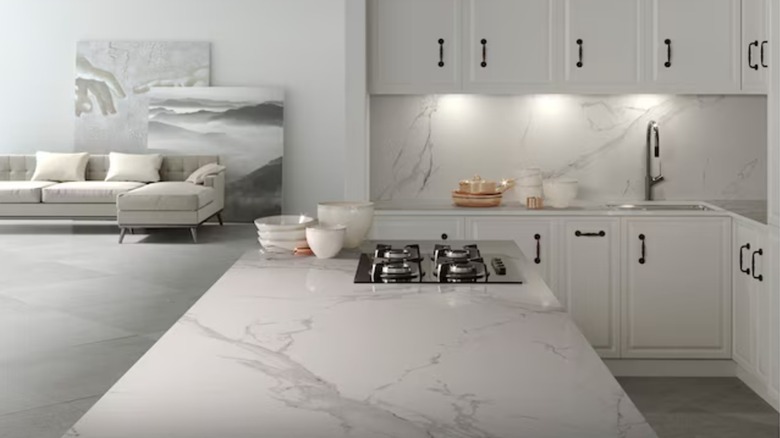
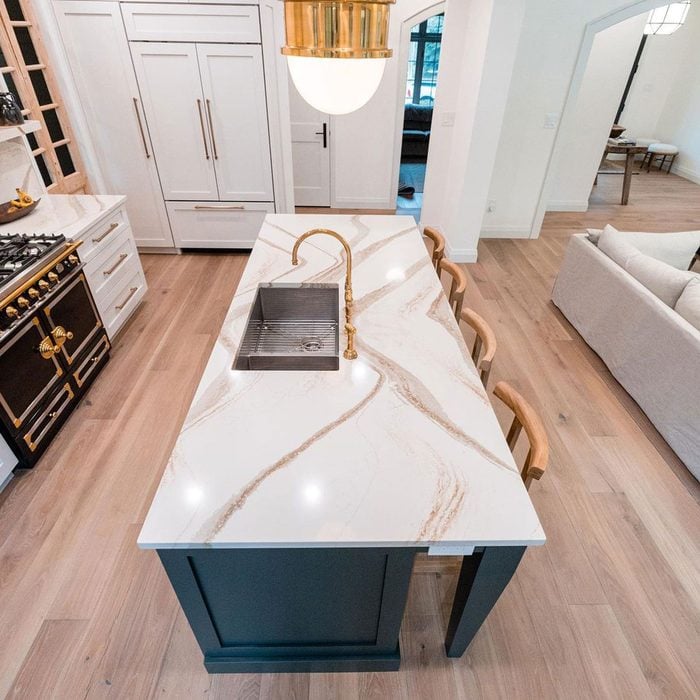
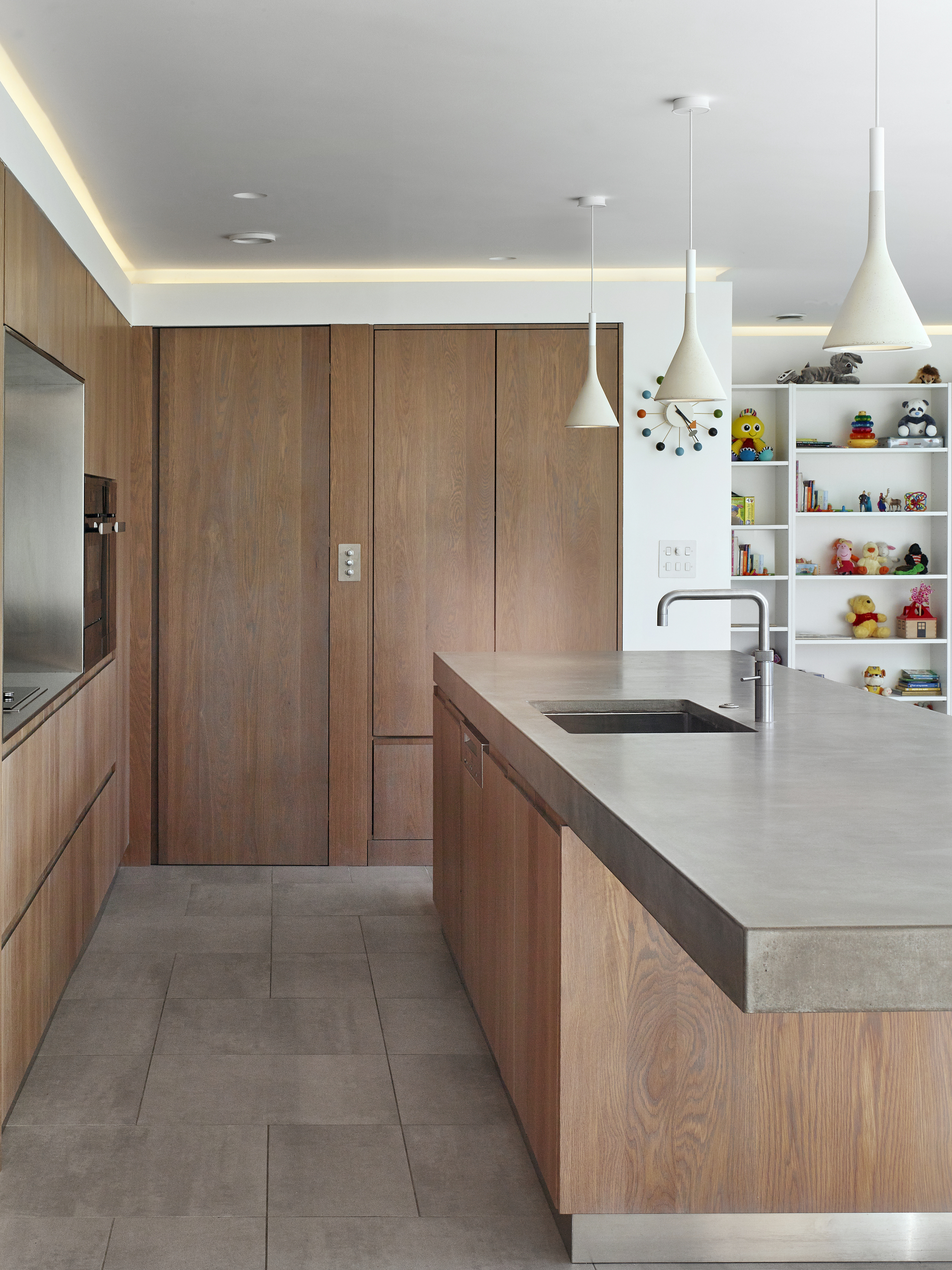
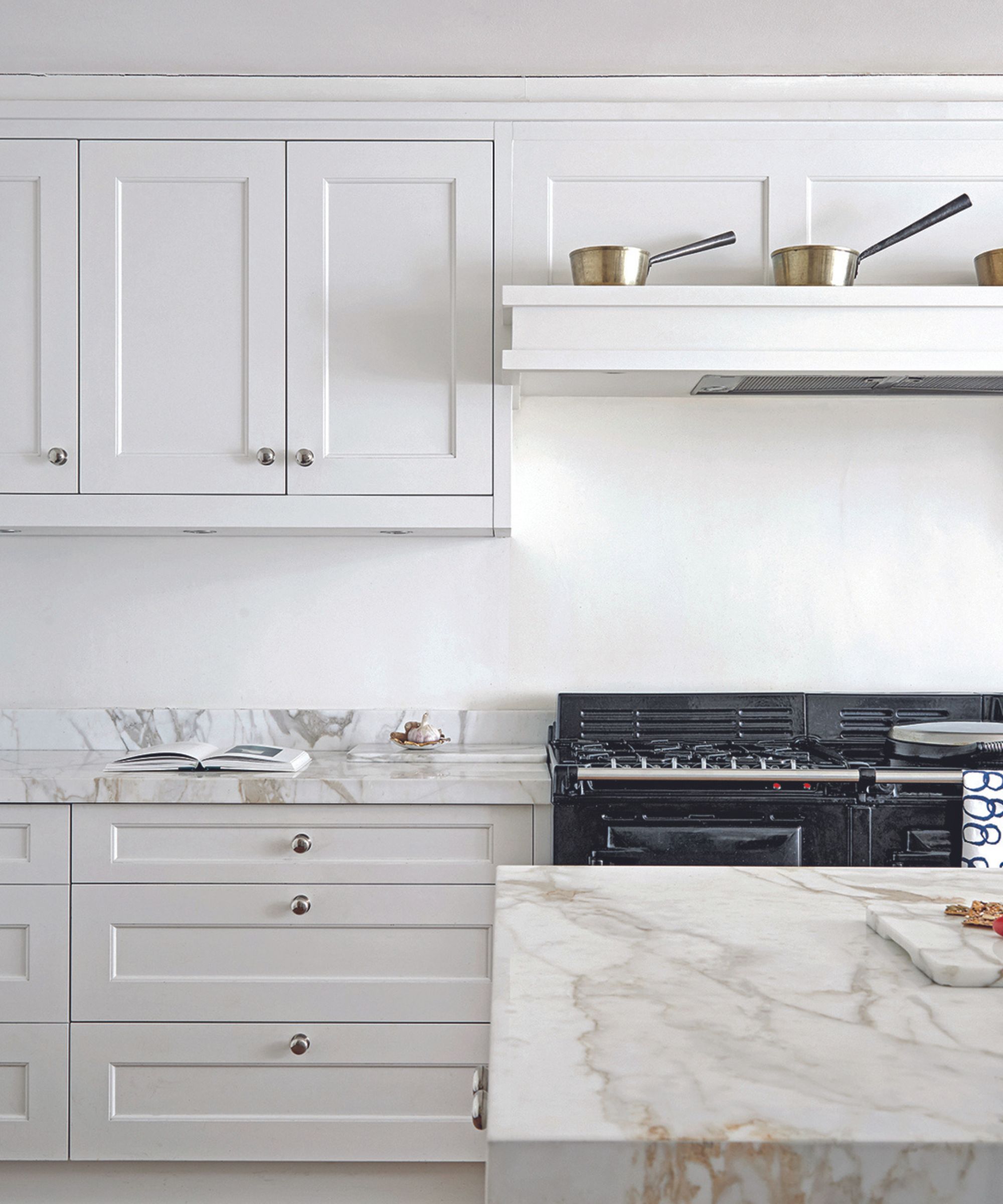
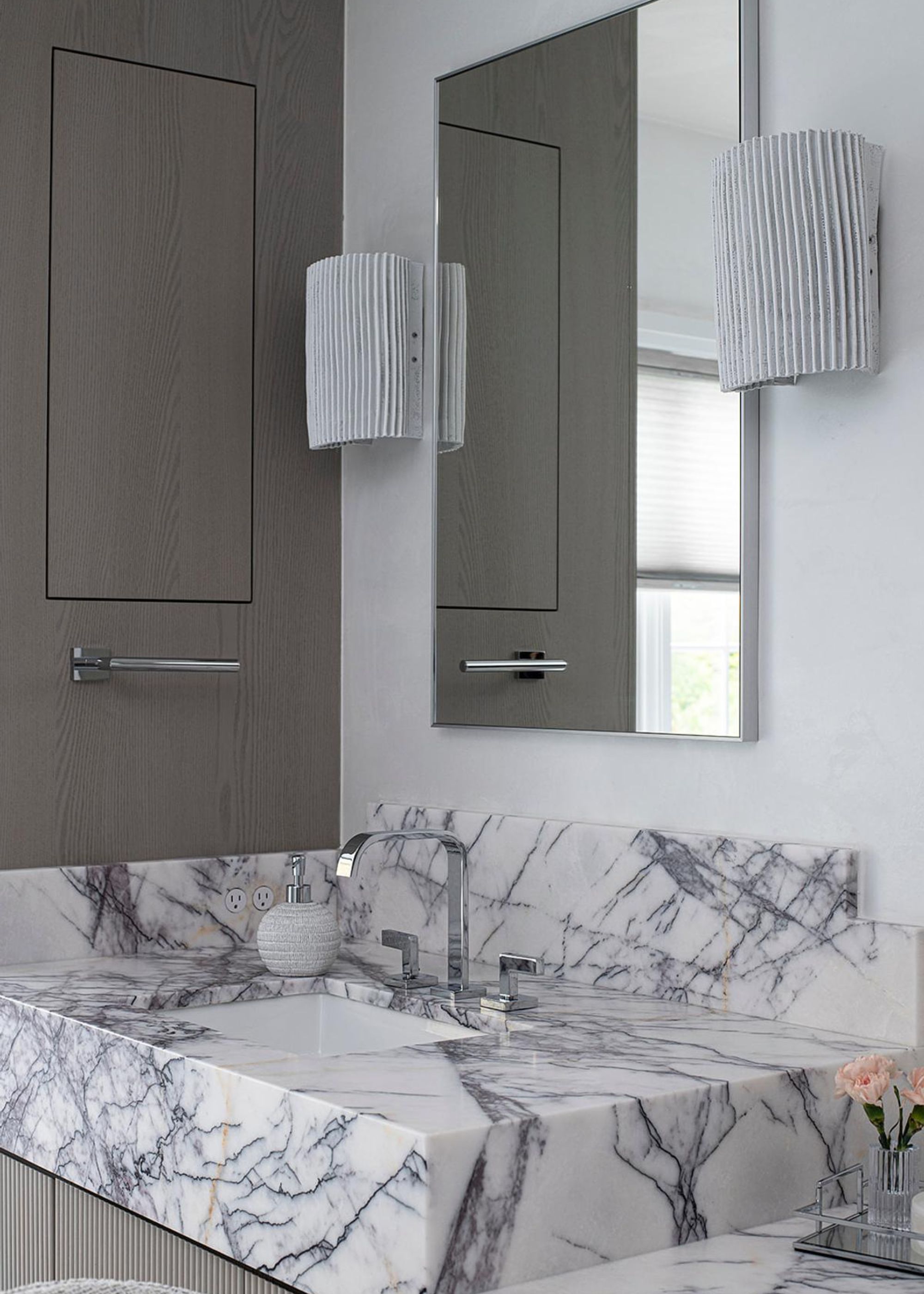
One prominent alternative is quartz, a man-made, nonporous material that excels in durability and ease of maintenance. Popular brands like Caesarstone and Silestone are frequently recommended, with some varieties designed to mimic the appearance of natural marble, including veining that extends through the material. While quartz is heat-resistant, it is still advisable to avoid placing extremely hot items directly on its surface to prevent potential resin reactions and long-term damage. Similarly, despite being scratch-resistant, cutting directly on quartz is discouraged as repairs can be challenging. The cost of quartz is comparable to natural stone, around $100 per square foot, making it a valuable investment for its longevity and low maintenance.
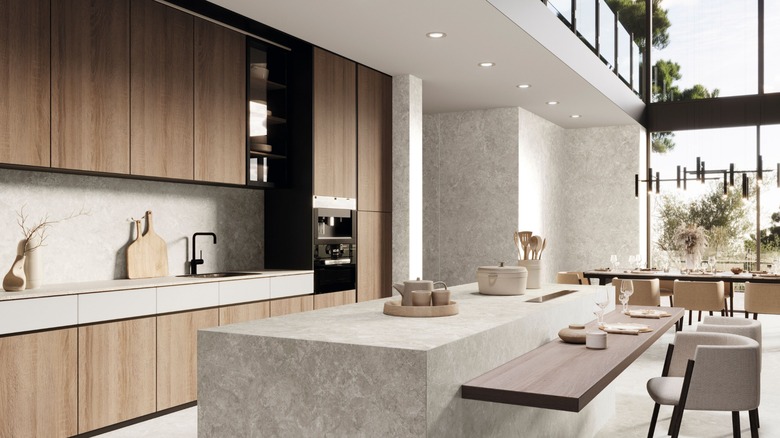
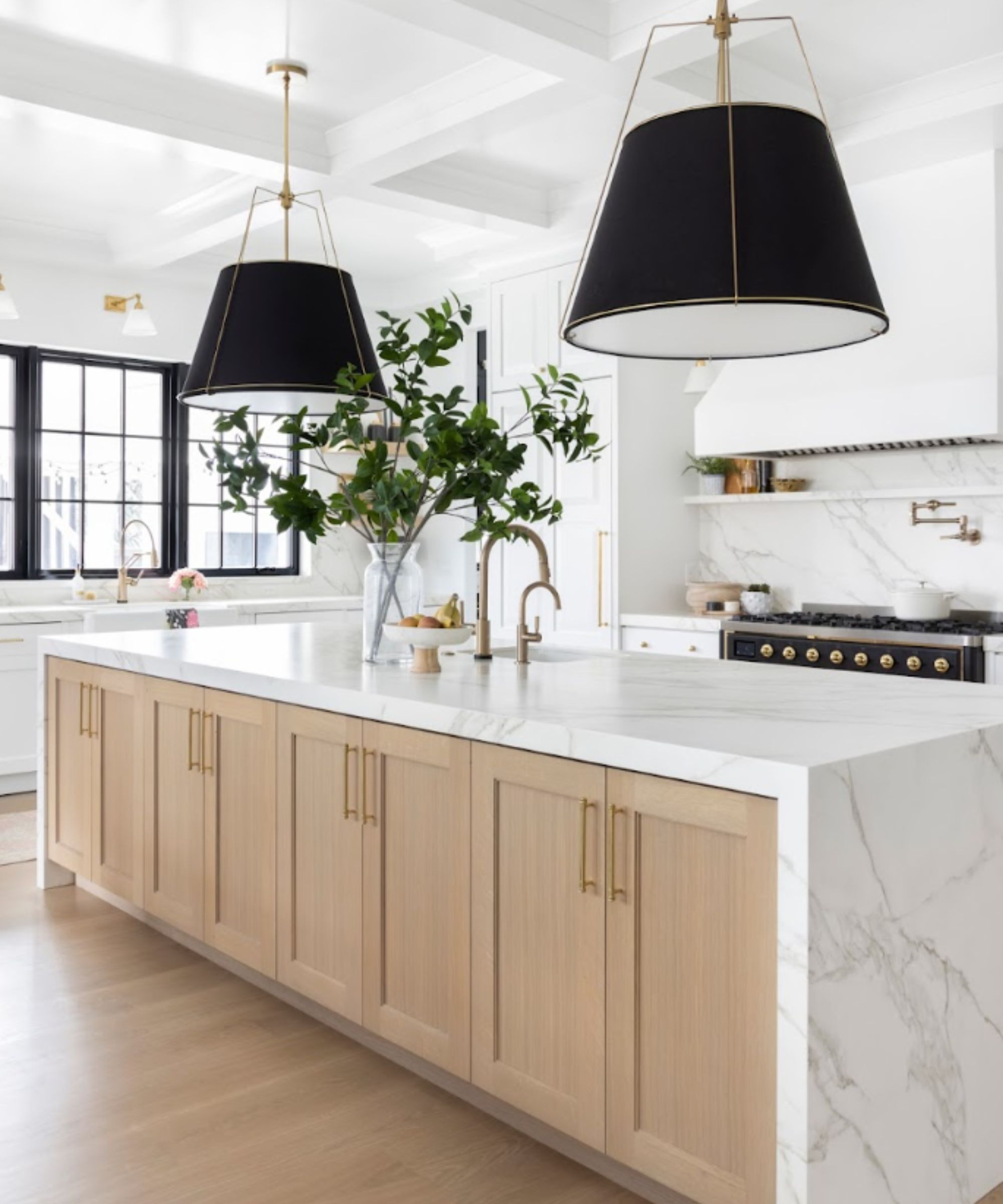
Sintered stone, another engineered surface, is created by bonding minerals at high temperatures, resulting in a nonporous material that is even more heat-tolerant than quartz, as it contains no resin. Brands like Neolith and Dekton offer highly durable options that can withstand hot pans and resist scratches, though cutting directly on them may dull knives. Neolith, for example, has gained popularity for its ability to mimic high-end marble like Calacatta Gold without the vulnerability. Dekton, while more expensive, offers additional features including suitability for outdoor use. These options come at various price points, with some being comparable to or even exceeding marble in cost.
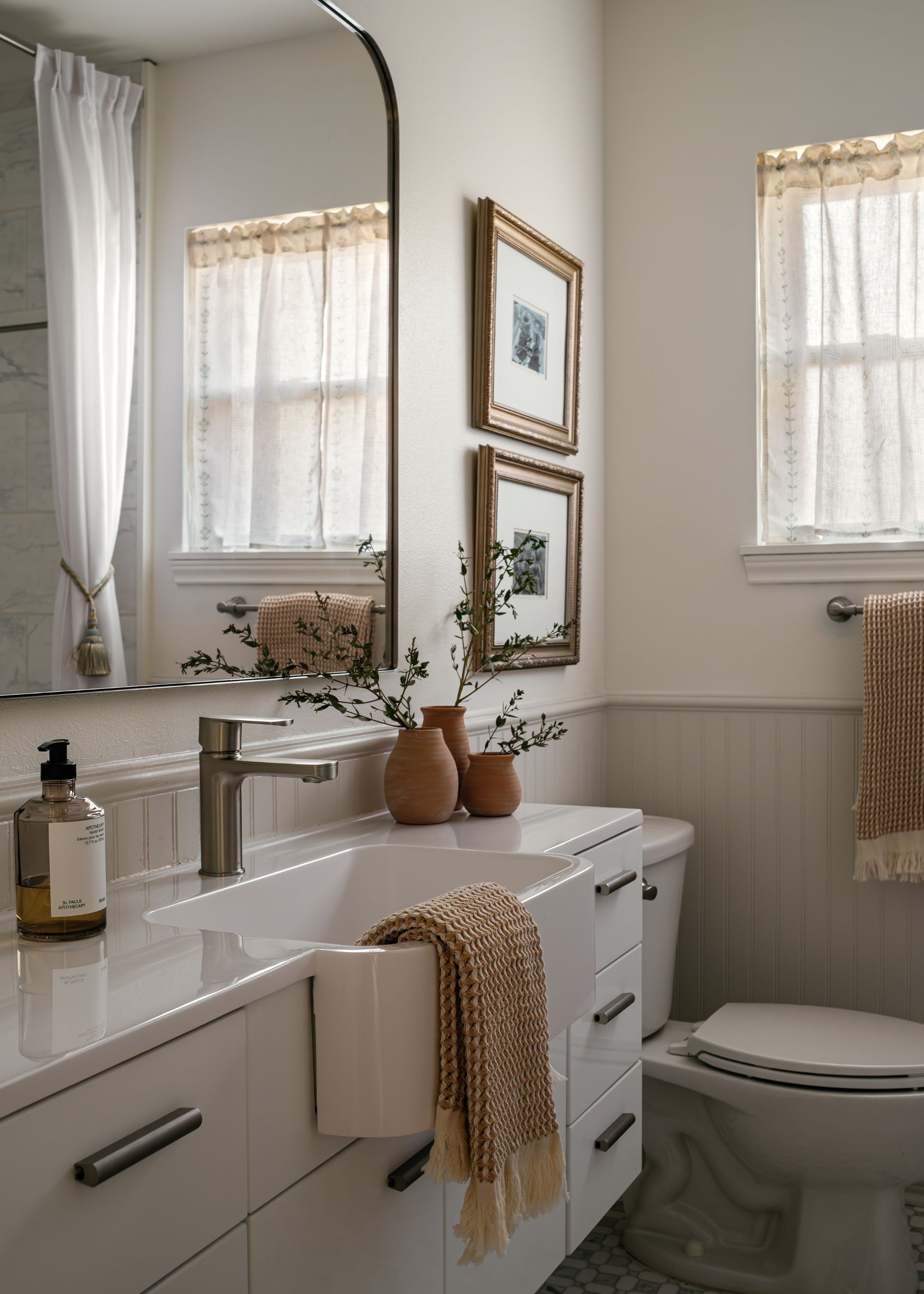
Solid surface materials, such as Krion by Porcelanosa-USA, Formica, and Corian, represent a different category. Composed of polymers and minerals, these materials are uniform throughout, allowing for seamless installations and easy repair of minor scratches with simple buffing. They are generally more affordable, starting around $40 per square foot, and come in various thicknesses. However, they may not be as scratch-resistant as sintered stone, and repeated exposure to extreme heat is not recommended.
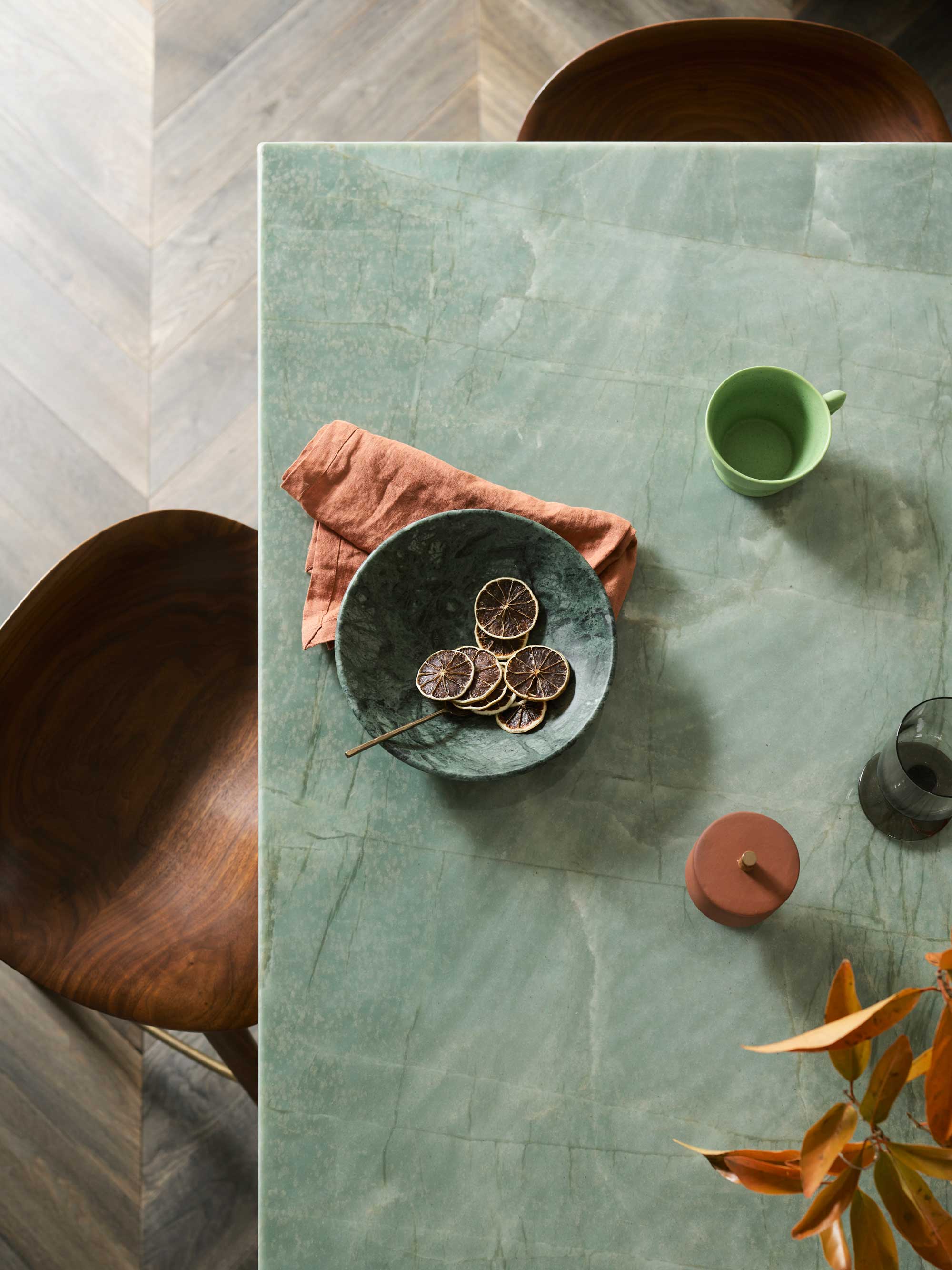
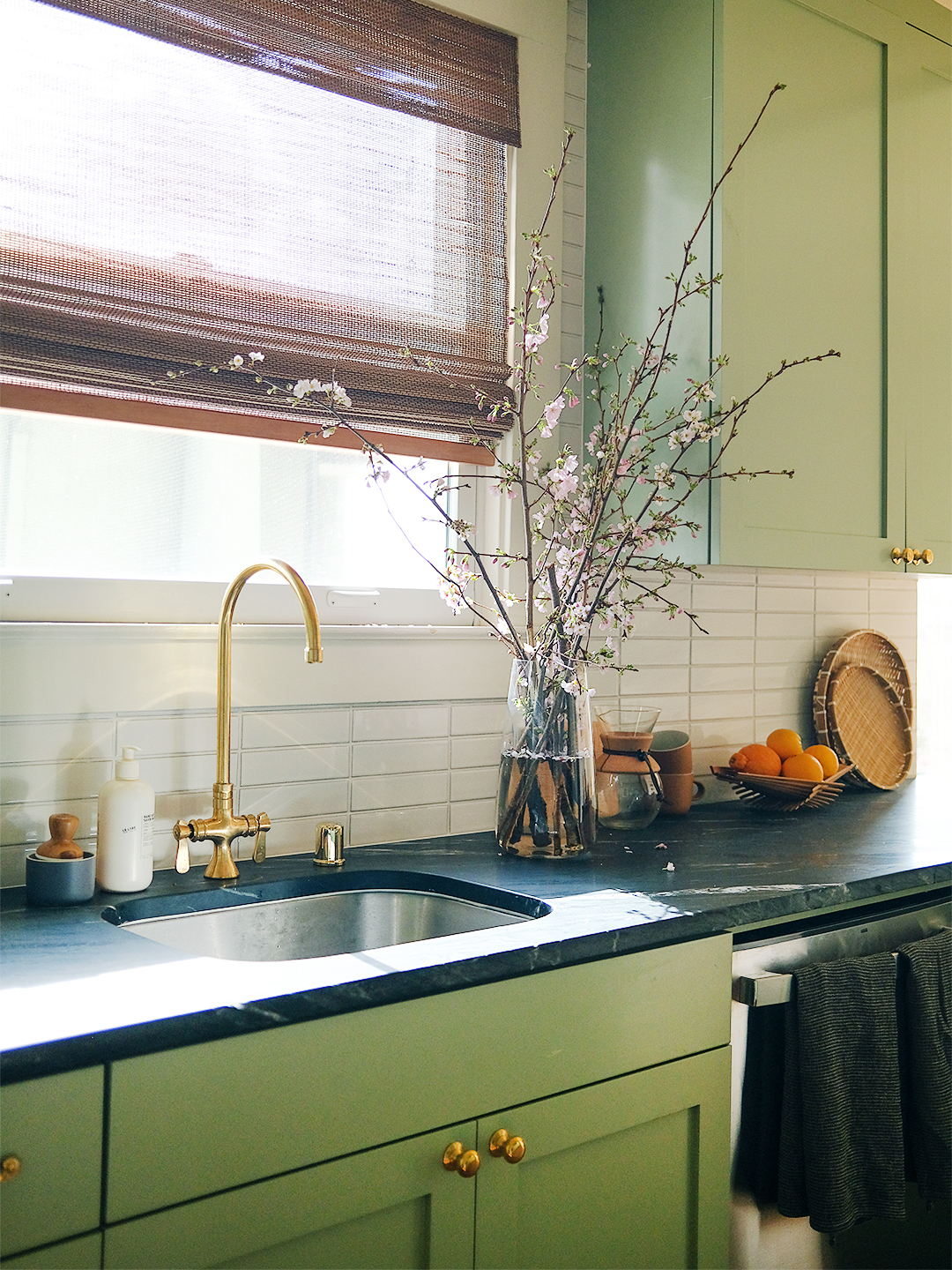
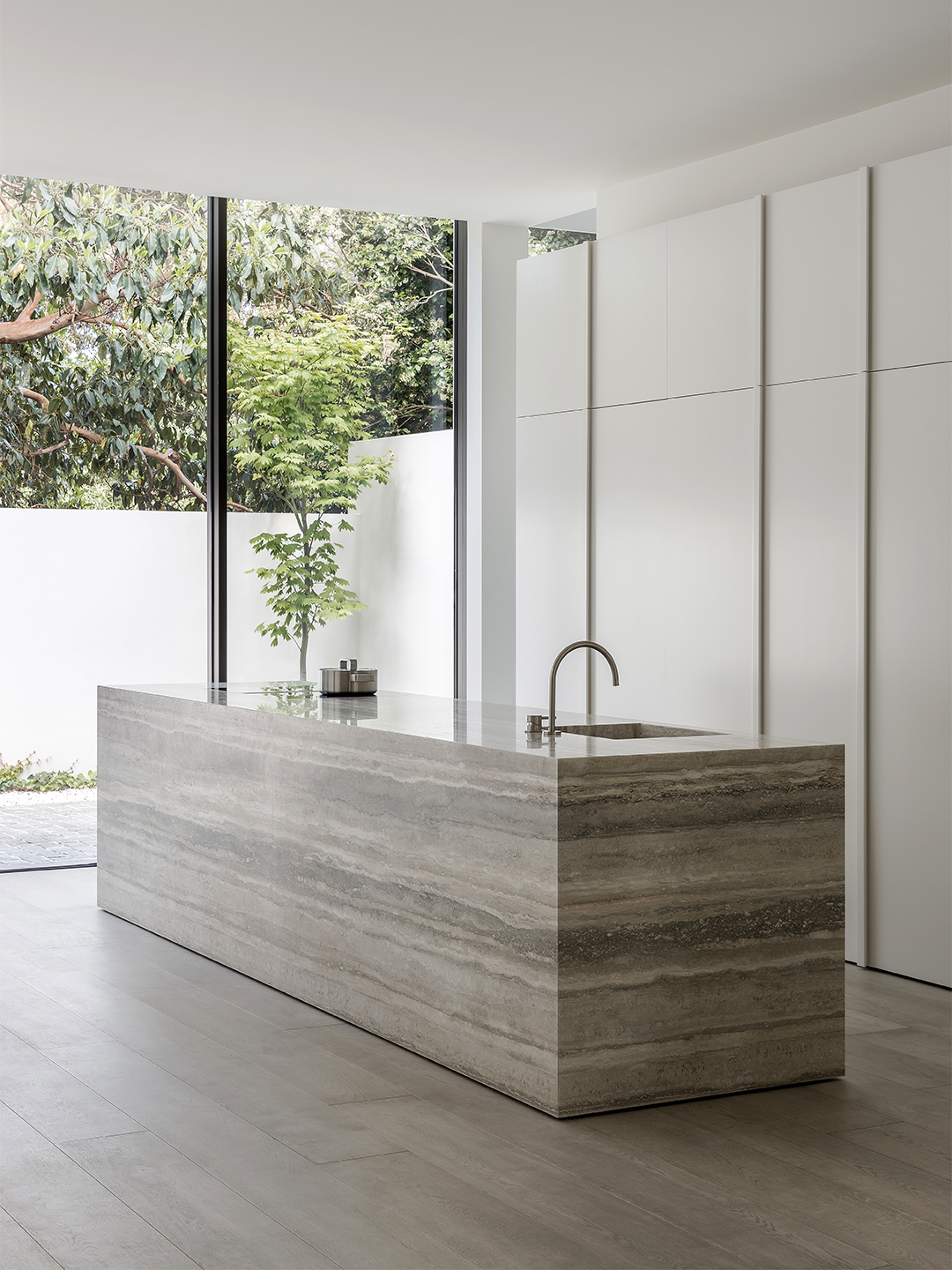
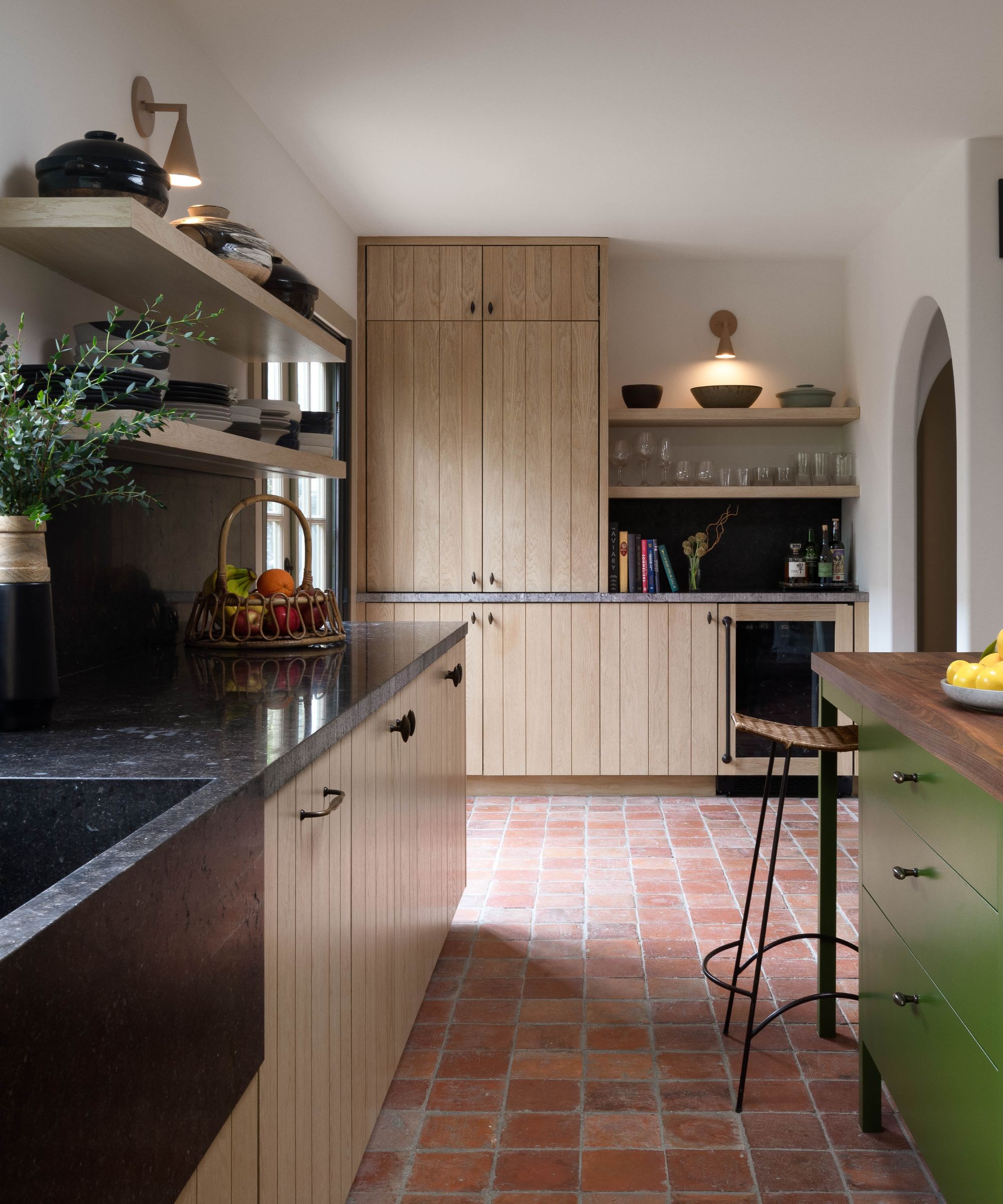
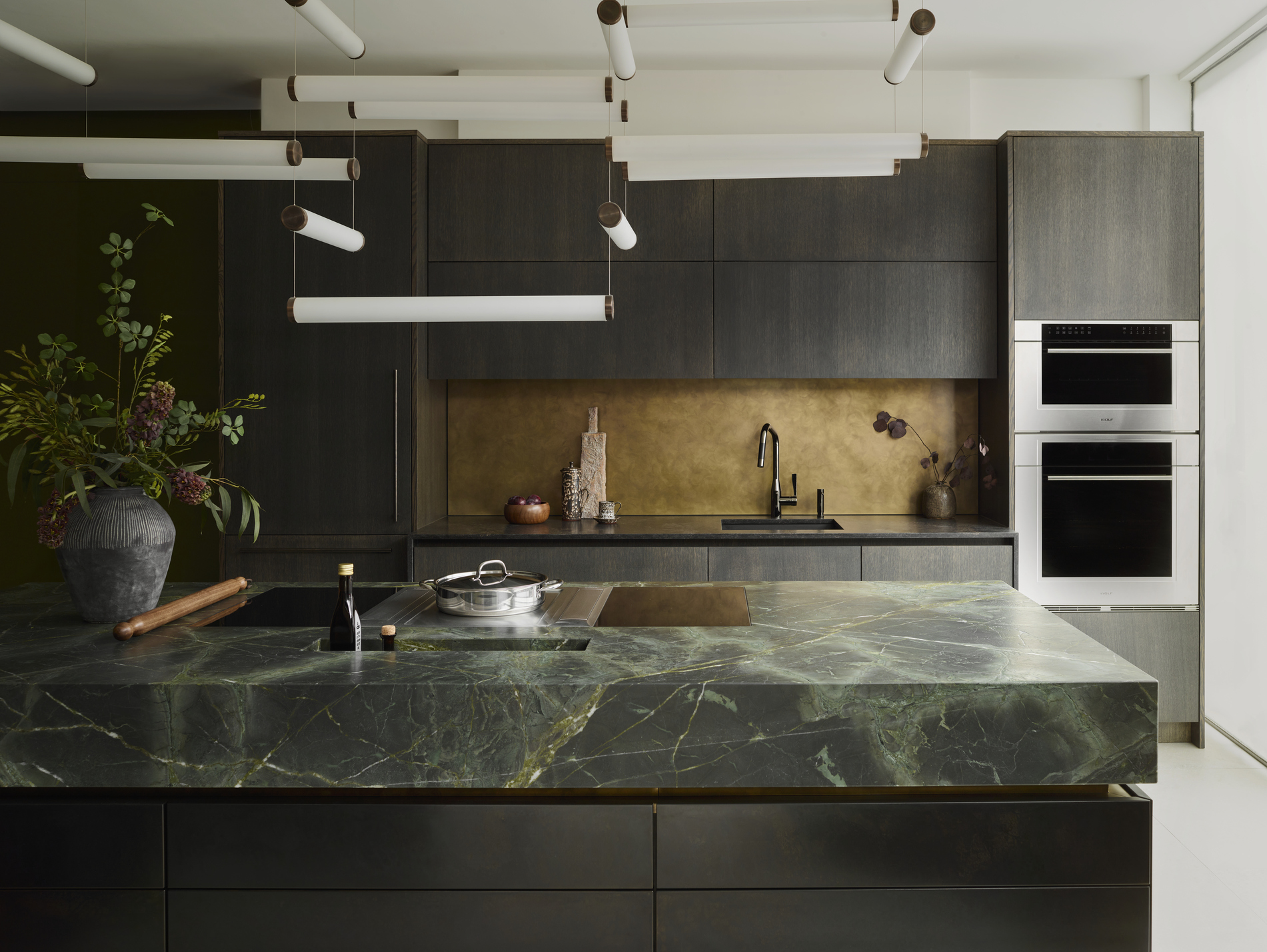
Porcelain, increasingly used for countertops, offers excellent resistance to heat, stains, and scratches. Brands like Xtone by Porcelanosa provide realistic marble aesthetics, and its large slab sizes minimize seams. Due to its thinner profile, porcelain typically requires a substrate for support, which adds to the overall cost, but it can be fabricated to appear thicker. Its versatility also makes it suitable for backsplashes. Lastly, quartzite, a natural stone, is favored for its marble-like appearance and hardness. While generally heat-resistant, its properties can vary, and lighter varieties may be less hardy. Regular sealing is often recommended for quartzite. Soapstone, another natural stone, is impervious to heat and stains but is softer, making it prone to dents and scratches that can be easily repaired. It develops a unique patina over time and is available in limited darker colors.
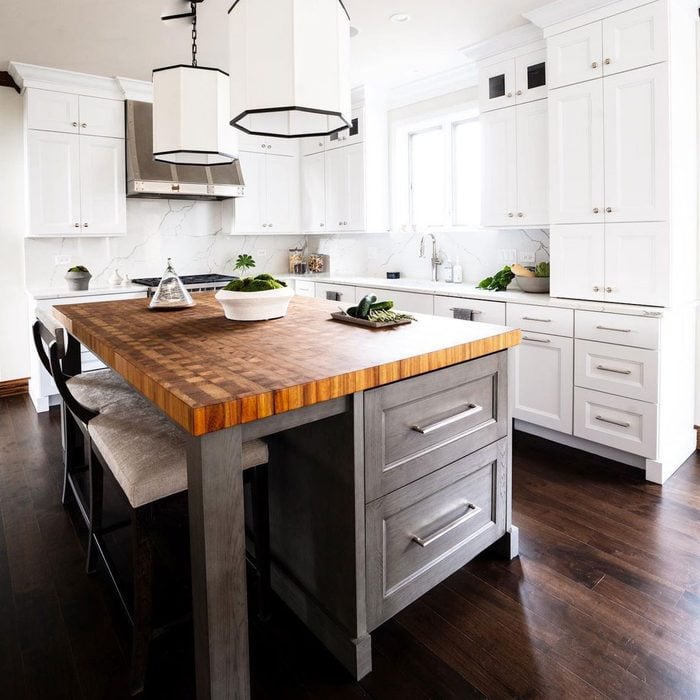
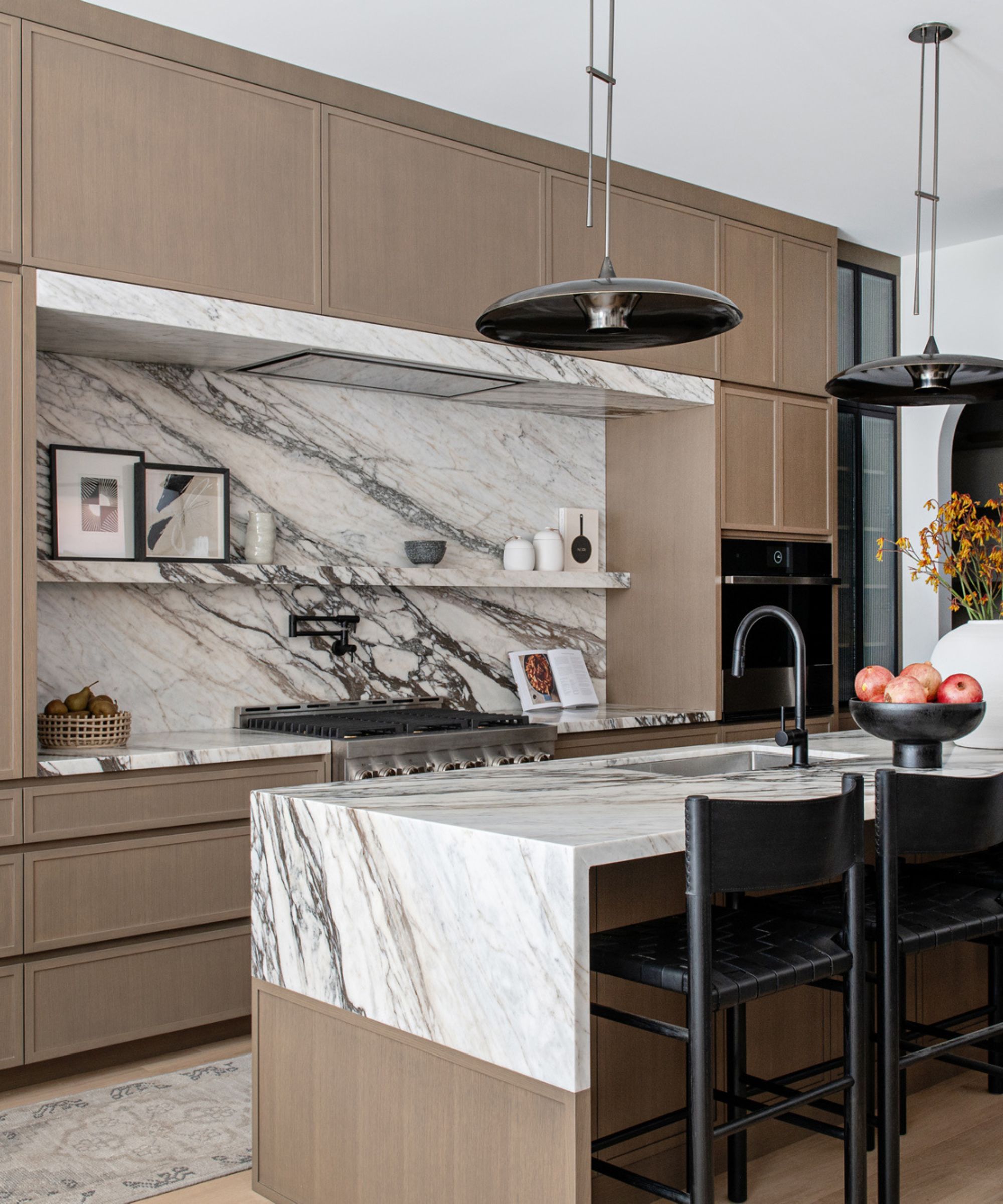
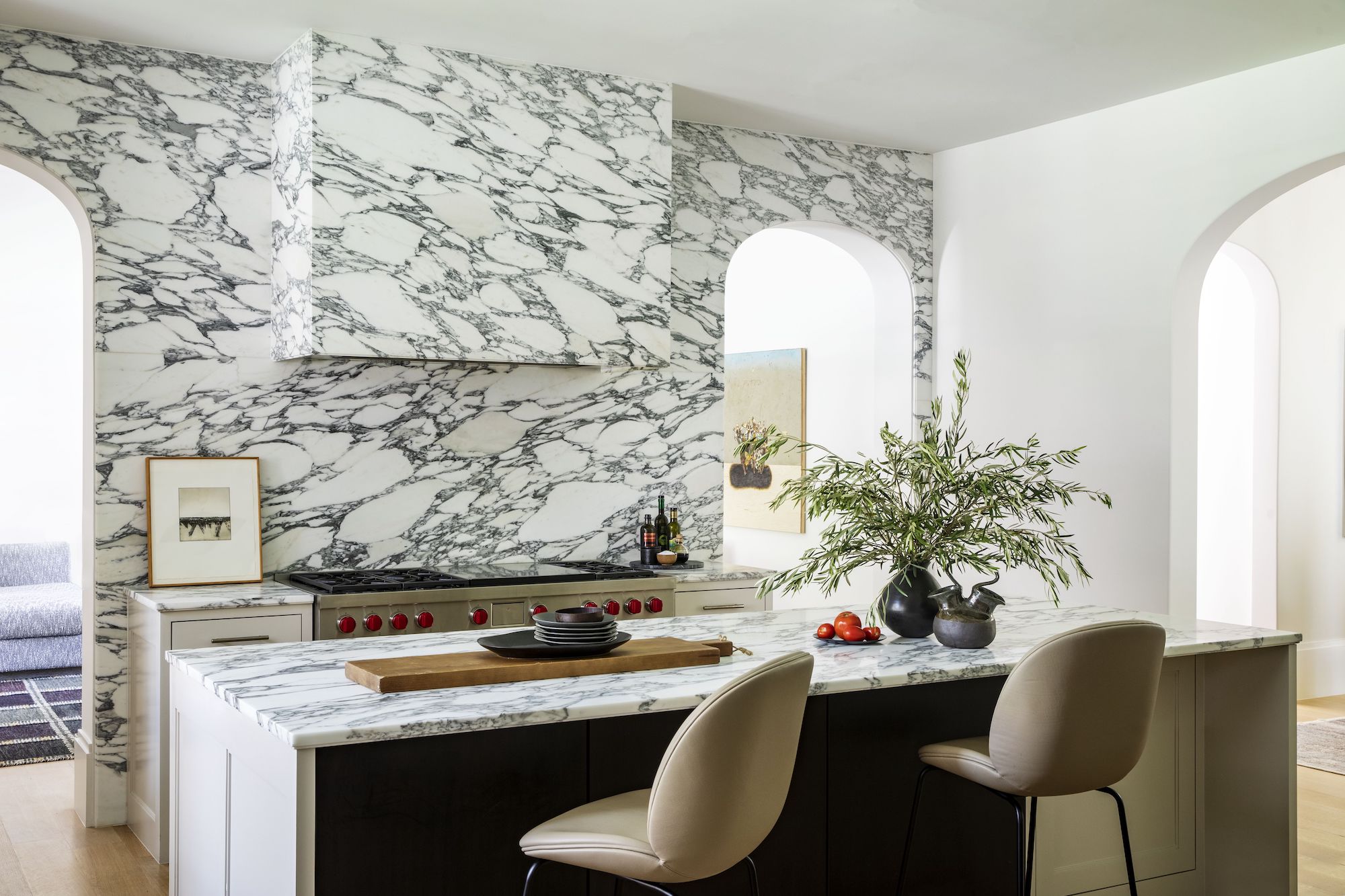
Ultimately, the choice of countertop depends on individual priorities regarding aesthetics, durability, and maintenance. For those deeply committed to the marble aesthetic, understanding its upkeep requirements is crucial. Alternatively, using marble strategically, such as on a less-used island while employing a more durable material for high-traffic areas, can offer a compromise. The market for faux surfaces is currently popular, but natural stone, particularly marble, is anticipated to maintain its timeless appeal.
#KitchenRenovation #CountertopMaterials #Quartz #SinteredStone #SolidSurface #Porcelain #Quartzite #Soapstone #InteriorDesign #NYCKitchens #KitchenRenovation #CountertopMaterials #Quartz #SinteredStone #SolidSurface #Porcelain #Quartzite #Soapstone #InteriorDesign #NYCKitchens
0 comment in total
 No comments yet
You may also like
7 alternatives to engineered stone for your dream kitchen!

6 Kitchen Countertop Trends That Are on Their Way Out This Year (and What to Do Instead)
Statement marble, concrete or tiles? Check out these inspiring ideas for your kitchen update

Goodbye Granite: These Countertop Materials Are The New Favorite (And They Aren't Marble)

What alternatives to marble are there? The 5 trending materials you should also consider for countertops and more

The Worst Thing About Every Popular Kitchen Countertop Designers Don’t Tell You
Designers No Longer Love This Kitchen Countertop Material—Here's What to Use Instead
What's replacing granite countertops? These are the materials interior designers want to see more of

7 Stunning Countertops That Mimic The Beauty Of Marble (And 2 We'd Avoid)
Profiles: Kudos to Countertops

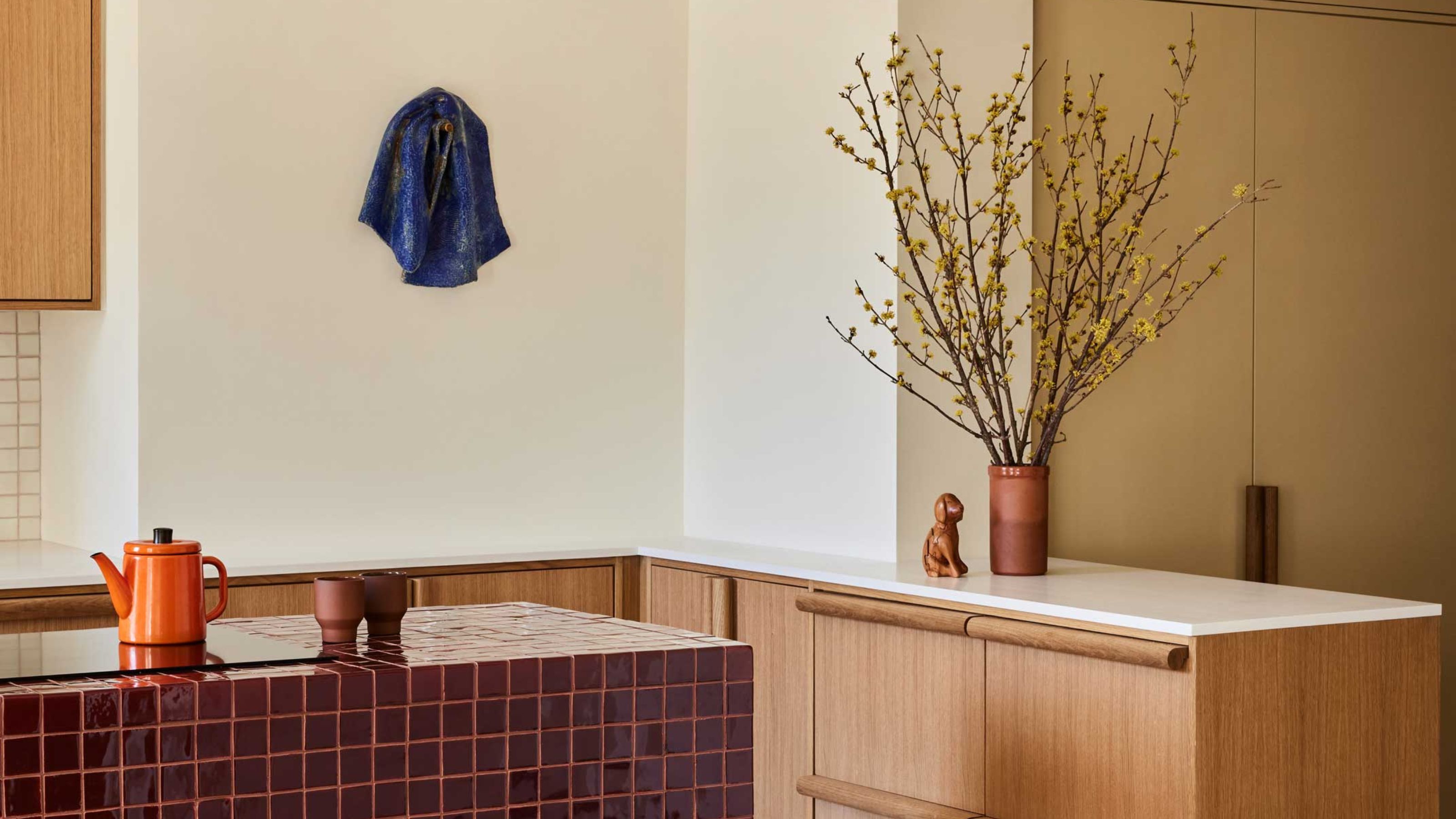
Move Over Granite (and Quartz)! These Alternatives Are What We're Dreaming of For Design-Forward Kitchens
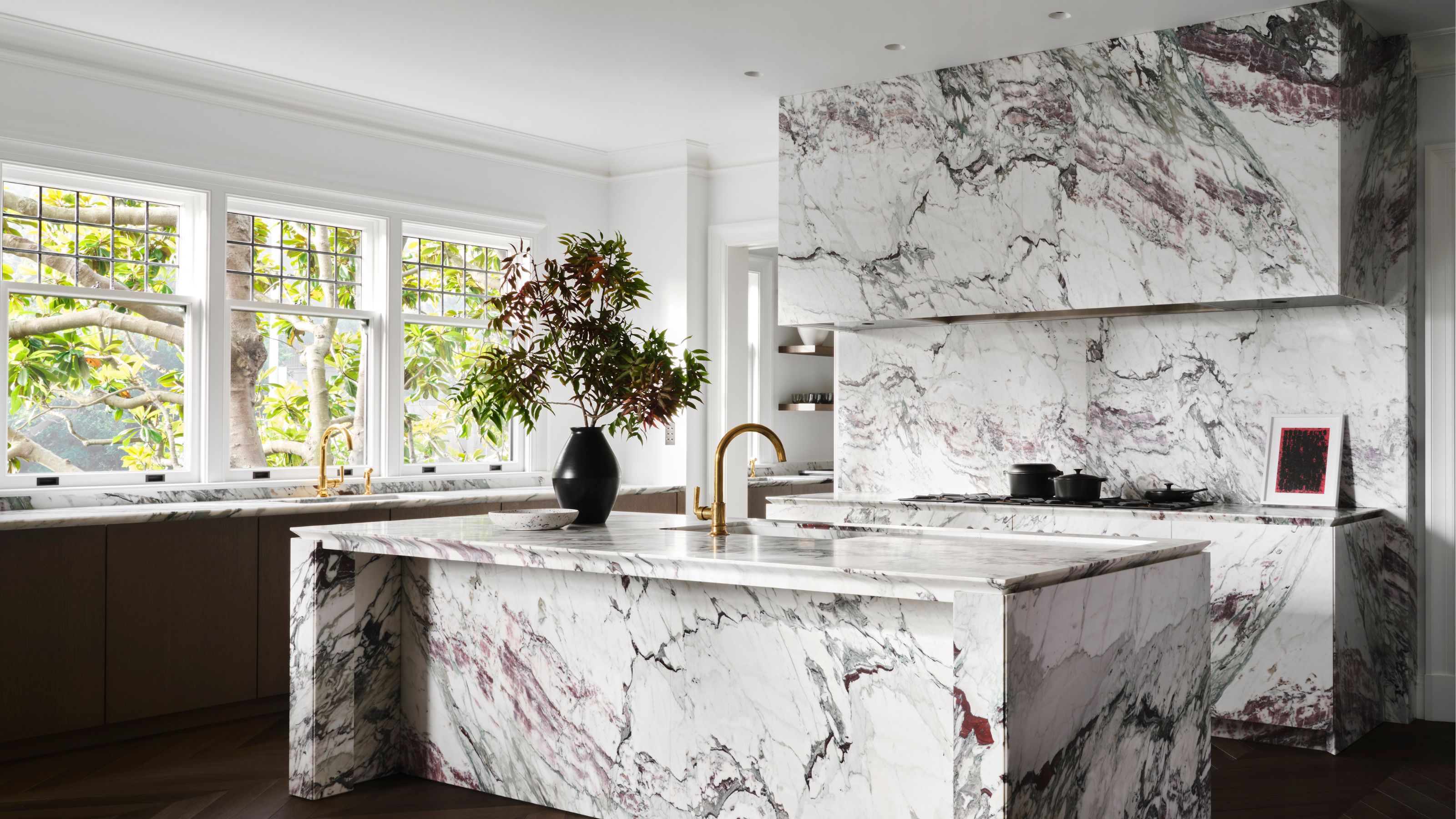
3 Kitchen Stone Trends We’ll See in 2025
Natural or engineered? The pros and cons for the different types of kitchen-countertop materials
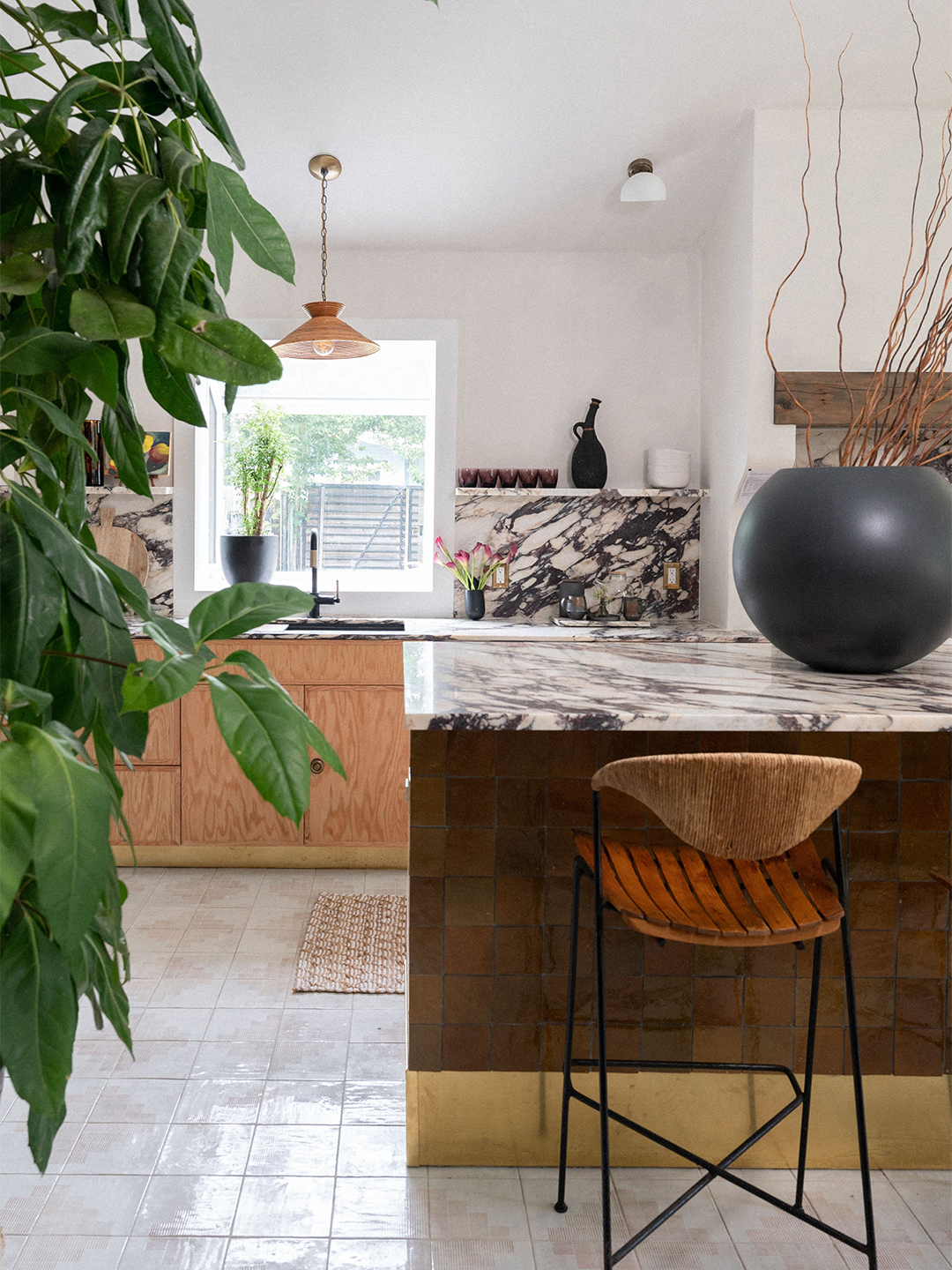
Burgundy Marble Counters Are In, But Designers Also Love These 4 Stones

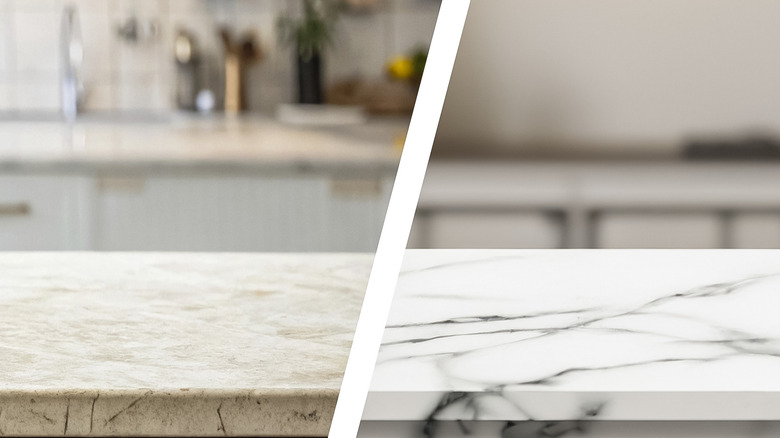
Granite Vs Marble Countertops: Which Is Best For Your Kitchen?

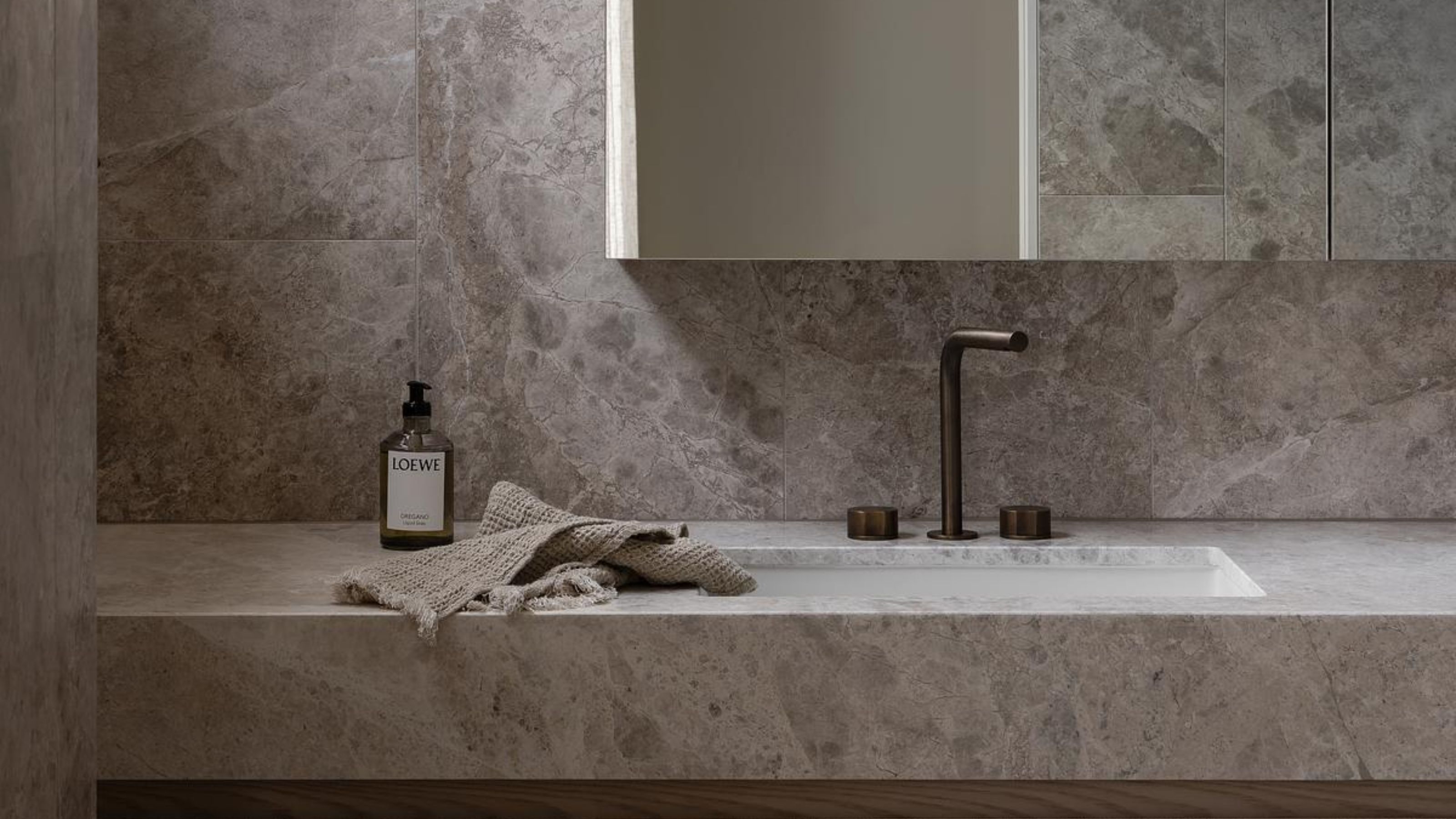
4 Countertop Materials to Avoid in a Bathroom and What to Use Instead in Your Next Renovation
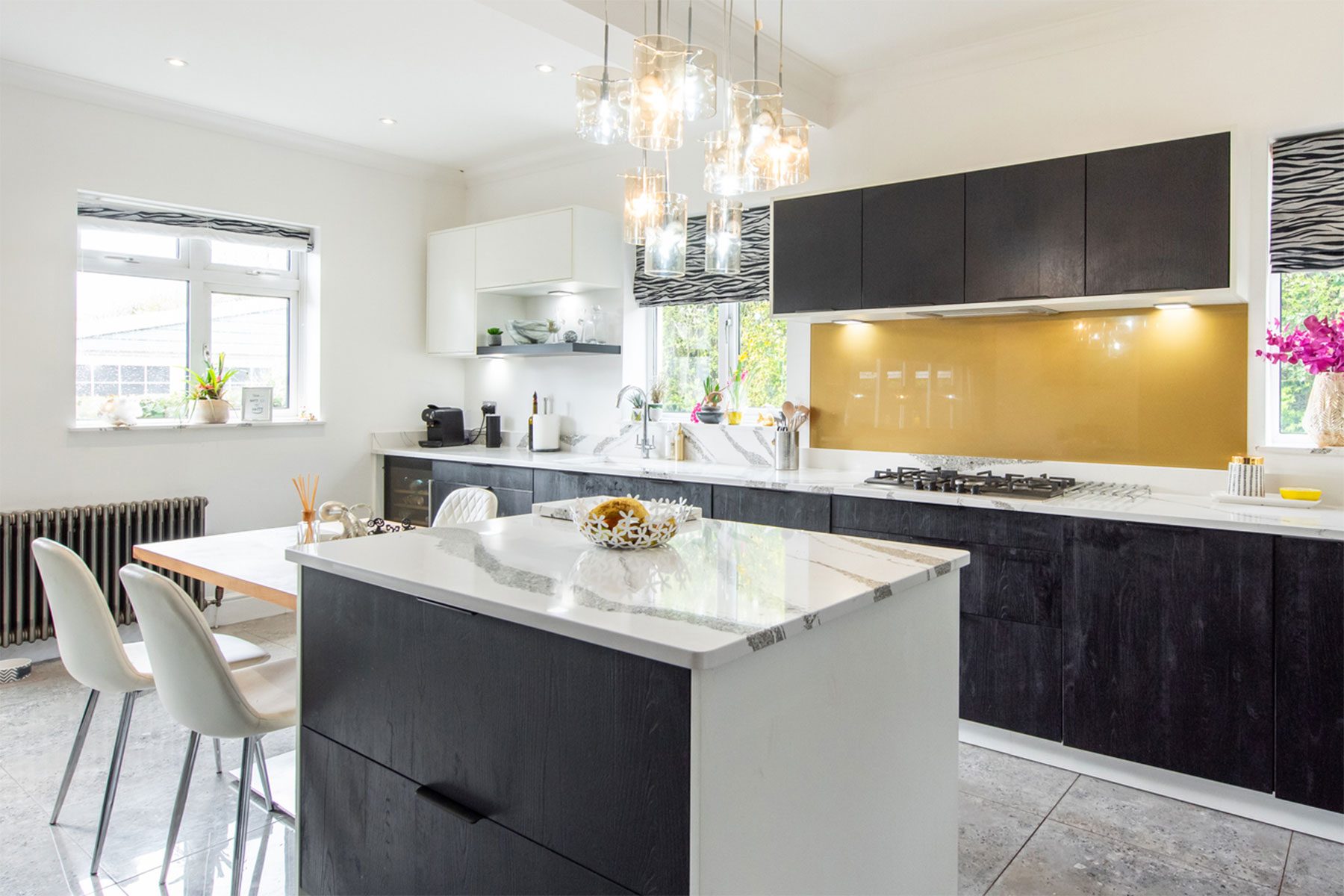
18 Awesome Countertops That Aren’t Granite

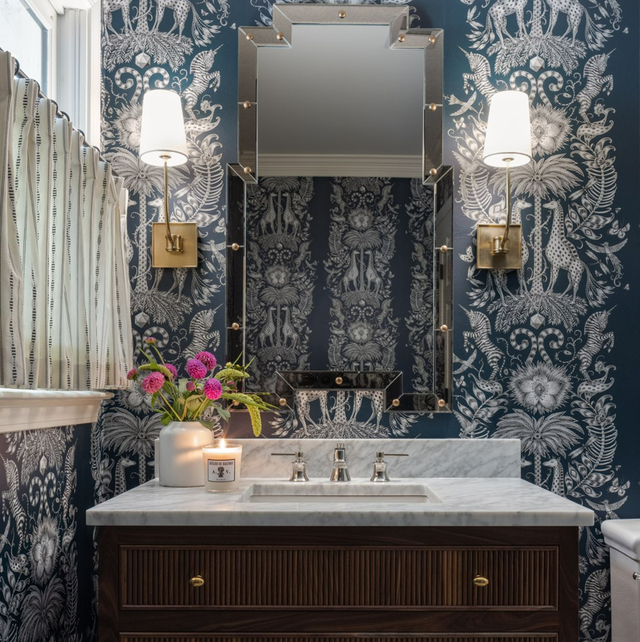
What Designers Call the "Little Black Dress" of Bathroom Countertops

This is the One Material Designers Are Choosing Over Marble in 2026
Quartz, granite and marble in your bathroom remodel