1/2
Why a Larder Is the Perfect Storage Solution for Your Kitchen—and How to Design One
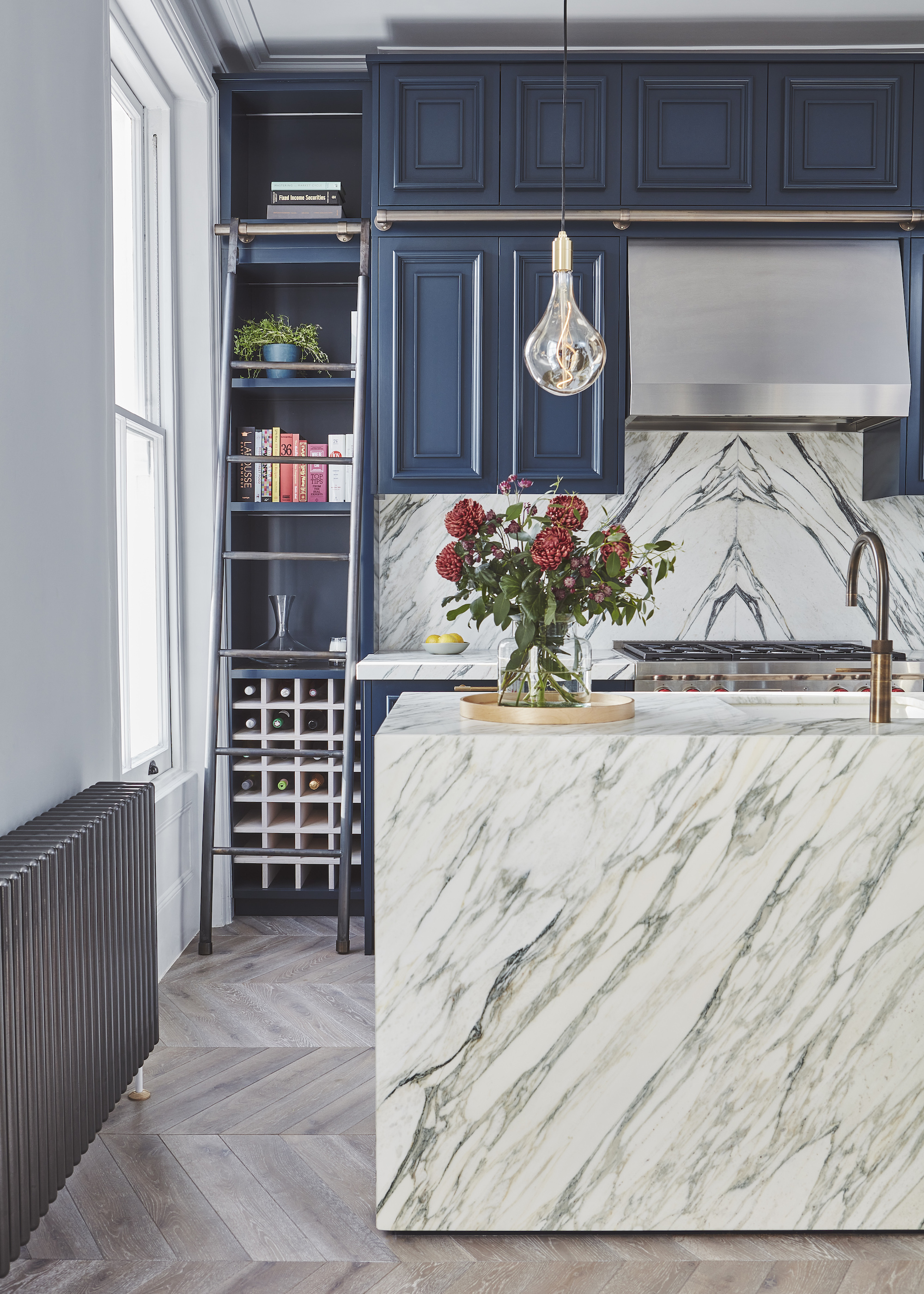
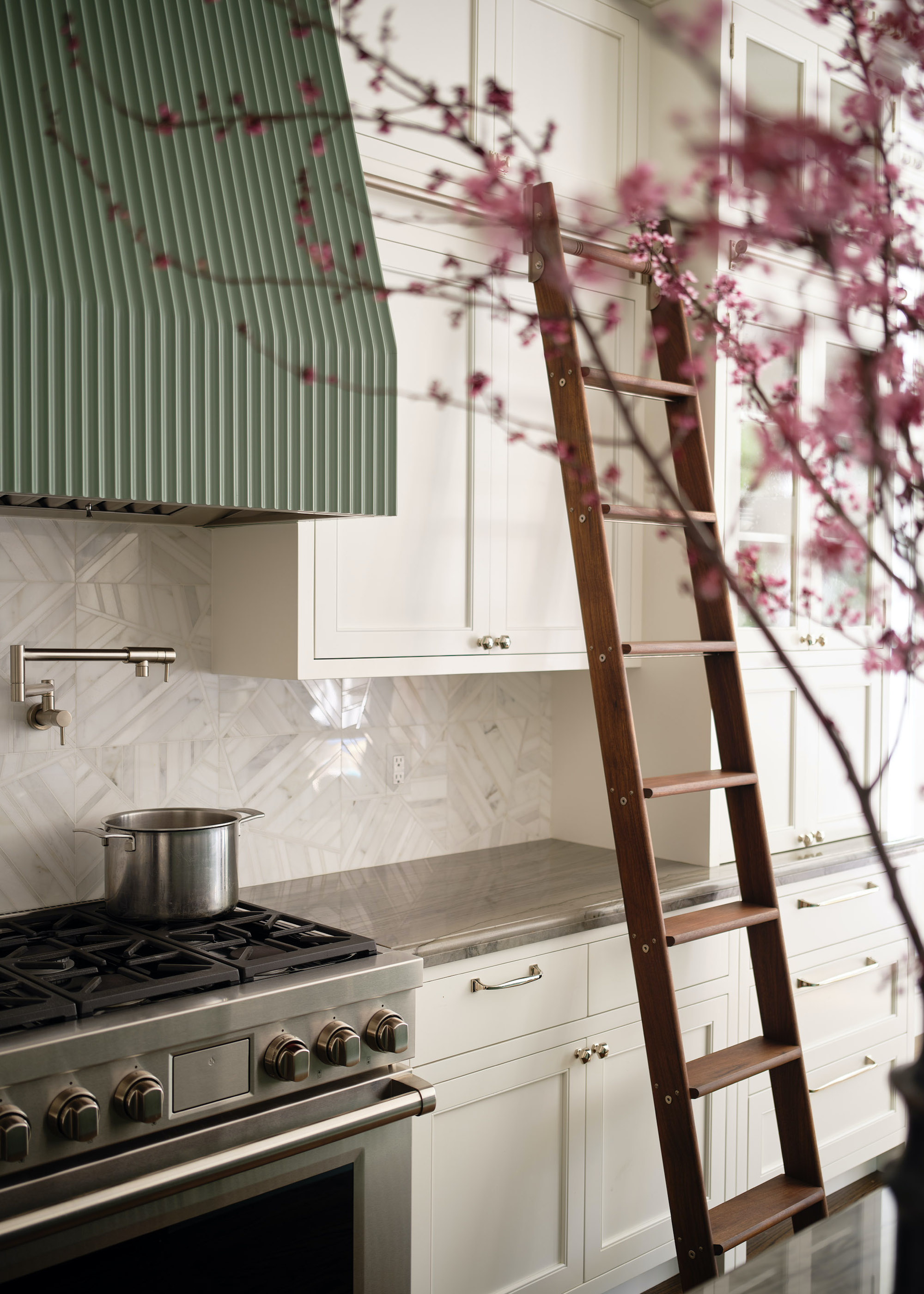
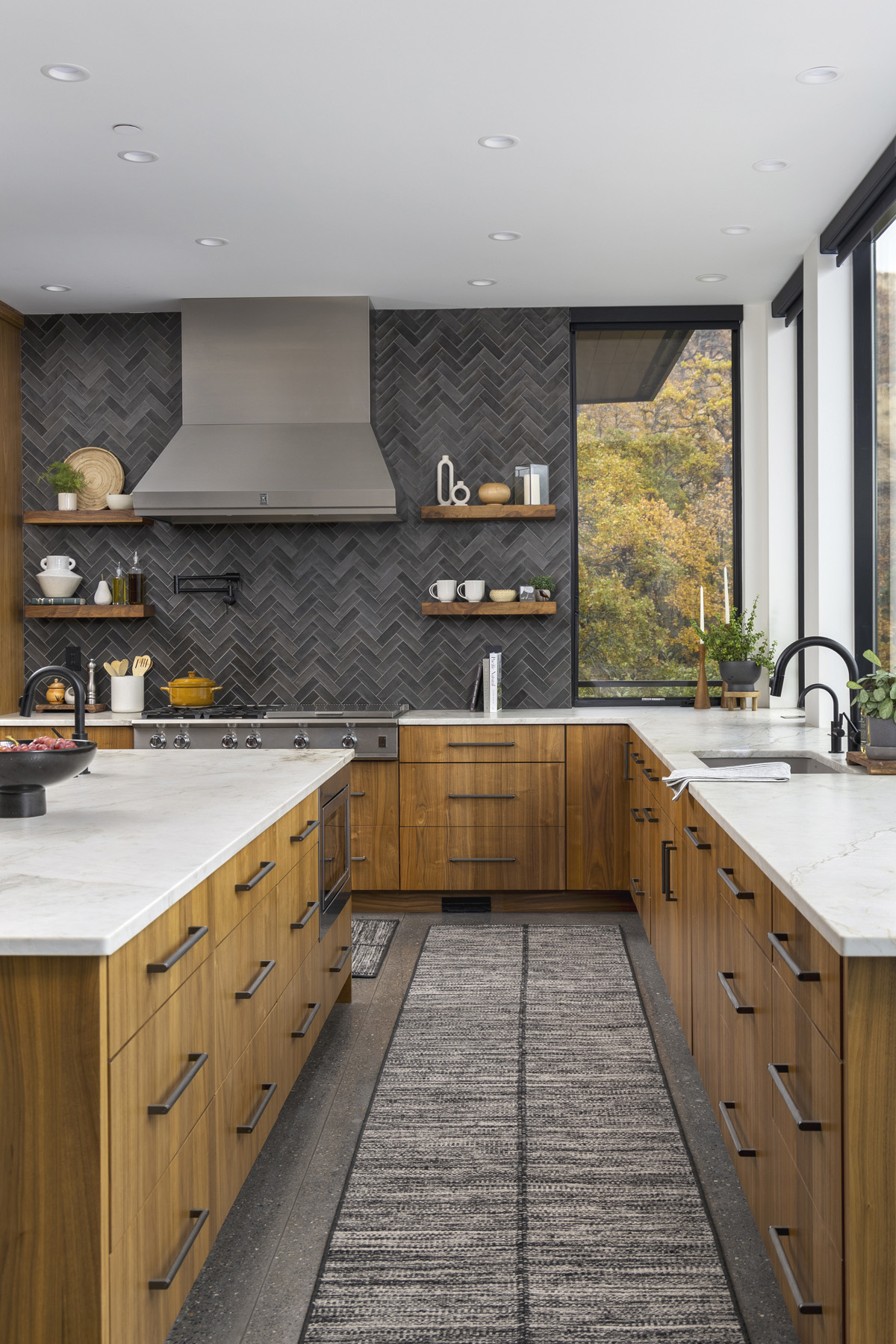
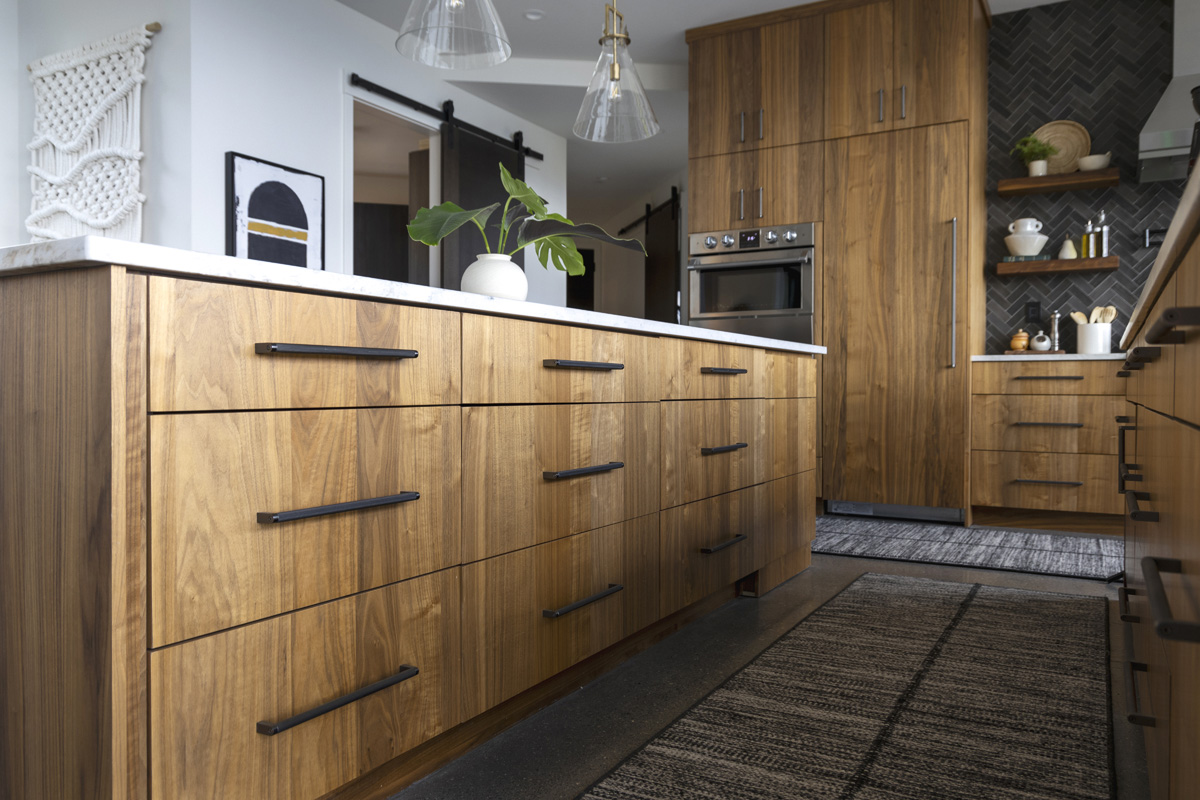
Larders are an effective and stylish solution for kitchen organization, tracing their origins back to being cool, dedicated spaces for storing perishables before the advent of refrigeration. Originally designed with natural ventilation and thoughtful architecture, larders have evolved from their ancestral role to become versatile storage units for dry goods, long-life foods, and beverages. While the term "pantry" is more commonly used today, the larder is experiencing a resurgence in popularity, especially with the renewed interest in traditional design.
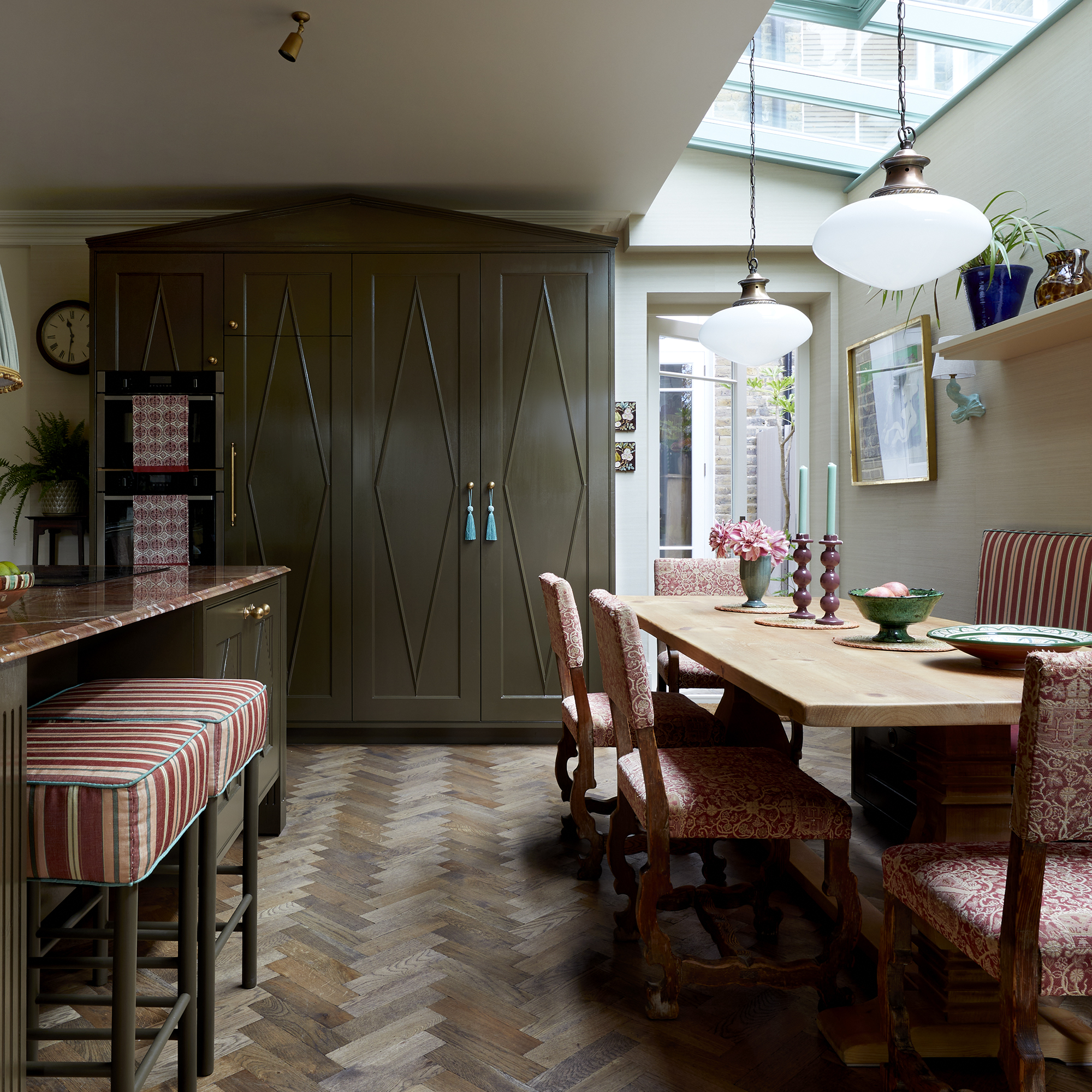
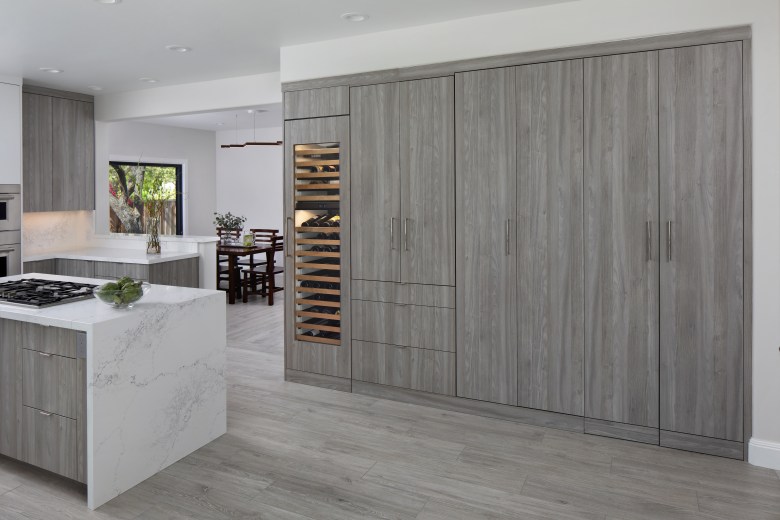
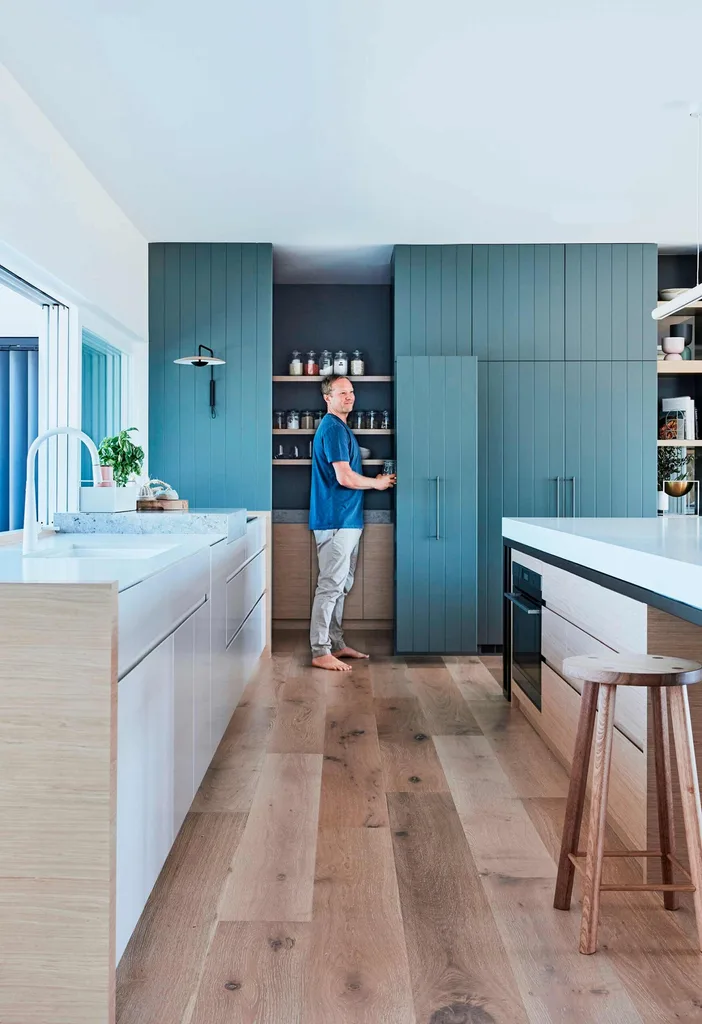
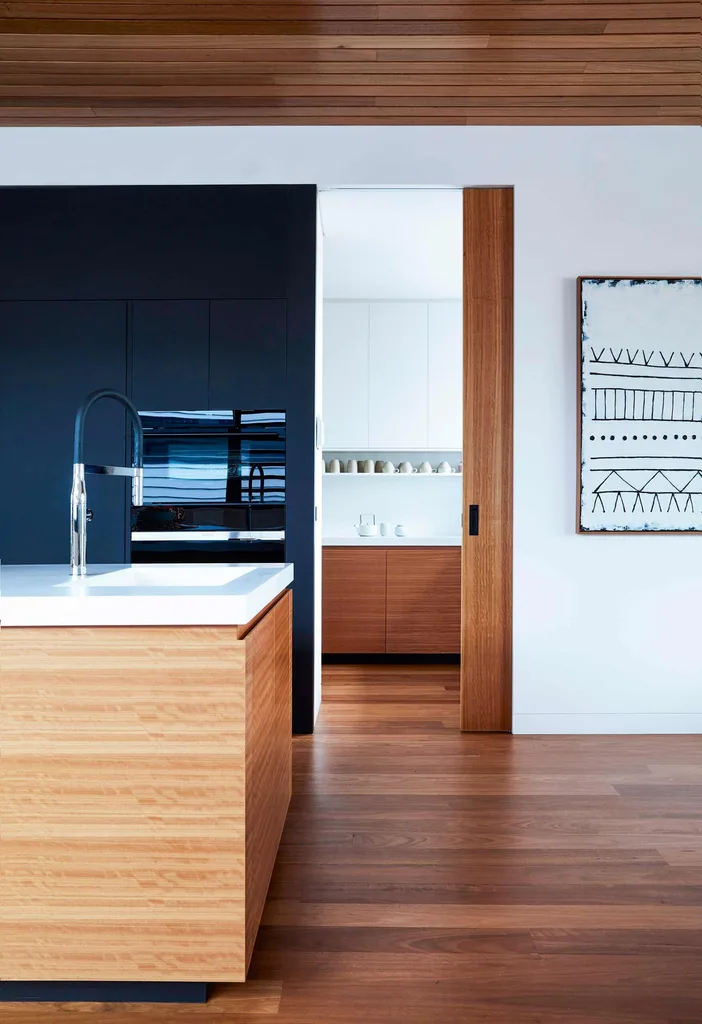
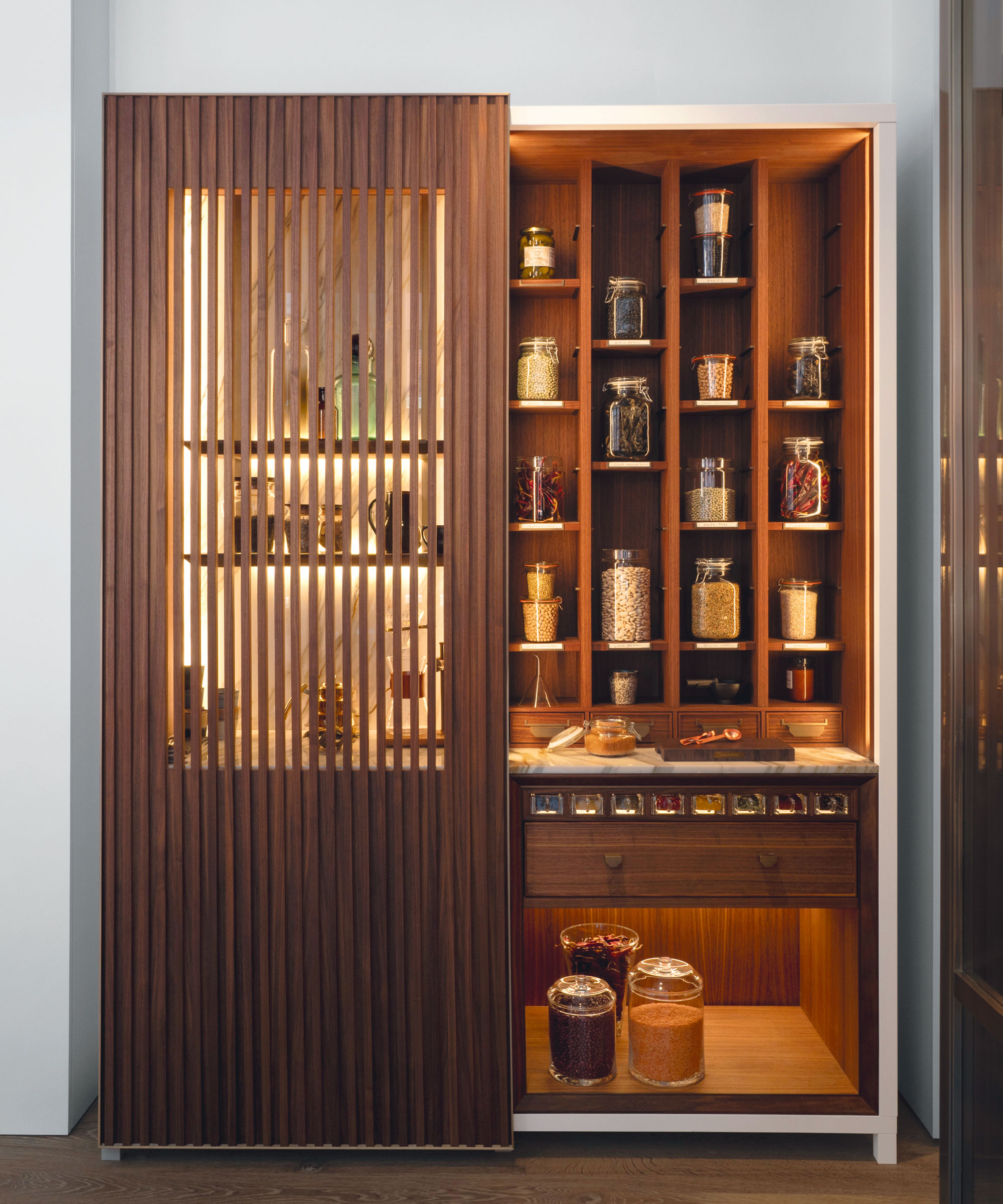
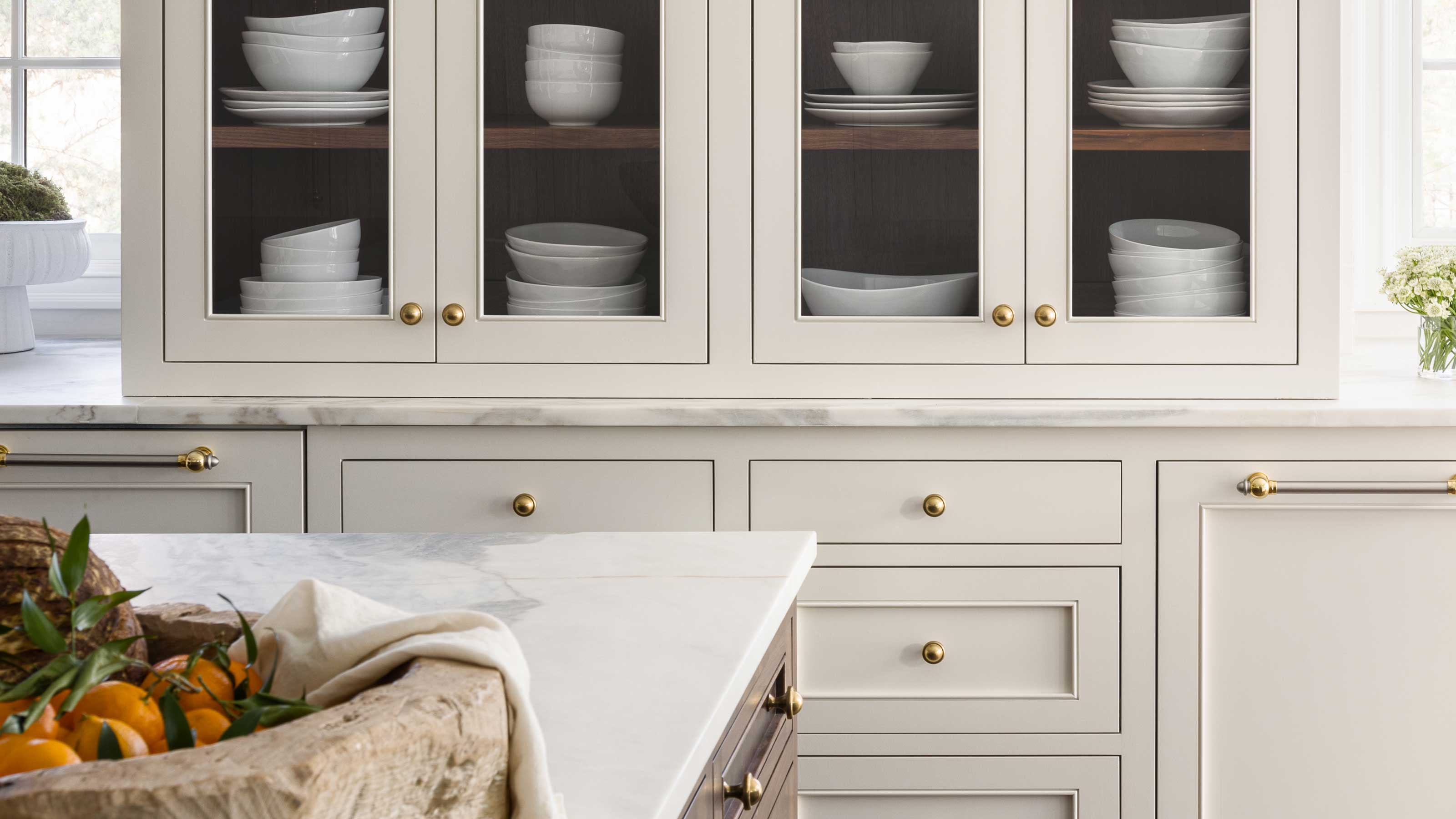
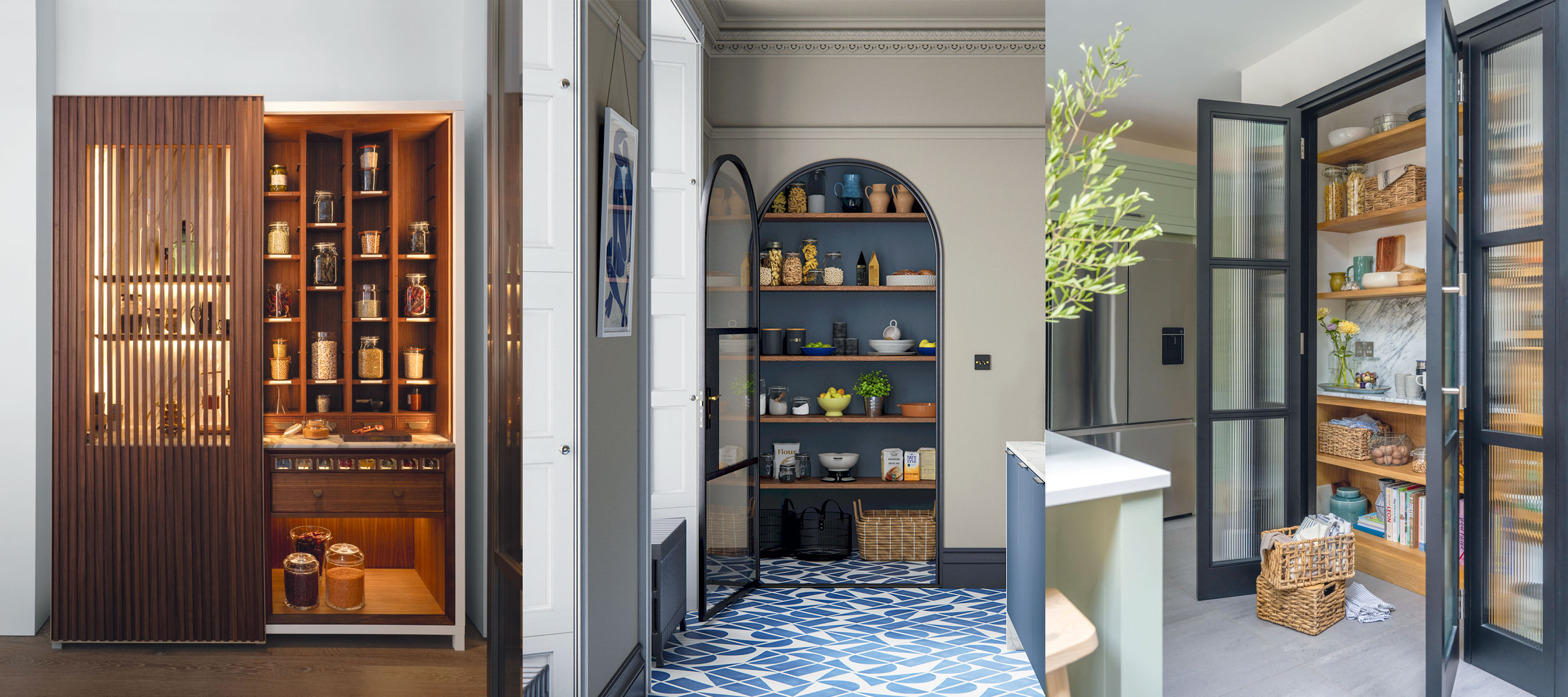
Unlike sculleries, which serve as overflow kitchens for food preparation and cleanup, larders are exclusively for storage and are typically integrated into the kitchen space rather than being separate rooms. They are designed to appear as standalone furniture pieces, often distinguished by unique materials, colors, or forms, and can incorporate features like furniture-style legs, distinctive door profiles, or contrasting finishes to enhance their identity.
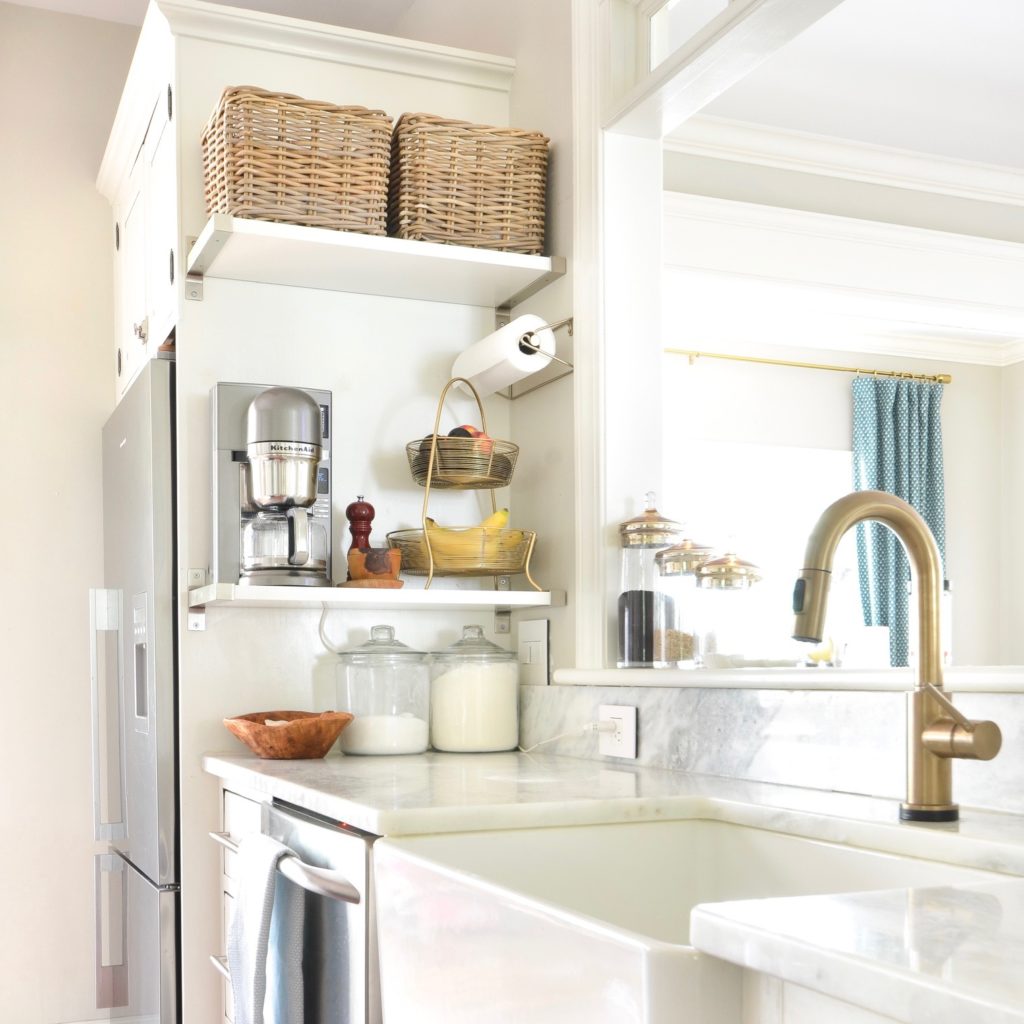
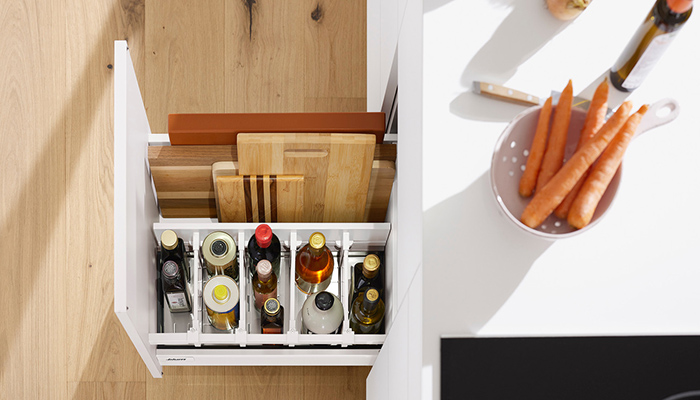
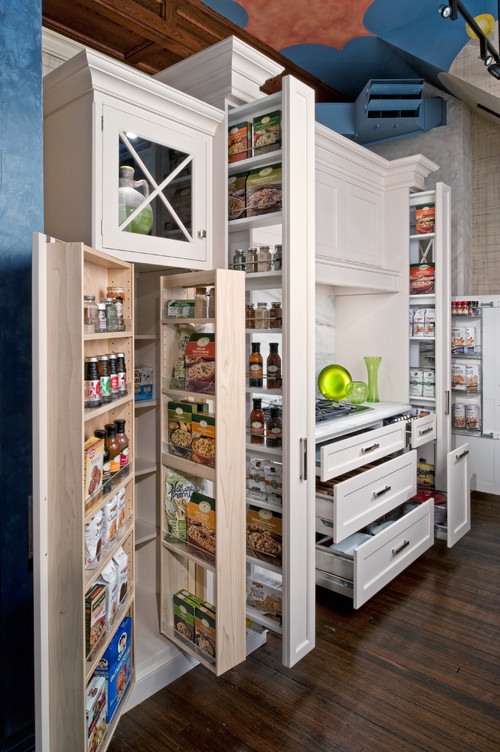
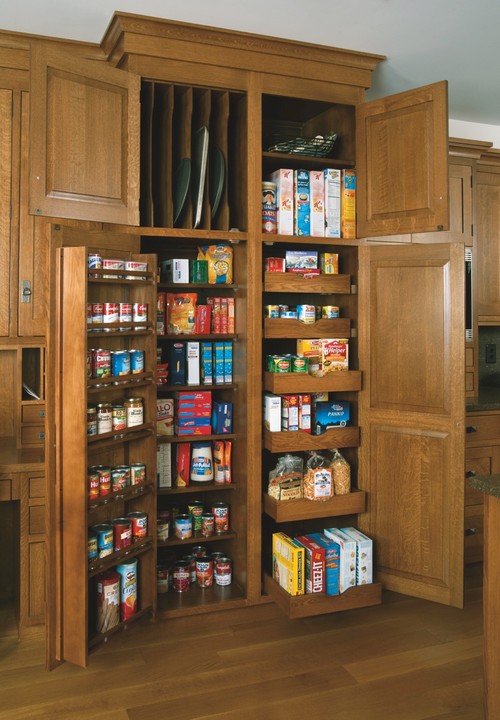
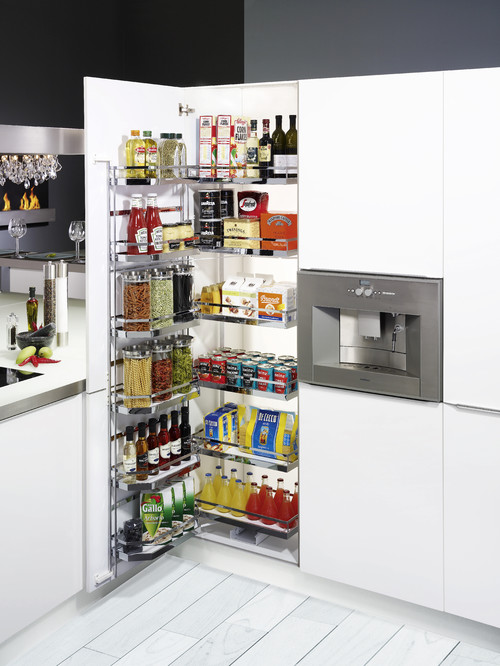
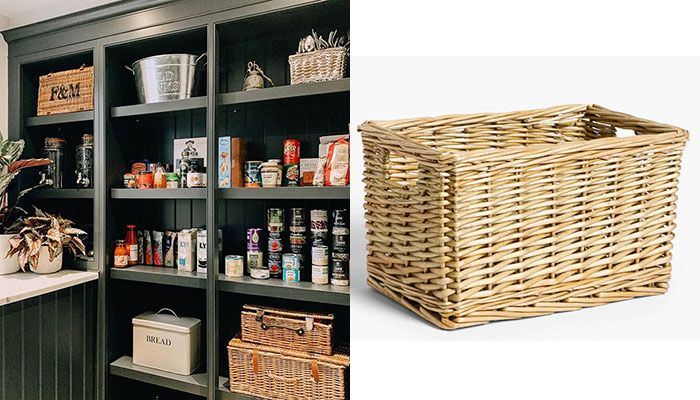
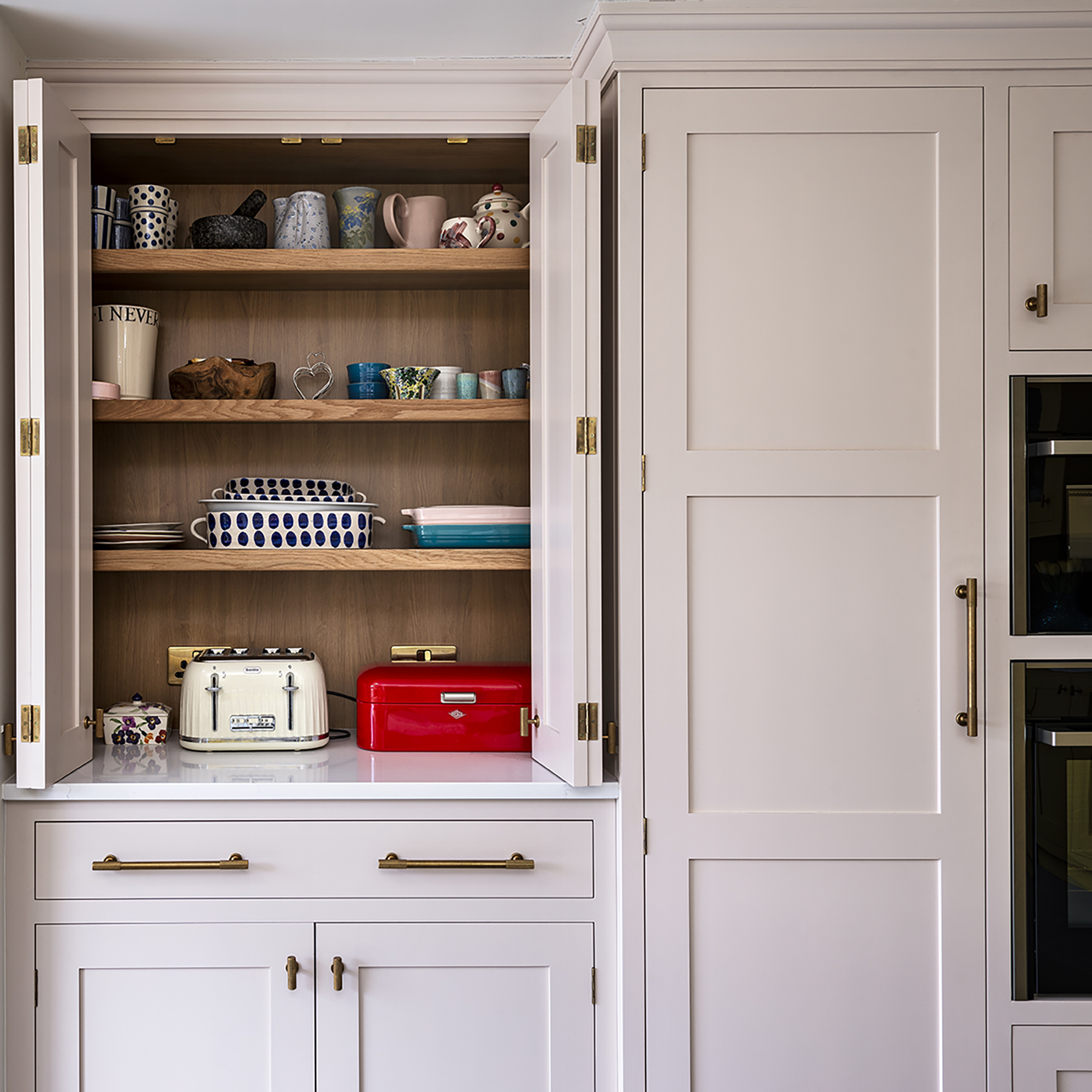
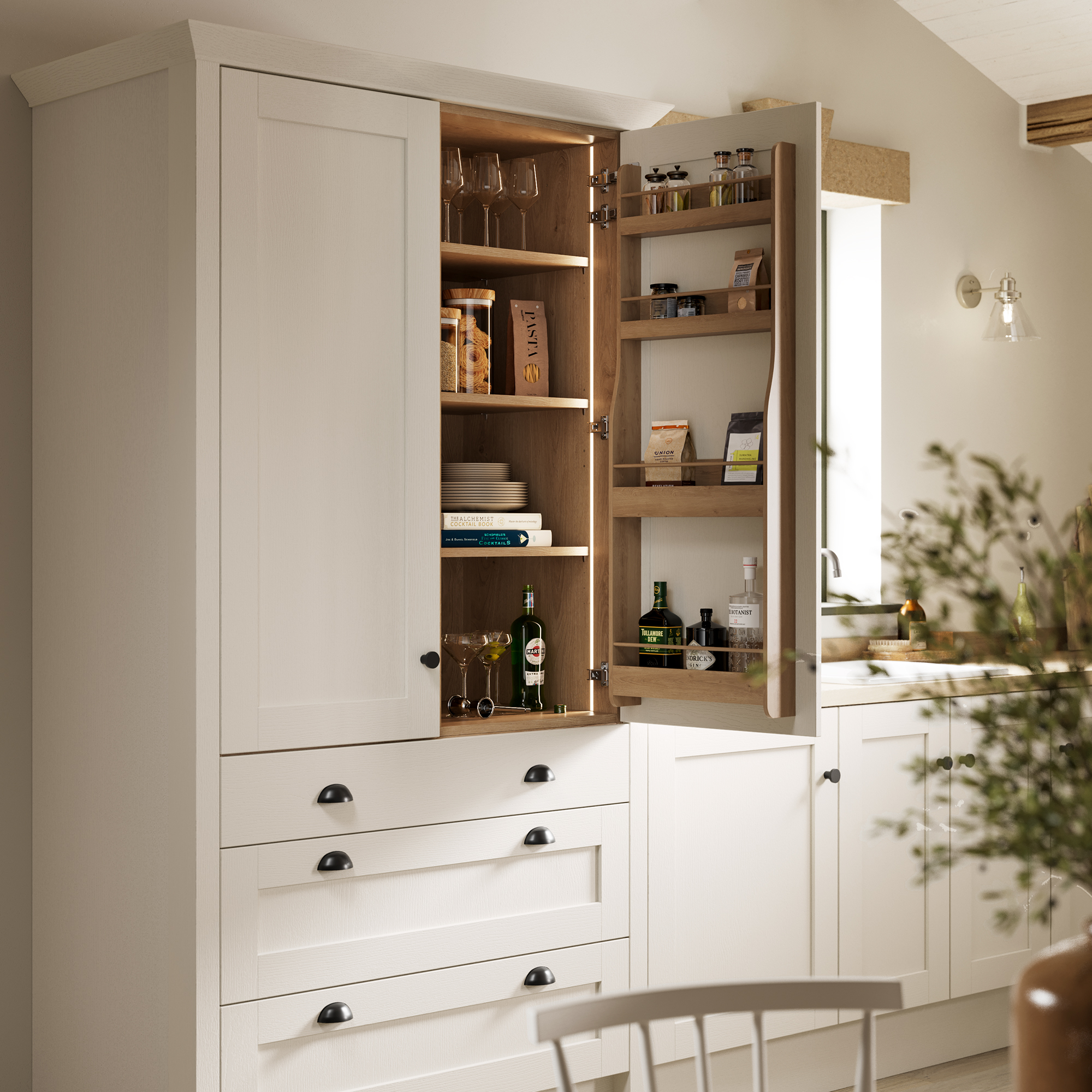
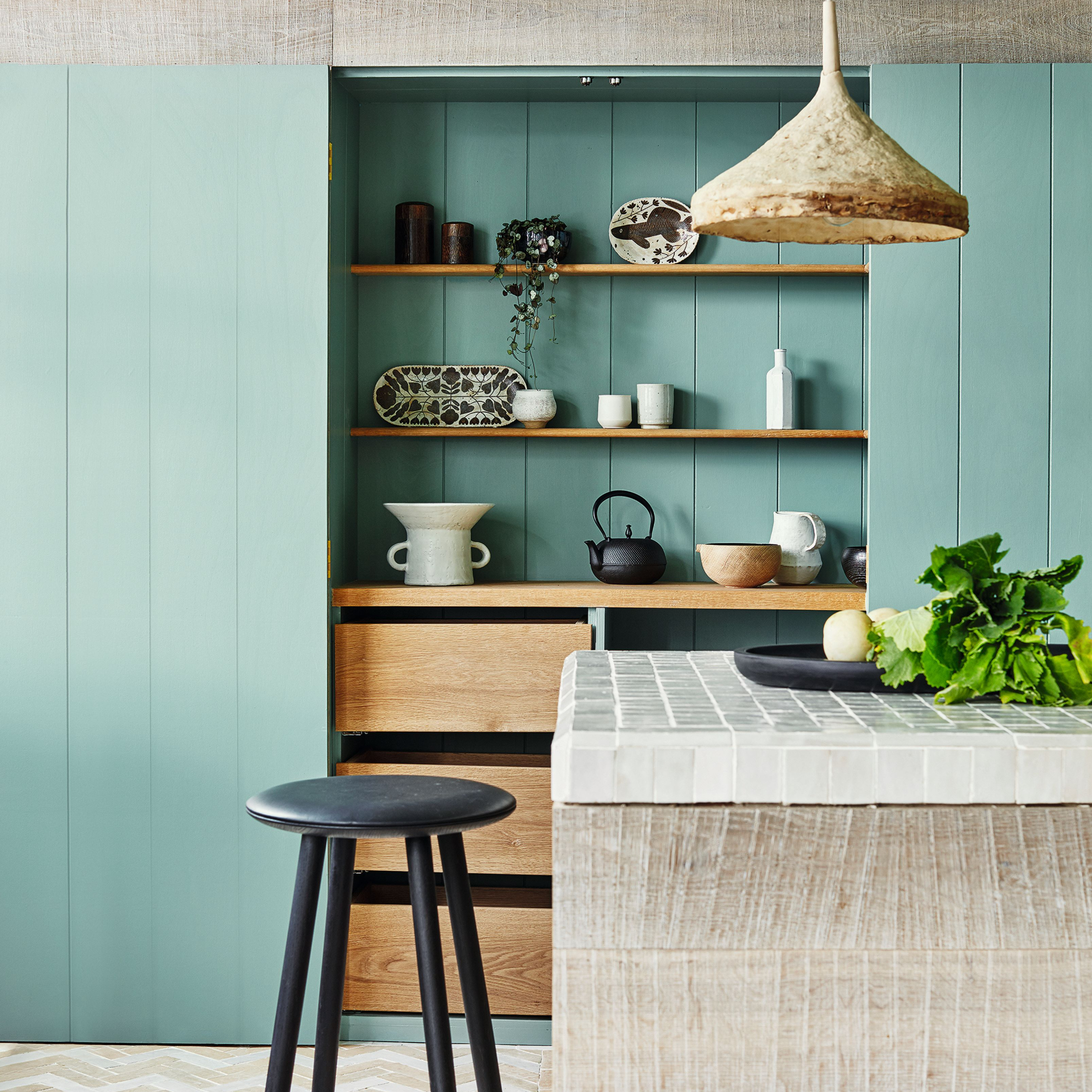
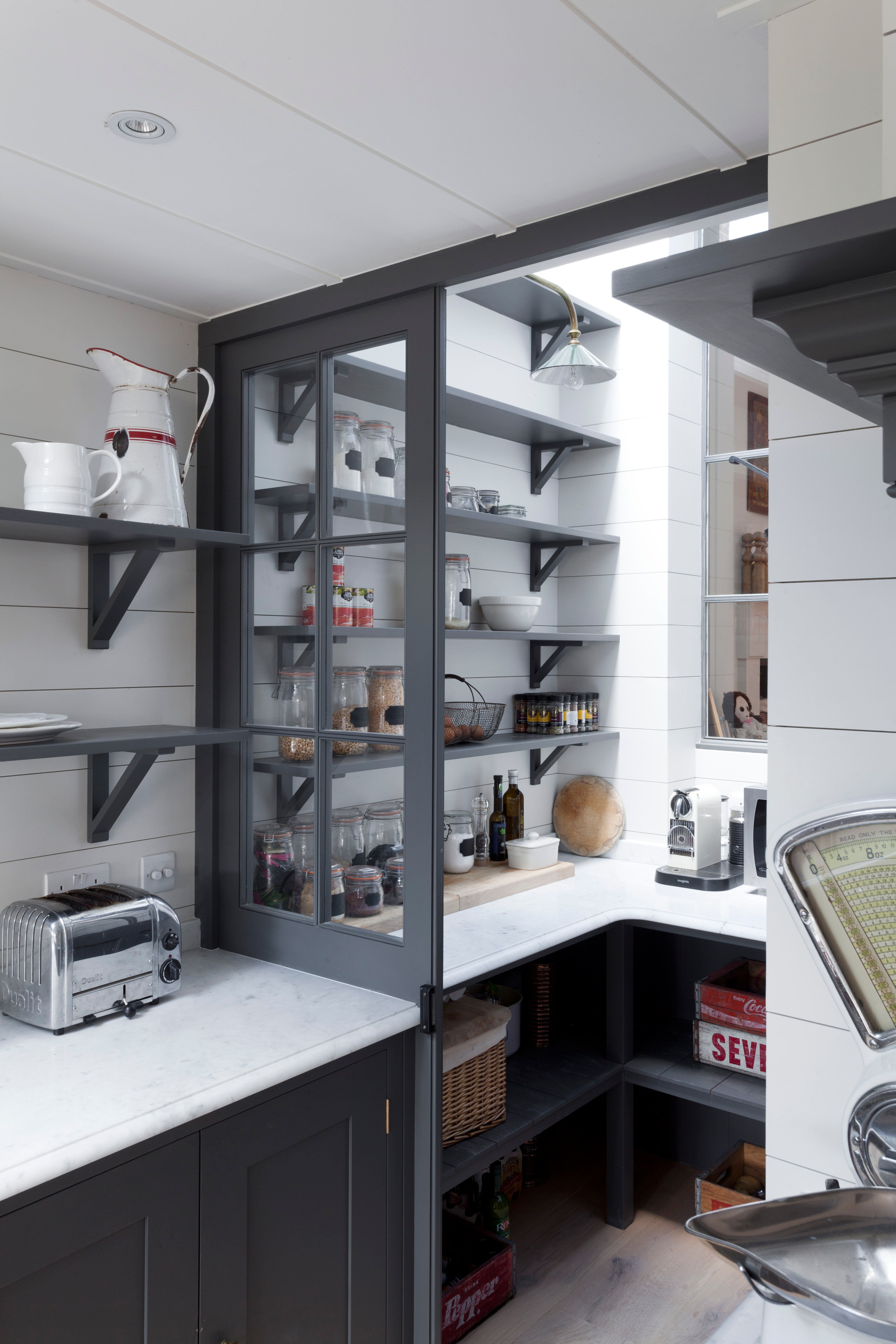
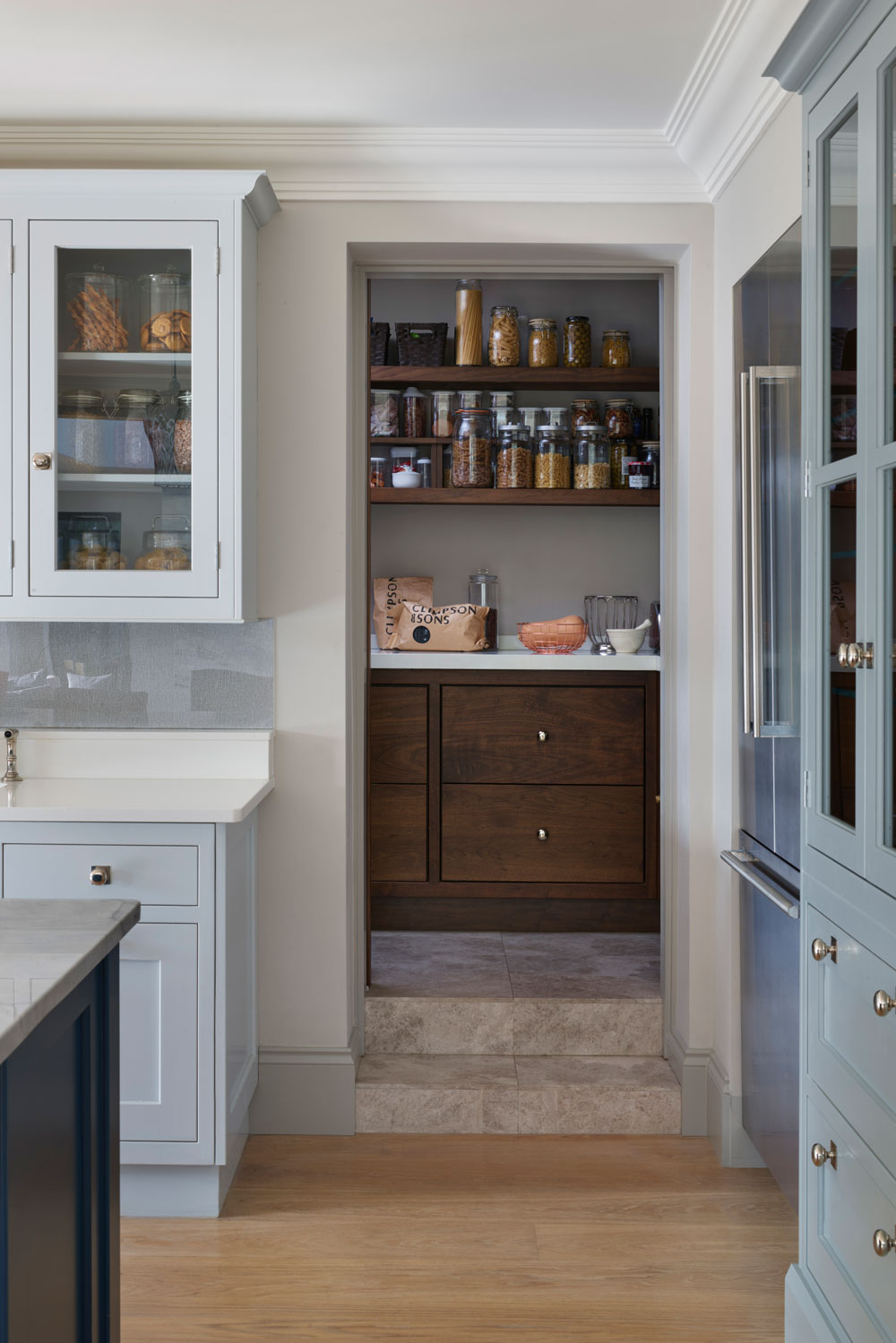
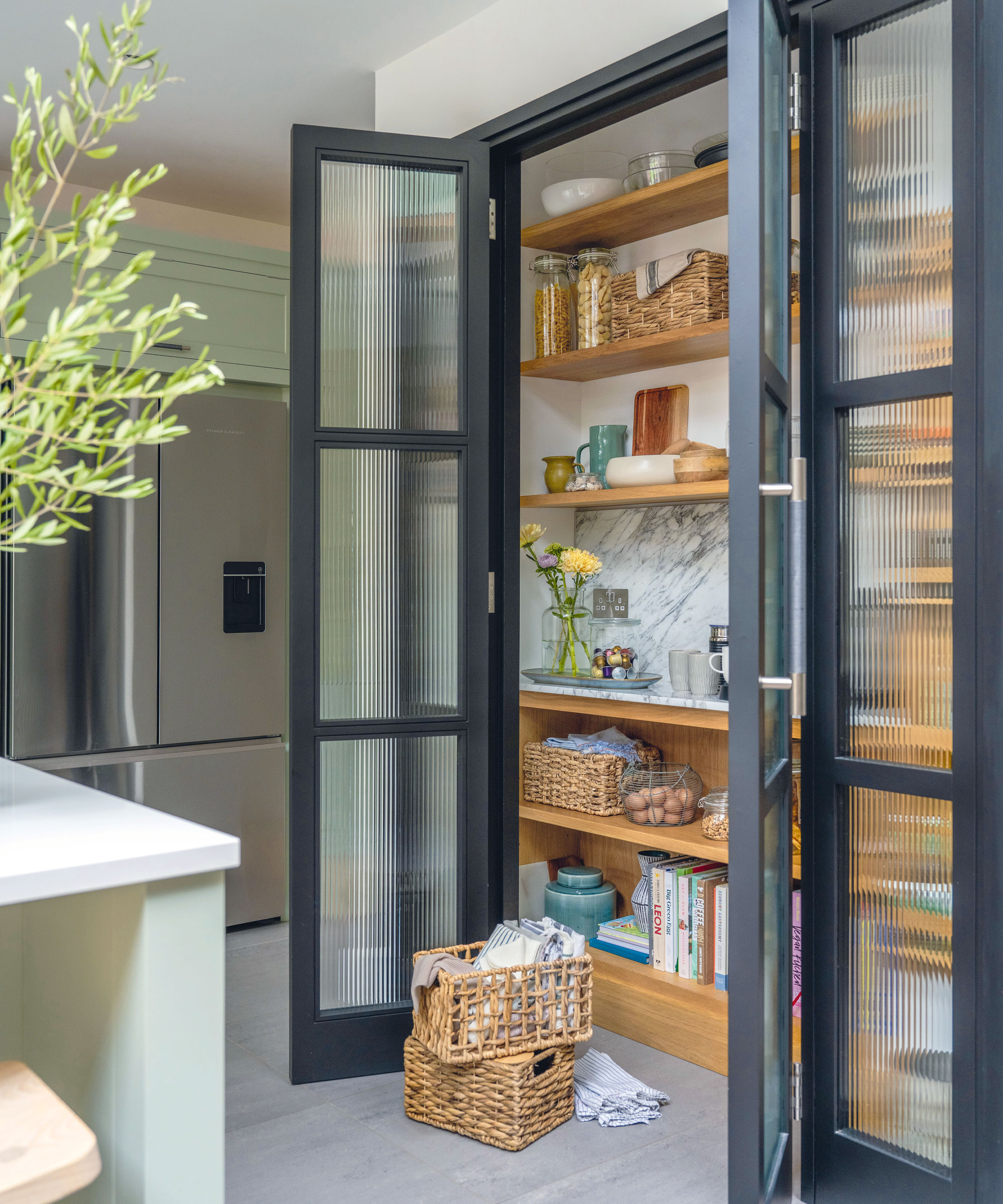
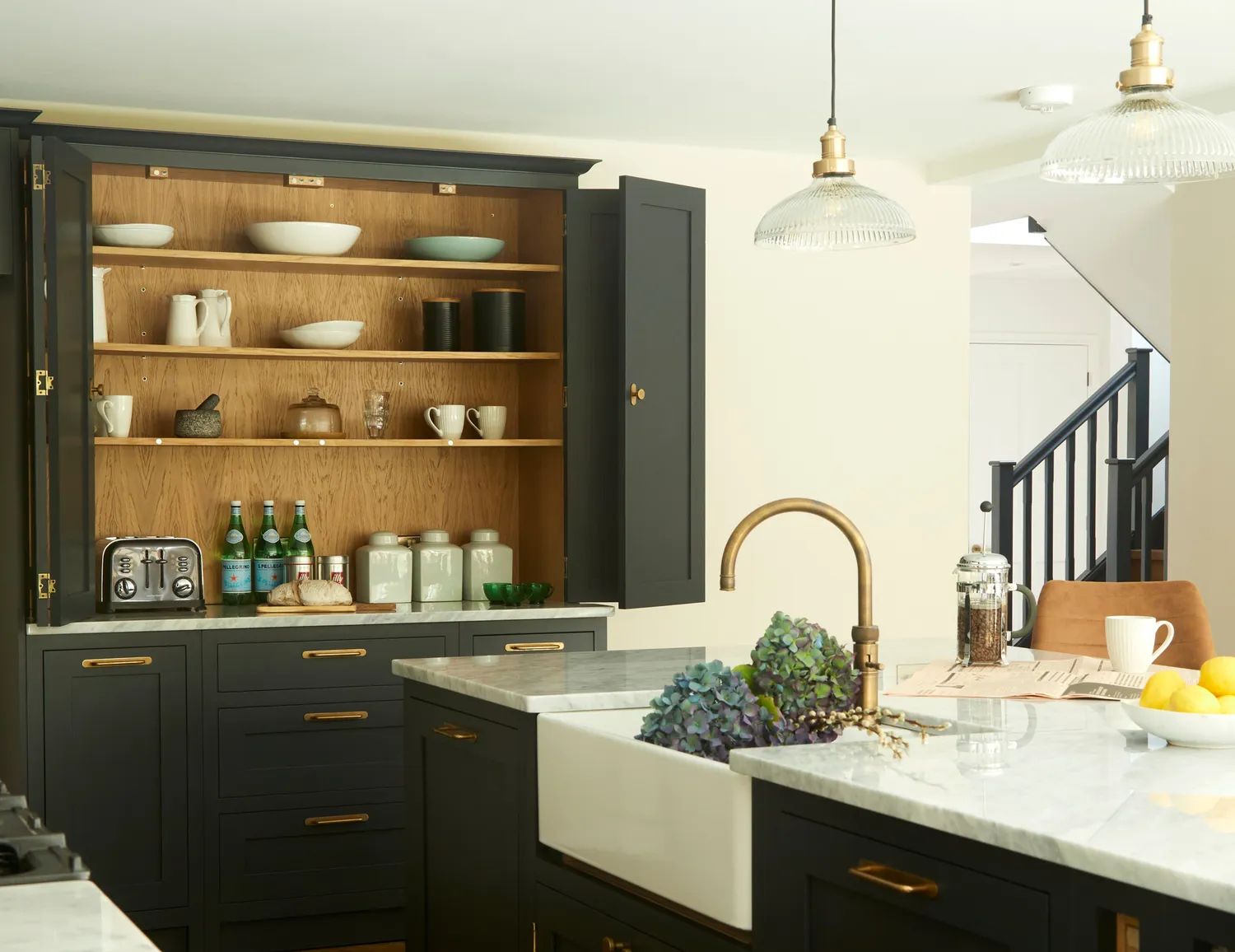
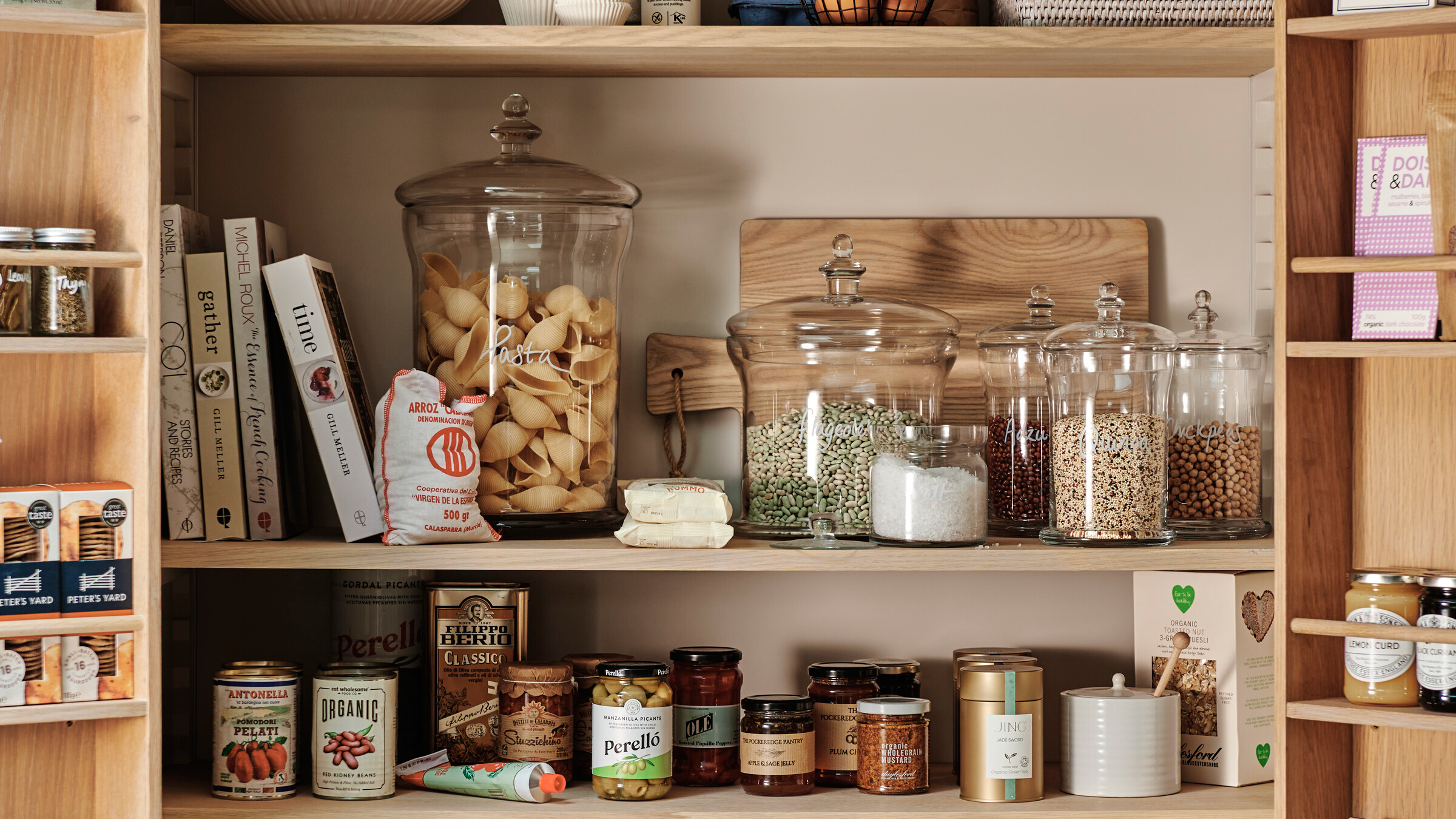
Interior layouts of larders are highly intentional, often featuring shallow shelves at the top for jars, grains, and spices, and a counter-depth surface for small appliances or daily routines. Deeper drawers or cabinetry are placed below to balance functionality and aesthetics. Larders can be either freestanding or built-in, each offering distinct advantages. Freestanding units provide flexibility, allowing them to be repositioned during a kitchen remodel or moved to a new home. Built-in larders, on the other hand, are ideal for maximizing space in smaller kitchens, utilizing available wall space and enhancing overall storage capacity.
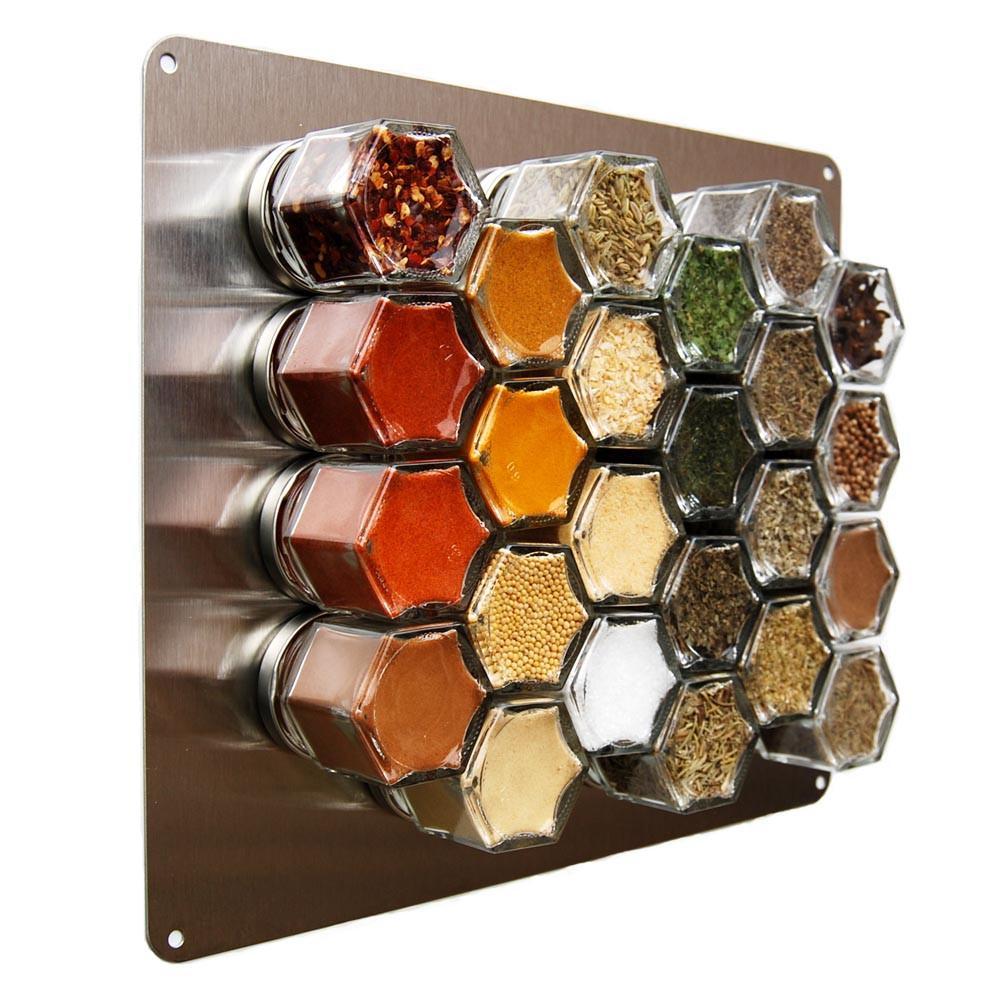
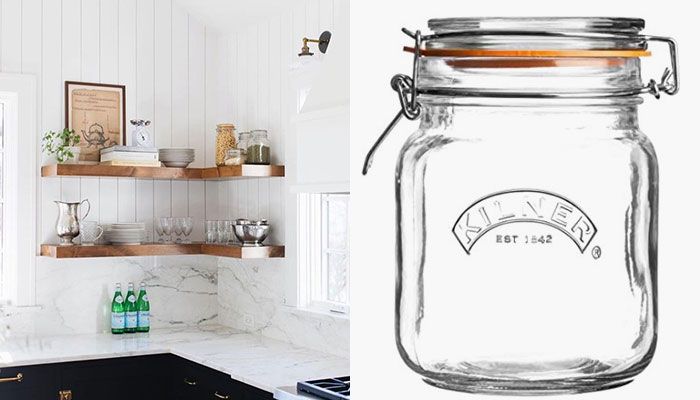
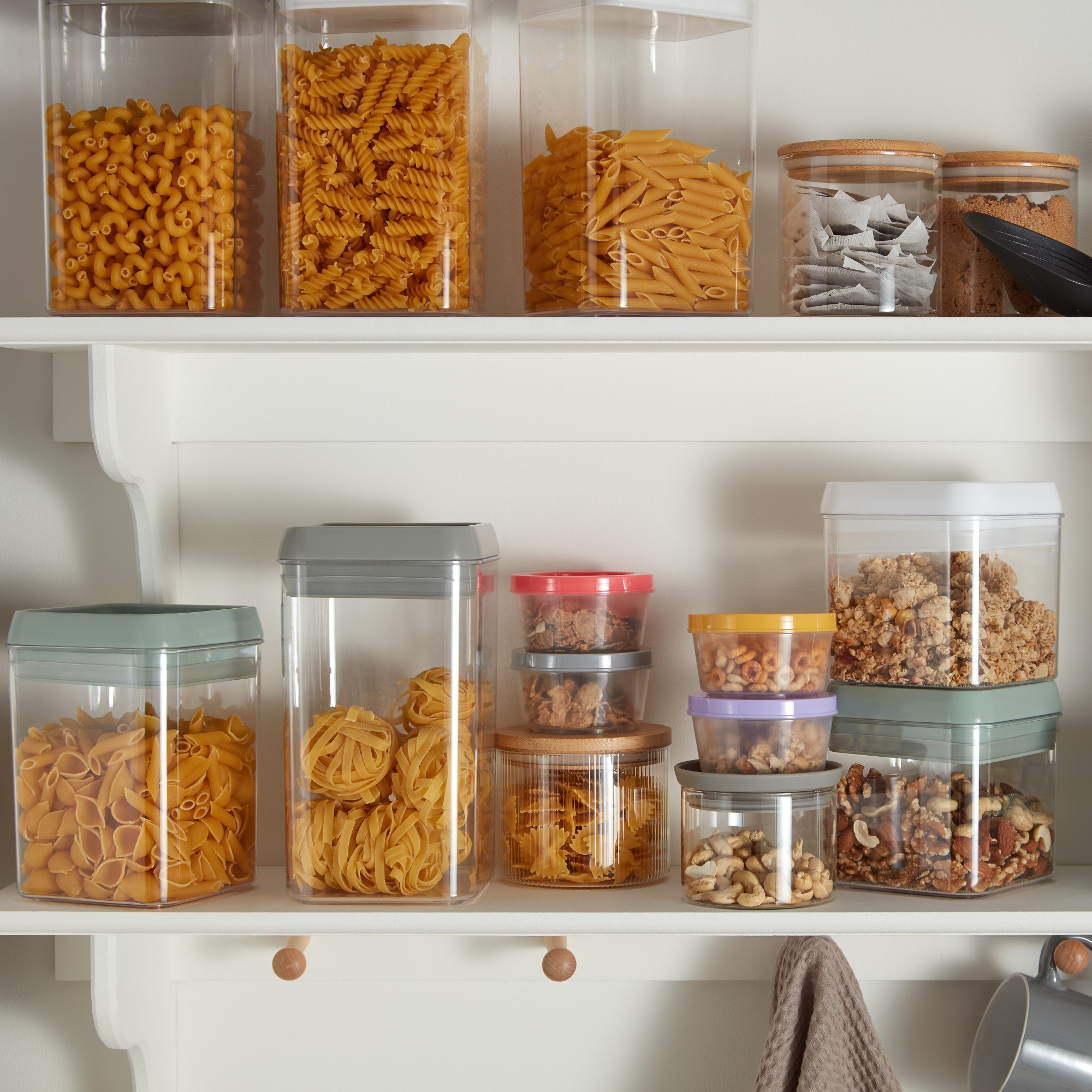
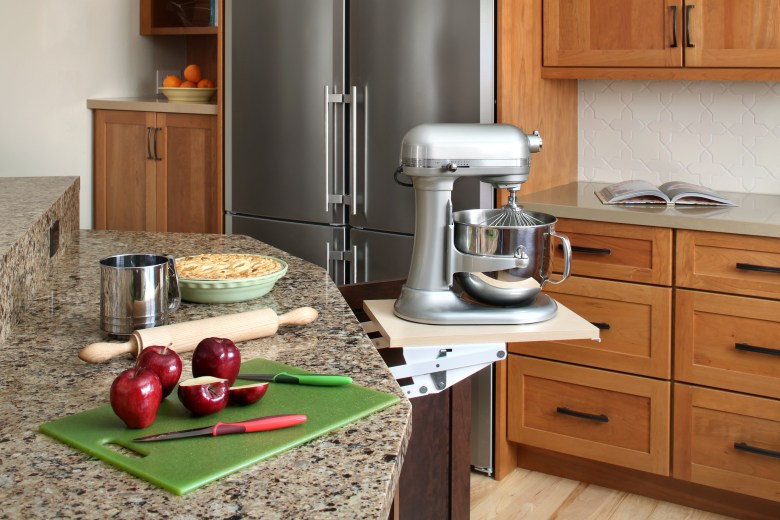
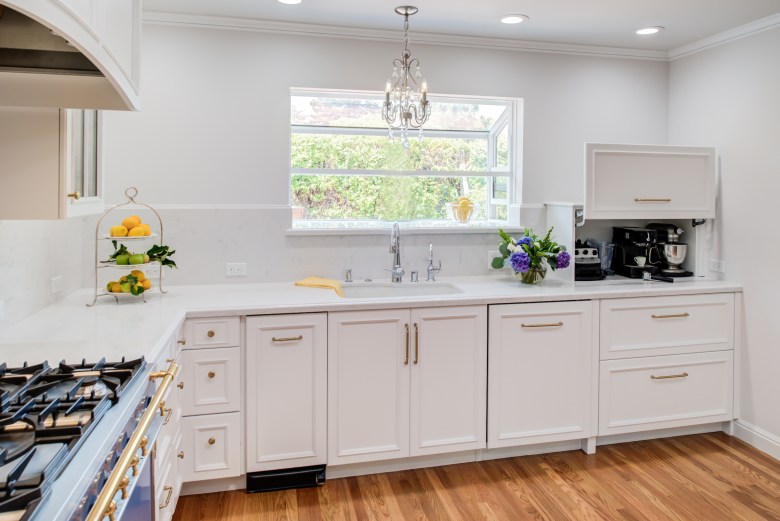
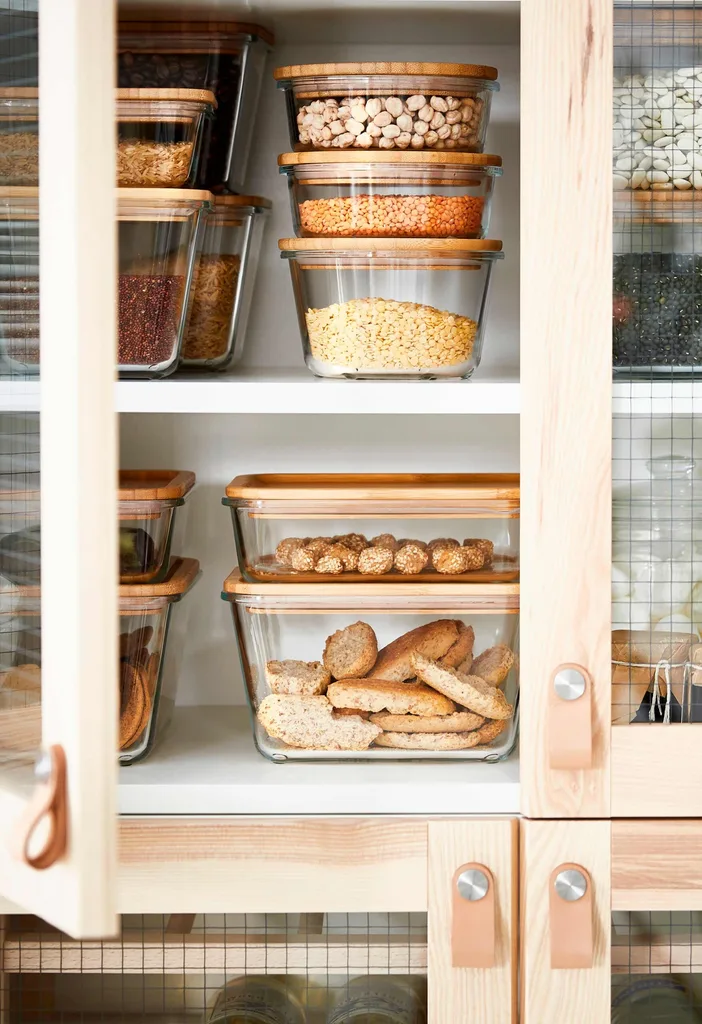
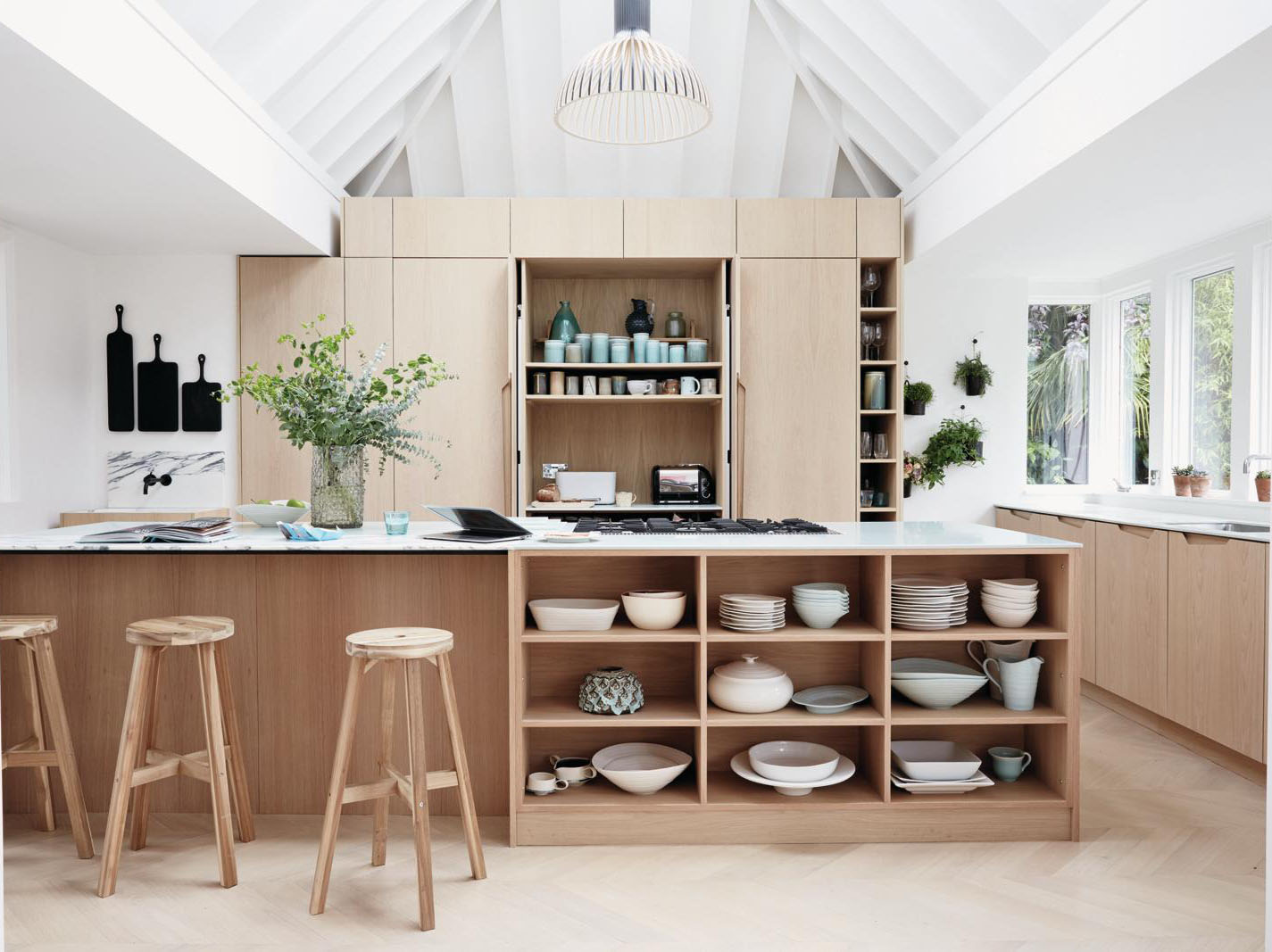
Beyond food storage, modern larders can also function as appliance garages, housing items like toasters, coffee machines, and juicers, provided there are sufficient electrical sockets. To prevent clutter and enhance visual appeal, it is recommended to organize ingredients in labeled glass jars and canisters. Effective larder design prioritizes optimal layout and placement over sheer size, advocating for grouping similar items, using clear trays for smaller bits, and incorporating rotating bases for condiments. Spice racks on the inside of doors are also a practical addition for easy access to frequently used ingredients.
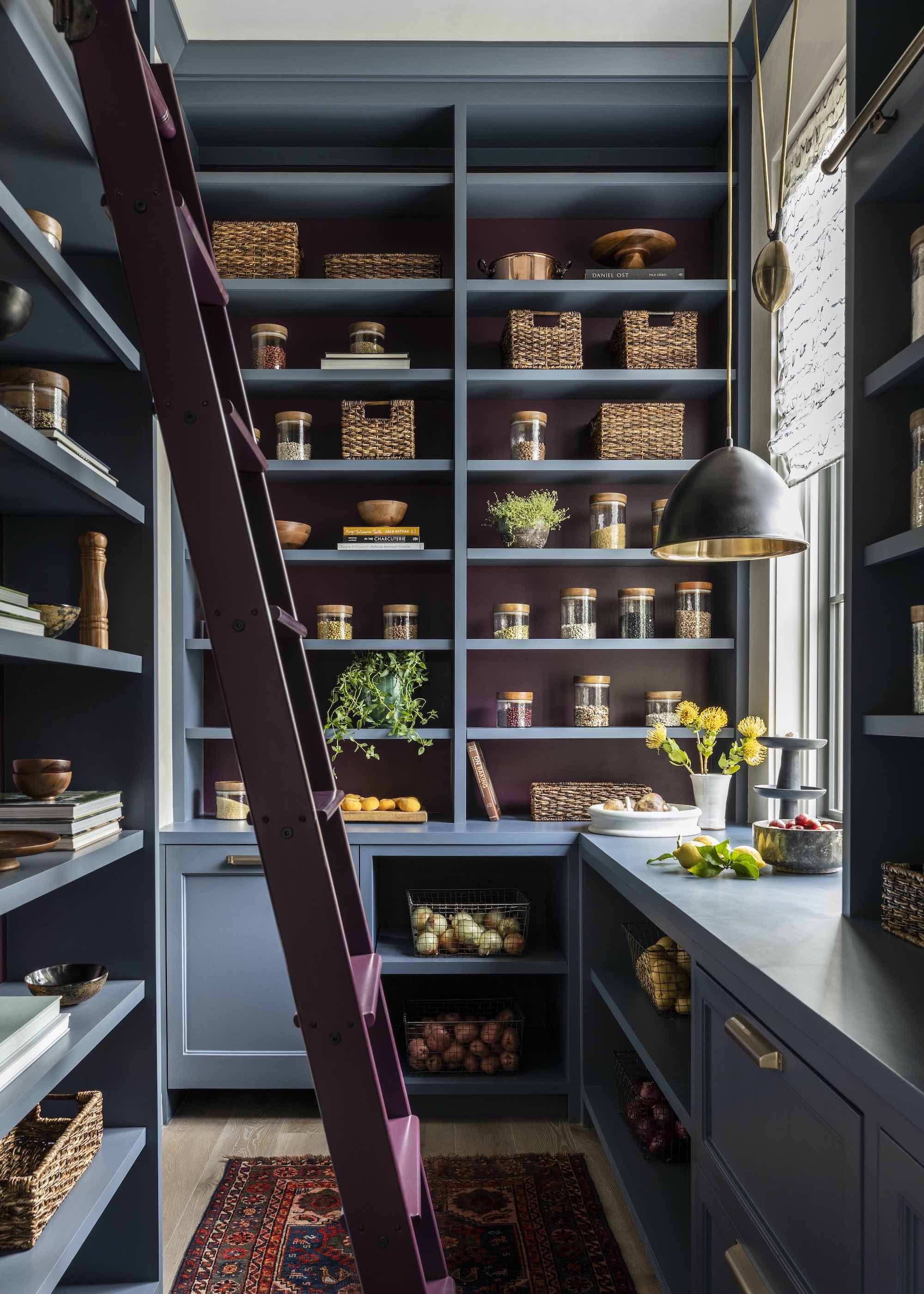
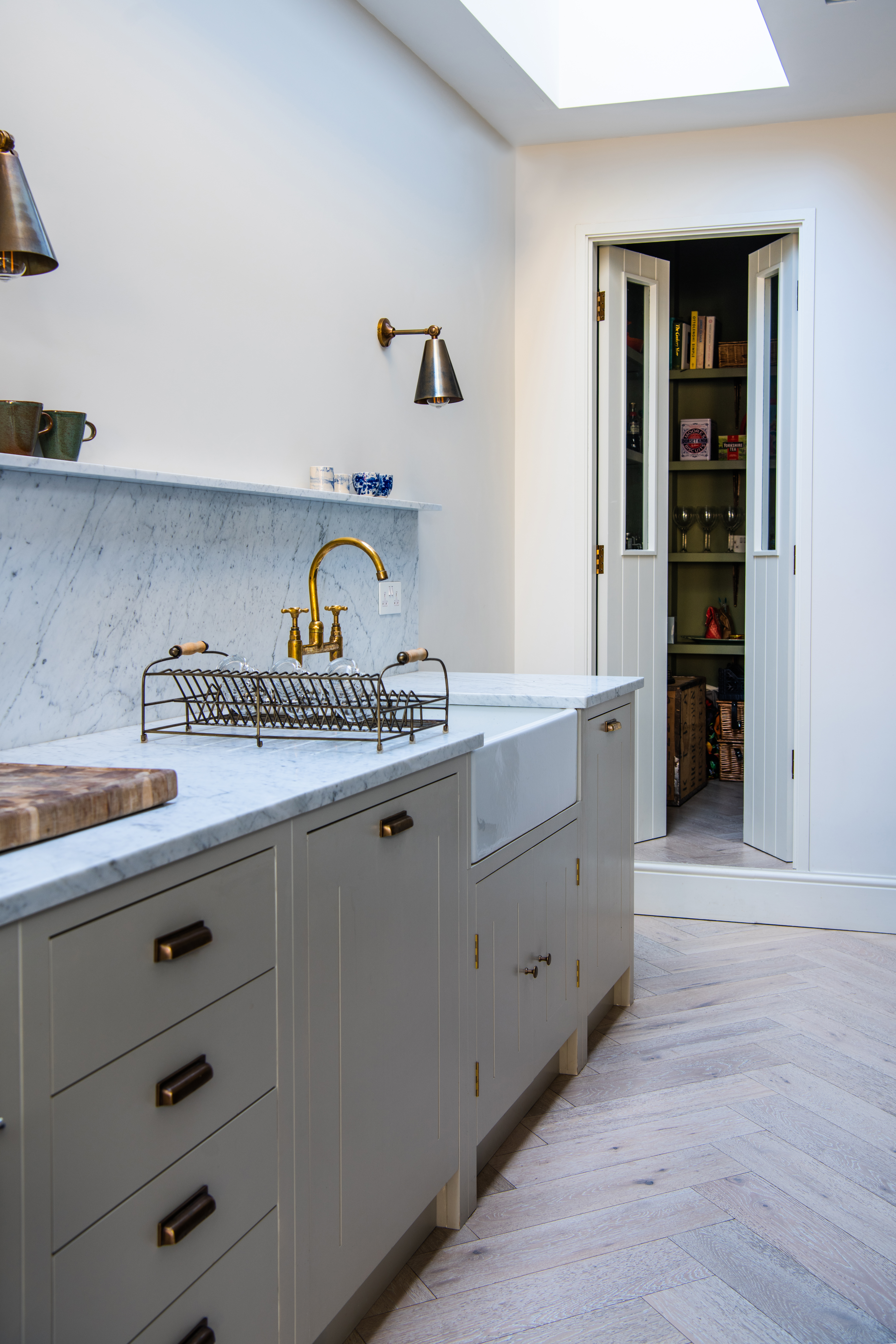
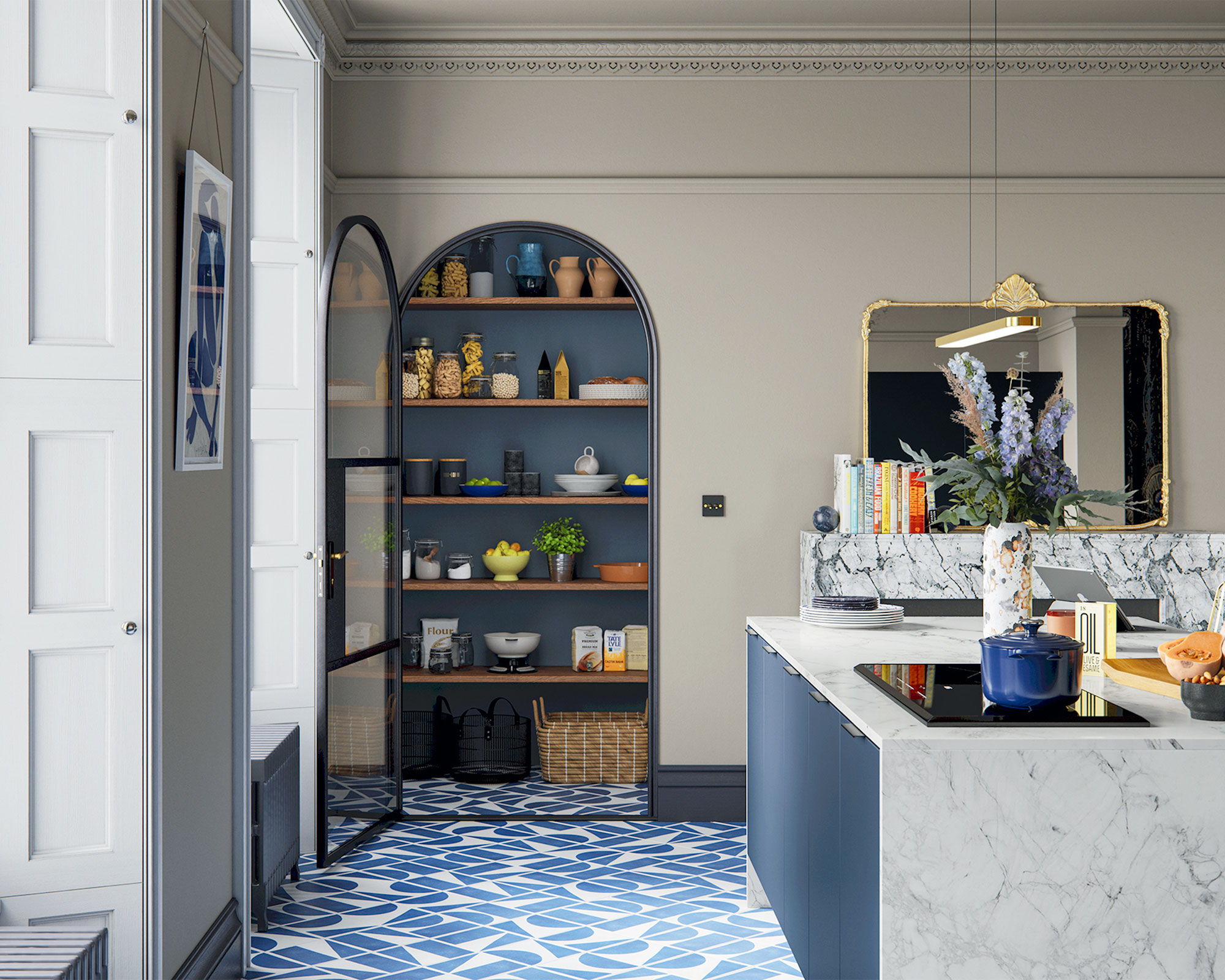
Design elements for larders include thoughtful color choices. They can be painted to match existing cabinetry for a cohesive look, or a contrasting color can be used to create a focal point, adding depth and interest to the kitchen. Alternatively, a vibrant color can be applied to the interior, providing a pleasant surprise when the doors are opened while maintaining a minimalist exterior. Intentional finishes and details further enhance the larder's functionality and aesthetic. Stone or slate shelving can help regulate temperature, beneficial for certain food items, and vented door panels, a nod to historical larder design, can be incorporated for character, even if solely for decorative purposes. LED strip lighting inside, particularly vertical strips, improves accessibility and adds a modern touch. The selection of materials like woods with visible grain, unlacquered metals, or natural stones, combined with a secondary interior color, can impart a sense of intimacy and storytelling to the larder.
#KitchenDesign #Larder #StorageSolutions #HomeOrganization #InteriorDesign #KitchenStorage #PantryIdeas #HomeDecor #FunctionalDesign #KitchenDesign #Larder #StorageSolutions #HomeOrganization #InteriorDesign #KitchenStorage #PantryIdeas #HomeDecor #FunctionalDesign
0 comment in total
 No comments yet
You may also like
Clever Kitchen Storage

The 6 smartest kitchen storage trends for 2025 - stylish ways to organise your kitchen, according to pros
Kitchen storage trends to avoid for a more functional cooking space, according to design experts
32 Organized Kitchen Shelving Ideas That Make Even Small Kitchens Feel Surprisingly Efficient

Kitchen storage: The latest innovations for a super-organised space
10 Ladder Kitchen Cabinet Ideas That Make the Most of High Storage and Make Your Scheme Feel Classy

How to Organize Your Kitchen Cabinets | Wirecutter
5 luxurious larders with a living room look – how designers are redefining kitchen storage

How to get the most pantry storage from a small space

Kitchen Storage & Organization

10 genius kitchen storage and organisation ideas that will make life easier

On the hunt for kitchen storage?

12 easy ways to extend your kitchen storage
Winning the Storage War

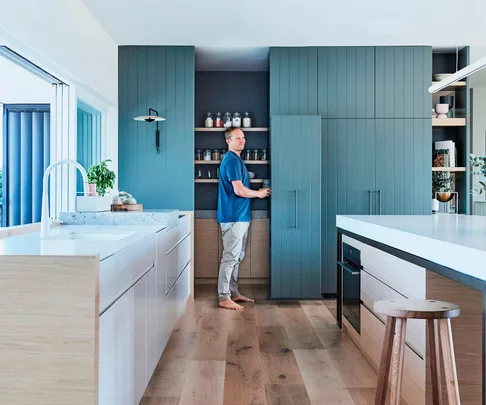
Pantry design tips: how to organise your kitchen storage

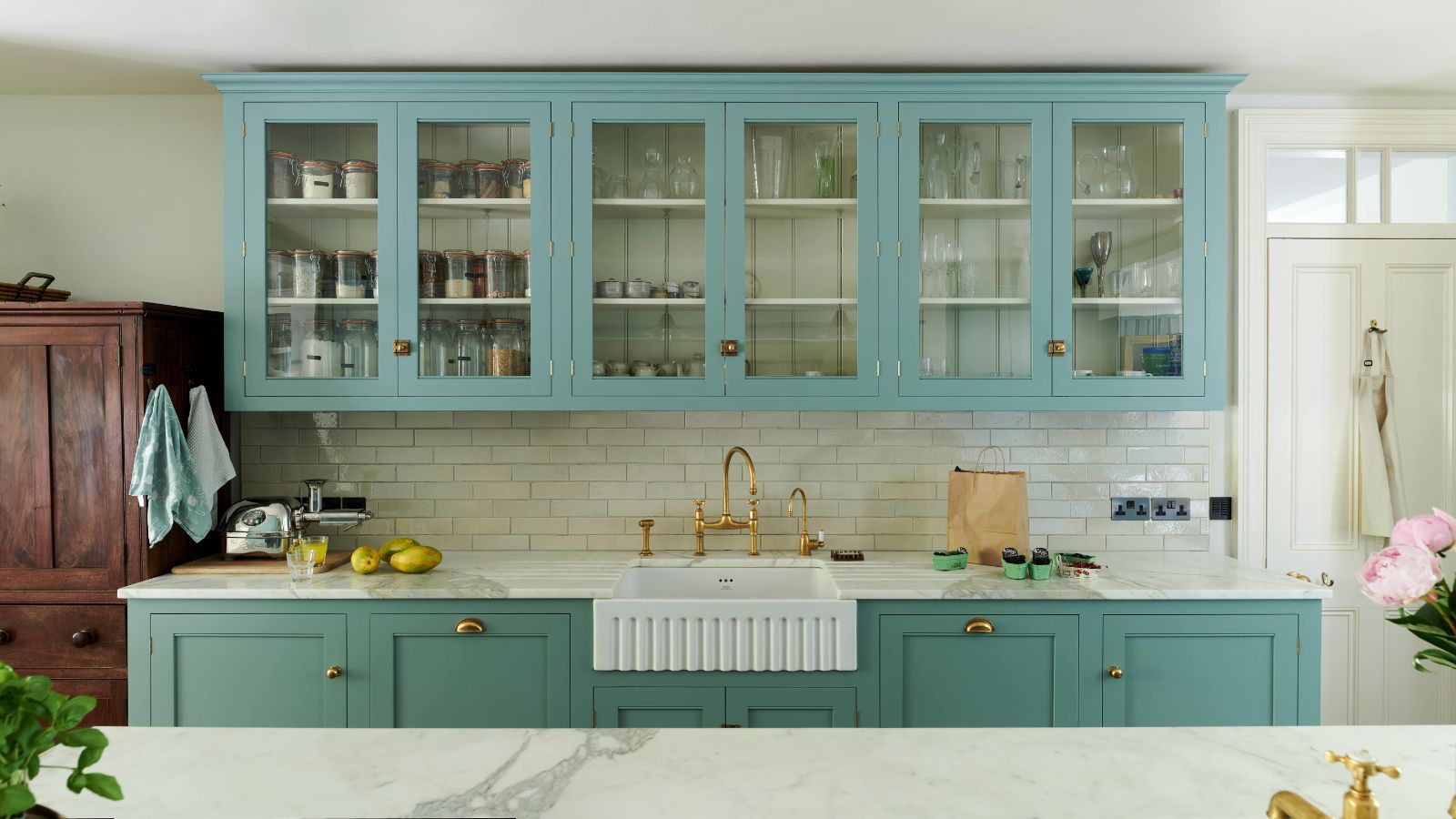
How to Make Your Kitchen Cabinets More Functional — 7 Expert Tips to Optimize Your Storage for Everyday Efficiency
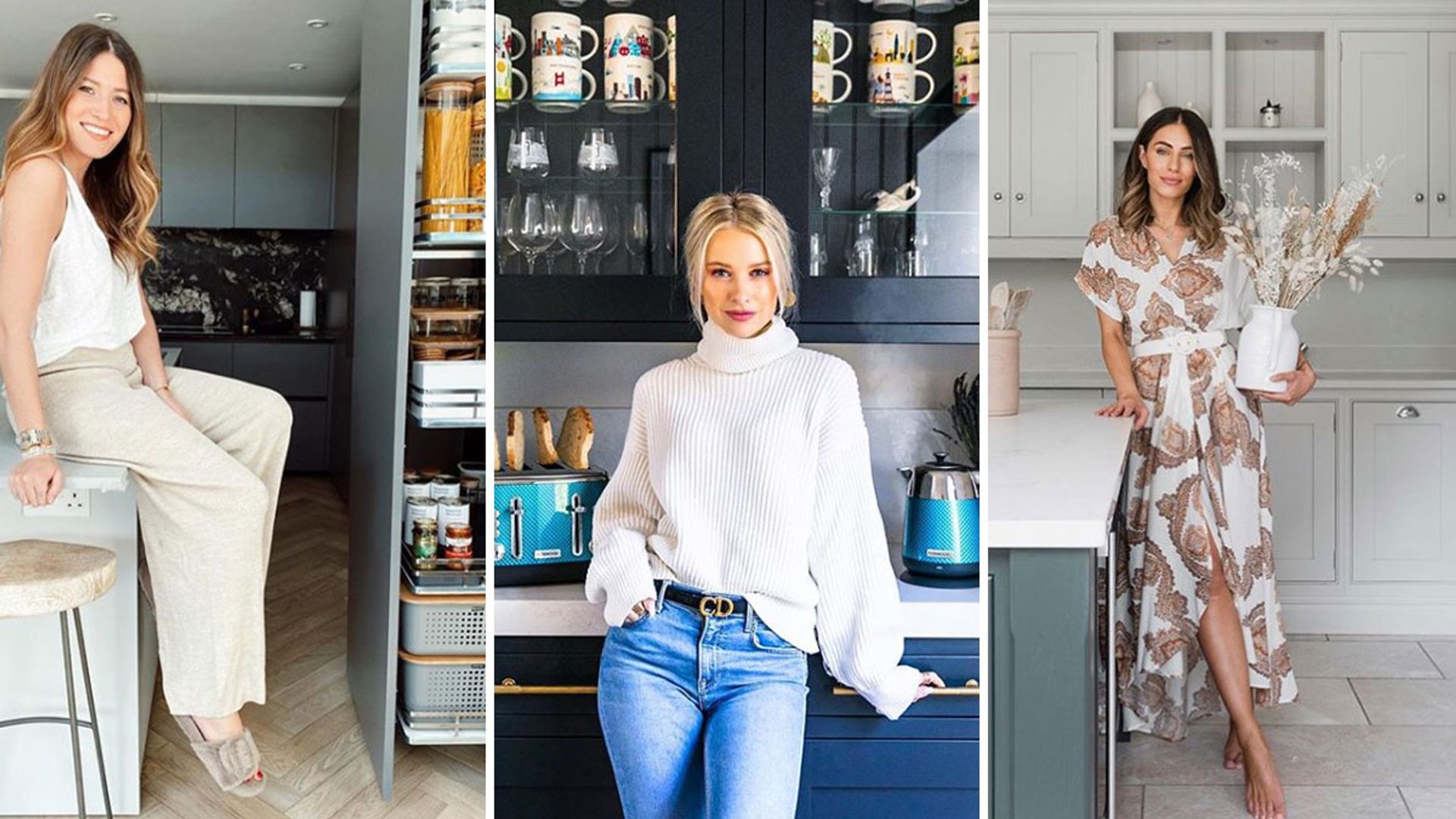
8 kitchen storage hacks from influencers Lydia Millen, Fleur de Force, In The Frow and more
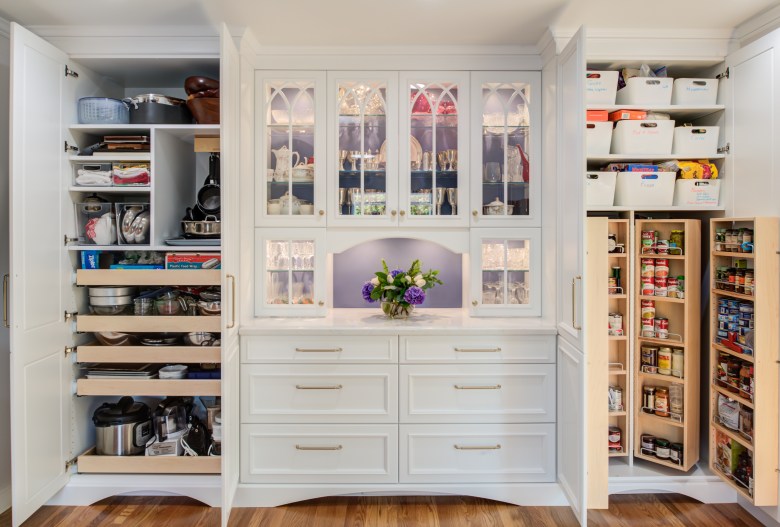
Hate your cramped kitchen? Local designer shares creative ways to add more storage space
Pantry shelving ideas – 10 ways to add style and storage to a pantry
Professional Organizers Swear By These Genius Hacks for Maximizing Kitchen and Pantry Space — From $10