Wet Rooms Are the Top Renovation Trend Right Now—But Are They Worth the Expensive Upgrade?
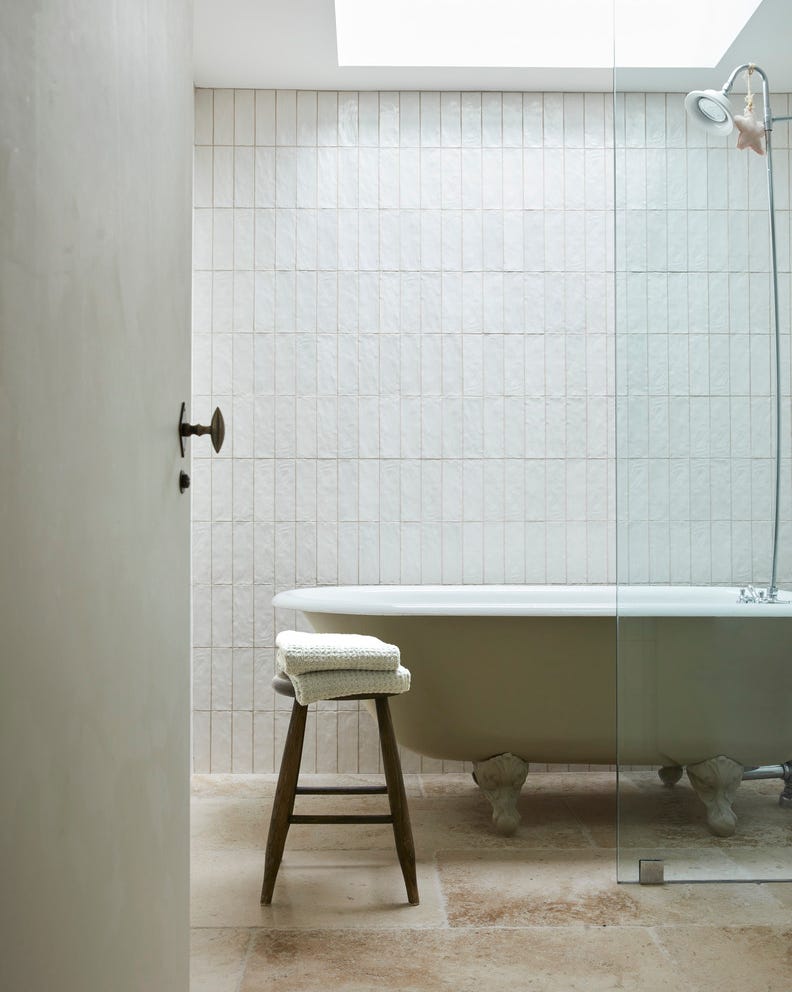
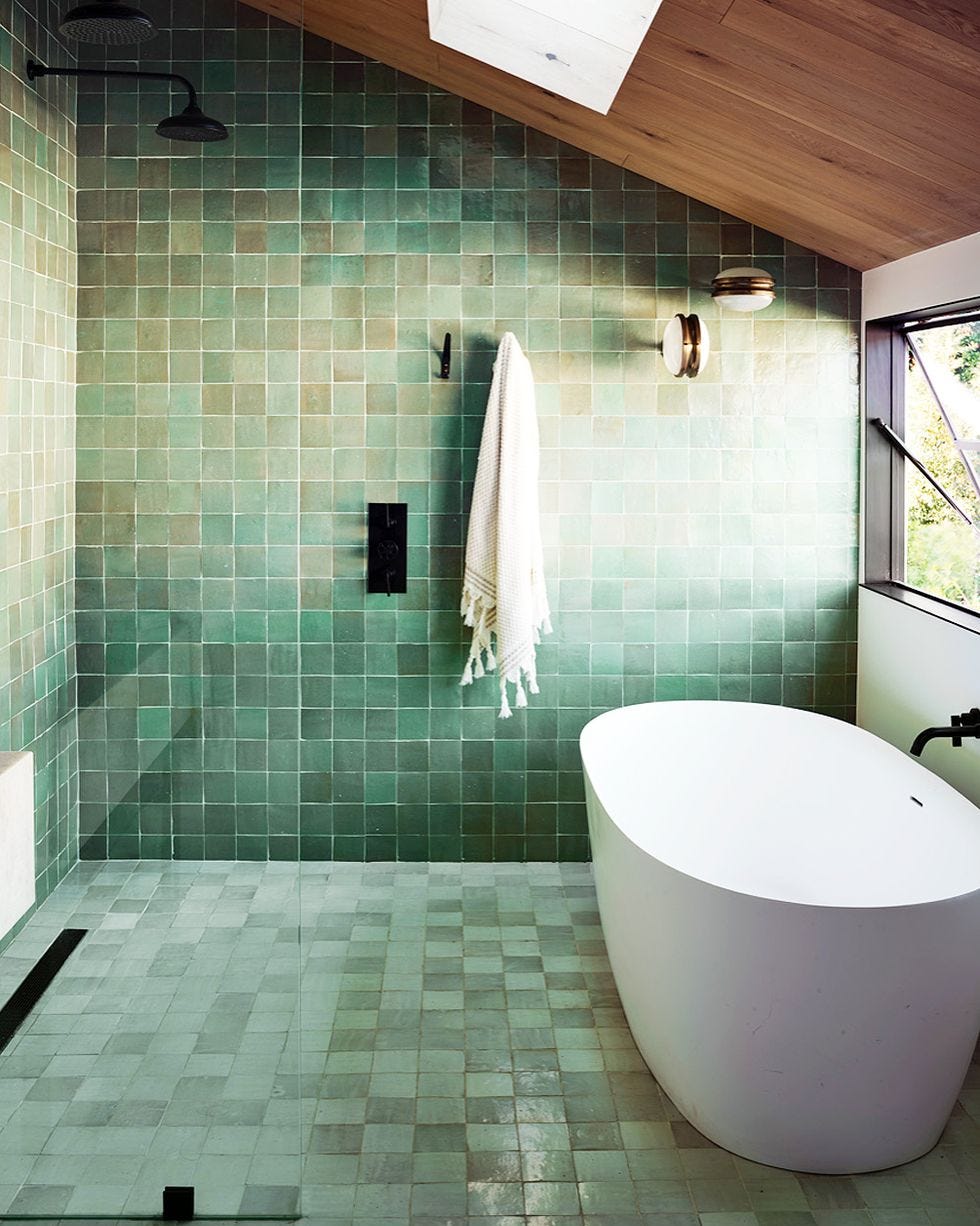
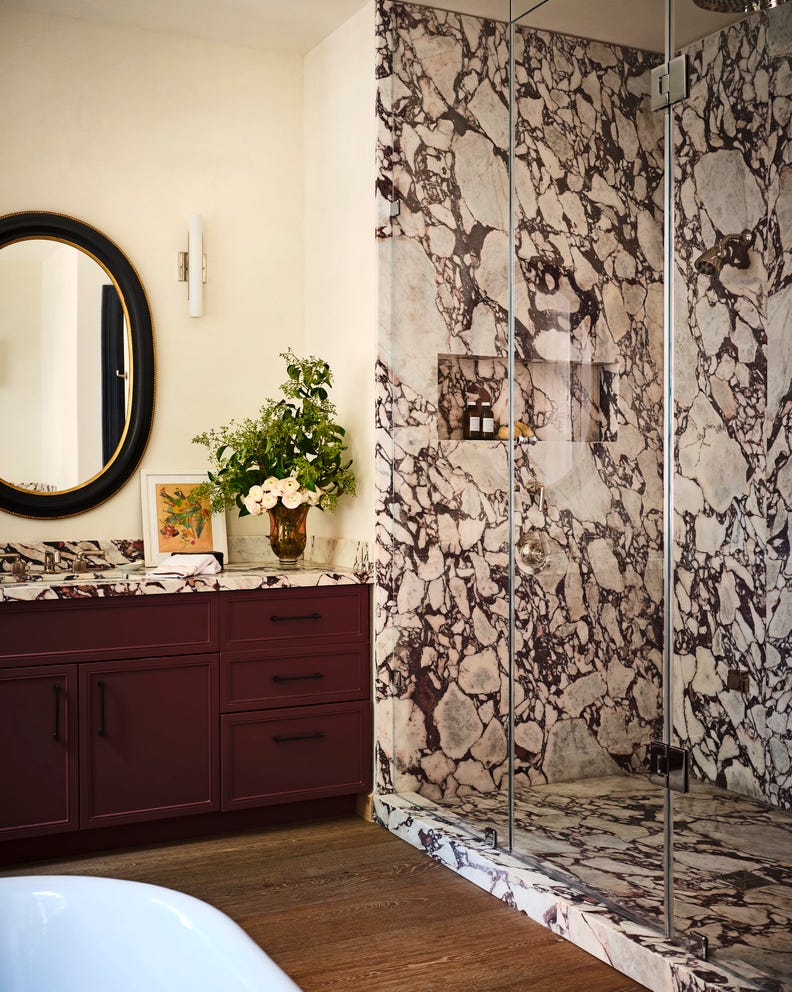
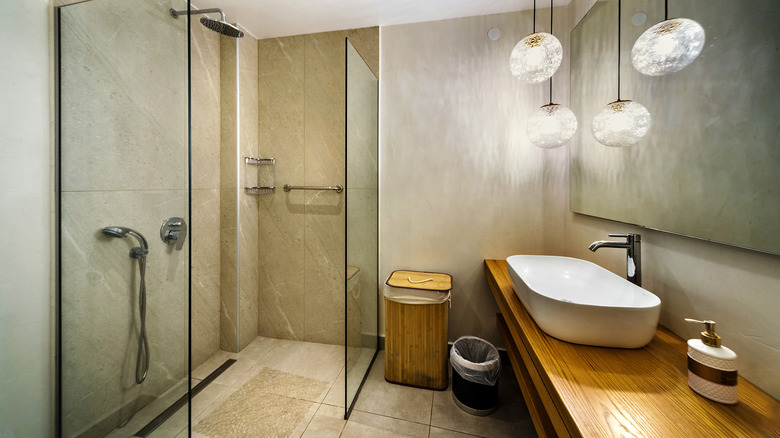
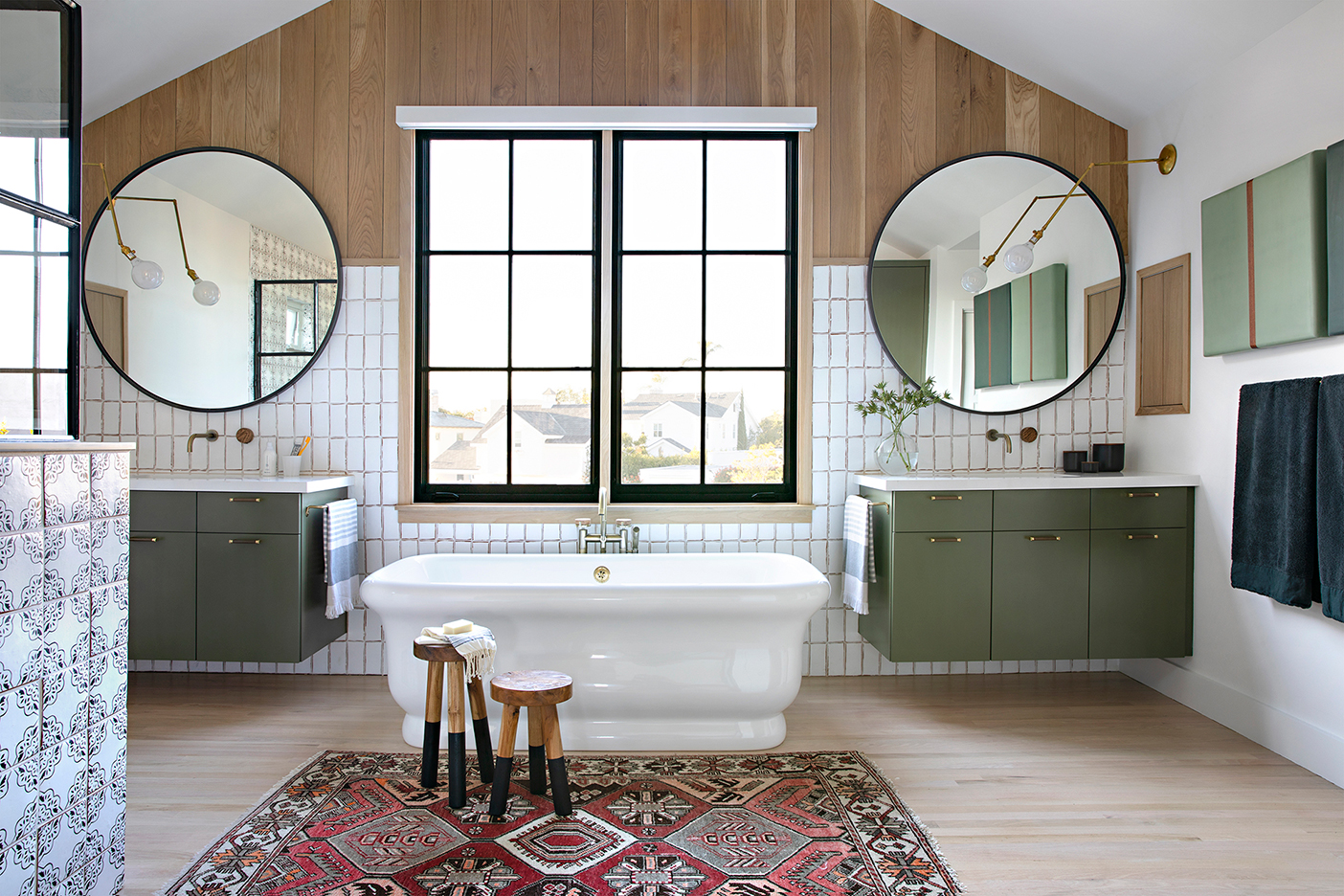
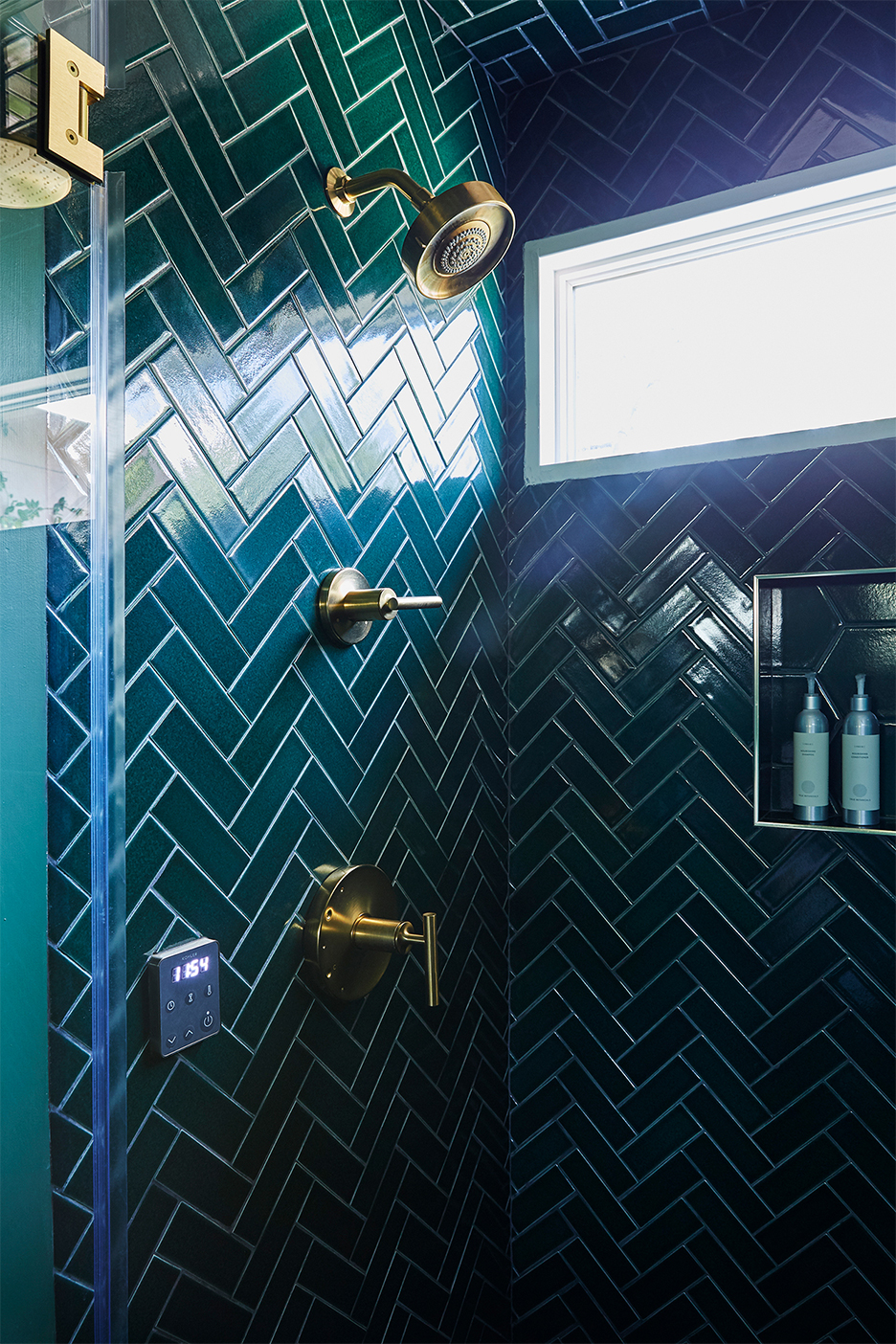
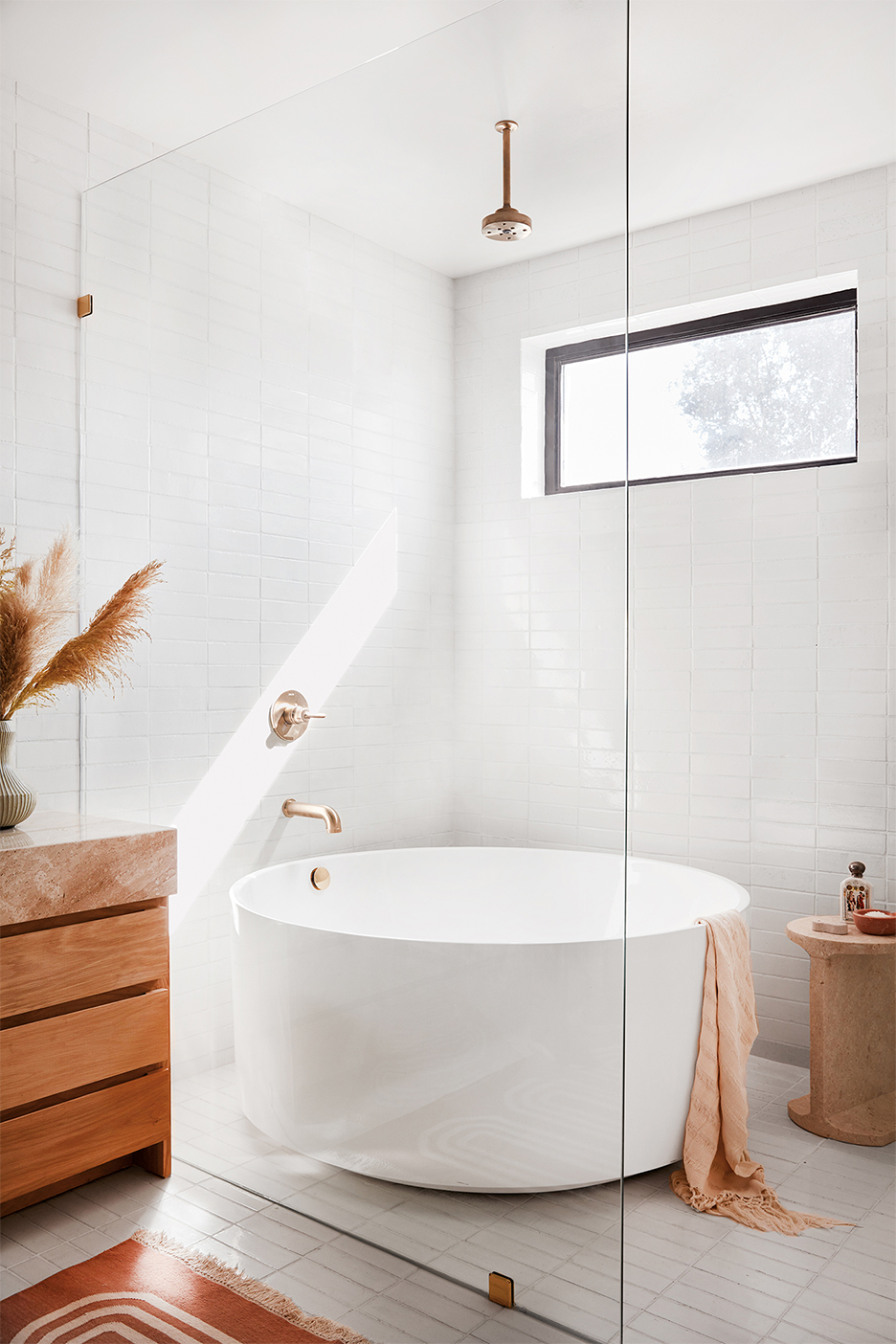
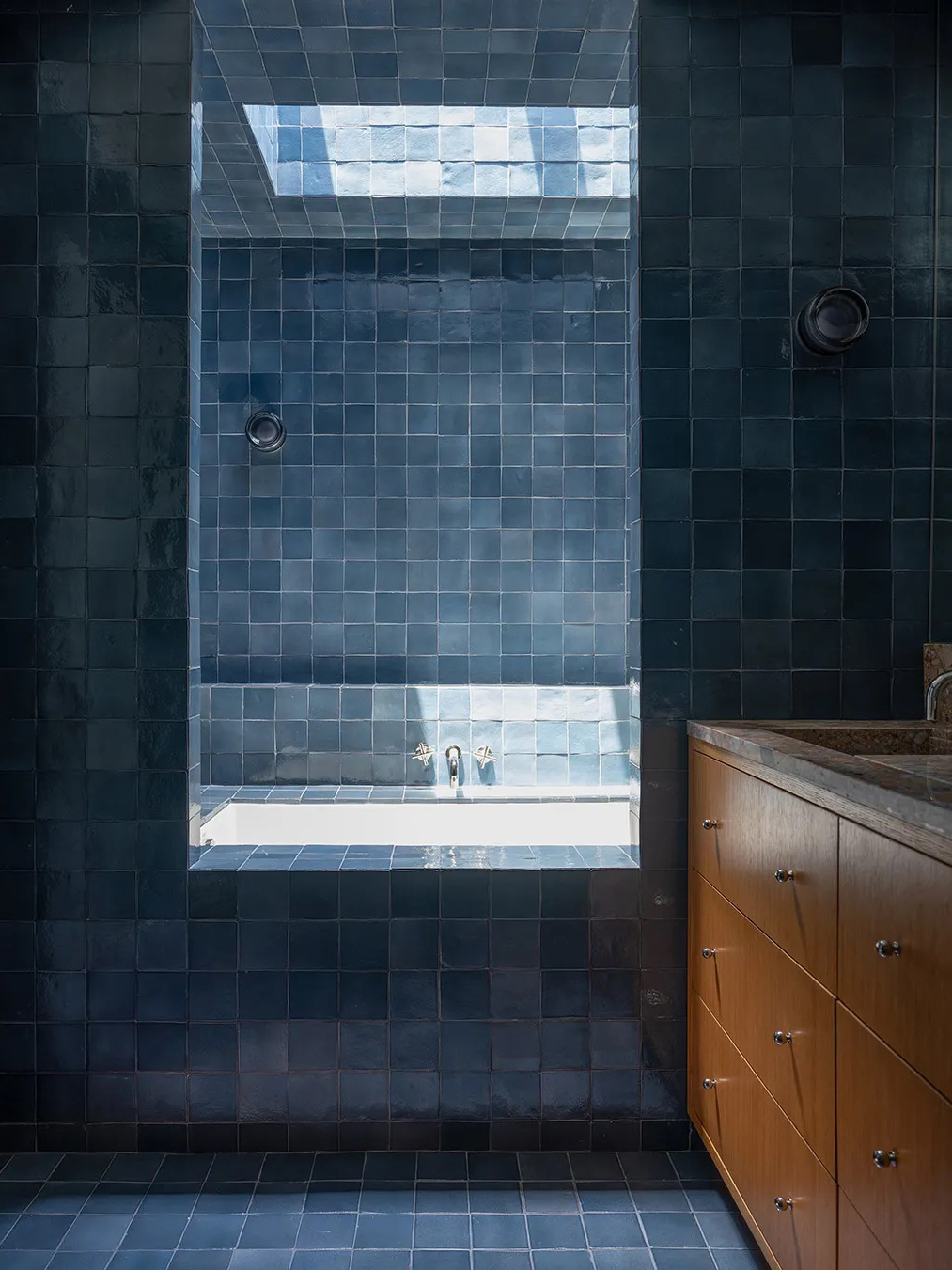
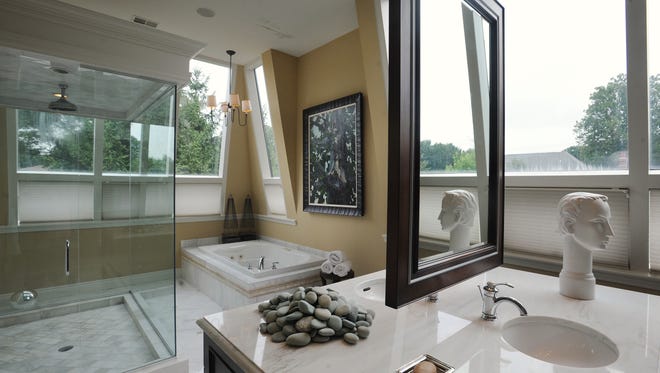
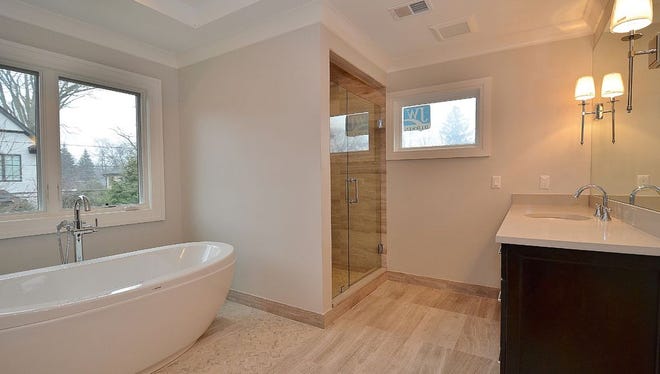
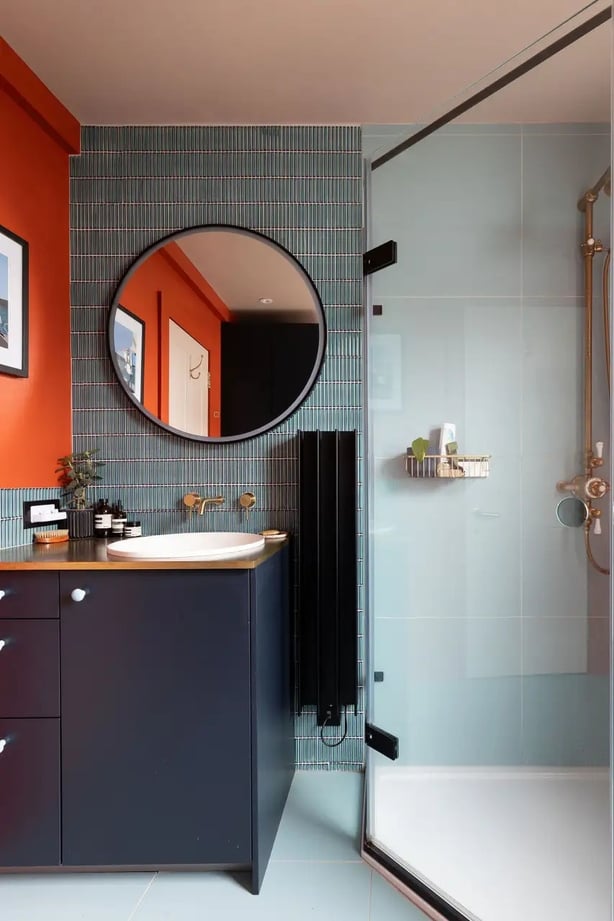
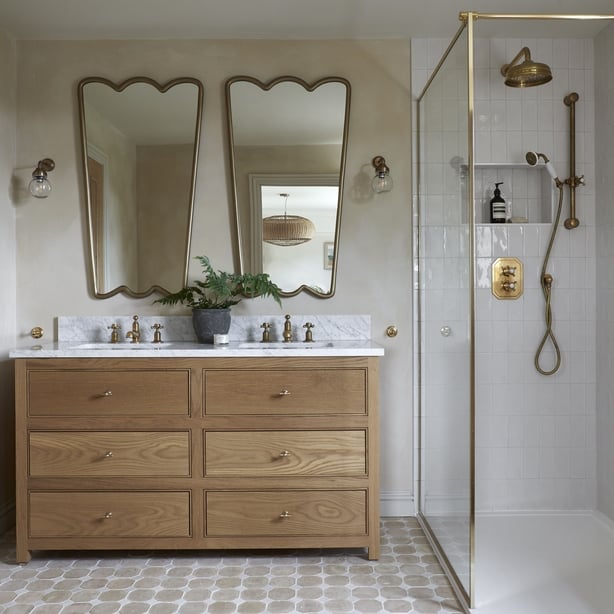
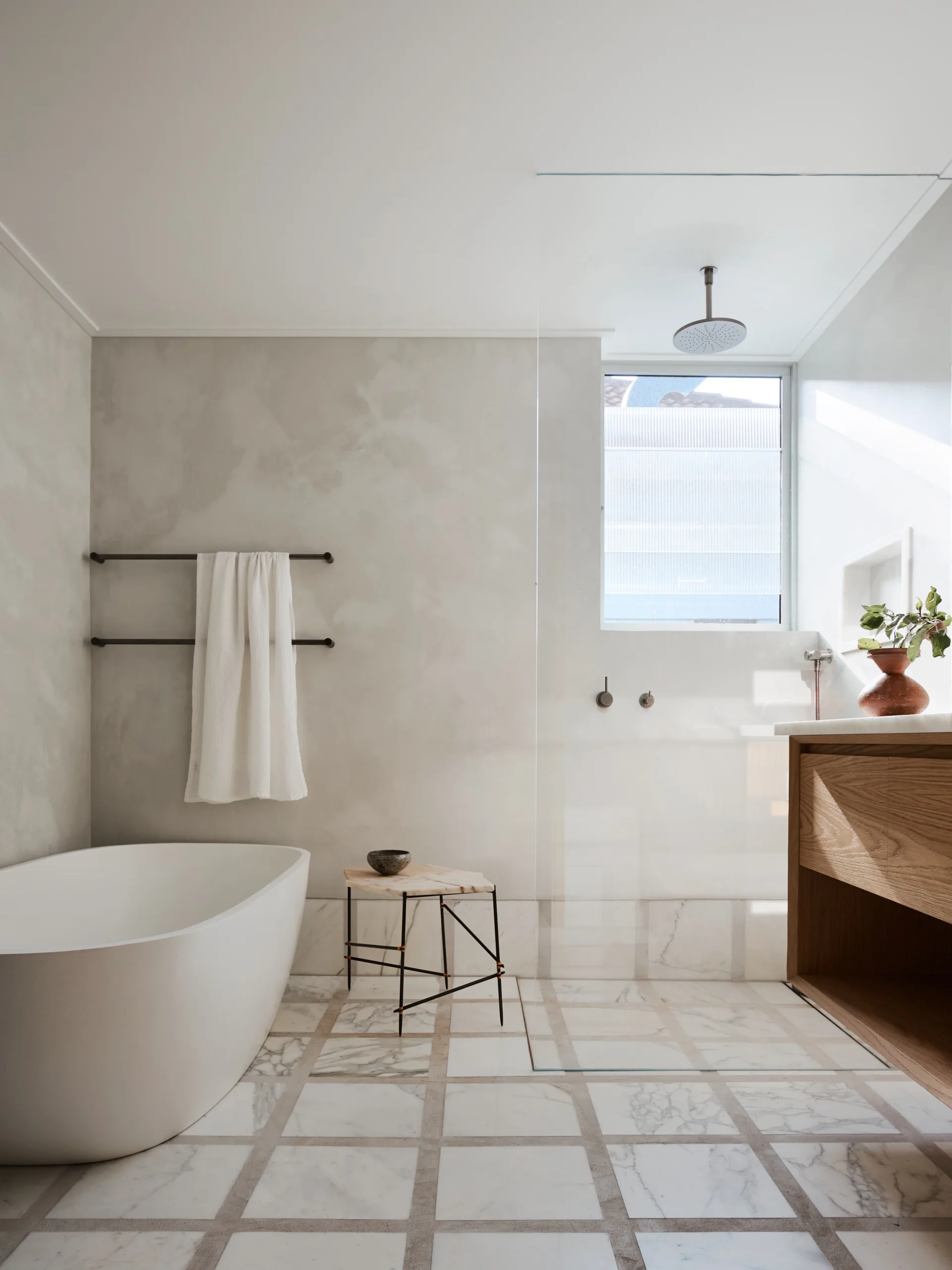
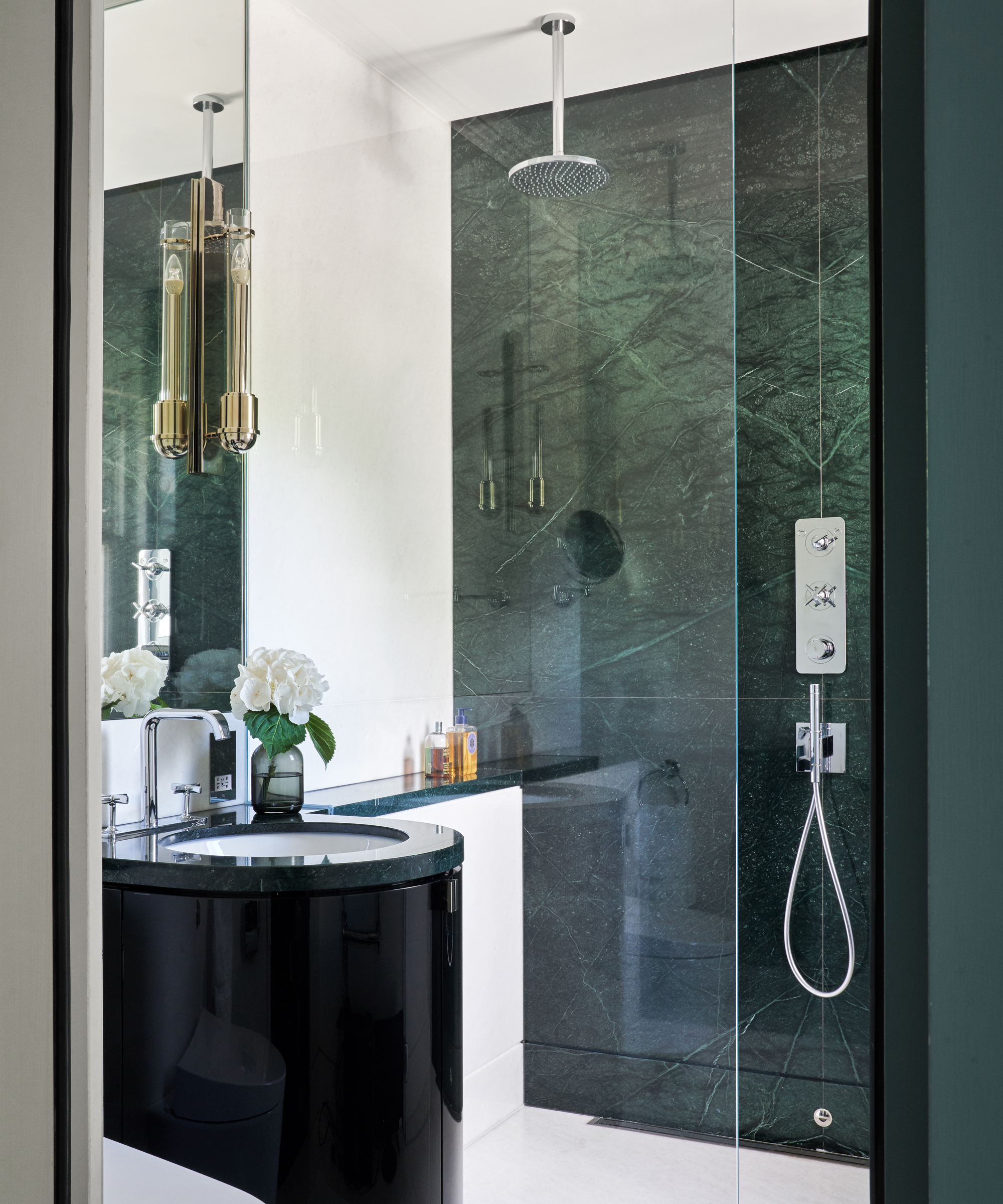
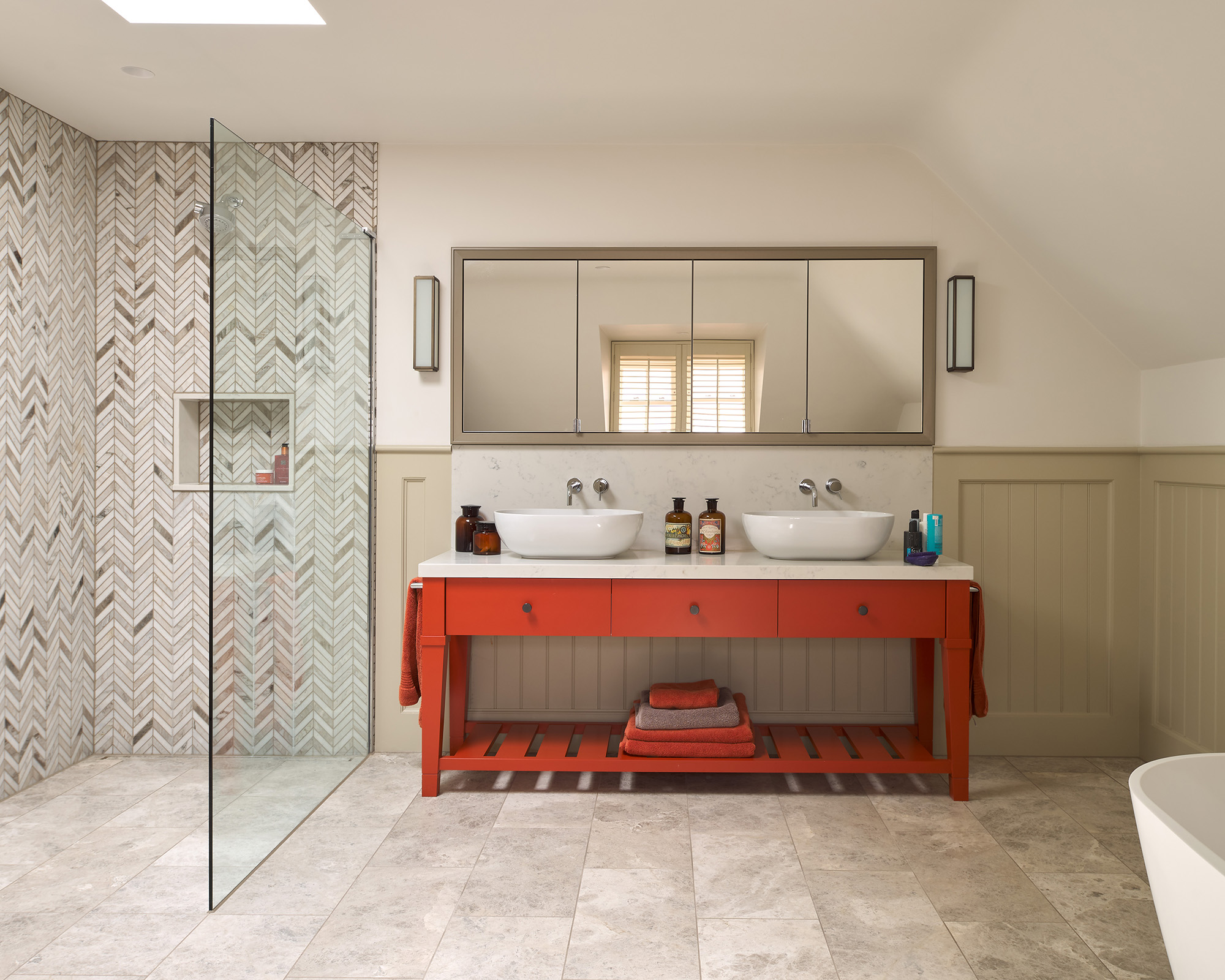
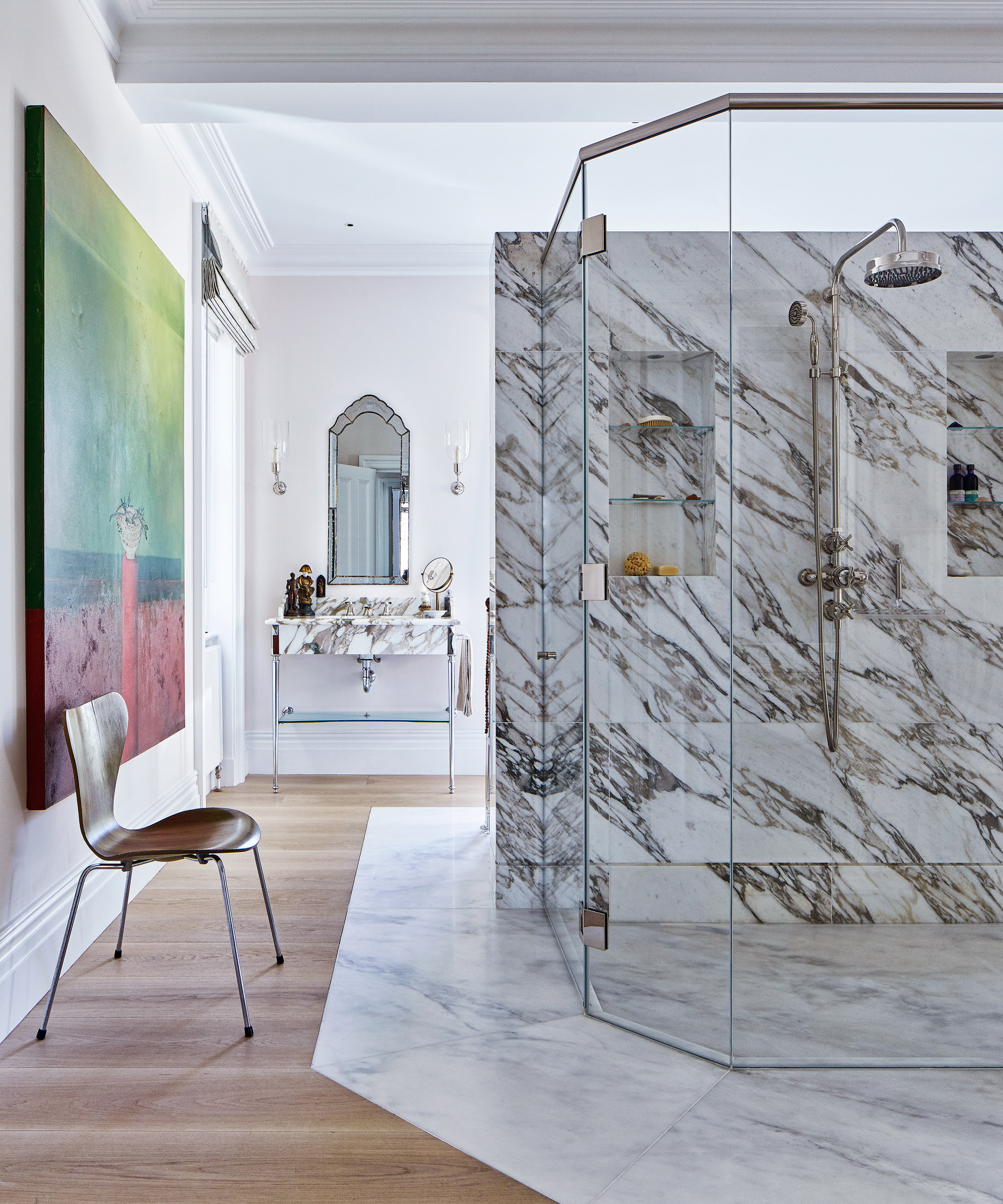
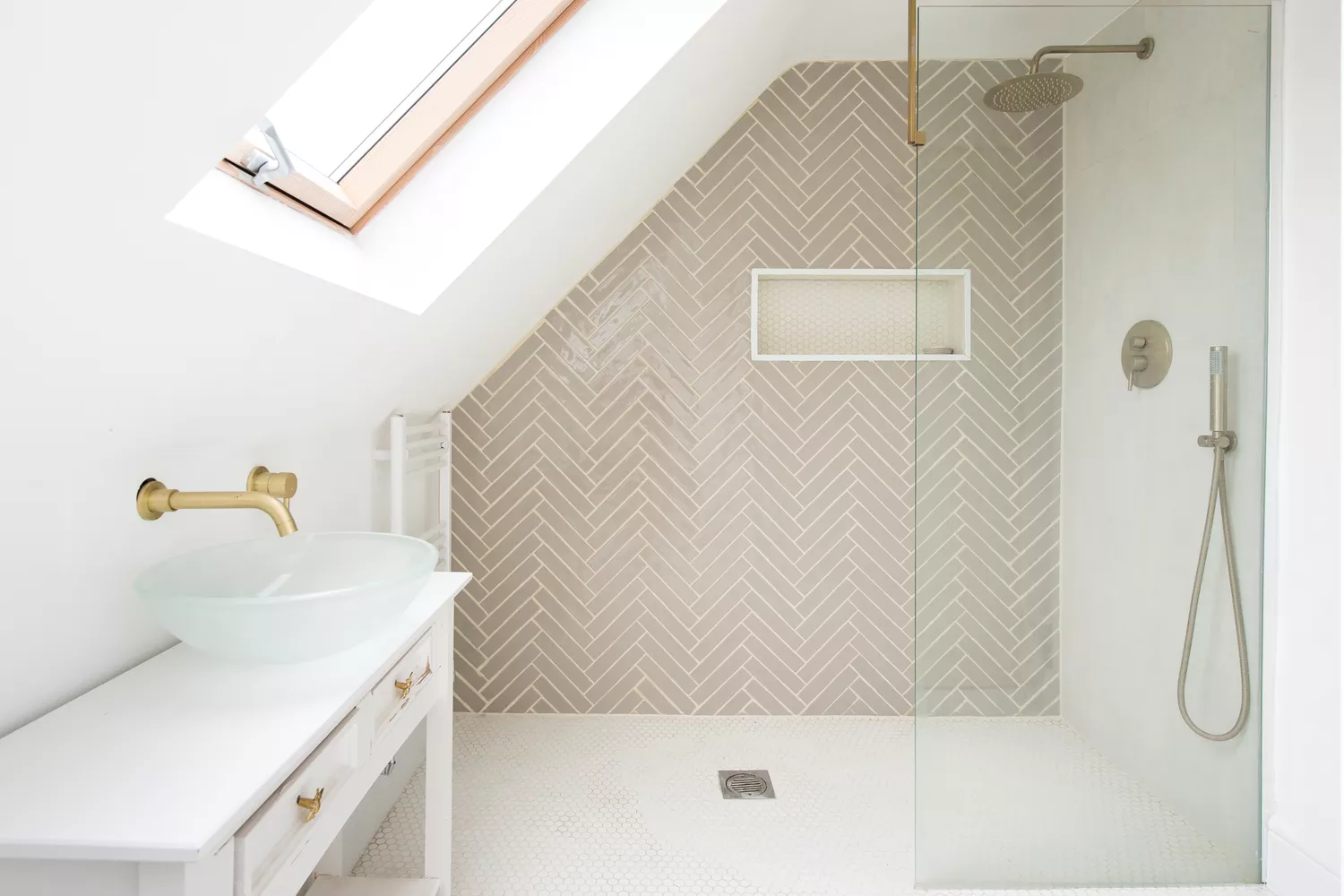
Wet rooms have emerged as a significant trend in home renovation, transforming bathrooms from purely utilitarian spaces into personal sanctuaries and stylish reflections of modern living. A wet room, fundamentally, is a bathroom where the shower area is not enclosed by traditional barriers, featuring a fully waterproofed and tiled space with a floor drain that serves the entire room. This design integrates the showering area seamlessly with the rest of the bathroom, providing a flush, barrier-free floor where a gentle slope directs water towards the drain. All surfaces within a wet room, including walls and floors, are completely waterproofed to prevent moisture damage or leaks. While similar to walk-in showers, a key distinction is the absence of any physical barrier in a true wet room, unlike walk-in showers which may still incorporate screens or low-level trays.
The growing popularity of wet rooms is driven by several benefits, including design versatility, space efficiency, and ease of cleaning. From a design perspective, wet rooms offer a minimalist and open aesthetic, creating an illusion of greater space, even in smaller bathrooms. This allows homeowners to focus on luxurious finishes and spa-like features. The absence of physical barriers also provides enhanced accessibility, making wet rooms ideal for individuals with mobility issues or families with young children. Furthermore, the open layout makes them convenient for tasks like washing pets. Real estate experts note that while some buyers actively seek wet rooms for their modern appeal and practicality, the resale value can vary depending on regional preferences and the quality of installation.
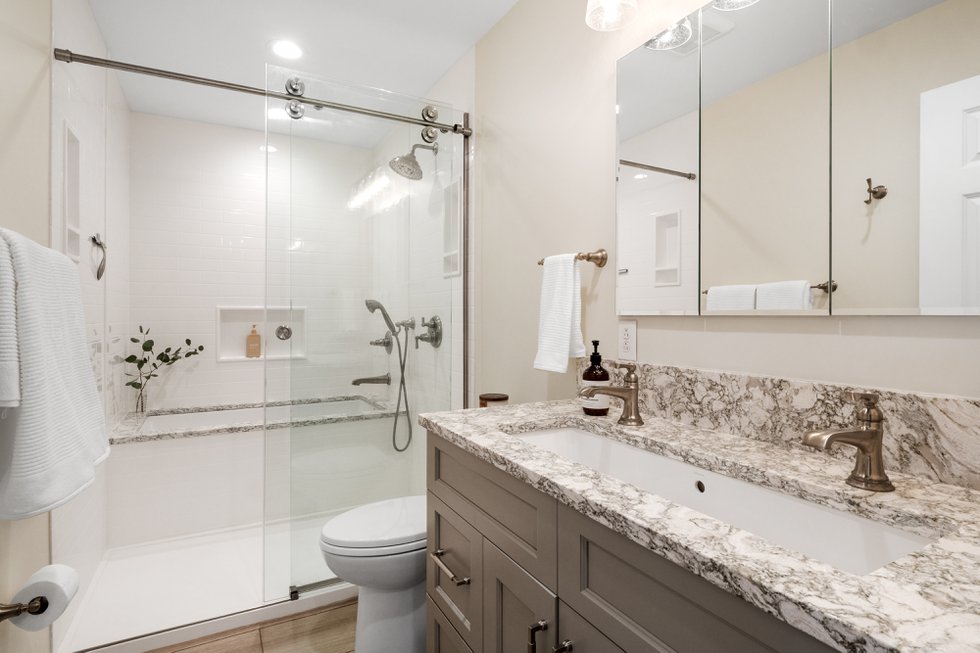
However, there are notable disadvantages to consider. The installation of a wet room is typically 20-30% more expensive than a traditional bathroom renovation, primarily due to the extensive waterproofing and specialized drainage requirements. Improper installation or inadequate waterproofing can lead to severe and lasting damage to the home, potentially affecting adjacent units in multi-story buildings. The construction process often involves modifying floor joists to create the necessary slope for drainage, adding to the complexity and cost. Additionally, in open wet rooms without screens, water splash can be a concern, potentially soaking other fixtures and amenities. Smaller wet rooms also necessitate robust ventilation systems to combat increased humidity and prevent mold and mildew growth. Homeowners are advised to consult with experienced professionals to navigate the complexities of plumbing, building codes, and material selection to ensure a successful and durable wet room installation, as not all potential buyers share the same preference for this modern bathroom style.
#WetRooms #BathroomRenovation #HomeImprovement #InteriorDesign #AccessibilityDesign #Waterproofing #ModernHome #RealEstateTrends #HomeValue #WetRooms #BathroomRenovation #HomeImprovement #InteriorDesign #AccessibilityDesign #Waterproofing #ModernHome #RealEstateTrends #HomeValue
0 comment in total
 No comments yet
You may also like
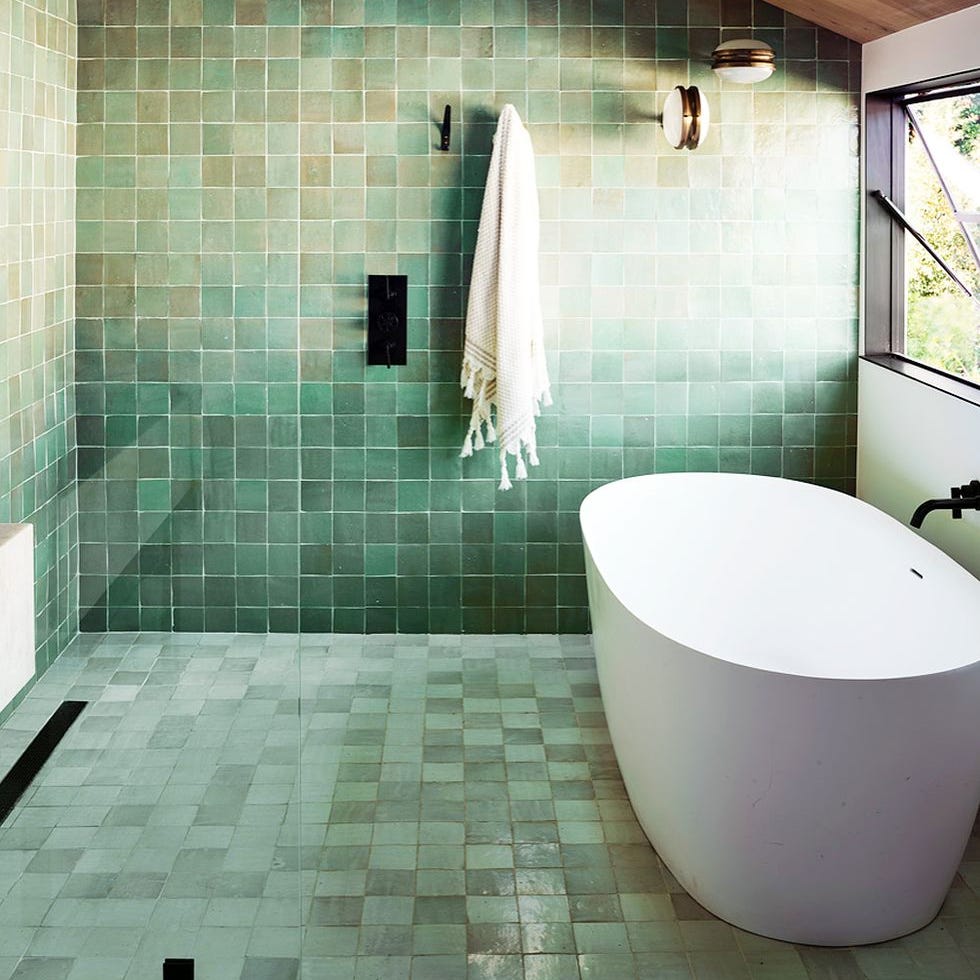
Wet Rooms Are the Next Big Bathroom Renovation Trend


Upgrades We’d Make to Any Bathroom | Wirecutter
Bathroom Trends
The Most Popular Finishes for Bathroom Remodels
The Latest Bathroom Trends Are Indulgent—and Totally Worth It

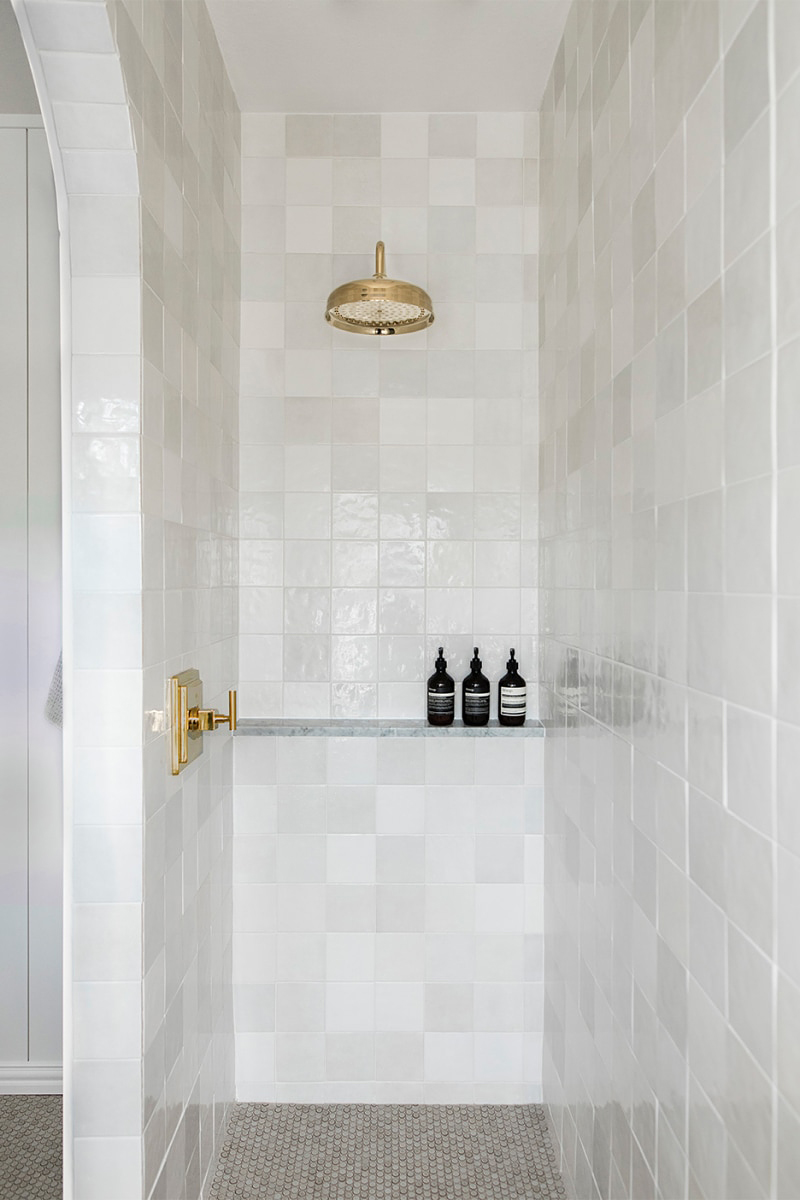
Renovators Are Moving Away From This Shower-Floor Material

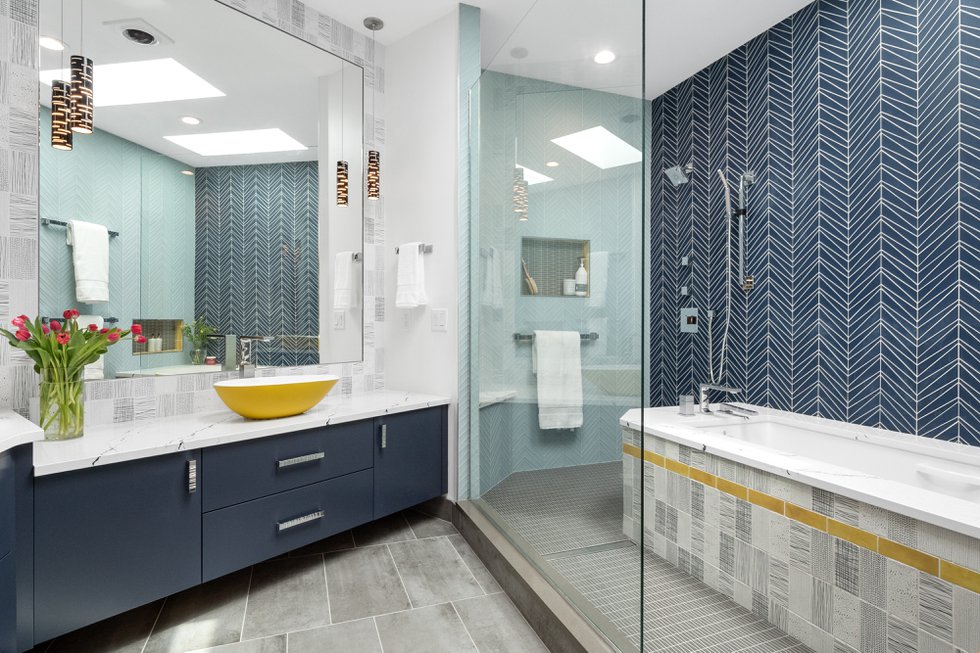
According to Mosby Building Arts, this is the latest emerging trend in bathroom design

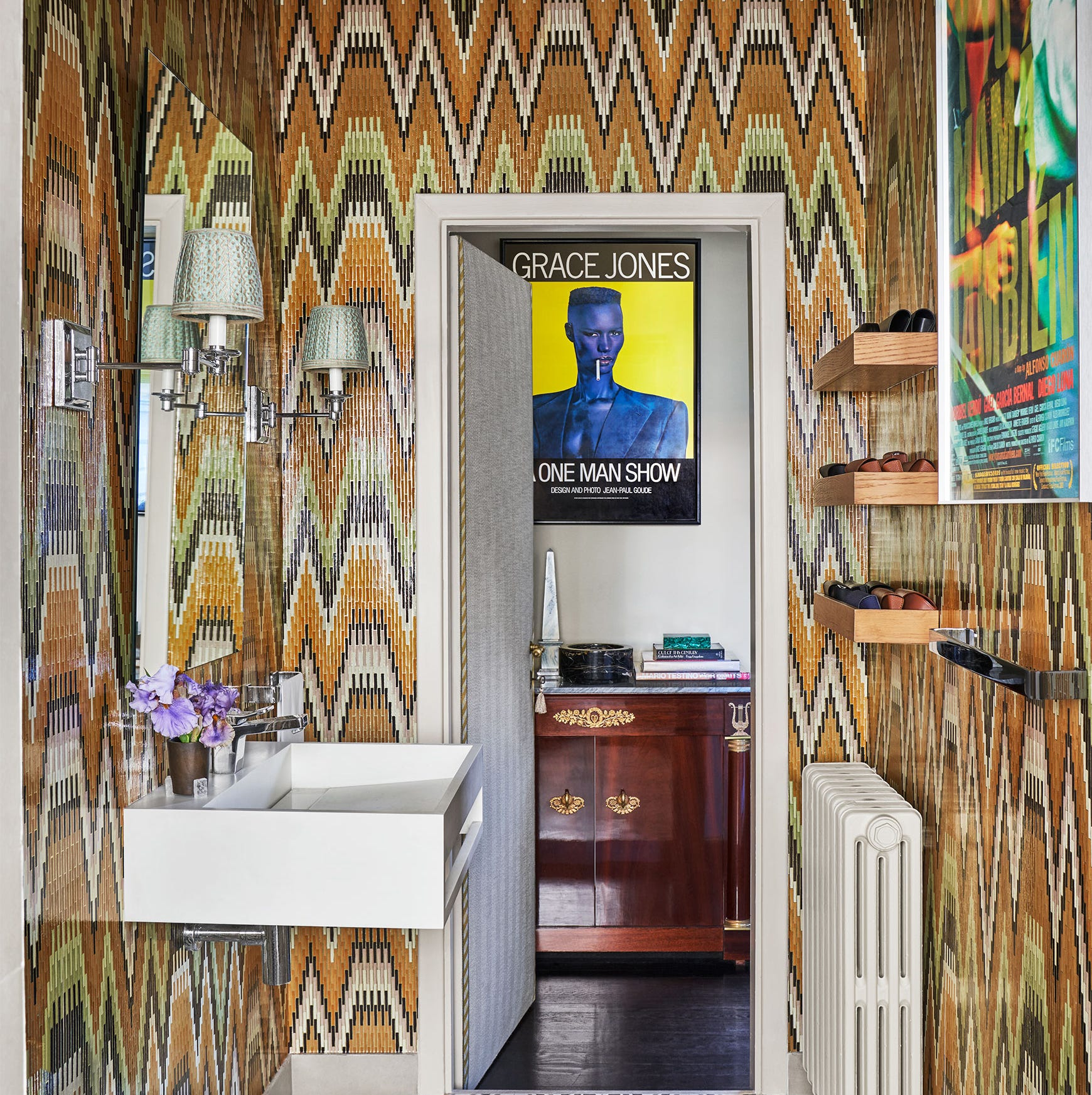
We’re DYING to Renovate After Seeing These Inspiring Powder Rooms
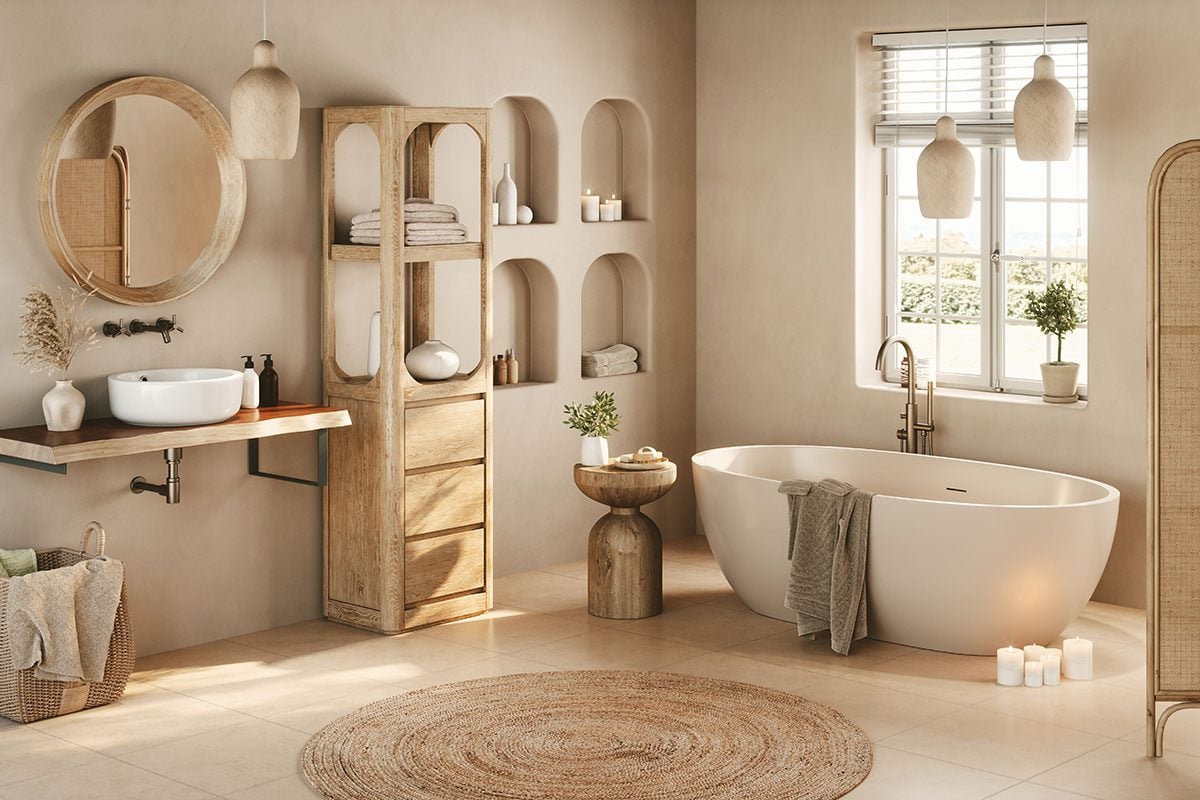
Bathroom Upgrades That Aren’t Worth the Hype, and What To Do Instead

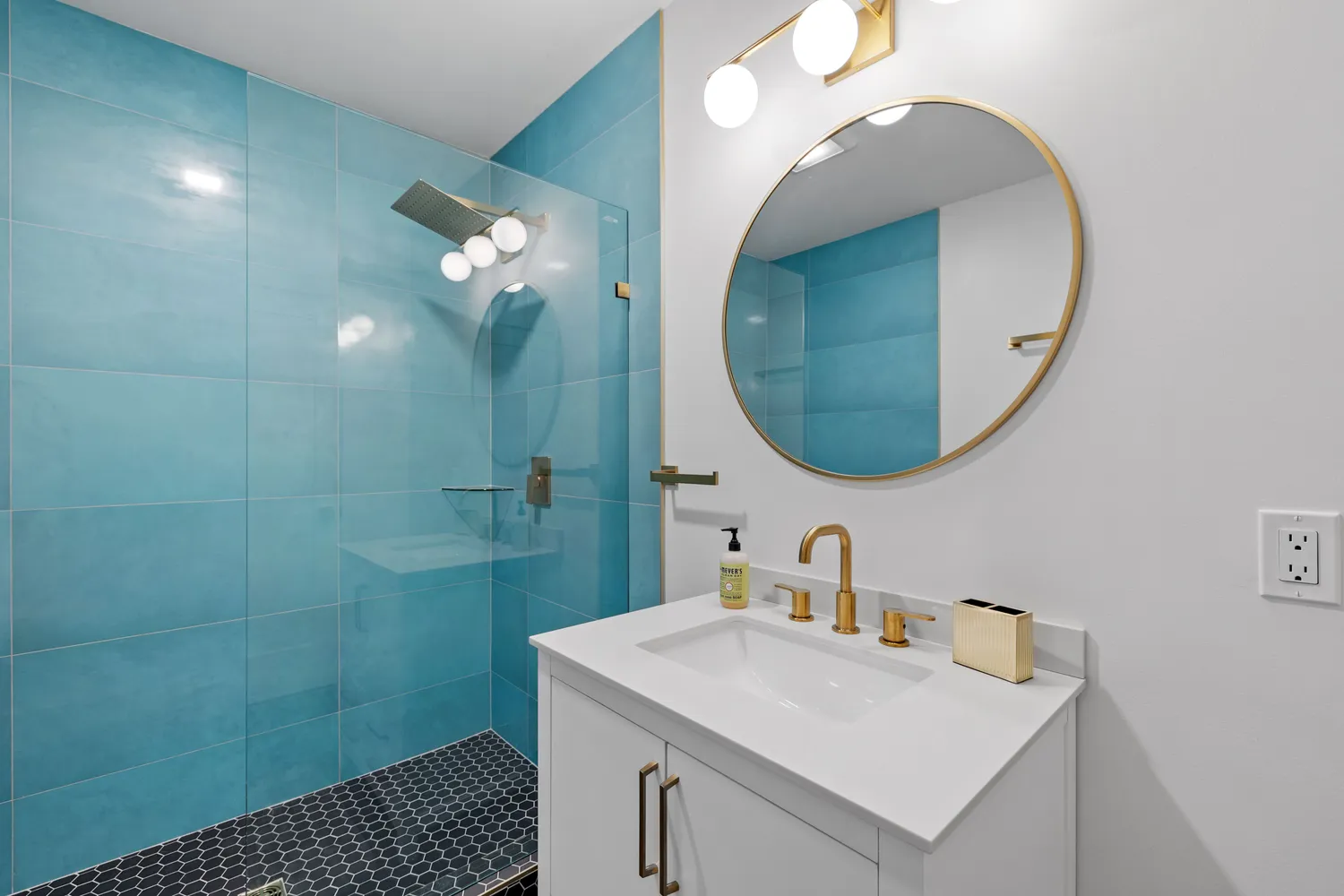
From Accent Walls to Wet Rooms, These Are the Major Bathroom Renovation Trends Right Now
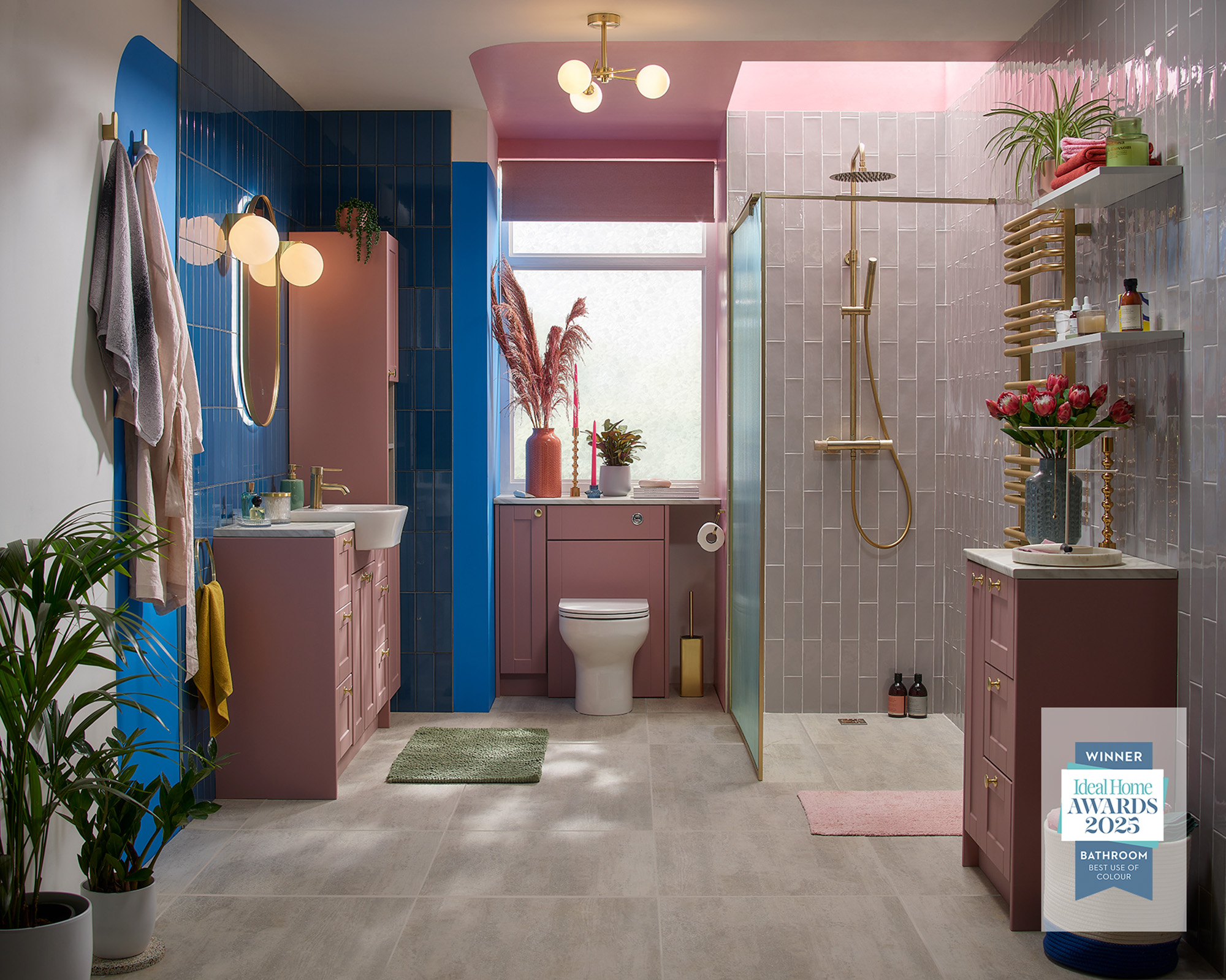
7 bathroom upgrades from on-trend taps to easy-fit flooring

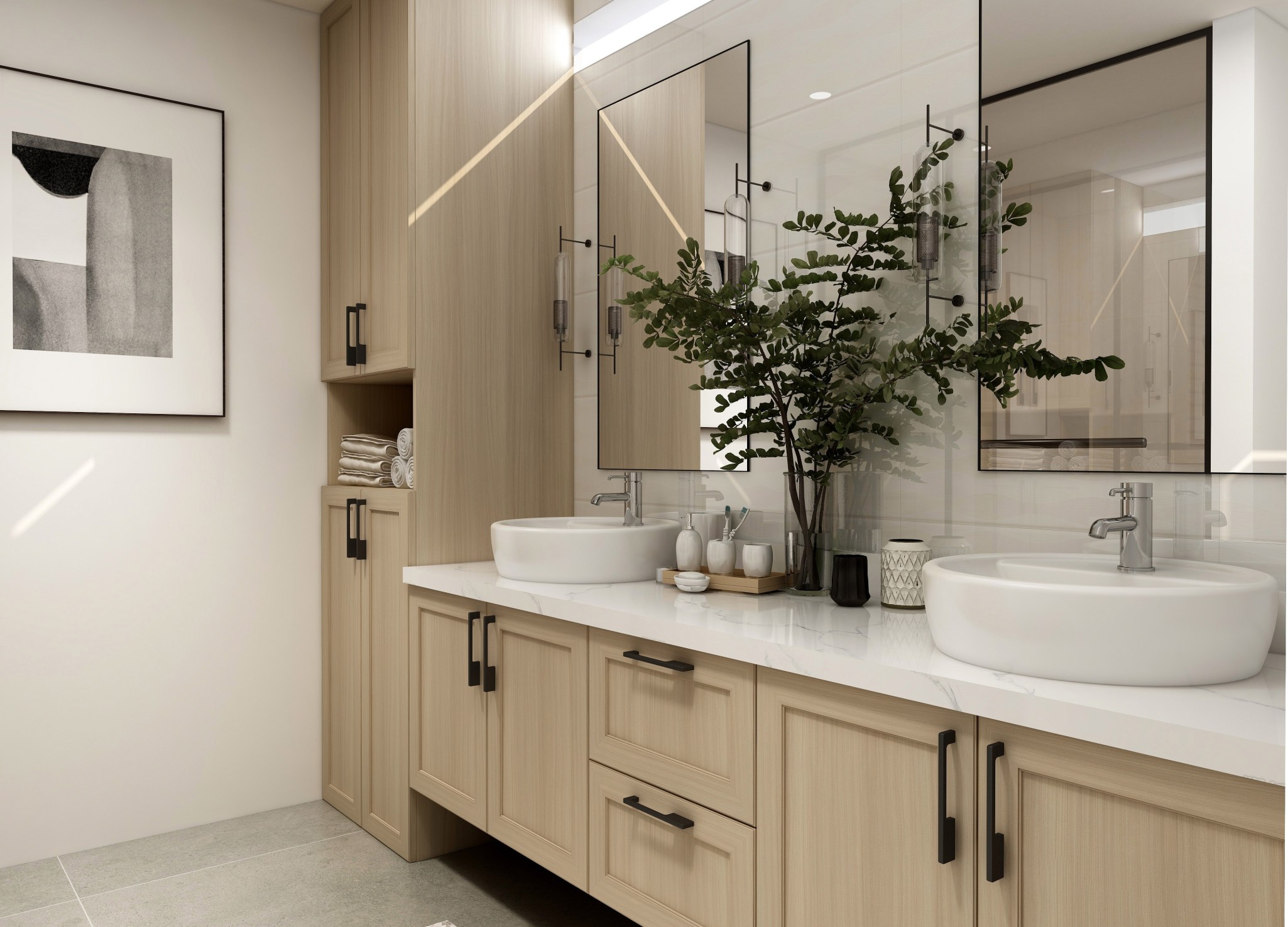
The Smartest Bathroom Upgrade You Can Make Before Selling Your House

Wet Rooms Are a Luxury Bathroom Upgrade—but Are They a Good Idea?

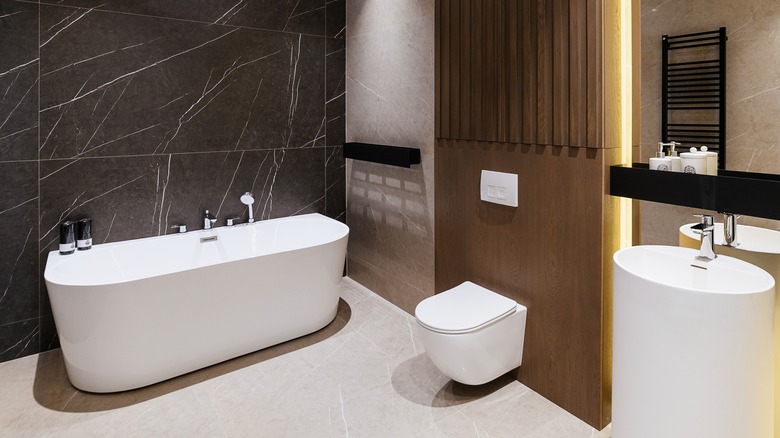
The 14 Best Bathroom Renovation Tips We've Picked Up From Unsellable Houses

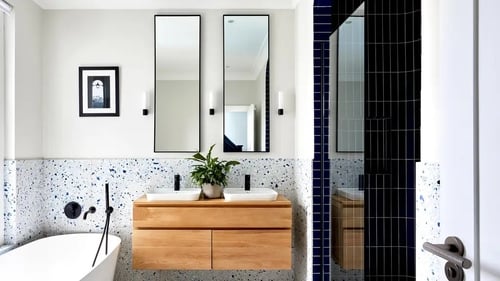
How vanity units are taking the spotlight in bathroom upgrades
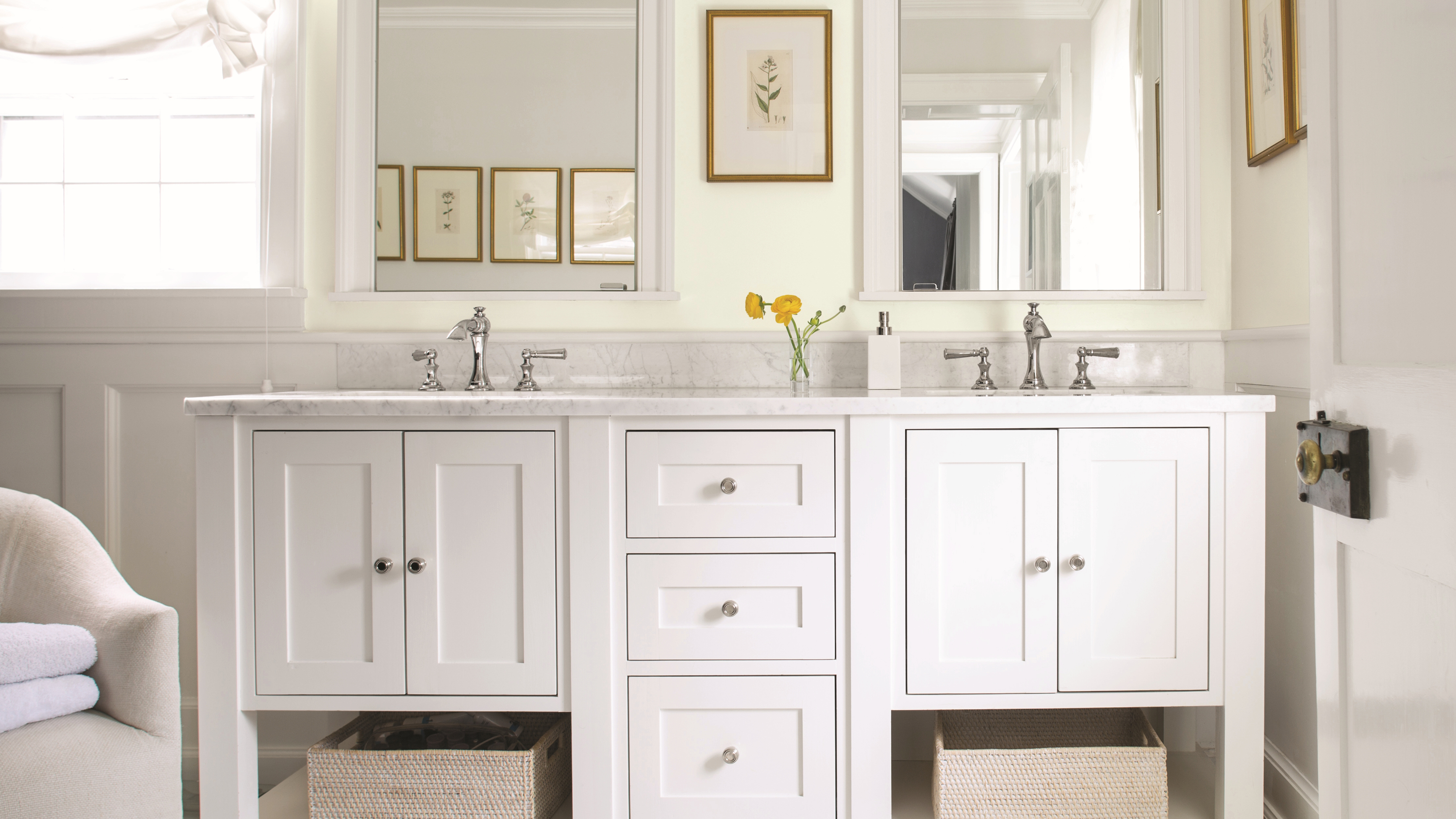
These bathroom features add value to your home – and none of them is a bathtub

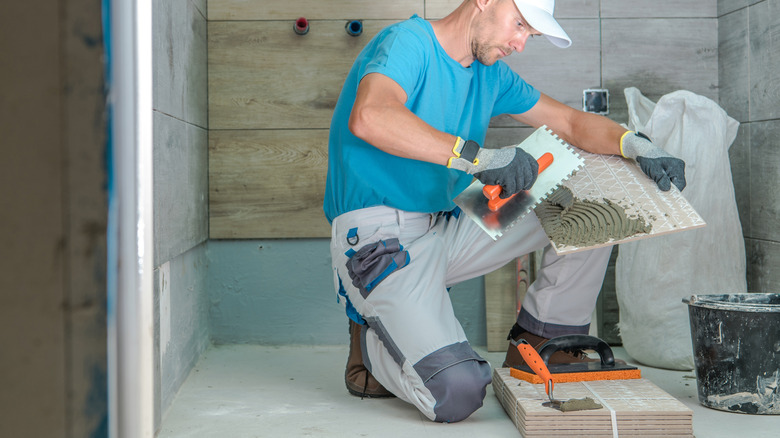
The 14 Most-Wanted Bathroom Features That Can Boost Your Home's Value
The Era That’s Inspiring the Next Wave of Bathroom Remodels

7 luxurious bathroom updates to do right now

Six Wellness-Related Bathroom Design Trends For 2024