We Built a Clay-Straw House in 2009
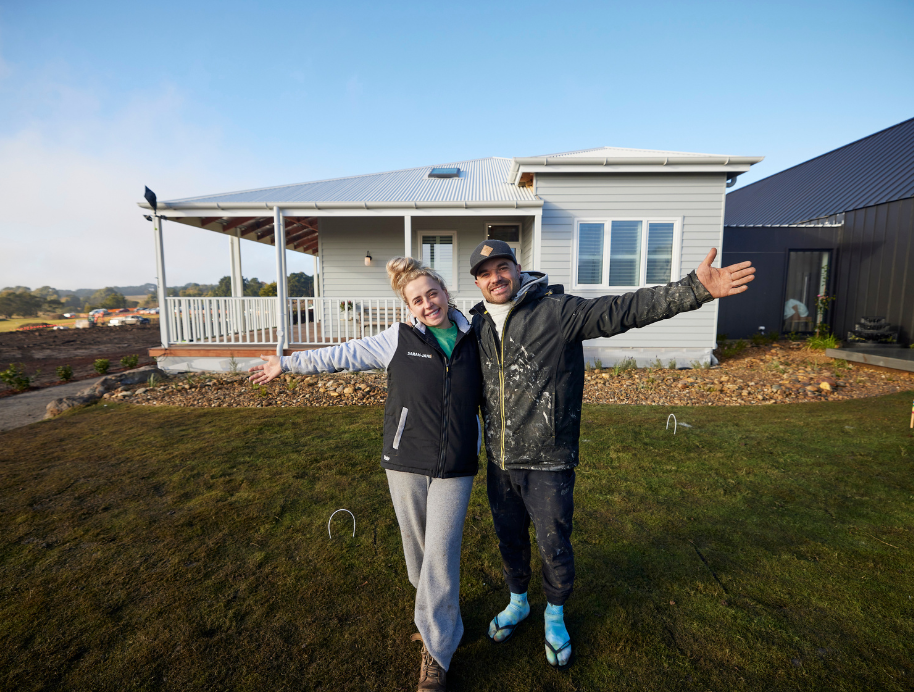
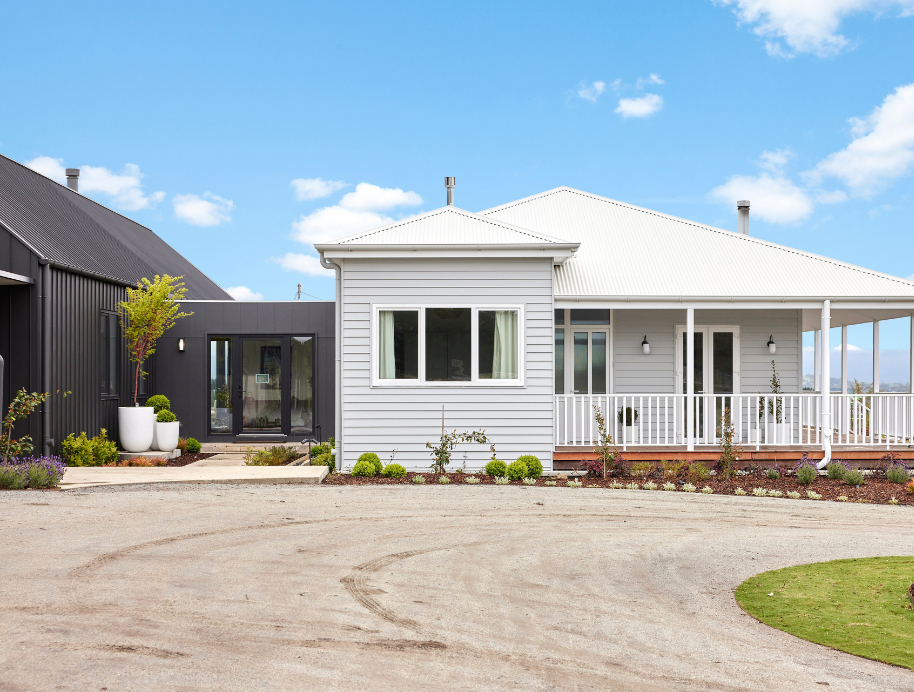
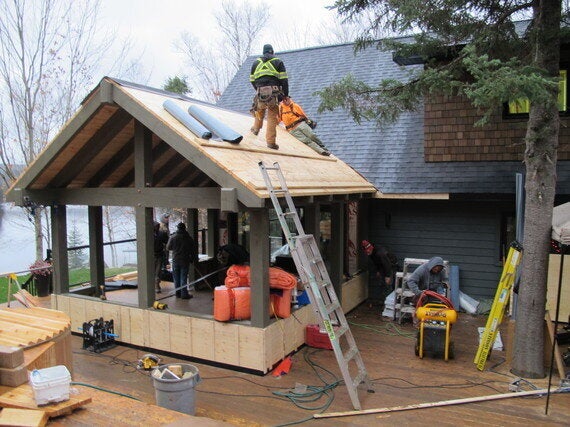
This blog post details the experience of building and living in an alternative clay-straw house, reflecting on the motivations, construction process, and lessons learned over a decade. The authors, having raised their last child, decided to pursue their long-held dream of constructing an unconventional home in a rural setting. Their decision followed extensive research into various alternative building methods, including straw bale, stack wall, rammed earth, earth ship, and log construction, and hands-on experience gained from assisting friends with their projects. Ultimately, they settled on clay-straw after evaluating different approaches against their core values and priorities.
The primary motivations for choosing clay-straw included a desire for natural and sustainable building materials, a passive solar design, and a healthy, nurturing living environment. A significant priority was also to involve family and friends in the construction process. The authors were guided by Hans Friesen of Hans Timberworks, who introduced them to Robert and Paula Laporte of EcoNest Homes. A visit to the Laporte's home in New Mexico and participation in an EcoNest workshop solidified their choice. Clay-straw, an ancient building technique, utilizes abundant natural materials like clay and straw, or other binders such as wood chips, manure, or cattail fluff. The mixture forms a durable, user-friendly medium suitable for all ages to work with.
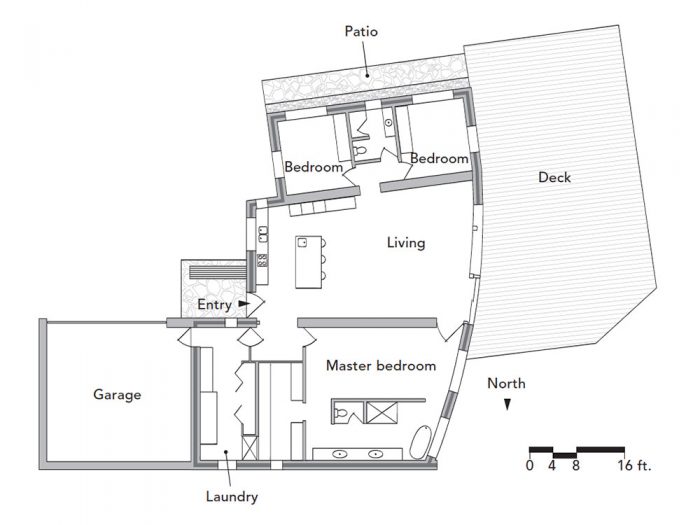
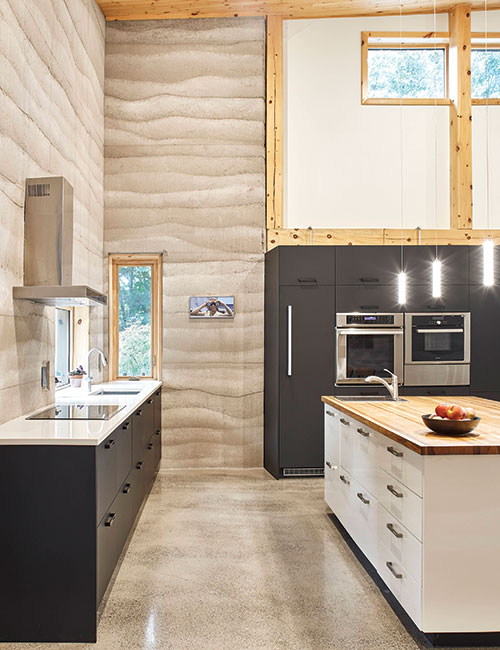
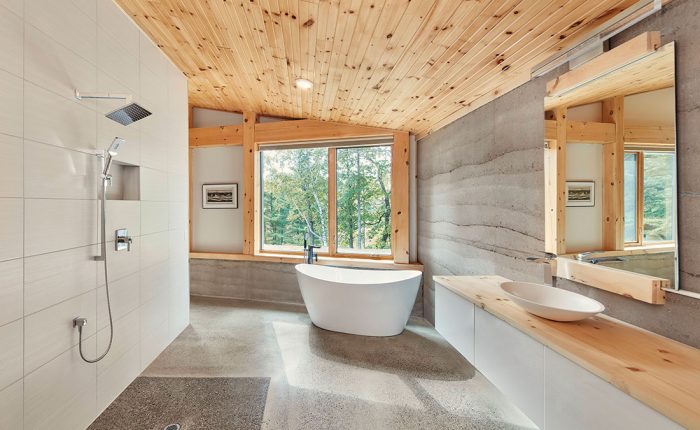
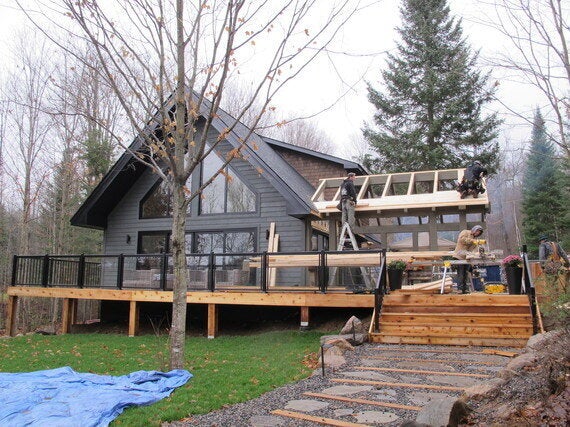
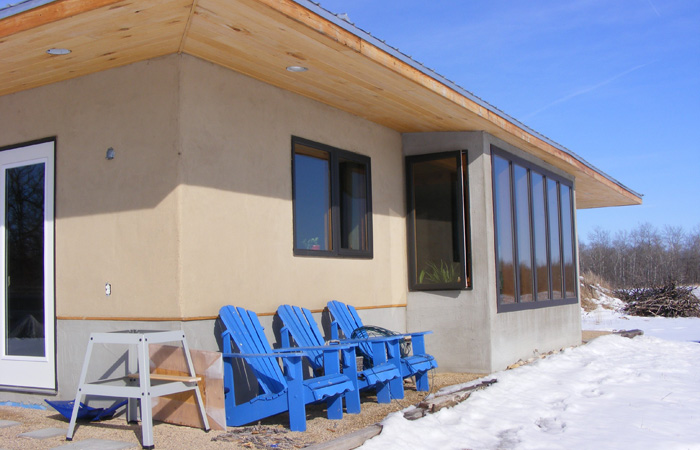
The house features 12-inch thick exterior walls built around a timber frame skeleton. Clay was also used for most of the floors, countertops, and as the interior and exterior wall finish. The clay itself was locally sourced from a nearby gravel pit's overburden and screened to remove impurities. The construction minimized concrete use, with footings only beneath the timber frame, to reduce CO2 emissions associated with cement production. The passive solar design incorporates south-facing windows to capture heat, which is then retained by the thermal mass of the clay walls and floors. While the house excels in capturing solar energy, its building envelope is not as airtight as contemporary structures, lacking a vapor barrier in the walls. The south-facing clay-straw mix has a higher clay content to absorb solar energy, while the more straw-heavy north wall provides insulation against winter winds.
The primary heating source is a centrally located, custom-built masonry heater, which radiates slow-release heat absorbed by the floors and walls. An auxiliary in-floor electric boiler provides additional heating. A year prior to the article's publication, a grid-tied, 40-panel, ground-mount solar system was installed through a provincial rebate program, anticipating future electricity rate increases. After a year of operation, the solar system performed as expected, aligning with financial return on investment insights shared by a local columnist.
After ten years in their home, the authors have gained a deep understanding of its performance and have identified areas they might approach differently with current knowledge. They highlight a fundamental choice in alternative building: prioritizing energy consumption reduction (leading to super-insulated structures with expensive synthetic materials) versus focusing on embodied energy and environmental impact over the material lifecycle (leading to more natural methods and potential lifestyle adjustments). The authors believe they achieved a balance, aligning their home with their values, and continue to engage in the ongoing discussion about local solutions to global environmental challenges. The article was published on January 2, 2019.
#clayStrawHouse #sustainableBuilding #alternativeHousing #passiveSolarDesign #naturalMaterials #ecoFriendlyHome #homeConstruction #selfBuild #renewableEnergy #clayStrawHouse #sustainableBuilding #alternativeHousing #passiveSolarDesign #naturalMaterials #ecoFriendlyHome #homeConstruction #selfBuild #renewableEnergy
0 comment in total
 No comments yet
You may also like
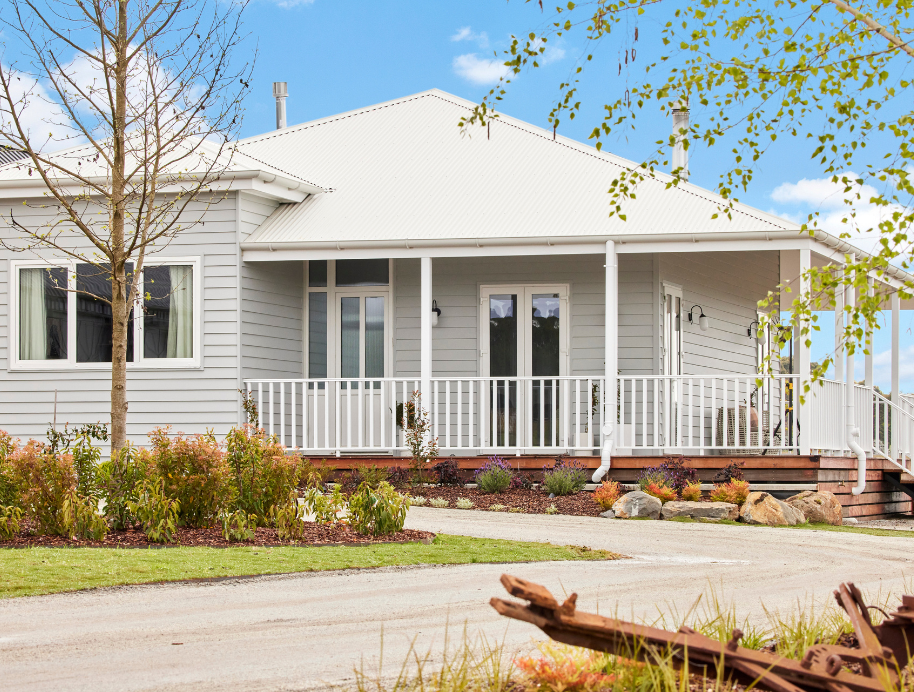
Our Block houses are FINALLY finished!
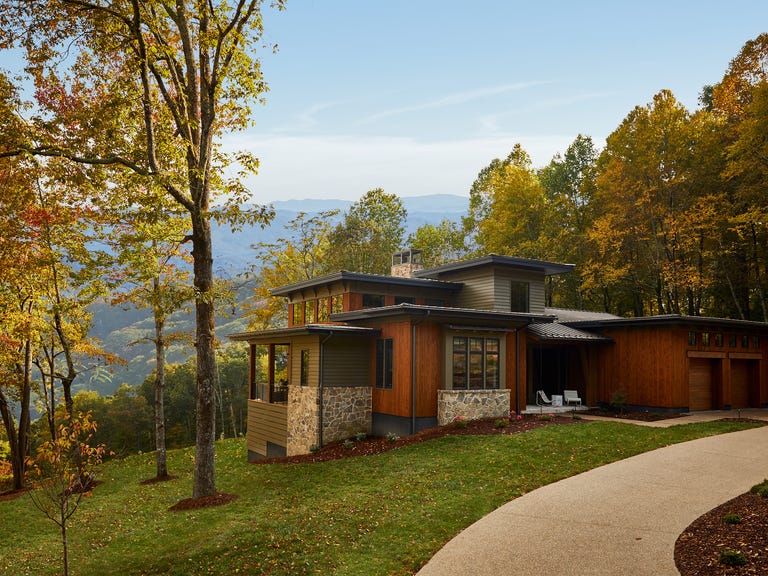
Inside Our Seventh Annual Whole Home

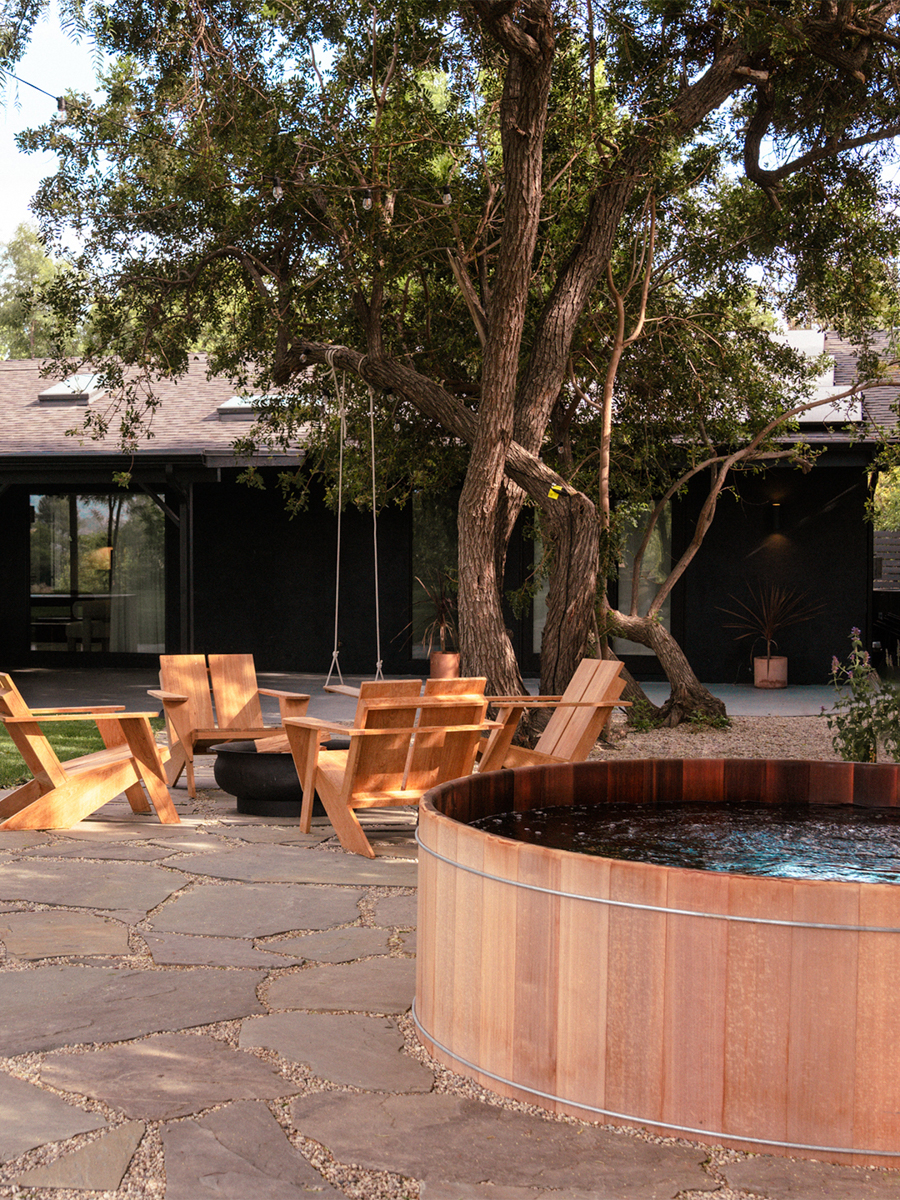
30 Years Later, This Homeowner Finally Built His Dream Childhood Treehouse

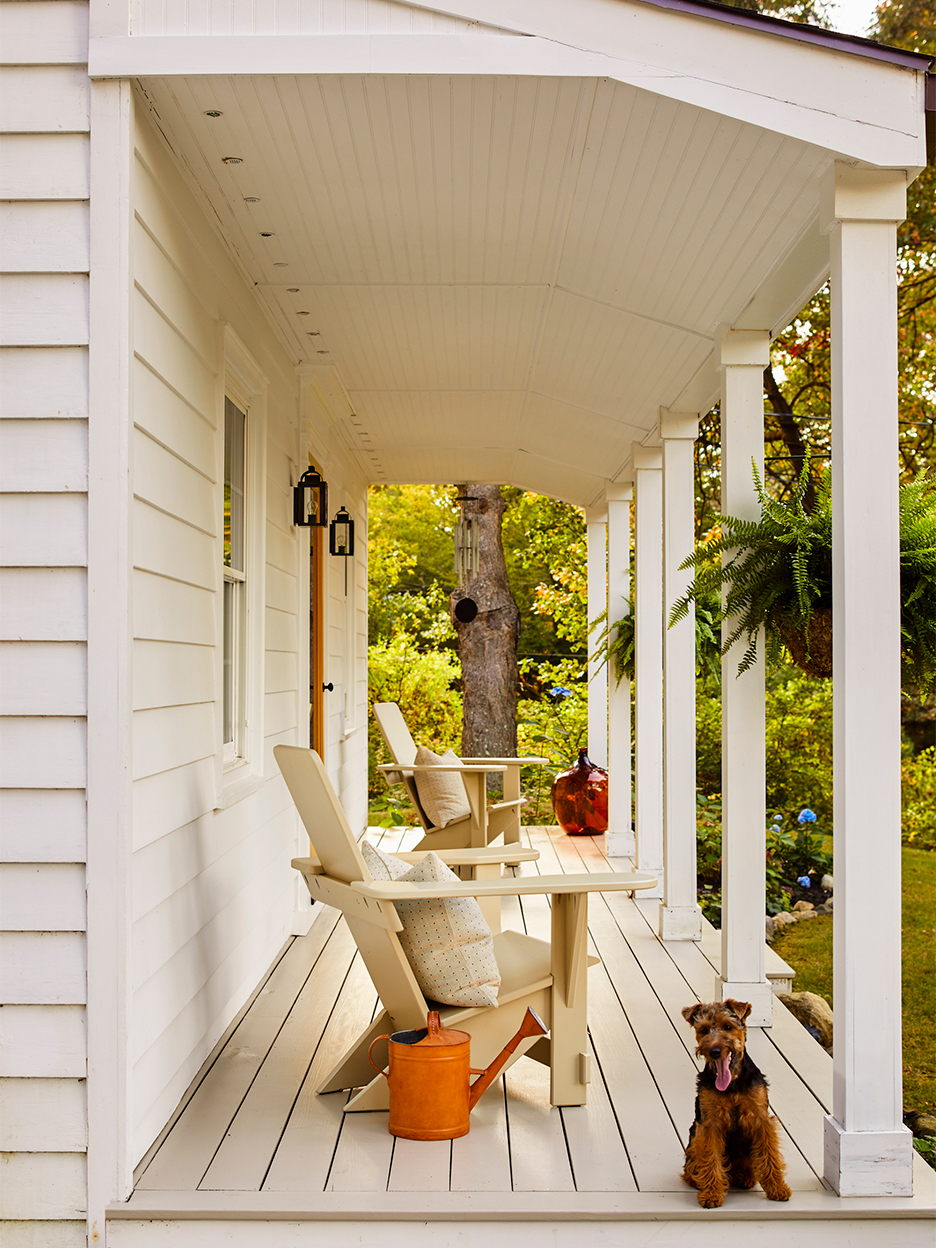
We Gutted Our 1940s Weekend House Ourselves for $80K
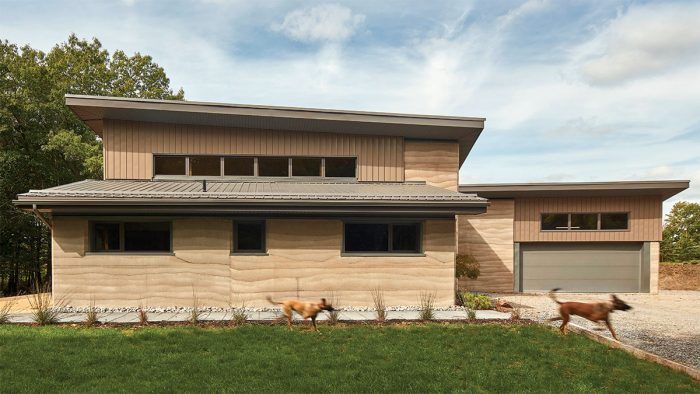
Rammed Earth: Creating a 500-Year House

Build Our 2023 Idea House: Dogwood Acres

We Found the Home Library of Our Dreams

'We're Swapping Our Four-Bedroom Home For a Tiny House'

Building Our Cottage Snowroom...I Mean, Sunroom