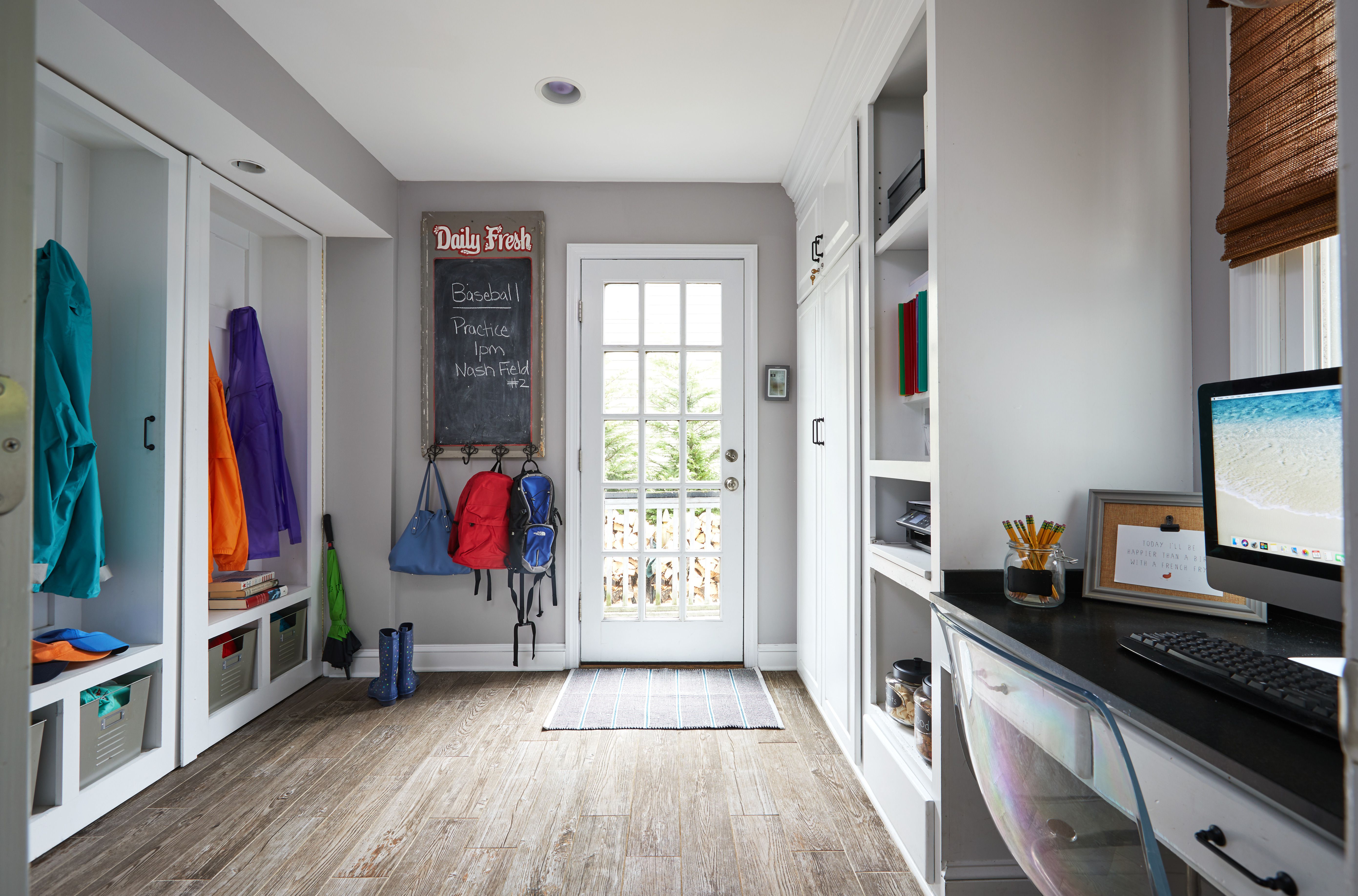
Tile That Looks Like Wood—Pros and Cons Explained
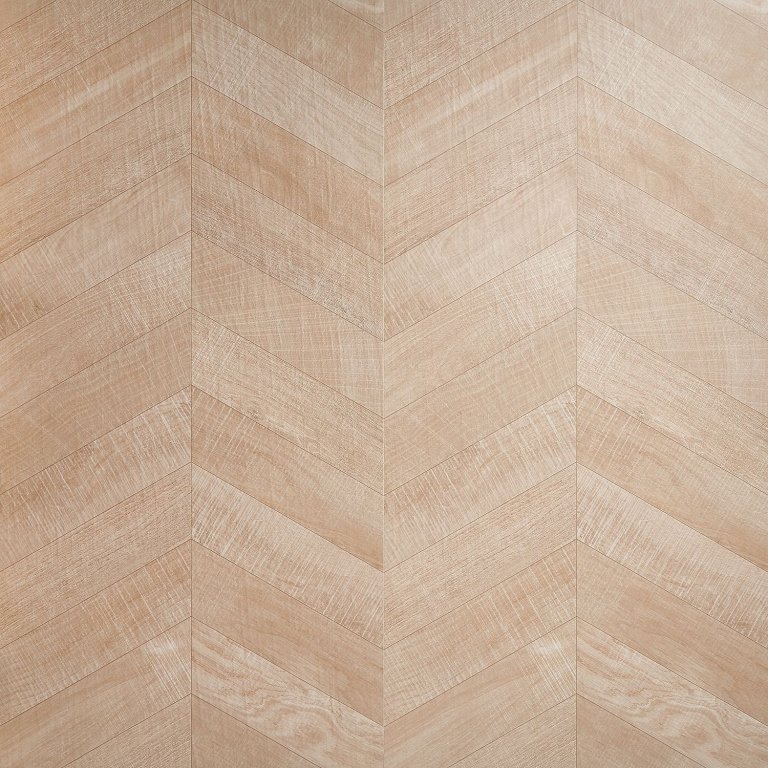
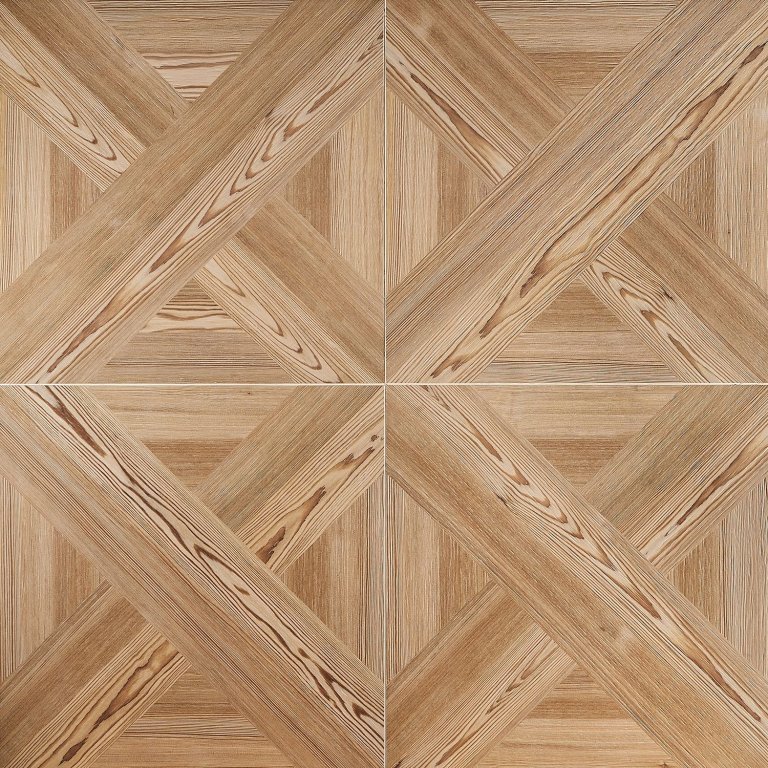
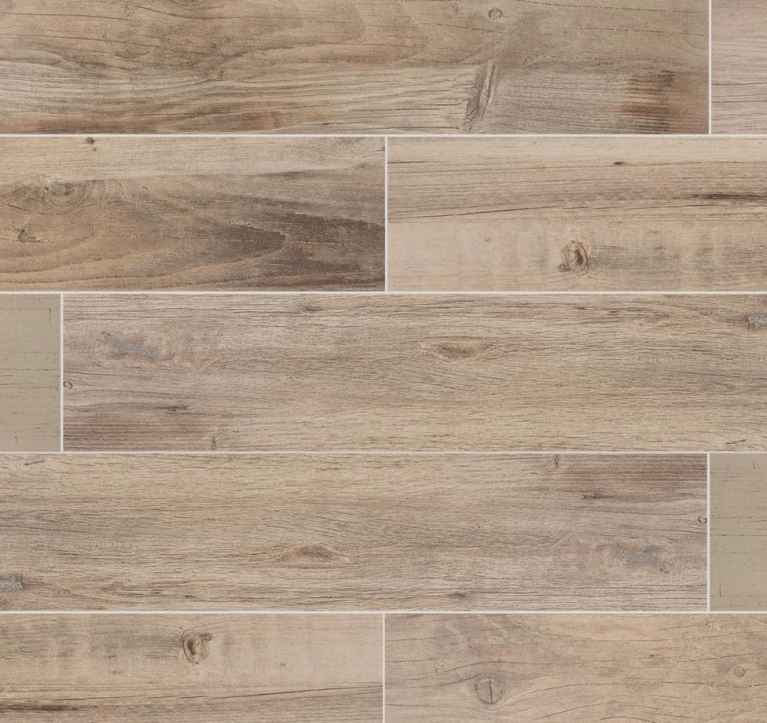
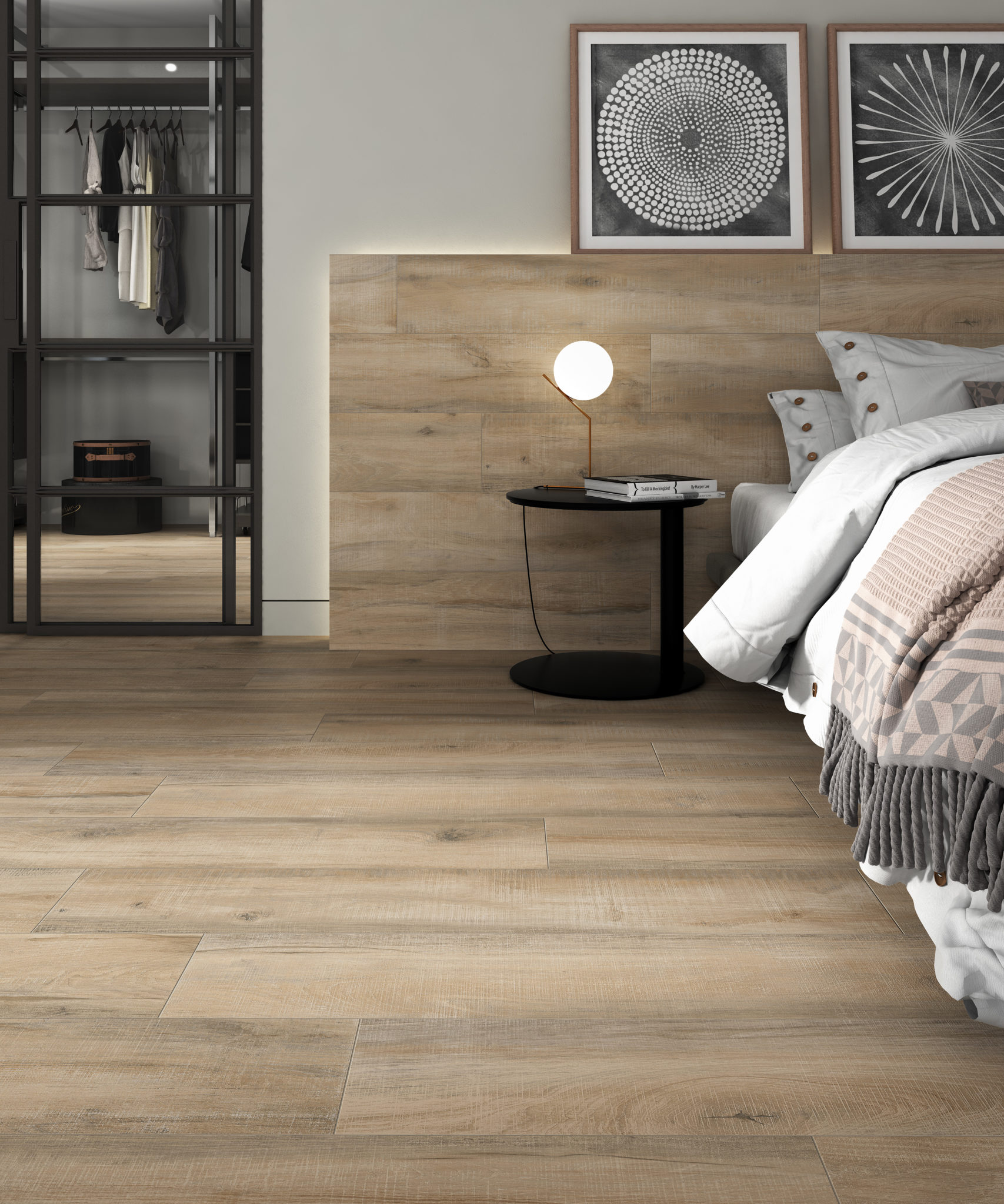
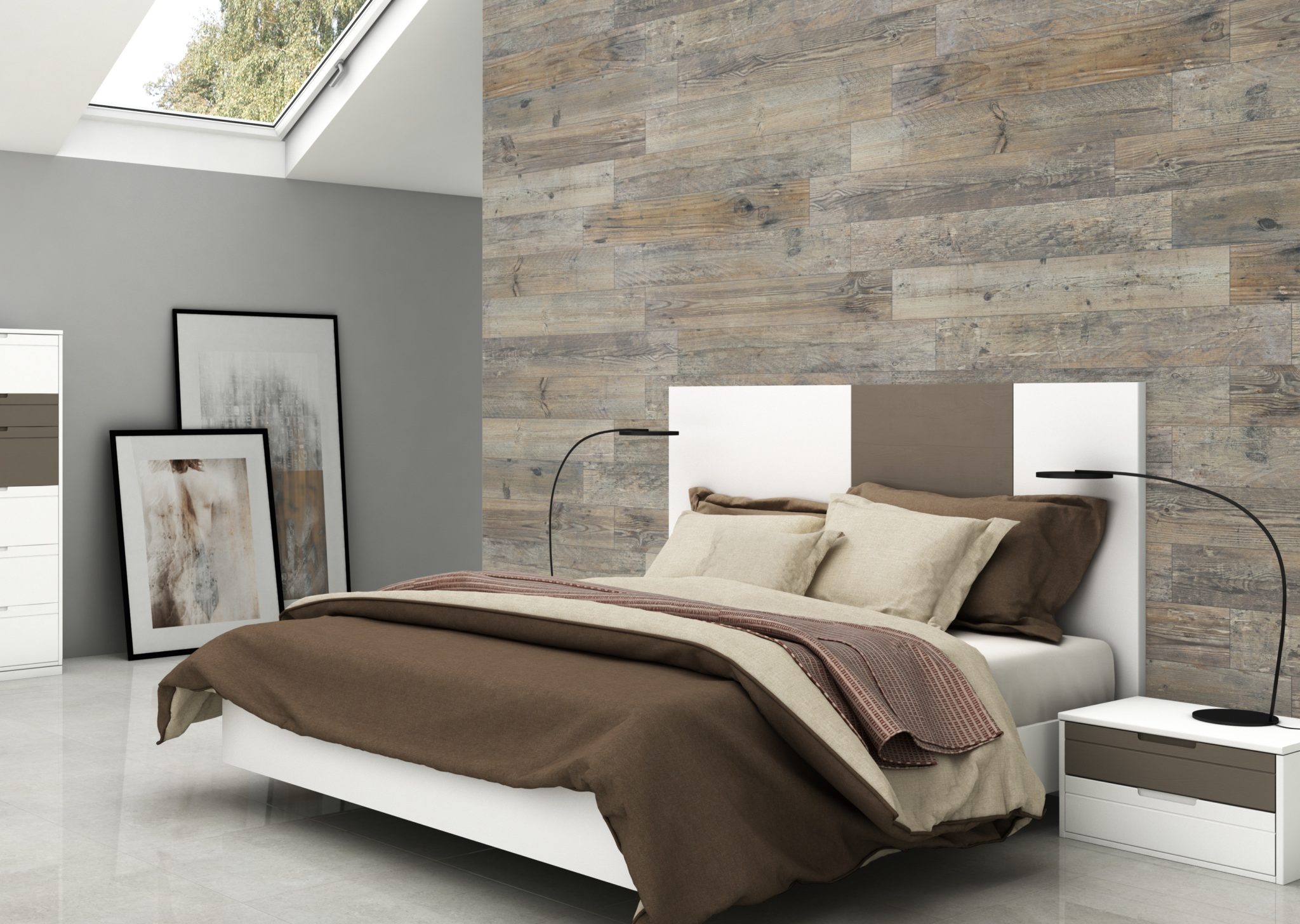
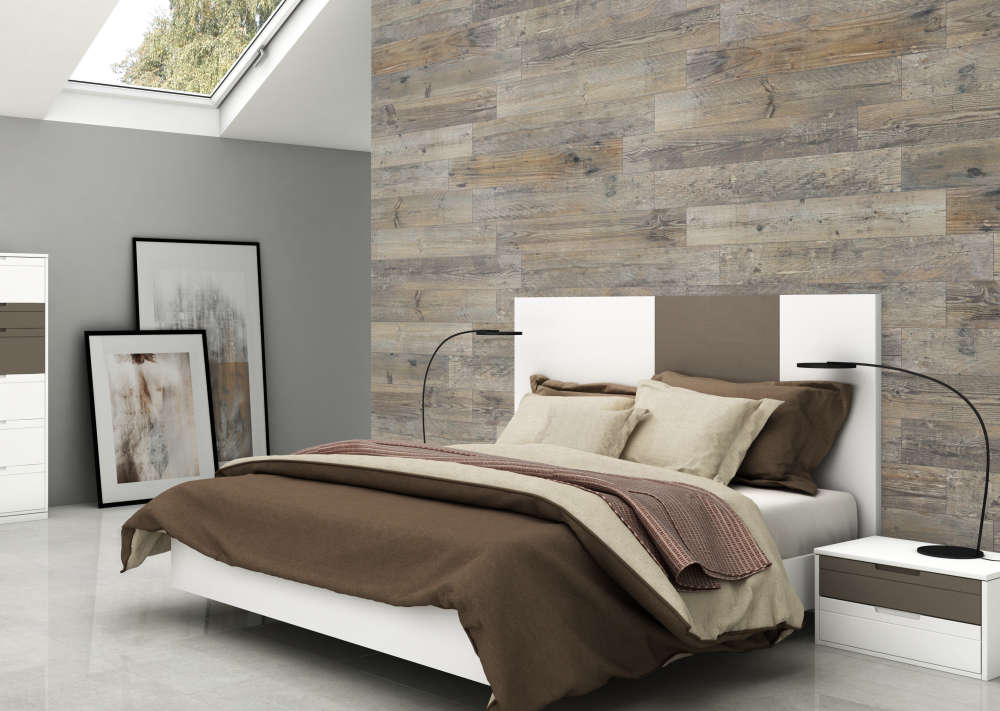
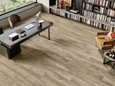
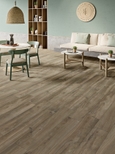
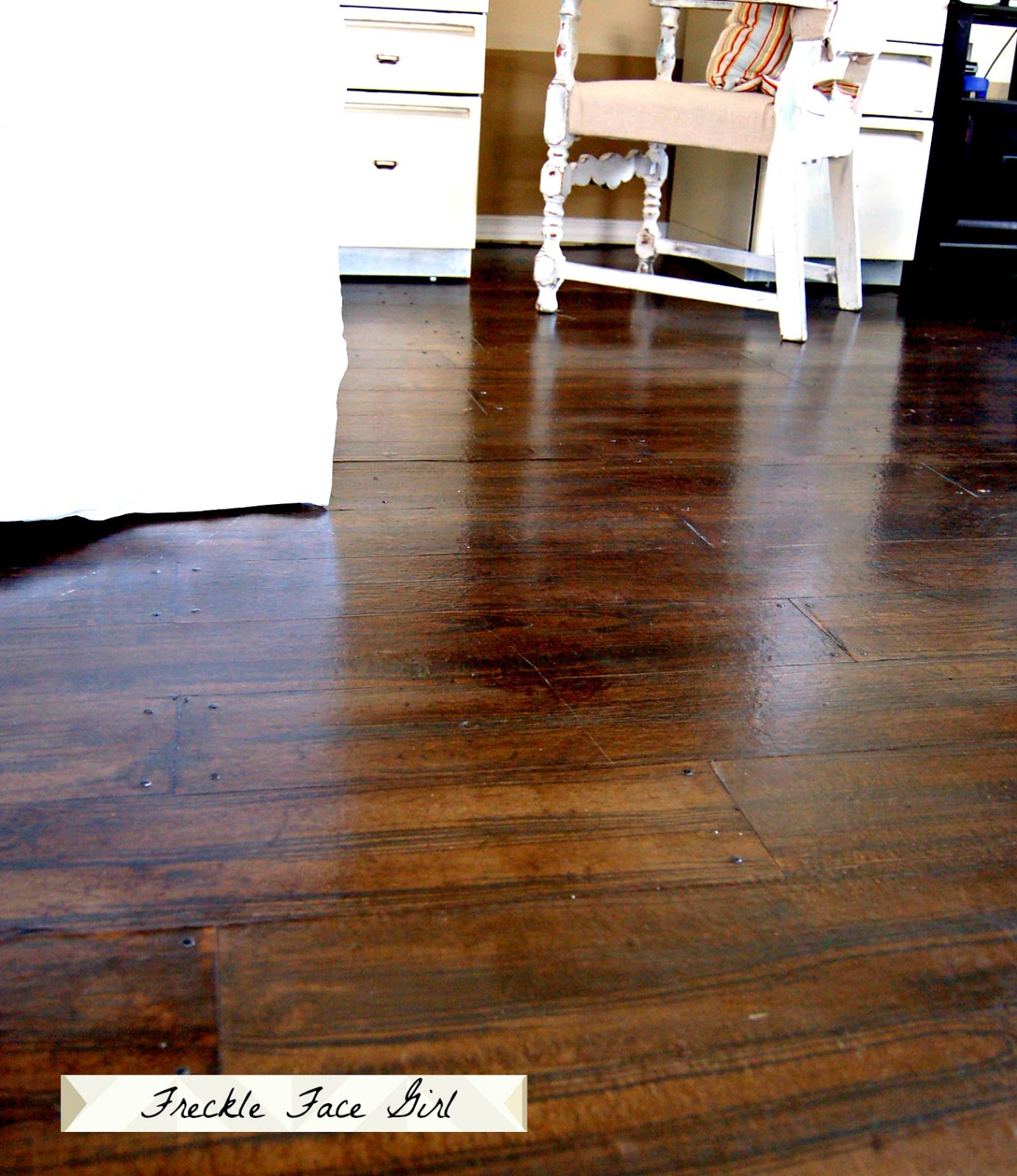
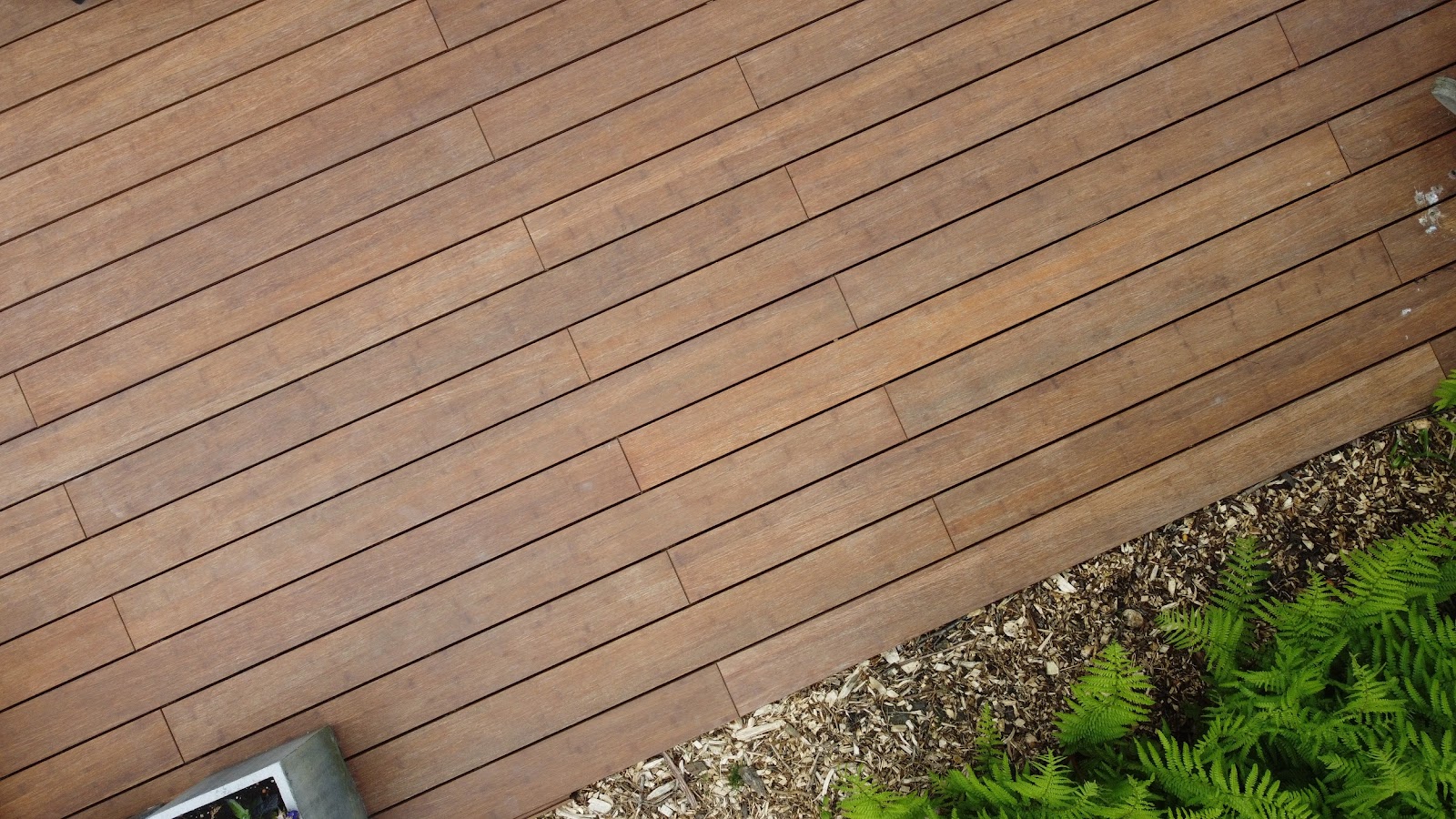
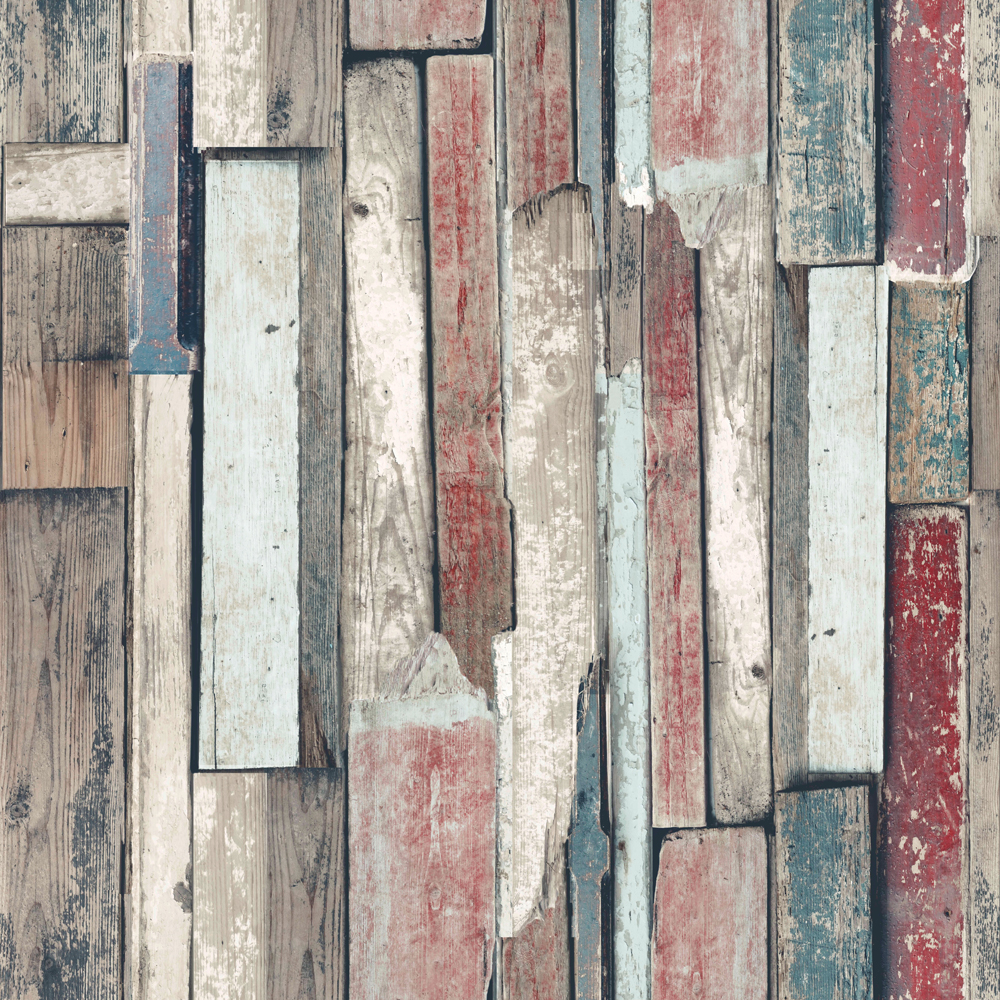
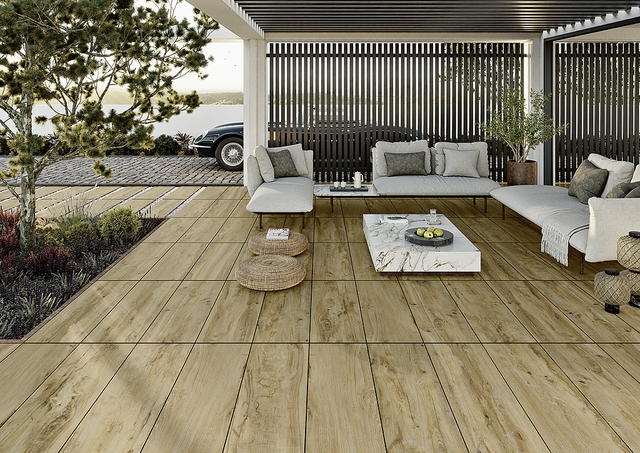
Wood-look tile offers an appealing alternative to traditional hardwood floors, combining the aesthetic of natural wood with the enhanced durability and low maintenance of ceramic or porcelain tile. This manufactured product is designed to mimic various natural wood species, providing a versatile and often more budget-friendly flooring solution. Unlike hardwood, which is more porous and susceptible to wear, wood-look tile is highly resistant to scratches and is waterproof, making it suitable for high-moisture and high-traffic areas such as kitchens, bathrooms, laundry rooms, basements, and even outdoor spaces. Its smooth surface also prevents dirt and dust accumulation, simplifying cleaning and upkeep.
One of the primary advantages of wood-look tile is its cost-effectiveness. While traditional hardwood flooring can cost up to $15 per square foot, wood-look tile typically ranges from $1.50 to $5 per square foot, offering significant savings on material costs. However, it is important to consider the installation process. Due to the strength and hardness of porcelain, cutting and installing wood-look tile often requires specialized skills, making professional installation highly recommended. Although the material cost is lower, professional installation can increase the overall project expense. Despite this, the long-term durability and minimal maintenance requirements of wood-look tile can lead to savings over time.
When selecting wood-look tile, several factors should be taken into account, including color, size, and rating. Tile size can influence the perception of a room, with larger tiles making small spaces appear more expansive and smaller tiles creating a more intimate feel. The Porcelain Enamel Institute (PEI) hardness rating is crucial for determining durability; a rating of at least 4 is recommended for residential floor use. Additionally, tiles are graded for quality: Grade 1 tiles are flawless, Grade 2 have slight imperfections, and Grade 3 are thinner and best suited for walls. For flooring, Grade 1 or 2 tiles are advised.
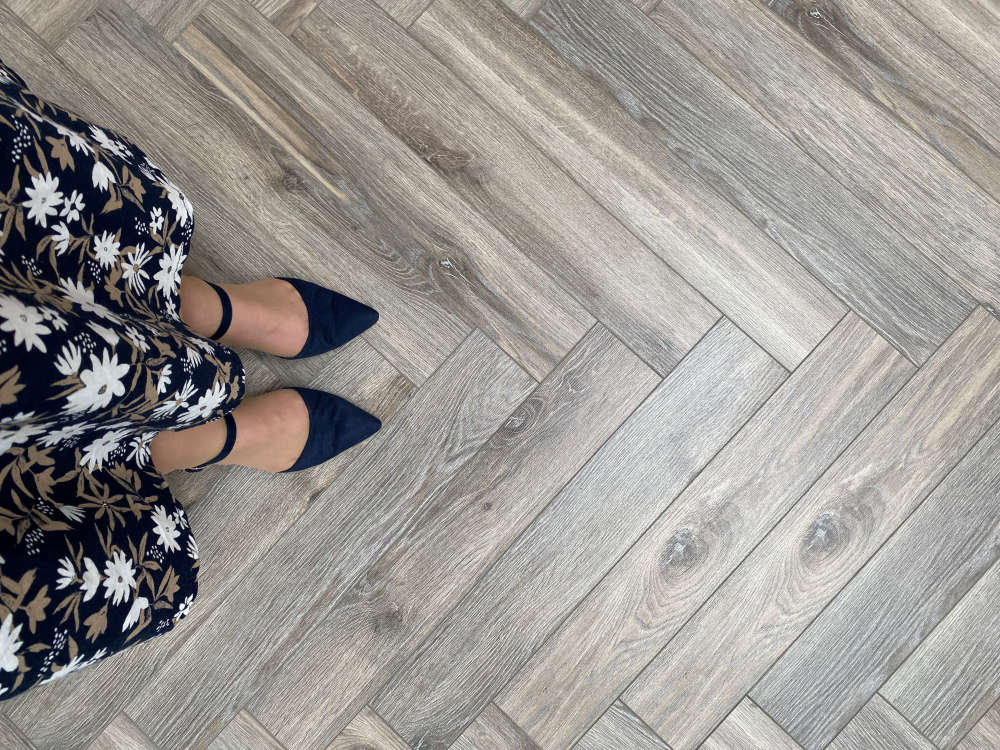
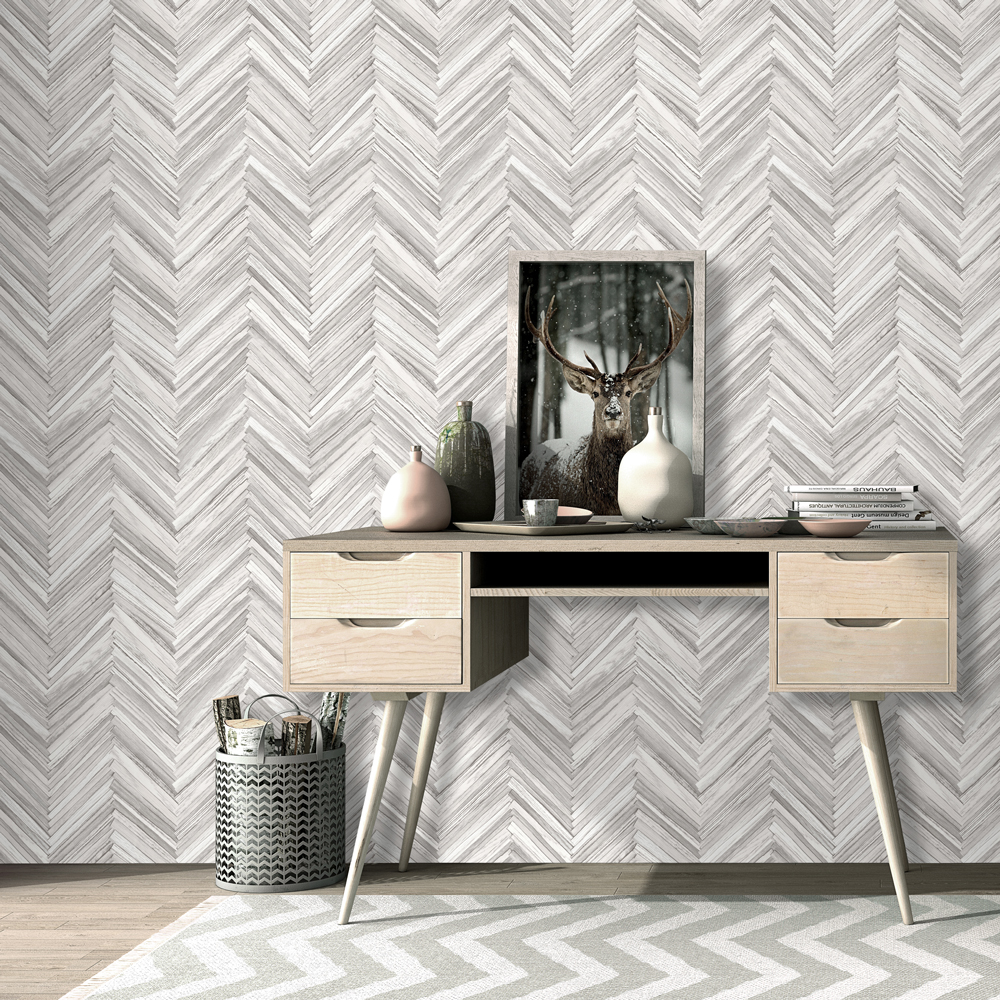
Color and pattern choices also play a significant role. Lighter colors can brighten a space, while darker tones can camouflage wear. Patterned tiles or brightly colored porcelain can add character to specific rooms. Accurate calculation of the required tile quantity is essential, with a recommended 10% overage for standard layouts and up to 20% for complex patterns like herringbone, to account for errors or unexpected challenges during installation. Professional installers are often preferred not only for their expertise in handling the material but also for their knowledge of current installation trends and standards. They can also ensure a natural appearance by paying attention to graphic repeats and creating a random stagger. Matching the grout color to the tile color helps create a seamless, wood-like finish, and while grout should be sealed, the tiles themselves do not require sealing.
#WoodLookTile #FlooringOptions #HomeImprovement #TileInstallation #InteriorDesign #DurableFlooring #CostComparison #TileSelection #WoodLookTile #FlooringOptions #HomeImprovement #TileInstallation #InteriorDesign #DurableFlooring #CostComparison #TileSelection
0 comment in total
 No comments yet
You may also like
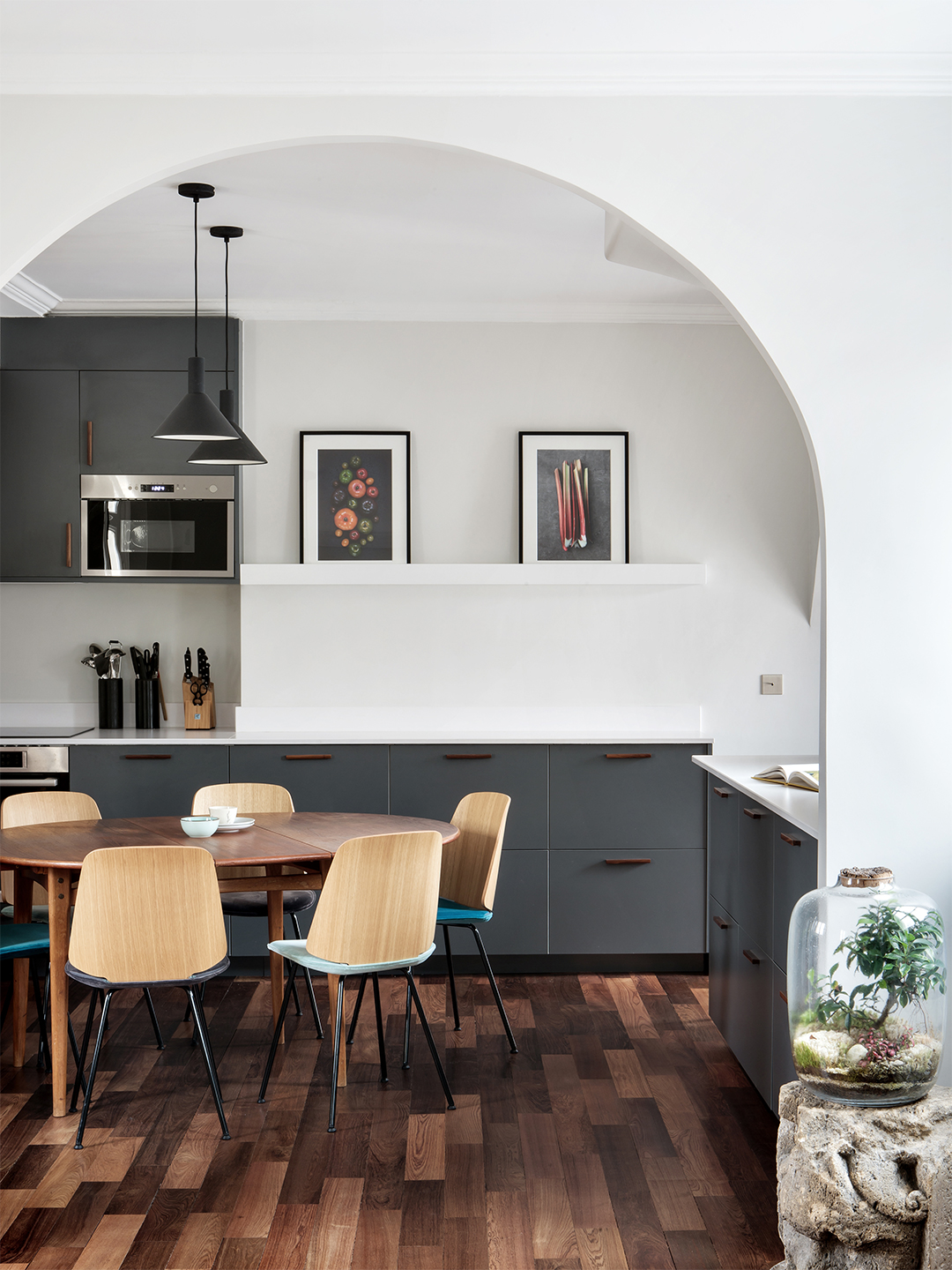
More and More People Are Skipping Pricey Wood Floors for This Alternative
15 of the best flooring materials for the home and why they work


Tiles Gone Wild: Fresh Looks for an Ancient Material

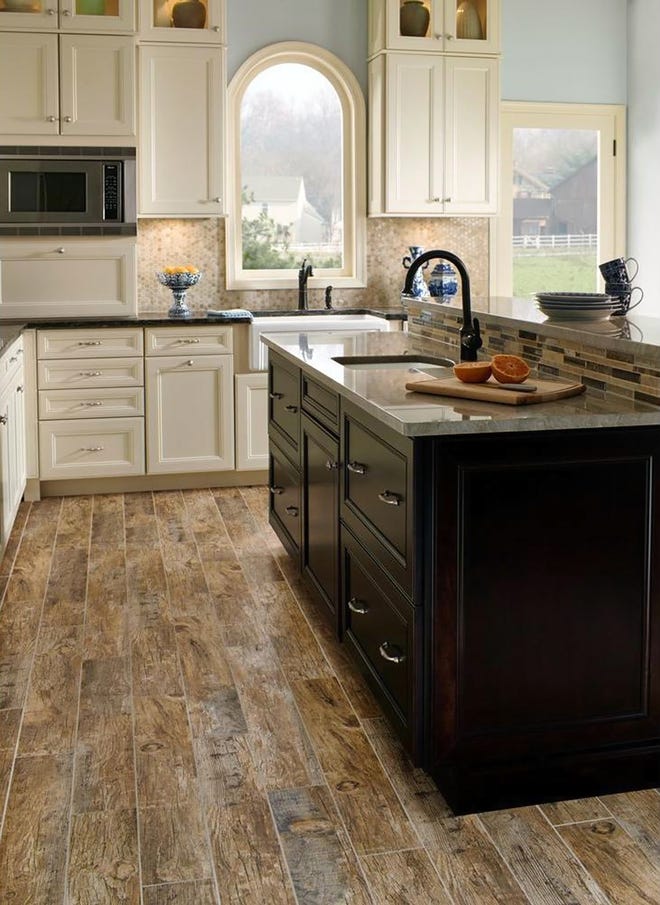
Marni Jameson: Love wood floors but not the cost?
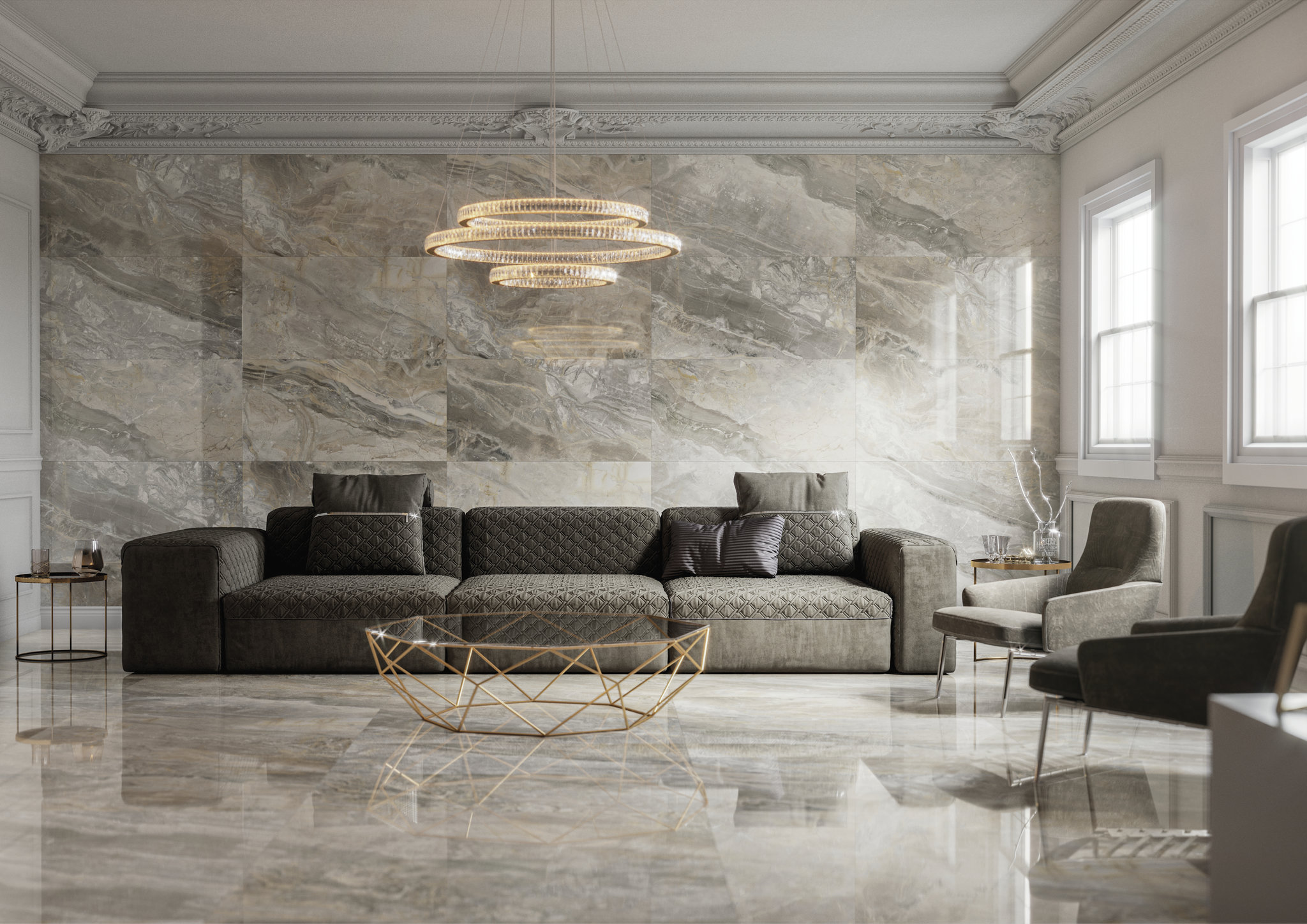
World Of Tiles Reveal This Year's Tile & Wood Flooring Trends


Homestyle: Terrific tiles
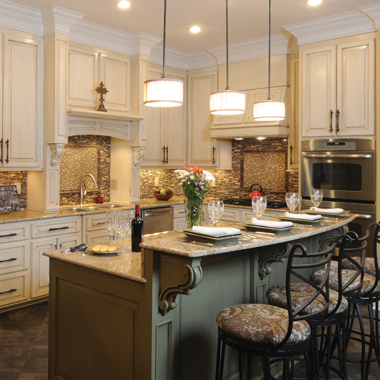
Tile Style

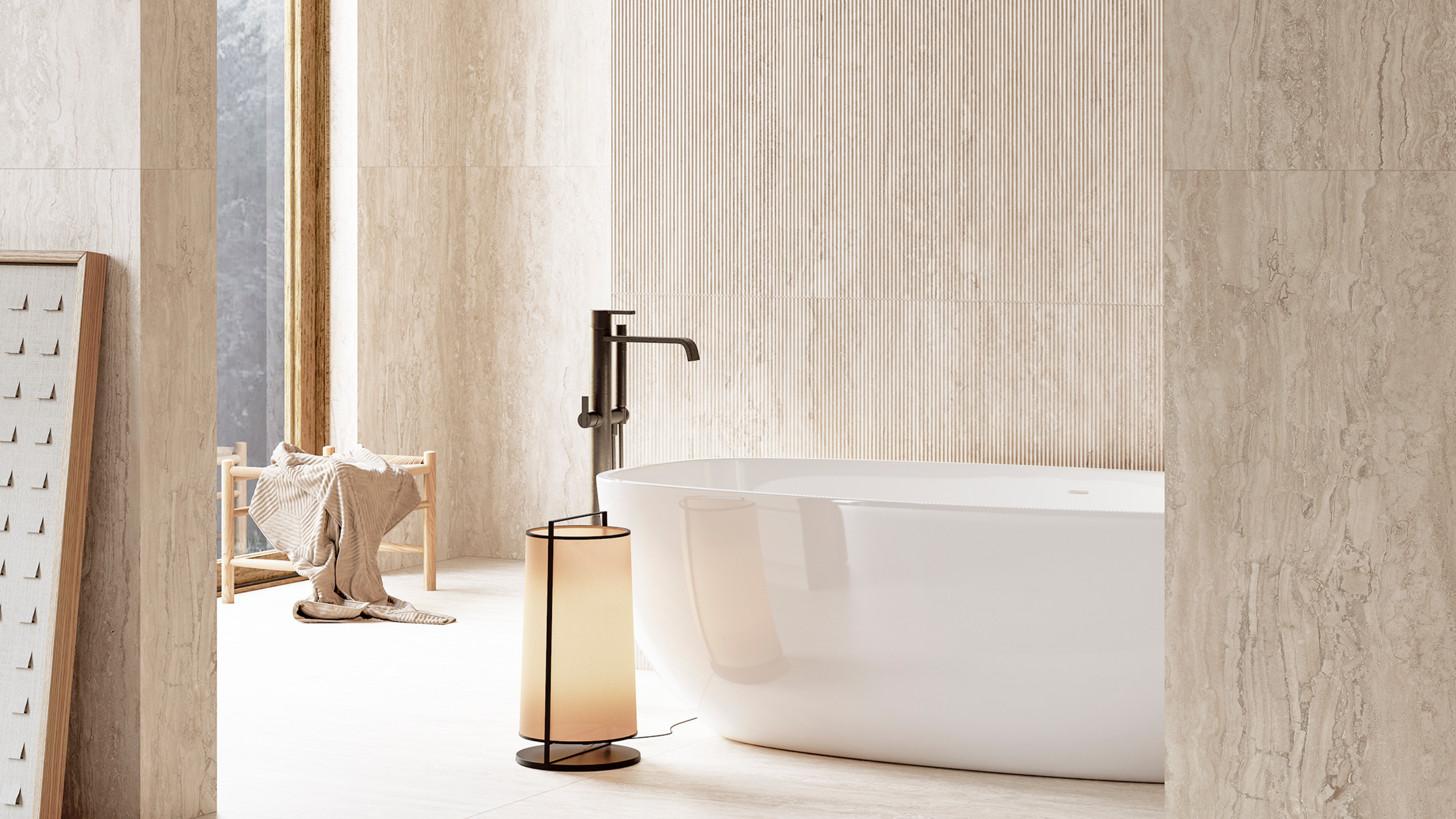
4 Unexpected Materials That Look Like Ceramic Tiles

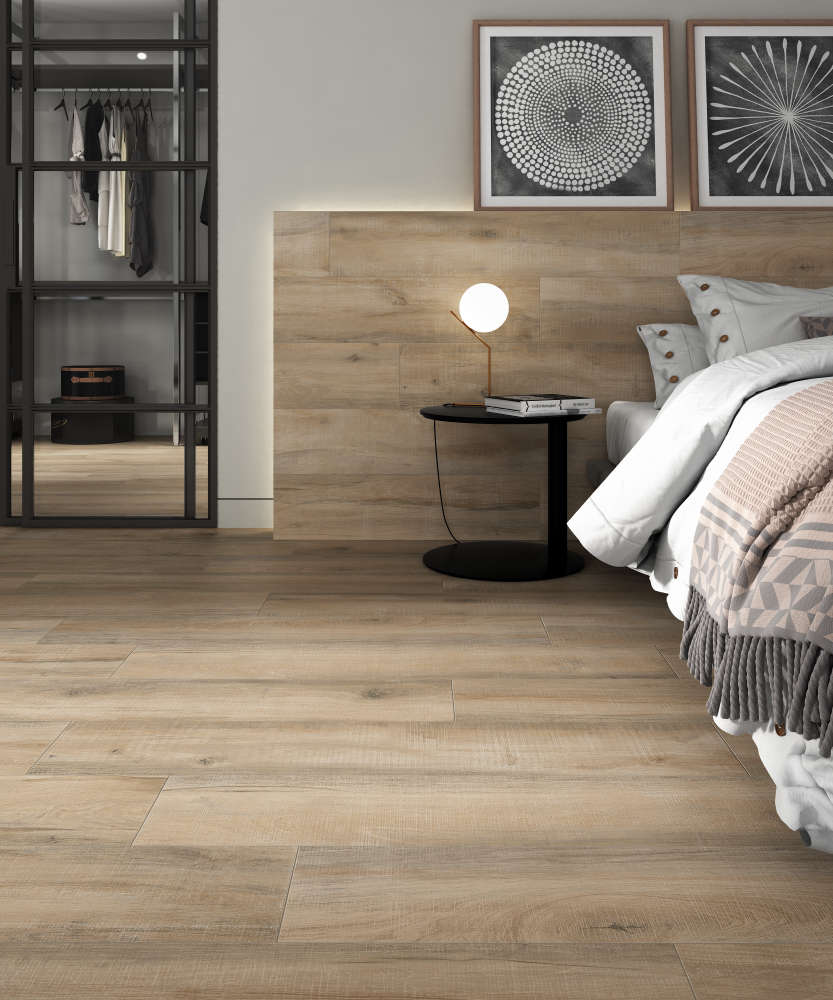
Tile and Wood Flooring Trends 2022 - World of Tiles
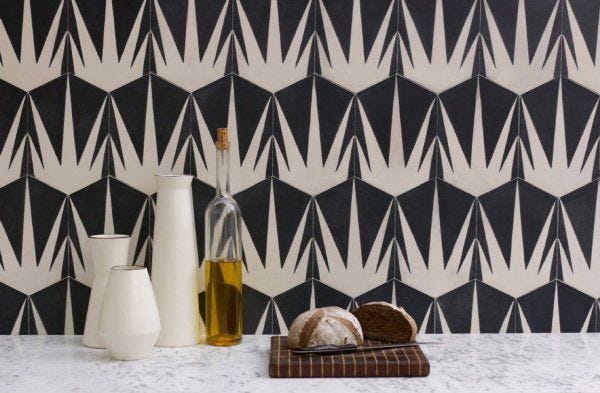
Tasteful tile style for the home

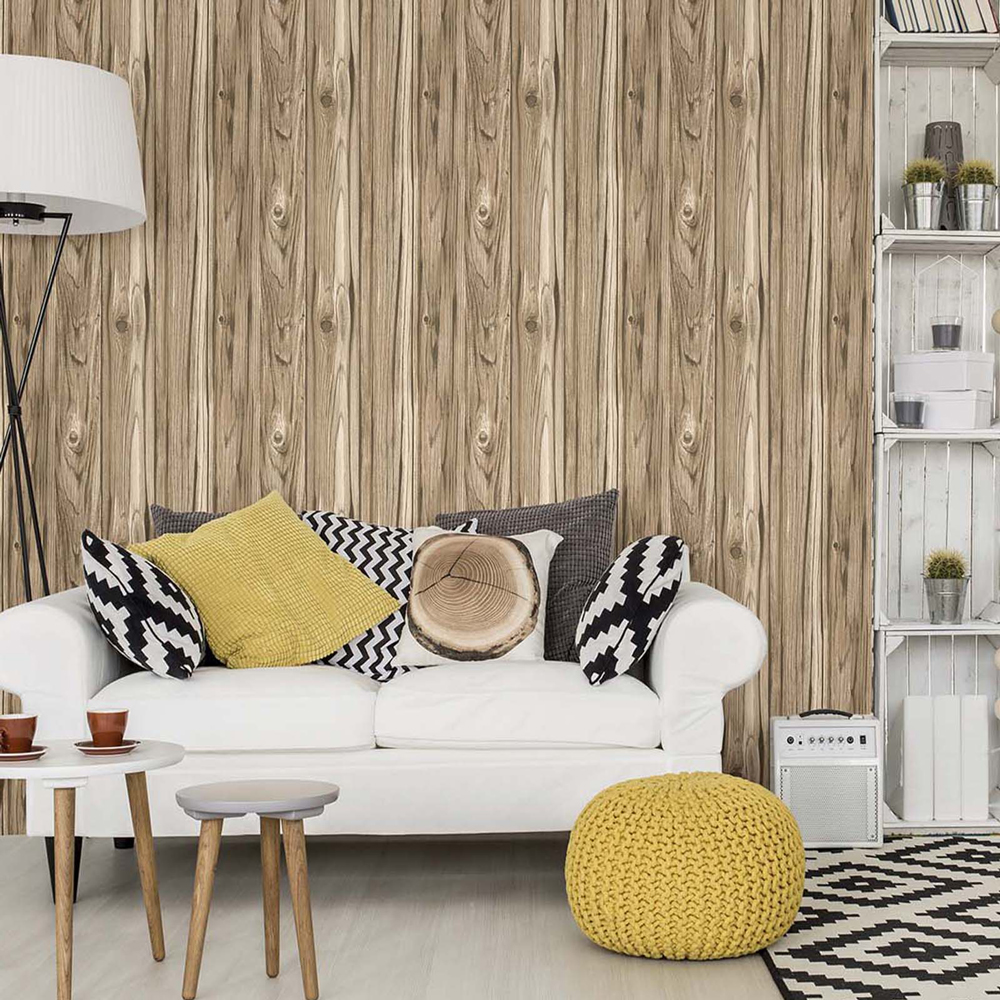
Wood-effect wallpapers – the best designs to suit every style

Timber Look Tiles: Top 10 Wood Tiles on the Market

It's Only a Paper Floor, But You'd Believe It's Real -Wood Planks

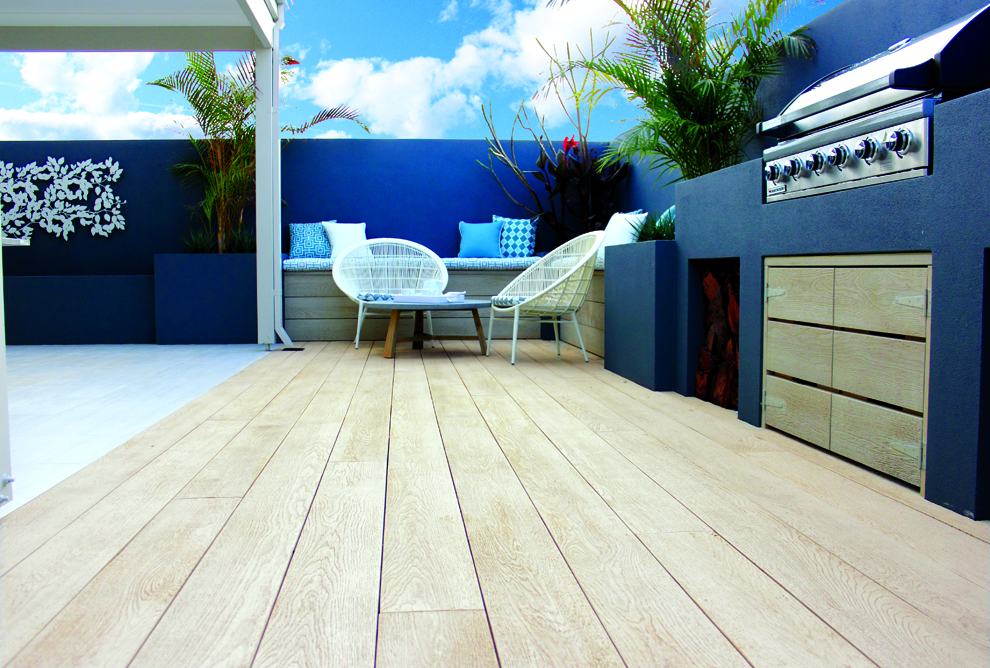
6 Wood Substitutes and When to Use Them

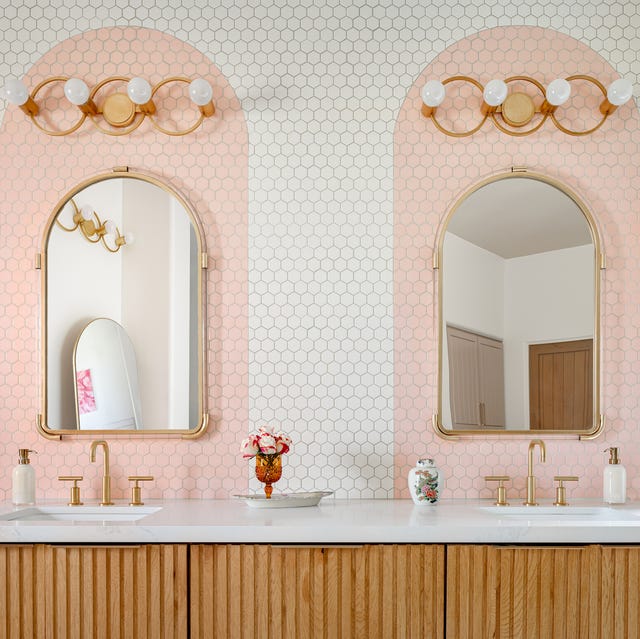
6 Elegant Tile Trends to Inspire a Home Refresh
Glazed Porcelain Tiles - Wooden from Love Tiles

Are wooden countertops right for your home – we explore the pros and cons


Mouldings | Decorative Moulding

Textured, character-rich wood offers relief from white