1/6
This Old-School Bed Is Having a Major Revival
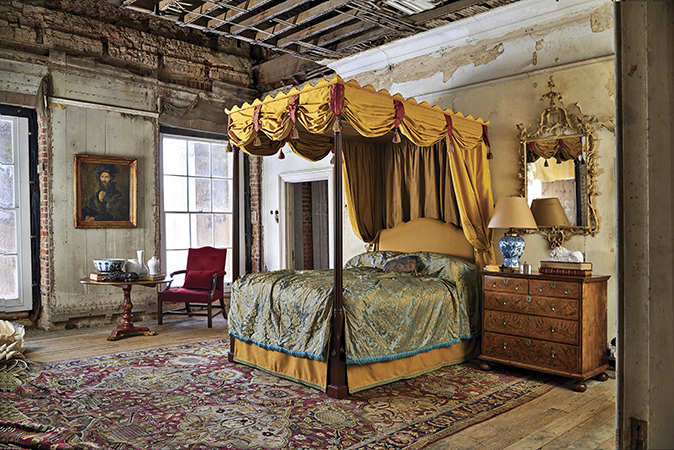
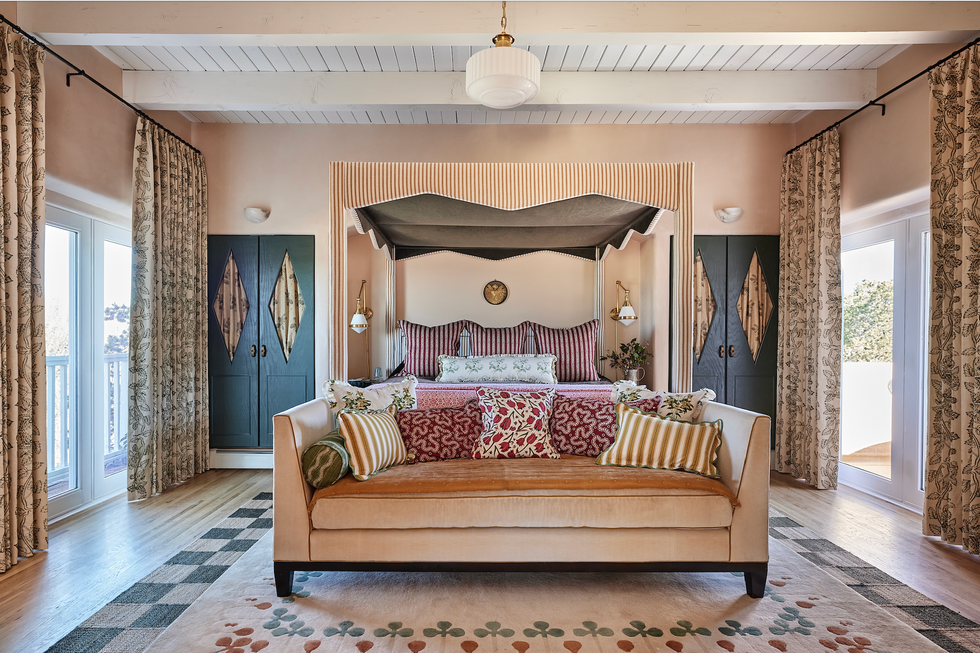
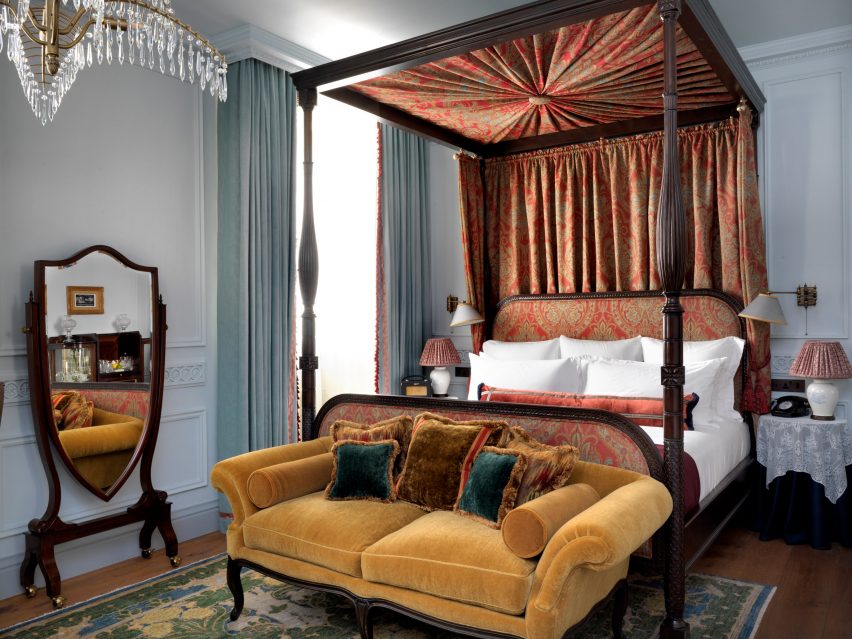
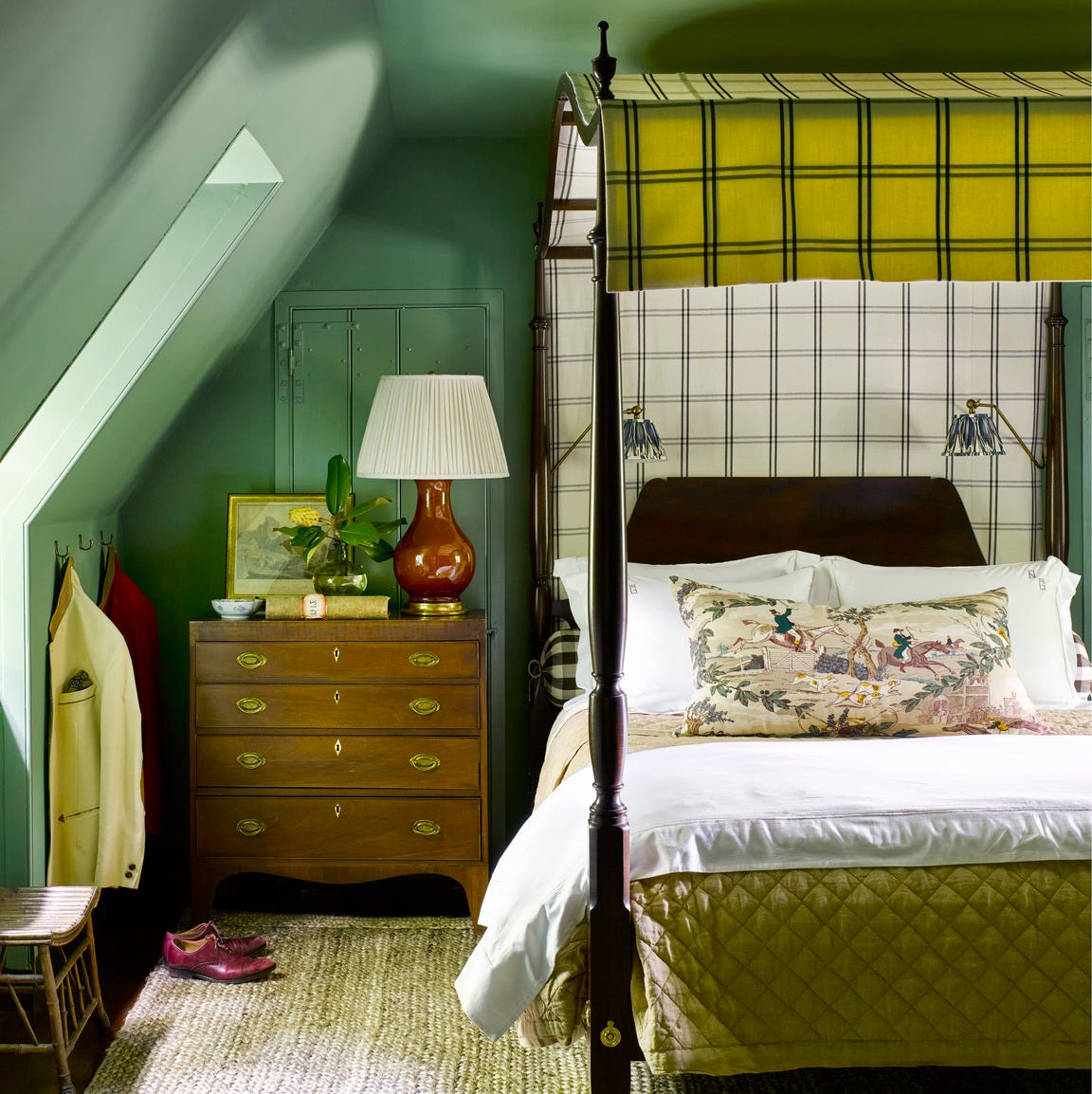
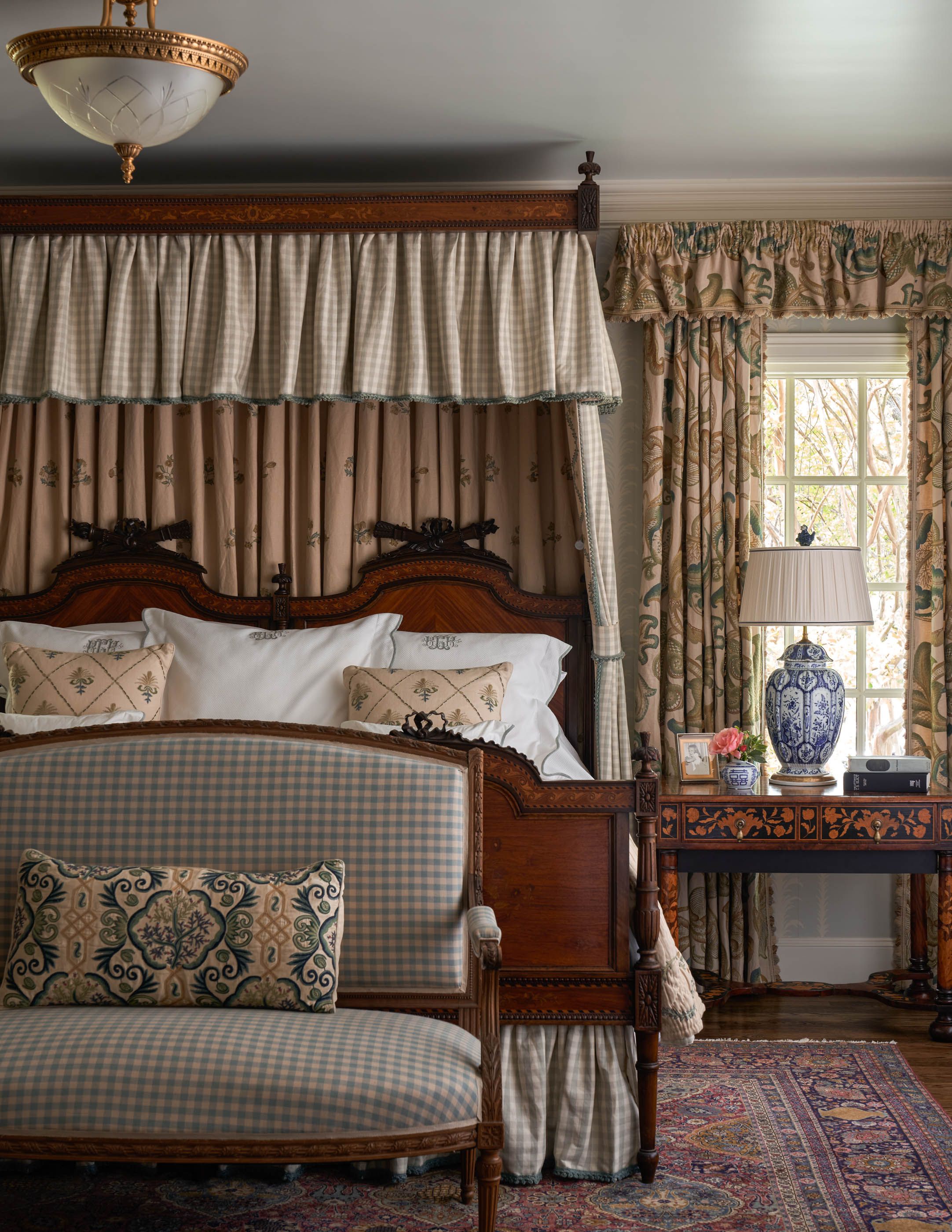
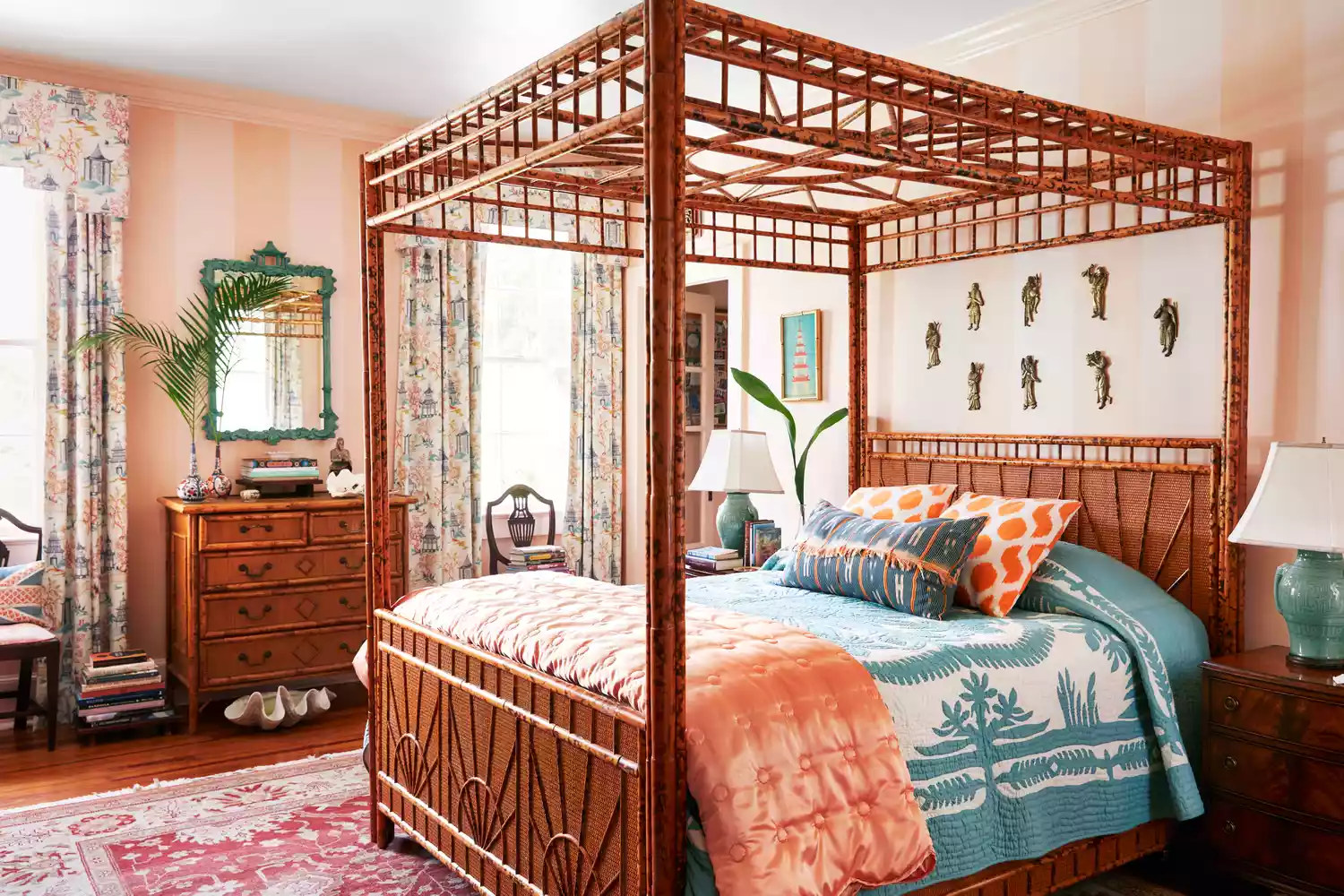
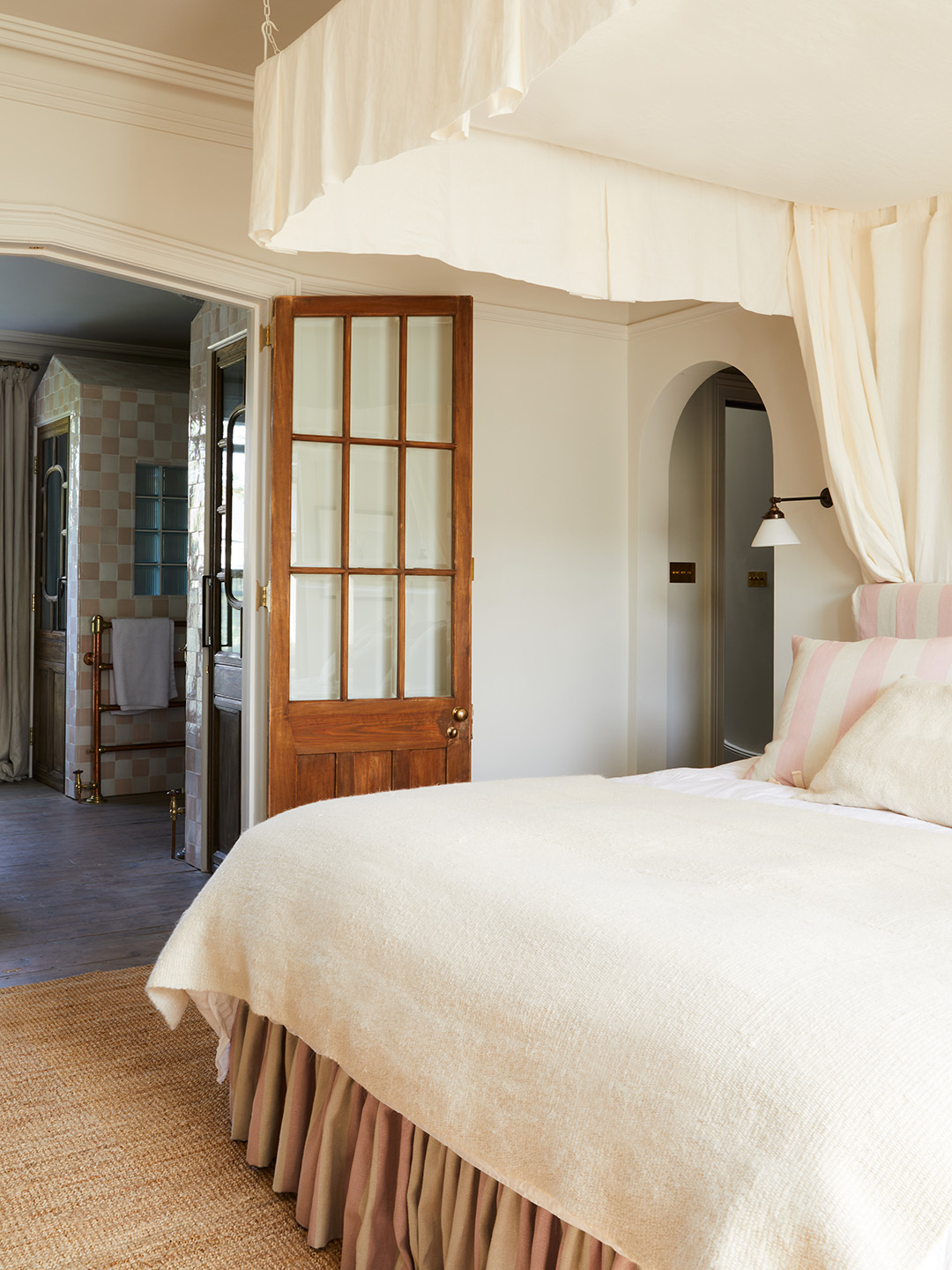
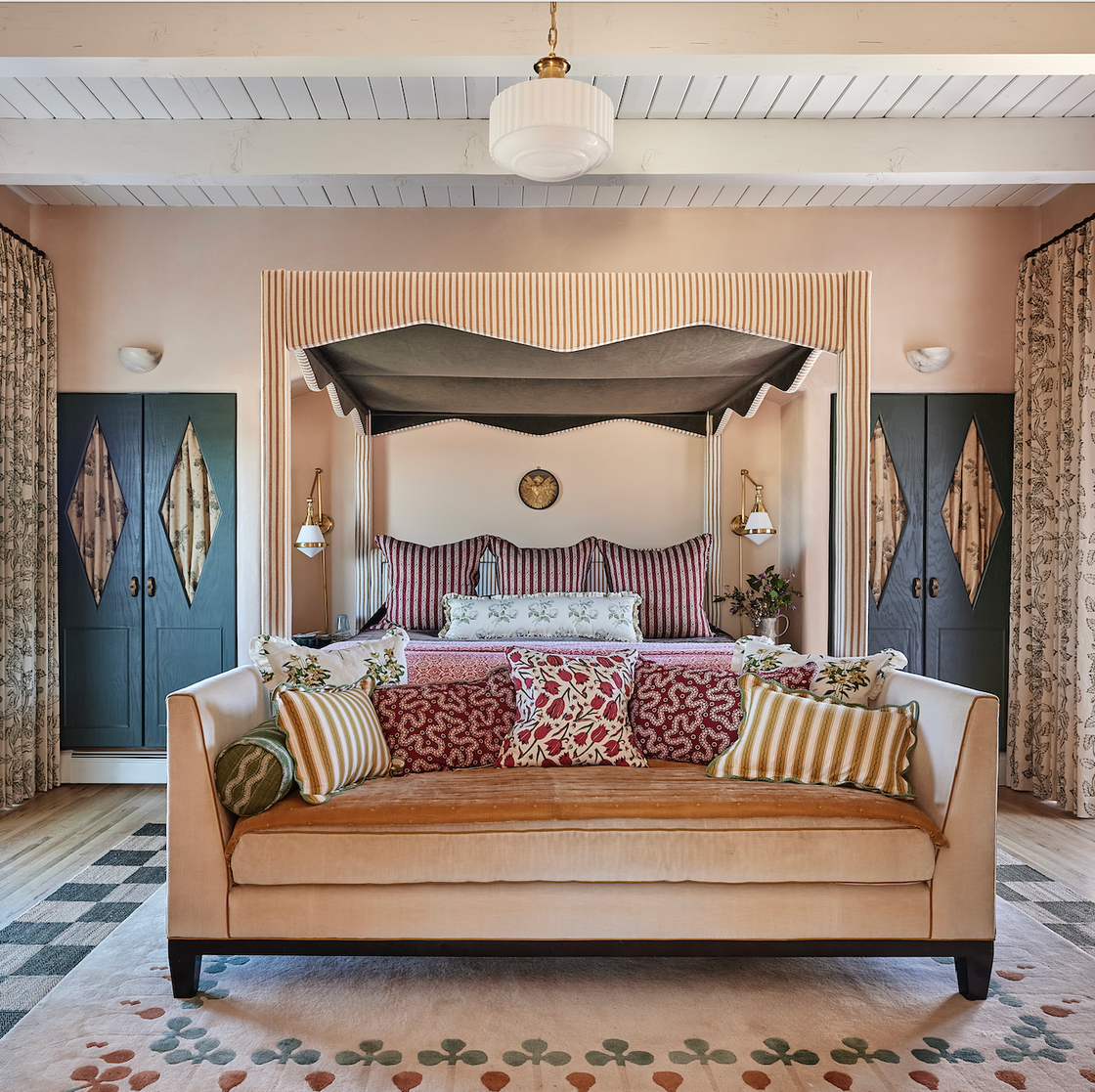
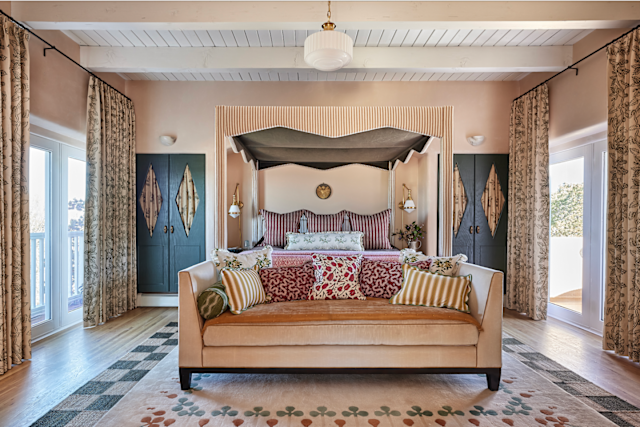
The half-tester bed, a historical furniture piece, is experiencing a significant resurgence in popularity among interior designers and homeowners. This type of bed frame, characterized by fabric covering the entire headboard and a small, upholstered valance hanging over the top of the mattress, offers a more pared-back aesthetic compared to the traditional four-post canopy bed. Its appeal lies in its ability to transform a simplistic bedroom into a luxurious and inviting space without the grandeur or cost of a full canopy.
The historical roots of the half-tester bed trace back to the early Renaissance, evolving from the medieval canopy bed. Design historian Alessandra Wood explains that while full canopy beds were prevalent in wealthy medieval homes for privacy, half-testers gained prominence during the Victorian era as a more economical, yet still elegant, alternative. This allowed for lavish designs in various rooms of a house where complete privacy was not the primary concern. Today, the cost-effectiveness of half-tester beds remains a significant advantage, with designers noting they can be less than half the price of a traditional canopy bed when considering labor and materials.
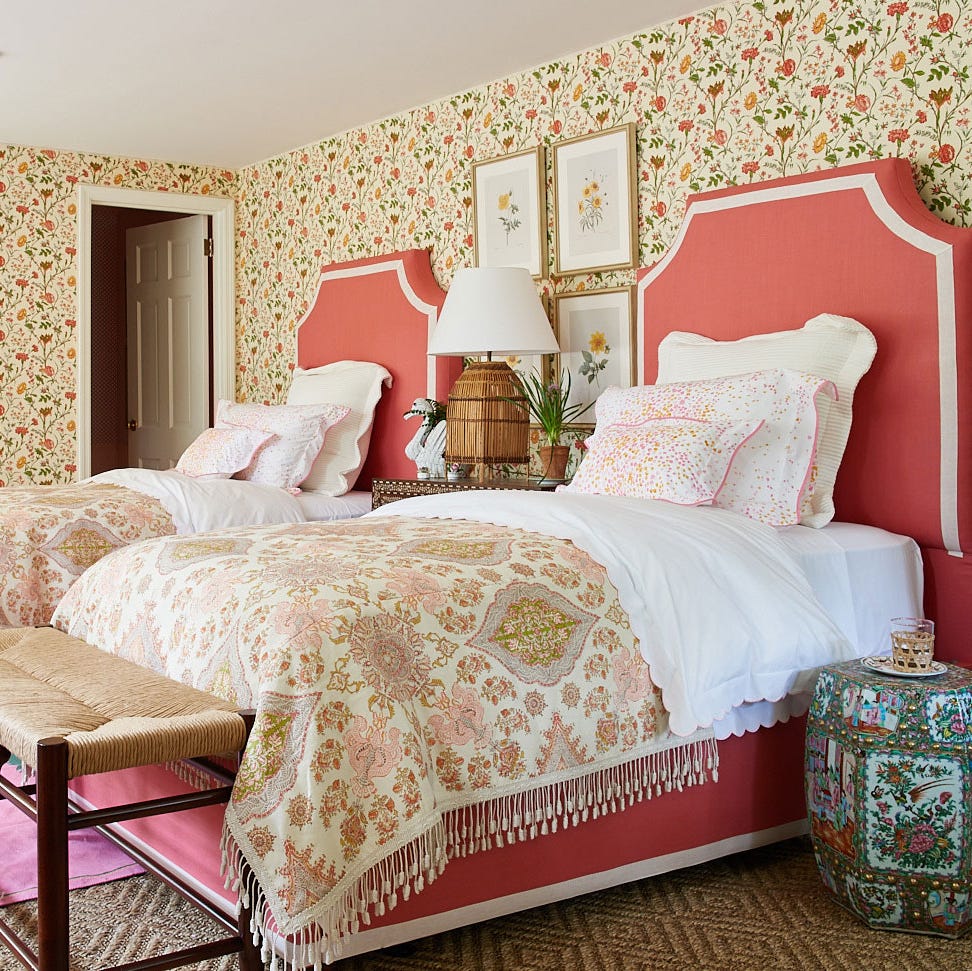
Beyond affordability, the half-tester bed is valued for its capacity to add character and a sense of nostalgia to a room. Philip Hooper, joint managing director of Sibyl Colefax & John Fowler, describes its introduction as akin to "building a folly within a room," highlighting its whimsical and frivolous nature. This trend aligns with a broader appreciation for classic English aesthetics and the comfort they evoke, as noted by Tiffany Duggan of Studio Duggan. The resurgence also reflects a grandmillennial influence, with younger clients seeking designs reminiscent of the 1980s, featuring pastel palettes and detailed drapery.
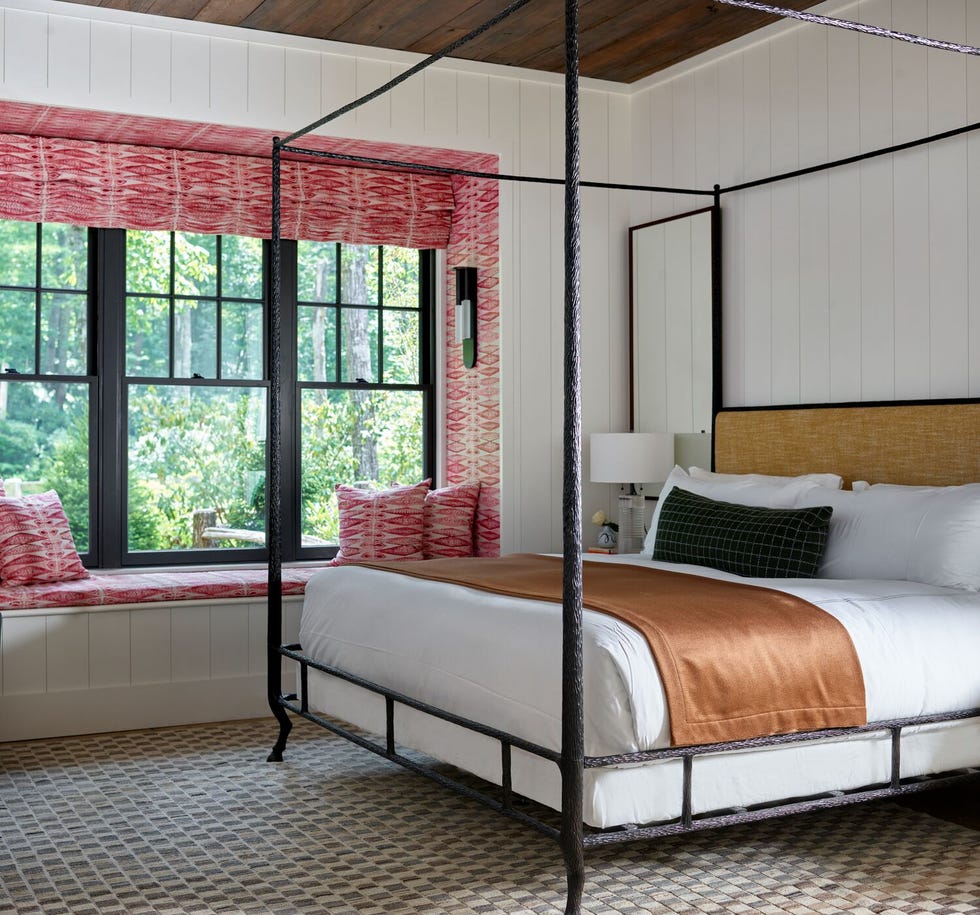
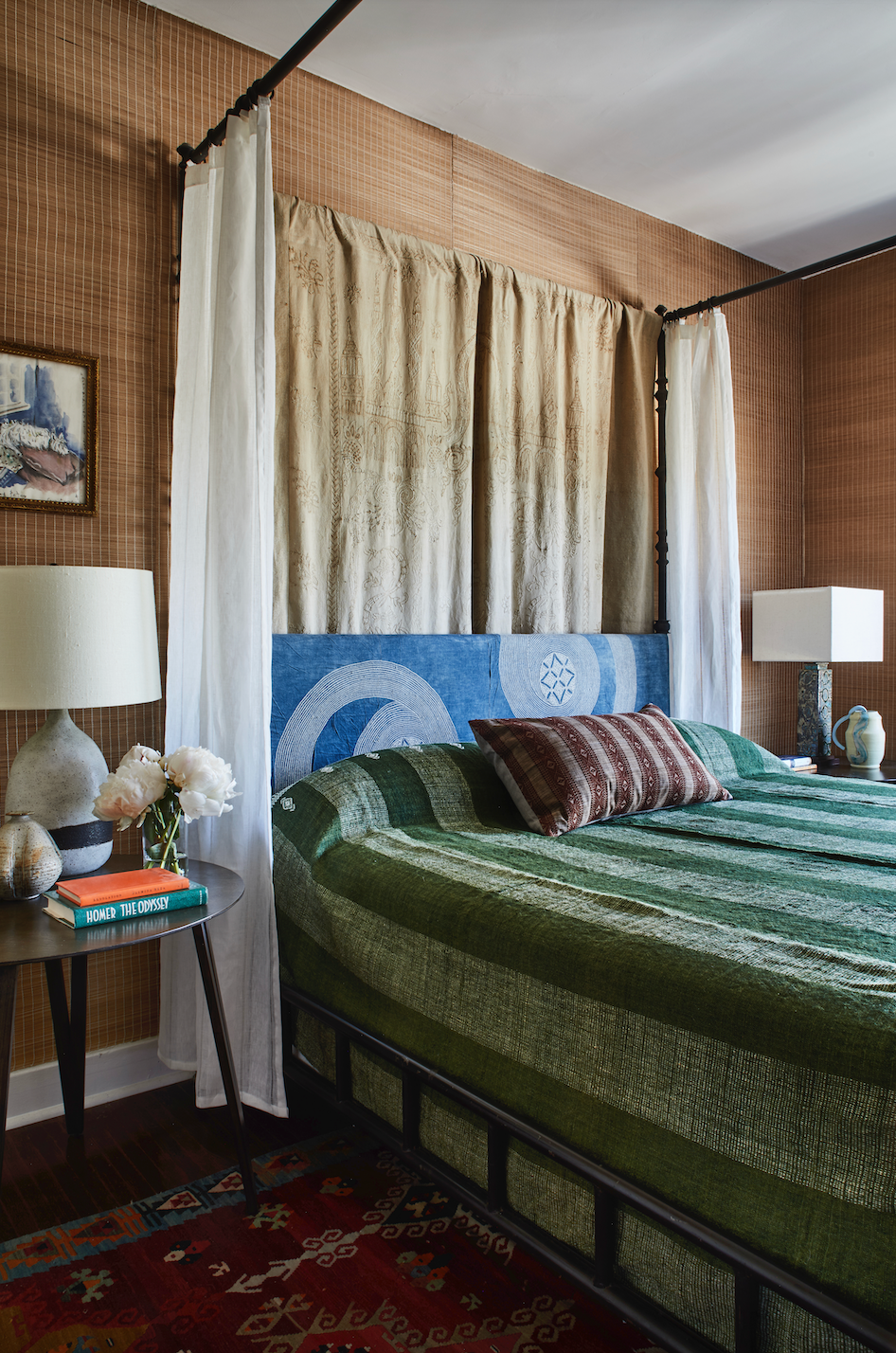
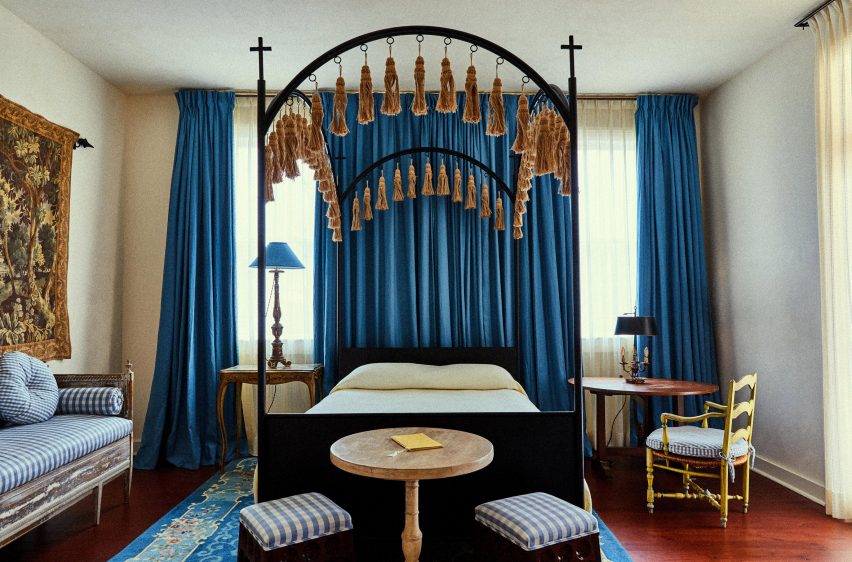
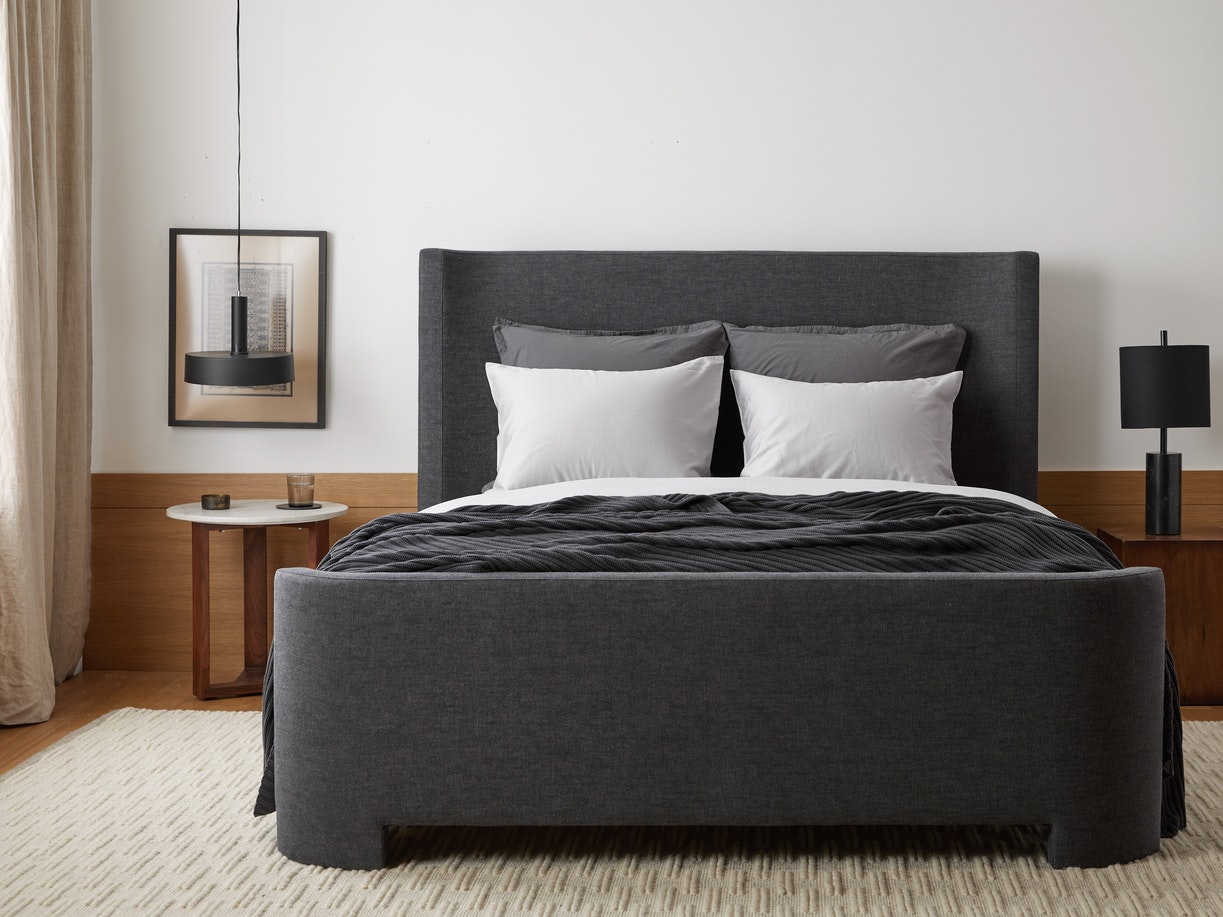
Modern half-tester beds are versatile, capable of being tailored to fit both traditional and contemporary interiors. Interior designer Chauncey Boothby emphasizes their ability to straddle luxury and simplicity, offering sleek versions for modern spaces. Cathy Kincaid Hudson points out practical advantages, such as providing a better line of sight for those with televisions in their bedrooms and appealing to a wider audience, including men who may prefer a less imposing bed design than a full canopy. The half-tester's compatibility with various headboard types—antique, caned, or wooden—further enhances its adaptability.
Designers recommend extending the half-tester to ceiling height to create a dramatic architectural statement and the illusion of a larger room. This maximizes vertical space and allows for creative layering of patterns and textures. While rectangular valances offer a contemporary look, a "half-round" formation with pleated fabric, known as an Italian strung, provides a more open appearance. Fabric selection is crucial, with suggestions to use a patterned fabric on the front and a complementary, smaller-scale, less expensive fabric on the inside. Playful trims and fringes in vibrant colors can add a unique touch. To ensure the half-tester remains the focal point, it is advisable to pair it with clean-lined bedside tables and lamps, avoiding overly fussy furniture that could detract from its impact and make the room appear dated.
Ultimately, while furniture trends cycle, the half-tester bed’s enduring charm and versatility ensure its continued relevance. Its ability to command attention and transform a bedroom into a stylish sanctuary makes it a standout choice in home design.
#HalfTesterBed #BedroomDesign #InteriorTrends #HomeDecor #FurnitureRevival #DesignHistory #CanopyBedAlternative #GrandmillennialStyle #SpaceMaximization #HalfTesterBed #BedroomDesign #InteriorTrends #HomeDecor #FurnitureRevival #DesignHistory #CanopyBedAlternative #GrandmillennialStyle #SpaceMaximization
0 comment in total
 No comments yet
You may also like
Bedded bliss: The return of the four-poster bed

Marina’s Vintage-Inspired Bedroom with a Victorian Four-Poster Bed and Floral Wallpaper Has Revived the Trend for Dramatic, Storybook Interiors

Eight bedrooms featuring regal four-poster beds
Parachute's Home Stylists Gave Me A “French Girl” Bed

A Brownstone Dweller Brings Back the Glorious Details on a Distinguished Bed Stuy Block
If You Thought Parachute’s Nightstands Were Dreamy, You Need to See Its New Wood Bed

This Medieval Bed Is Trending Hard Right Now
5 Bedroom Trends That Experts Predict Will Be Everywhere in 2024


Bed Stuy Brownstone Gets "Wabi-Sabi" With Reclaimed Wood
This Classic Bedroom Feature Is Officially Back
This 1980s Bedding Trend Is Coming Back—Here’s How to Make It Feel Modern
Comfy carpet, once dismissed as out-of-date, is back in vogue

This Classic Bedroom Feature Is Officially Back
A Modern Platform Bed Gives This Teen’s Room Extra Storage (and an Elevated Look)
Reader reno: A beautiful bedroom makeover with a board and batten feature wall


Parachute’s First Foray Into Bedroom Furniture Is a Dream Come True

We Found the Best Deals (Up to 55% Off!) From Brooklinen, Cozy Earth, and More for Memorial Day
This Bedroom Trend From Your '90s Childhood Dreams Is BACK and More Stylish Than Ever

The Best Upholstered Beds Bring Softness to Your Sleep Environment

This Bedroom Trend From Your '90s Childhood Dreams Is BACK and More Stylish Than Ever