1/14
These Are the 12 Rarest Cat Colors and Patterns
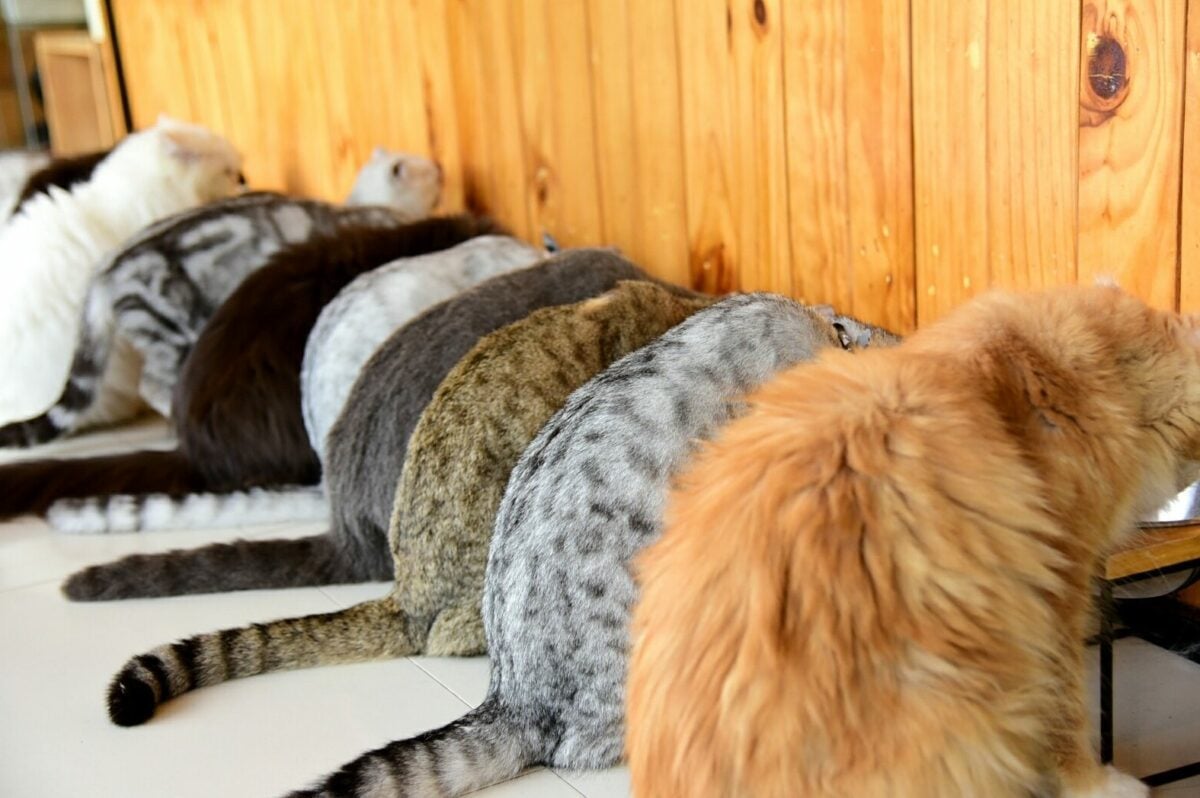
The article explores a variety of rare cat colors and patterns, detailing their genetic origins and unique characteristics. Cats inherit their fur colors from a combination of three primary colors: red, white, and black, with various dilutions and breeding efforts leading to diverse and sometimes rare colorations. Veterinarians and cat experts provide insights into these unique feline appearances.
Colorpoint is a rare pattern where cats have lighter body colors with darker hues on their ears, paws, and nose. This pattern is associated with breeds like Siamese, Himalayan, Birman, Ragdoll, and Snowshoe, and it features 16 different point colors. Tortoiseshell, or "torties," display a mix of orange and black fur. This pattern is almost exclusively found in female cats due to the sex-linked nature of the genes on the X chromosome. Male tortoiseshell cats are exceptionally rare. Torties are often described as having distinct, fiery personalities, although gentleness and trust can foster affection. Breeds exhibiting this pattern include Maine Coon, Ragdoll, Persian, Cornish Rex, Ragamuffin, American Shorthair, and British Shorthair.
Chocolate coloring, a blend of brown and black, is considered rare, especially when bred intentionally. Havana Brown, Burmese, Balinese, Siamese, Devon Rex, Persian, and York Chocolate cats are known for this color. Blue (also called silver or gray) is another rare color, believed to have originated in Russia. This color results from recessive genes, meaning both parents must carry and pass on the gene for offspring to display it. Russian Blue, Korat, Chartreux, Nebelung, British Shorthair, Persian, Oriental Shorthair, Burmese, and Domestic Shorthair breeds can exhibit this color. Black Smoke cats feature a dark, smoky hue from a mix of black, gray, and white fur, often seen in domestic long-hairs and Maine Coons.
Cream is a buff color with a soft white and orange undertone, technically considered an orange cat breed. Its rarity is linked to a dilution gene affecting yellow pigment granules. Persian, Ragdoll, Maine Coon, British Shorthair, Manx, Munchkin, and Snowshoe cats can have cream coats. Lilac, a pale brown with a slight purple tint, is a point-color for breeds like Persian, Siamese, and Balinese, or a solid color in Oriental Shorthairs. This color requires both parents to possess a recessive homozygote gene. Fawn is a diluted, light-brown coat color caused by the cinnamon gene, primarily found in pedigree cats like Abyssinian, Oriental Shorthair, and British Shorthair.
Chinchilla-colored cats, often with long hair and round eyes, have white roots and primary colors at the tips of their fur. Persian and Maine Coon cats are known for this appearance. Rosette patterns, resembling swirling rose spots of brown, black, and white, are very rare in domestic cats but common in wild big cats. This pattern is governed by the agouti gene and appears in Bengal, Serengeti, Savannah, Ocicat, Egyptian Mau, and Maine Coon breeds. The rarest cat color is albino, characterized by a complete lack of pigmentation in fur, eyes, and skin due to a recessive gene that impairs melanin production. Albino cats are prone to eye and skin health issues and can occur in any breed. Chimerism, a rare genetic phenomenon where a cat carries two distinct sets of DNA, often results in striking bicolor or tortoiseshell patterns and can occur in any cat breed.
#RareCatColors #CatPatterns #FelineGenetics #CatBreeds #ColorpointCats #TortoiseshellCats #AlbinoCats #Chimerism #RareCatColors #CatPatterns #FelineGenetics #CatBreeds #ColorpointCats #TortoiseshellCats #AlbinoCats #Chimerism
0 comment in total
 No comments yet
You may also like
12 Color Schemes That Are Popping Off Right Now, According to Designers

The 10 Very Best Cat Trees
We Can’t Get Enough of These 13 Paint Color Trends for 2021
The 18 Most Popular Paint Colors of All Time

These Are The 12 Best-Selling Paint Colors From All Your Favorite Brands

The latest looks for patterned carpet
12 Earth-Tone Paint Colors Interior Designer Always Reach For
Compare All the Paint Colors of the Year for 2023


13 Fierce Animal-Print Rugs

12 Vintage Paint Colors That Are Trending Again, According to Color Experts

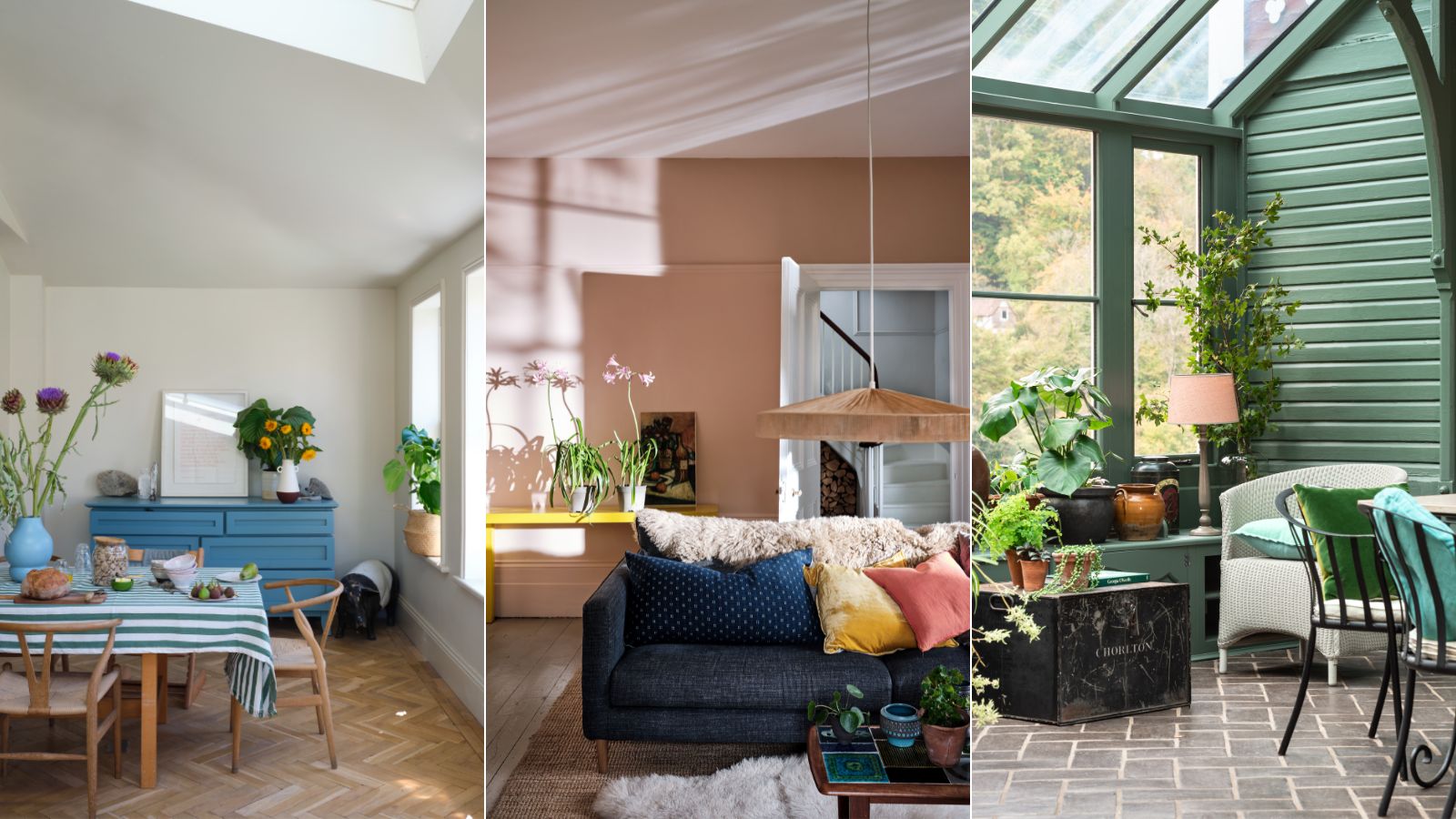
These 10 Farrow & Ball colors are their most popular paints – from earthy neutrals to deep and dark shades

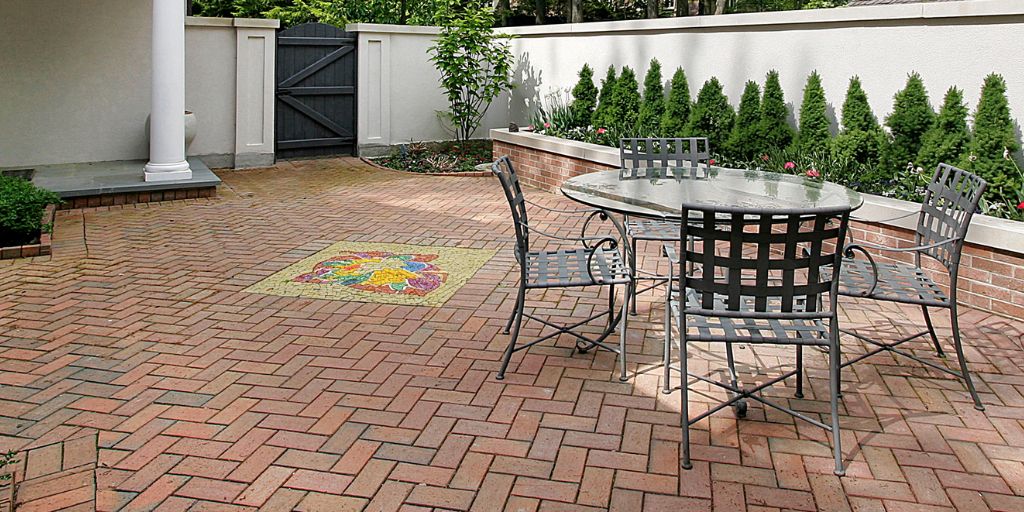
Ready To Pick a Patio Pattern? Here Are 12 Designs To Consider
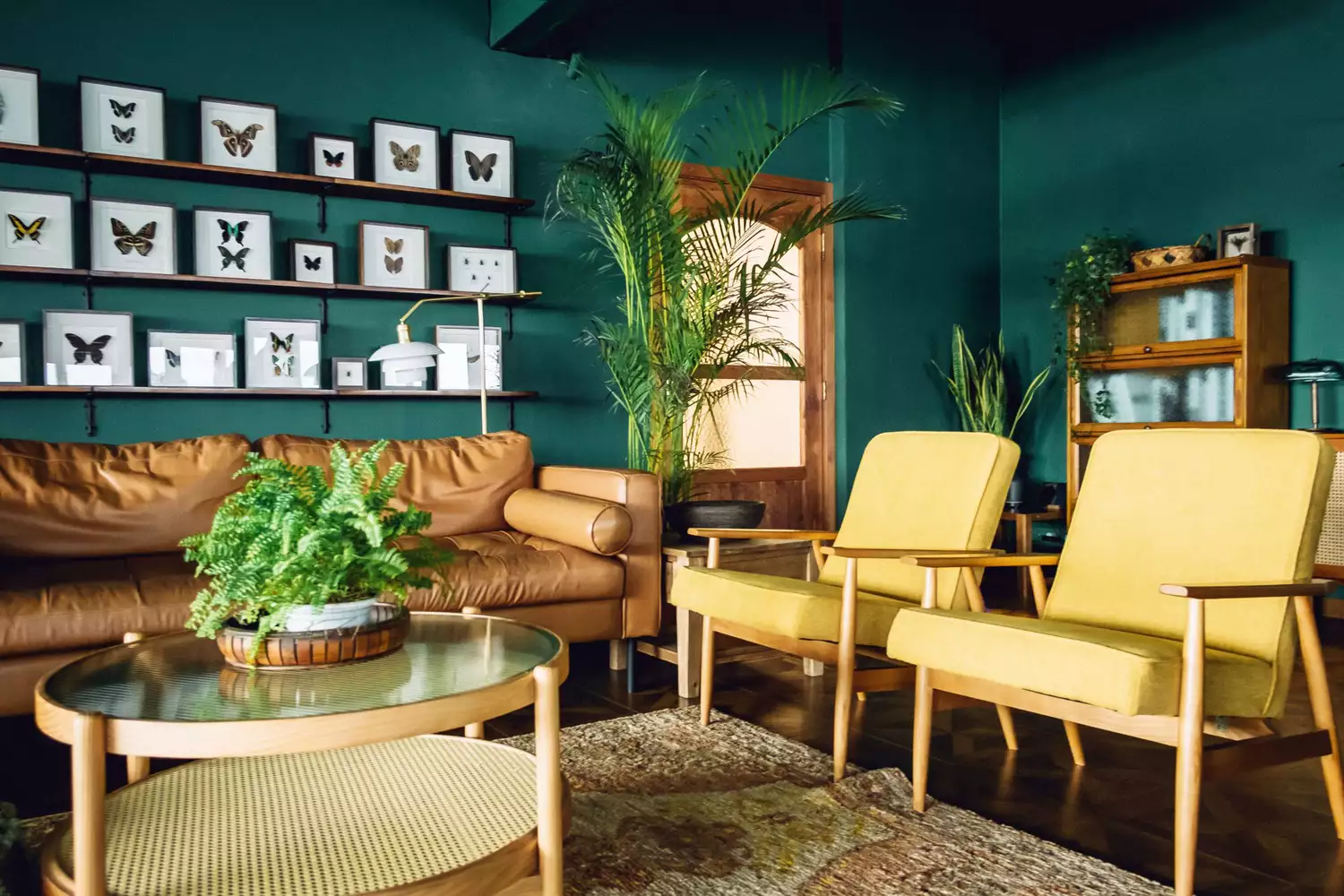
12 Jewel-Tone Paint Colors Designers Say Are Always On-Trend
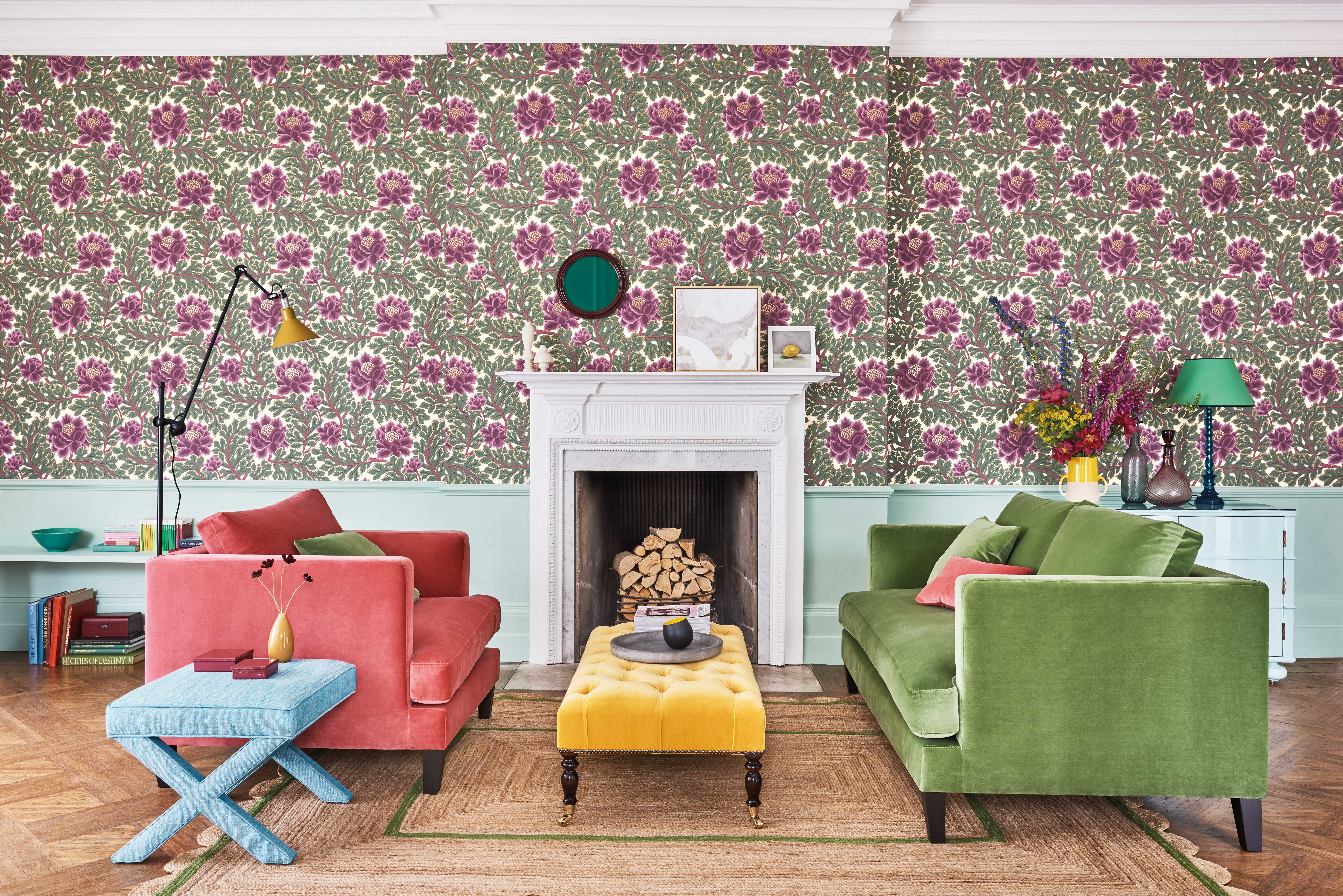
Wall patterns: 12 stunning looks to bring more colour and style to your home

Joanna Gaines Swears By These 12 Stunning Paint Colors
Update Your Home with These 12 Paints for Cabinets

The 13 Best Carpet Colors for the Home

35 Unexpected Color Combos We Can't Get Enough Of

Living Room Ideas: 12 Colourful, Quirky Furniture
12 Paint Colors That Interior Designers Are Buzzing About—See the Gorgeous Hues Here