1/6
The physical environment matters: room effects on online purchase decisions
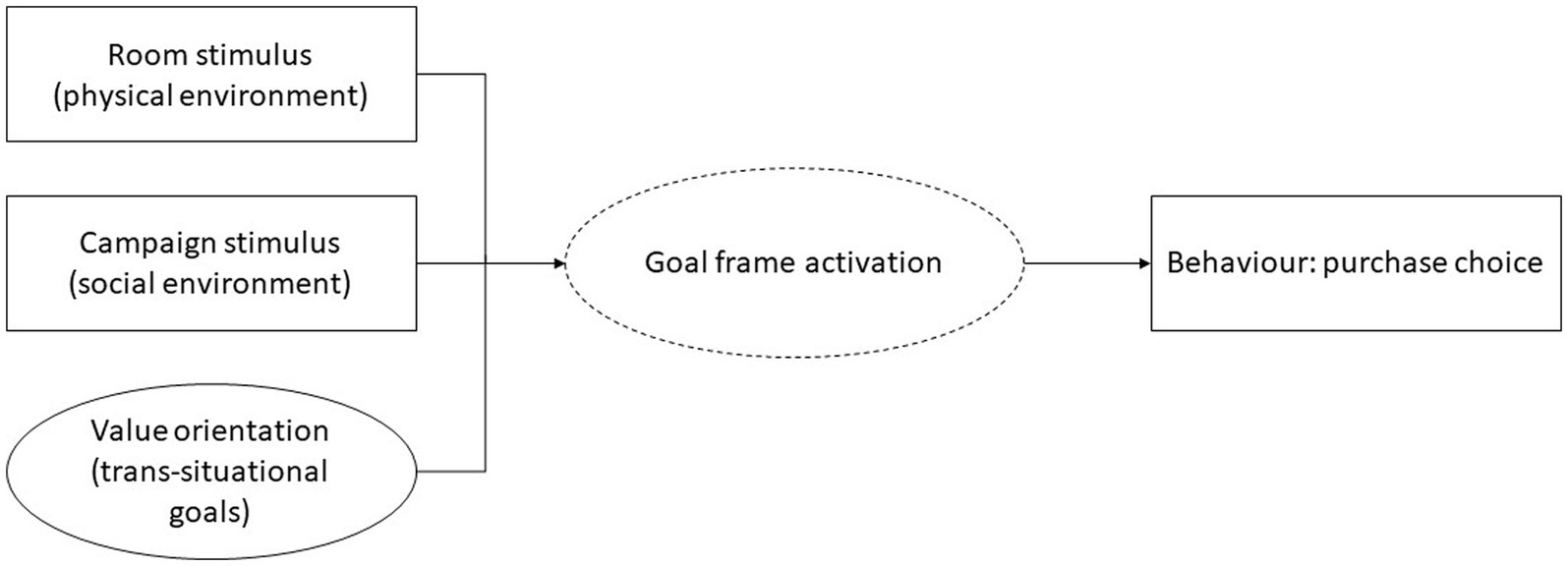
This study investigates how the physical room environment influences online purchase decisions, specifically concerning sustainable choices, particularly among individuals exposed to a sustainability campaign. The research addresses a gap in understanding the interplay between physical and online environments in consumer behavior, especially within the context of sustainability interventions. Utilizing an interdisciplinary approach, the study combined controlled full-scale indoor environments with an online discrete choice experiment (DCE) to achieve a robust design with high ecological validity.
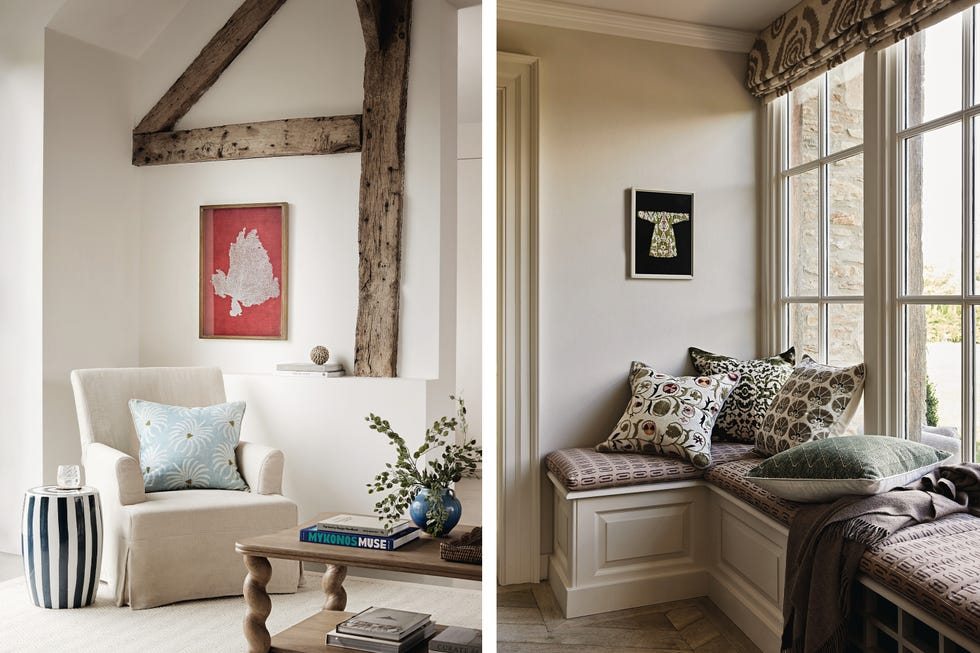
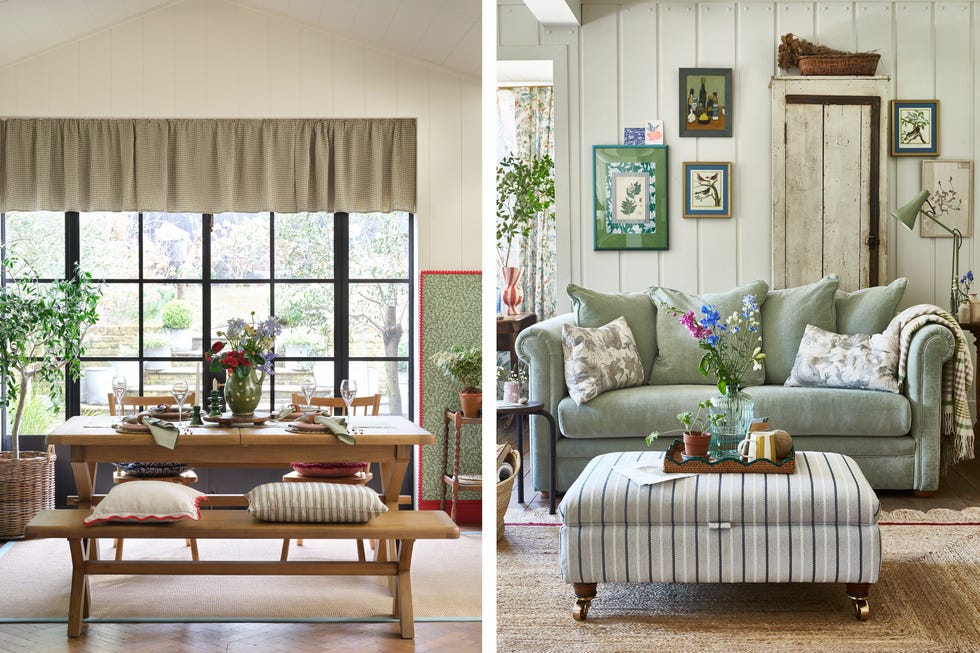
The experimental setup involved 88 participants, primarily young adults, making hypothetical online purchases of t-shirts and bananas in three distinct room environments: one designed to evoke hedonic associations (comfort, pleasure), another for gain associations (money, status), and a third for normative associations (environmental and social responsibility). Before each purchase task, participants were exposed to an online sustainability campaign message focused on sustainable textile consumption. The products offered in the DCE included attributes corresponding to the three goal frames: hedonic (e.g., comfortable material, perfect banana color), gain (price), and normative (e.g., organic, fairtrade labels).
The study's core hypothesis posited that product attribute preferences would be amplified in rooms congruent with their respective goal frames. The findings indicated a statistically significant increase in the preference for organic-labelled t-shirts when choices were made in the normative-primed room compared to the gain-primed room. Specifically, the willingness to pay for organic-labelled t-shirts was higher in the normative room. However, no significant effects were observed for the hedonic attribute (comfortable material) or price across the different rooms. Similarly, no significant enhancement was noted for fairtrade-labelled t-shirts, suggesting that the normative room's environmental focus might not strongly prime social sustainability. The choice of bananas, while included, did not show the same room-specific priming effects as t-shirts, possibly due to the textile-specific nature of the campaign stimulus or pre-established consumer familiarity with normative attributes for food items.
Controlling for participants' value orientations, using the Short Schwartz Value Survey, reinforced the initial findings, showing that the effect of the normative room on organic t-shirt preference remained significant. This confirms the theoretical expectation that individual values, particularly self-transcendence, influence the importance of ethical attributes in purchasing decisions.
The research underscores that the physical environment can indeed prime goal frames and influence online purchasing behavior, particularly when there is congruence between the physical cues and the intended behavioral outcome, such as sustainable choices. This suggests that the effectiveness of sustainability campaigns can be modulated by the contextual factors of the consumer's physical surroundings. The study highlights the importance of matching environmental communication interventions with the contextual factors to maximize their impact. Limitations include the lack of a control group not exposed to the campaign, which prevents isolating the campaign's independent effect, and the potential for a Type II error due to the limited sample size and the labor-intensive data collection process. Future research should explore a broader range of products and consider real-world purchase scenarios to enhance generalizability. The findings contribute to consumer psychology and environmental psychology by bridging the understanding of how physical and online environments interact to shape consumer decisions, especially towards sustainable consumption.
#EnvironmentalPsychology #OnlinePurchaseDecisions #SustainableConsumption #GoalFramingTheory #PrimingEffects #DiscreteChoiceExperiment #ConsumerBehavior #InteriorDesign #EnvironmentalCommunication #EnvironmentalPsychology #OnlinePurchaseDecisions #SustainableConsumption #GoalFramingTheory #PrimingEffects #DiscreteChoiceExperiment #ConsumerBehavior #InteriorDesign #EnvironmentalCommunication
0 comment in total
 No comments yet
You may also like
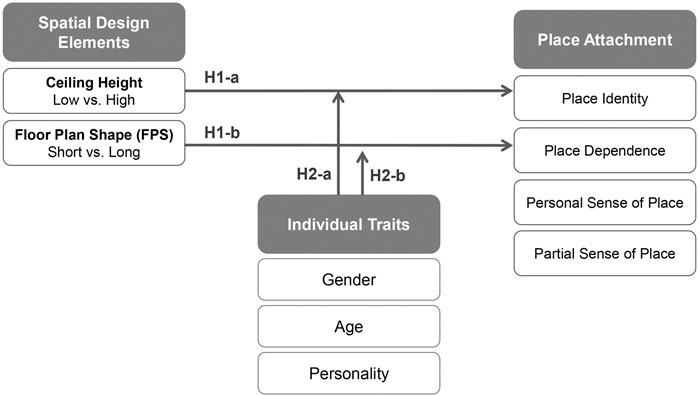
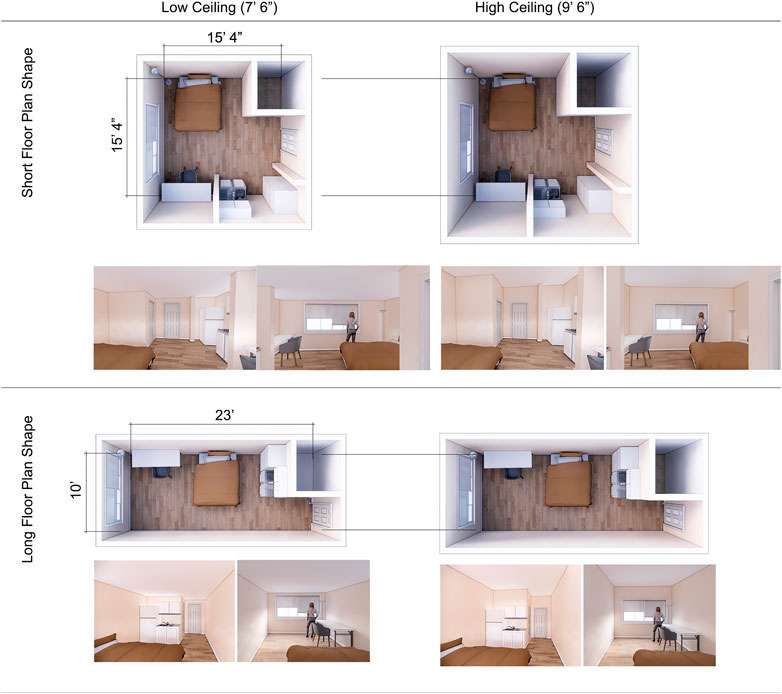
Effects of gender and personality on experience of small living spaces: Ceiling height and floor plan shape in virtual environment

Retail Floor Planning Software

Retail Store Layout: 10 Ideas, Examples & Tips (2024)
Virtual Staging Could Help You Sell Your Home—Here's What to Consider

Online 3D Space Planning

The Best Online Furniture Stores

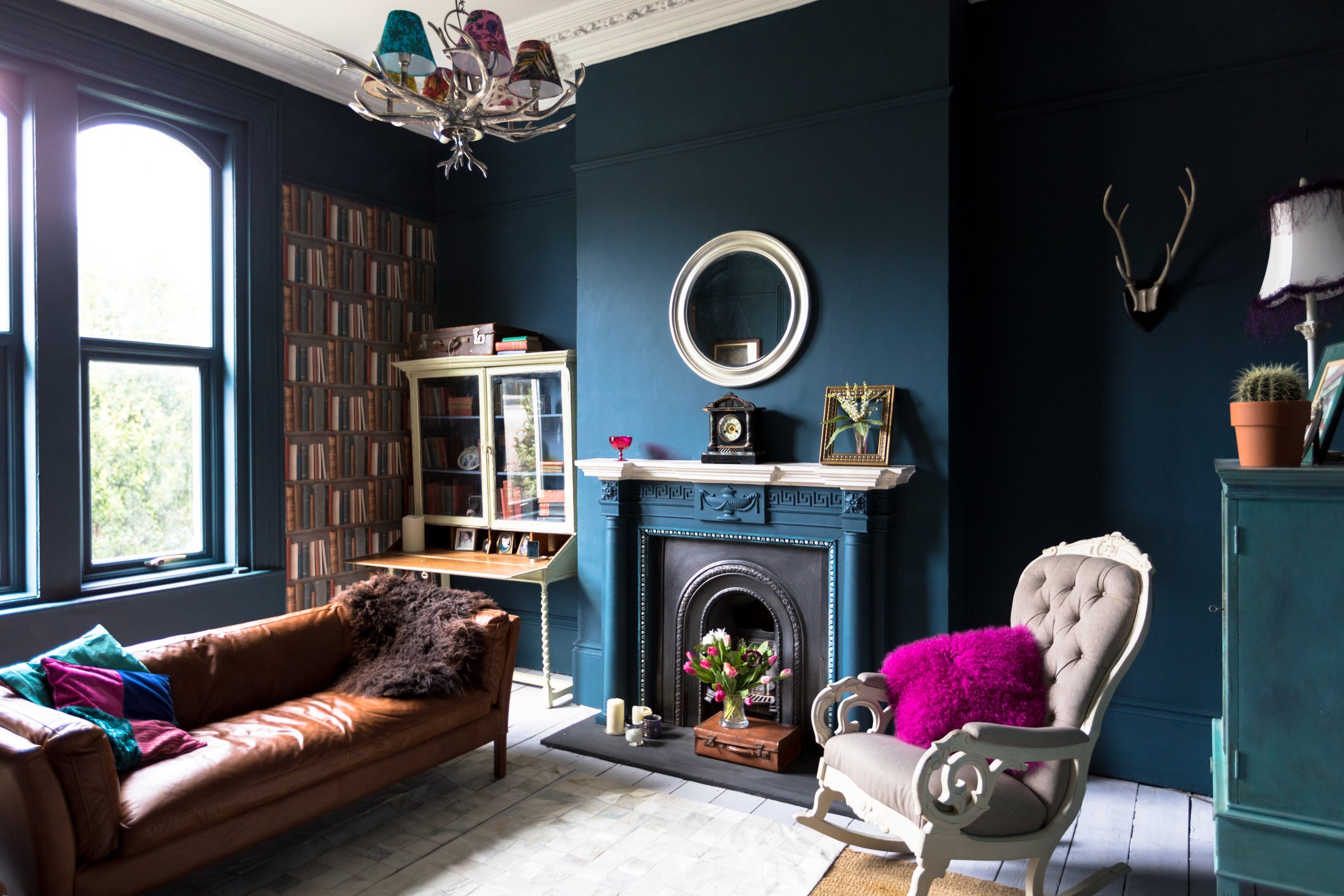
The colours you paint your walls can impact your mood, and here’s the science to prove it


50 of the best online homeware and furniture stores
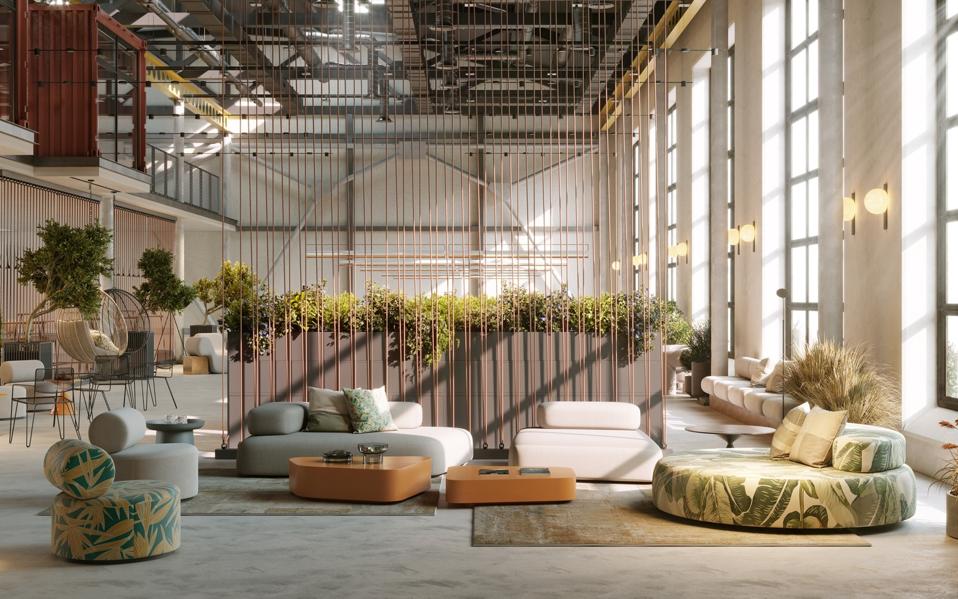
How Retailers And Brands Can Help Customers Select The Right Furniture For Their Space

Shop Sustainably at These Eco-Friendly Home Decor and Furniture Brands

3DVIA

The Art of Staging


Shop These Amazon Favorites To Turn Your Room Into The Influencer Aesthetic

Trulia Keeps Tabs on What Home Buyers Really Want


The 35 best online furniture stores our editors shopped from in 2025
Attention: Here's Where You Should Be Shopping for Furniture Online

Uncovering the connection between ceiling height and emotional reactions in art galleries with editable 360-degree VR panoramic scenes

Home Decor Ecommerce: Proven Trends, Strategies and Examples (2026)

Room height is the most absurdly undervalued quality of a property