1/2
The Outdated '90s Kitchen Cabinets That Will Be Trendy Again In 2026
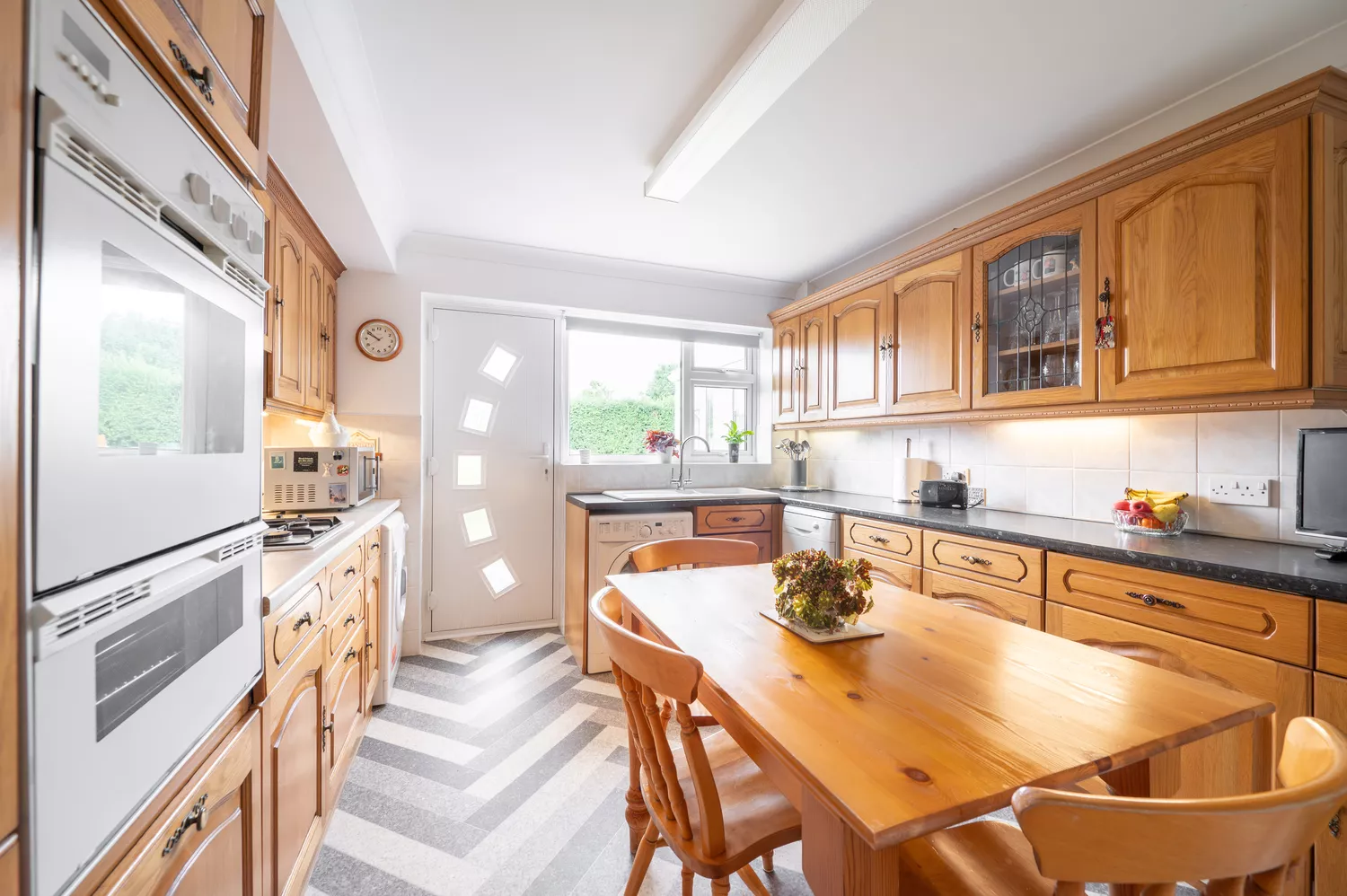
Kitchen design trends are constantly evolving, with certain elements cycling in and out of popularity. For years, the honey oak cabinets prevalent in the 1990s were considered outdated, largely disappearing from modern kitchen aesthetics due to their perceived heaviness and dated finish. However, a significant shift in design preference is bringing these '90s kitchen cabinets back into vogue by 2026, though with a distinct and updated approach.
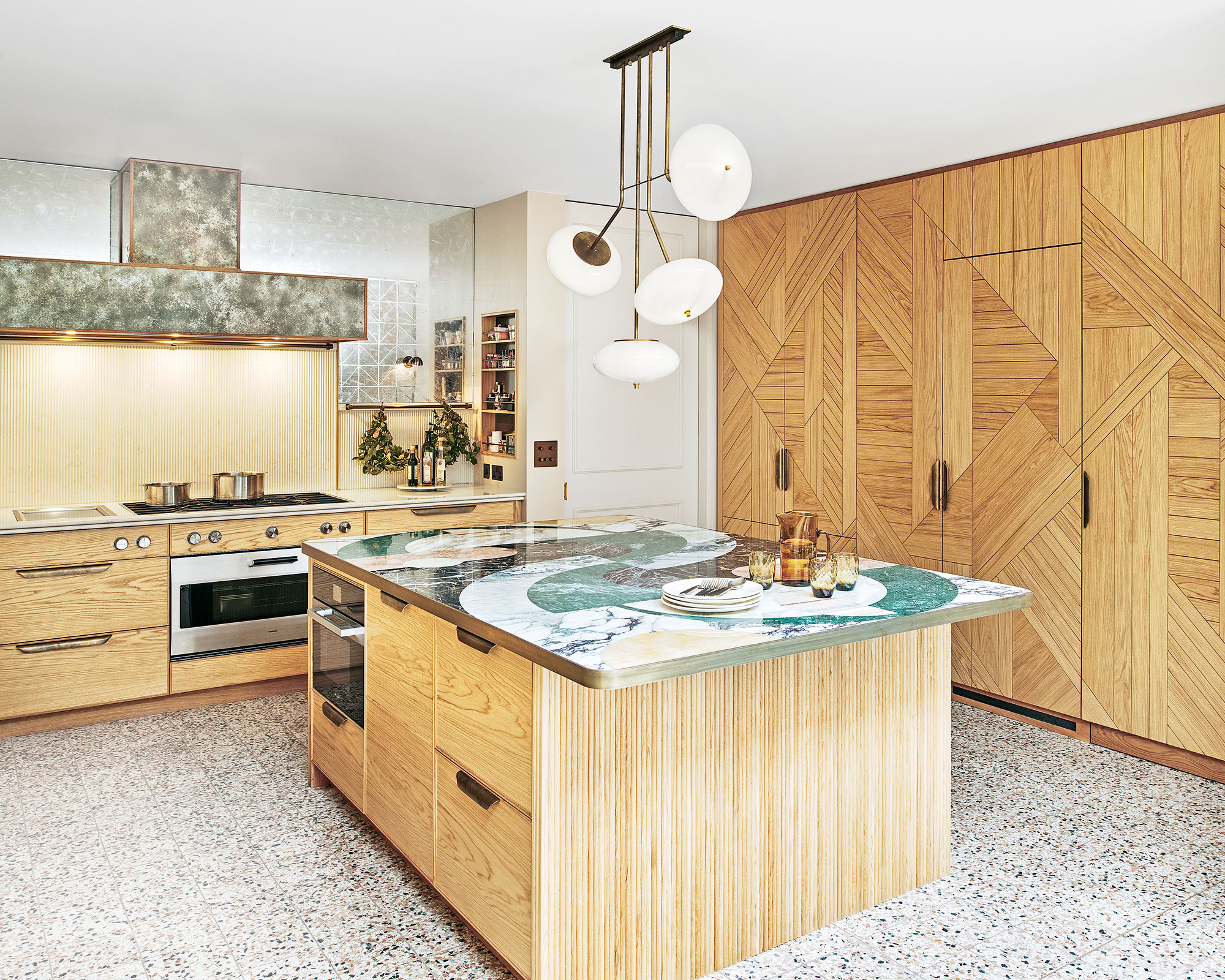
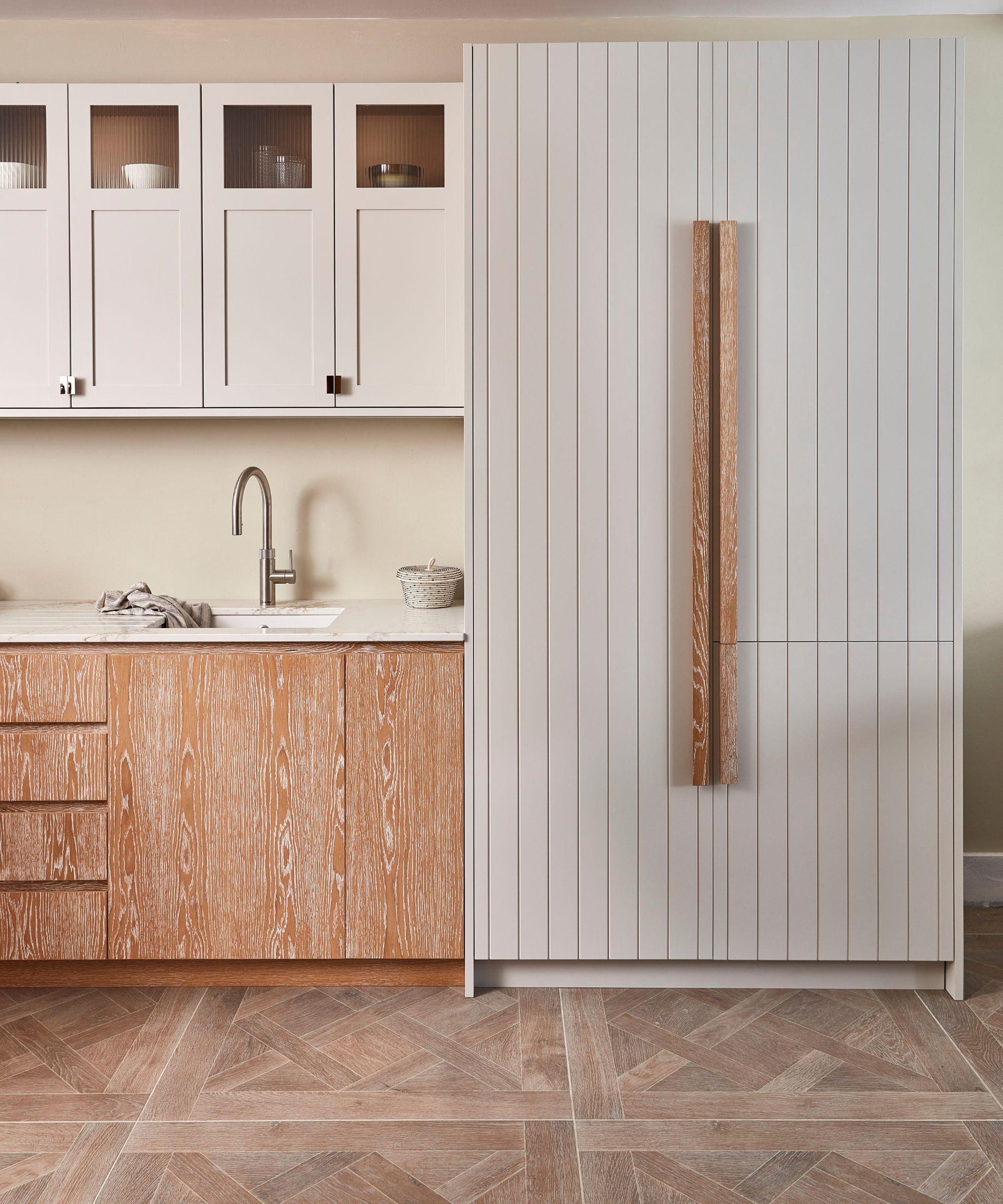
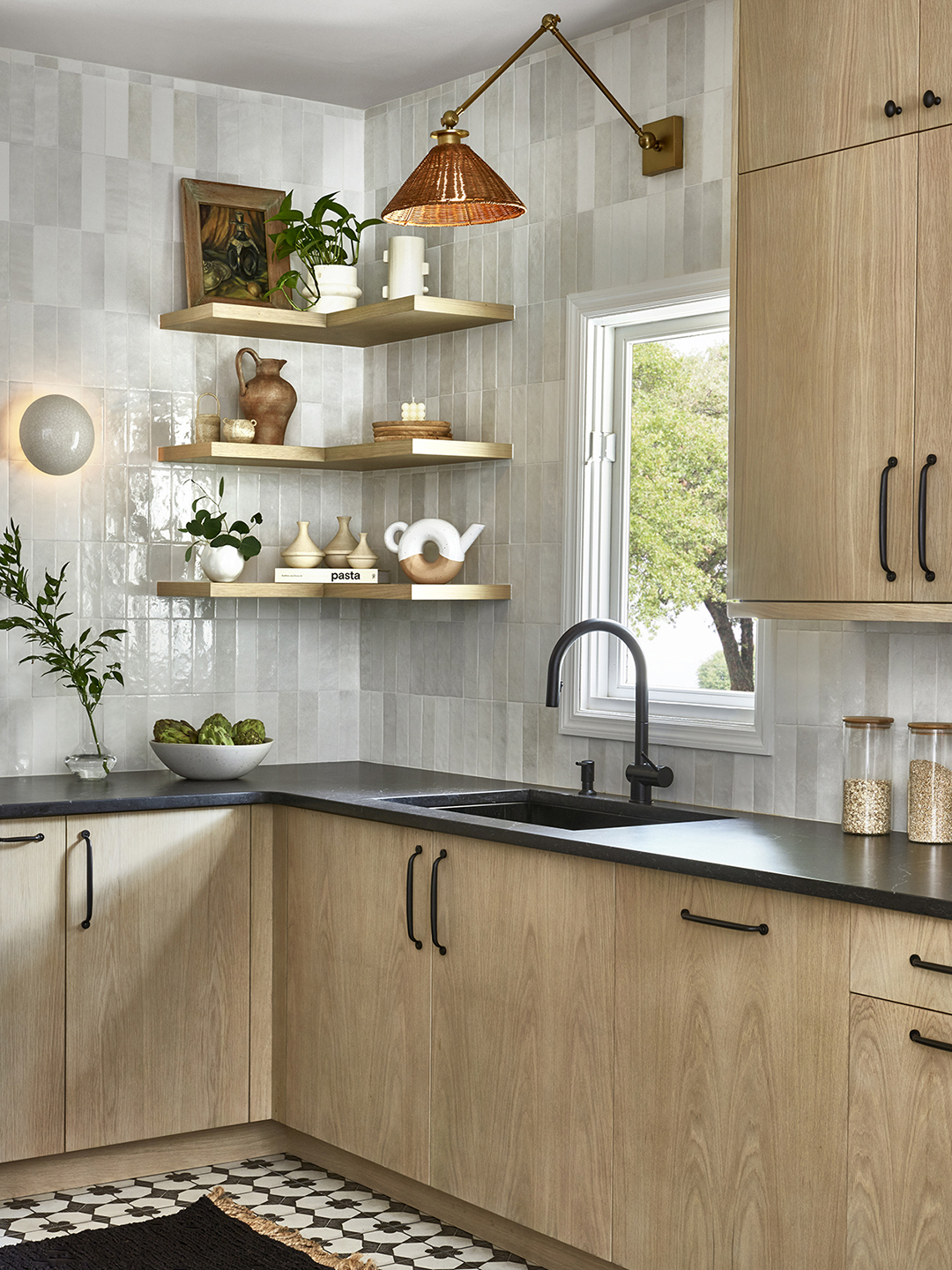
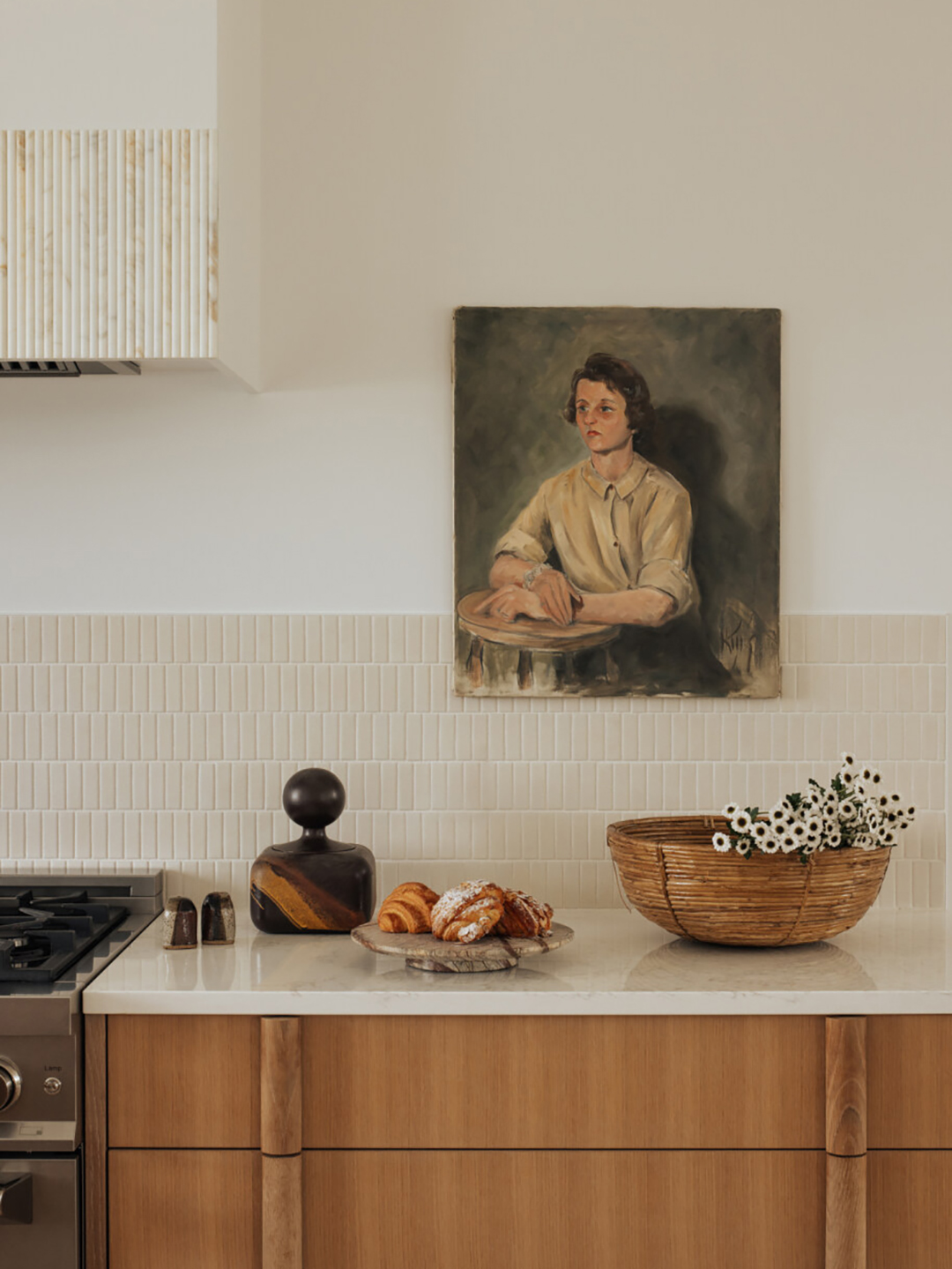
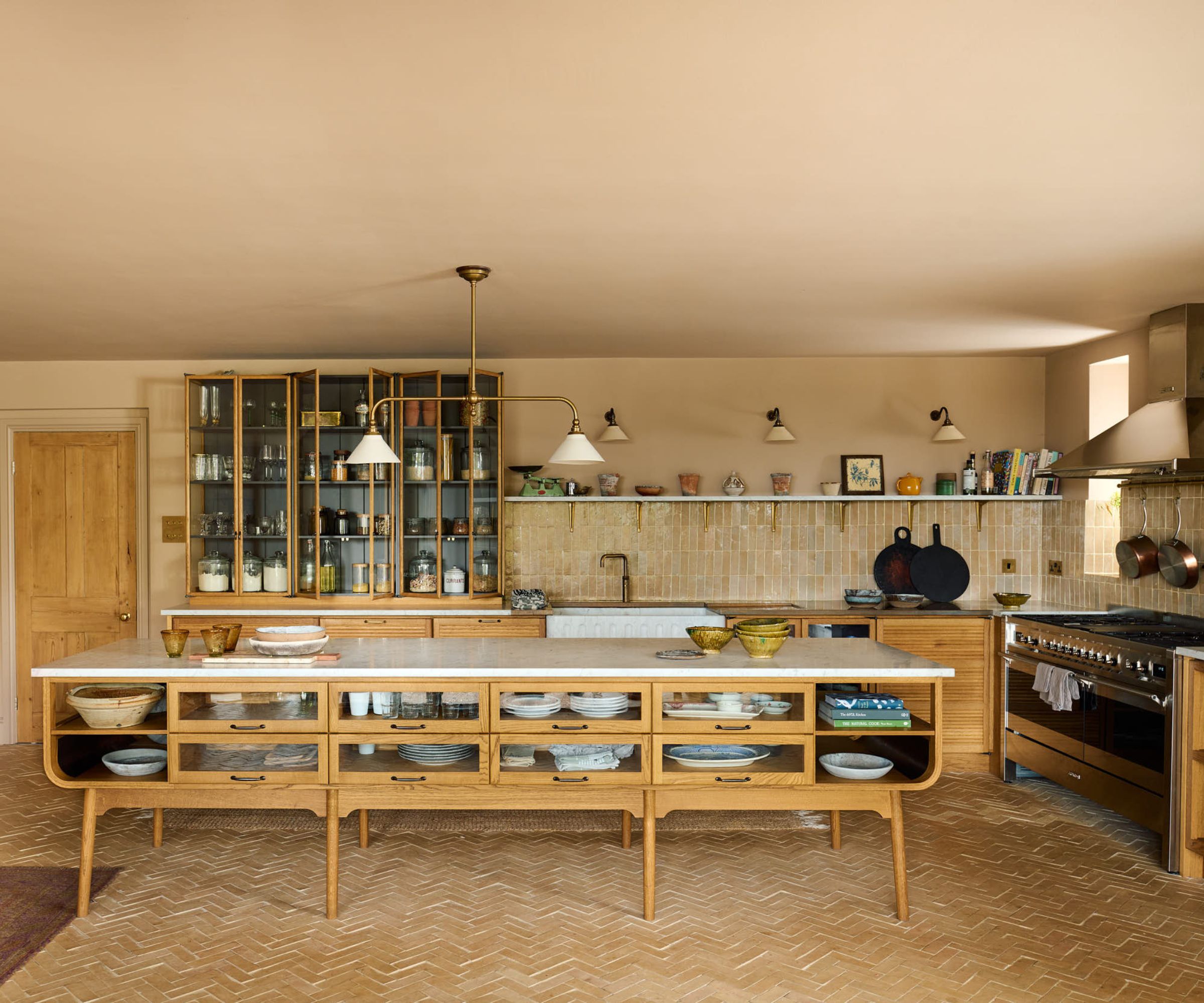
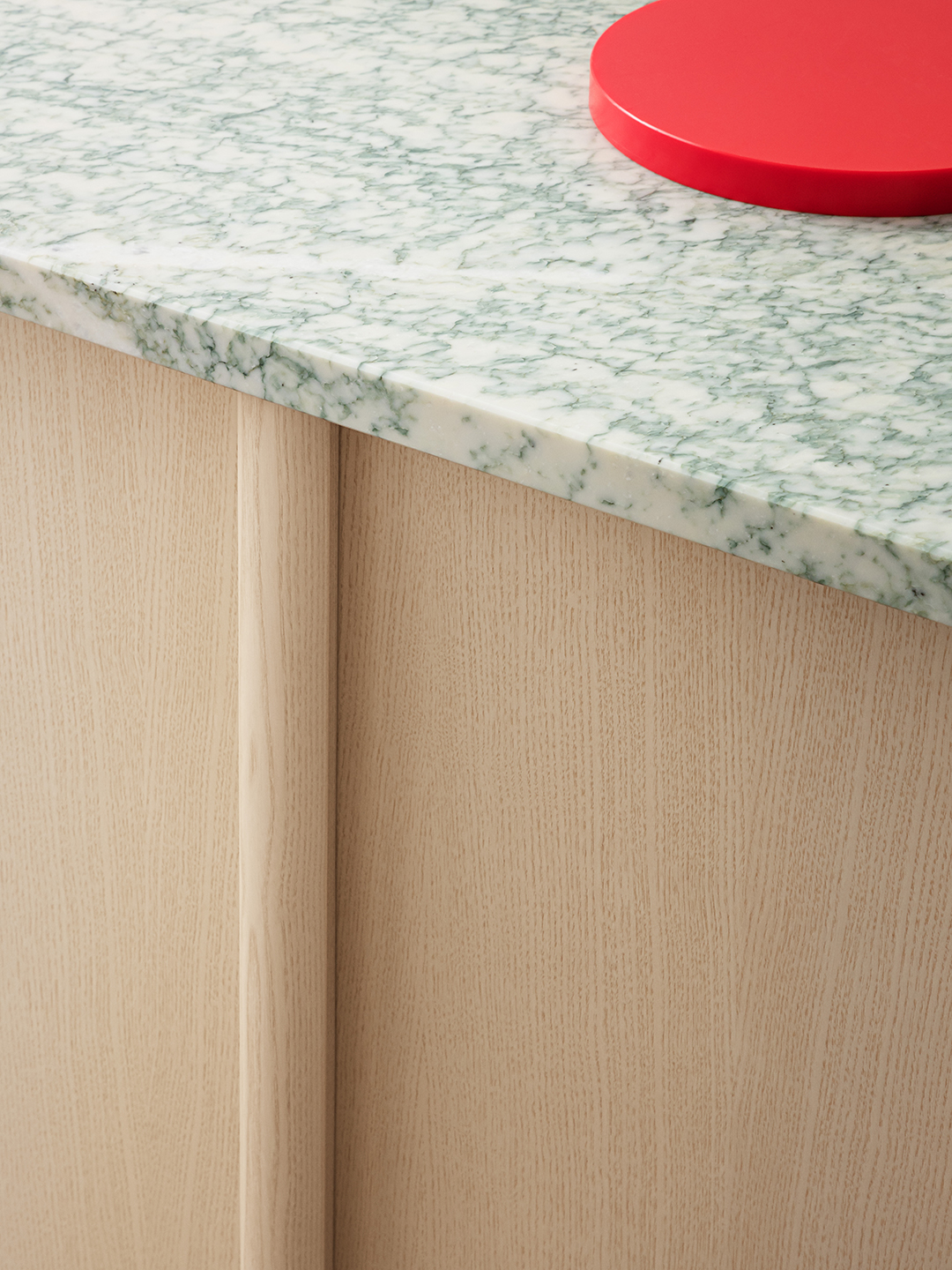
The resurgence of oak cabinets is driven by a growing desire for warmth, texture, and layered depth within home interiors. The key differentiator in this revival is the finish applied to the oak. Unlike the glossy, orange-toned honey oak of the past, contemporary trends favor softer, matte stains that emphasize the natural wood grain. This modern treatment transforms oak into an organic, understated, and textured element, contrasting sharply with the flat, painted surfaces that have dominated kitchens for some time. The natural grain of oak introduces visual movement and character, preventing kitchens from feeling sterile and allowing for seamless integration into both traditional and modern design schemes.
Beyond aesthetics, the return of oak cabinets also highlights their practical advantages. Oak is renowned for its exceptional durability, offering superior resistance to scratches and dents compared to many other wood types. This inherent hardiness makes it a long-lasting and resilient choice for high-traffic areas like kitchens. Furthermore, oak’s versatility allows it to adapt to various design styles, effortlessly complementing sleek hardware or more rustic stone elements. In homes featuring neutral color palettes, oak provides a crucial touch of warmth, ensuring the space feels inviting rather than cold.
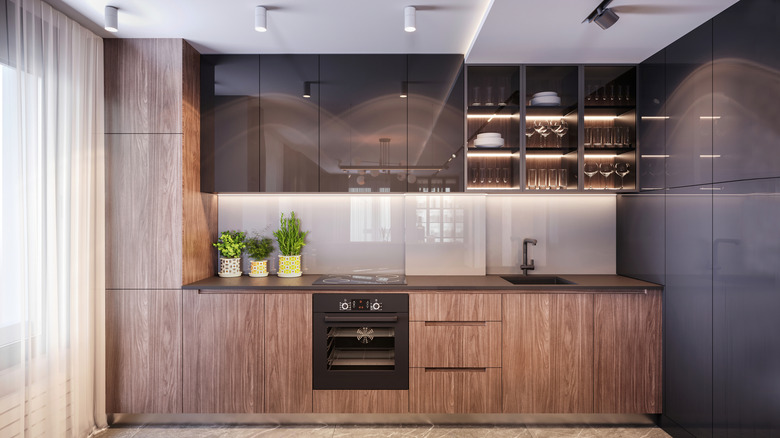
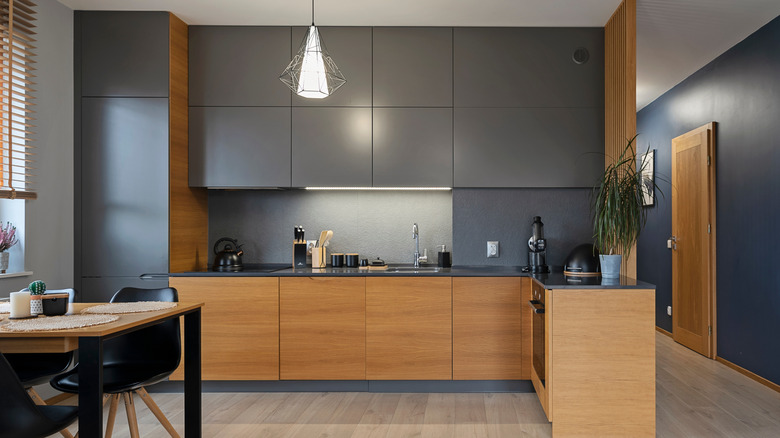
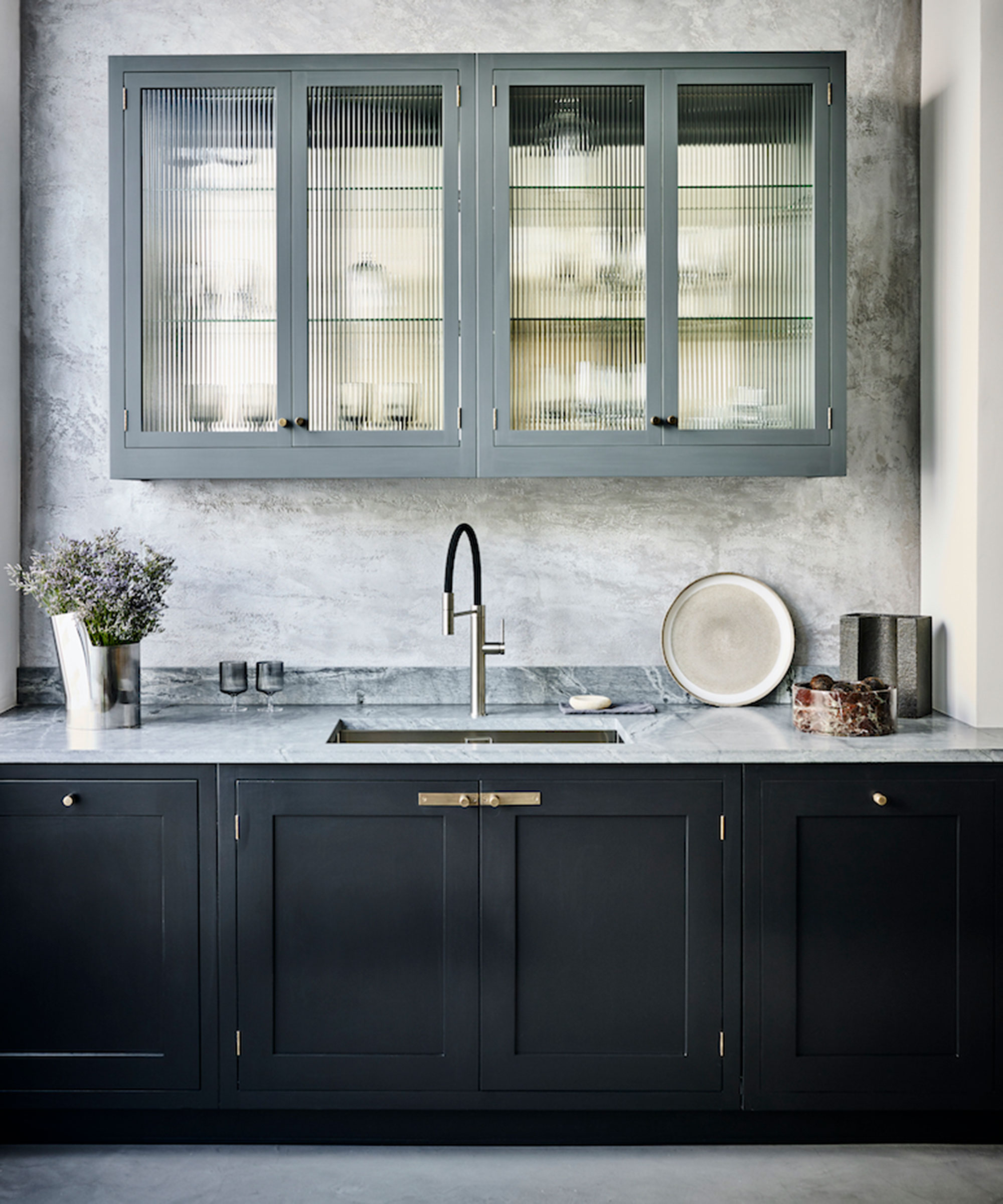
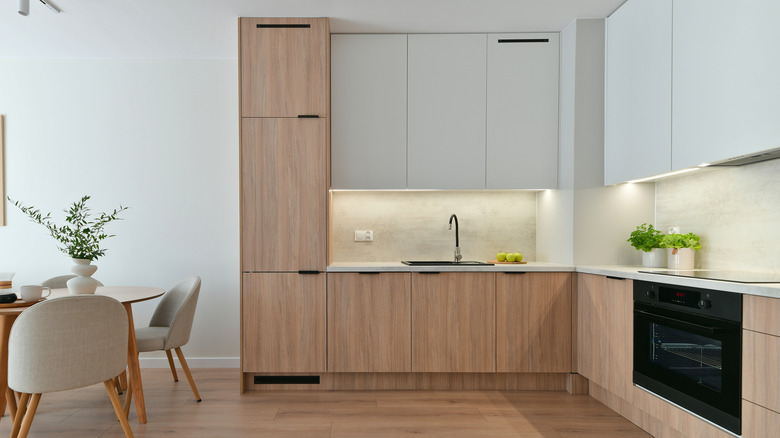
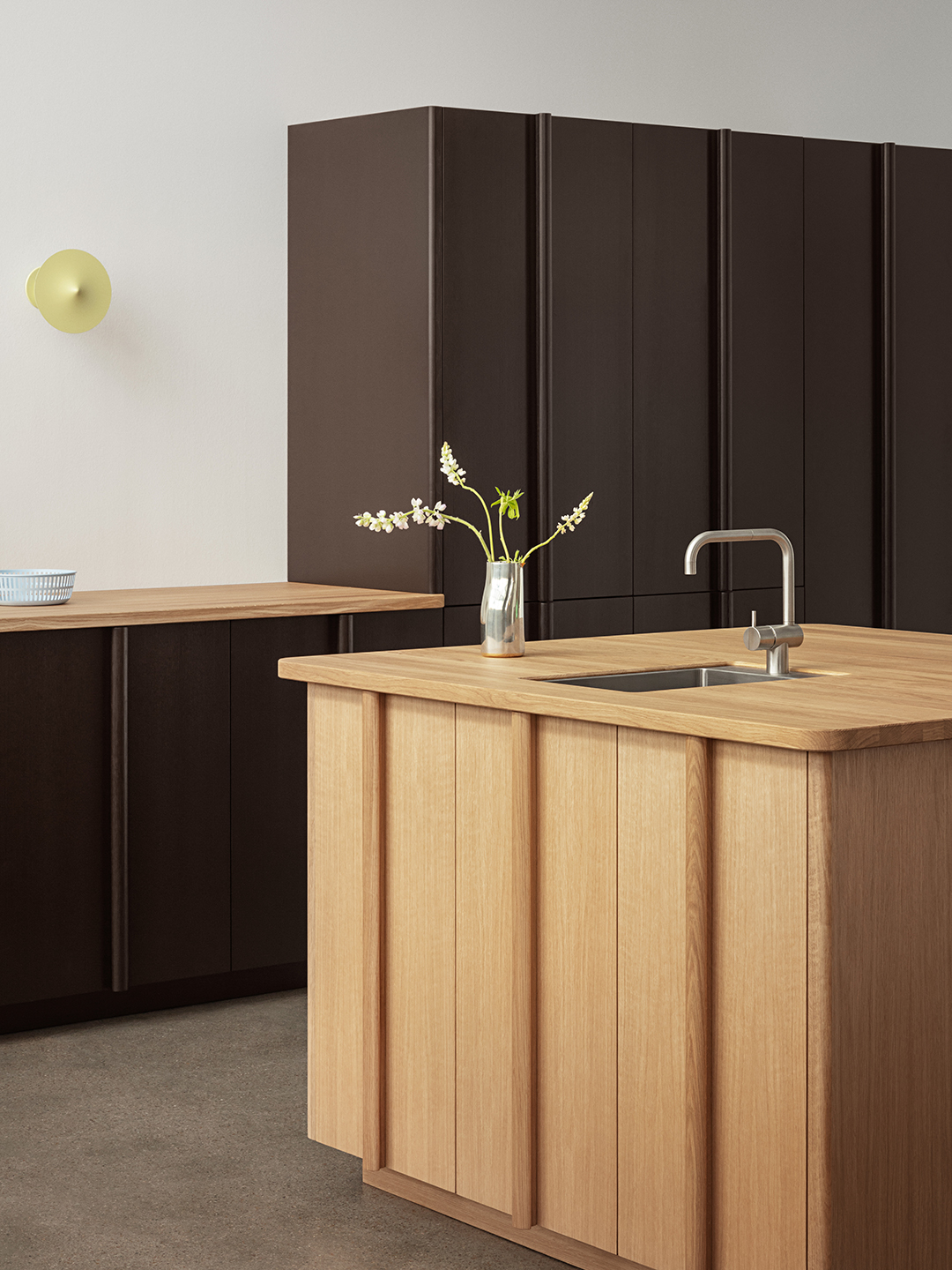
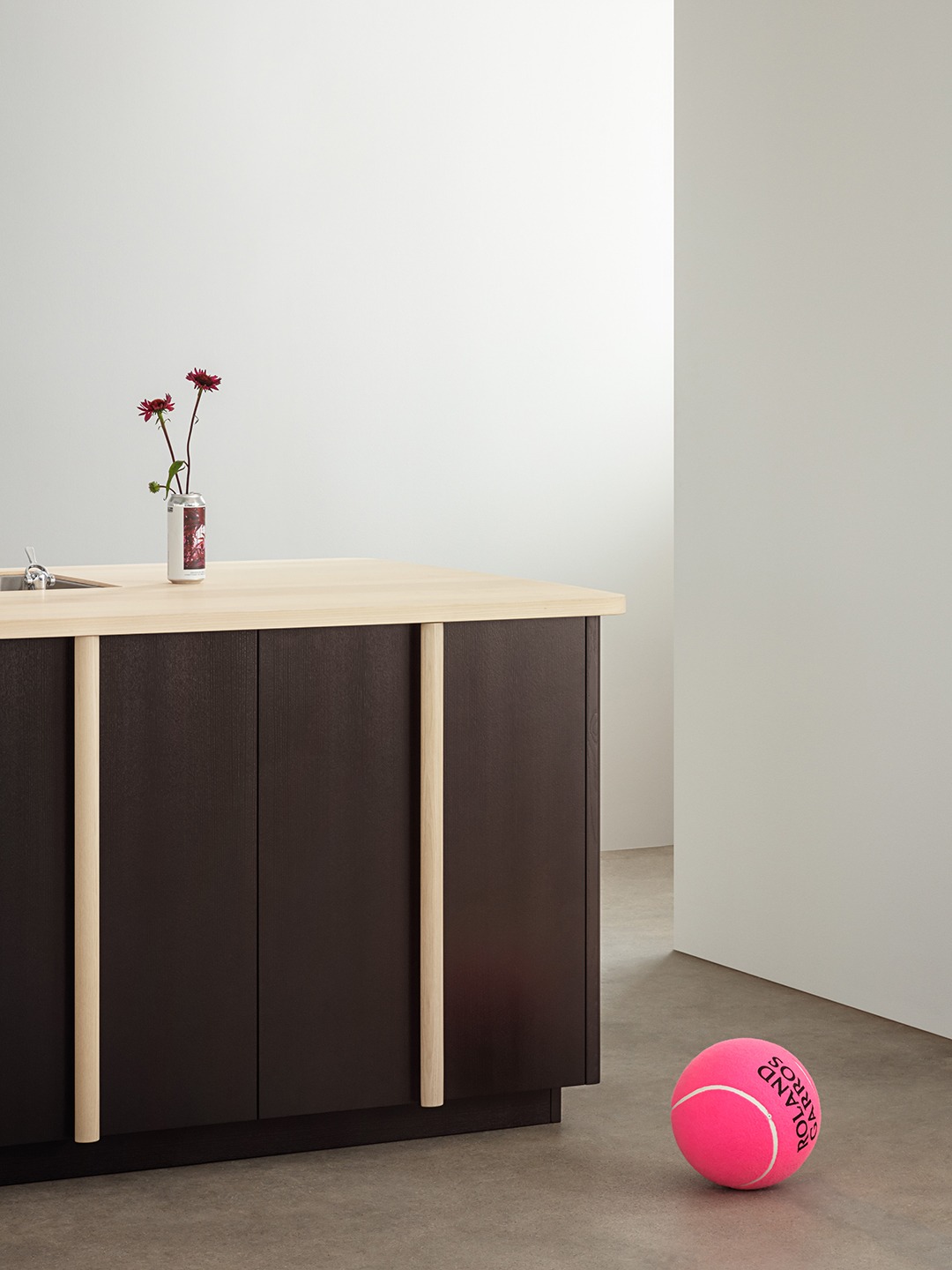
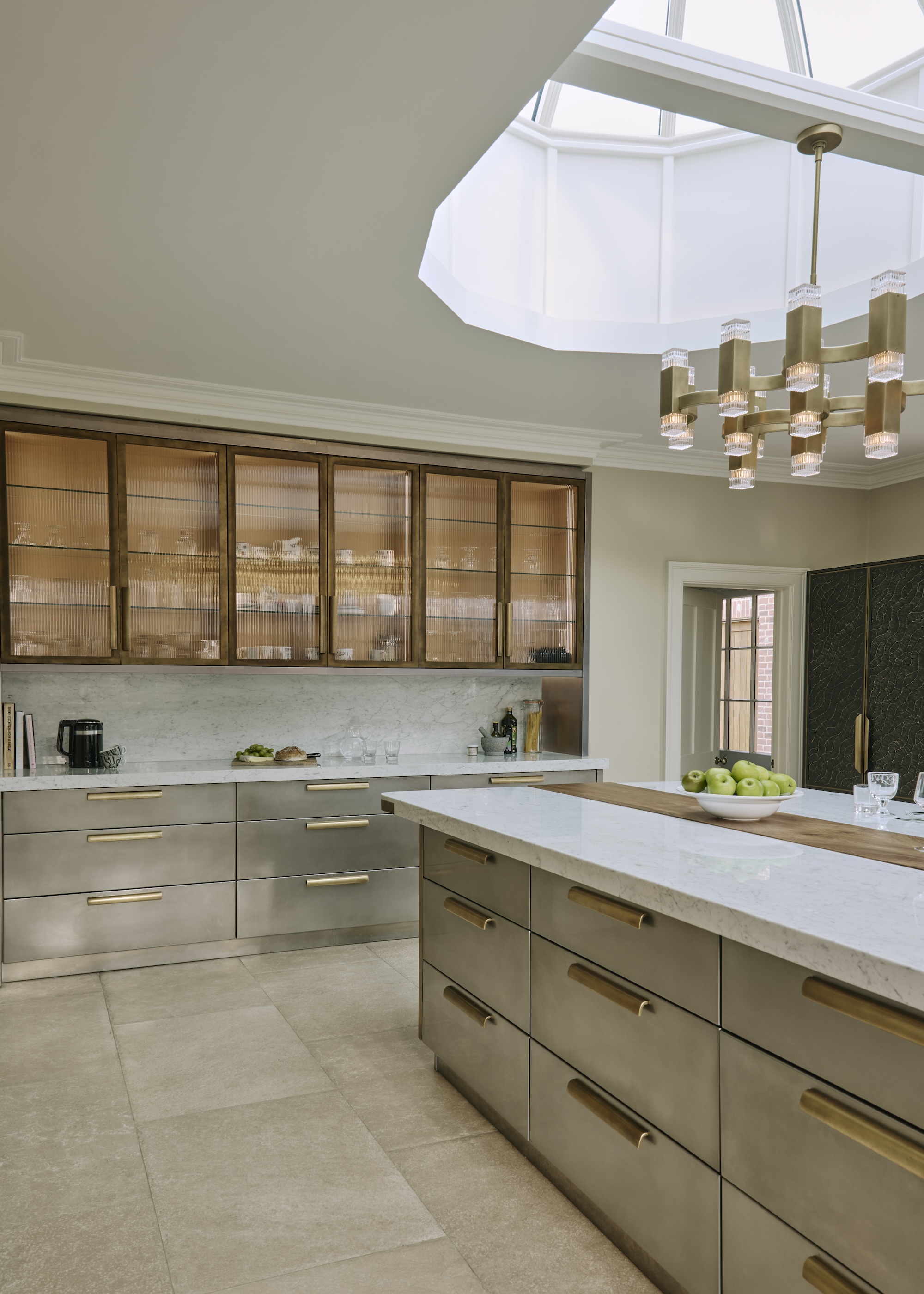
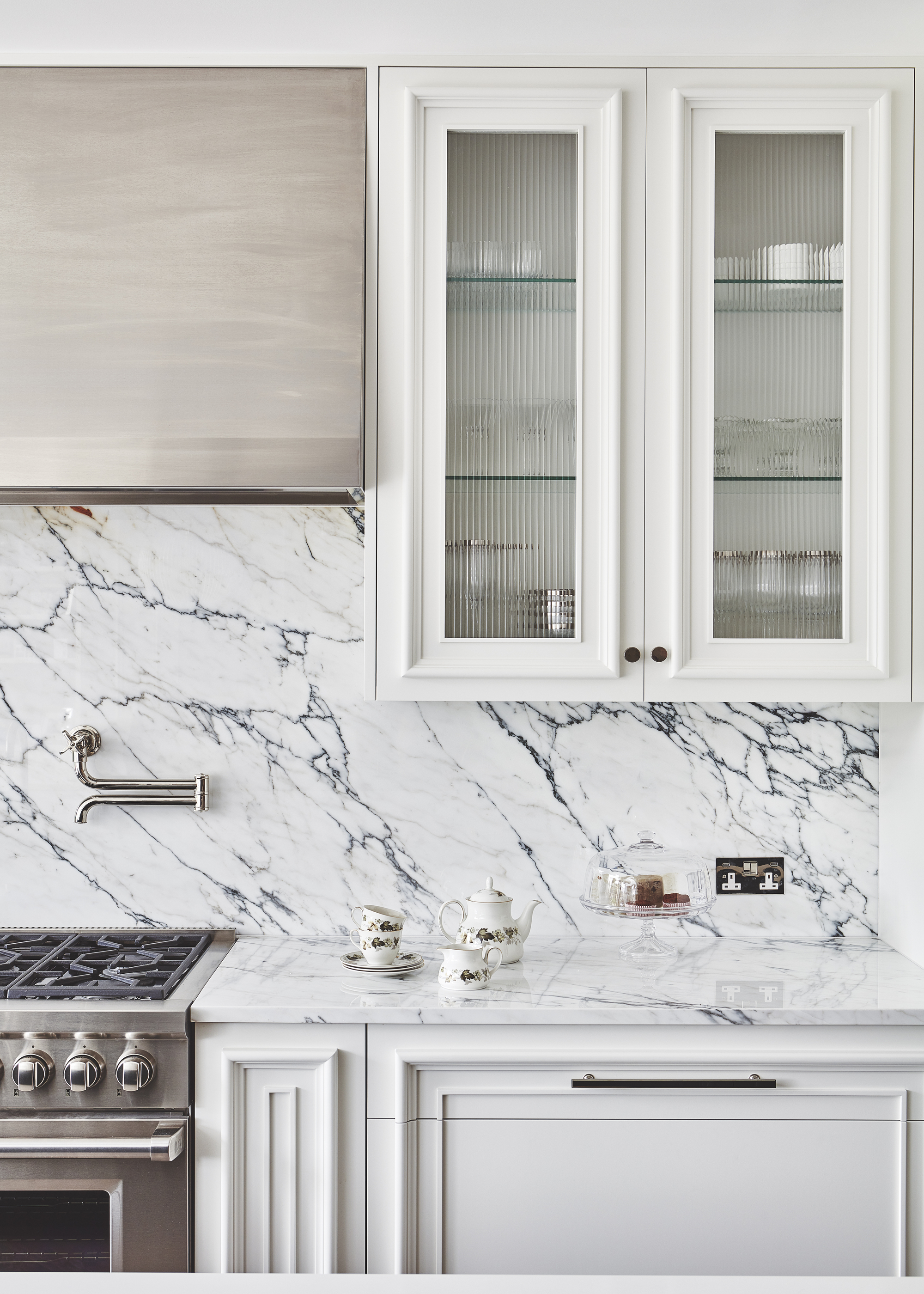
To ensure oak cabinets appear fresh and contemporary, specific styling choices are essential. The heavy, arched designs of the past are being replaced by clean-lined silhouettes and subtle details, such as reeded panels, which add a modern layer of texture. Many updated kitchens are adopting a two-tone approach, using oak for lower cabinets to provide a natural anchor while pairing them with lighter finishes for upper cabinetry to maintain brightness and contrast. Even minor updates, like matte stains and minimalist hardware, can effectively highlight oak’s distinctive wide grain and steer its aesthetic in a contemporary direction.
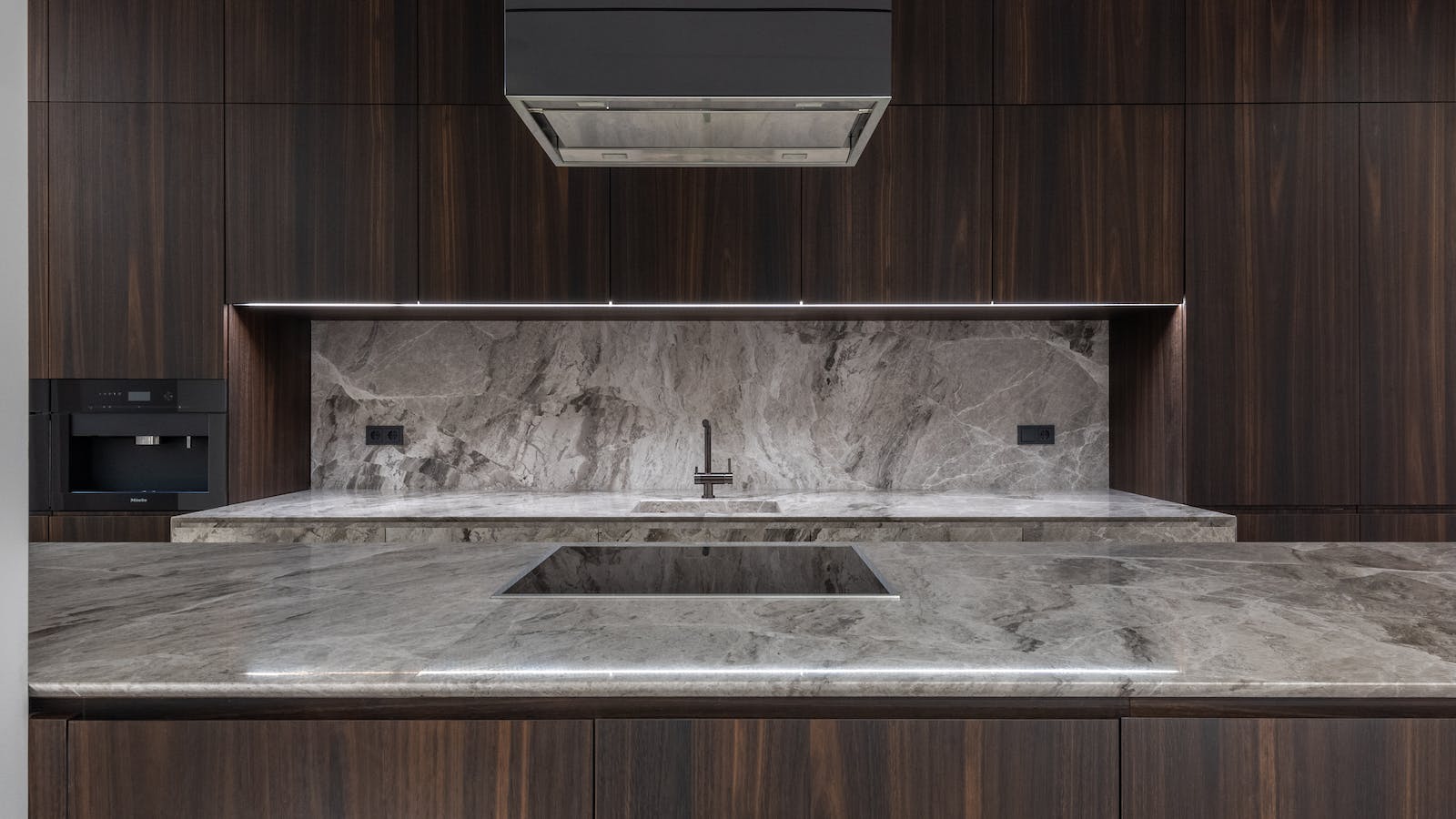
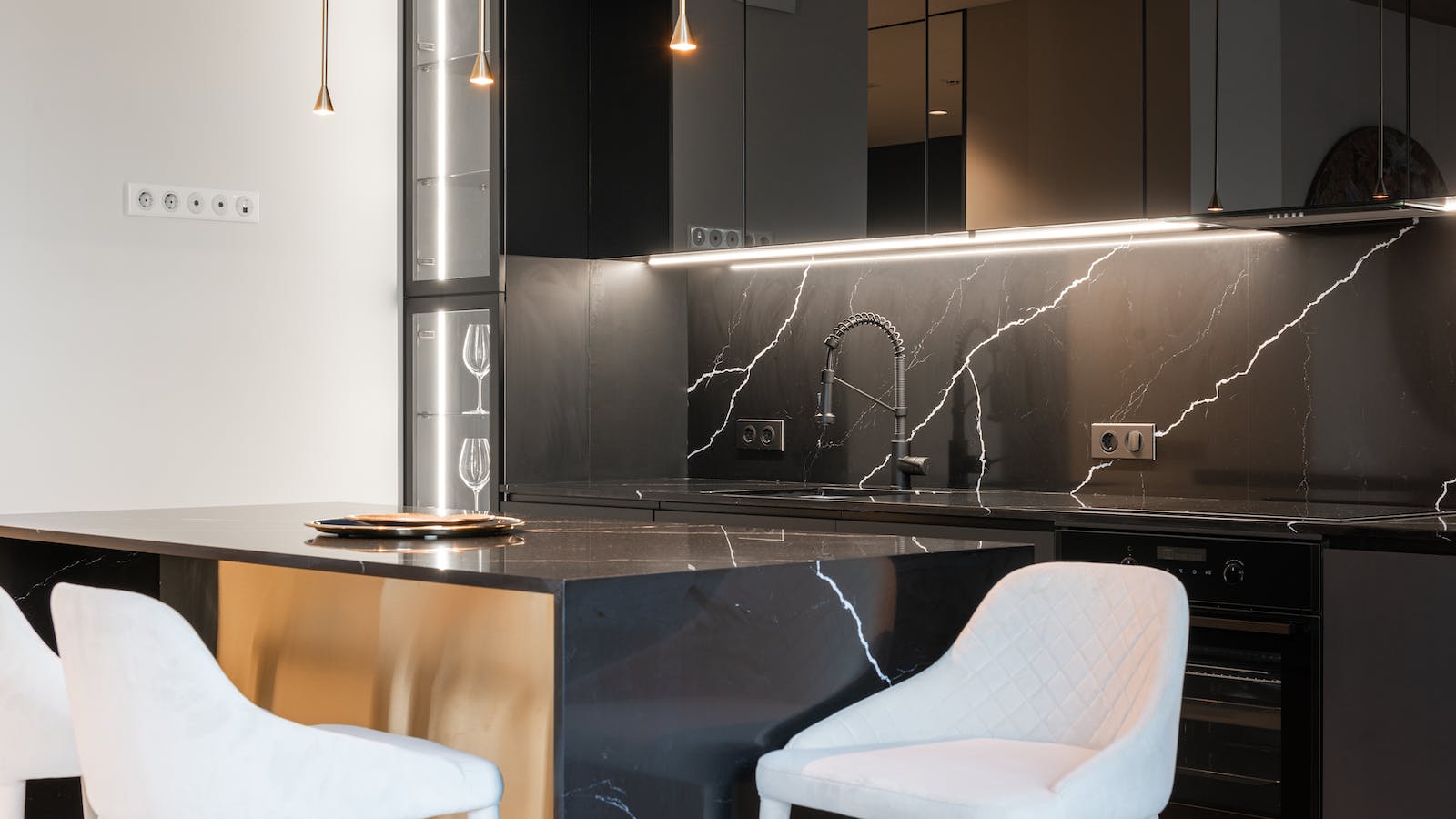
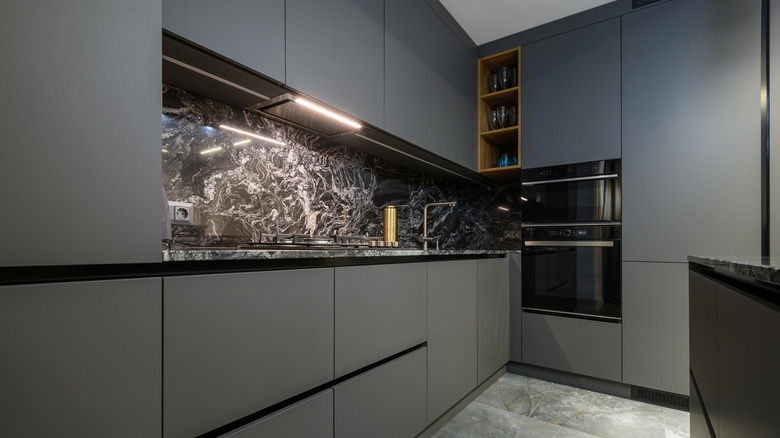
Color pairings also play a crucial role in modernizing oak. The bright, glossy stains of the past are avoided in favor of warm, neutral shades like linen, cream, and soft putty. These hues soften the oak without obscuring its natural grain, making them suitable for a wide range of design styles. For those seeking greater contrast, oak pairs beautifully with dark countertops or other dark cabinetry, creating depth and an intentional, layered look rather than a uniform one. The deliberate mixing of wood tones, similar to the popular trend of mixing metal finishes, further enhances the dynamism of the design.
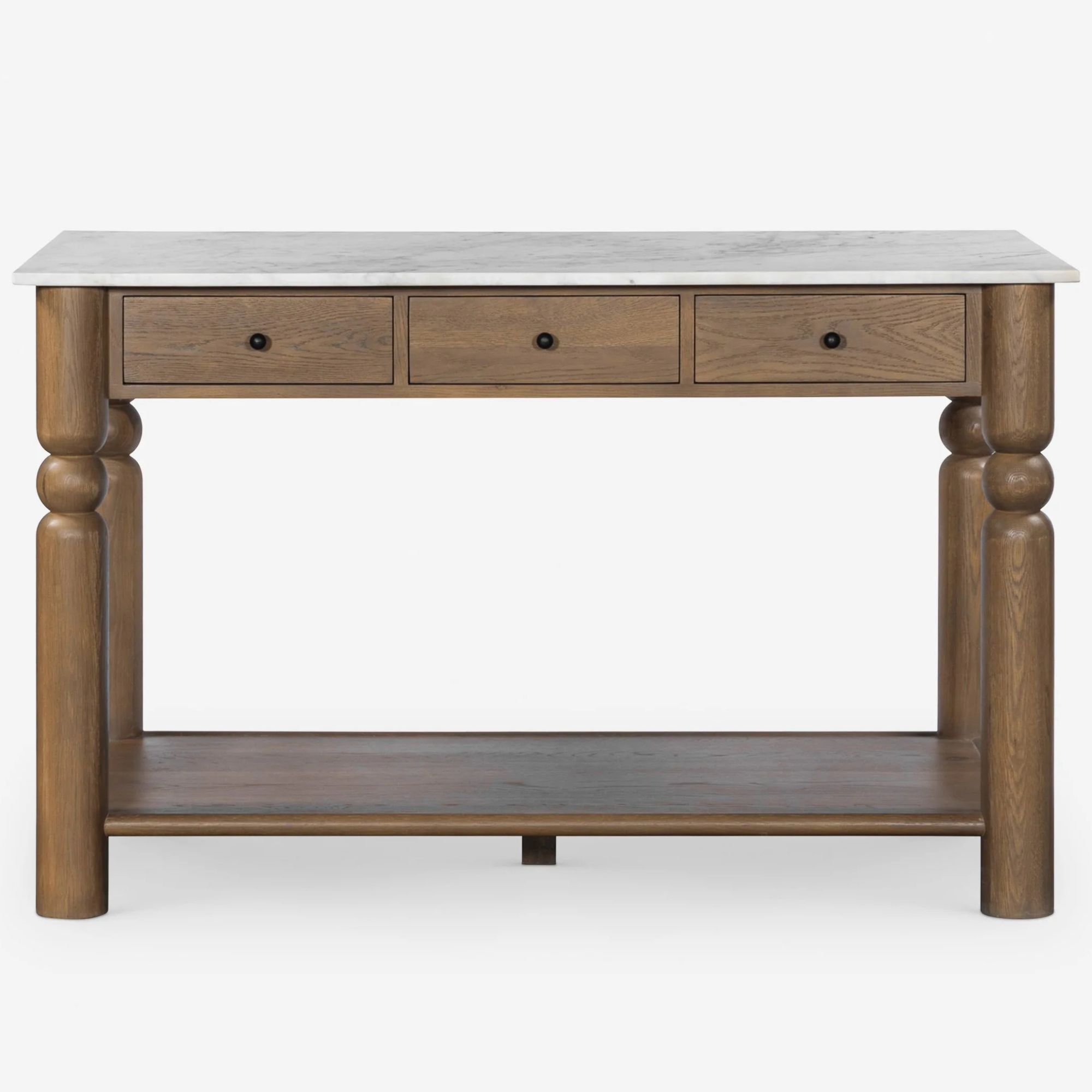
Ultimately, the comeback of oak kitchen cabinets is characterized by a thoughtful balance and intentional design. Instead of the all-encompassing wood installations common in the 1990s, modern kitchens will incorporate oak more selectively. This might manifest as an oak island, accent cabinetry, or strategically placed elements that use subtle stains to highlight the wood’s natural grain. The resulting look is warm, durable, timeless, and distinctly modern, showcasing how a '90s trend can be reimagined to fit contemporary sensibilities by 2026.
#KitchenDesign #HomeTrends #OakCabinets #InteriorDesign #KitchenRenovation #DesignComeback #WoodCabinets #HomeImprovement #KitchenDesign #HomeTrends #OakCabinets #InteriorDesign #KitchenRenovation #DesignComeback #WoodCabinets #HomeImprovement
0 comment in total
 No comments yet
You may also like
7 Gorgeous Cabinet Trends Set To Take Over Kitchens In 2026
These 5 Vintage Kitchen Items Are Making a Comeback in 2026

13 stylish kitchen cabinet trends to have on your radar in 2025
The “Outdated” Kitchen Cabinet Trend That’s Making a Huge Comeback in 2025

3 old-fashioned '80s kitchen cabinet trends that everyone will want in 2025 – they are no longer undesirable
9 ideas to steal from the kitchens of the 1990s and how to make them actually look chic in 2025
Designers Agree: This Outdated Cabinet Trend Is Making a Major Kitchen Comeback in 2026

These are the kitchen design trends that will dominate 2026

These are the outdated kitchen cabinet trends designers say you should ditch in 2025
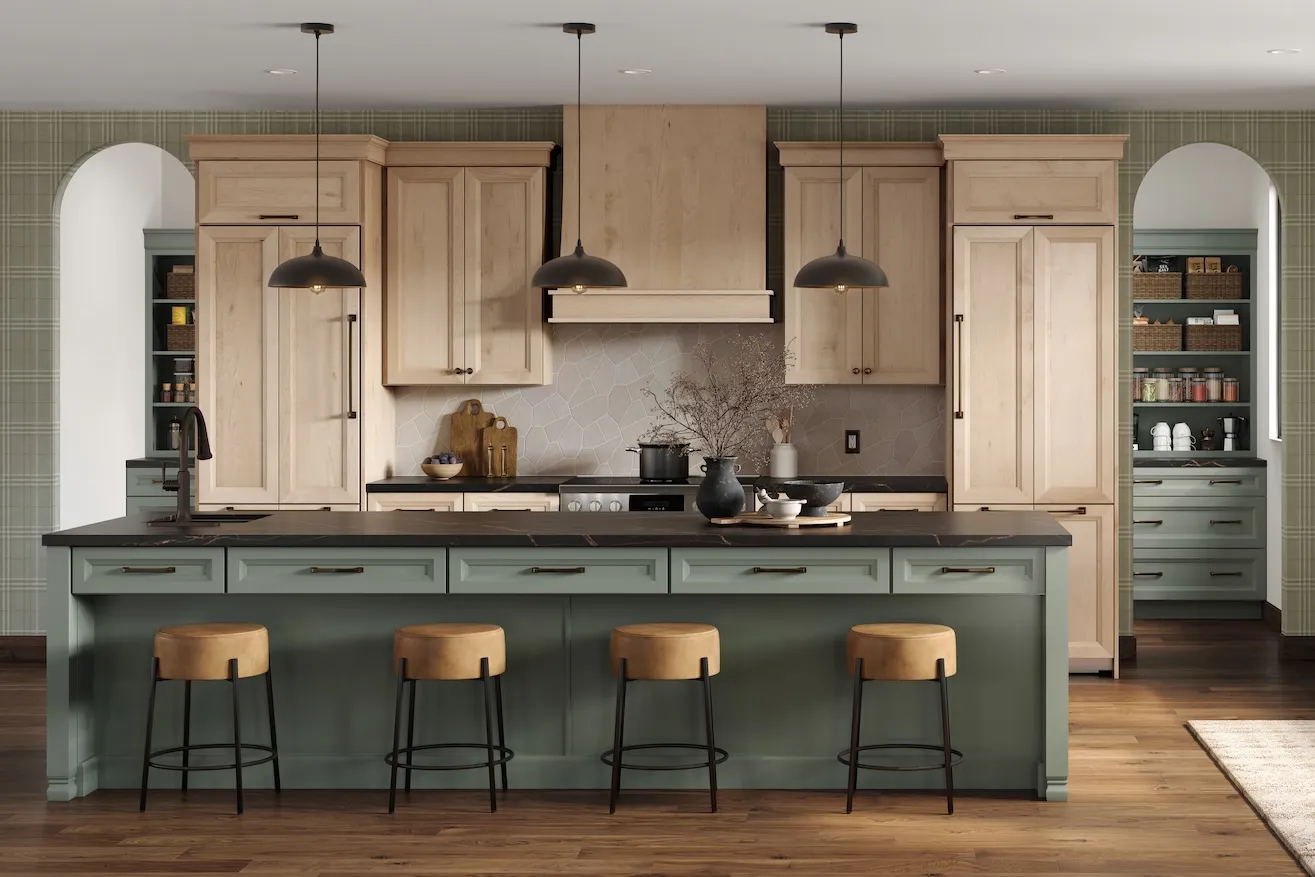
5 Kitchen Cabinet Trends for 2026—And the Surprising Style That Just Fell Out of Favor

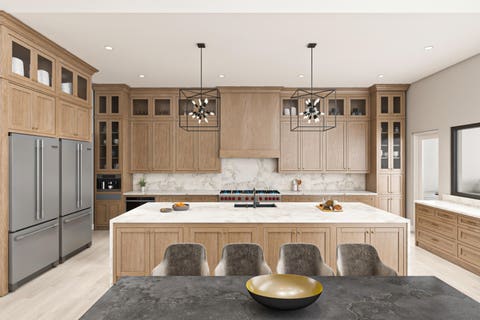
5 Kitchen Design Trends Going Away In 2026

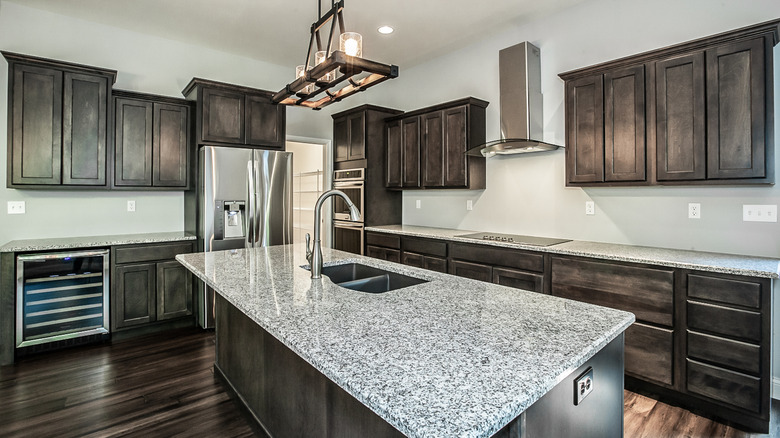
10 Kitchen Trends On The Way Out In 2026


The Trendy Kitchen Cabinet Style To Consider Trying In 2026
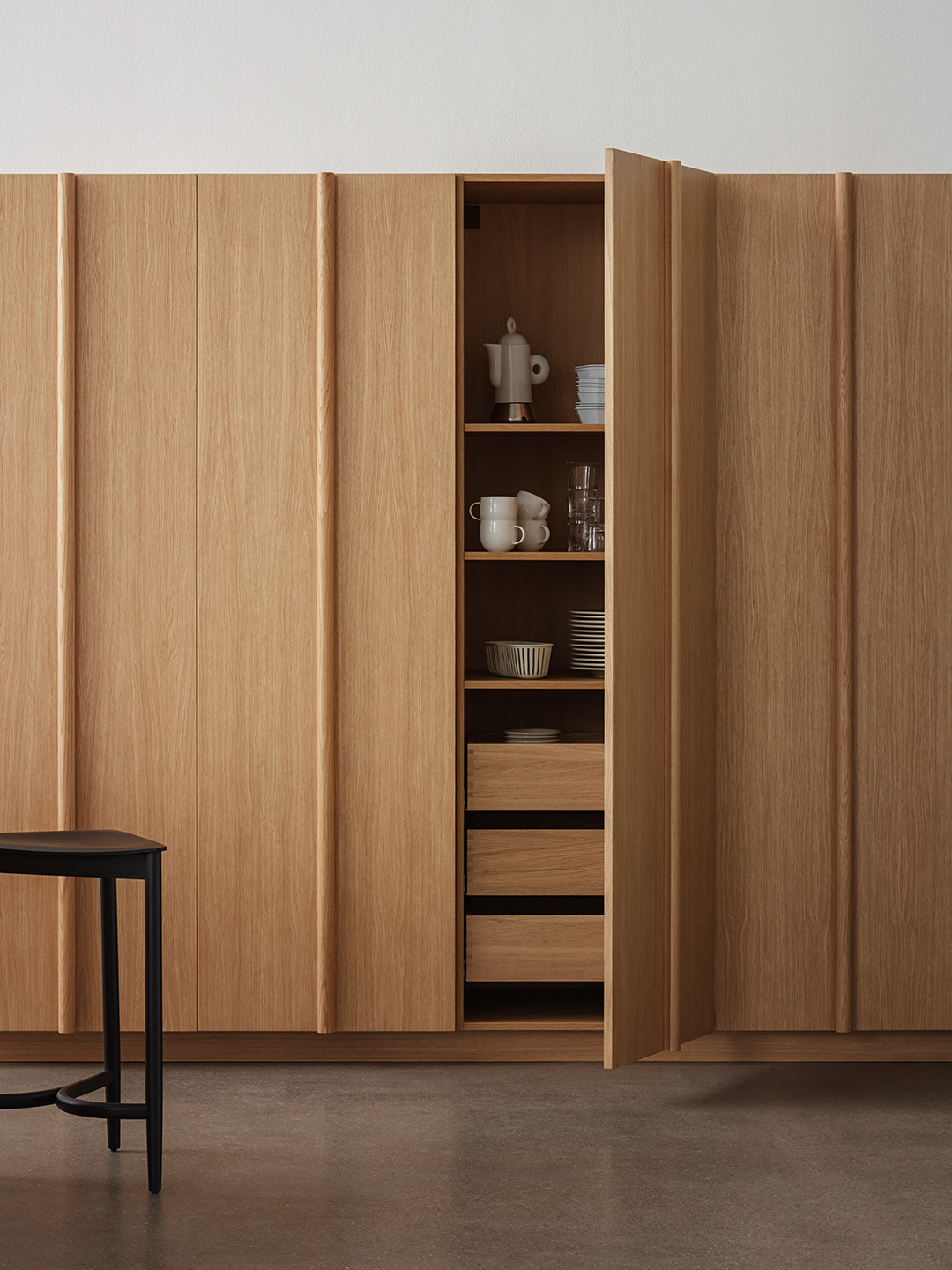
We Predict This Kitchen Cabinet Trend Will Take Over in 2024

9 Outdated Kitchen Cabinet Colors We Hope To Never See In 2026
The 90s Kitchen Trends We're Seeing Come Back in 2025 — 5 Features Making Waves in Modern Designs

We Asked 18 Designers: What Kitchen Cabinet Style Will Rule in 2026?

2025 Kitchen Cabinet Trends: Transform Your Space with These Top Styles
9 Outdated Kitchen Cabinet Colors We Hope To Never See In 2026

The “Outdated” Kitchen Cabinet Trend That’s Making a Huge Comeback in 2025