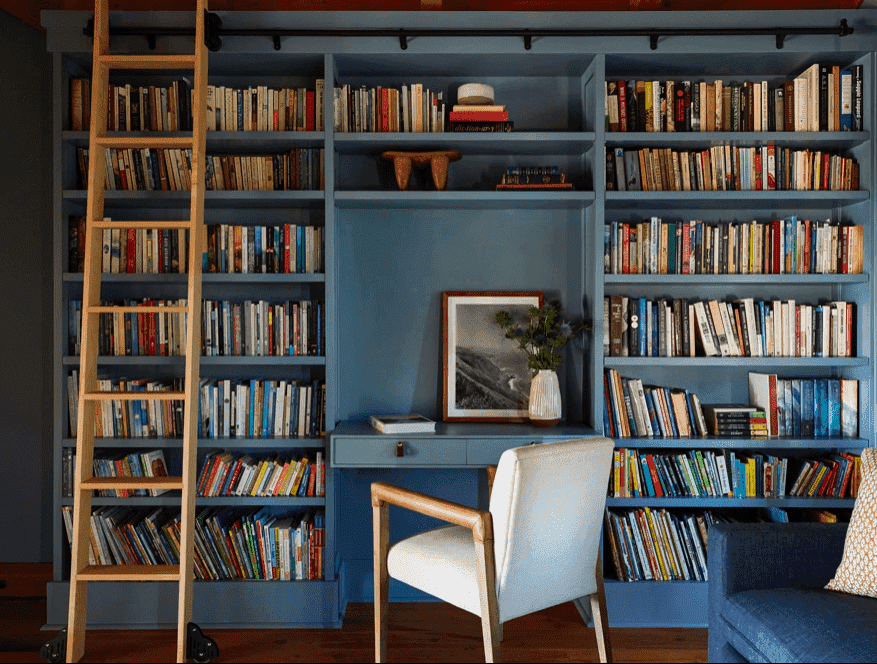
1/3
The art of the reading nook
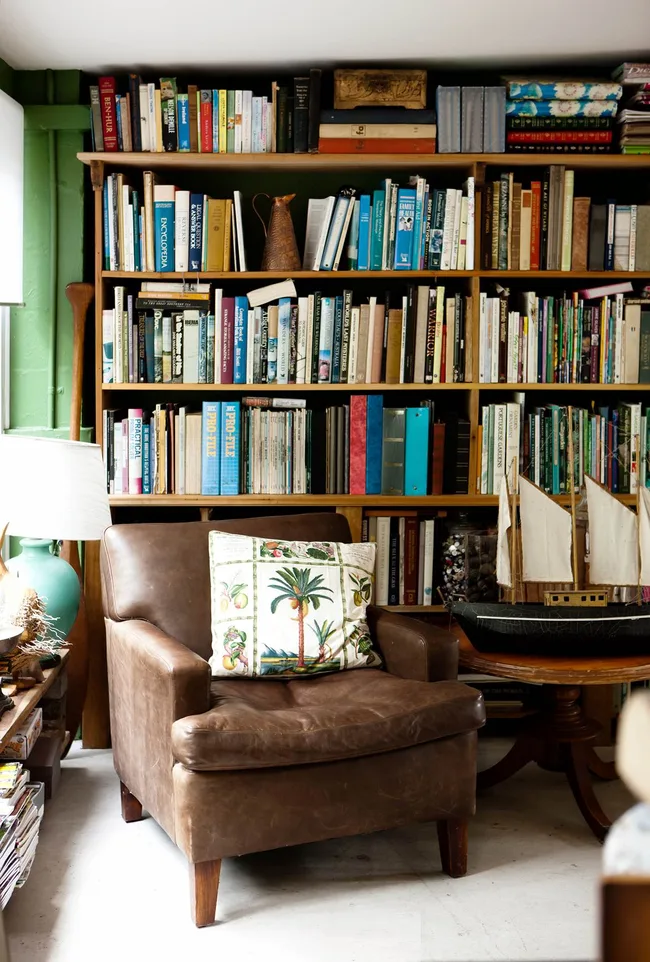
The concept of a 'reading nook' is gaining popularity as individuals seek to carve out personal, comfortable spaces within their homes for reading and relaxation, especially in an era where living spaces are often compact. This trend has been observed across various public figures, including Sophie Dahl, Nigella Lawson, and Jamie Oliver, highlighting a widespread desire for such an area.
The recent pandemic, with its emphasis on home life and remote interactions, inadvertently showcased diverse reading habits and home setups, leading to an increased focus on what personal libraries and reading spaces convey about individuals. Data from online marketplaces indicates a significant interest in reading nooks, with a notable percentage of UK adults preferring them over other home improvements like new kitchens or bathrooms. This suggests a shift in priorities towards creating functional yet cozy personal retreats within the home.
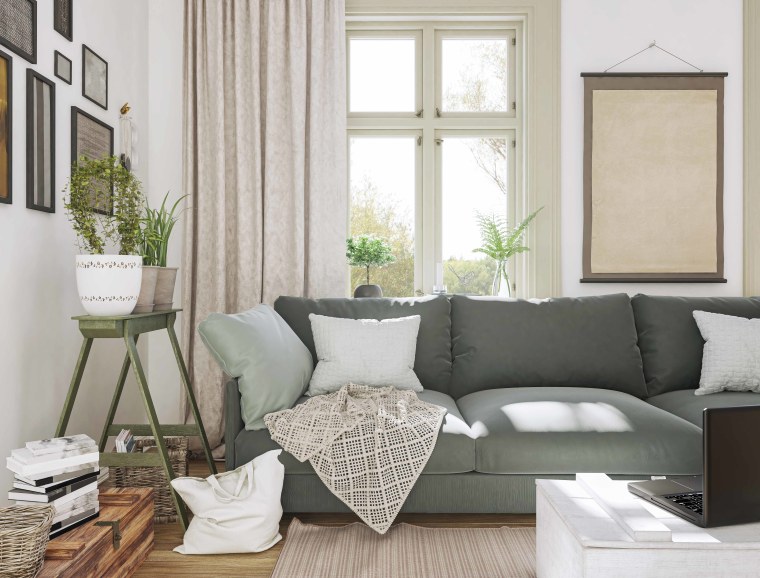
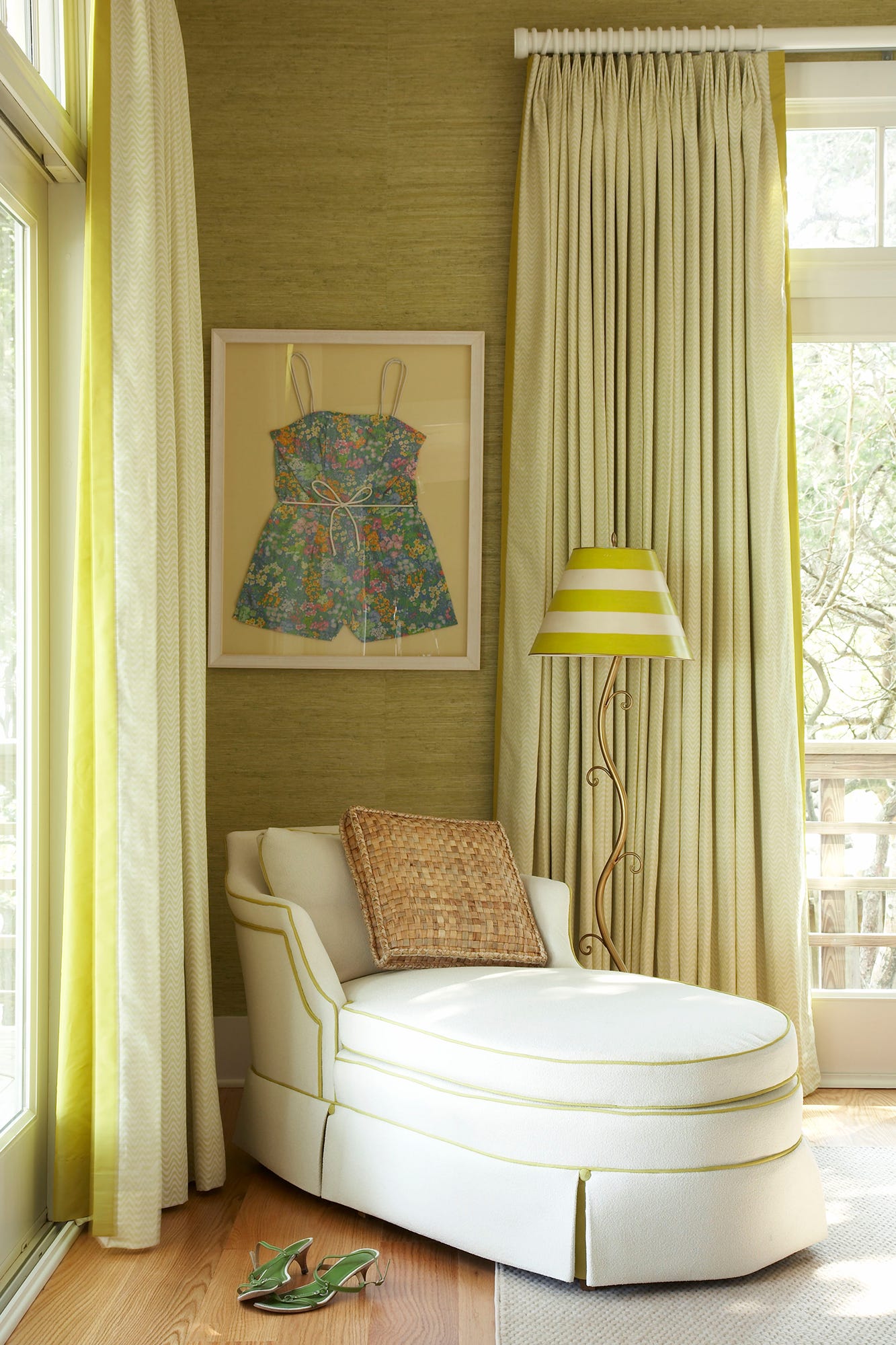
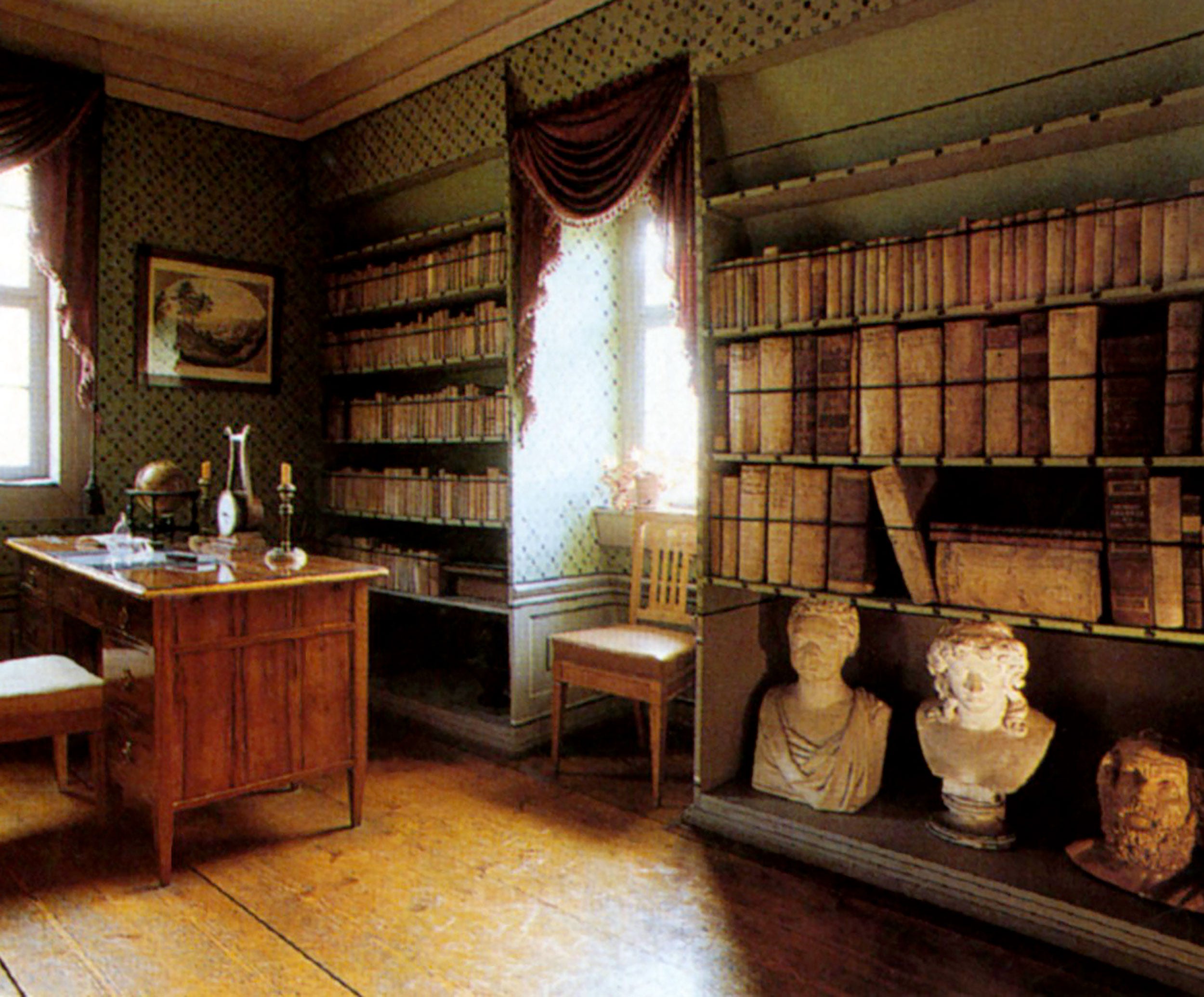
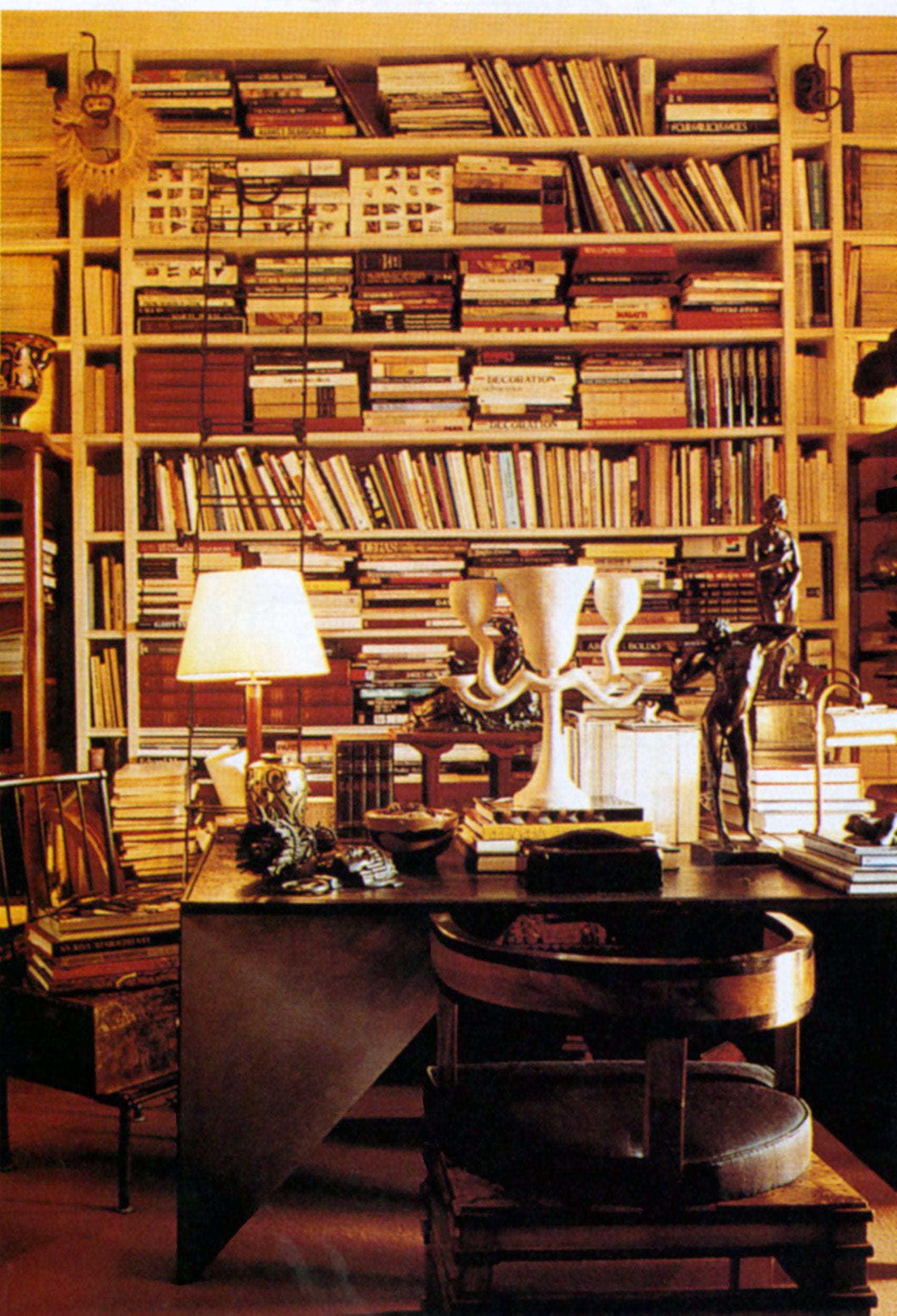
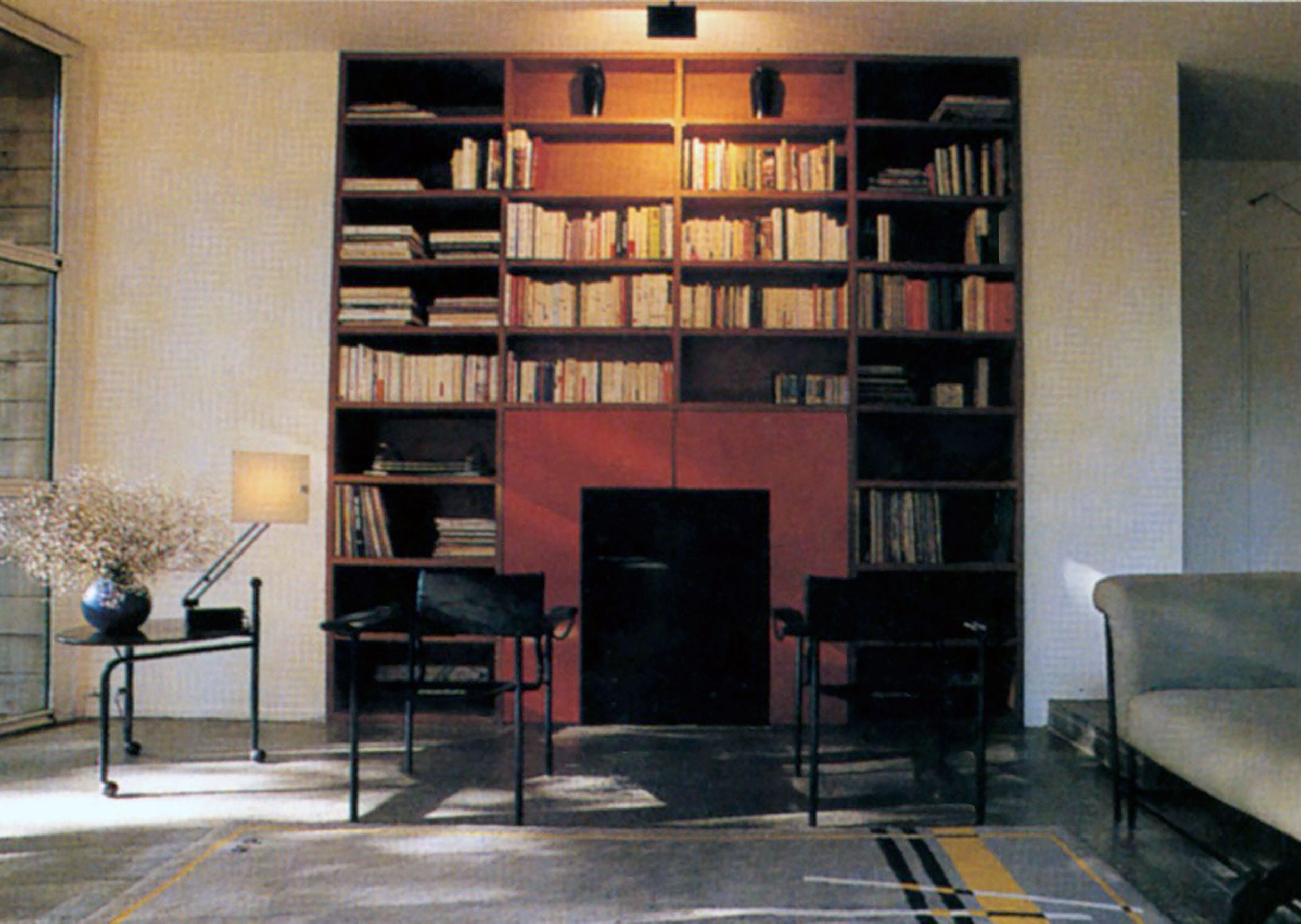
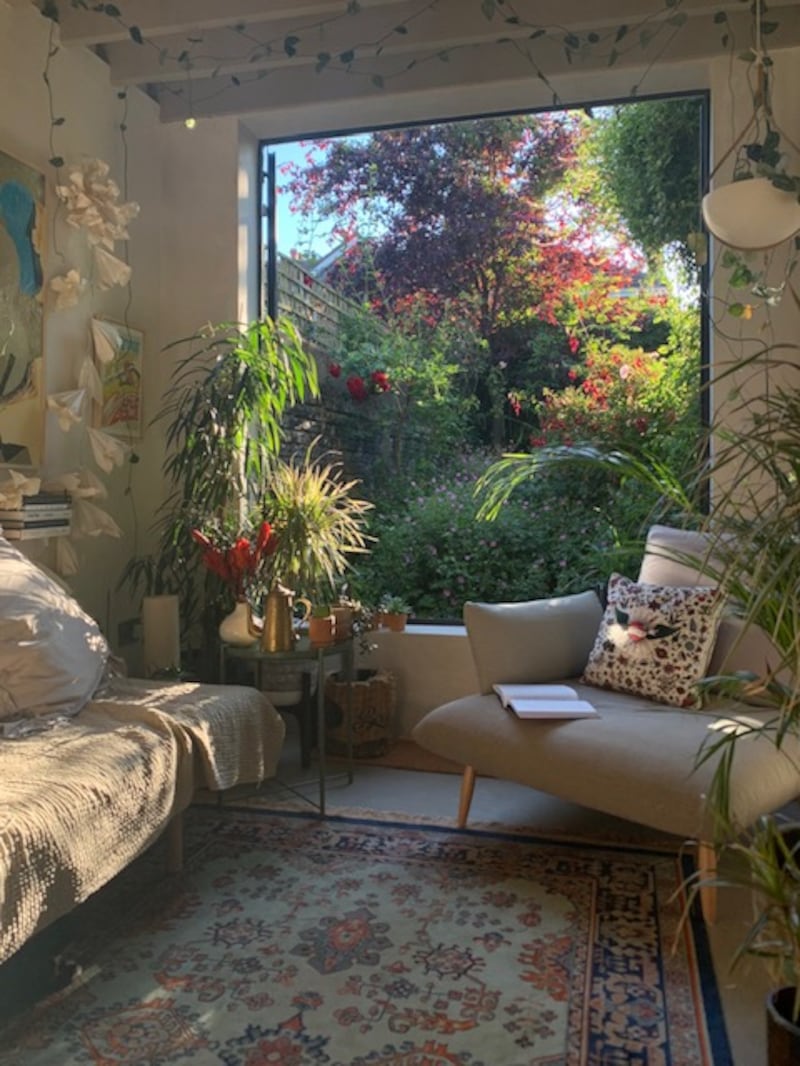
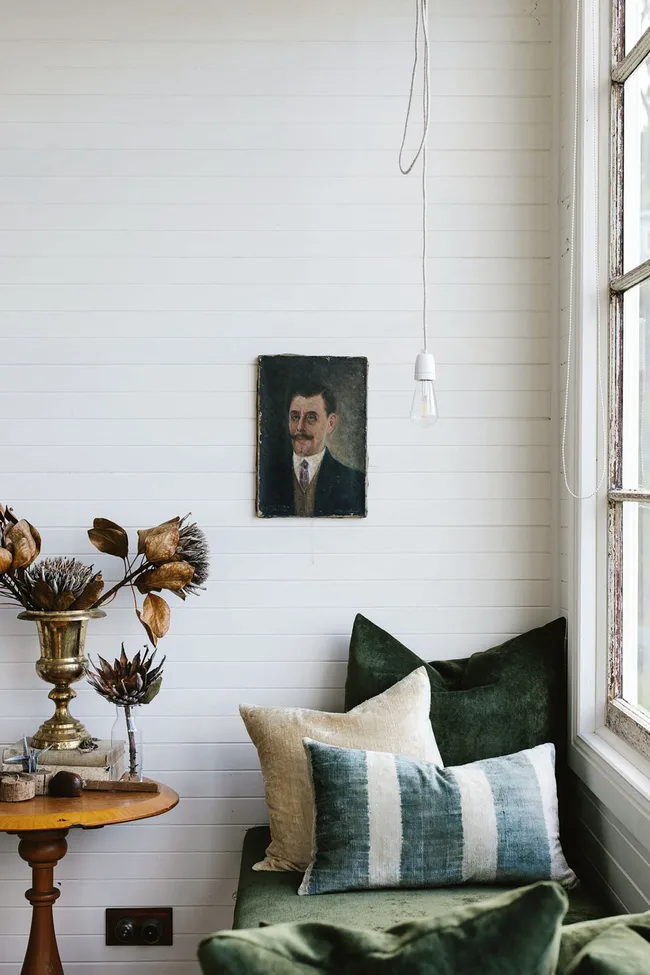
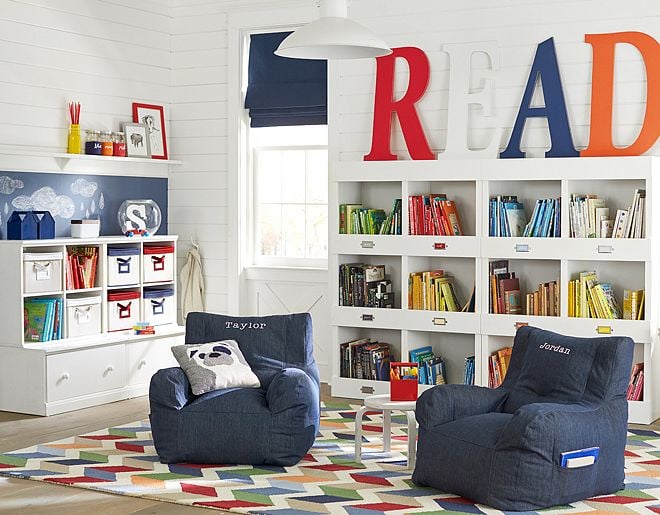
Interior design experts note a surge in requests for creating reading nooks, often leveraging existing architectural features. Bay windows, for instance, are identified as ideal locations due to their natural light and the 'cocooning effect' they offer. The design philosophy emphasizes comfort and a sense of protection, suggesting low-slung seating and options for stretching out. Historical examples, such as Karl Lagerfeld's extensive library with its low sofas, underscore the long-standing appeal of such intimate reading environments. Some innovative furniture designs even incorporate shelving directly into chairs.
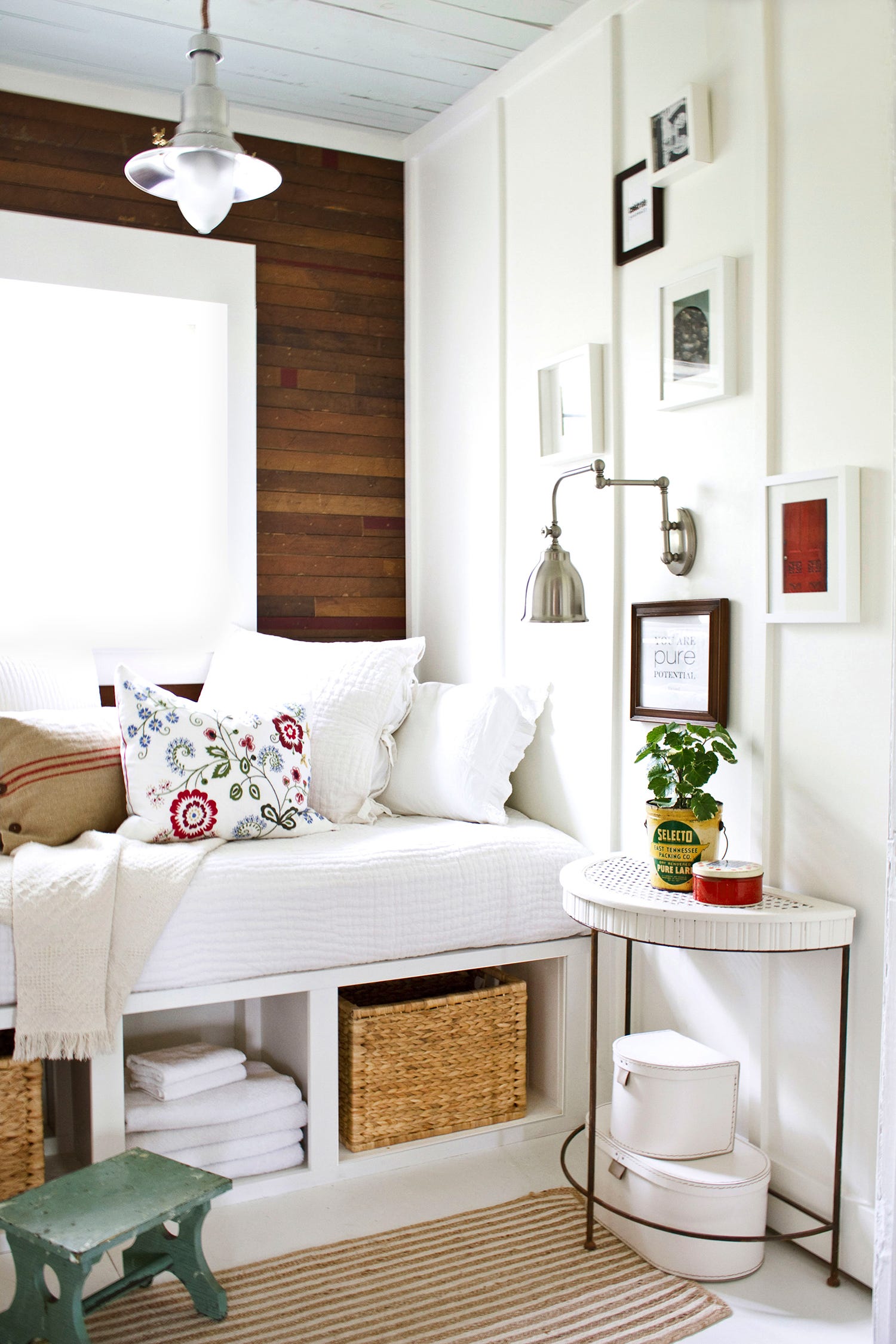
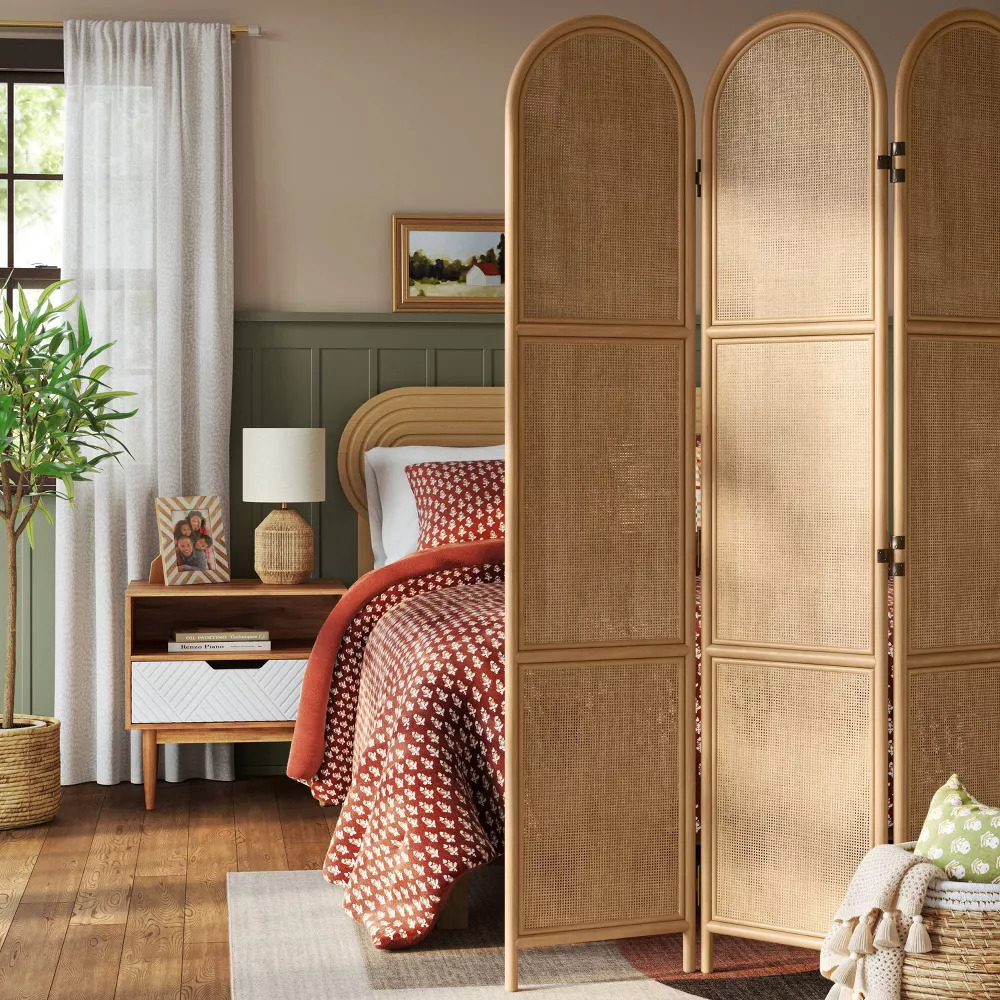
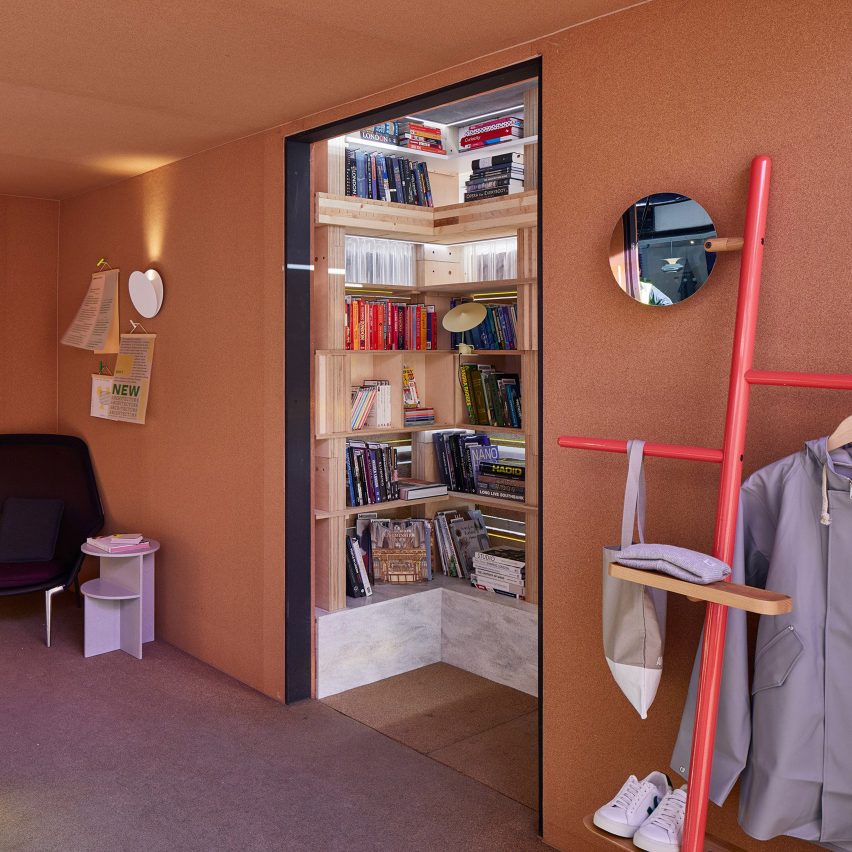
For homes with open-plan layouts, the challenge of creating a distinct reading nook can be addressed by zoning spaces to differentiate functions. The primary goal is to establish a tranquil spot away from the hustle and bustle of daily household activities. Practical considerations include ensuring access to power outlets for lighting and device charging, though creative solutions like rugs to conceal extension leads are suggested. Interior designers also recommend utilizing transitional or often-overlooked areas such as hallways, landings, spaces under stairs, or even repurposing built-in cupboards.
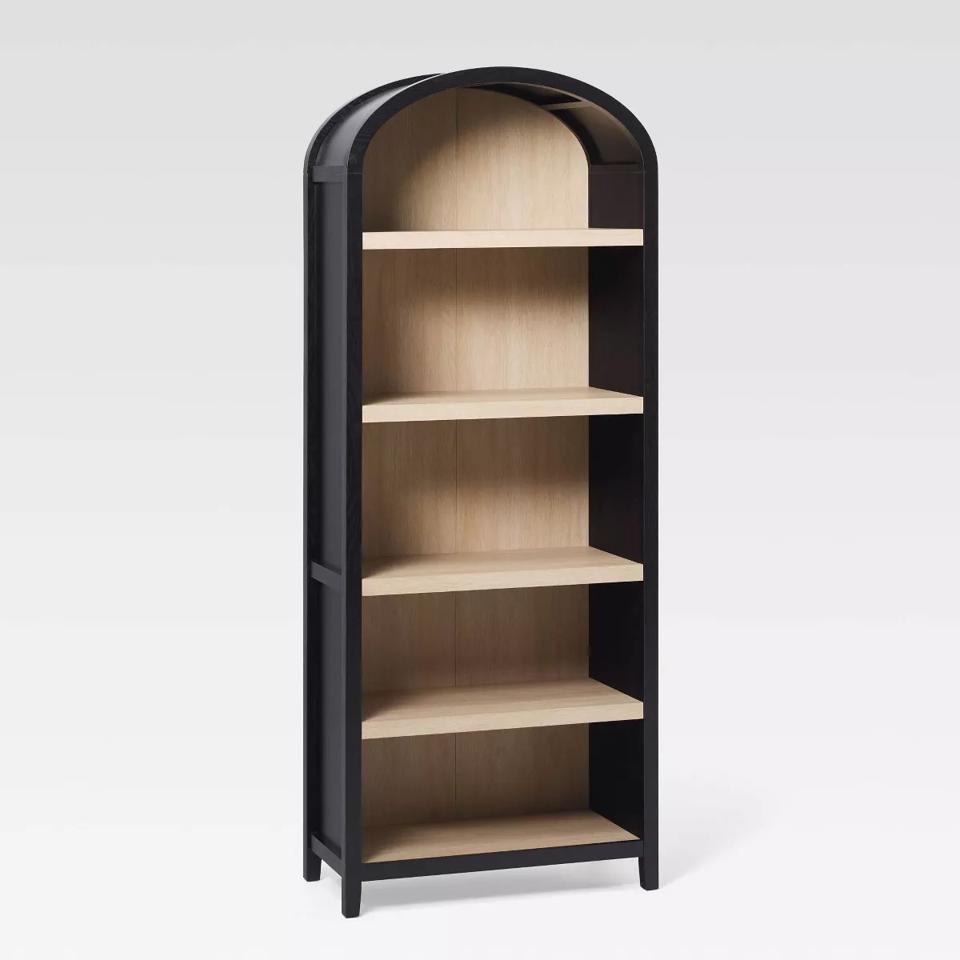
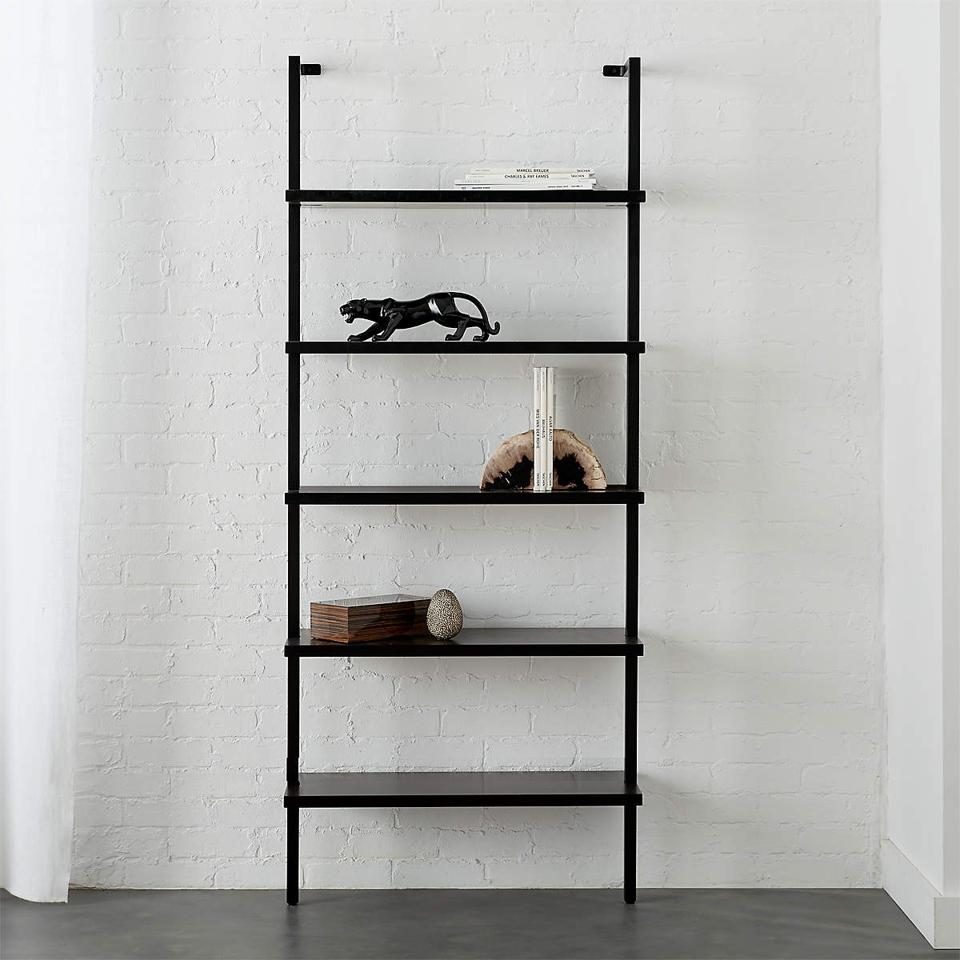
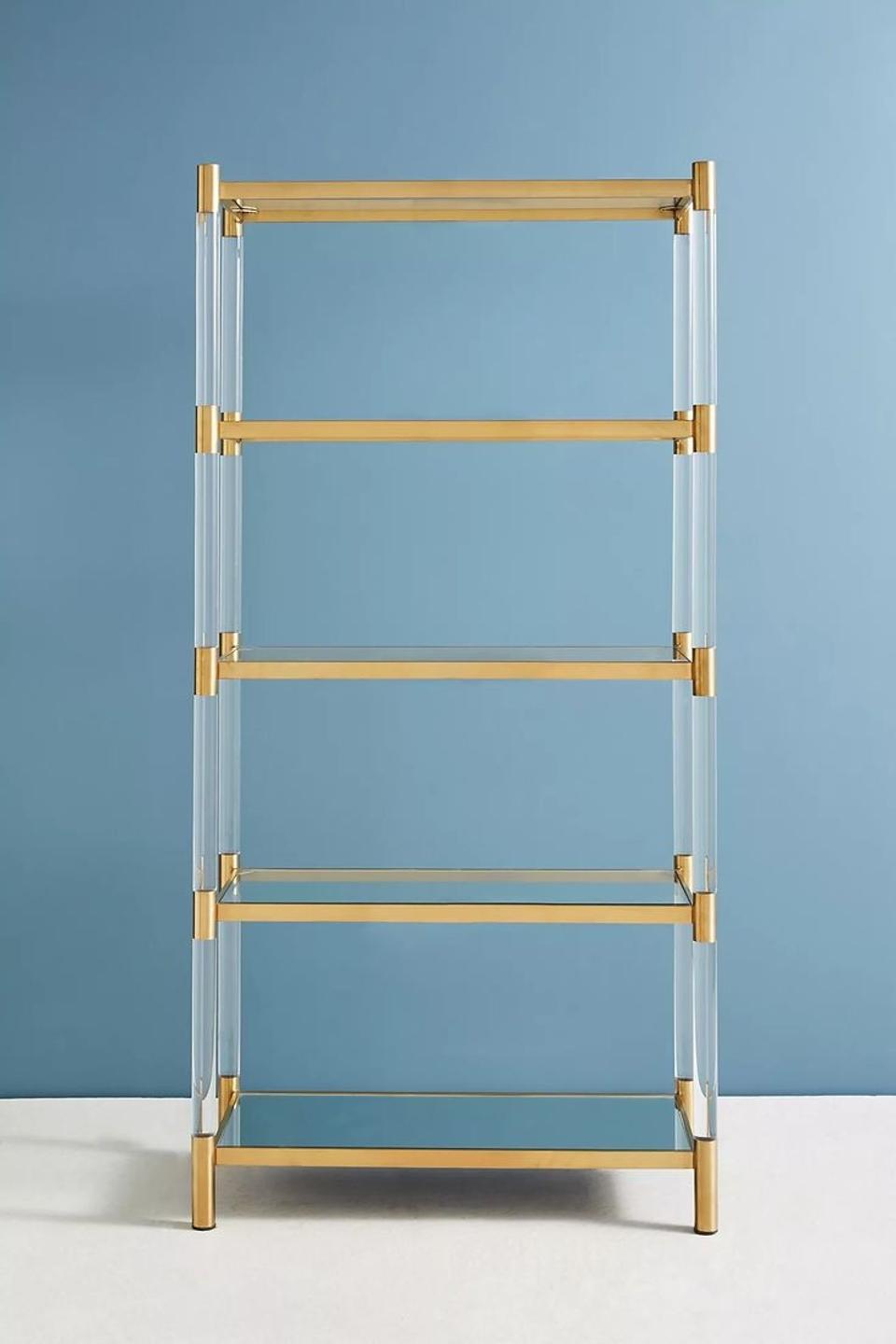
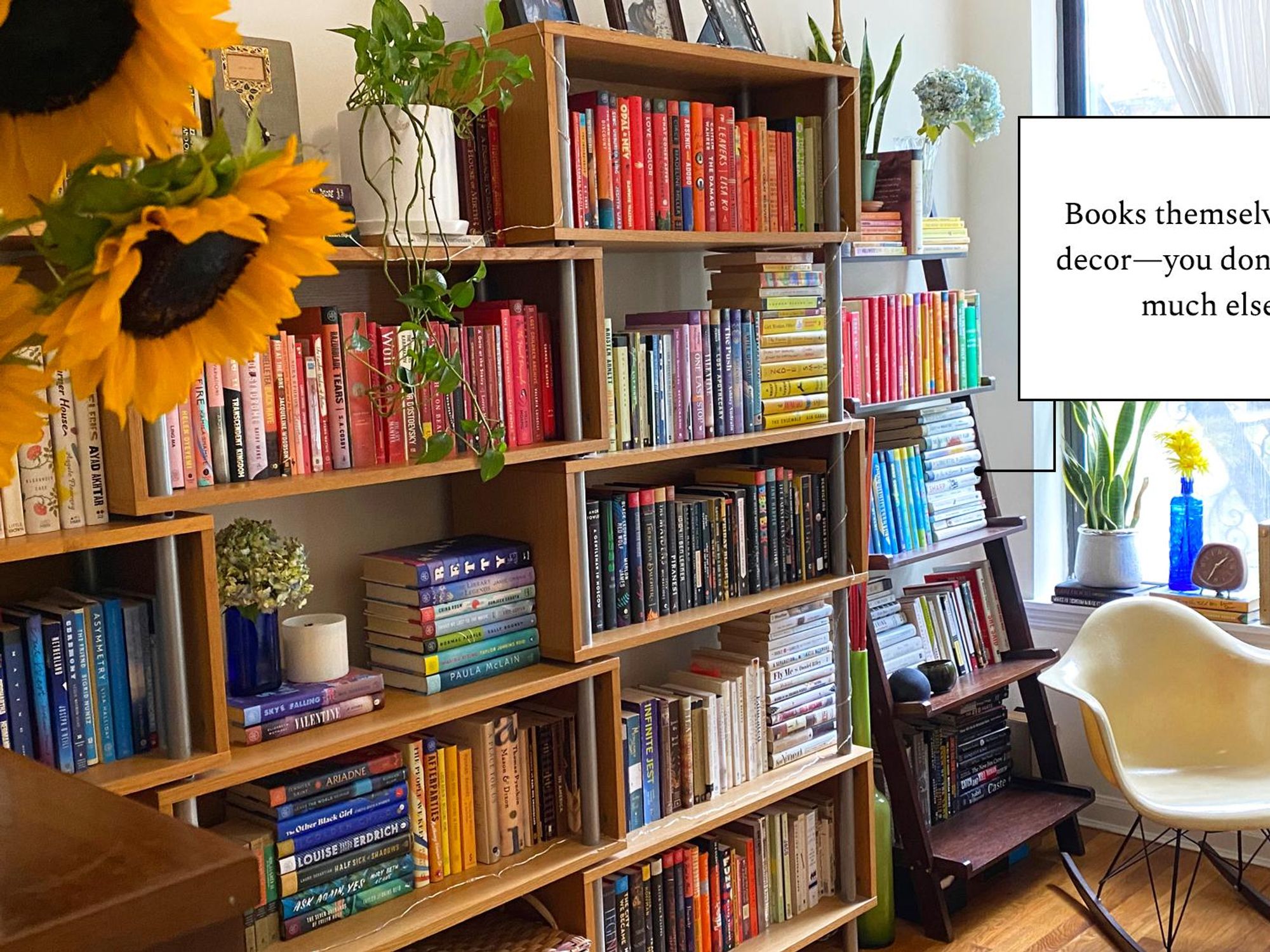
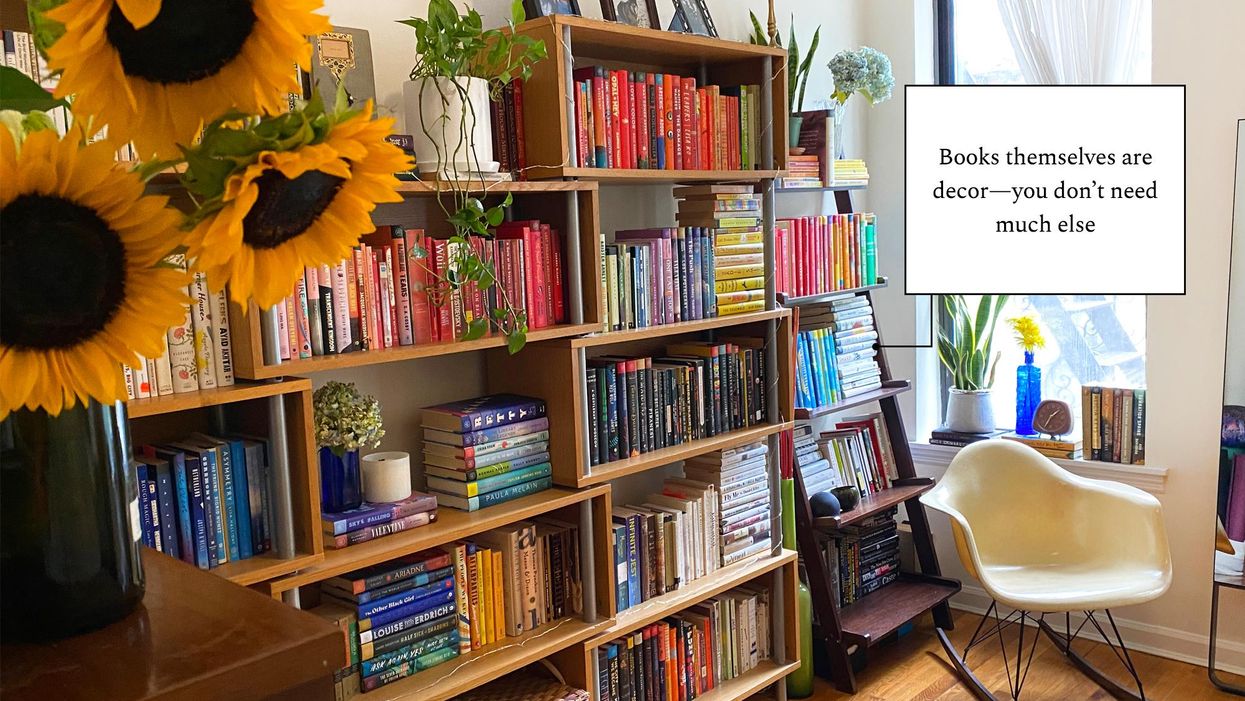
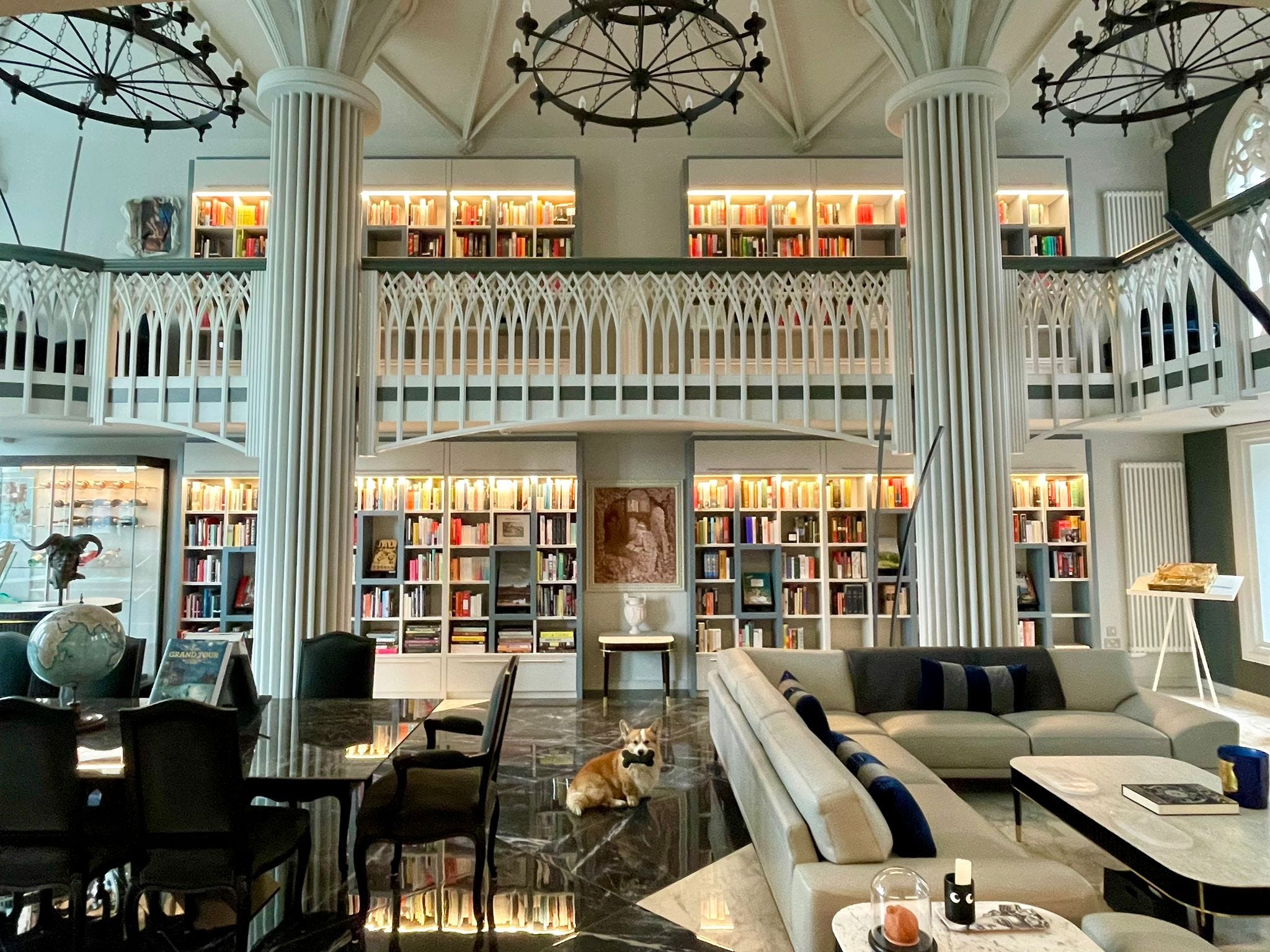

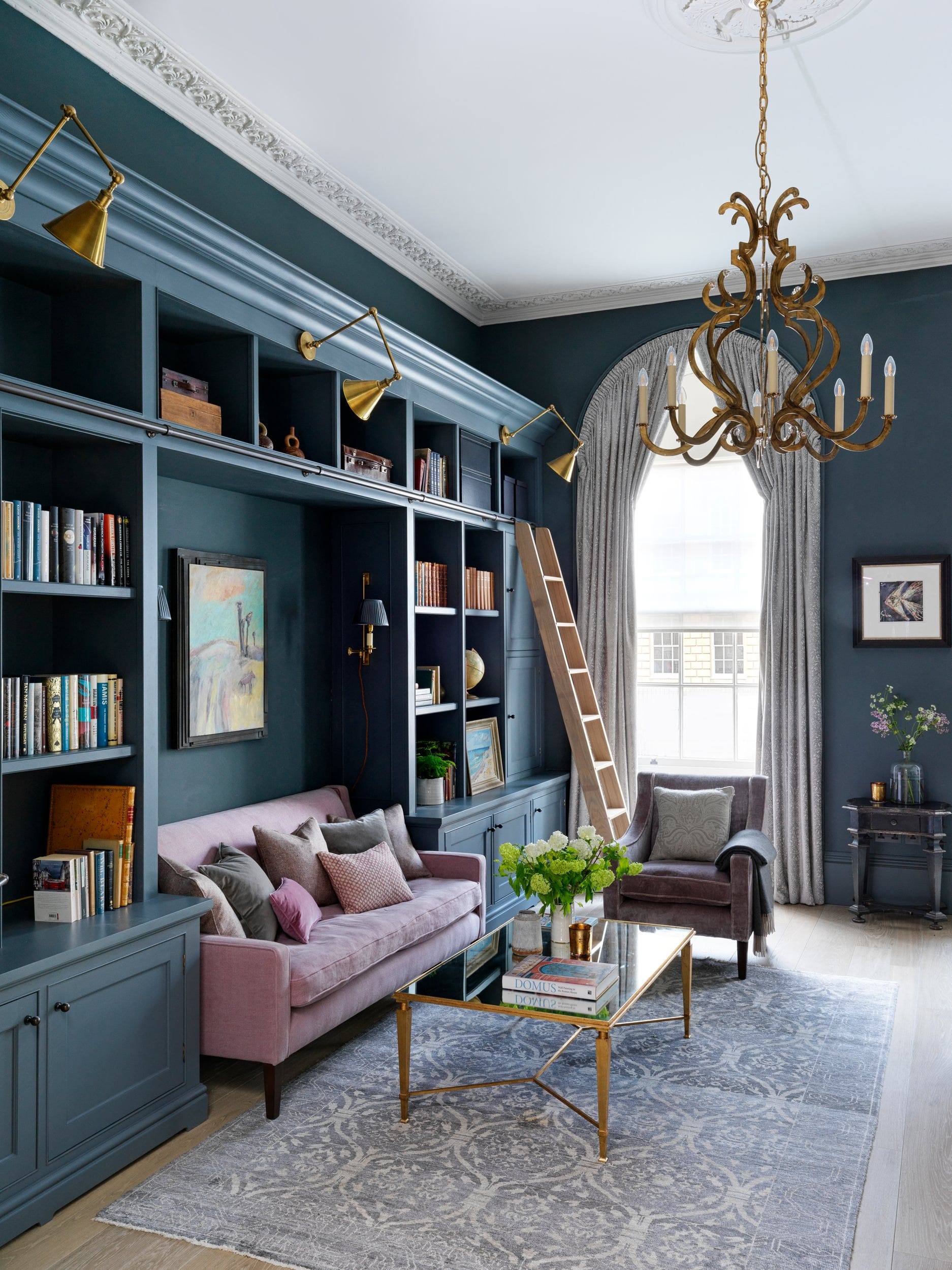
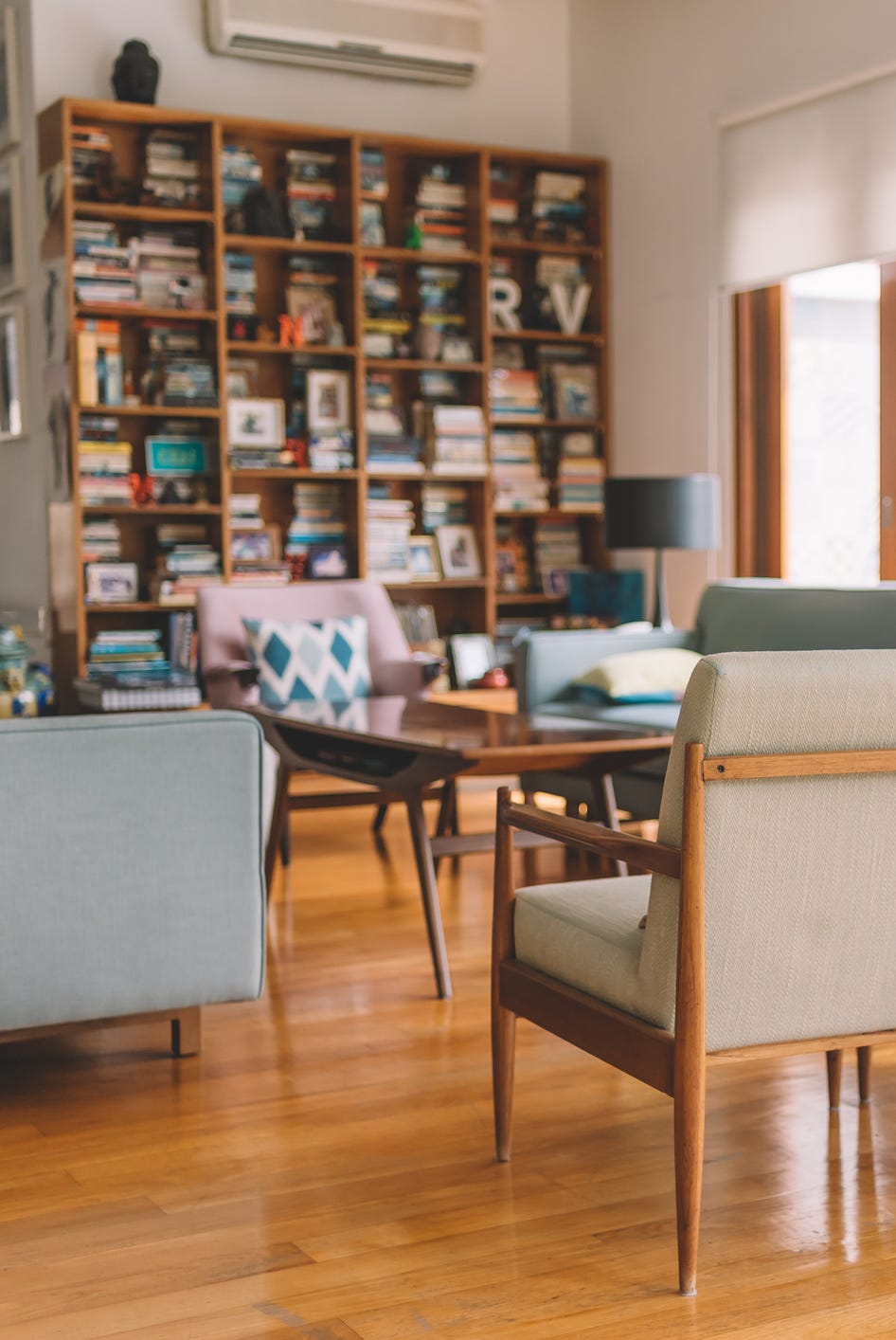
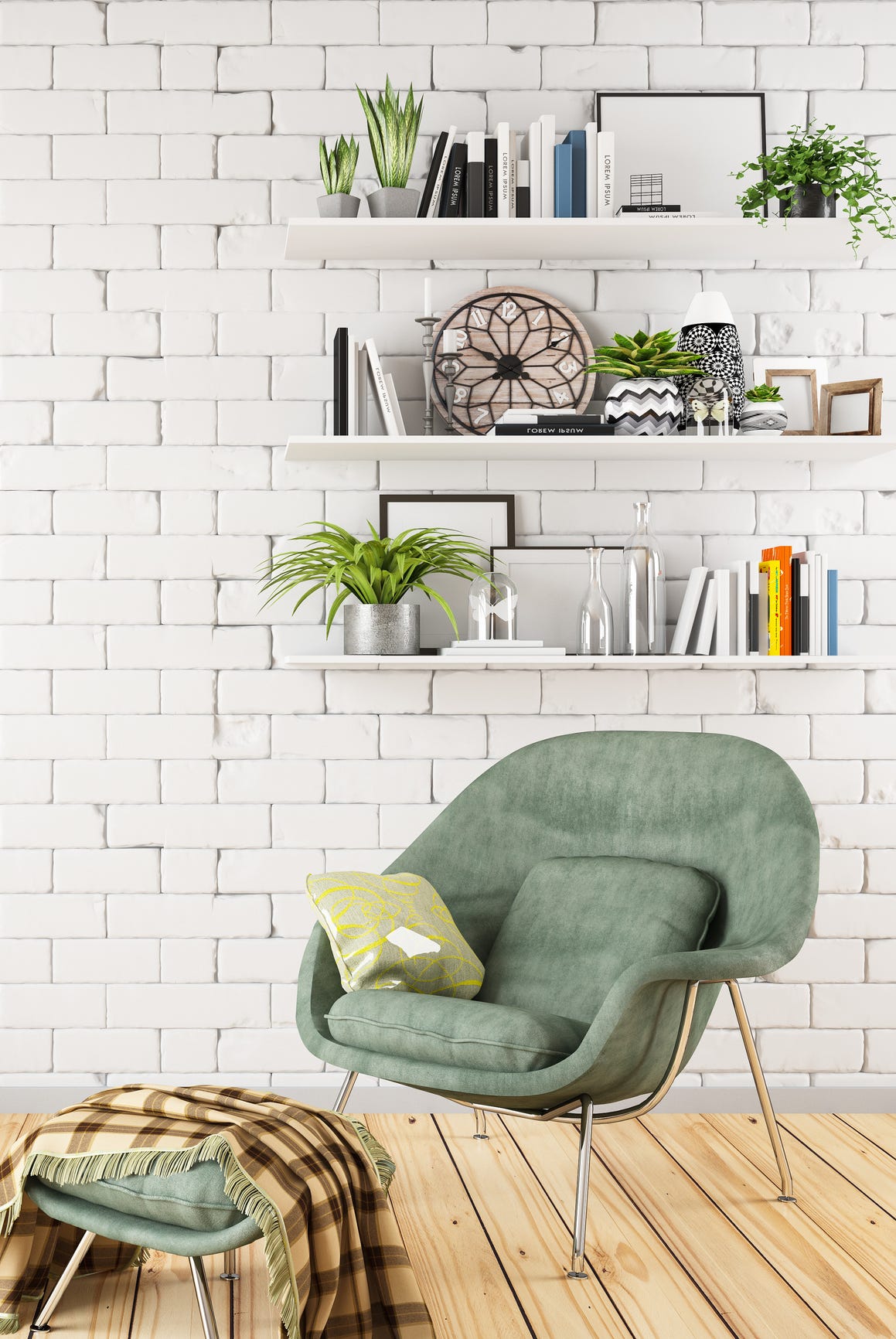
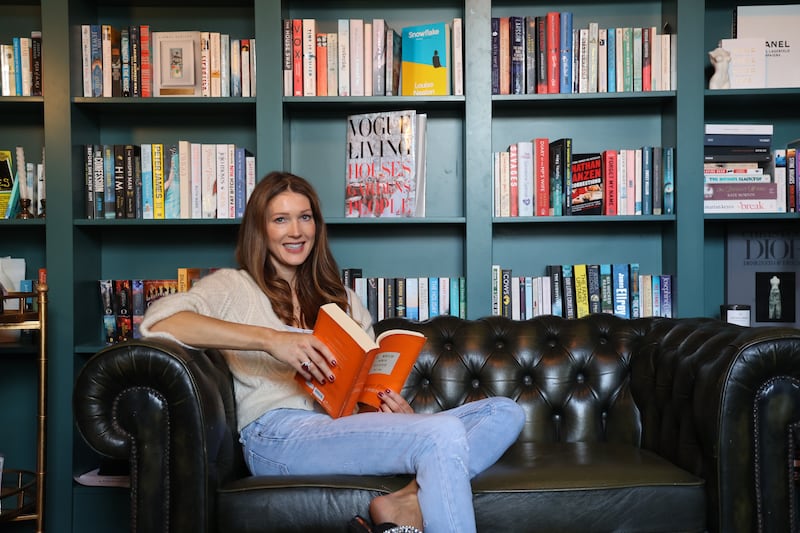
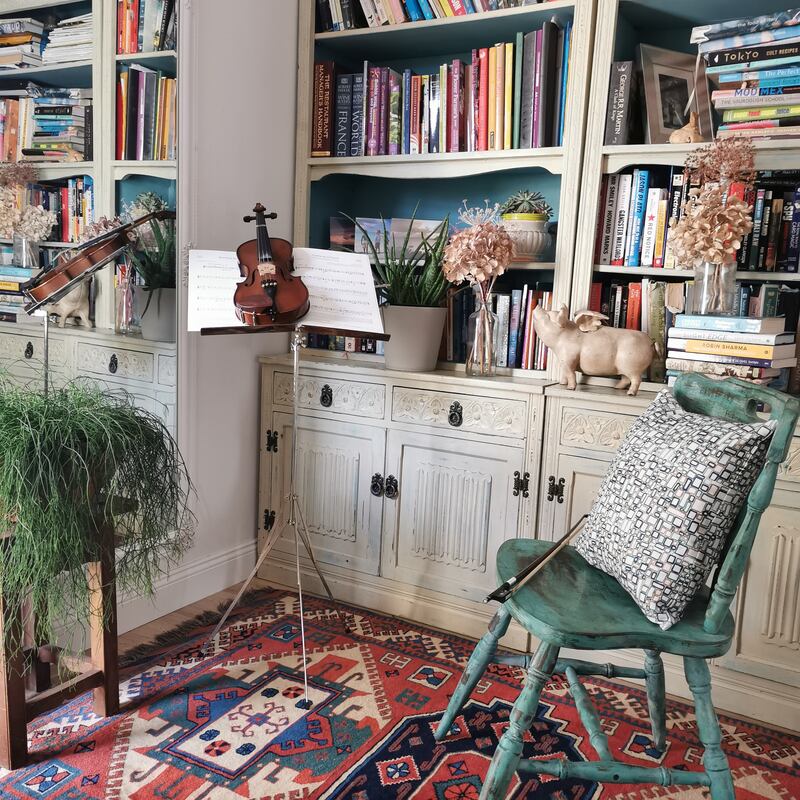
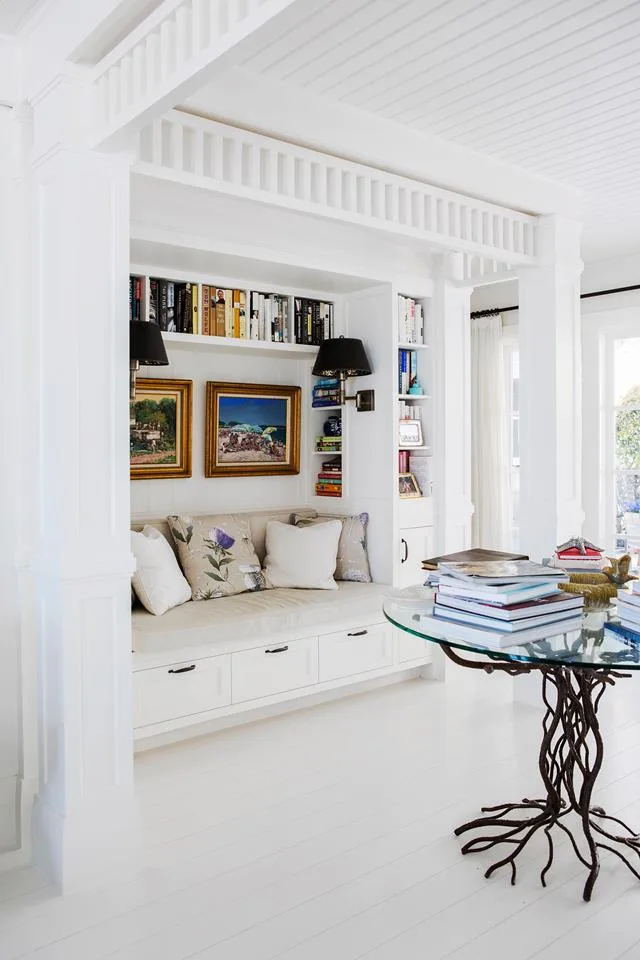
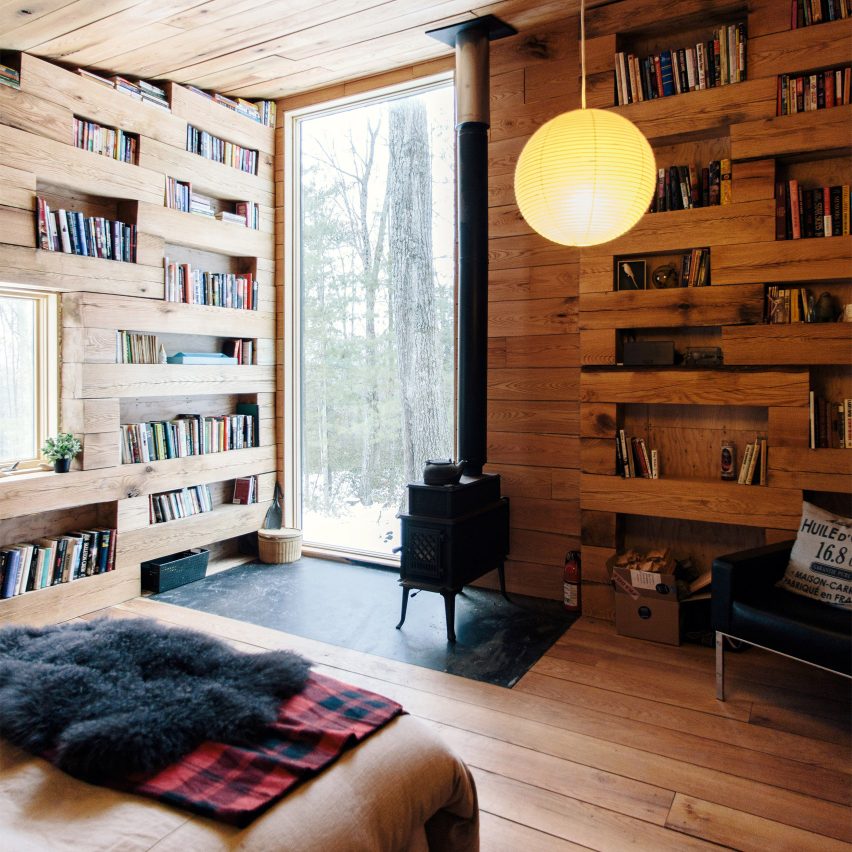
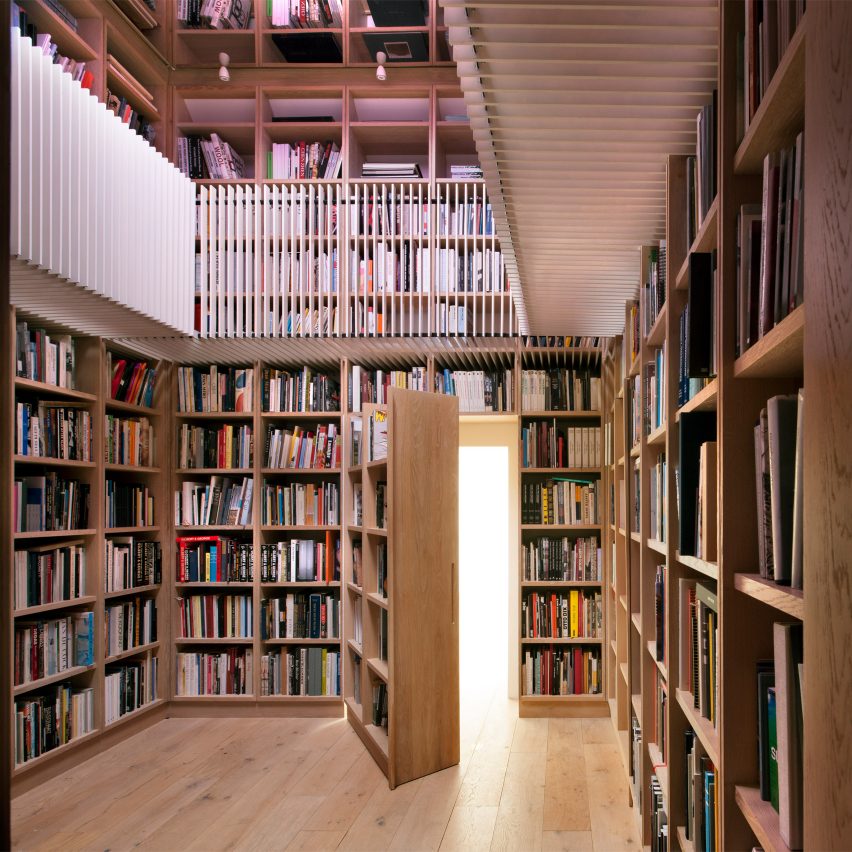
Distinguishing a true reading nook from a general workspace is crucial; the defining characteristic of a nook is its small, quiet, and sheltered nature. Ideal nooks are often described as recessed enclaves, potentially surrounded by bookshelves on three sides, creating an immersive atmosphere. Incorporating large plants can further enhance the sense of a 'living wall,' providing a natural barrier and a calming aesthetic. Minimalist decor, with essential items like task lighting, a small table, notepad, and pen, is advised to maintain an uncluttered environment. Storage, if necessary, should be integrated beautifully.
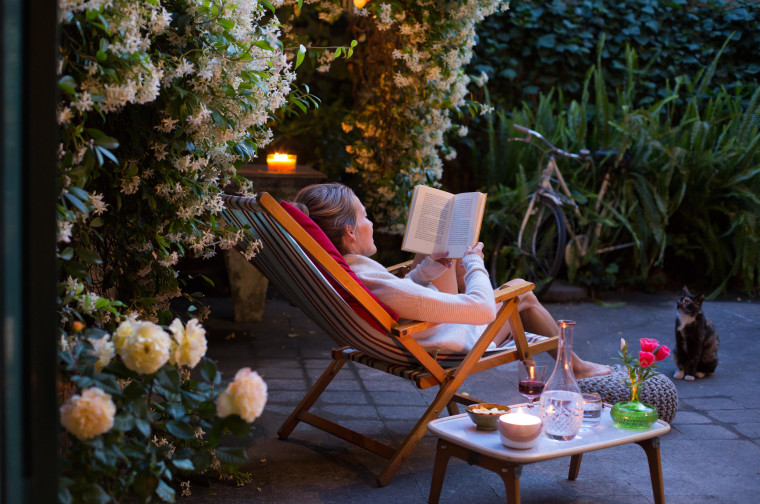
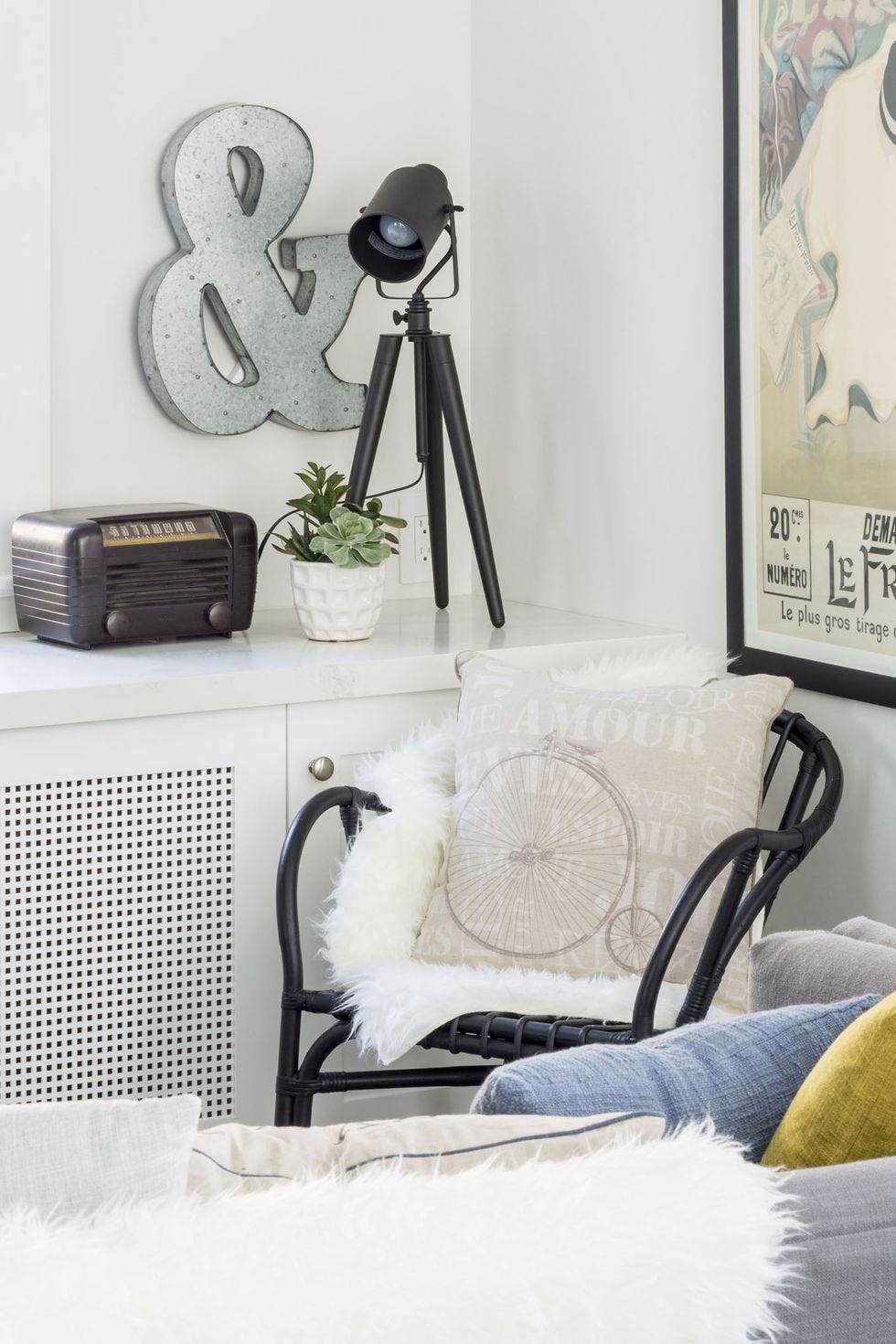
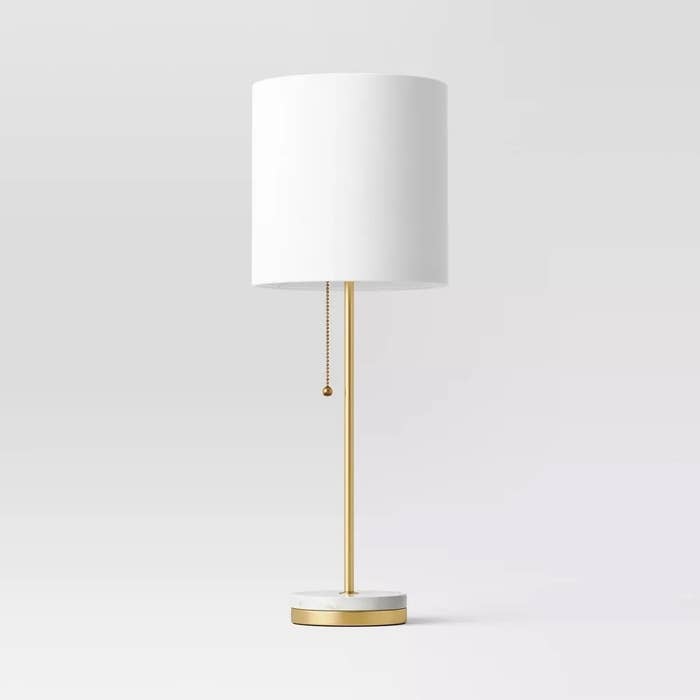
Task lighting, such as adjustable table or floor lamps, is essential for reading, complemented by soft, low-level ambient lighting to foster a calming mood. Personal touches like a distinct color palette for the nook, differing from the main living area, contribute to its separate identity. Aromatic elements like scented candles or essential oil burners can further enrich the sensory experience, enhancing the overall mood of relaxation and escape. The ultimate aim is to craft a personal sanctuary that encourages focus and enjoyment of reading, making it a valuable addition to any home.
#ReadingNook #HomeDesign #InteriorDesign #CozySpaces #HomeImprovement #PersonalSanctuary #BayWindow #TaskLighting #ComfortableLiving #ReadingNook #HomeDesign #InteriorDesign #CozySpaces #HomeImprovement #PersonalSanctuary #BayWindow #TaskLighting #ComfortableLiving
0 comment in total
 No comments yet
You may also like

How To Create A Reading Nook In 5 Steps, With Expert-Approved Ideas

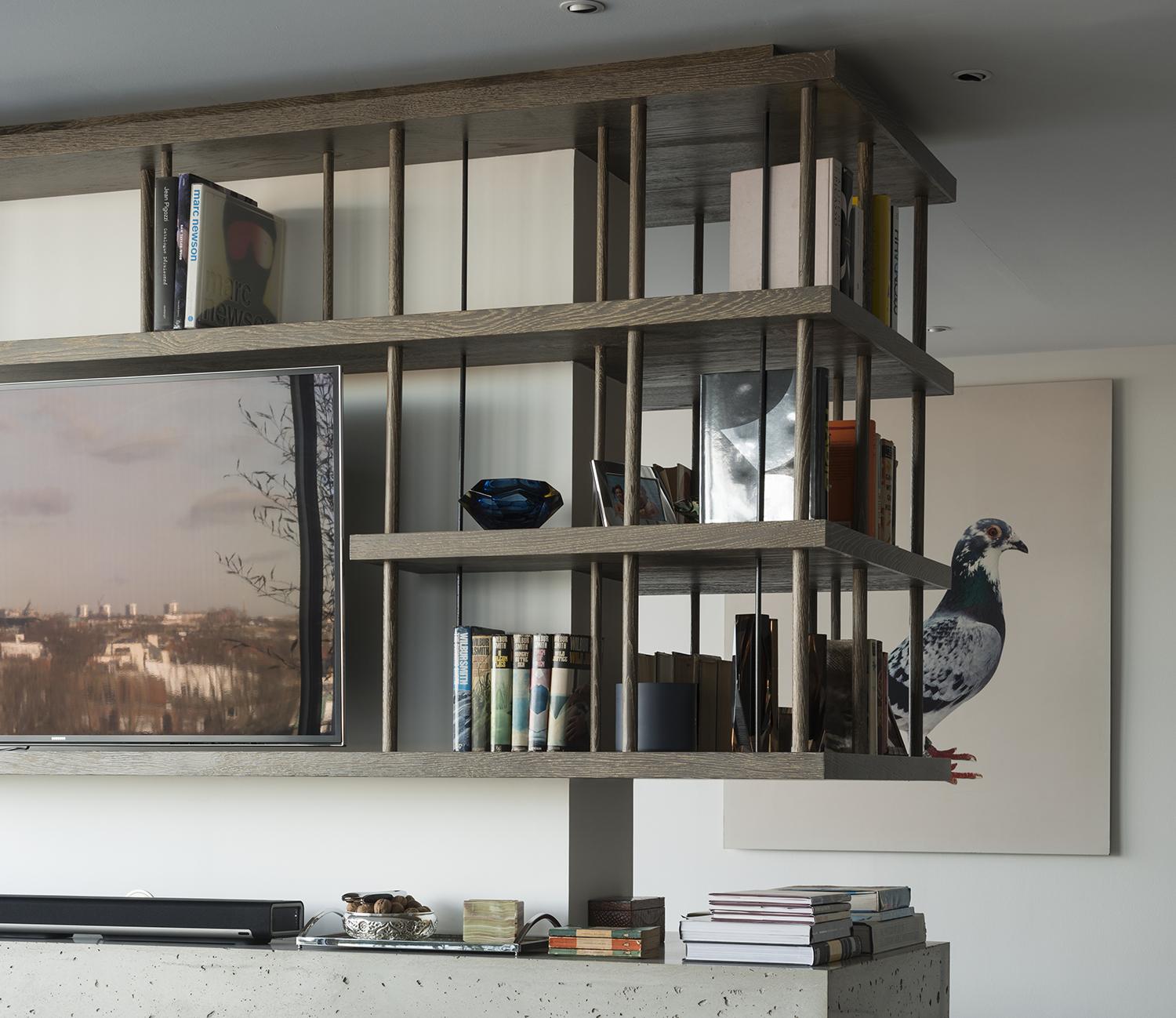
12 Unique Ways to Style Books — How Designers Use Reading Material to Elevate Decor

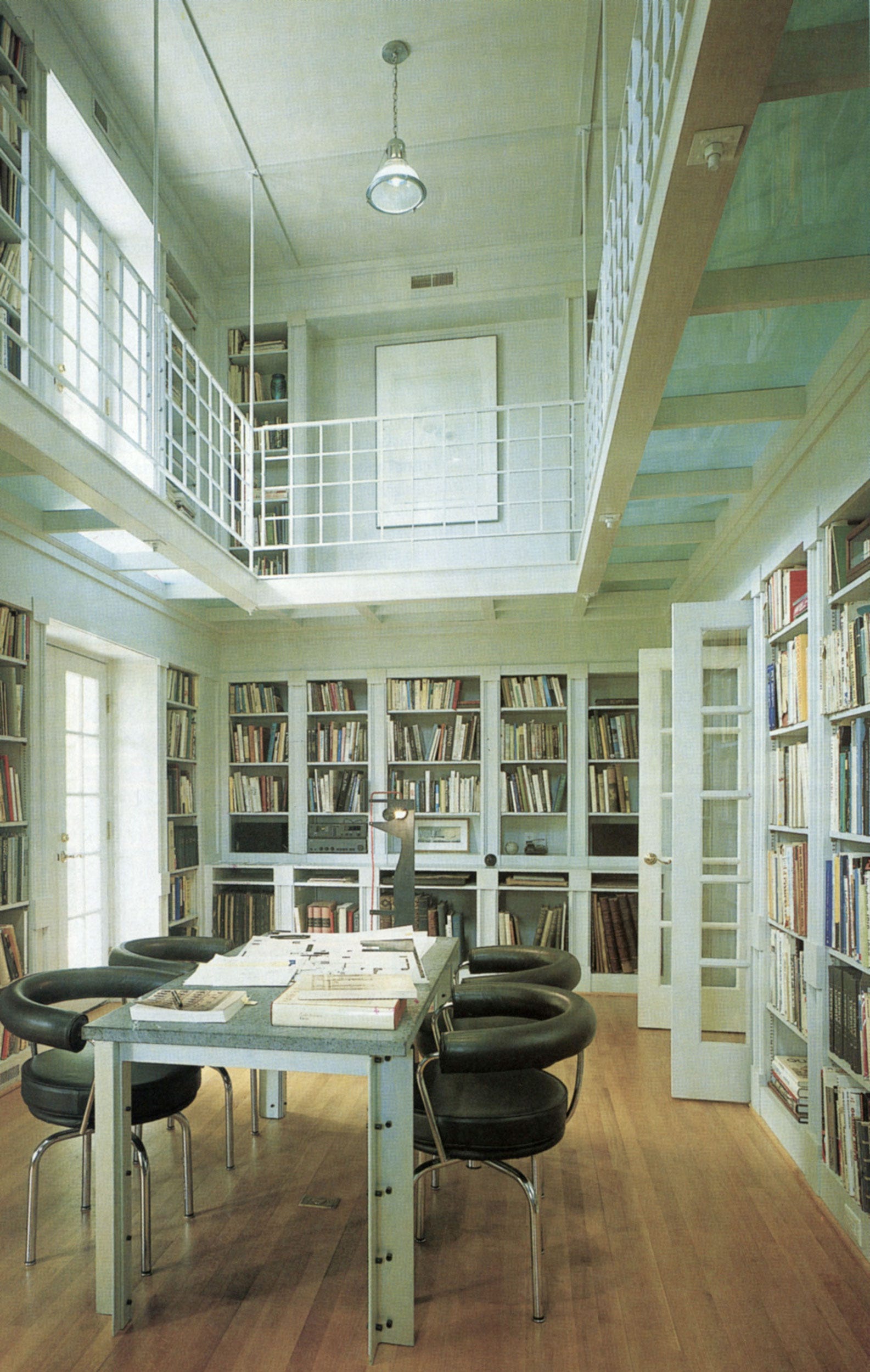
From the Archive: A Tour of Some of the World’s Most Elegant Home Libraries


Create the Dreamy Library Look You’ve Always Wanted with This One Simple Upgrade

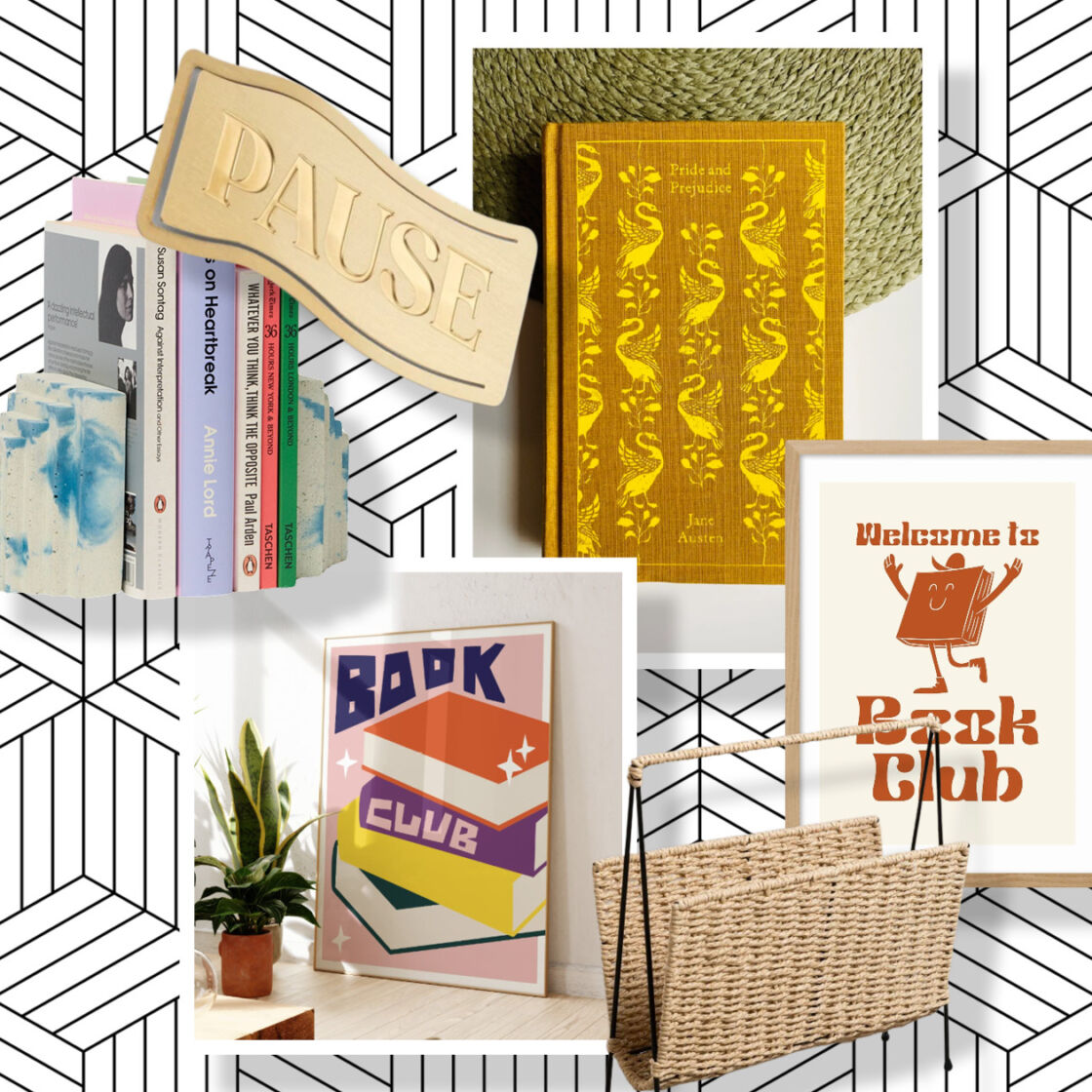
10 cosy and cute bookshelf accessories to help you create the ultimate reading nook
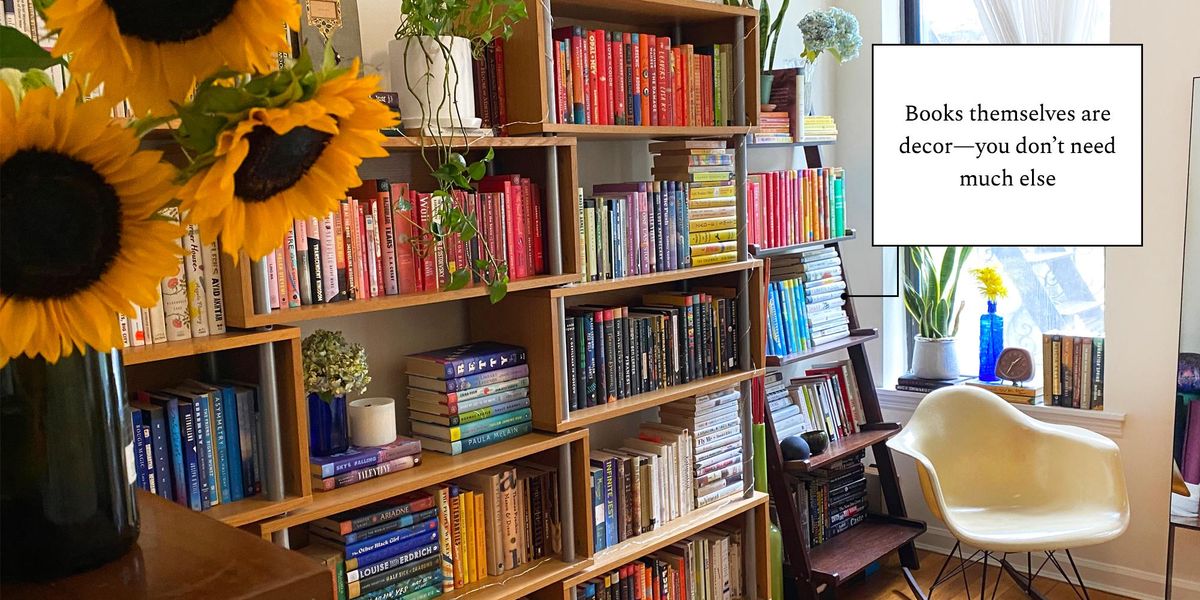
Everything You Need for a Superior Reading Nook
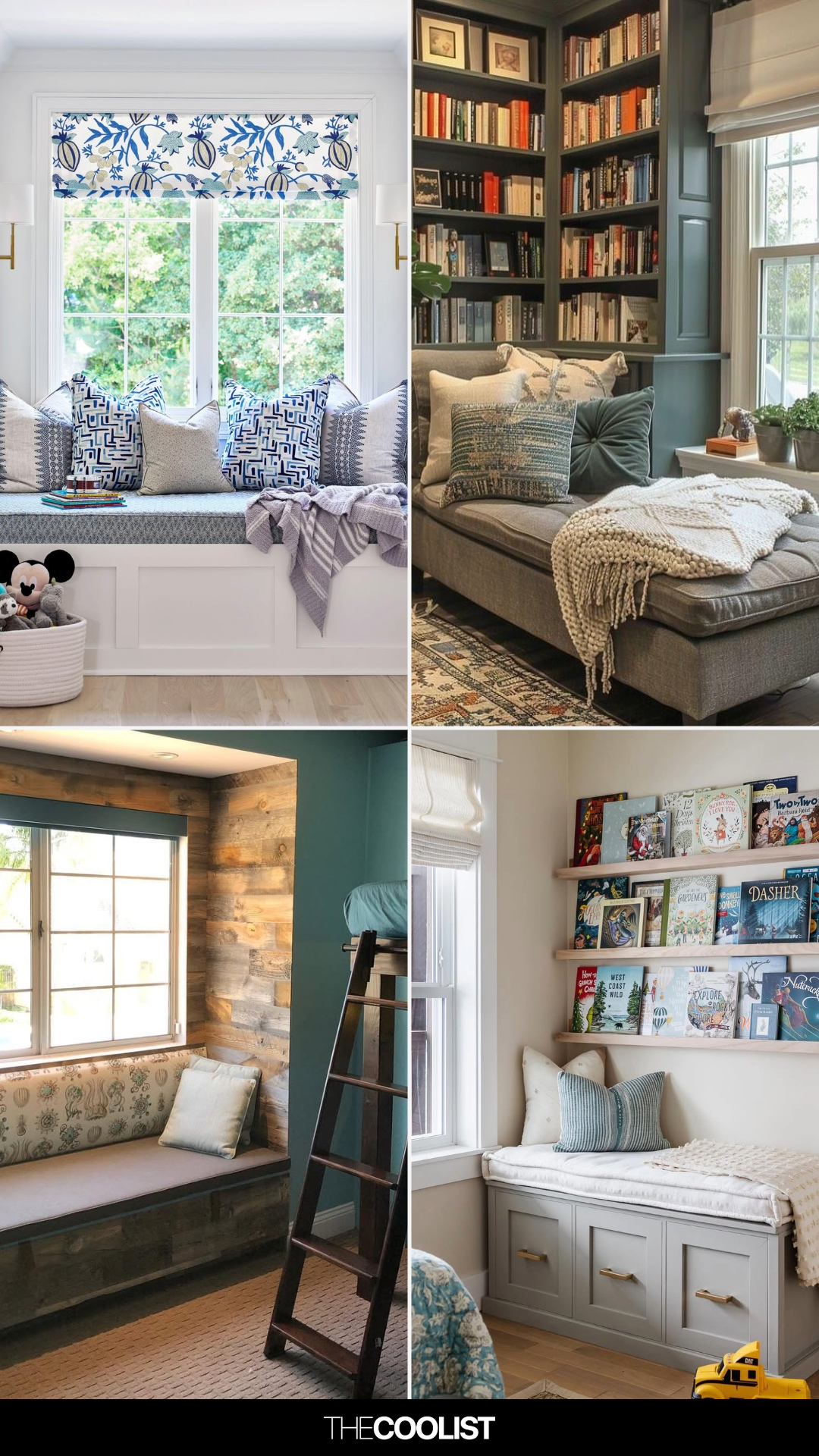
21 Cozy Reading Nook Ideas That Turn Any Corner into a Relaxing Retreat
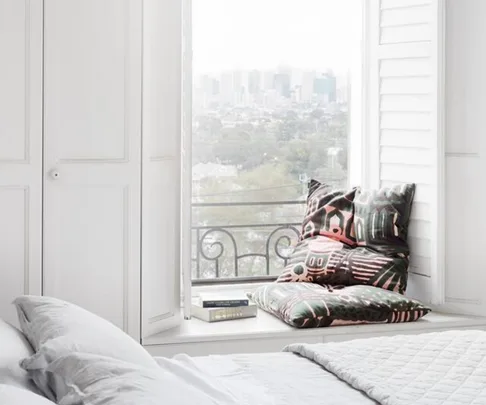
16 reading spots to curl up with a book

17 Literary Home Accessories Every Book-Lover Should Own

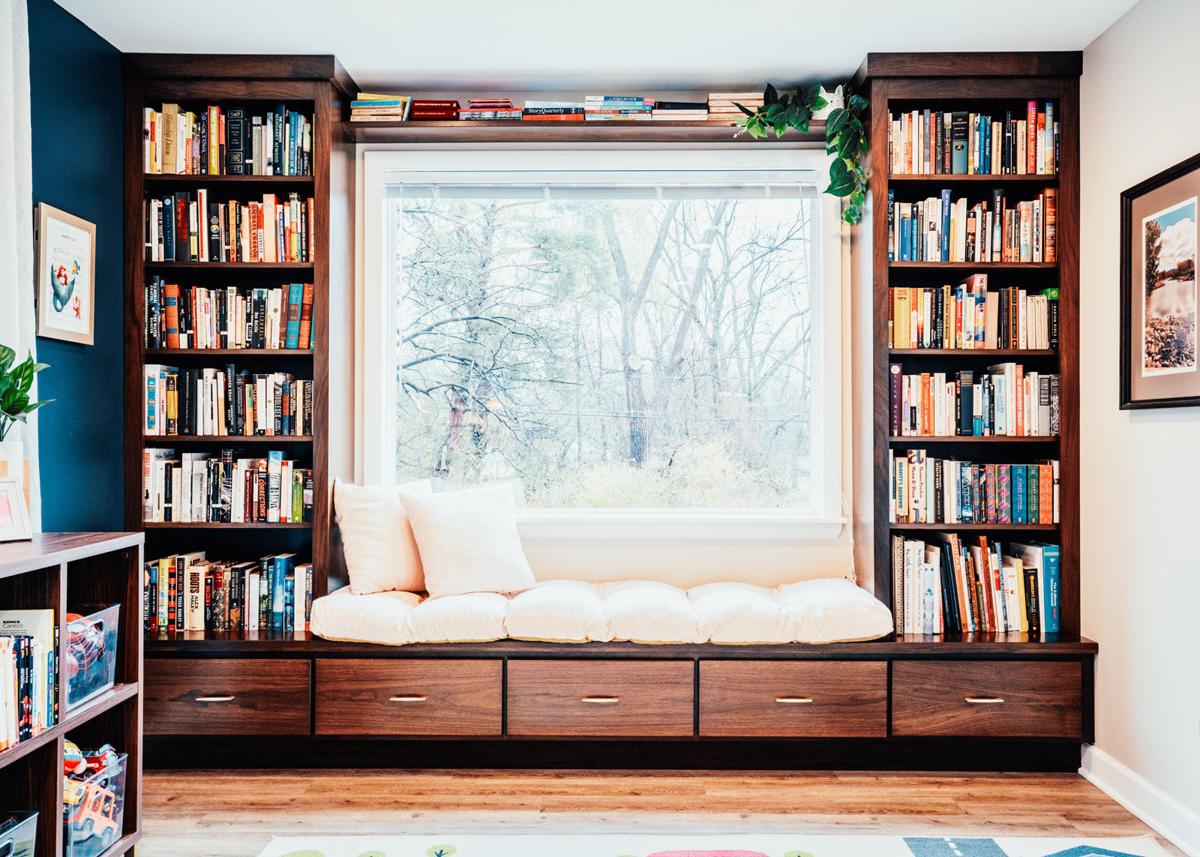
The reading nook of a booklover's dreams

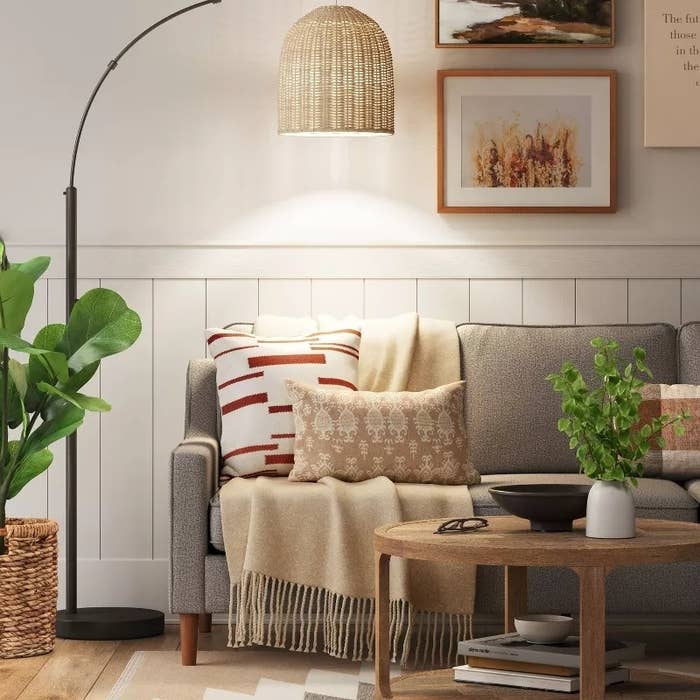
25 Things From Target To Help Build The Reading Nook Of Your Dreams

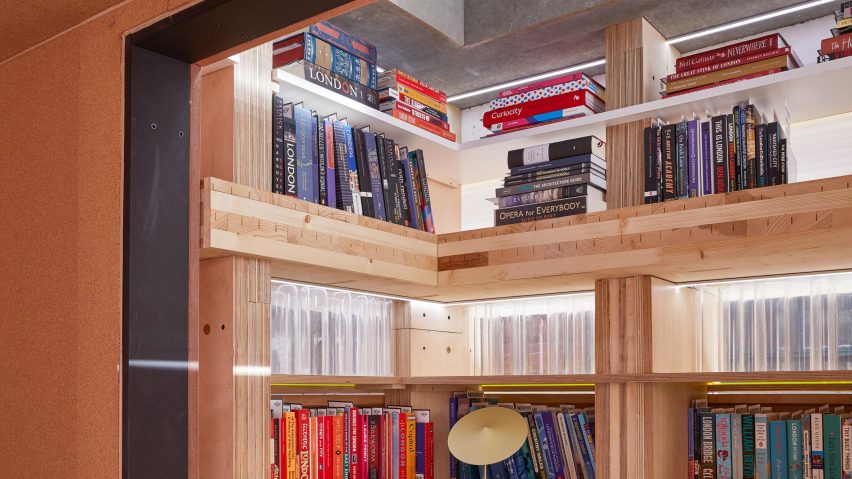
10 residential spaces from Pinterest designed for reading books in
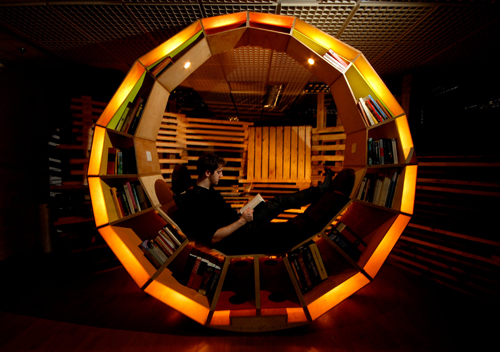
Circular Reading Nook Doubles As A Bookshelf

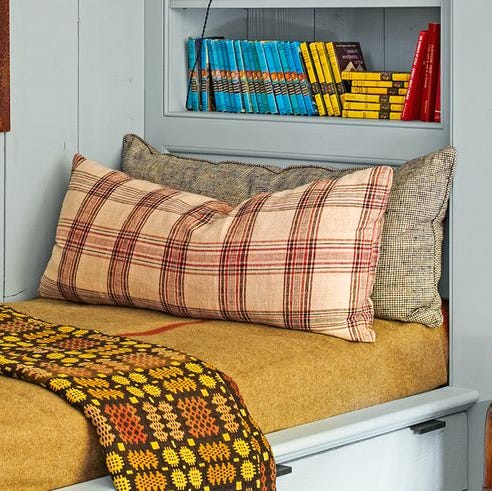
22 Reading Nooks That Are Full of Creative Design Ideas

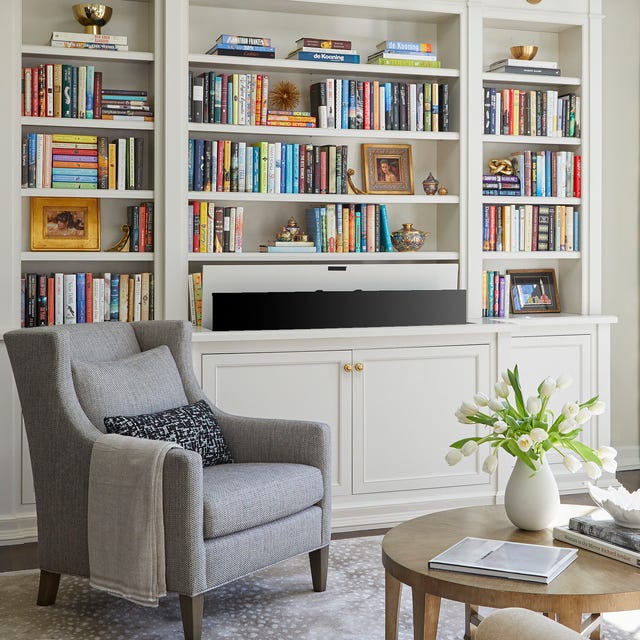
The Most Clever Bookshelf Organizing Tips
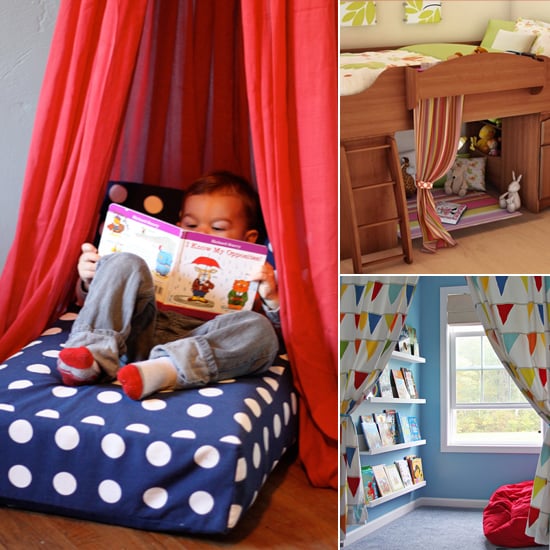
The Best Reading Nooks For Kids and Their Books
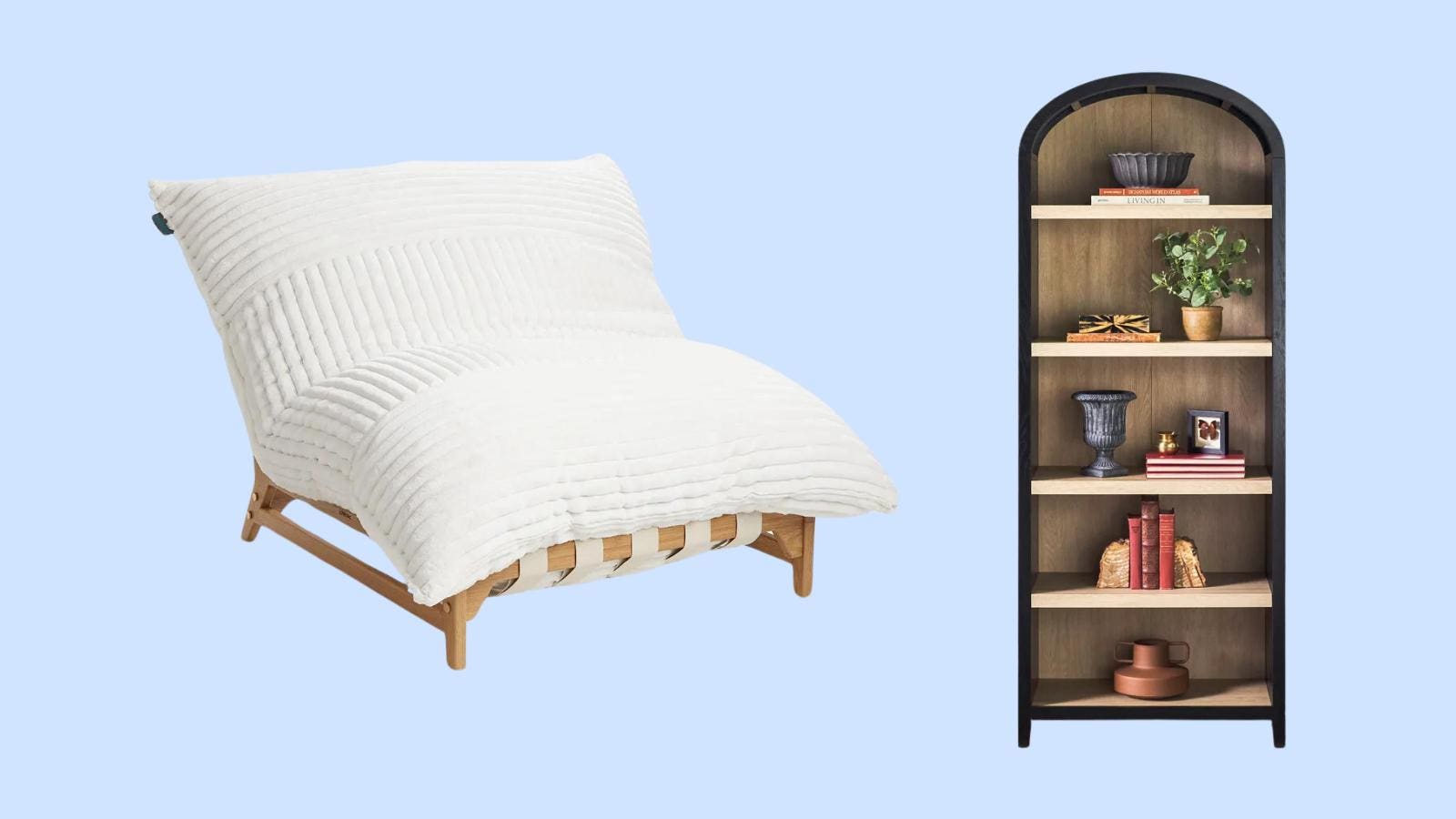
How To Create A Cozy Reading Nook, From Products To Expert Tips

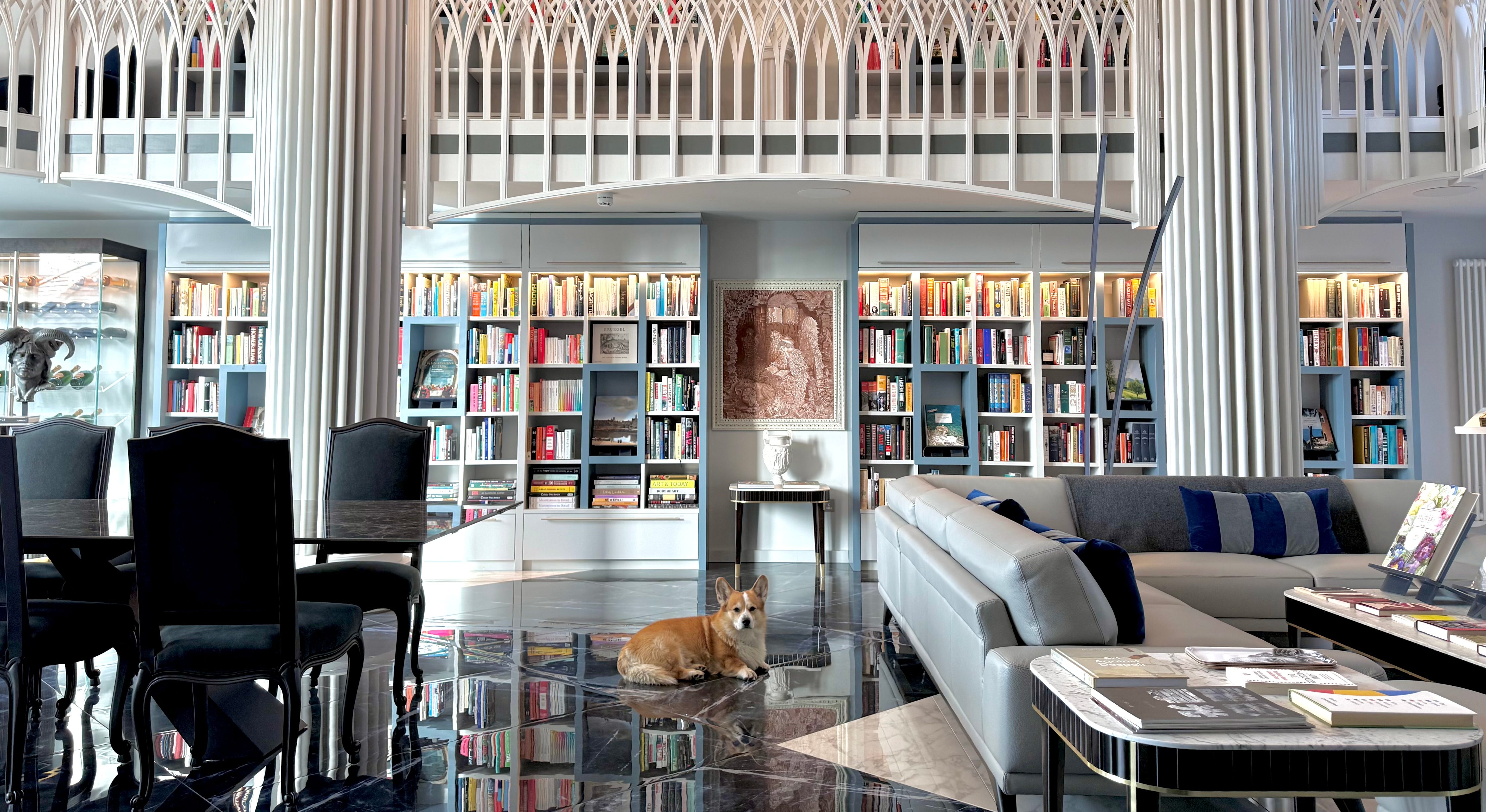
The most beautiful home libraries in Britain

How to create a book nook – your own cosy corner to read and escape
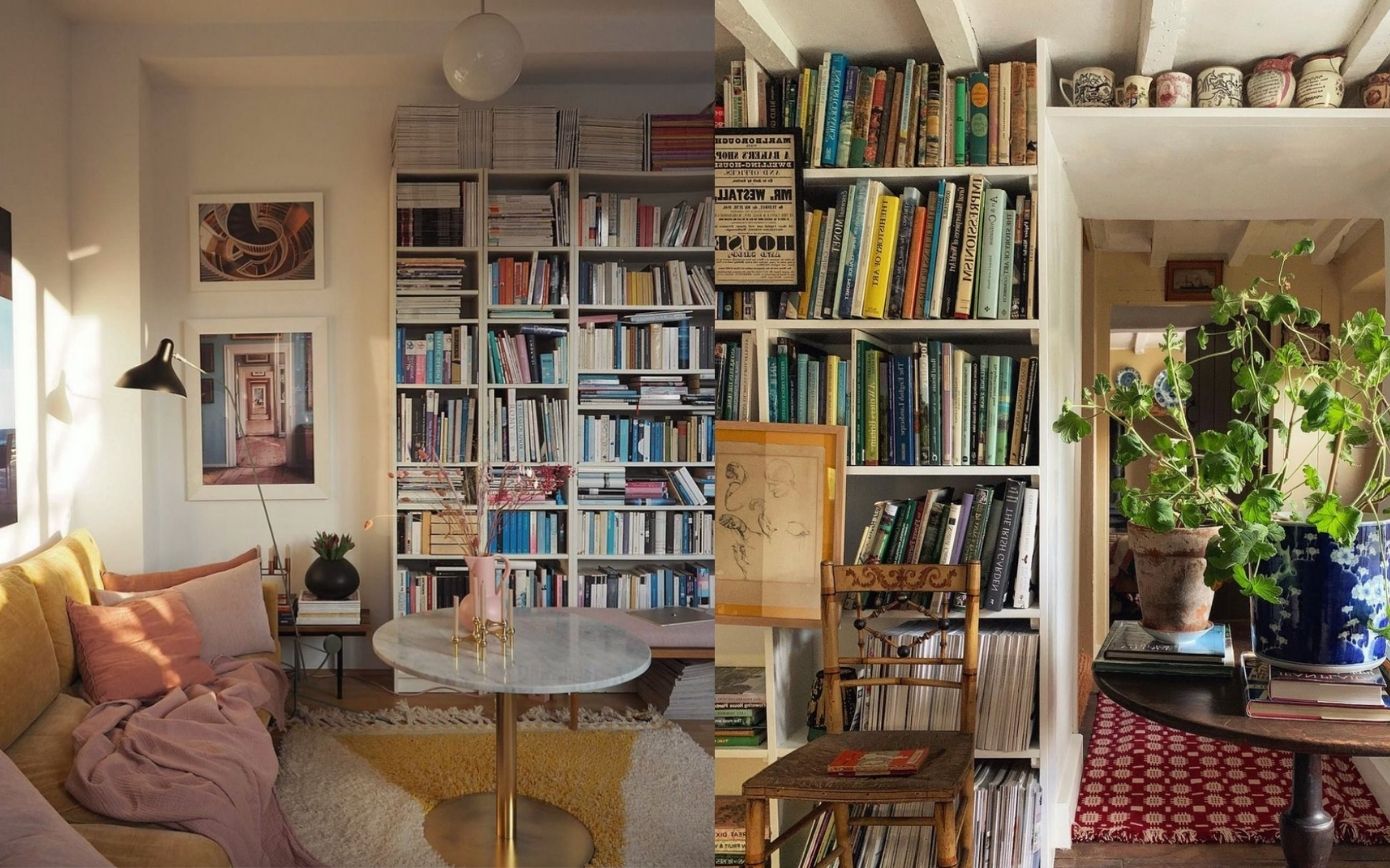
These Cosy Reading Nooks Are Perfect For A Rainy Day