1/6
That Time I Designed... Christian Grey's Penthouse For "Fifty Shades Darker"
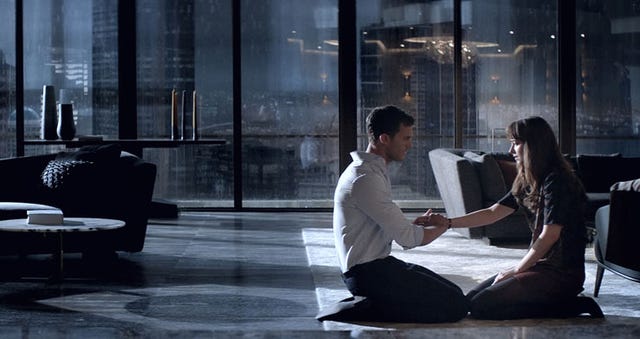
Production designer Nelson Coates discusses the intricate process of creating the sets for "Fifty Shades Darker" and "Fifty Shades Freed," particularly focusing on Christian Grey's iconic Seattle penthouse. Coates, who took over from the first film, was tasked with reimagining the existing sets to reflect the evolving narrative and characters over two films shot simultaneously. The goal was to infuse the penthouse with a sense of Christian's troubled past, his burgeoning relationship with Anastasia Steele, and the distinctive aesthetic of the Pacific Northwest.
Coates emphasizes the importance of tactile and visual elements to convey emotion and character development. He explains that materials like Venetian plaster, various marbles, raw silk, and hard angles were strategically used to evoke the inherent danger and complexity associated with Christian's background. The absence of many flat surfaces in the design was a deliberate choice to enhance this feeling. The challenge was amplified by the need to maintain continuity across both sequels, requiring meticulous attention to detail to show the passage of time and character progression.
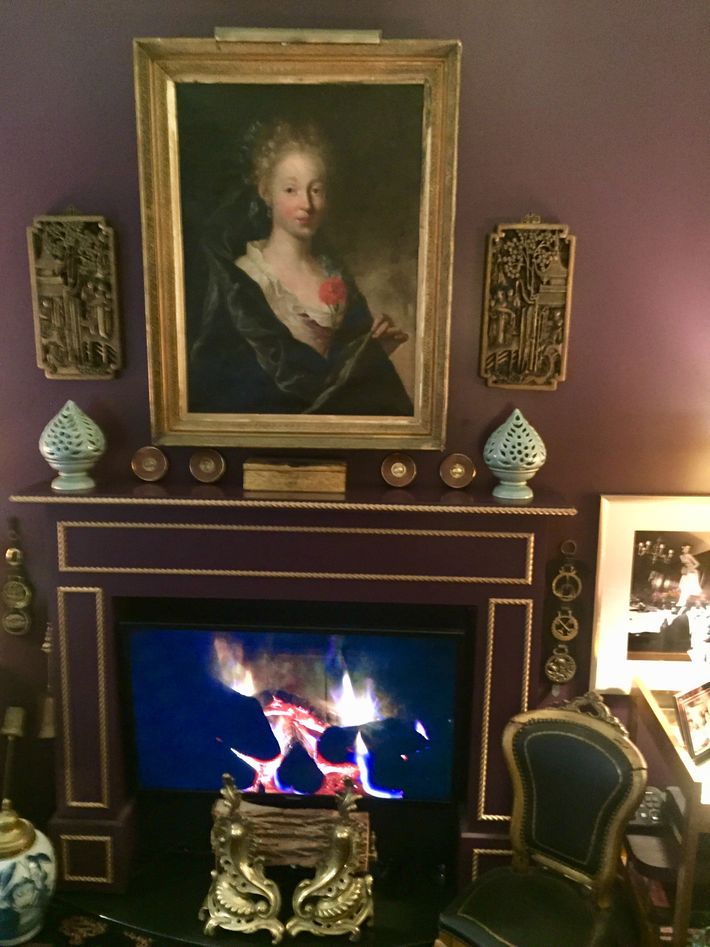
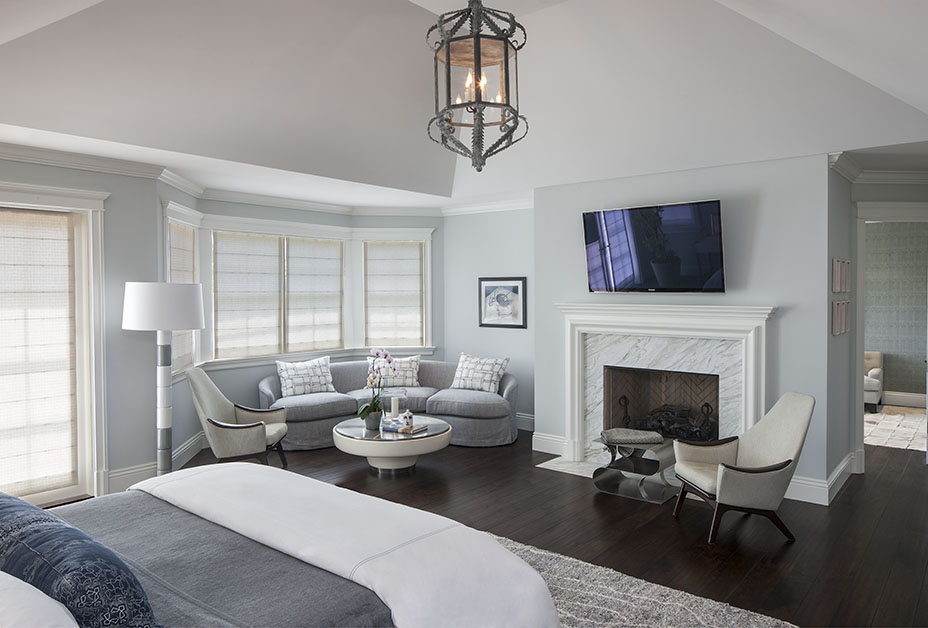
A significant aspect of the design evolution from "Fifty Shades of Grey" to "Fifty Shades Darker" was making the interior aesthetic warmer, sexier, and more romantic, mirroring Christian and Anastasia's deepening relationship. A key metaphor for this transformation is the fireplace. In the first film, it remained unused, but in "Fifty Shades Darker," it is significantly larger and features a burning fire, symbolizing the increasing passion and changing dynamic between the protagonists. This shift in palette and warmth reflects the story's evolution into a thriller and the characters' growing intimacy.
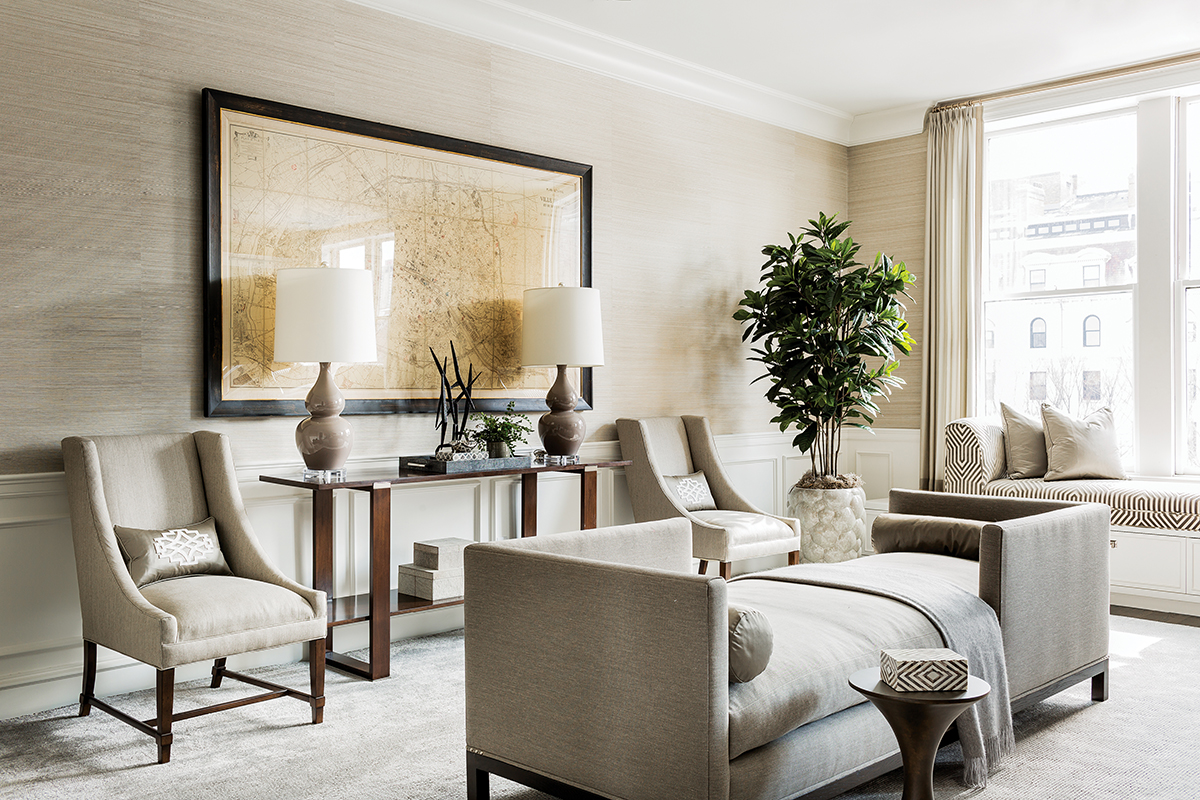
For the first time, Anastasia's presence is tangibly integrated into the apartment, most notably through the creation of her own dressing room. This space was designed to rival Christian's closet but with softer, more neutral tones, allowing her clothing to be the focal point. It includes a dressing screen and a sitting area, envisioned as her personal sanctuary within the expansive penthouse.
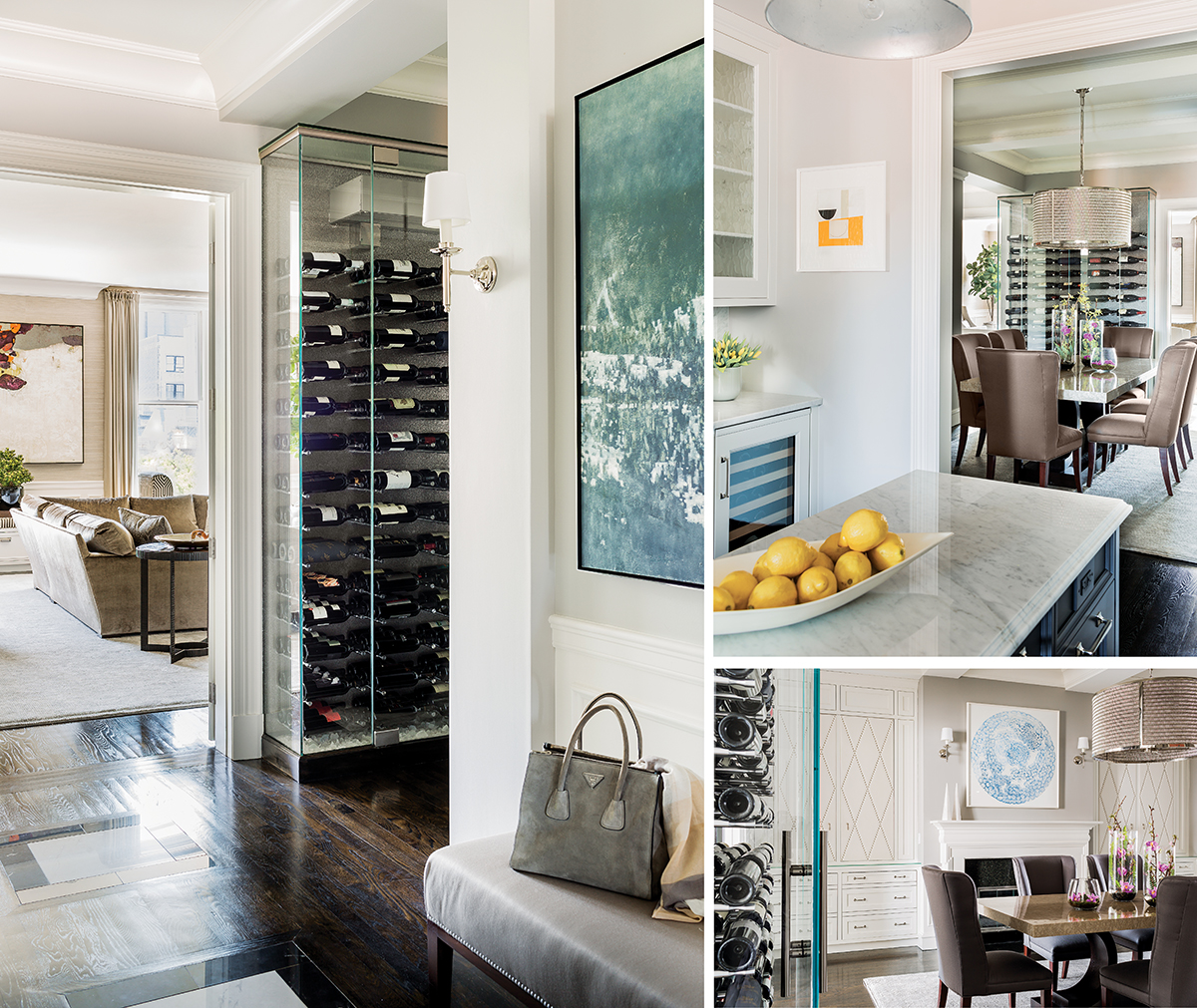
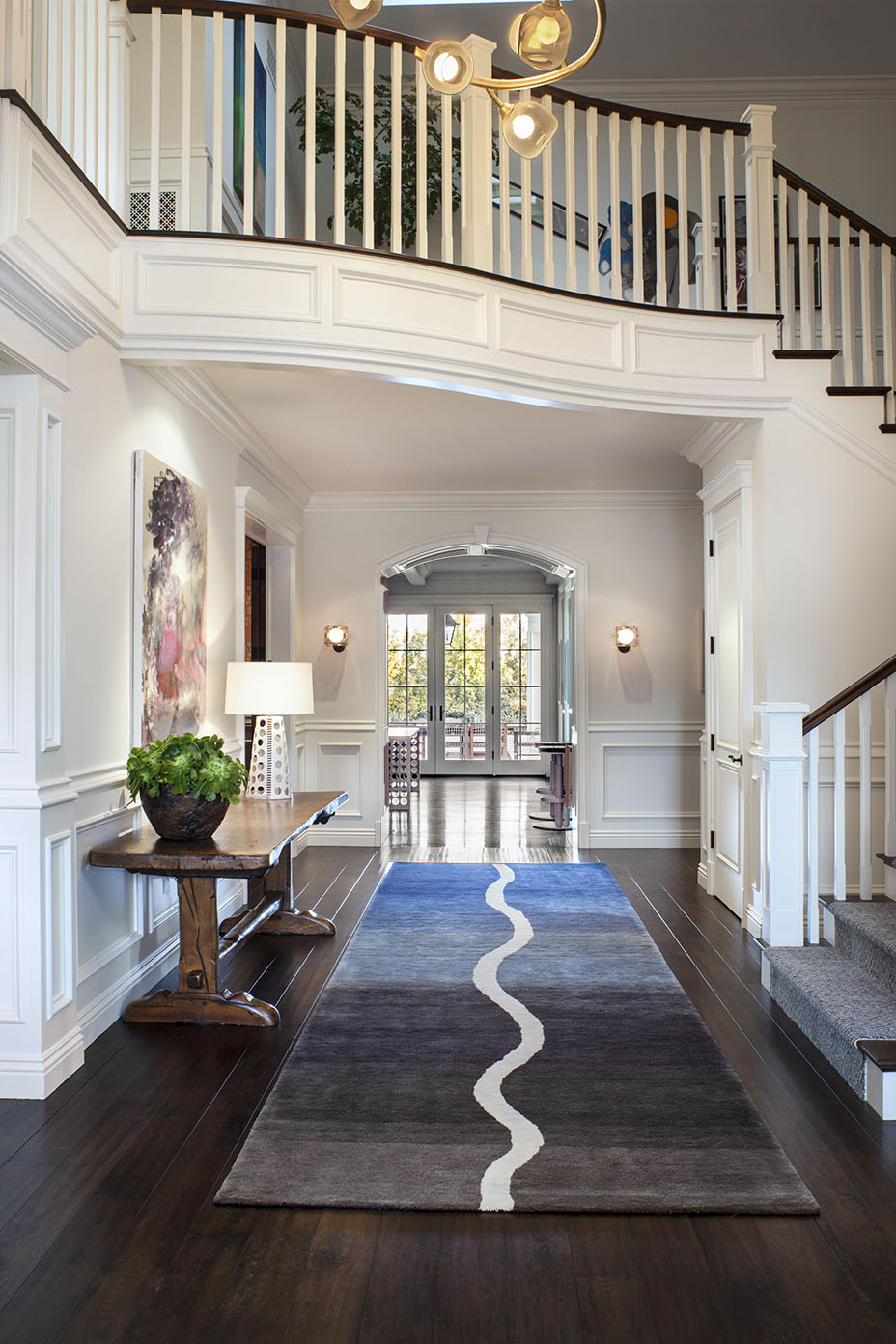
Beyond the romantic elements, Coates also considered what a 29-year-old billionaire would authentically collect and use. This included elements like a gym on the second floor and extensive wine storage. To achieve a high-end look on a budget, innovative solutions were employed, such as using Formica products to simulate marble flooring. Architectural changes were also made to subtly hint at Christian's childhood traumas, exemplified by the new staircase. This staircase, designed to be complex and sculptural, resembling a Jenga game or DNA, features minimal railings to symbolize complexity and danger.
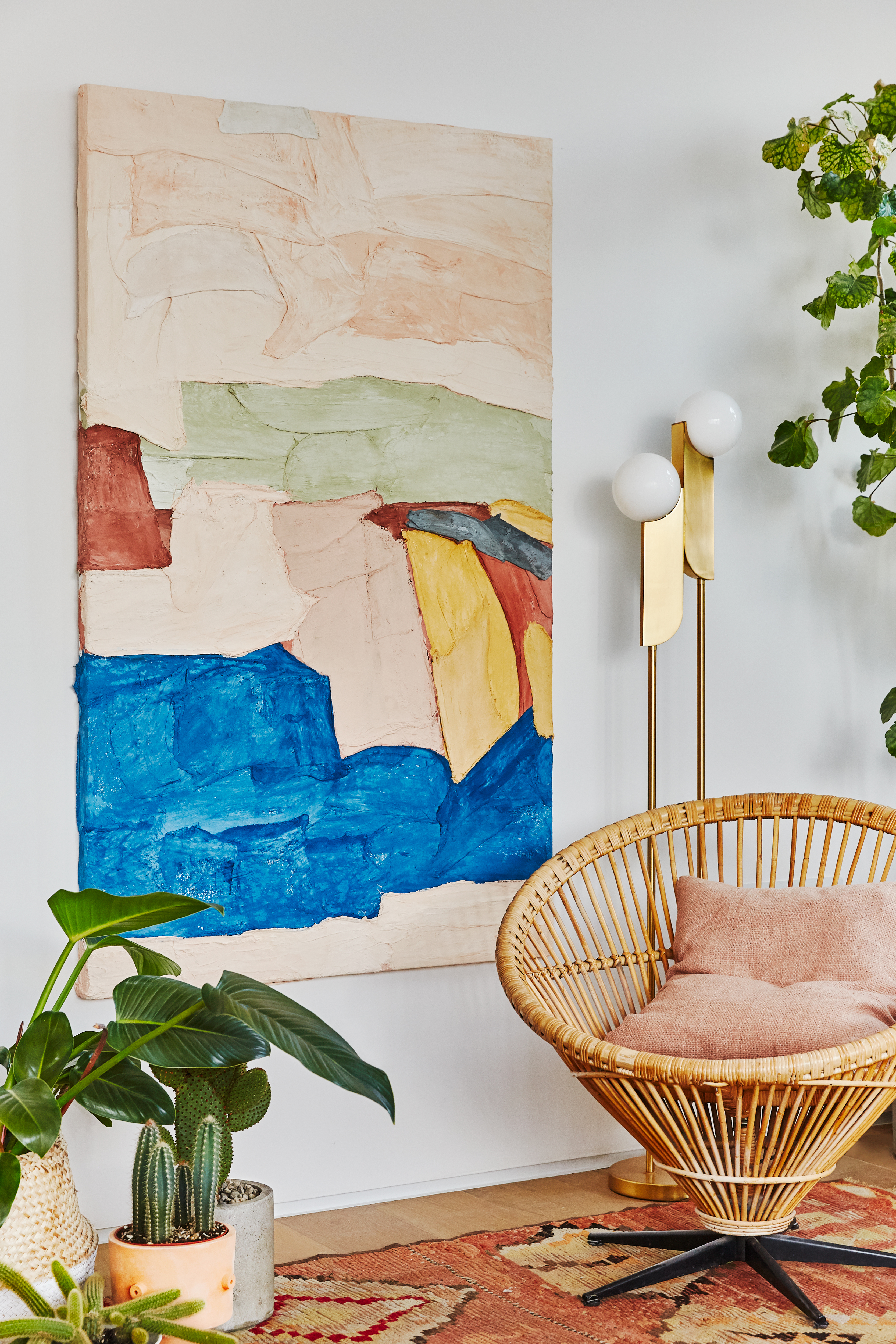
Artwork throughout the penthouse plays a crucial role in reflecting both Christian's character and the Pacific Northwest setting. Pieces, including bronze sculptures by Richard MacDonald, depict female forms. Coates ensured that all art was sourced exclusively from artists working in Seattle or along the Pacific coast, grounding the set in a strong sense of place. This commitment to regional authenticity was essential for making the cinematic world feel believable. The article concludes by noting the existence of a red room, leaving its details to the viewer's discovery, while implying it too will embody passion, danger, and sensuousness.
#FiftyShadesDarker #ProductionDesign #NelsonCoates #ChristianGreyPenthouse #SetDesign #InteriorDesign #FilmProduction #MovieSets #PacificNorthwest #FiftyShadesDarker #ProductionDesign #NelsonCoates #ChristianGreyPenthouse #SetDesign #InteriorDesign #FilmProduction #MovieSets #PacificNorthwest
0 comment in total
 No comments yet
You may also like
Meet Kristin Gray | Interior Designer
Inside Kris Jenner's ultra-modern mega-mansions with boyfriend Corey Gamble


Chrissy Teigen's open-plan living space features our favorite color trend of 2023, and designers adore its subtle simplicity


I thought gray was (by far) the dullest color for a living room sofa, until I saw Auston Matthews' ultra-chic space
How This A-List Interior Designer Transformed a Luxury Manhattan Penthouse With Color
Shades of Chic: A Back Bay Penthouse Makeover

Chic Penthouse Suite: Award-Winning Design by DGI Build
These 3 Paint Colors Transformed Garance Doré’s Just-Decorated Home

A New Color Palette Rewrote the Story of This Art Deco Gem, Previously Untouched for Over Half a Century

Fifty Shades Of Grey Review — From Dark Pewter To Wet Cement & Every Naughty Shade In Between — PHOTOS

Committed to Your Millennial Gray Walls? Designers Share the Best Colors to Pair With It

Why Benjamin Moore's Classic Gray Is a Designer-Favorite Paint Color
Would you paint your room in Mr Christian grey?

Portland interior designer George Covin


This is How TV Personality Keltie Knight Crafted the Bedroom of Her Dreams
I asked interior designers what color they include in every project – these 5 enduring shades were the favorites
A Designer’s Beloved Dollhouse, and Her Cherished 475-Square-Foot Studio
31 grey bedroom ideas to inspire your next makeover
How Interior Designer Trip Haenisch Adds “Pops of Color” to Hollywood Homes

A Dark Study Is Reborn as a Home Office Oasis