1/3
Talking With Art Handler Mag, The Fly on the Wall of the Art World
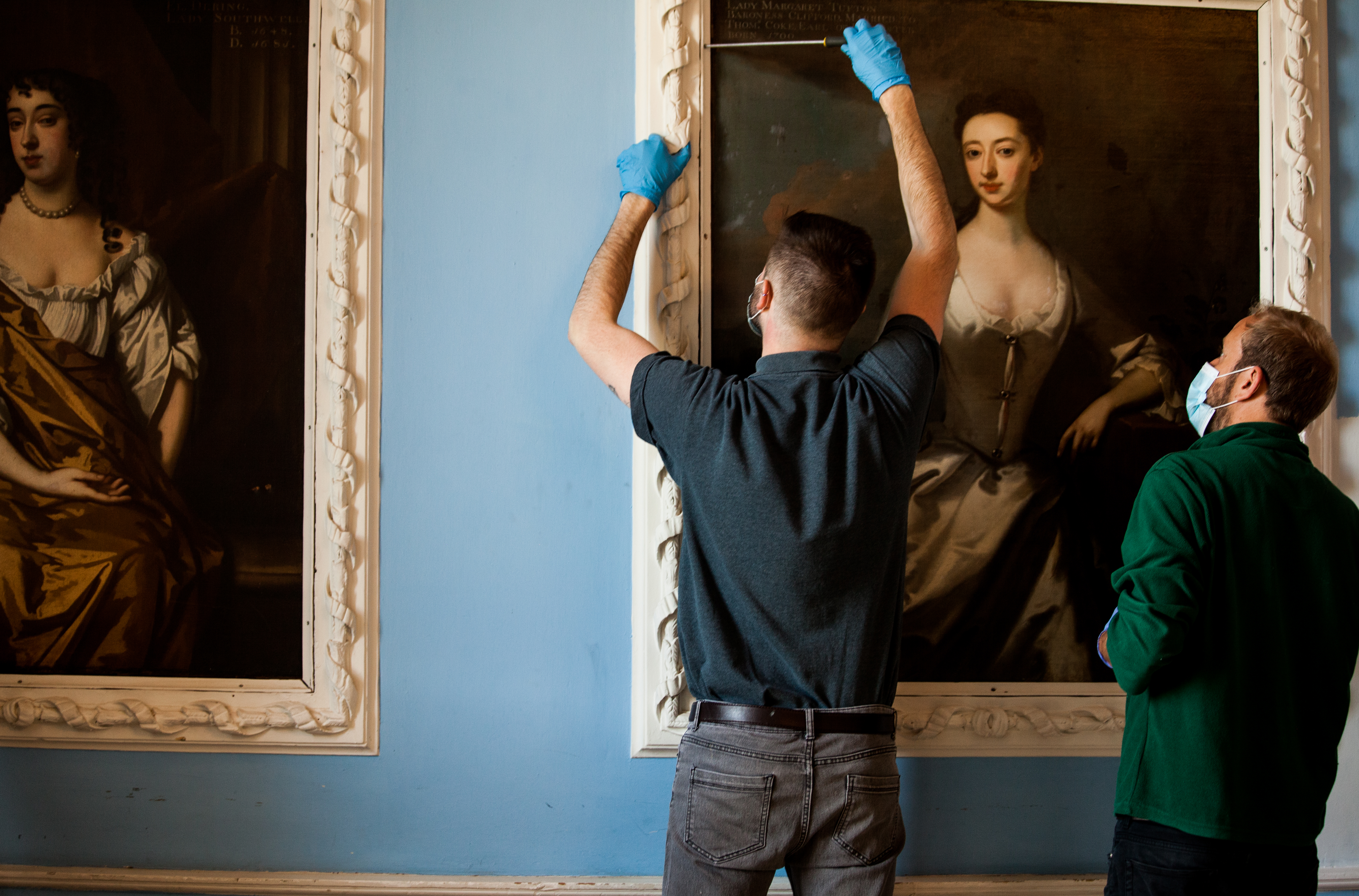
Clynton Lowry, editor-in-chief of 'Art Handler' magazine and its accompanying Instagram account, offers a unique behind-the-scenes look into the blue-collar discipline of art handling within the high-stakes, white-collar art world. Lowry's publication serves as a 'fly-on-the-wall' observer, documenting the often-unseen realities of transporting, installing, and safeguarding some of the world's most valuable cultural artifacts. He recounts numerous anecdotes from his experiences, ranging from rumors of massive hidden art storage facilities and artworks being transported in unconventional ways, to dealing with the eccentricities of the ultra-wealthy. These include instances of priceless paintings being damaged, Hurricane Sandy-related insurance scams, and forklifts accidentally piercing million-dollar canvases.
The article delves into the peculiar requests and situations art handlers encounter while working for affluent clients. Lowry describes an assignment at a Christie’s Auction for a Hockney sale, where he was tasked with meticulously spacing chairs exactly ten inches apart using a custom PVC wand, all while the auctioneer rehearsed bids reaching tens of millions. He also recalls a client asking him to hang a painting sideways to fit a space, asserting the deceased artist wouldn't mind. Such requests highlight the stark contrast between the art handler's practical role and the often-unconventional demands of their wealthy patrons, who live in a world where their wishes are rarely denied. Lowry notes that making these challenging requests work, like hoisting a painting up 40 flights of stairs or using a crane to bring art through a window, eventually normalizes the seemingly outlandish.
A significant theme explored is the inherent wealth disparity and awkward social dynamics between art handlers and their billionaire clients. Lowry highlights the discomfort of performing favors for individuals accustomed to always getting their way, and the peculiar nature of receiving tips that are often disproportionately small compared to the value of the art being handled. He humorously suggests that collectors should tip at least ten percent of an artwork's value, given that restaurant servers receive 20 percent for less valuable services. He shares a story of a friend installing an Ad Reinhardt, only for the owner to request solitude with the painting. Another incident involved Lowry, a former grad school student, cleaning broken glass at a John Giorno dinner party, finding himself unnoticed beneath notable figures like Michael Stipe and his former critic, Joan Jonas.
Lowry recounts some of the most bewildering locations he's worked in, including Steve Wynn’s two-story penthouse at the Ritz-Carlton. This job involved navigating a chaotic environment with multiple crews—art handlers, interior decorators, contractors, specialized cleaning staff, German-speaking alarm technicians, and Wynn's extensive personal staff, including ex-Navy SEAL bodyguards. He describes the immaculate, carpeted walls and the moment he held Picasso’s 'Dora' amidst this surreal scene. Another memorable experience was installing art for Ivanka Trump and Jared Kushner at Trump Tower in 2012, where he received a modest $60 tip for installing works by artists like Dan Colen or Alex Israel. The article also touches upon the severe workplace injuries in the field, referencing a handler who died from a falling Richard Serra sculpture and another who lost a leg, as well as a rumored heart attack death at Miami Basel.
The discussion then shifts to the distinctive workwear of art handlers, with Lowry playfully categorizing them by their footwear choices, from Red Wing-wearing 'urban carpenters' to Timberland-donning union handlers and Wolverine-clad individuals. He describes himself as a sneaker-wearer, acknowledging the inherent danger to his feet. Finally, Lowry addresses the art world's reaction to 'Art Handler,' noting that his objective, often revealing, perspective has ruffled feathers among those who prefer to maintain secrecy in the business. Despite the resistance, he observes a gradual shift in attitudes, indicating a growing acceptance of transparency in a field traditionally defined by discretion and client satisfaction.
#ArtHandling #ArtWorld #ClyntonLowry #ArtHandlerMagazine #LuxuryArt #WealthDisparity #BehindTheScenes #ArtMarket #WorkplaceCulture #ArtHandling #ArtWorld #ClyntonLowry #ArtHandlerMagazine #LuxuryArt #WealthDisparity #BehindTheScenes #ArtMarket #WorkplaceCulture
0 comment in total
 No comments yet
You may also like

Home & Design | Art + Soul

I’m at the hot tub. I’m at the art installation. I’m at the combination hot tub-art installation


Designers Have Spoken: Grid Walls Are the New Gallery Walls
Meet Nichole Blackburn Manthe: Fine Artist and Muralist

You Don’t Need to Be a Gallerist to Source the Best Wall Art Online

How to Hang an Art Collection Like an Expert

Where to buy one-of-a-kind wall art for your NYC apartment

Meet Linnea Pergola


Meet Ann Flemings
Location, location, location: behind the Art Basel floor plan beef


Designers Have Spoken: Grid Walls Are the New Gallery Walls


Want to rent art for your home? Here’s how you can do it for INR 90 a month!

A Work of Art


How to hang paintings: Everything you need to know
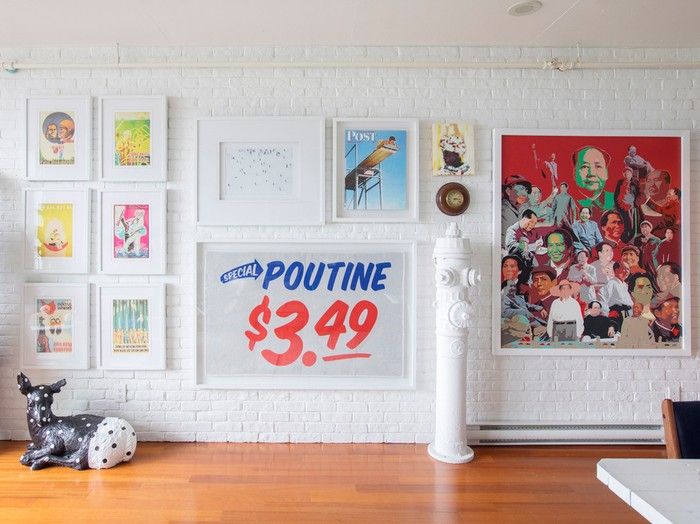
Curating art for the home is an art in itself


Globally acclaimed artist and creator of new Parliament's iconic wall art on why sculptures are leading t


Artist Spotlight: Miimi and Jiinda

OBSESSED: Everything We Can't Stop Talking About This Week
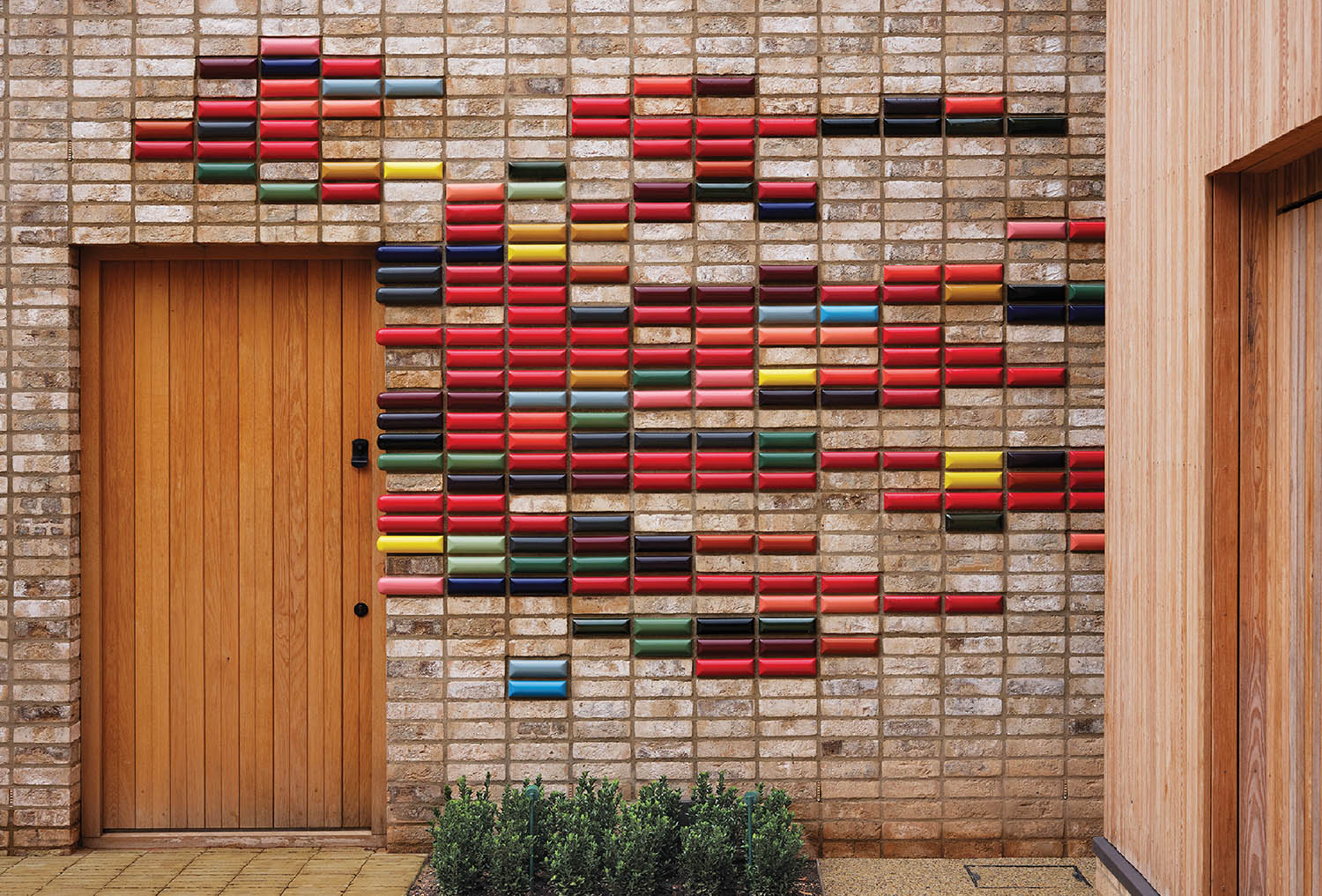
Creative Voices: In Conversation With Artist Sophie Smallhorn


Art Hanging Tips From an Expert