1/11
Seven designers working wonders with wood at LDF
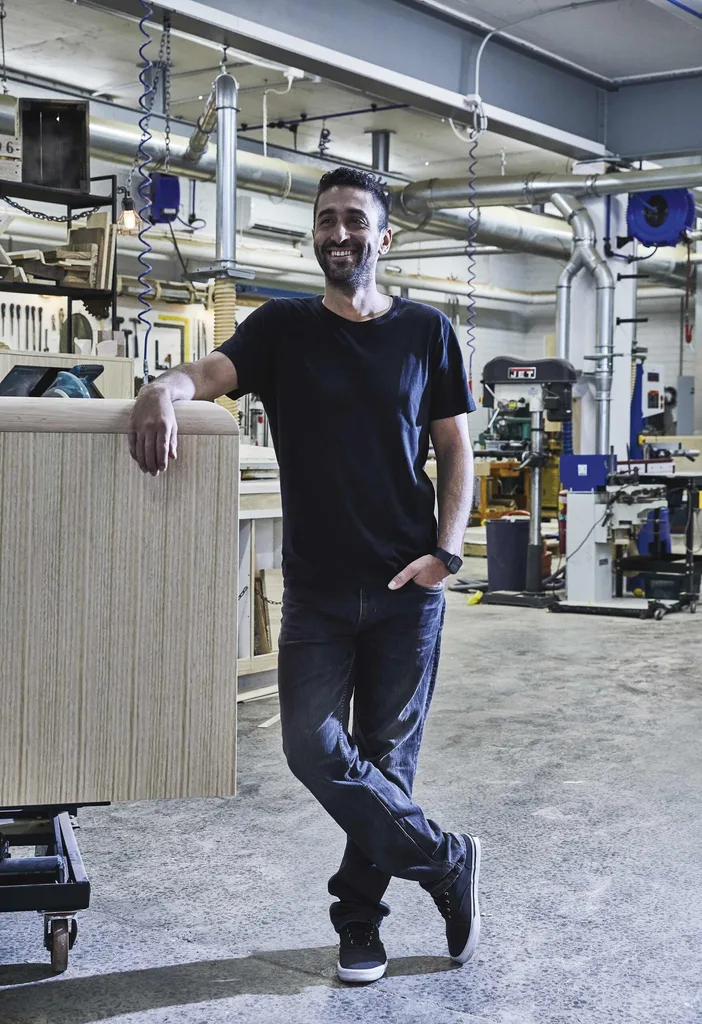
The London Design Festival 2025 showcases a dynamic exploration of wood, challenging its traditional perceptions and highlighting its versatility through innovative designs. This year’s festival features numerous projects that push the boundaries of this everyday material, ranging from experimental uses of discarded offcuts and material combinations to the extraction of pine resin and novel manipulation techniques. Designers emphasize wood's environmental benefits and its adaptability, positioning it as a material perfectly suited for future design. Many young designers are redefining wood's potential. Blake Carlson-Joshua of B.C. Joshua, for instance, has transitioned from paper pulp to hardwoods, incorporating hand-painted aluminum inlay into his work. He notes that modern systems like CNC and laser cutting have significantly broadened creative possibilities in wood design.
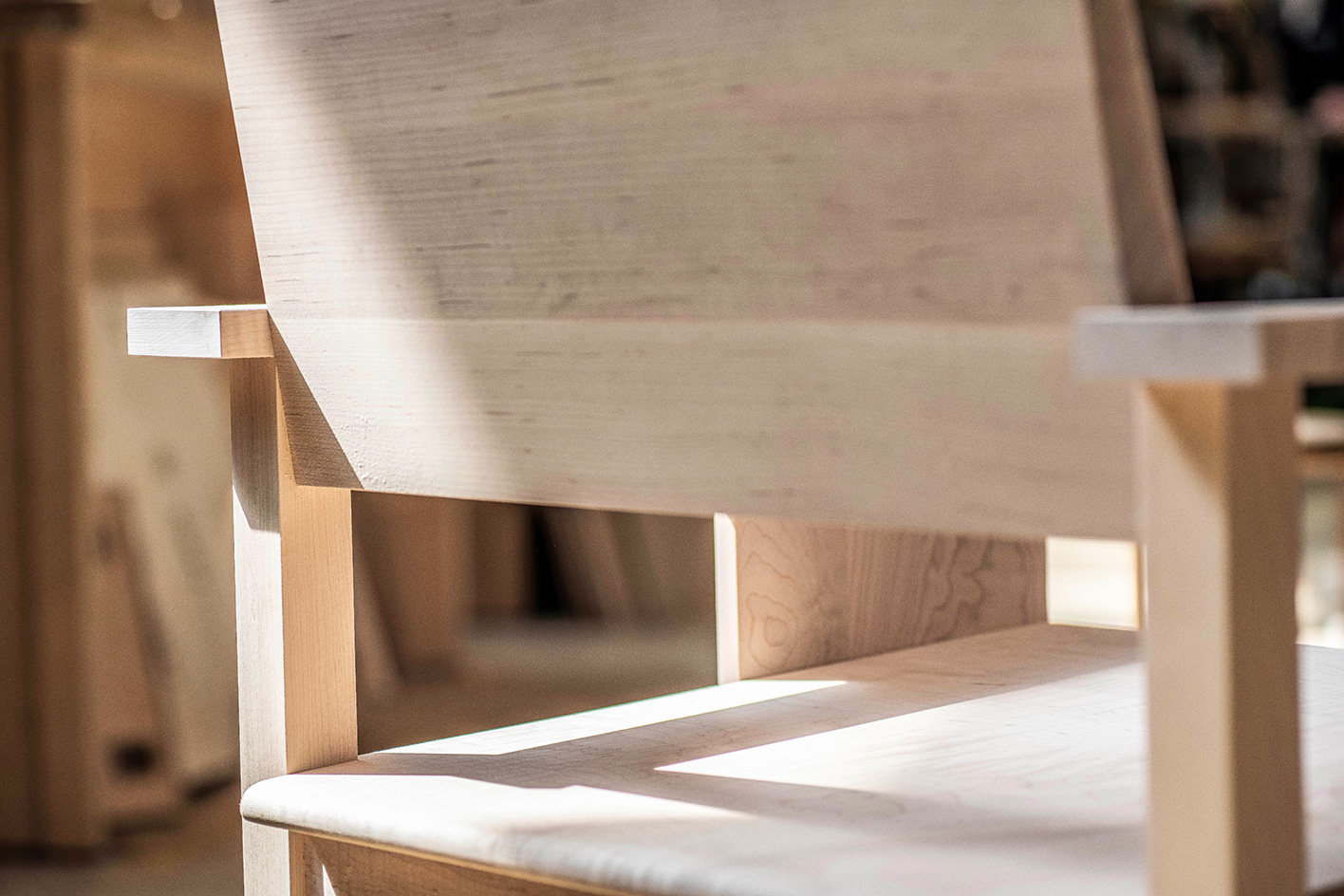
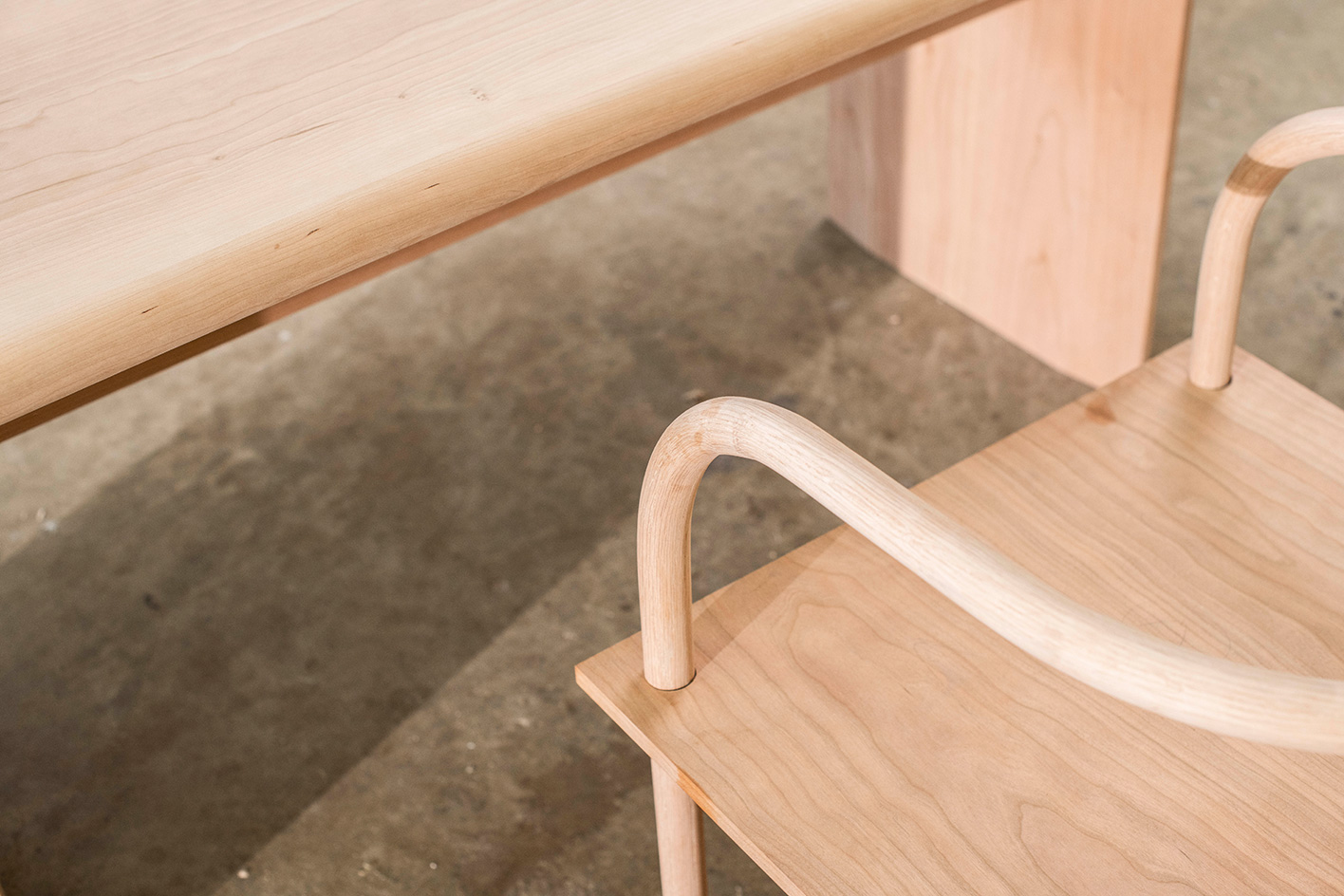
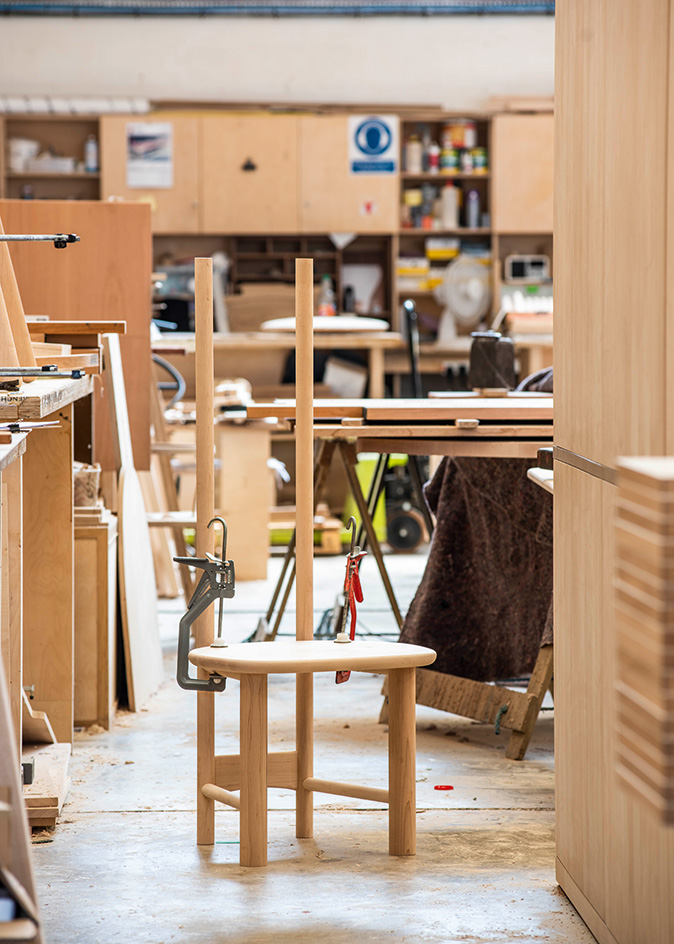
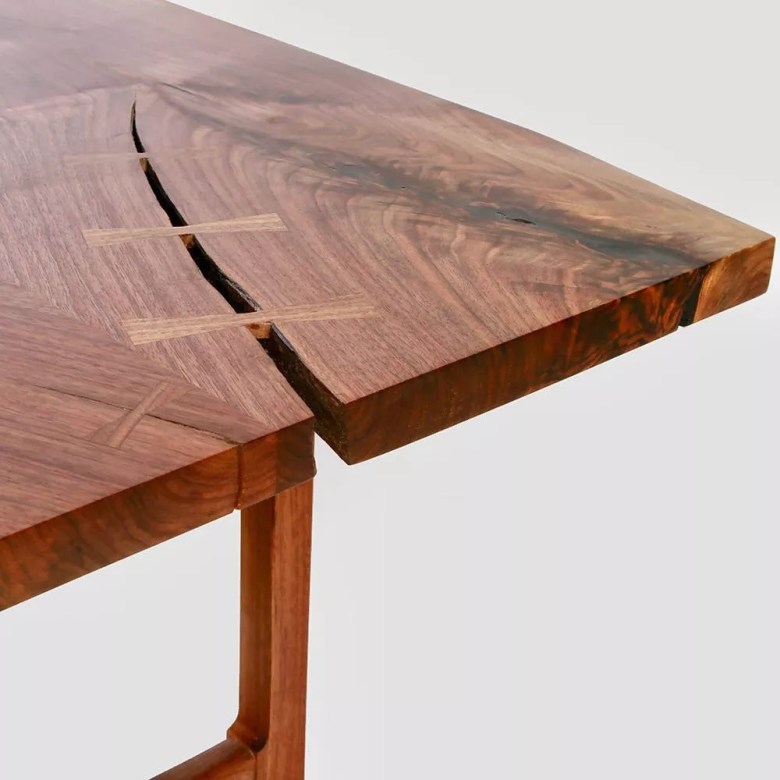
The festival also includes 'Grain Pile,' an exhibition at Clerkenwell Fire Station, where Max Radford Gallery collaborated with British furniture maker Ercol. Six London-based designers, including Lewis Kemmenoe, reimagined Ercol's wooden furniture, producing contemporary stools, tables, benches, chairs, and a rocking chair. Concurrently, the American Hardwood Export Council (AHEC) at Material Matters in Holborn spotlights emerging talents such as Andu Masebo, Daniel Schofield, and Anna Maria Øfstedal Eng. These designers craft furniture from 'No.1 Timber,' an underused, knotty hardwood grade, in partnership with Benchmark workshops. This initiative promotes a sustainable approach to material selection, embracing natural imperfections over demanding pristine materials. Additionally, Material Matters hosts the Wood Awards, exhibiting its 2025 shortlist, which features a range of wood-based creations from small furniture pieces to Feilden Fowles’ timber pavilions at the Natural History Museum gardens. These collective efforts demonstrate that tradition and innovation are complementary forces in wood design, revealing surprising new possibilities for a material with a long history.
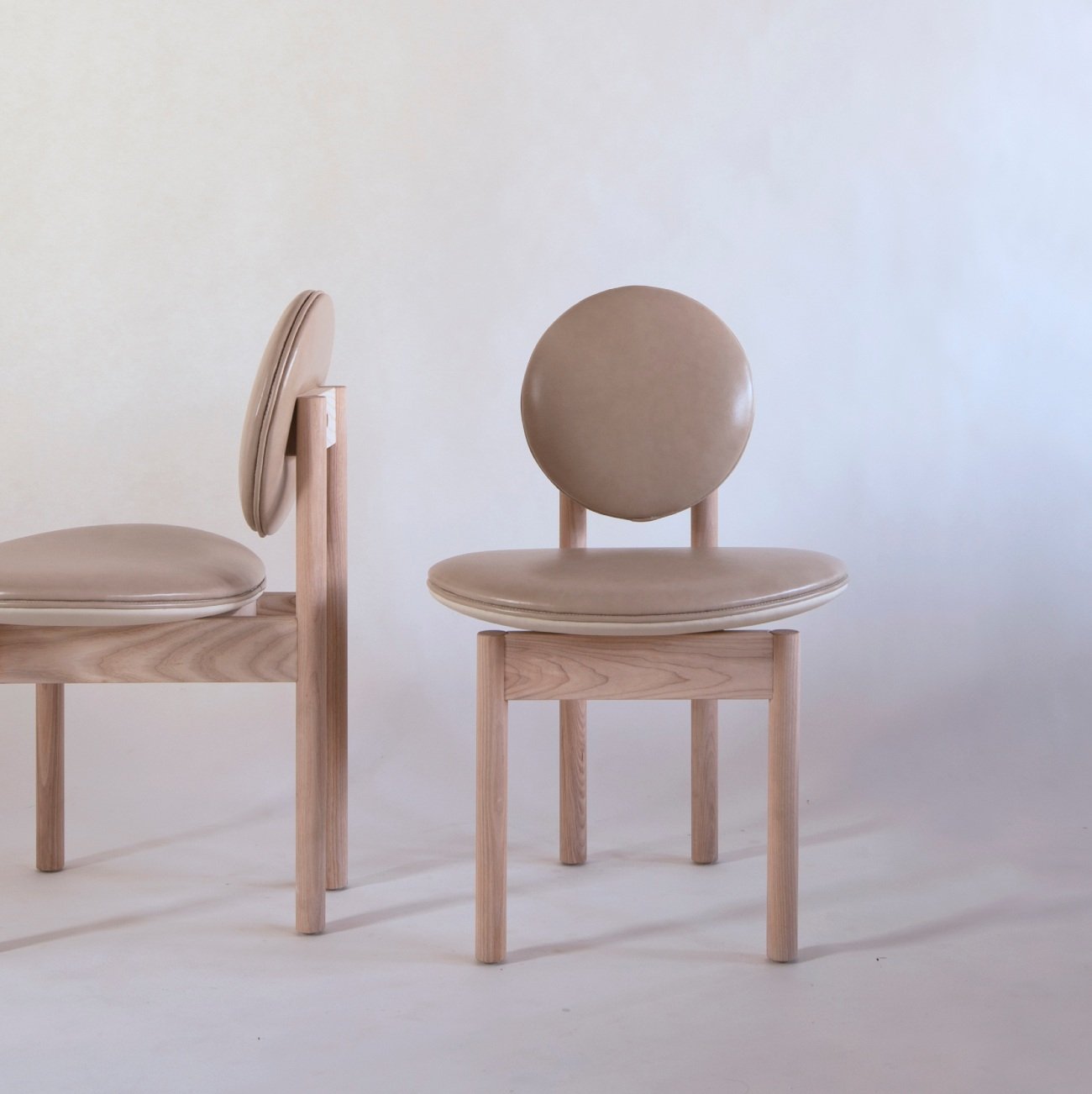
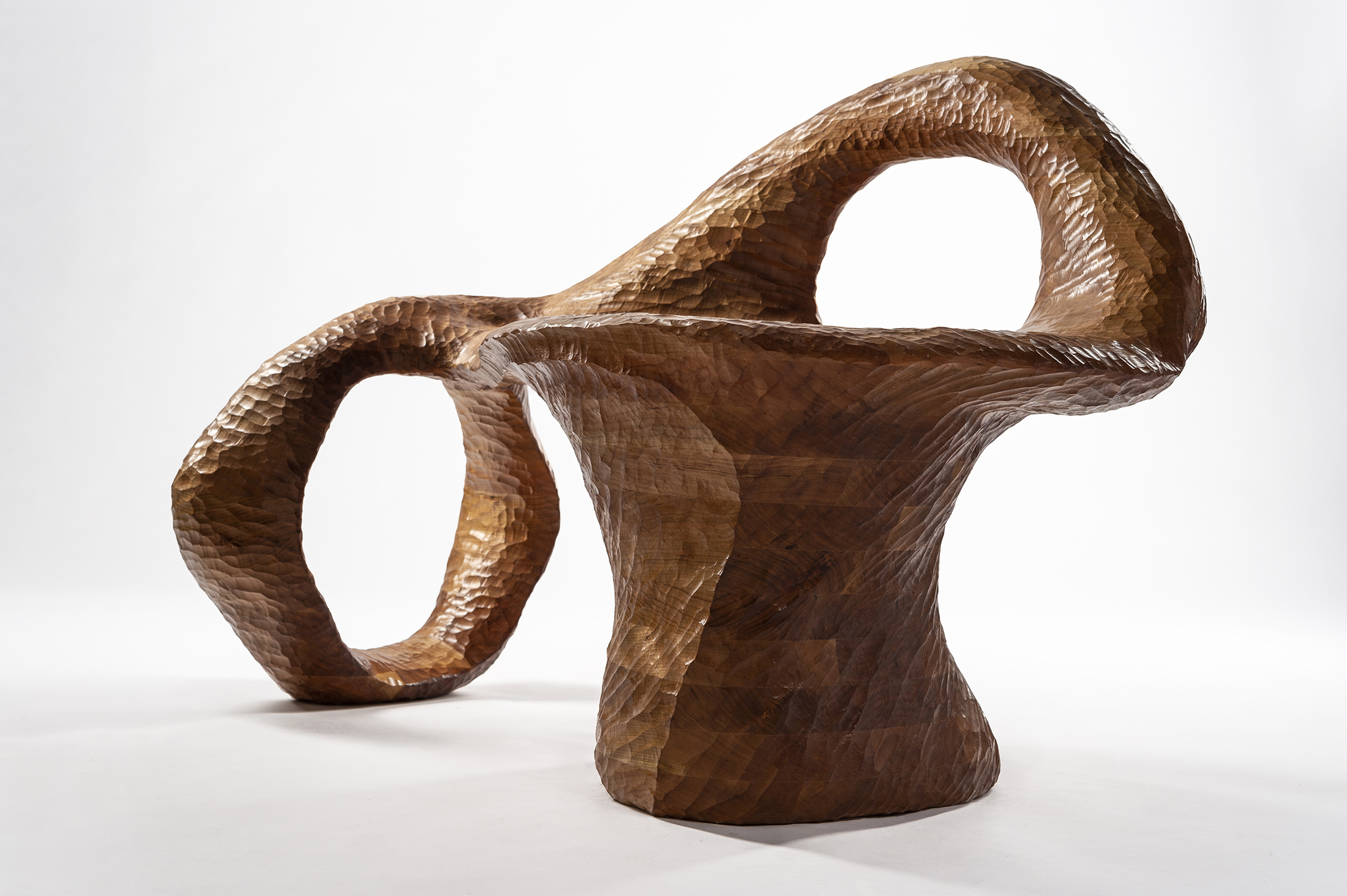
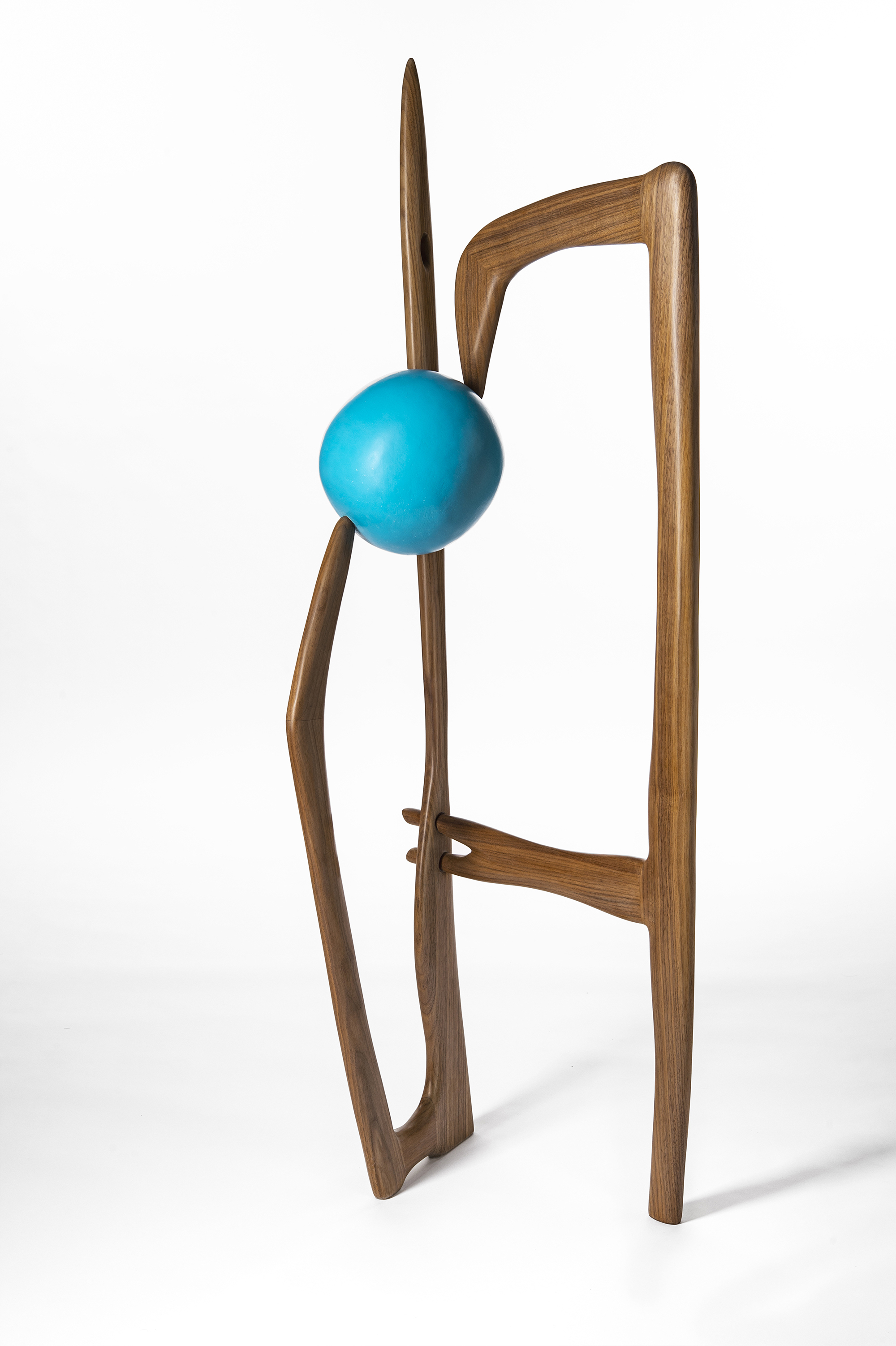
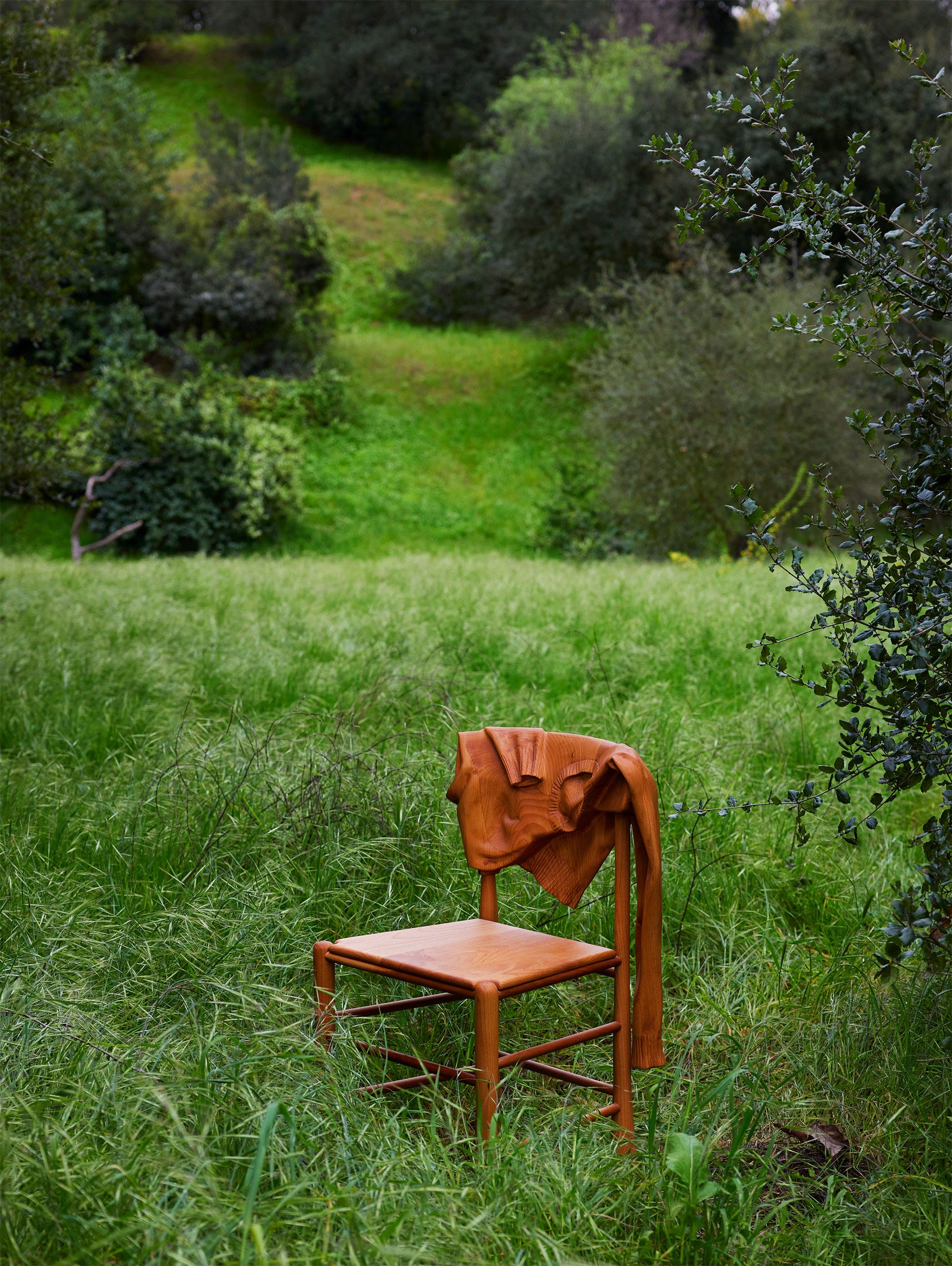
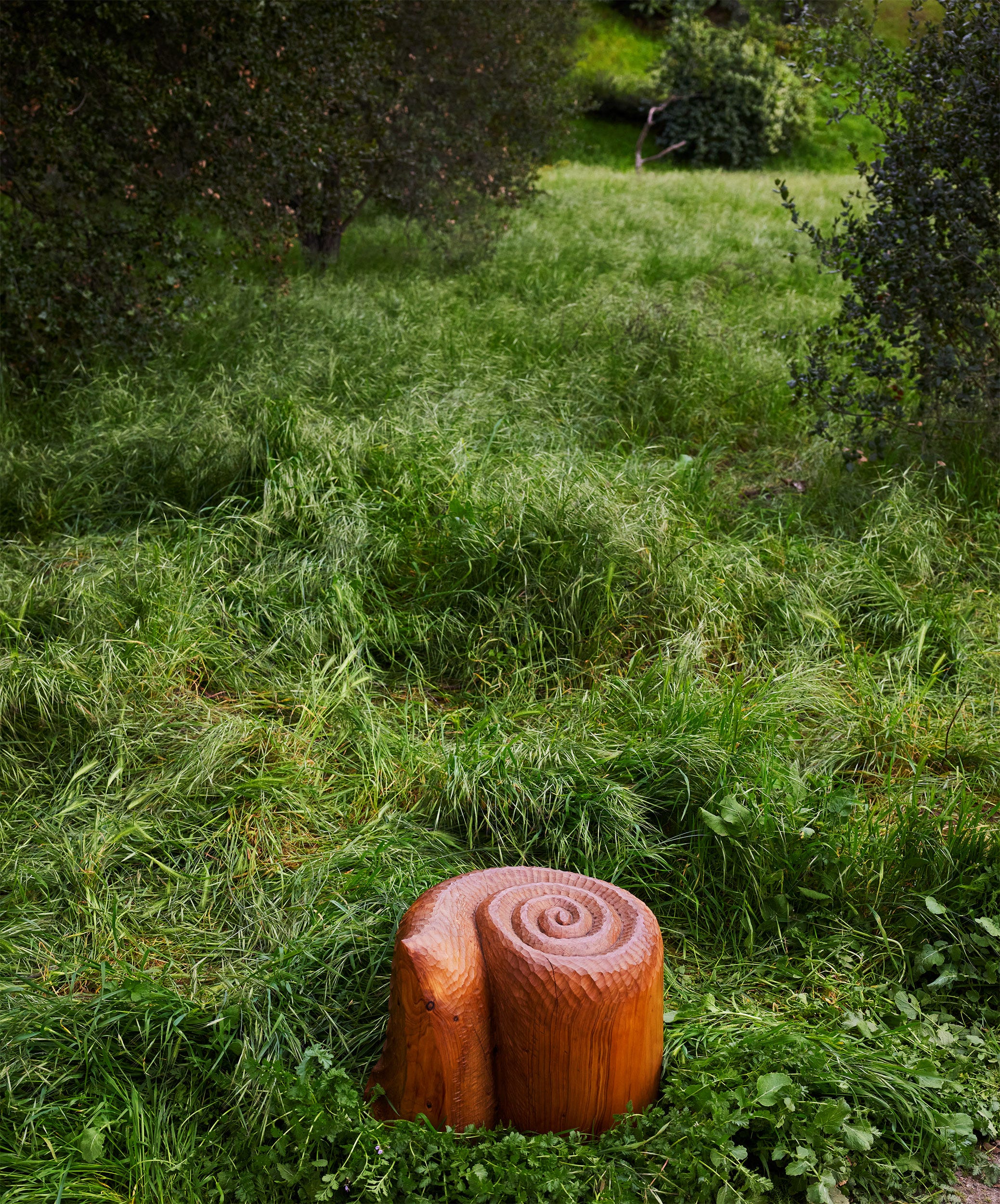
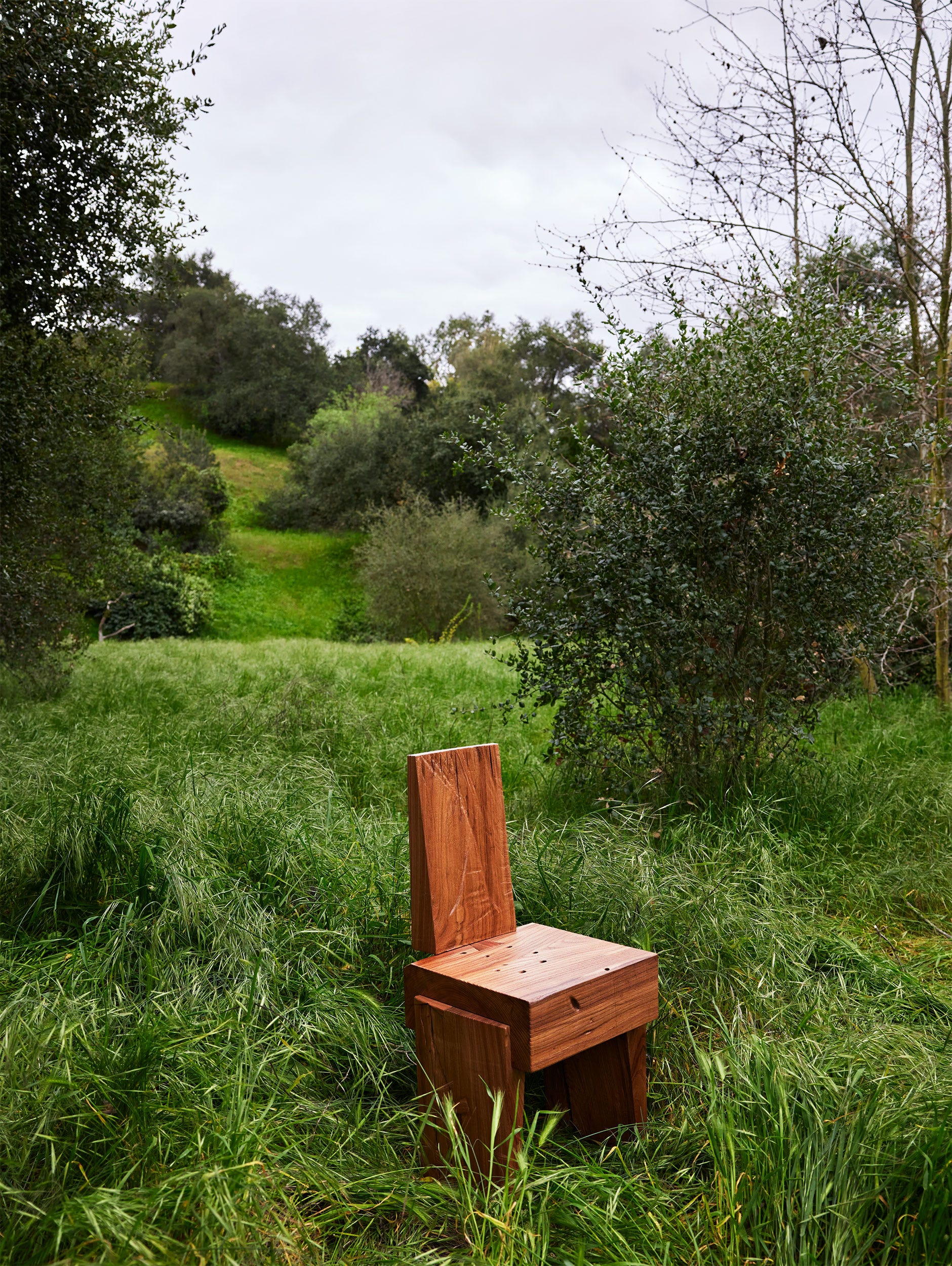
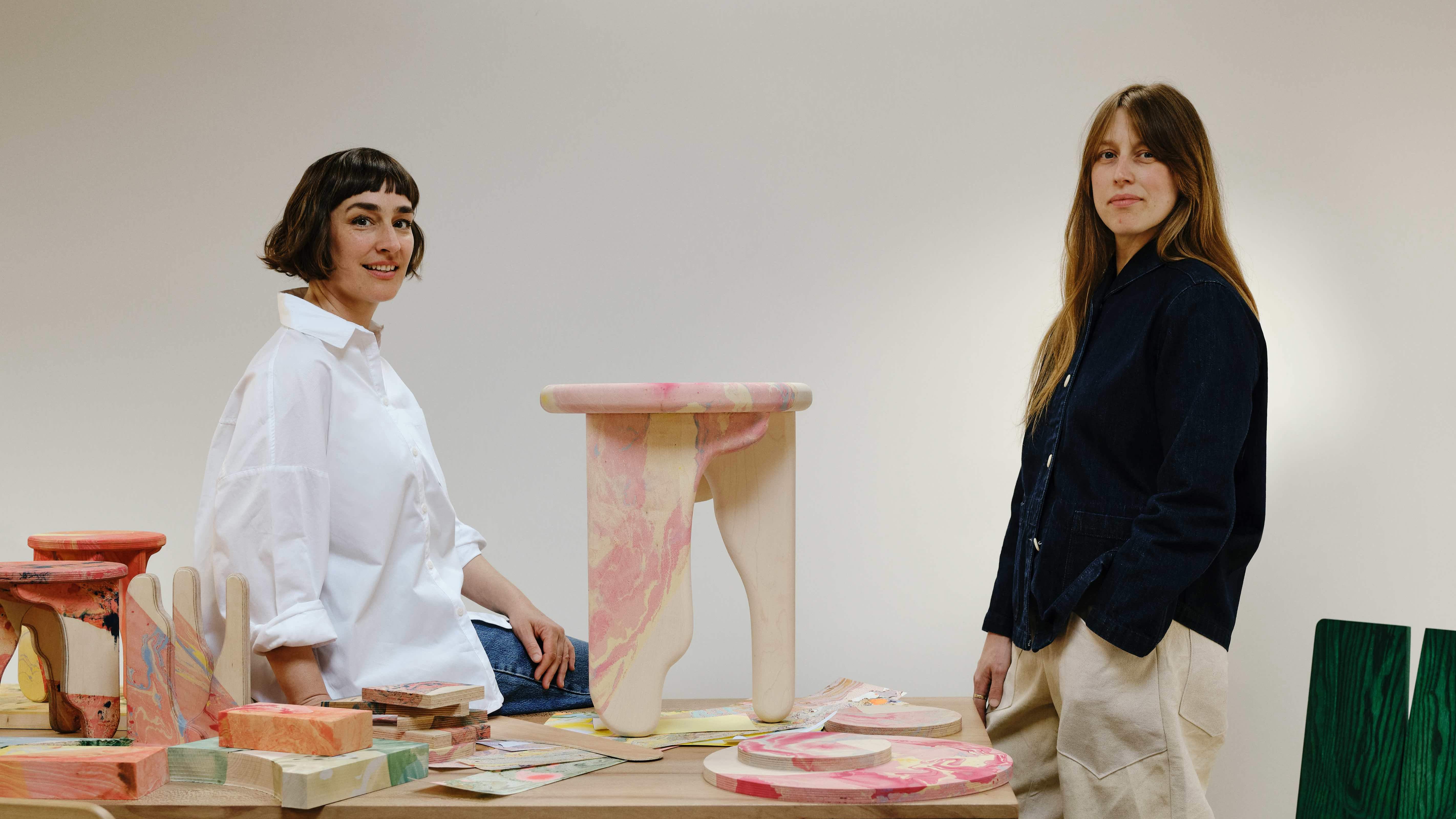
The article highlights seven specific projects that exemplify this innovative spirit. Brogan Cox and Nat Maks, inspired by Margate's tides, created 'Tides' tables using marbled timber surfaces. These sycamore pieces are CNC-machined, hand-finished, and then dipped into swirling inks. B.C. Joshua's 'Dogtrot II' stool, made from CNC-cut British ash with hand-painted aluminum inlays, draws inspiration from the Harlem Renaissance and African American history, featuring motifs of Black cowboys. Lewis Kemmenoe's 'Patchwork Rocking Chair,' crafted from ash and oak including factory waste, incorporates a spindle back with solid, paneled sides and distinctive patchwork detailing, transforming familiar forms. Jacob Marks explores pine resin, a historically significant material displaced by petroleum, showcasing its potential in contemporary design through various objects like handles, lights, and furniture, as well as a sustainable composite material. Darren Appiagyei’s 'Ignatius' vessels, made from cherry and horse chestnut wood, demonstrate his evolution into a wood artist through intricate pyrographic finishes. Tabitha Isobel and Dom Callaghan's 'Ferro' collection, including a side table, mirror, and wall light, utilizes London Plane timber sourced from felled city trees, presenting clean lines and a checkerboard pattern. Finally, Shintaro Oku of KOPPA showcases zero-waste designs using camphor wood off-cuts from Kagoshima, Japan, transforming them into smooth, textural forms and stackable cups dyed with natural methods, embodying a commitment to sustainability.
#LondonDesignFestival #WoodDesign #SustainableMaterials #FurnitureDesign #MaterialInnovation #Craftsmanship #DesignExhibitions #LondonDesignFestival #WoodDesign #SustainableMaterials #FurnitureDesign #MaterialInnovation #Craftsmanship #DesignExhibitions
0 comment in total
 No comments yet
You may also like
Nine designers work socially distanced wonders with wood
Designed & Made's integrated approach to custom woodworking projects

Designers showcase creative lighting solutions at recent exhibit

Woodworker explains how raised panels are functional, not just decorative, and minds are blown

6 Hudson Valley Woodworkers Crafting Contemporary Furniture and Home Goods


Nine creatives designing dreamy renderings
Dutch designer creates flexible wood for furniture range

The art of the craft: Dallas furniture makers break down the custom design process

Toronto Woodworkers Making Heirloom-Quality Wares
How these woodworkers turn staircases into art
Ten projects that seamlessly integrate wood into the design
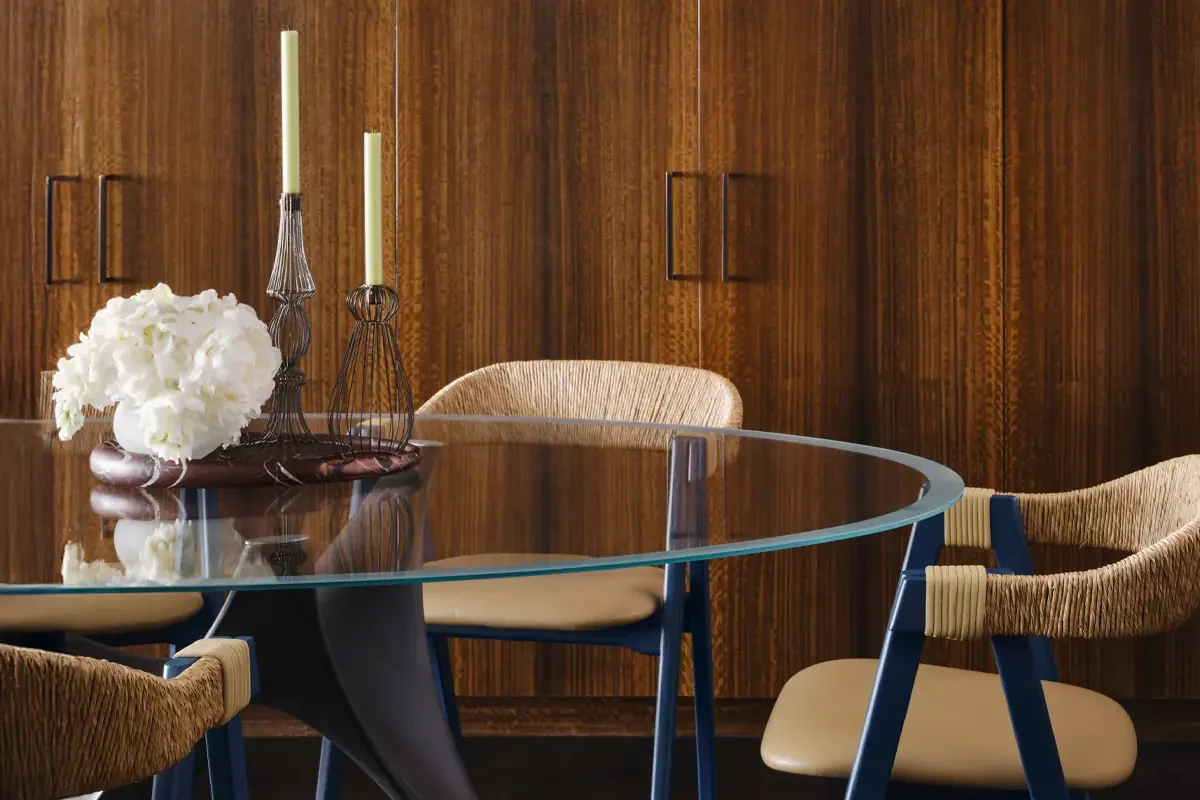
Wood as a Home Design Trend: Through the Archives to Today
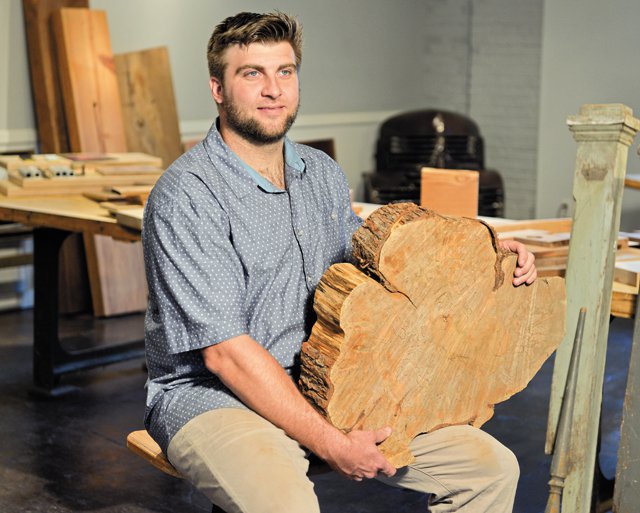
Woodworking Magic
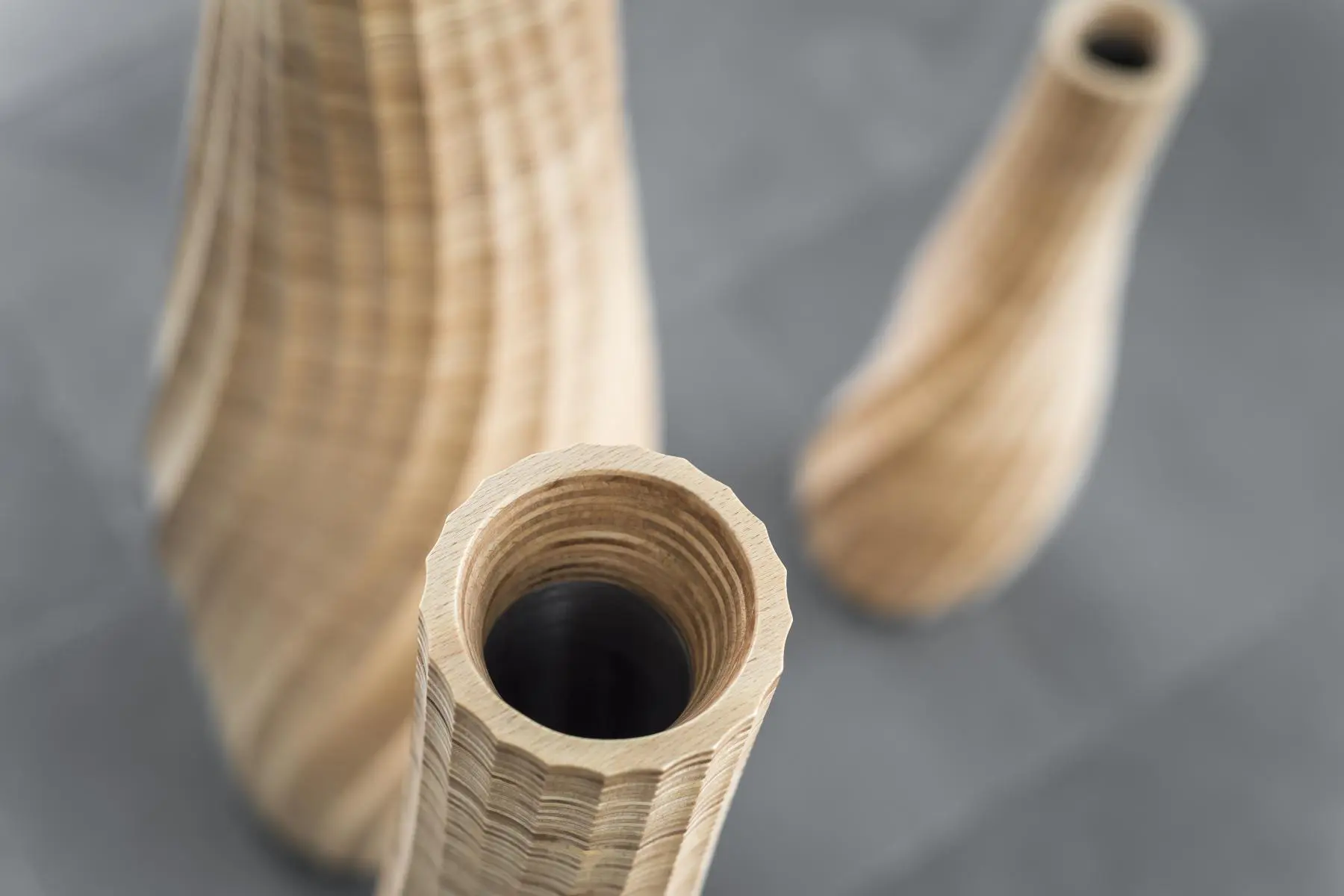
Hundreds of layers of beech wood are aligned, combined and gently sculpted

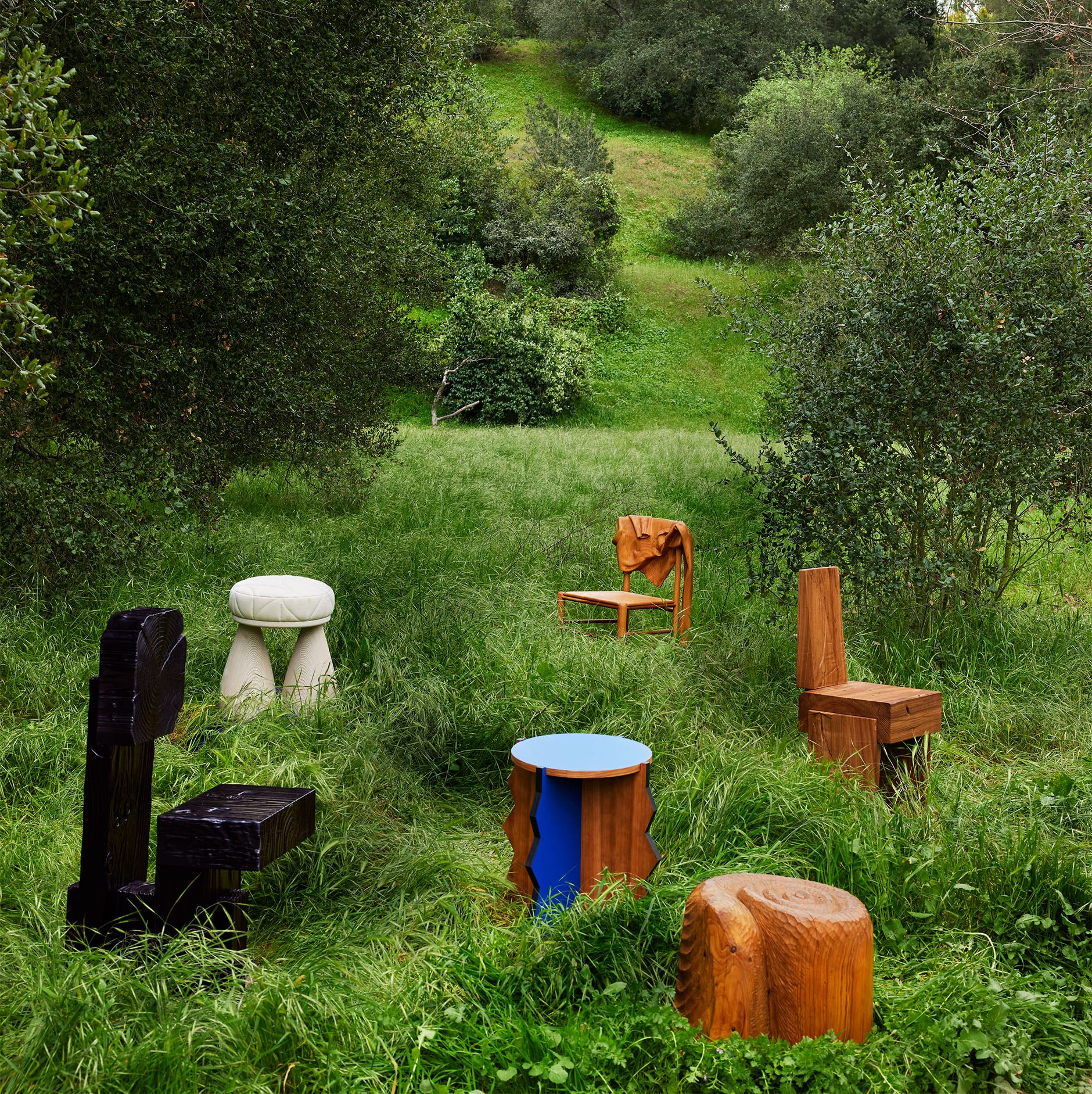
Wood Furniture Is Cool Again, Thanks to This Upcoming Group of Designers
7 Australian designers who create custom made furniture

Sculpture and Furniture Design

Designers Are Taking Lacquer Way Beyond Trays and Dressers | domino

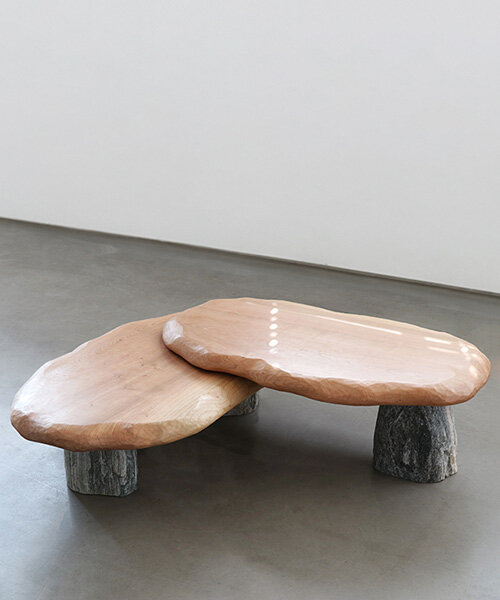
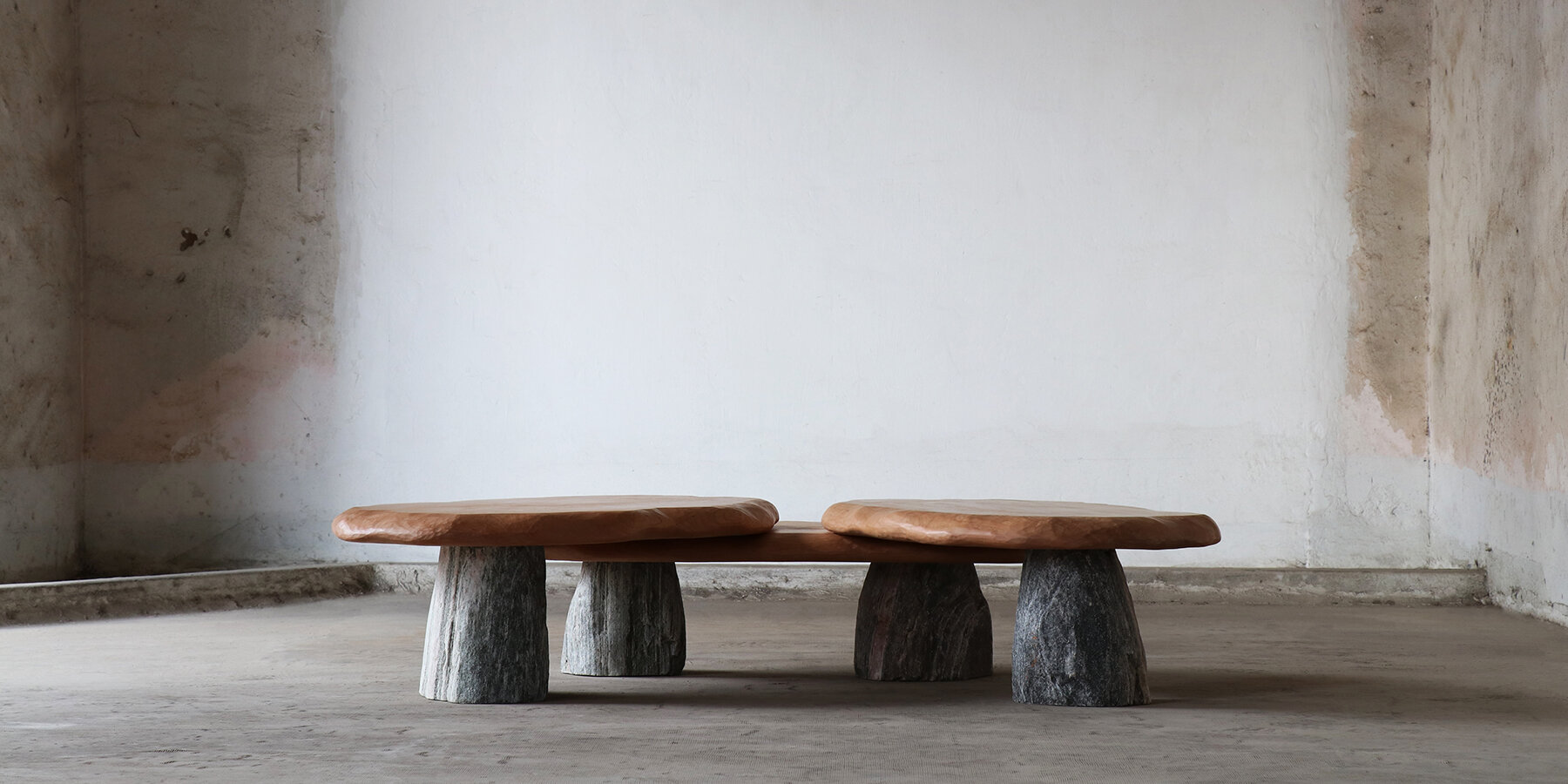
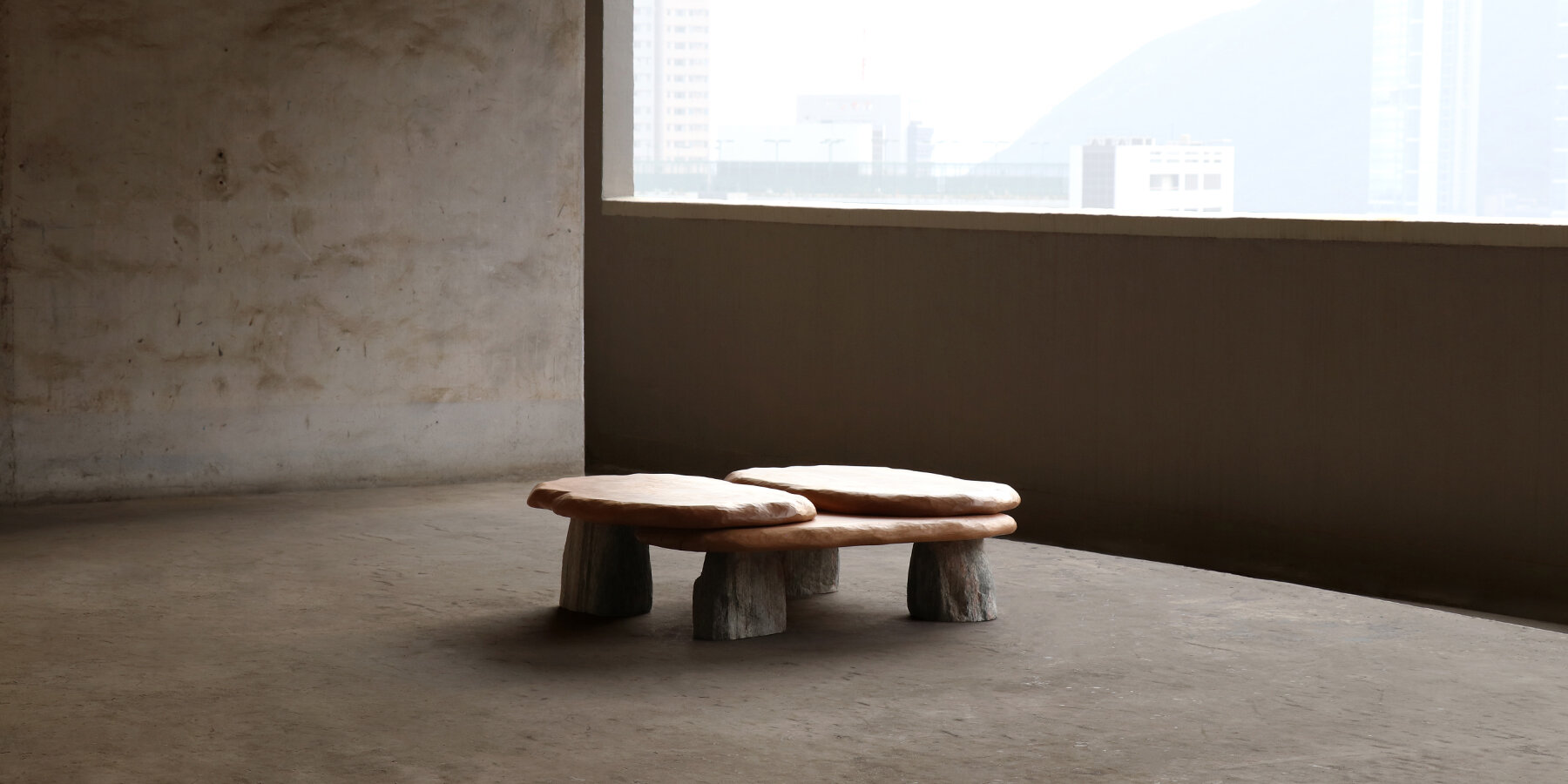
wood and stone shape mushroom-like tables in batten and kamp x henry d'ath collaboration
6 designers pick their favorite projects