1/10
RHS Chelsea Flower Show 2025 trends you'll want on your radar
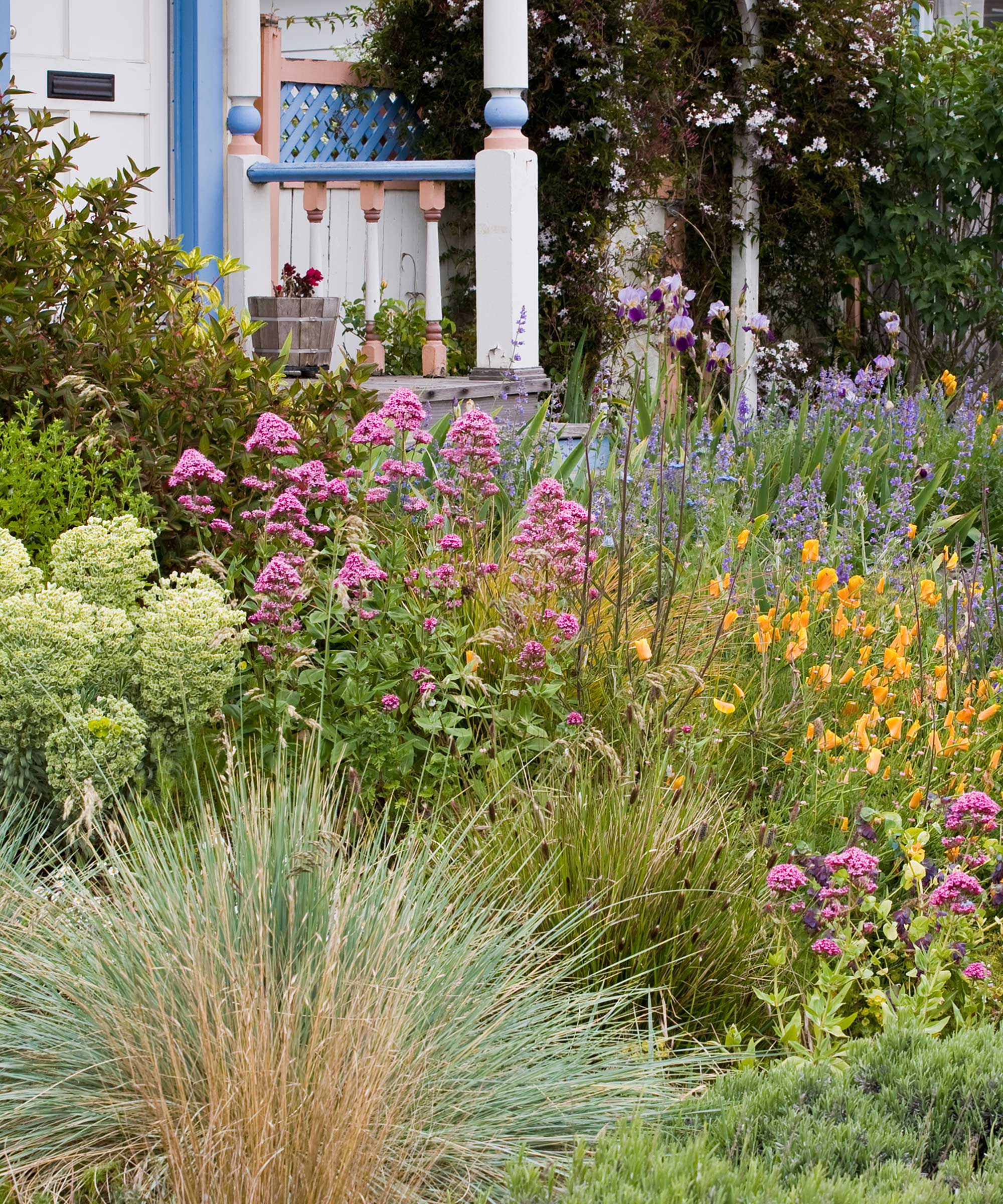
The RHS Chelsea Flower Show 2025 highlights five significant garden trends, emphasizing innovation and sustainability in garden design. Climate-resilient planting is a prominent theme, with multiple show gardens featuring drought-tolerant plants. Examples include Hospice UK’s Garden of Compassion, which showcases Mediterranean planting schemes with strawberry trees and tulip poppies, and the Garden of the Future, which demonstrates drought-tolerant vegetables. The King’s Trust Garden: Seeding Success illustrates plant adaptability to harsh conditions, such as volcanic environments, underscoring the remarkable resilience of plants. These displays provide practical ideas for incorporating climate-resilient elements into various garden sizes, including small gardens, to manage increasingly hot summers.
Coastal planting emerges as another key trend, with several gardens adopting coastal garden ideas. The Hospitalfield Arts Garden, for instance, features dramatic dune topography and drought-tolerant plants cultivated in sand rather than traditional soil. The designer, Nigel Dunnett, notes a growing interest in using free-draining mediums like sand or gravel, which offer the dual benefits of reducing maintenance and minimizing weeds. The use of pink seathrift is highlighted as an example of suitable coastal flora. Additionally, the Seawilding exhibition, inspired by the Scottish Loch Craignish landscape, focuses on native plants adapted to the Scottish coastline. A particularly innovative aspect of this exhibit is the plan to replant the garden's seagrass on the sea floor in England to expand existing sea meadows, demonstrating a commitment to ecological restoration.
Technology and artificial intelligence (AI) are increasingly integrated into gardening practices, as evidenced by the Avanade Intelligent Garden, the RHS Chelsea Flower Show's first garden to embed AI for urban garden management. This garden features an AI assistant that monitors environmental factors like soil moisture, temperature, and weather patterns to provide proactive, resource-efficient care. The garden also allows visitors to interact with it, enabling a dynamic conversation based on live data, which represents a significant advancement in smart gardening.
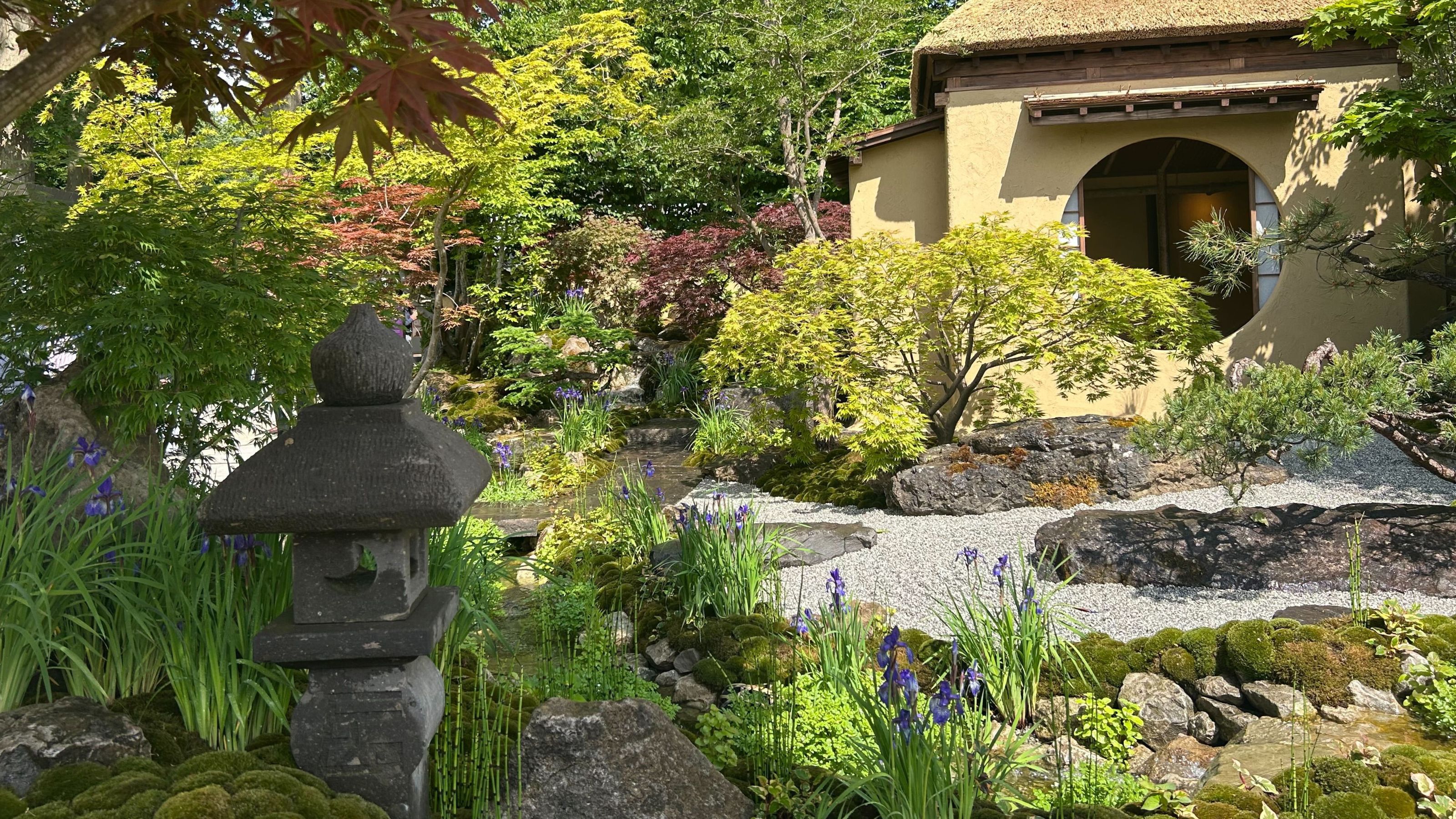
Japanese garden designs are experiencing a surge in popularity, becoming a major trend at the RHS Chelsea Flower Show 2025. The Cha No Niwa Japanese Tea Garden exemplifies this with its authentic Japanese maples, lily turf, ferns, and moss. Even small spaces like balcony gardens, such as the Komorebi Garden, demonstrate the impact of Japanese design through strategic planting of trees like Betula pendula and Fargium japonicum. The Secret Base – The Another Green Room garden further innovates small-space design by employing layered planting techniques to create an illusion of greater depth and size.
Finally, the widespread use of recycled and reclaimed materials is a significant trend, reflecting a strong emphasis on sustainable gardening. Numerous gardens incorporate these materials for planters, furniture, and hard landscaping. Examples include the recycled and repurposed hard landscaping in The Avanade Intelligent Garden, recycled acrylic planters in The Glasshouse Garden, and seating upholstered in recycled Pensioners’ scarlet uniforms in The London Square Chelsea Pensioners Garden. The Pathway Garden showcases mycelium walls crafted from recycled waste materials from previous RHS shows, highlighting creative and environmentally conscious approaches to garden construction and design.
#RHSChelseaFlowerShow #GardenTrends #ClimateResilientPlanting #CoastalGardens #GardenTechnology #JapaneseGardens #SustainableGardening #RecycledMaterials #GardenDesign #RHSChelseaFlowerShow #GardenTrends #ClimateResilientPlanting #CoastalGardens #GardenTechnology #JapaneseGardens #SustainableGardening #RecycledMaterials #GardenDesign
0 comment in total
 No comments yet
You may also like
Sorry florals, botanical patterns are trending for 2025
The Biggest Colour Trends Taking Off in 2025
Florals for spring? It's all about shell decor for 2024 – these are our top picks

7 Spring Trends Designers Are Loving For 2025
The best new annual flowers of 2025

The lighting trends set to be big news in 2025 – from colour hits to luxe layered schemes

Vertical garden to tower over Chelsea Flower Show | Damian Carrington

Designers' Reveal the Biggest Pattern Trends for 2025, and It's Shaping Up to Be a Bold Return to the Classics

'A flower grown from seed is the perfect metaphor for our individual creativity' – why 2025 floral trends are about stepping back and letting nature ground us
Flower Arrangements Are Reaching New Heights (Published 2024)

3 key gardening industry trends to embrace for 2024

The 10 Coolest Things We Saw at High Point Fall Market 2025

Chelsea Flower Show 2025: Take a peek behind-the-scenes of the Country Life stand
French courtyard gardens are set to be a huge trend for 2025
11 Plants We Predict Will Be Trending In Gardens For 2026
Our unmissable highlights at London Design Festival 2025


Thursd Floral Trend Color Palette 2025 - Aurora Glow

I write about houseplants for a living and these are 5 indoor plant trends worth jumping on in 2026
6 Trending Houseplants For 2025 That You Won't Want To Miss

Interior Designers Reveal the Must-Try Spring Decor Trends for 2025