1/3
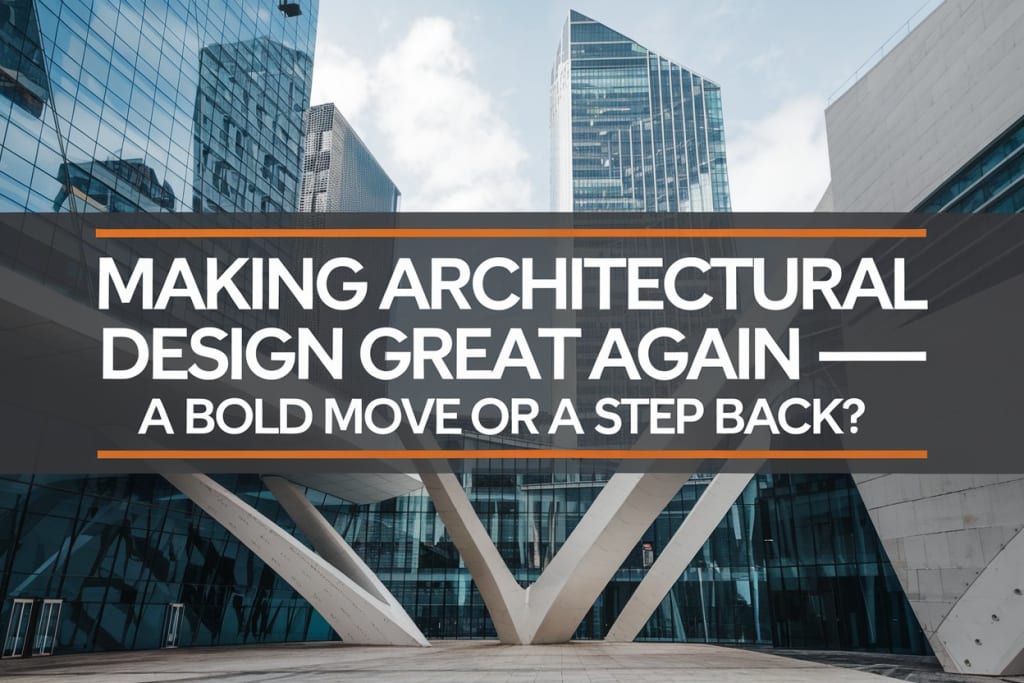
Making Architectural Design Great Again- A Bold Move or a Step Back?
In January 2025, the American architectural, engineering, and construction (AEC) sector experienced a significant shift with an executive order mandating that all new federal buildings adhere to traditional and classical styles. This directive has ignited a widespread debate within the architectural community regarding the role of architecture in national identity and the balance between preserving heritage and embracing modernity. Supporters of the order view it as a return to timeless aesthetics that embody democratic values, stability, and permanence. Conversely, critics express concerns that this mandate could restrict creative freedom and oversimplify architecture's evolving role in addressing contemporary issues such as sustainability, accessibility, and technological integration. AEC professionals are now faced with the challenge of implementing this vision while maintaining functional and innovative design principles.
The rationale behind this policy appears to be rooted in the desire to evoke enduring values in the built environment. Classical architecture is often associated with grandeur, stability, and democracy, qualities historically reflected in federal institutions like the U.S. Capitol, Lincoln Memorial, and White House. This move could stem from a discontent with contemporary architecture, which some perceive as overly abstract and detached from public sentiment, or a nostalgic desire for a past era where architecture symbolized order and stability. It might also be a strategic effort to counteract the perception of over-modernization in federal design. The policy aims to reinforce cultural continuity and historical preservation through classical design principles, but it simultaneously raises questions about potential standardization and constraints on creative expression.
Classical design offers several advantages, including its enduring aesthetic qualities and ability to communicate permanence and national pride through symmetrical proportions, columns, and arches. It conveys authority and strength, fostering public trust and reinforcing the government's role. Furthermore, classical architecture is deeply connected to the roots of American democracy, visually embodying principles of equality and civic virtue. Its familiarity makes federal buildings more approachable and relatable, encouraging civic engagement. Classical designs are also renowned for their durability, utilizing materials like stone and marble that age gracefully and ensure longevity, reducing the need for frequent renovations.
However, mandating classical design also presents considerable drawbacks. It can stifle architectural innovation by restricting creative freedom and limiting the incorporation of modern materials, technologies, and design philosophies essential for addressing current and future needs like sustainability, urbanization, and digital integration. Contemporary designs often prioritize energy efficiency, smart systems, and green roofs, which may conflict with the rigid aesthetics of classical styles developed in a pre-industrial context. The intricate detailing and specific materials required for classical architecture, such as stone and ornate facades, significantly increase construction costs and project timelines, potentially leading to higher taxpayer expenses. Moreover, a uniform classical approach risks overlooking diverse regional architectural traditions and local cultural identities, potentially creating buildings that feel disconnected from their specific environments. The American Institute of Architects (AIA) has voiced strong opposition, emphasizing the importance of local design control and freedom of expression.
The General Services Administration (GSA) is tasked with implementing this policy, aiming to align federal buildings with classical heritage while ensuring they remain civic structures and incorporating community feedback. The ongoing debate highlights the tension between tradition and innovation in federal architecture. Striking a balance between cultural values and modern architectural contexts is crucial. Eight (a) certified AEC firms, as small businesses experienced in government contracts, are positioned to bridge this gap by bringing innovative solutions and sustainable practices within classical design frameworks. Their expertise in managing federal regulations, budgeting, and project timelines, combined with their community ties, allows them to ensure buildings are both historically resonant and relevant to contemporary needs, balancing national unity with regional identity.
#ArchitecturalDesign #FederalBuildings #ClassicalArchitecture #ModernArchitecture #AECSector #PublicPolicy #Sustainability #CulturalHeritage #InnovationVsTradition #ArchitecturalDesign #FederalBuildings #ClassicalArchitecture #ModernArchitecture #AECSector #PublicPolicy #Sustainability #CulturalHeritage #InnovationVsTradition
0 comment in total
 No comments yet
You may also like
How generative design is shaping the future of architecture?

Design Trends: Retro Revival


Beyond the Drawing Board: How Augmented Reality is Reshaping Architectural Design Review


Upon This Foundation: Are new church designs taking us backward?

Returning to the essential is the real innovation in design


The Plan and the Prompt: How AI Is Rewiring Design and Practice
This Traditional Design Move Is Back And Better Than Ever In Our 2025 Idea House

Building a profile: The sway of marketing on architectural design

Surprise: 1990s Design Trends Are Coming Back
This Outdated Stair Trend Is Fading Fast—and Designers Say It's Time to Move On

Designers Agree: Open Concept Is Out, Tradition Is In

The Transformative Power of AI in Architecture Design

Designing Beyond Buildings: An Architect’s Strategic Shift

Are design studios the next trend in home remodeling?

15 Best Architecture and Design Firms in the USA
Why Bad Design is Good


Architectural design to meet the needs of our time
It’s Time to Say Goodbye to These Outdated Design Trends in 2024
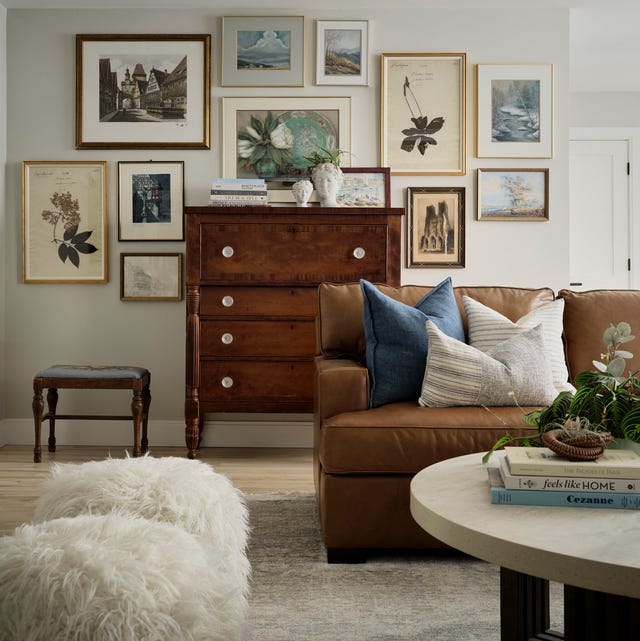
The #1 Retro Design Trend Designers Say is Making a Comeback

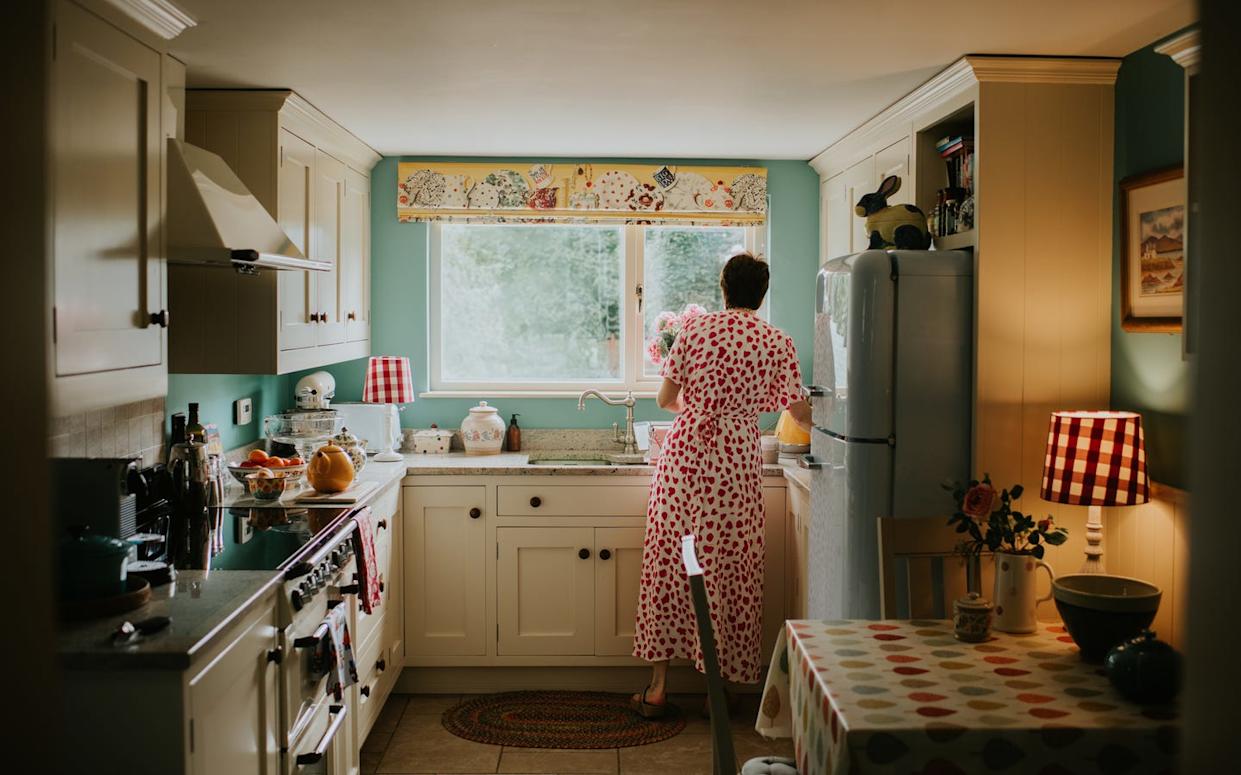
Designers Agree: Open Concept Is Out, Tradition Is In