Lockdown living: The value of a bamboo room divider
The author reflects on a purchase made during the COVID-19 pandemic lockdown in the United Kingdom, focusing on a bamboo room divider that provided unexpected value and functionality. The narrative begins in February 2020, as the author noticed deteriorating blackout curtains in their Manchester home. The curtains had developed small holes that allowed intrusive beams of sunlight to disrupt sleep, and initial attempts at quick fixes, such as applying stickers, proved ineffective and temporary. With the onset of the pandemic lockdown, replacing made-to-measure curtains was deemed too costly, time-consuming, and labor-intensive.
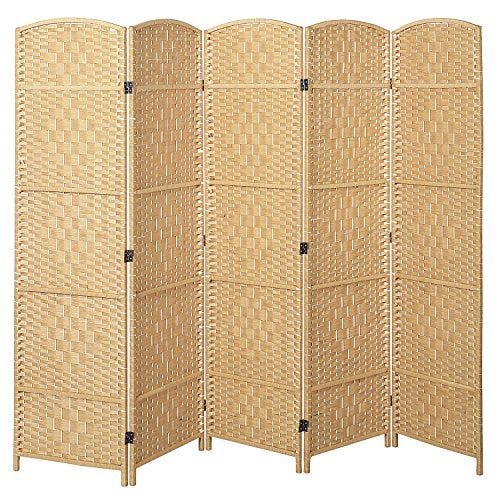
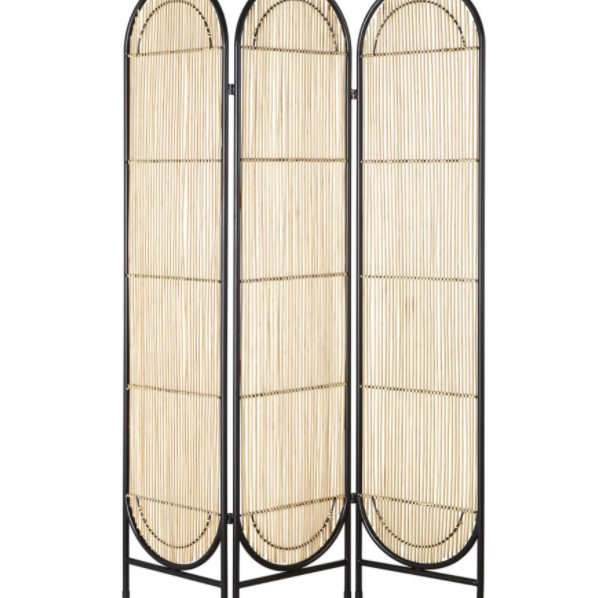
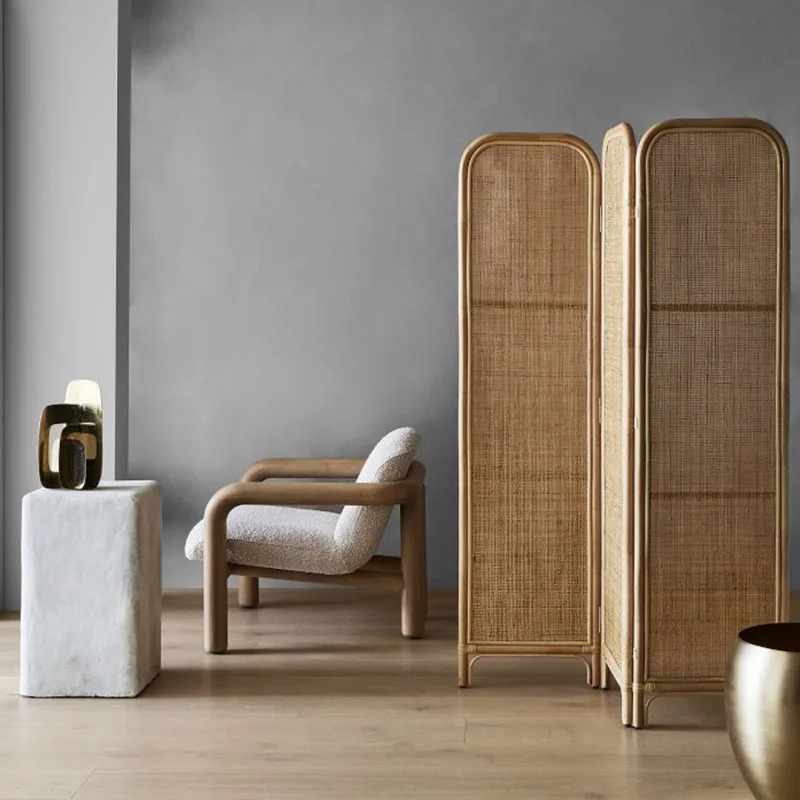
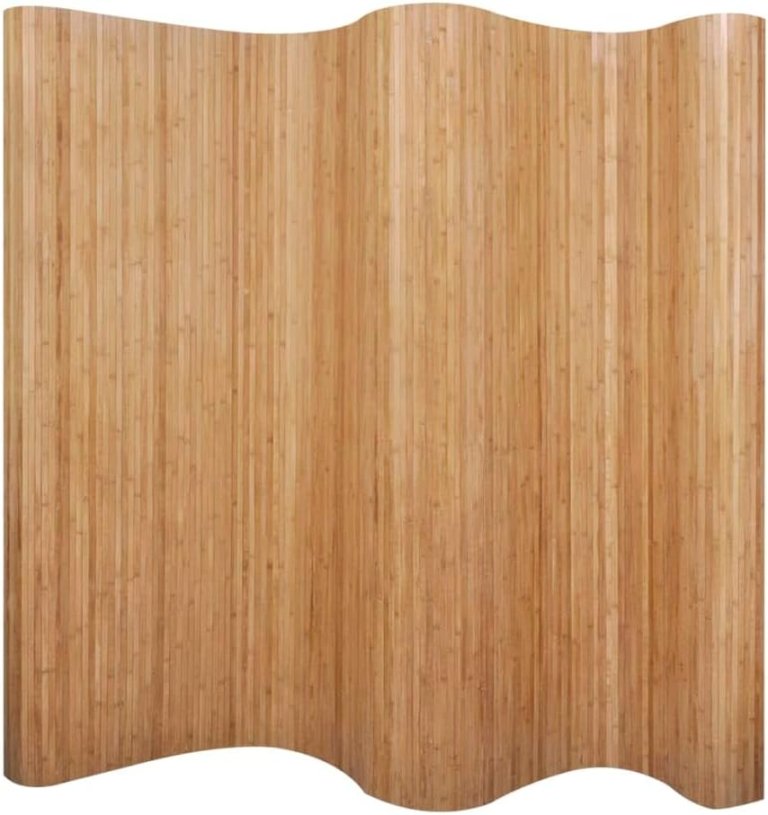
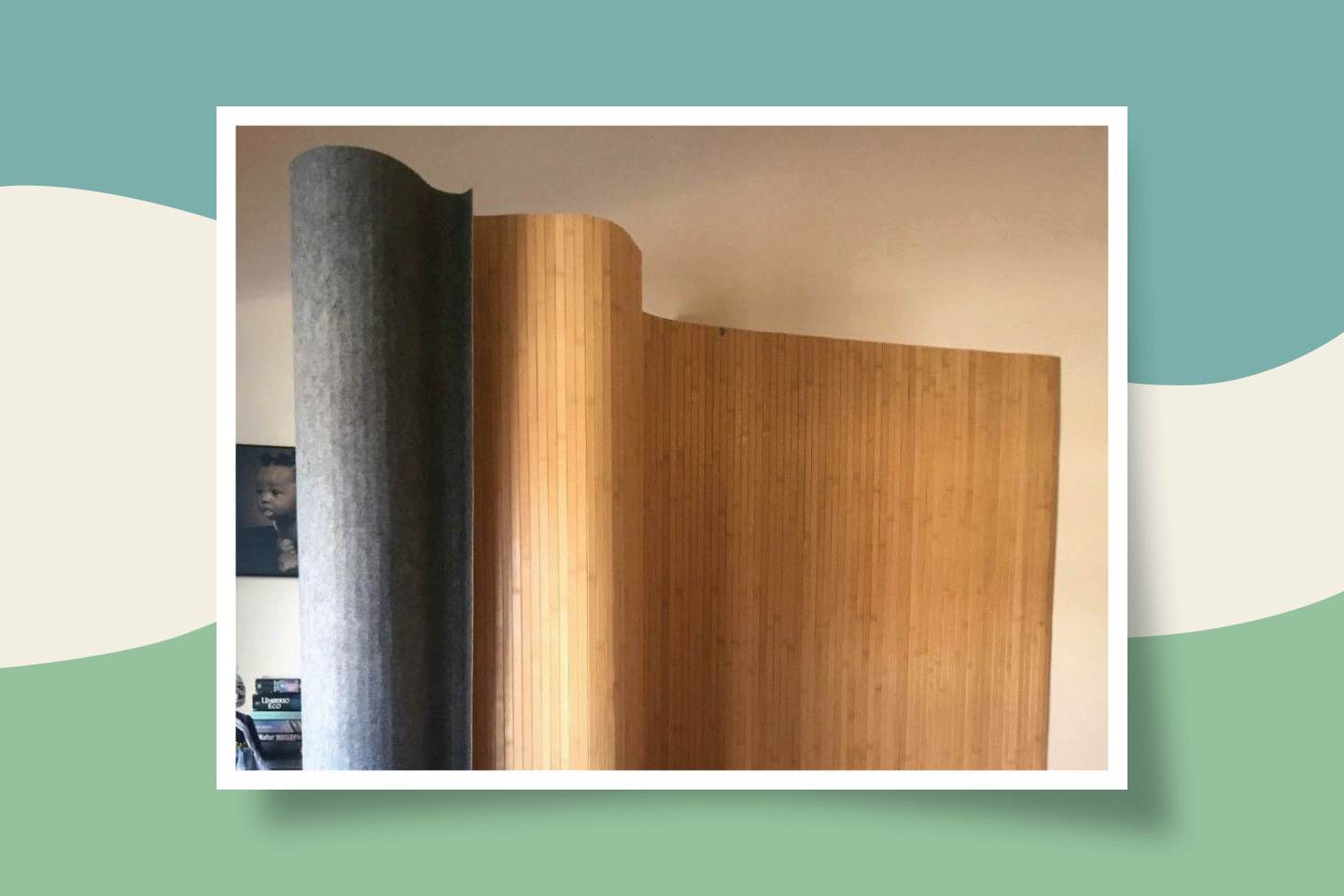
To address the persistent issue of unwanted daylight, the author decided to purchase a bamboo room divider online for approximately £60 ($85). Despite initial hesitation about returning a potentially cumbersome item, the divider arrived rolled up, resembling a floor mat. The author considered using it as a mat before realizing its intended purpose. The divider, made of real bamboo strips backed with a serviceable gray polyester material, was highly flexible, allowing it to be bent into various curves. However, this flexibility also presented a challenge in terms of stability, requiring strategic positioning to keep it upright. The author experienced a period of trial and error, including an incident where the divider toppled over after being accidentally kicked.
Through experimentation, the author discovered that the divider could be effectively stabilized by wedging it between a wall and furniture. Lacking a headboard for the bed, the author found an optimal solution by jamming a portion of the flexible divider behind the bed, allowing the remaining half to be molded around the side. This arrangement successfully blocked the stray beams of light, creating a functional shield. While the setup appeared unconventional, the author grew accustomed to its asymmetry and appreciated its additional benefits. The flexible nature of the divider allowed for the creation of a small alcove, providing space for personal items like books, cigarettes, and a nightlight. The ability to reconfigure the divider to suit changing moods, forming curves and semicircles against the straight walls, added to its appeal.
Beyond its primary function of light control, the bamboo room divider also served a crucial role in adapting to remote work during the lockdown. With the bedroom doubling as an office for eight to ten hours daily, the divider became an essential tool for maintaining privacy and tidiness during video calls. It could be easily repositioned to conceal clutter, such as mugs, papers, and laundry, from the camera's view, creating an illusion of order. The material of the divider, despite losing its original scent, evoked memories of the sun, home, Malaysia, and makeshift beach shacks—places and experiences the author had left behind. This sentimental connection added another layer of value to the item. Inspired by its utility and aesthetic contribution, the author occasionally used the bamboo strips to display textiles collected from Southeast Asia, liberating them from storage. The author is now considering purchasing another bamboo divider for the opposite side of the room, further indicating the lasting positive impact of this pandemic purchase.
#PandemicPurchases #RoomDivider #BambooFurniture #LockdownLife #HomeOffice #RemoteWork #HomeDecor #PersonalEssay #PandemicPurchases #RoomDivider #BambooFurniture #LockdownLife #HomeOffice #RemoteWork #HomeDecor #PersonalEssay
0 comment in total
 No comments yet
You may also like

The Alexa Chung-Approved Decor Trend That Should Be Next On Your Wishlist
The Best Room Dividers, According to Interior Designers
homeware Lock coffee table uses flexible bamboo layers
Divide & Conquer: NoVA Decor Experts on Making the Room Divider Work
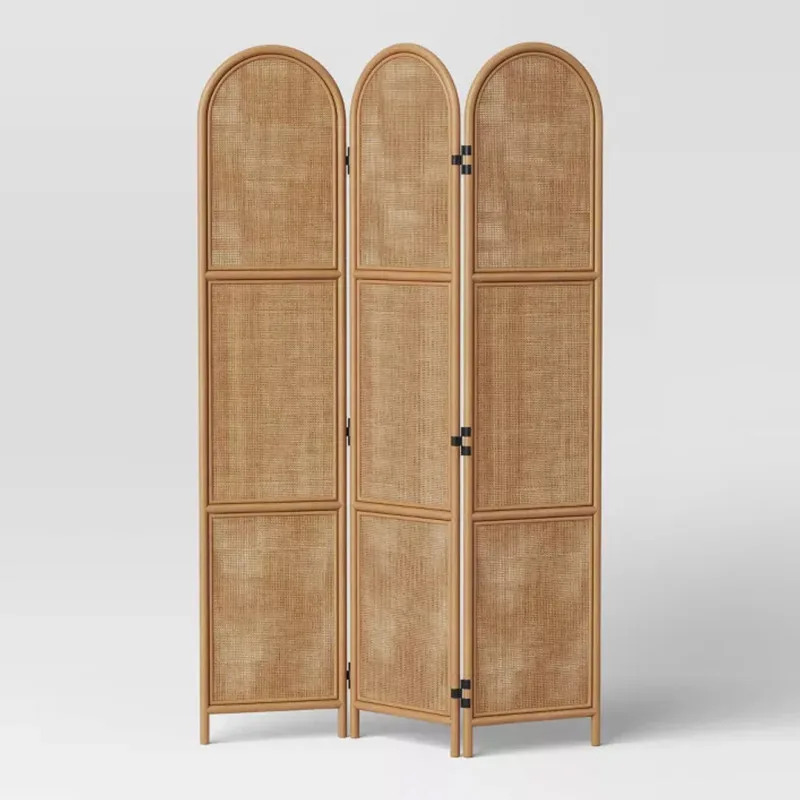
Target Is Selling a 'Gorgeous' Rattan Room Divider That’s Very Similar to a West Elm Style That’s Almost 2x the Price

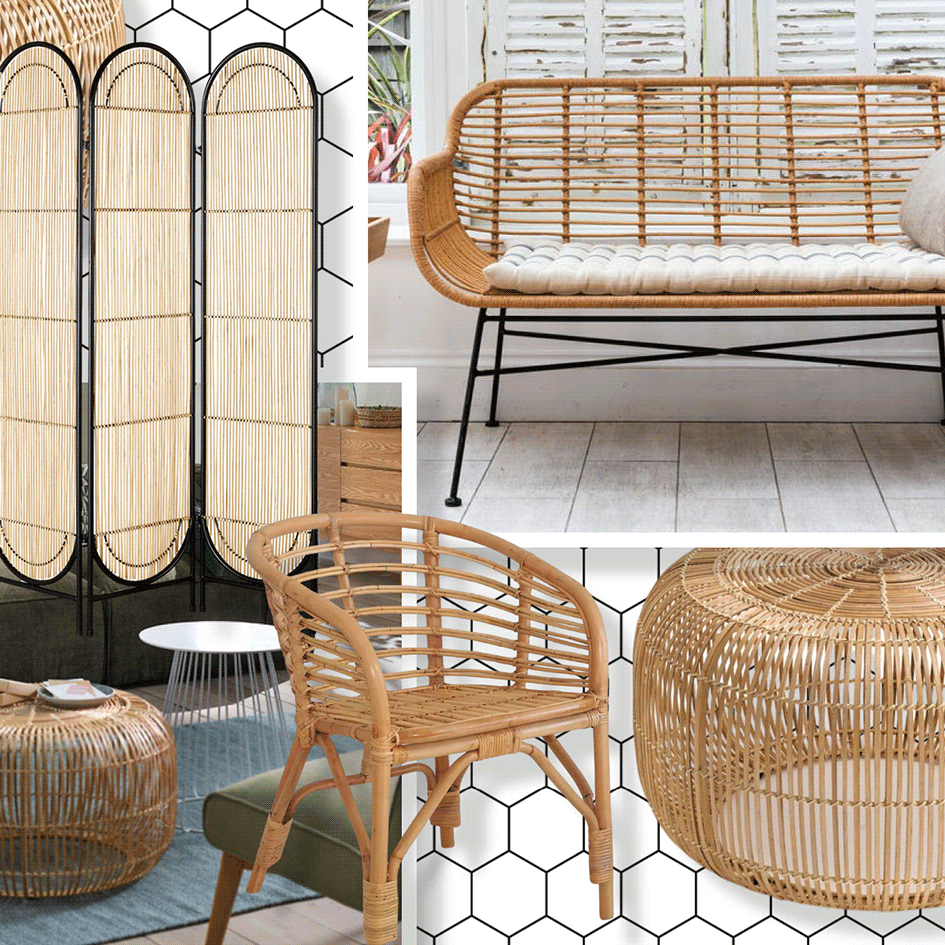
Bamboo furniture to buy now: beds, footstool, room divider

A homeowner divided her open-concept living area with a partial wall for under $900

10 unique room dividers from Indian and international designers

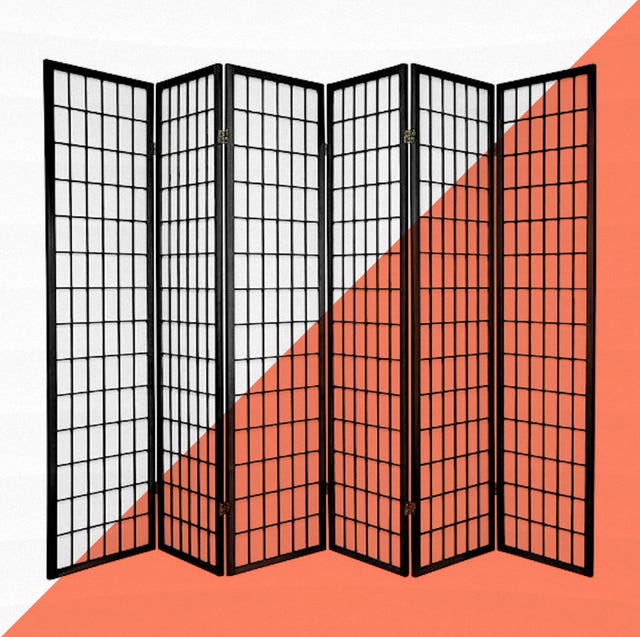
10 Best Room Dividers for Creating More Privacy at Home
room dividers Archives

Ten interiors that use innovative room dividers instead of walls

Room divider ideas – 12 lessons in versatile modern living
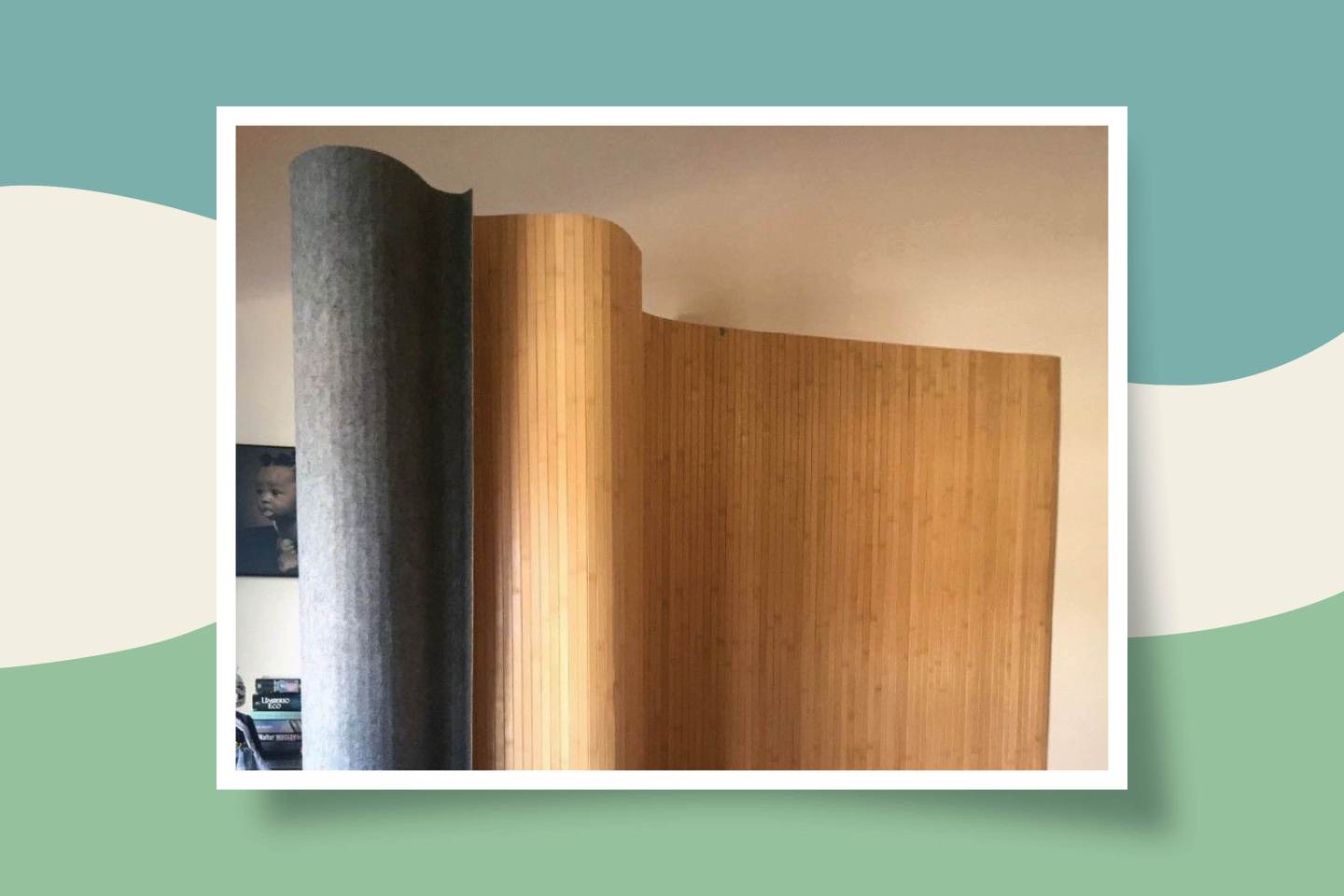
The quick-fix value of a bamboo room divider
REN: A Series of Room Dividers United by Materiality

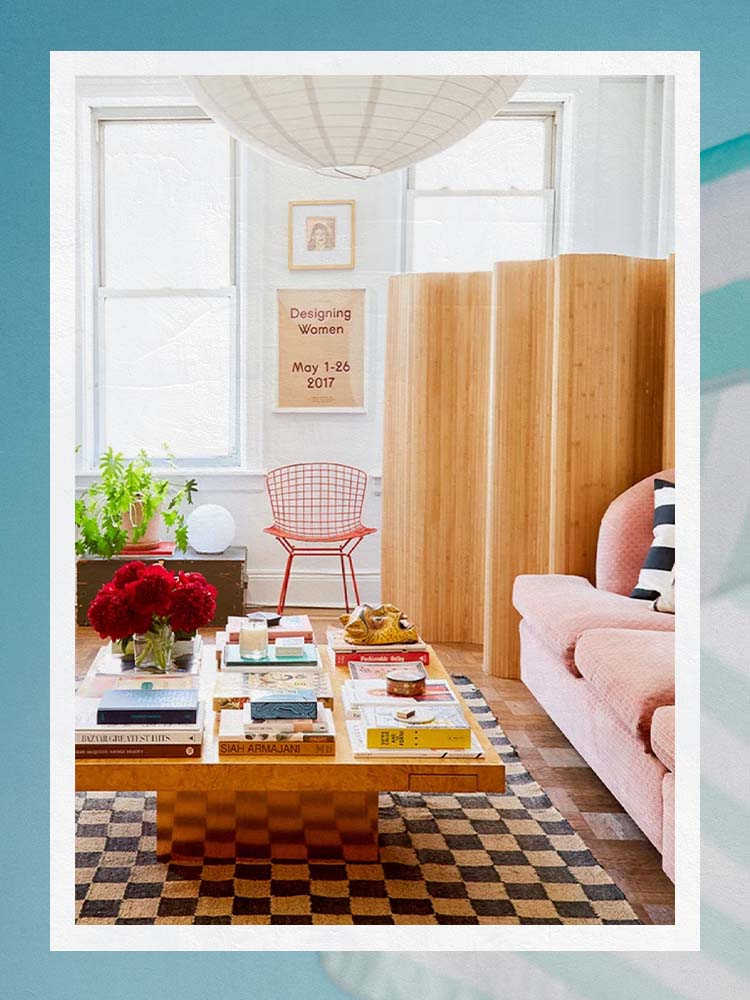
12 Folding Screens That Divide and Conquer Any Room

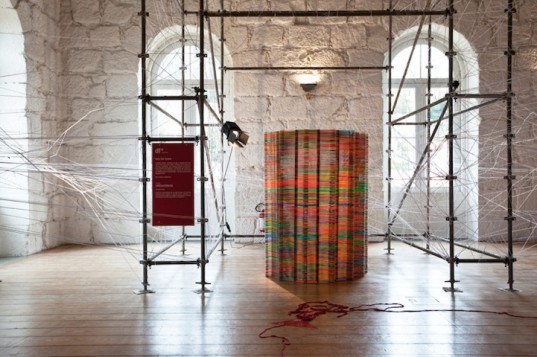
2,000 IKEA Hangers Upcycled Into Dynamic Chromatic Screen Room Divider
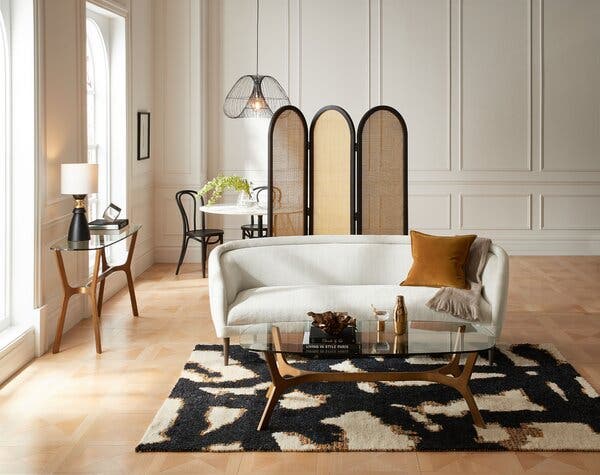
Shopping for Room Dividers (Published 2021)
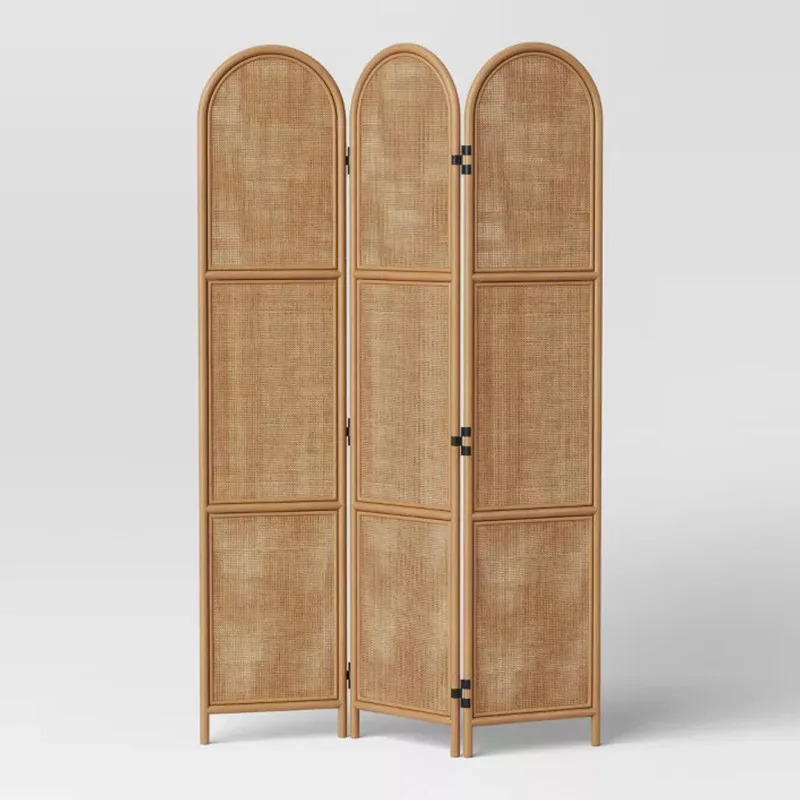
Target Is Selling a 'Gorgeous' Rattan Room Divider That’s Very Similar to a West Elm Style That’s Almost 2x the Price


9 vintage room dividers you can buy on Etsy


The Window Treatment Mistake That Will Make It Harder To Sell Your Home