1/3
Keeping warm: insulation, ventilation and heating in homes
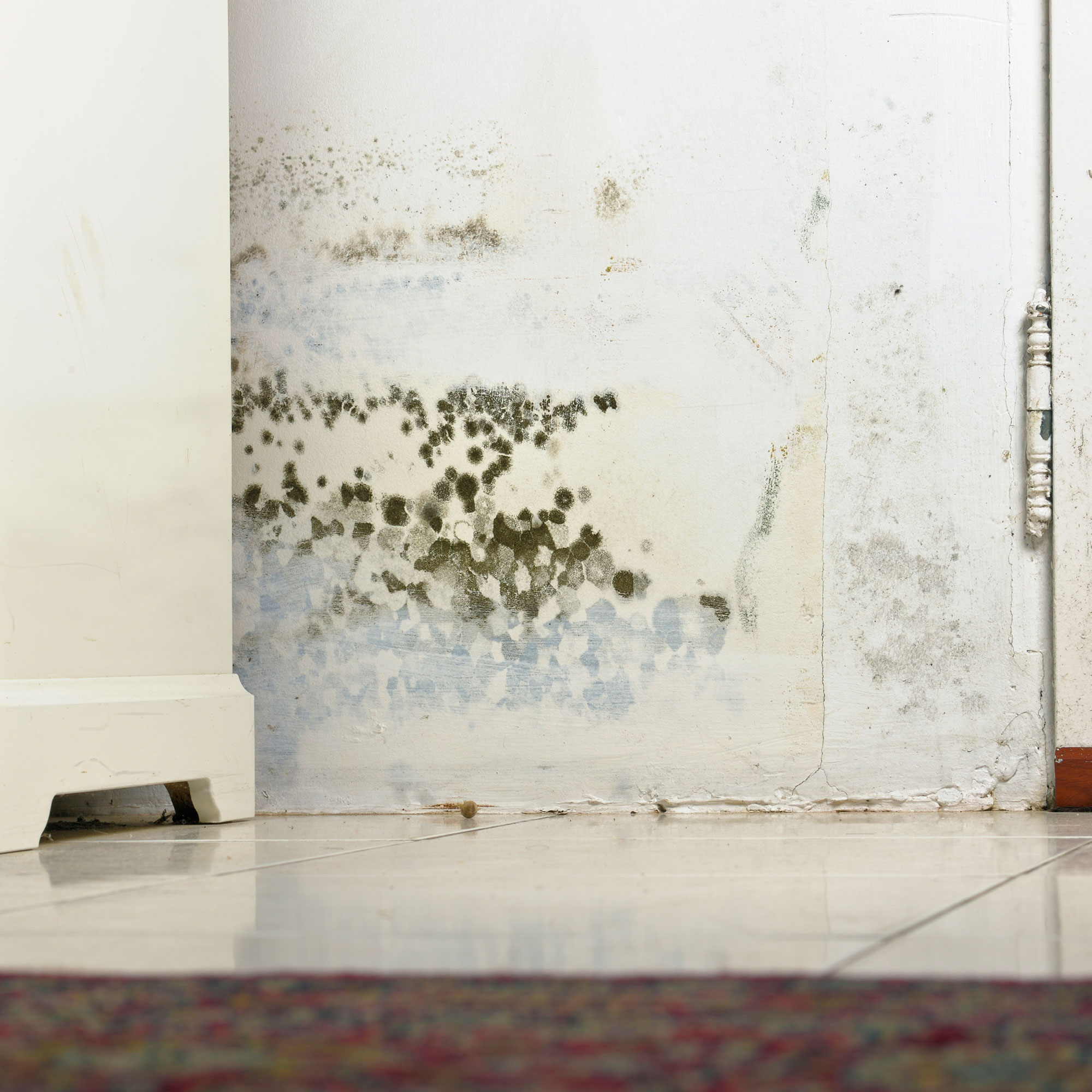
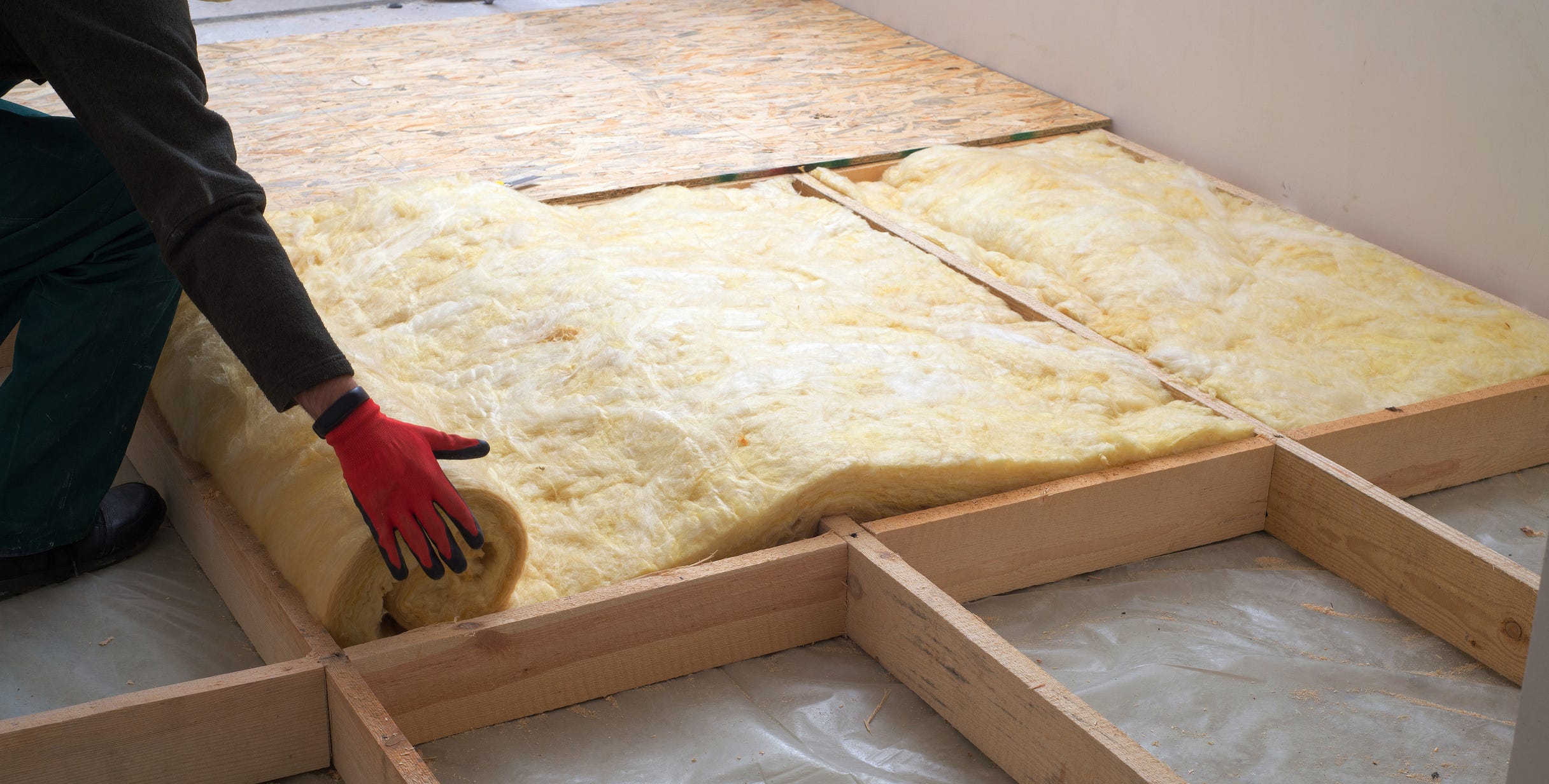
The importance of insulation, ventilation, and heating in homes is a critical topic for designers and builders, who face the challenge of cost-effectively delivering improved building standards. Heat loss is a significant issue in many homes, with an estimated 42% lost through the roof, 24% through walls, and 10% through floors without adequate insulation. In New Zealand, over 75% of homes have insufficient ceiling insulation, and 70% of those where floor insulation is possible lack it. Installing thermal insulation offers economic benefits, with retrofitting ceiling insulation in an average uninsulated Wellington house potentially paying for itself in four years and yielding a net benefit of over $3000 after 20 years, according to BRANZ research. Beyond economics, insulation contributes to healthier living environments by reducing mould growth and improving indoor air quality. Studies have shown that people in insulated homes experience fewer medical visits for respiratory conditions and reduced incidence of asthma, especially in children.
Current regulations for retrofitting insulation must be considered, particularly for external walls. While roof and underfloor insulation retrofits are generally exempt from building consents, retrofitting insulation into an external wall cavity typically requires consent due to potential impacts on moisture transfer, drying rates, and the durability of timber framing and cladding. Government initiatives encourage modernization of New Zealand's housing stock, offering subsidies of up to $1300 for insulation and efficient heating systems in homes built before 2000. Professionals involved in renovations should advise clients on high R-value products for insulation, heating, and ventilation systems.
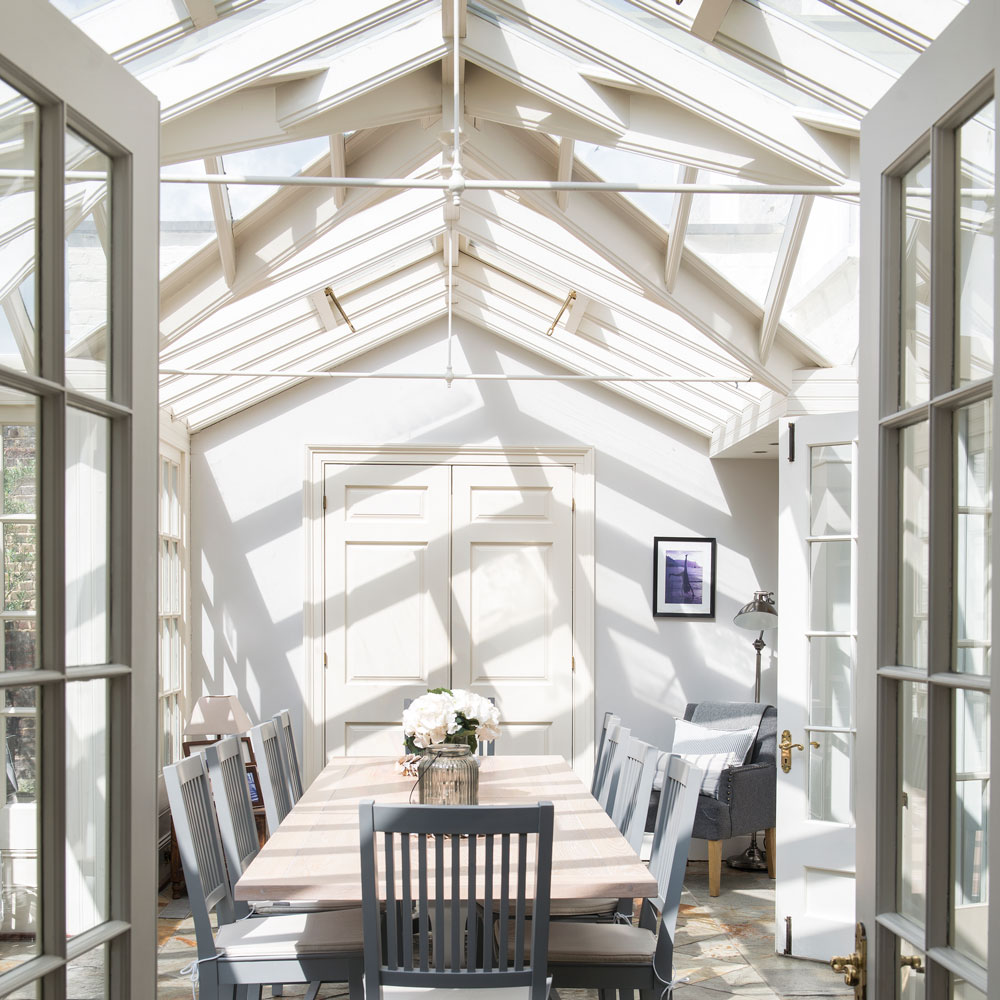
For new builds, integrating sustainable and energy-efficient systems is more straightforward, with opportunities to utilize energy modeling, thermal mass, and passive solar design. Features like double glazing with high-spec framing significantly reduce heat loss and condensation, while efficient window design can also maximize heat gain through sunlight. Mechanical ventilation systems can aid in heat distribution, though their use should be optimized in well-designed homes. The reality, however, is that many average New Zealand homes are poorly insulated and heated, highlighting the need for construction professionals to navigate sustainability requirements, building regulations, environmental ratings, budgets, and building physics to deliver client-friendly and cost-effective solutions. Homeowners also seek assurances regarding structural integrity and material durability.
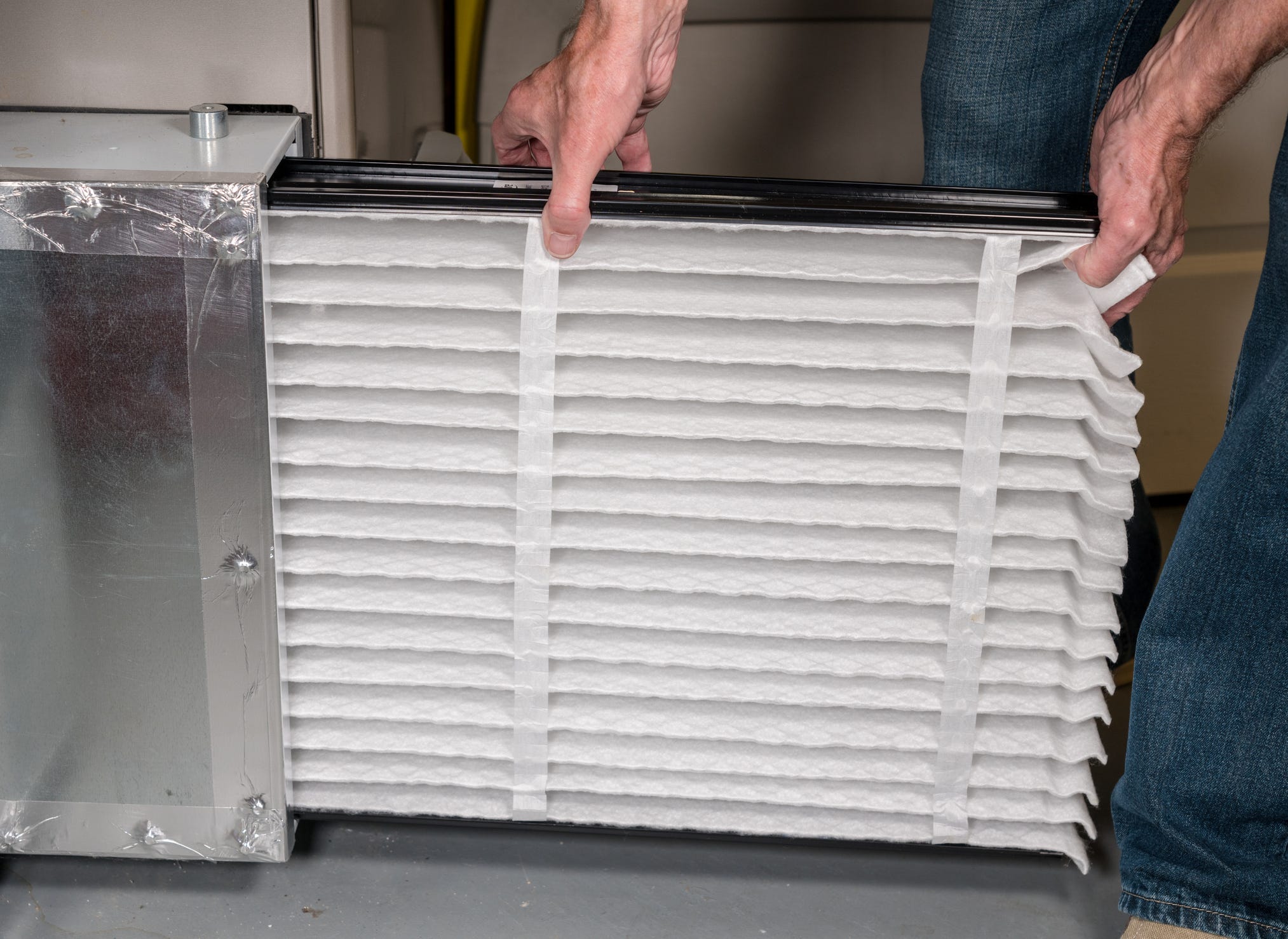
Insulation is part of a holistic approach to creating a healthy home, complemented by good heating and ventilation. The Building Code (Clause G4) mandates ventilation with outdoor air to maintain air purity, with compliance achievable through natural ventilation (5% of floor area in opening devices) or mechanical ventilation for an air change every three hours in occupied spaces. There are two primary types of ventilation systems: positive pressure (forced air) and balanced pressure (heat exchanger). Positive pressure systems, which blow air from the roof space or outside into the house, are more suited for older homes with wooden joinery. However, research suggests they may not always provide heating or cooling benefits and can push internal temperatures away from desired levels. Balanced pressure systems, which extract warm, damp air and use a heat exchanger to warm incoming dry air, can meet Building Code requirements and are ideal for more airtight, modern homes. Careful installation of domestic ventilation systems is crucial, ensuring clean and dry roof spaces to prevent the circulation of contaminants. Optimal system design depends on factors like house design, floor area, location, sun exposure, roof type, and climate.
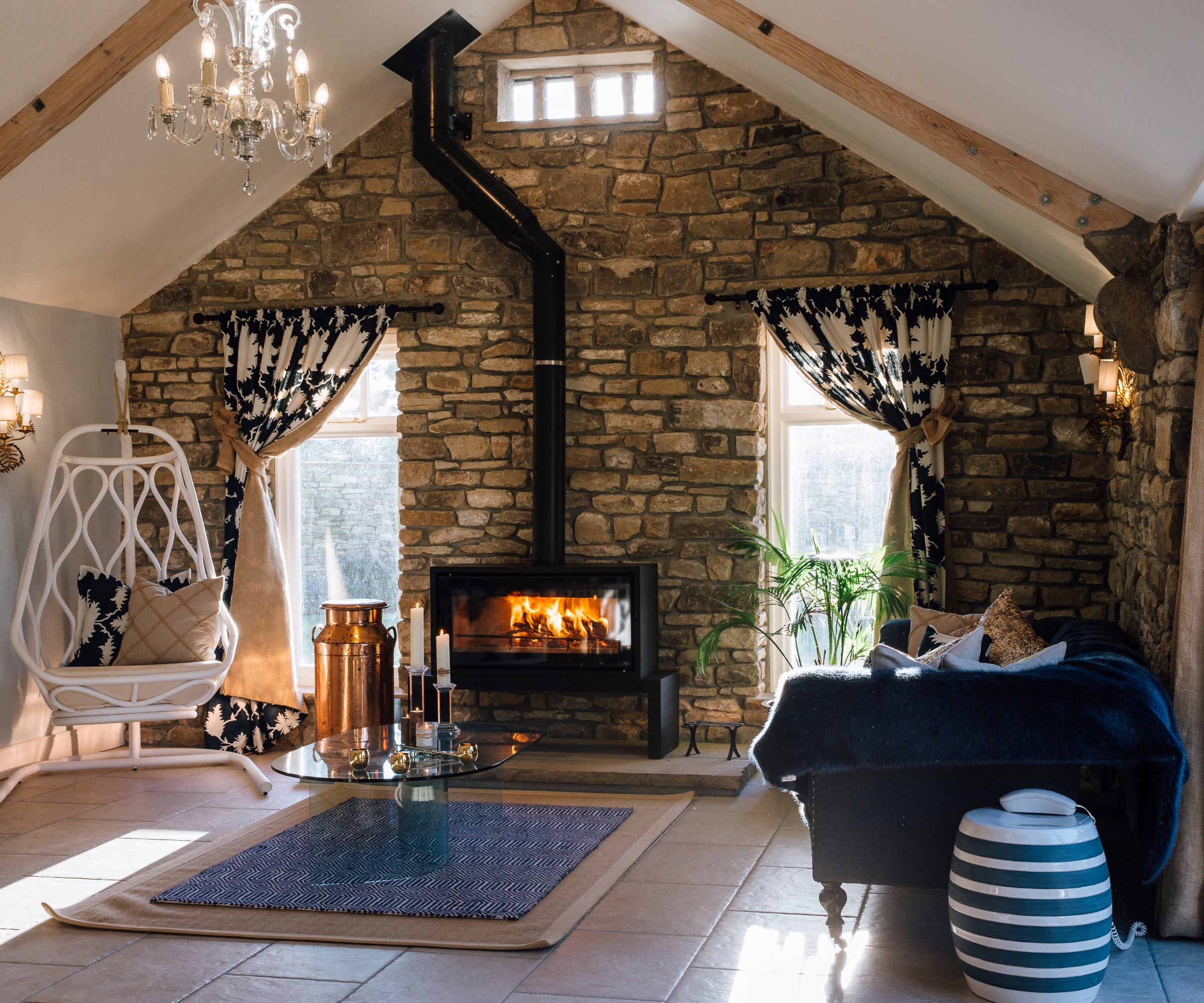
Heating options are diverse, ranging from portable gas or electrical heaters to fixed solutions like heat pumps and panel heaters. Heat pumps are effective for larger areas and often include moisture removal and remote control, requiring professional installation. Panel heaters offer an affordable solution for smaller rooms. Gas fires provide fast heat and should be chosen based on their energy star rating for efficiency. Wood fires, while creating atmosphere, may be less energy-efficient, and new installations require local council consultation. Heat transfer kits efficiently distribute excess heat from a main source to other rooms. While the H1 building requirements have improved energy efficiency standards since 2008, many argue that New Zealand's minimum standards for healthy homes and energy efficiency are still too low, encouraging designers and builders to exceed them whenever possible.
#HomeInsulation #HomeVentilation #HomeHeating #EnergyEfficiency #BuildingRegulations #SustainableDesign #HealthyHomes #NewZealandHousing #Retrofitting #HomeInsulation #HomeVentilation #HomeHeating #EnergyEfficiency #BuildingRegulations #SustainableDesign #HealthyHomes #NewZealandHousing #Retrofitting
0 comment in total
 No comments yet
You may also like
6 areas of your home you should never insulate – and why it's a hazard that can do more harm than good


7 easy and efficient ways to keep your house warm this winter
It's Time to Prepare Your Home for Winter With These 10 Quick, Easy Ways

Peace & warmth: How thermal roof Insulation improves wellbeing
How to make a conservatory warmer - ways to heat and insulate for all-year round use

The 4 areas of your home pros say to always insulate to keep it toasty in colder weather – plus, where to never insulate

Heat your home efficiently this winter

Should you insulate a basement ceiling? Expert advice for a comfortable home
Home insulation materials


How to insulate your period house
Radiant heat can be used indoors or outside
How to Winterize Your House And Save Yourself Thousands in Repairs Later

Keep warm for less this winter

Loft Insulation

17 Tips and Hacks to Help Keep Your House Warm This Winter


The must-have items to get you through winter
How to keep your mudroom warm – 5 expert-recommended tips
Avoid insulating these spots as it can cause damp and mould
The best floor insulation options for your home, explained
Radiant Floor Heating: Can One Floor Heat Two Stories?