1/3
In The Design Studio: Light it Up!
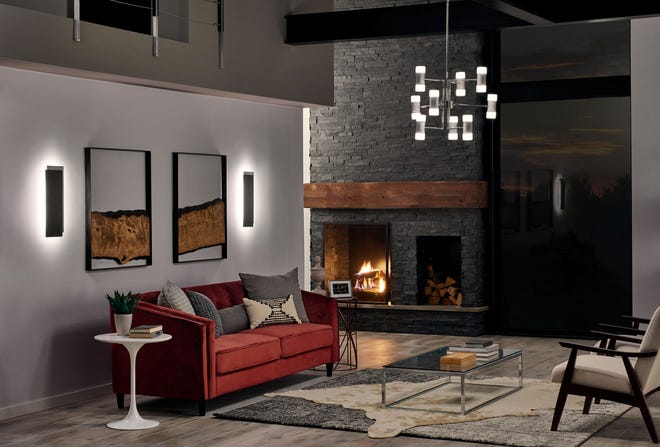
The article emphasizes the importance of proper lighting in the kitchen, especially during the holiday season when the space serves multiple functions, including cooking, eating, gift wrapping, card writing, and hosting. It highlights that effective illumination not only improves the functionality and aesthetic appeal of a room but can also positively influence mood. The author, Anna Gibson, an award-winning and certified kitchen and bathroom designer, details the three primary layers of kitchen lighting: task, ambient, and accent lights.
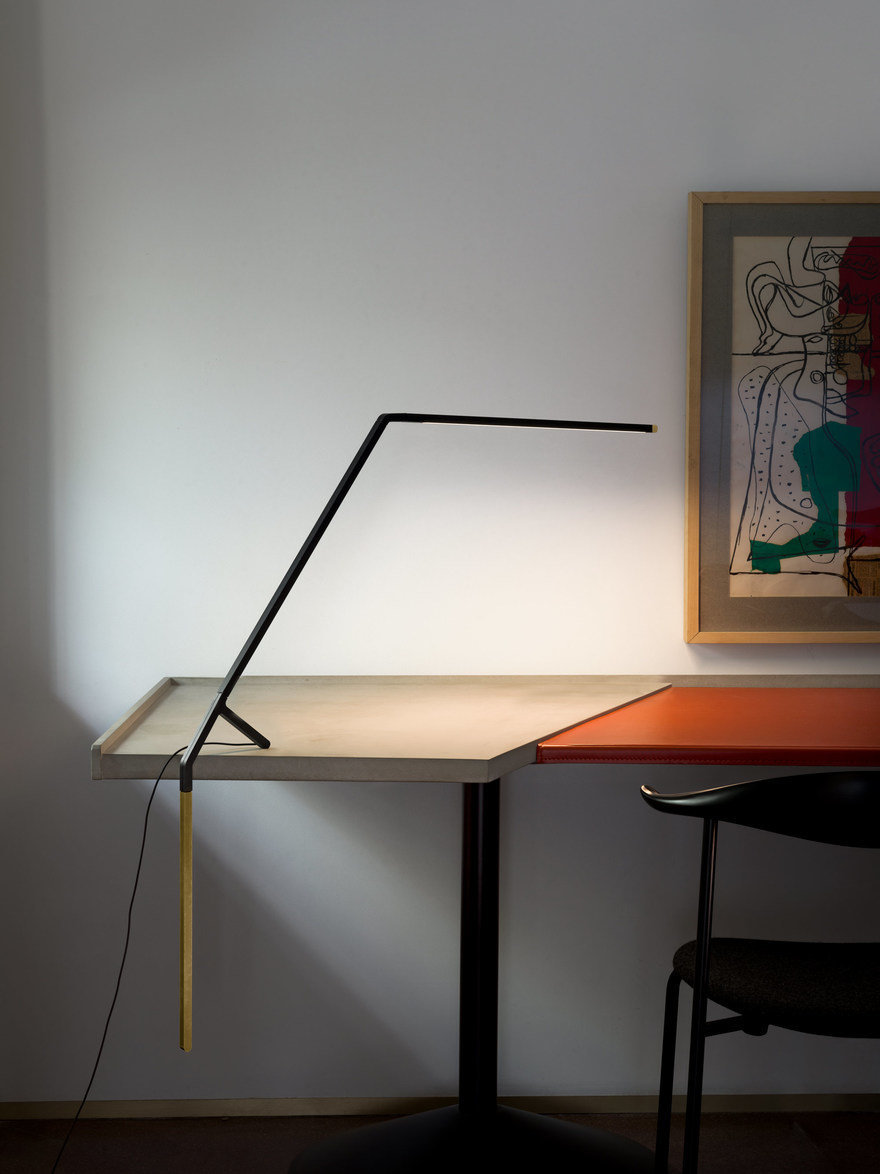
Task lighting is identified as the foundational element for functionality, directly aiding in kitchen activities. Recessed lighting is recommended for general room illumination, with advice on correct placement to minimize shadows and dark spots. The article mentions the variety of sizes available for recessed lights, from larger floodlights to smaller 2-inch or 4-inch options, and notes that modern technology allows for easy conversion of 6-inch recessed lights to LEDs without extensive replacements. Under-cabinet lighting is presented as another crucial component of task lighting, providing specific illumination for detailed work like chopping and brightening dark corners. LED strips are favored for under-cabinet applications due to their energy efficiency and lower heat output compared to older halogen strips. These lights can also double as accent lighting for entertaining purposes.
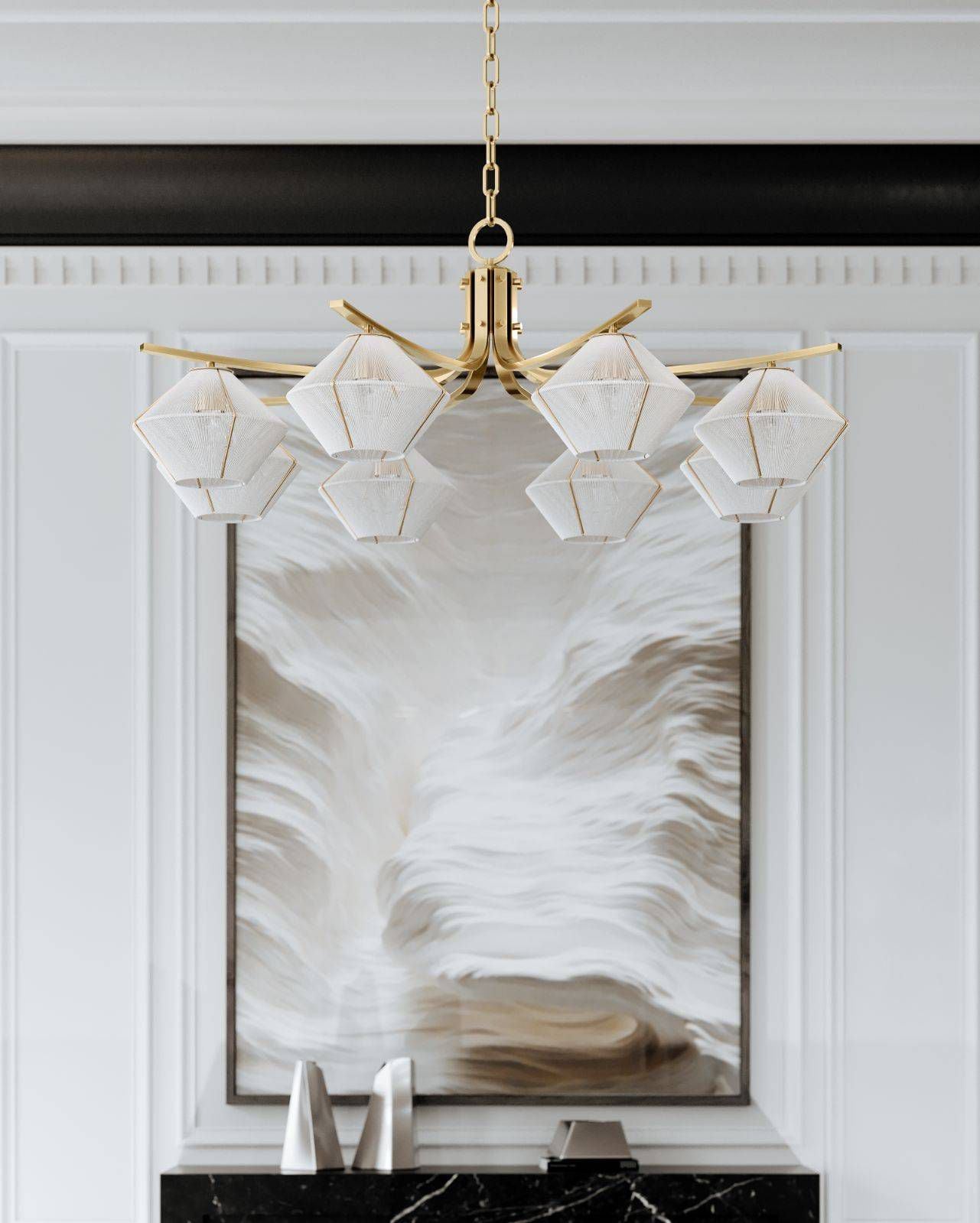
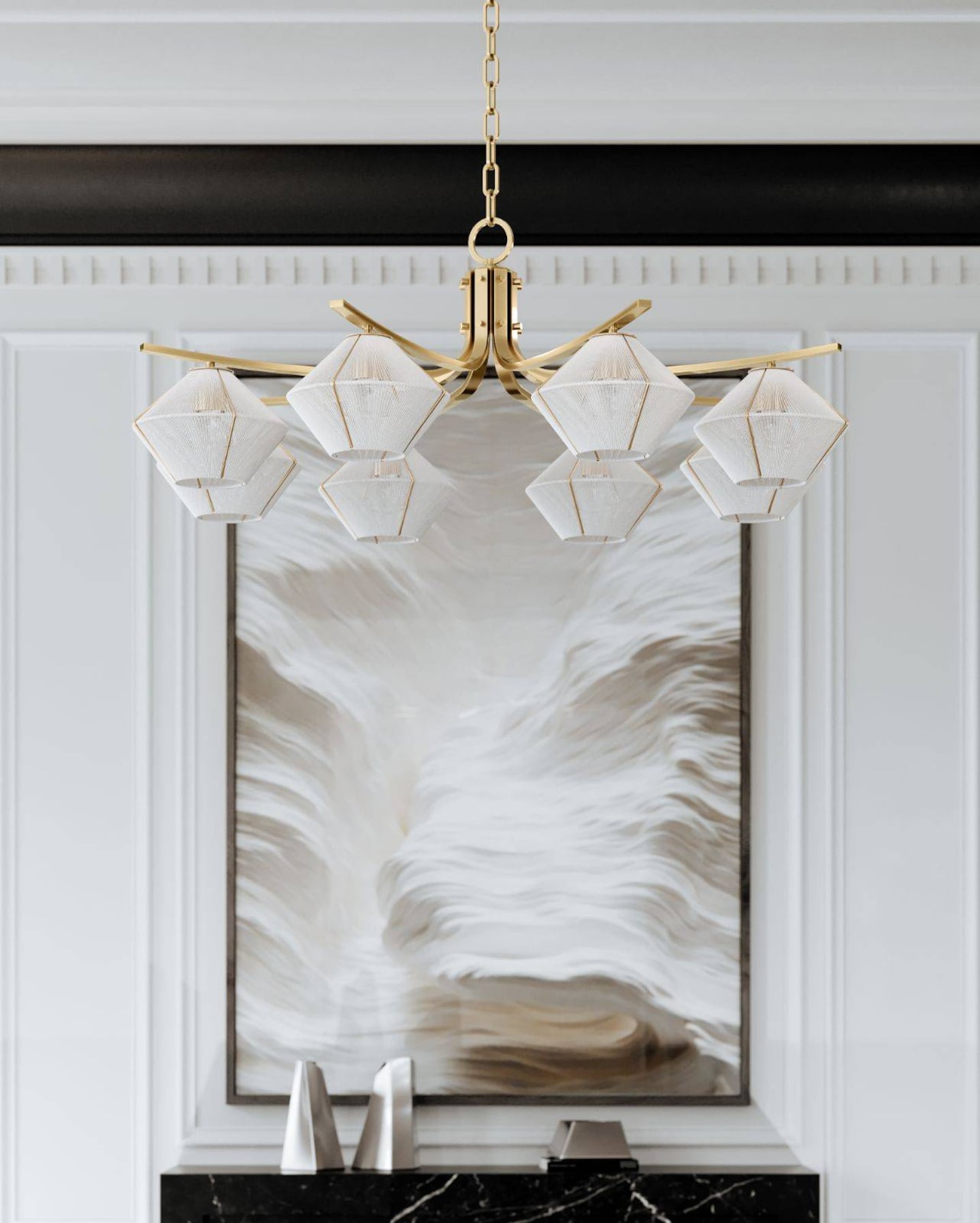
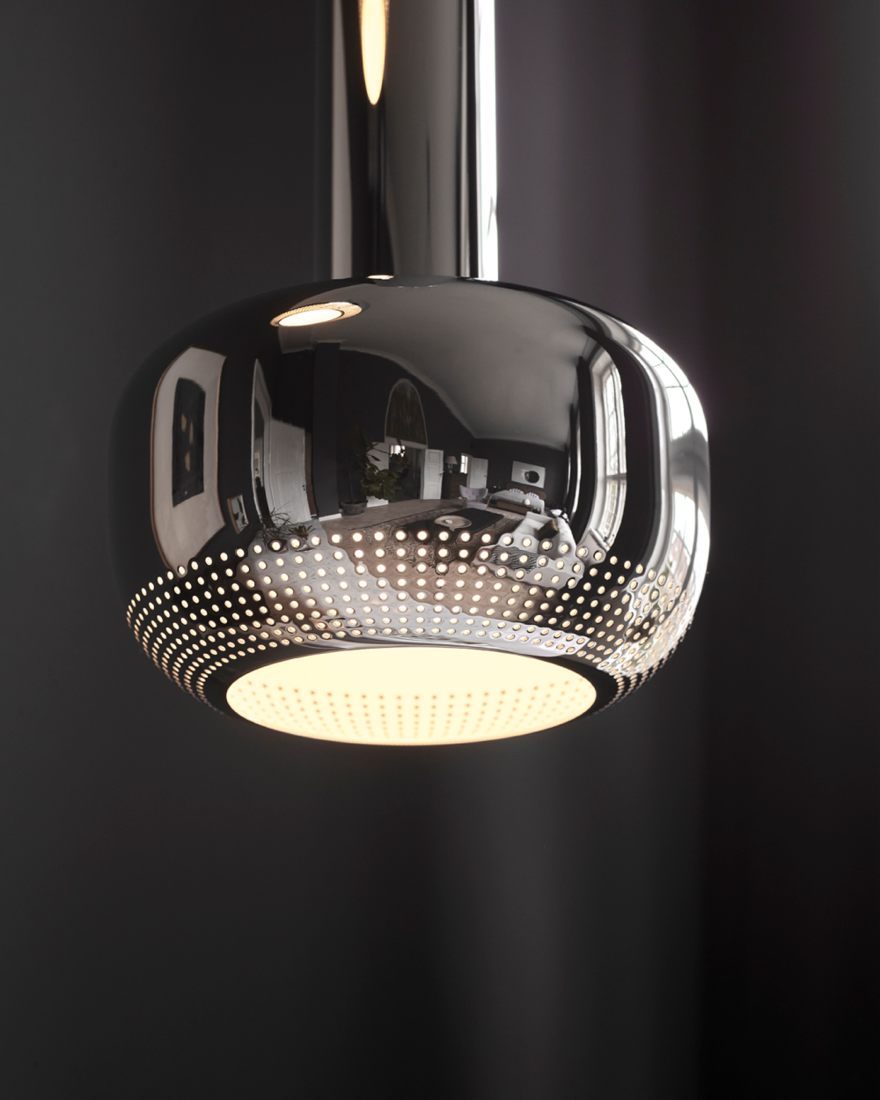
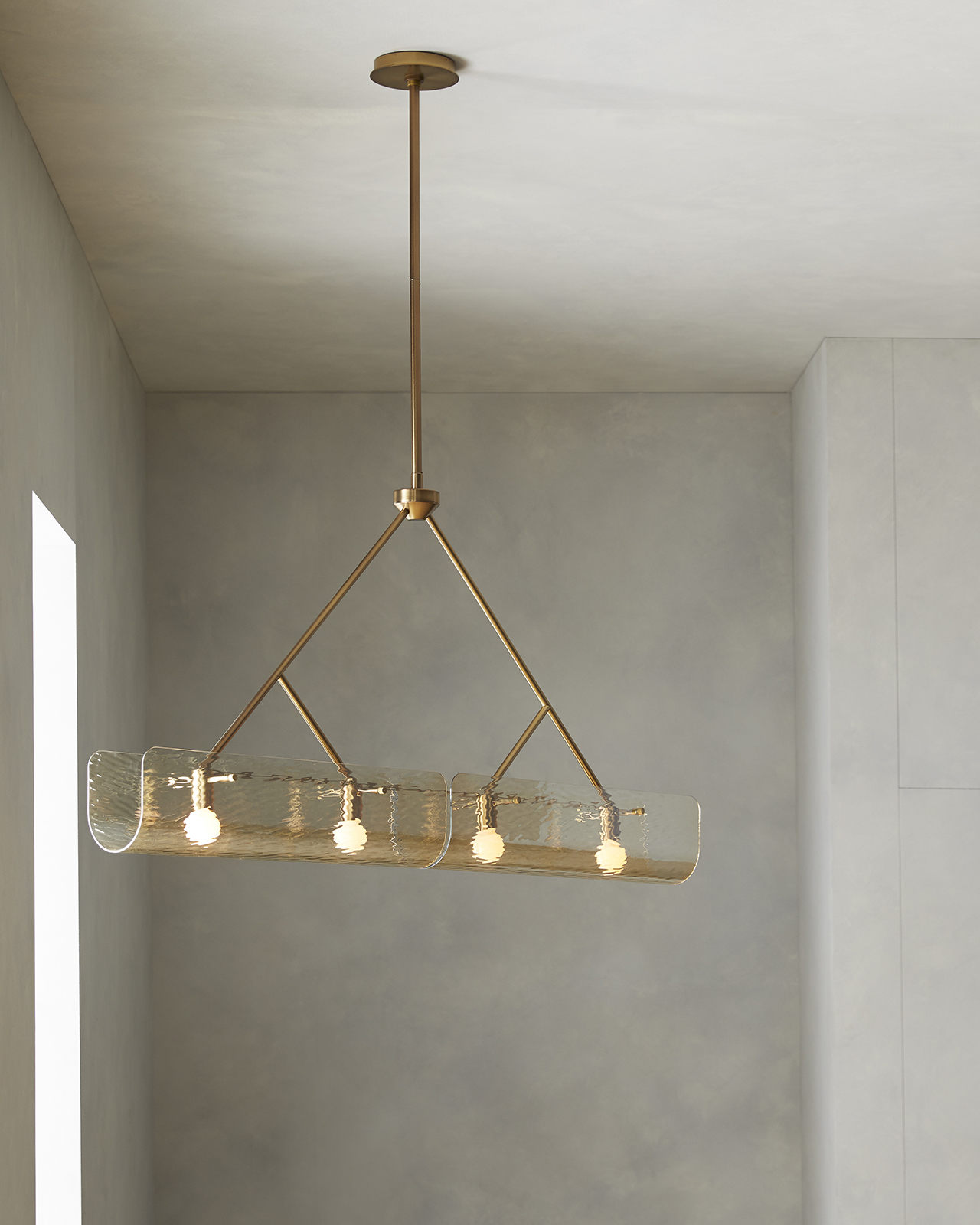
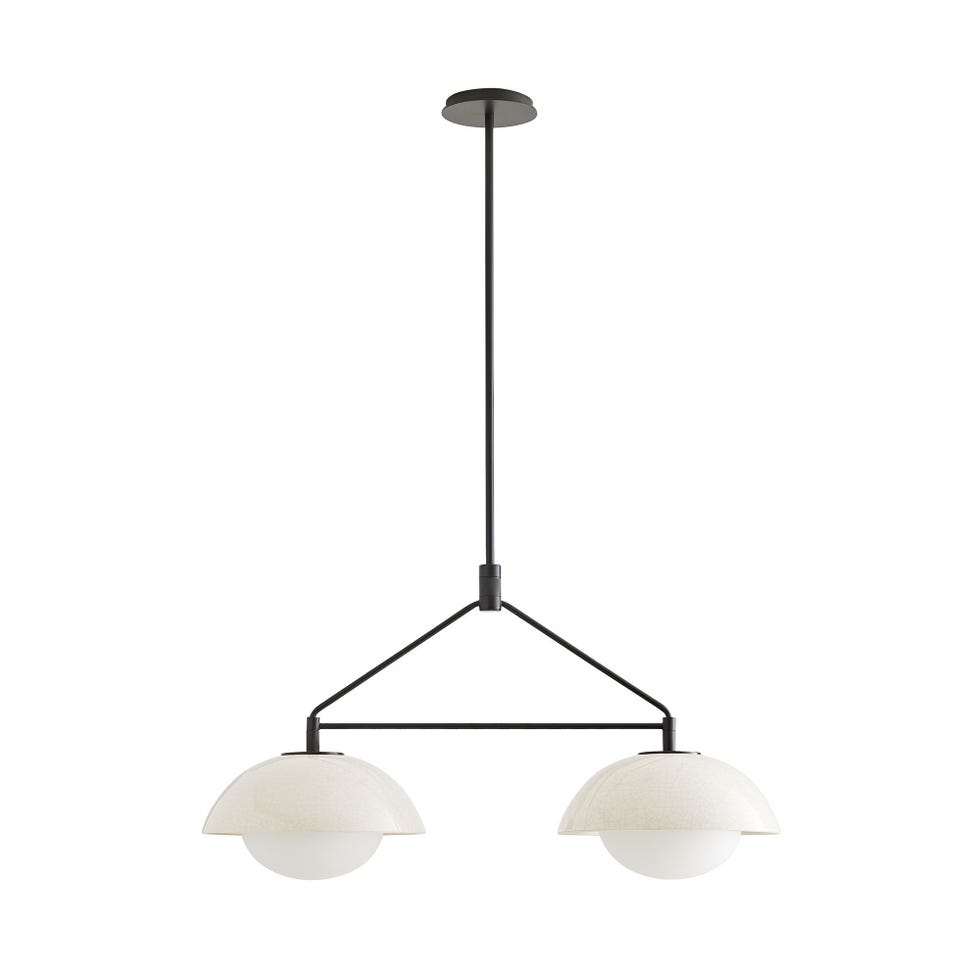
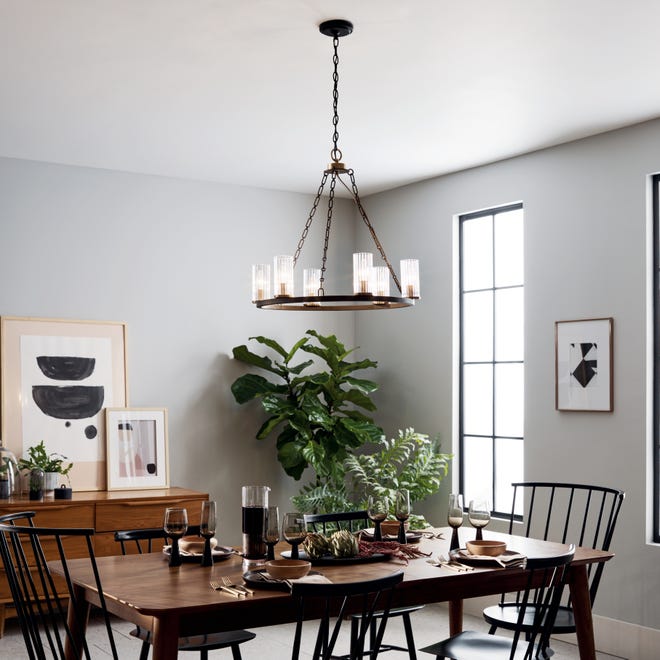
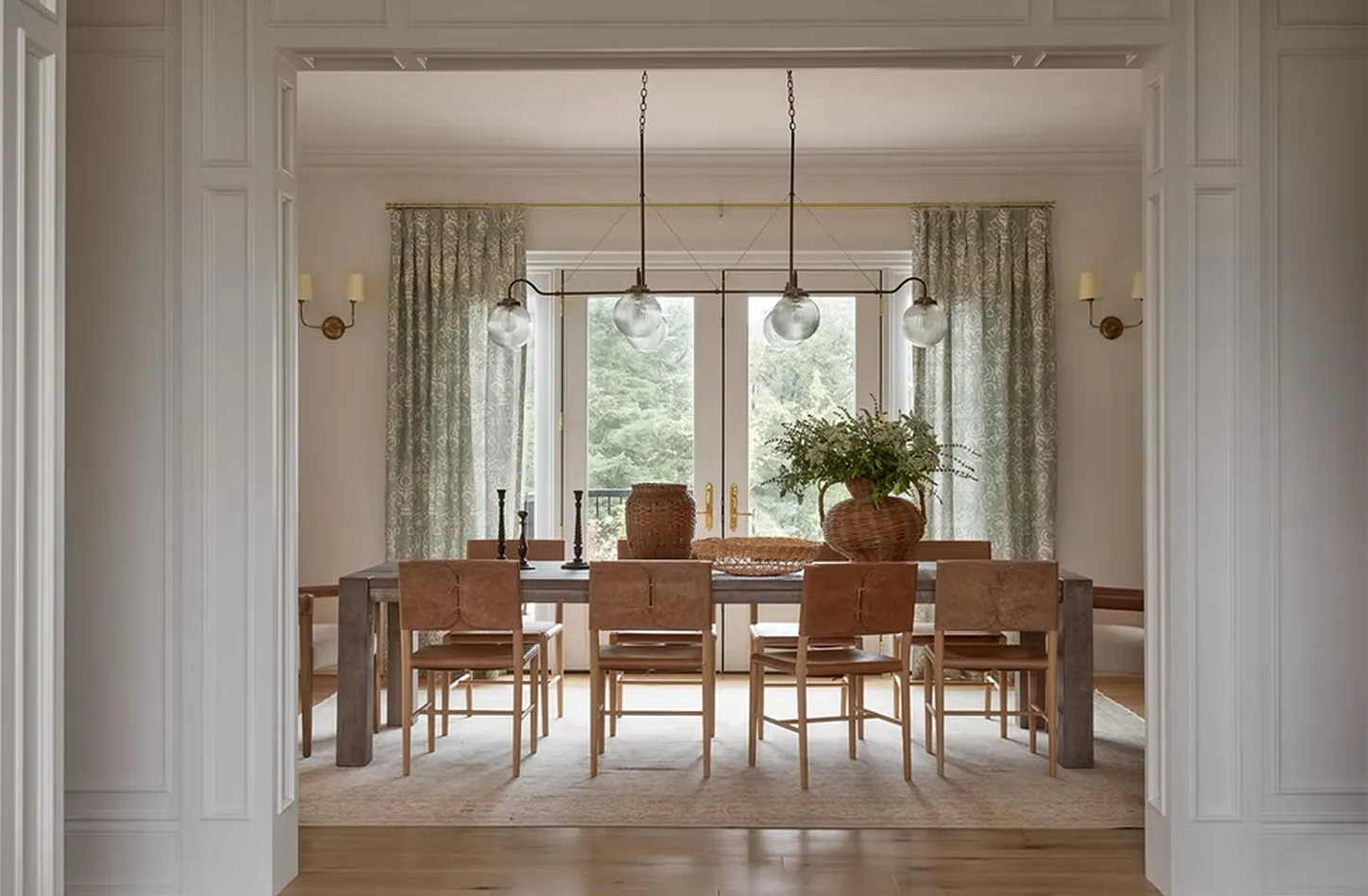
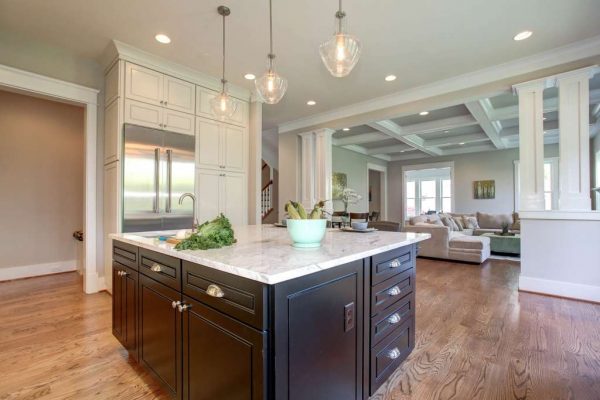
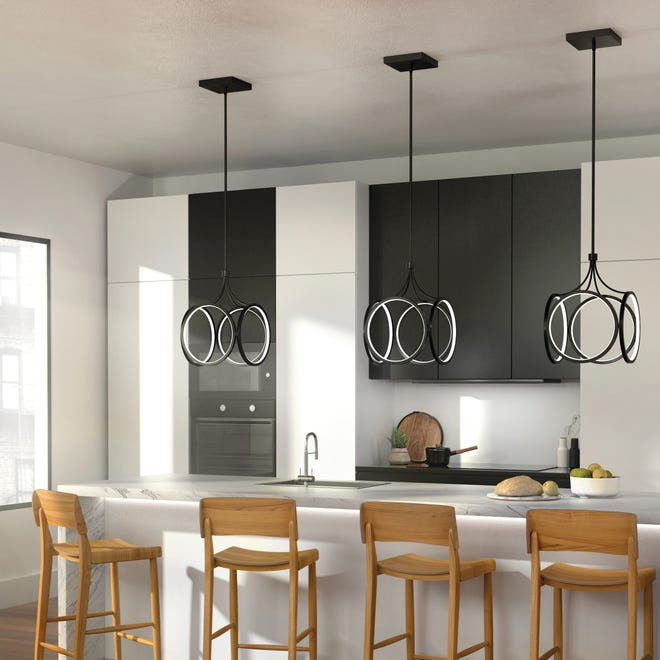
Ambient lighting is described as creating a warm and welcoming atmosphere. The space above cabinets, if they do not extend to the ceiling, is suggested as an ideal location for ambient light. Pendant lights are highlighted as a popular choice for ambient lighting, typically installed above kitchen islands and dining areas. The article provides a practical tip: when using multiple pendants, opt for simpler designs to avoid overwhelming the space. For mini-chandeliers, it is advised to select smaller sizes to prevent them from dominating the overhead space or detracting from the overall kitchen design.
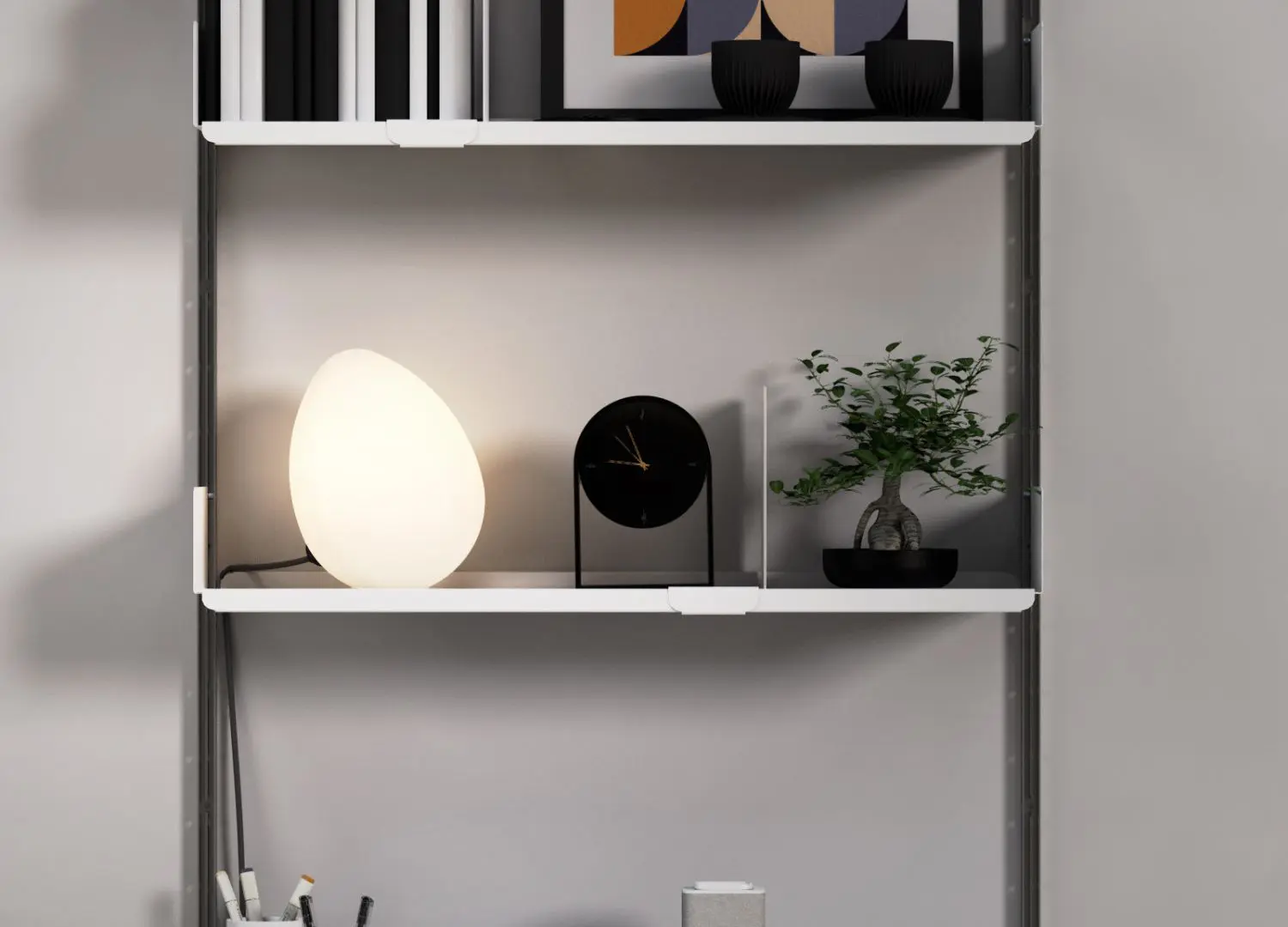
Accent lighting adds interest and highlights specific features within a well-lit room. One creative suggestion is to install LED strip lights behind floating shelves or inside cabinets with glass doors. This technique creates a 'wash of light' that effectively showcases objects on the shelves, adding a decorative touch. A key recommendation for all types of kitchen lighting is the use of dimmers for recessed lights, under-cabinet lights, and pendants, allowing for full control over light levels and the ability to adjust the atmosphere. Additionally, the article stresses the importance of selecting the appropriate light bulb warmth to achieve the desired ambiance in any room of the house.
In summary, the article provides a comprehensive guide to designing an effective kitchen lighting scheme by categorizing lighting into task, ambient, and accent layers. It offers practical advice on the selection and placement of various lighting fixtures, emphasizing both functionality and aesthetic appeal, and concluding with essential tips for light level control and bulb selection to optimize the overall mood and utility of the kitchen space.
#kitchenLighting #homeDesign #interiorDesign #lightingDesign #taskLighting #ambientLighting #accentLighting #LEDLighting #holidayDecor #kitchenLighting #homeDesign #interiorDesign #lightingDesign #taskLighting #ambientLighting #accentLighting #LEDLighting #holidayDecor
0 comment in total
 No comments yet
You may also like
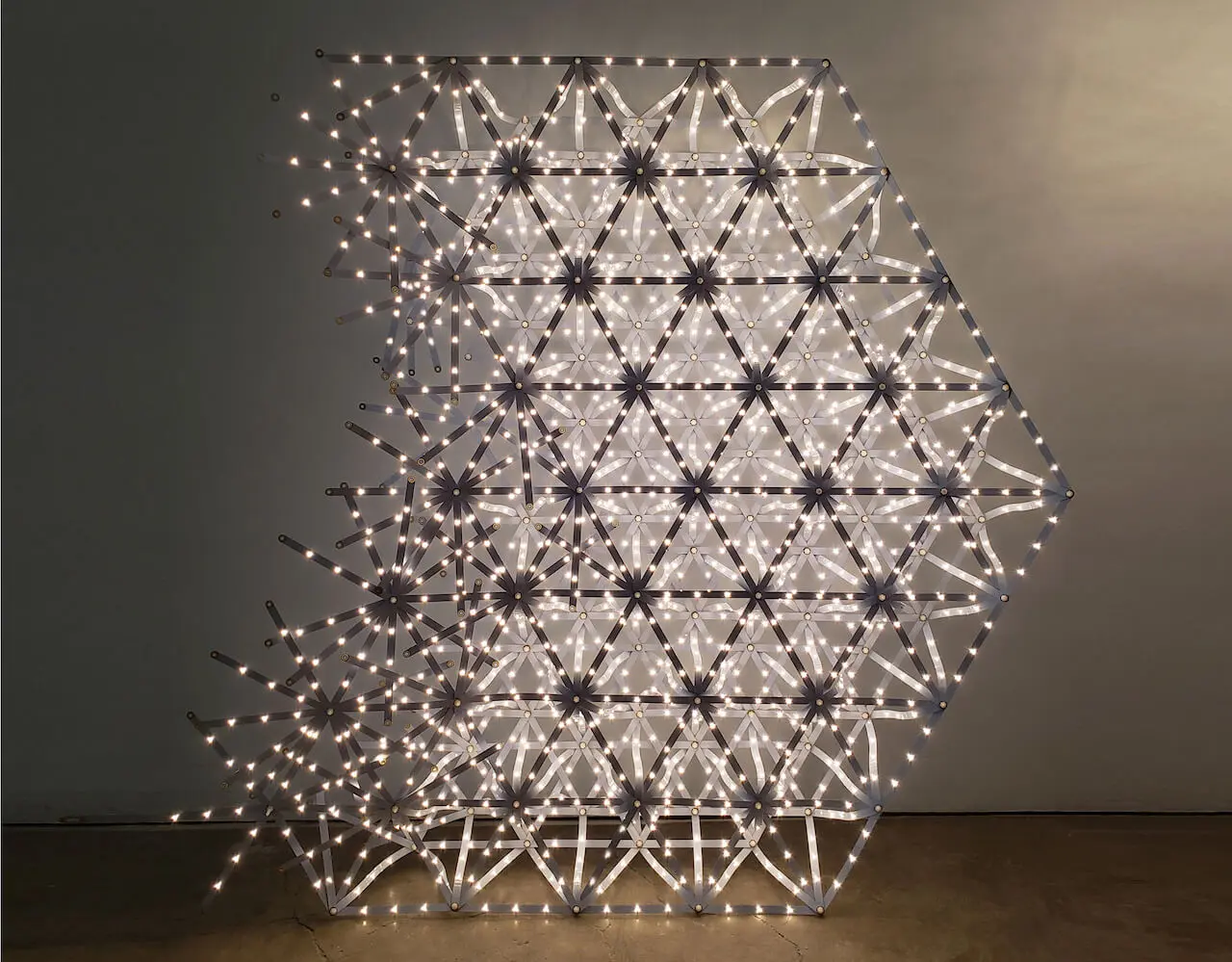
How artist Jason Krugman turns power into striking light sculptures

Best Lighting Designs Spotted in 2023

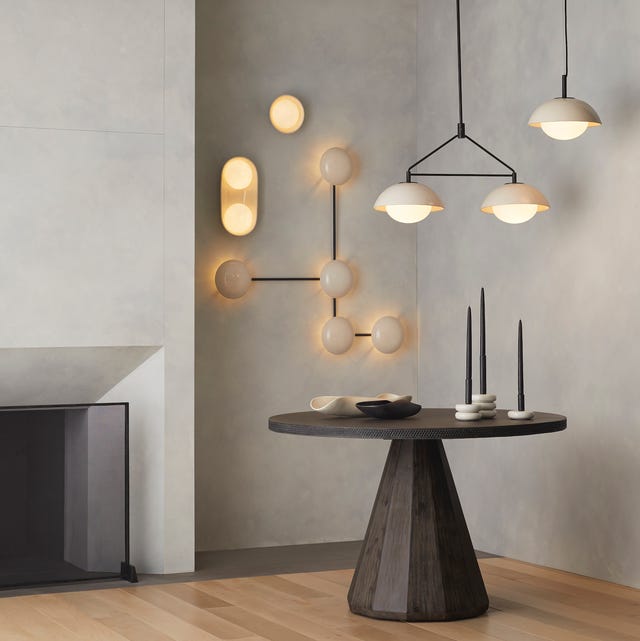
Hit Refresh This Spring With Arteriors’ Latest Lighting Collection

Architectural Design Studios

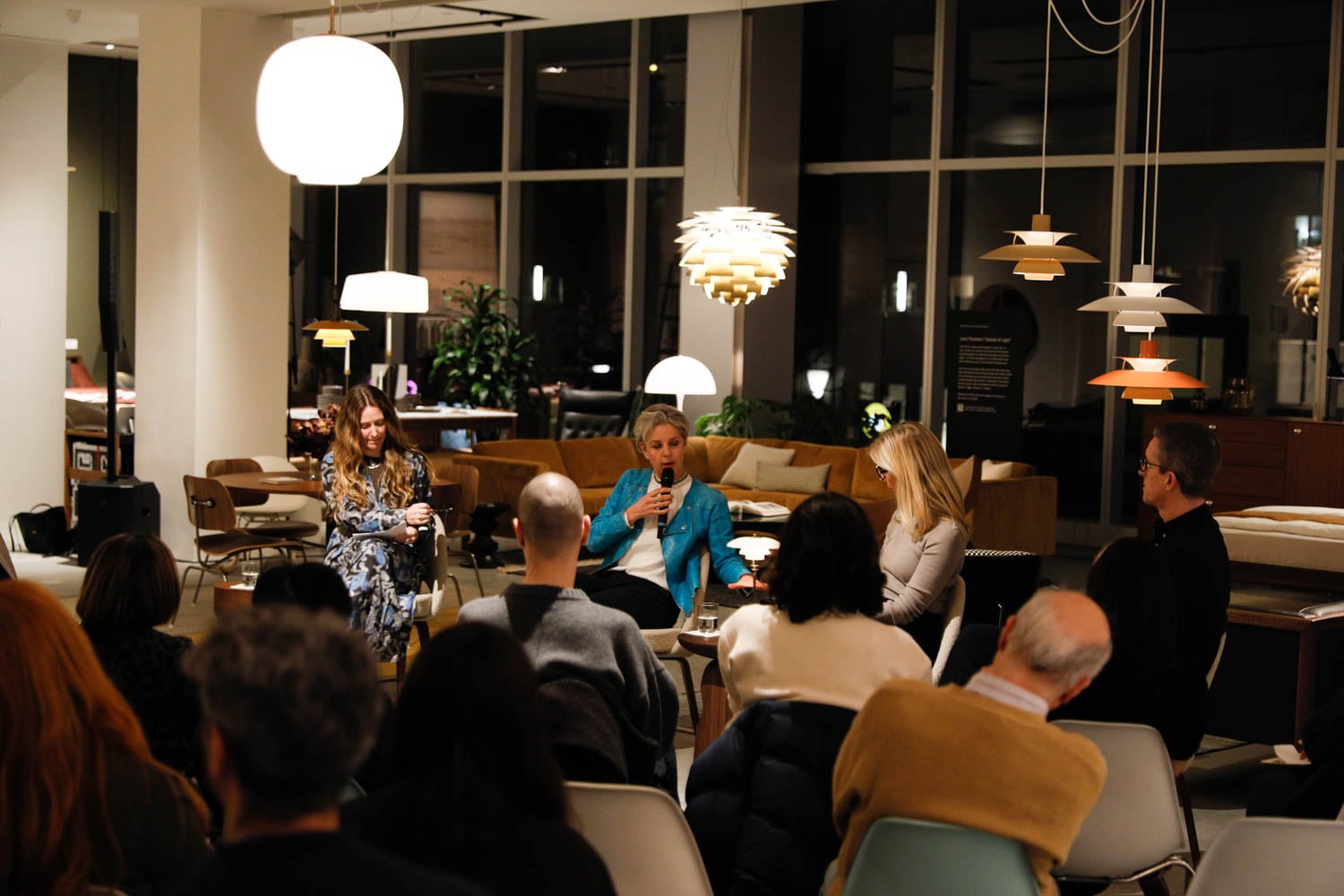
Lighting Experts Talk Design At ‘Islands Of Light’ Event In Manhattan

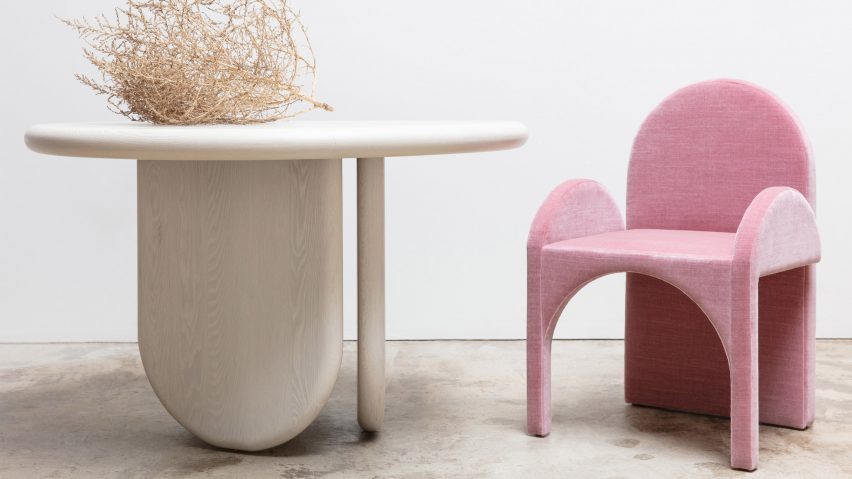
Cuff Studio's Common Ground furniture and lighting collection unites "femininity with some testosterone"

Designer Lindsey Adelman Has a Way of Lighting Up a Room
Lighting Up

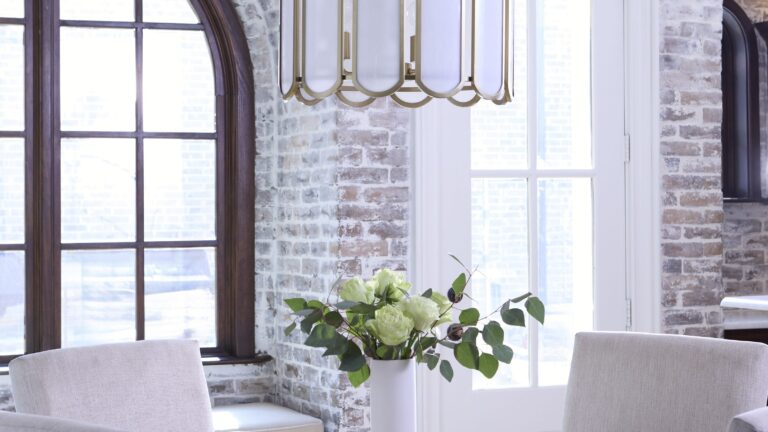
New lighting? Designers offer tips for upgrades that shine.

minimal, sculptural, and industrial, david weeks unveils limited edition lighting fixtures
The One Lighting Trick This Designer Uses in a Home Office

Lee Broom Takes His Latest Lighting Collection on the Road

lighting design Archives

Check Out the Workshop/APD for Arteriors Lighting + Decor Collection
Homestyle: Lighting the way
6 Underrated Designer Secrets That Instantly Make Any Room Look Better
Design experts offer lighting tips for upgrades that shine

Transforming a messy pile of cables into an illuminating everyday product
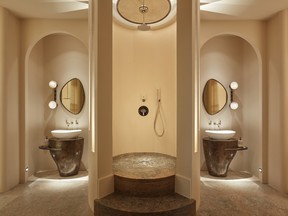
Designers showcase creative lighting solutions at recent exhibit

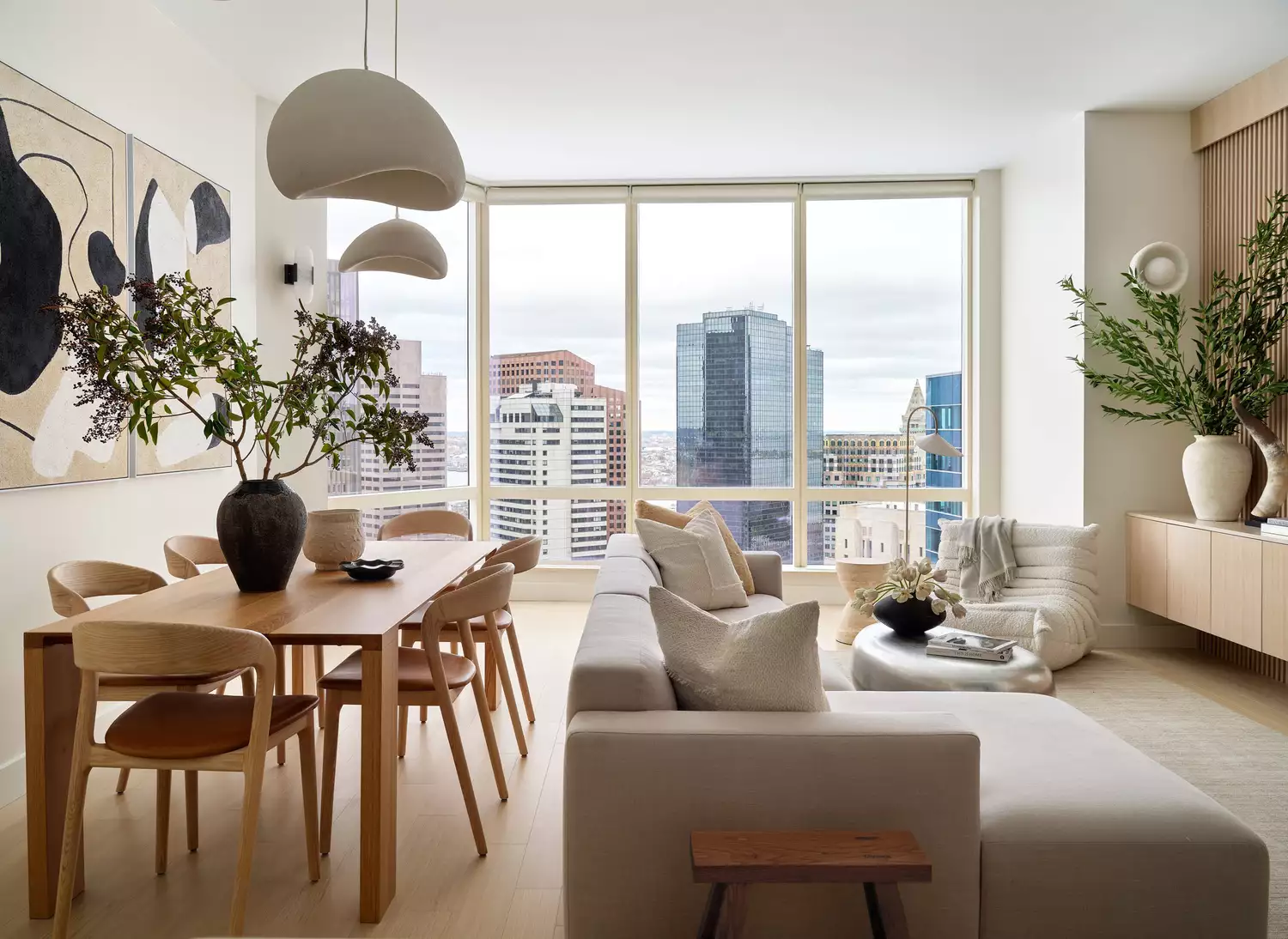
We're Spilling Designers' Go-To Formula for Perfect Lighting in Any Room