1/7
How to Embrace Slow Home Design This Year
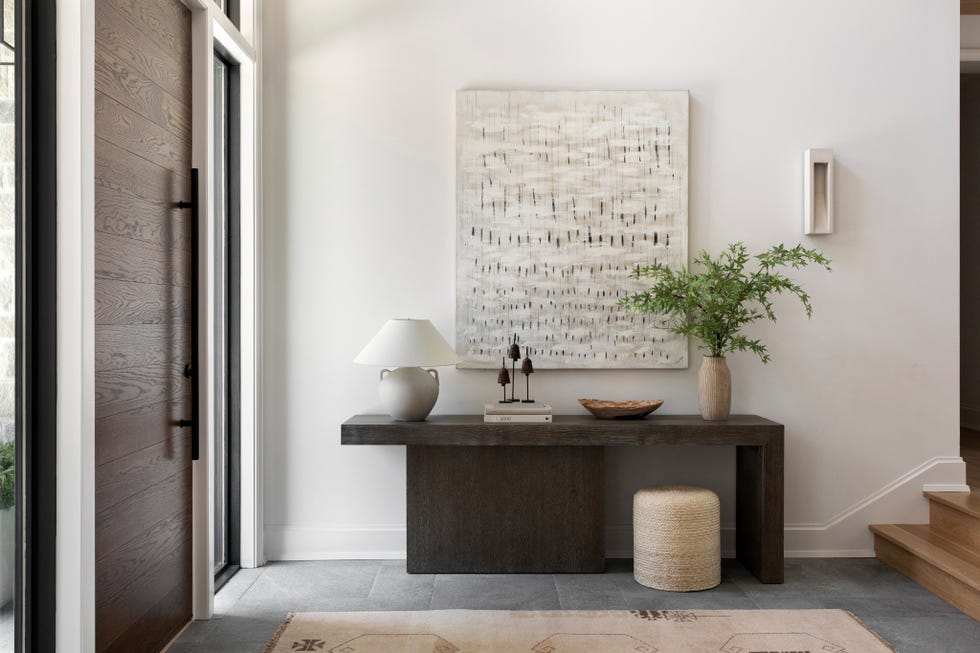
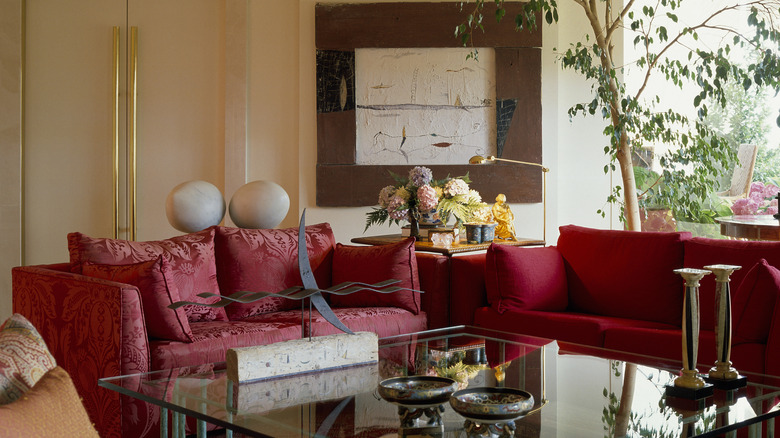
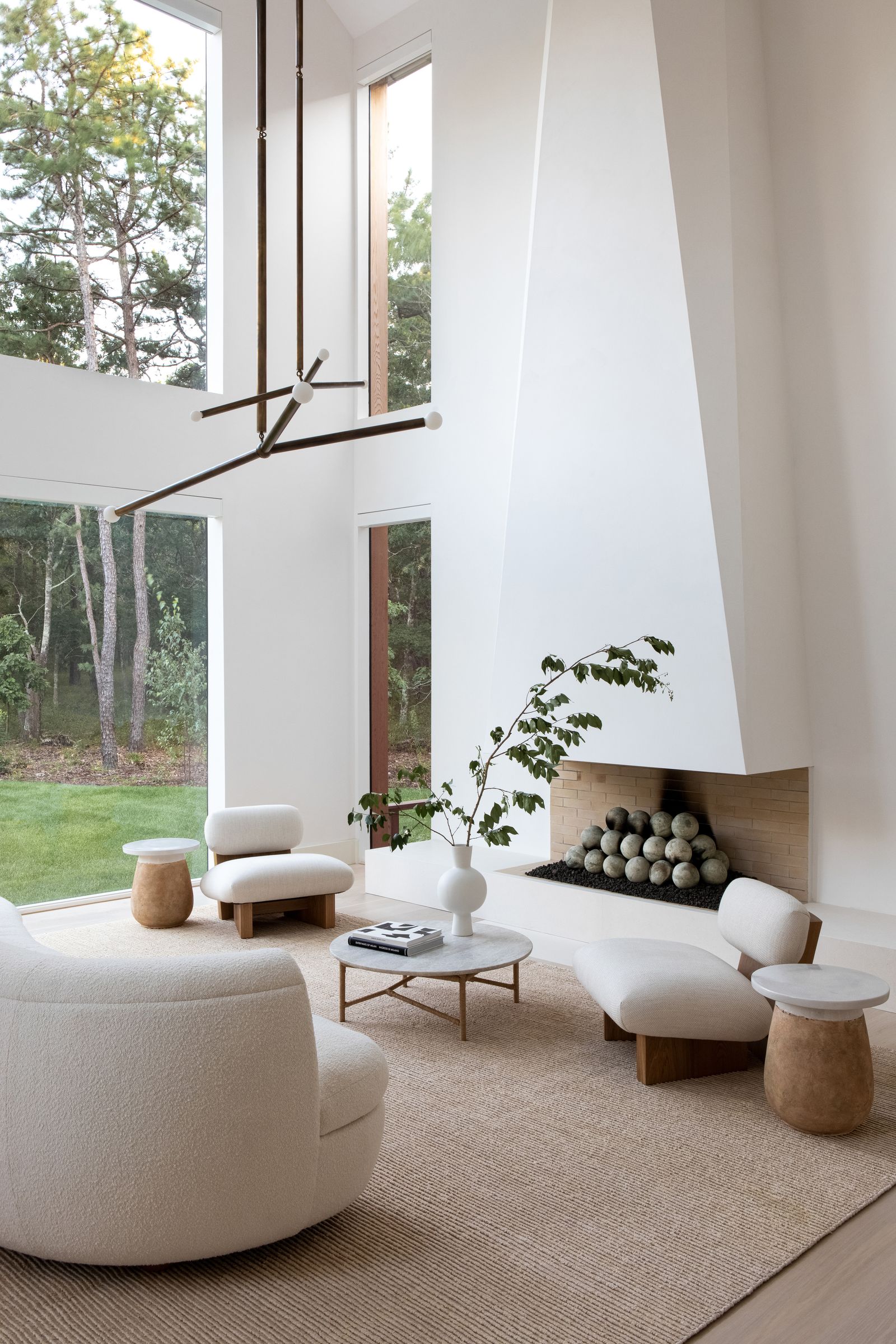
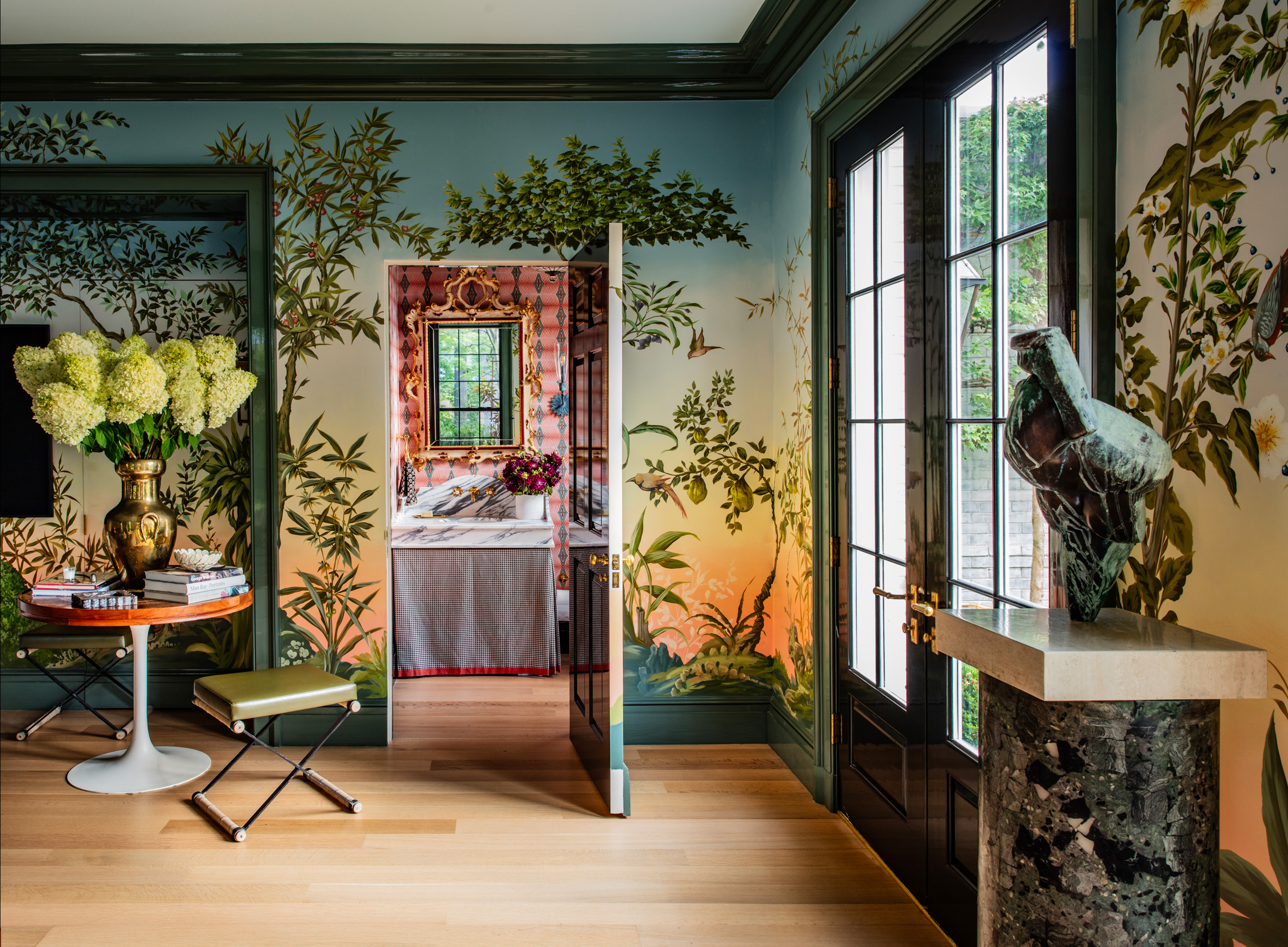
This article explores the concept of "slow home design" for 2025, moving away from fleeting trends towards creating lasting, personalized spaces. The discussion centers on practical and sustainable approaches to home renovation and decoration, reflecting a shift in consumer priorities amidst economic changes and evolving lifestyles. The underlying principle is to design homes that cater to individual needs and preferences over several years, rather than conforming to temporary fads.
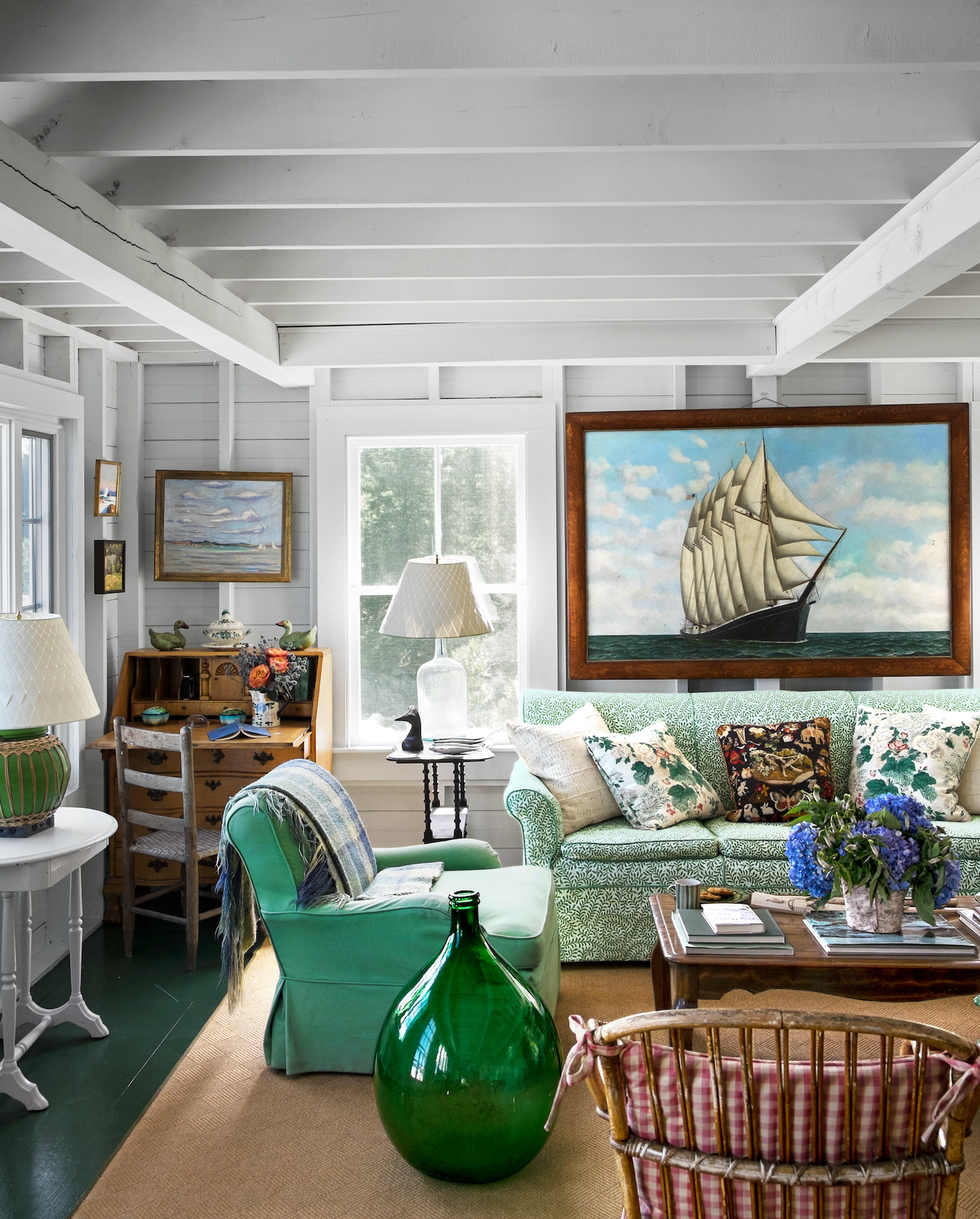
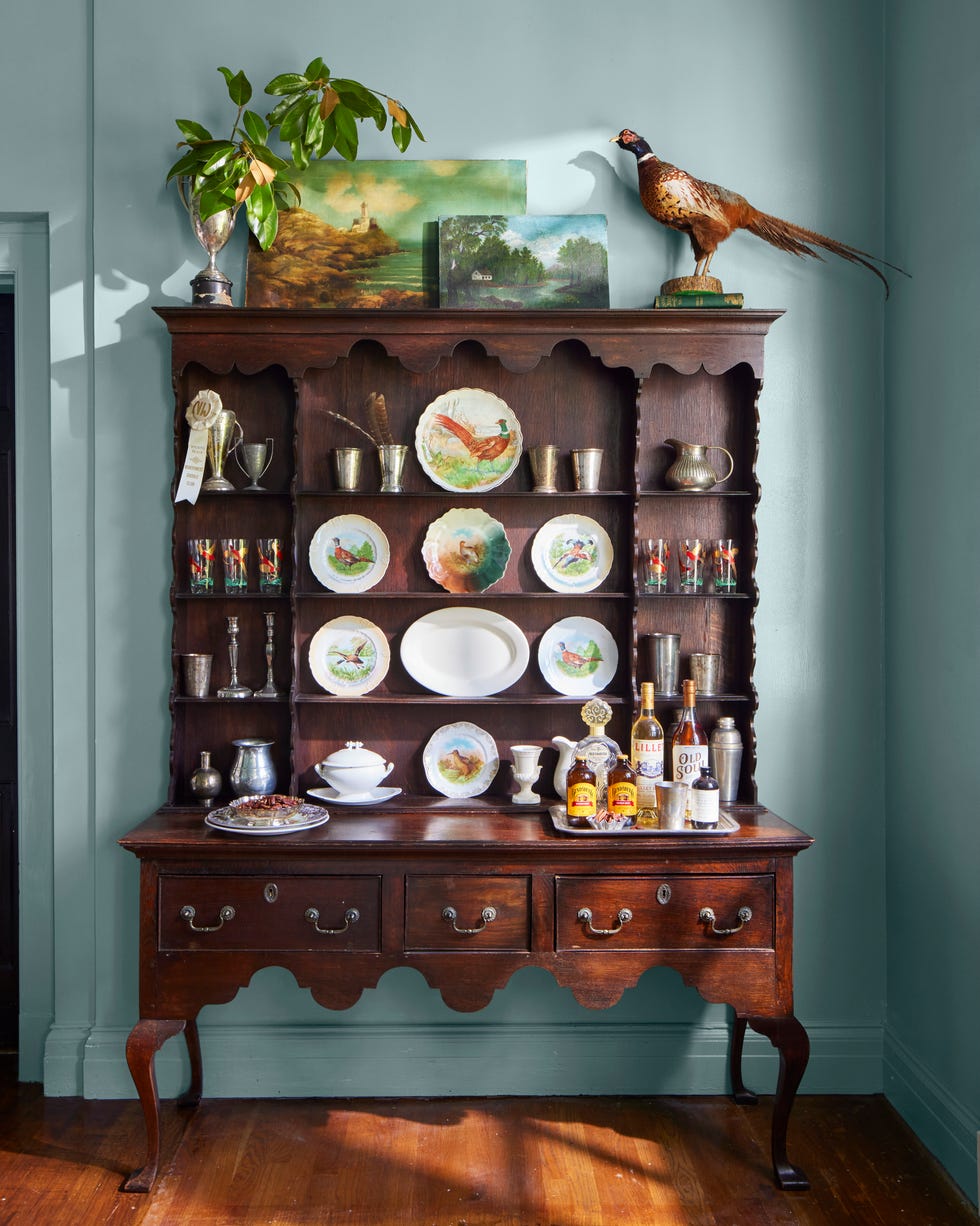
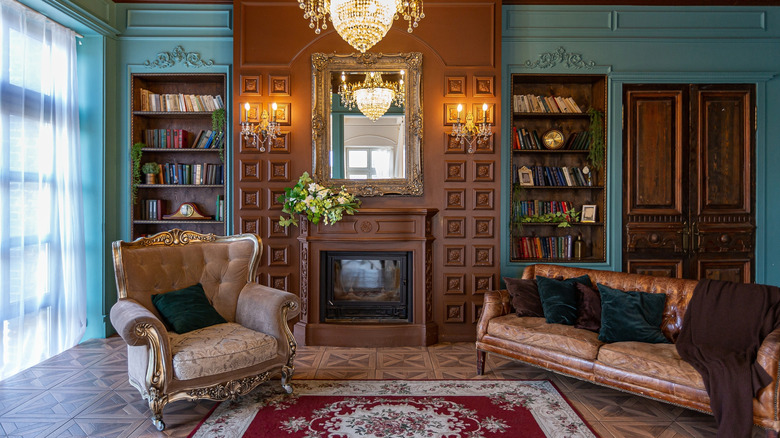
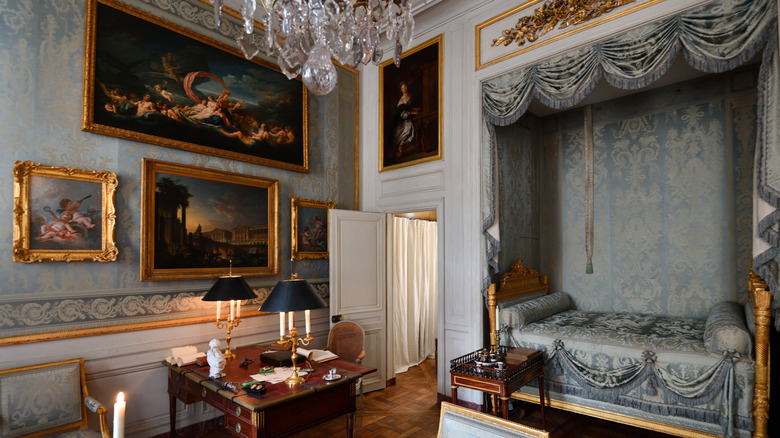
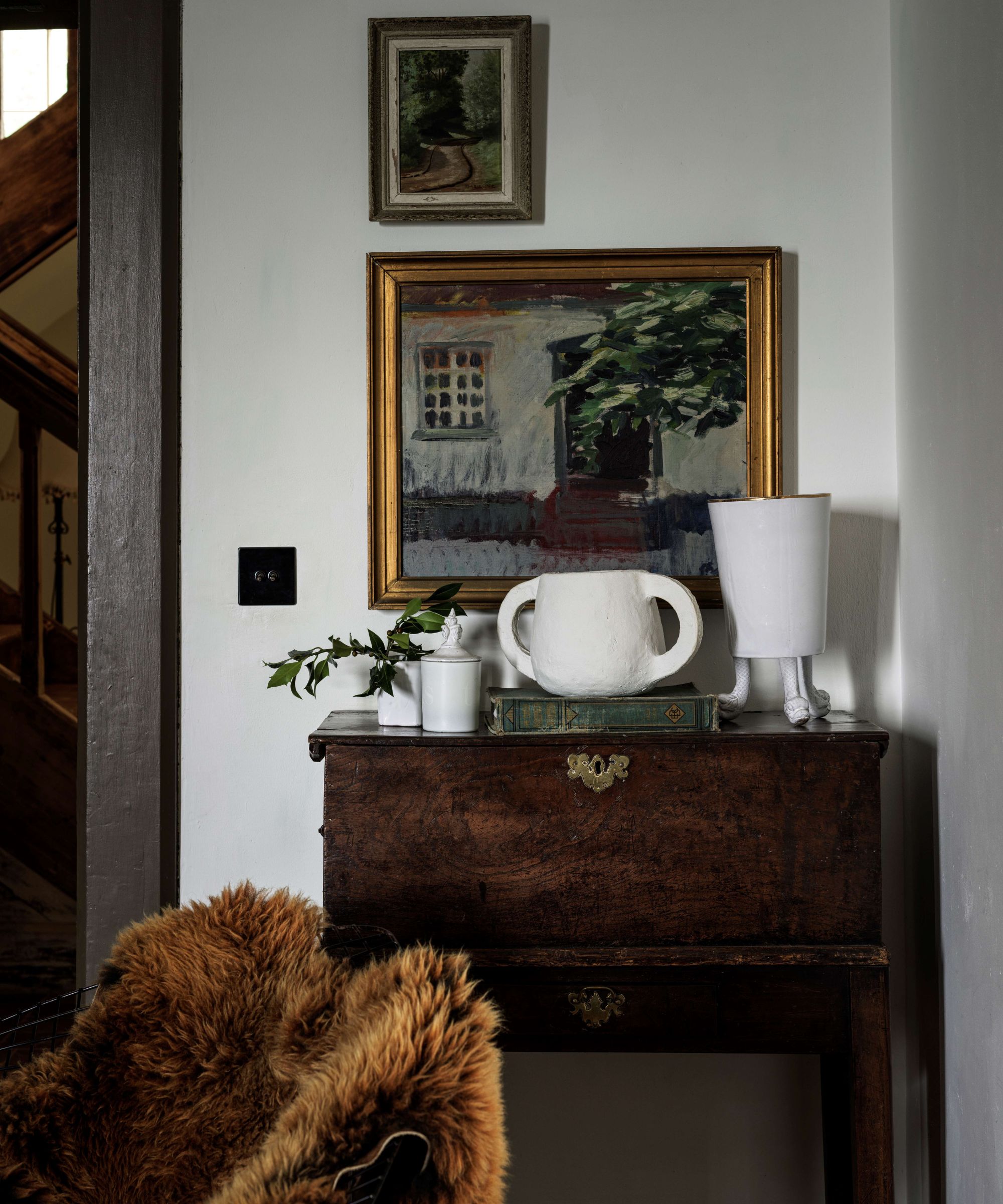
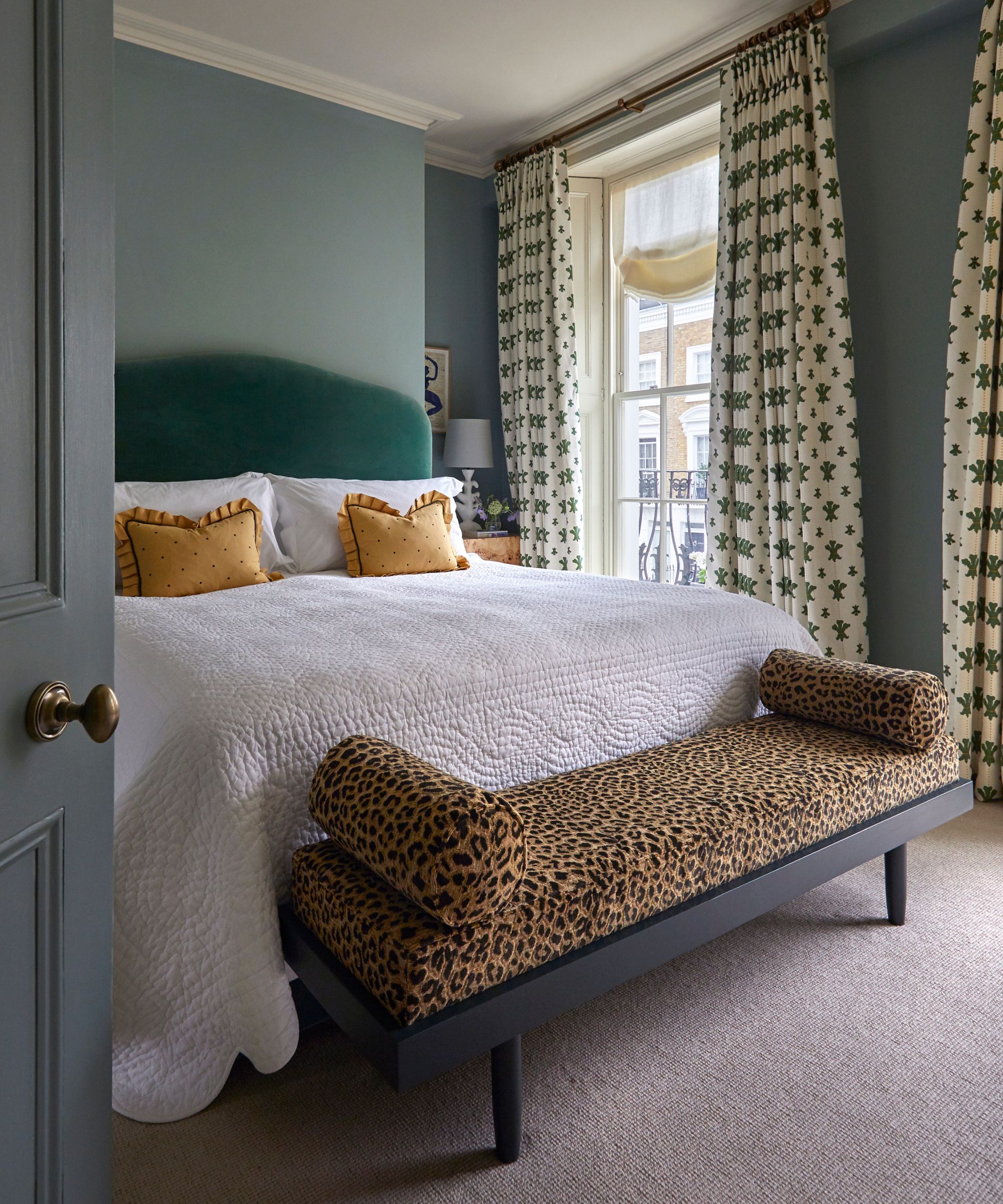
One significant aspect of slow home design is the emphasis on finding value in vintage items. With increased shipping costs and inflation impacting renovation budgets, designers like Maria Crosby Pollard are turning to vintage furniture. This strategy not only helps in managing costs but also allows for the creation of unique, character-filled spaces. Pollard's approach includes upcycling vintage pieces, demonstrating how older items can be repurposed and integrated into modern designs. This method highlights resourcefulness and sustainability by reducing the demand for new manufactured goods.
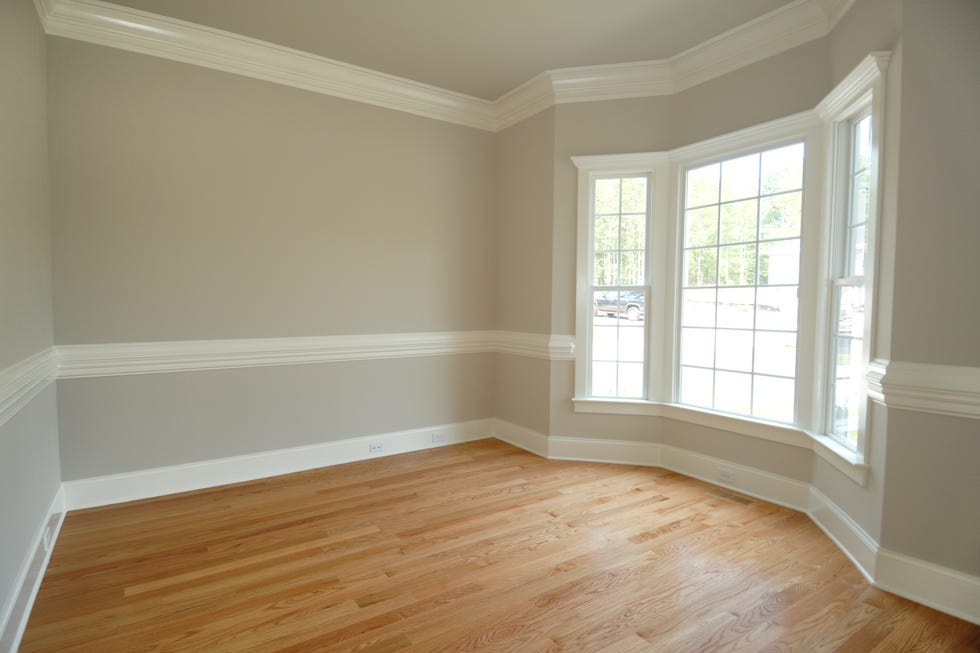
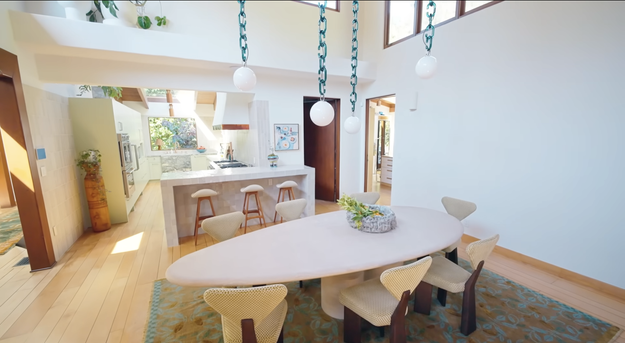
Another trend involves the re-emergence of formal dining rooms, albeit with a modern twist. After a period dominated by open-concept layouts and kitchen island seating, there is a renewed desire for dedicated dining spaces. Architects like Sondra Zabroske note that clients are requesting larger openings or French doors to connect dining rooms with kitchens, creating a 'hybrid' model that offers both intimacy and connectivity. This reflects a desire for more defined areas for family gatherings and formal entertaining, without completely sacrificing the open feel of contemporary homes.
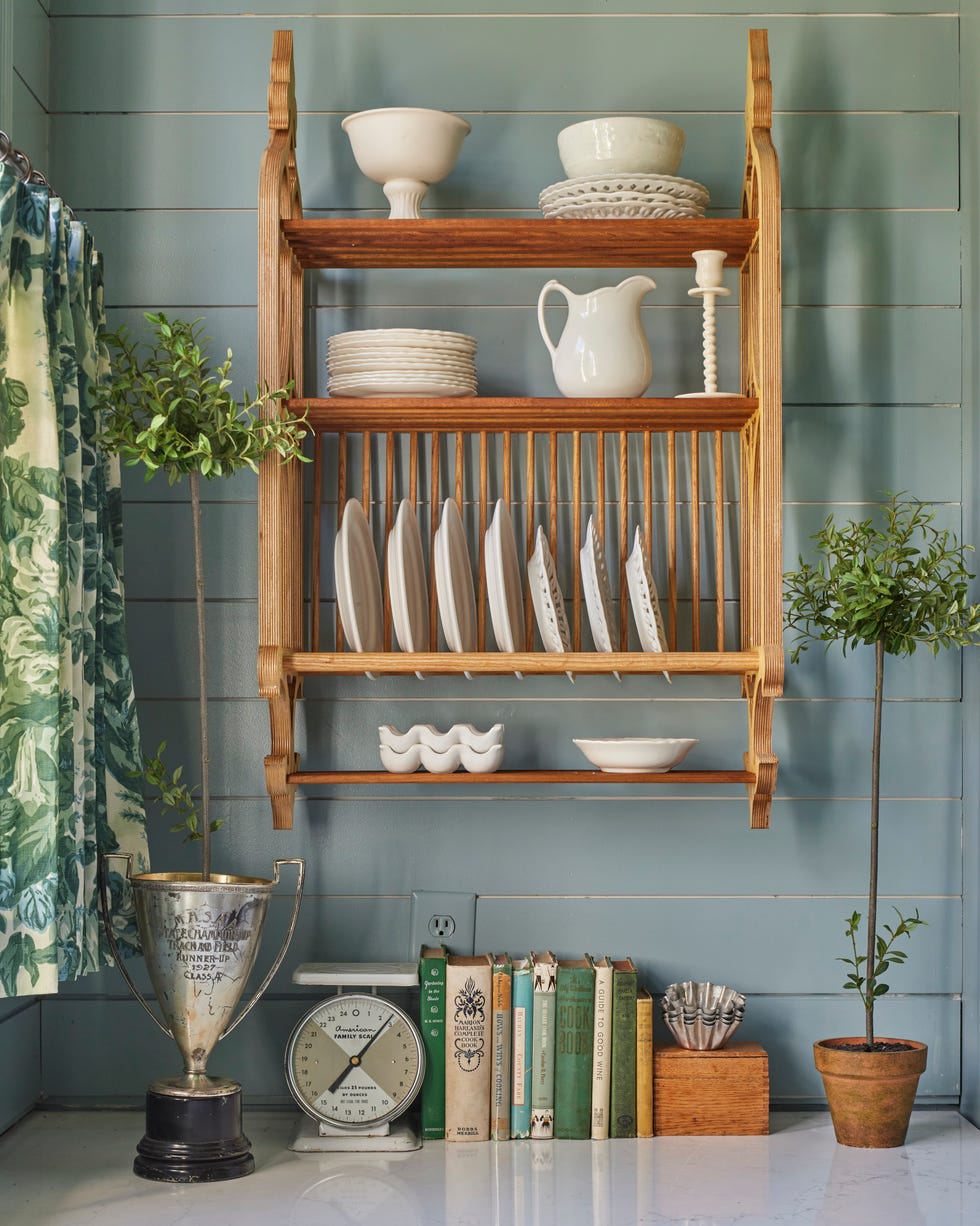
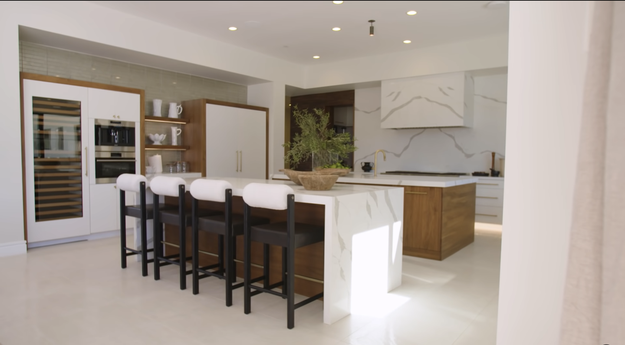
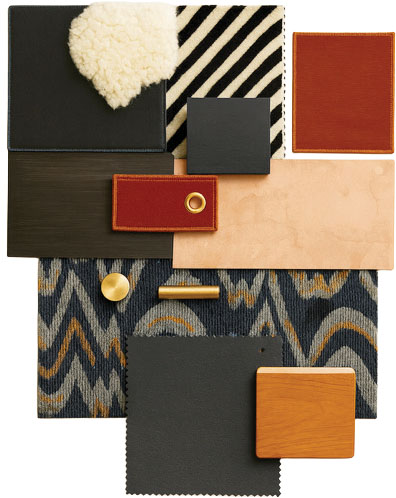
Sustainability is a core component of slow home design, manifesting in the "farm-to-shelter" philosophy. Architects Jack Becker and Andrew Linn advocate for using regionally sourced, eco-friendly building materials such as sheep's wool insulation, bamboo panels, and local wood, bark, and stone. This approach addresses concerns about environmental impact and potential tariff-related cost increases for traditional materials. By utilizing materials that are locally available and sustainable, designers aim to create homes that are not only environmentally responsible but also authentically connected to their surroundings, moving away from mass-produced, conventional building styles.
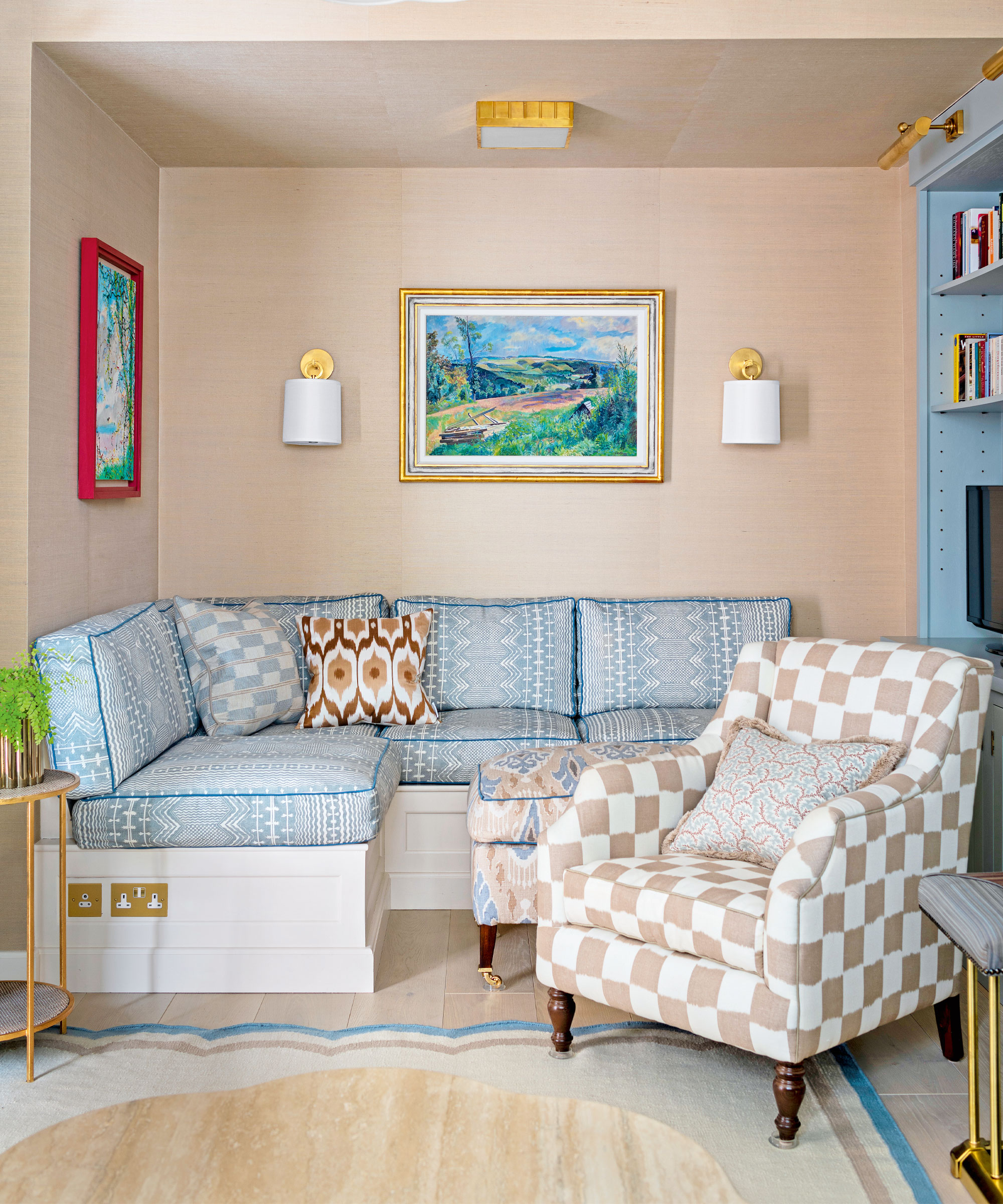
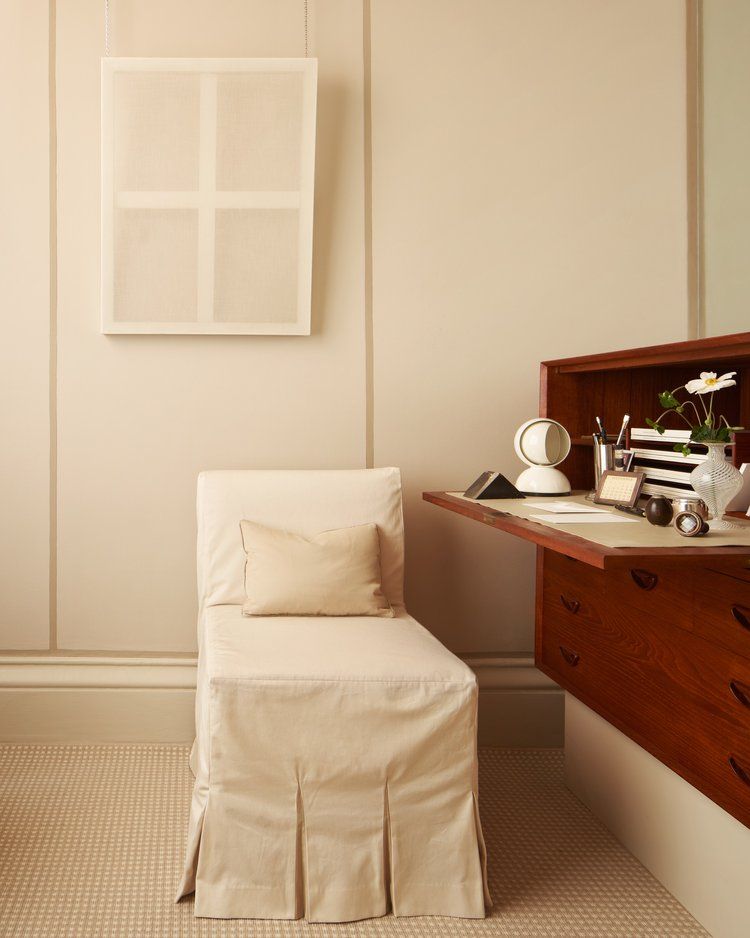
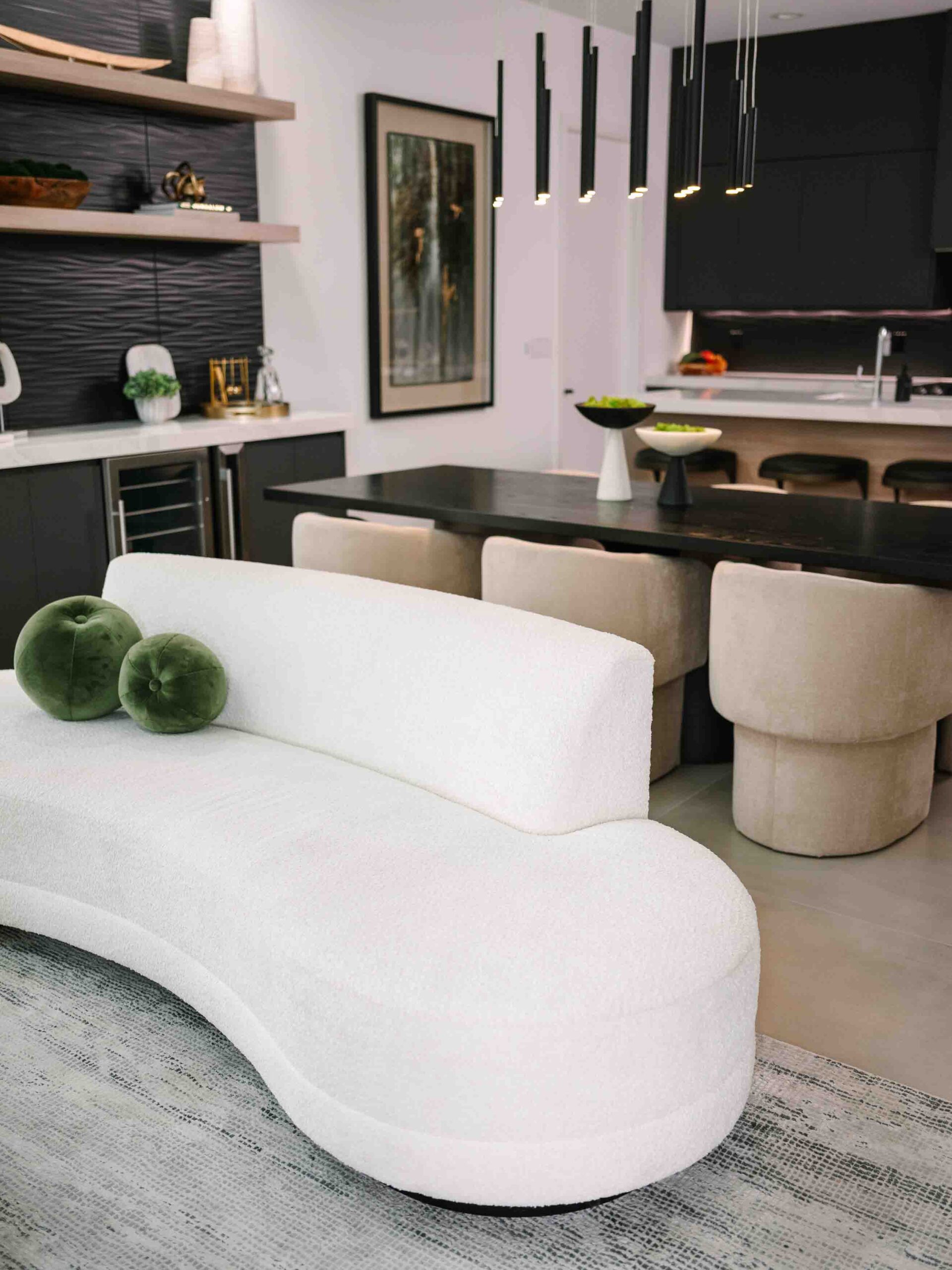
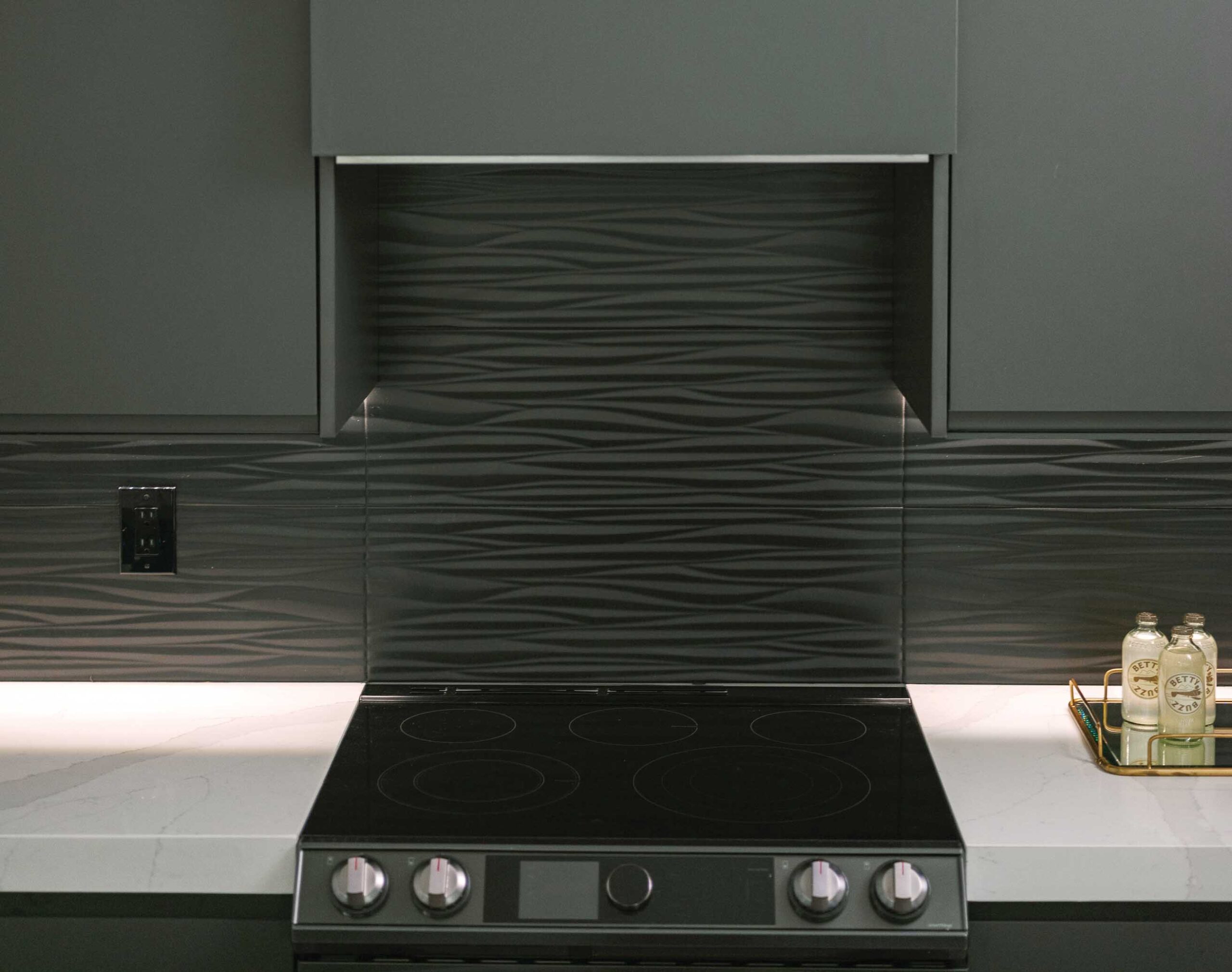
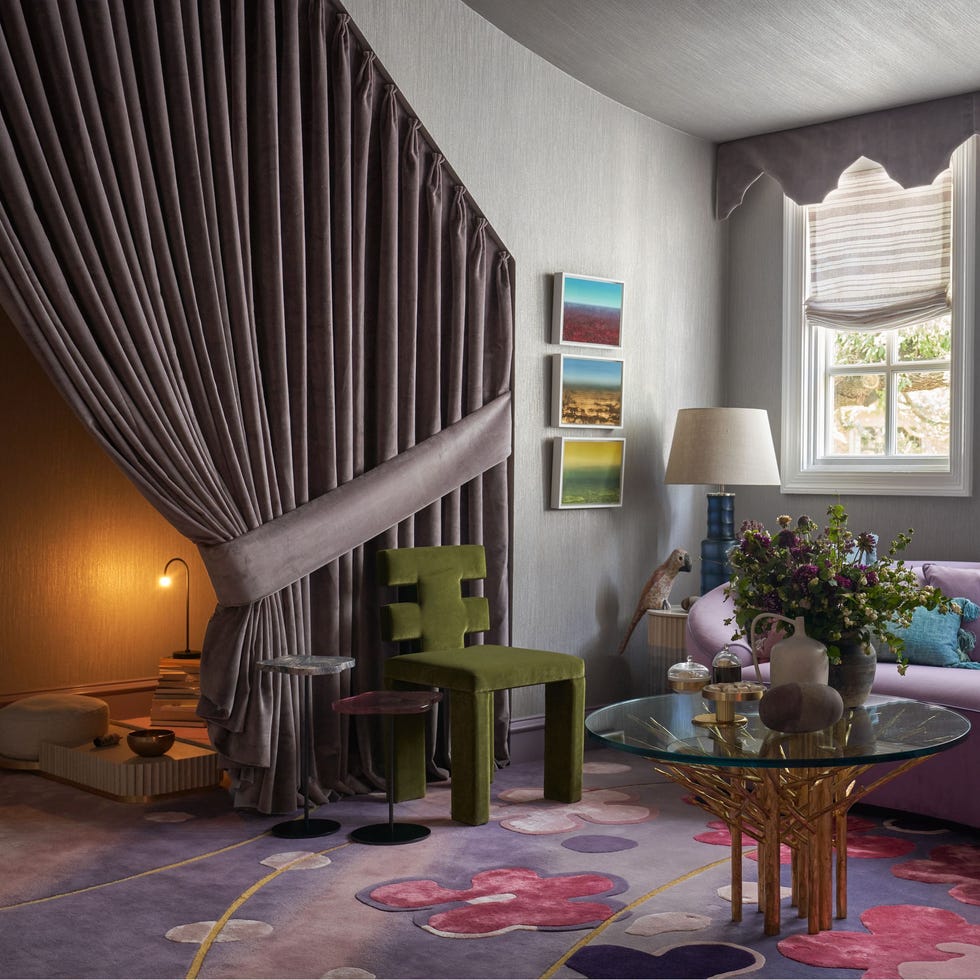
Quiet modernism, another key trend, focuses on balancing functional zones within the home for work, play, and refuge, particularly in a post-pandemic context. Designer Colleen Healey emphasizes the importance of soundproofing and creating comfortable, private spaces. This is achieved through subtle design elements like textured wall coverings, inlaid rugs, and strategic use of insulation. The goal is to create serene environments that offer emotional connection and resonance, possibly through incorporating art, as homeowners seek deeper meaning in their living spaces beyond mere aesthetics.
Embracing uncertainty and trusting the design process is also highlighted. Catherine Fowlkes of Fowlkes Studio suggests letting the existing structure of a house or heirloom pieces guide the design, allowing for unexpected and unique outcomes. This approach encourages homeowners to move beyond replicating aspirational images from social media or magazines and instead develop a design that organically evolves from the specifics of their home and personal tastes. This includes being open to unconventional choices, such as exposing structural elements or incorporating 'rock-and-roll' sensibilities, leading to truly personalized interiors.
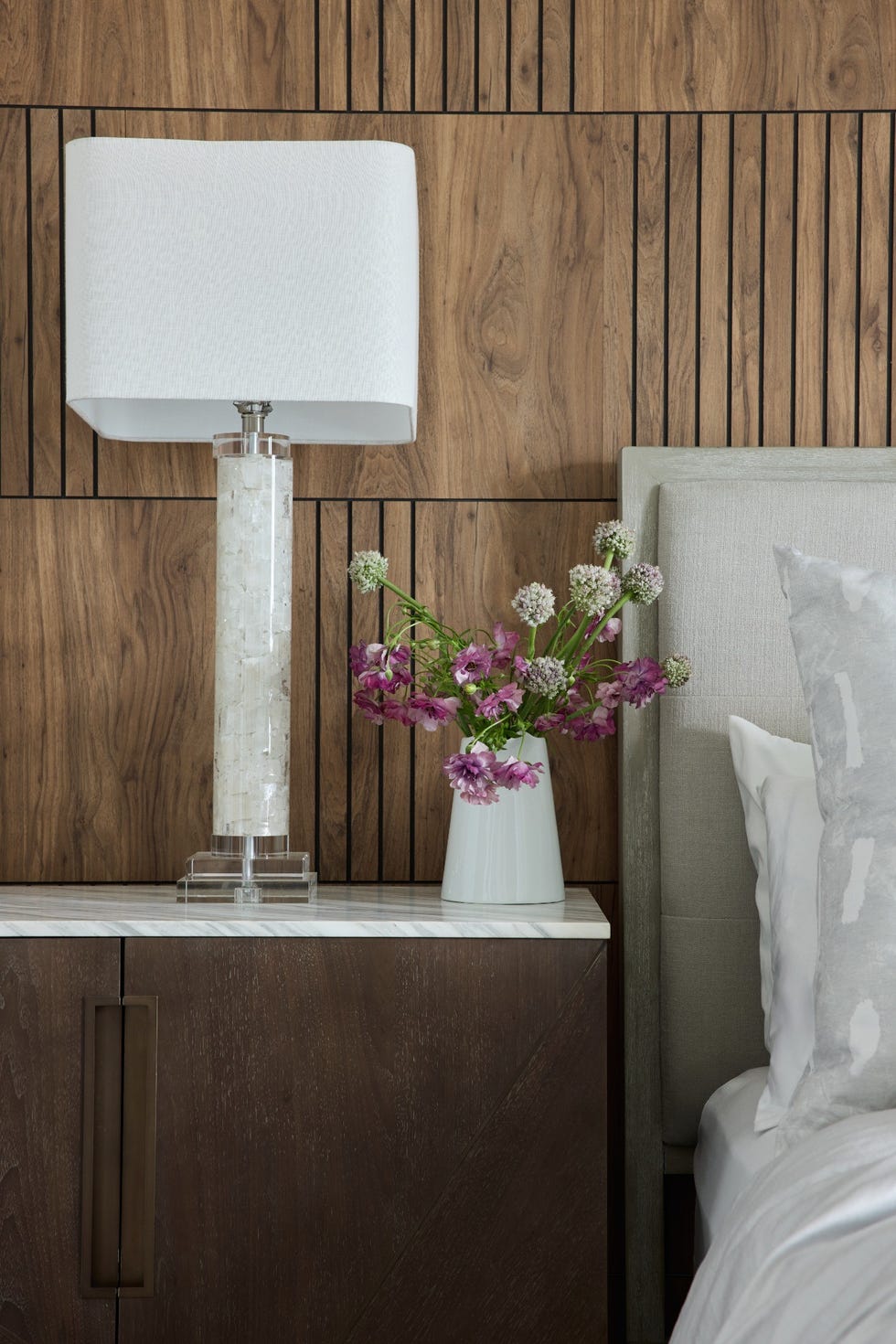
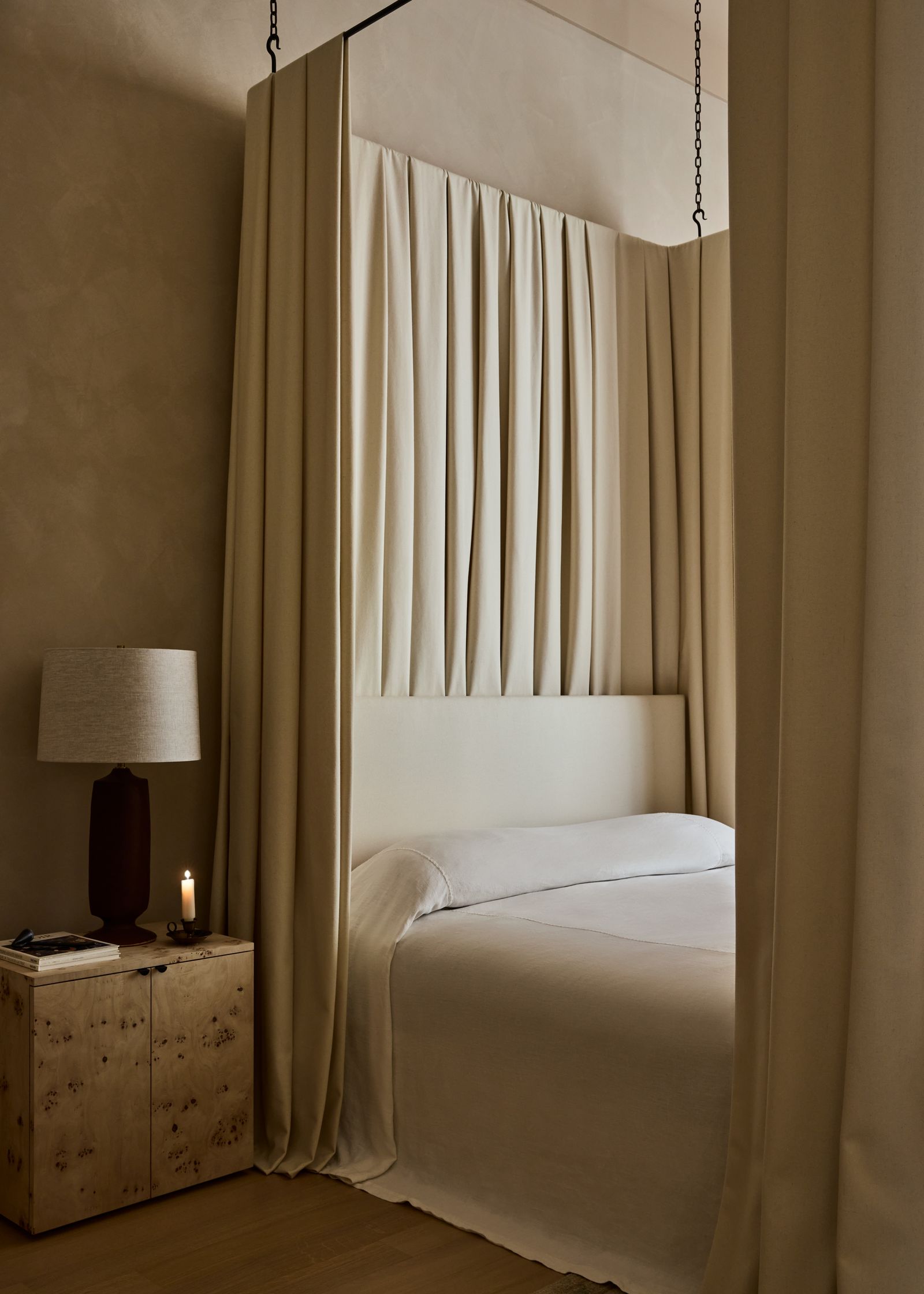
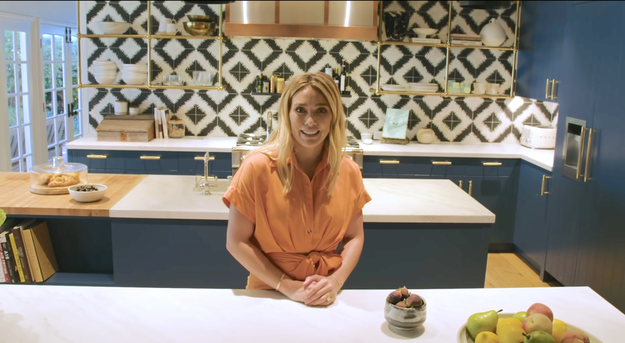
Finally, the trend toward finding comfort in color is exemplified by Pantone's 2025 Color of the Year, Mocha Mousse. This warm, earthy brown signifies a desire for comfort, harmony, and an "earthy refinement." The selection reflects a broader cultural inclination towards grounded, luxurious, and cocoon-like home environments that offer a sense of security and indulgence amidst a turbulent world. This color choice encourages designs that evoke warmth and stability, contributing to the overall sense of well-being within the home.
#HomeDesign #SlowDesign #VintageFurniture #SustainableMaterials #FormalDiningRooms #QuietModernism #InteriorTrends #2025Design #EcoFriendlyHome #HomeDesign #SlowDesign #VintageFurniture #SustainableMaterials #FormalDiningRooms #QuietModernism #InteriorTrends #2025Design #EcoFriendlyHome
0 comment in total
 No comments yet
You may also like
Designers Are Ditching the "Rule of Threes" for THESE Genius Styling Alternatives

Add Personality to your Home this Year
The #1 Home Trend You Should Avoid, According to Designers

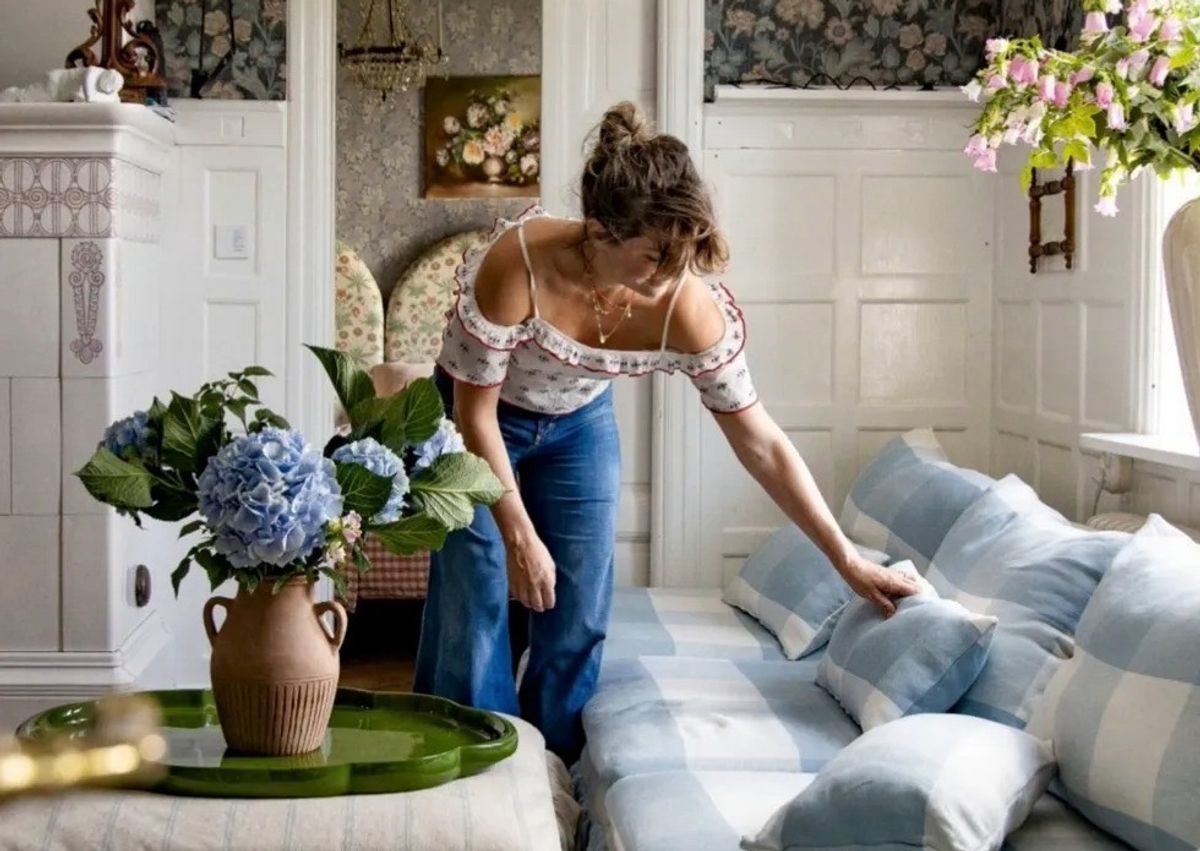
"Quaint Maximalism" Is This Year's Best Home Decor Trend

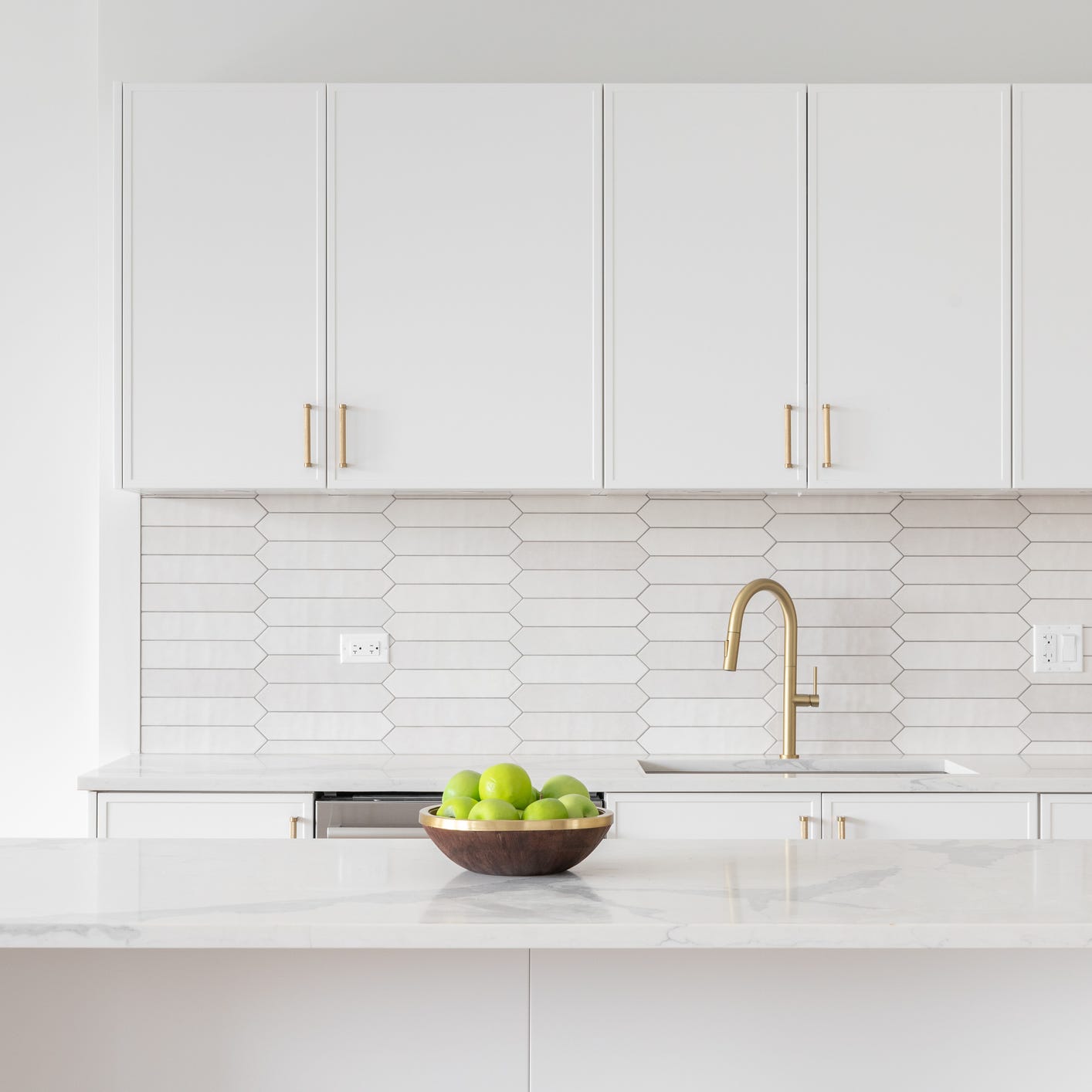
The Home Trends Designers Want You to Ditch in the New Year

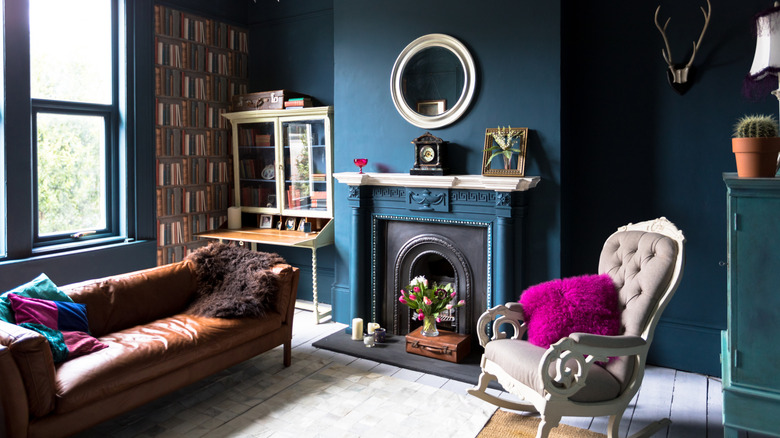
11 Moody Design Trends That Took Over Homes This Year (And One We're Ready To Ditch)

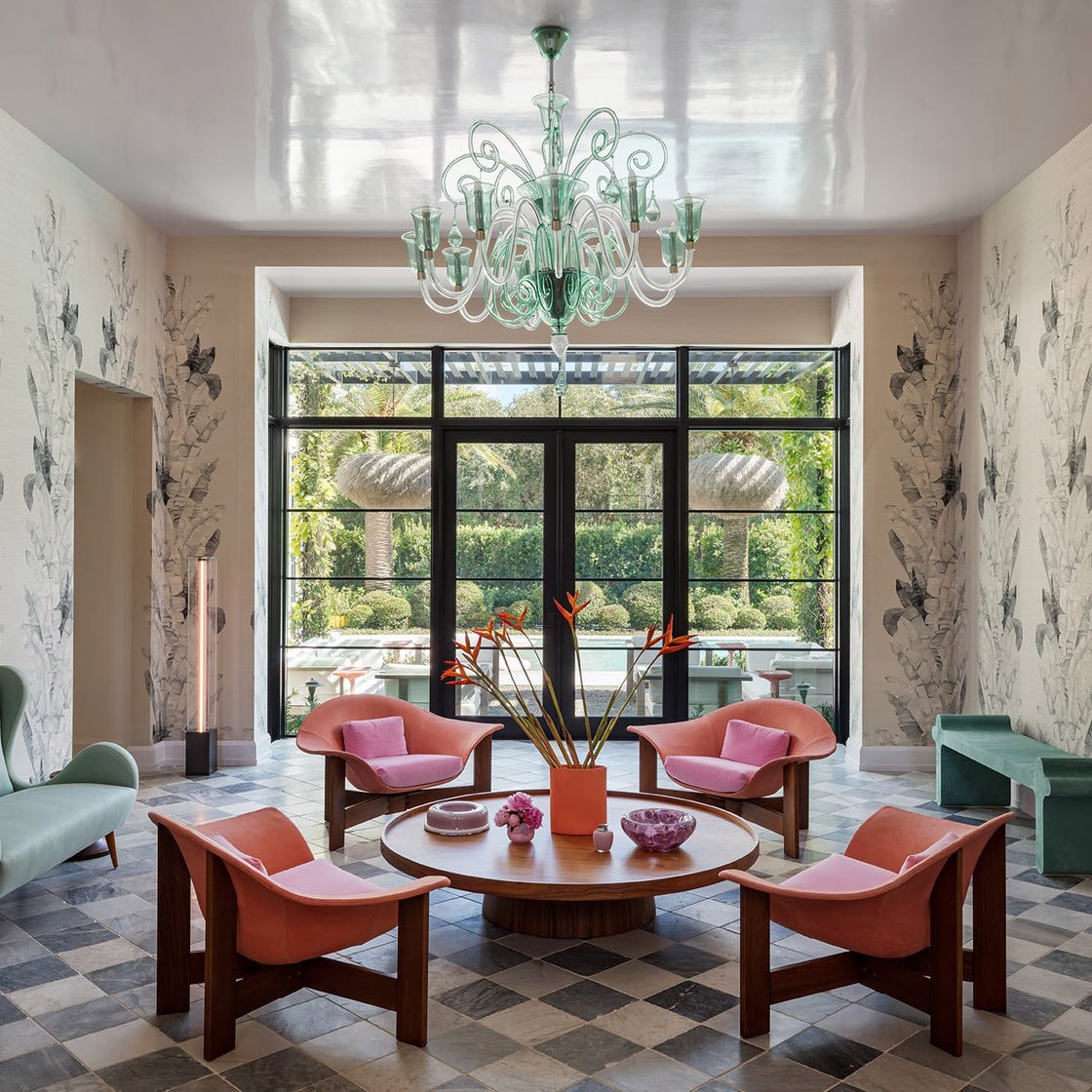
Simple Swaps for an Instant Living Room Refresh
Which Home Design Trends Are Hot on the Horizon in Westchester?

Should you follow interior design trends? Do they create a stylish home or one that will date fast?
10 Ways to Nail the Slow Decorating Trend Designers Are Loving

The 8 Renovation Trends Designers Say Will Shape Homes in 2025 and Beyond

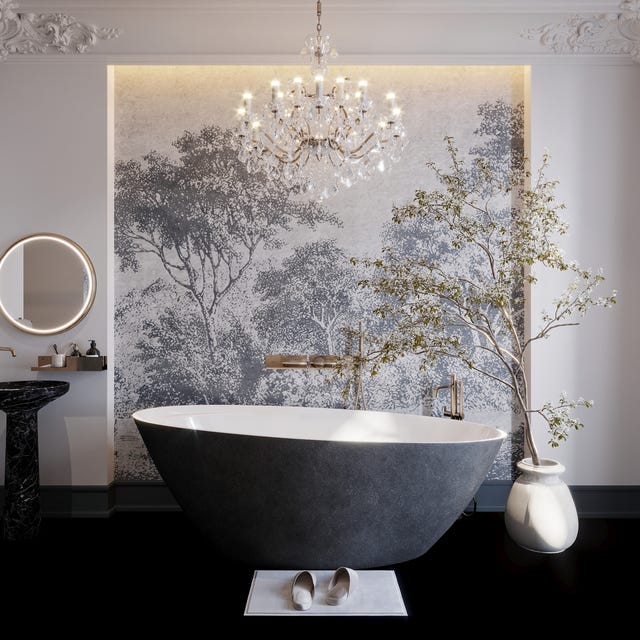
These Trendy Home Additions Will Look "Dated" in 2026, According to Designers
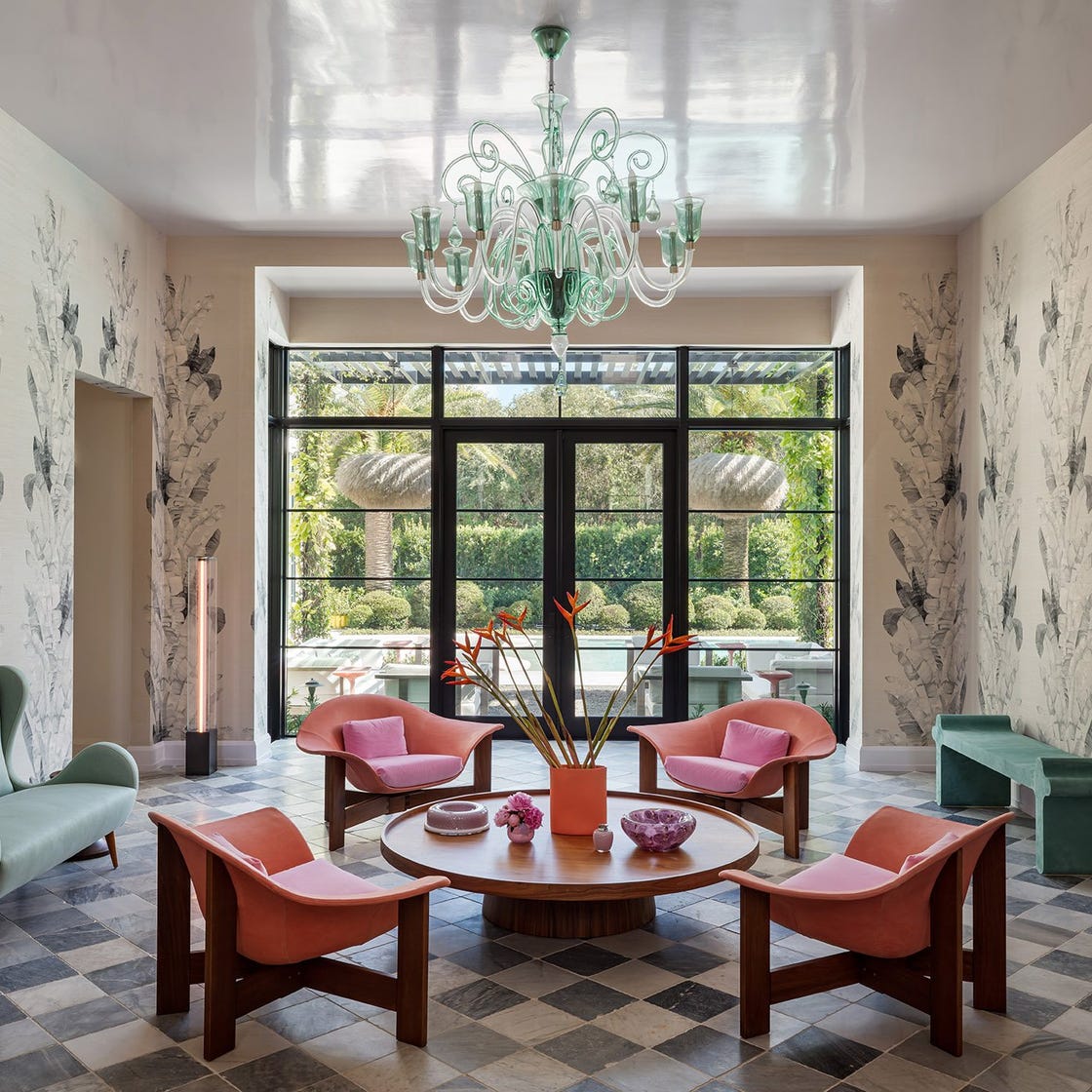
How to Easily Transition Between Design Styles on a Budget
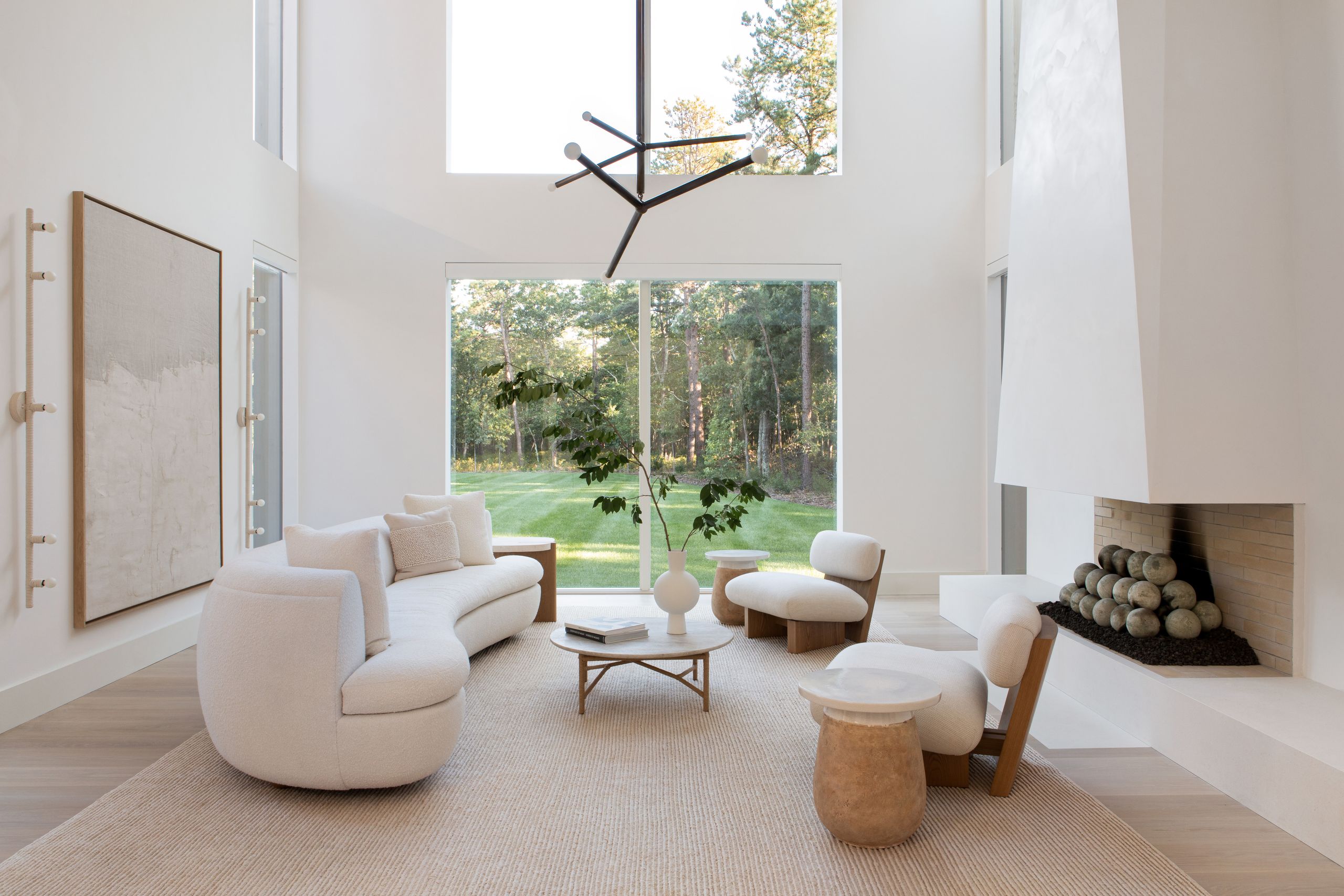
The Best Minimal Decor Ideas for a Streamlined Home
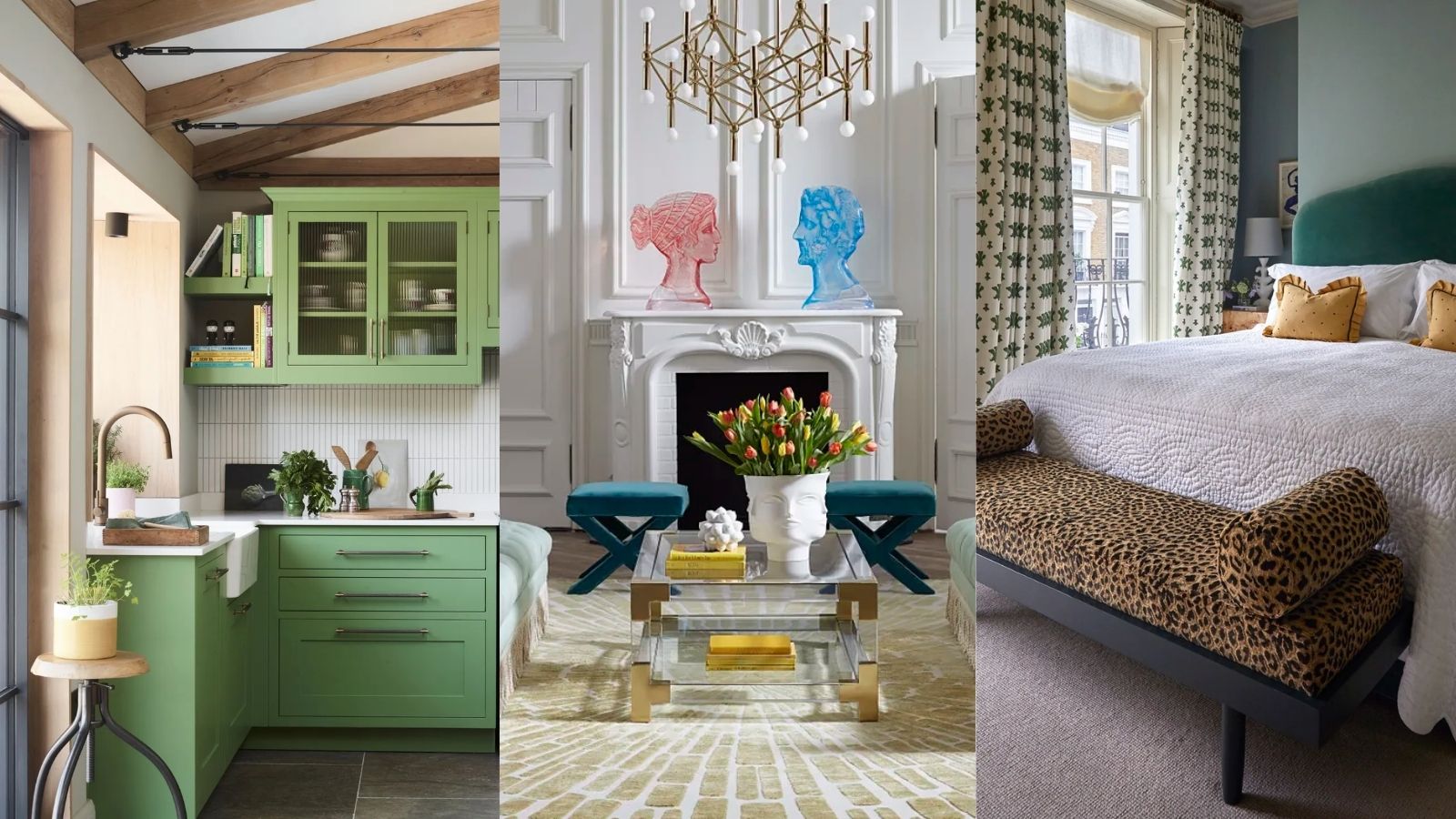
How to evolve your home as trends change – 7 designer secrets to having an adaptable style

Designers Say These 4 Decor Trends Are Super Outdated—Update Your Home With These 8 Finds Instead

The Costly Decorating Mistake I’ll Never Make Again
Home Design: Contemporary Minimalism

20 Millennial Home Trends That We'll All Be Cringing At In 20 Years

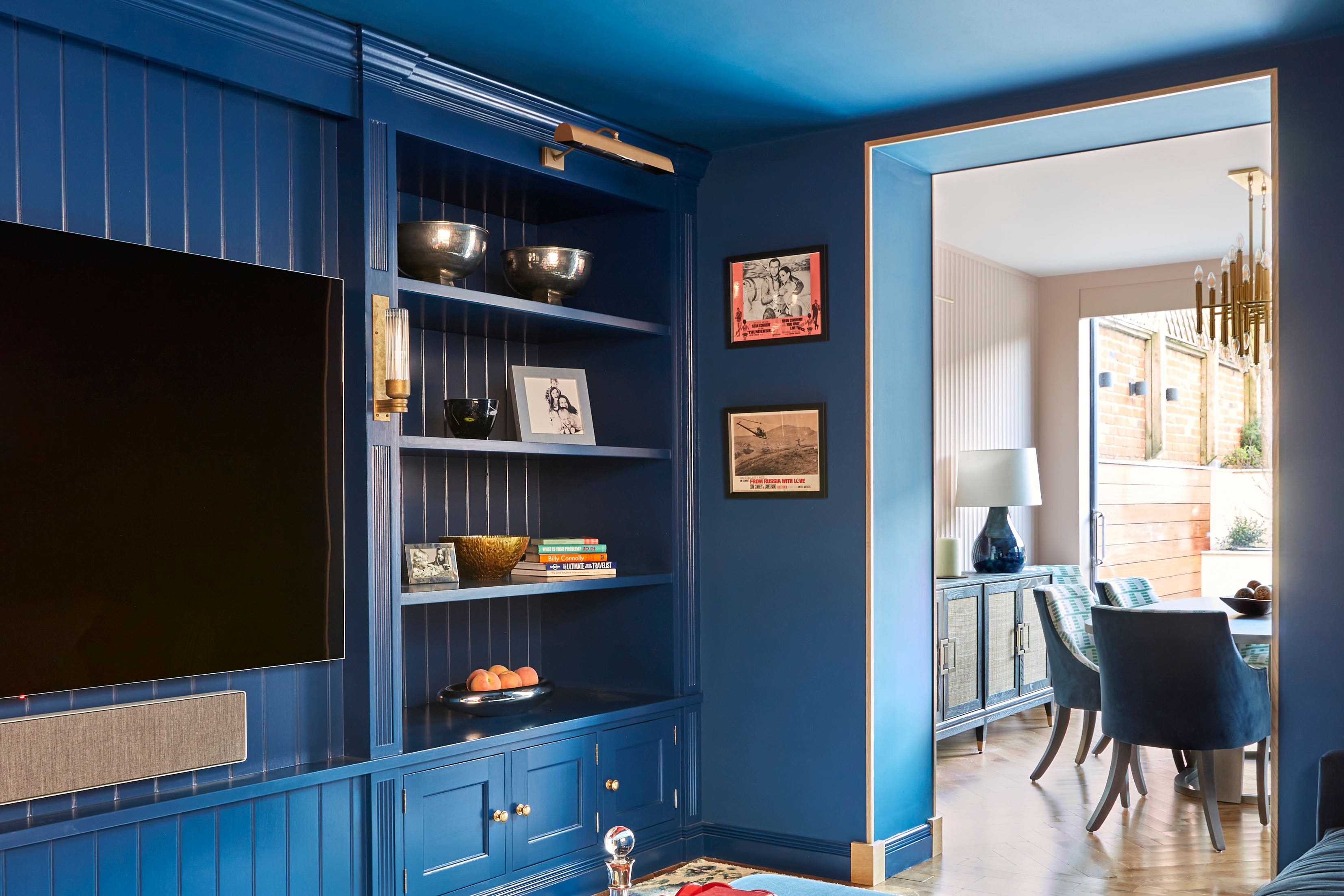
Emerging home design trends to tap into now