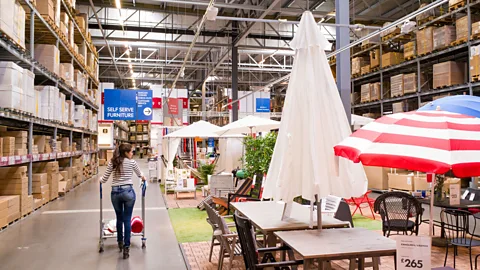
1/3
How Ikea's shop layout influences what you buy
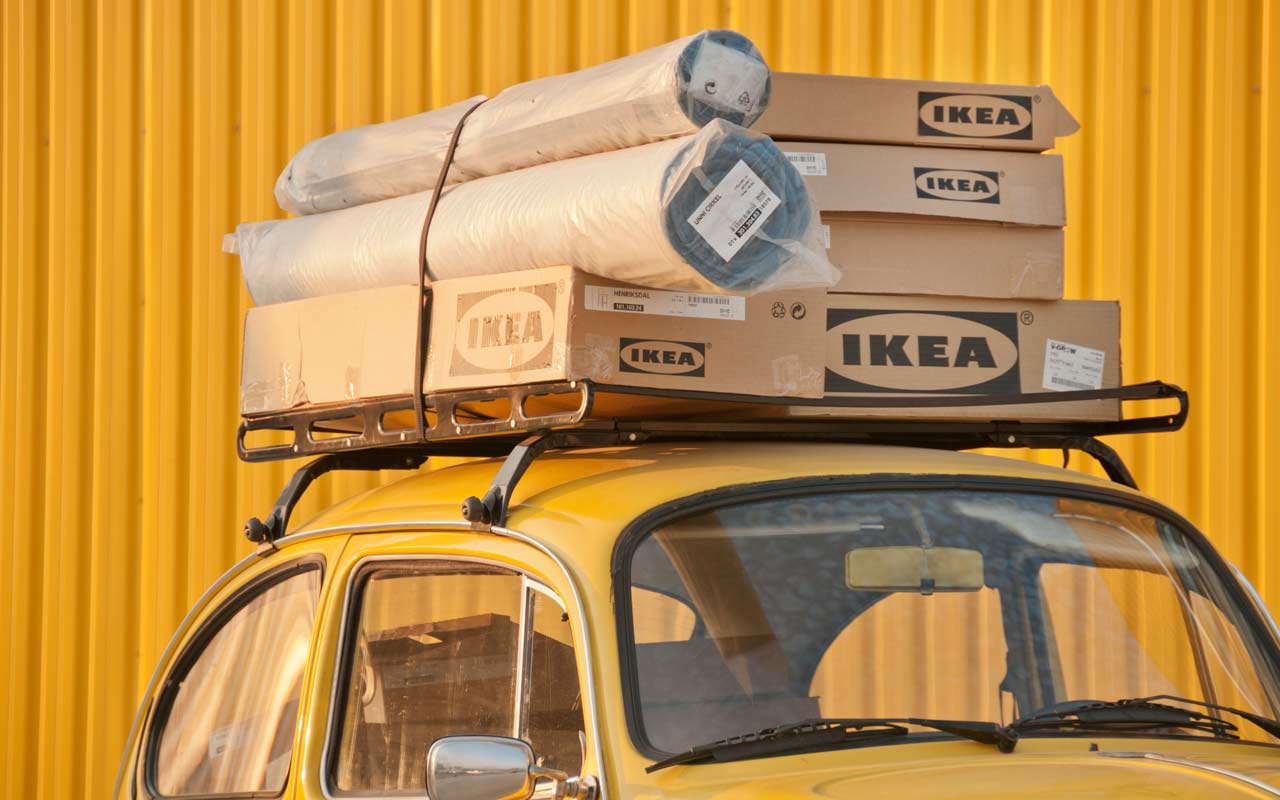
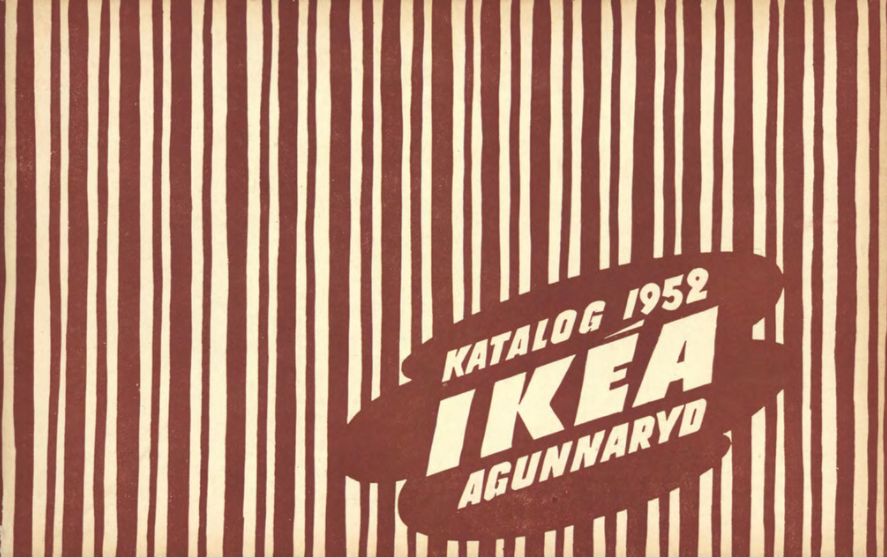
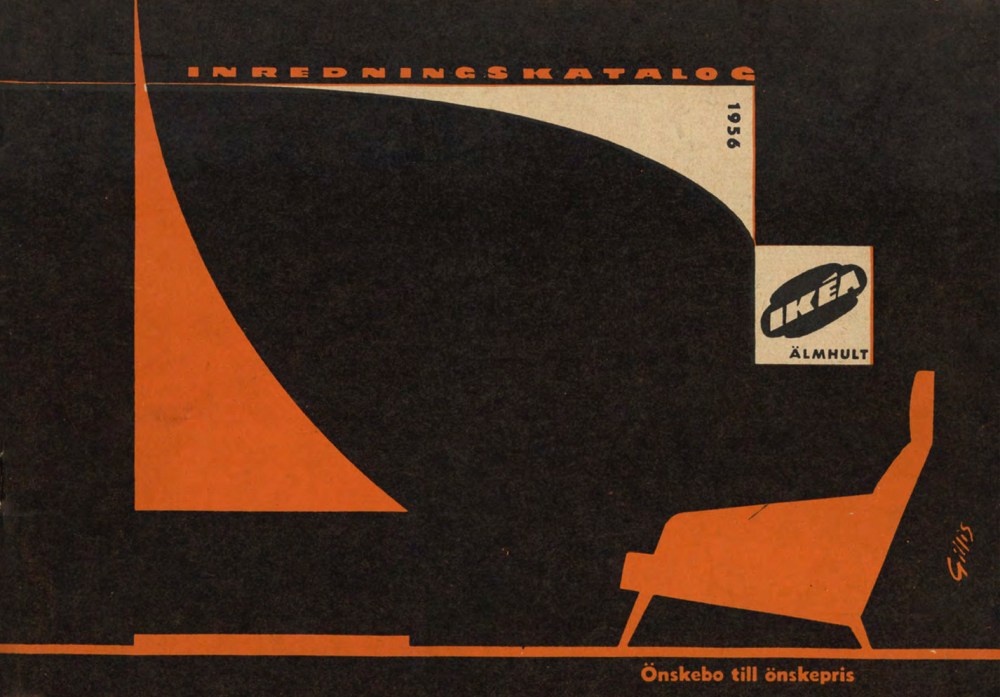
Ikea, founded by Ingvar Kamprad, has significantly influenced retail operations through two core principles: flat-pack furniture and a distinctive shop layout designed to maximize purchases. The flat-pack concept, introduced in the 1950s, offered obvious benefits in terms of cost efficiency and shipping practicality. Beyond these logistical advantages, flat-pack furniture also subtly impacts consumer psychology. The simple act of physically interacting with products, particularly during assembly, increases their perceived value. This phenomenon, known as the 'Ikea effect,' demonstrates that the more effort a consumer invests in building an item, the stronger their emotional connection and favorable perception of that item. Scientific studies have shown that the process of putting something together, despite potential challenges, leads to a more positive view of the finished product compared to purchasing it pre-assembled. This effect is further amplified by the neurological link between touch and emotion, where physical contact with an item activates emotive brain regions, fostering a sense of ownership and increasing its perceived worth. Consequently, customers who assemble their Ikea furniture often experience a feeling of pride and a closer bond with their purchase.
The strategic layout of Ikea stores also plays a crucial role in influencing consumer behavior. The circular, one-way system guides shoppers through a predetermined path, making it difficult to anticipate what products lie ahead. This design fosters a fear of missing out, encouraging customers to continue along the entire route rather than using the available 'escape points' that would bypass certain sections. Because revisiting a specific item might be challenging, customers are inclined to pick up products they see immediately and place them in their large trolleys. This action encourages physical interaction with the product, which, in turn, reinforces a psychological sense of ownership and reduces the likelihood of it being put back before reaching the checkout. Furthermore, the inability to see around the next corner creates a subconscious sense of mystery, drawing customers deeper into the store. Environments perceived as mysterious tend to generate a stronger overall liking, motivating shoppers to explore further. The extended time spent in the store increases the probability of impulse purchases, particularly for smaller, seemingly inexpensive items like candles, napkins, and picture frames, which appear more affordable in comparison to larger furniture pieces. Ikea's success is largely attributed to its innovative ability to tap into the unconscious biases of consumers, a strategy that has been widely emulated by other businesses.
#Ikea #ConsumerPsychology #RetailStrategy #FlatPackFurniture #ShopLayout #IkeaEffect #BuyerBehavior #MarketingTactics #HomeFurnishings #Ikea #ConsumerPsychology #RetailStrategy #FlatPackFurniture #ShopLayout #IkeaEffect #BuyerBehavior #MarketingTactics #HomeFurnishings
0 comment in total
 No comments yet
You may also like
An interior editor's simple survival guide to shopping at IKEA
8 Boutique Decorating Ideas To Elevate Your Retail Space

10 IKEA Besta hacks – bespoke storage solutions for every room
6 Surprising Types of Decor Designers Always Buy at IKEA (Even for Their Fanciest Clients)


12 Smart Moves to Save More at IKEA
Retail Store Layout: 10 Ideas, Examples & Tips (2024)
What to Buy and What Not to Buy at Ikea
The physical environment matters: room effects on online purchase decisions
Ikea's Most Popular Organizing Products Will Change Your Life

Remembering the Best Parts of the IKEA Catalog, Gone at 70

Showroom Strategies

IKEA Secret Sale Section: Deals on Furniture, Storage and More Starting at $1.99

Ikea superfans share their favorite hacks for saving time and money

How to Buy a Kitchen From IKEA—and When to Look Elsewhere
The Ikea-hacking companies you need to know about
12 Super Colorful IKEA Finds We Can’t Live Without

Your Moment of Design Zen: Every Single IKEA Catalog Since 1951 (!)

17 IKEA Finds Designers SWEAR By for Their Own Spaces

Retail Floor Planning Software


I'm an interior designer. Here are 6 things I'd buy at Ikea and 6 I'd skip.