1/3
Here's Why You Might Want To Paint Your Ceiling Brown
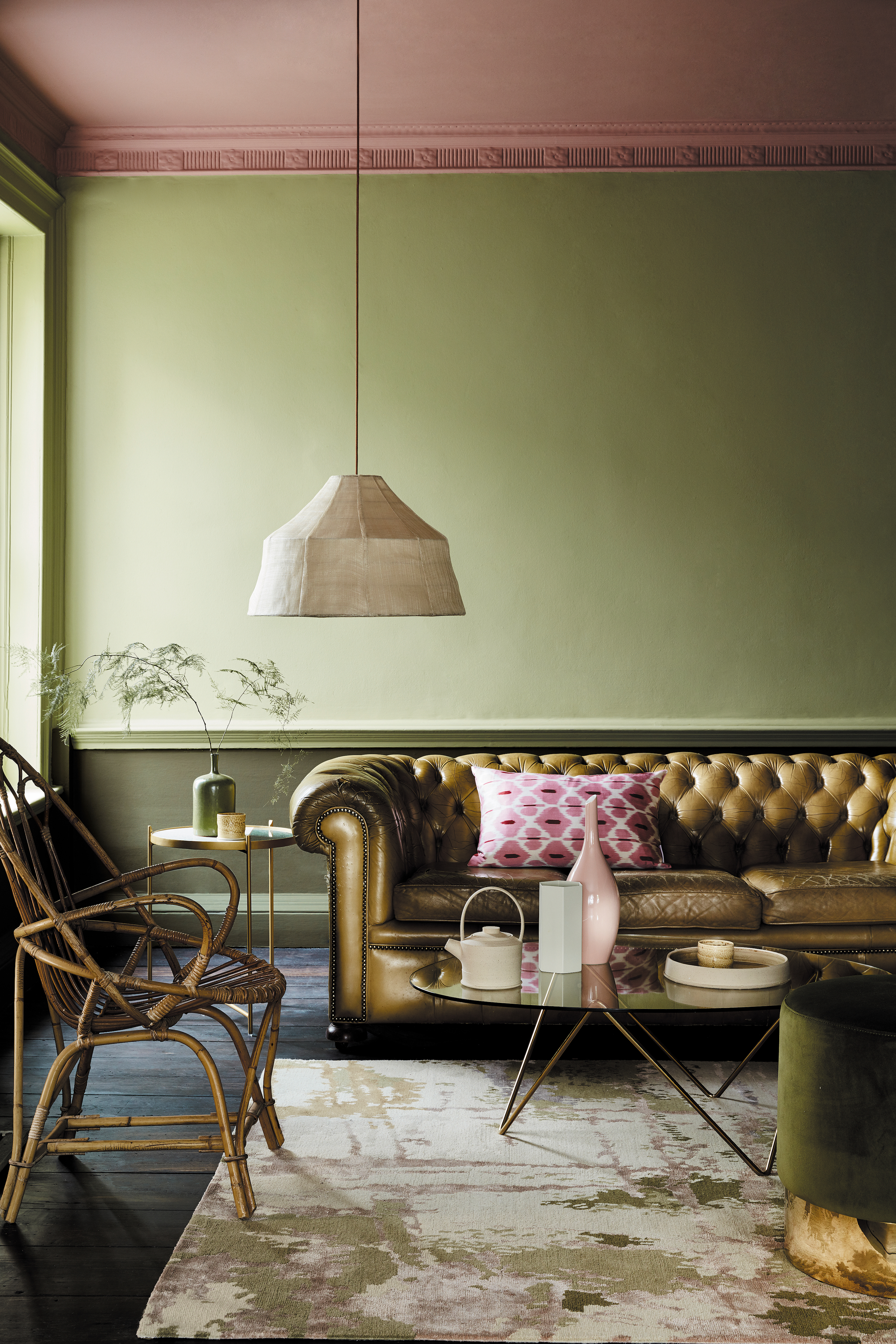
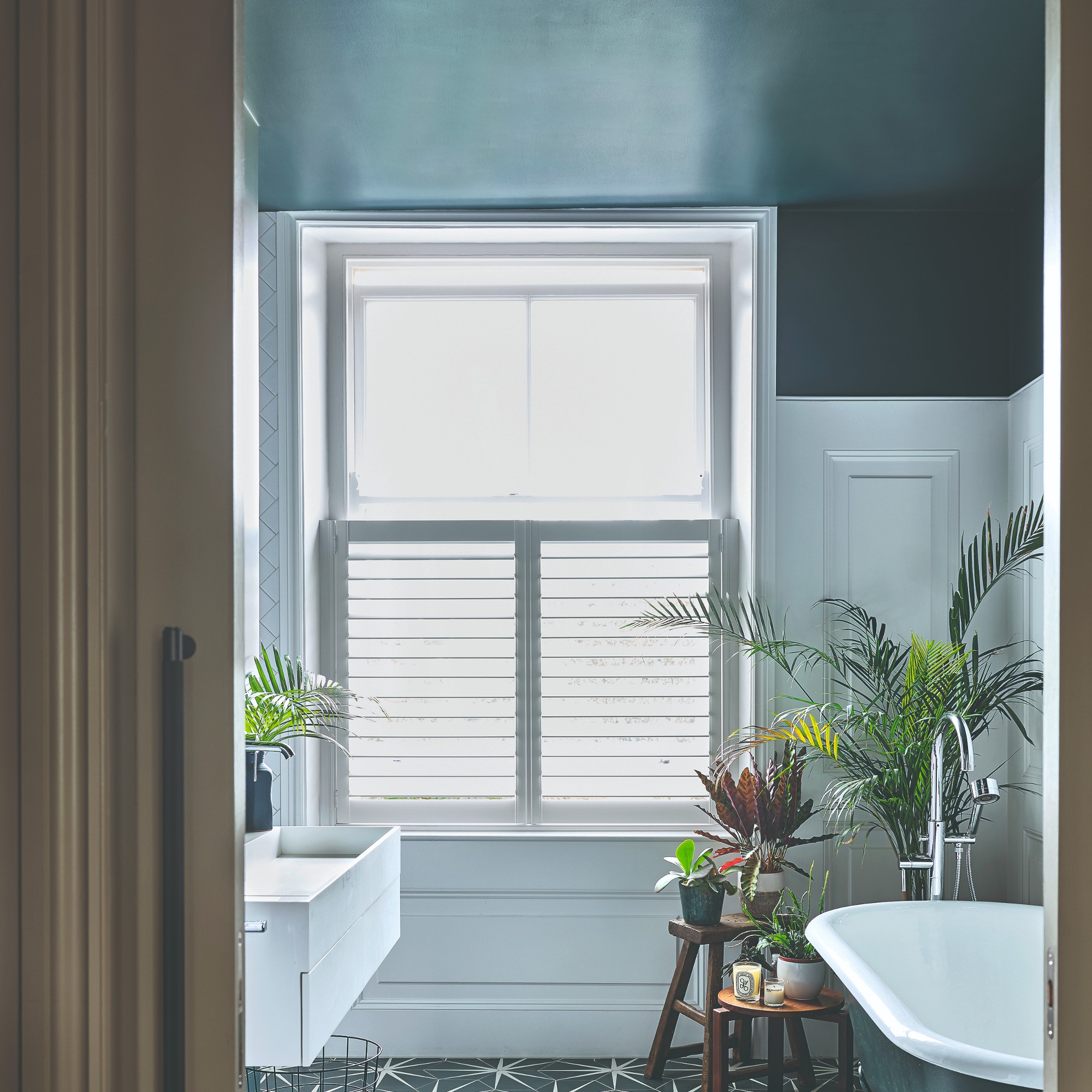
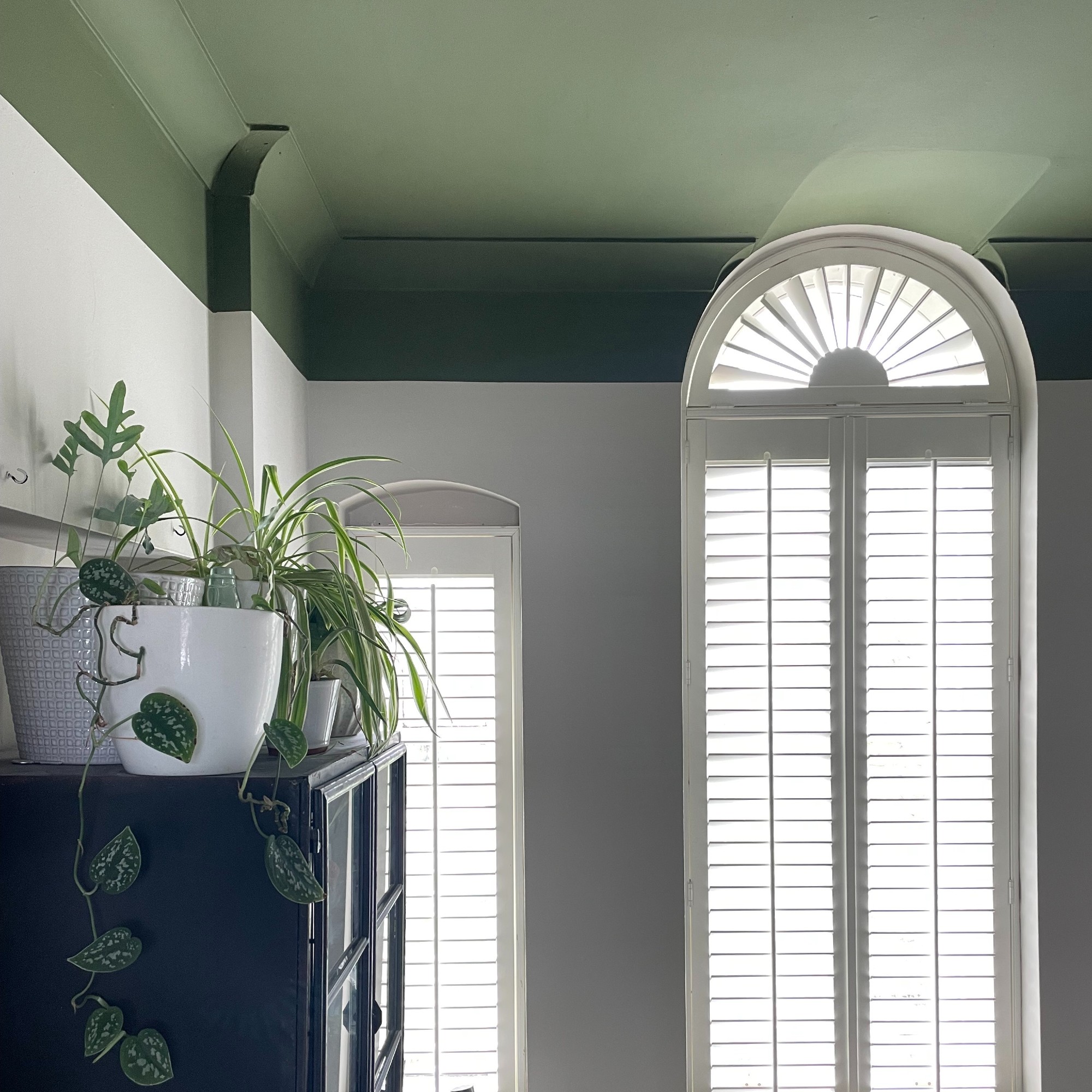
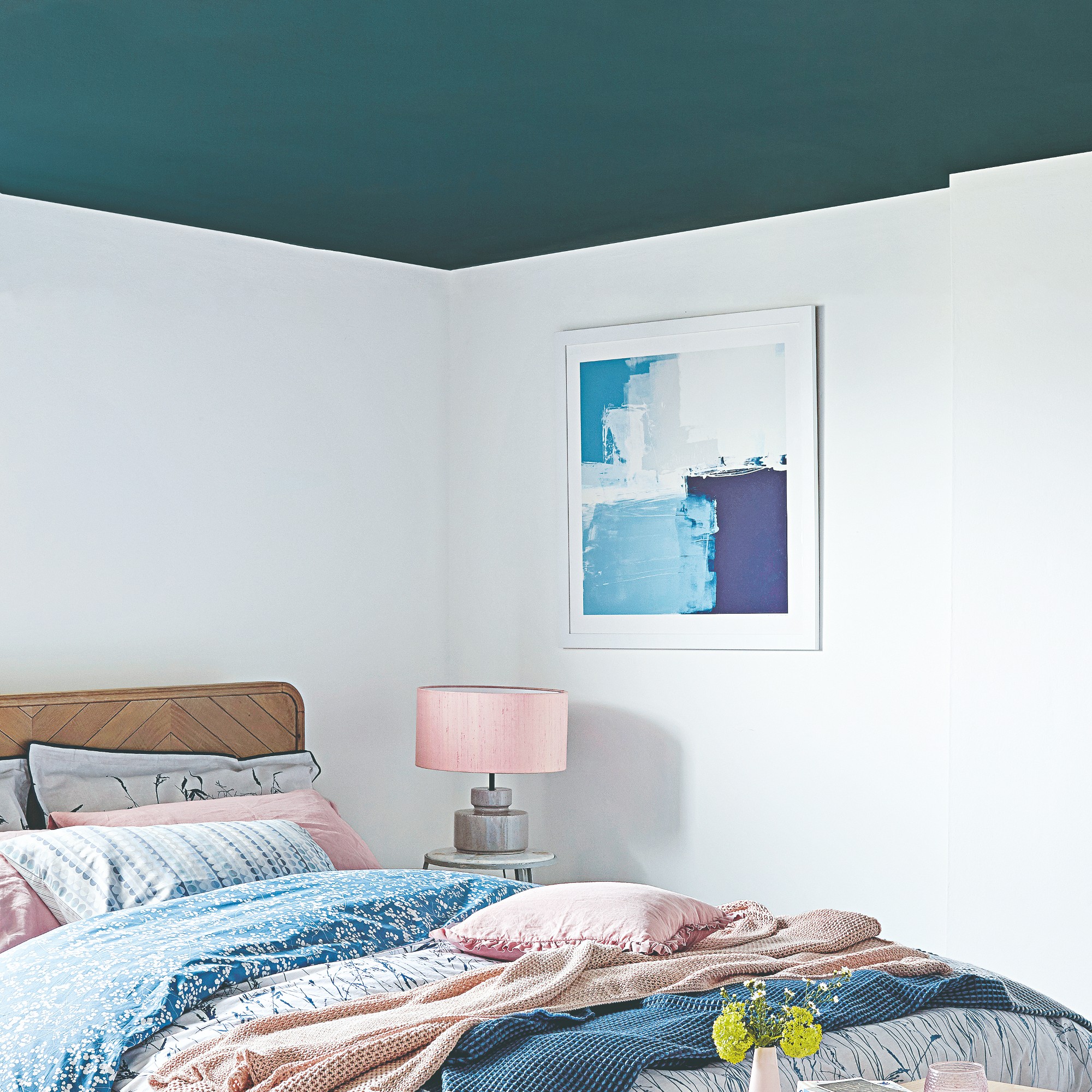
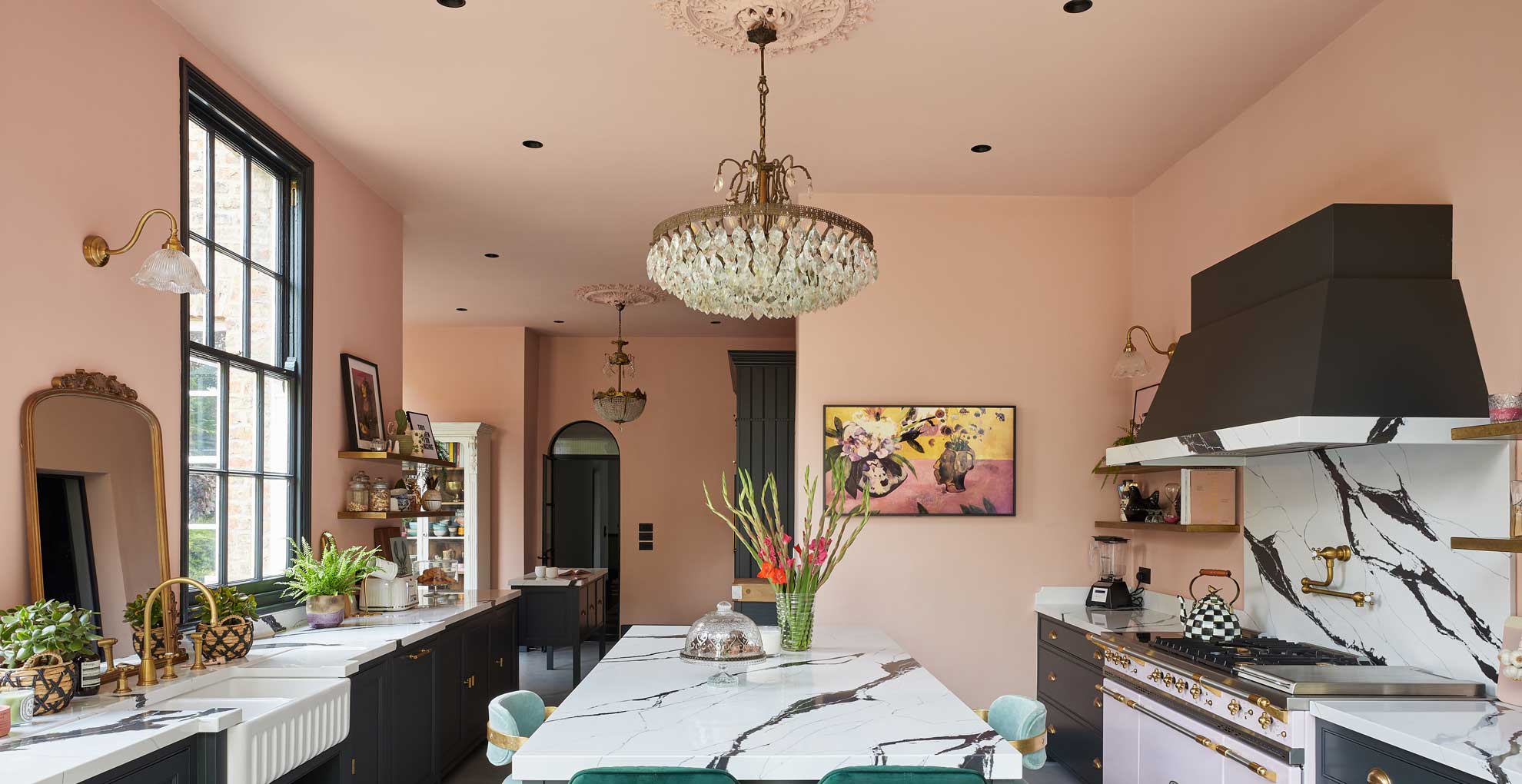
Accent walls have long been a popular method for introducing bold color into rooms, with current trends expanding to include geometric designs, wallpaper, and various textures. However, a less conventional yet impactful approach to adding color is through an accent ceiling. Painting ceilings can significantly alter a room's atmosphere, making it feel more expansive or cozier, and can also highlight unique design elements. While a wide array of color options exists for ceilings, similar to walls, a House Digest survey indicated that 70% of homeowners favor a specific ceiling color. Despite this, Sarah Bilotta, House Digest's design historian, advocates for considering brown for ceilings, a choice favored by less than 6% of survey respondents.
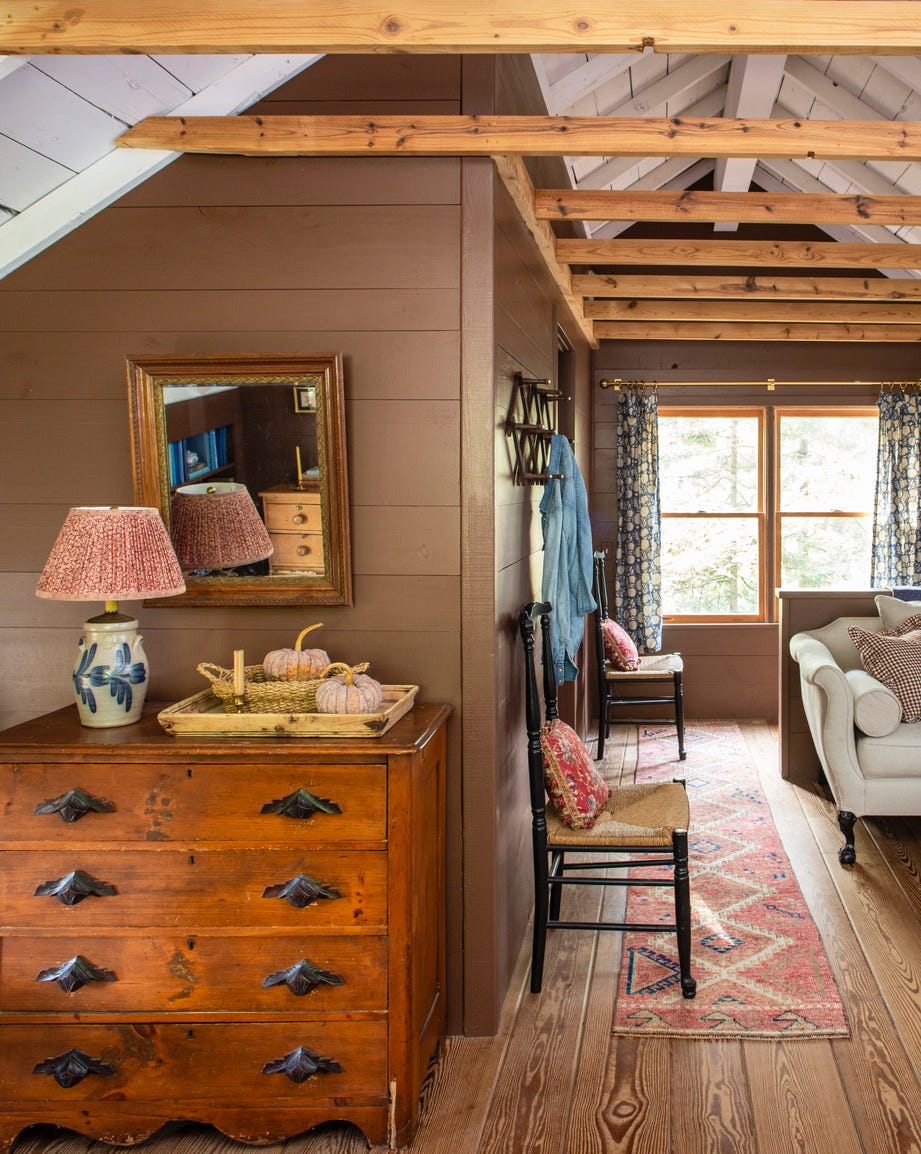
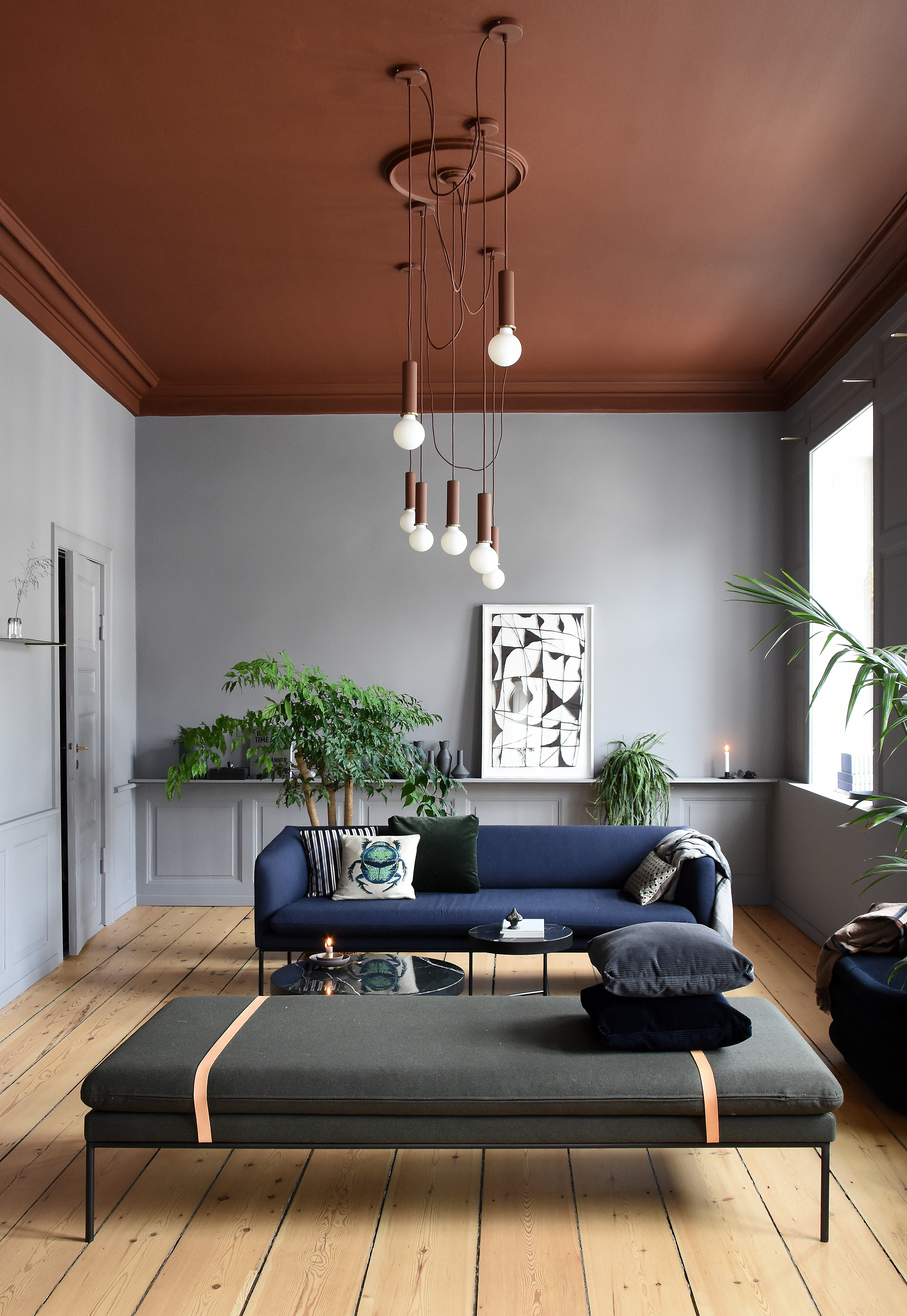
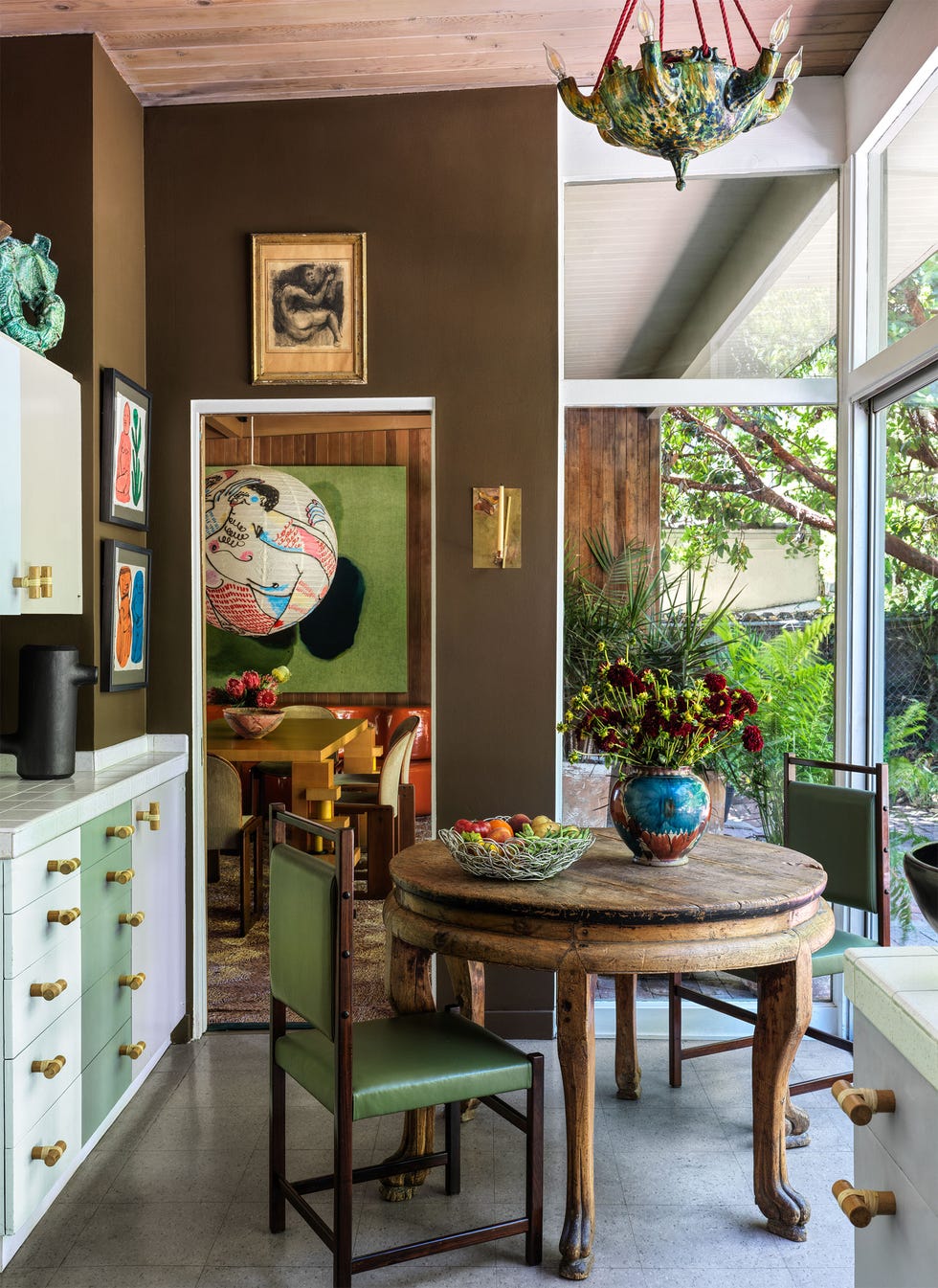
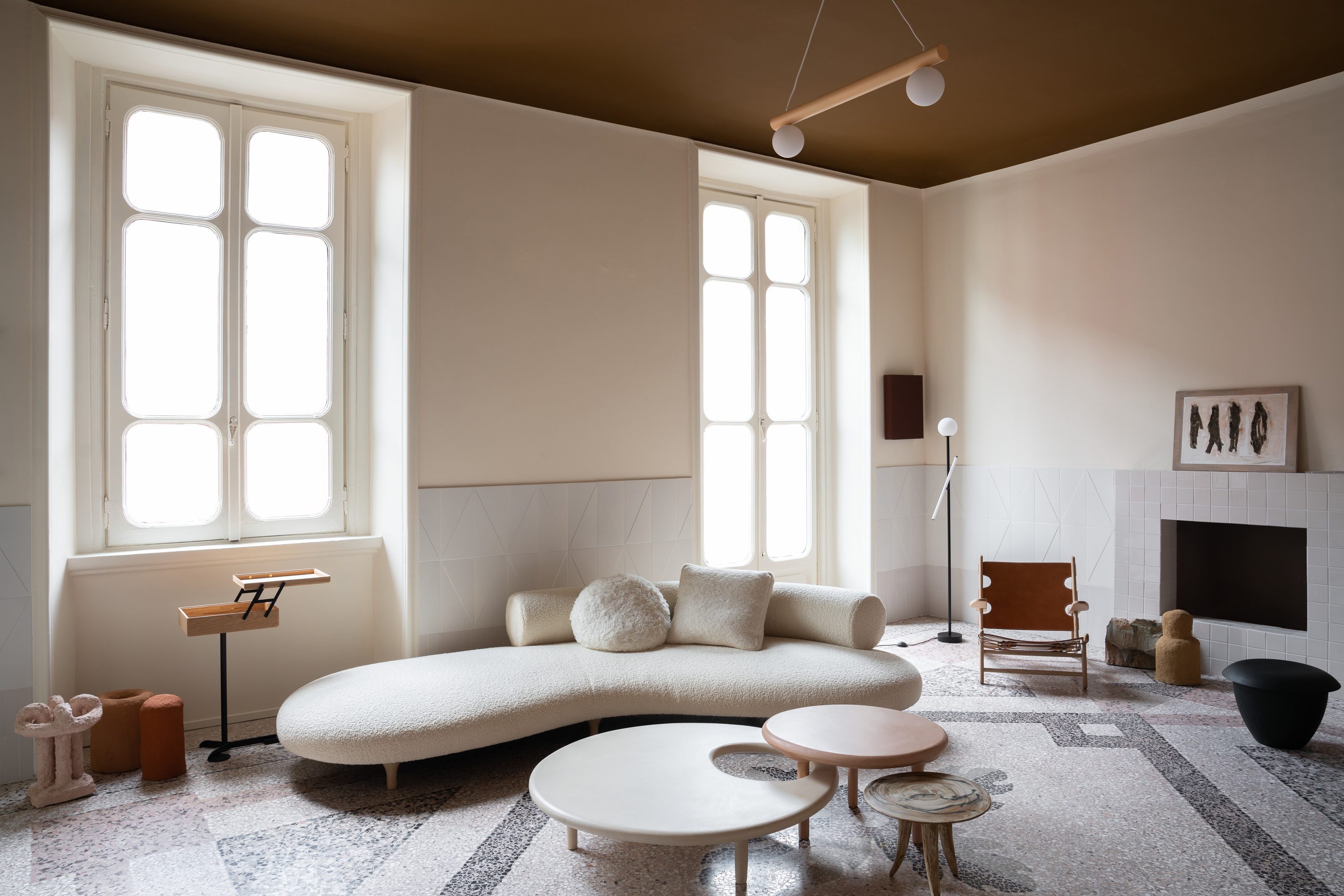
Bilotta explains that rich, dark, and saturated colors, including brown, can be exceptionally effective on ceilings in almost any room size. The crucial element is establishing visual balance between light and dark tones. A deep, saturated brown can be particularly harmonious in spaces featuring natural wood accents with prominent knots or grain. This approach moves away from the diminishing popularity of all-white aesthetics, with balancing light and dark elements becoming key to maintaining a contemporary home design. Incorporating a deep, warm color like brown on the ceiling offers a distinctive way to add dimension and introduce a fresh look to a space.
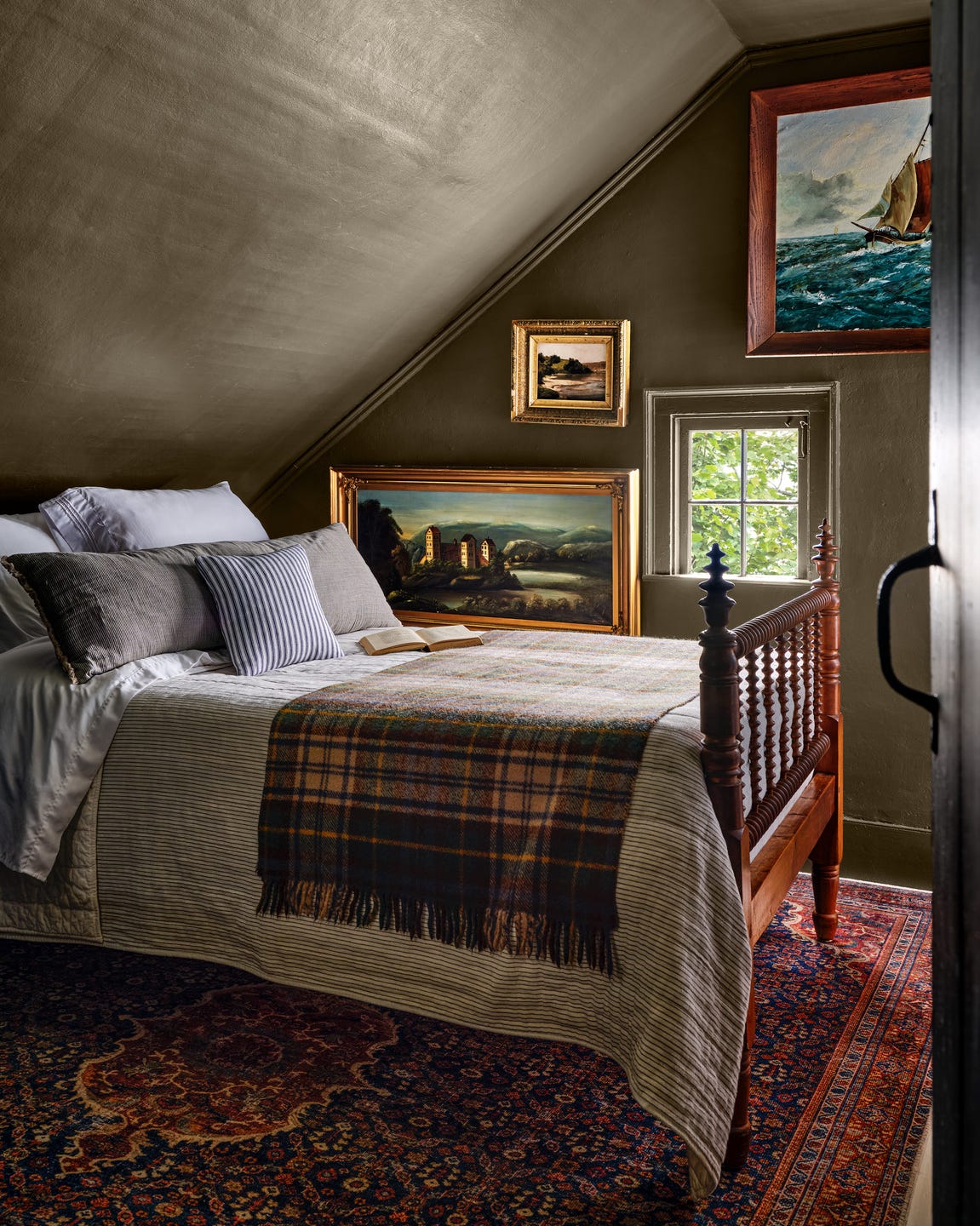
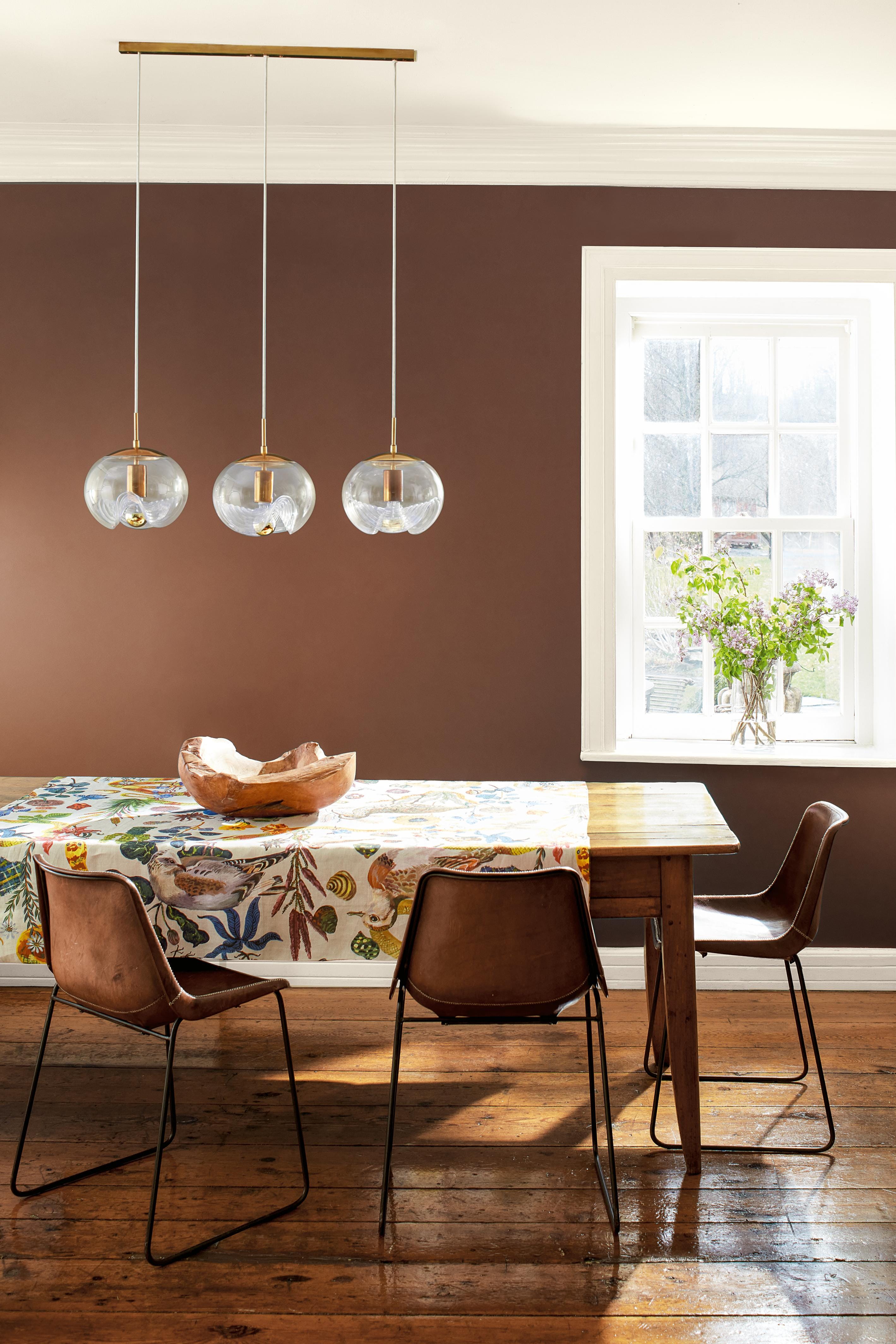
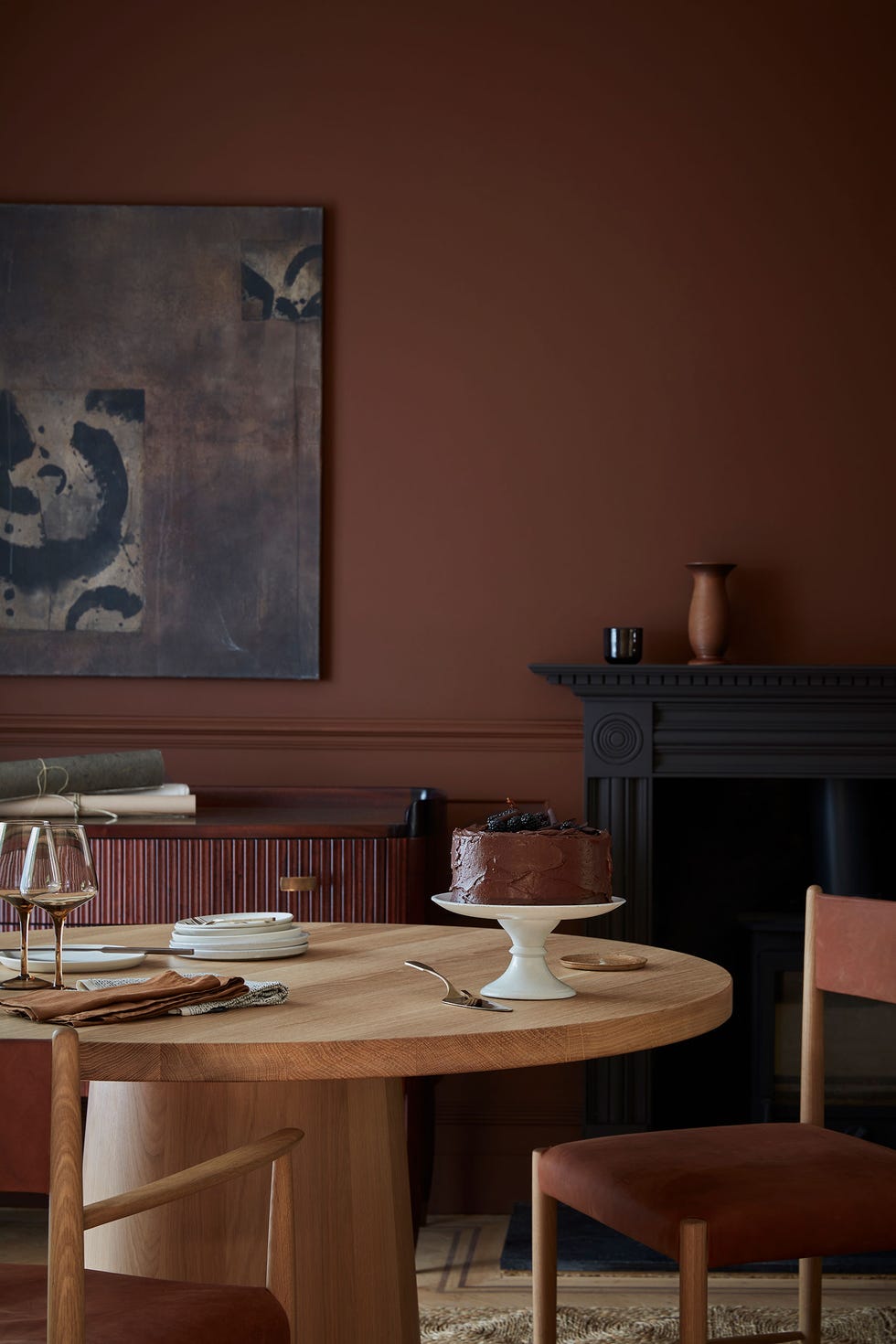
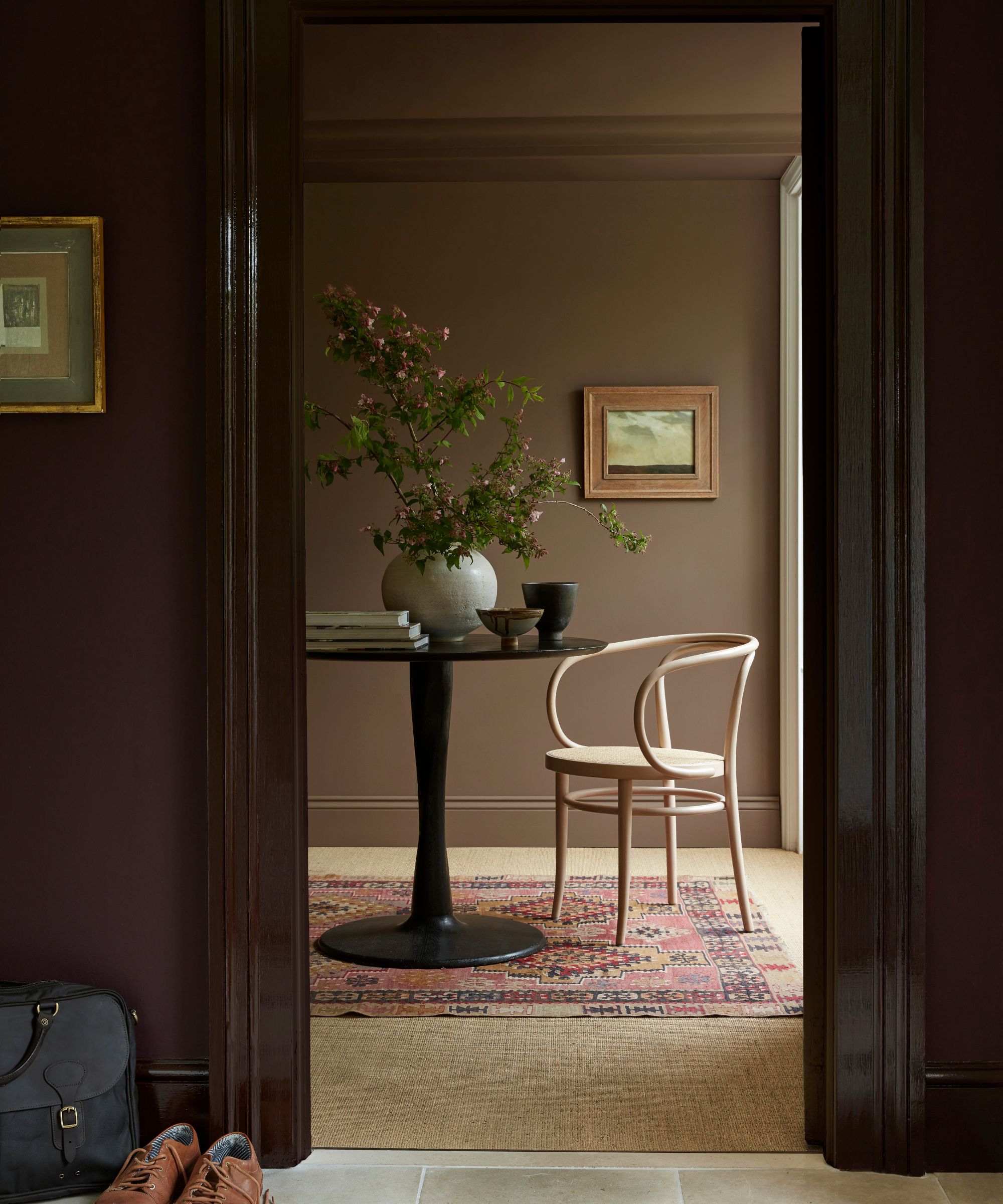
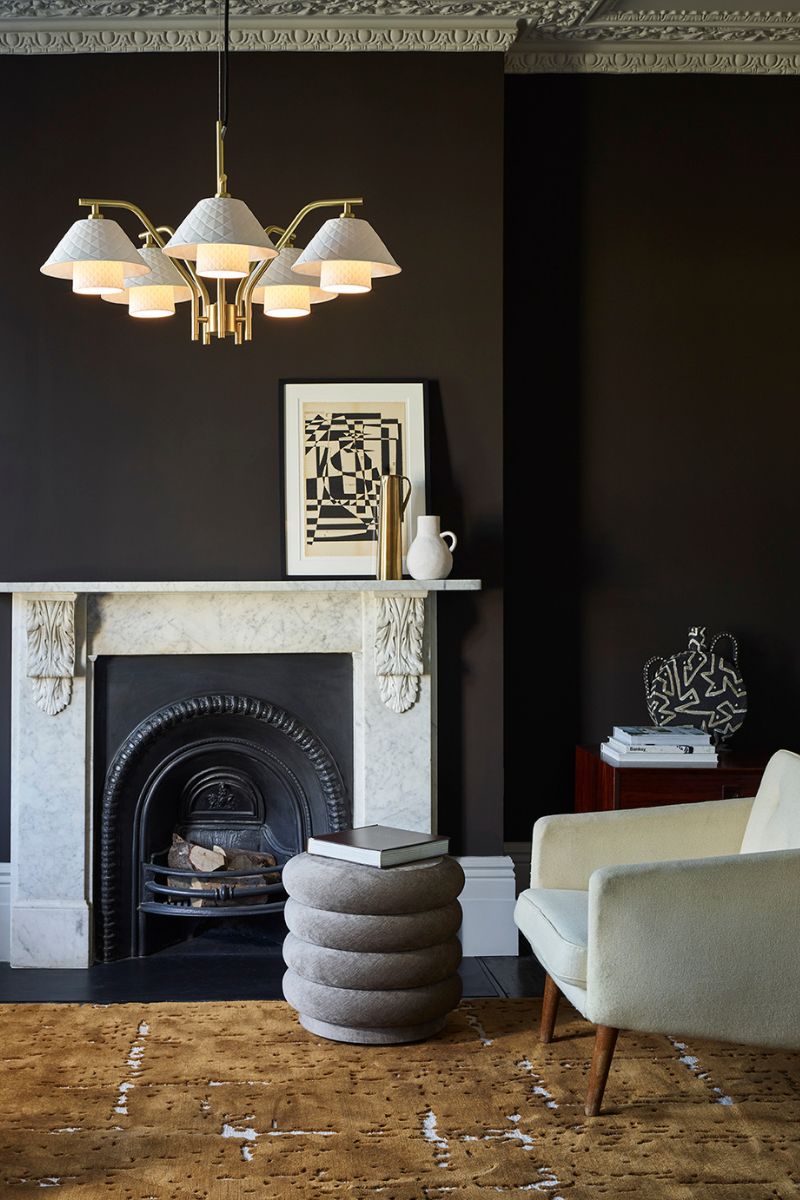
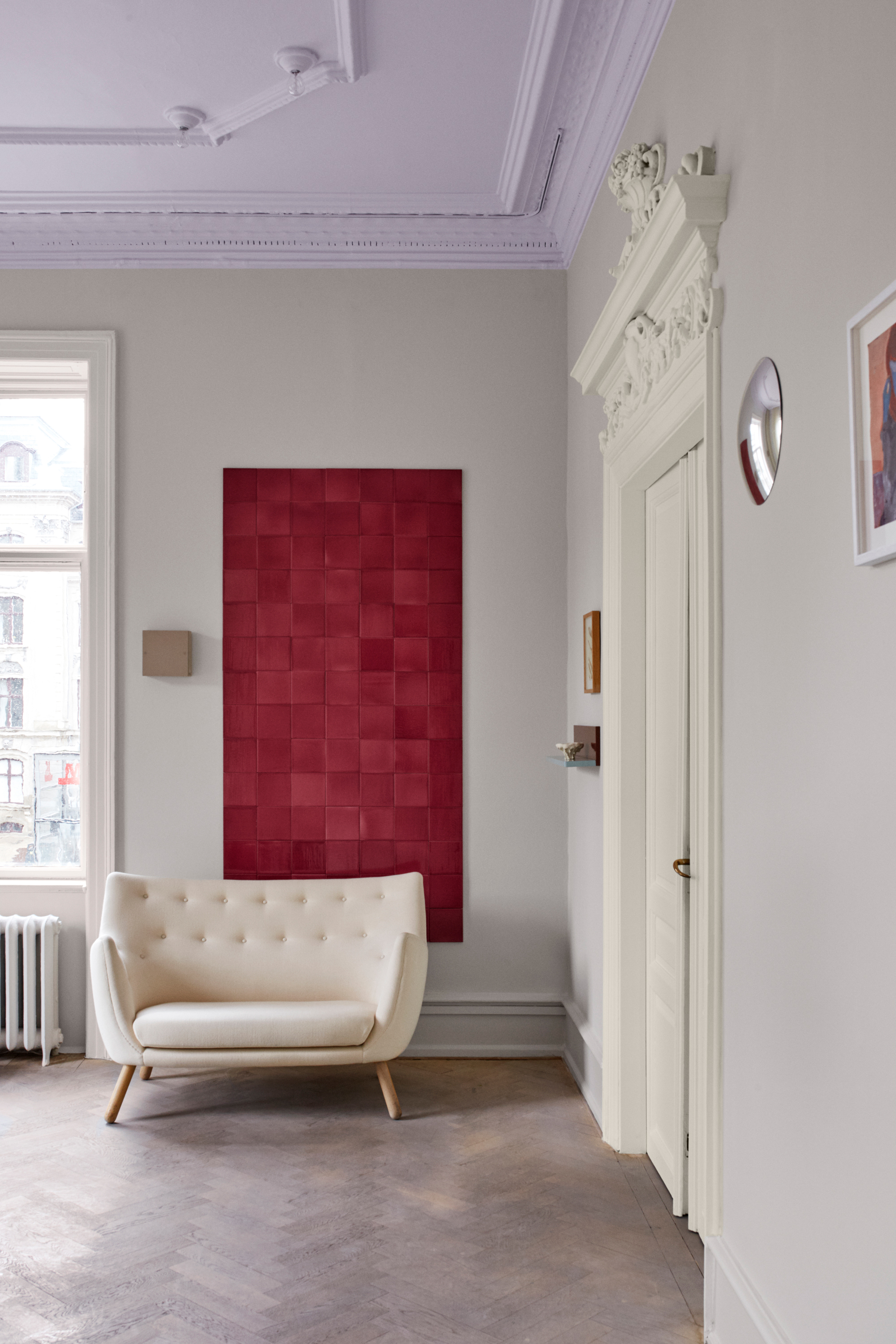
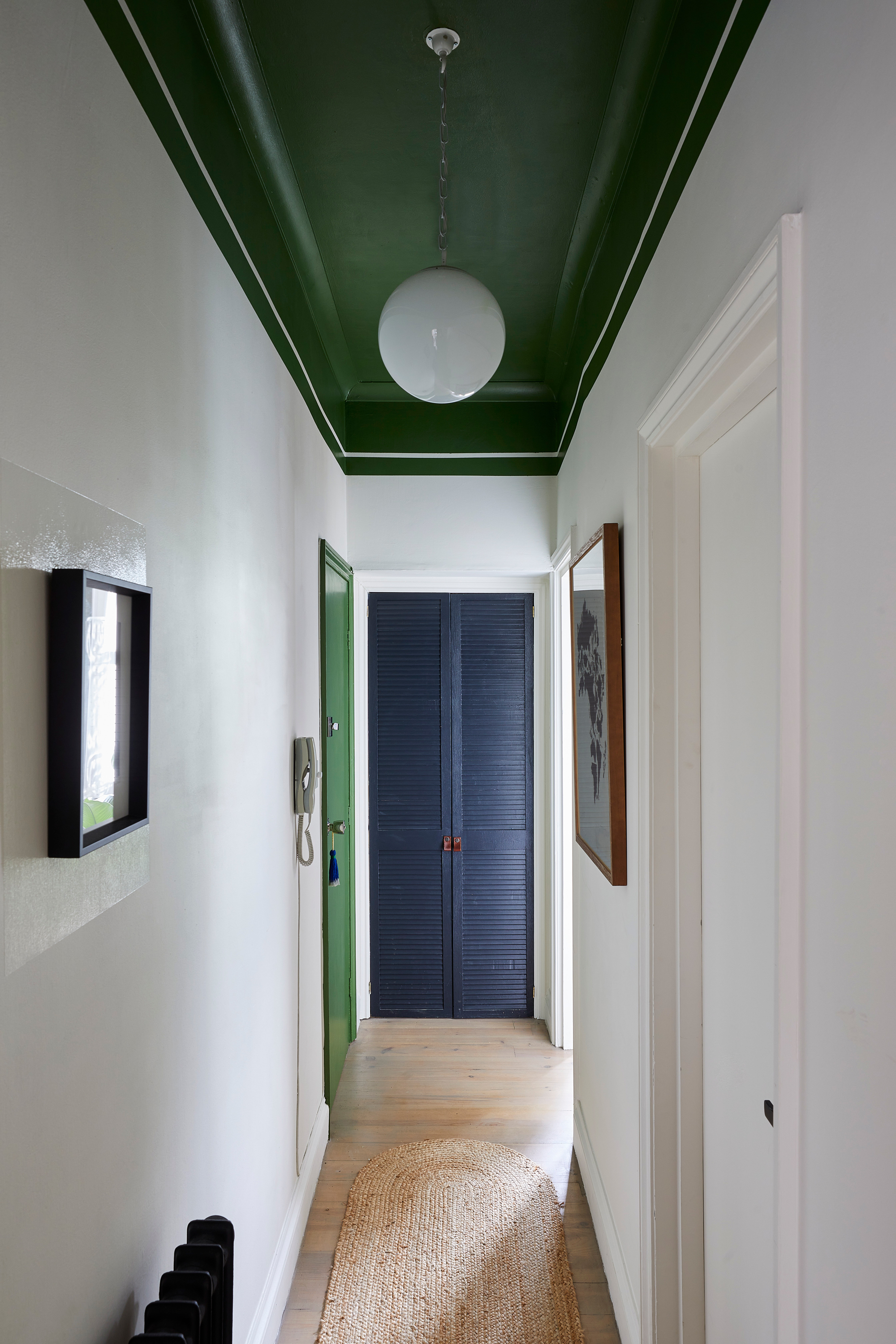
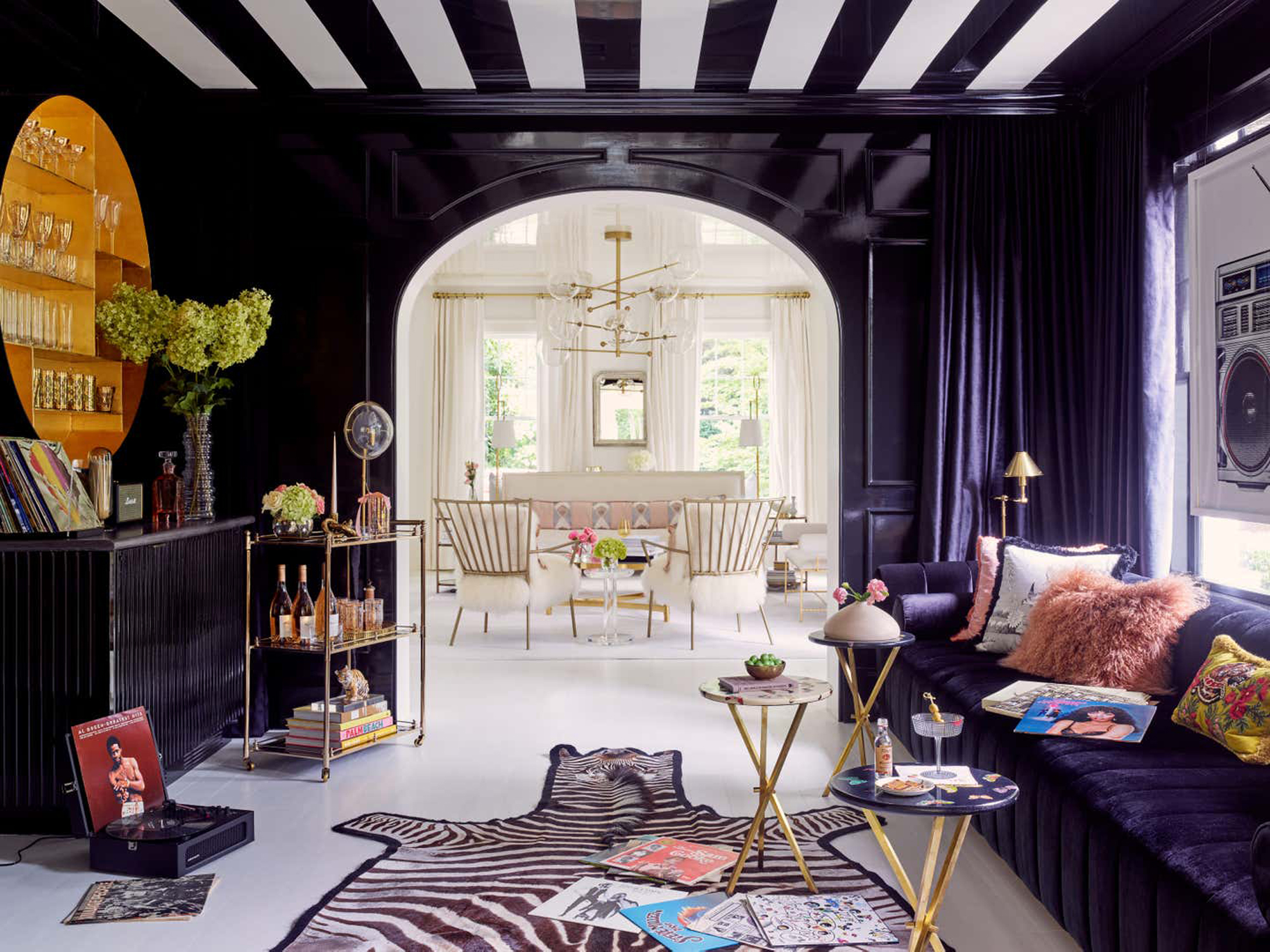
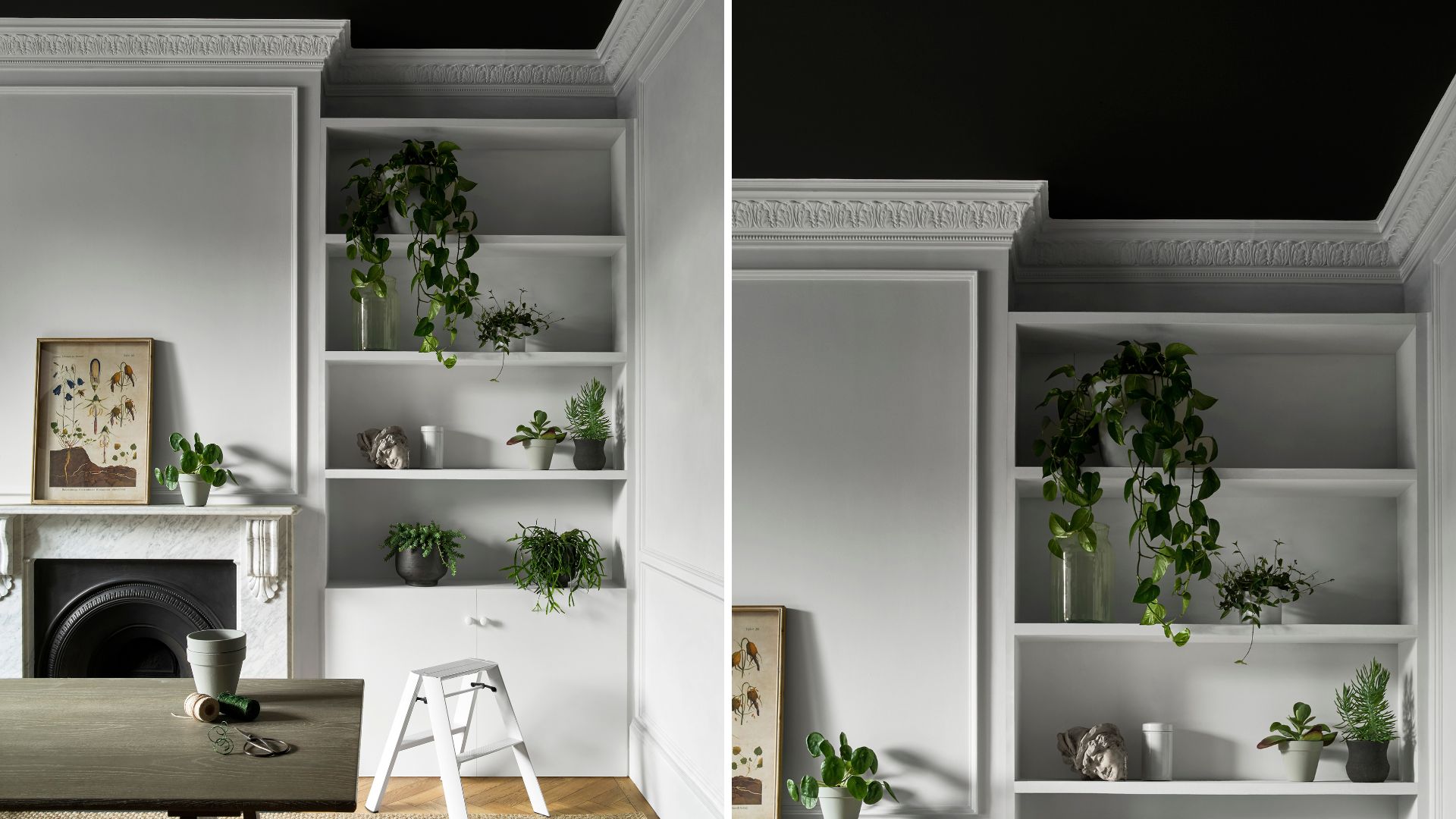
For those considering a brown accent ceiling, Bilotta encourages embracing dark colors and the maximalist trend. She suggests pairing a dark chocolate brown ceiling with contrasting elements such as navy blue crown molding or walls adorned with emerald green brocaded wallpaper. Alternatively, matching the molding color with the ceiling can create an illusion of extended ceiling height. Bilotta emphasizes that homeowners are not limited to other shades of brown for a cohesive look. Instead, she recommends exploring other saturated, warm tones like deep burgundies and rich olive greens, which can splendidly complement dark brown. Drawing inspiration from color trends like the Pantone Color of the Year or effectively utilizing neutral grayish-brown paints, such as 'mocha mousse,' are also viable options.
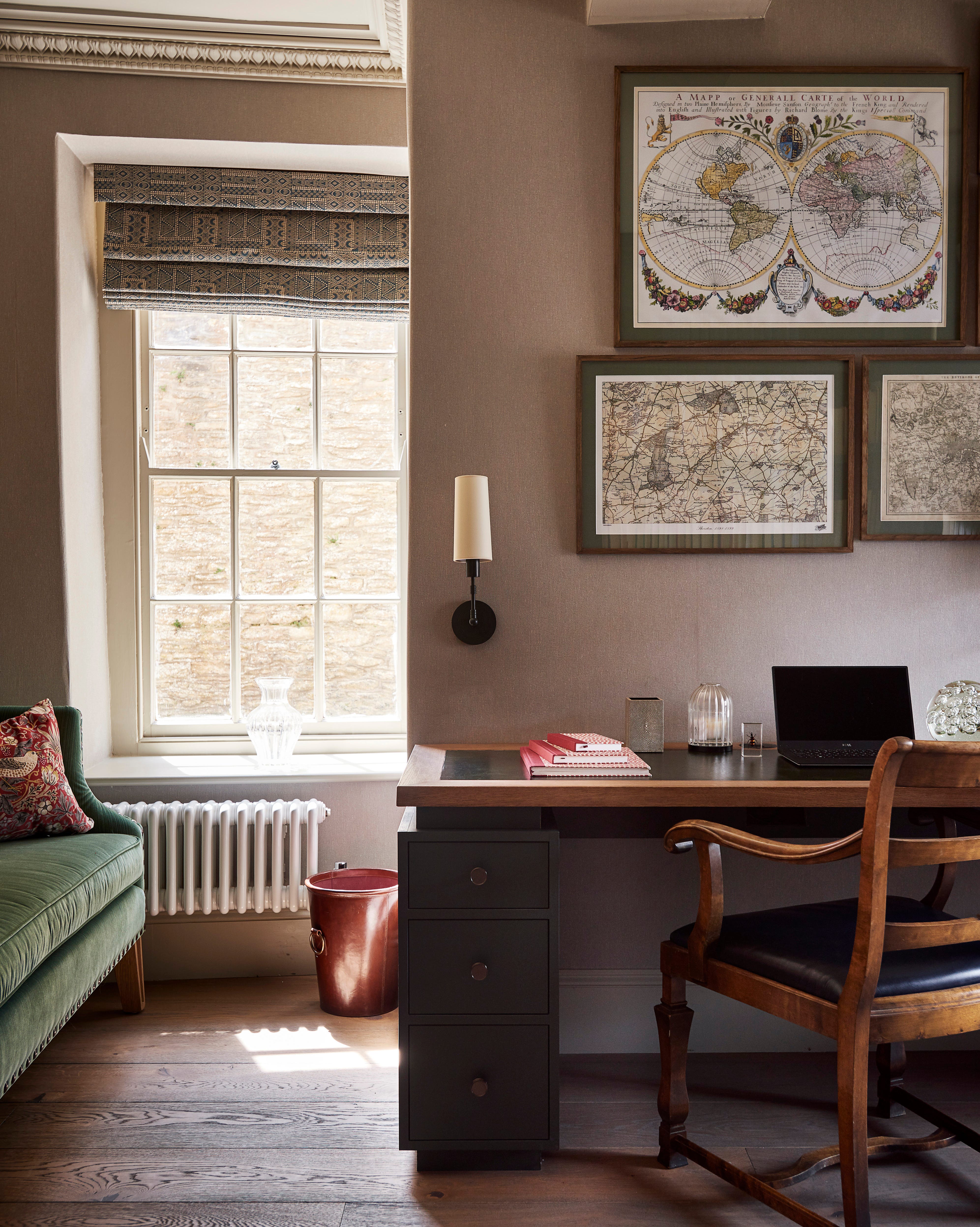
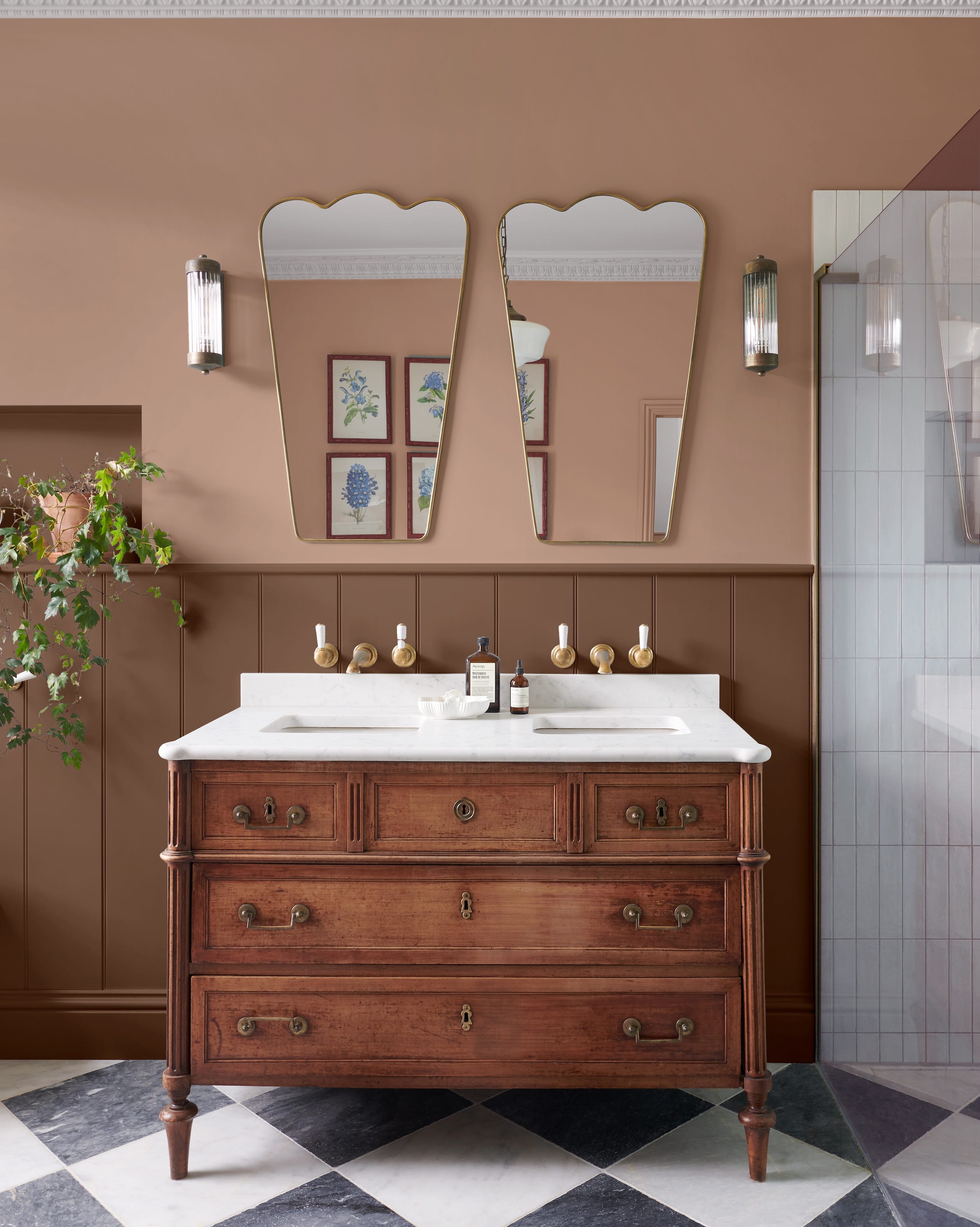
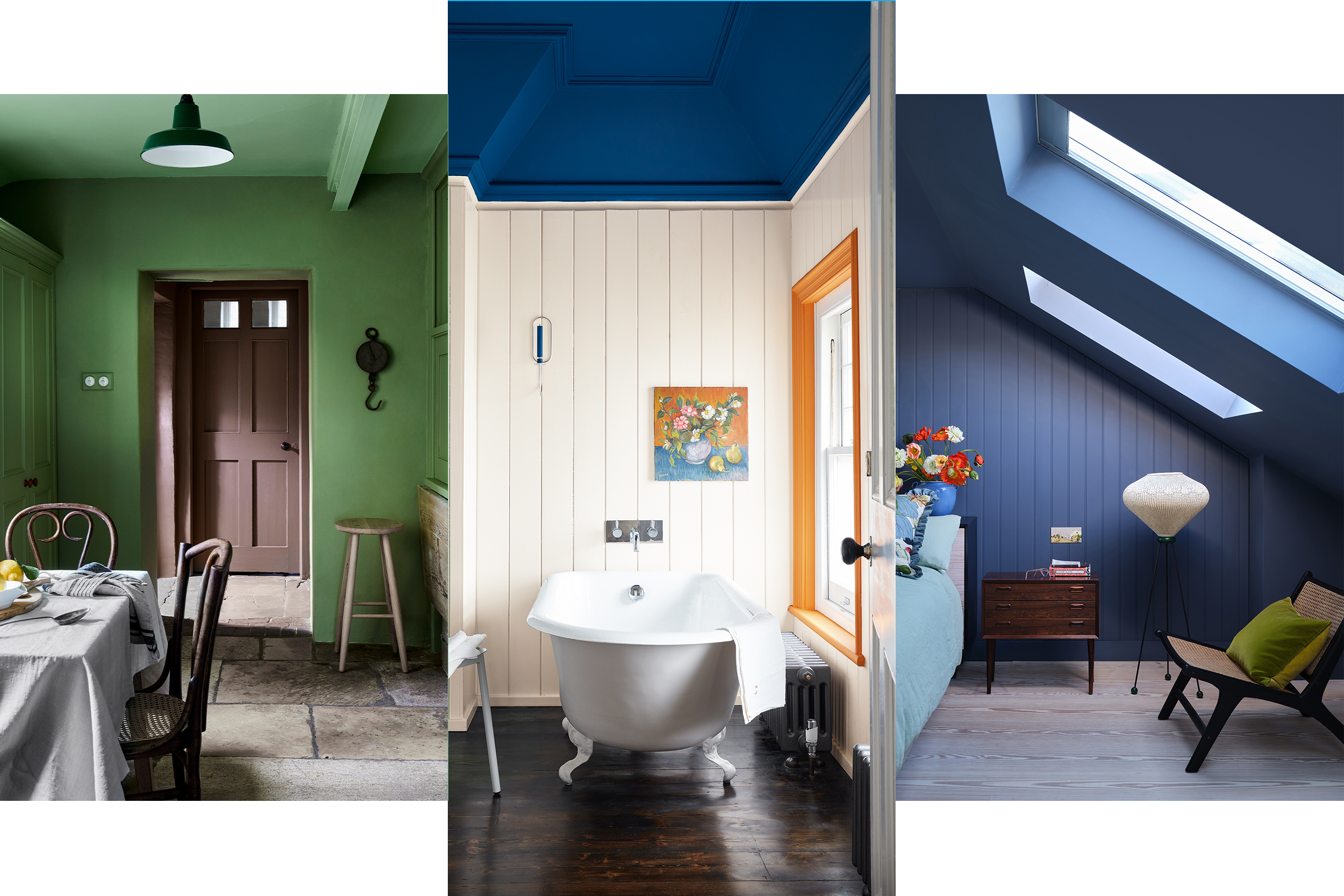
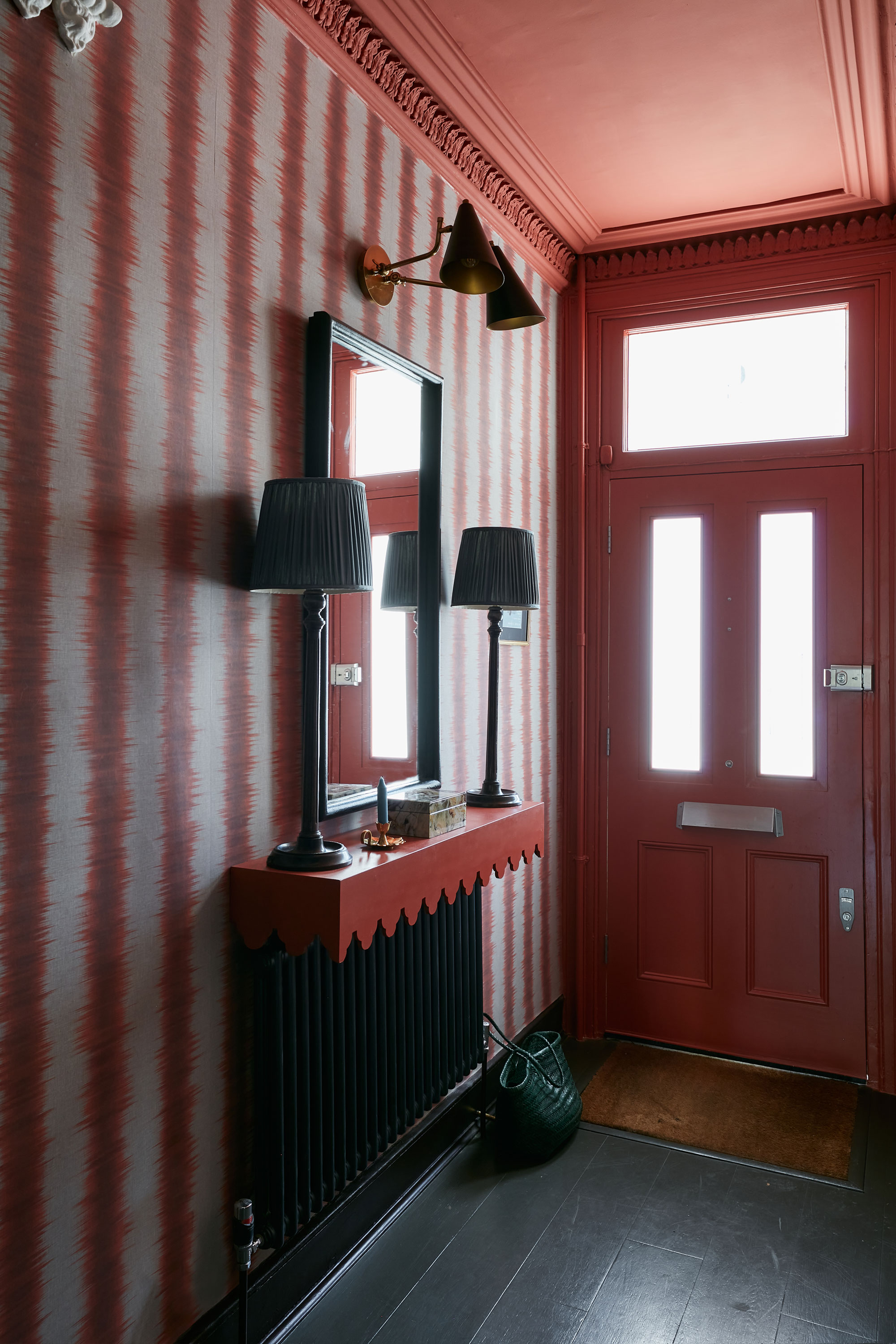
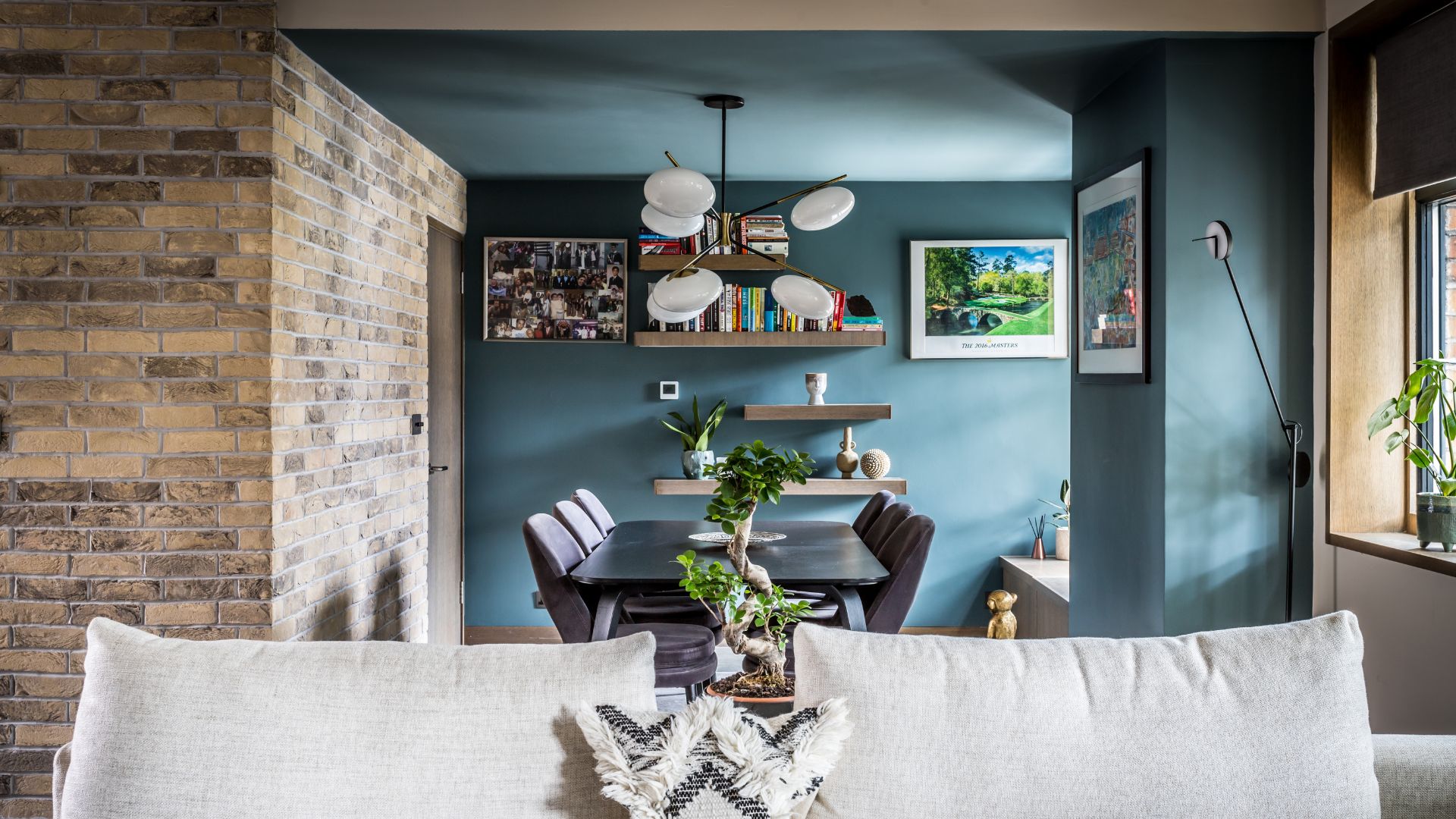
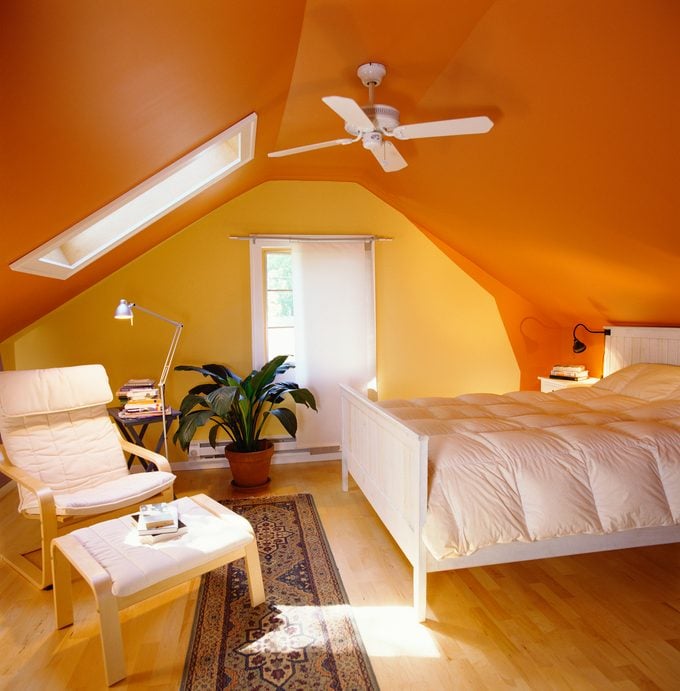
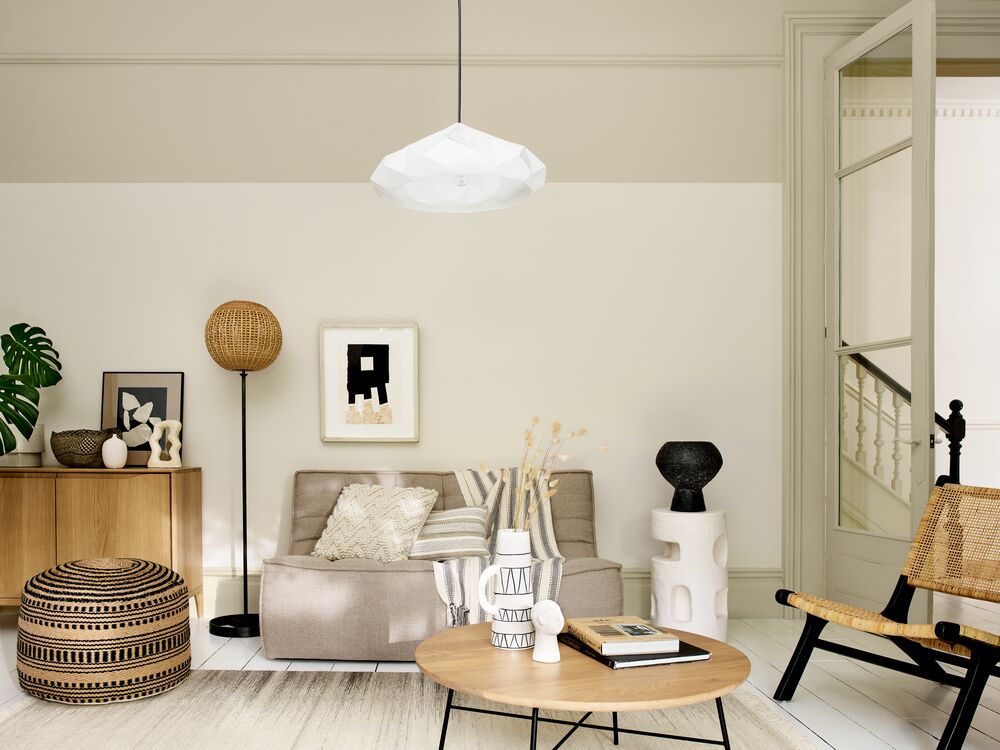
Regarding room selection, Bilotta states that a brown ceiling can suit almost any room, with the chosen shade being a critical factor. For instance, a deep terra-cotta tone could enhance a boho-style space furnished with natural fiber textiles, while 'mocha mousse' would be suitable for a contemporary interior with a palette rich in grays and beiges. To ensure the brown accent ceiling integrates seamlessly, Bilotta provides specific complementary color recommendations. For chocolate brown ceilings with cool undertones, she suggests Benjamin Moore's Midnight Navy or Old Navy. A more neutral brown could be paired with Benjamin Moore's grayish-green Vintage Vogue. Gray-brown ceilings would work well with Benjamin Moore's classic burgundy. For a subtler effect, cream walls with window casings and baseboards matching the accent ceiling are recommended. Bilotta also suggests pairing an orangey-brown ceiling with Farrow & Ball's Hague Blue for a sultry effect, noting the increased physical effort required for ceiling painting and advising professional assistance due to the difficulty of covering dark colors.
#AccentCeiling #BrownCeiling #HomeDesignTrends #InteriorDecor #ColorPalette #MaximalistDesign #DesignTips #PaintColors #AccentCeiling #BrownCeiling #HomeDesignTrends #InteriorDecor #ColorPalette #MaximalistDesign #DesignTips #PaintColors
0 comment in total
 No comments yet
You may also like
We’re Calling It Now: Brown is About to Have a Major Design Moment
Brown is the colour of the moment — here's how to use it in your home
Ceiling paint ideas – 10 ways to make your fifth wall wonderful

This Painted Ceiling Trend For 2023 Is So Chic

You Should Seriously Consider Painting Your Ceiling Pink—Here's Why

Why “Quiet Luxury Brown” Is Poised to Be the Most Popular Color of 2024

7 Paint Colors to Never Use on Your Ceiling, According to Interior Designers
Painted ceiling ideas – 10 of the best ways to give this decorating trend an unexpected twist

Yes, You Should Absolutely Paint Your Ceiling
Hot Home Trend: Painted Ceilings
Best ceiling colors – 8 paint shades that work perfectly overhead, according to interior designers
The best colour for ceilings as recommended by interior designers and colour specialists


So You Want to Paint Your Ceiling? Read This First

Painting the ceiling with colour is a trend that is looking up
When you should and shouldn't paint your ceiling, according to interior designers

8 Ceiling Paint Color Trends to Consider for Your Next Home Refresh

Should you paint your ceiling a different colour to the walls? Experts explain why everyone should consider it
'It's moody, it's cozy, and it looks good with both neutrals and color' – here's why brown is replacing black in interior design
Trend Alert: Here’s How To Perfect The Painted Ceiling Look

The Ceiling Paint Color Trend That's Making A Splash In Interiors