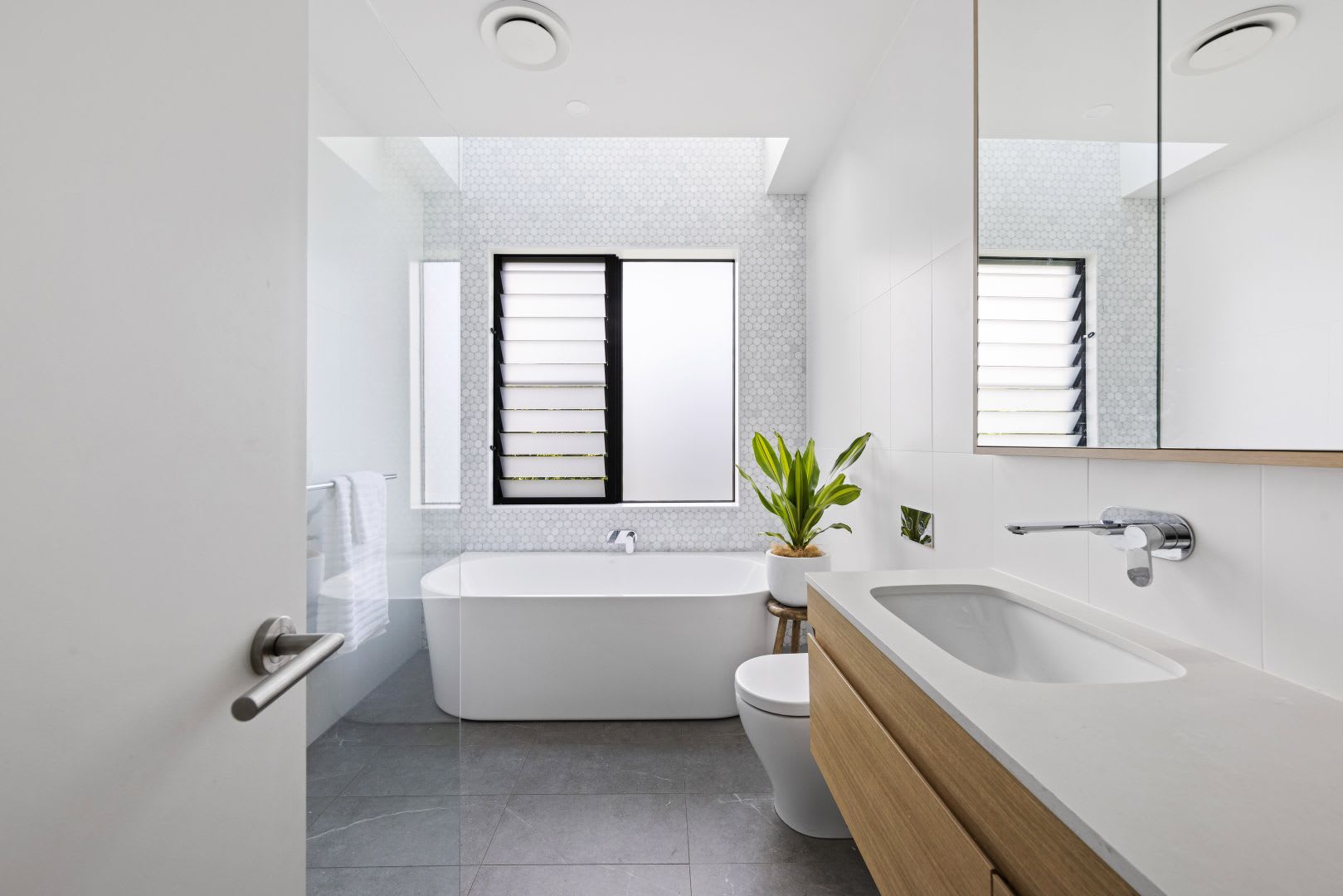
1/4
Hate cleaning? Design tips that will make your bathroom a dream to maintain
Designing a bathroom that is both aesthetically pleasing and easy to maintain is a crucial consideration, particularly when building or renovating a home. Bathrooms are high-traffic areas prone to moisture, which can lead to hygiene issues, mold growth, and material deterioration if not properly planned. Expert Kim Masters emphasizes that a well-designed bathroom can simplify cleaning routines and prolong the lifespan of its components, preventing common problems like grout deterioration and leaks.
To achieve an easy-to-maintain bathroom, several design strategies are recommended. First, avoiding tight spaces is essential. A well-thought-out layout with adequate clearance around fixtures, including wall-mounted tapware, prevents the accumulation of dust, dirt, and moisture in hard-to-reach areas, thereby facilitating easier cleaning.
Secondly, the choice of tiles significantly impacts maintenance. Large-format tiles, ideally 600 x 600mm or larger, are preferred, especially in wet zones like showers. These tiles reduce the number of grout lines, which are notorious for trapping dirt and promoting mold growth. While feature tiles can add visual appeal, it is advisable to use them sparingly, perhaps only on the top half of a shower wall, to minimize grout-related cleaning demands. Incorporating a full shelf instead of a niche in the shower can also offer functional storage while acting as a natural transition point for different tile designs.
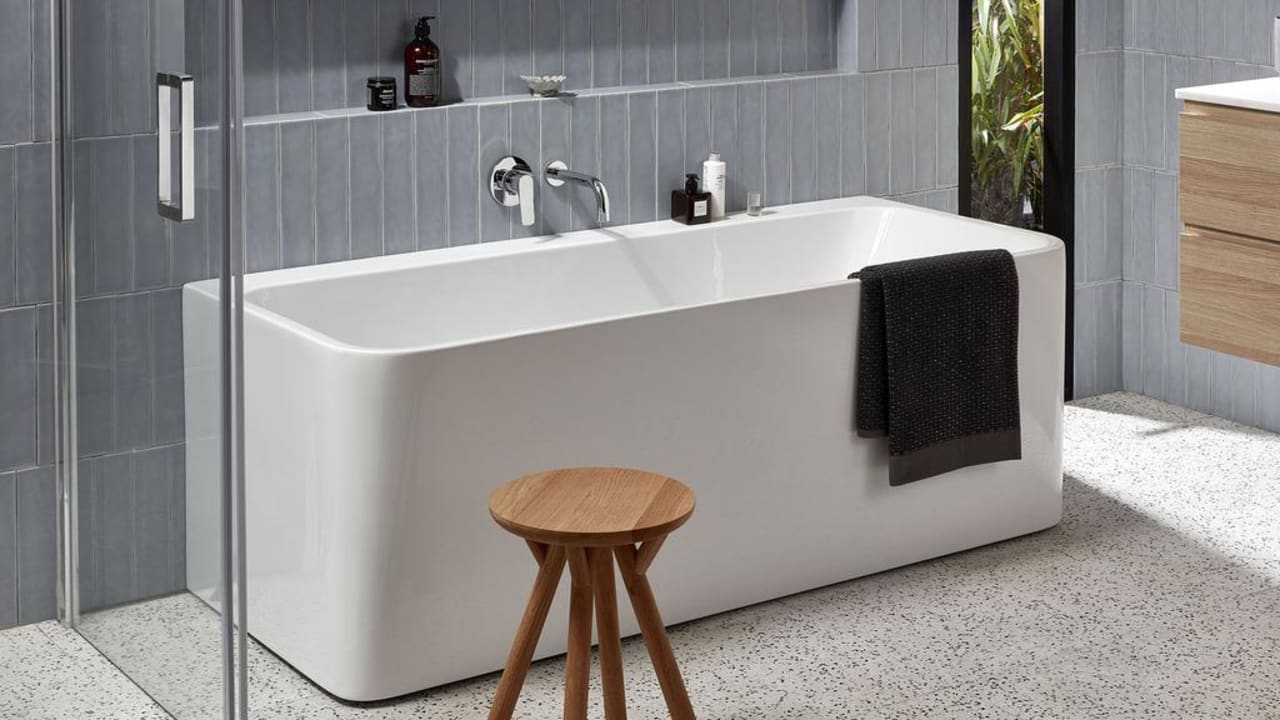
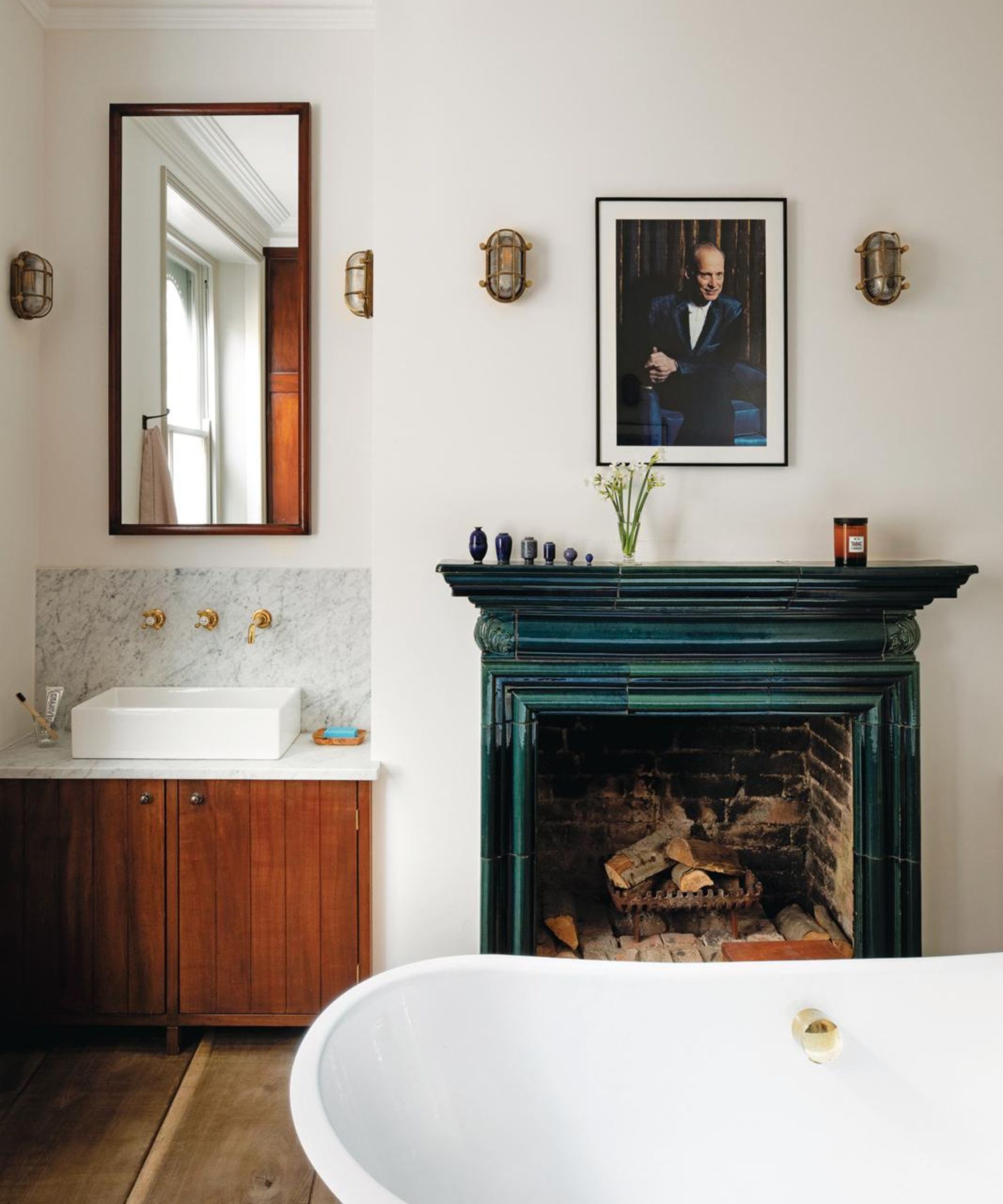
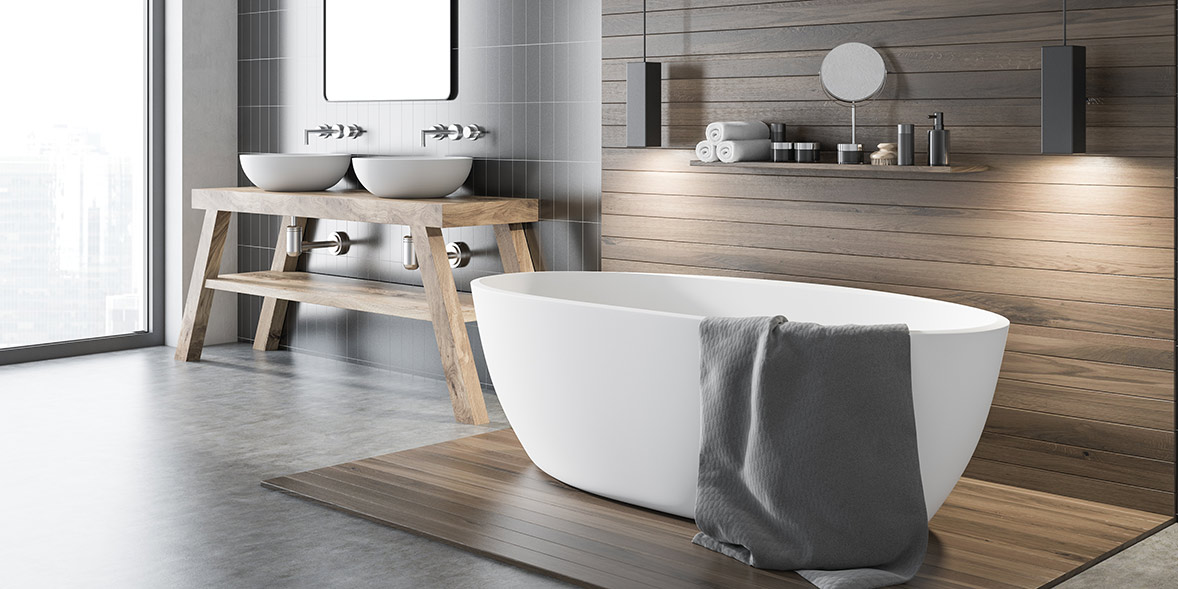
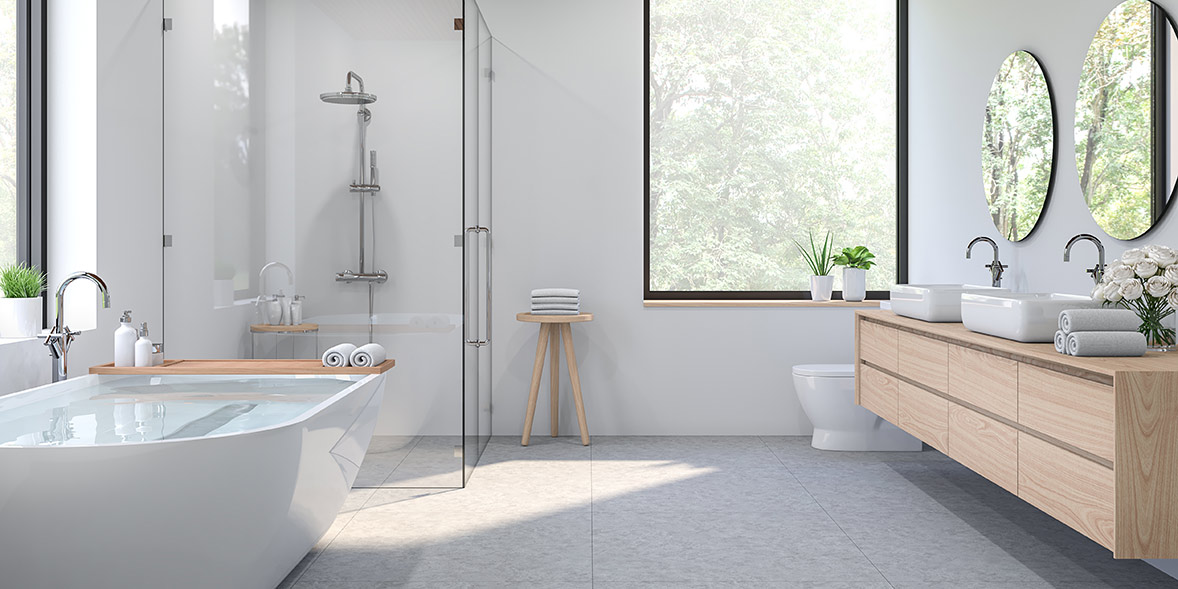
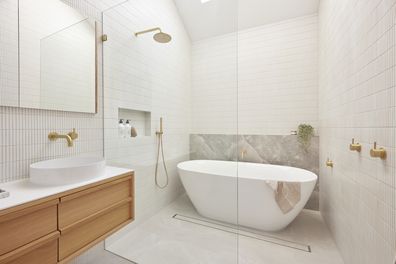
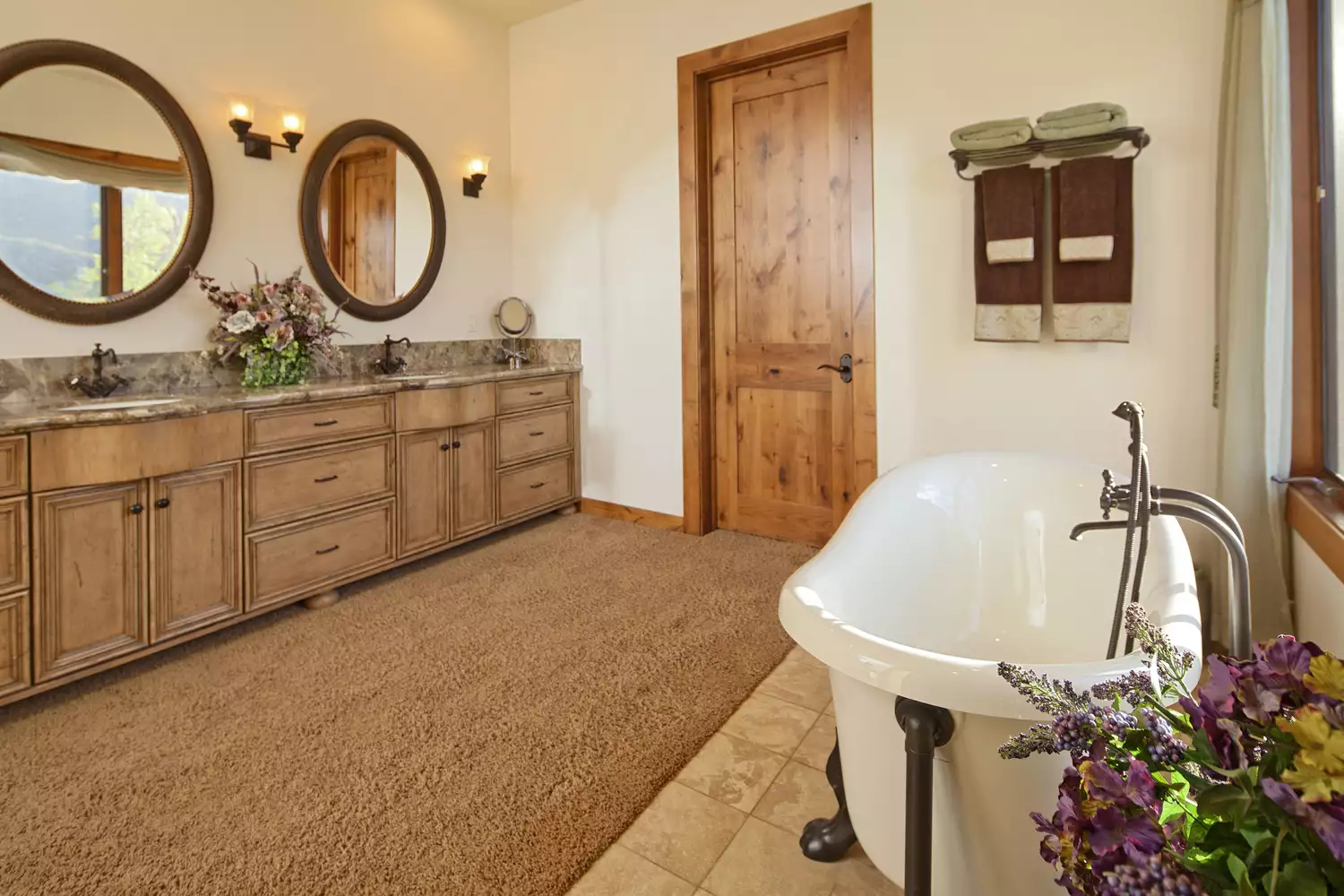
Bathtub selection also plays a role in reducing cleaning effort. Freestanding baths, despite their elegance, are often challenging to clean around due to the surrounding gaps. More practical alternatives include back-to-wall baths, which eliminate the space behind the tub, and corner baths, which minimize gaps on multiple sides. Built-in baths offer the most maintenance-free solution, as they have no gaps, simplifying cleaning and allowing for seamless tiling.
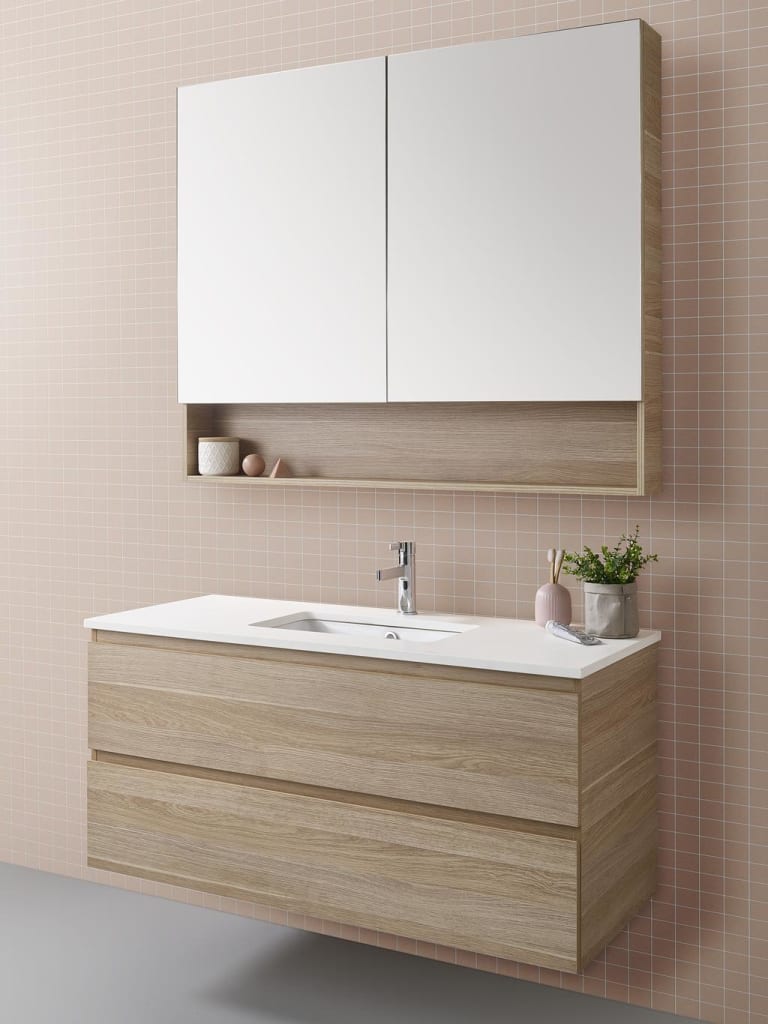
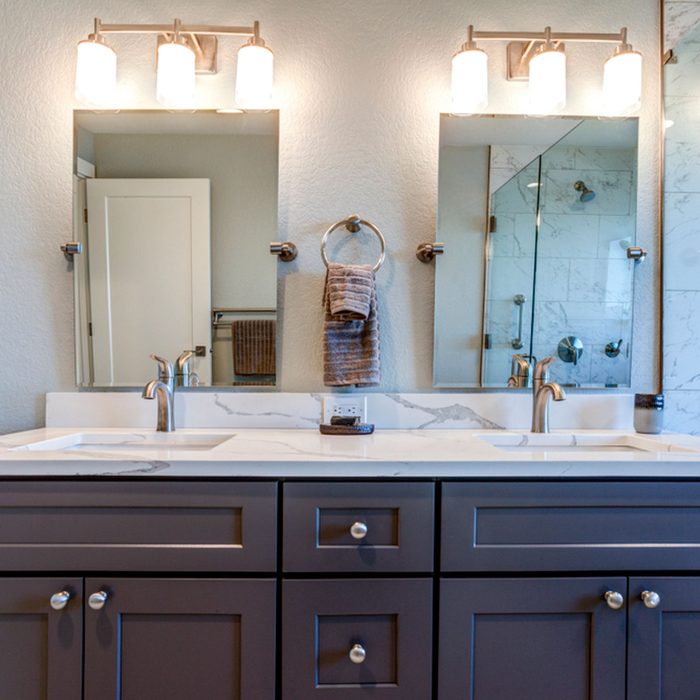
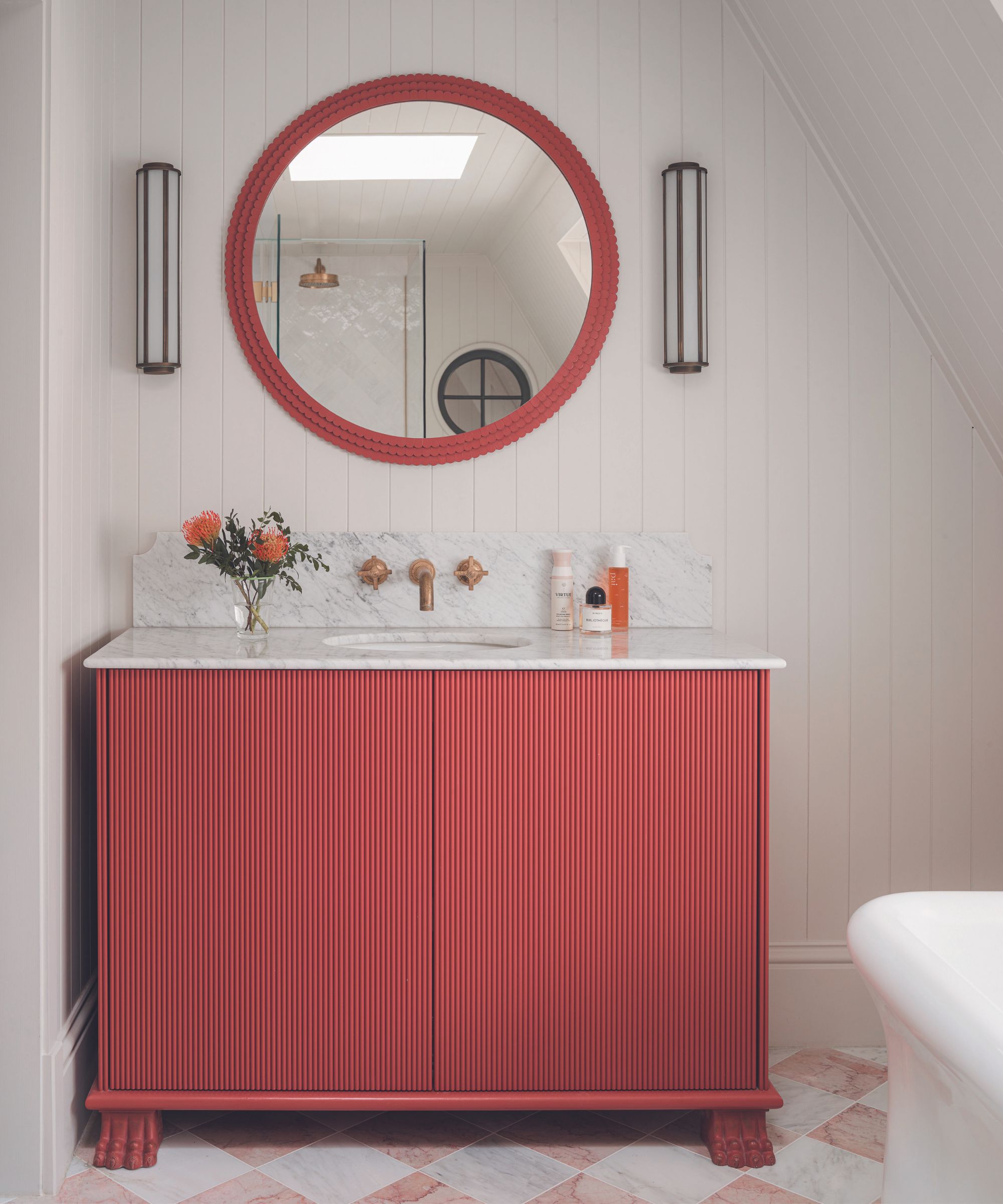
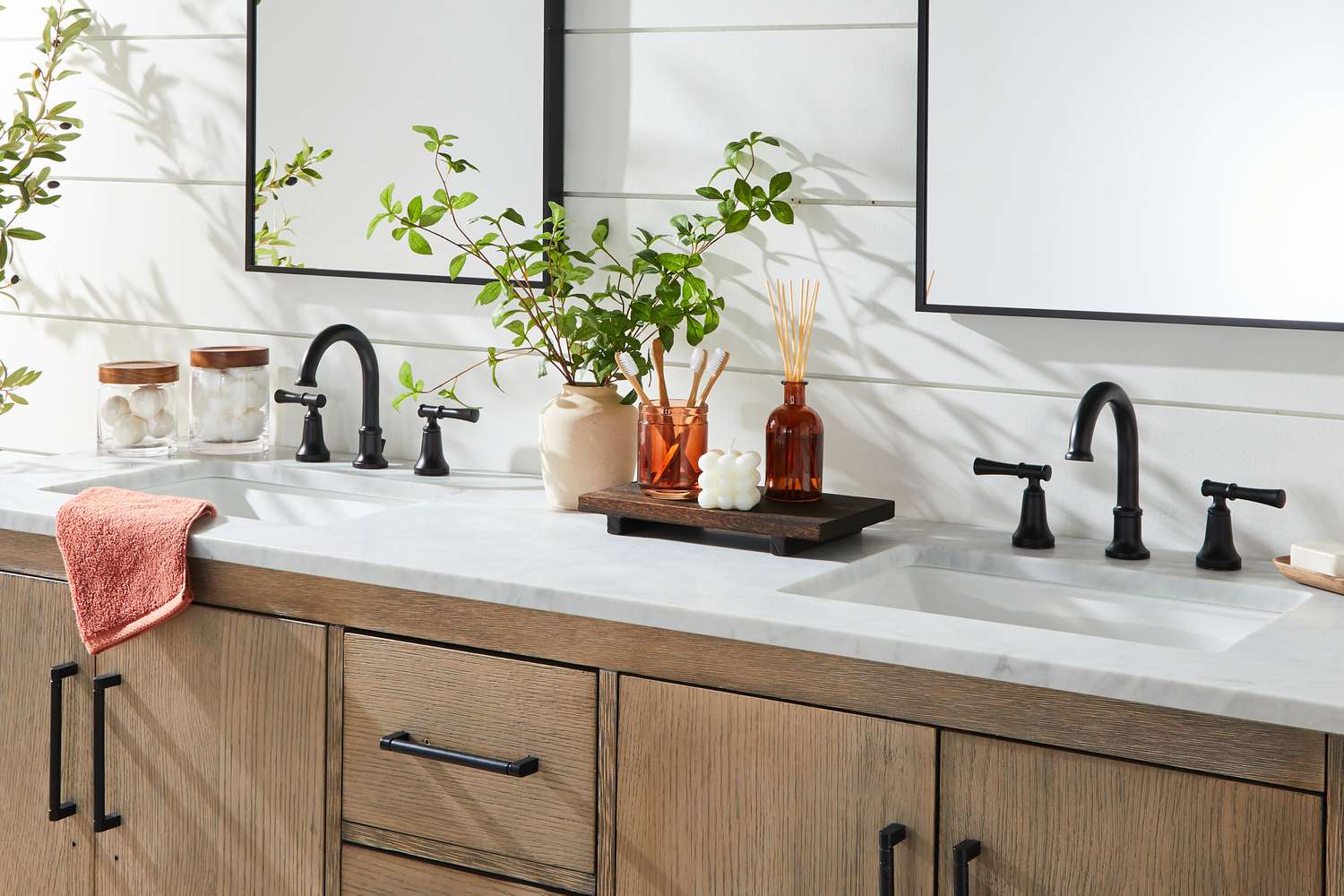
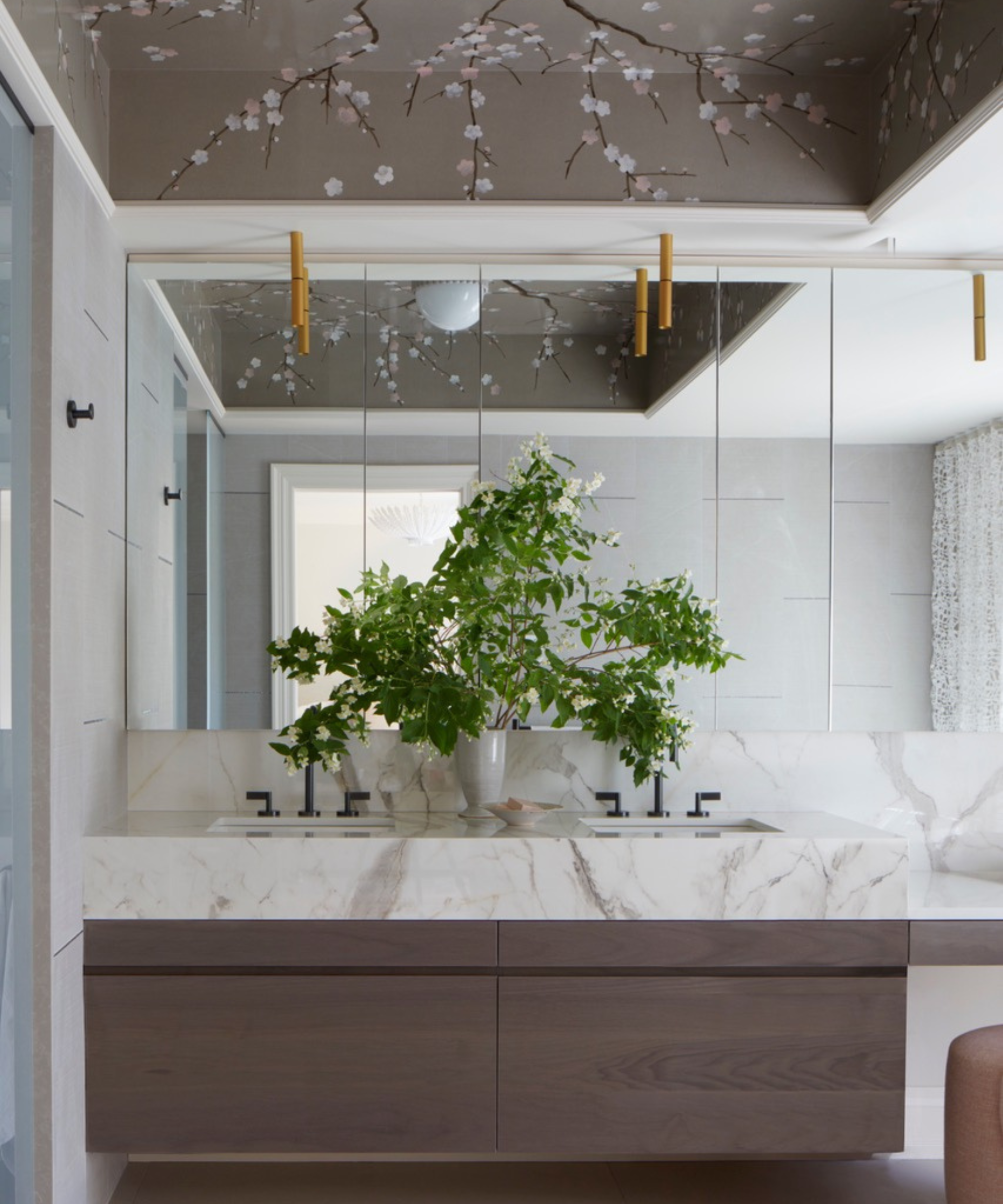
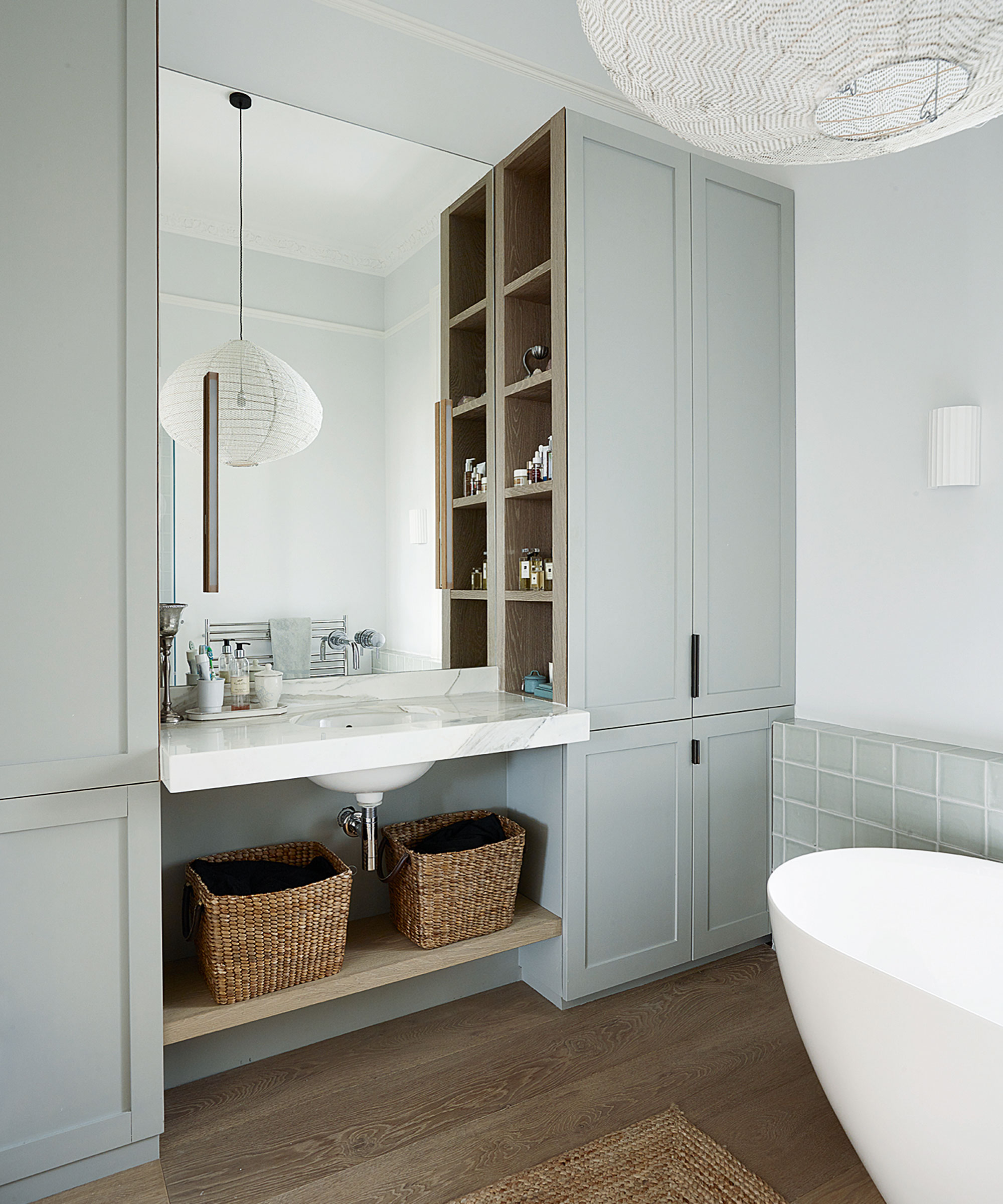
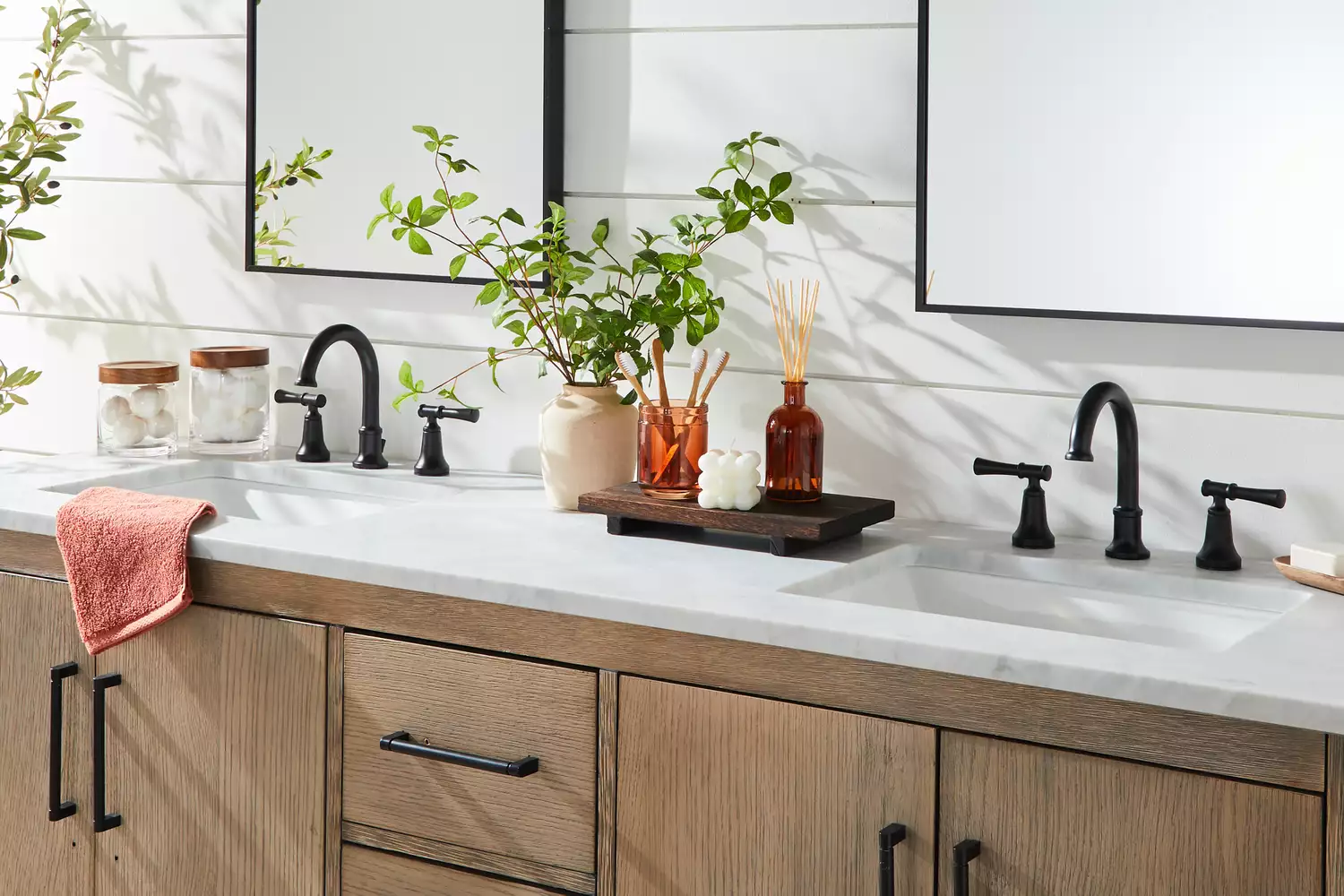
Regarding basins, under-mount or integrated styles are recommended for their ease of cleaning. These designs lack raised edges where dirt, water, or soap can accumulate, allowing for a smooth and quick wipe-down of the countertop and basin area. Shower glass, a common source of soap scum and water stains, can be largely avoided by opting for tiled partition or nib walls. These alternatives eliminate the need for glass cleaning entirely. If a full partition wall might block natural light, a half-height nib wall with glass on the upper section can provide a balance, as soap scum typically collects more at the bottom.
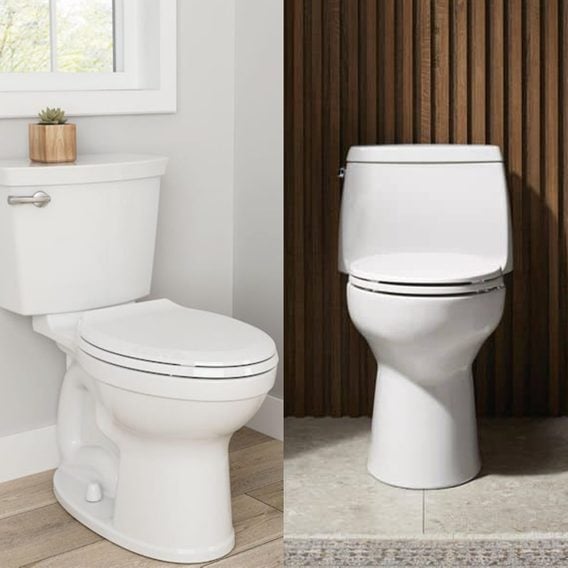
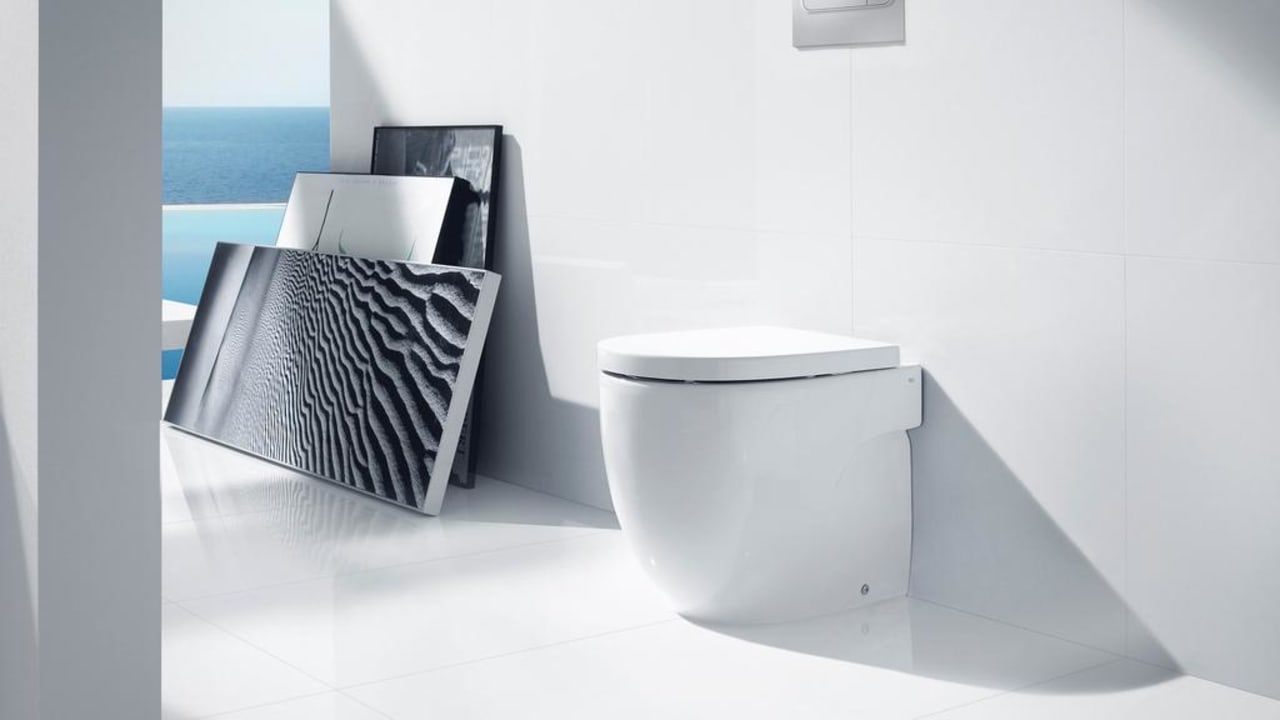
Finally, material finishes and ventilation are critical. Natural stone surfaces, such as marble or travertine, require regular sealing and are prone to staining, chipping, and cracking, making them high-maintenance choices. Porcelain and ceramic tiles are more durable and easier to care for. Brushed finishes on tapware tend to show fingerprints and watermarks more readily than polished, matte, chrome, or stainless steel options, which are considered more timeless and easier to clean. Adequate ventilation, achieved through strong exhaust fans or windows, is vital to prevent moisture buildup, mold, and mildew, contributing to a drier and fresher bathroom environment and reducing the need for intensive cleaning. For toilets, back-to-wall closed-coupled rimless models are the easiest to clean and maintain, with Japanese Toto toilets offering advanced cleaning features if the budget allows.
#BathroomDesign #EasyMaintenance #HomeRenovation #TileSelection #FixtureChoices #BathroomCleaning #Ventilation #HomeDesignTips #BathroomDesign #EasyMaintenance #HomeRenovation #TileSelection #FixtureChoices #BathroomCleaning #Ventilation #HomeDesignTips
0 comment in total
 No comments yet
You may also like
Bathroom Ideas, Cleaning and Repair

How to declutter a bathroom according to the experts

Your Bathroom Is a Sacred Space—Keep It Organized With These Nifty Products
8 Things in Your Bathroom That Instantly Give Designers the Ick

'Organize Your Life': Tools and tips to keep your bathroom clean and tidy

Home Designers Reveal 10 Details That Make a Bathroom Beautiful
6 Tricks Professionals Always Use to Keep Their Bathrooms Clean for Longer
Here are the best things designers have bought for their bathrooms
How to design a bathroom that’s easy to clean
8 Questions You Should Always Ask Yourself Before Decluttering Your Bathroom

How to design a bathroom: decor ideas and tips
11 items not to store in a bathroom cabinet, and what experts say to do instead

6 Things That Immediately Make Your Bathroom Look Messy, According to Organizers

Keep Your Bathroom Tidy With These Clever Storage Ideas and Hacks

Design pros share their best tips for renovating and styling your bathroom

27 small things you can do to spruce up your bathroom, according to an interior designer
Transform a Cramped Bathroom Into a Polished Gem With These Designer-Approved Ideas

How do you decide on a bathroom style? Interior designers offer their top tips
How to organize a bathroom — 10 ways to freshen up your routine

Bathroom ideas – beautiful bathroom designs you will love