8 Questions You Should Always Ask Yourself Before Decluttering Your Bathroom
Before embarking on the task of decluttering a bathroom, a strategic approach is essential to maximize efficiency and ensure only necessary items are retained. The process begins by defining the primary decluttering goal: whether it's to create more storage space, minimize countertop clutter, or simply foster a more organized and serene environment. Understanding this 'why' will dictate the extent of the decluttering effort; for instance, aiming for a minimalistic aesthetic will demand a more rigorous selection of items than a simple tidying. Experts like Erin Tannehill, founder of The Tannehill Homestead blog, emphasize the importance of viewing the bathroom as a potential spa-like retreat, driving a proactive cleaning and organization approach.
A subsequent crucial step involves evaluating the frequency of use for each item. Daily essentials, such as toothbrushes and skincare products, should be easily accessible, while weekly items like deep conditioners can be stored slightly out of the way. Items that have gone unused for several months are strong candidates for removal, prompting a critical assessment of whether they genuinely serve a purpose or merely occupy valuable space. Identifying the root causes of clutter is another vital inquiry. This might reveal issues such as excessive products on countertops, overflowing drawers filled with miscellaneous items, or inefficient utilization of existing storage solutions. Recognizing these underlying problems helps in devising effective and sustainable solutions.
Addressing expired or unused products is also paramount, as bathrooms often accumulate items past their prime. It's important to routinely check expiration dates, especially for skincare and makeup, which can lose efficacy or become unsanitary over time. Any product exhibiting changes in smell, texture, or color should be discarded. Furthermore, assessing for duplicate products, such as multiple shampoos or toothpastes, is key to preventing unnecessary accumulation. While keeping one backup of essential items is practical, excess duplicates should be donated or disposed of to maintain a clutter-free space and avoid redundant purchases.
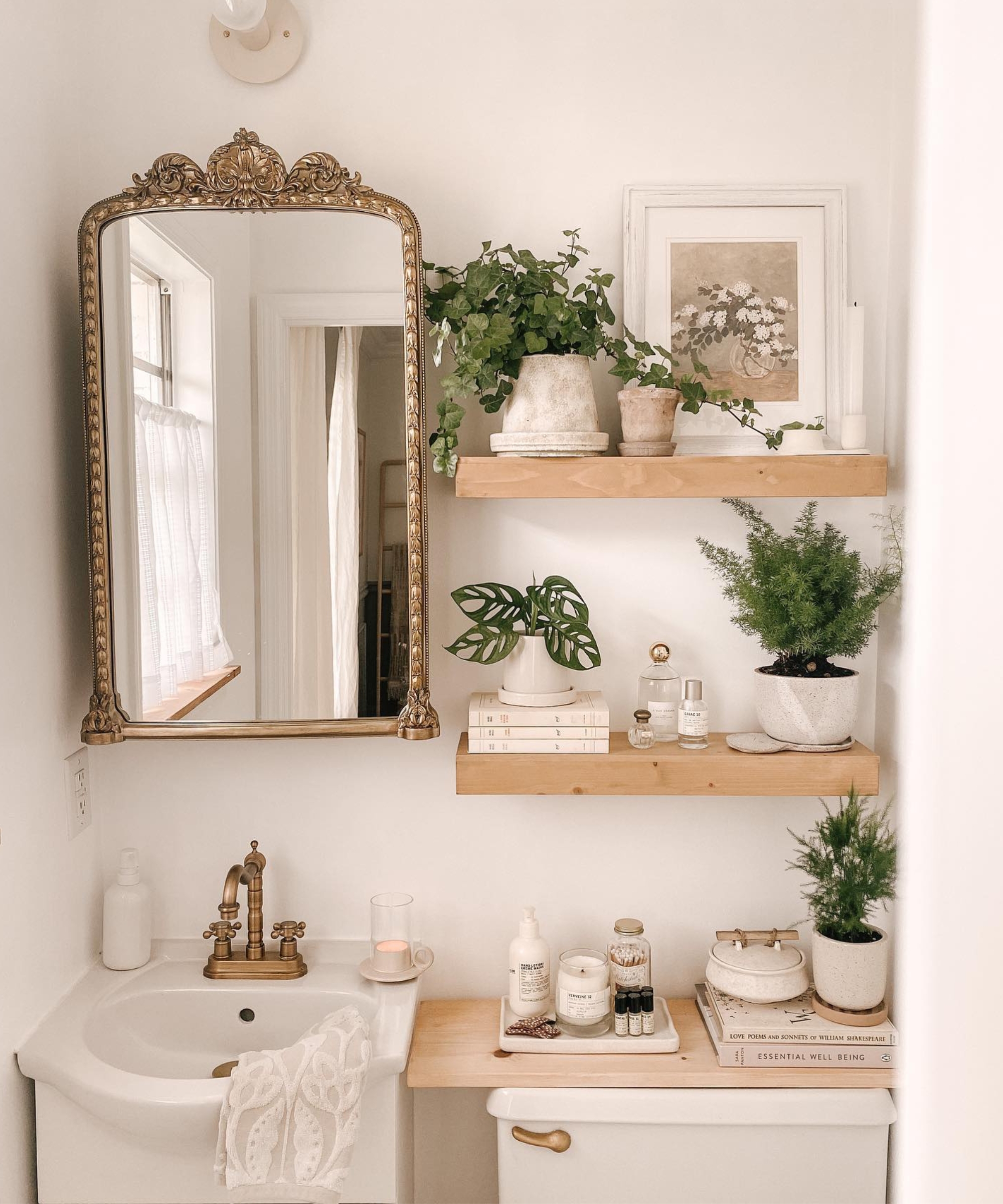
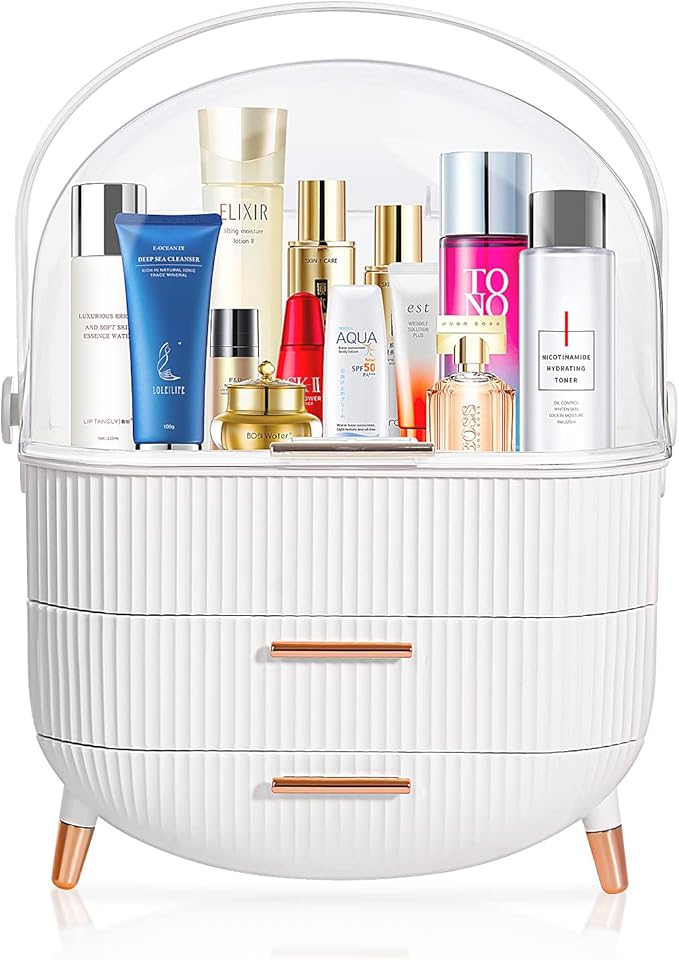
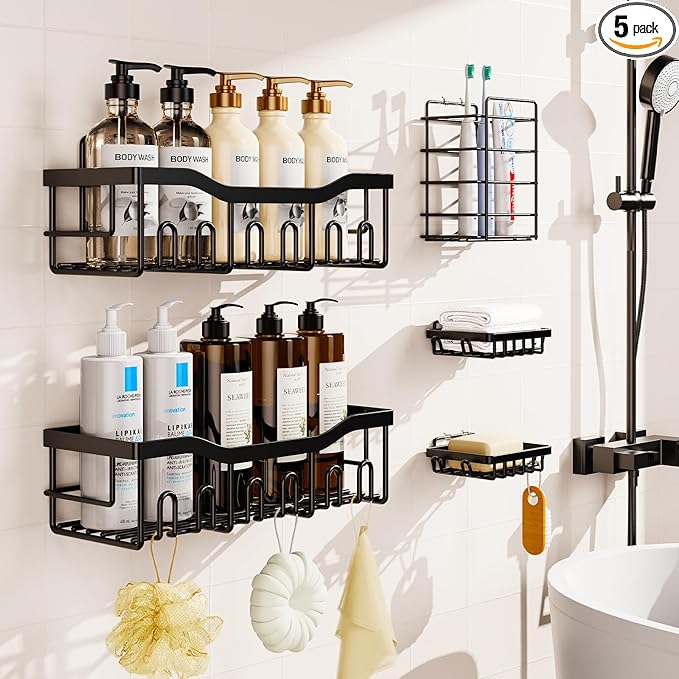
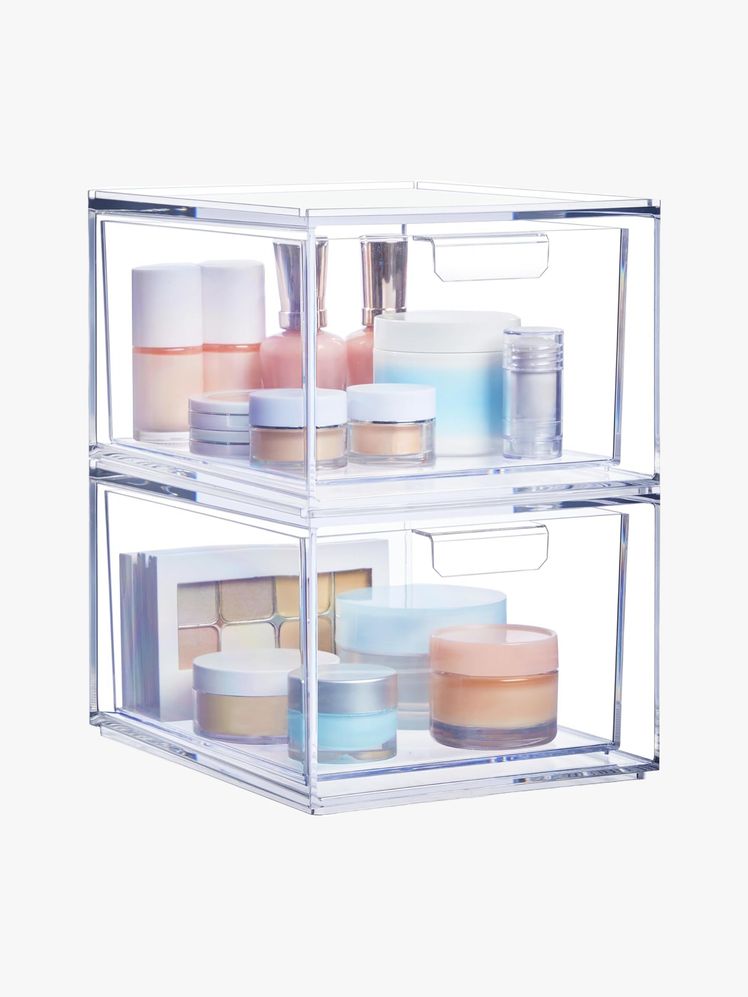
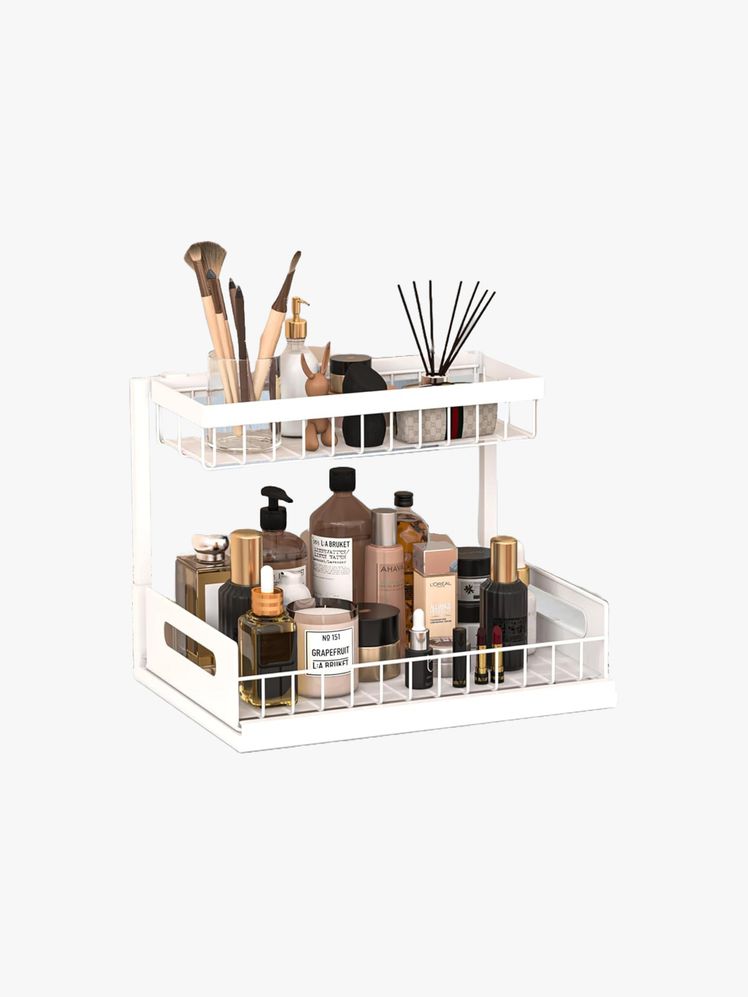
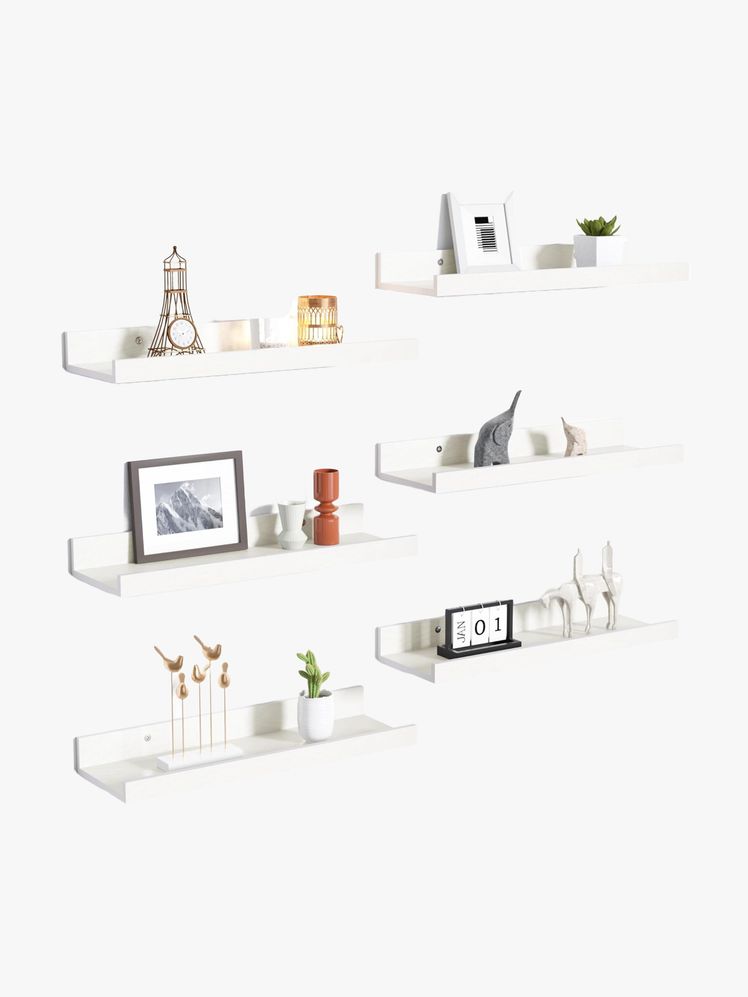
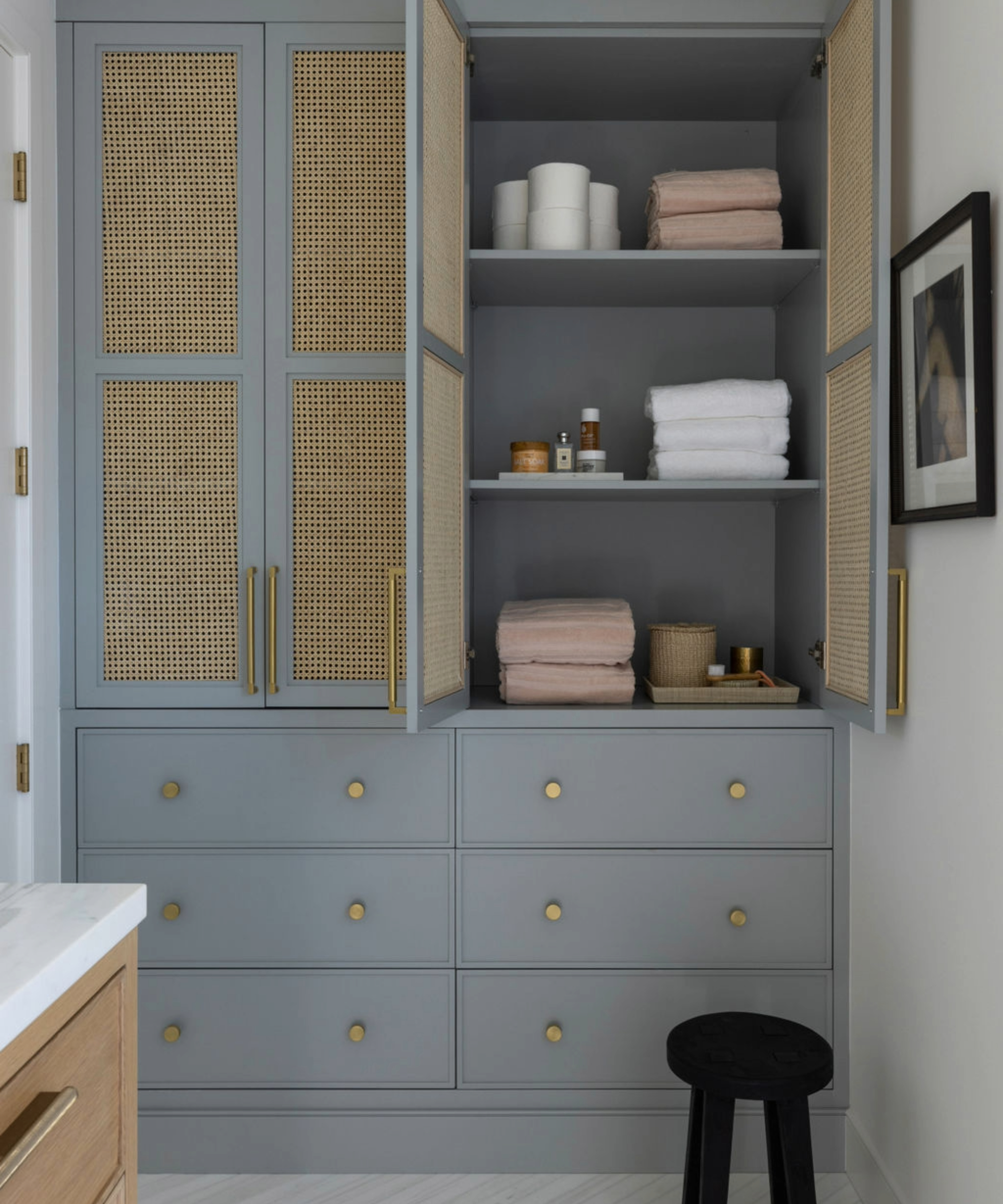
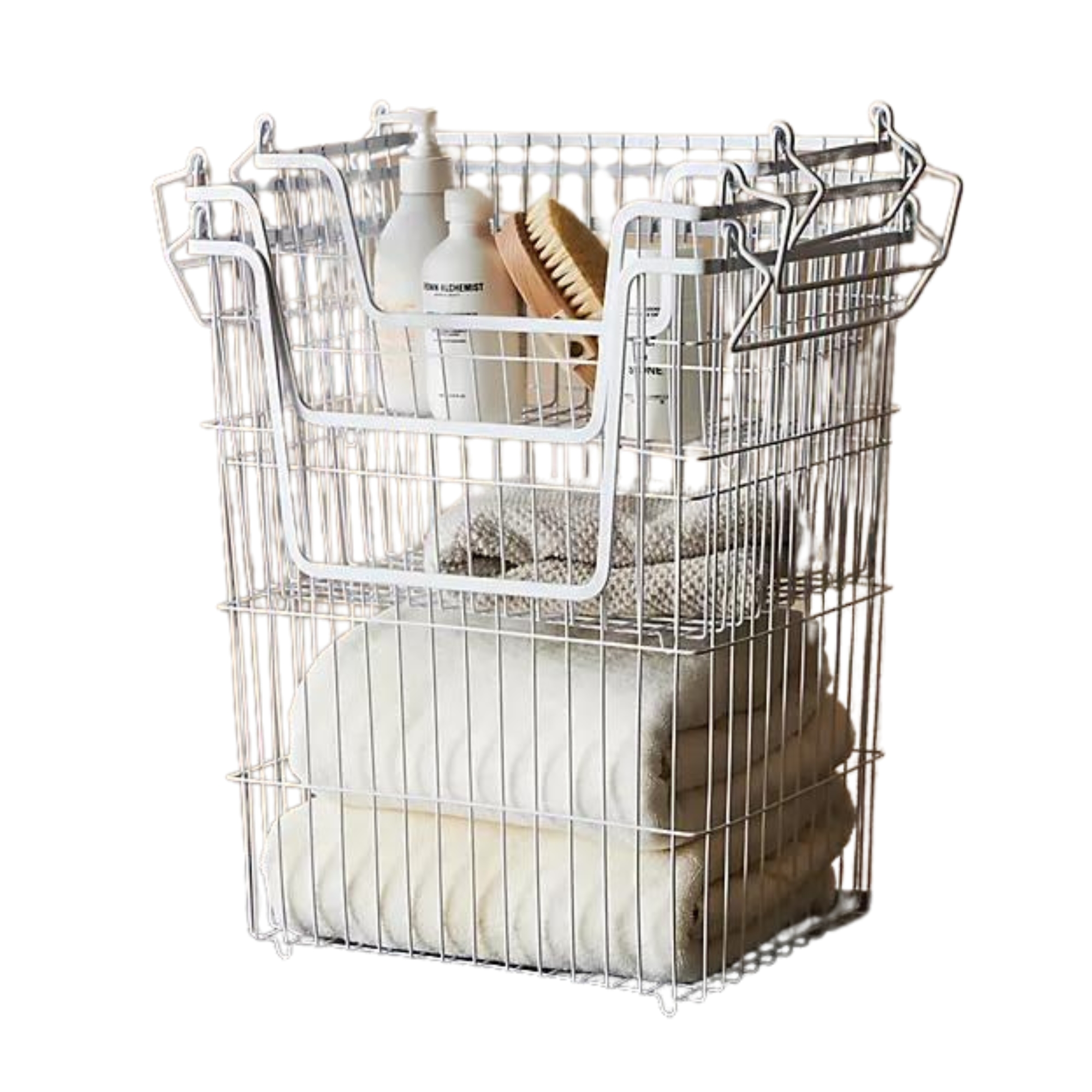
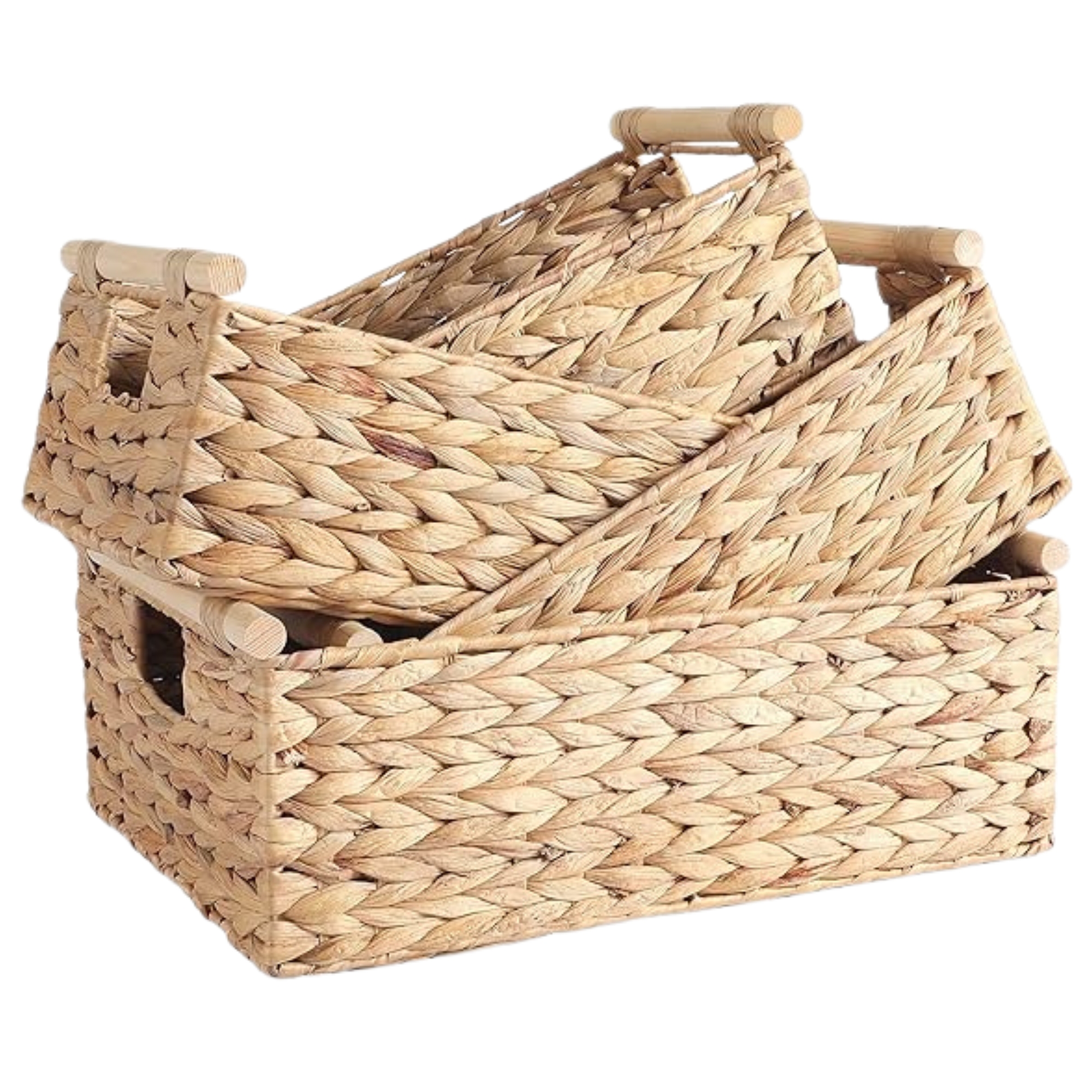
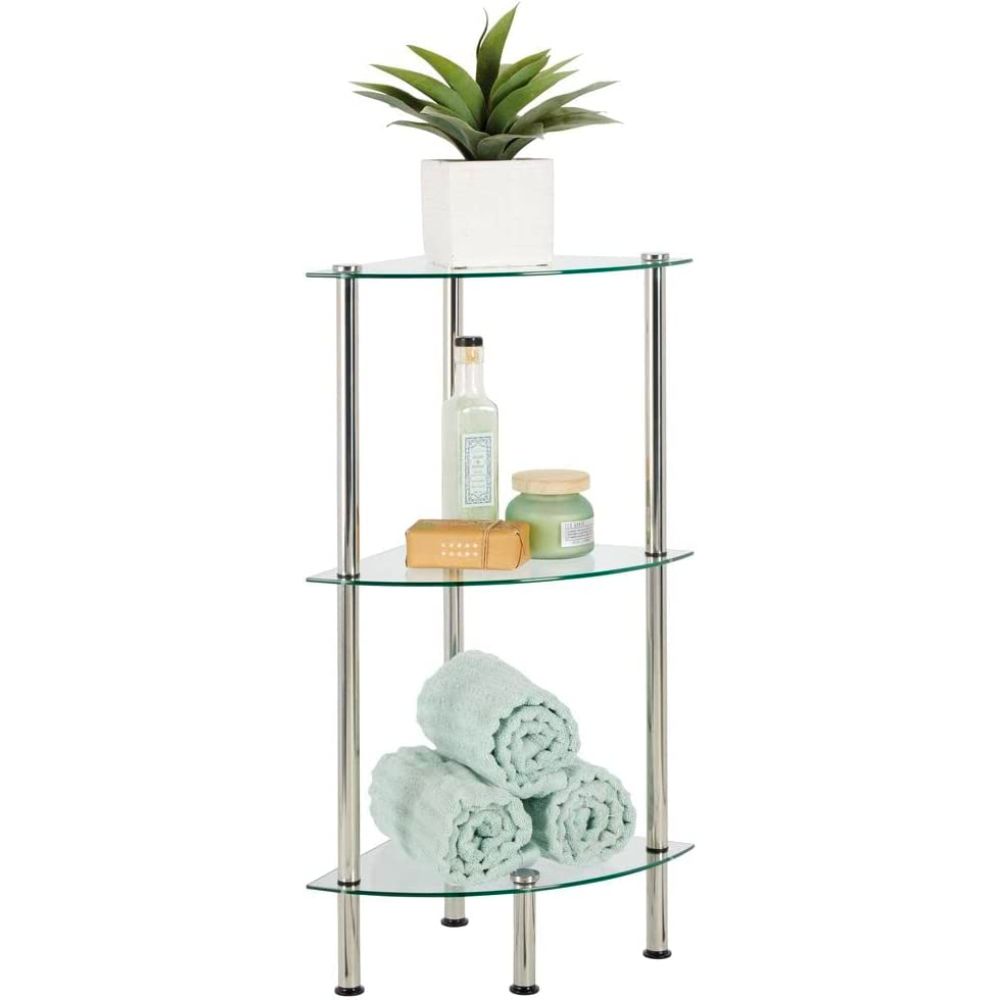
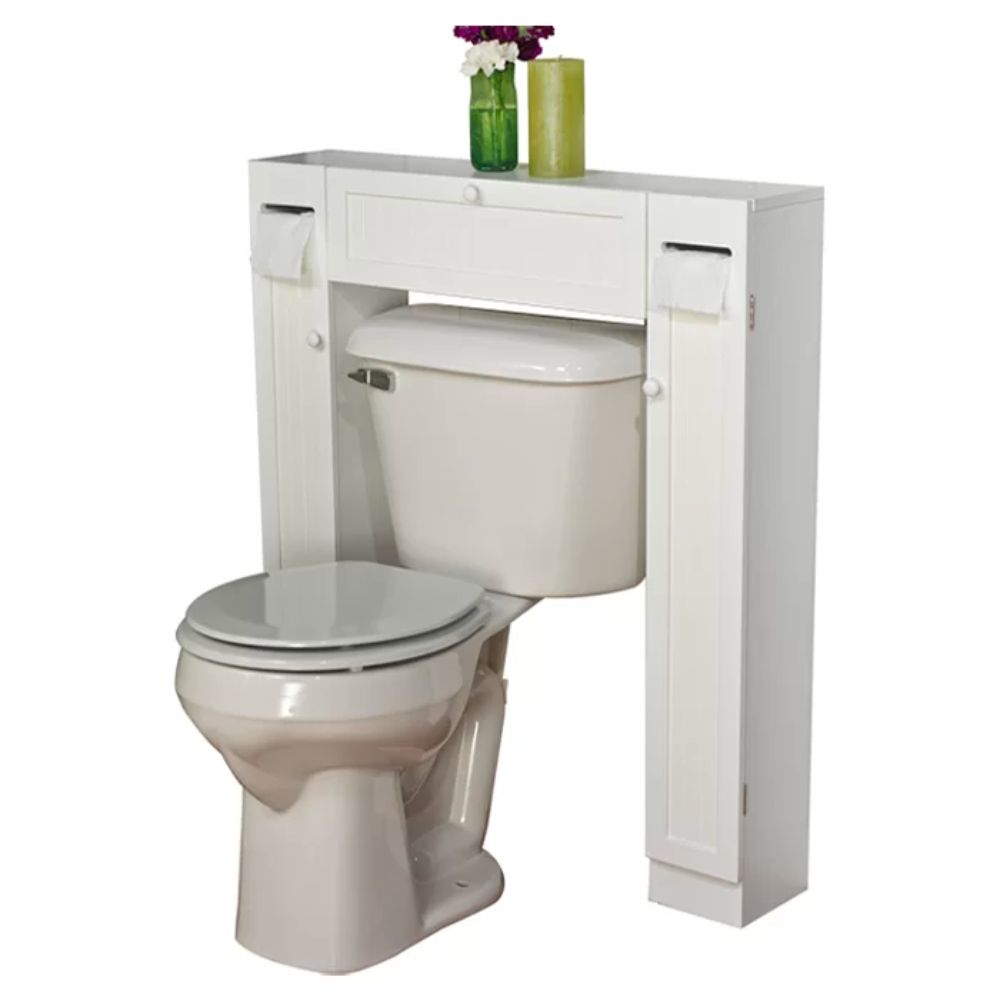
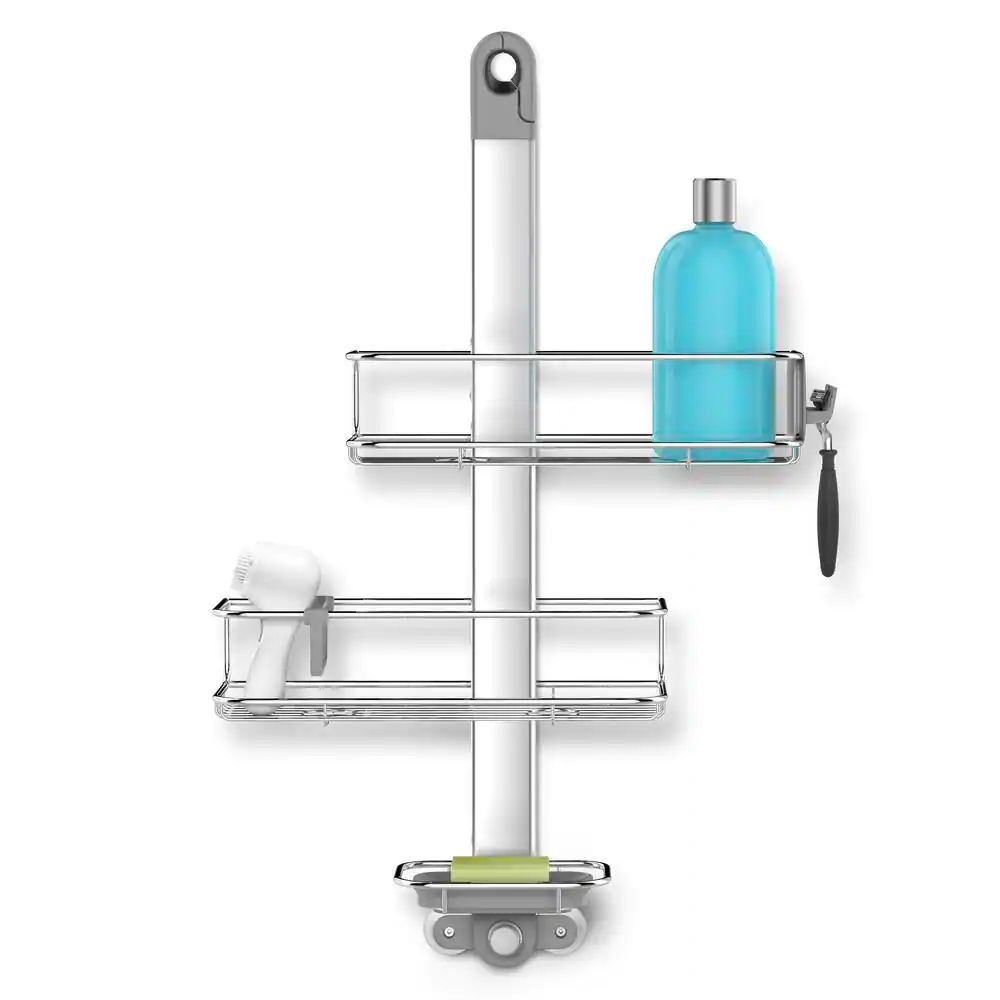
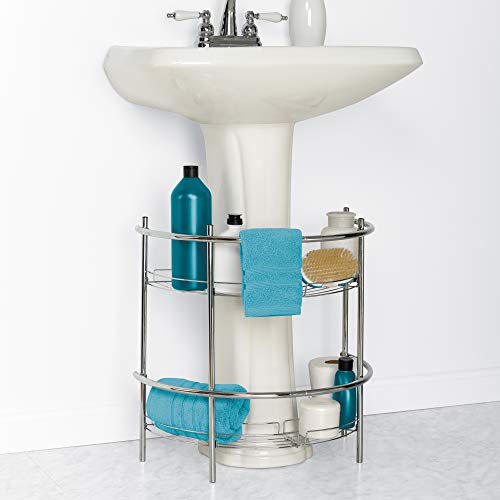
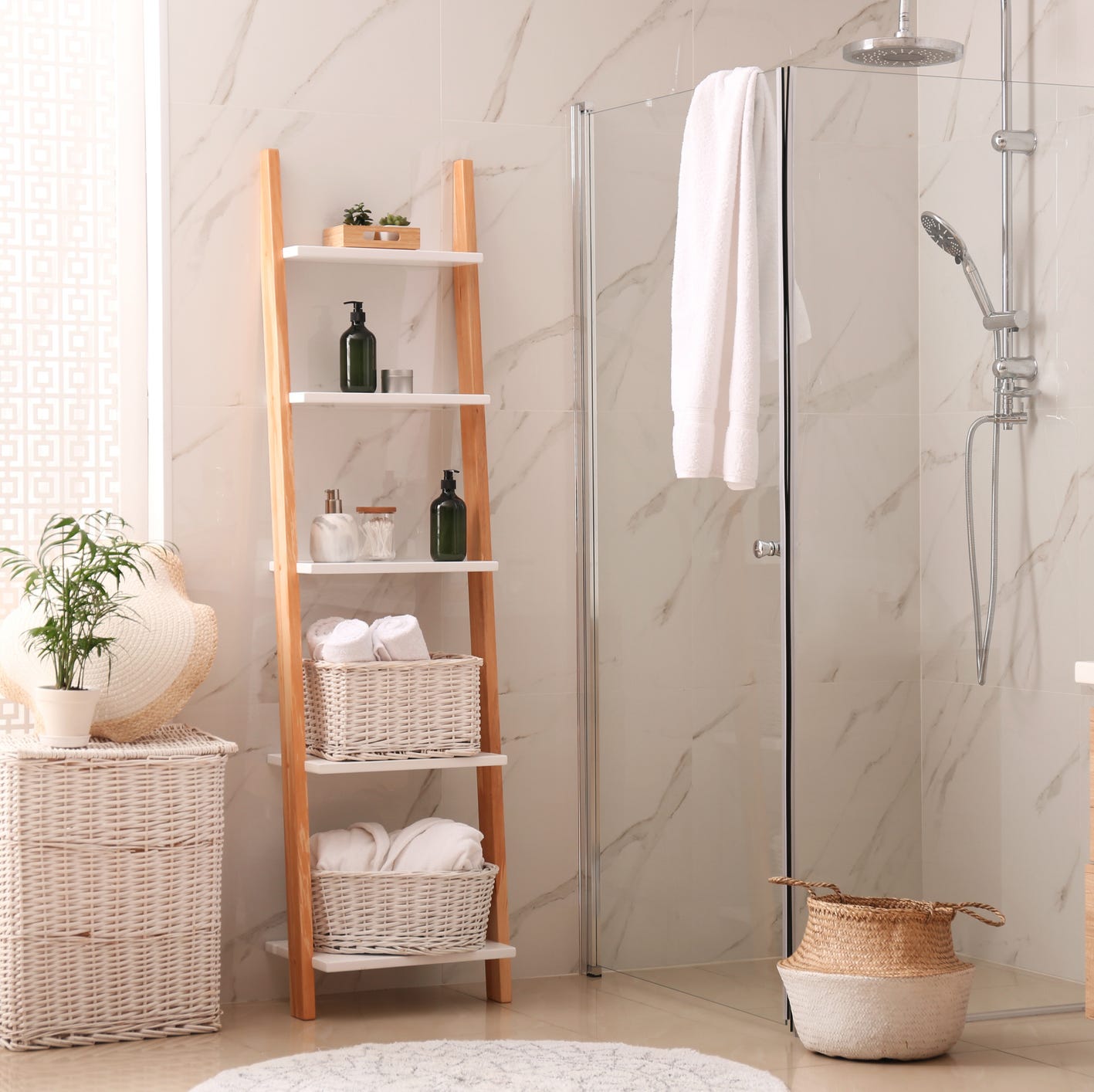
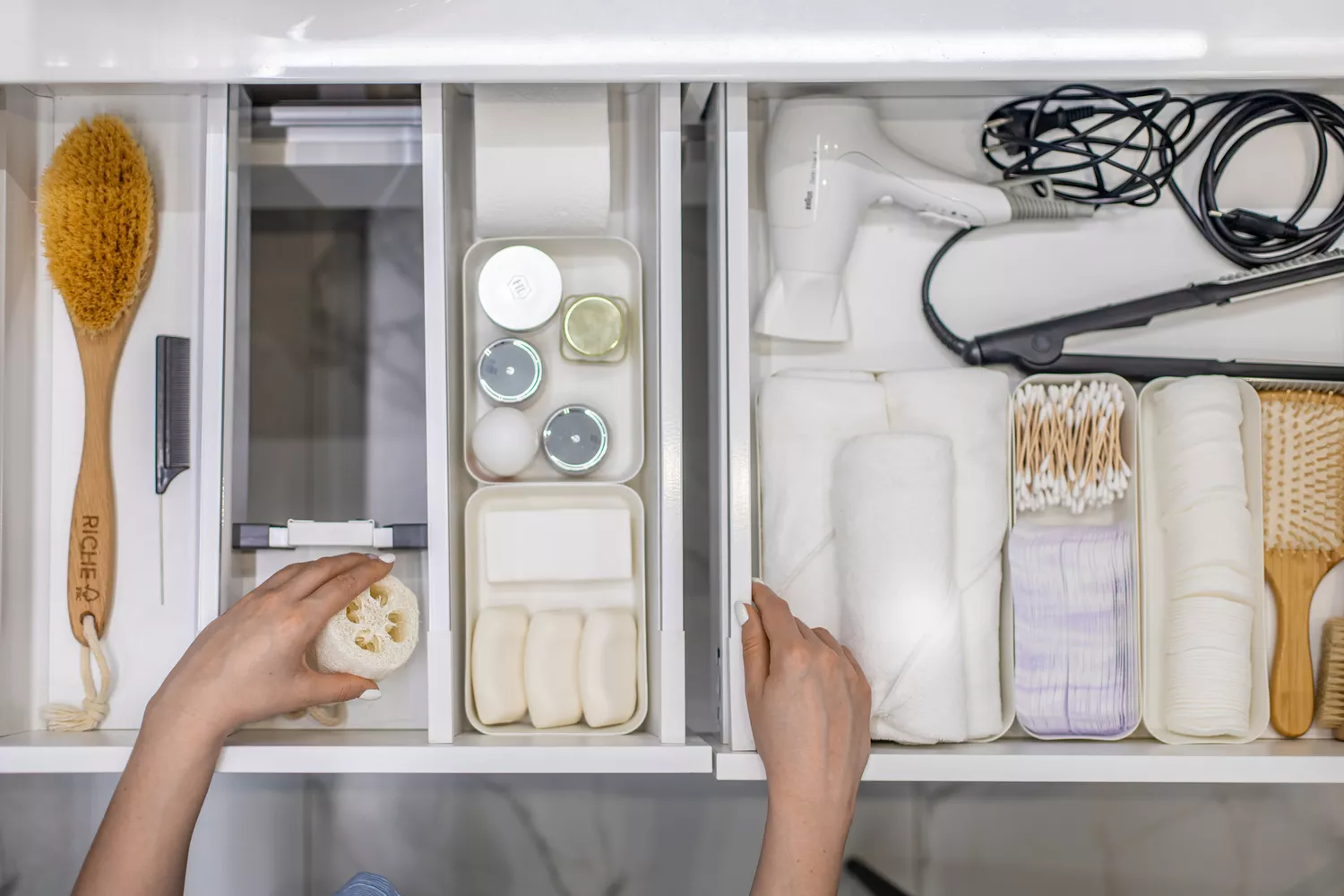
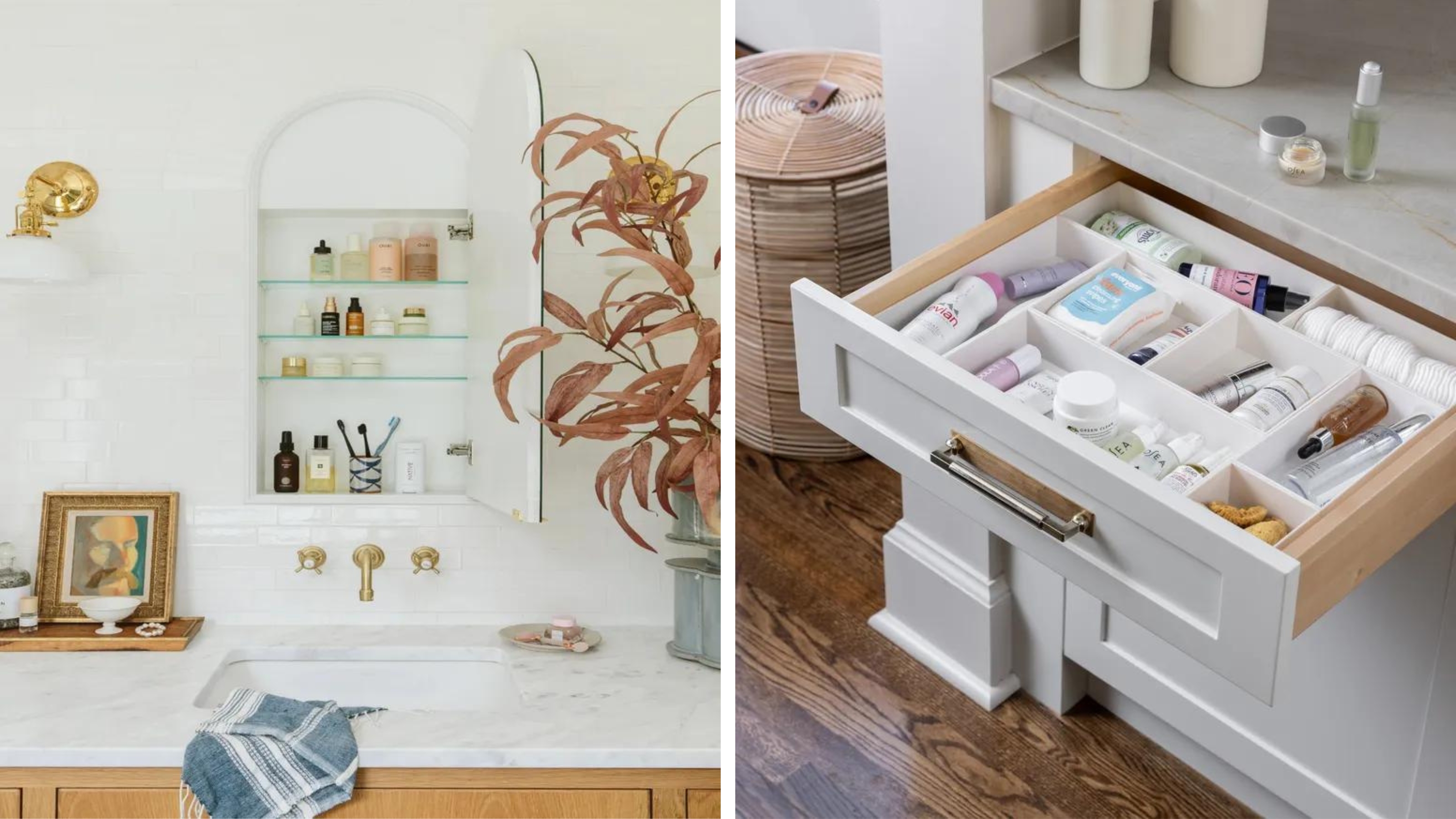
The effectiveness of current storage solutions should also be critically examined. For small and confined spaces like bathrooms, especially family bathrooms, incorporating effective storage is crucial. Tracy Lynn, founder of Declutter in Minutes, advises against keeping non-essential knick-knacks in such limited areas. Implementing organizational tools like drawer organizers, under-sink baskets, or wall-mounted shelves can significantly enhance space utilization and accessibility. Reflecting on daily and weekly bathroom routines helps in prioritizing items for easy access, ensuring that only regularly used products are kept close at hand and others are decluttered or relocated.
Finally, maintaining a clutter-free bathroom demands consistent habits. It's important to establish ongoing strategies, such as monthly check-ins to remove unused products or adopting a 'one-in, one-out' rule to prevent future accumulation. Educating family members on the new organizational system, as suggested by Tracy Lynn, can also contribute to long-term tidiness. While labels can sometimes add to visual clutter, the primary focus should be on intentional placement and regular upkeep to prevent clutter from re-emerging, ultimately fostering a functional and serene bathroom environment.
#BathroomDecluttering #HomeOrganization #CleaningTips #DeclutteringStrategies #HomeImprovement #StorageSolutions #MinimalistLiving #BathroomDesign #BathroomDecluttering #HomeOrganization #CleaningTips #DeclutteringStrategies #HomeImprovement #StorageSolutions #MinimalistLiving #BathroomDesign
0 comment in total
 No comments yet
You may also like
How to declutter a bathroom according to the experts

9 Things Professional Declutterers Won’t Keep In Their Bathroom

Finally, This Is How to Organize Your Bathroom Once and for All

5 Essential Bathroom Decluttering Tips Minimalists Wish Everybody Knew
The first things to consider when planning a new bathroom – according to experts

Should you display art in a bathroom? Here are some things to consider first
4 Things to Remember When Renovating Your Bathroom
The 12 Best Storage Products and Organizers to Declutter Your Bathroom


Remodel Your Bathroom And We'll Tell You Which Shower Routine You *Should* Have
5 Items You Absolutely MUST Toss in Your Bathroom, According to Pro Organizers
11 Ways to Conceal Clutter in a Bathroom — Trust Us, These Tips Will Change Your Space Drastically

A Bar Cart Is the Perfect Way to Store Your Bathroom Essentials

7 Things Designers Wish You Knew Before Starting A Bathroom Remodel
From fluffy towels to medicine cabinets: 9 things professional organisers never keep in the bathroom

20 Bathroom Organizer Solutions That 6 Pros Stand Behind

It's Been a Year Since my Bathroom Remodel — These Are the 5 Things I Wish I’d Done Differently
Why Your Bathroom Desperately Needs Cleaning Now

'Organize Your Life': Tools and tips to keep your bathroom clean and tidy

How to organize a bathroom — 10 ways to freshen up your routine

6 Tricks Professionals Always Use to Keep Their Bathrooms Clean for Longer