Fluted Tile Is the Eye-Catching Backsplash Upgrade for 2025
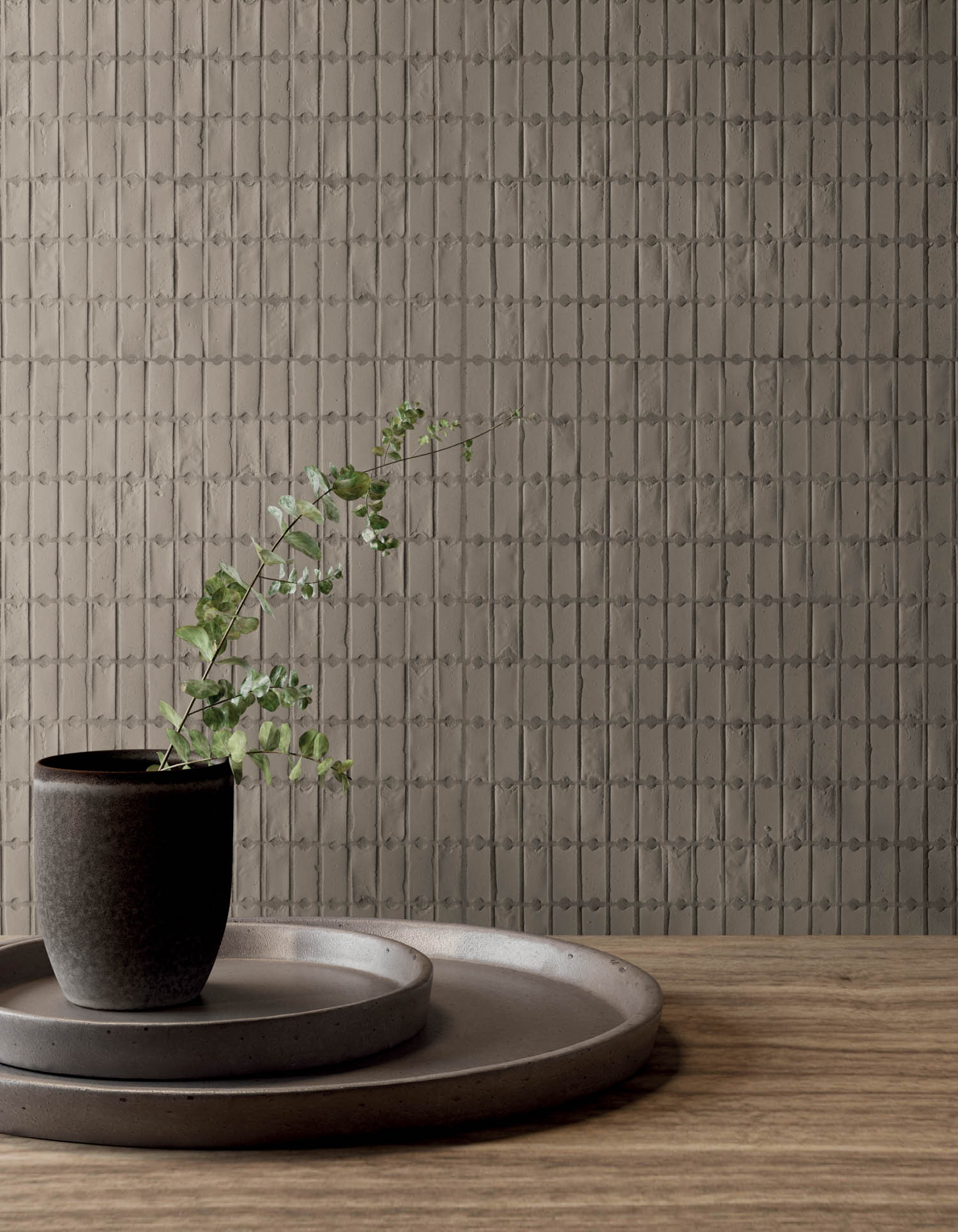
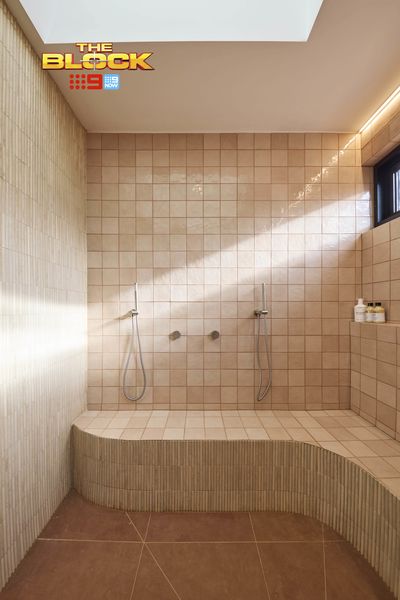
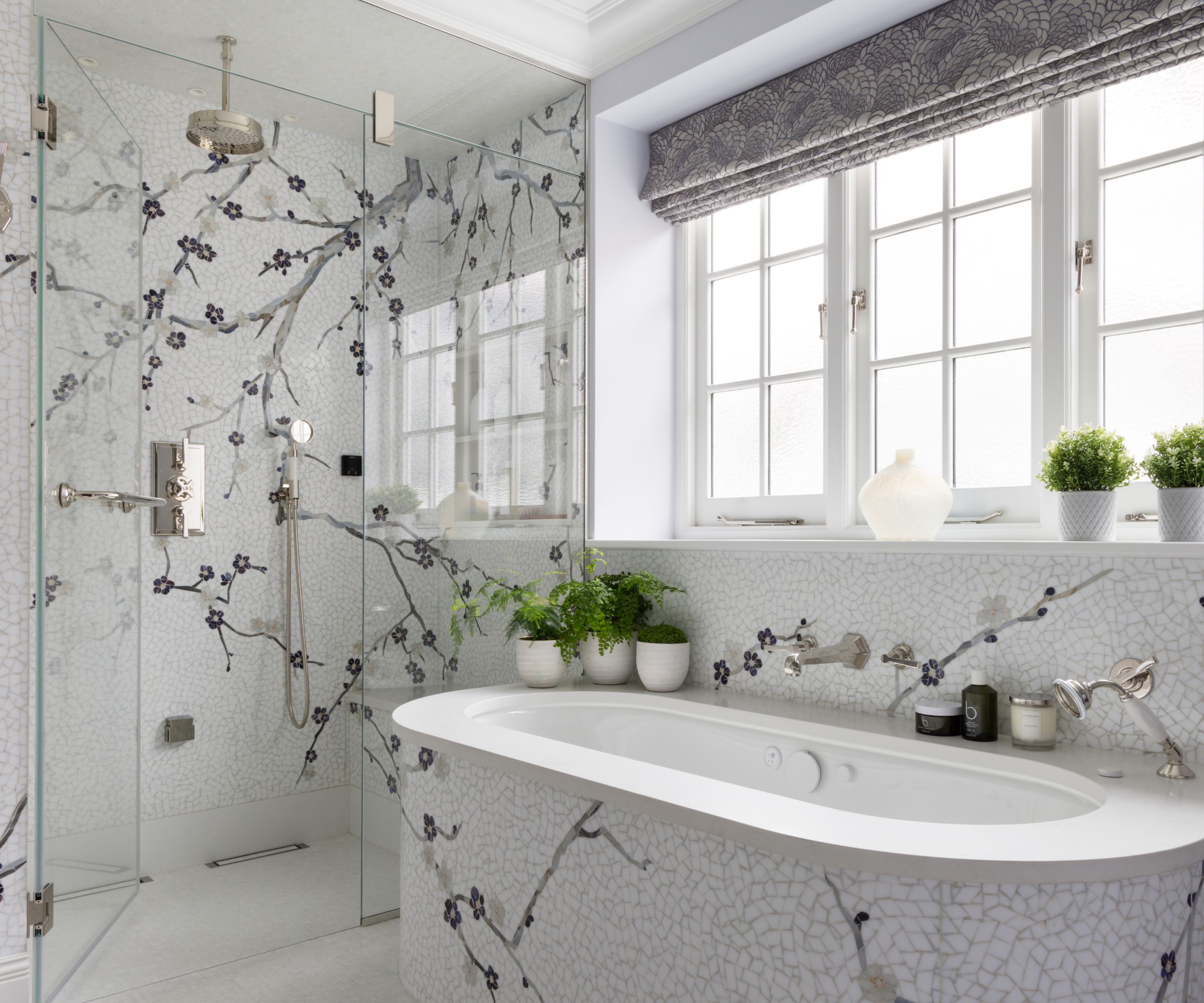
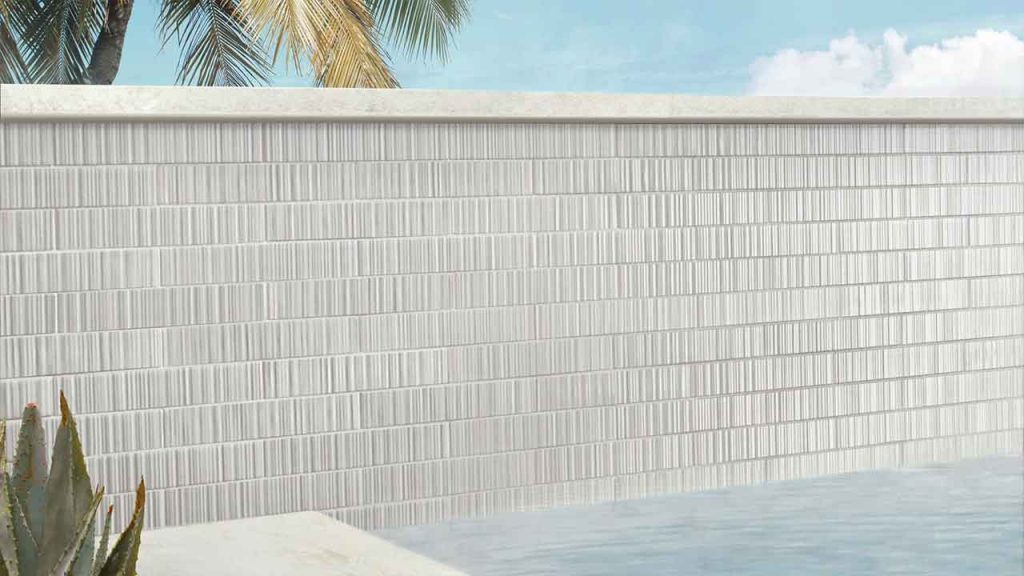
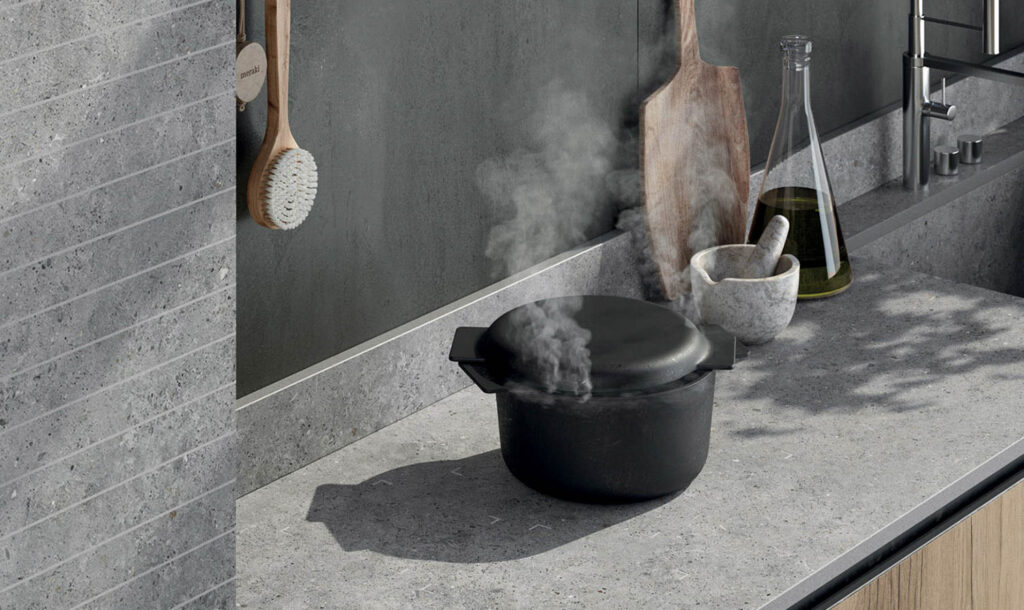
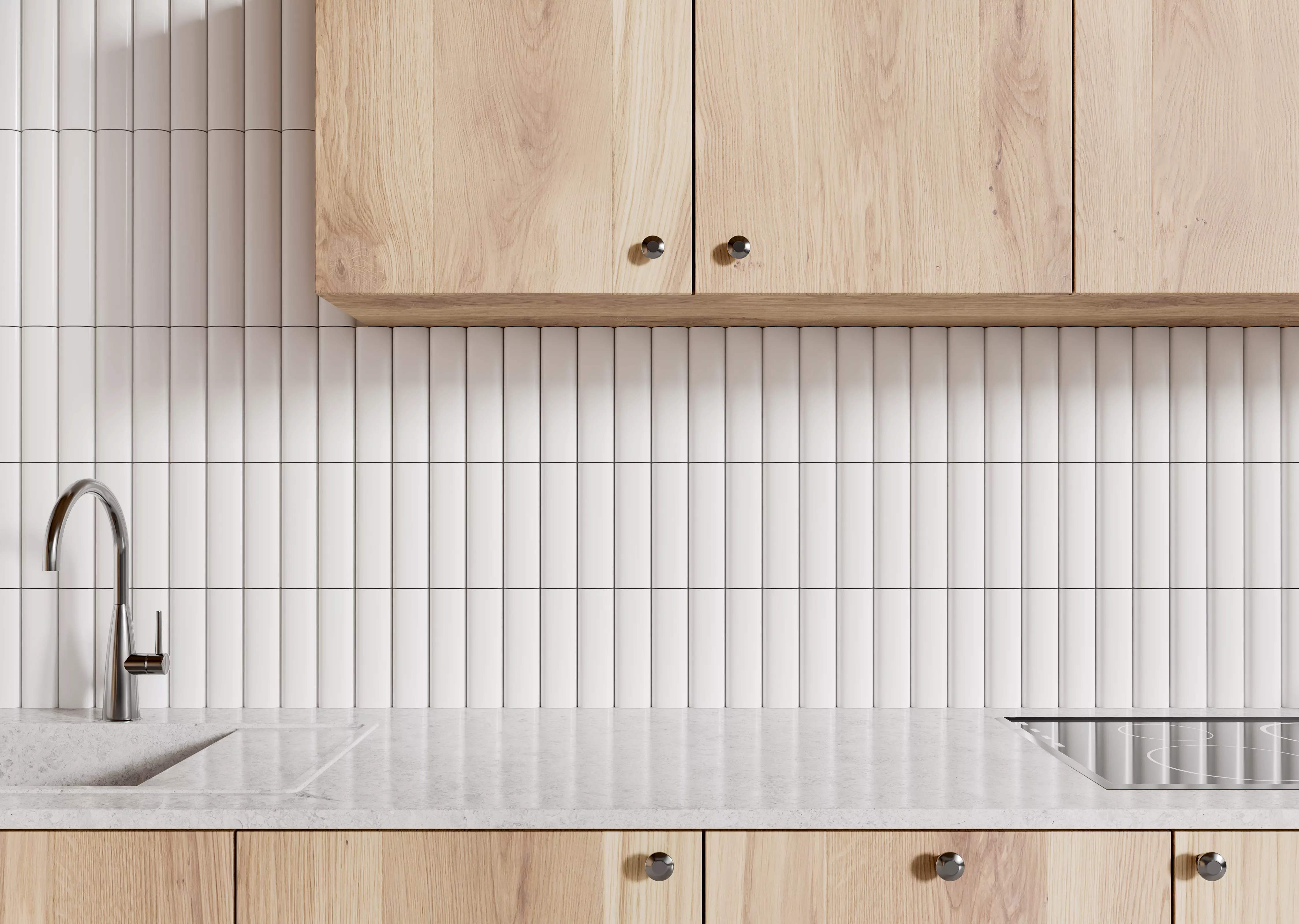
Fluted tile, also known as reeded tile, is emerging as a significant trend for backsplash upgrades in 2025, offering a versatile solution for enhancing interior spaces. This design features horizontal or vertical grooves that introduce texture and dimension, creating a three-dimensional effect. Its appeal lies in its ability to integrate seamlessly with various interior design styles, from modern to transitional and classic, as highlighted by Vyanca Soto, owner and principal designer at Market Studio Interiors. Soto emphasizes that fluted tile effectively blends style with substance, with its ridges creating an engaging play of shadow and light that can refresh and modernize kitchens or bathrooms.
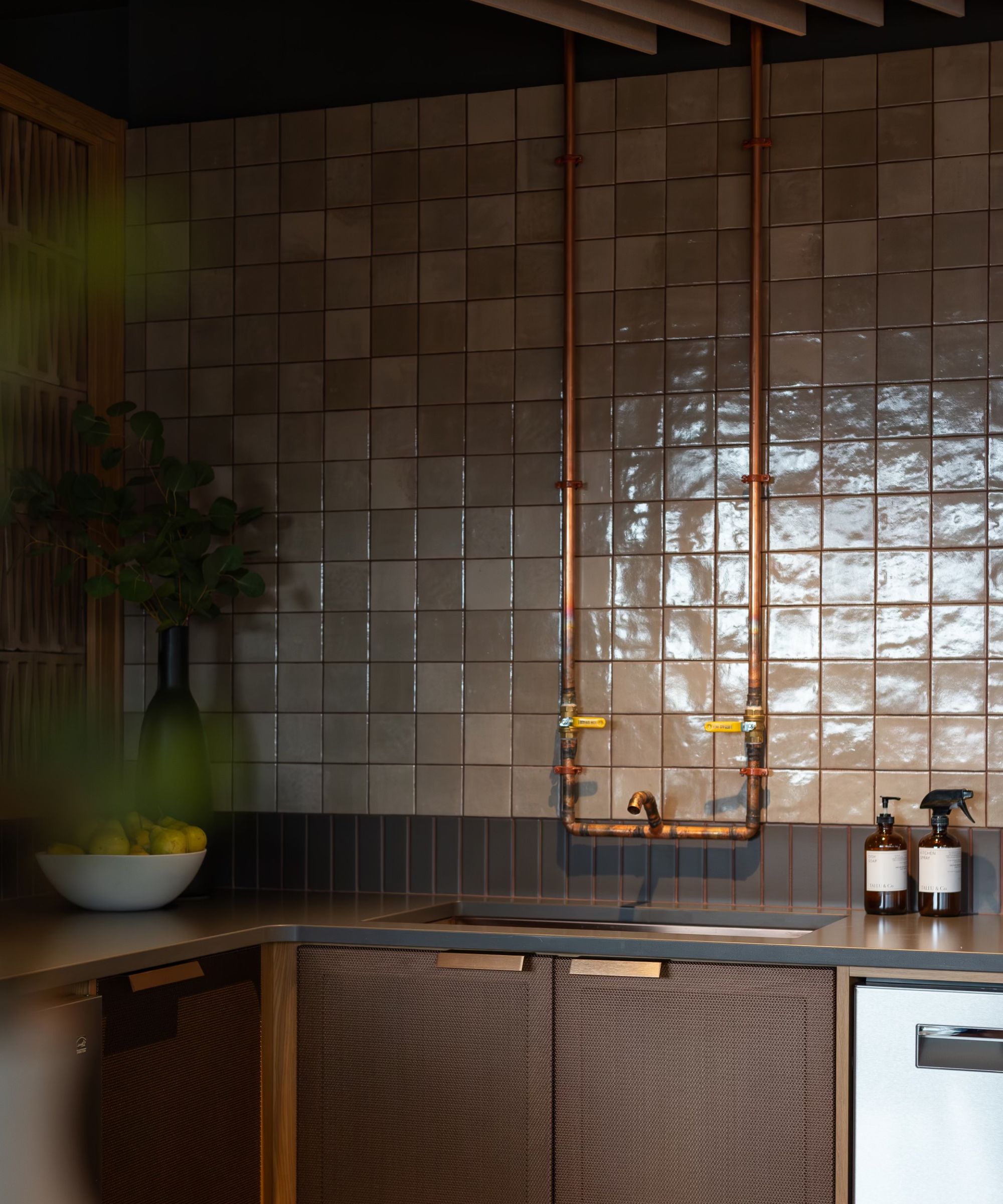
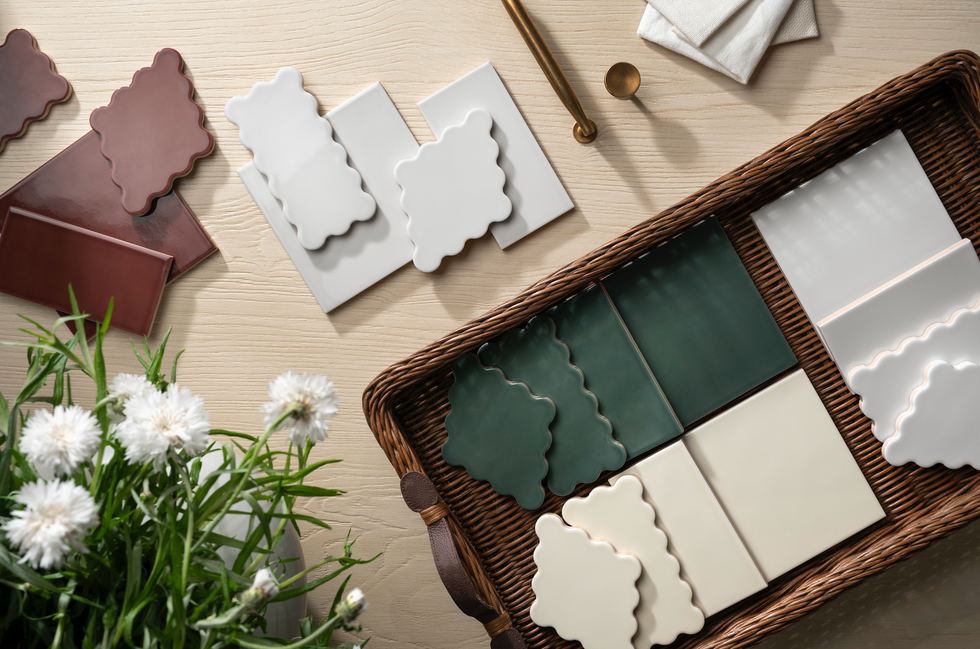
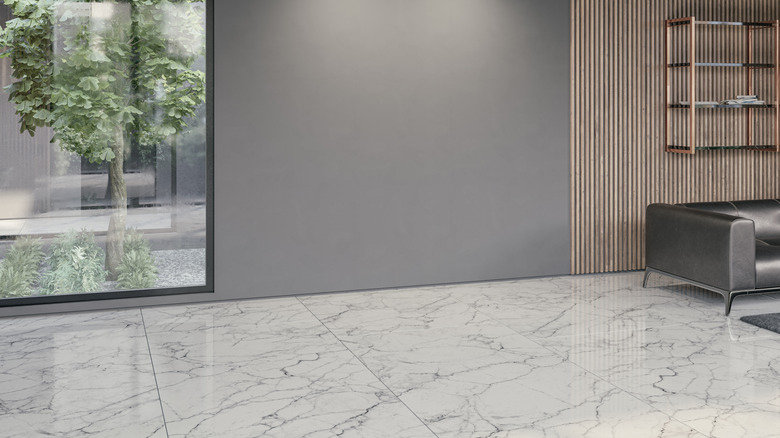
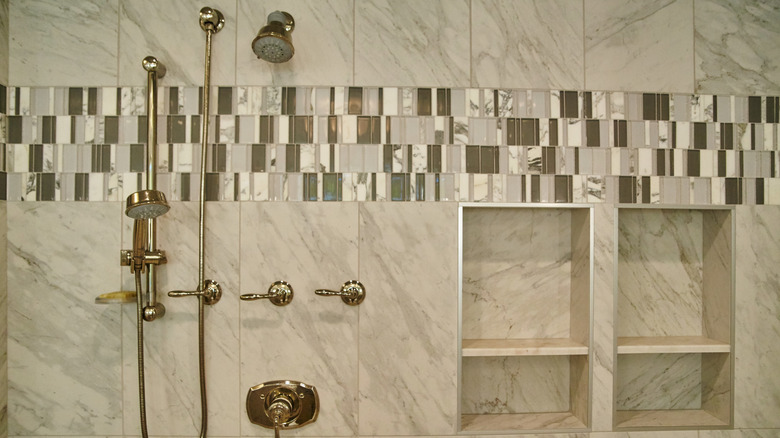
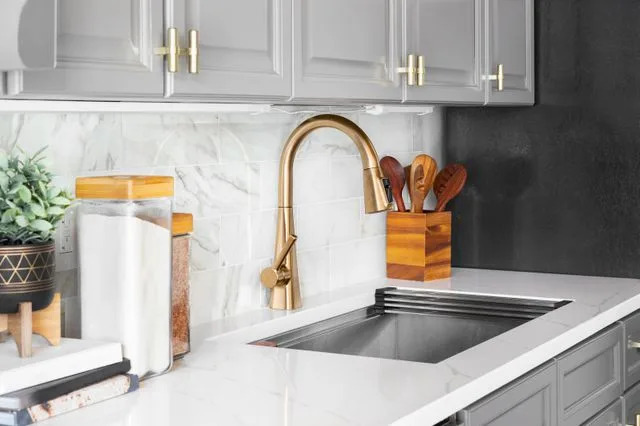
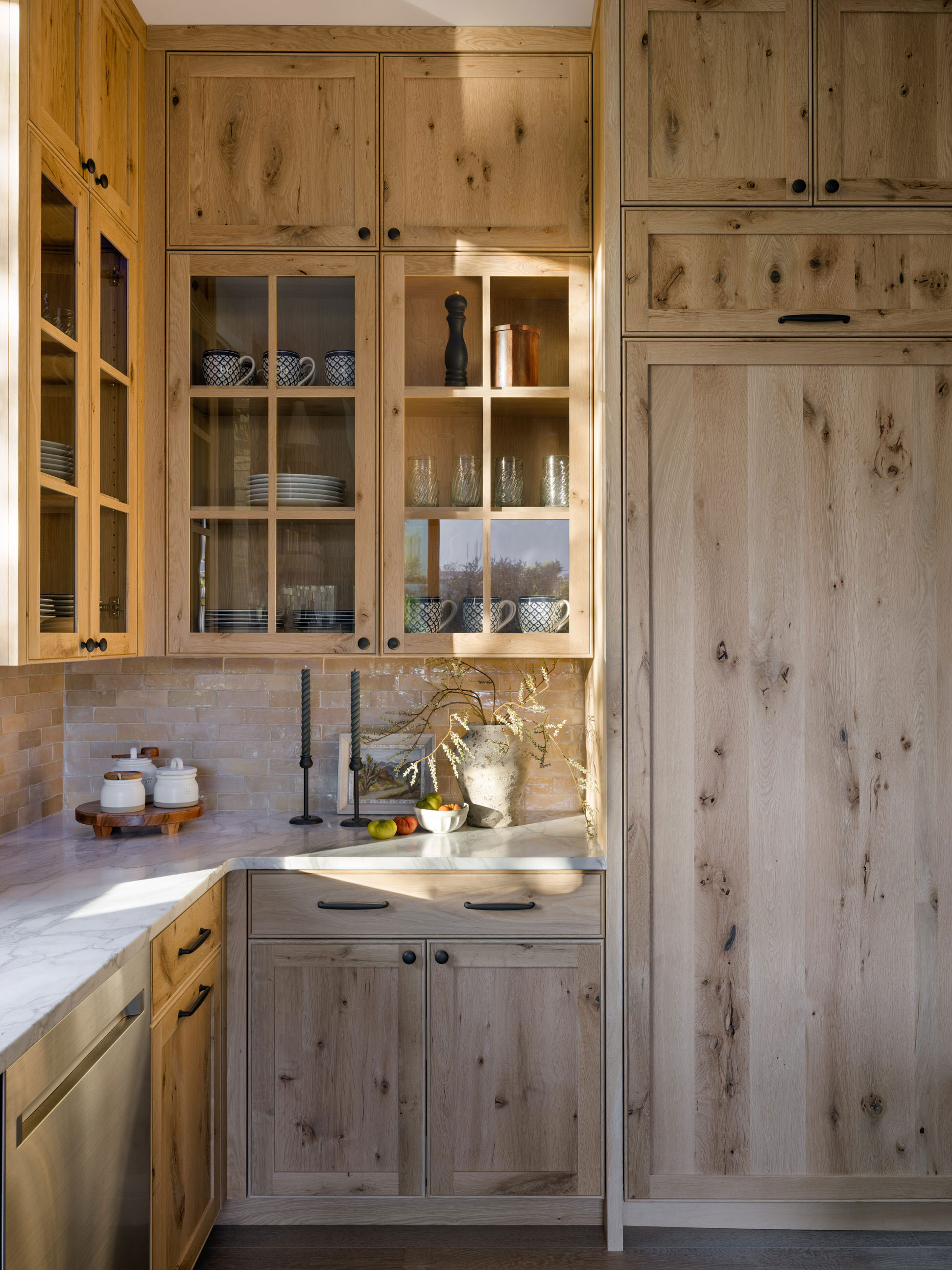
Several materials are particularly well-suited for fluted tile applications, each contributing to its unique aesthetic. Veined marble and limestone are top recommendations, with Thea Bloch-Neal, founder and lead designer of Curated by Thea, noting how marble's natural veining accentuates the fluted details, adding layers of color, texture, and variation. Soto agrees, pointing out that limestone also offers a stunning choice, as its natural veining combined with the fluted design creates an organic and timeless feel. Wood is another natural material that benefits from reeding, where its rounded edges can highlight the grain and impart warmth and depth to a space. For customization and durability, ceramic and porcelain are excellent options. Soto explains that these materials are available in numerous finishes, from glossy to matte. Glossy finishes are particularly effective in enhancing the fluted texture by reflecting light and making the grooves more pronounced.
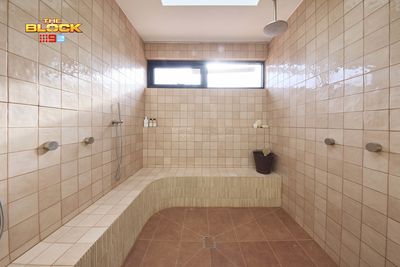
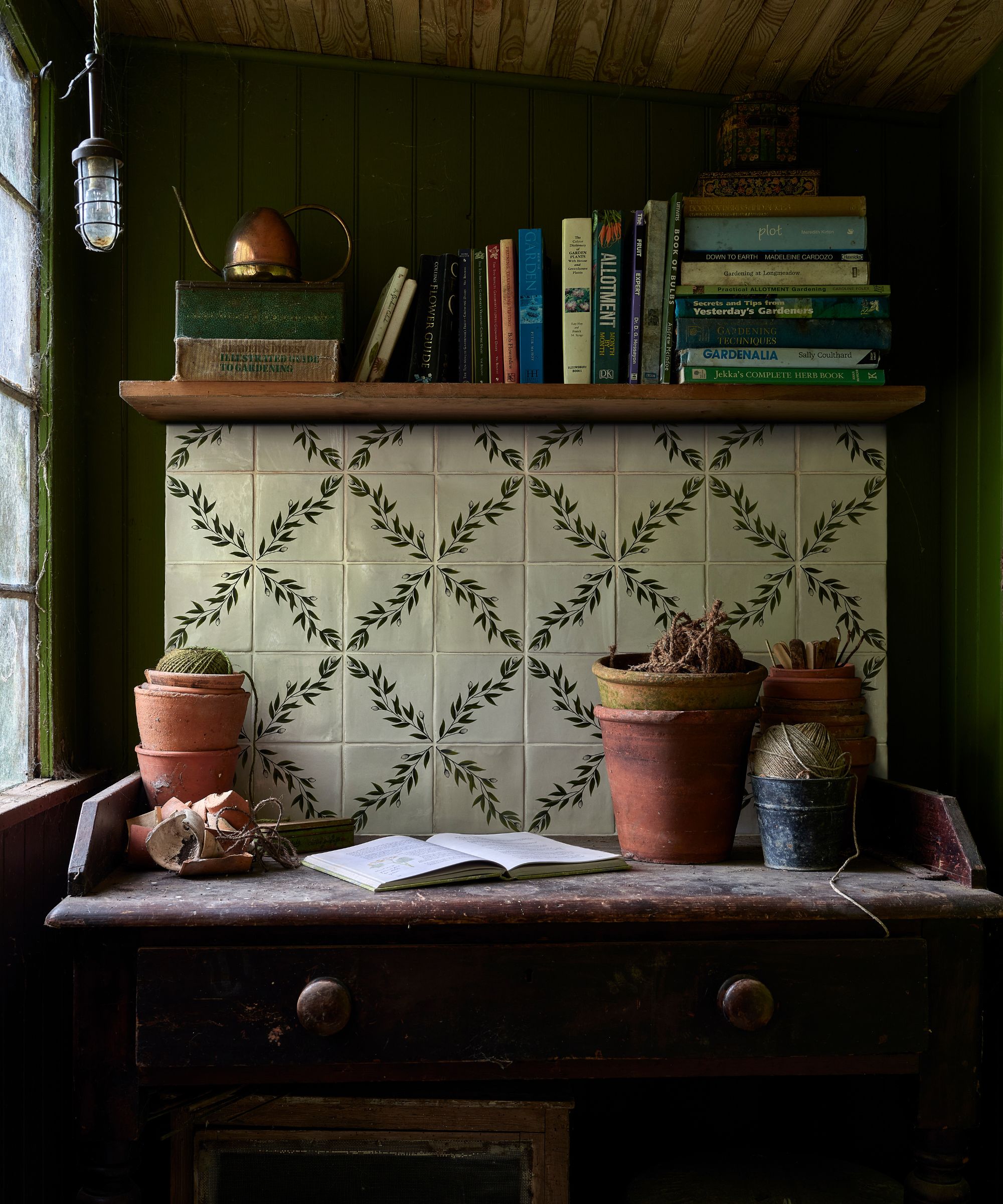
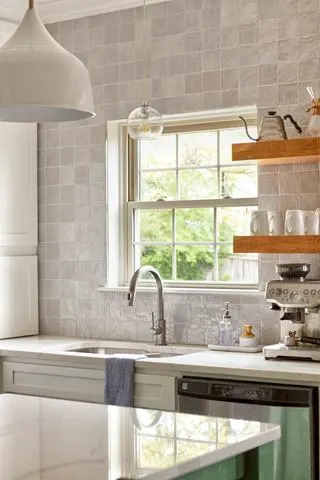
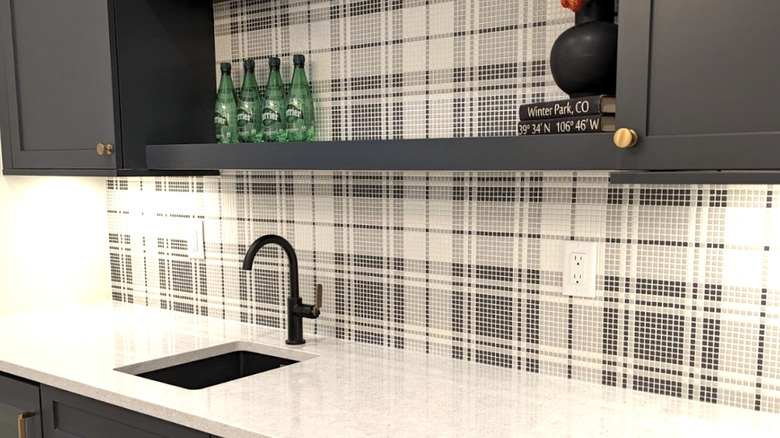
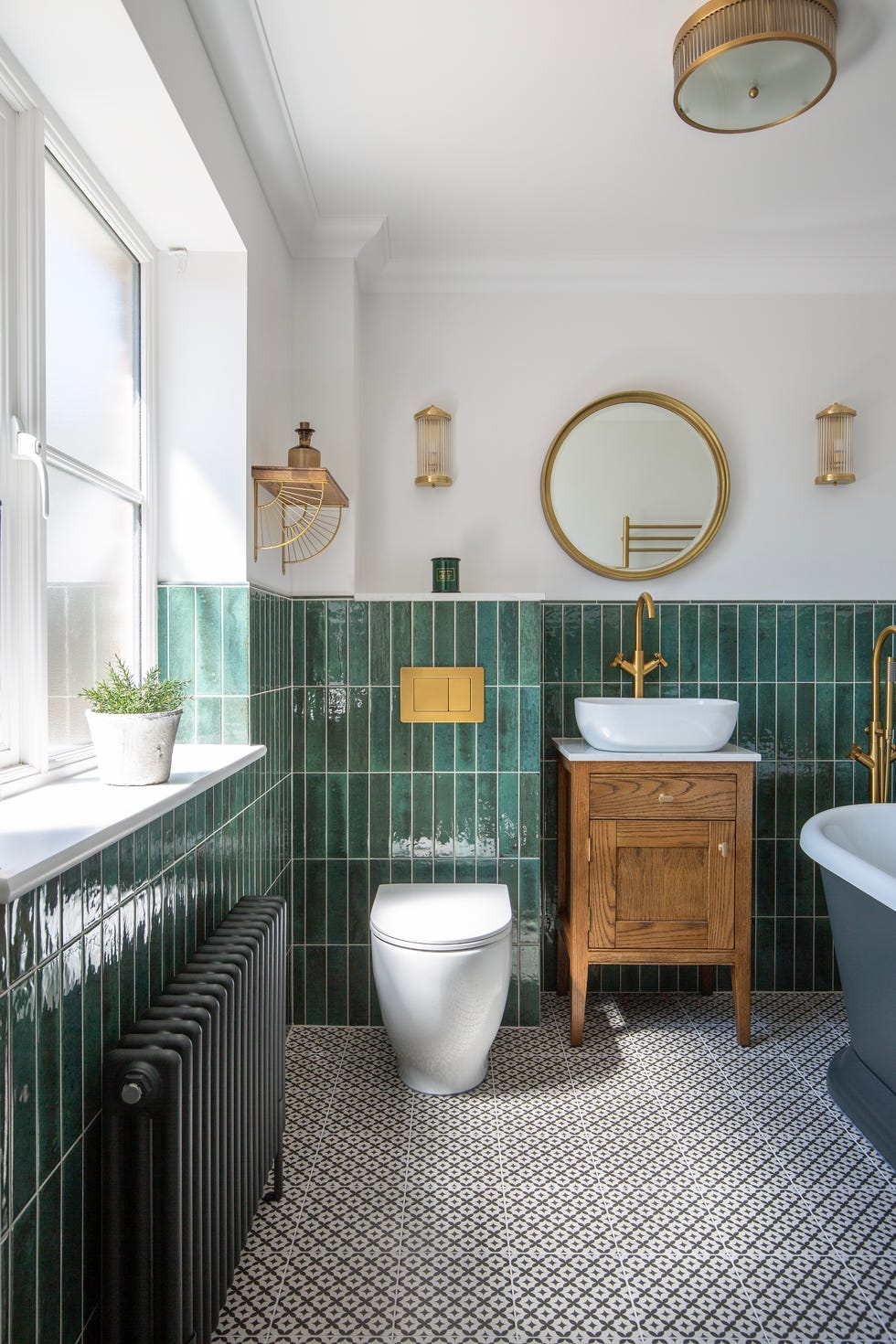
Designers also offer several installation and styling ideas to maximize the impact of fluted tiles. One technique involves adding a shelf, where the tile can be stopped at mid-height and complemented by a ledge or floating shelf to create a clean and intentional look. Bloch-Neal suggests using contrasting tiles to further emphasize the reeded patterns. The orientation of the tiles can also significantly influence the perception of a space; vertically stacked fluted tiles can create a dramatic statement, especially when extended to the cabinets, and are recommended for making a space feel taller. Conversely, horizontal fluting can make a room appear wider. For a subtle yet impactful aesthetic, pairing fluted tile with a neutral color palette allows the texture itself to become a focal point or a quiet enhancement. To achieve a modern and eye-catching contrast, Soto advises combining fluted tiles with flat tiles. Even grout can be strategically used: matching grout creates a seamless look, while contrasting grout can graphically accentuate the tile's texture. For those seeking a bold statement, extending the backsplash all the way to the ceiling with fluted tiles is suggested, particularly in kitchens with open shelving or without upper cabinets. Lastly, fluted tiles are versatile enough to serve as a prominent feature wall, transforming even a small section of a room with their rich texture.
#FlutedTile #BacksplashUpgrade #InteriorDesignTrends #HomeDecor #KitchenDesign #TileMaterials #HomeRenovation #TexturalDesign #ModernInteriors #FlutedTile #BacksplashUpgrade #InteriorDesignTrends #HomeDecor #KitchenDesign #TileMaterials #HomeRenovation #TexturalDesign #ModernInteriors
0 comment in total
 No comments yet
You may also like
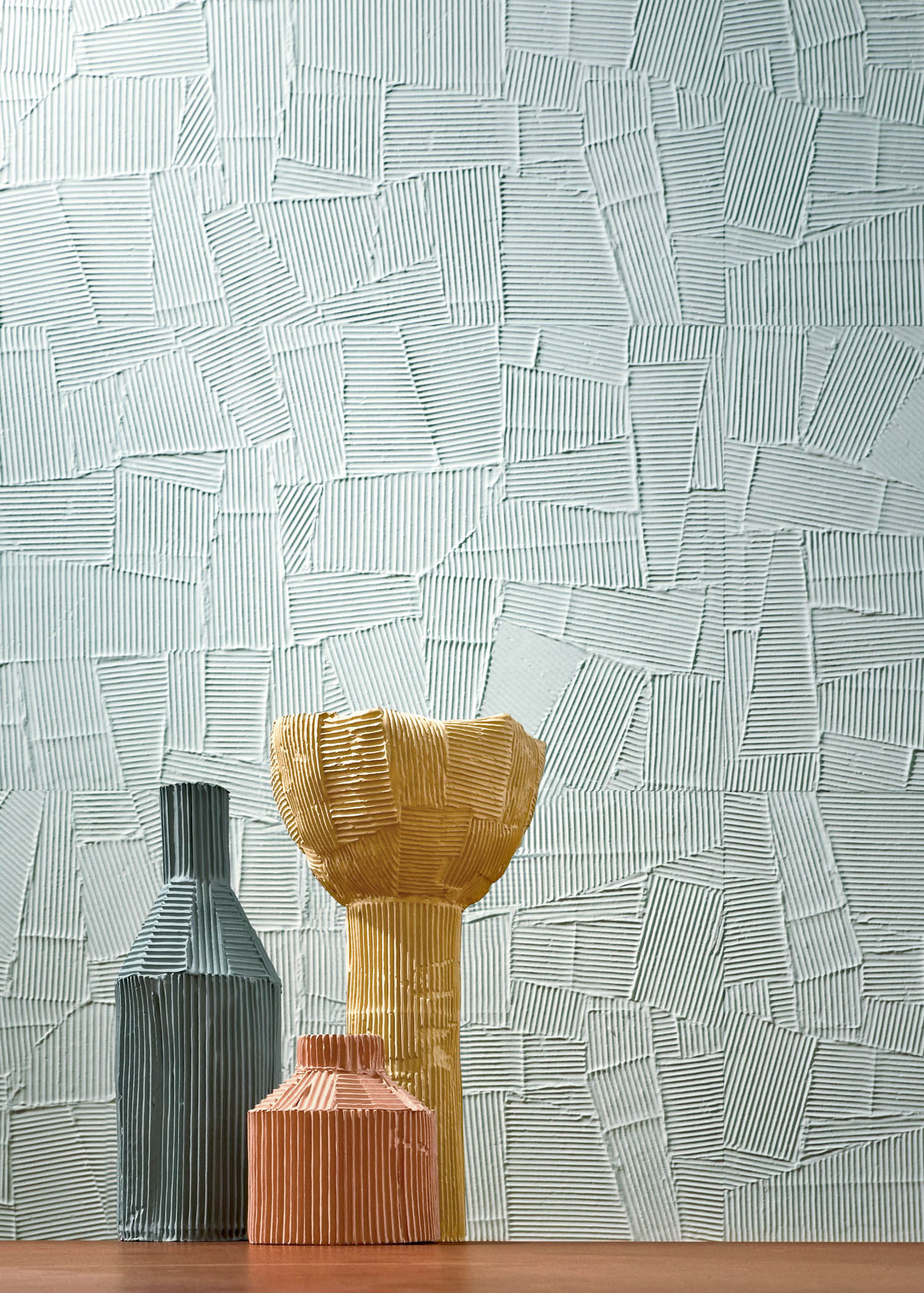
Top Tile Trends Spotted At Coverings 2025

Tile Trends That Will Be Dominating In 2025
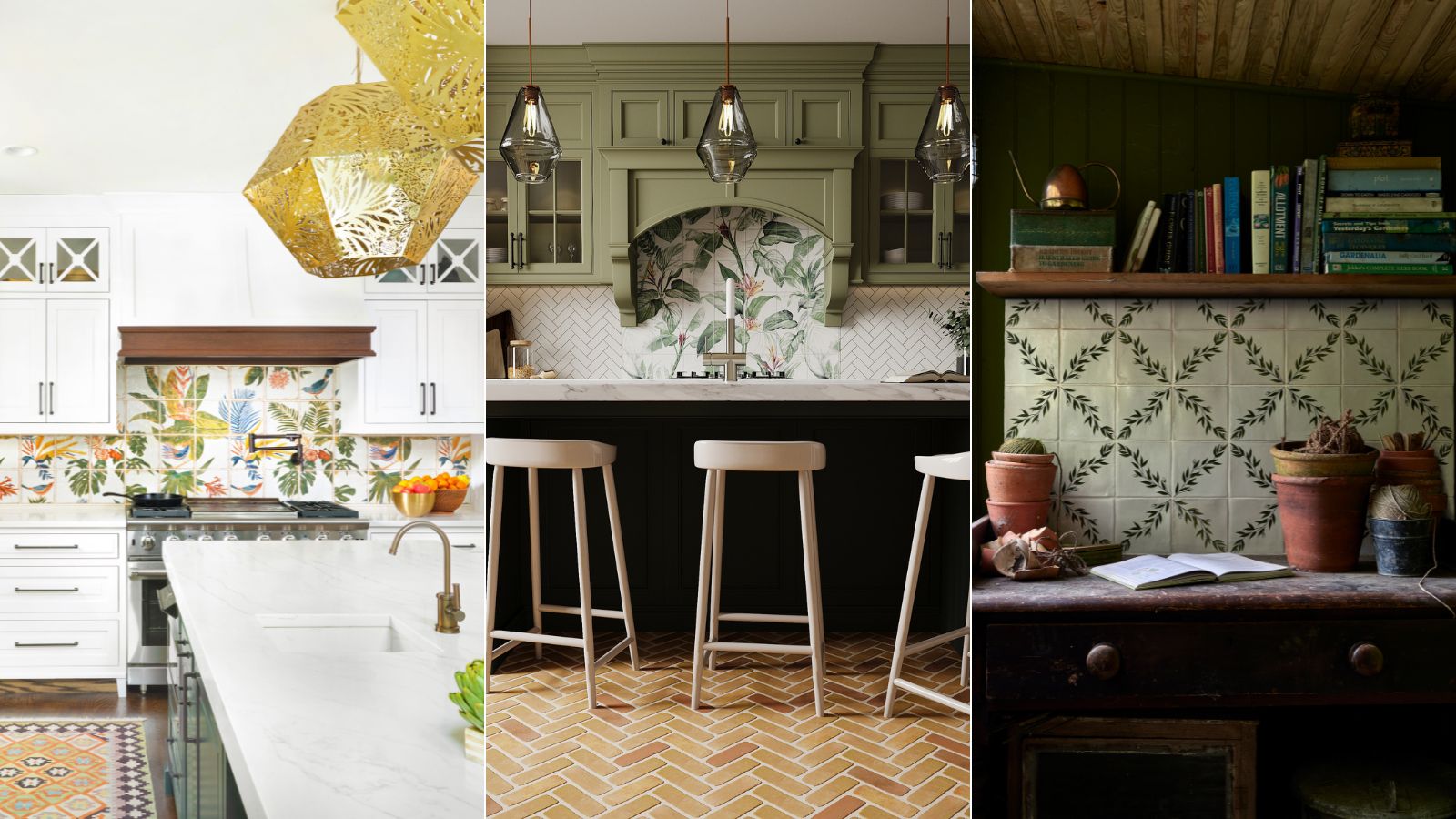
3 on-trend ways to create a tile mural kitchen backsplash

Subway Tile Is Outdated: This Colorful Backsplash Trend Will Surprise Everyone In 2026
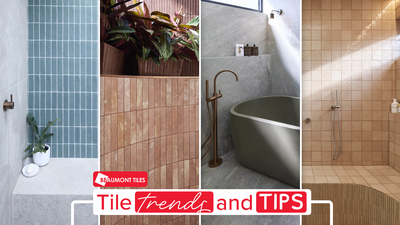
Need inspo? The biggest tile and design trends taking over The Block 2025

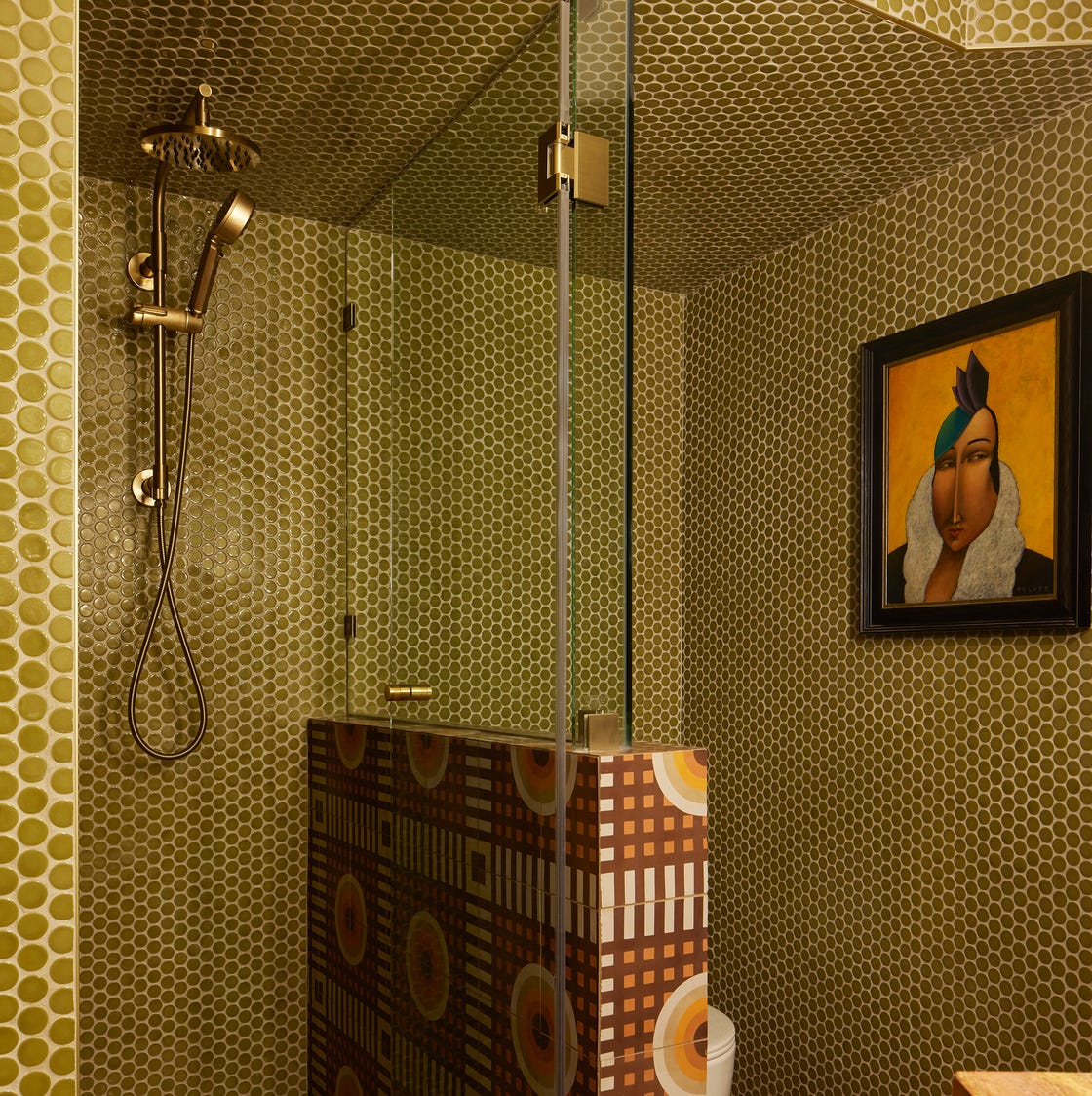
The Next Big 2026 Texture Trend Is Tile—See How Designers Are Styling It in Every Room
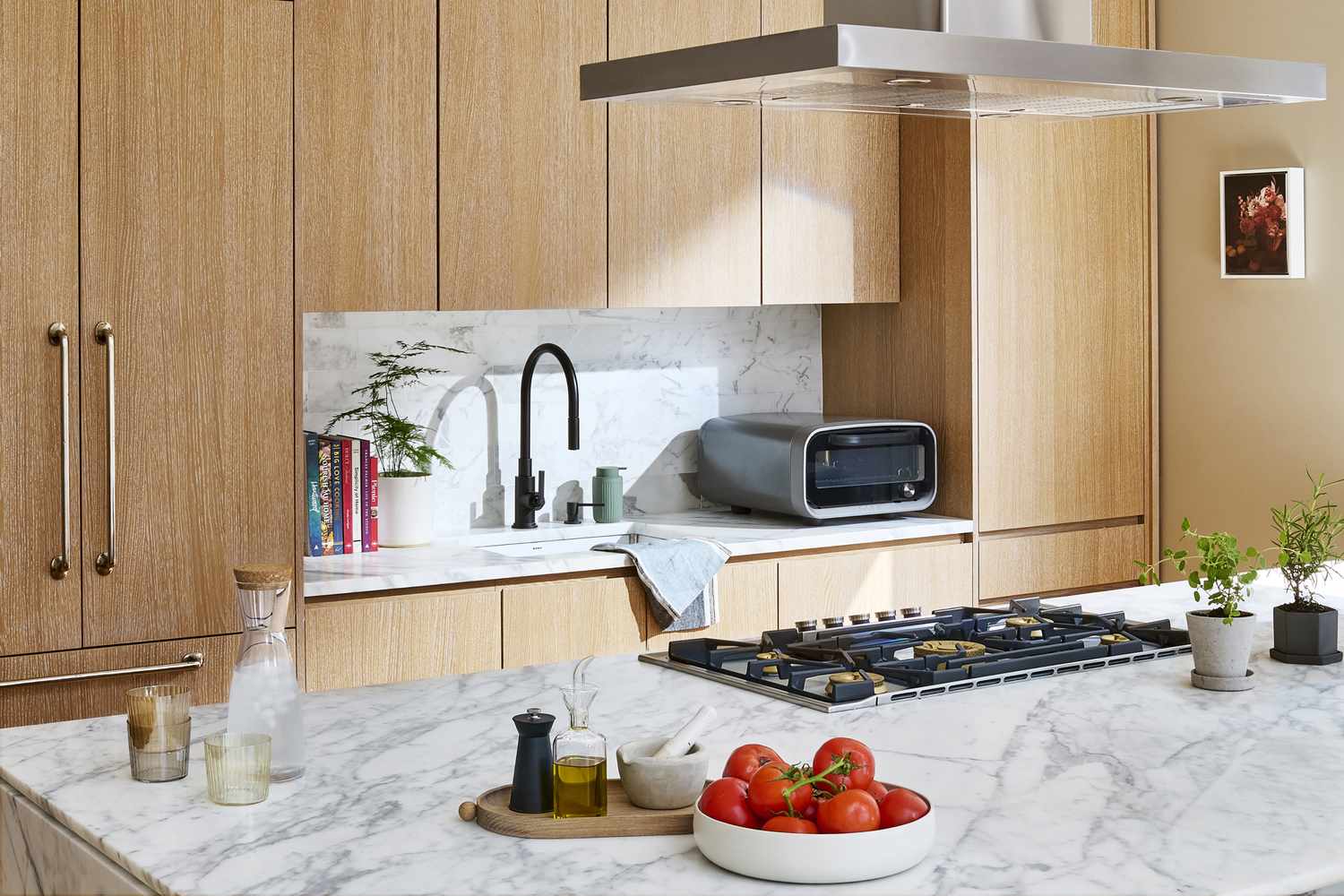
Move Over Subway Tile—This Backsplash Trend Is Taking Over Kitchens in 2026

This Opulent Decor Choice Is Poised to Become the Biggest Design Trend of 2025
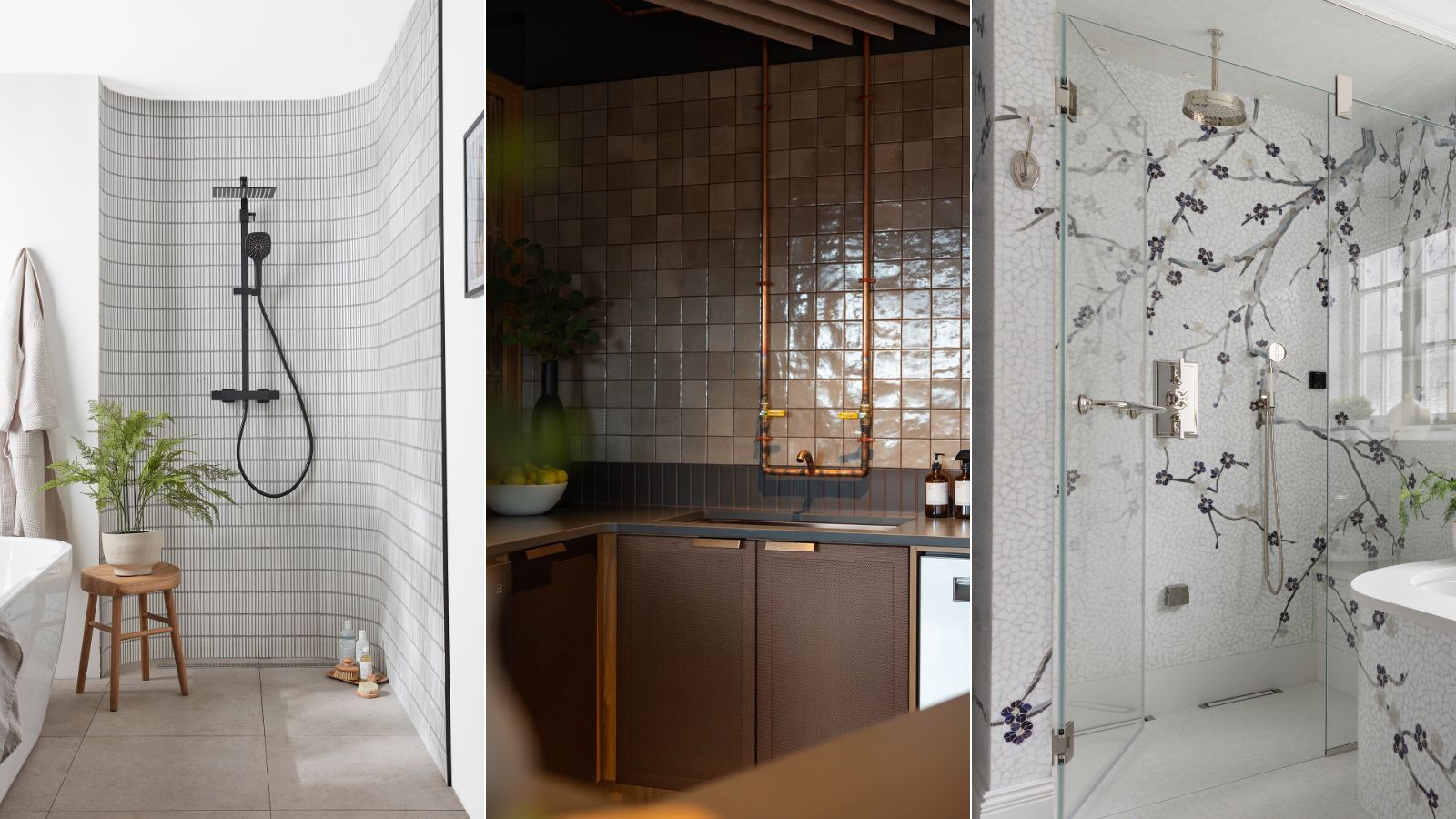
9 tile trends for 2025 that add character, interest, and style to your home
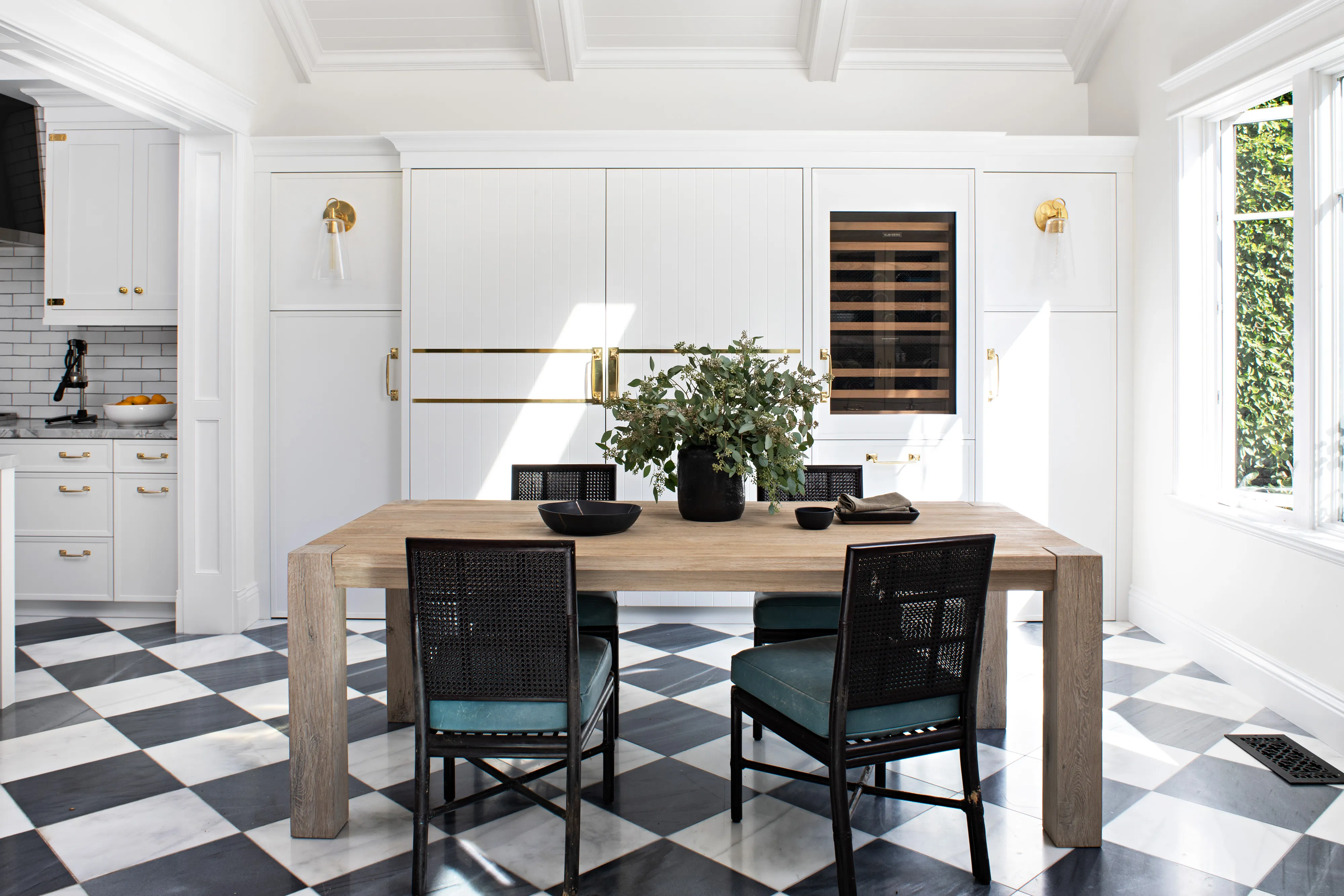
5 Tile Trends for 2026 That Turn Ordinary Floors into Standout Spaces
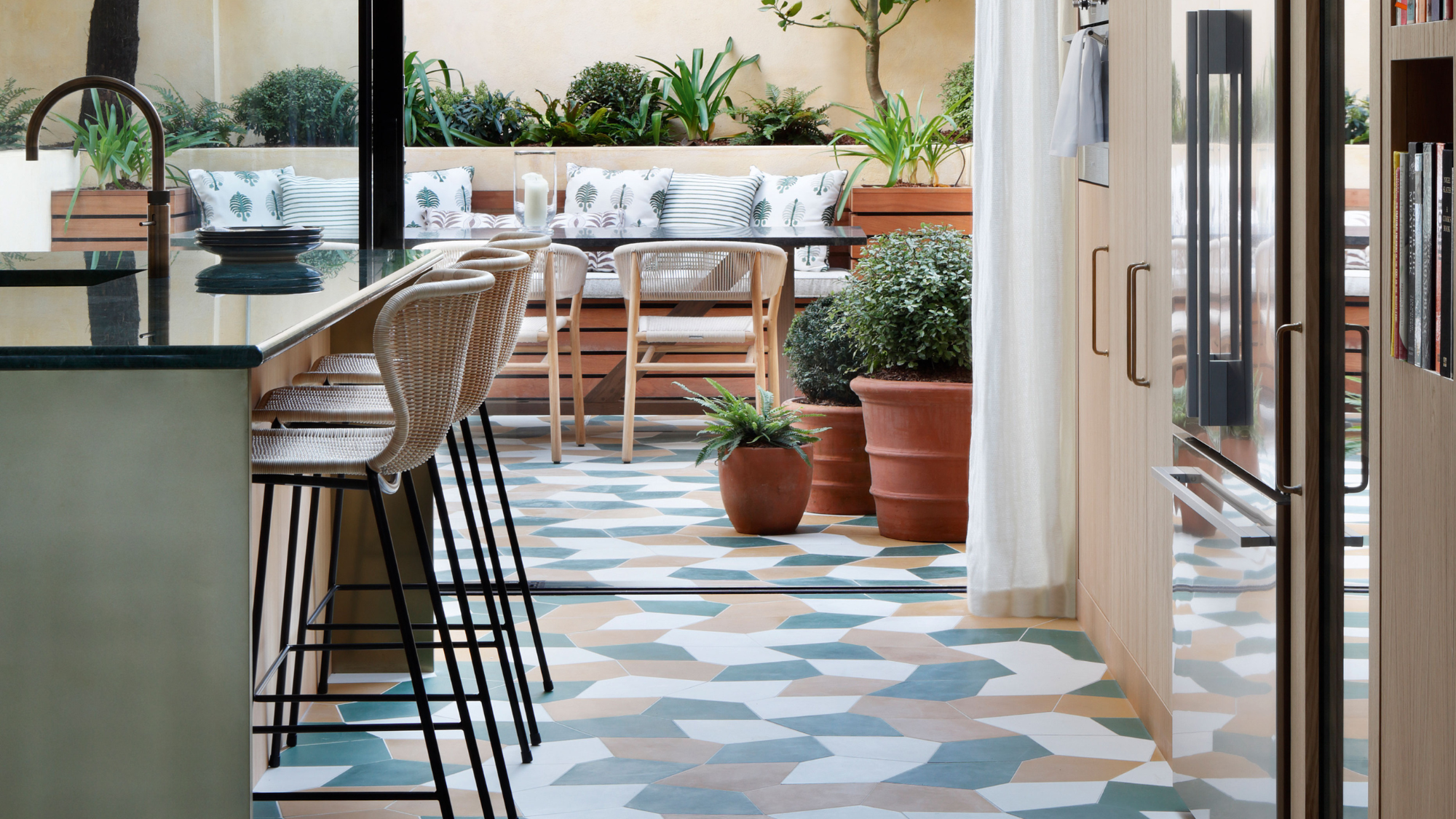
Tile Trends 2025 — Every Design-Forward Look to Have on Your Radar

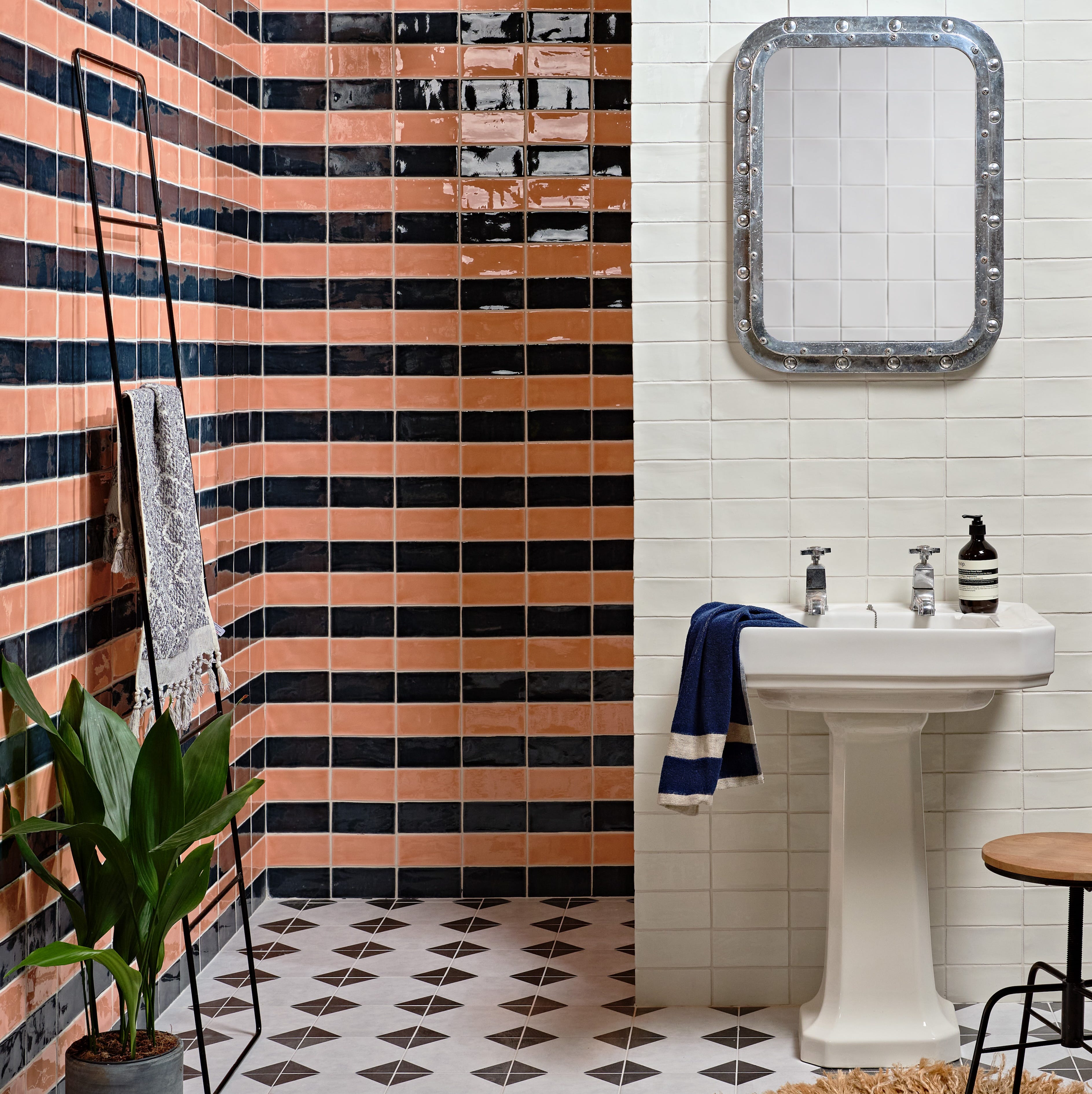
'Tile drenching': The statement-making interiors trend to try in 2025
Move Over Subway Tile—This Backsplash Trend Will Dominate Kitchens in 2026

6 Tile Trends Spotted at Coverings 2024
The Next Big 2026 Texture Trend Is Tile—See How Designers Are Styling It in Every Room

Bold Flooring Is Making a Massive Comeback in 2024

New Year, New Look: Exploring Pool Tile Trends for 2025

Outdated Tile Trends That Are Going Away In 2025
These Kitchen Tile Trends Will Transform Your Backsplash and Countertops in 2025

The Popular Tile Choice In 2025 That You Might End Up Regretting Sooner Than You Think