1/3
Everything You Need To Know About Stair Runners
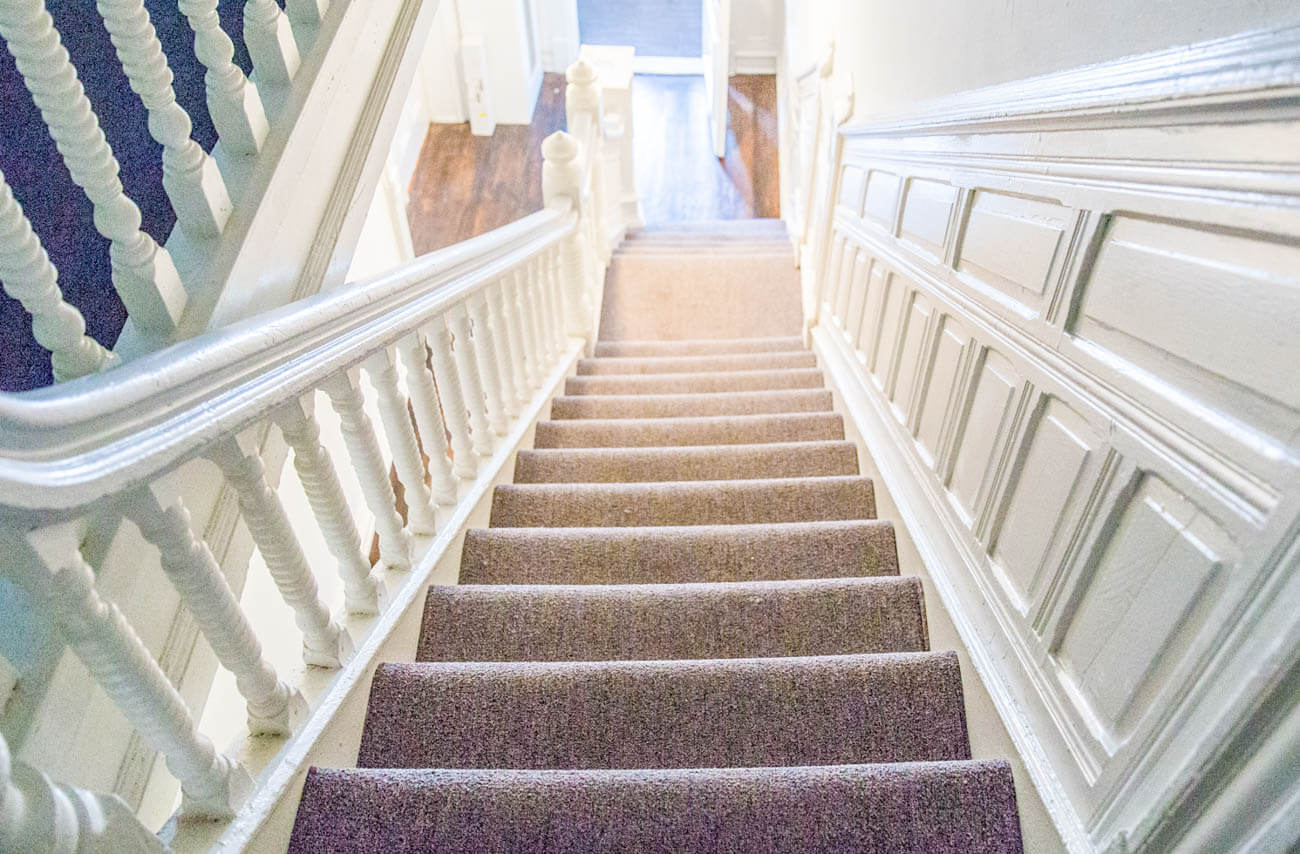
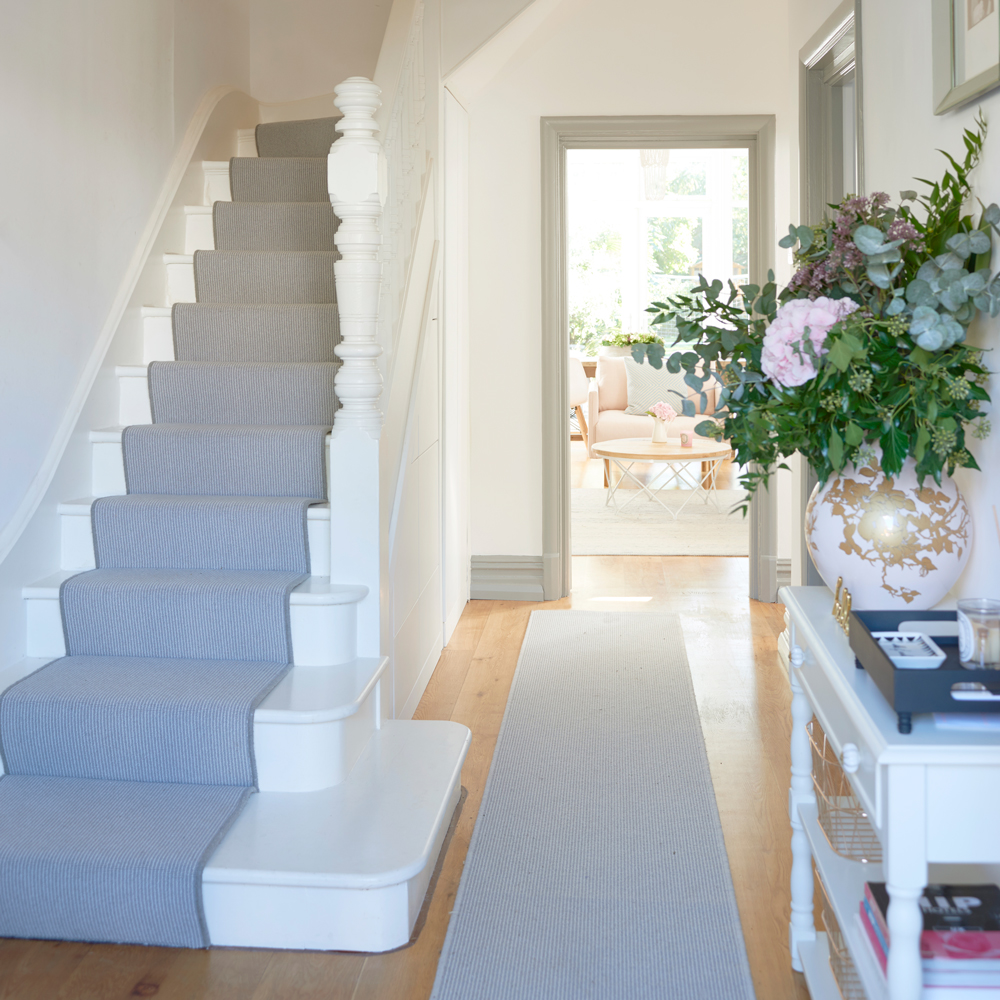
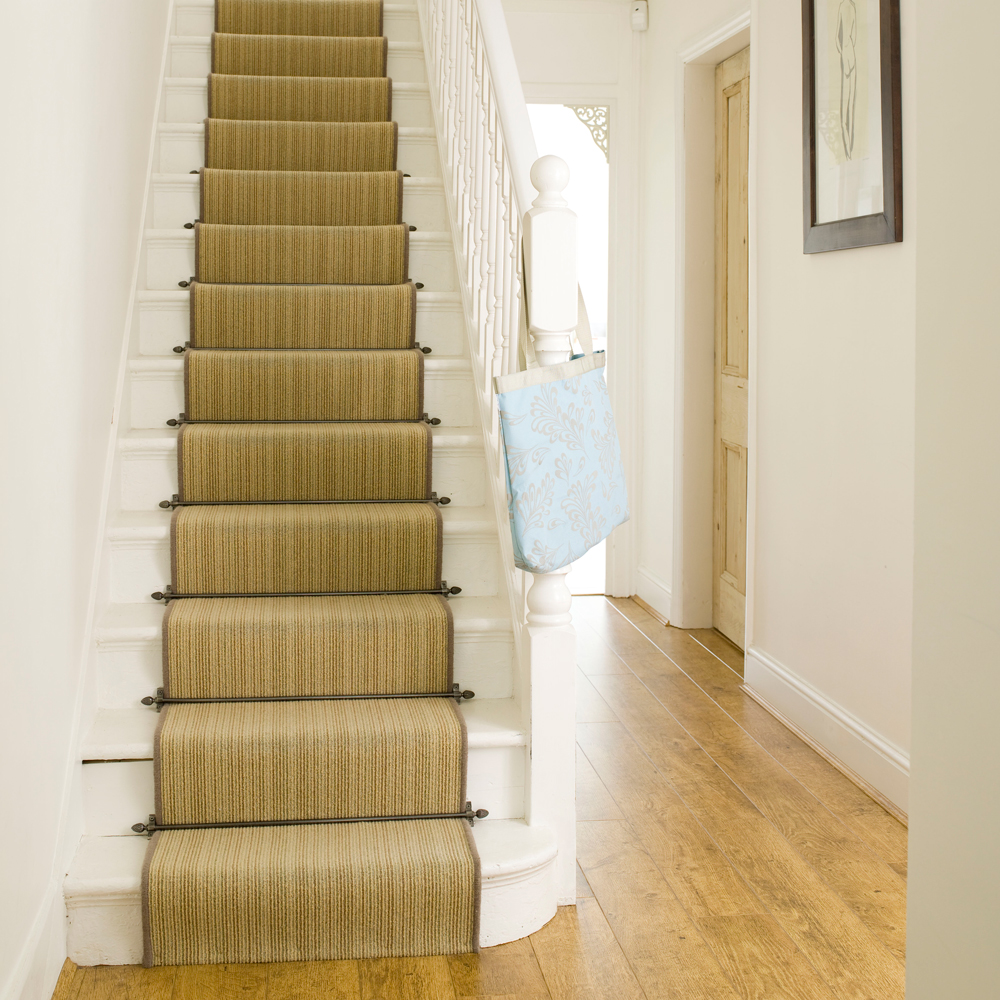
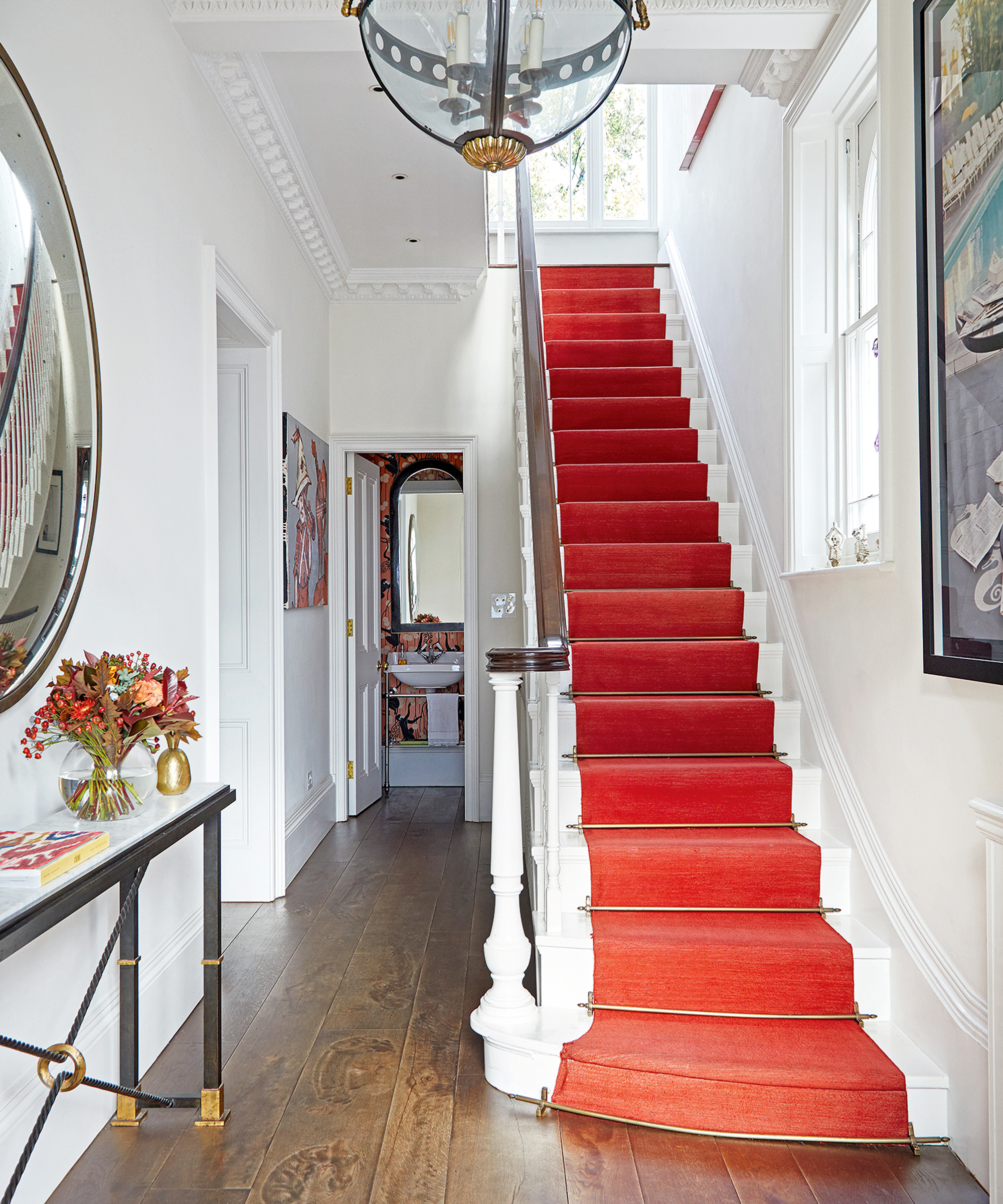
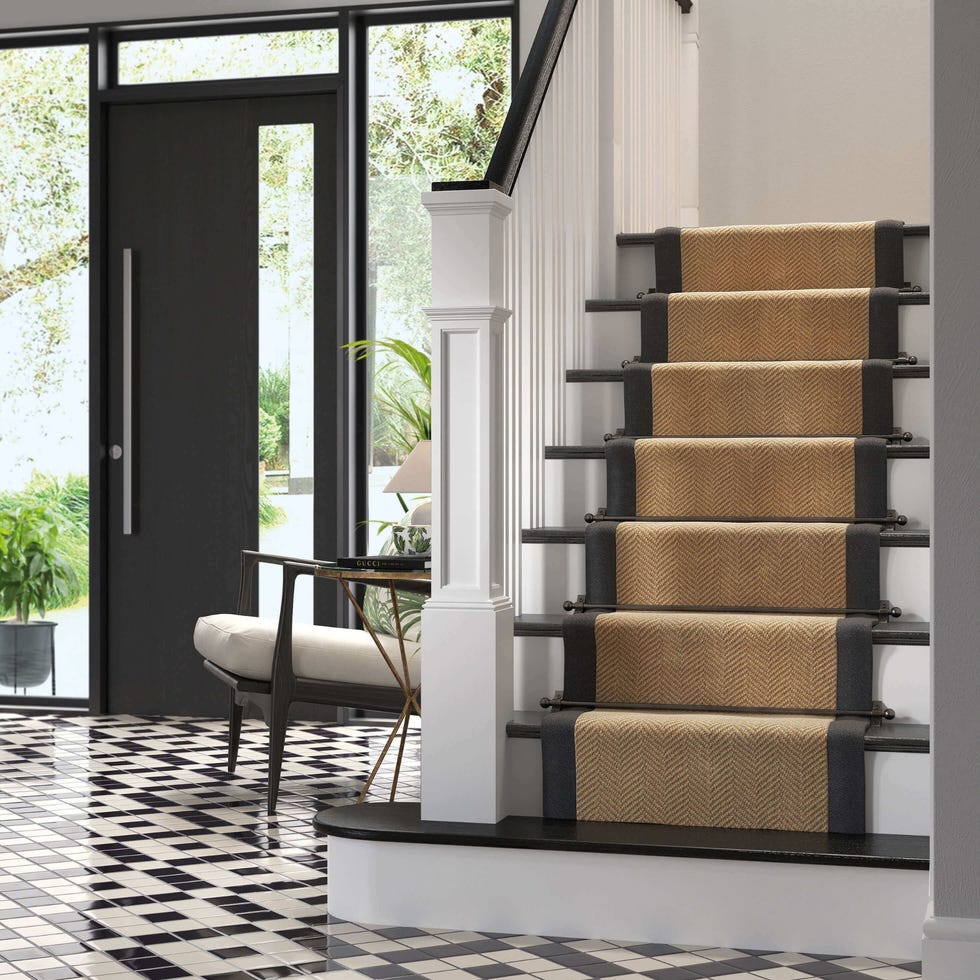
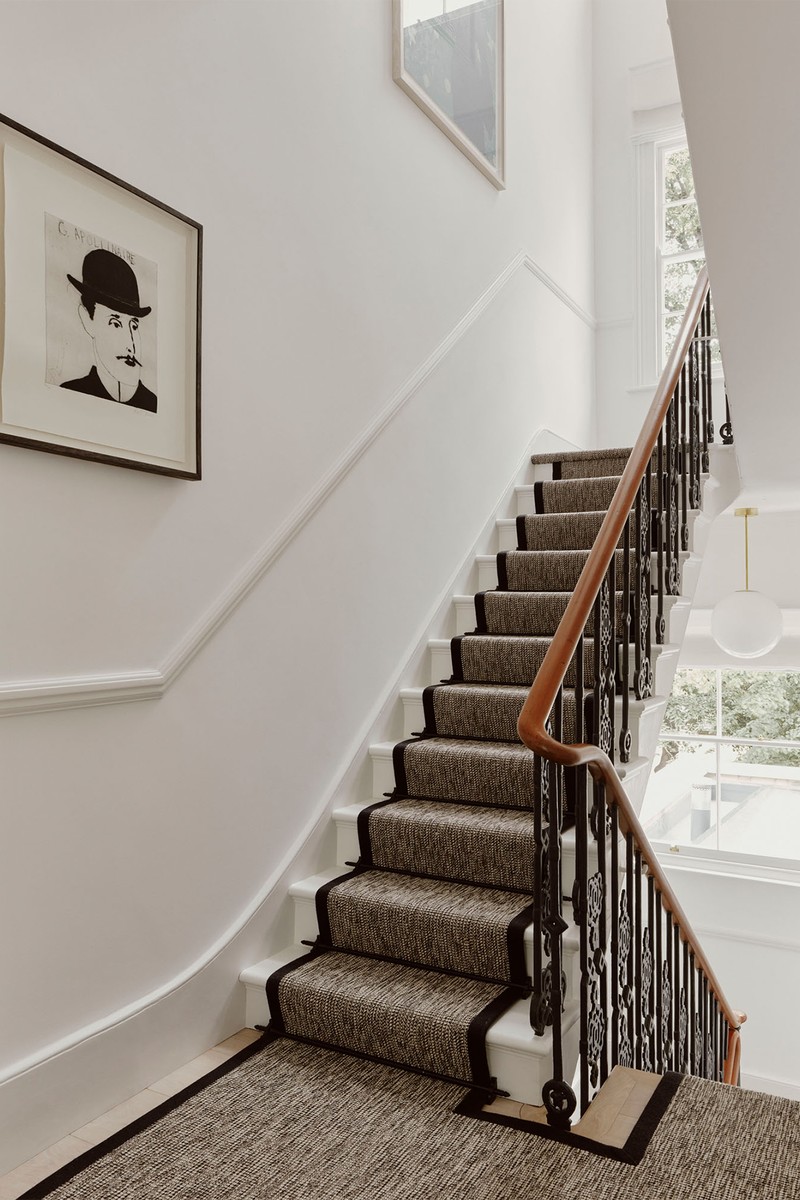
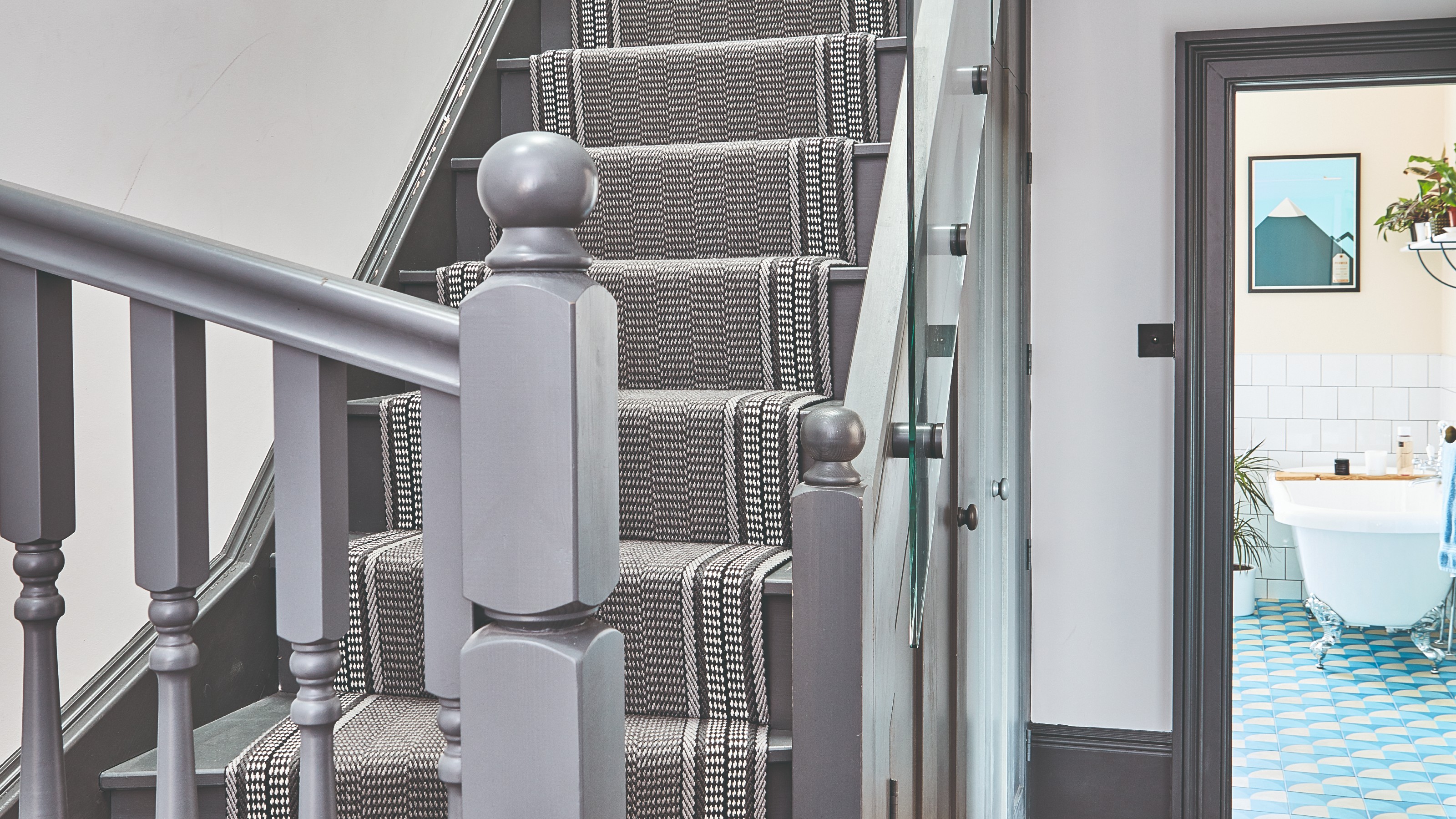
Stair runners offer a versatile and elegant solution for enhancing the aesthetic and functionality of a staircase. Unlike fully fitted carpets, stair runners typically cover the central portion of the stairs, leaving 10-15 cm of the underlying wood exposed on either side. This allows for a customizable look, where the exposed wood can be painted or left natural, creating a unique design statement.
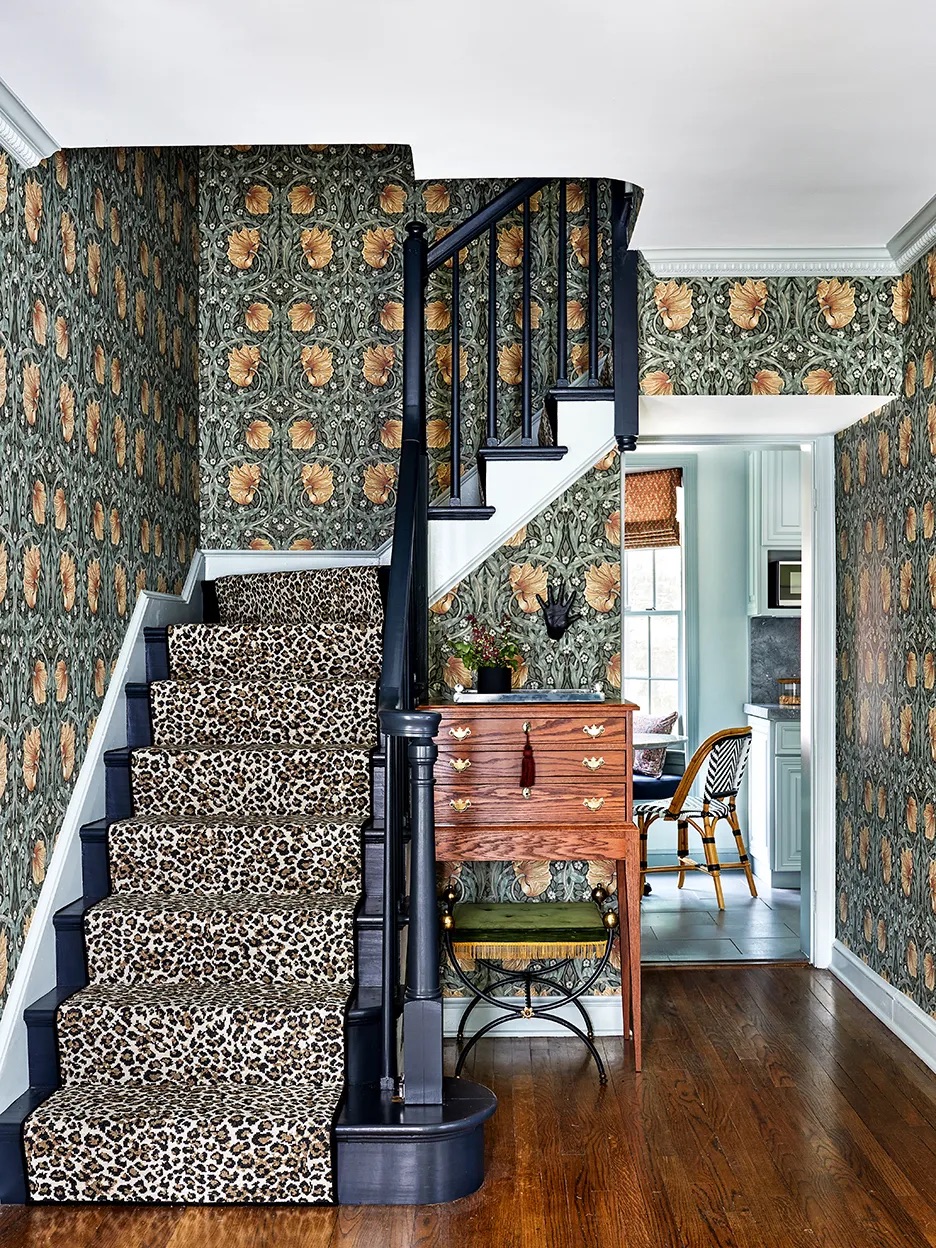
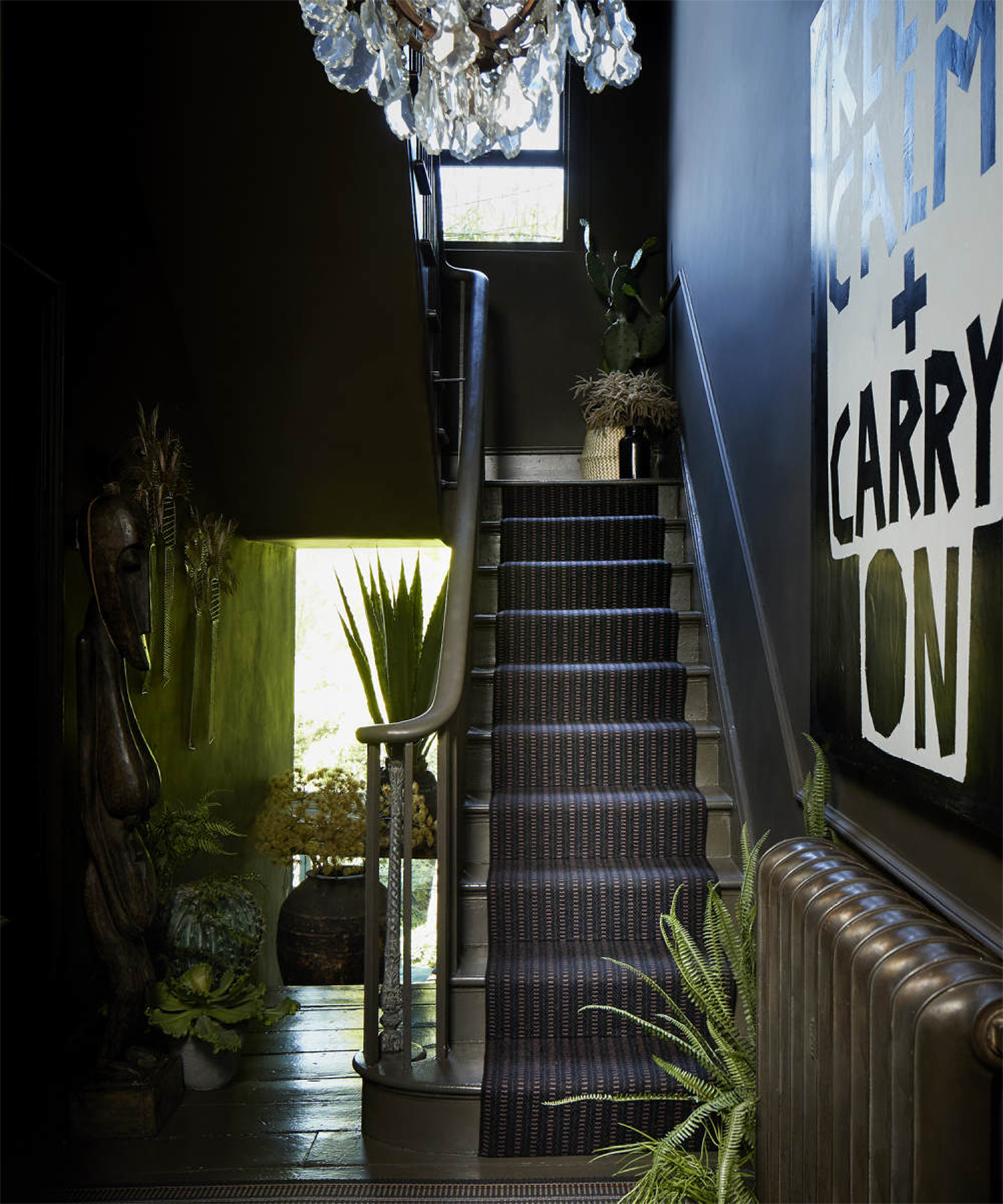
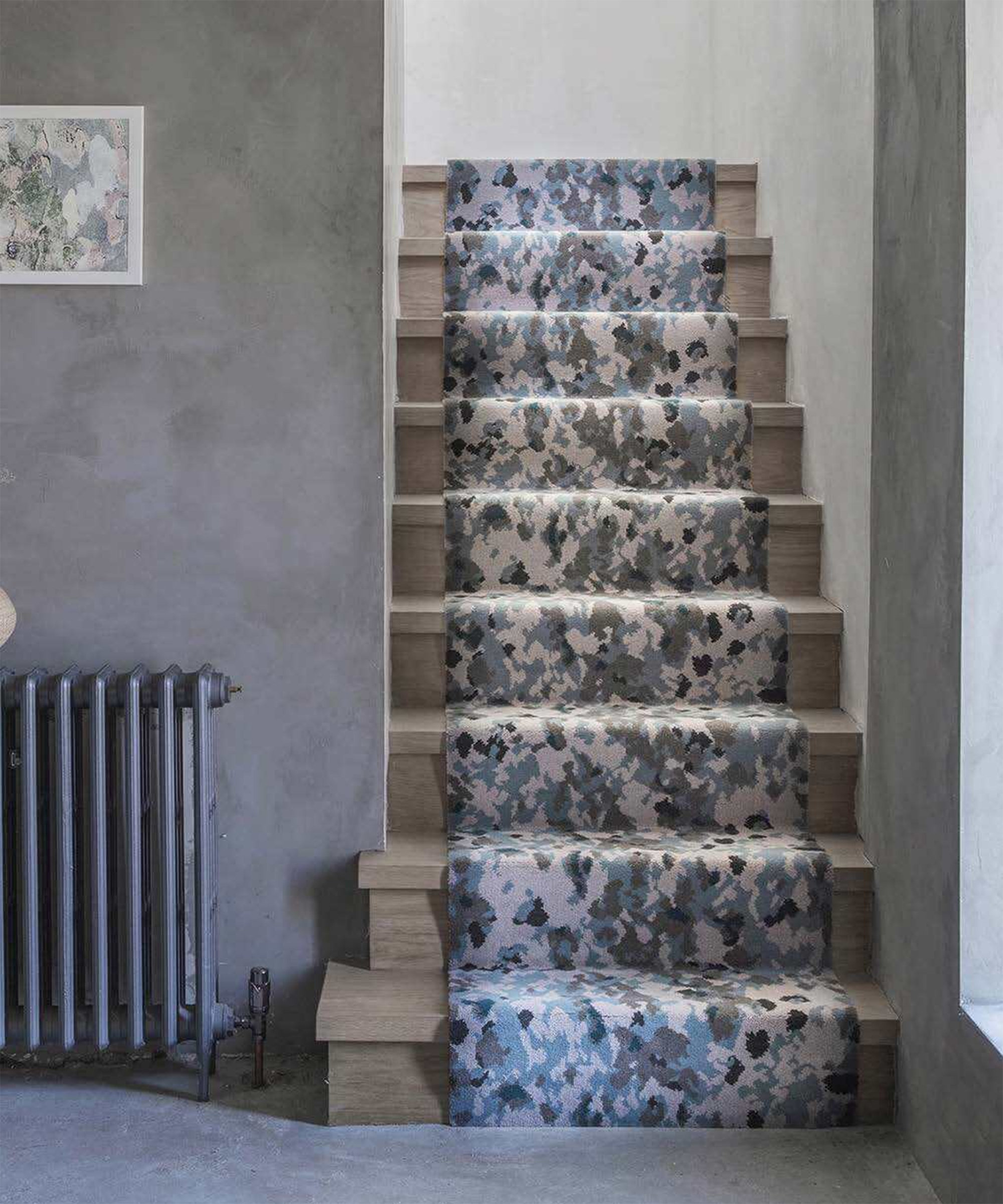
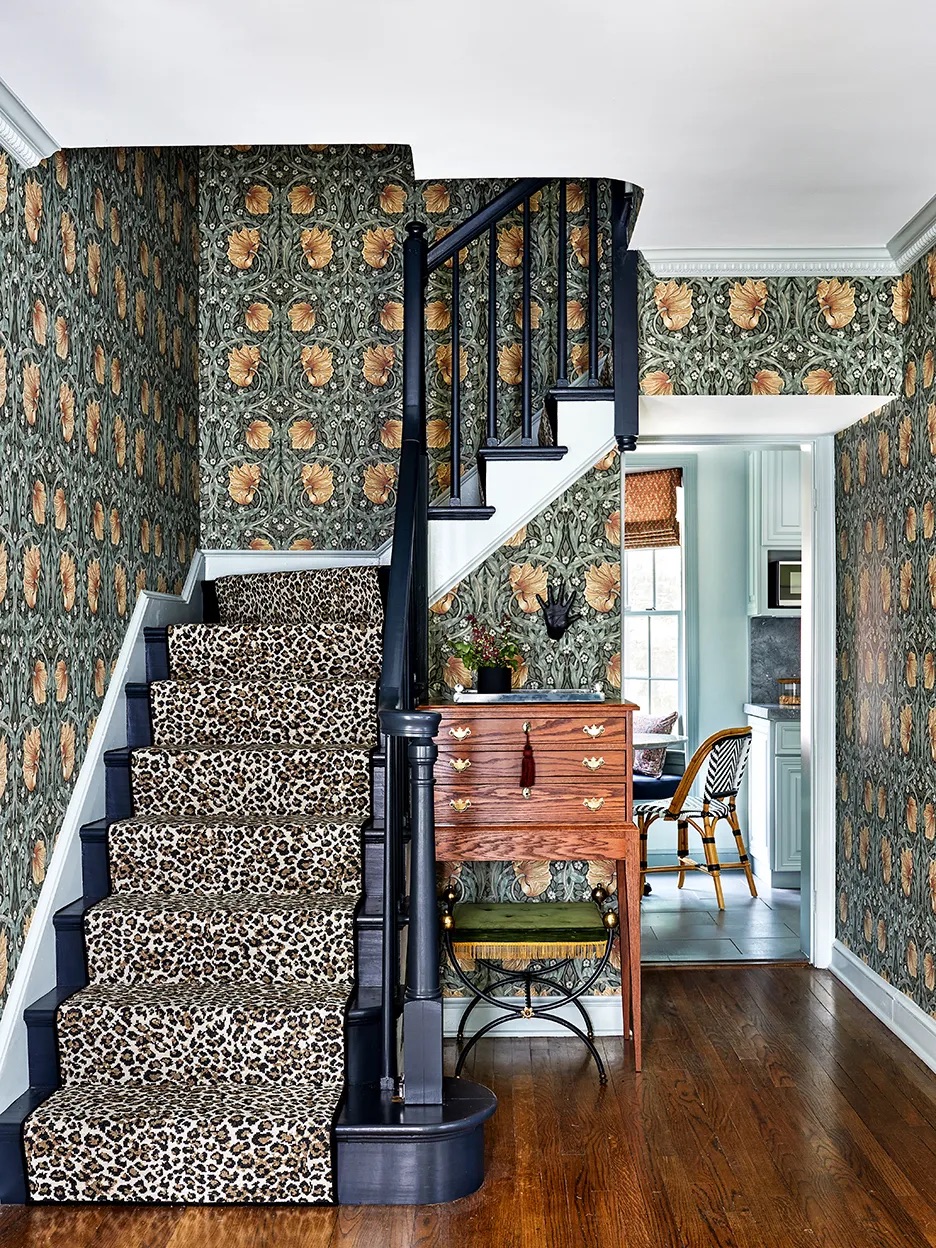
Selecting the appropriate material for a stair runner is crucial due to the high-traffic nature of stairs. The material should be hard-wearing and possess good anti-slip properties. Deep or loopy pile carpets are generally discouraged as they can grin (show the backing) on the stair nose and may snag pointed heels. Wool is a highly recommended fiber for stair runners because it is natural, renewable, easy to clean, and retains its shape and bounce. It also acts as an insulator and is naturally flame retardant. For stairs with significant traffic, tightly woven wools like bouclé or Berber are preferred for their ease of cleaning. Patterned carpets or those with a fleck can also be beneficial in disguising dirt.
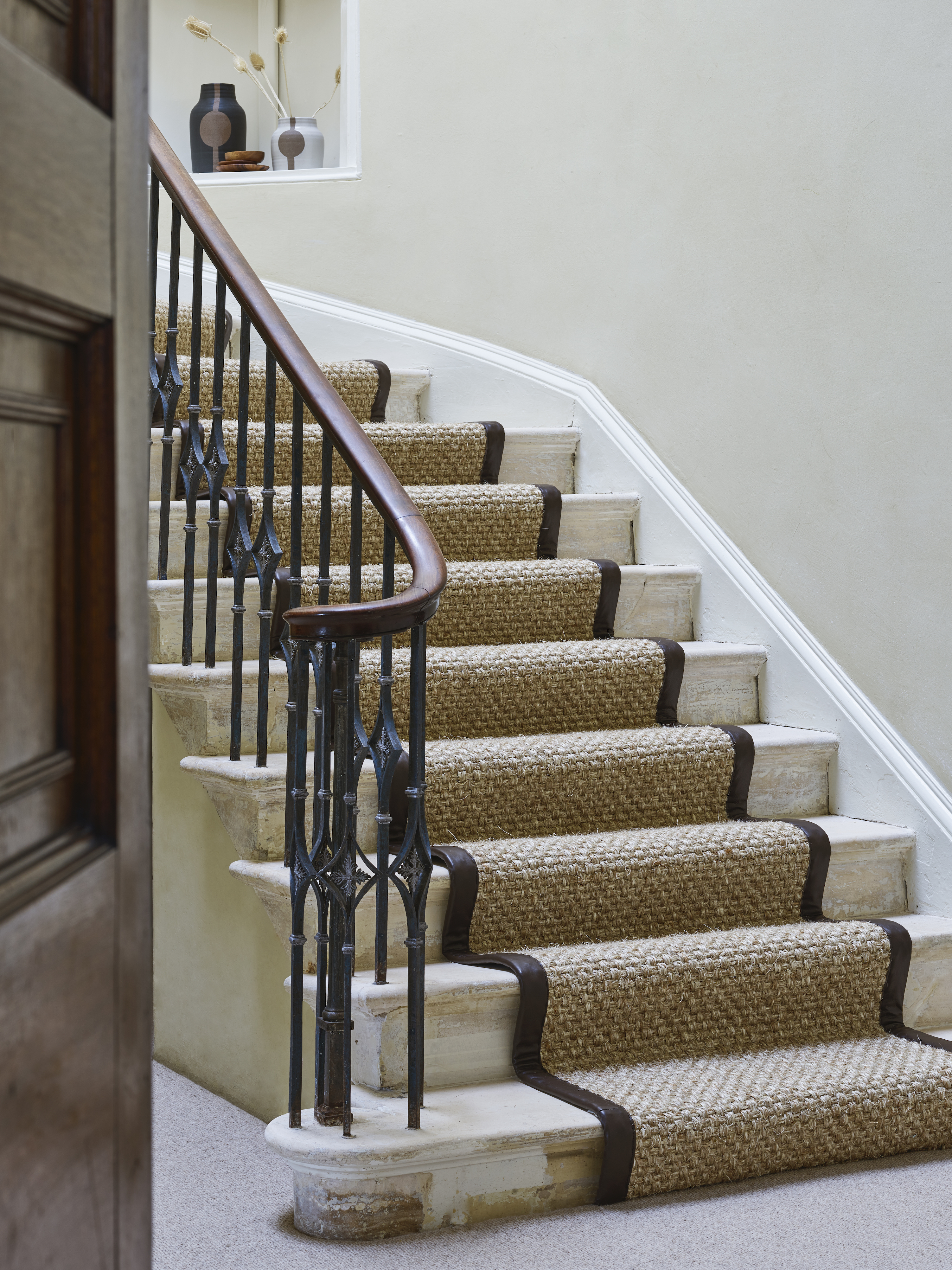
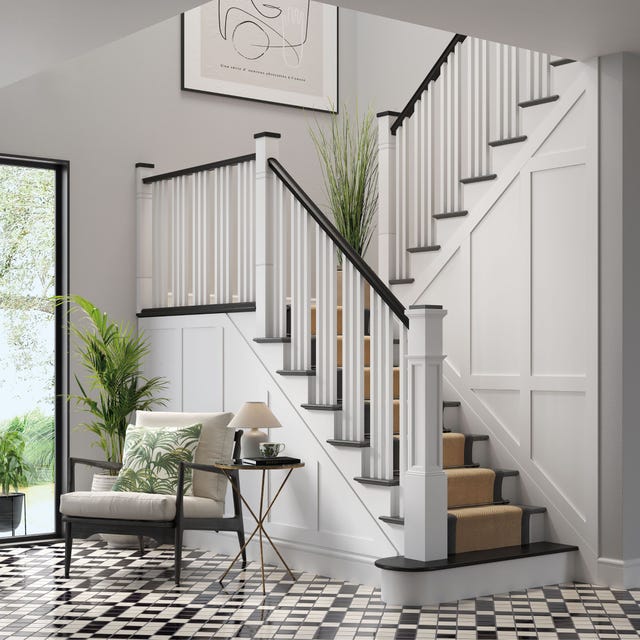
Sisal stands out as a popular natural fiber option for medium domestic use, valued for its versatility and durability. Its varied weaves and natural shades, often incorporating darker flecks from expertly woven strand shades, are effective in concealing tracked dirt in high-traffic areas. Sisal herringbone, with its linear design, can also create the illusion of a larger space.
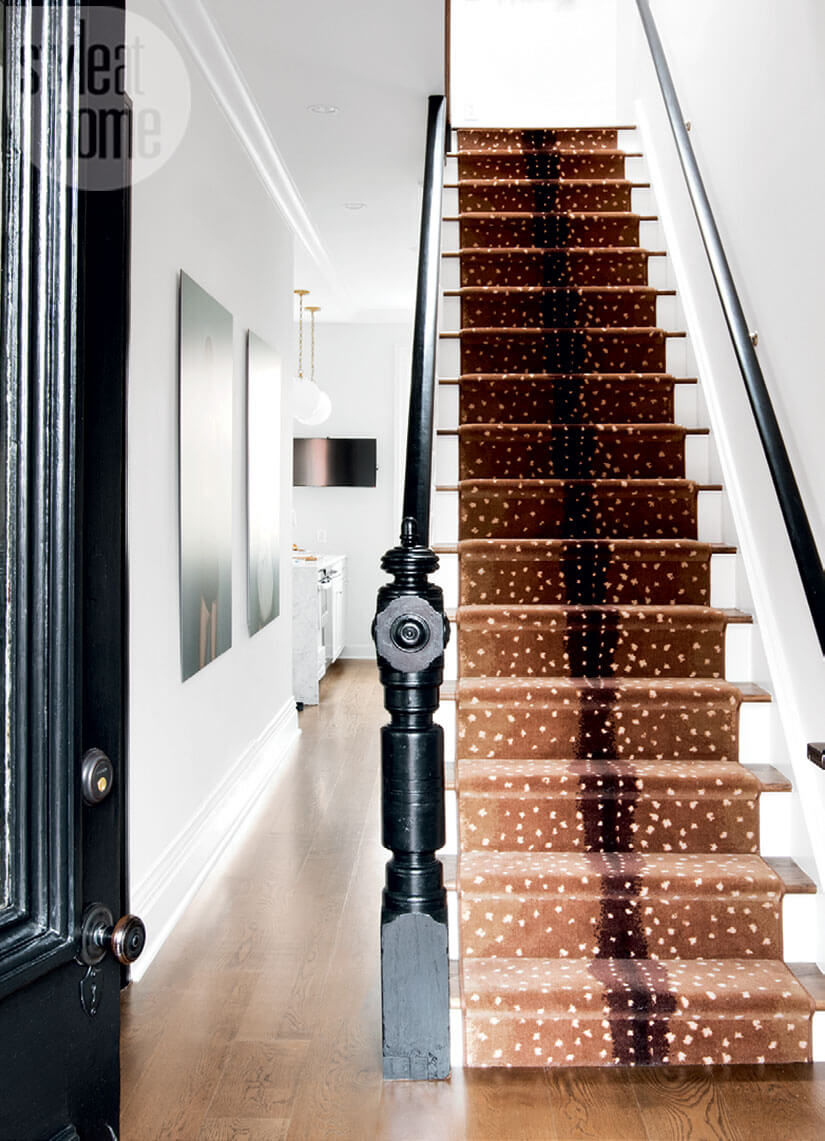
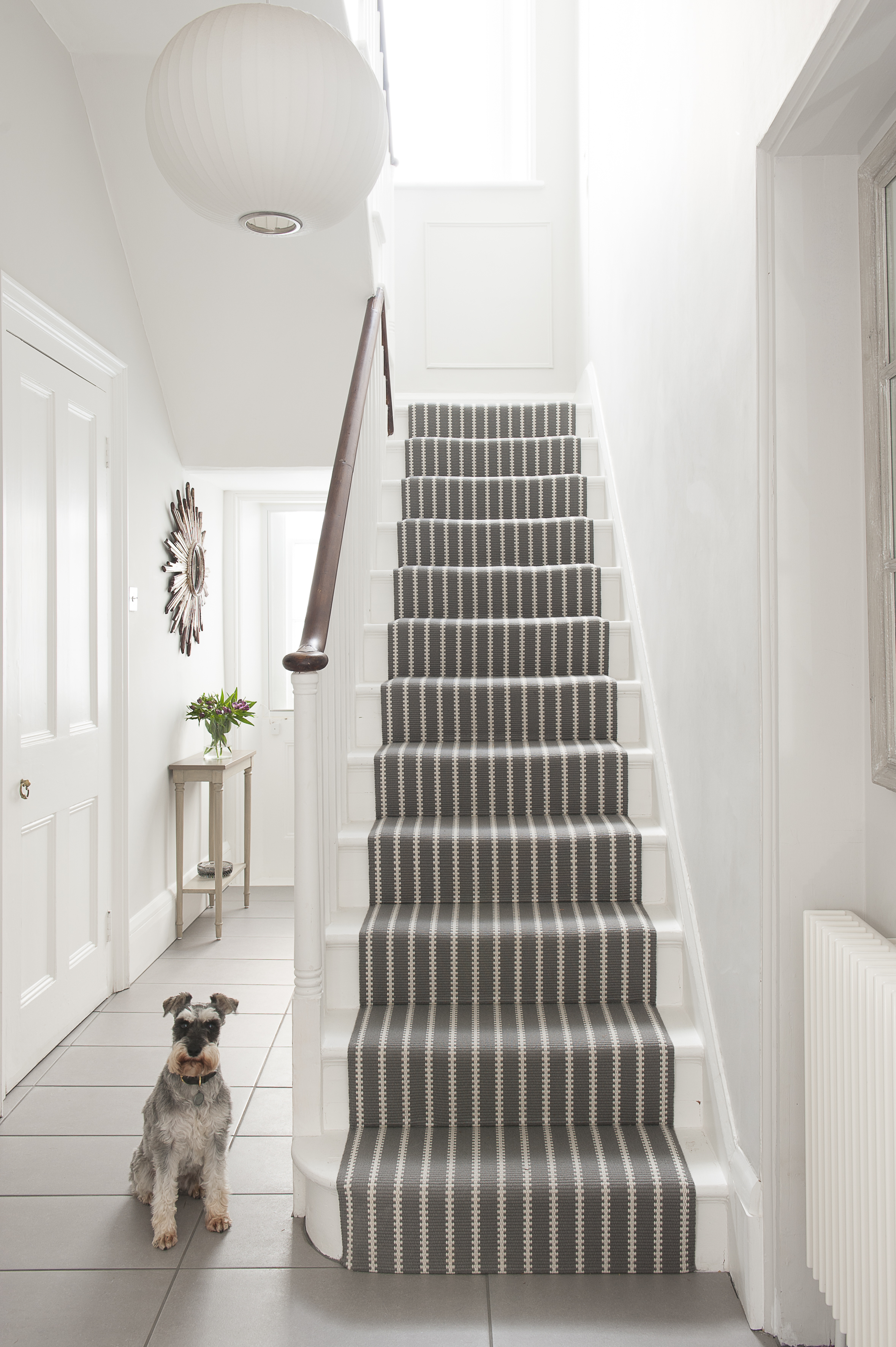
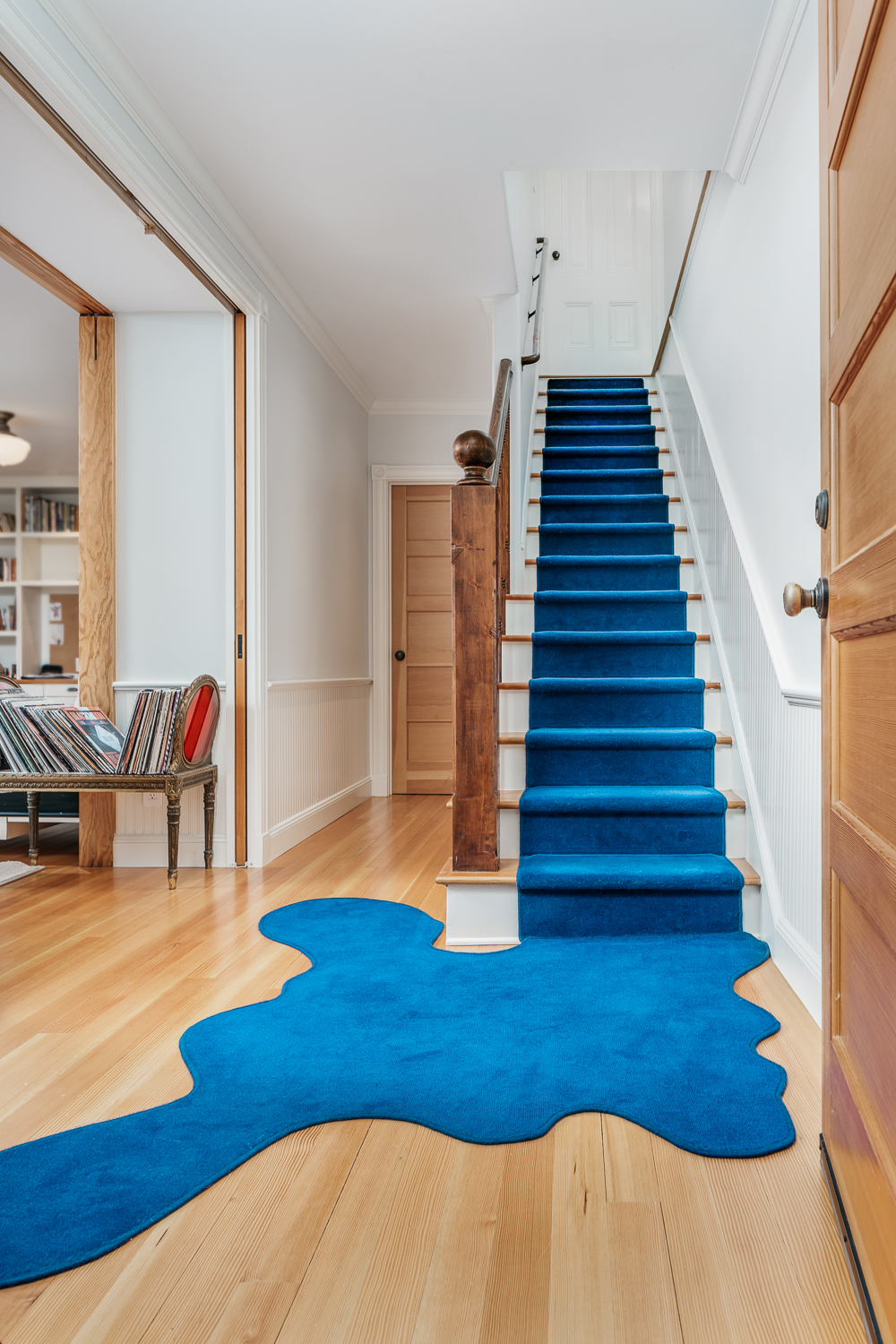
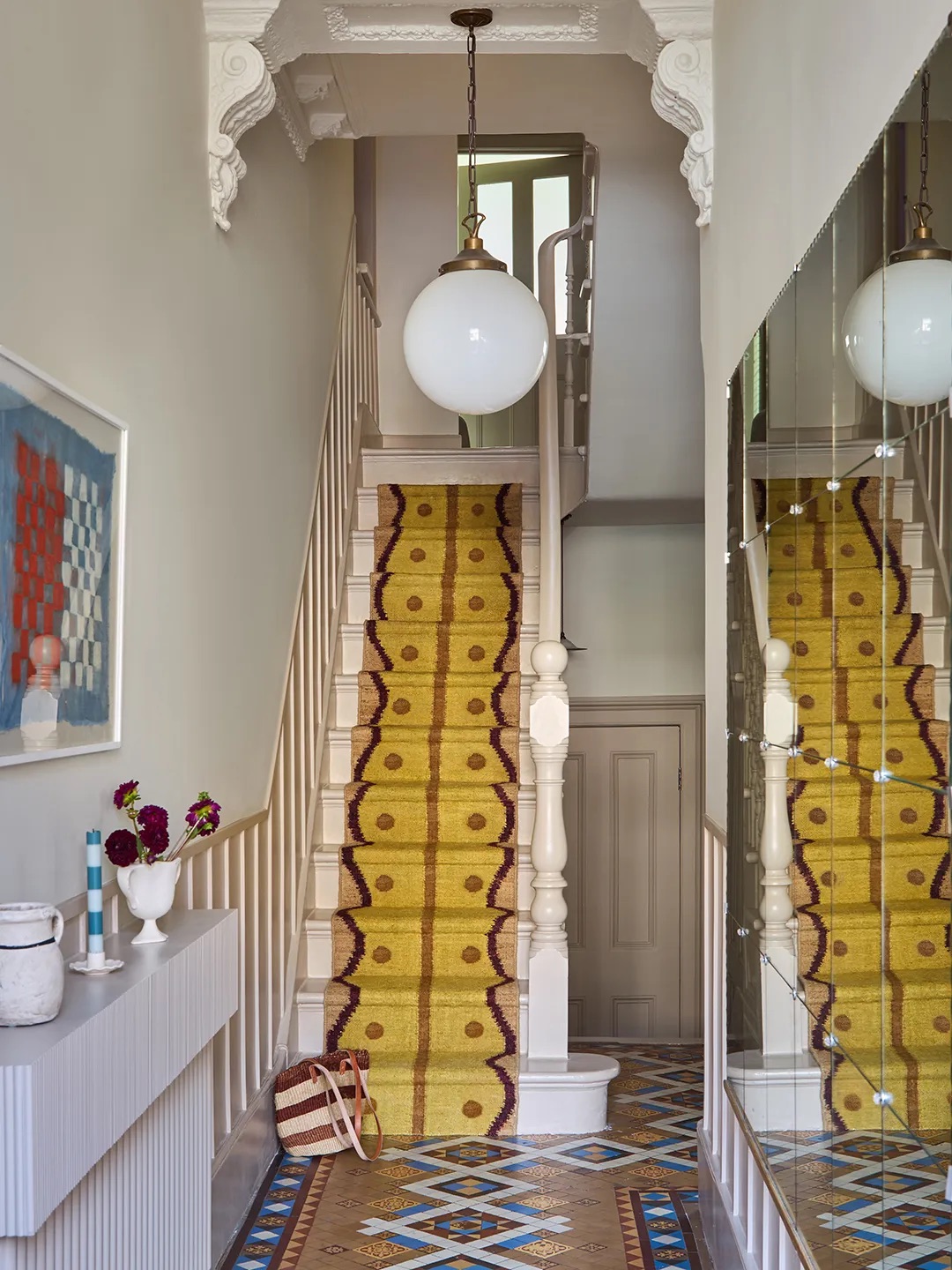
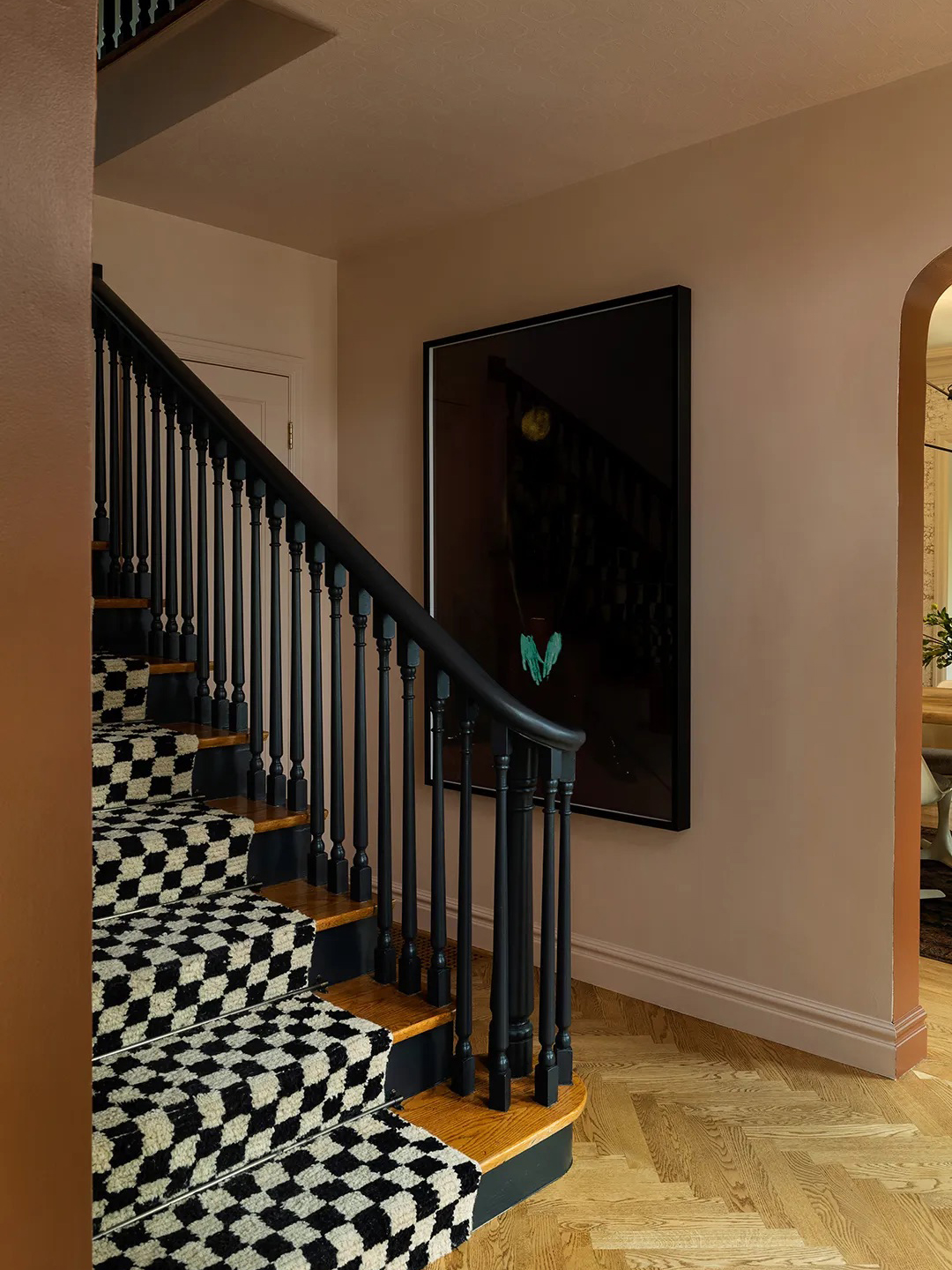
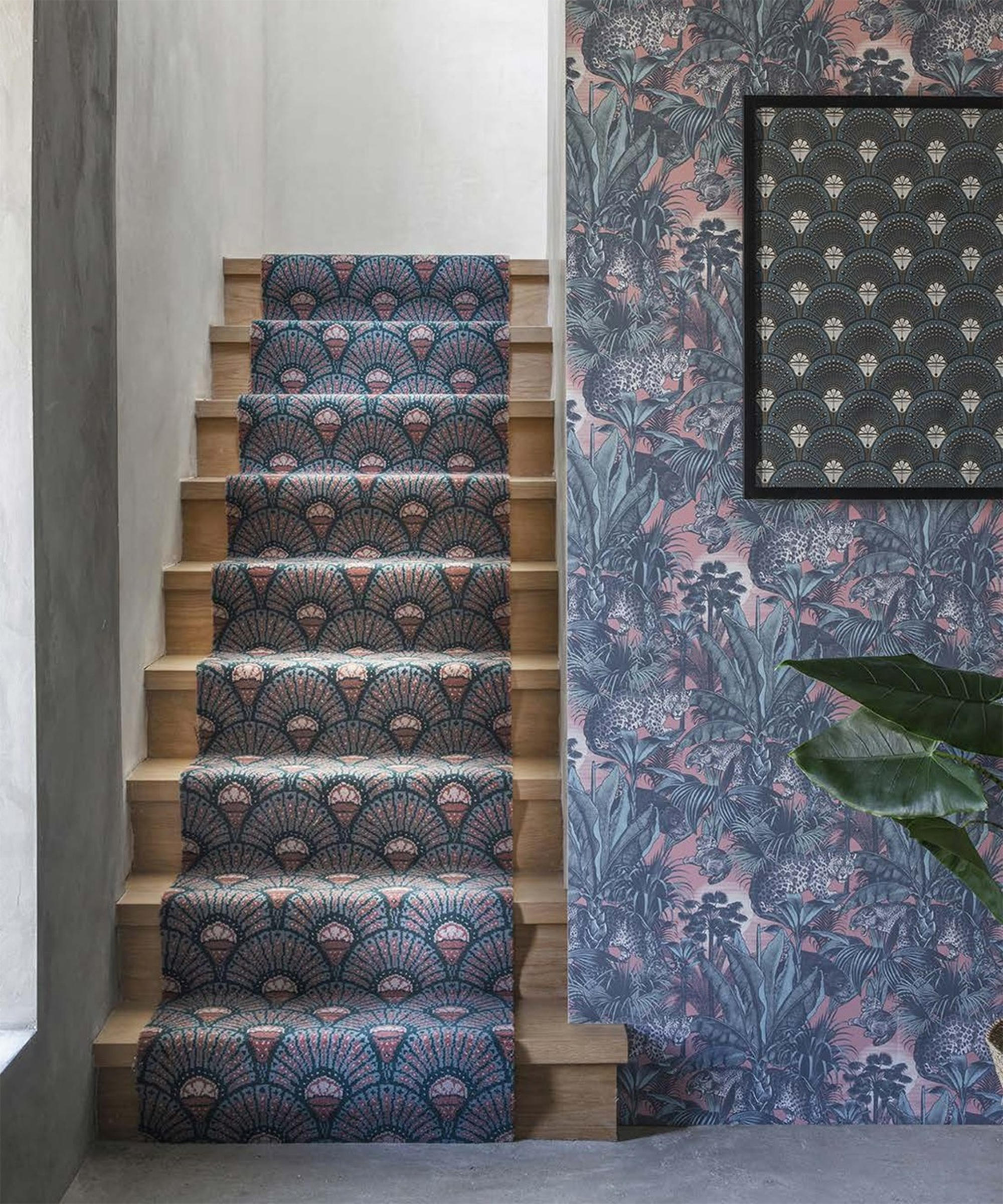
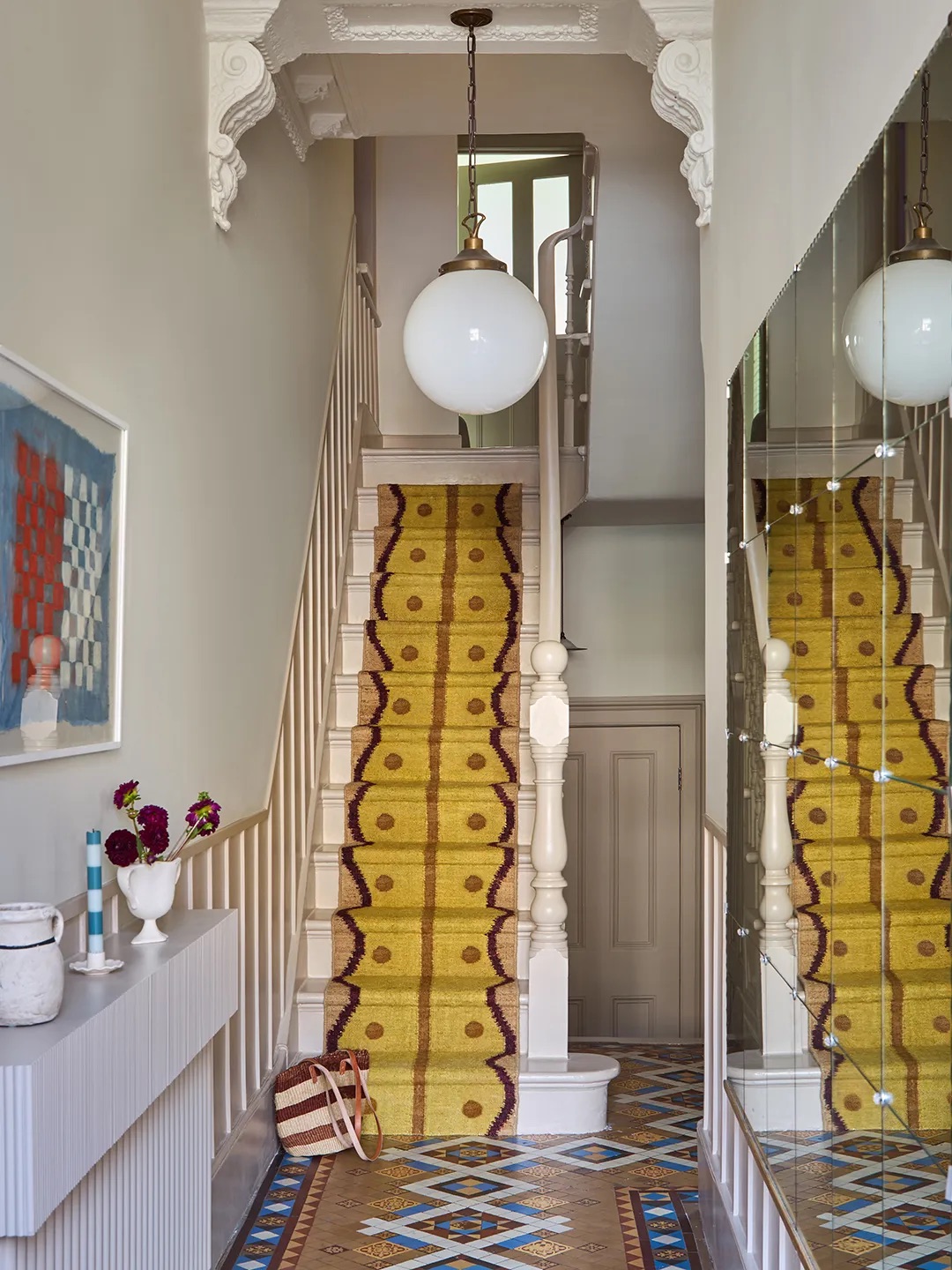
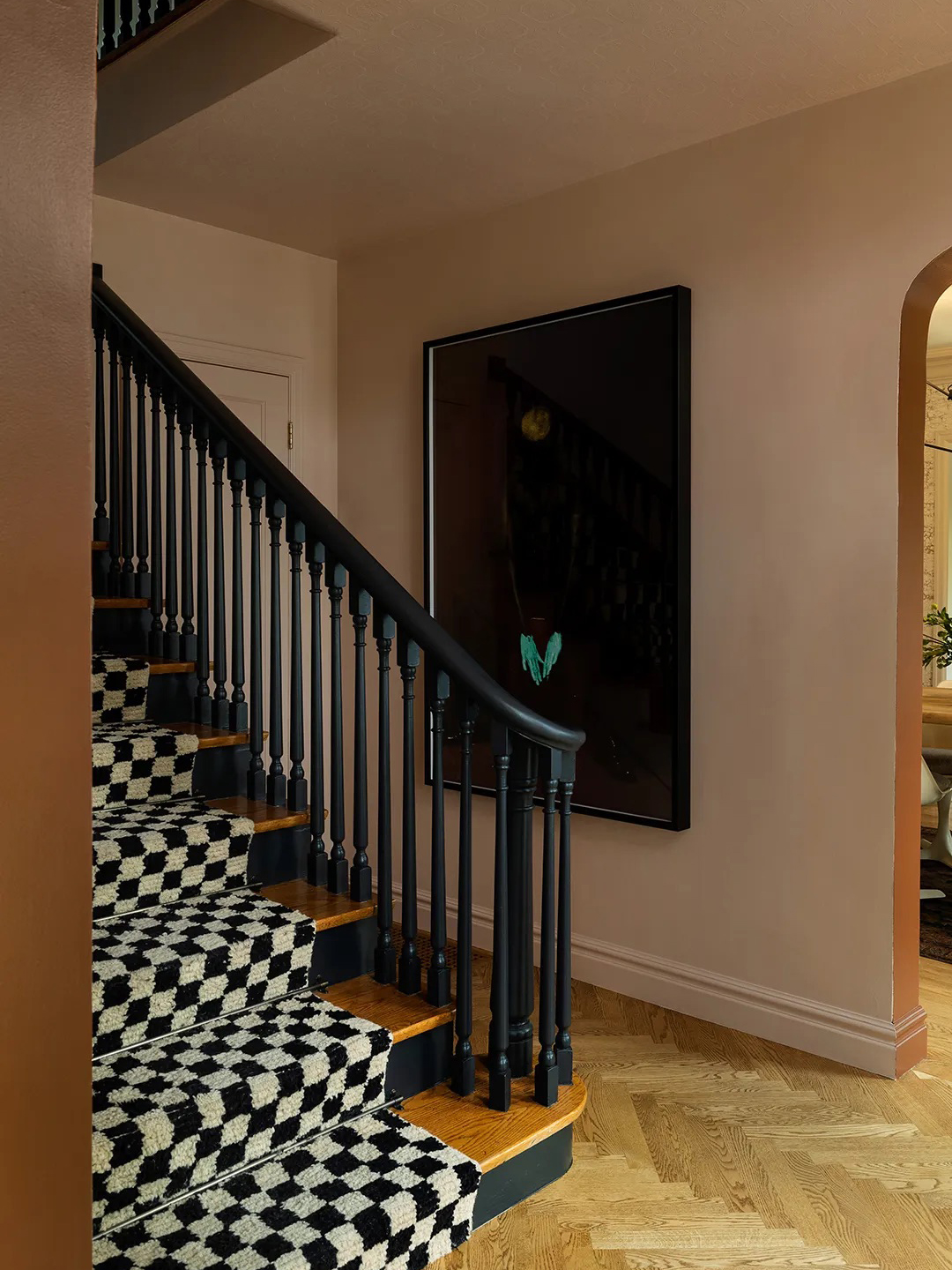
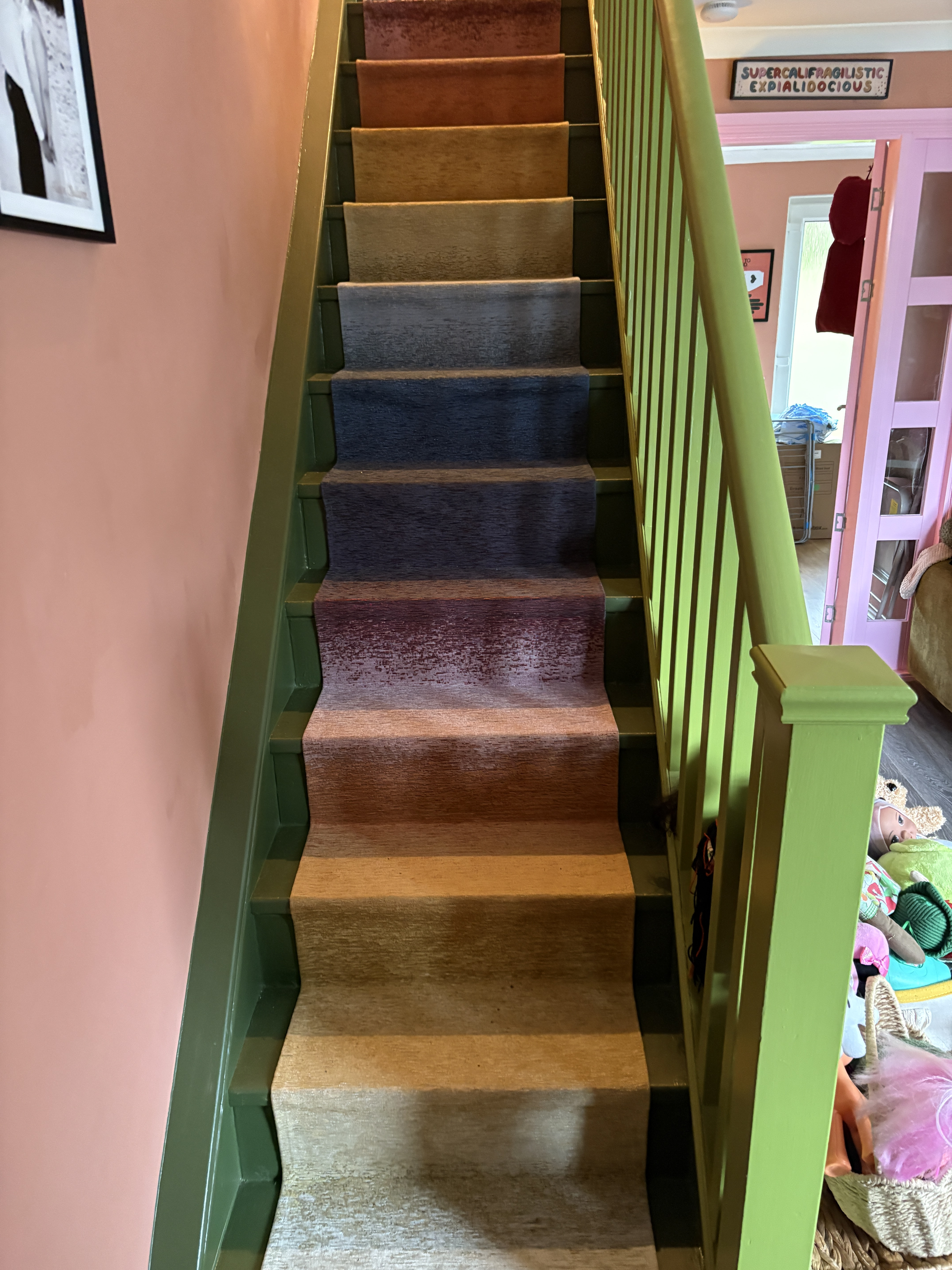
If a stair runner is cut from broadloom or full-width carpet, edging is essential to prevent fraying. This can be achieved with a trim, border, or whipping yarn. Stair runners provide numerous opportunities for design expression, allowing for the introduction of bold colors, stripes, geometric patterns, or combinations thereof. They are particularly effective when the underlying treads and risers are in good condition. However, using a runner on very narrow stairs may make them appear even smaller.
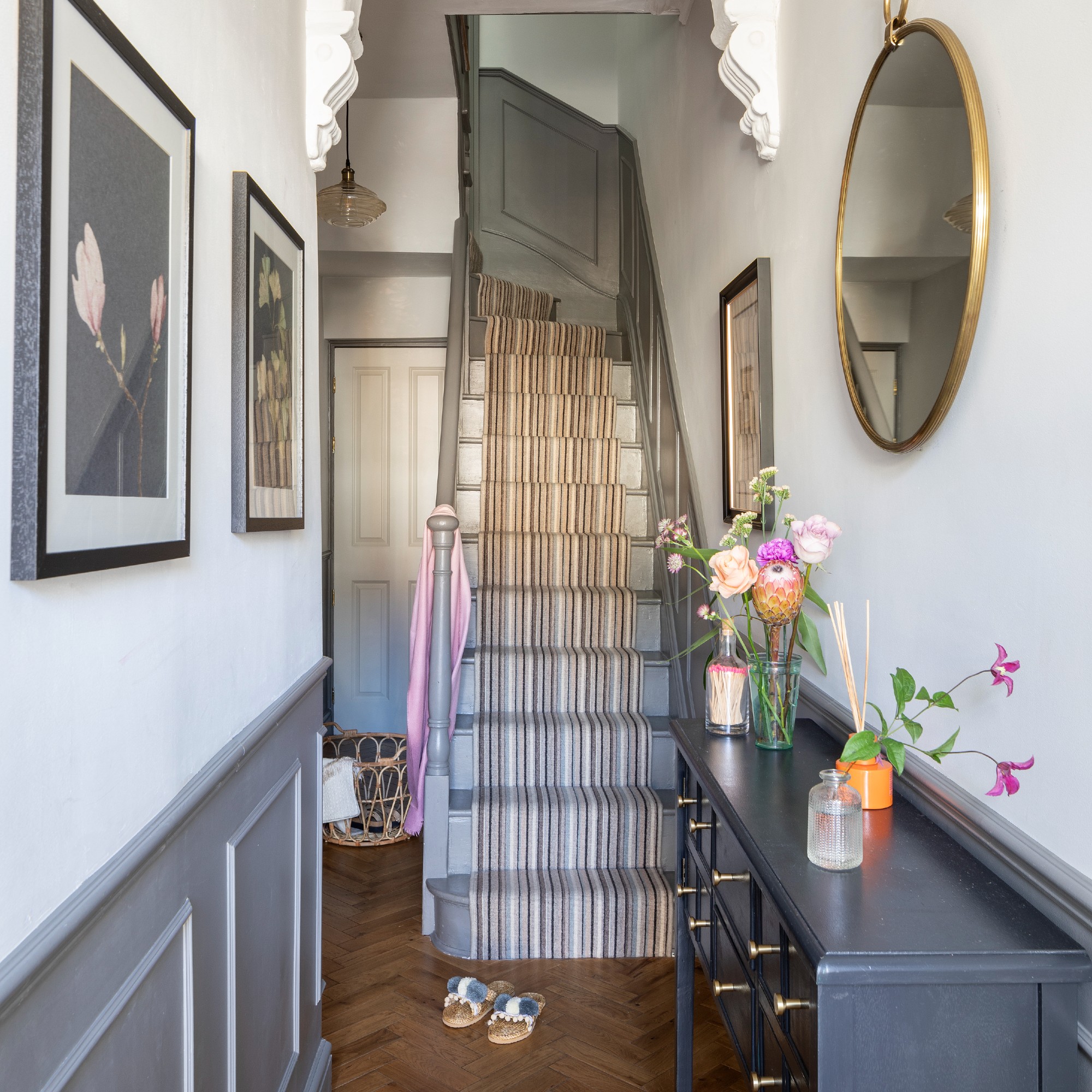
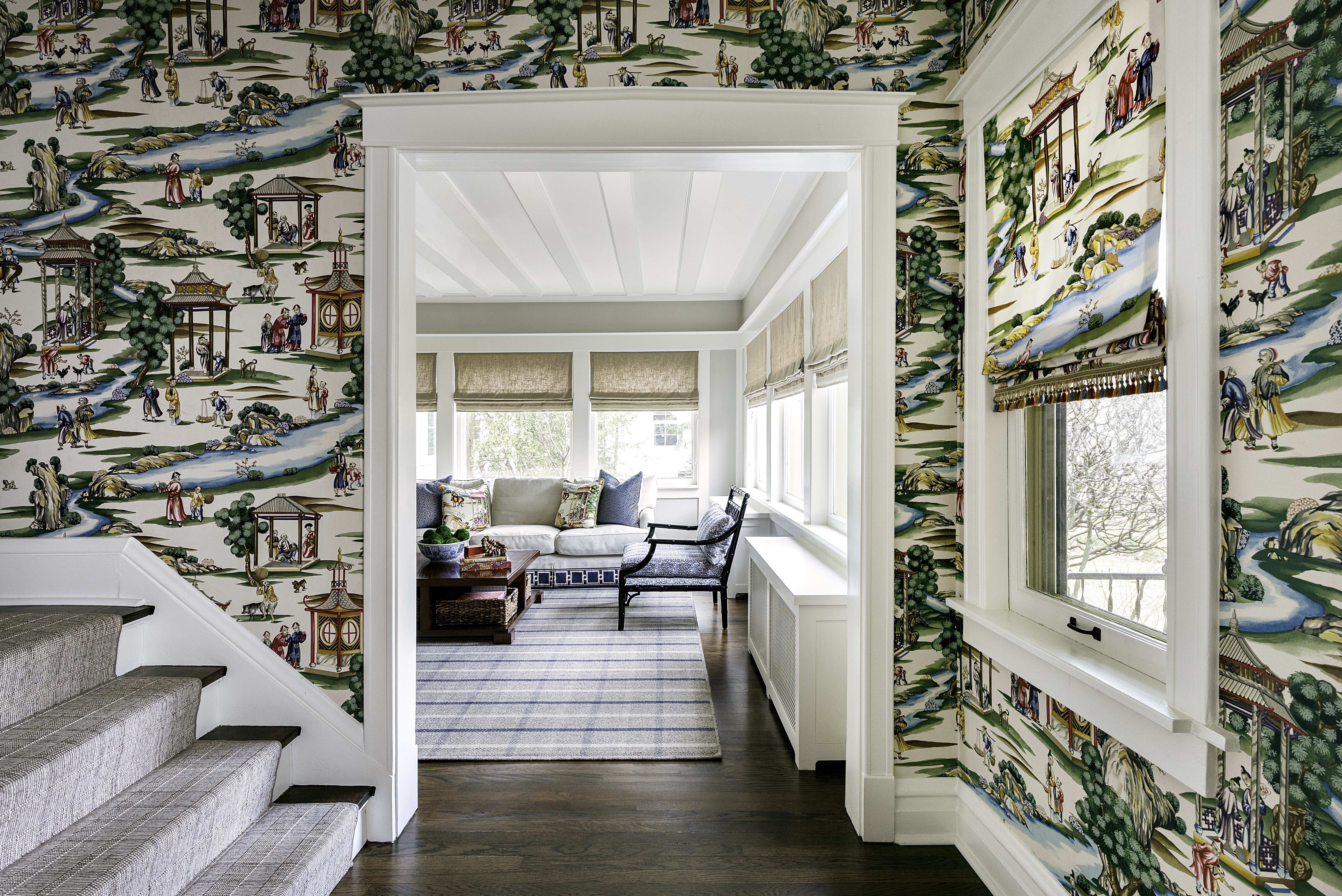
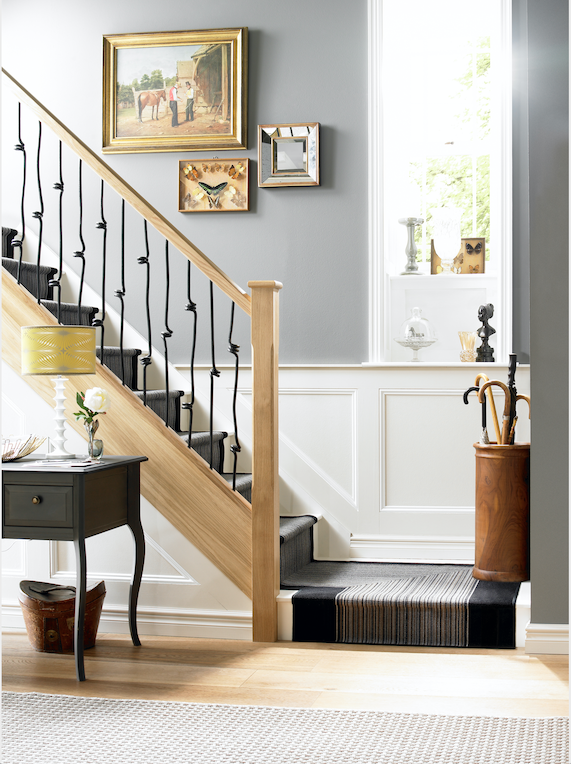
When considering color and pattern, vibrant choices can add character, but it's advisable to avoid very light or plain colors, which are less forgiving with stains. The flow between the stairs and landing should be considered, as a brightly colored runner can carry a color theme throughout the house. Striped runners are adaptable and often complement decorative tiles or patterned wallpapers, serving as a transitional element that links interior themes.
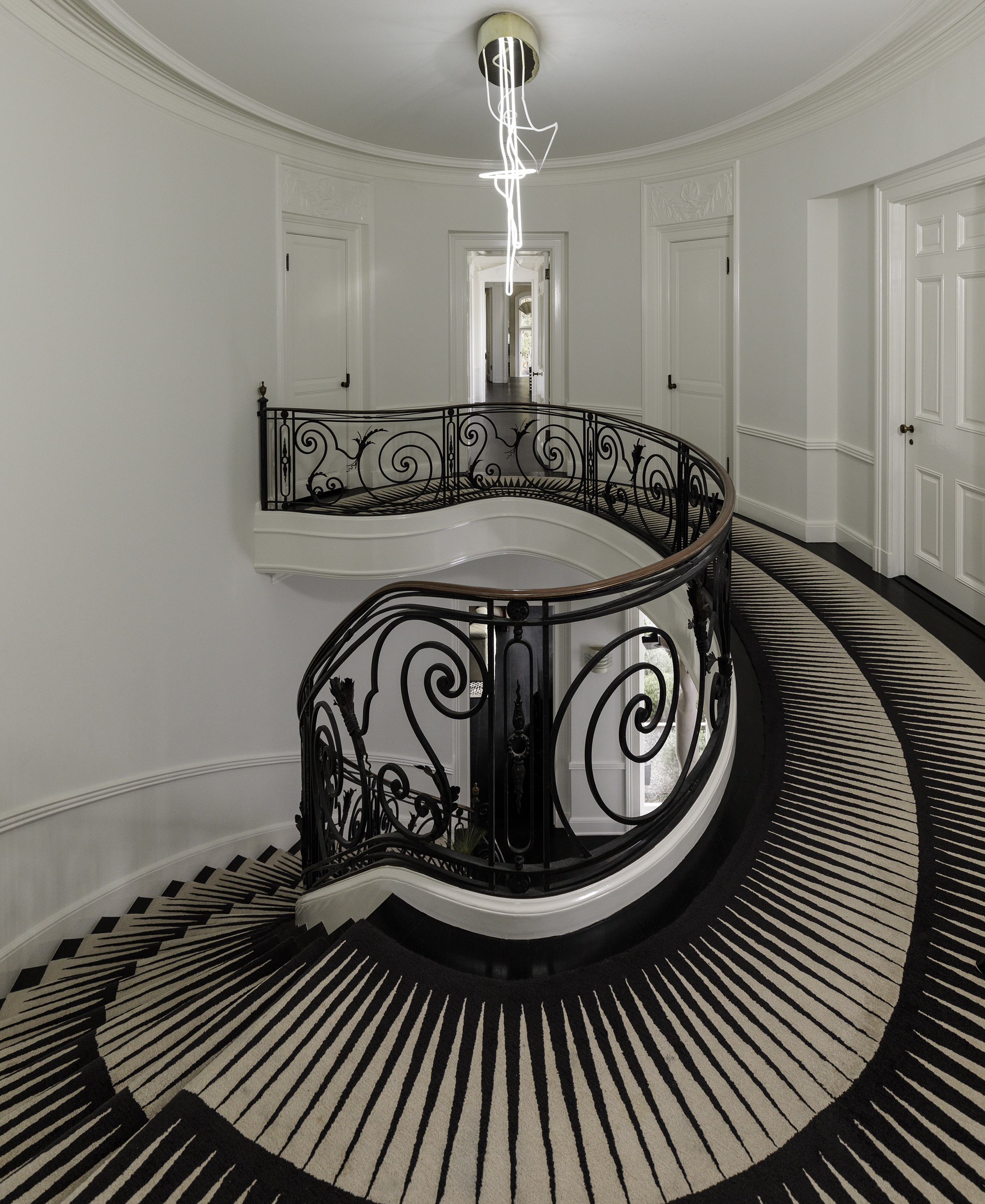
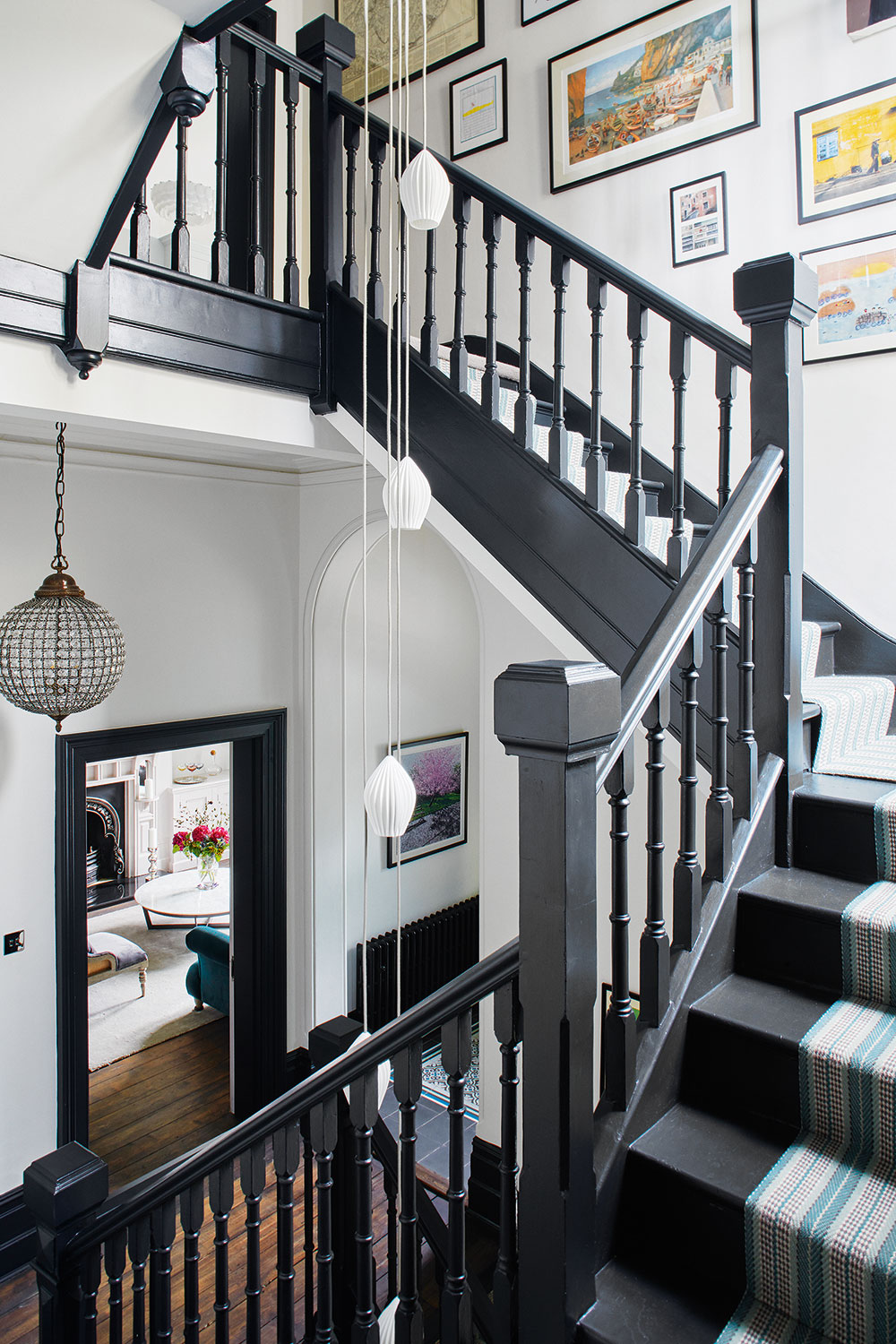
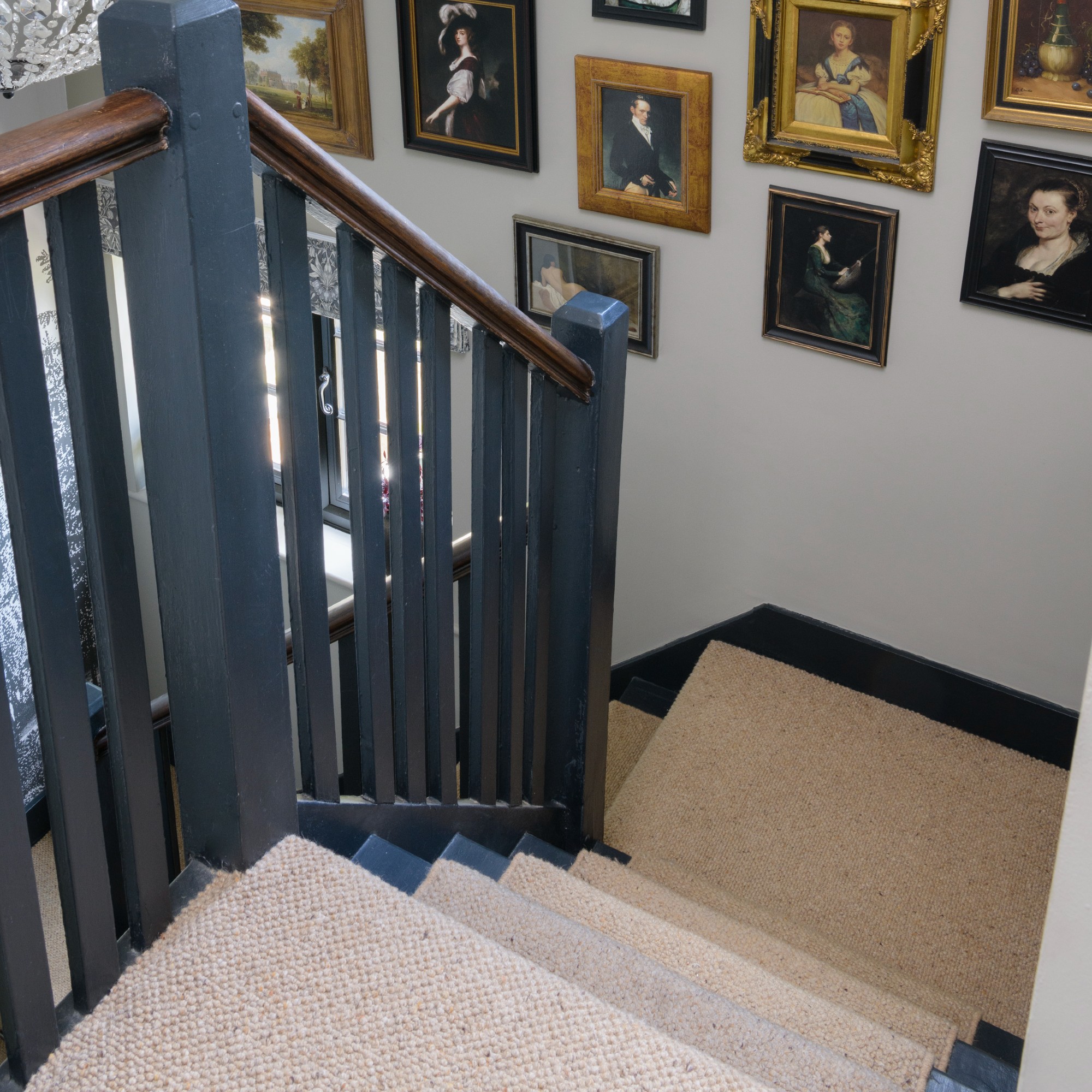
Winding staircases can also accommodate runners effectively. Flatweave runners, with their natural selvedge edge and woven structure, are suitable for various staircase configurations, including those with winders. The treatment of landings, whether the runner extends across them or finishes at the top of the stairs, also requires consideration. For quarter or half landings, the runner can be fitted with mitres or overlays, though winding stairs typically necessitate the expertise of a skilled fitter.
Regarding width, a minimum margin of 5cm on each side of the runner from the stair edge is recommended. Standard flatweave widths often range from approximately 60cm to 85cm, with customization options available for extra-wide or narrow dimensions. The natural woven selvedge edge of a narrow runner eliminates the need for additional finishing.
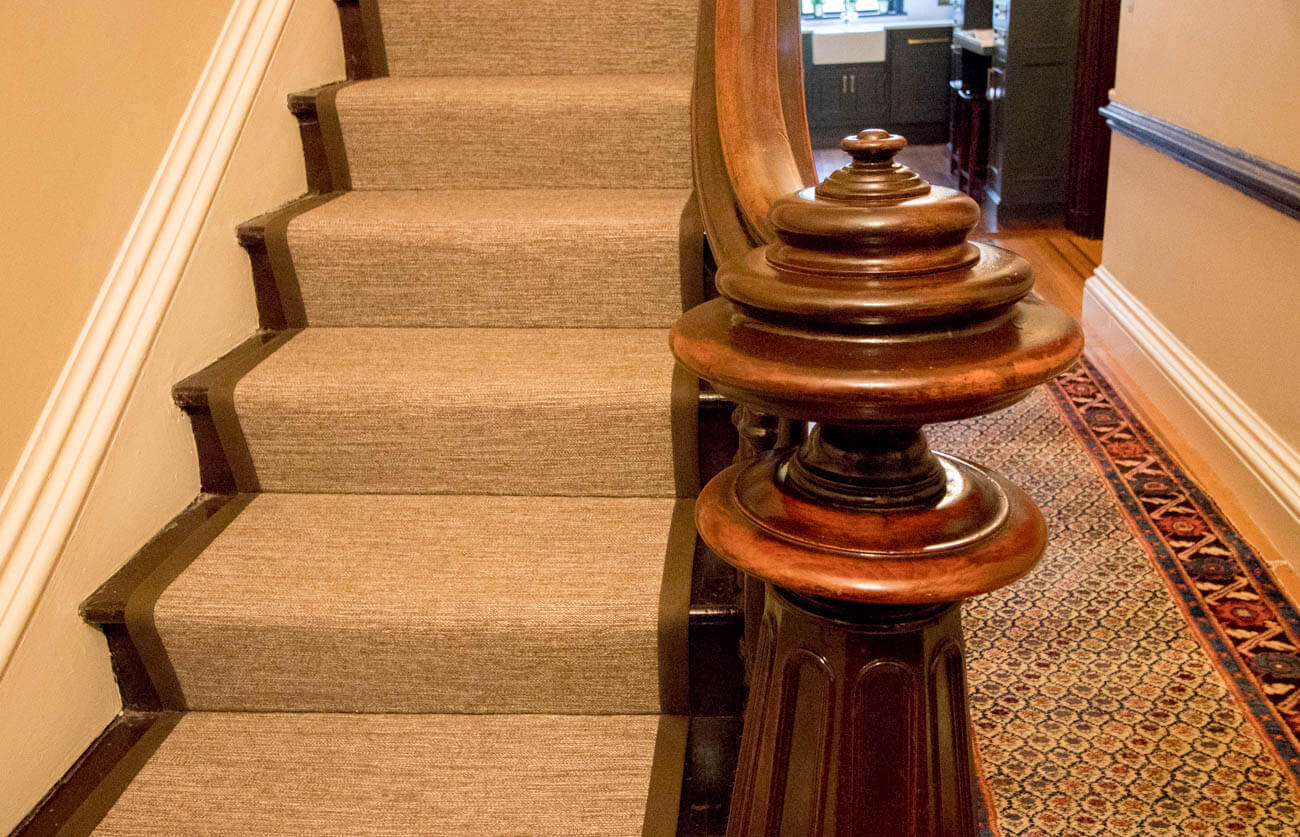
The woodwork surrounding the runner should be addressed, ideally by painting or varnishing before installation, ensuring a wider margin than the runner itself. The runner's installation should be the final step in a renovation project. Contrasting paint colors on the exposed wood can beautifully highlight the runner, especially in older properties.
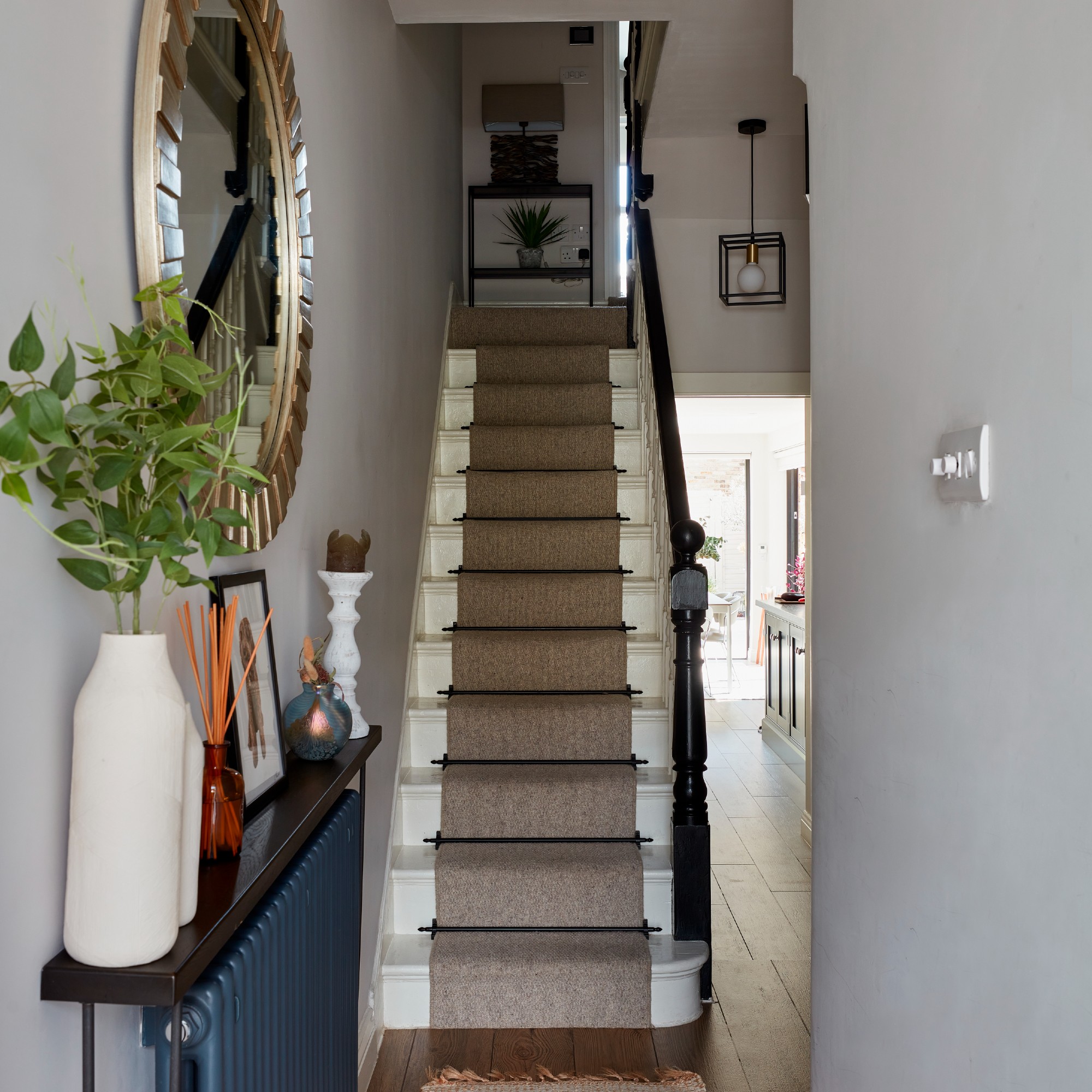
Stair rods, while sometimes seen as a traditional choice, can accessorize stairs and serve a practical purpose. However, for more contemporary runner designs, they may not always enhance the overall aesthetic. The anti-slip quality of a runner is paramount. Runners made from 100% woven wool are generally not slippery, but proper installation by an experienced fitter is crucial. Quality underlay is also vital, as it softens footfall and contributes to the runner's performance and longevity. The condition of the sub-floor beneath the runner is important, as it impacts the final appearance and wear. The average lifespan of a runner in high-traffic areas is approximately ten years. Finally, the finishing of the runner's ends, whether it concludes at the first riser or extends onto the landing, should be discussed with the carpet company.
#StairRunners #InteriorDesign #HomeDecor #StaircaseDesign #FlooringOptions #WoolCarpets #SisalRunners #HomeRenovation #TextileFloorCovering #StairRunners #InteriorDesign #HomeDecor #StaircaseDesign #FlooringOptions #WoolCarpets #SisalRunners #HomeRenovation #TextileFloorCovering
0 comment in total
 No comments yet
You may also like

Guide to Choosing a Stair Runner, Brooklyn Townhouse Edition
An Oft-Overlooked Staircase Project Is Gaining Traction With Remodelers

Stair runner ideas – 11 inspiring ways to introduce color and pattern

The Staircase Trend You Need To Know About For 2023

Are stair runners out of style? This is how the best designers are using them to make modern statements

Staircase runner ideas – 15 designs that will instantly elevate your hallway steps

Stairs well done
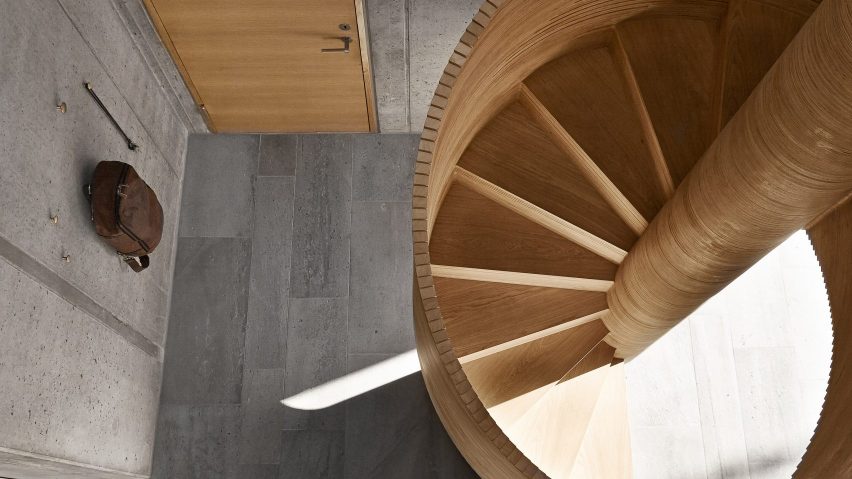
Dezeen's top 10 staircases of 2021
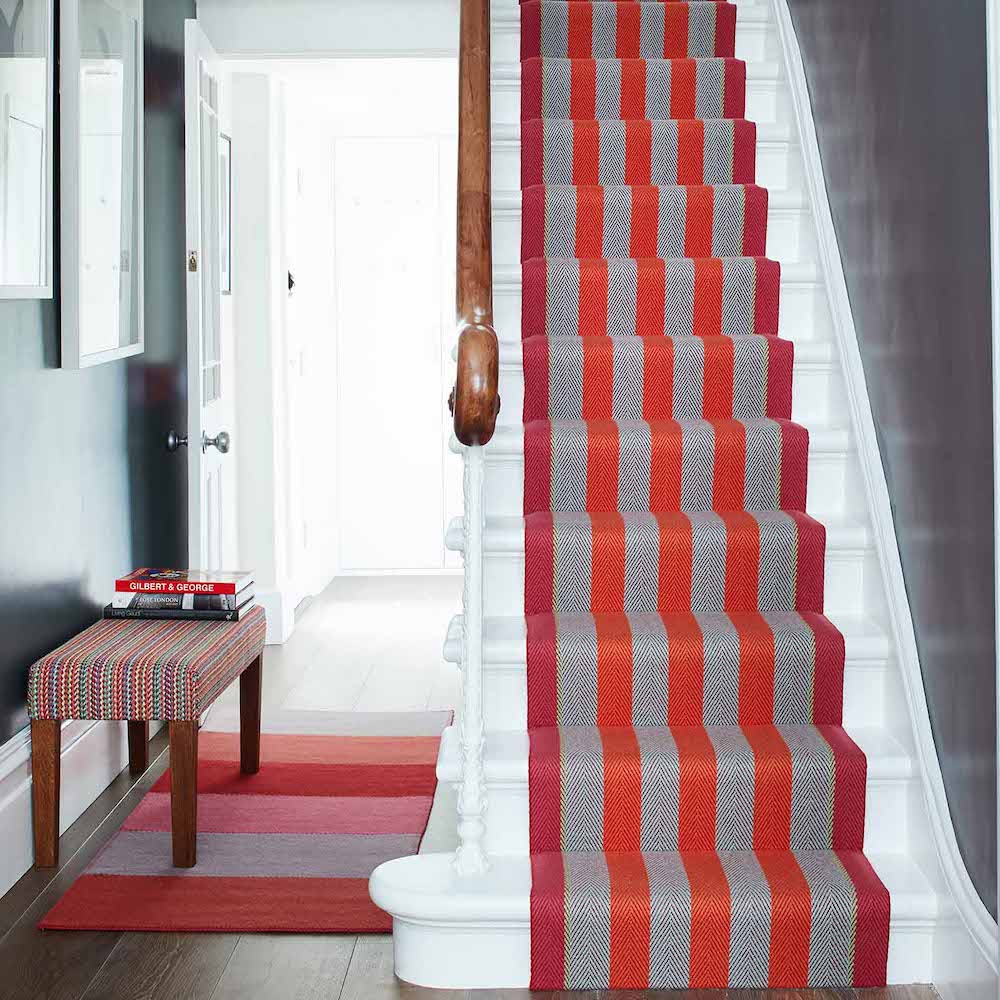
Stair runner ideas – ways to use carpet to elevate a decorating scheme
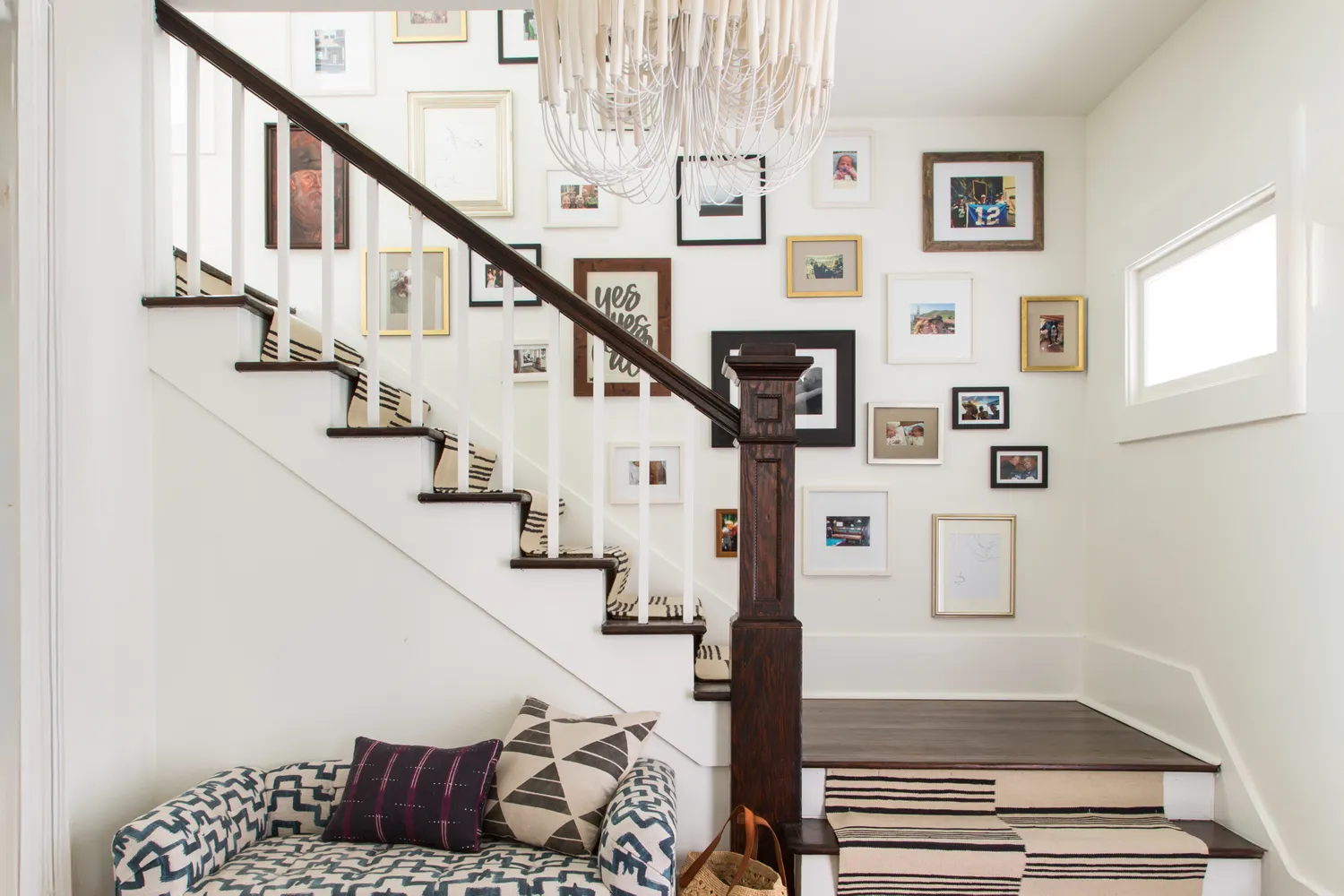
This Outdated Stair Trend Is Fading Fast—and Designers Say It's Time to Move On

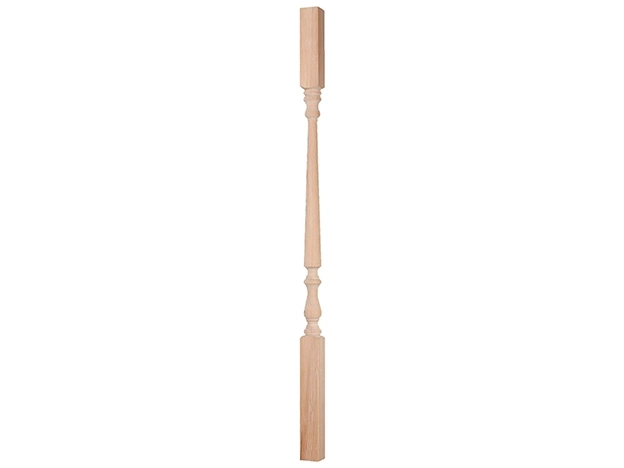
Staircase Parts

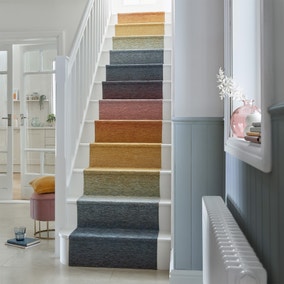
This Ombre Rainbow Stair Runner Is Having a Viral Moment |
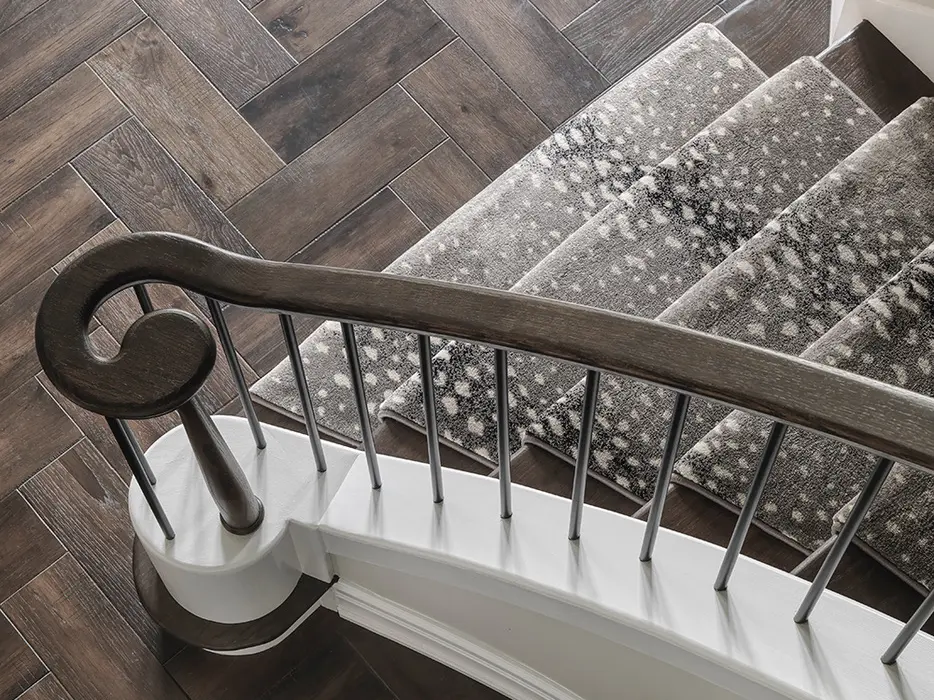
Ask Veronica: Why decorate with a stair runner?


Taking the stairs

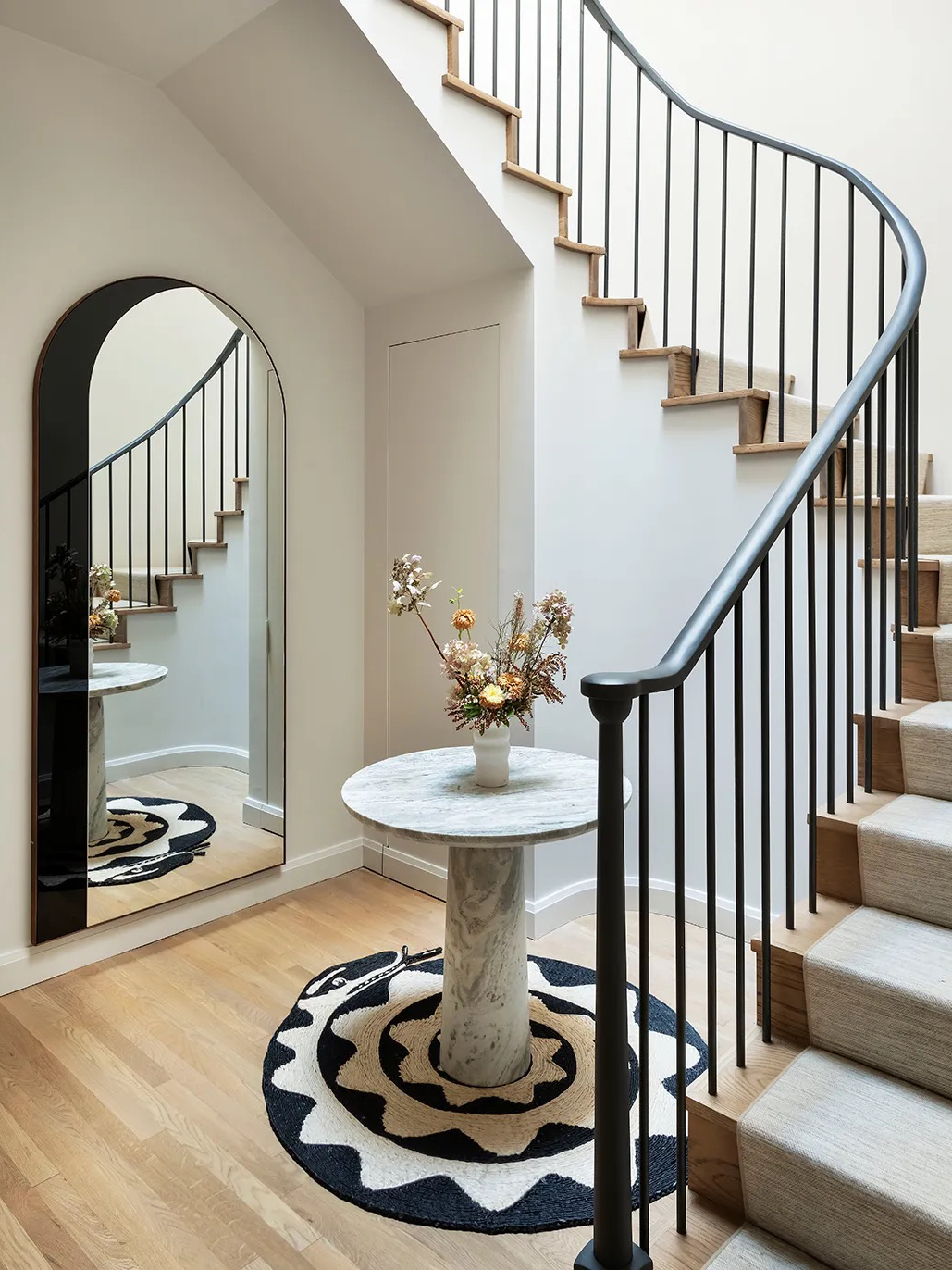
An Oft-Overlooked Staircase Project Is Gaining Traction With Remodelers

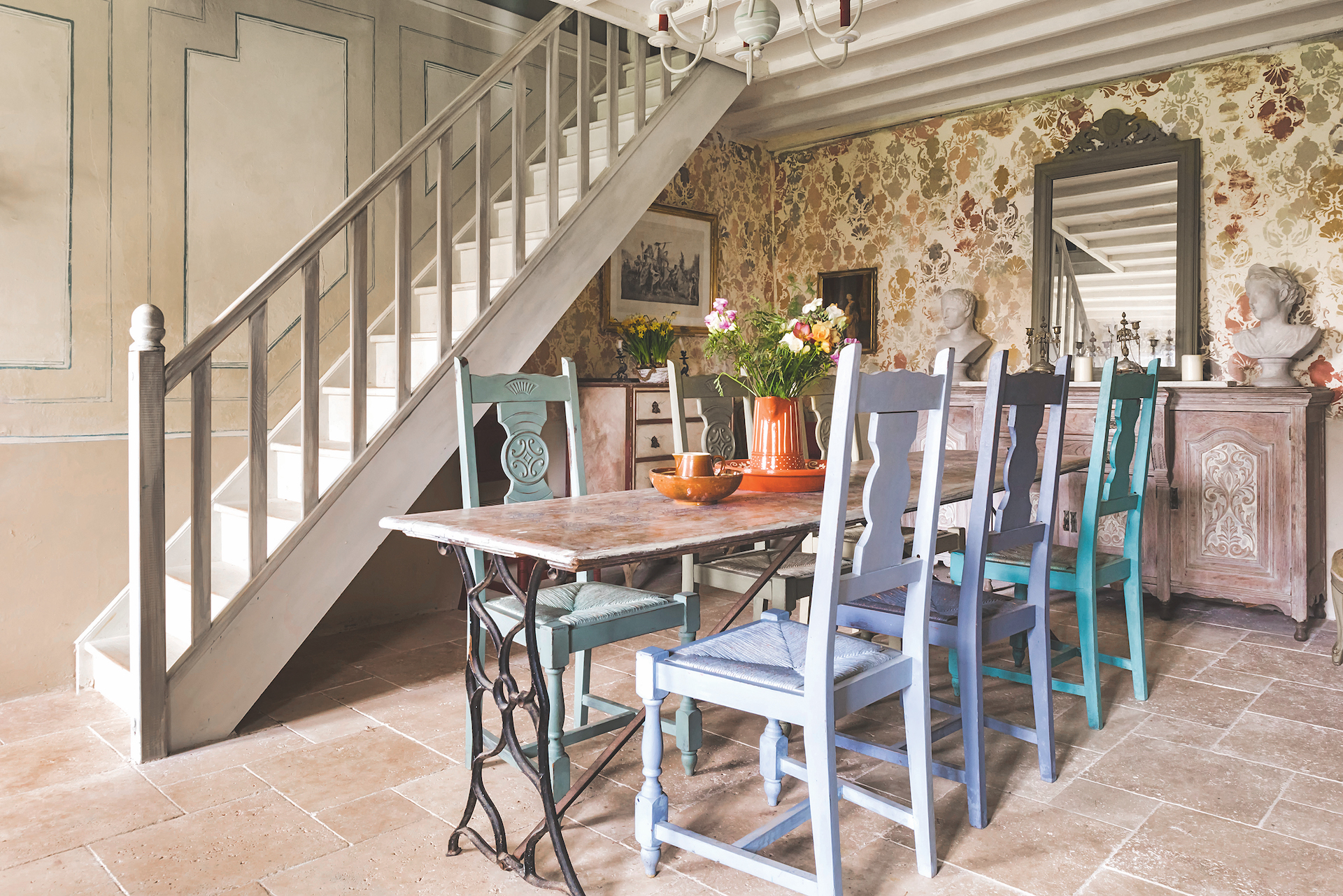
Staircase ideas – 25 inspirational features for treads, rails, materials and more
How to measure for a stair runner – experts reveal the golden rule for getting your measurements just right

Floors, Stairs, Lifts and Wayfinding
Special feature: stairs you can sit on

The Once-Popular Staircase Trend That's Just Impractical (& Unsafe)