Do You Really Need a Headboard? Experts Are Divided
The necessity of a headboard in bedroom design is a subject that elicits varied opinions among interior designers, comparable to debates over maximalist versus minimalist styles or carpet versus hardwood flooring. While some designers consistently incorporate headboards into their spaces, others prefer alternative or non-traditional approaches. This article explores the perspectives of two interior designers, Nancy Barnett of Nancy Lane Interiors and Naïka Andre of NJA Interiors, to determine if headboards are a bedroom essential, offering insights into their practical and aesthetic benefits, as well as providing guidance on suitable alternatives for those who choose to forego them.
Nancy Barnett and Naïka Andre both advocate for the use of headboards, highlighting their functional advantages and their ability to provide a polished finish to a bedroom. Barnett emphasizes that headboards offer both aesthetic appeal and enhanced comfort, especially for individuals who enjoy reading or working in bed. Andre concurs, viewing headboards as an additional layer of comfort that complements propped-up pillows. However, Andre acknowledges that not all bedrooms require a headboard, having successfully designed beautiful spaces without them. The decision ultimately rests on personal preference, particularly on whether one frequently engages in activities in bed that benefit from the support a headboard provides.
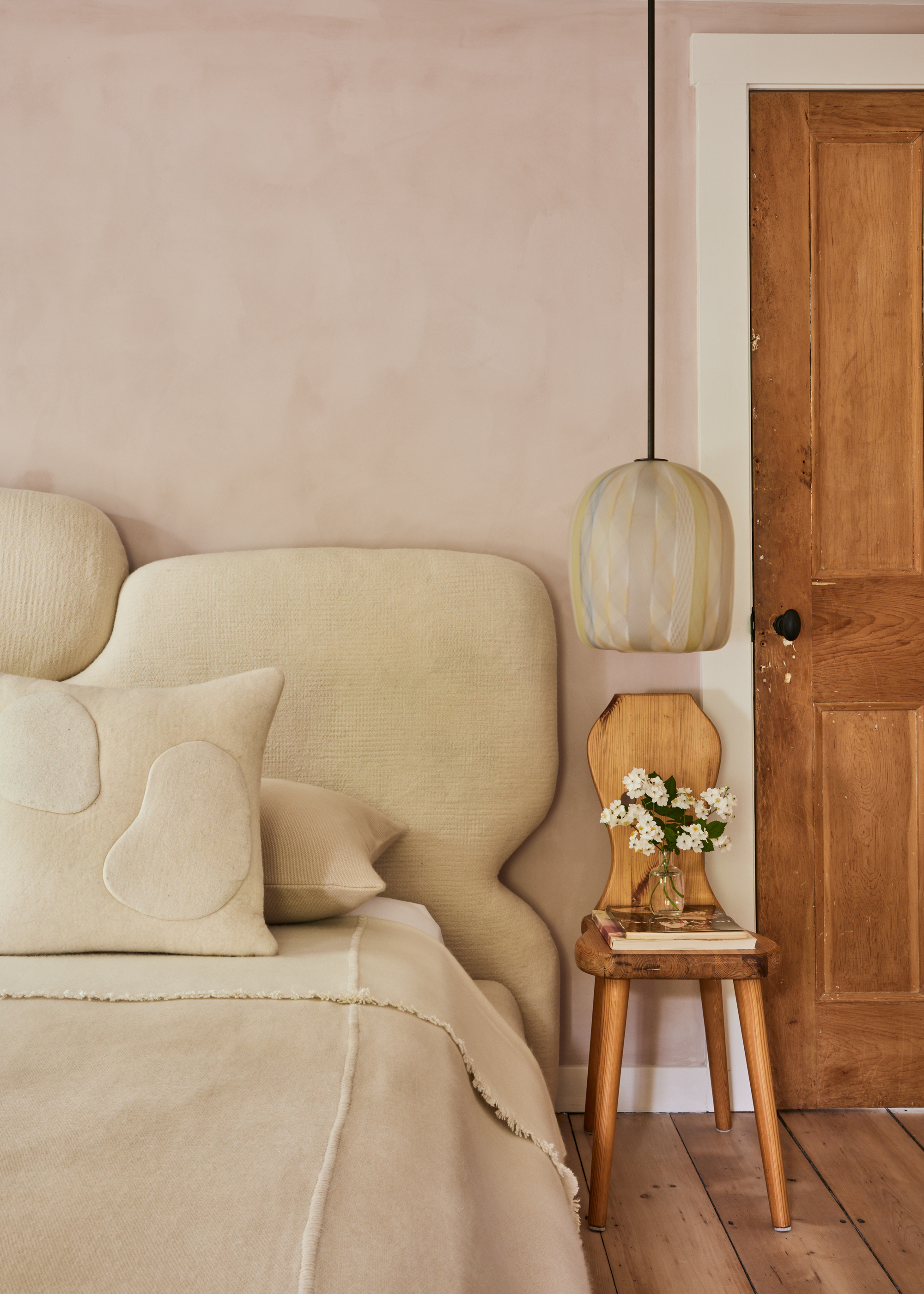
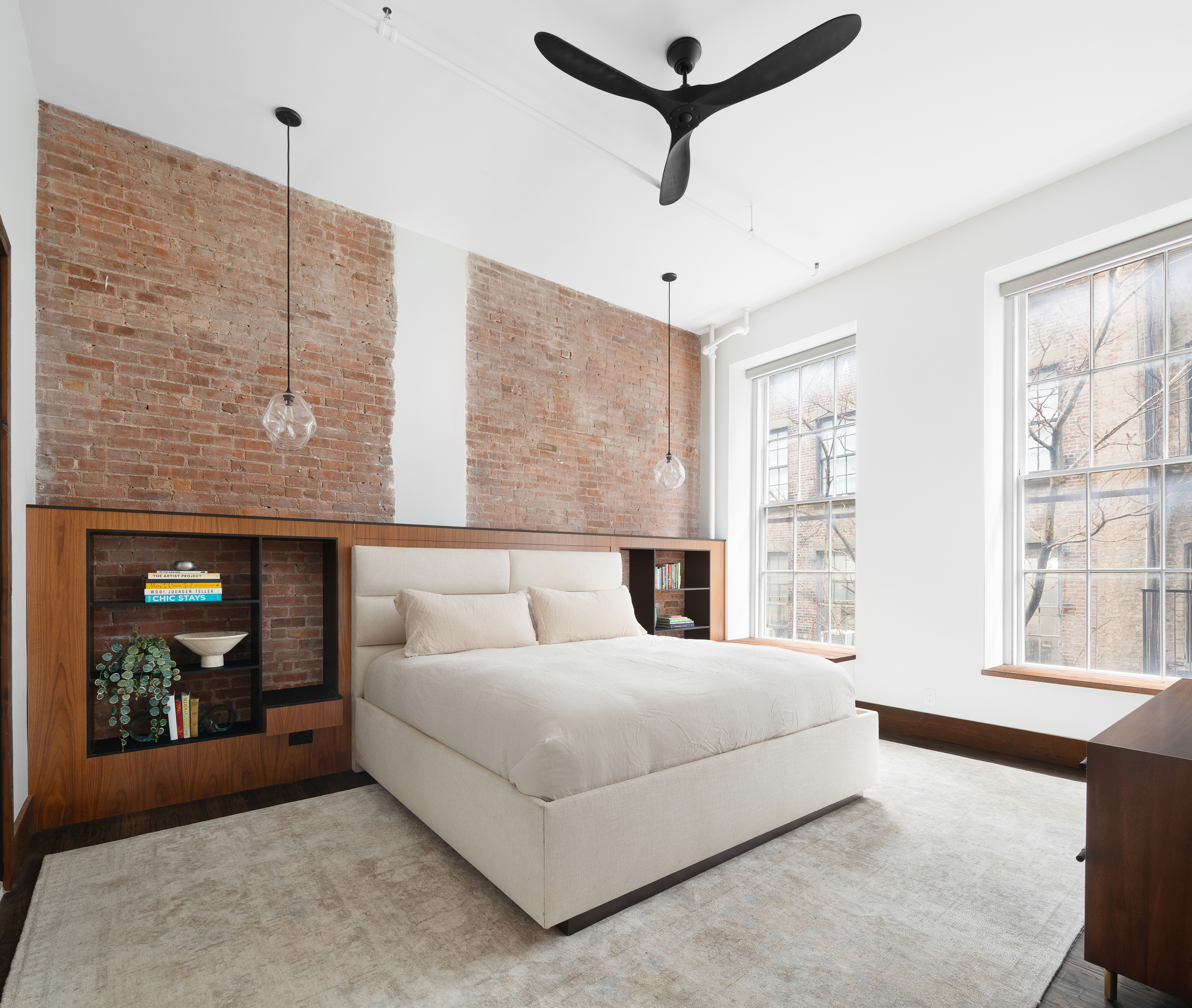
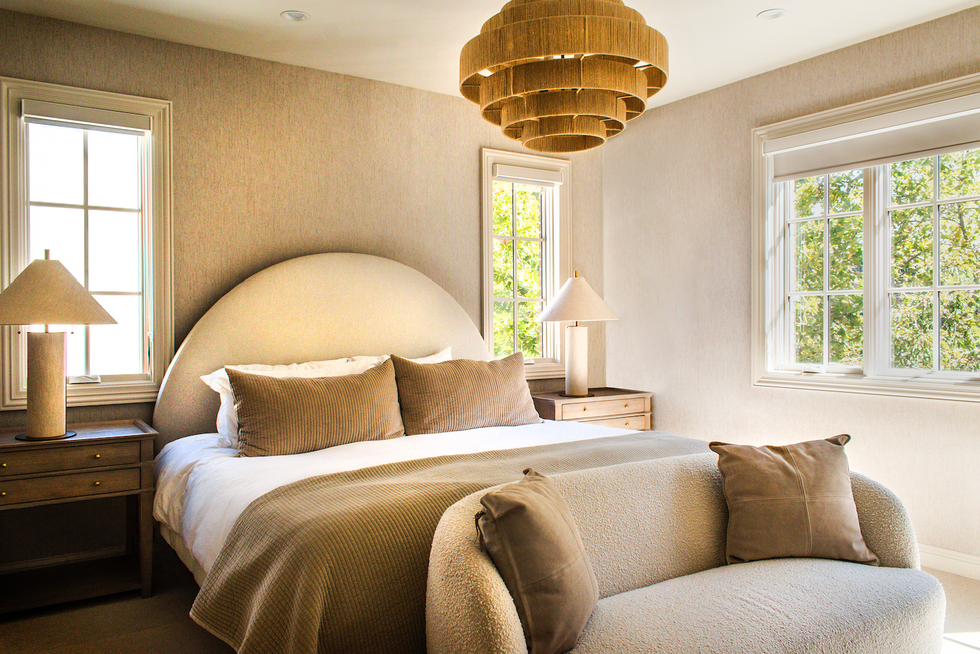
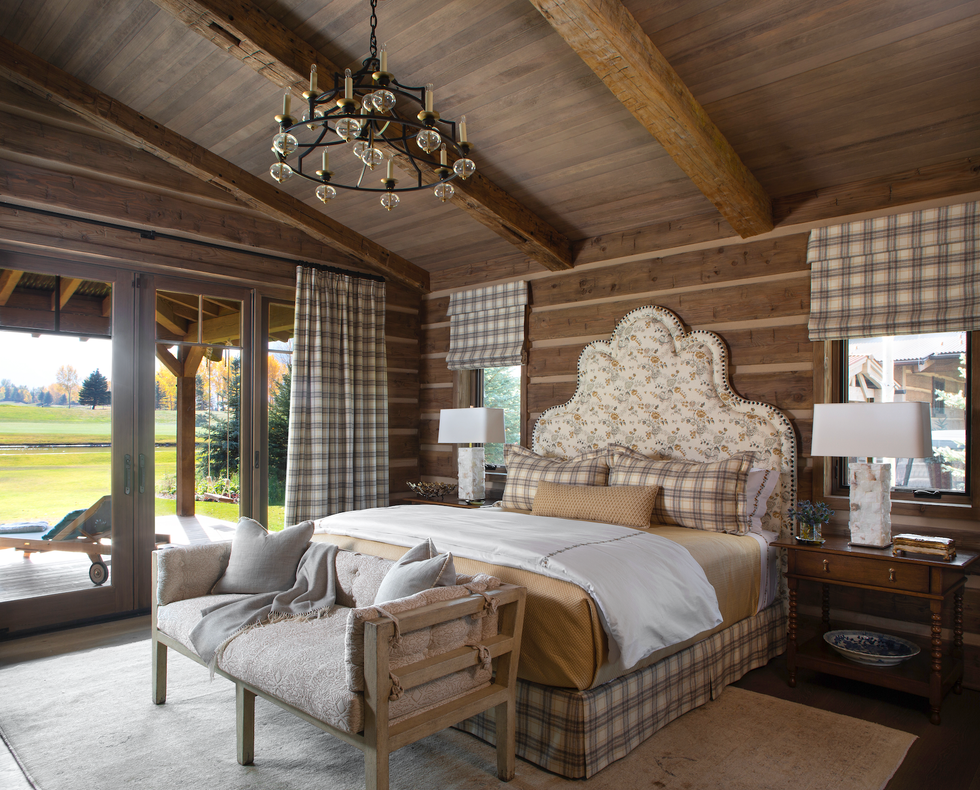
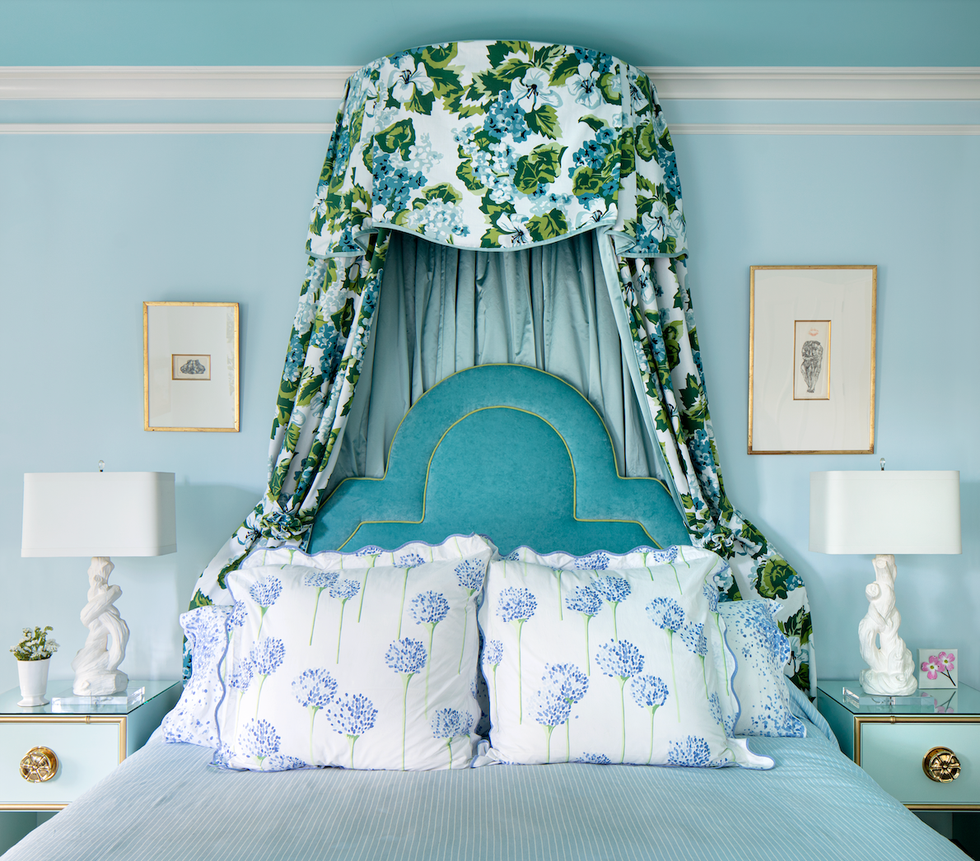
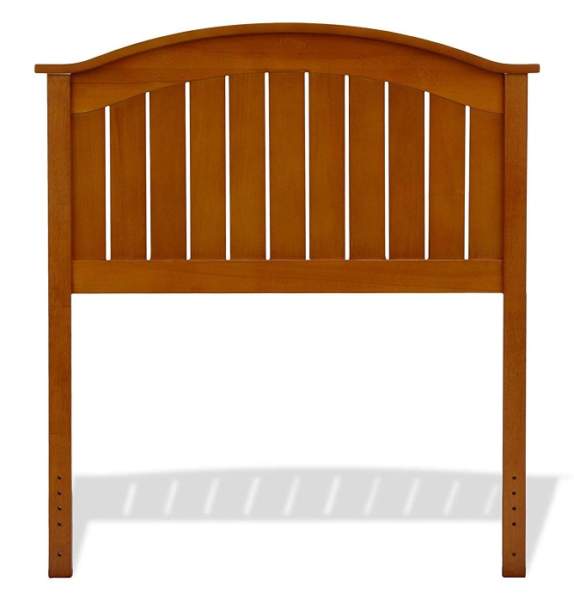
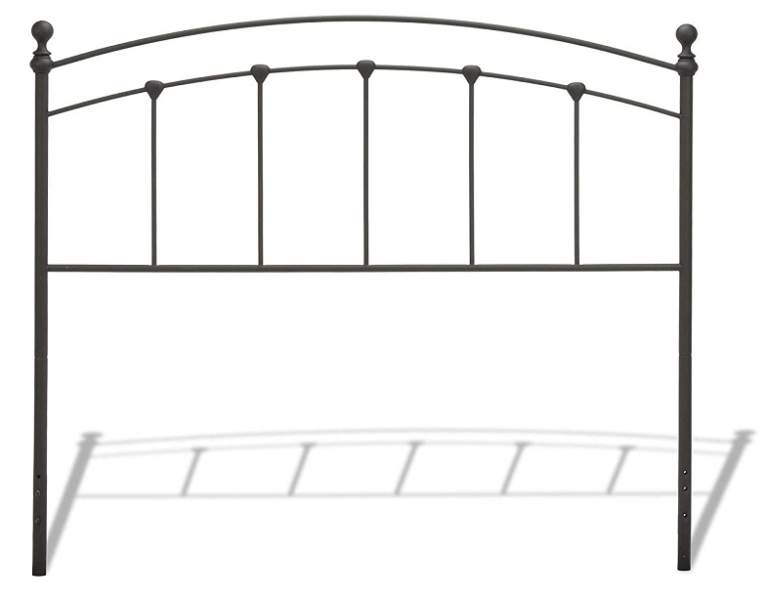
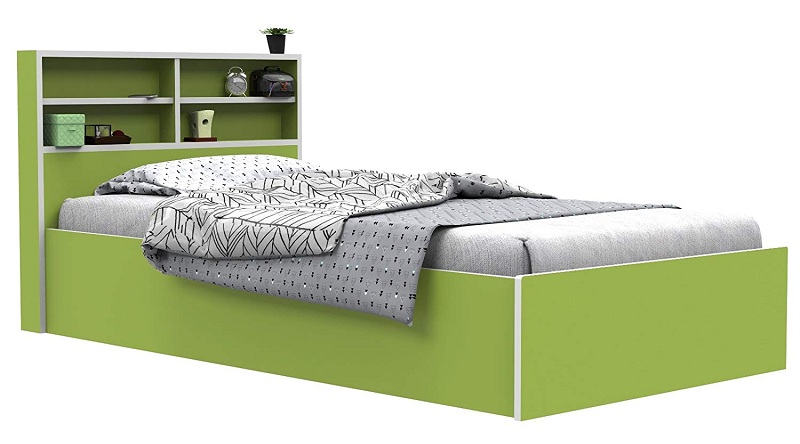
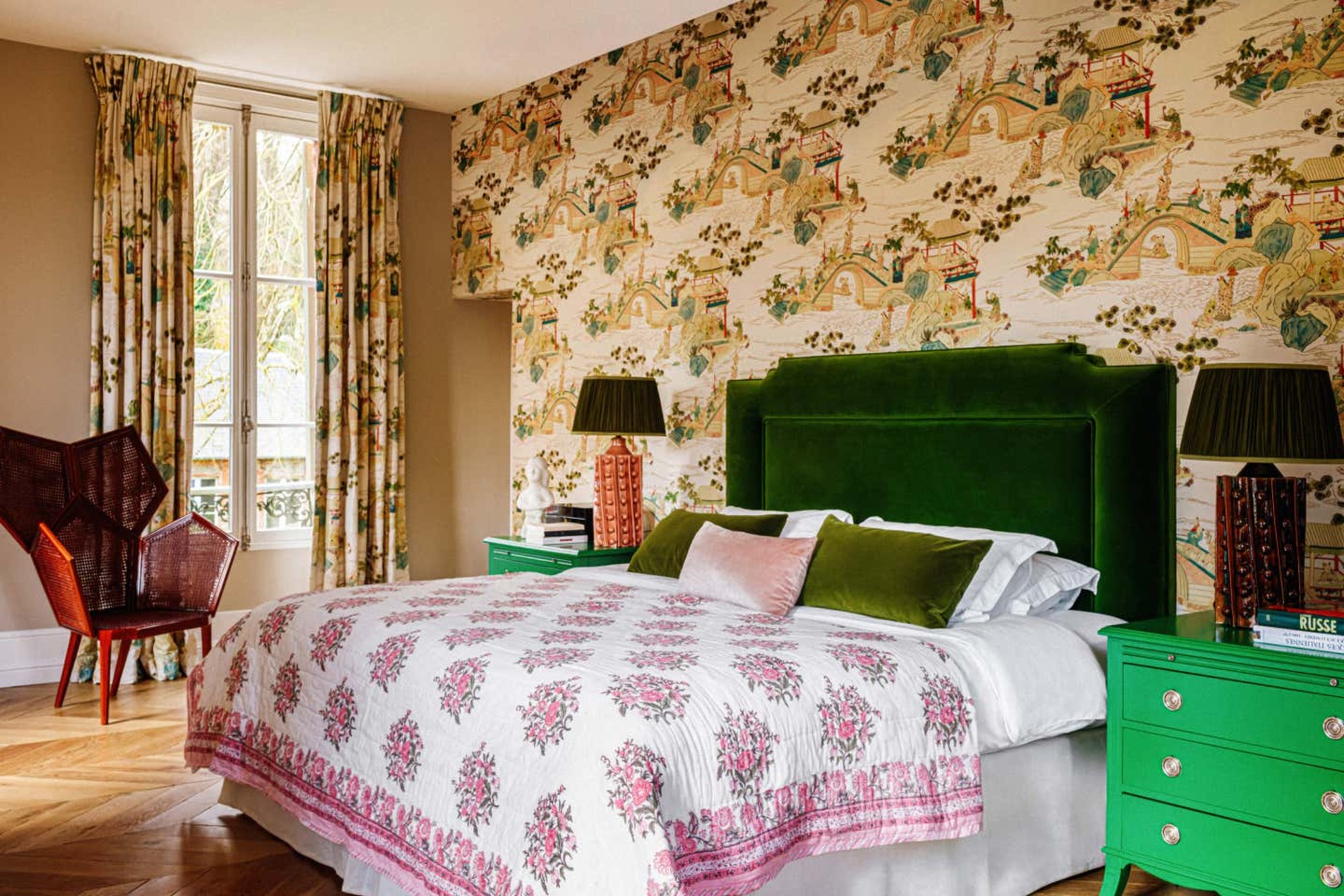
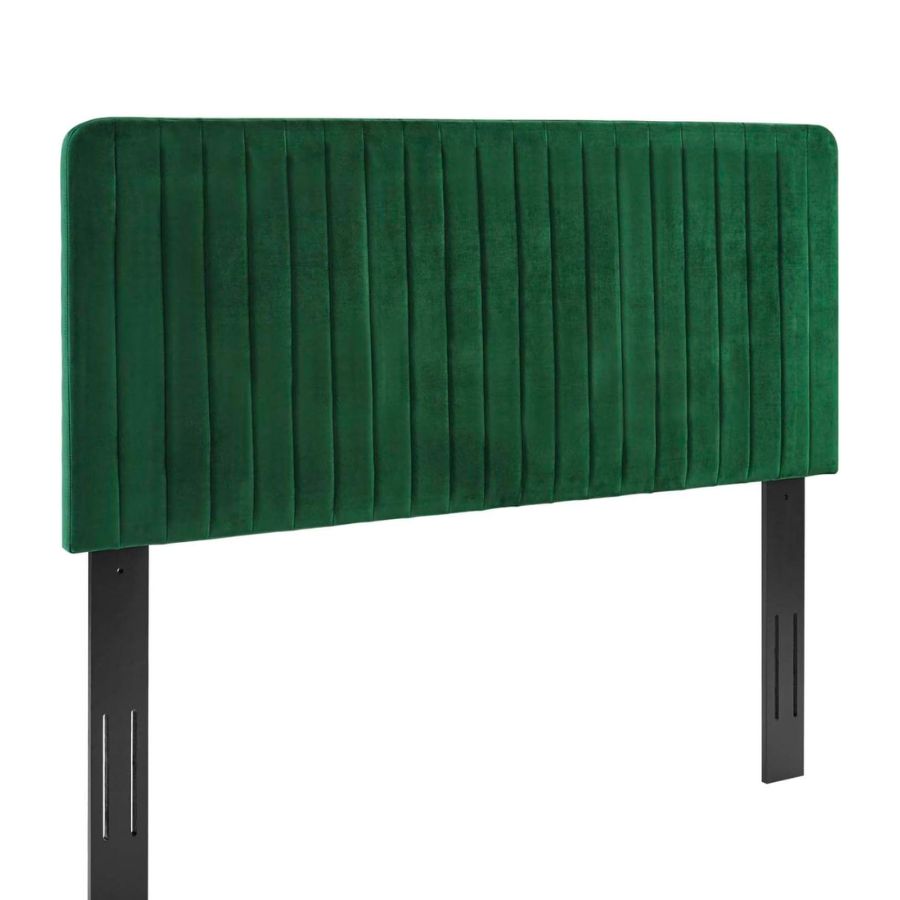
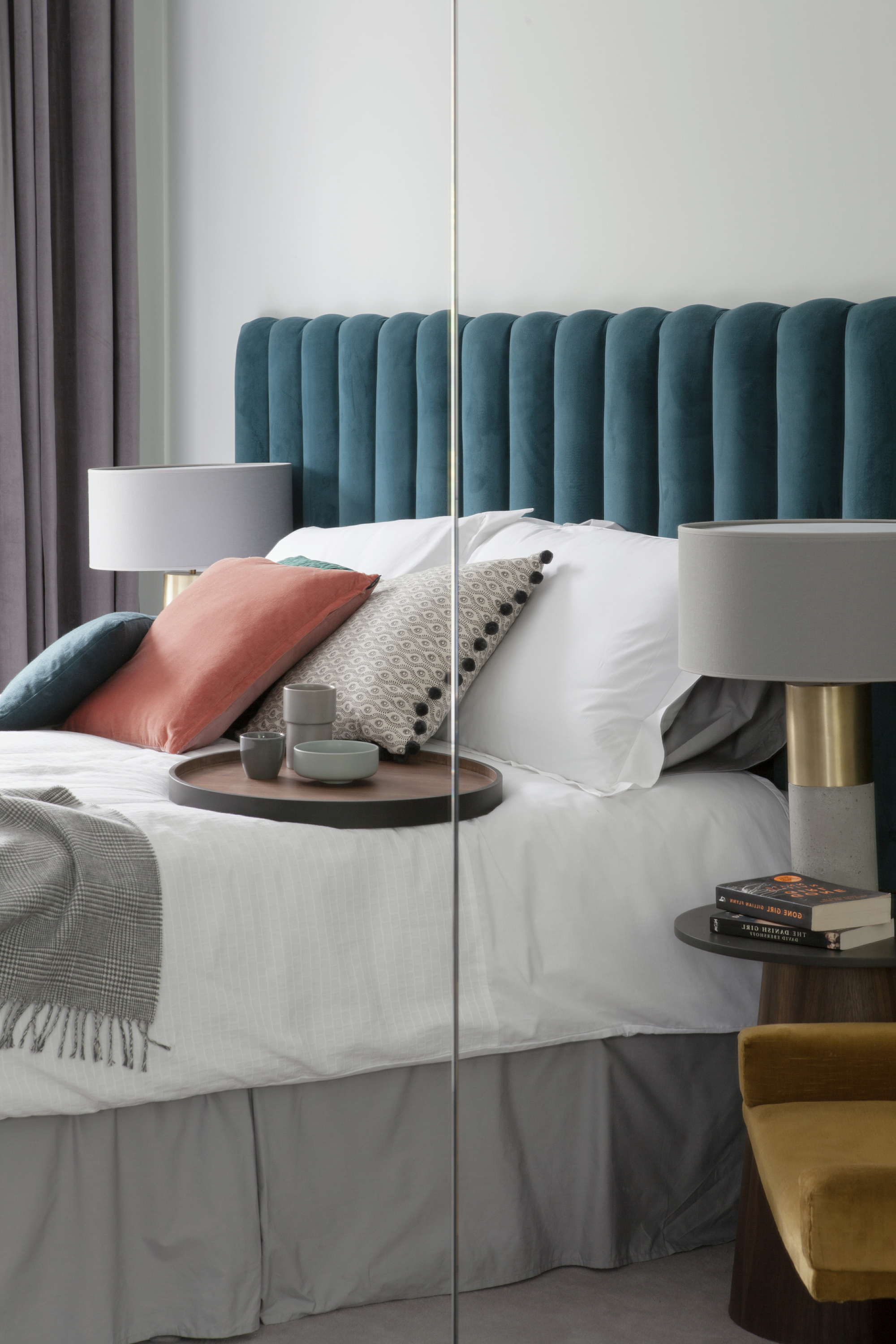
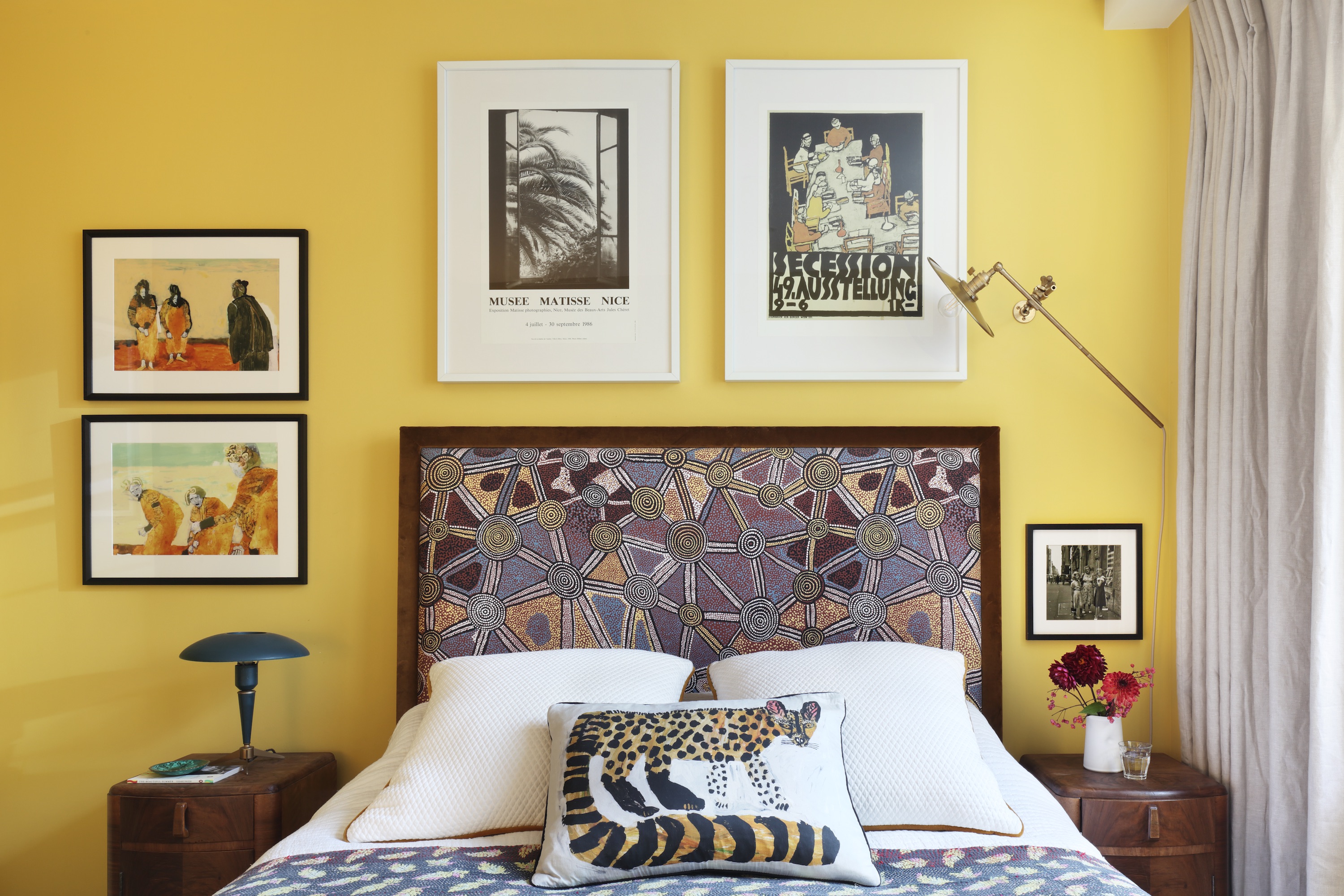
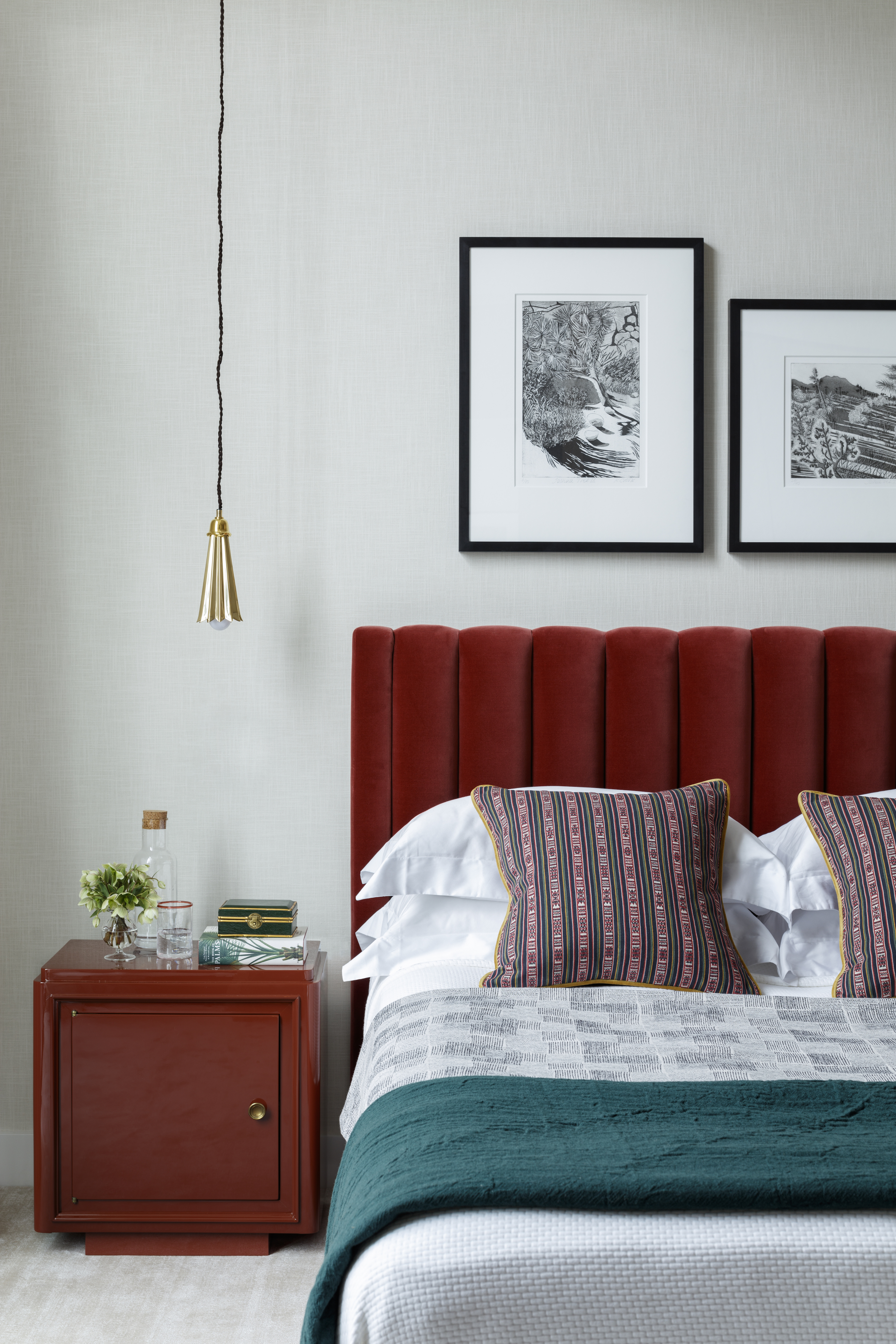
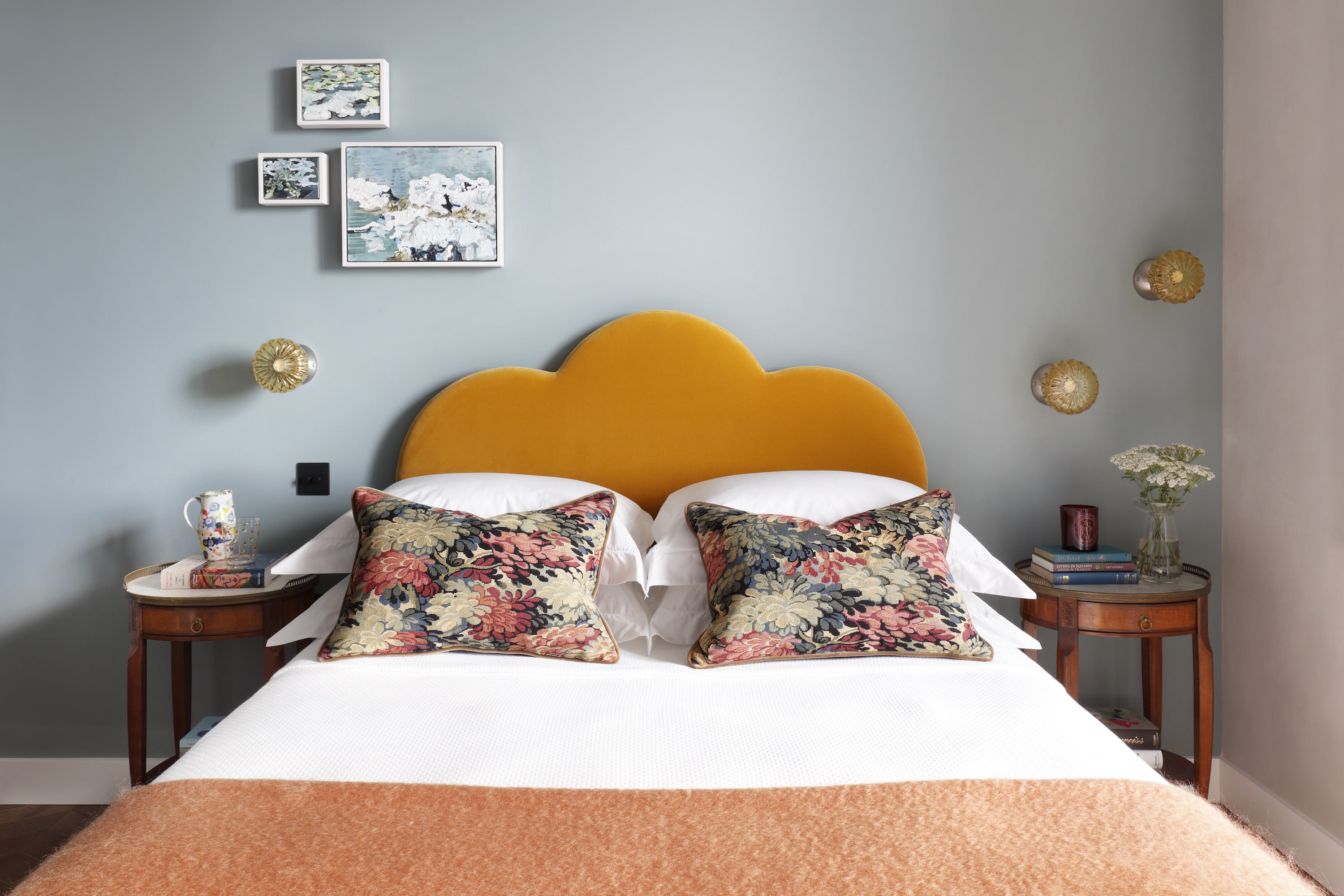
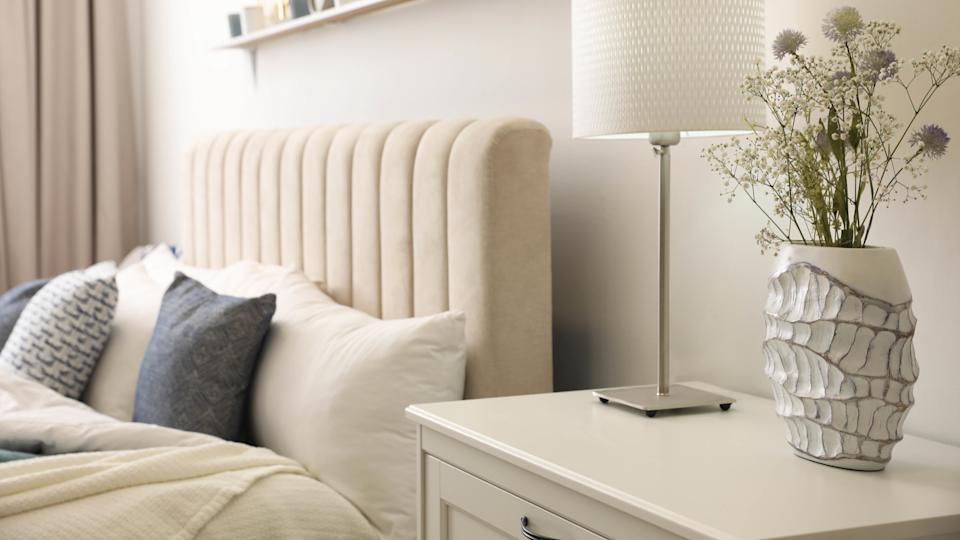
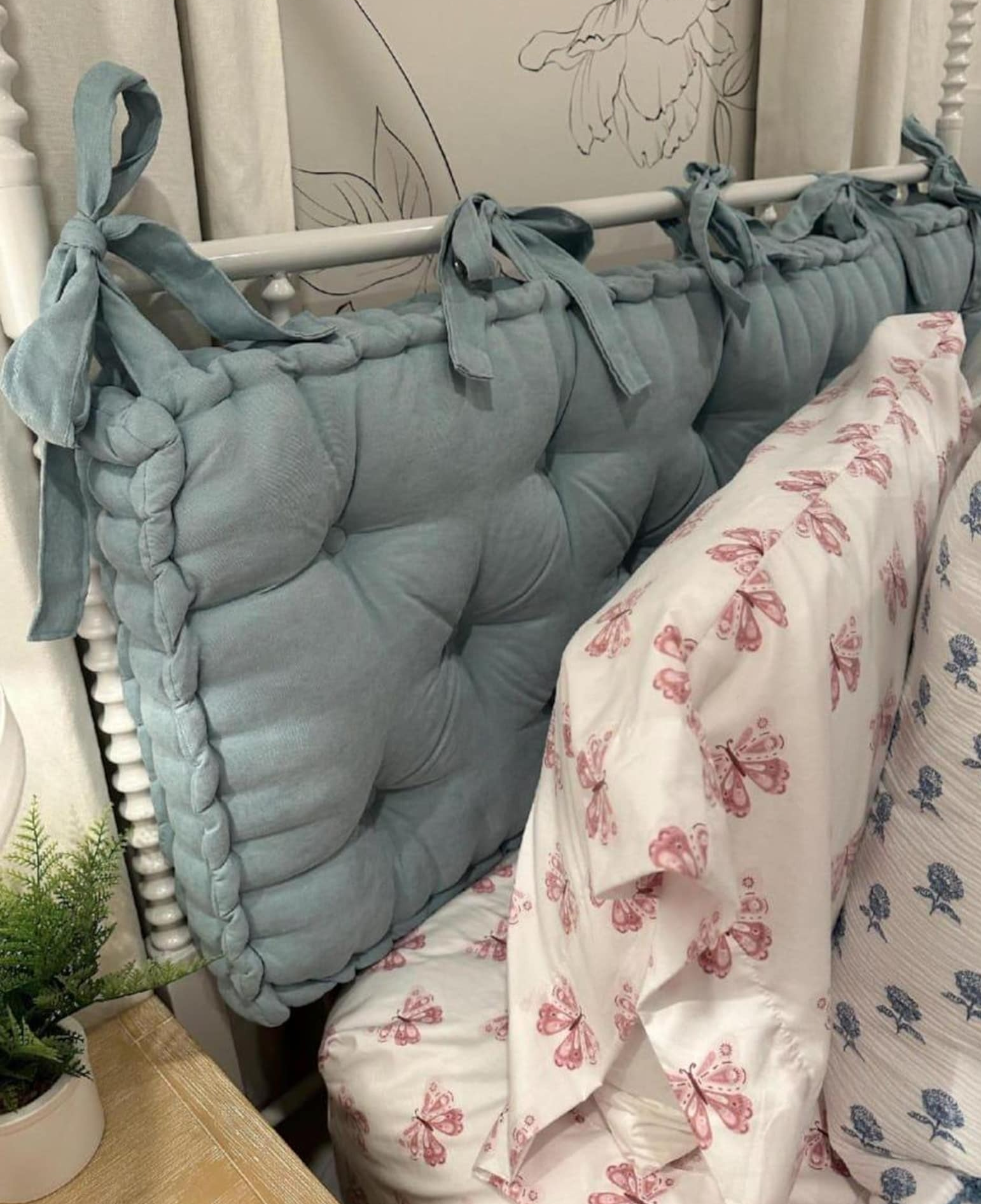
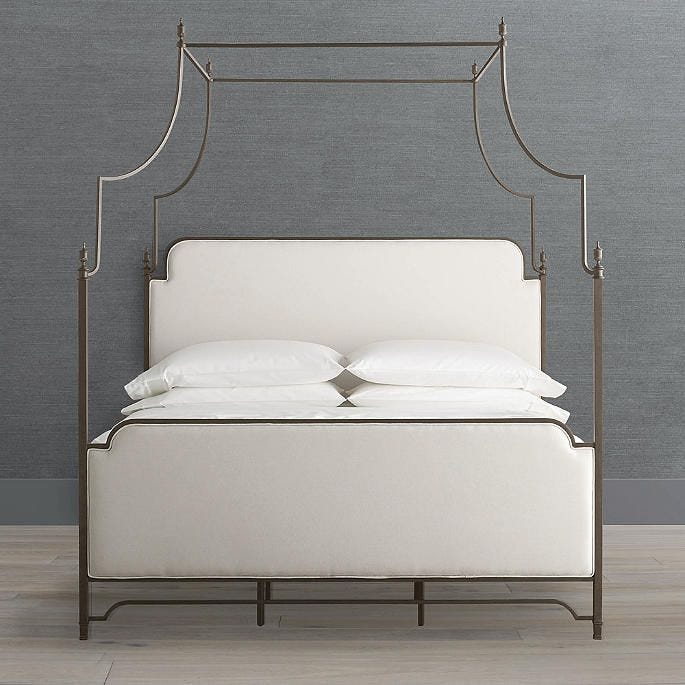
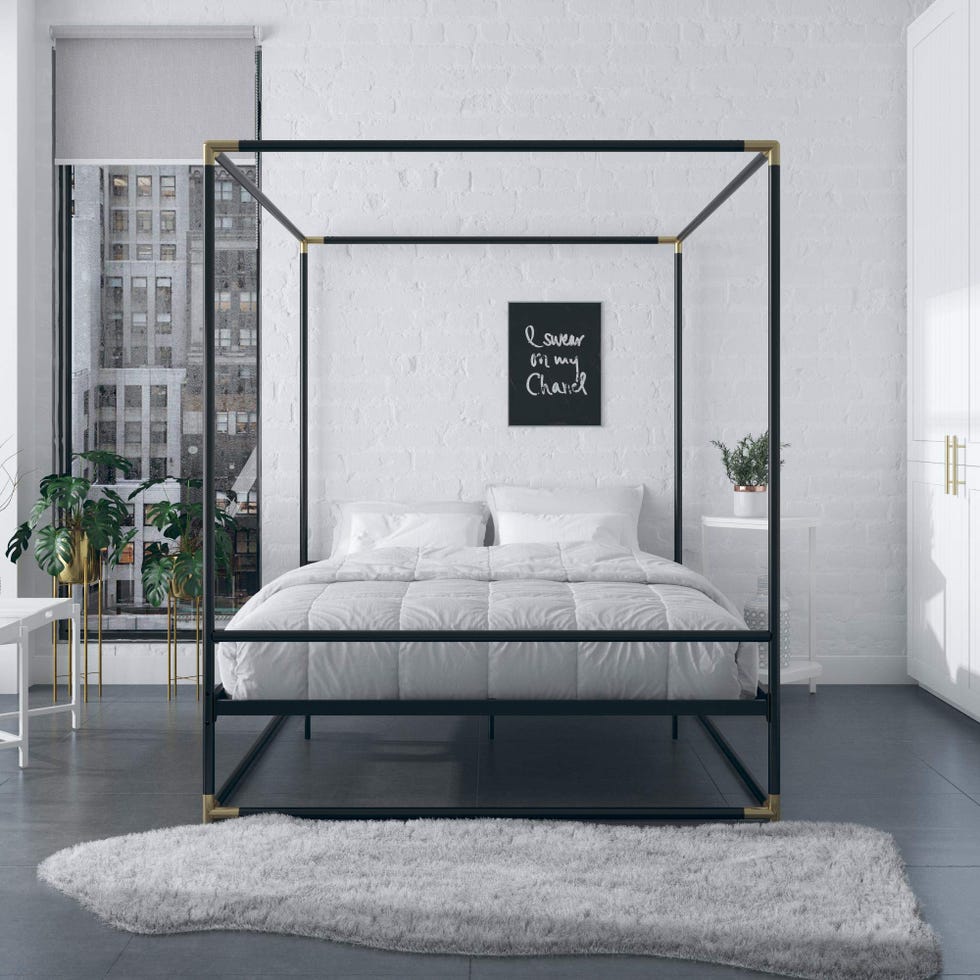
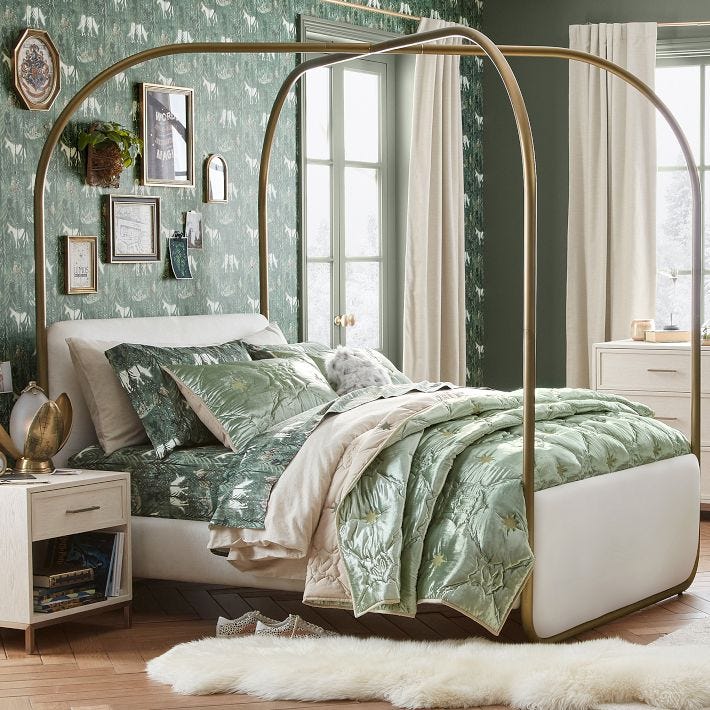
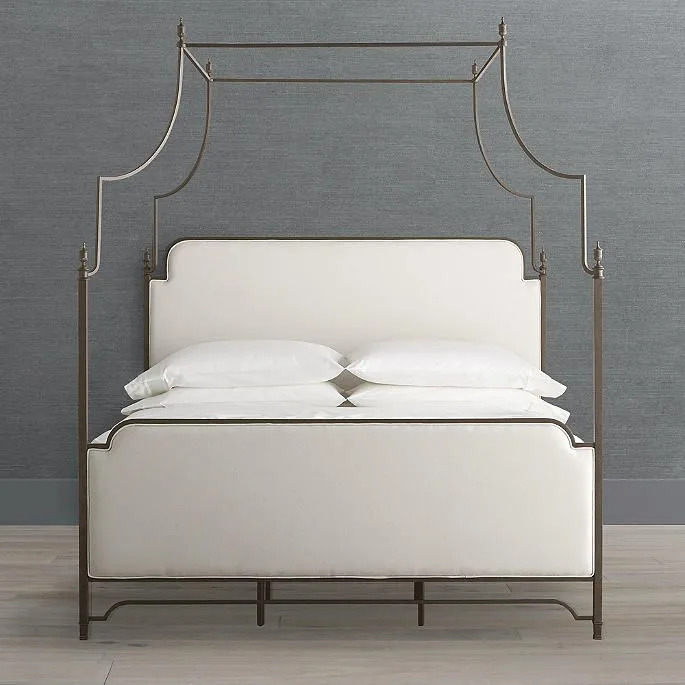
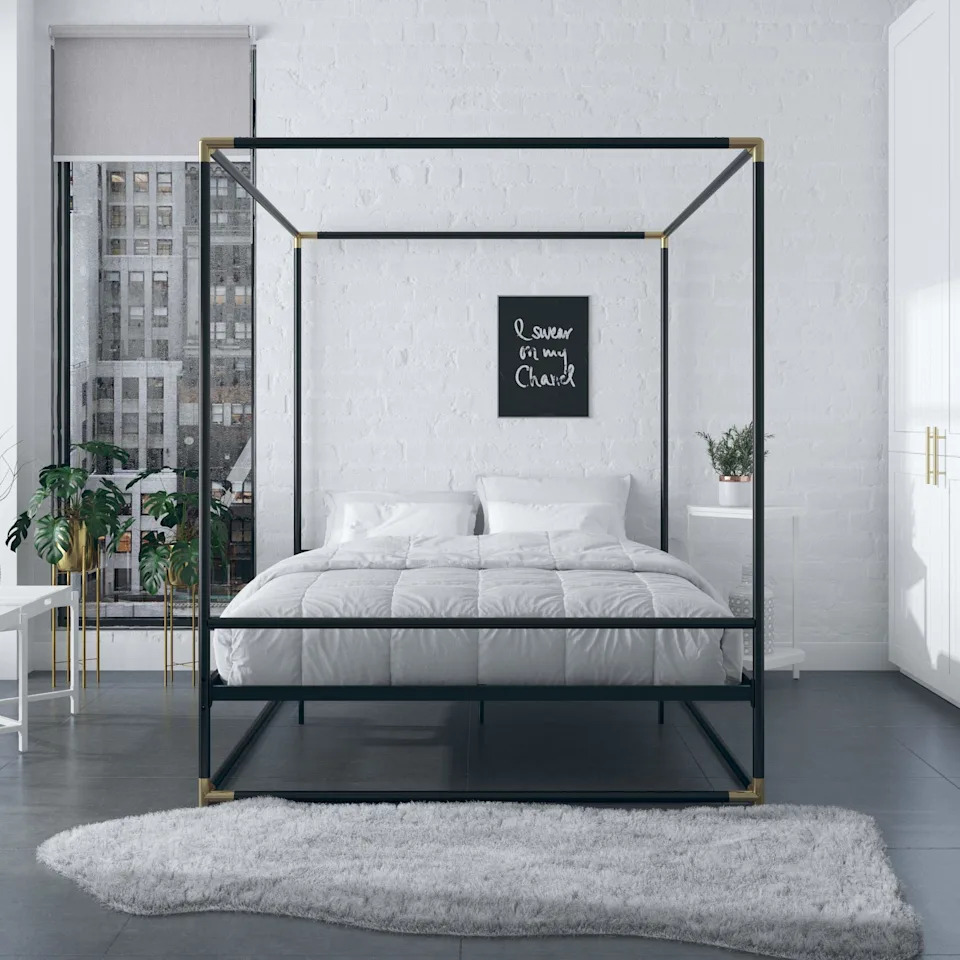
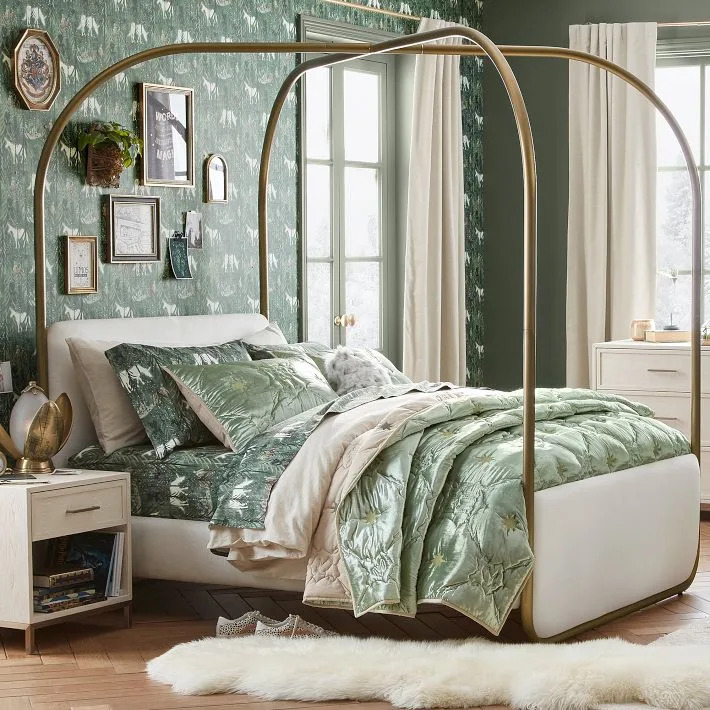
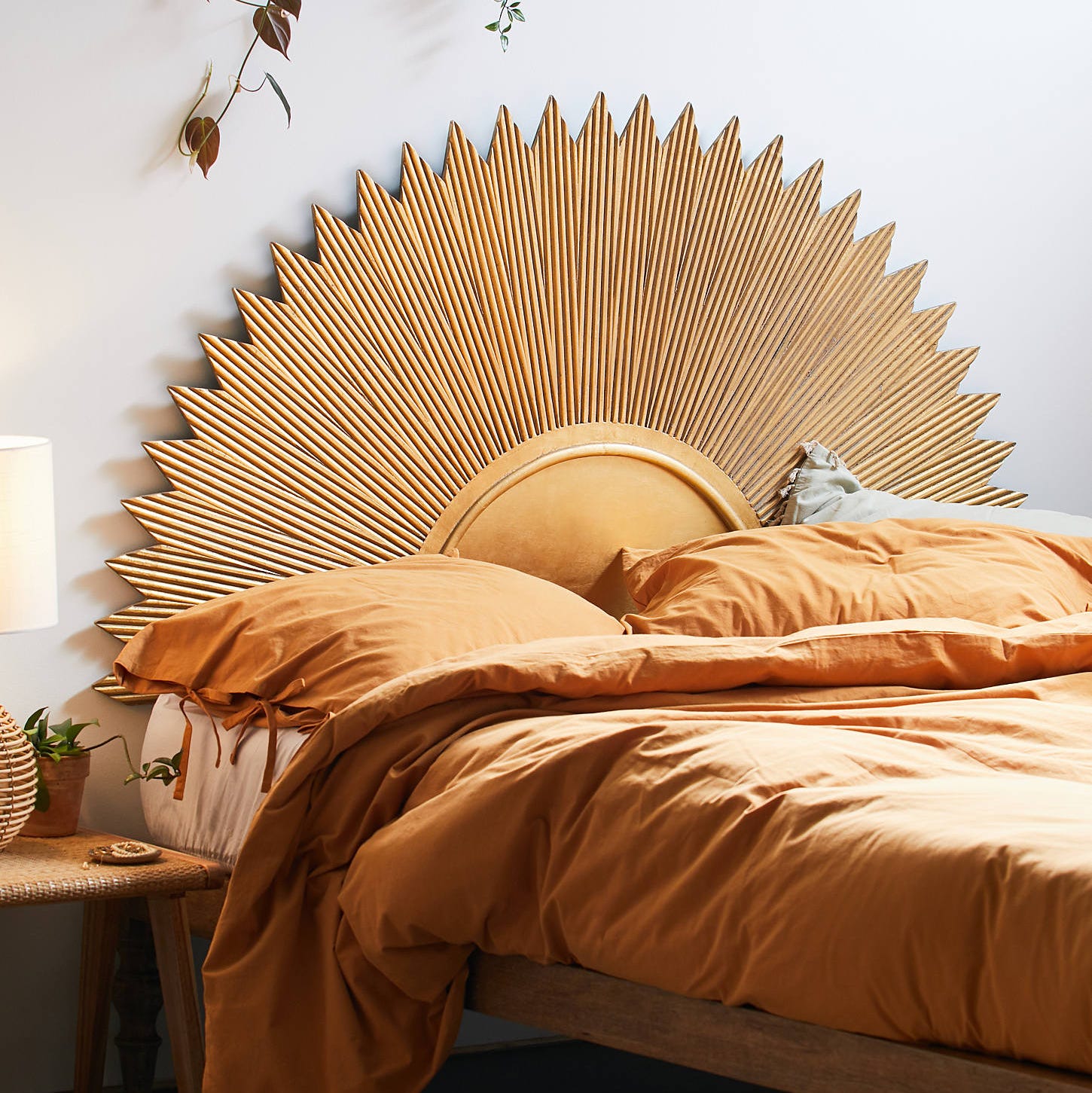
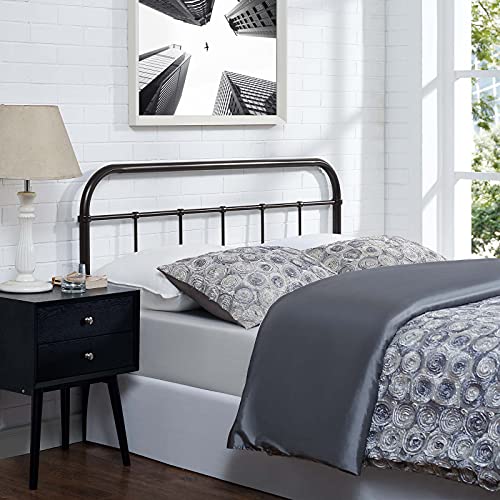
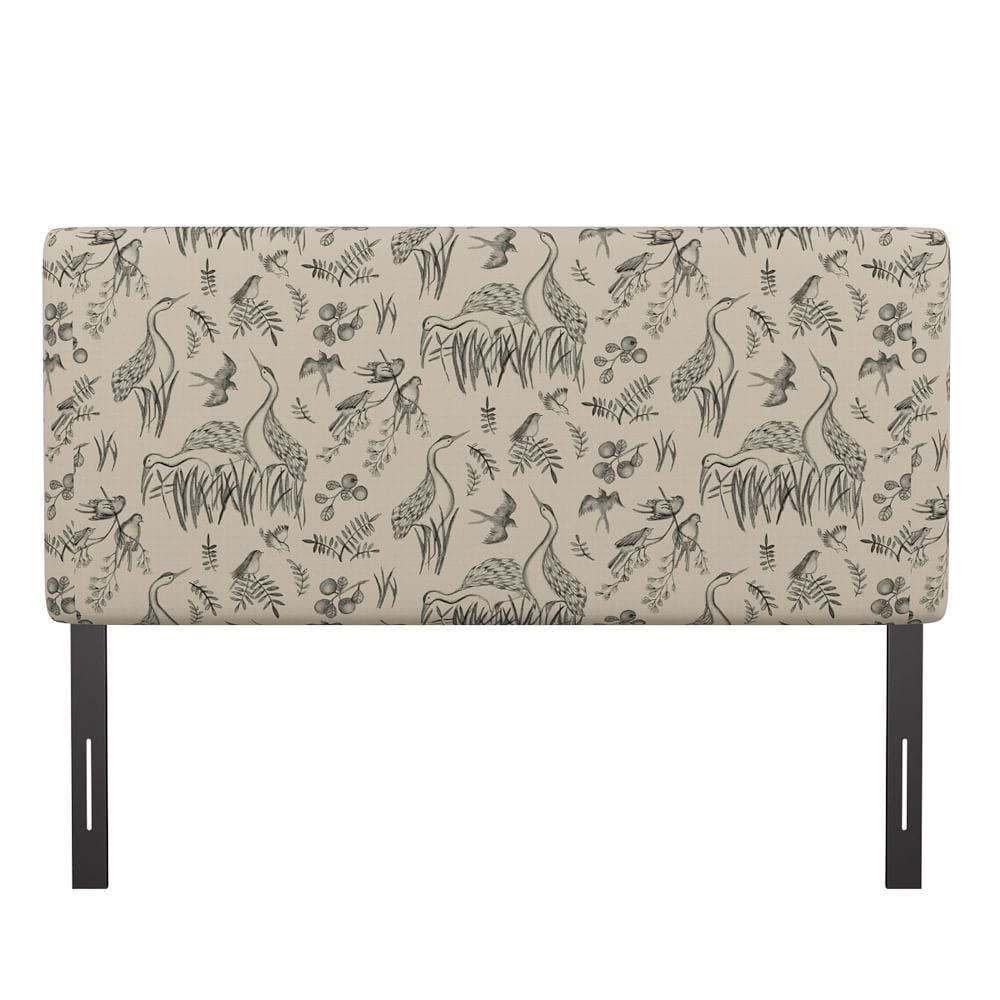
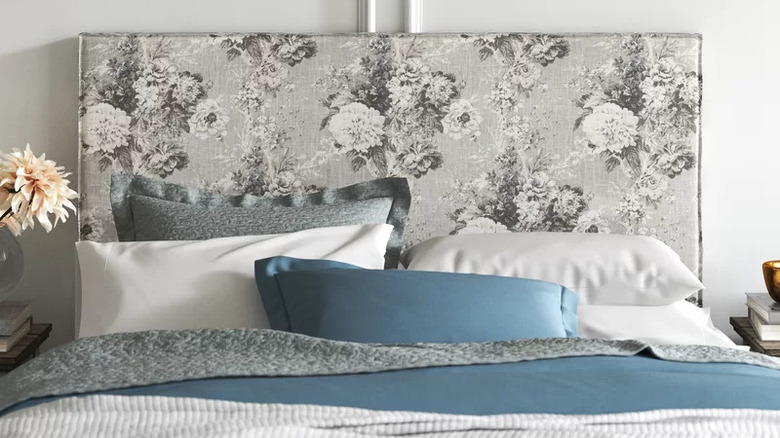
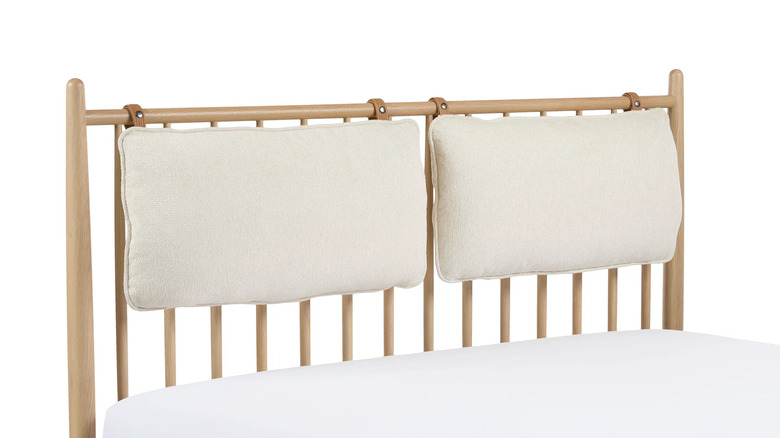
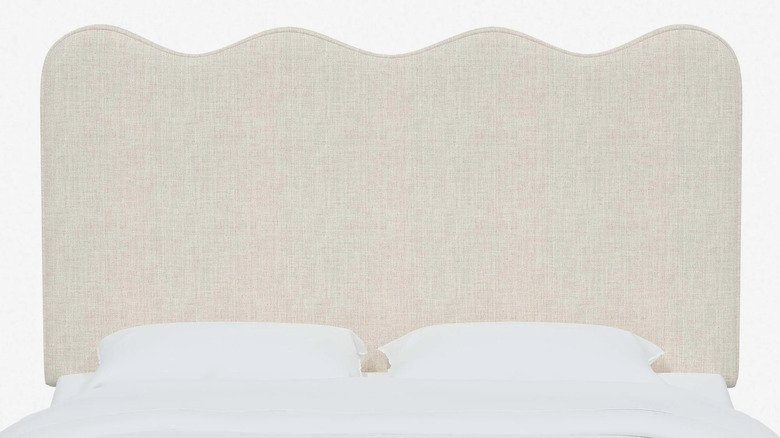
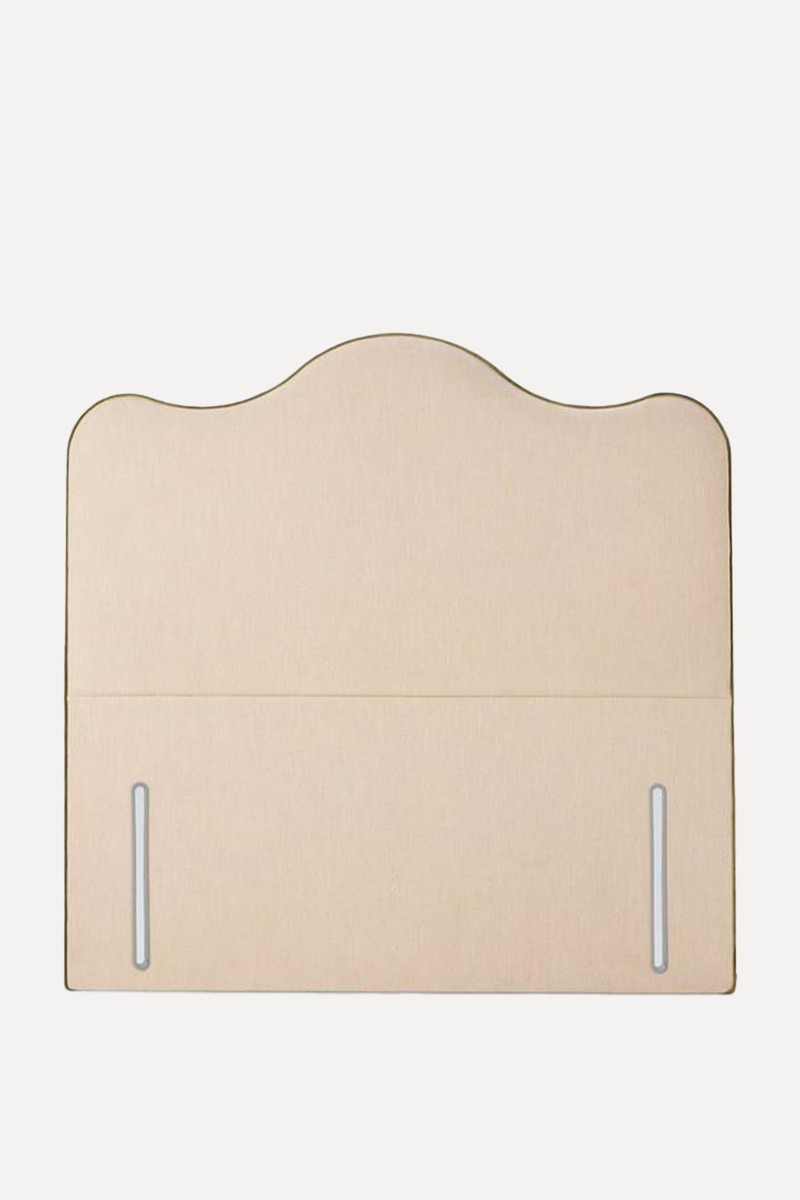
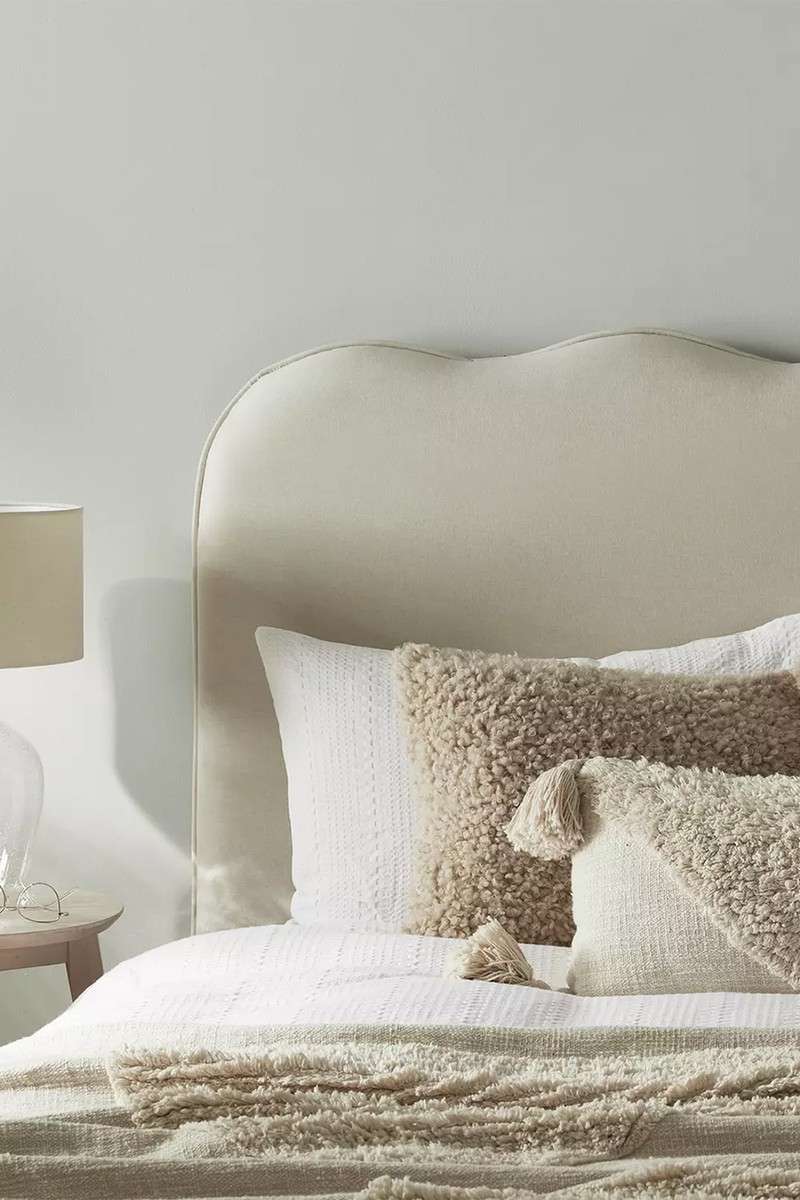
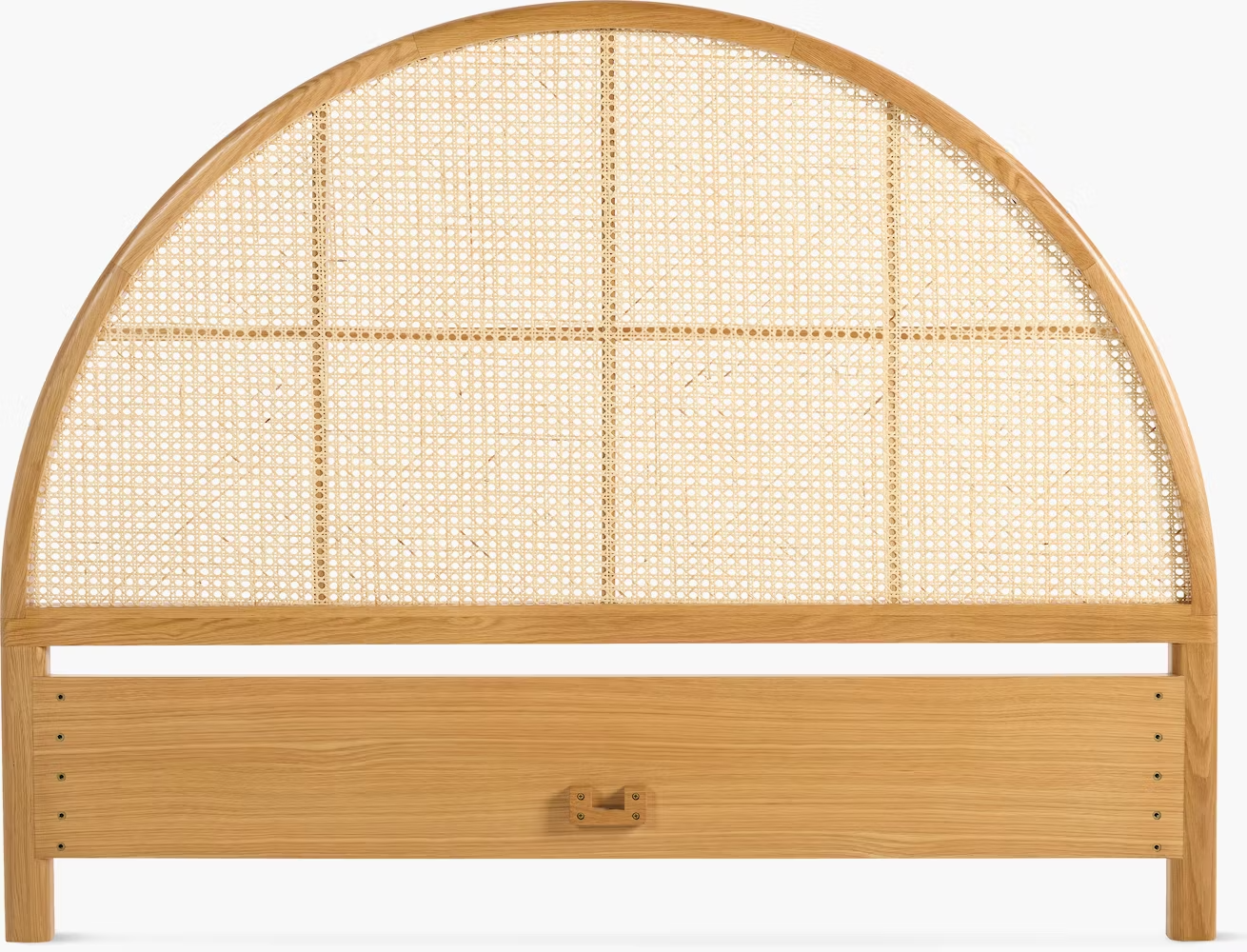
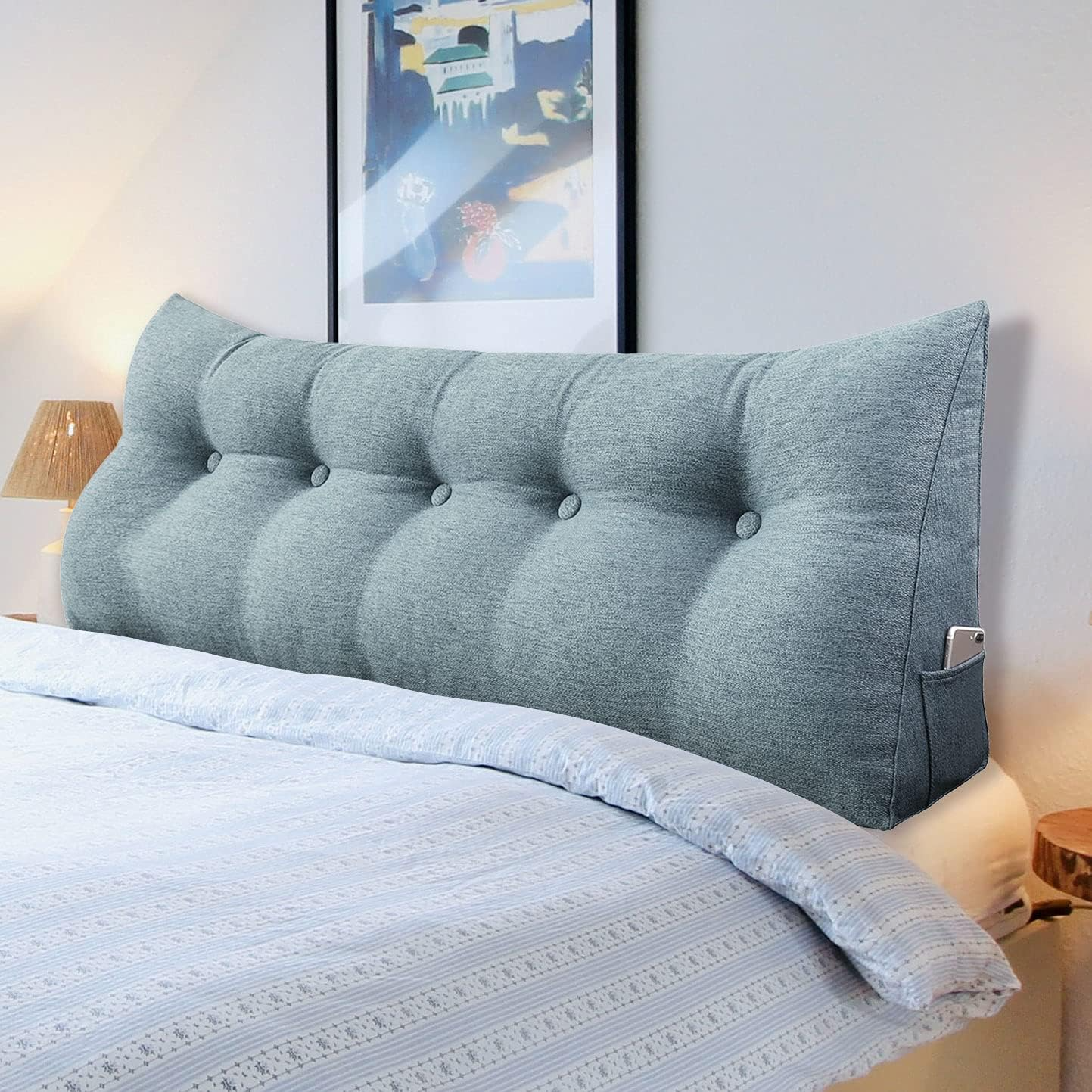
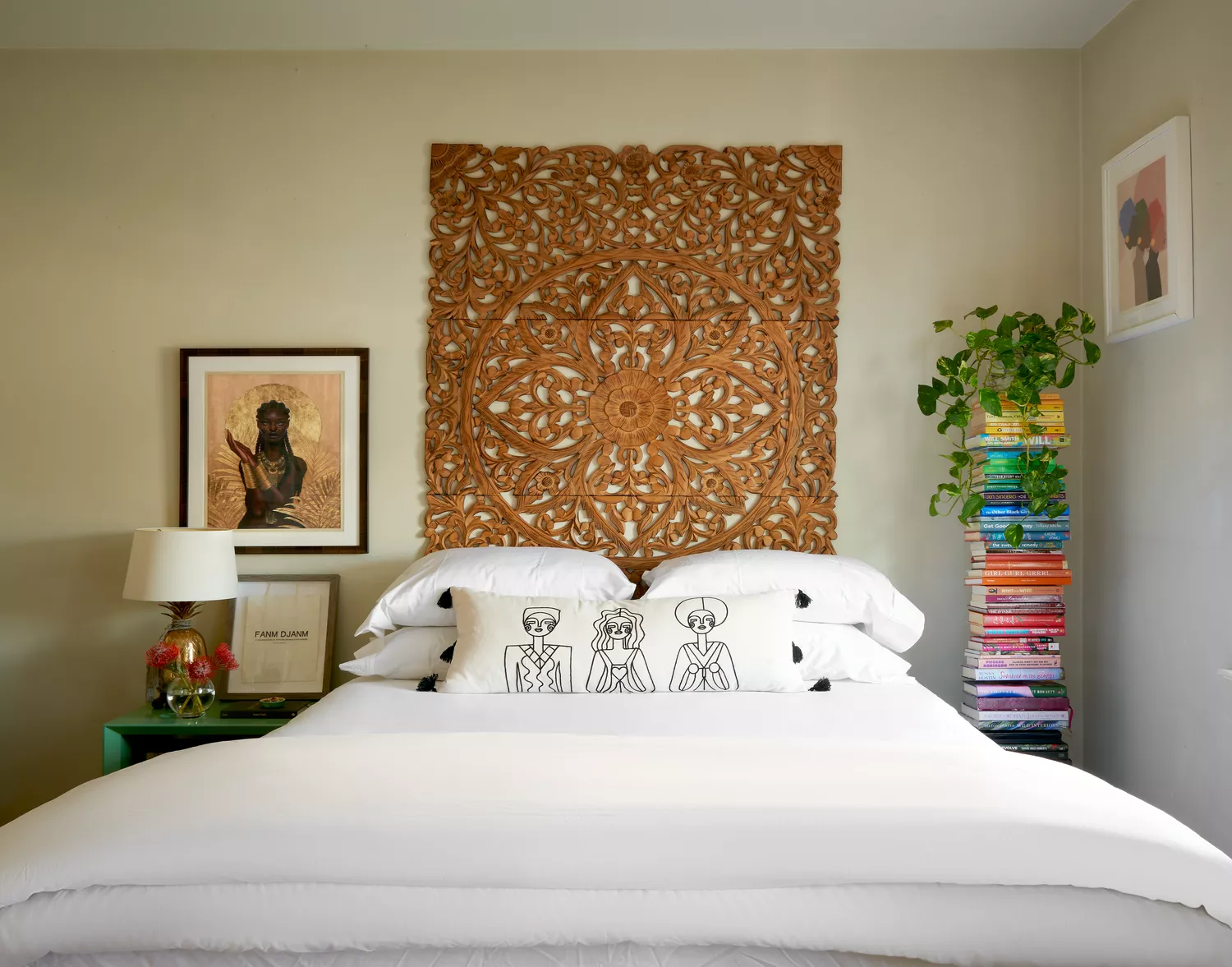
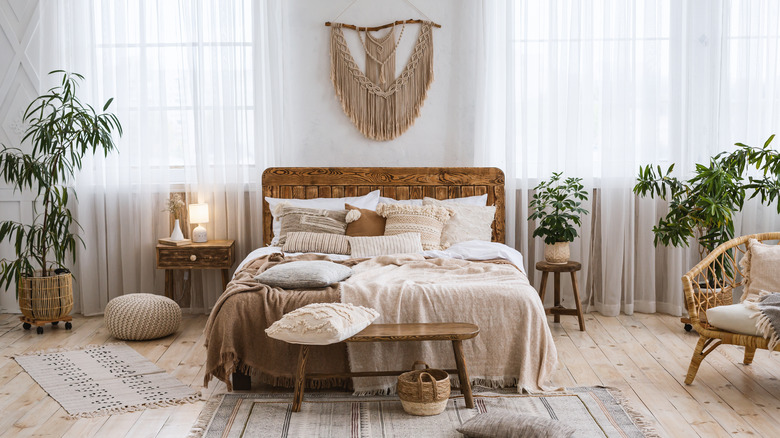
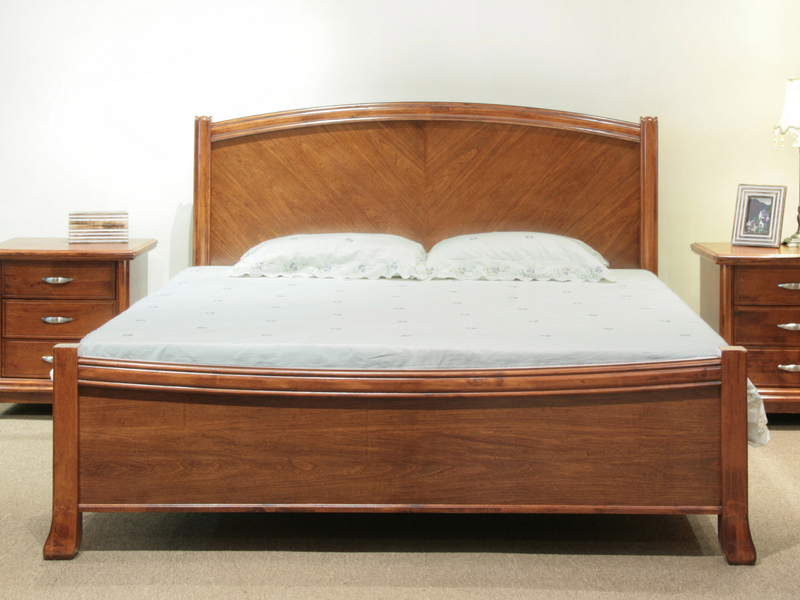
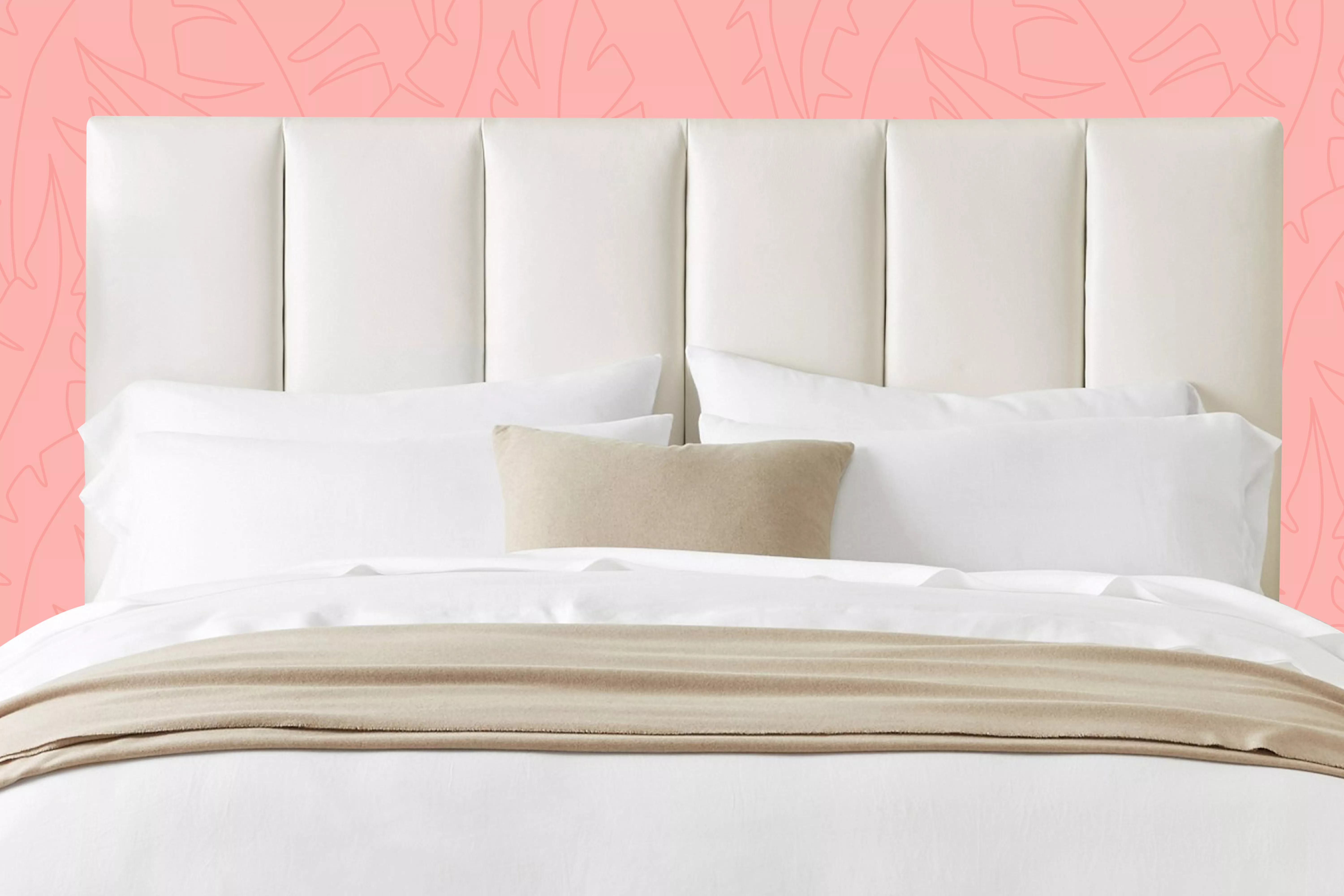
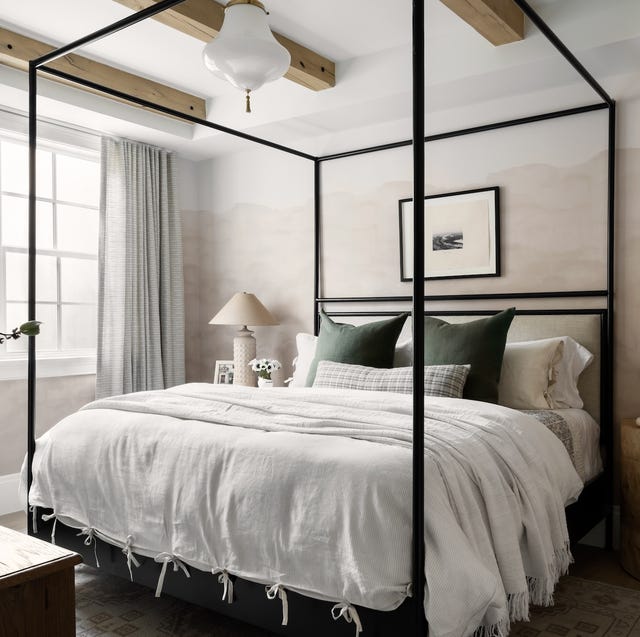
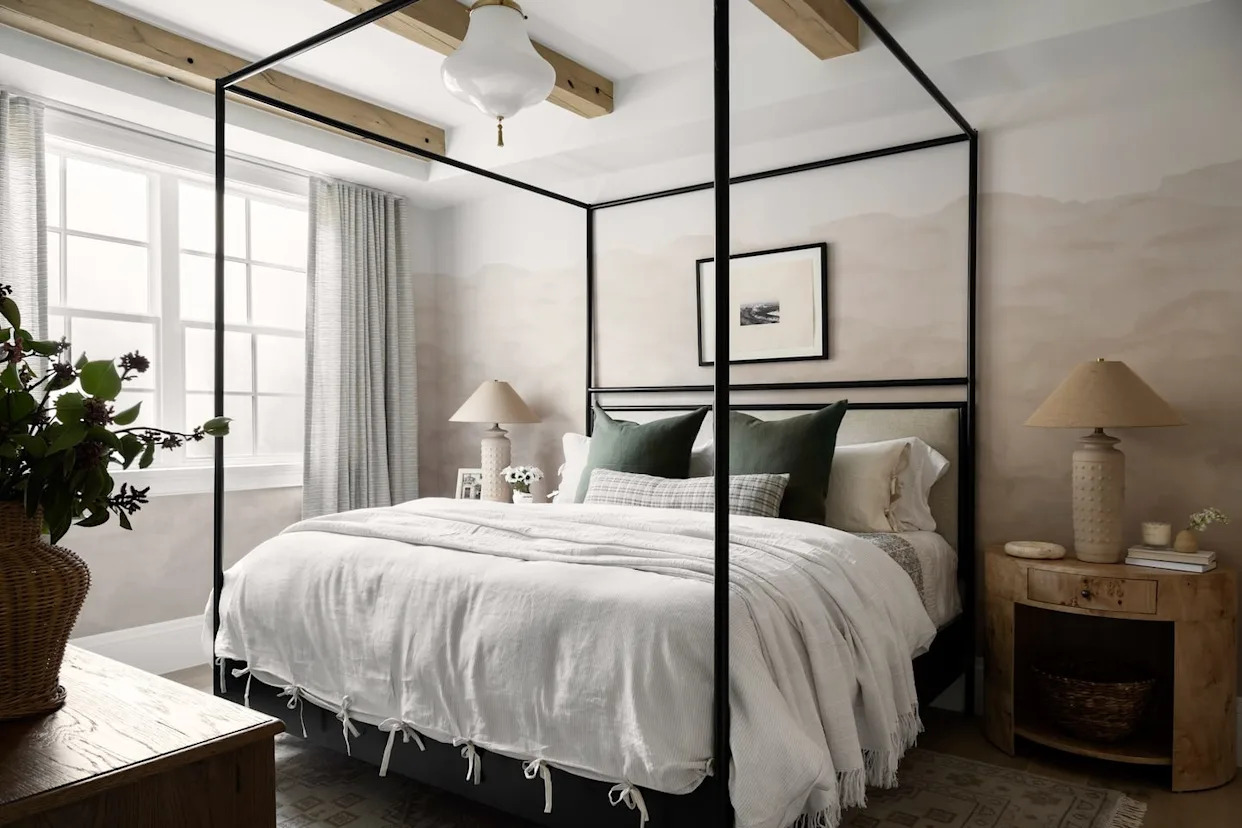
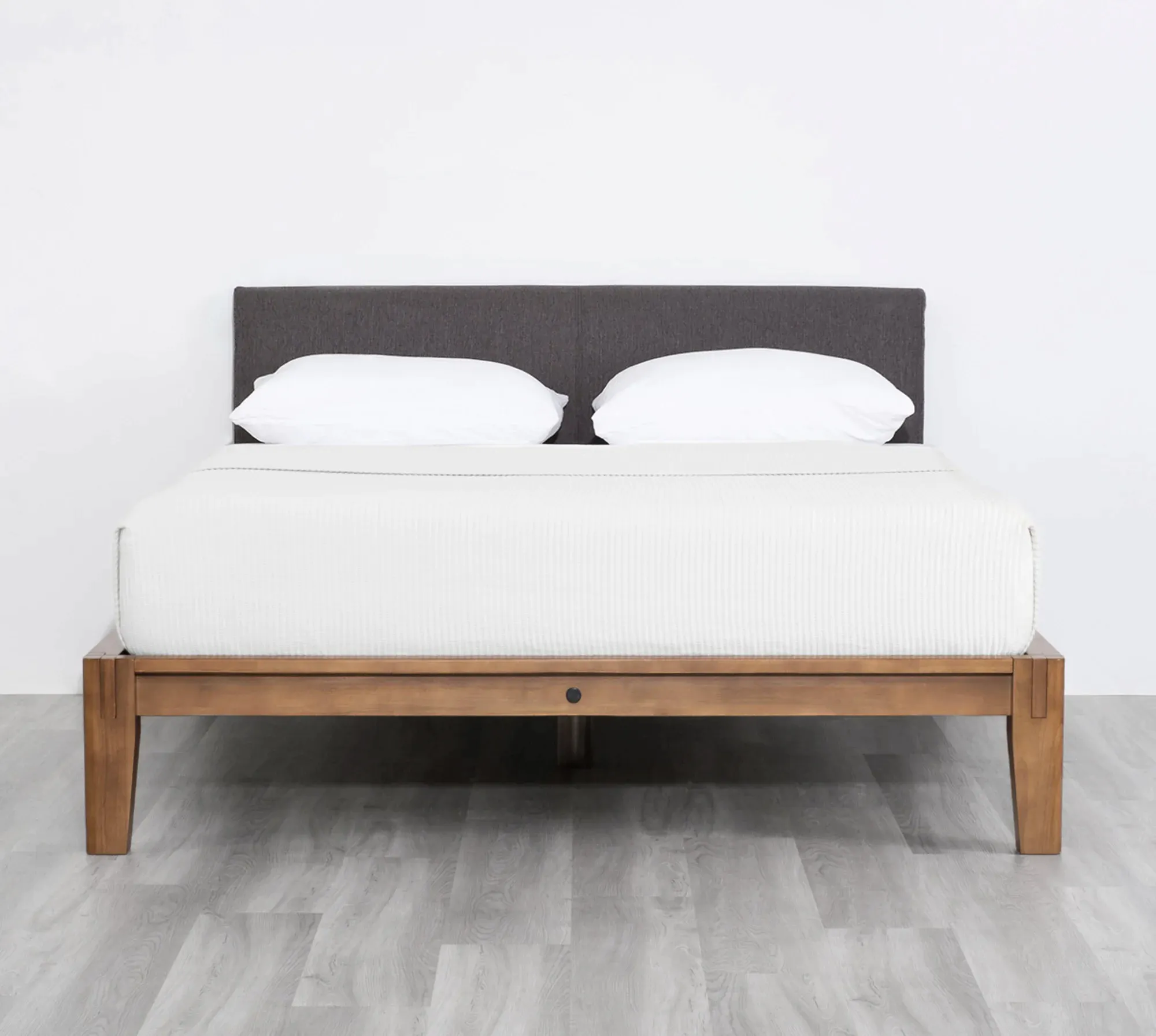
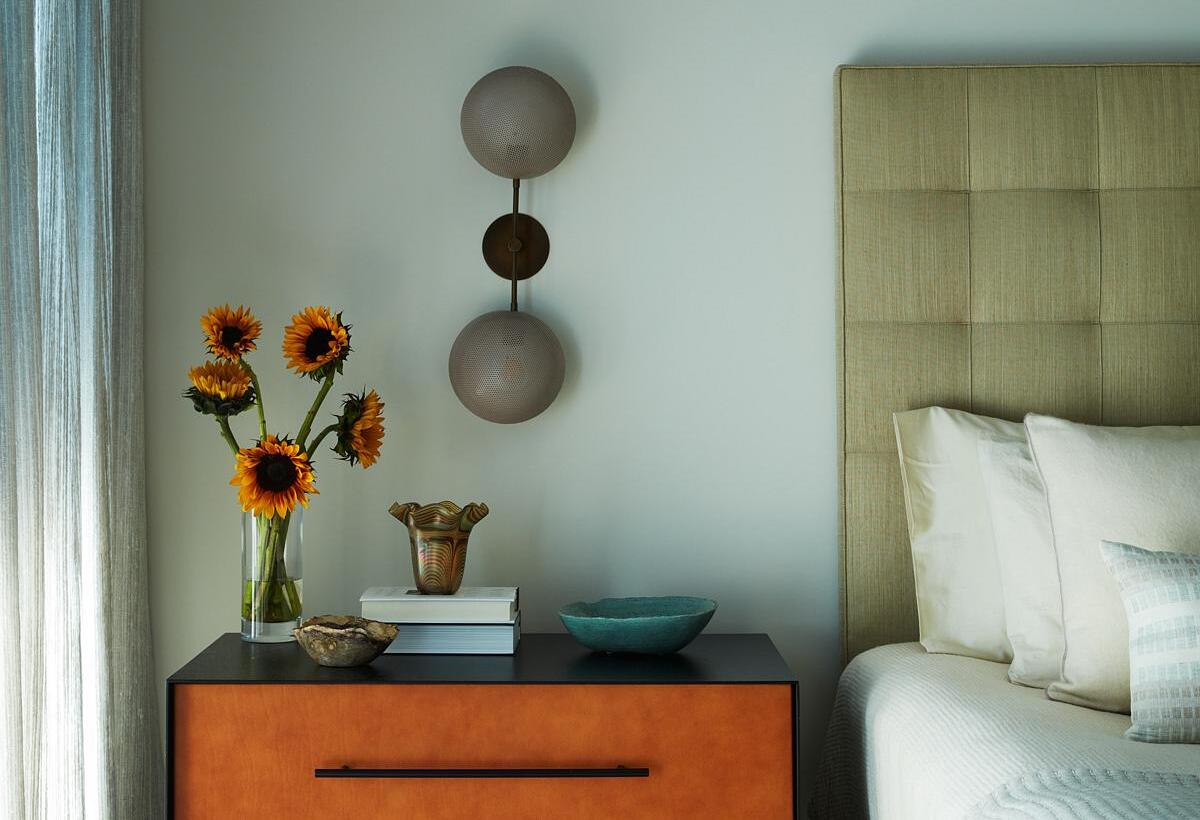
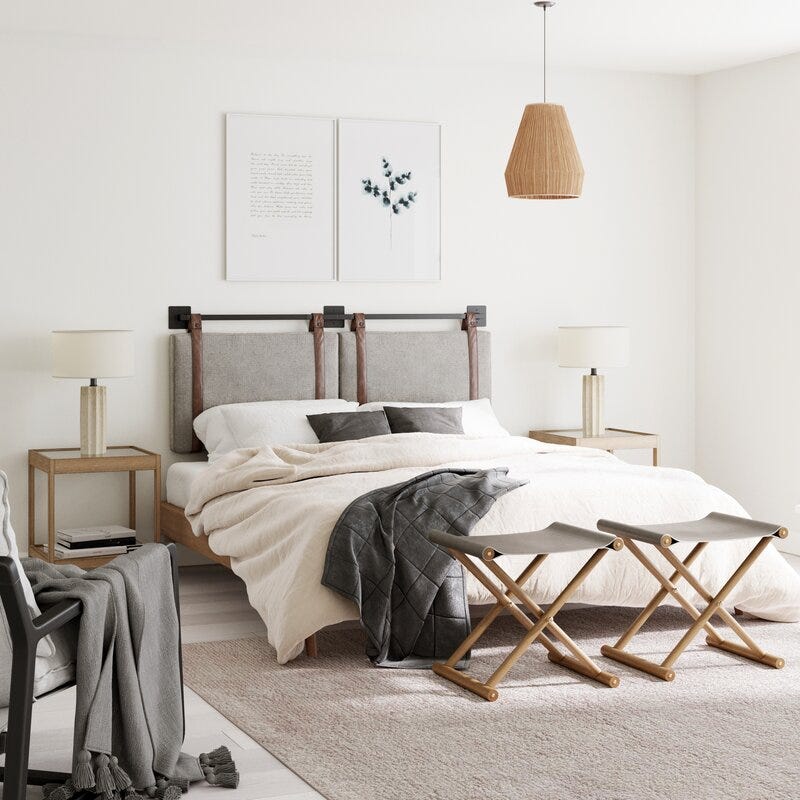
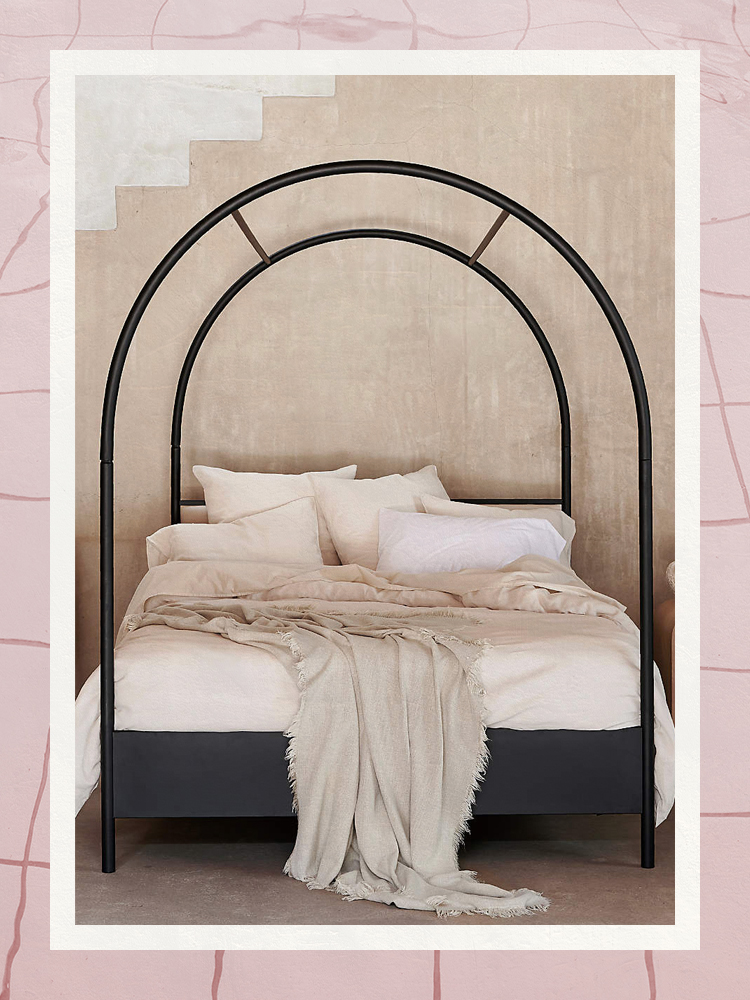
For those who decide to incorporate a headboard, the styling possibilities are extensive, with numerous types available, such as tufted, canopy, or wooden designs. Barnett notes that headboards are often mistakenly perceived as uninteresting, but in reality, they offer immense customization potential in terms of fabric, pattern, color, and texture. She particularly favors upholstered headboards for their versatility. Andre appreciates wooden carved headboards for their ability to introduce a unique and artistic element, showcasing artisan craftsmanship.
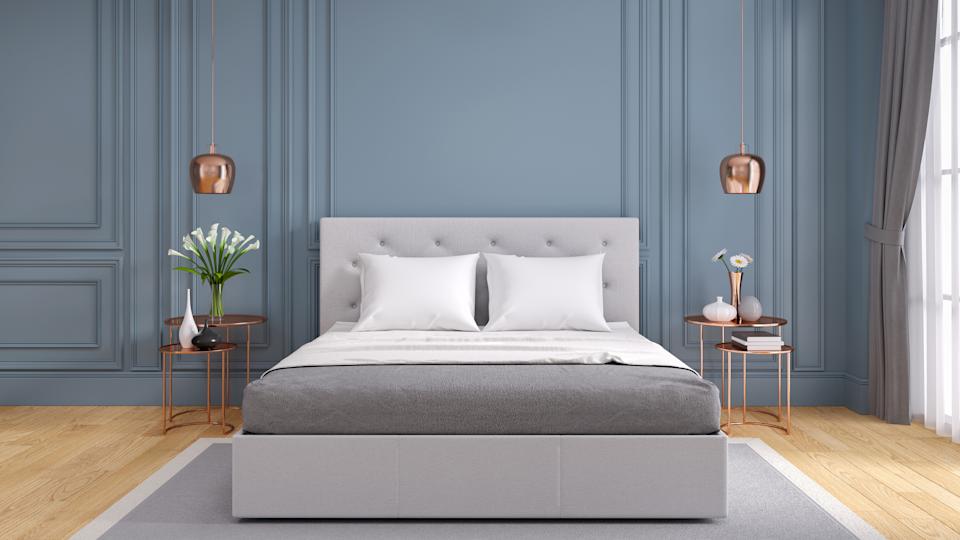
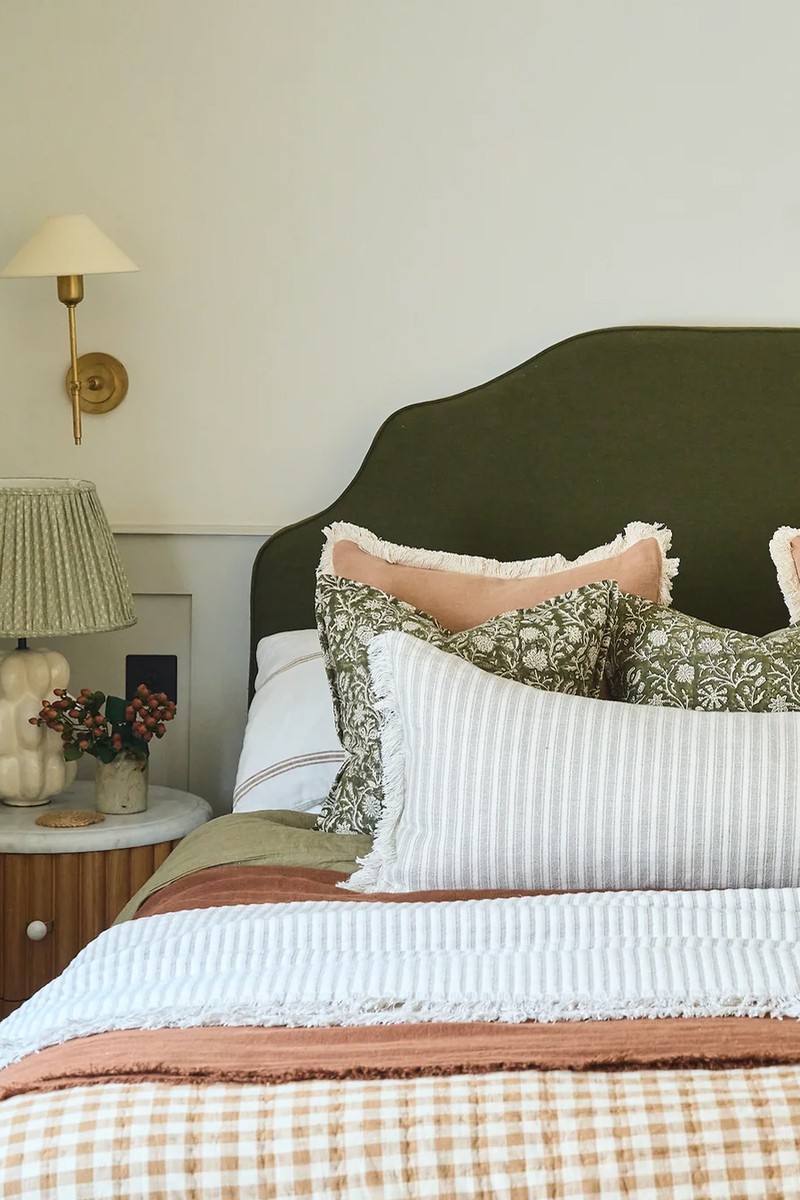
When selecting a headboard, size is a crucial consideration. A headboard can be slightly wider than the bed itself, creating an attractive backdrop for nightstands and bedside lighting. The height should also be proportionate to the room's dimensions; an overly tall headboard can visually diminish the room's size. These design tips ensure that the headboard enhances the room's overall aesthetic and functionality without overpowering the space.
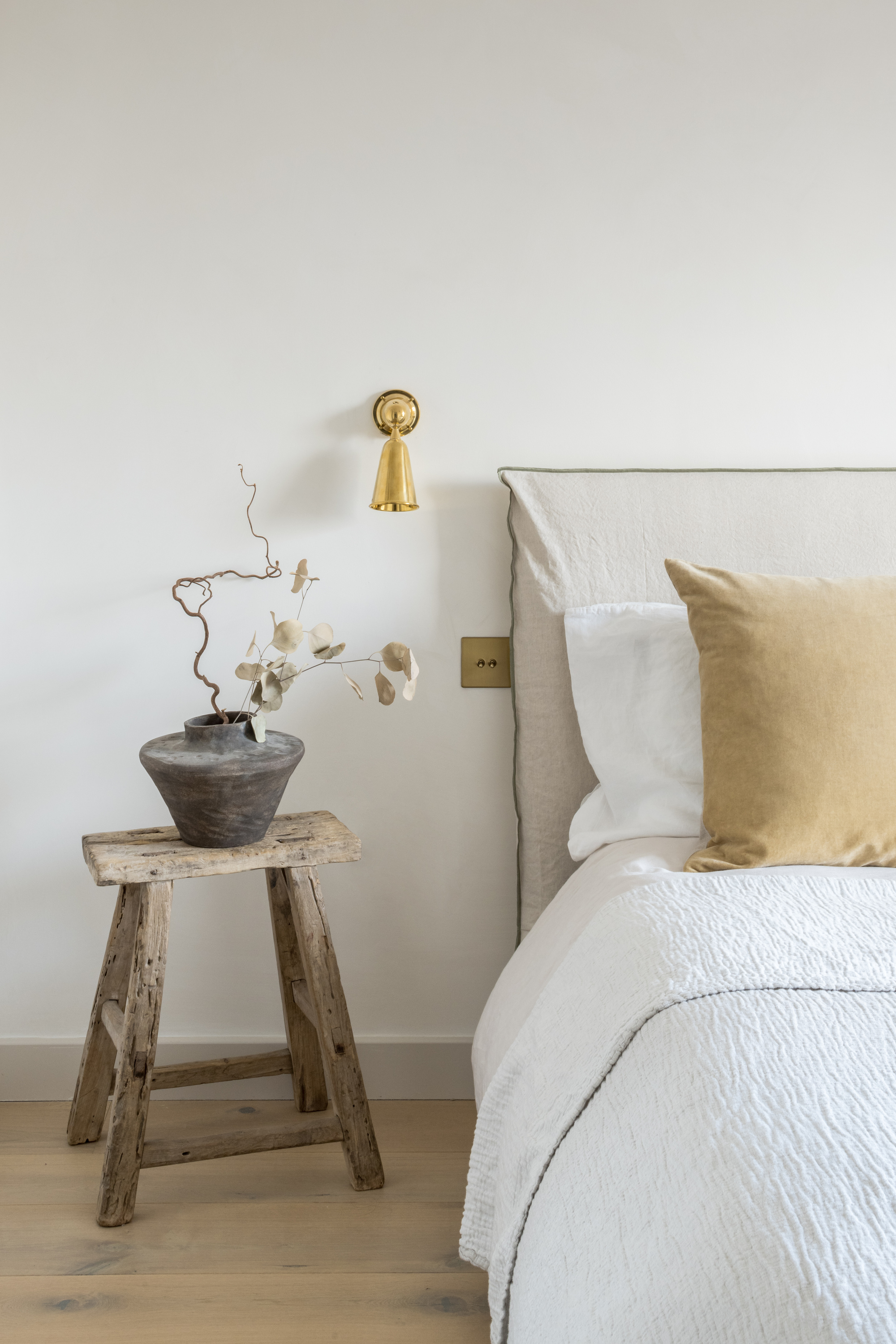
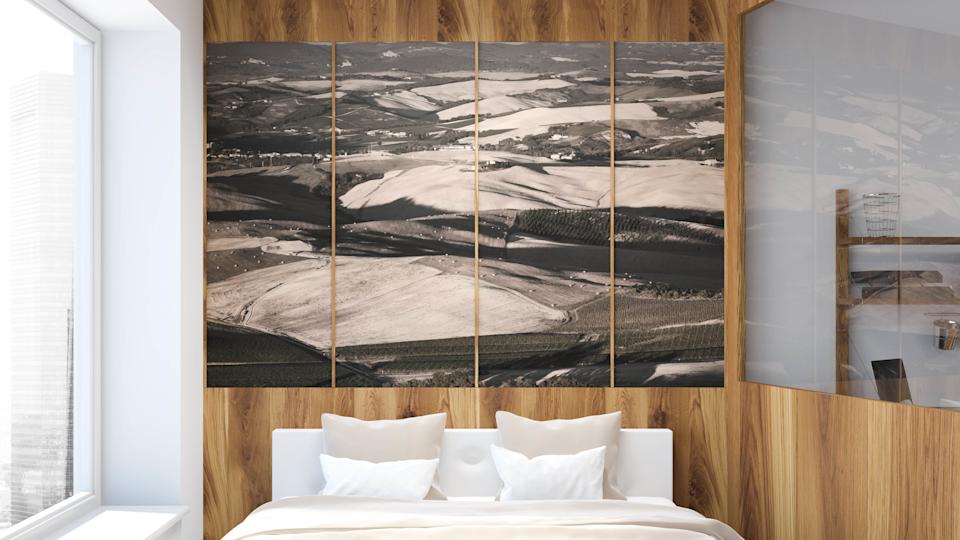
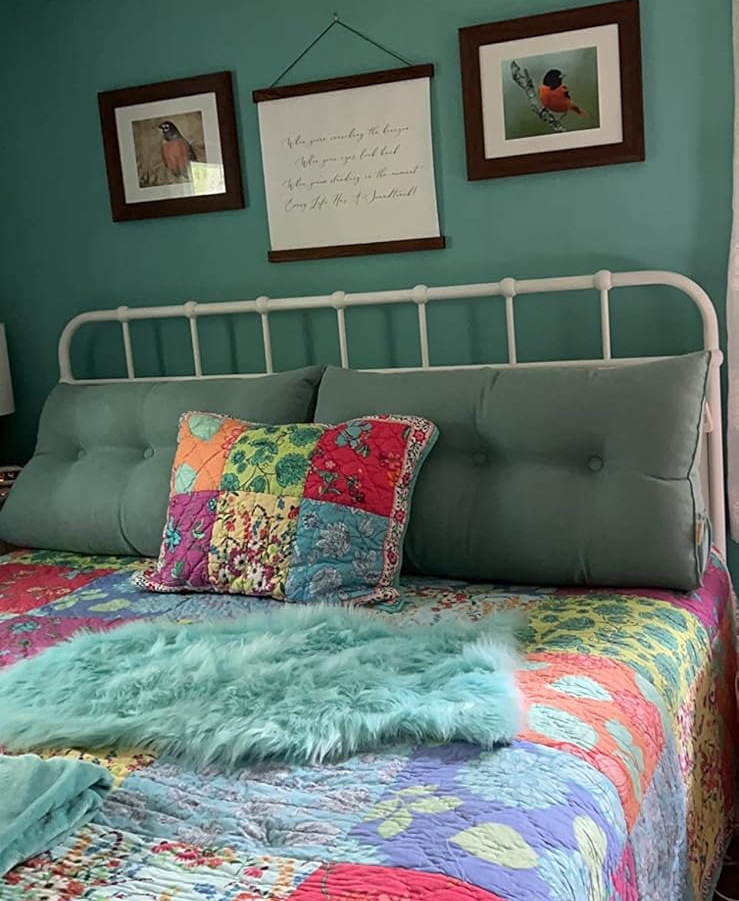
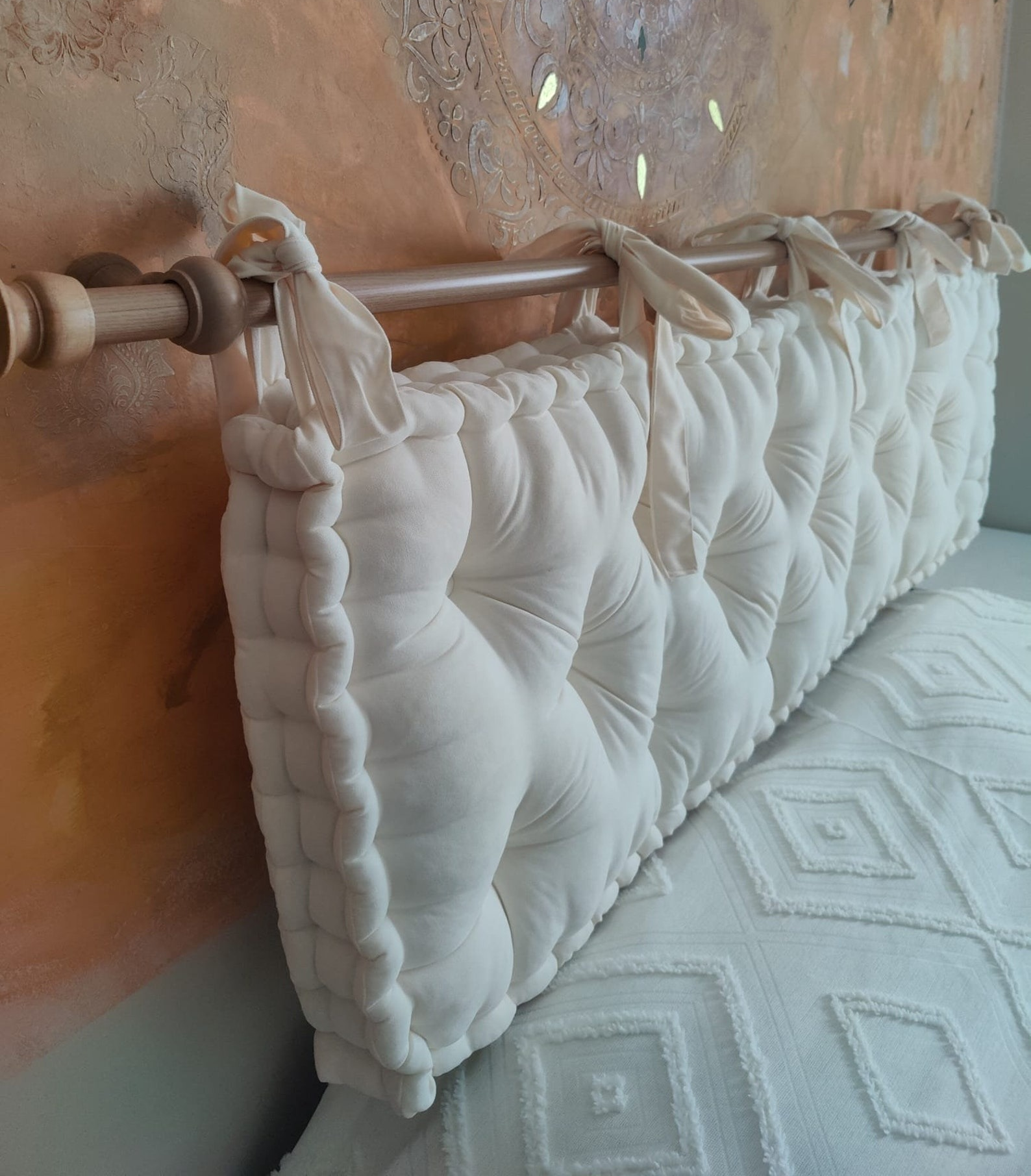
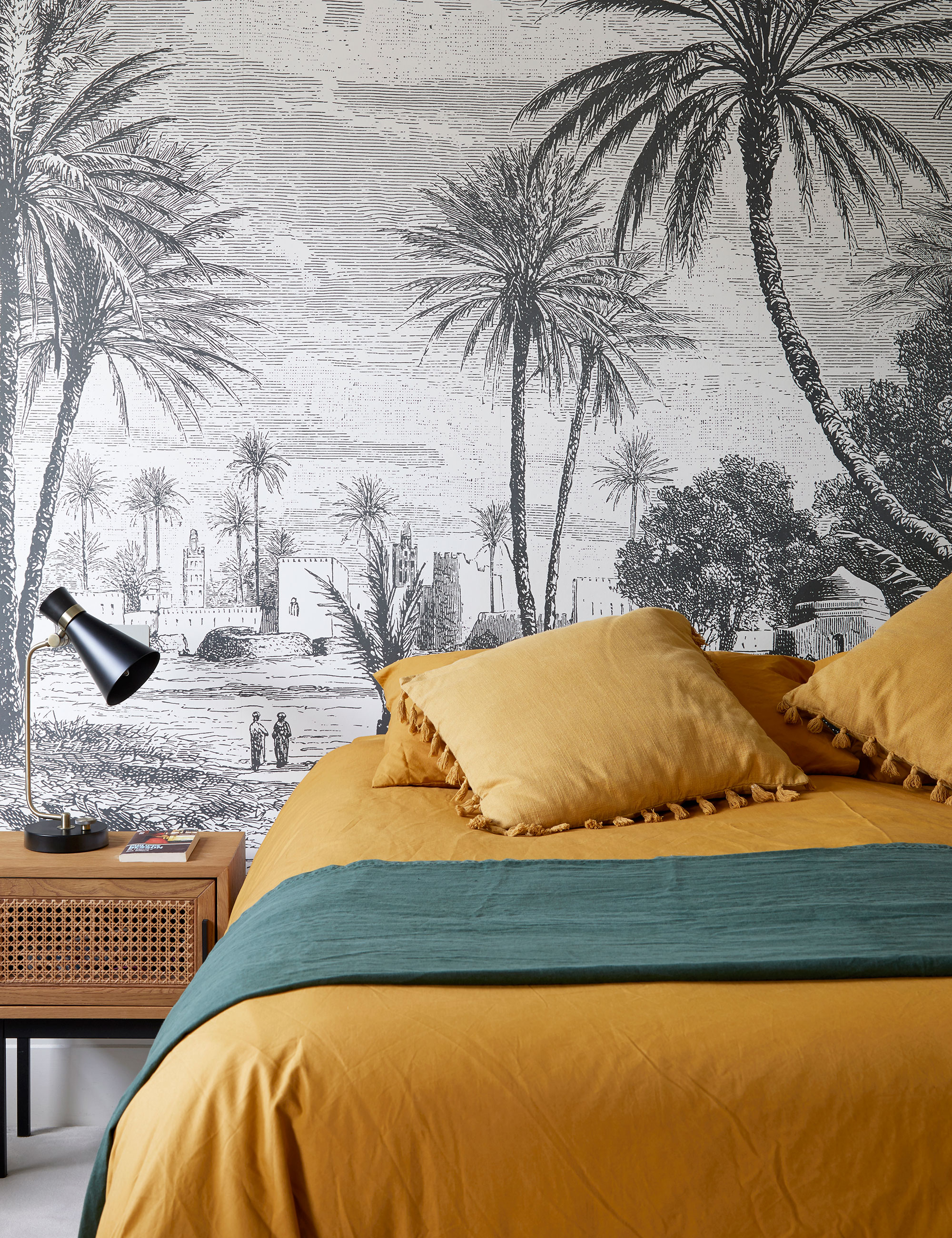
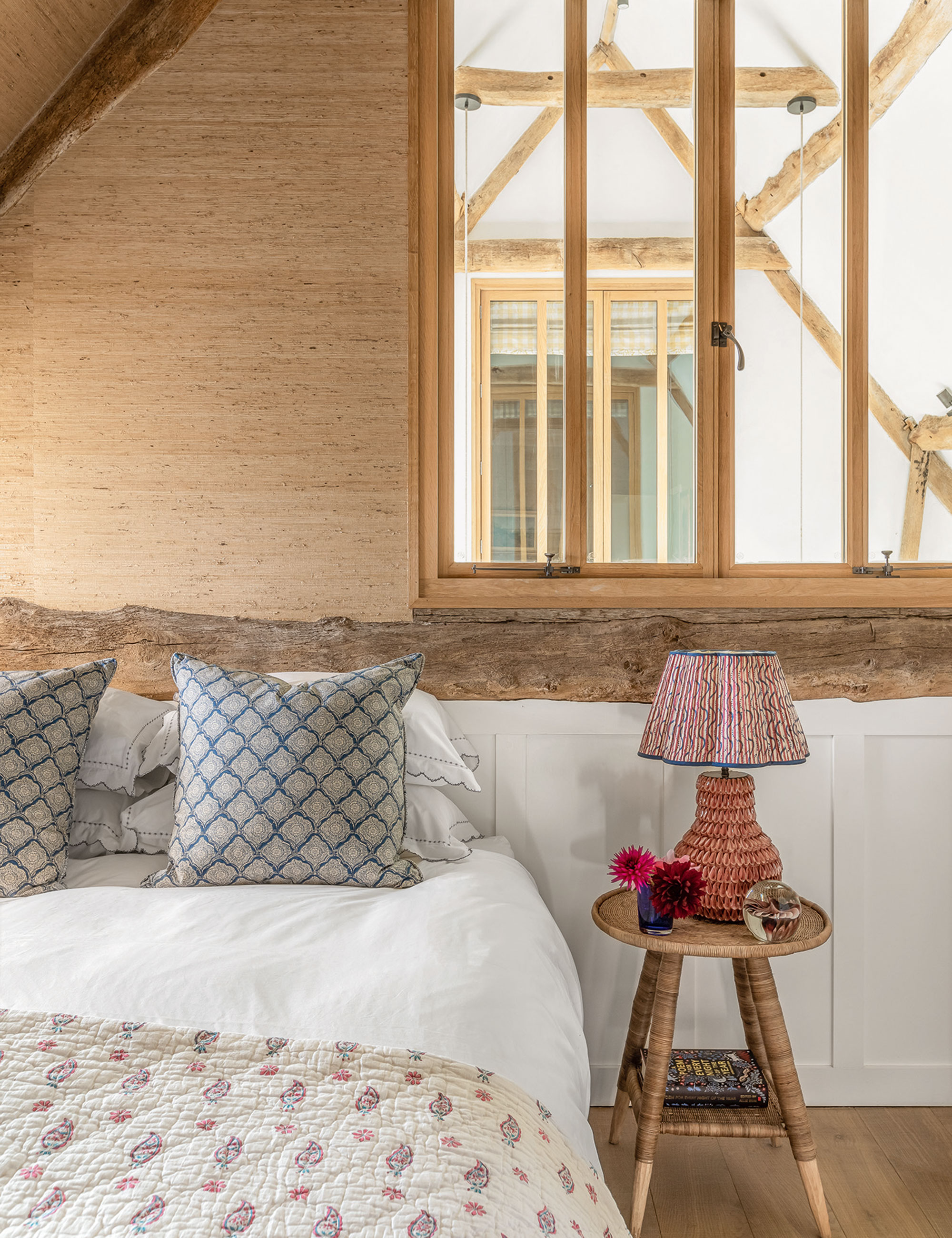
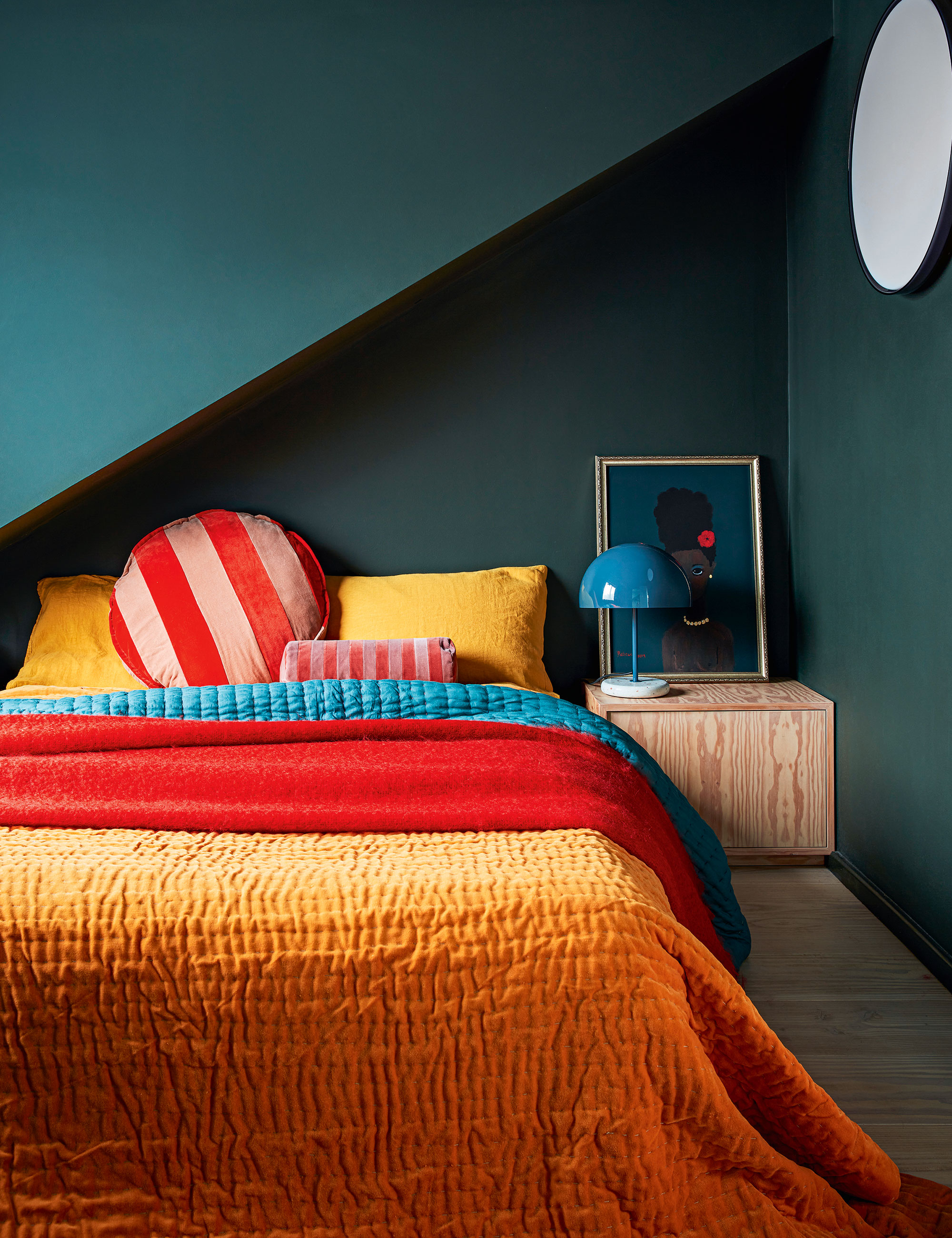
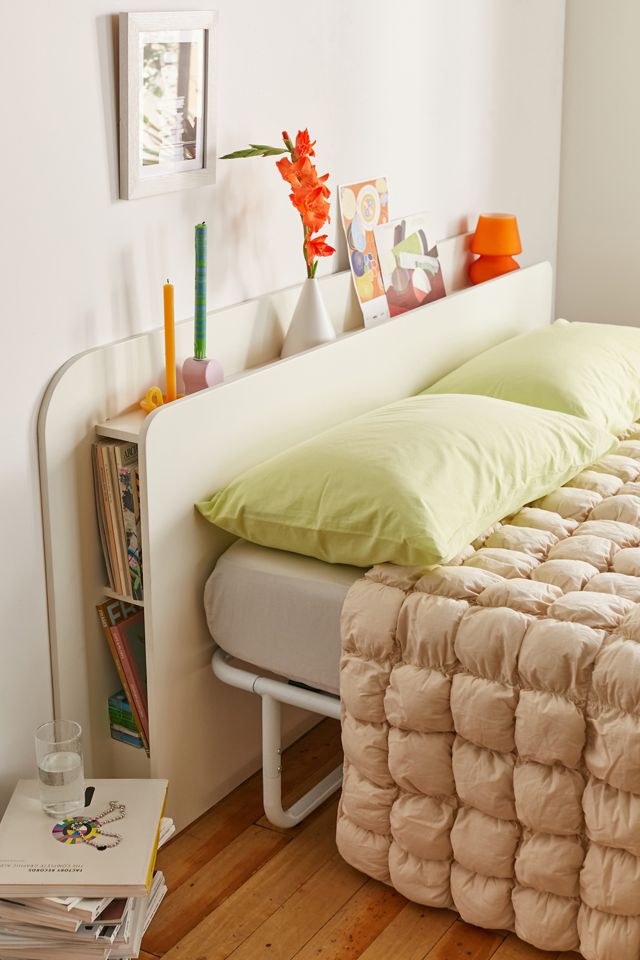
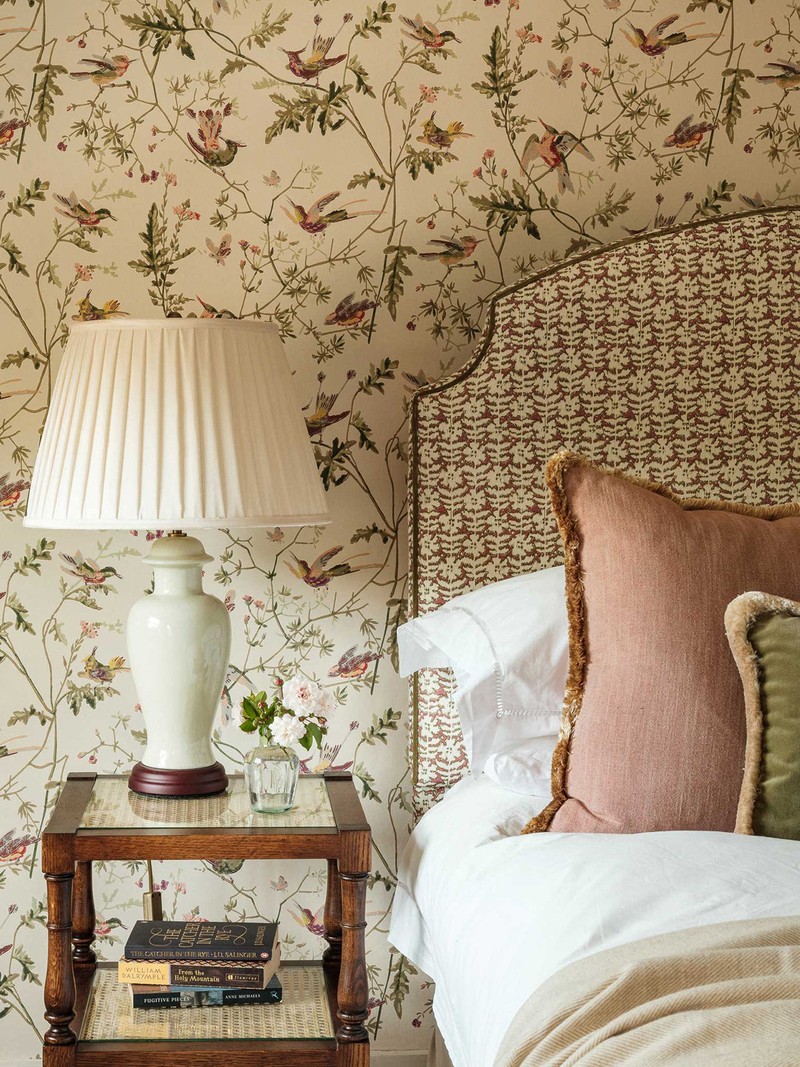
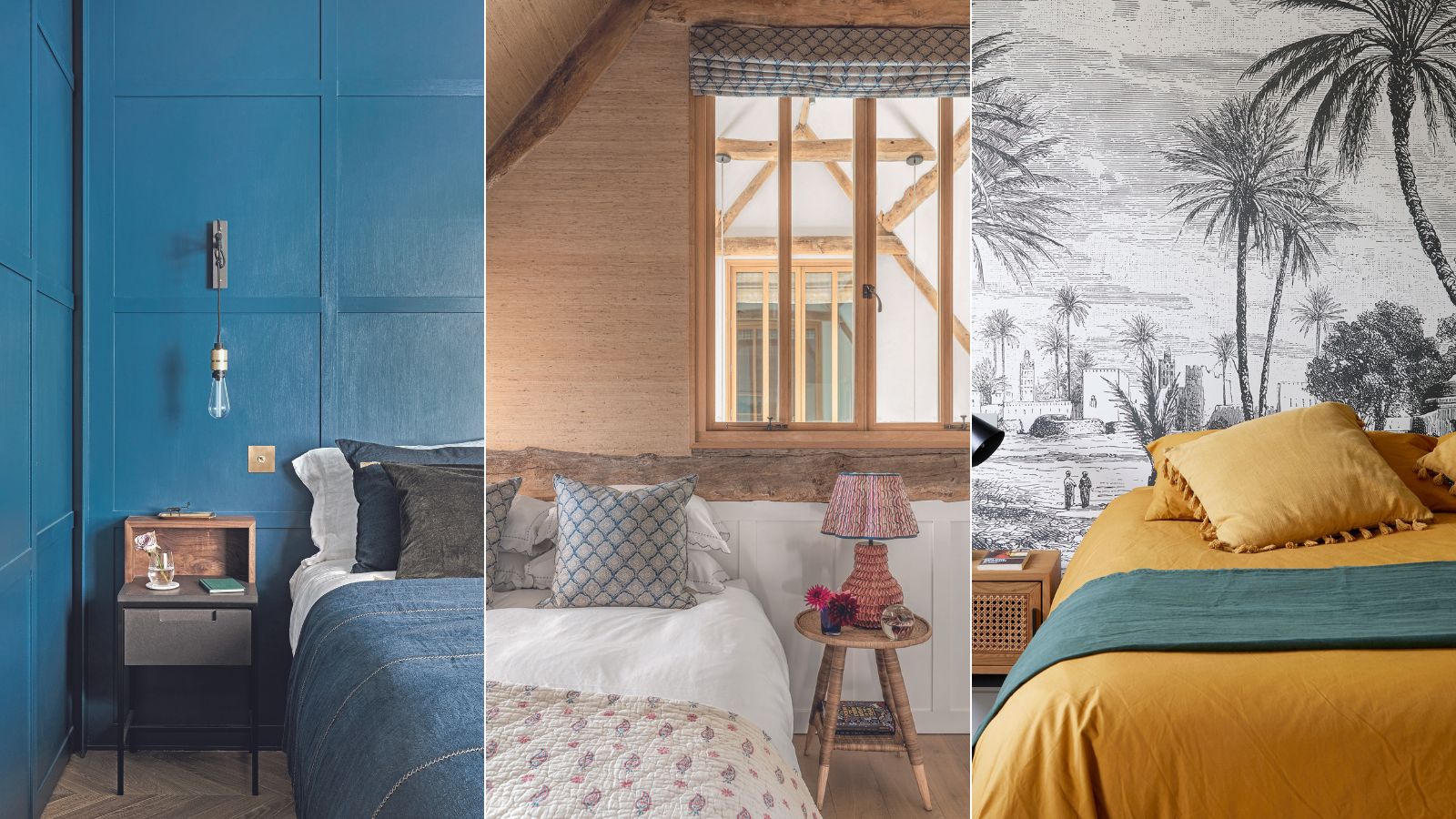
Conversely, for those opting out of a headboard, perhaps due to a smaller room, low ceilings, a preference for a minimalist aesthetic, or simply a desire for a non-traditional look, there are several creative alternatives. Barnett suggests achieving a similar visual impact using other materials. Hanging artwork or installations above the bed, such as macrame wall hangings or gallery walls, can serve as focal points. Wallpaper is another effective option, whether used to create an accent wall or strategically applied lower on the wall to give the illusion of a headboard. Painting the wall behind the bed can also achieve a similar effect, offering a pared-back yet stylish solution for a headboard-free bedroom. These alternatives demonstrate that a bedroom can be both functional and visually appealing without a traditional headboard, catering to diverse design preferences and spatial constraints.
#BedroomDesign #HeadboardAlternatives #InteriorDesignTips #HomeDecor #PersonalPreference #RoomStyling #FunctionalDecor #MinimalistAesthetic #BedroomDesign #HeadboardAlternatives #InteriorDesignTips #HomeDecor #PersonalPreference #RoomStyling #FunctionalDecor #MinimalistAesthetic
0 comment in total
 No comments yet
You may also like
'Help me decide if I need one in my bedroom!' We settle the headboard vs no headboard debate for good

The Case for Funky Headboards Couldn’t Be Clearer
Is your bedroom missing this one vital piece of storage furniture? Experts say you shouldn’t be without one

We Found 24 Stylish Headboards That Instantly Complete Any Bedroom
Designers Say You Should NEVER Ditch a Headboard—Here's Why
Should your bed face the door? Here's what the experts think

All Kinds of Headboards for Beds (Published 1948)
29 Statement Headboards For Your Bedroom Accent Piece
10 Popular Bed Headboard Designs With Pictures In 2023

Give your Bedroom an Upgrade With Our Favorite Headboards

An Interior Designer Weighs in on Canopy Bed Frames: Yay or Nay?

26 Stylish Headboards From £135
Do You Really Need A Box Spring? A Sleep Coach Explains
25 Headboard Pillows To Make Relaxing In Bed Even Better

An Interior Designer Weighs in on Canopy Bed Frames: Yay or Nay?

The 10 Best Headboards That Scream “I’m A Well-Adjusted Adult!”

Are upholstered headboards outdated? Here's what interior designers say, and which beds they're choosing in 2023
Beds without headboards – 5 alternative designs that prove you don't always need a headboard

Transform Your Bedroom With 12 of the Chicest Headboards Online
Finding the Best Bed Frame Is More Important Than the Mattress