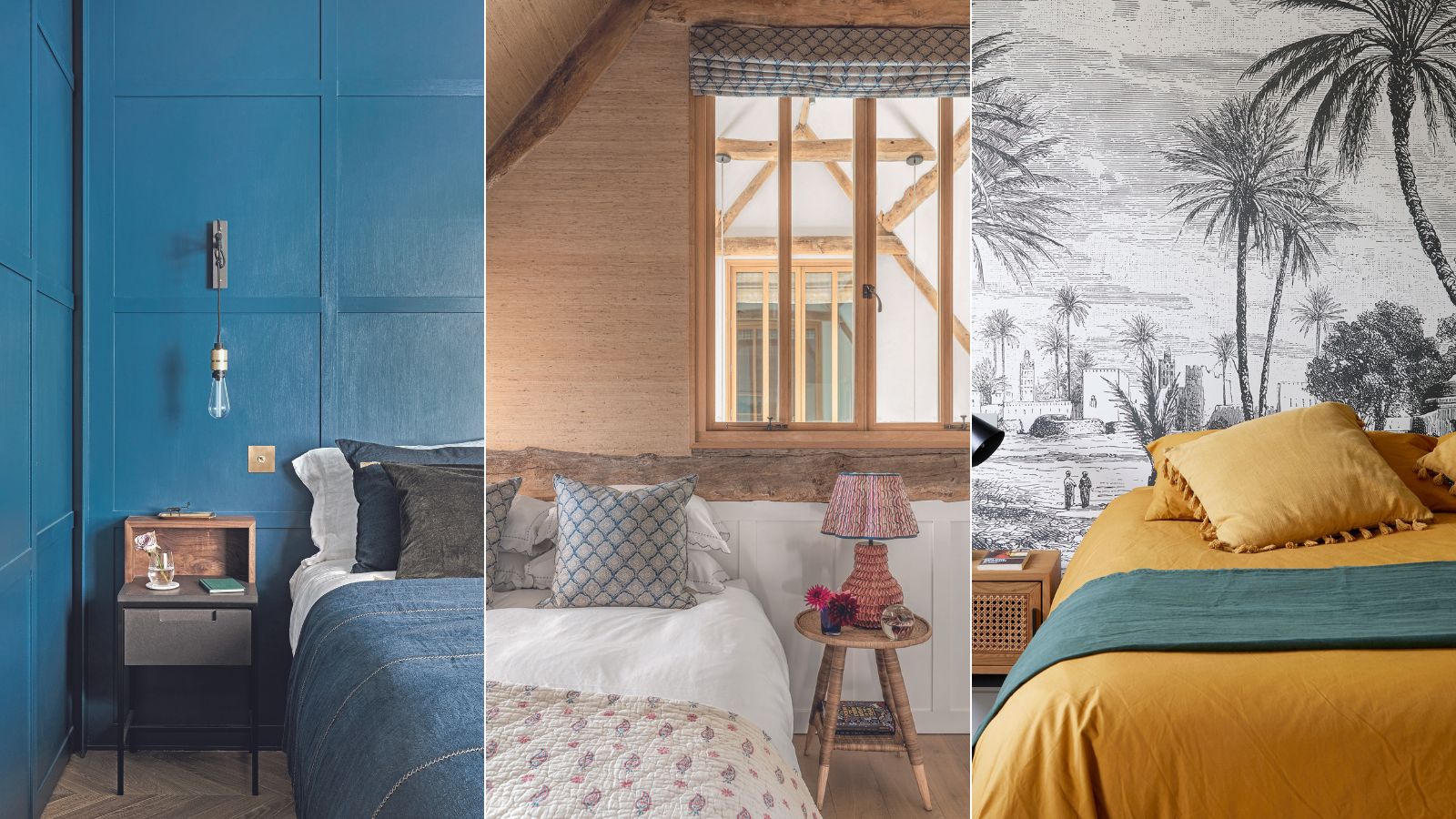
1/7
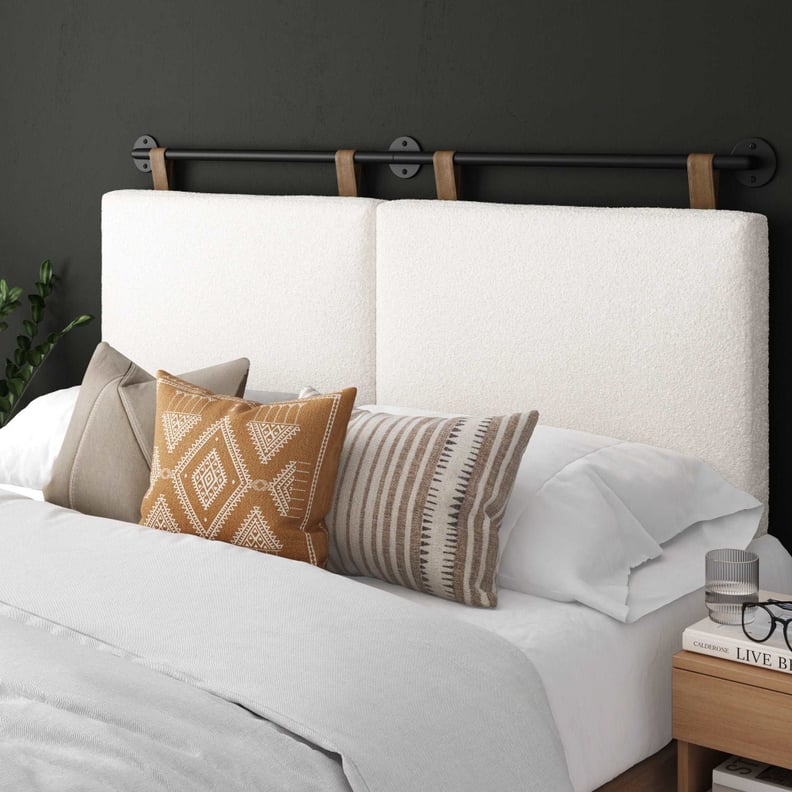
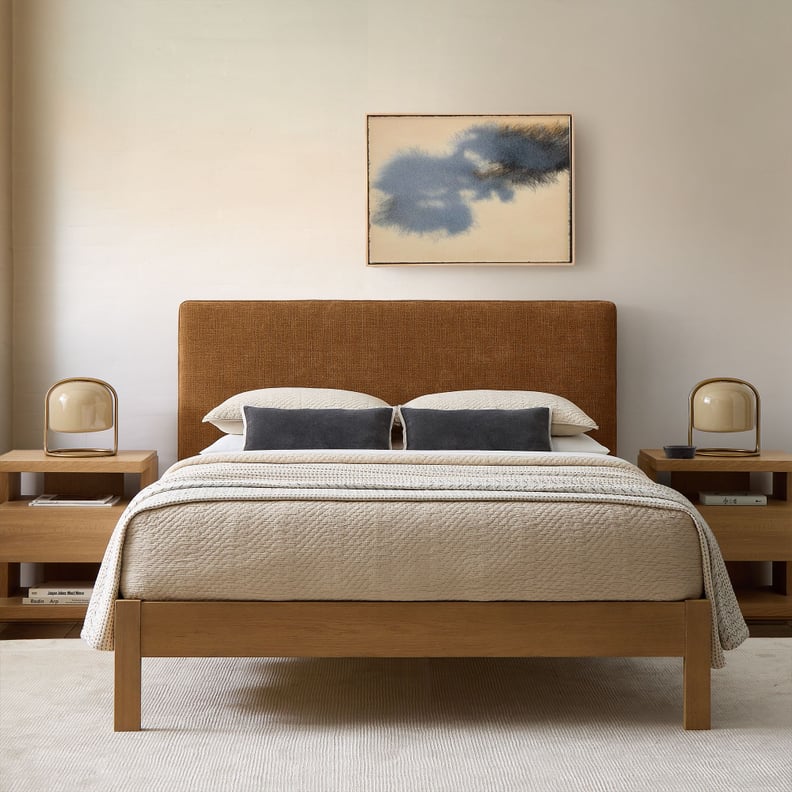
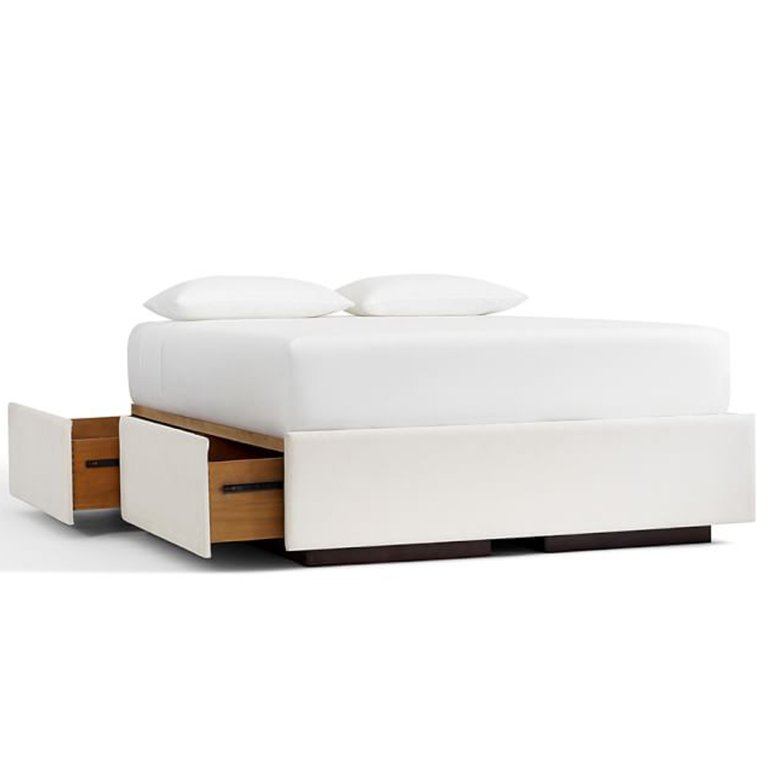
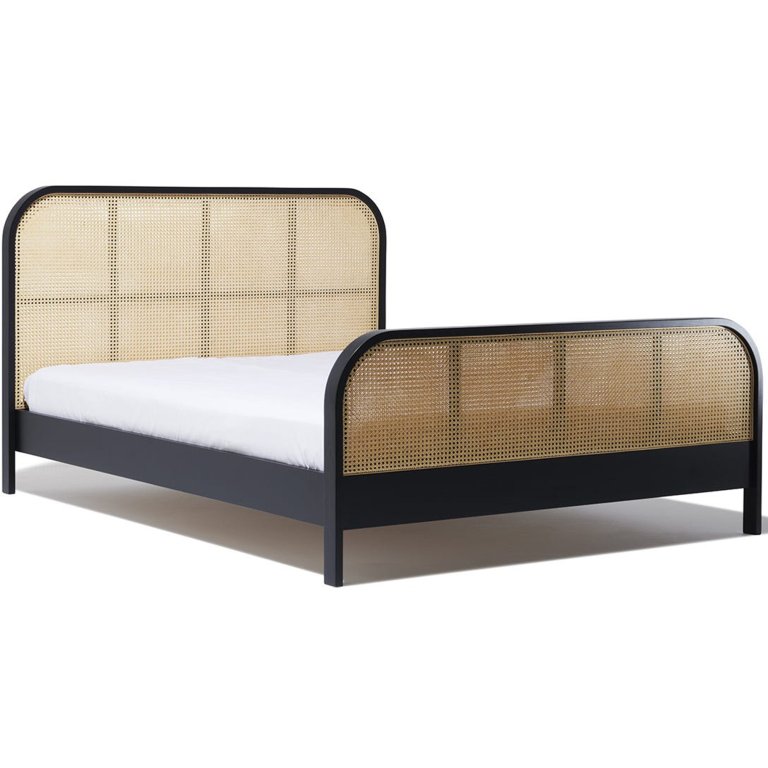
Beds without headboards – 5 alternative designs that prove you don't always need a headboard
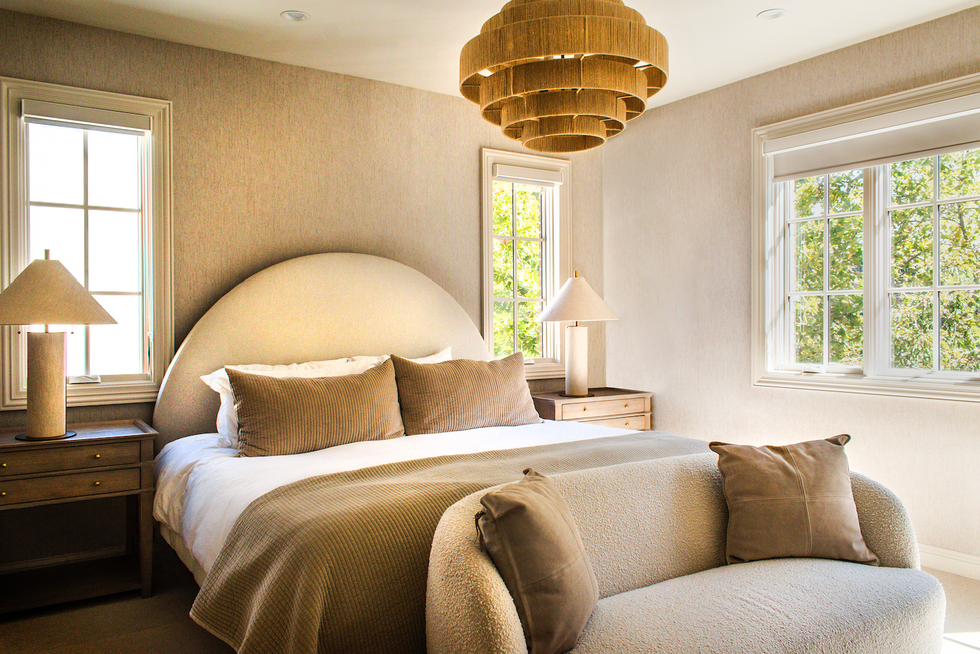
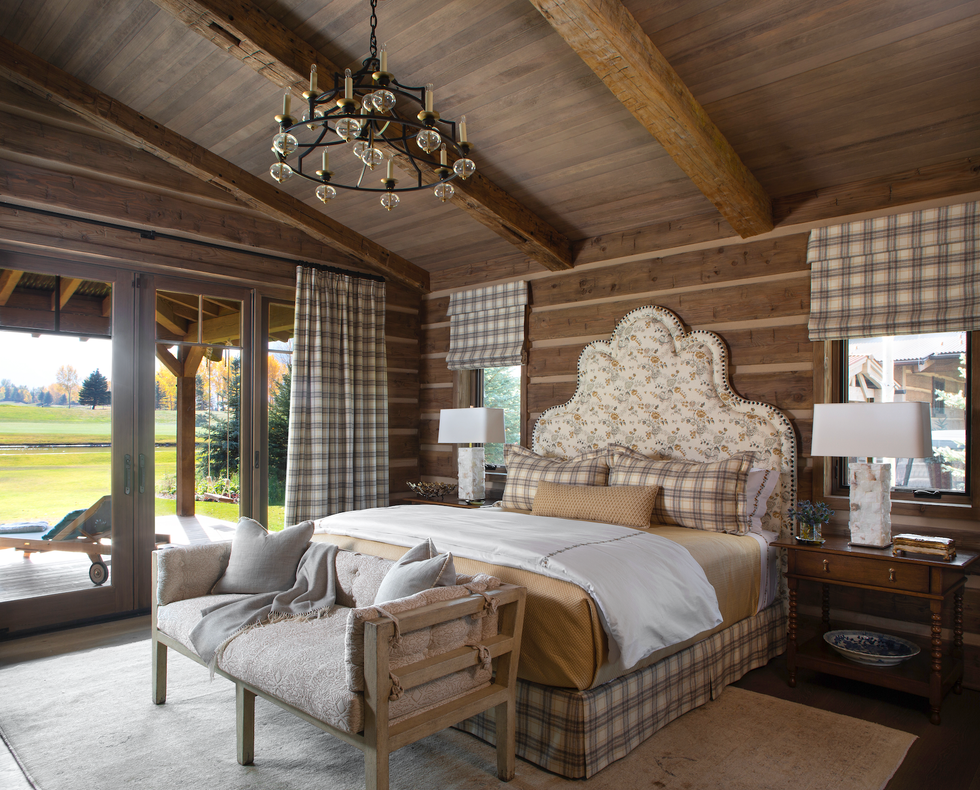
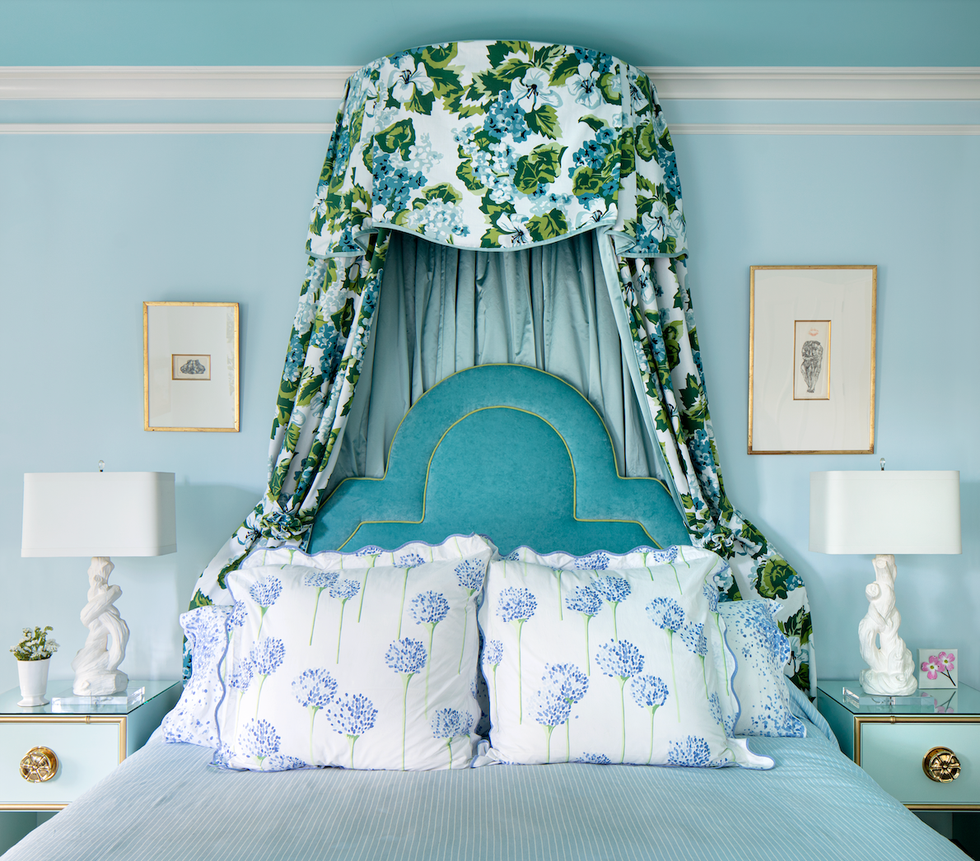
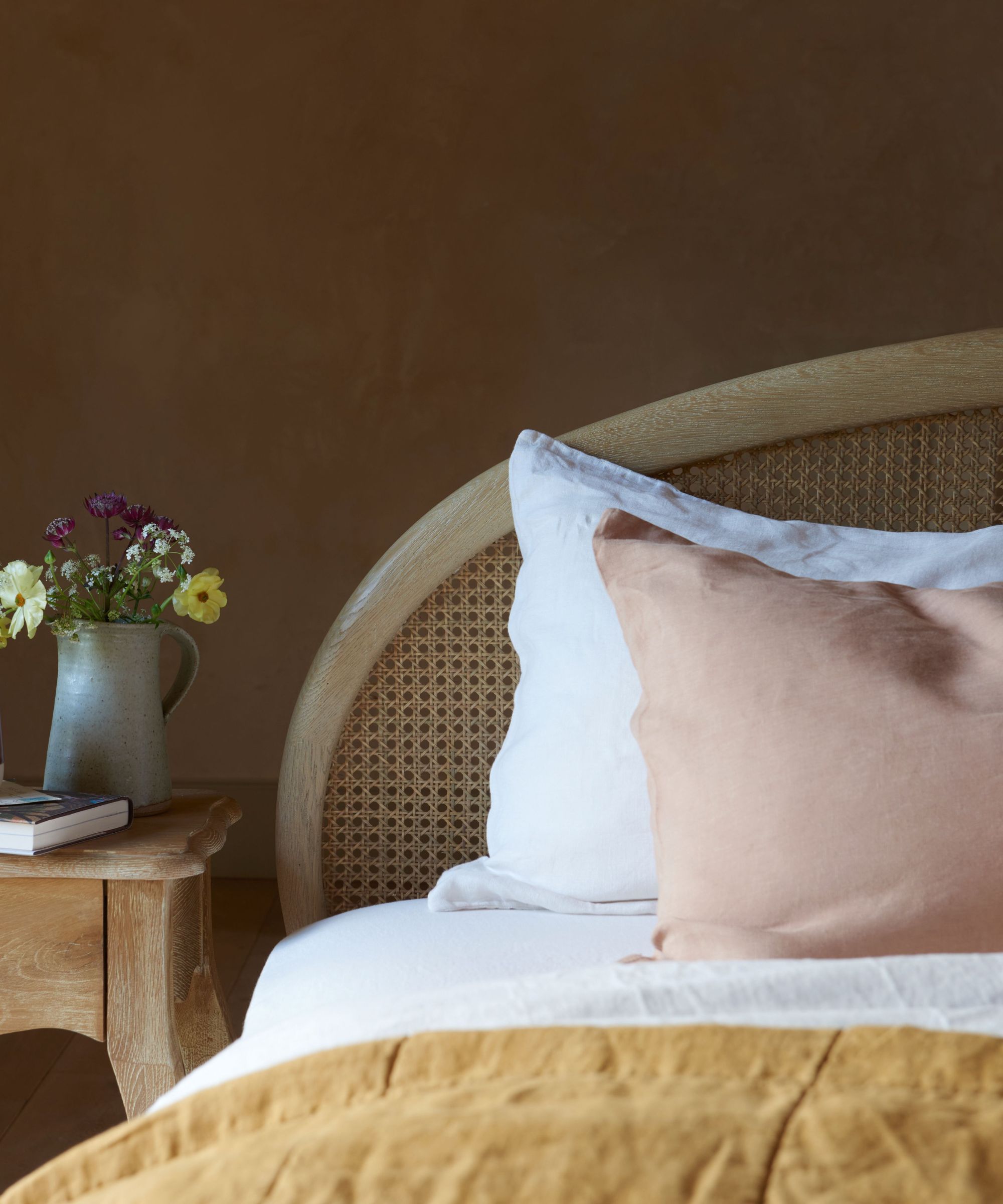
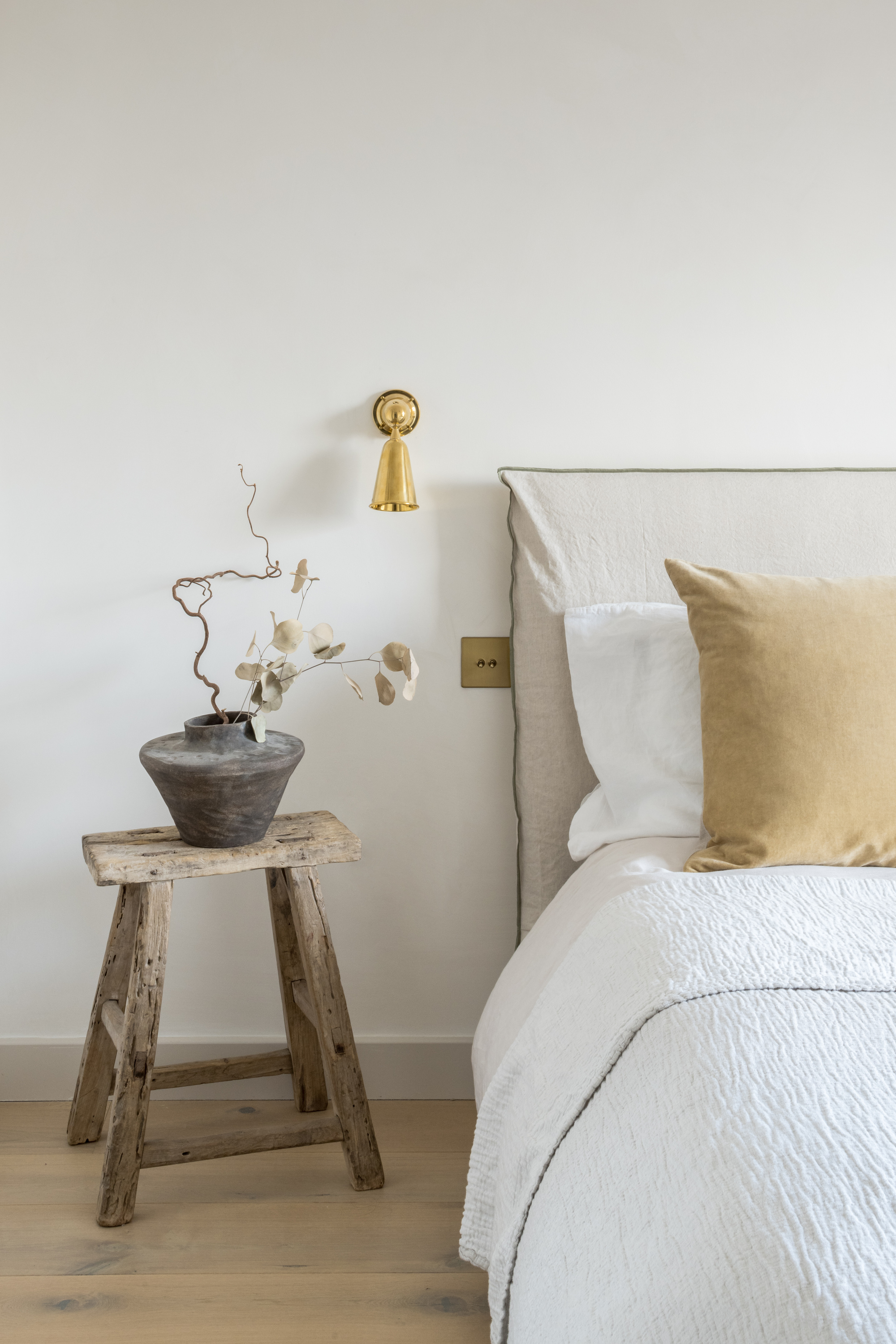
Traditional headboards, while often seen as the crowning glory of a bedroom, can sometimes feel restrictive, especially in smaller spaces or uniquely shaped rooms. This article explores five creative alternatives to conventional headboards, offering innovative ways to style the area behind a bed and establish a focal point within the bedroom. Moving beyond the standard headboard allows for greater design flexibility, creating a distinct personality for the sleep space.
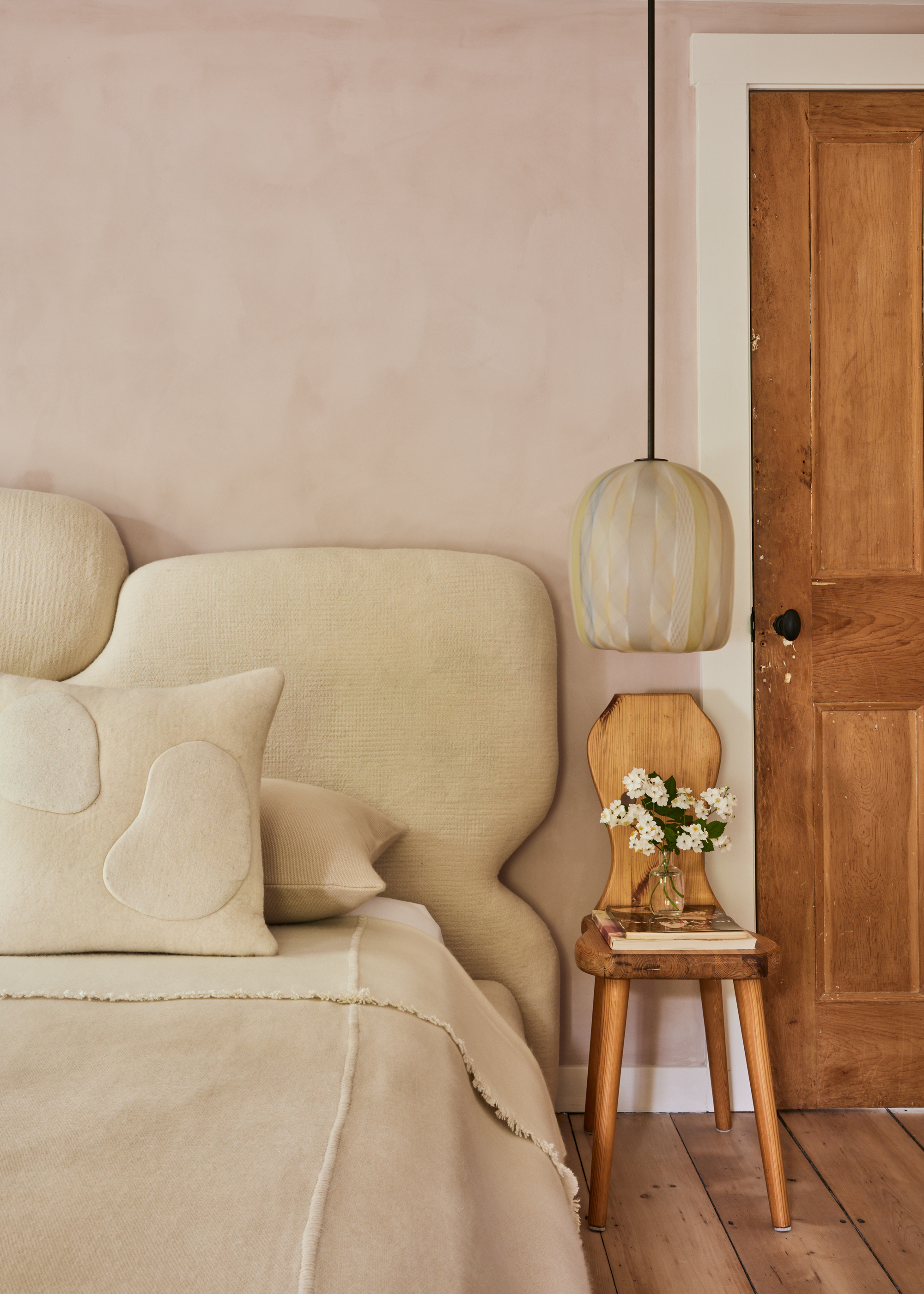
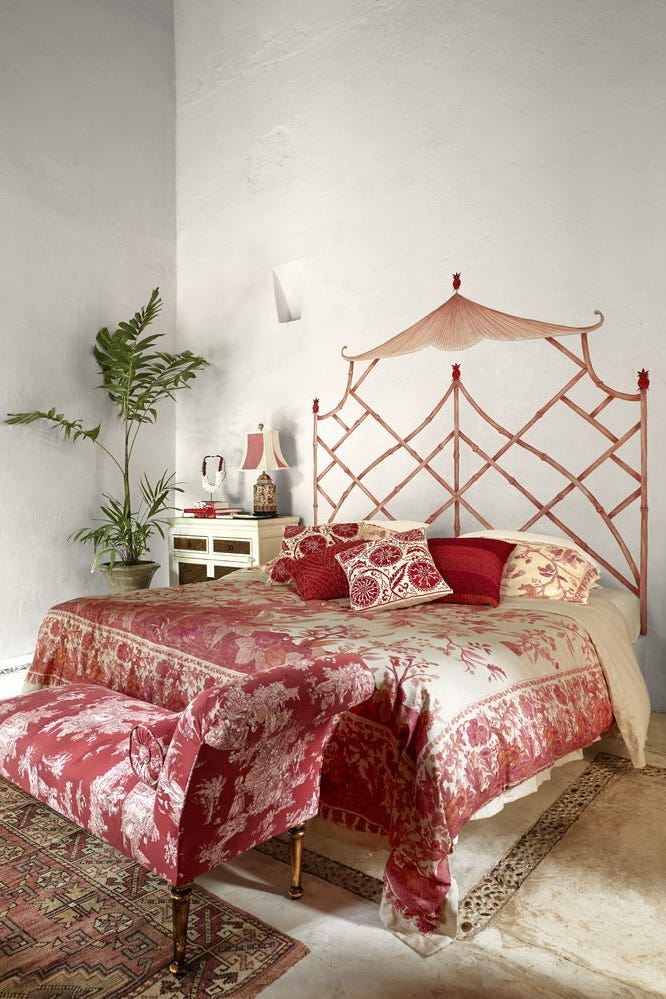
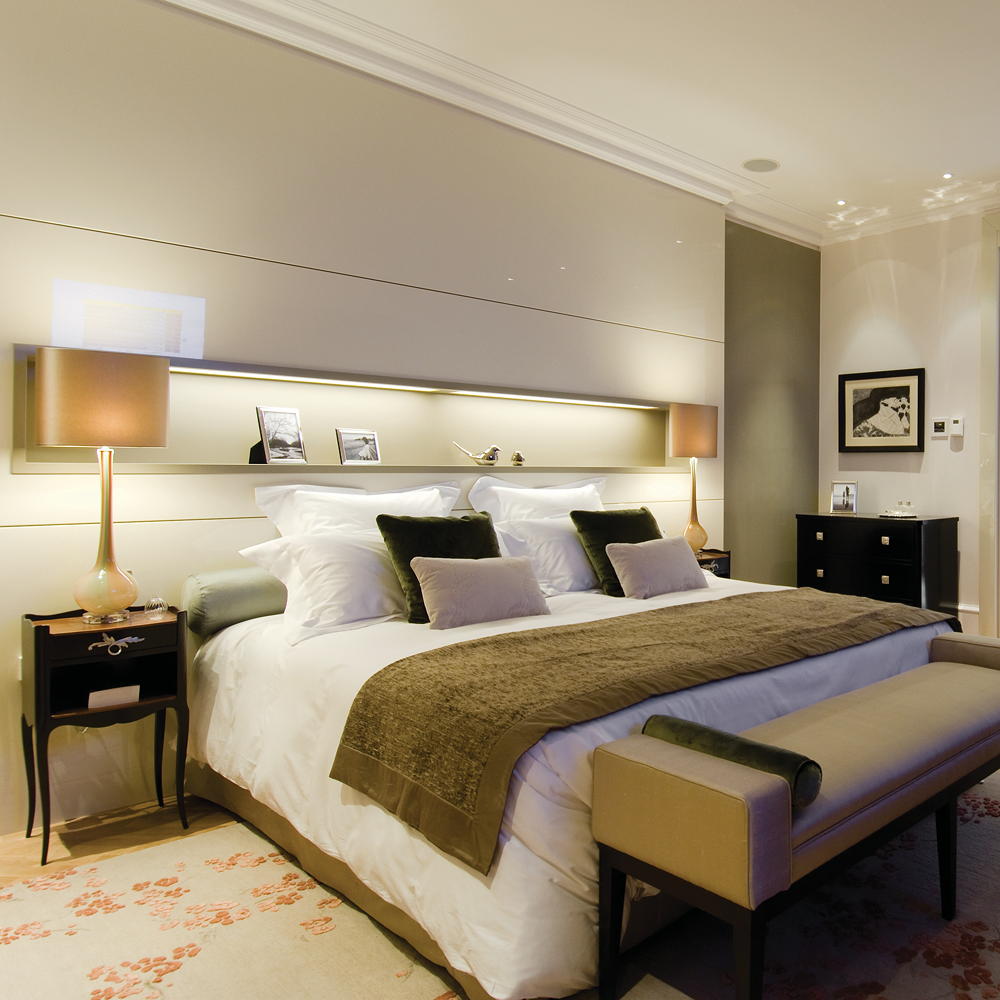
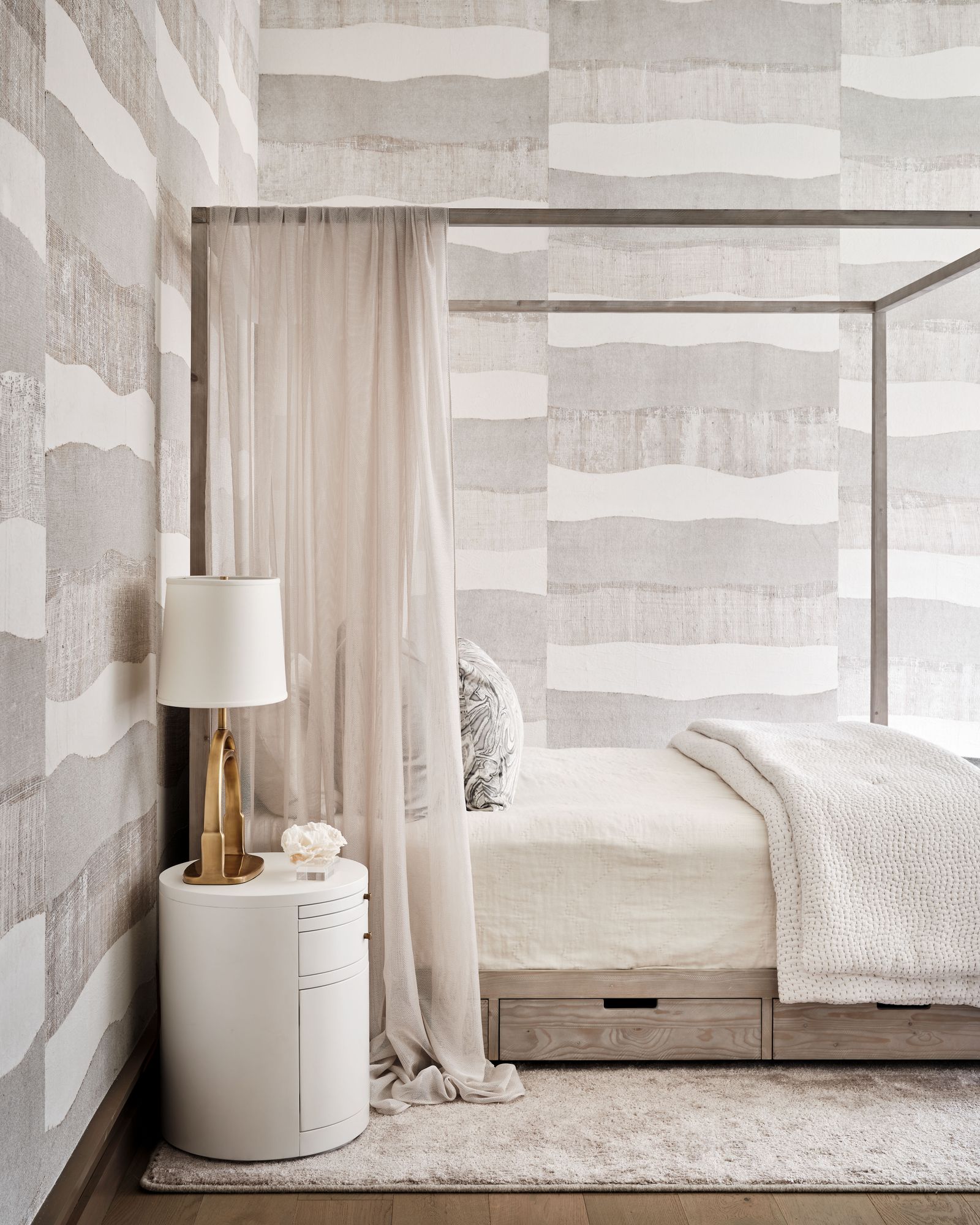
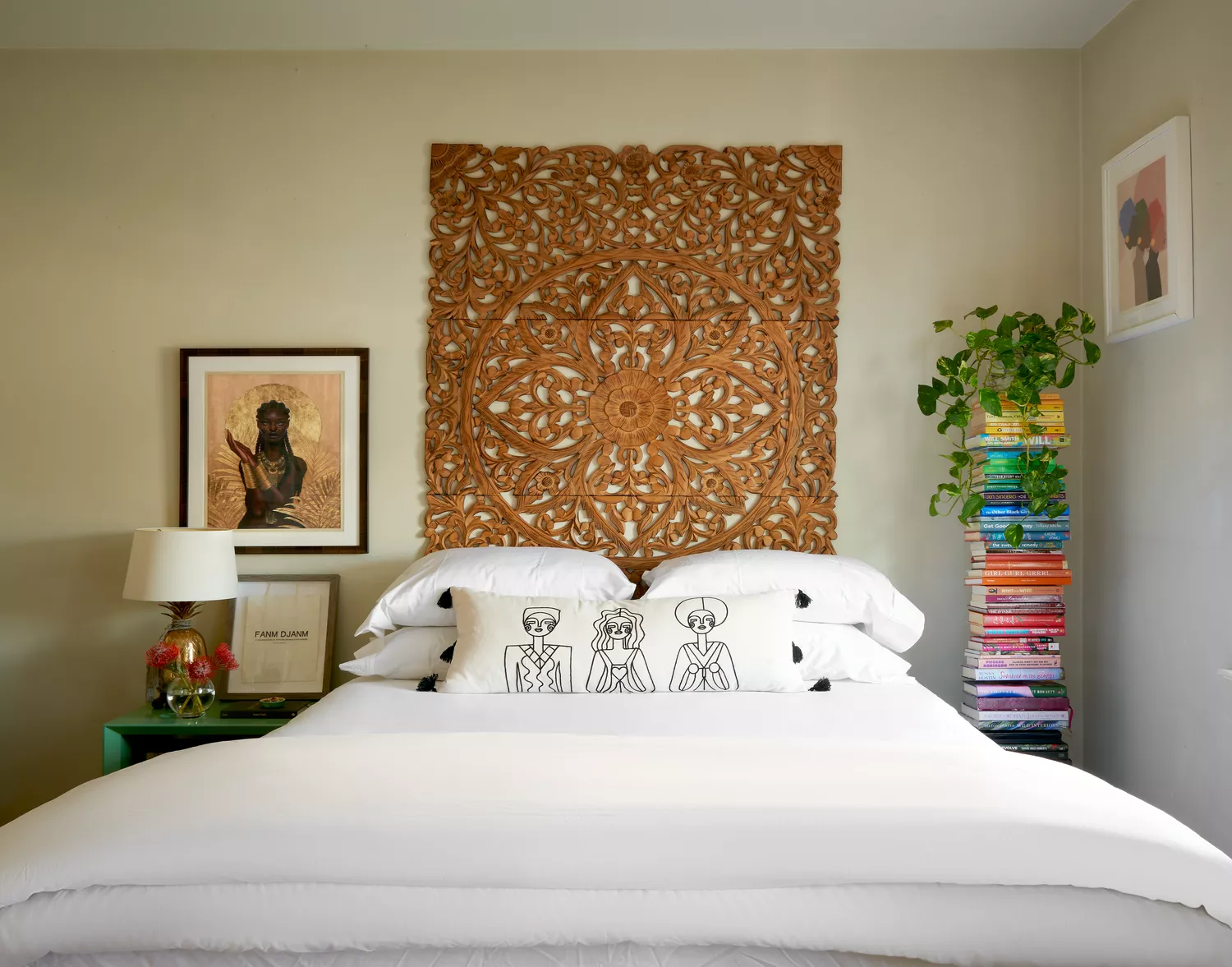
One prominent alternative is utilizing wall murals. With advancements in high-tech digital printing, murals offer extensive opportunities for experimentation. Options range from geometrics and trompe l'oeil to floral and animal motifs, as well as modern or contemporary designs, grass cloths, and fabrics. For those seeking a less ambitious approach than a full mural, a single, striking piece of statement art can achieve a similar effect, providing both aesthetic appeal and a calming presence.
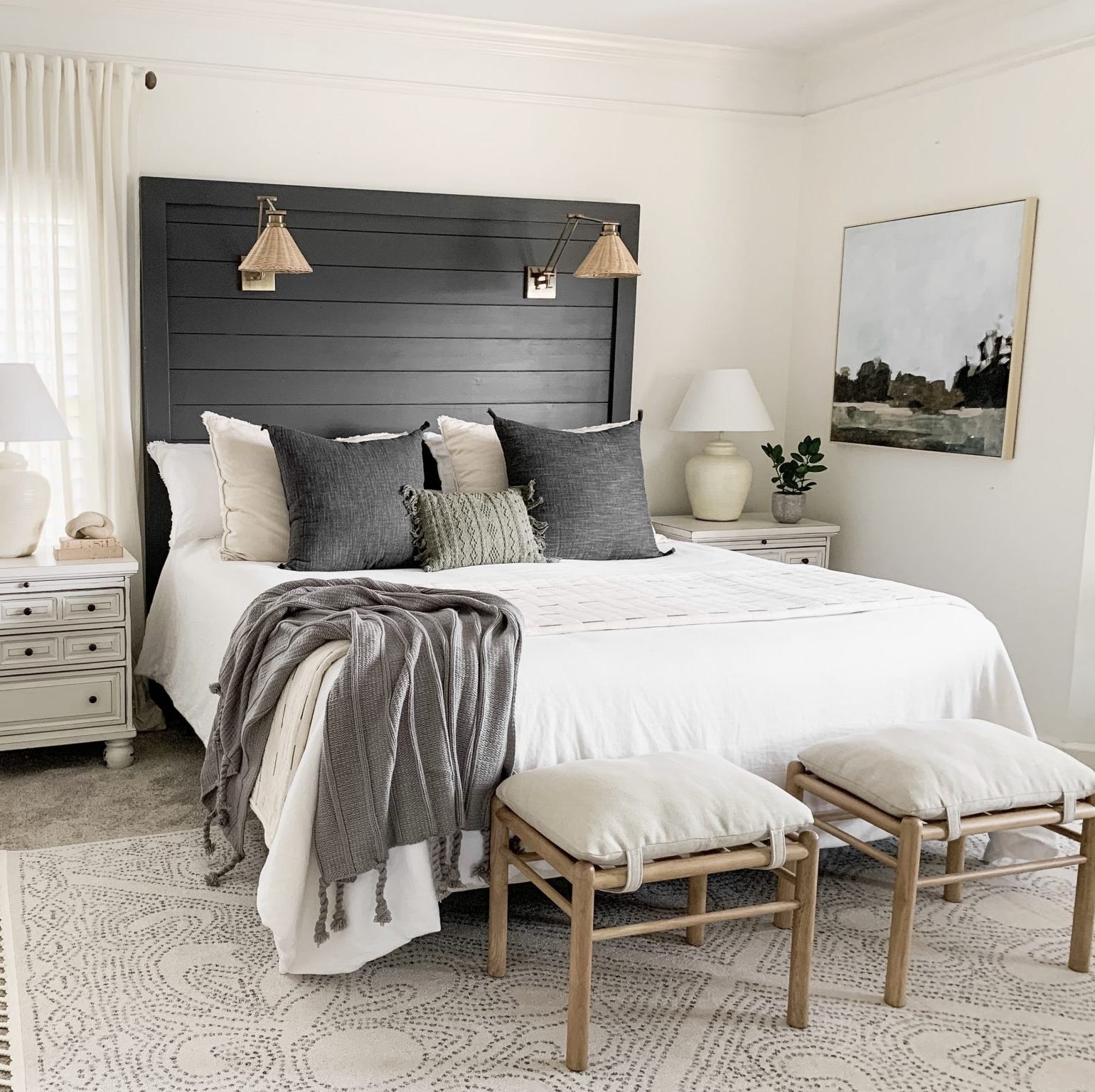
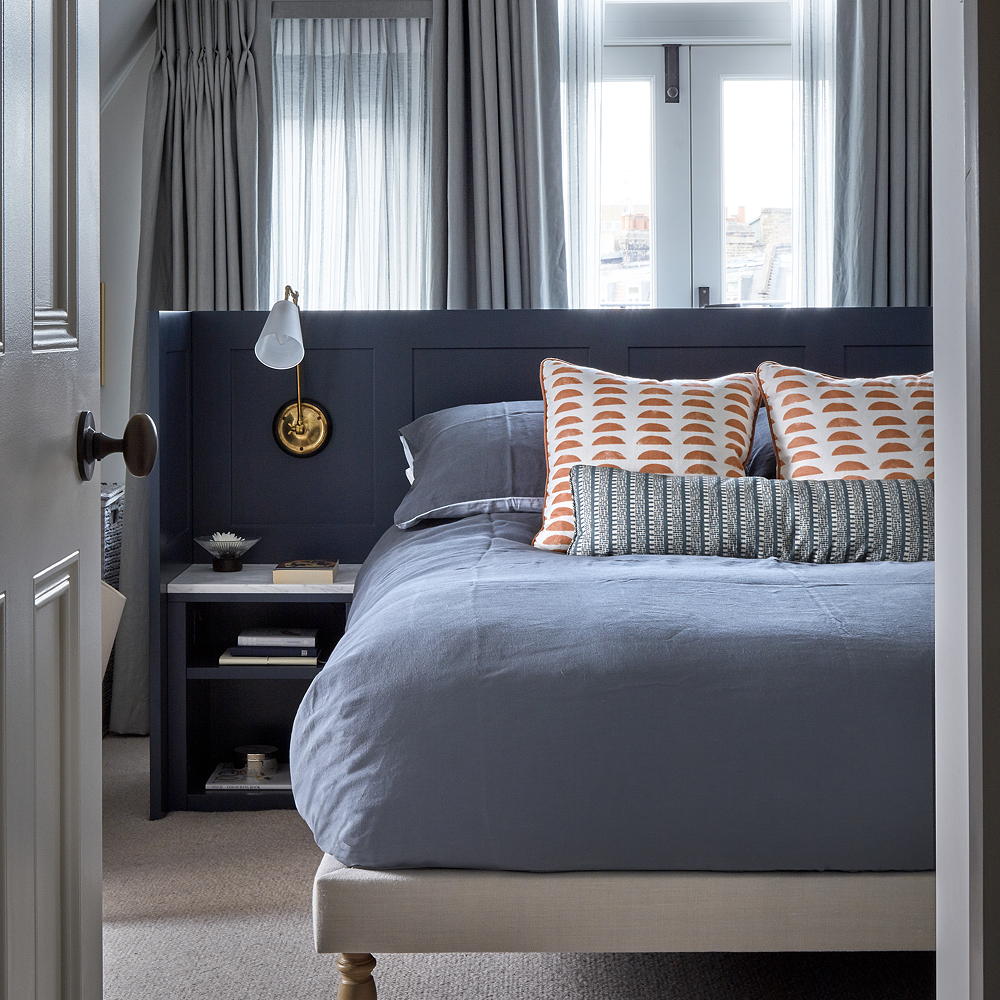
Another solution involves decorating with shiplap or panels at dado-height. In bedrooms lacking a headboard, character can be introduced through a feature wall of paneling, which also serves to conceal imperfections. Dado-height paneling can create the illusion of increased width in narrow rooms and protect the lower part of the wall. Similarly, shiplap or paneled areas can imbue plain rooms, devoid of architectural details, with a sense of character behind the bed.
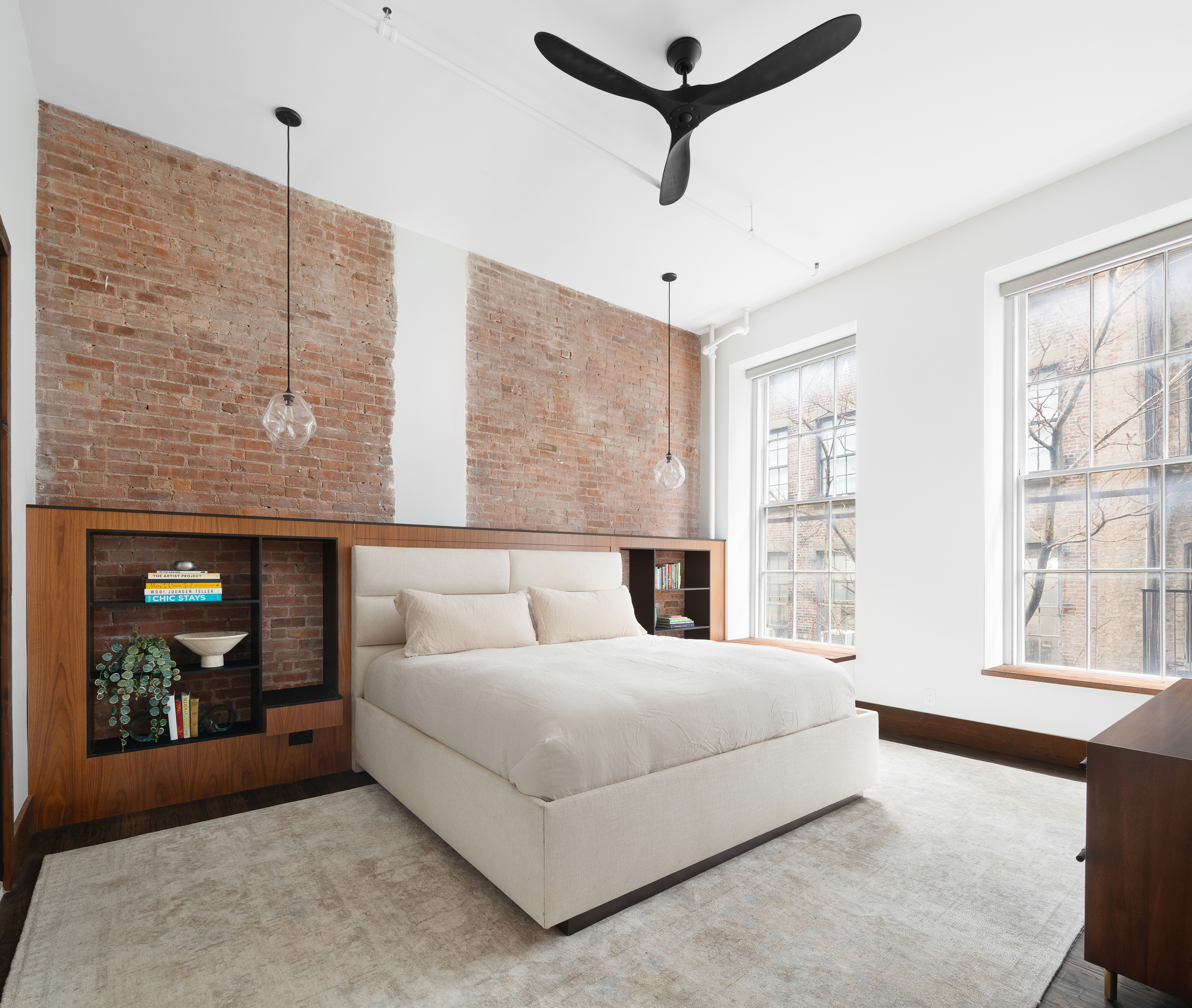
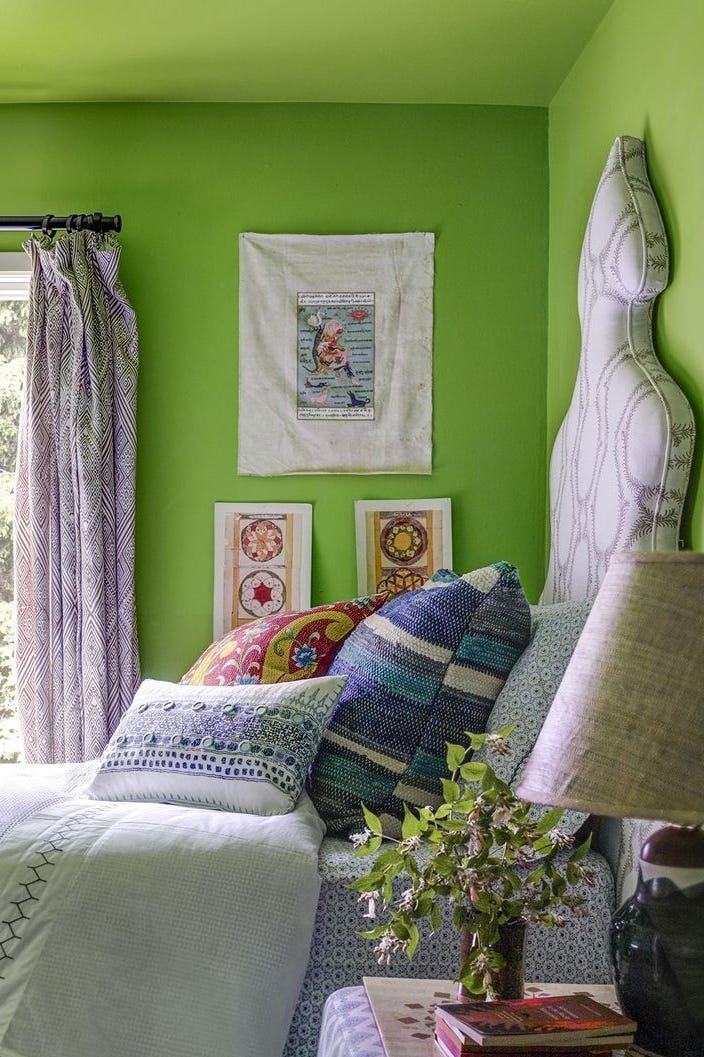
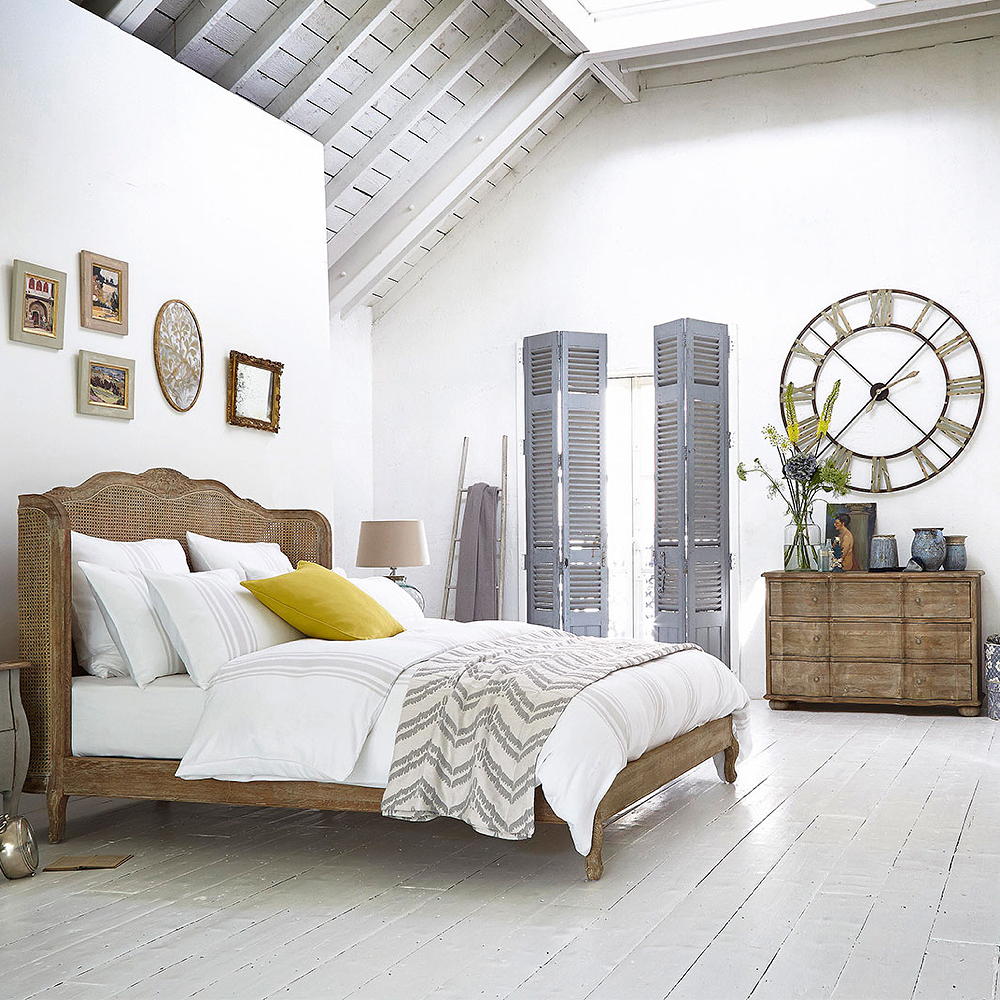
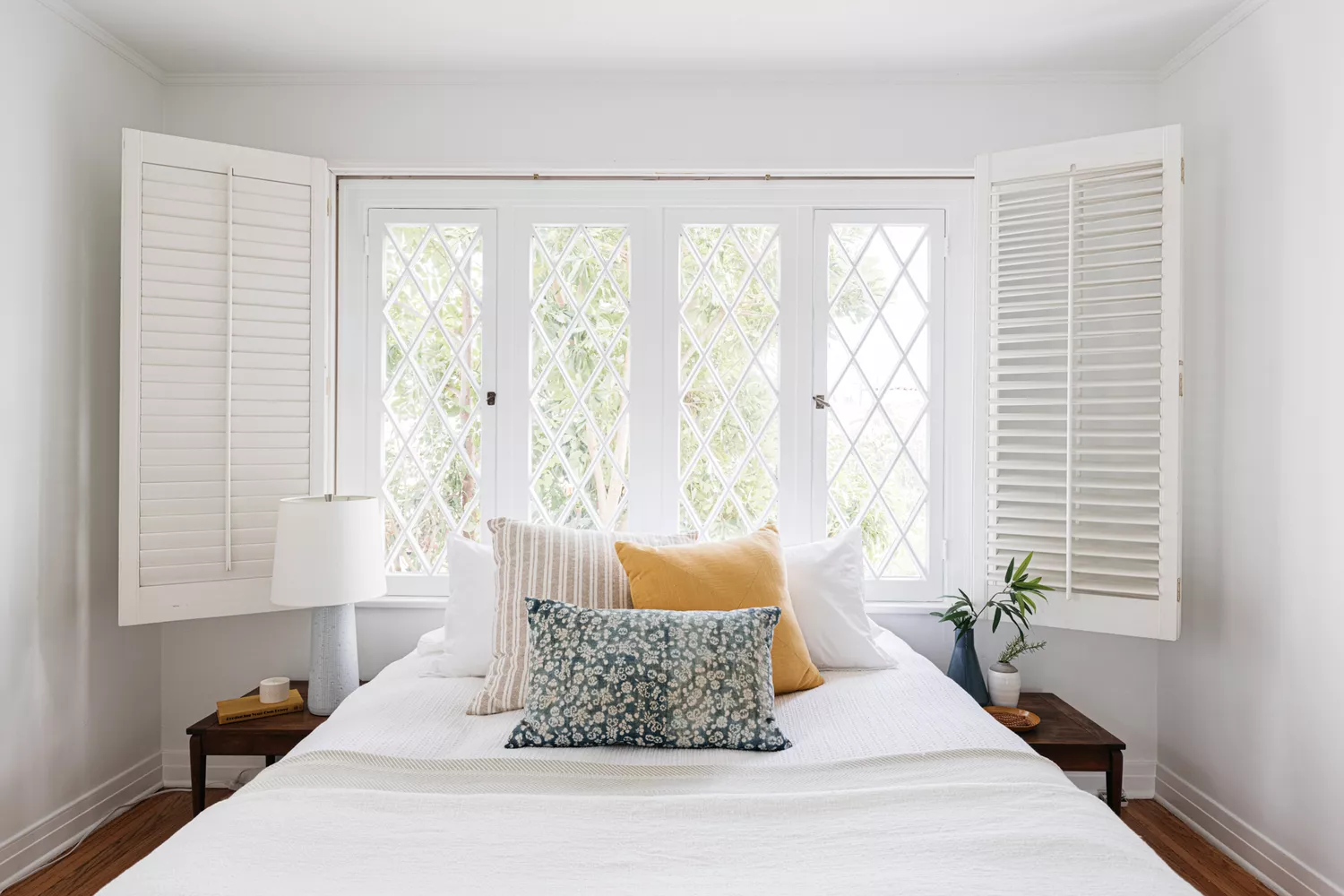
Forgoing a headboard is particularly advantageous in awkward or sloped alcoves. In small or unusually configured bedrooms, a bulky headboard might overwhelm the space. Instead, prioritizing a minimalist approach allows for effective utilization of challenging layouts. Designers suggest that awkward sloping ceilings and architectural features can be integrated by positioning a bed without a headboard in otherwise unused areas.
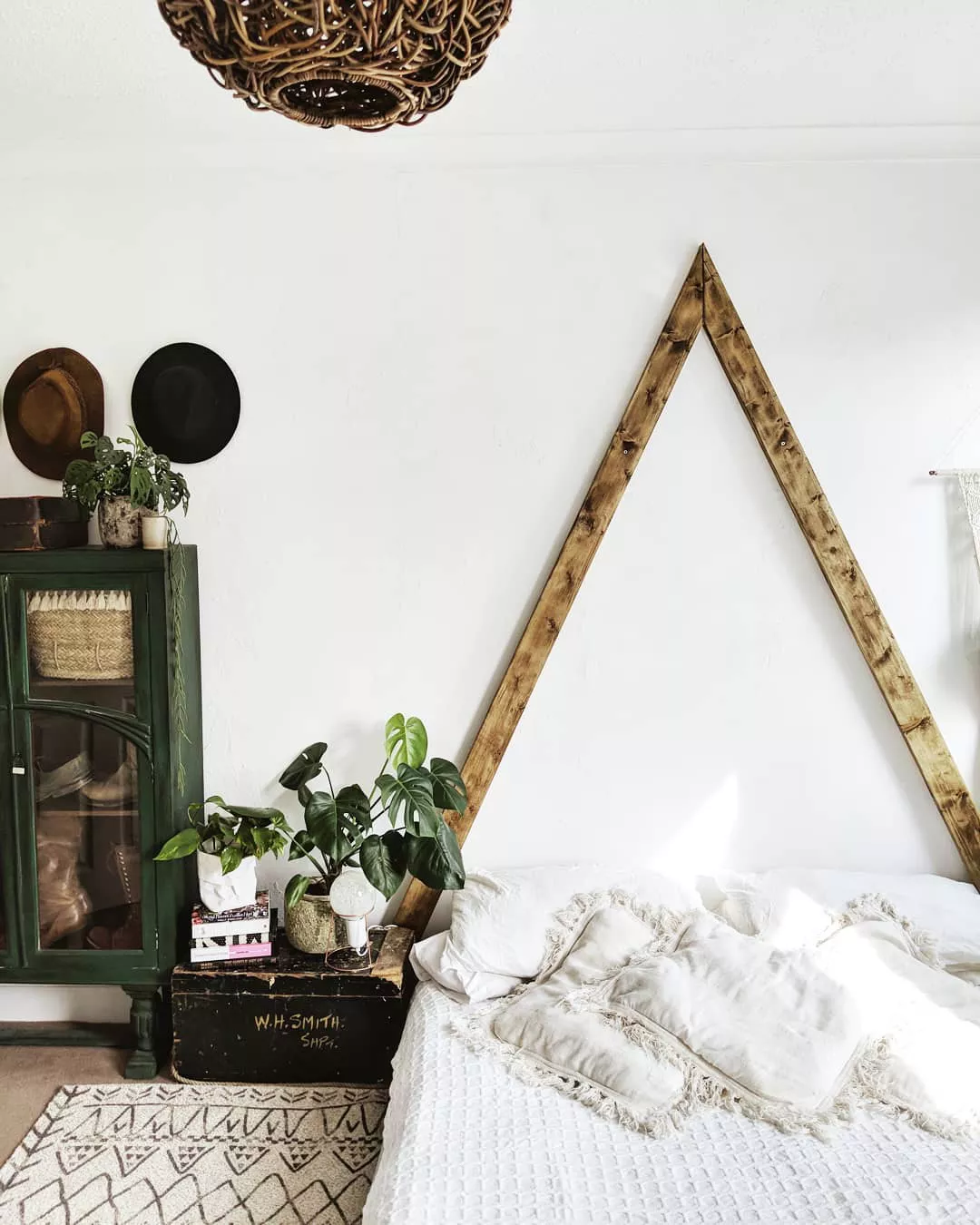
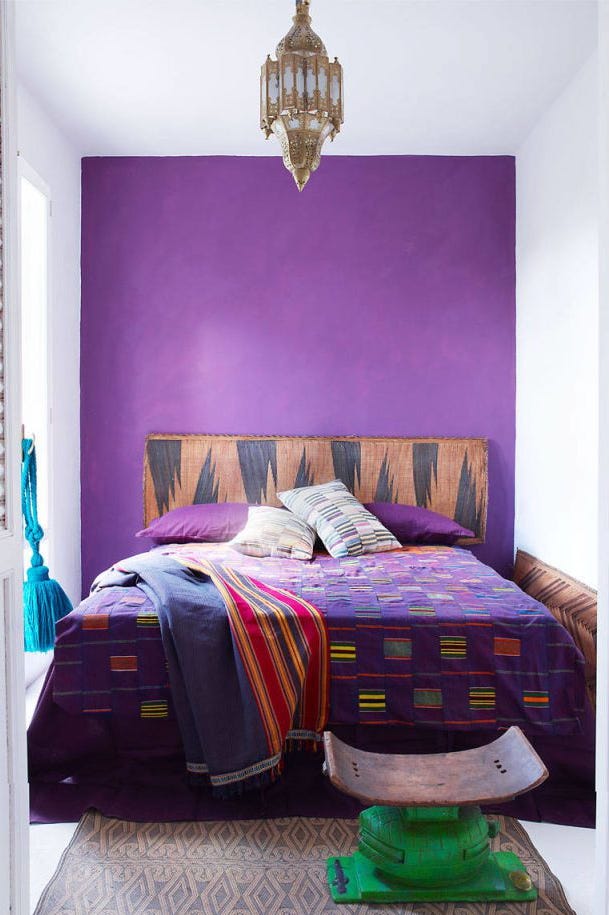
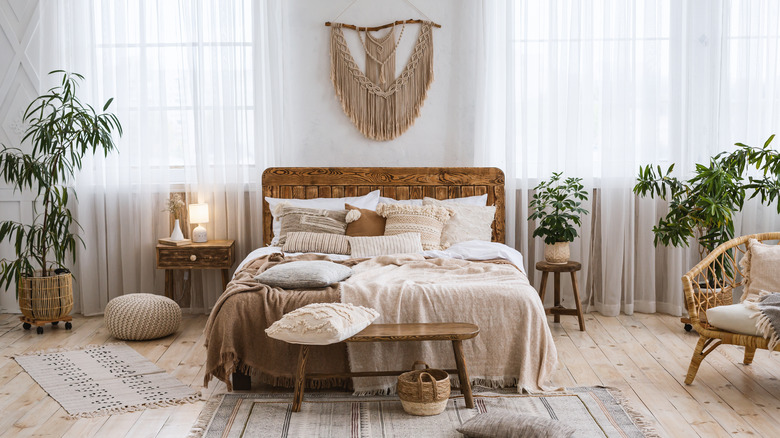
Wood paneling offers a method to introduce warmth and character into a bedroom. Originating from functional insulation, it has evolved into a decorative element. Original paneling can be highlighted, or new authentic designs can be added. Paneled moldings enhance depth and interplay with light, providing definition, especially when painted. Finally, hanging a tapestry provides a unique, decorative alternative to a traditional headboard. Tapestries are noted for their ability to create a layered aesthetic and introduce pattern, contributing to a soft and relaxing bedroom atmosphere. Their versatility makes them a practical choice for adding visual interest.
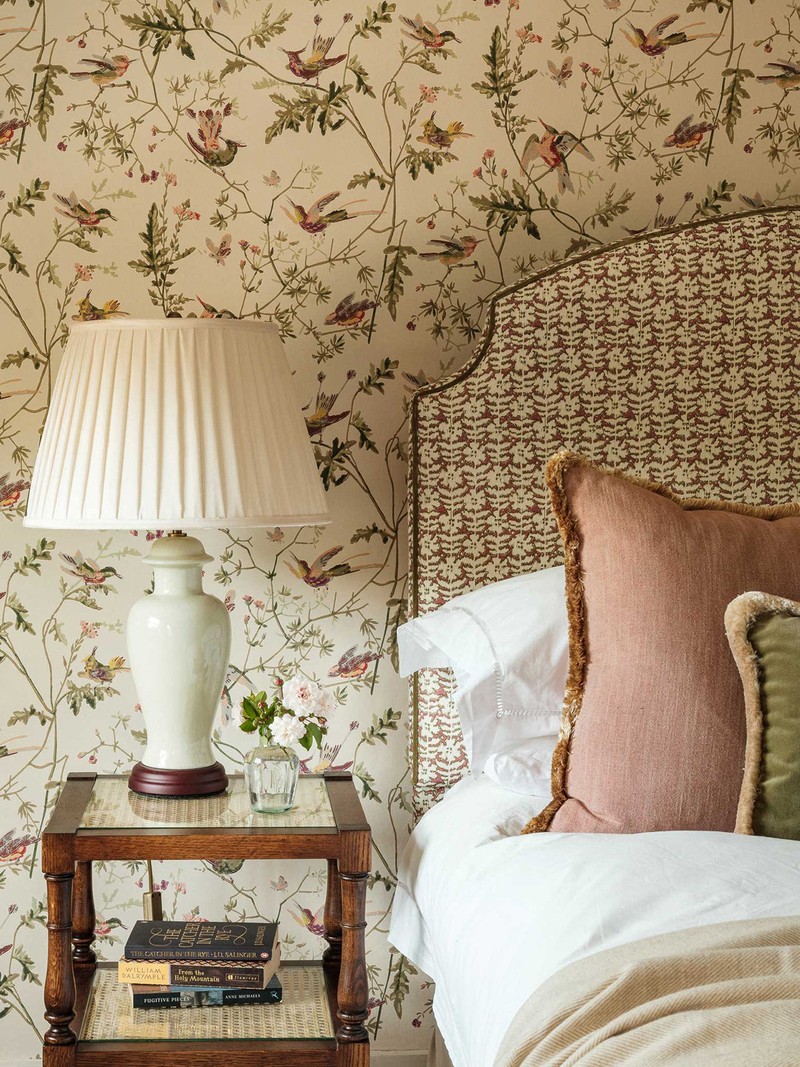
Ultimately, opting for a bed without a headboard is a viable design choice, particularly in space-constrained environments or rooms with sloped ceilings. The key to successful implementation lies in redirecting decorative interest to other elements within the room. This can involve incorporating vibrant patterns or color combinations to draw attention to specific areas, or creating built-in cabin beds in attic spaces, adorned with decorative wallpaper, colorful linens, and scatter cushions to establish a cheerful focal point.
#BedroomDesign #HeadboardAlternatives #InteriorDecor #SmallBedroomIdeas #WallMurals #WoodPaneling #TapestryDecor #SpaceSaving #HomeStyling #BedroomDesign #HeadboardAlternatives #InteriorDecor #SmallBedroomIdeas #WallMurals #WoodPaneling #TapestryDecor #SpaceSaving #HomeStyling
0 comment in total
 No comments yet
You may also like
Designers Say You Should NEVER Ditch a Headboard—Here's Why
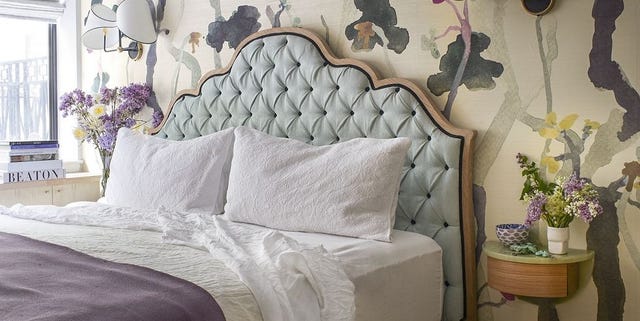
15 Stylish Headboard Ideas to Elevate Your Bedroom

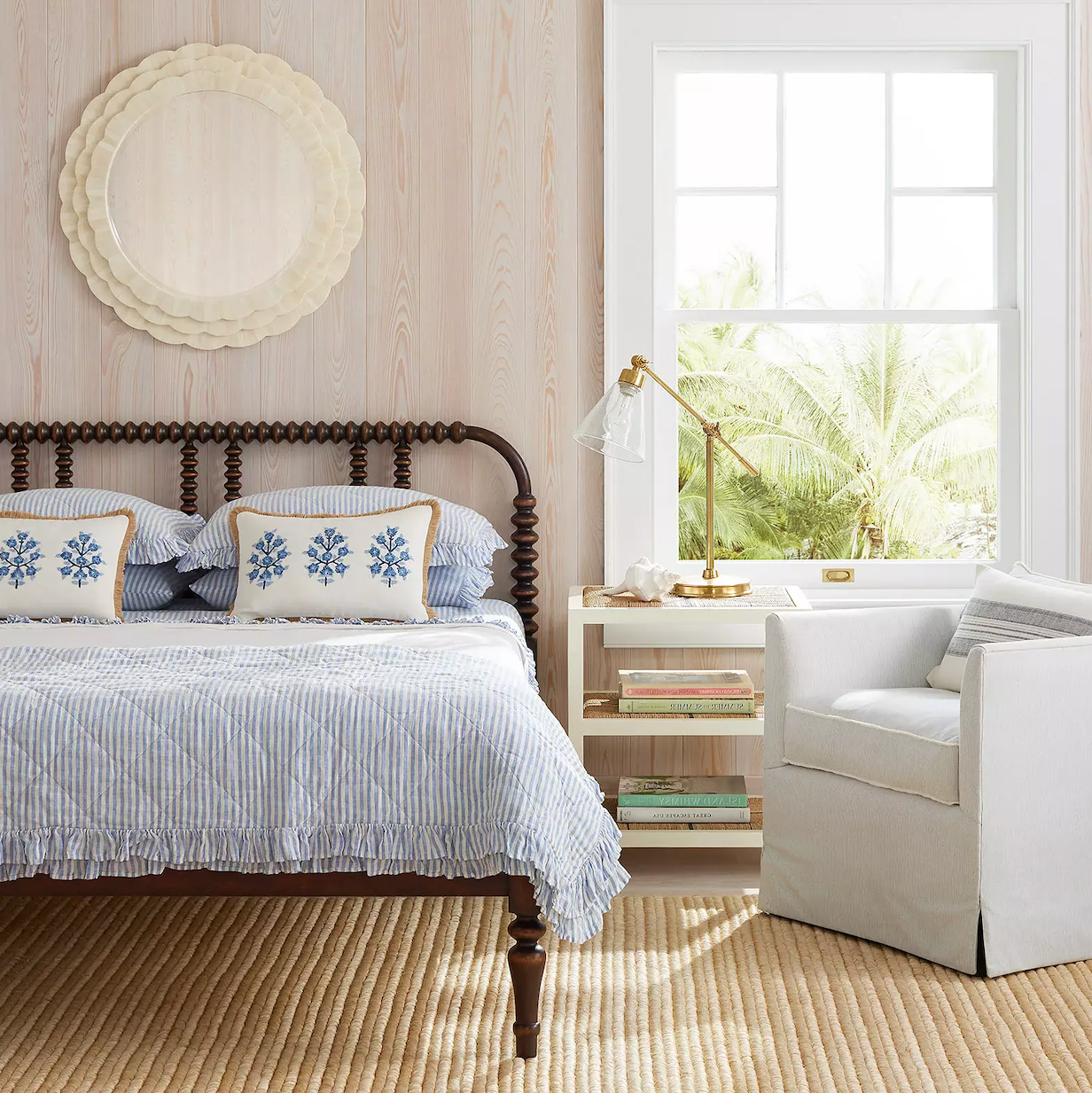
Ditch the Box Spring and Get a Platform Bed—Here Are Our Favorites
All Kinds of Headboards for Beds (Published 1948)
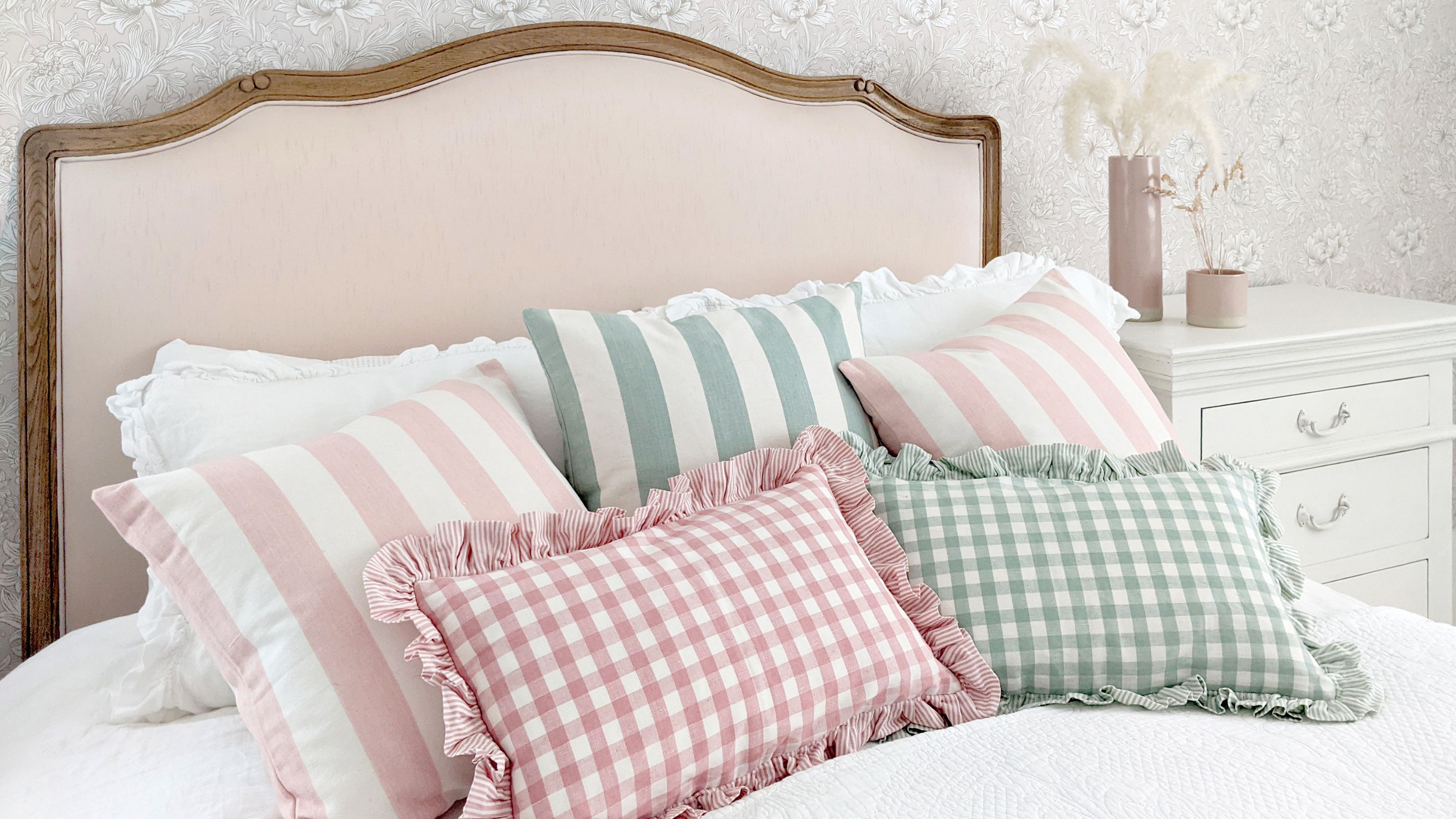
7 dreamy headboard ideas that will make lounging in bed look stylish

Headboard ideas: 10 ways to give your bed some serious style clout
Apparently Fence Boards Can Be Turned Into a No-Sew Headboard

33 Of The Best Headboards To Upgrade Your Bedroom

Try These Headboard Ideas to Instantly Update Your Bedroom

Do You Really Need a Headboard? Experts Are Divided

26 Stylish Headboards From £135
29 Statement Headboards For Your Bedroom Accent Piece
9 Sophisticated Beds Without the Headboard
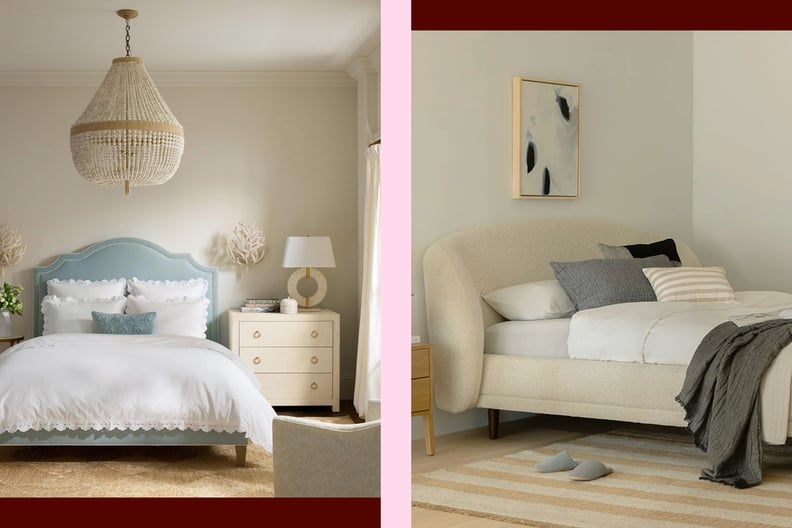
15 Headboards and Bed Frames That Instantly Upgrade Your Bedroom
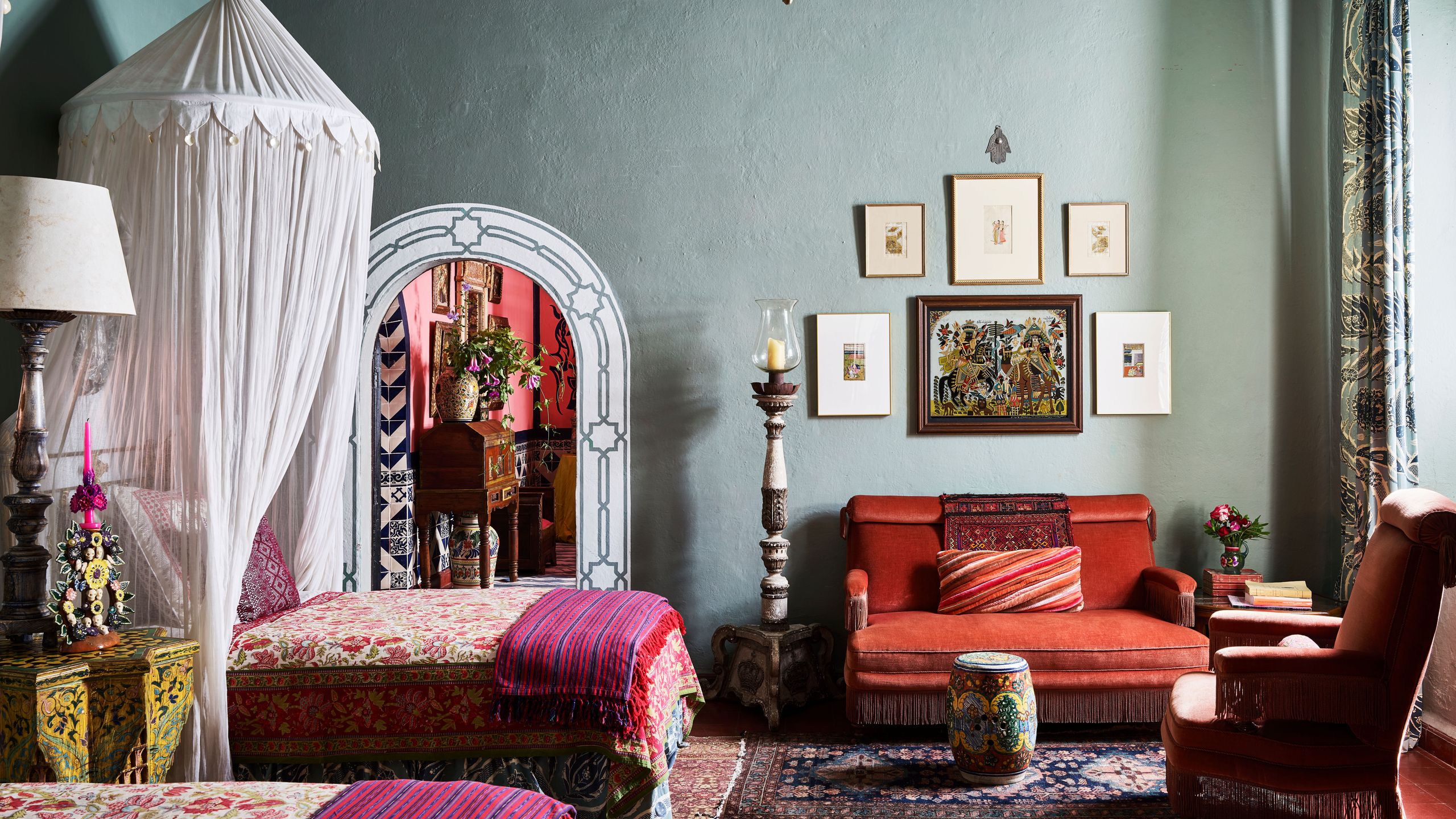
5 DIY Bed Canopy Ideas You Can Try at Home

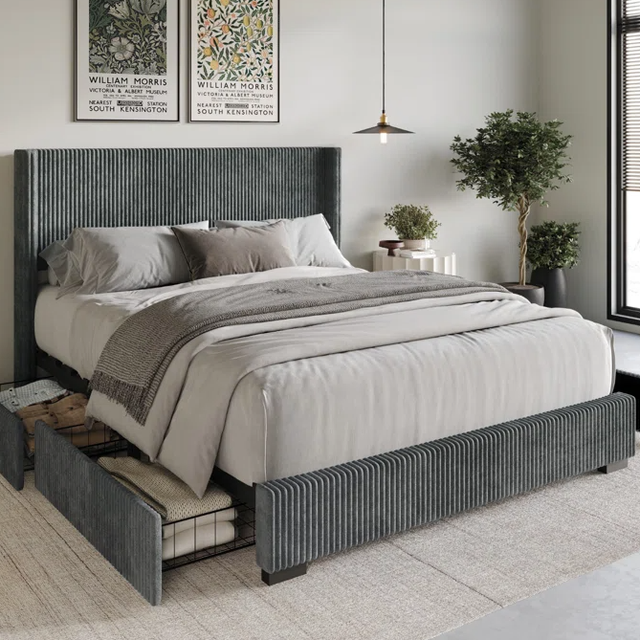
16 Cheap Bed Frames Under $500 That Actually Look Good From Every Angle

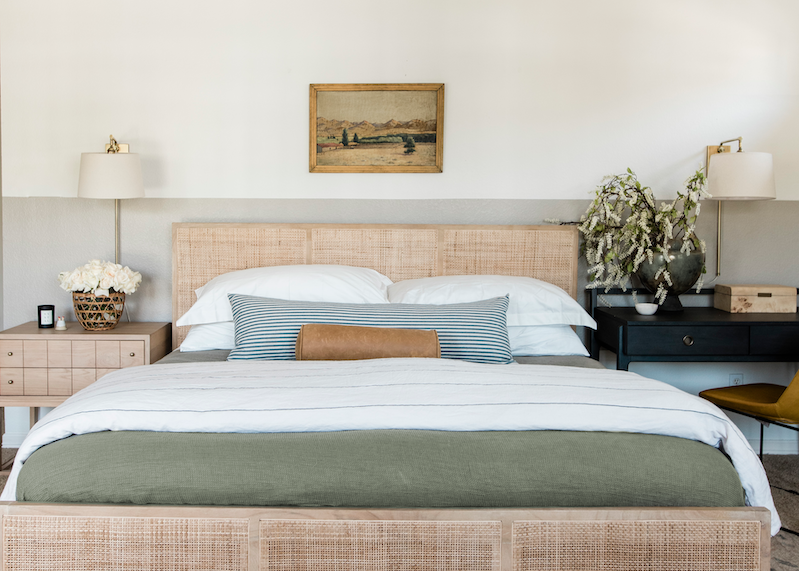
'Help me decide if I need one in my bedroom!' We settle the headboard vs no headboard debate for good

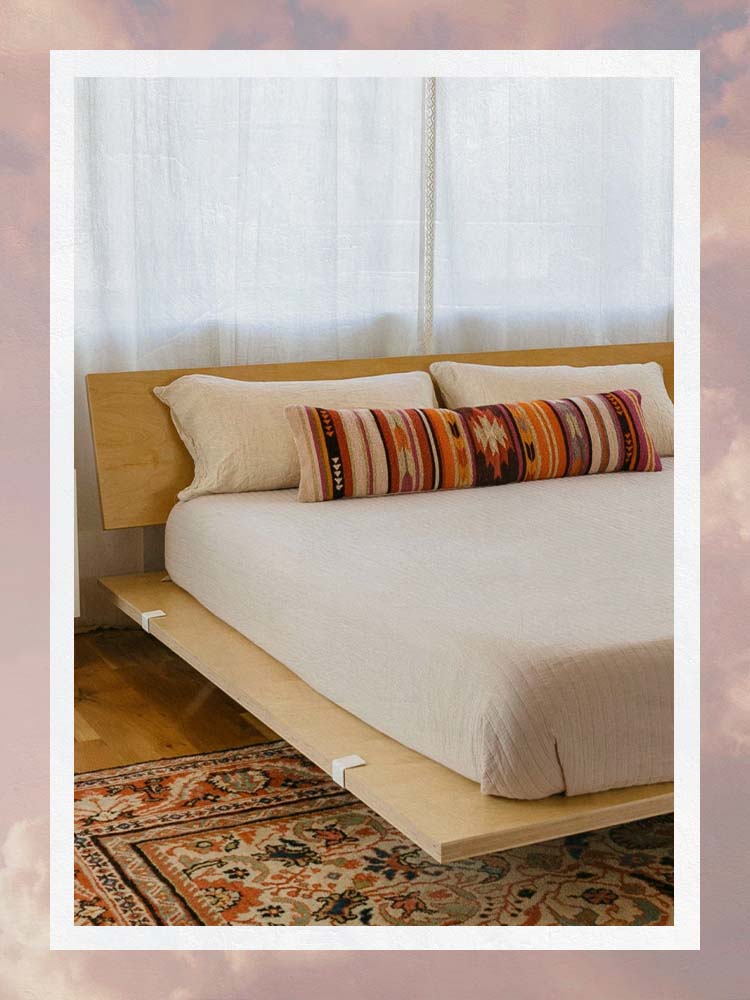
The Best Platform Beds Ditch Box Springs for Built-In Storage and Slim Profiles

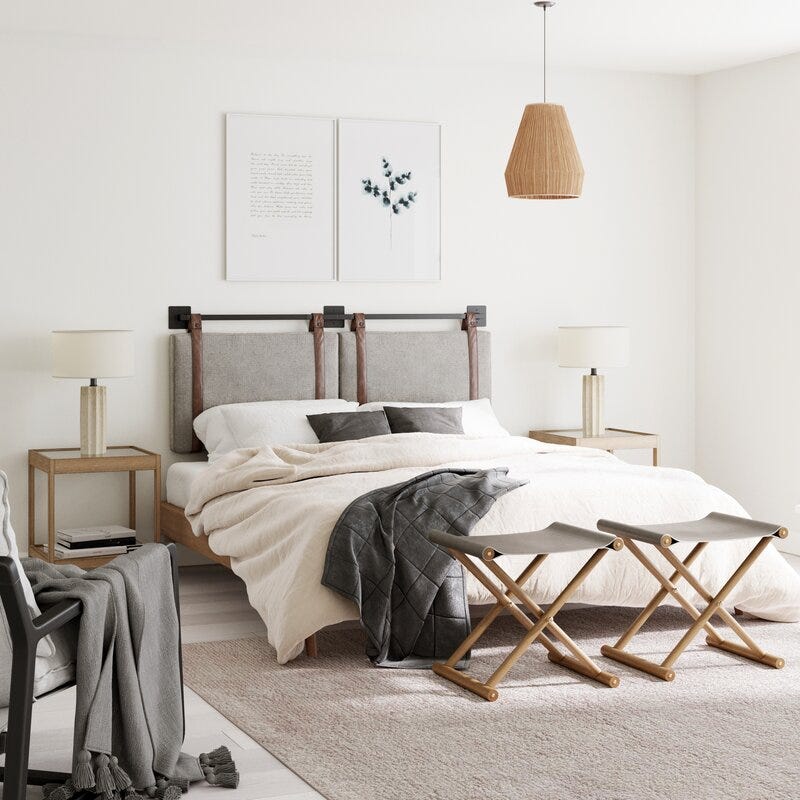
Transform Your Bedroom With 12 of the Chicest Headboards Online
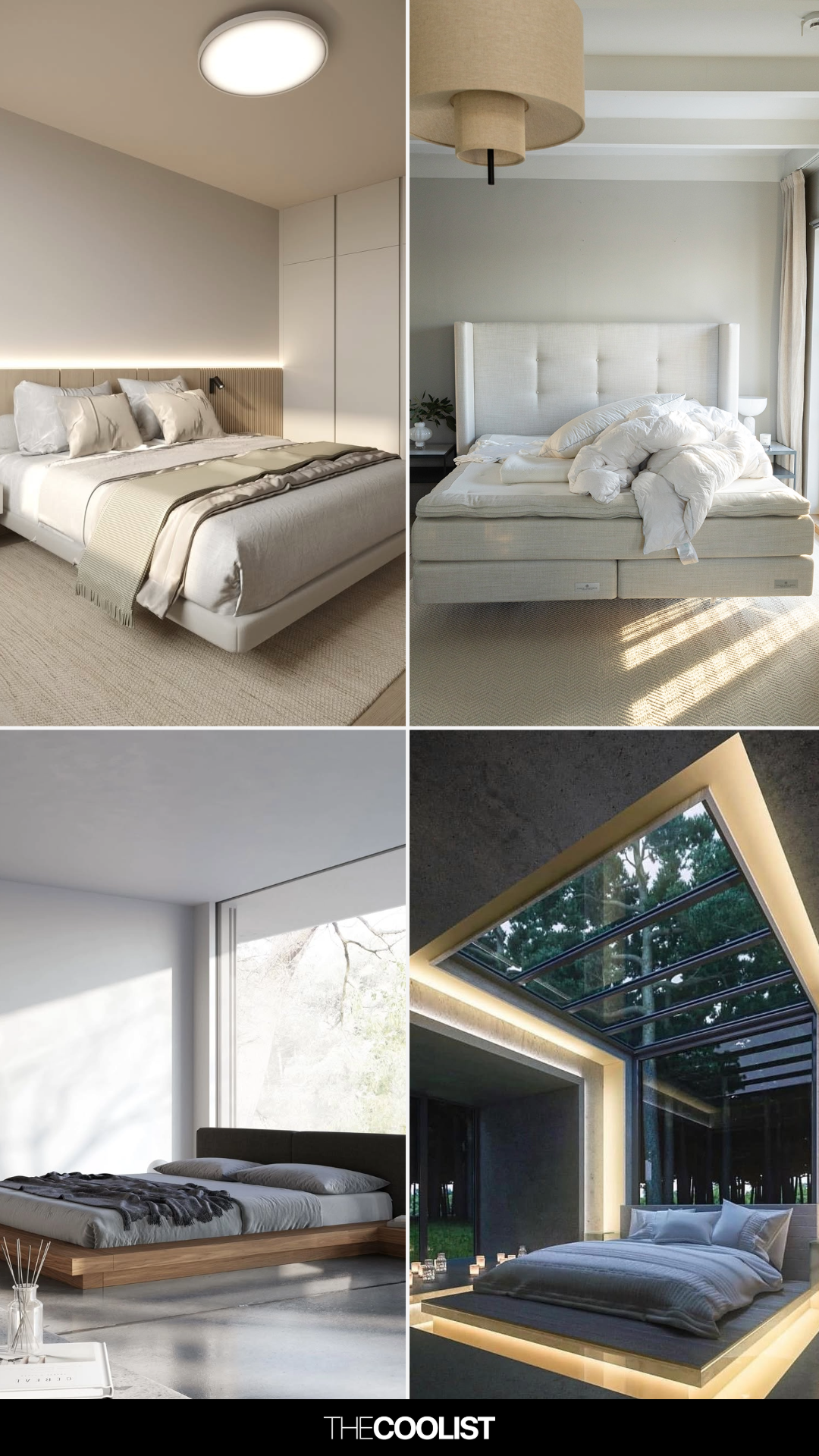
25 Floating Bed Ideas That Make You Want to Redesign Your Entire Bedroom