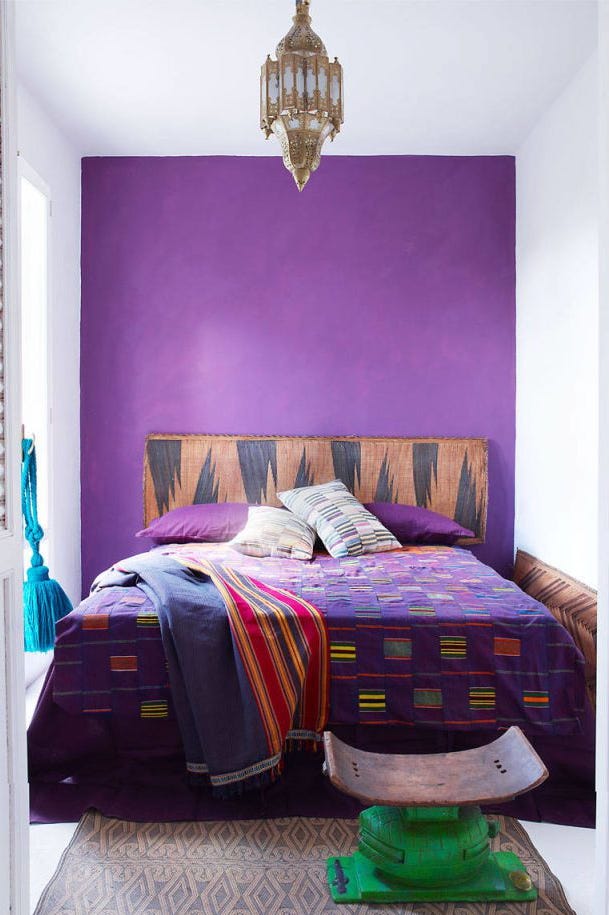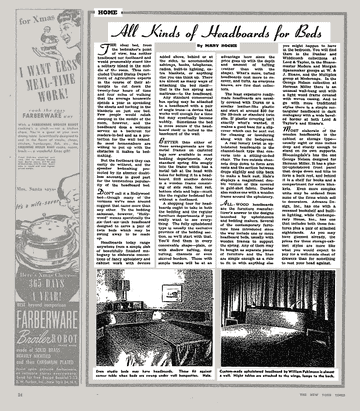
All Kinds of Headboards for Beds (Published 1948)
The article delves into the evolution and variety of headboards for beds, contrasting them with the traditional full bedstead that includes both headboard and footboard. It begins by citing findings from the United States Department of Agriculture, which suggested that the ideal bed, from a bedmaker's efficiency standpoint, would lack both headboard and footboard to minimize the time and effort housewives spend making beds. However, the article quickly counters this by highlighting the practical and aesthetic benefits of headboards, such as serving as a backrest for reading in bed and protecting the wall behind it, thus making homemakers willing to accept the minor inconvenience they might pose to bedmaking. The absence of a footboard, on the other hand, is noted for its contribution to quicker bedmaking, which has significantly boosted the popularity of headboard-only beds.
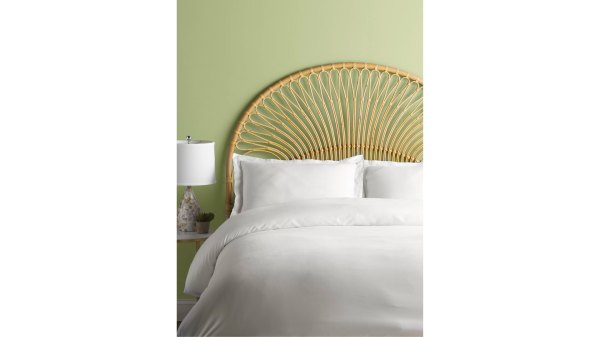
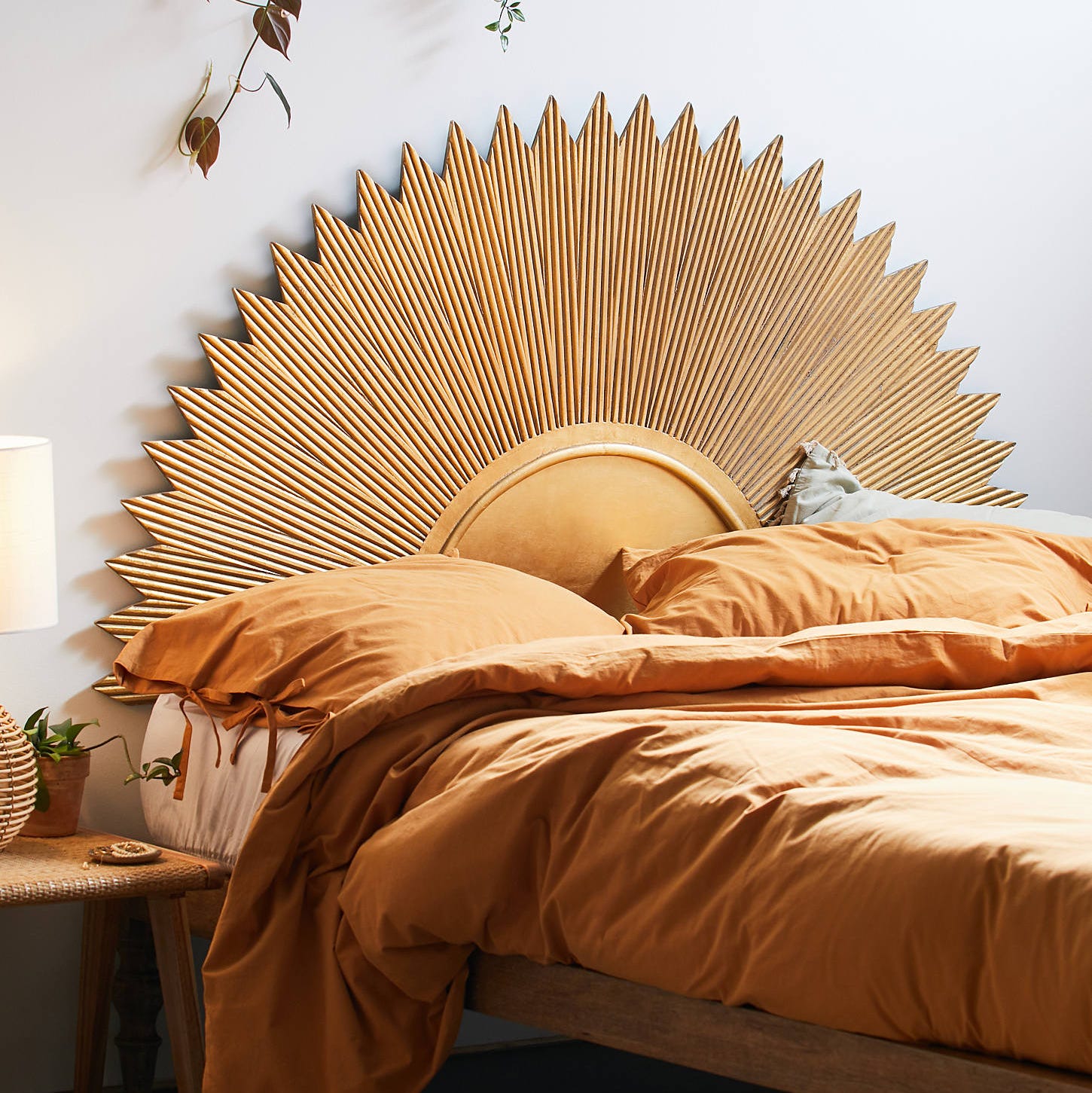
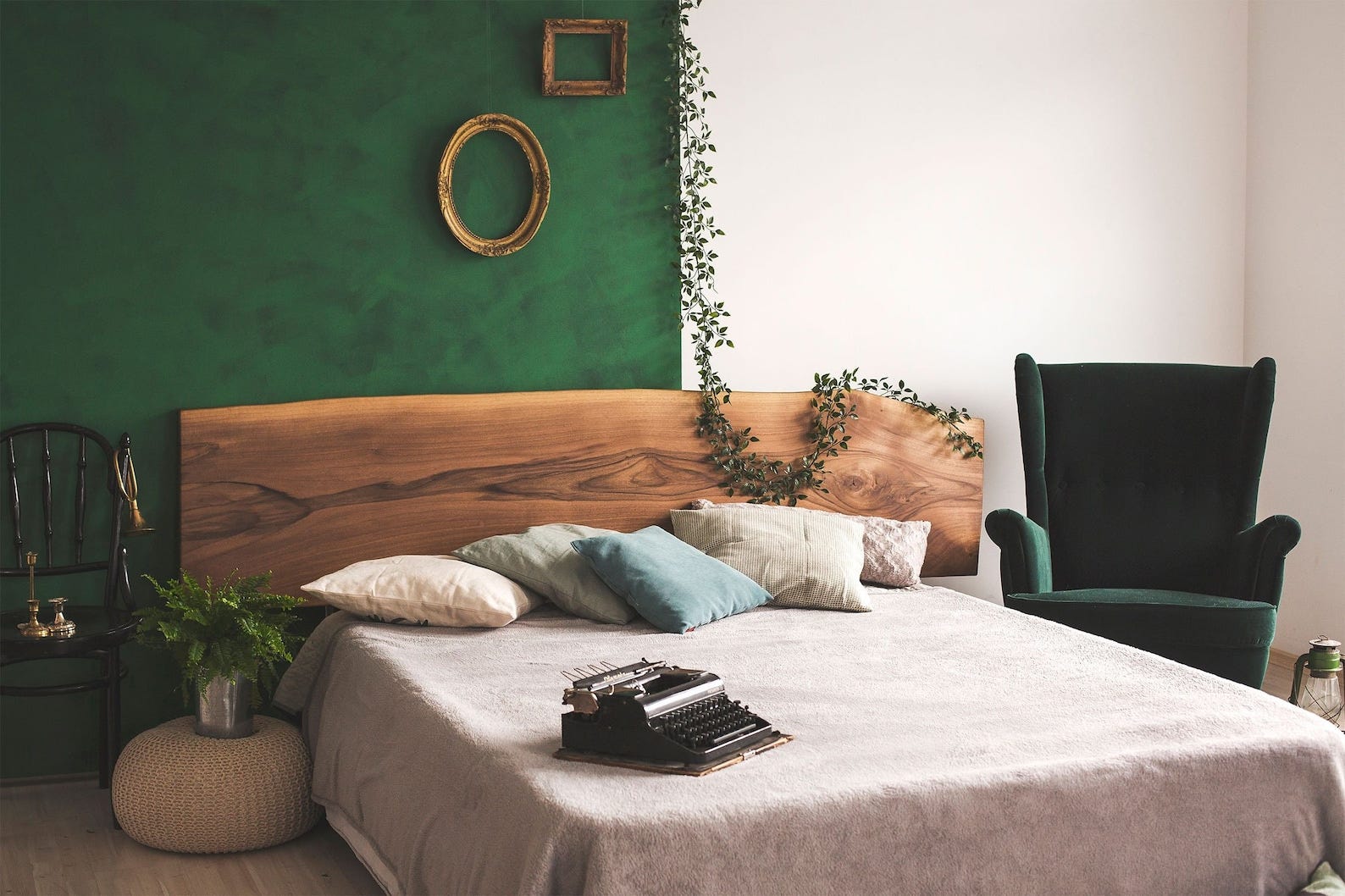
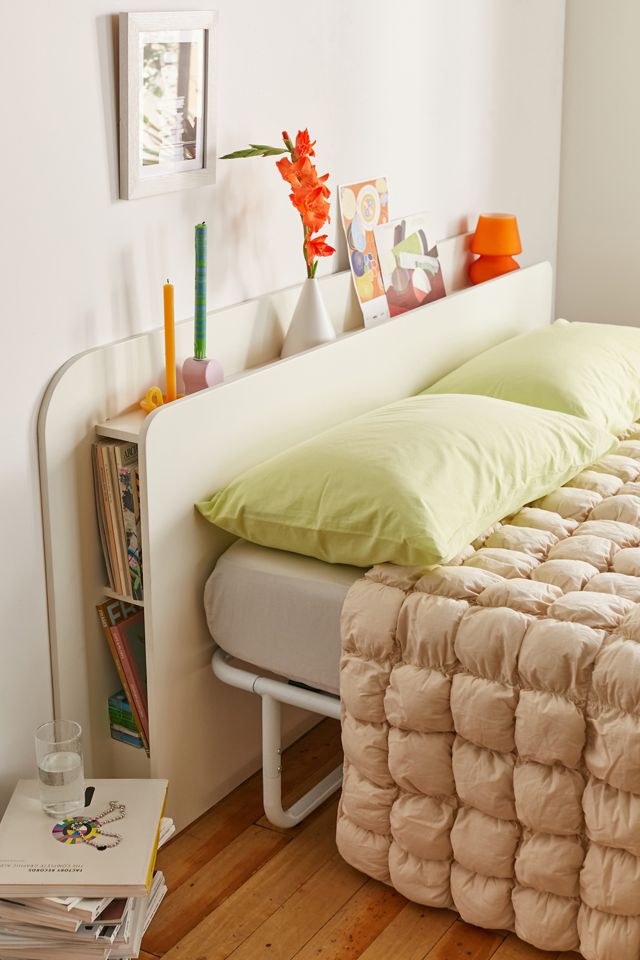
The article clarifies the term "Hollywood bed," explaining that for bedding salesmen, it specifically refers to a six-foot-six-inch headboard designed for a pair of twin beds that can be moved apart for easier bedmaking. It then explores the vast range of headboard designs available, from simple, well-finished mahogany slabs to elaborate creations featuring upholstery and cabinet work. These more complex headboards can incorporate various amenities like ashtrays, book storage, telephones, radios, built-in lighting, and extra blanket compartments, catering to diverse needs and preferences.
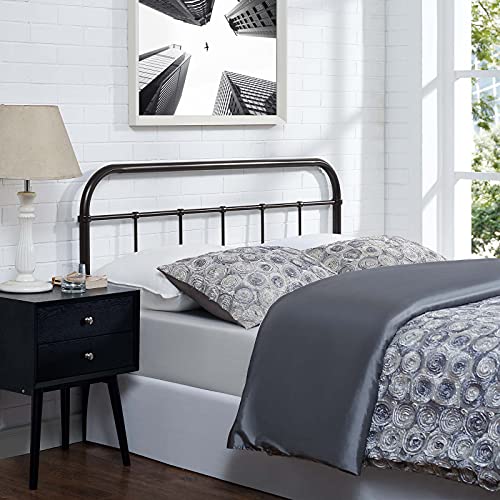
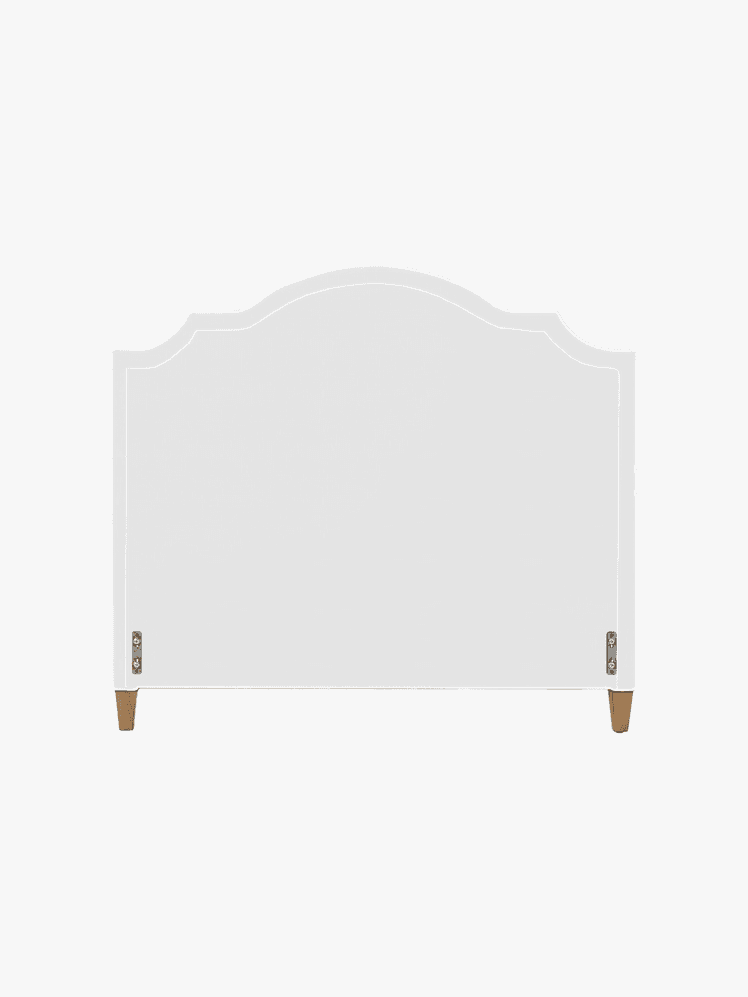
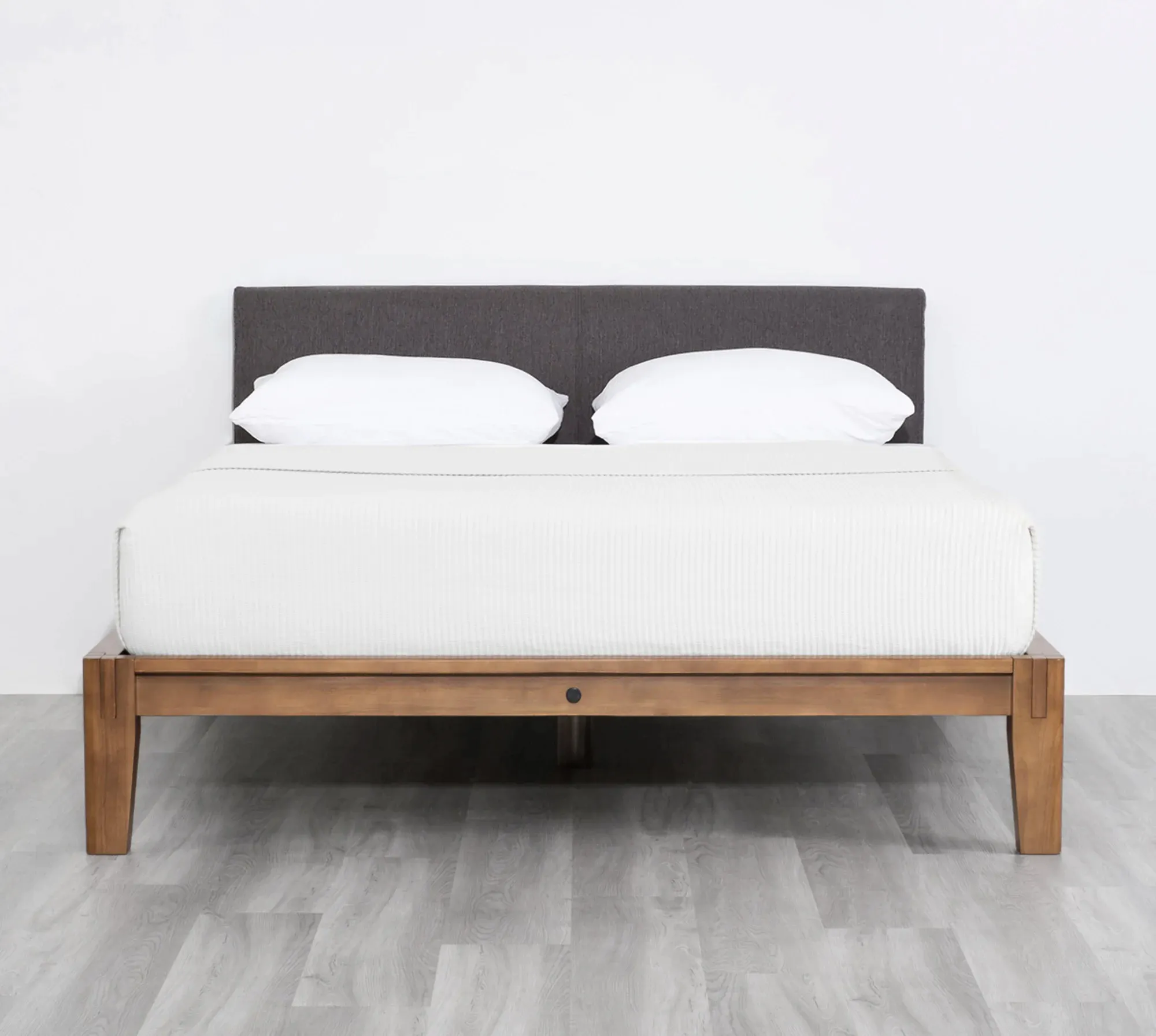
Methods of attaching the bed's box spring and mattress to the headboard are also discussed. Simple angle irons are mentioned as a common but potentially wobbly solution. Bolting the headboard directly to the wall's baseboard is presented as a more secure alternative. The most recommended option, however, is using metal frames with castered legs, widely available in bedding departments. These frames are designed to snugly fit standard springs and feature a metal tab at the head with pre-drilled holes for secure attachment to a headboard. Another option is a wooden frame resembling a regular bedstead but without a footboard, complete with side rails, a foot rail, bottom slats, and legs.
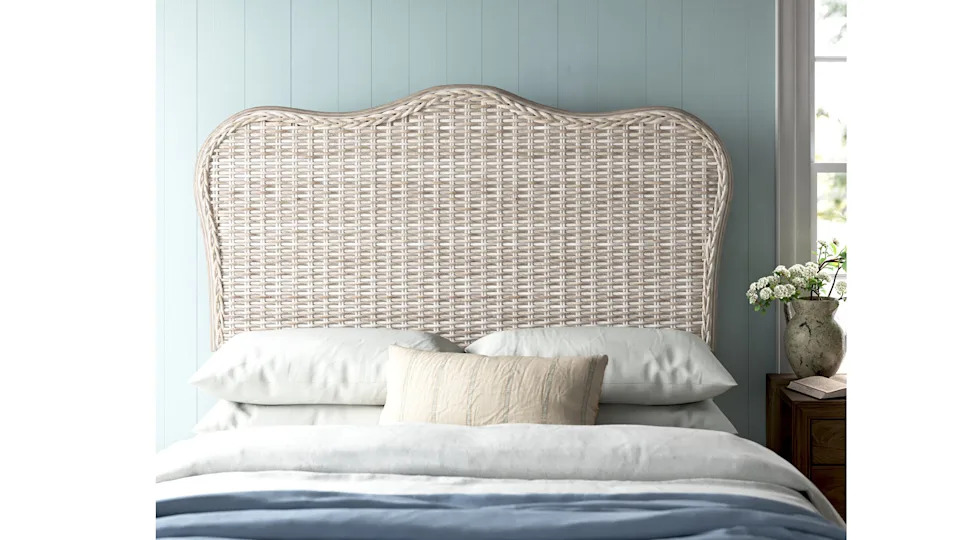
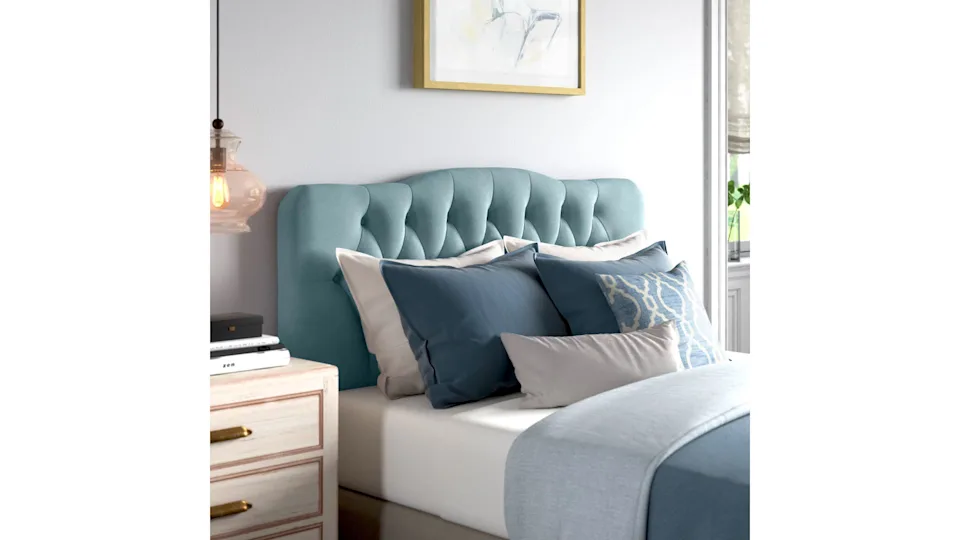
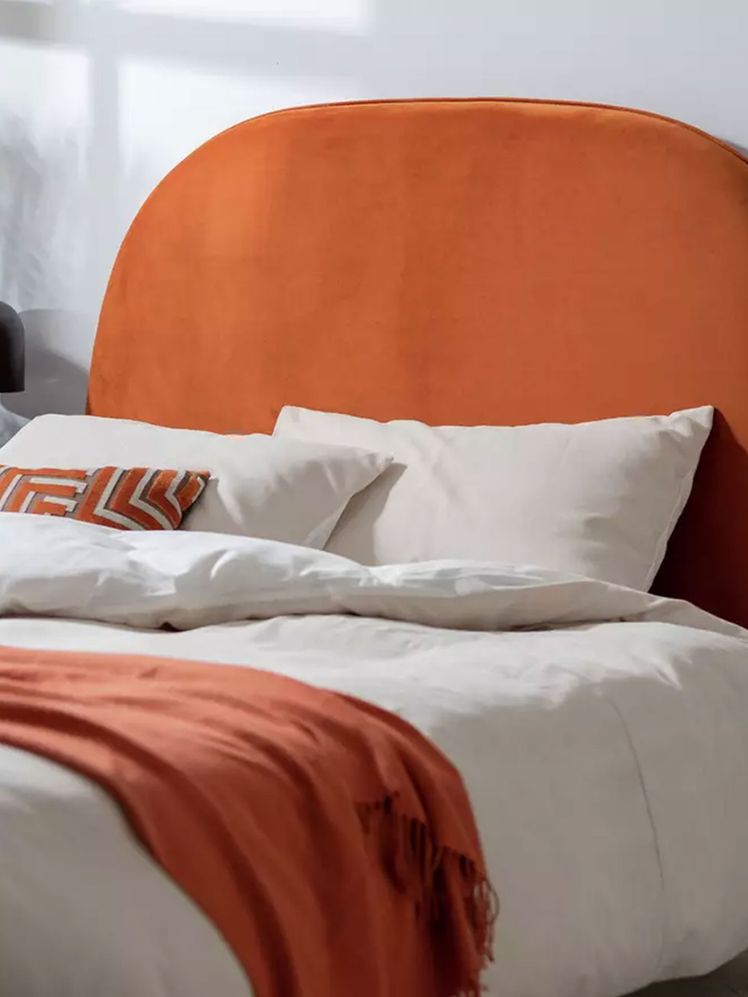
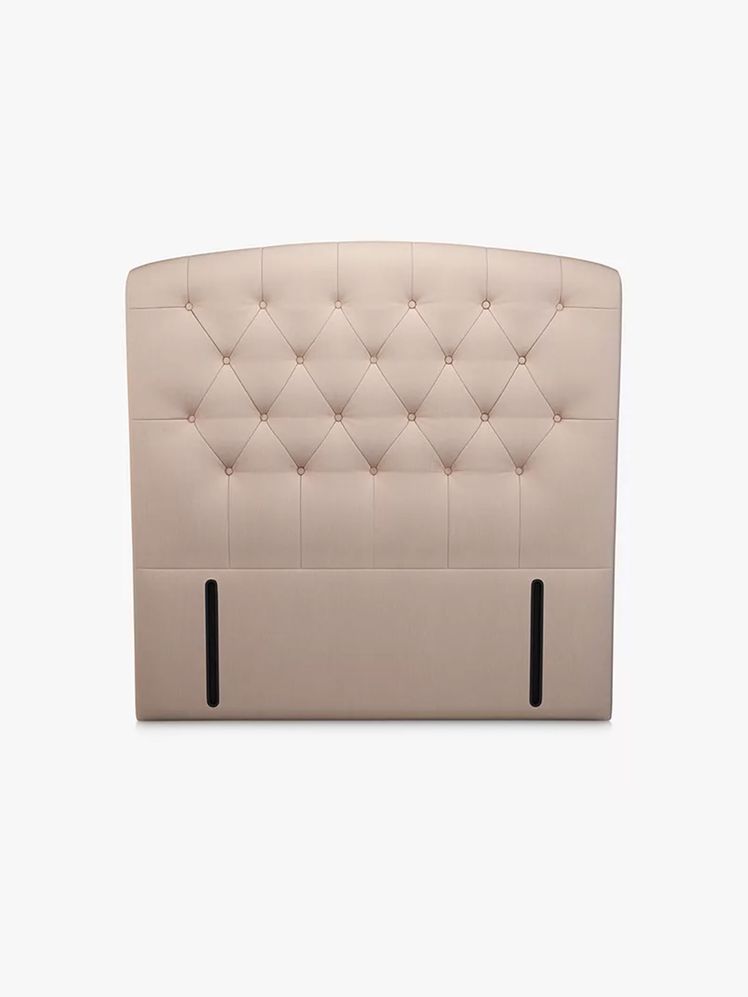
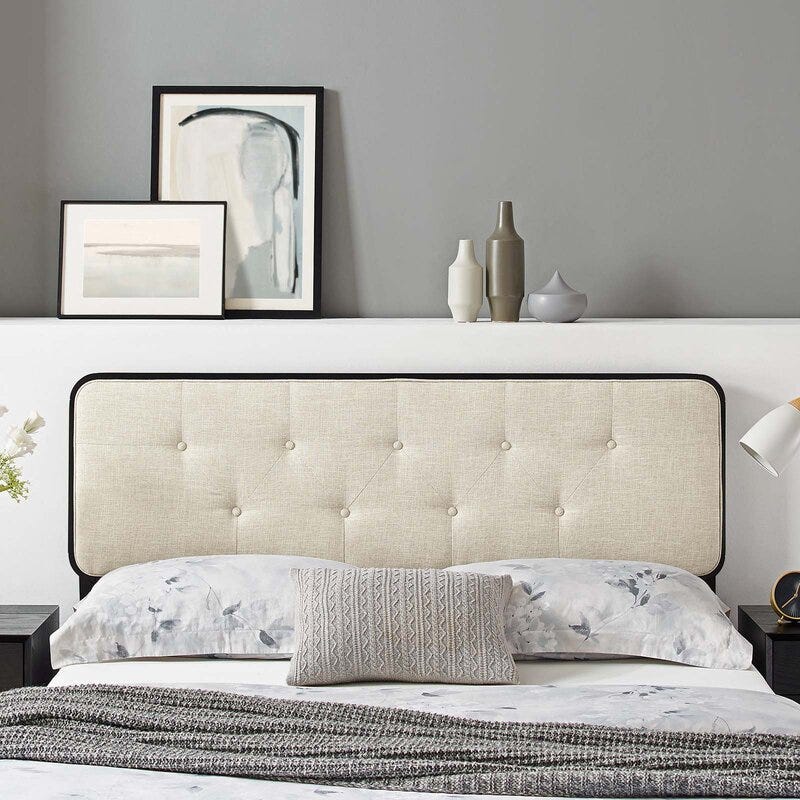
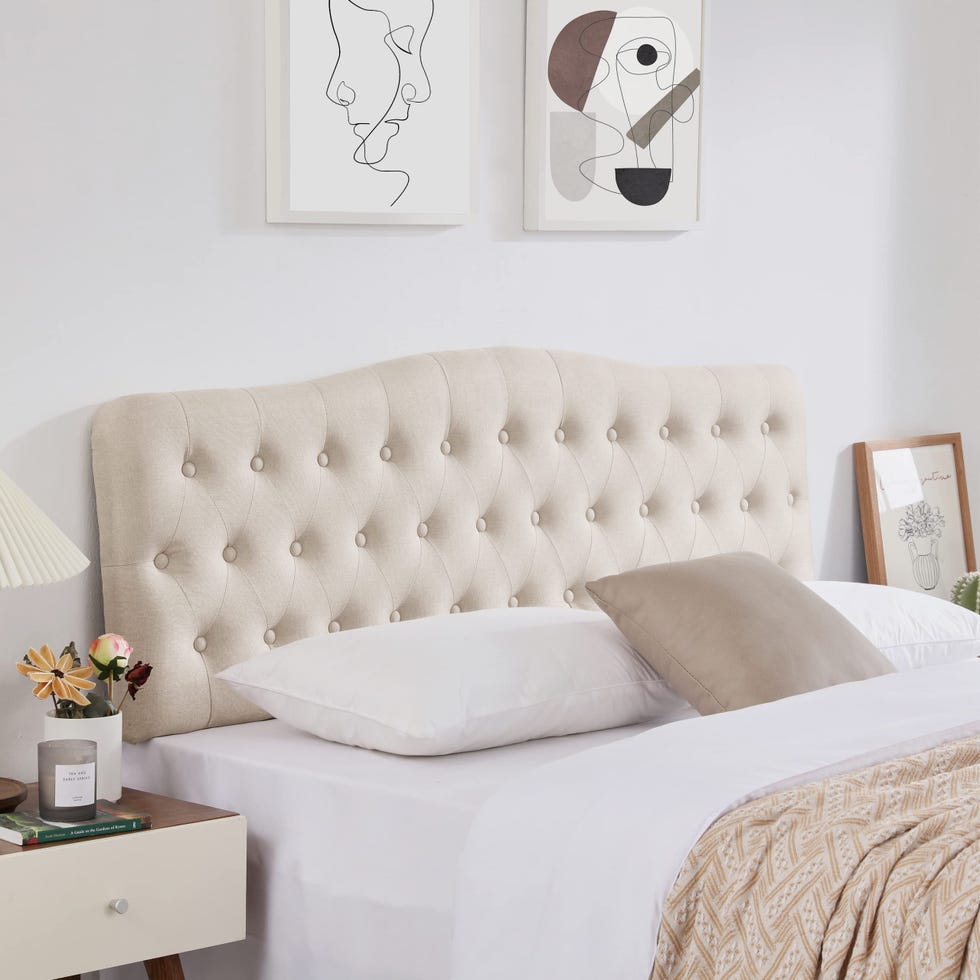
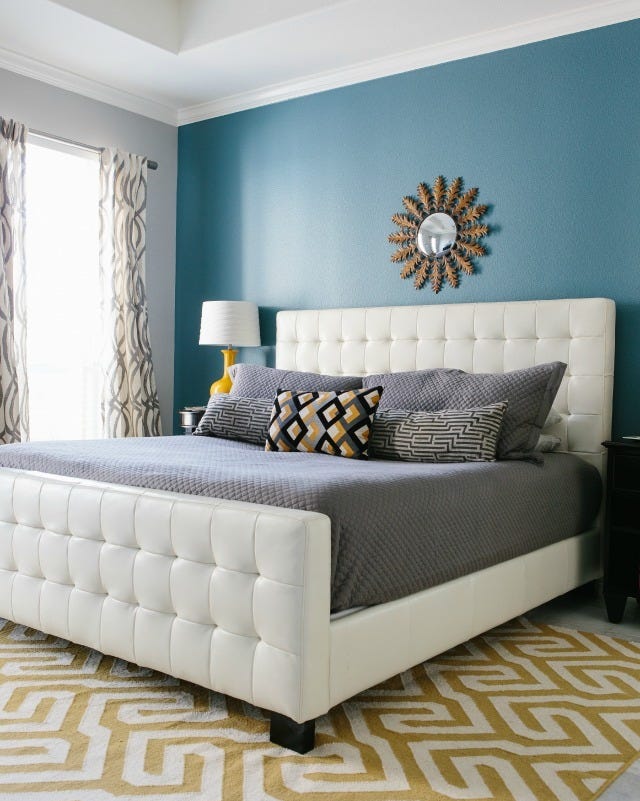
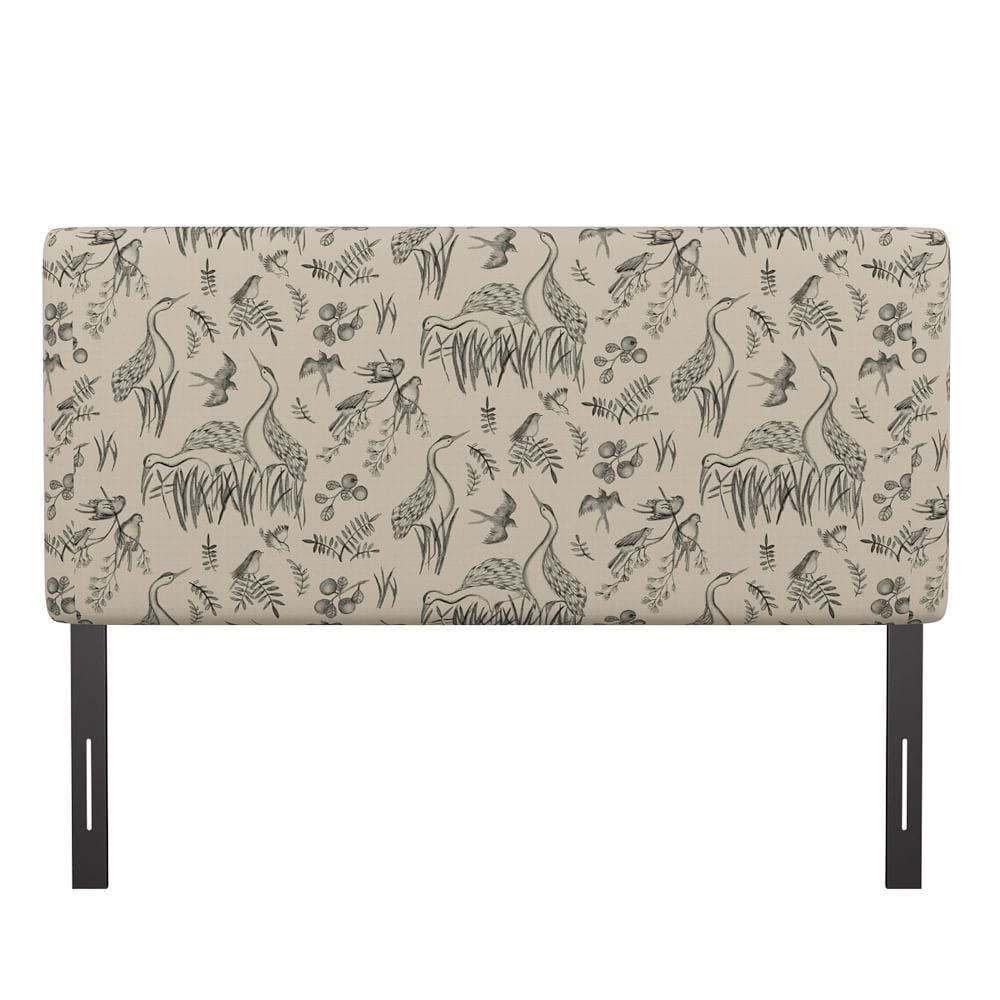
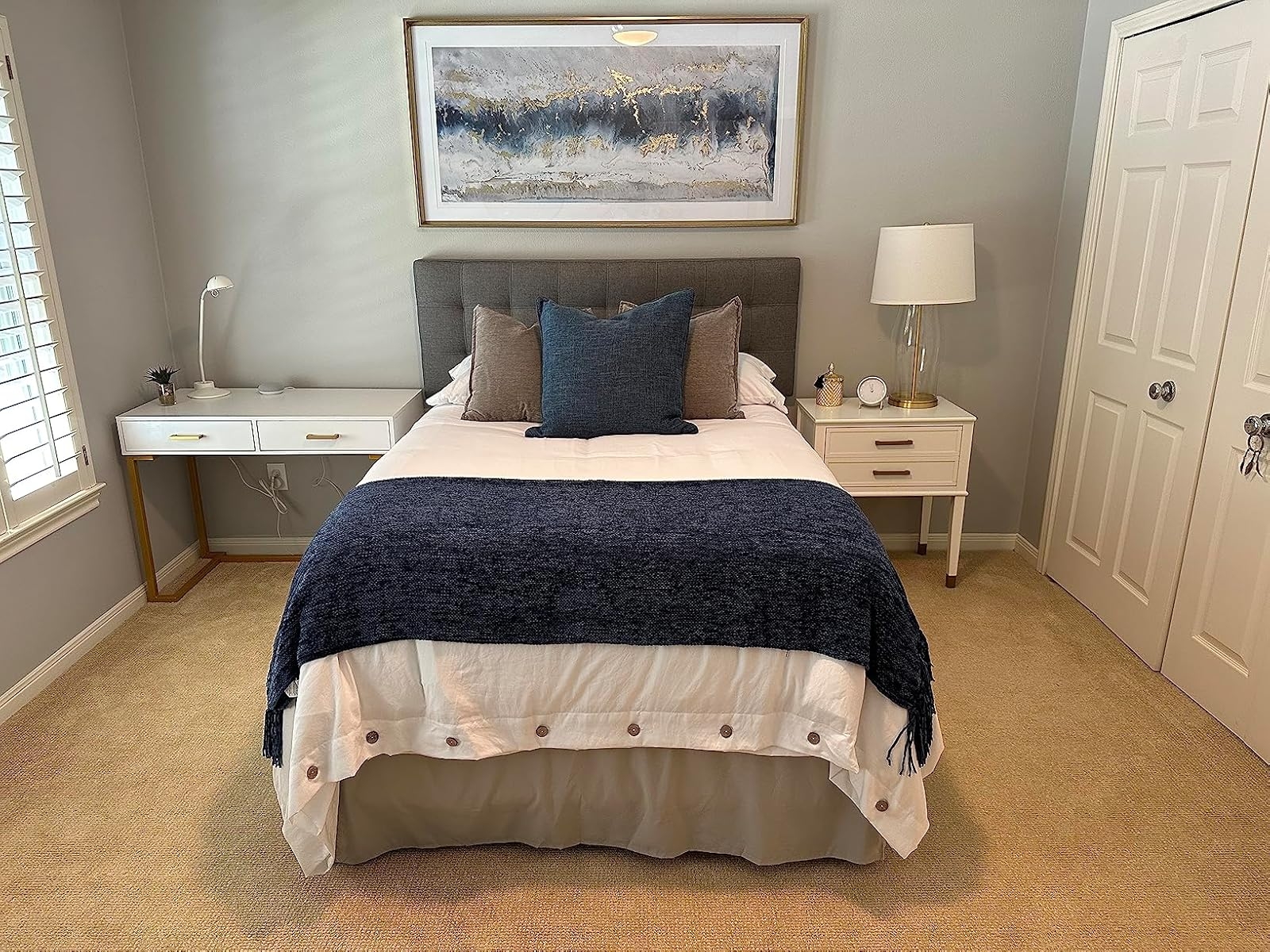
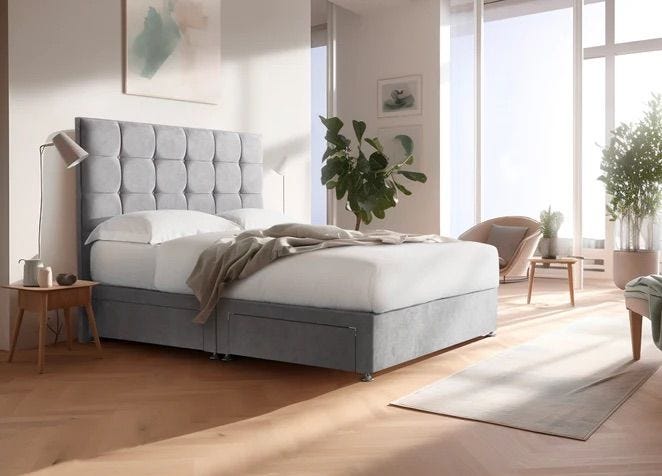
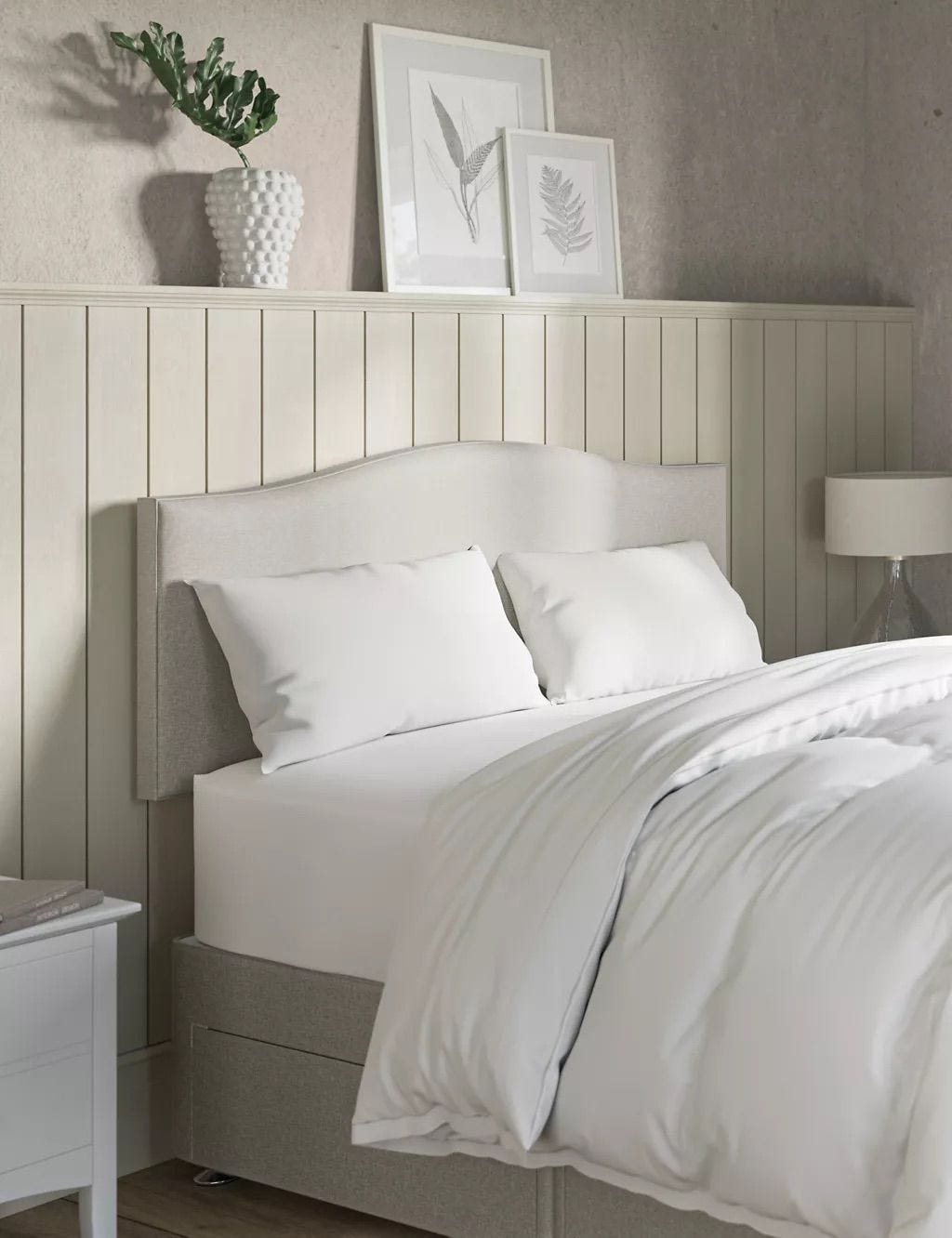
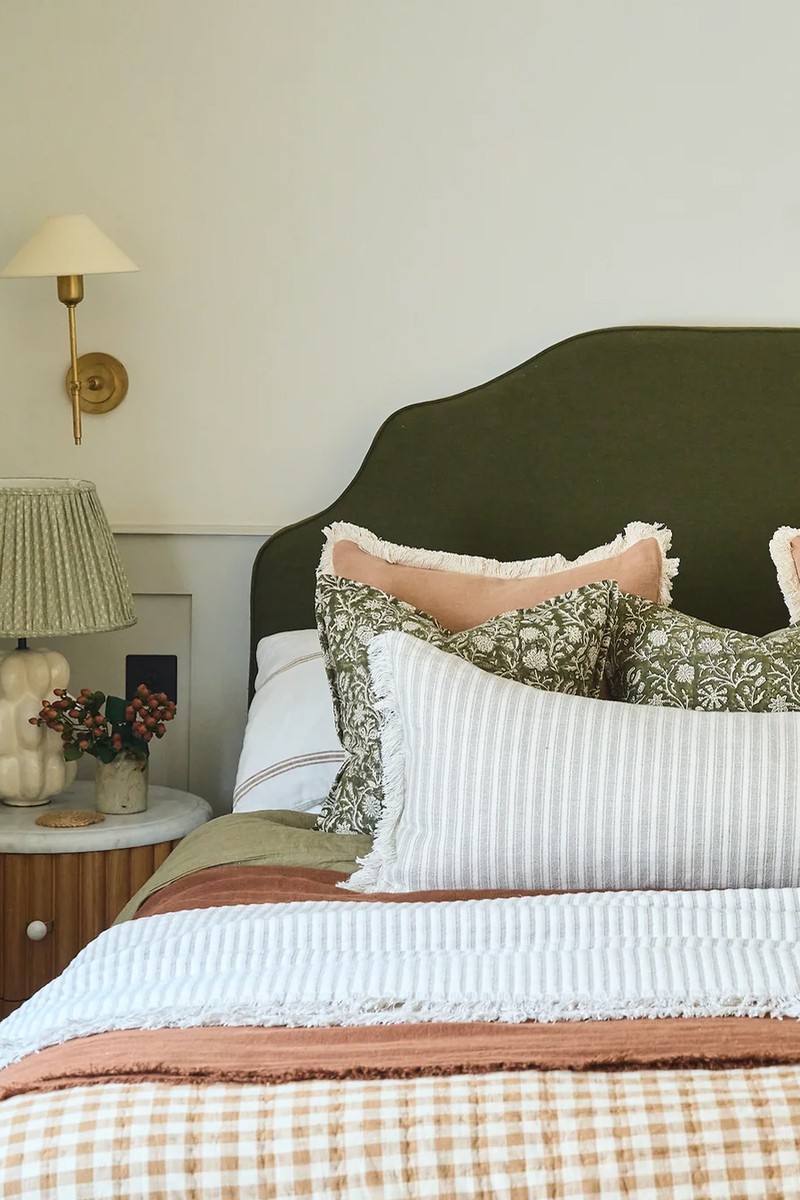
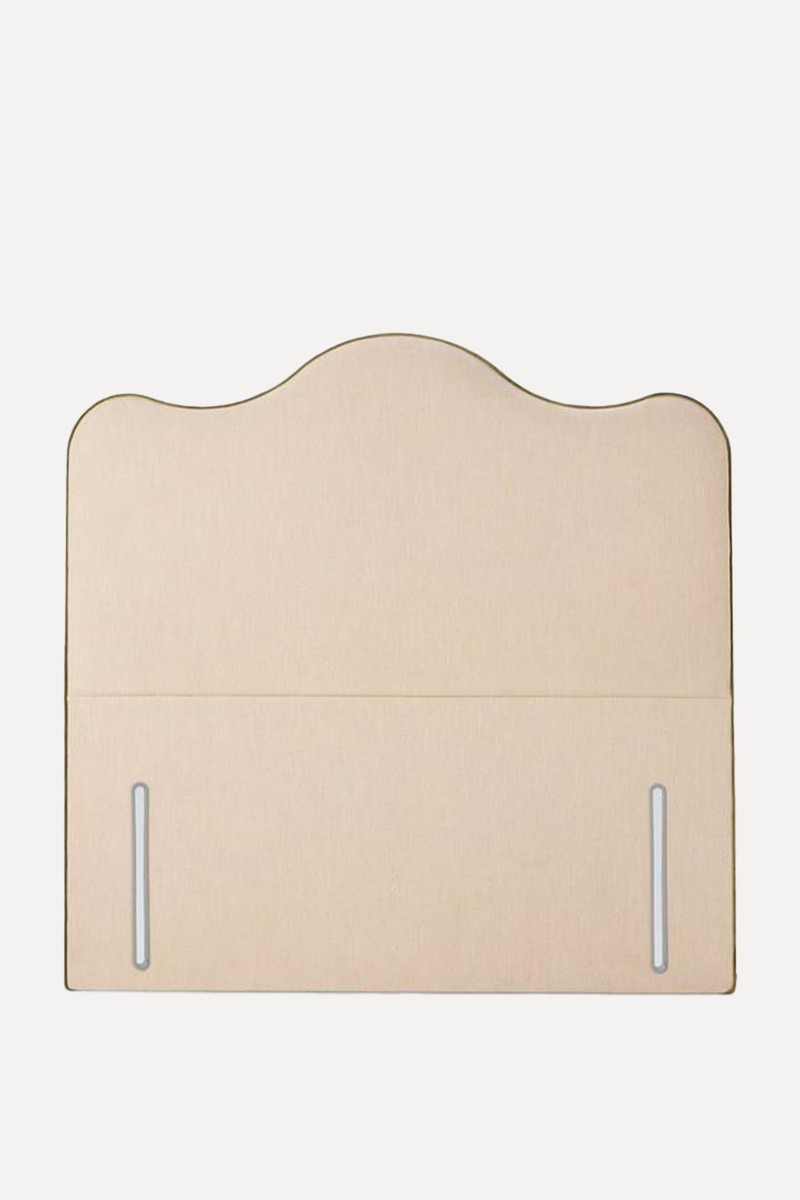
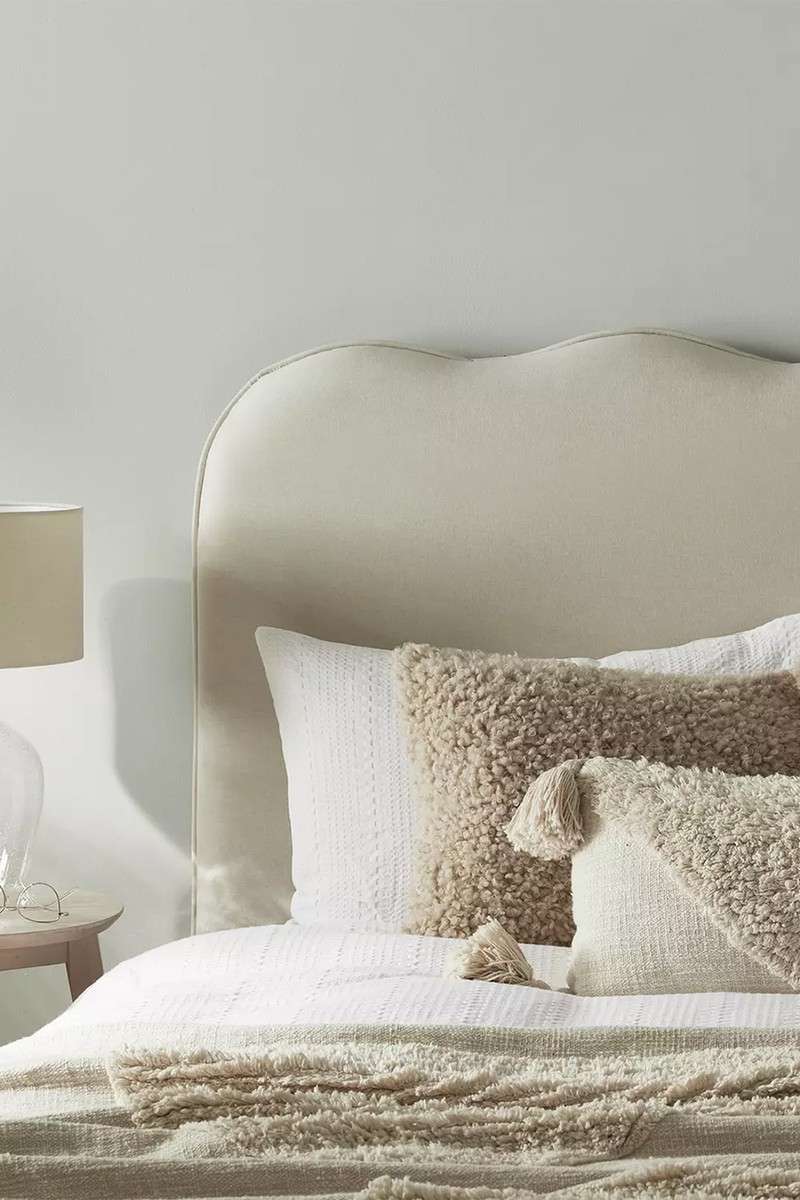
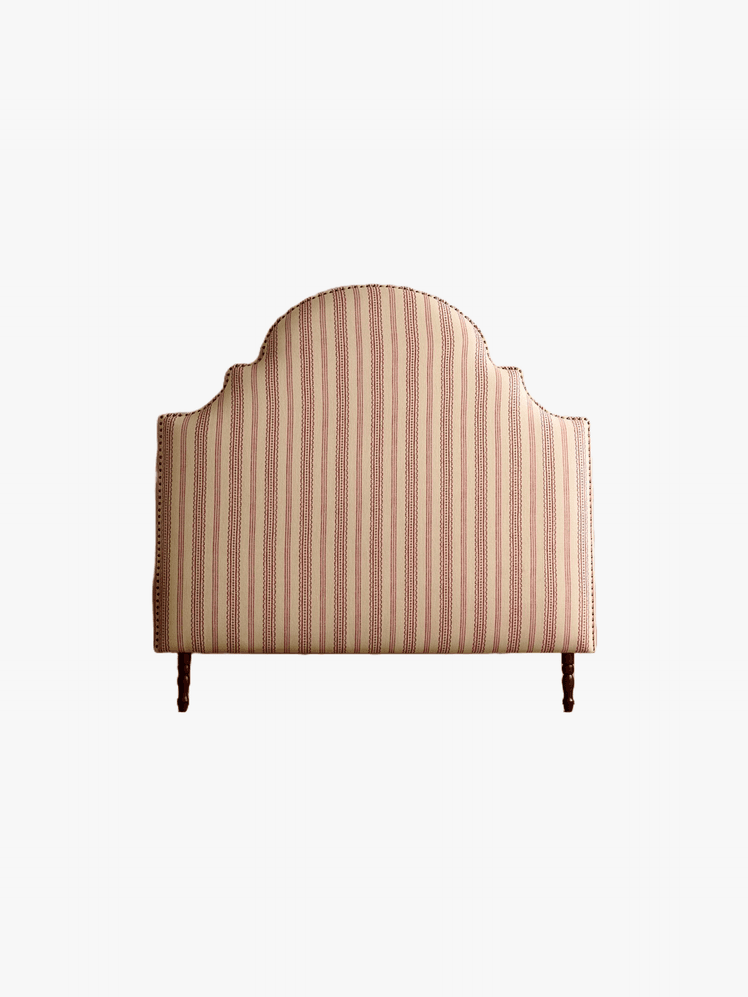
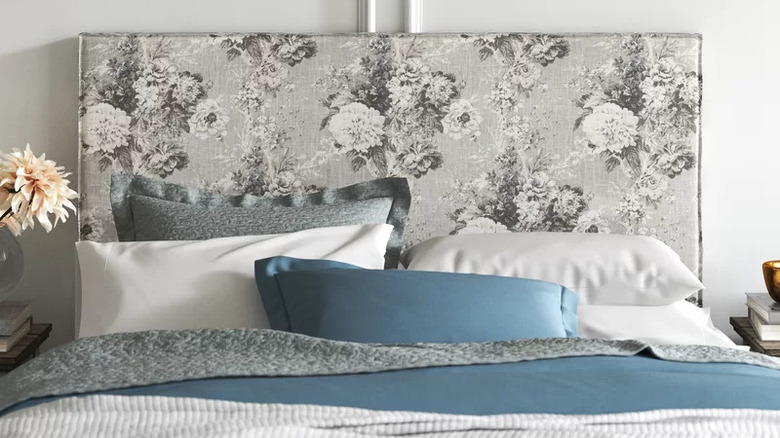
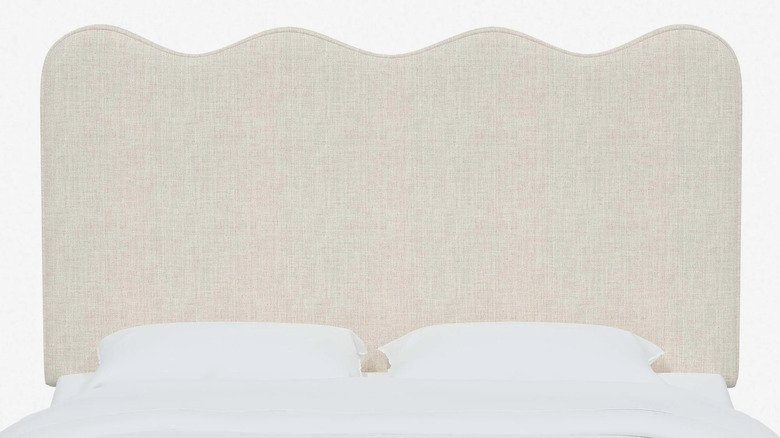
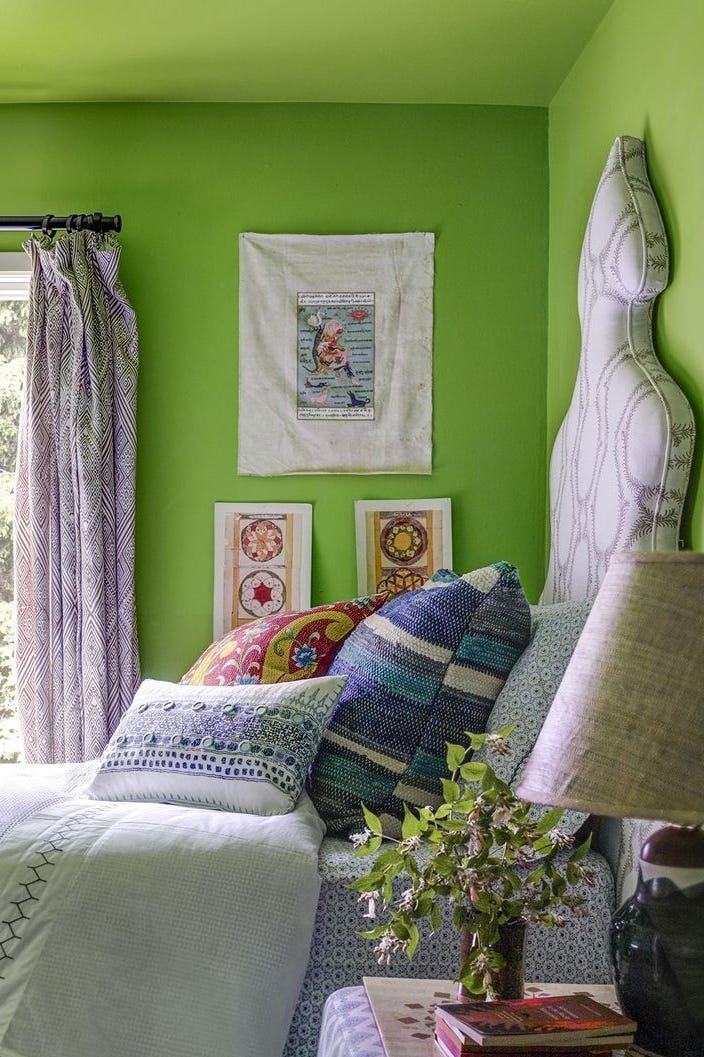
For those shopping for headboards, the article advises visiting both bedding and regular furniture departments to explore the full spectrum of choices. Upholstered headboards, typically found in the bedding section, come in various shapes and finishes, including plain, shallow-tufted, deep-tufted, channeled, or shirred borders. It notes that the price often correlates with the depth and amount of tufting, and tufted designs require more expensive re-covering and tend to collect dust. Inexpensive options are often covered with leather-like plastic such as Duran, starting around $30 for a twin size, and can be easily covered with a slipcover for cleaning or aesthetic changes. A luxury upholstered option highlighted is the channel-back type that converts into a sitting-in-bed chair, with dropping armrests and a tilting backrest, exemplified by models from Hale's and Dunbar.
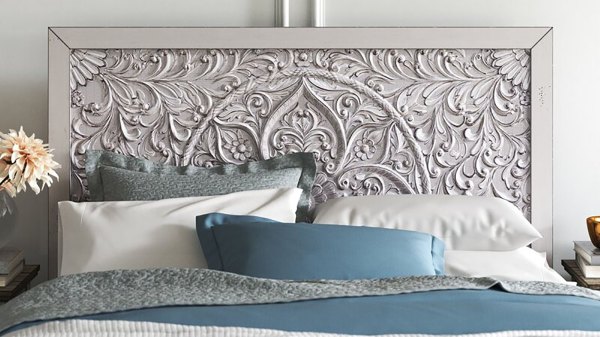
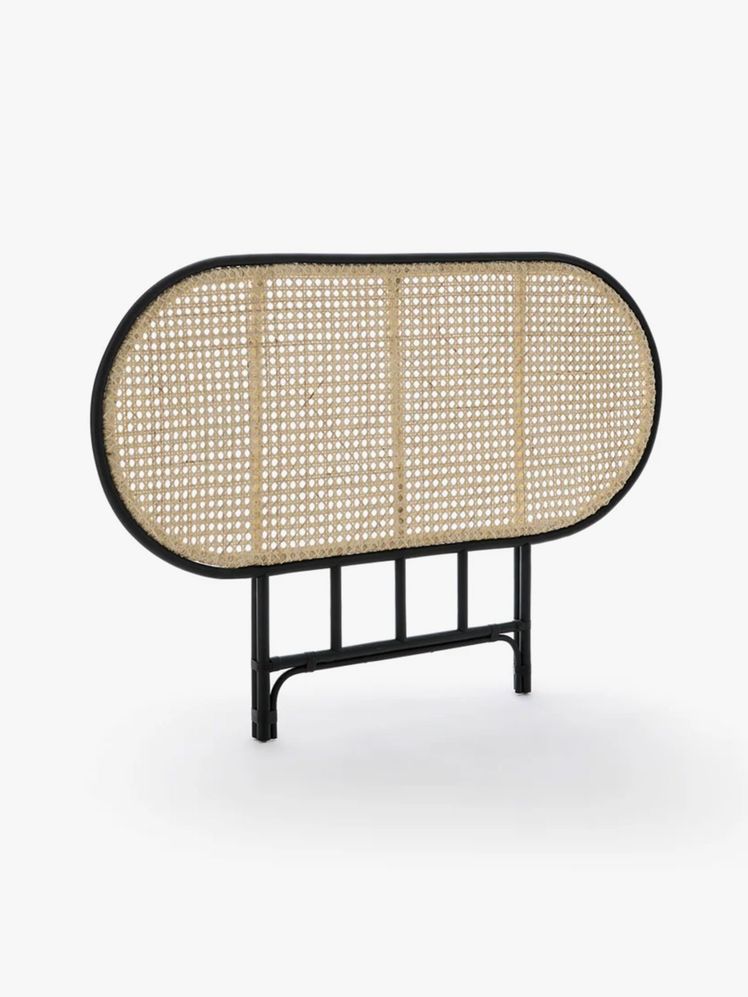
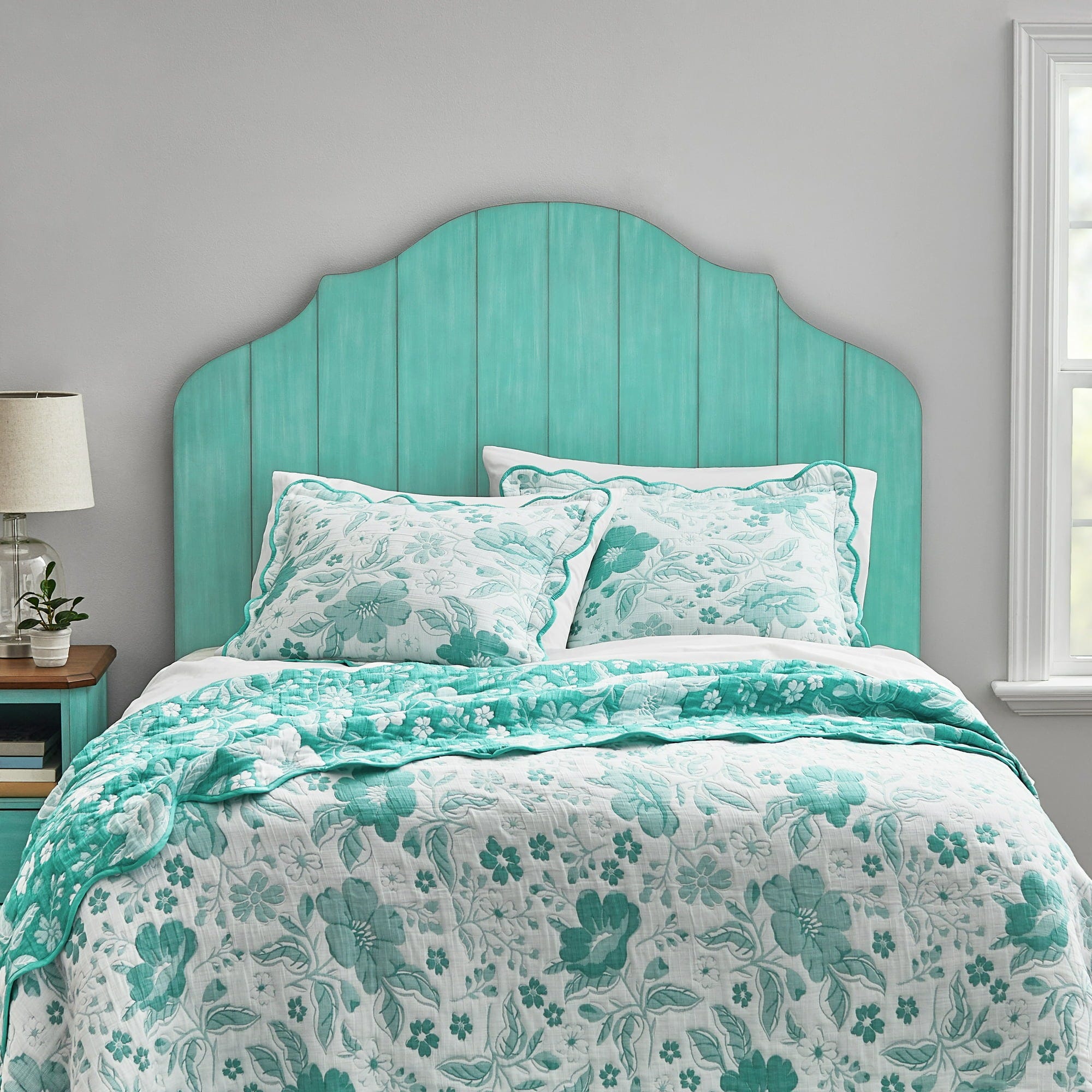
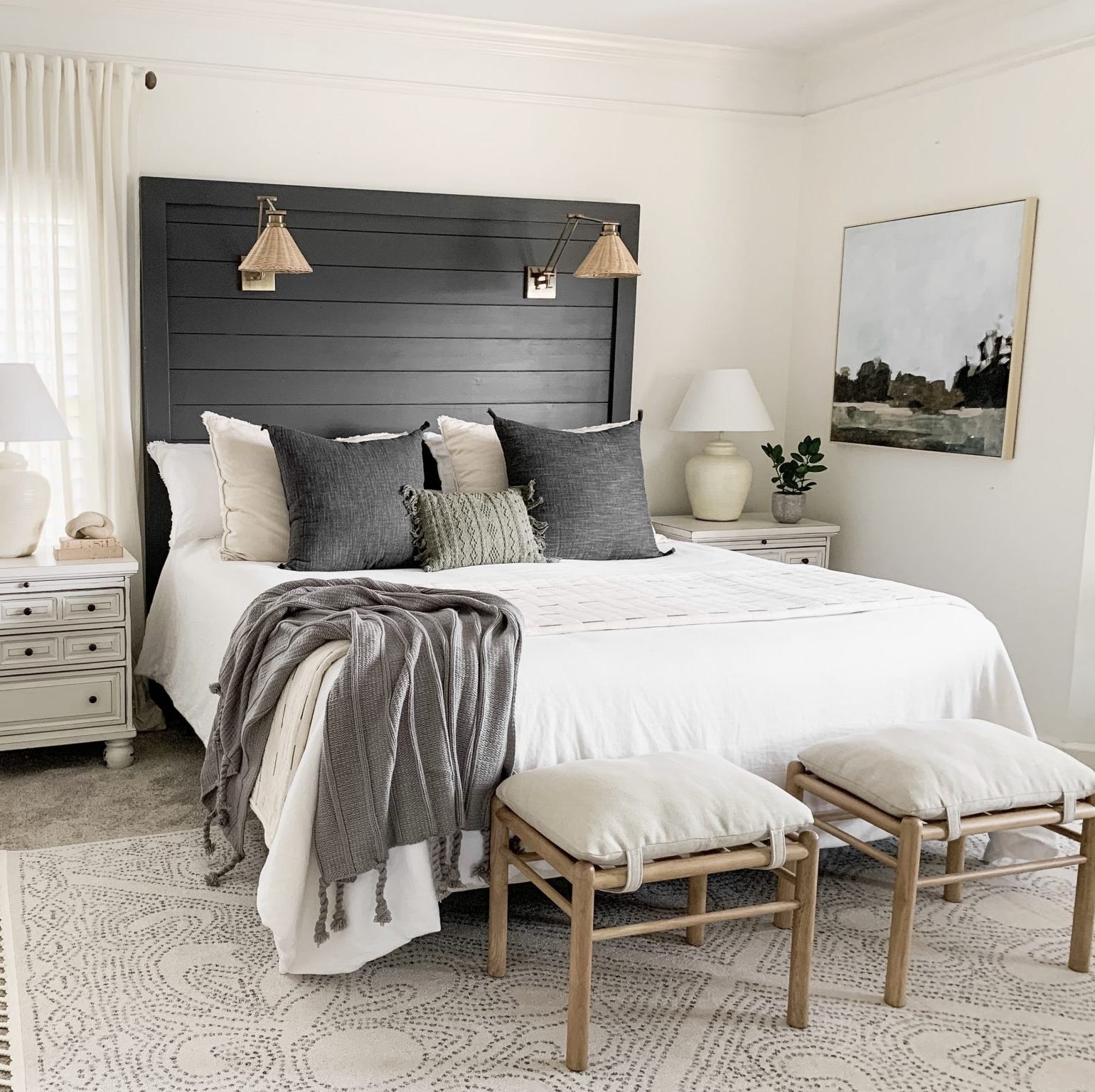
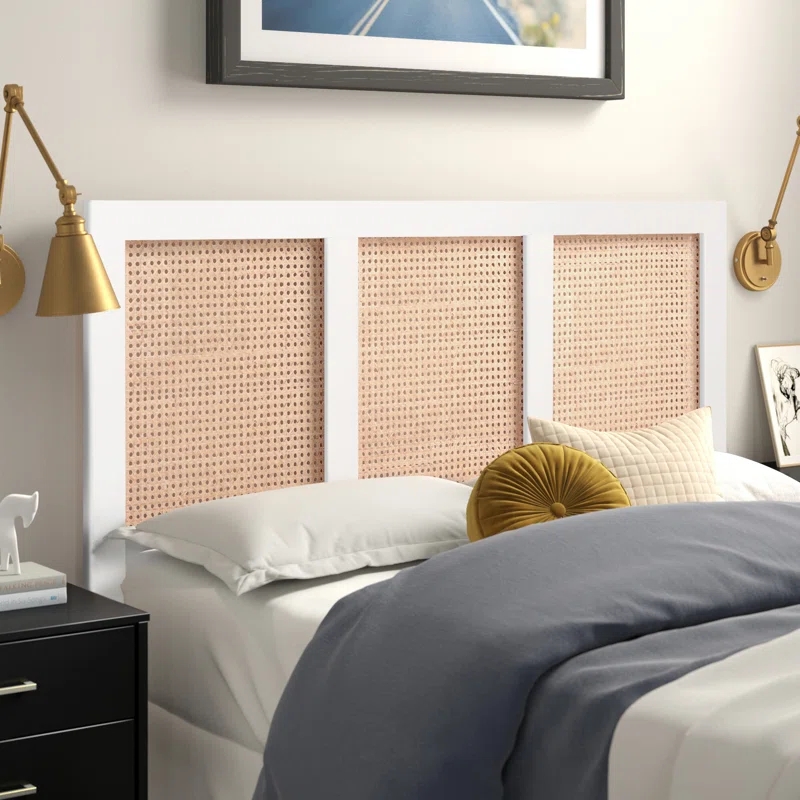
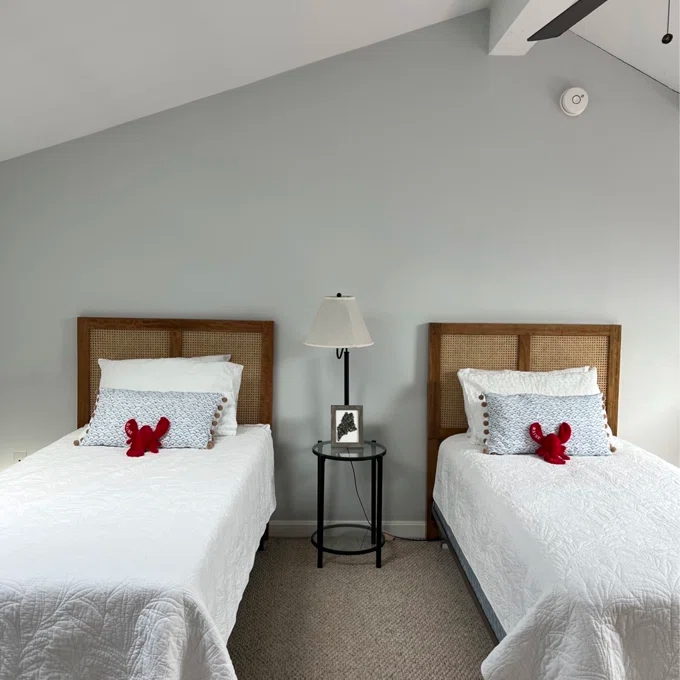
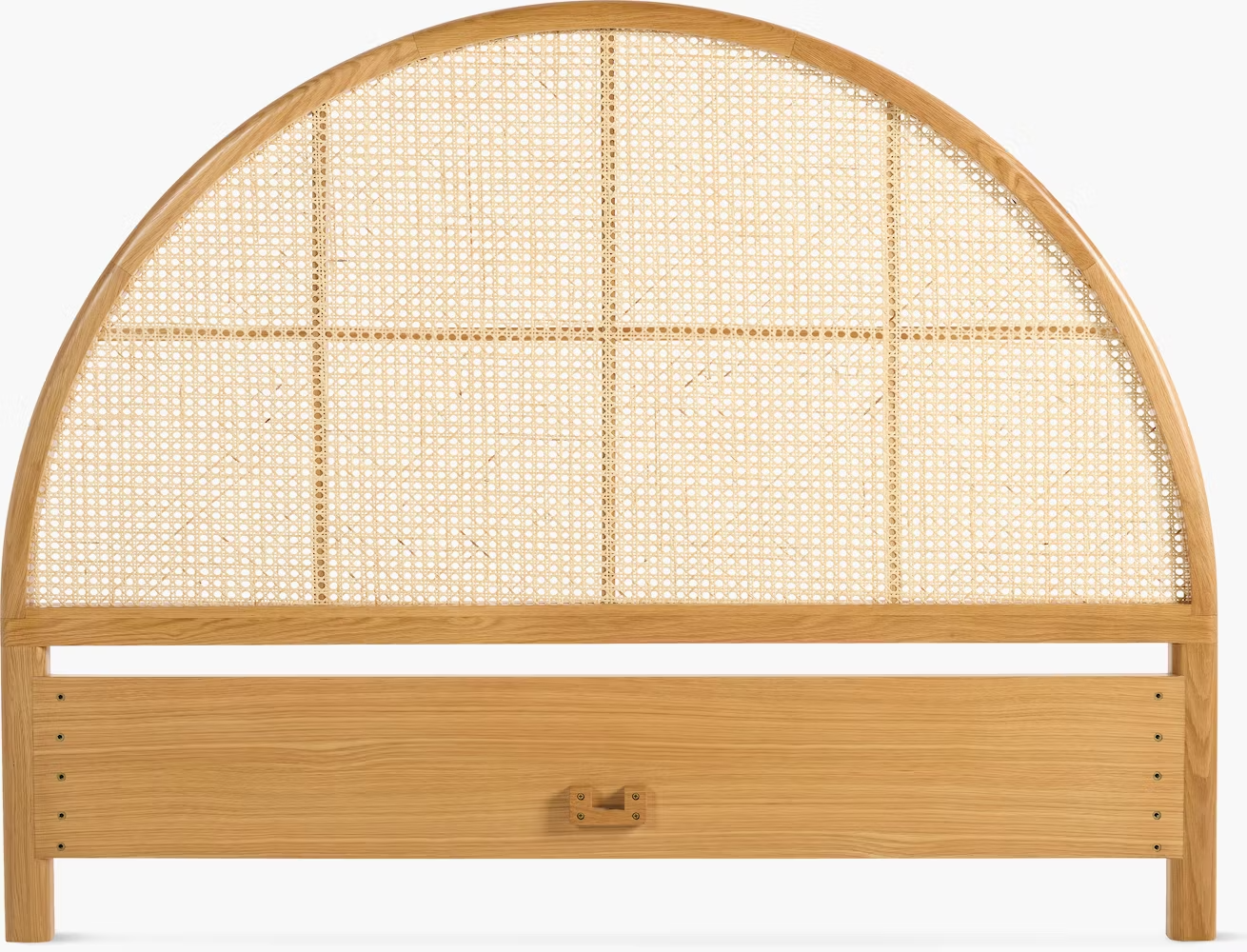
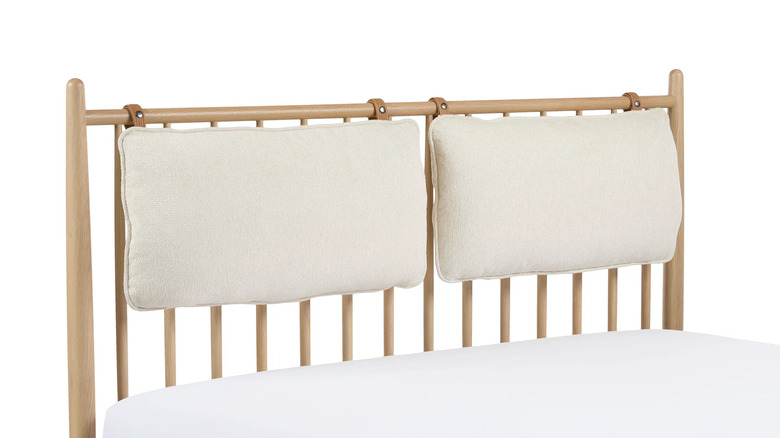
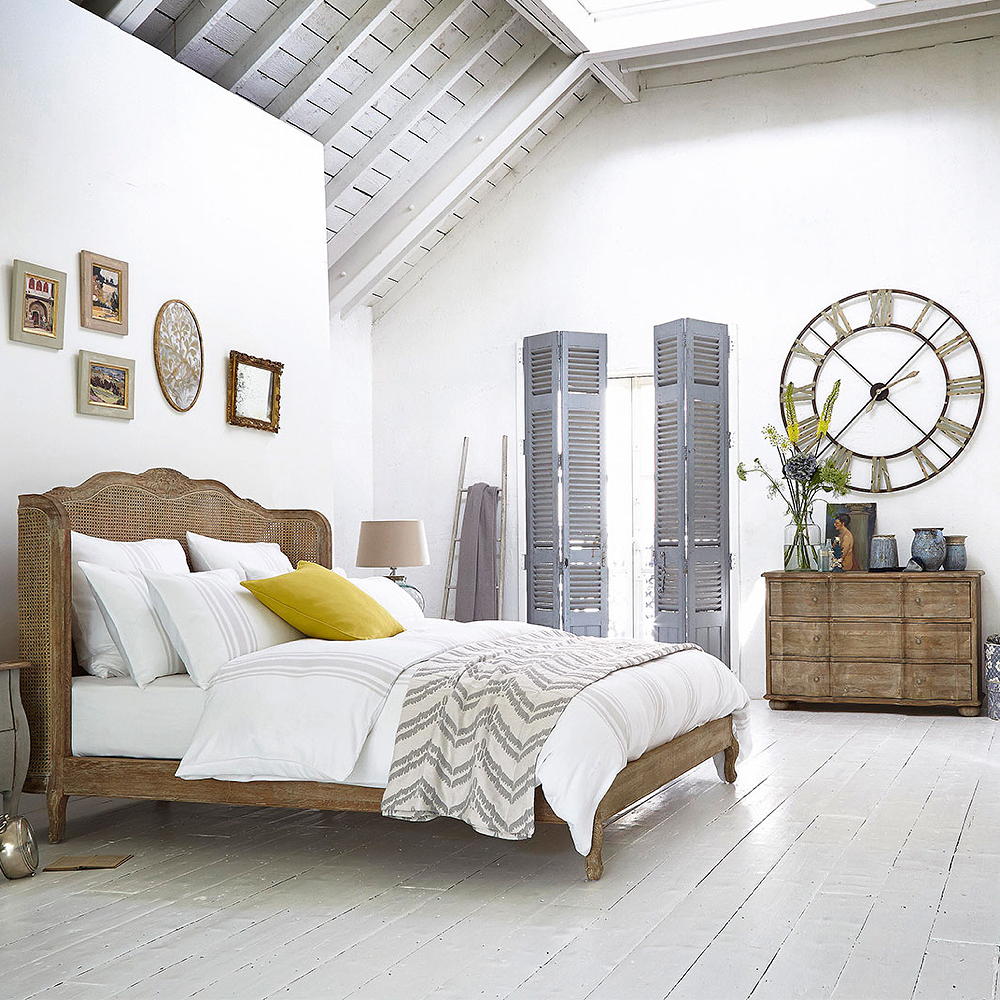
The article then shifts focus to all-wood headboards, which are the furniture manufacturer's response to upholstered designs. Many contemporary furniture lines introduced post-war include wooden headboard beds, often with frames that support the spring. These are typically sold as separate furniture pieces, designed with simple lines to complement existing bedroom decor. Specific collections mentioned include Dunbar and Widdicomb at Lord & Taylor, Sloanemaster Modern and Morgan Spacemaker at W. & J. Sloane, and Multiplex at Modernage. The George Nelson collection at Herman Miller features an unusual wall-hung unit with a light wood frame and woven caning, while traditional styles include a rectangular dark mahogany headboard with a beveled border available at Lord & Taylor's and Sloane's.
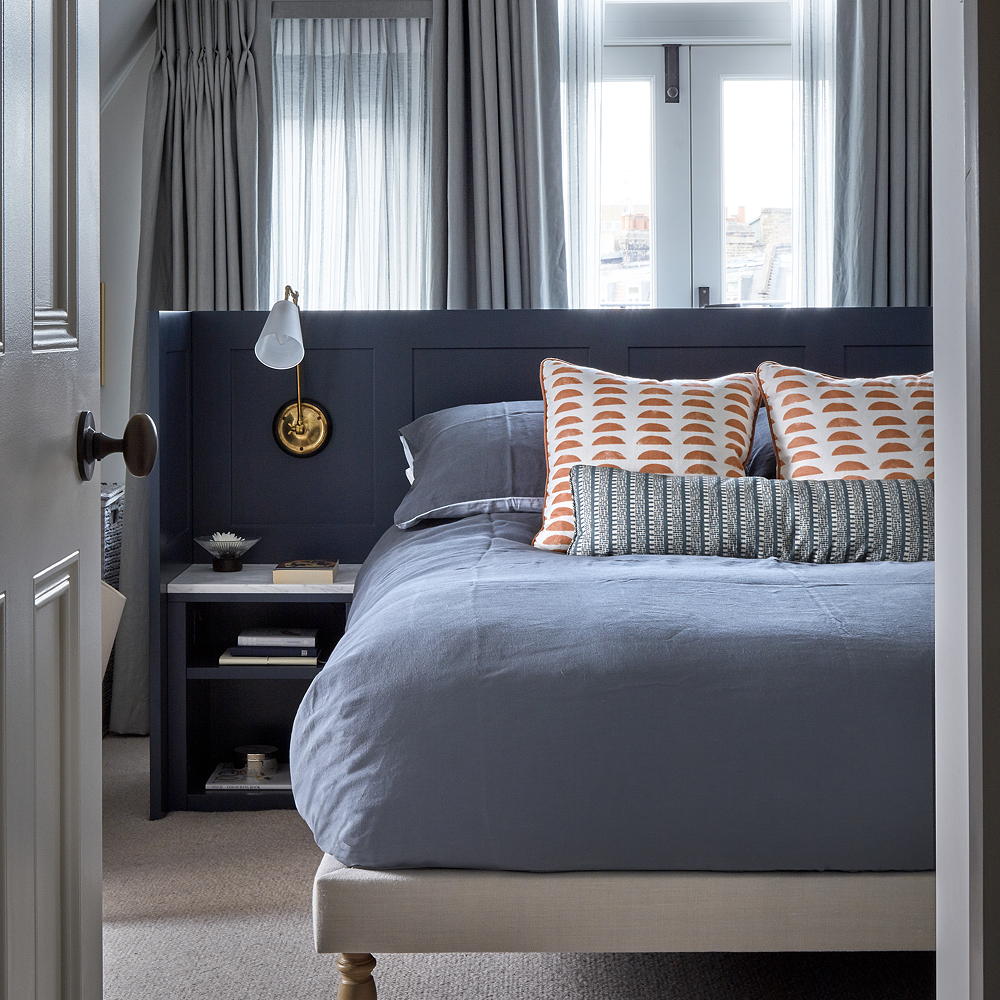
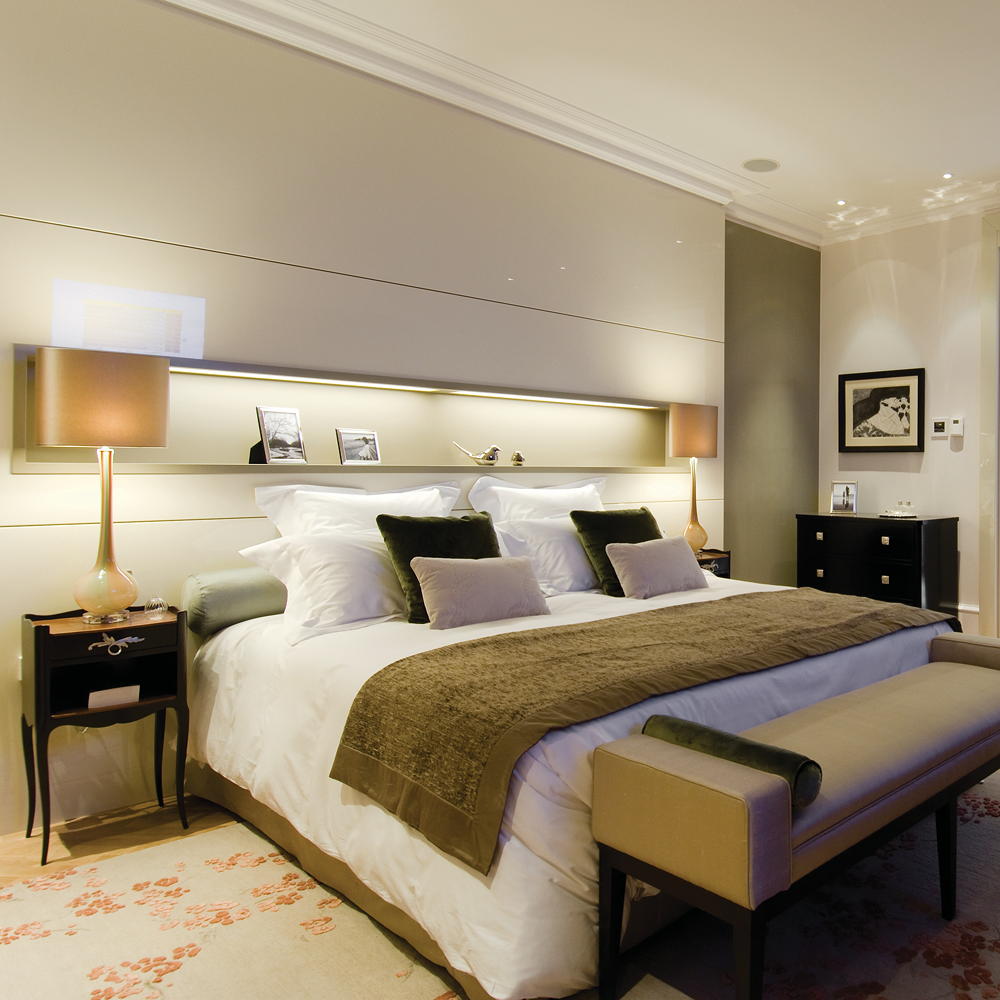
The most elaborate wooden headboards are the cabinet or storage types, typically eight to nine inches deep and self-supporting. An example is a George Nelson design for Herman Miller, available at Bloomingdale's, which features a plastic-upholstered front panel that drops and tilts to form a backrest, revealing a shelf for books and a compartment for extra blankets. Even more complex units with recessed bookshelves, built-in lighting, and attached nightstands can be custom-ordered from decorators. The article concludes by noting that the prices for these high-end storage-cabinet headboards are comparable to those of a well-made chest of drawers.
#HeadboardDesign #BedroomFurniture #InteriorDecoration #FurnitureStyles #BedmakingEfficiency #UpholsteredHeadboards #WoodenHeadboards #StorageSolutions #HeadboardDesign #BedroomFurniture #InteriorDecoration #FurnitureStyles #BedmakingEfficiency #UpholsteredHeadboards #WoodenHeadboards #StorageSolutions
0 comment in total
 No comments yet
You may also like
Our Complete Guide to Every Type of Bed

We Found the 8 Absolute Cutest Headboards for Your Adjustable Bed
How to create a stylish bedscape at home

Modern Headboard Design And Ideas For A Stylish Look
20 Best Headboards for Adjustable Beds That Will Fit Any Style and Budget

Try These Headboard Ideas to Instantly Update Your Bedroom

42 Of The Best Bed Frames To Upgrade Your Bedroom
29 Statement Headboards For Your Bedroom Accent Piece
20 Best Headboards for Adjustable Beds That Will Fit Any Style and Budget

Give your Bedroom an Upgrade With Our Favorite Headboards

26 Stylish Headboards From £135
Headboard ideas: 10 ways to give your bed some serious style clout
We Found 24 Stylish Headboards That Instantly Complete Any Bedroom

Transform Your Bedroom With 12 of the Chicest Headboards Online
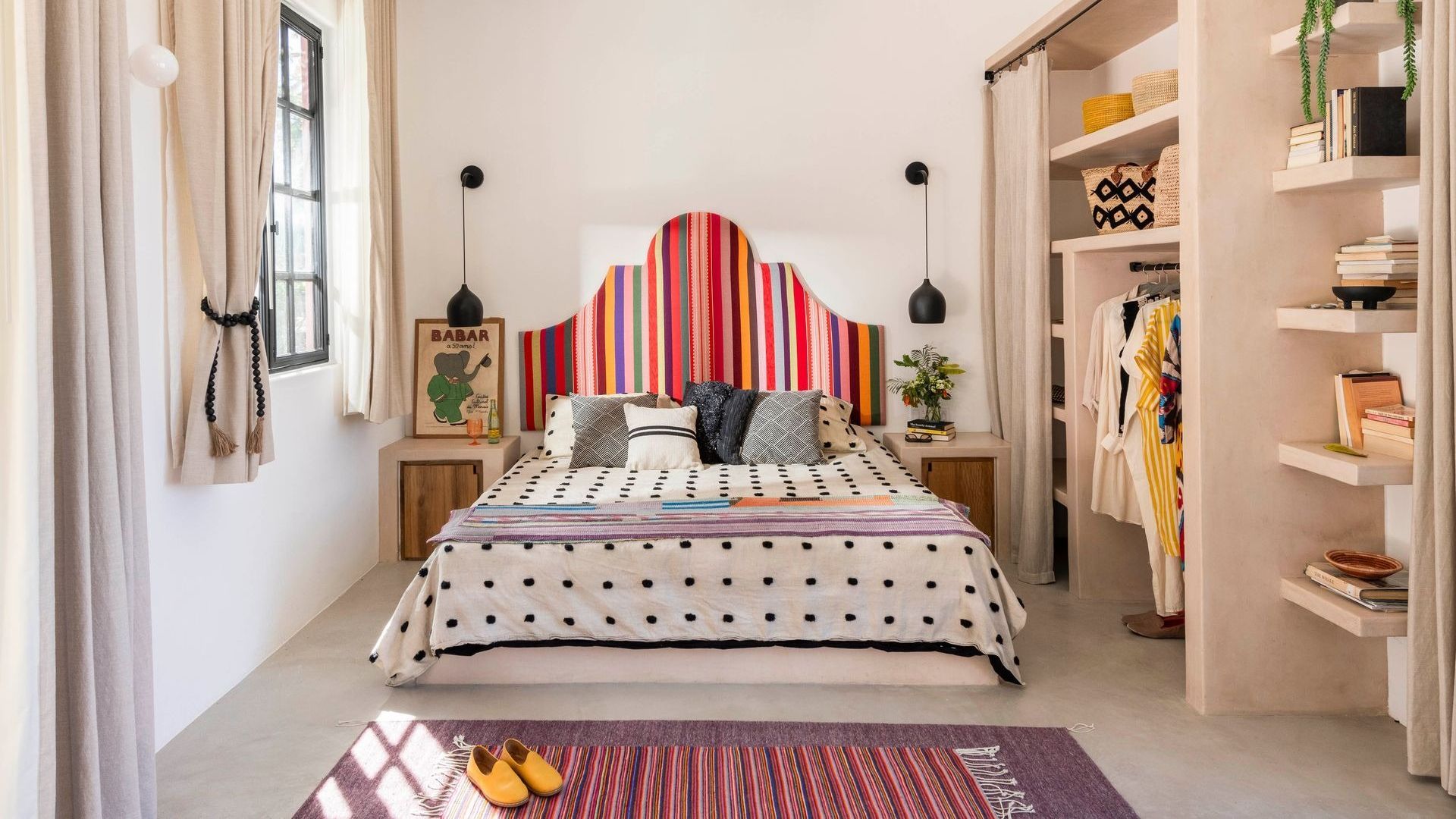
10 Best Headboards to Frame a Picture-Perfect Bedroom

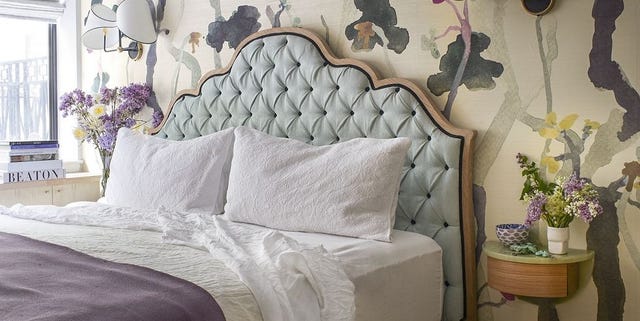
15 Stylish Headboard Ideas to Elevate Your Bedroom

The 11 best headboards for bedroom bliss
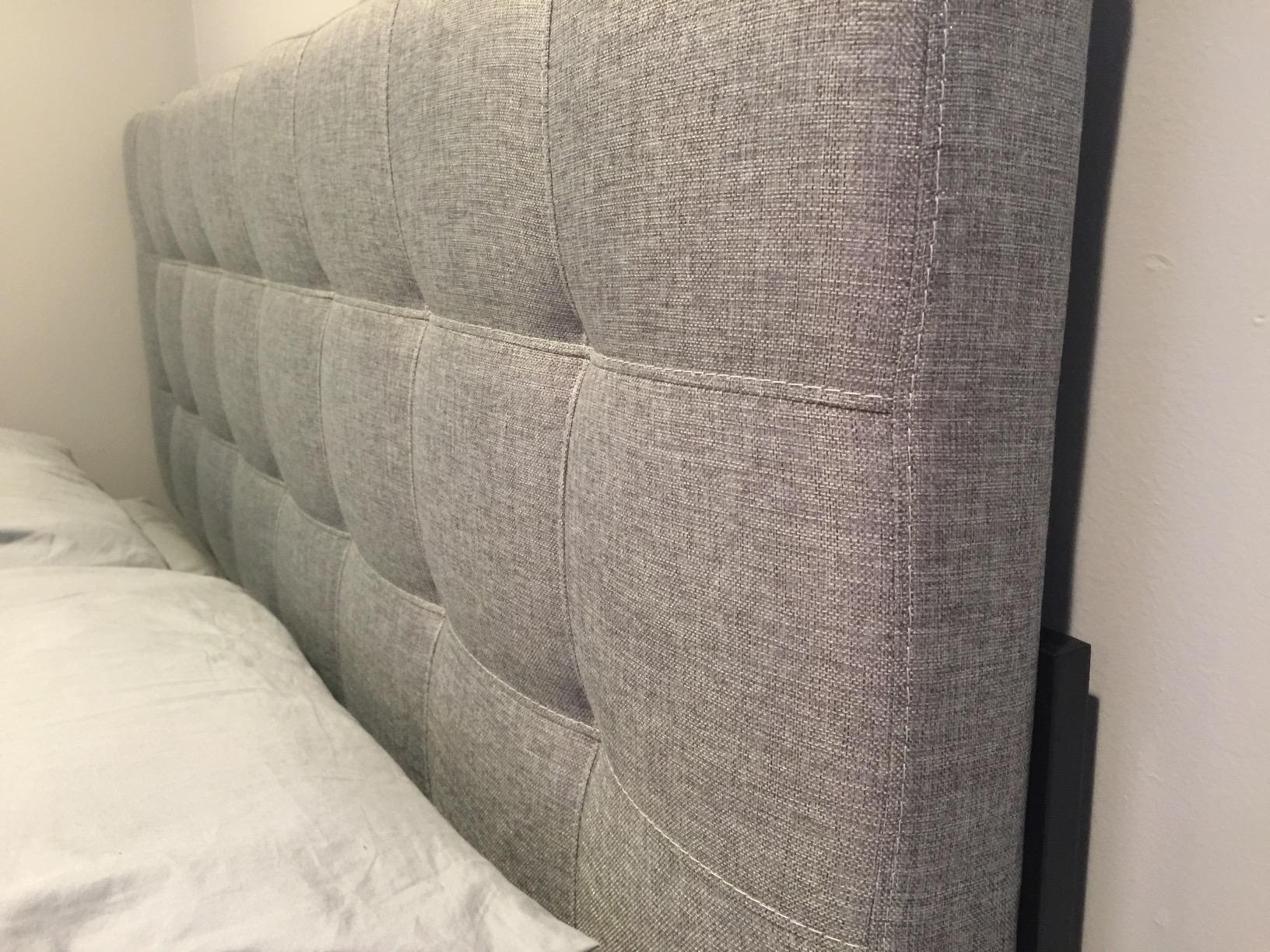
33 Of The Best Headboards To Upgrade Your Bedroom

The 10 Best Headboards That Scream “I’m A Well-Adjusted Adult!”

Sweet Dreams Aren’t Far—These Are the 9 Best Places to Buy a Bed