Defining and Understanding Window Opening Control Devices
Window Opening Control Devices (WOCDs) are a critical life safety feature in both residential and commercial buildings, designed to facilitate emergency egress through operable windows for occupants and emergency personnel while simultaneously providing fall protection. These systems are mandated to meet stringent performance standards to ensure their efficacy and reliability. To provide clarity on the definition of WOCDs, relevant code requirements, and their operational mechanisms, the Fenestration & Glazing Industry Alliance and the Window & Door Manufacturers Association have jointly released a technical bulletin, AAMA/WDMA TB-24-01.
The genesis of these vital window fall prevention devices can be traced back to the 2008 edition of ASTM F2090, a standard specification titled 'Standard Specification for Window Fall Prevention Devices with Emergency Escape (Egress) Release Mechanisms.' This standard meticulously outlines the proper procedures for testing, operating, specifying, and installing WOCDs. A fundamental operational aspect of WOCDs is their ability to release a window sash to fully open. This can be achieved through either two independent single-action devices or one dual-action device. Crucially, upon closing the sash, the device automatically resets, returning the window to its original limited opening of no more than four inches. The release mechanism itself is engineered to prevent accidental activation, ensuring that the window can only be fully opened in an emergency situation without requiring specialized keys, tools, or prior knowledge.
Building code provisions concerning fall prevention are triggered under specific conditions. These conditions generally apply when the lowest portion of an operable window opening is situated more than 72 inches above the finished grade or any other surface below on the exterior of a building. Additionally, these provisions come into play if the dimension from the finished floor to the lowest portion of the window opening is less than 24 inches or 36 inches, depending on the building's occupancy type and specific state or local code requirements. When fall prevention measures are necessitated, the code mandates the use of a device that adheres to ASTM F2090. This typically involves either a WOCD, a dedicated window fall prevention guard, or a specialized window screen.
In instances where a window opening is not designated for emergency escape and rescue, the building code allows for simpler solutions. This can include merely limiting the opening dimension of an operable window to prevent the passage of a four-inch diameter sphere, or alternatively, installing a non-operable window. For openings situated more than 75 feet above grade, devices must comply with ASTM F2006, the 'Standard Safety Specification for Window Fall Prevention Devices for Non-Emergency Escape (Egress) and Rescue (Ingress) Windows.' It is important to note that such devices, designed more as permanent barriers, should not be installed on openings required for emergency escape and rescue, as they are not intended to be released.
Understanding the mechanics of WOCD operation involves distinguishing between single- and dual-action mechanisms. A single-action mechanism might involve a simple lever that can be flipped, with two such devices typically installed on a single window. A dual-action device, conversely, necessitates two separate, distinct, and consecutive actions to release the WOCD. An example of this is pushing in one button and, while maintaining pressure on that button, simultaneously sliding a lever. For single- or double-hung windows, the standard specifies either two independent single-action devices or one dual-action device per window, positioned above the top of the bottom sash. In the case of sliding or gliding windows, the mechanism is located at the sill. In both scenarios, the egress release mechanisms must be clearly visible when the sash is in the fully closed position, or when the window sash has reached the controlled open position, or both. Crucially, the WOCD must automatically reset itself once the window is closed.
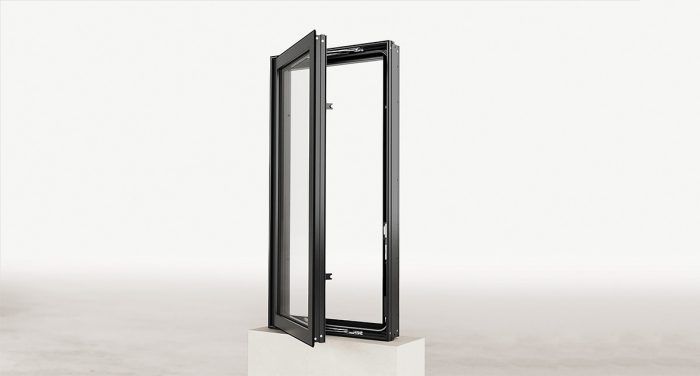
For casement, awning, or hopper windows, the sash is connected to the frame via a metal arm. To release the arm and fully open the window, a button is typically pushed inward toward the window jamb and then slid upward vertically. Upon closing the window, the WOCD automatically resets. While WOCDs are currently referenced in U.S. building codes, several Canadian provinces are also considering the inclusion of ASTM F2090 in their local codes. As an active participant in the Window Safety Task Force, FGIA provides additional window safety resources to further assist in preventing window falls. The comprehensive AAMA/WDMA TB-24-01 technical bulletin is freely available for download from the FGIA Online Store, offering valuable insights into these critical safety devices.
#WindowOpeningControlDevices #WOCD #BuildingCodes #WindowSafety #FallPrevention #FenestrationIndustry #ASTMStandards #EmergencyEgress #ResidentialSafety #WindowOpeningControlDevices #WOCD #BuildingCodes #WindowSafety #FallPrevention #FenestrationIndustry #ASTMStandards #EmergencyEgress #ResidentialSafety
0 comment in total
 No comments yet
You may also like
Open says me: Here's why an automatic curtain opener will change your life

Switchbot Curtain Rod 2 review: automated curtains without the hefty price tag


A Beginner’s Guide to High-Performance Windows

Shedding Light on the Future of Window Treatments

Experience the ease of motorized blinds with Levolor's InMotion collection
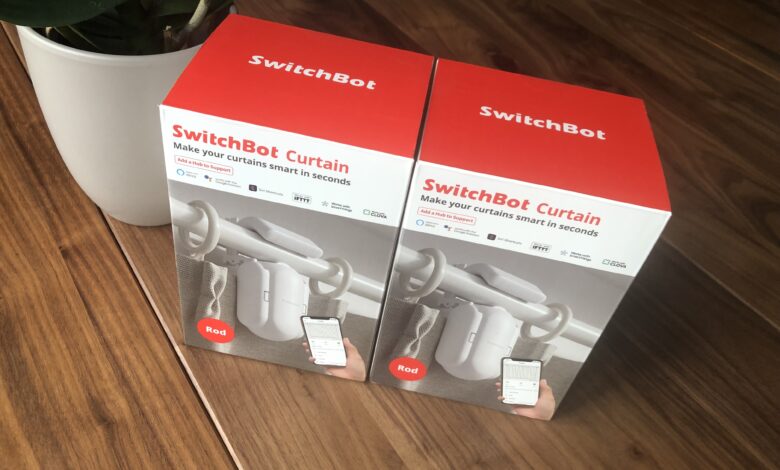
SwitchBot Curtain: Smart curtain with lots of accessories in the test


Meet Gil Breef | Motorized Window Treatments Expert

Are shutters outdated? Here’s what interior designers say, and how they're decorating for 2023 and beyond

The 4 Best Smart Retrofit Shade, Blind, and Curtain Openers of 2026 | Reviews by Wirecutter


Wolf Drapery: Don’t Overlook Drapes as Window Treatment Differentiator

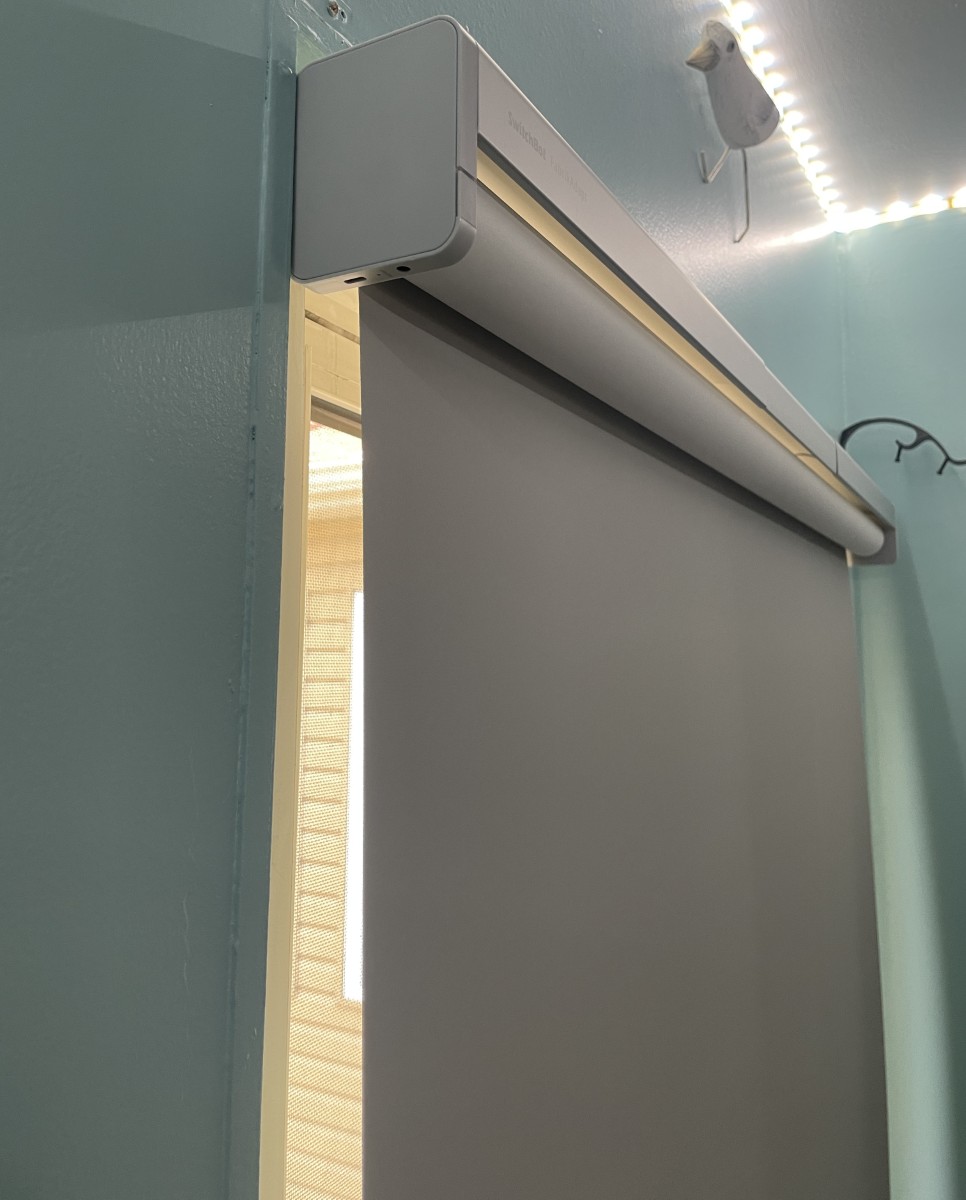
SwitchBot Roller Shade review – Now I want all my windows SwitchBot controlled!

Best Smart Blinds for 2025, Tested and Reviewed

Awning Windows From Marvin Make Fresh Air Automatic

This $99 gadget lets you voice-control your curtains - or even program to open automatically at sunrise

SwitchBot Curtain 3 review: 3rd-gen curtain controller gets it right

SwitchBot: An Easily Retrofittable Automatic Curtain-Drawing System

How SwitchBot Curtain Rod 2 Improves on the Original Motorized Curtain Design

The Shade Store’s automated window treatments empower any project


Smart Blinds: Window Covering in the Matter Standard

High-Tech Windows