1/3
Cracks In Your Walls This Summer? Quick Fixes To Keep Your Home Safe
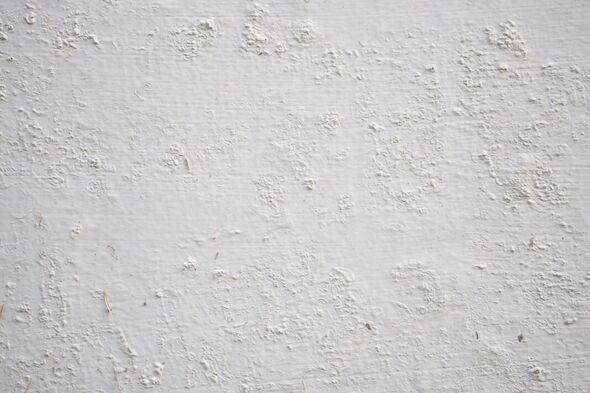
The advent of summer, while often anticipated, can bring an unwelcome guest for homeowners: cracks in walls. This phenomenon is particularly prevalent in older buildings, where fluctuations in temperature can cause materials to expand and contract, leading to fractures. However, newer constructions are not entirely immune, as they too can experience cracking due to natural settlement as the structure adjusts to its foundations, especially within the initial years post-construction. Beyond temperature variations, other factors contributing to wall cracks include water damage, and more seriously, subsidence and significant structural movement. These more severe causes often manifest as cracks appearing suddenly or worsening rapidly, necessitating immediate investigation by professionals.
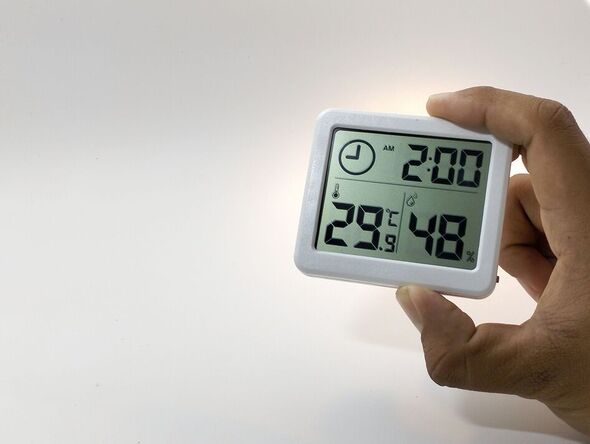
The most common reason for wall cracking during the summer months is the combination of heat and humidity. These elements impose stress on the walls, and if left unaddressed, even minor hairline cracks can escalate into substantial and costly repairs, potentially ranging from £7,500 to £9,500. To mitigate the risk of wall cracking and avoid unexpected expenses, maintaining a dry indoor environment is crucial. Experts recommend using a dehumidifier to keep humidity levels stable, ideally within a range of 40 to 60 percent. Conversely, using air conditioning units is advised against, as they can rapidly dry out the air, which can exacerbate cracking. Regular visual inspections, ideally every two weeks during peak summer, are vital for early detection of any issues. It's important to inspect not only visible wall surfaces but also areas behind furniture and large appliances, and to extend inspections to the home's exterior.
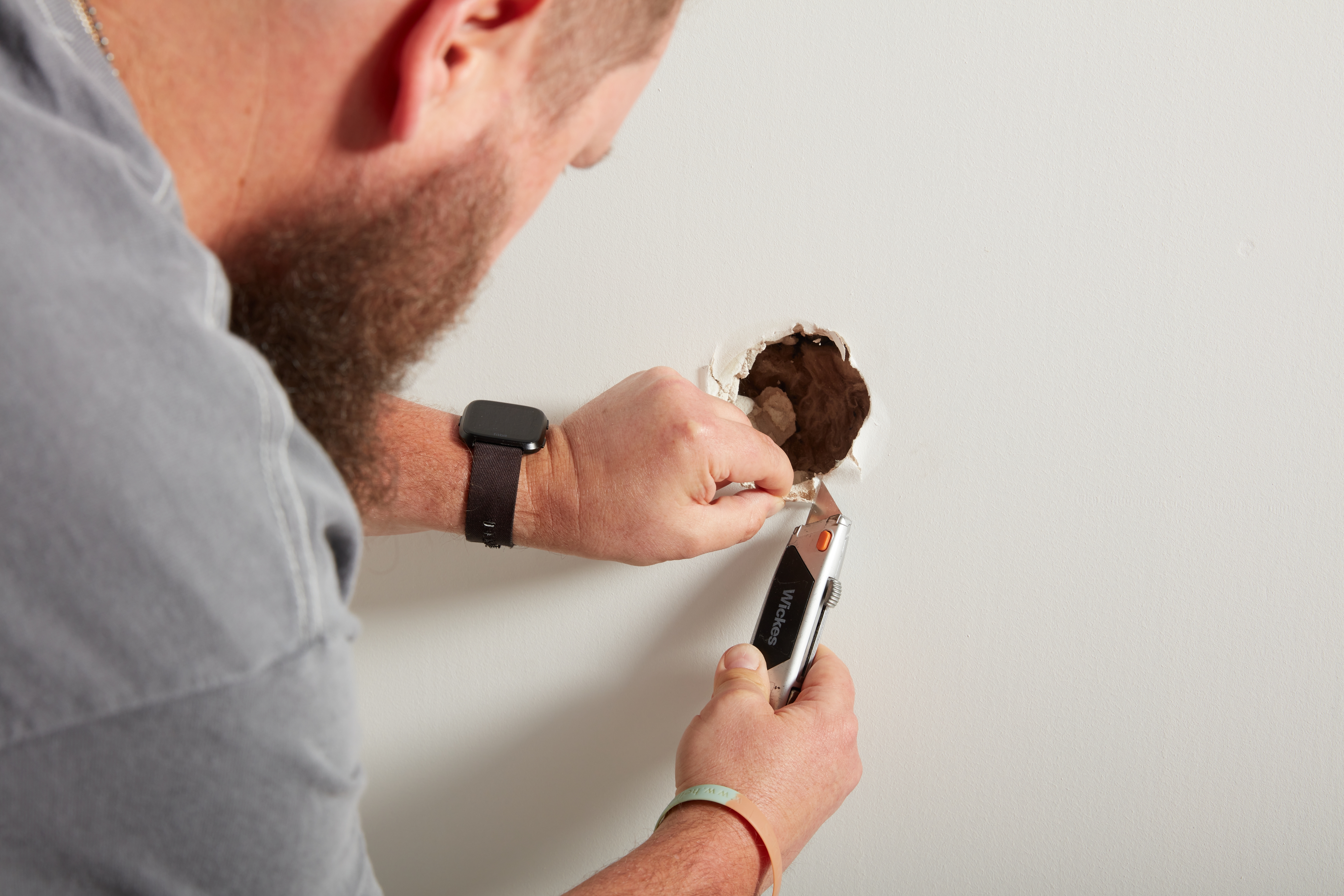
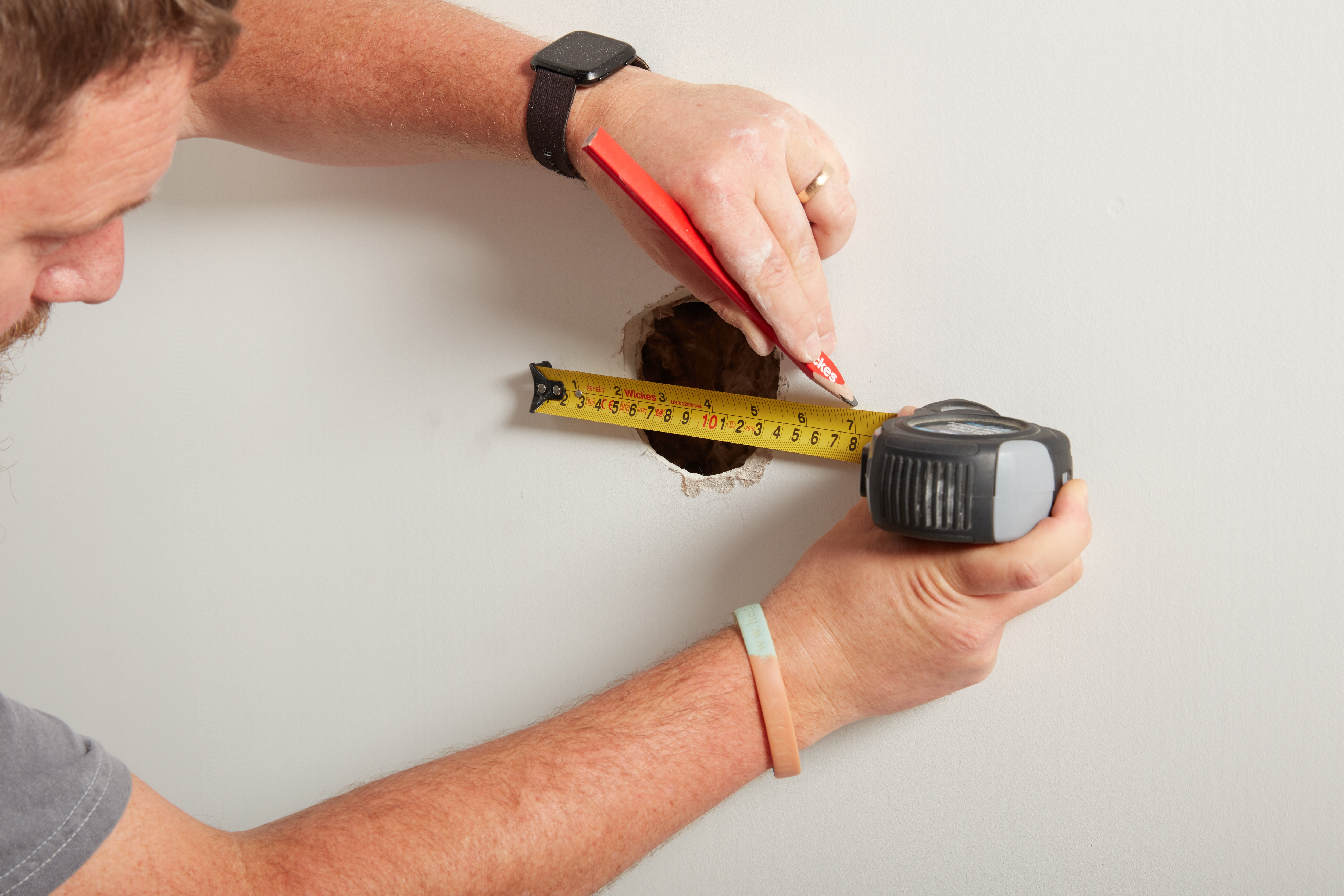
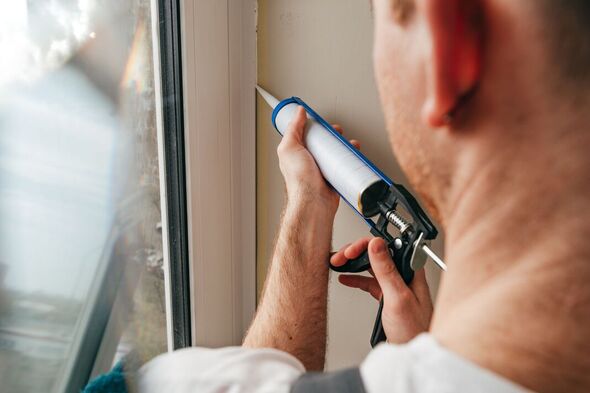
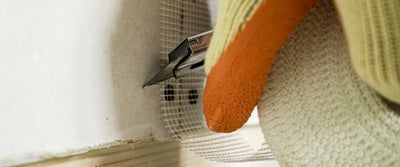
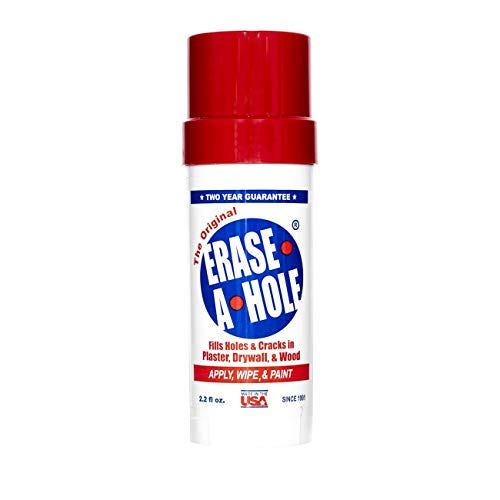
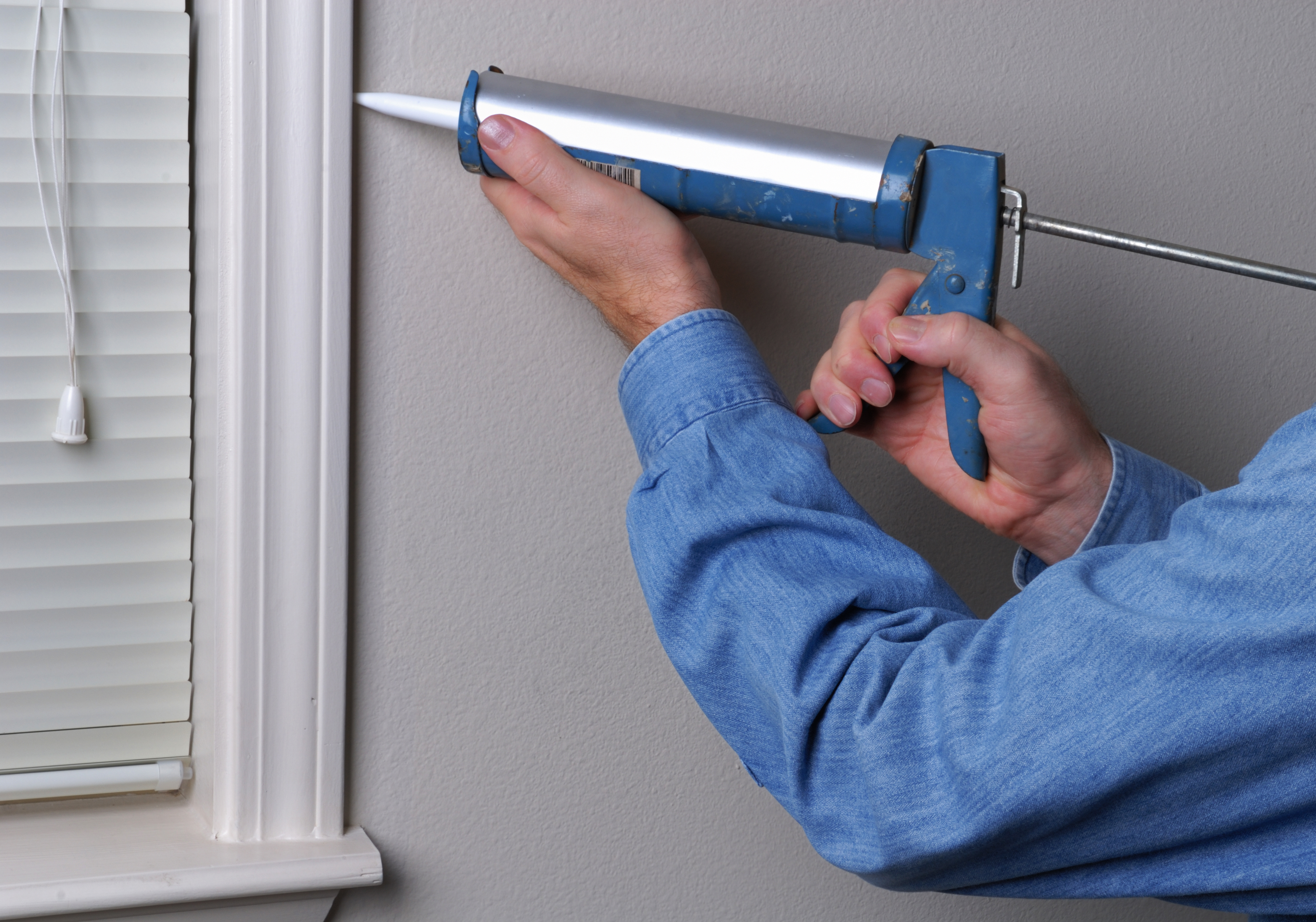
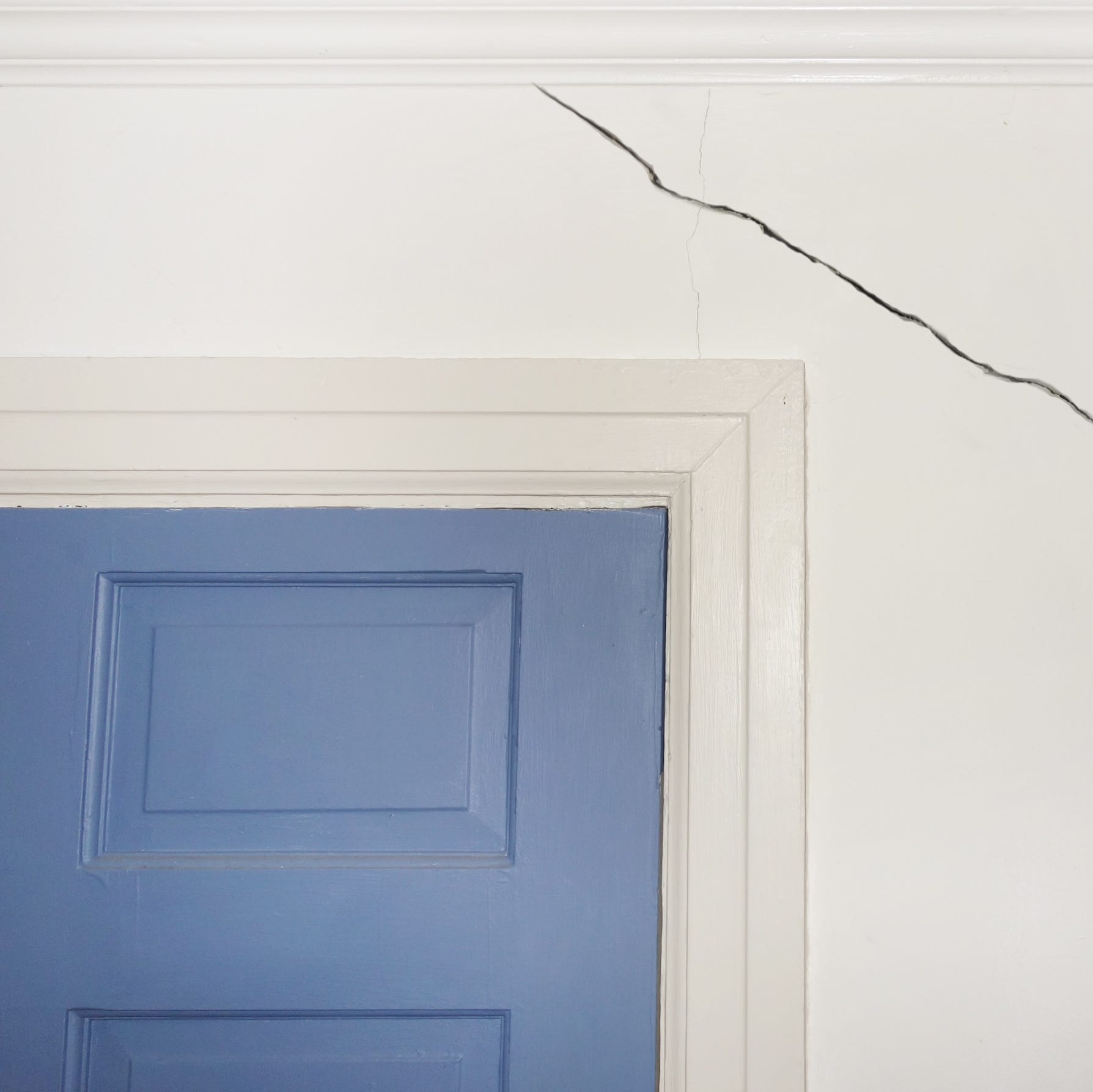
For exterior walls that receive direct sunlight, shading them with trees or climbing plants can help reduce heat absorption and temperature fluctuations. When cracks are identified, measuring them is the first step in determining the appropriate course of action. Minor, cosmetic cracks can often be addressed by homeowners using products like filler, mesh tape, or joint compound, depending on the crack's size and type. However, there are clear indicators that signal the need for professional intervention. If a crack exceeds the width of a 5p coin, which is approximately 2mm, it is strongly advised to seek expert advice rather than attempting a DIY fix. This also applies to cracks that are diagonal, those that are visibly growing, or those that reappear after being patched. Cracks located near doors also warrant professional assessment.
Crucially, homeowners are cautioned against delaying action or attempting to conceal larger cracks. Masking a serious crack only postpones a necessary repair. Instead, if there is concern about a larger crack, contacting a qualified surveyor or structural engineer to ascertain the root cause is the most prudent approach. Early identification and resolution of underlying issues can prevent more extensive and costly damage, thereby ensuring the structural integrity of the home regardless of weather conditions.
#HomeMaintenance #WallCracks #SummerHomeCare #HumidityControl #DIYHomeRepair #StructuralIntegrity #PropertyDamage #ExpertAdvice #HomeSafety #HomeMaintenance #WallCracks #SummerHomeCare #HumidityControl #DIYHomeRepair #StructuralIntegrity #PropertyDamage #ExpertAdvice #HomeSafety
0 comment in total
 No comments yet
You may also like

Beat the heat: 7 DIY natural ways to summer-proof your house | Lifestyle News

How to 'warm up' cold walls and 'protect' your home from condensation and mould growth

Wall paneling ideas – experts offer 9 simple tricks to wake up your walls

How to Figure Out What Kind of Walls You Have Behind Your Wall Paneling


This is the 1 simple $8 fix to stop your fence panels rattling this summer


How to Seal Your Drafty Windows for Less Than $50
The Internet Is Fighting Over "Wall Chapstick"

6 ways to future-proof your home against extreme weather – your home (and wallet) will thank you
How to repair a wall or ceiling

6 Outdoor Fixes You Should Do Now for a Damage-Free Spring, Home Reno Pros Say


‘It’s a tough lesson to learn’ – brick homeowners must complete this outdoor maintenance task to avoid costly repairs and structural failure

5 Simple Solutions for More Efficient Windows This Summer


Minimize Plaster Repair With These 5 Tips for Perfect Plaster Walls


How to plaster a wall


8 Simple Styling Swaps to Take Your Home from Summer to Fall

8 ways to make your home more secure this spring
6 Best Hurricane Shutters to Protect Your Home During Storm Season


How to hang wall perfectly: Use a fork


Everything you need to upgrade your patio for summer and how to protect it

DIY A Heat Blocking Curtain For Lower Bills This Summer