
Confusion over converting attached garage?
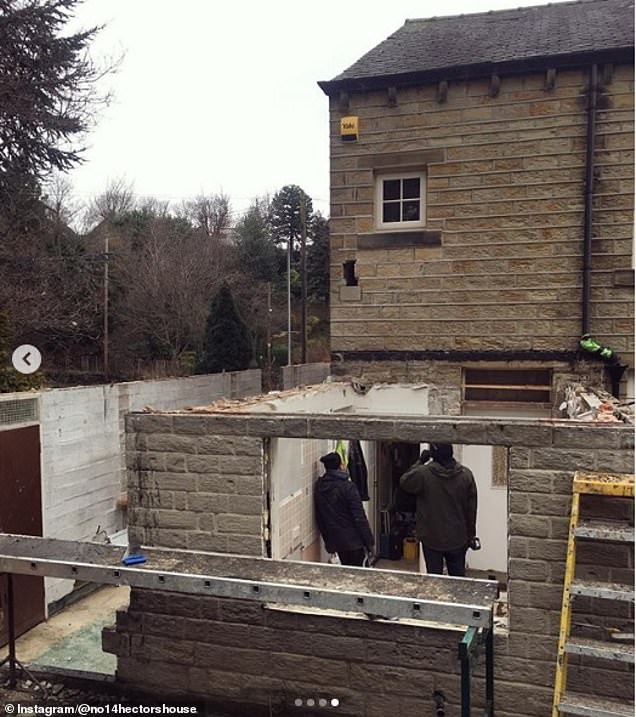
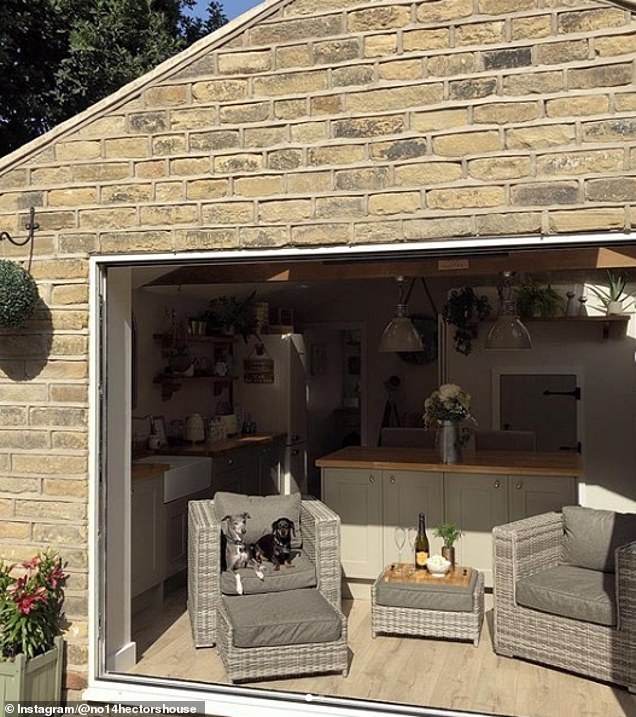
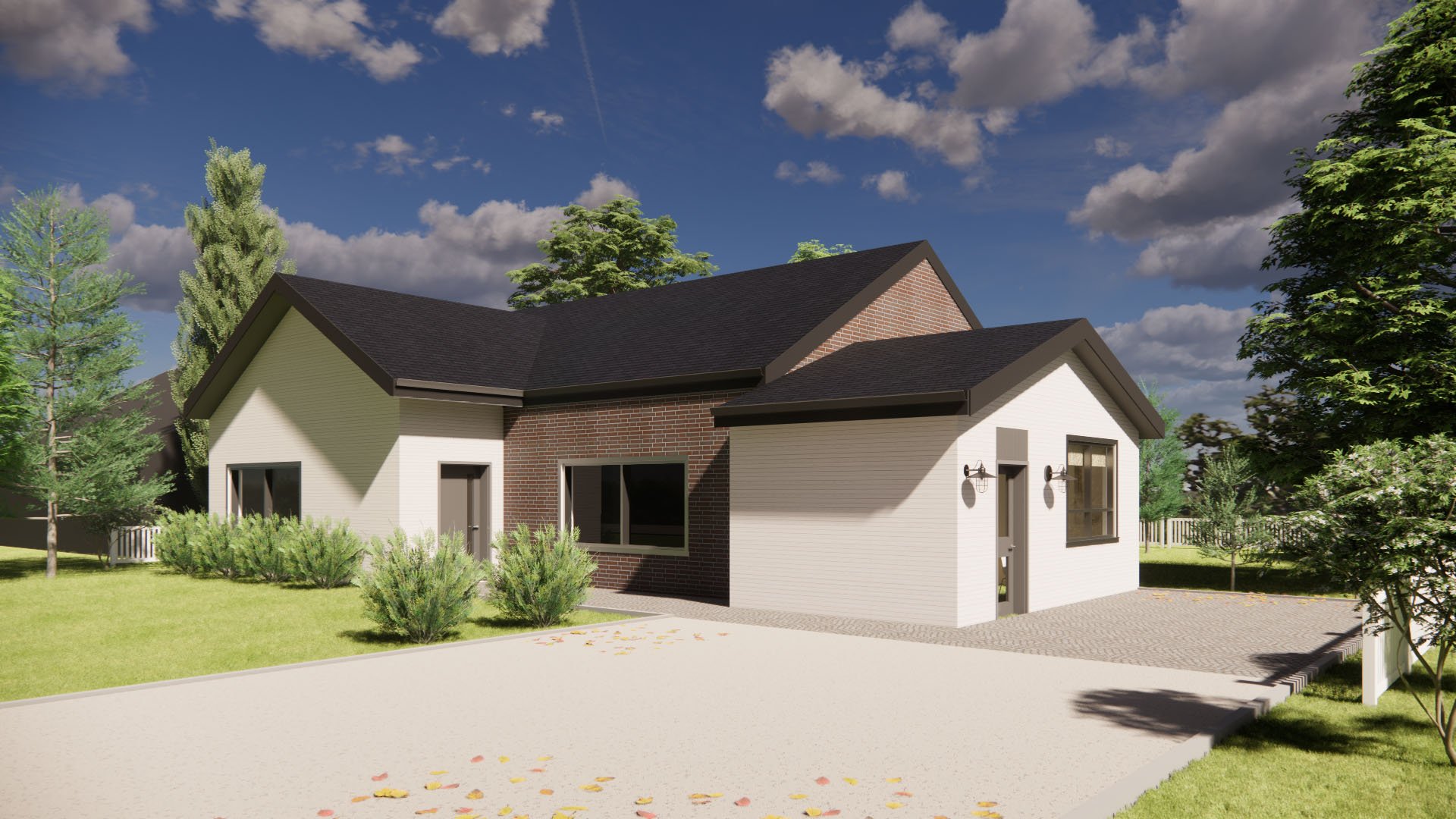
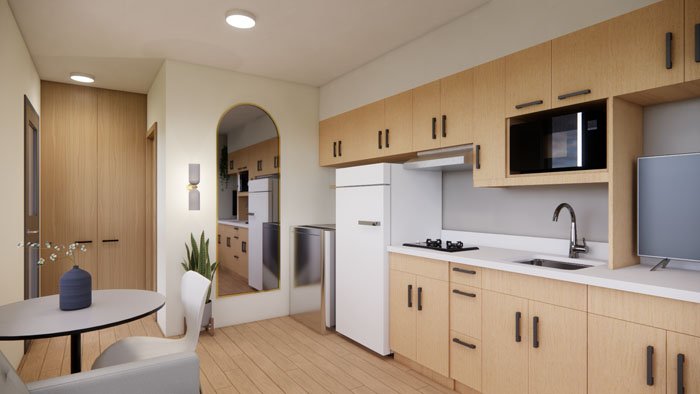
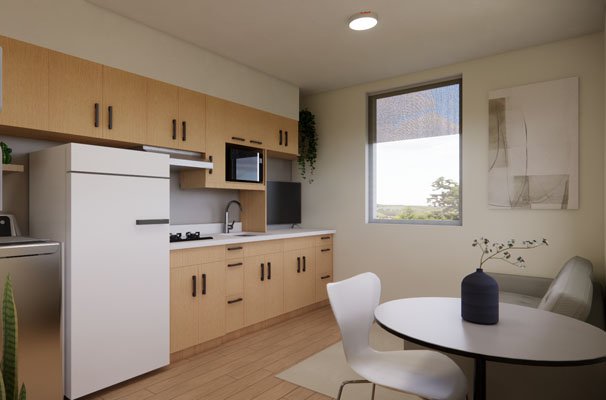
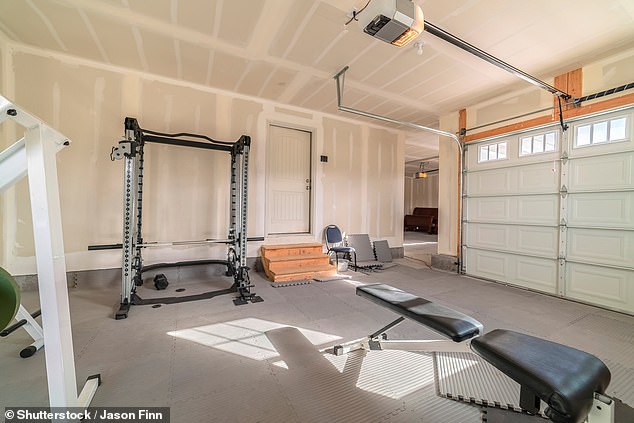
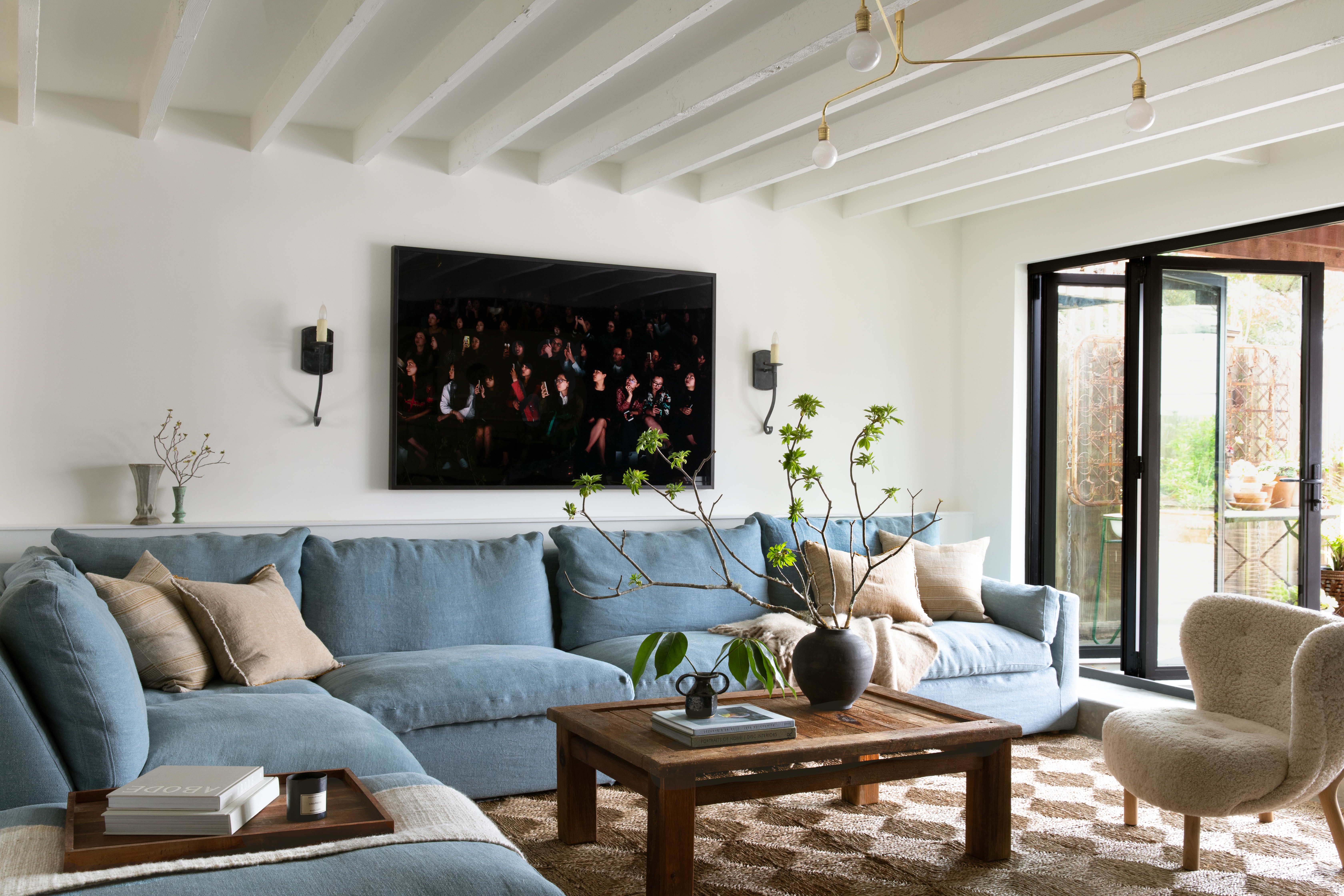
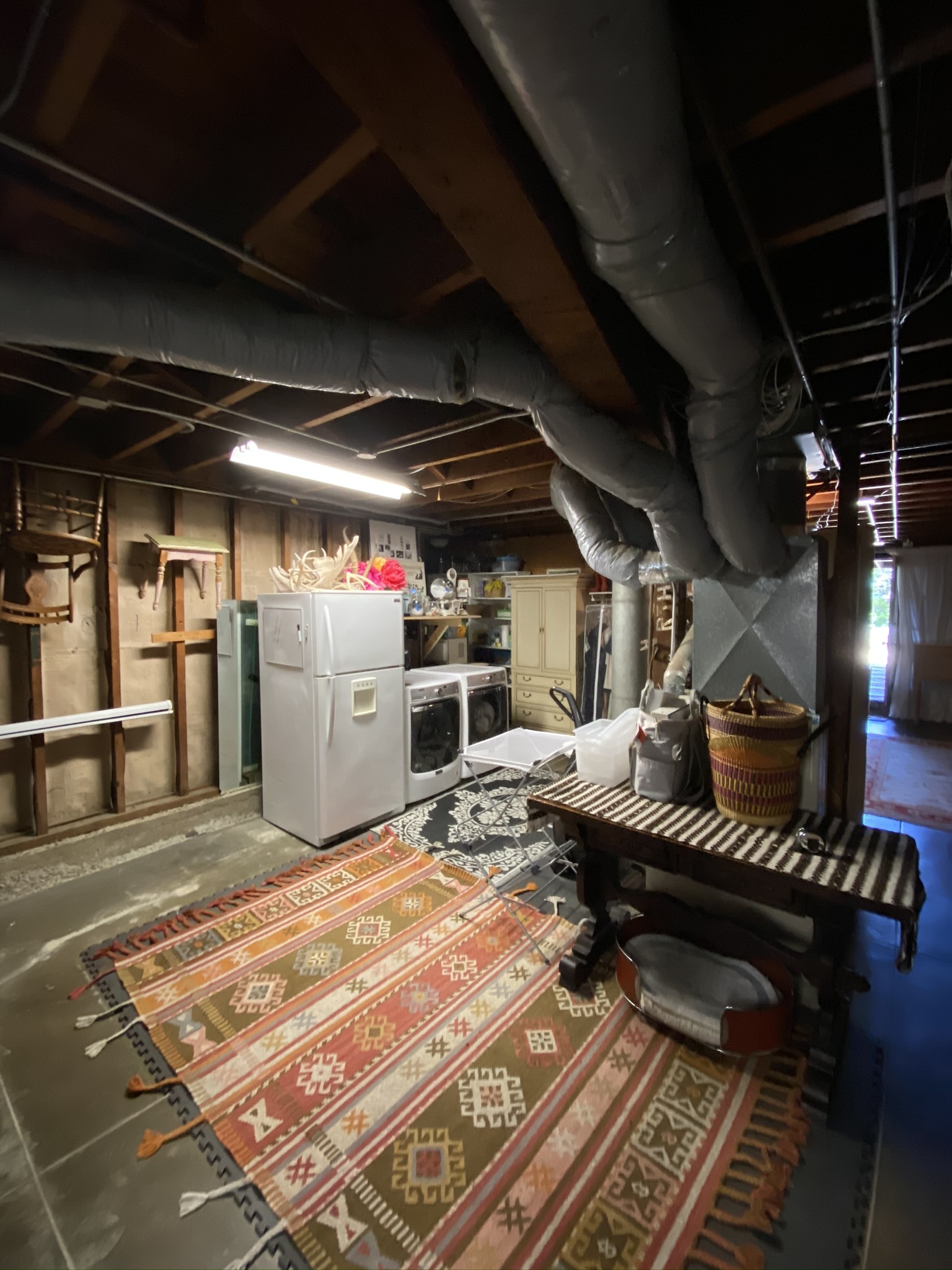
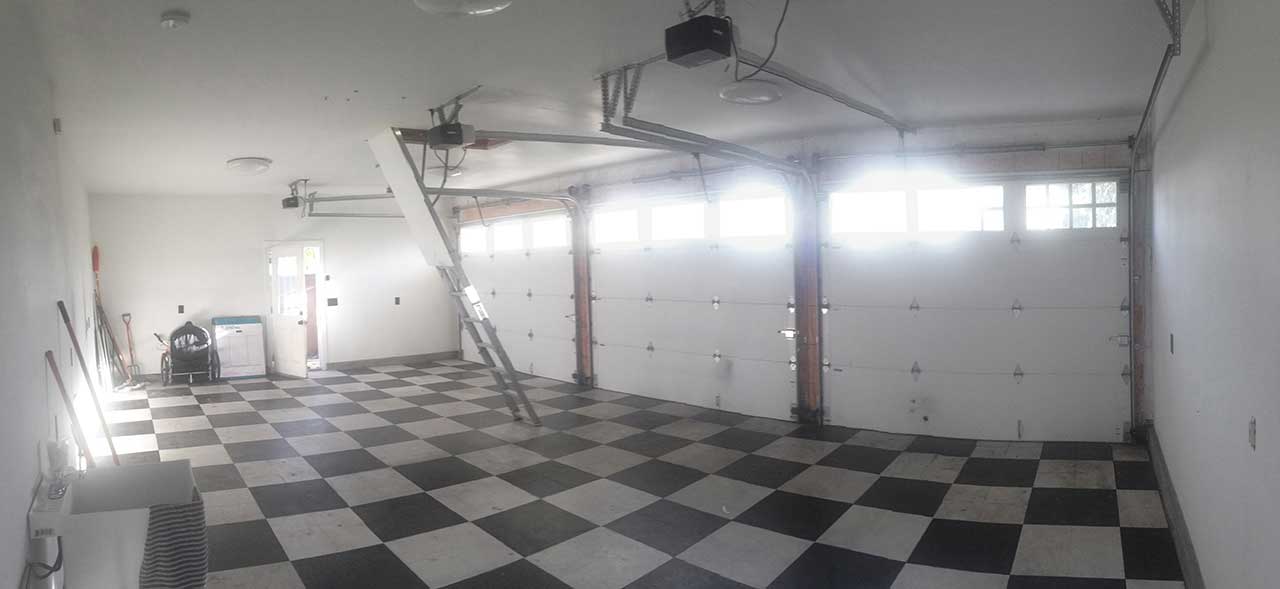
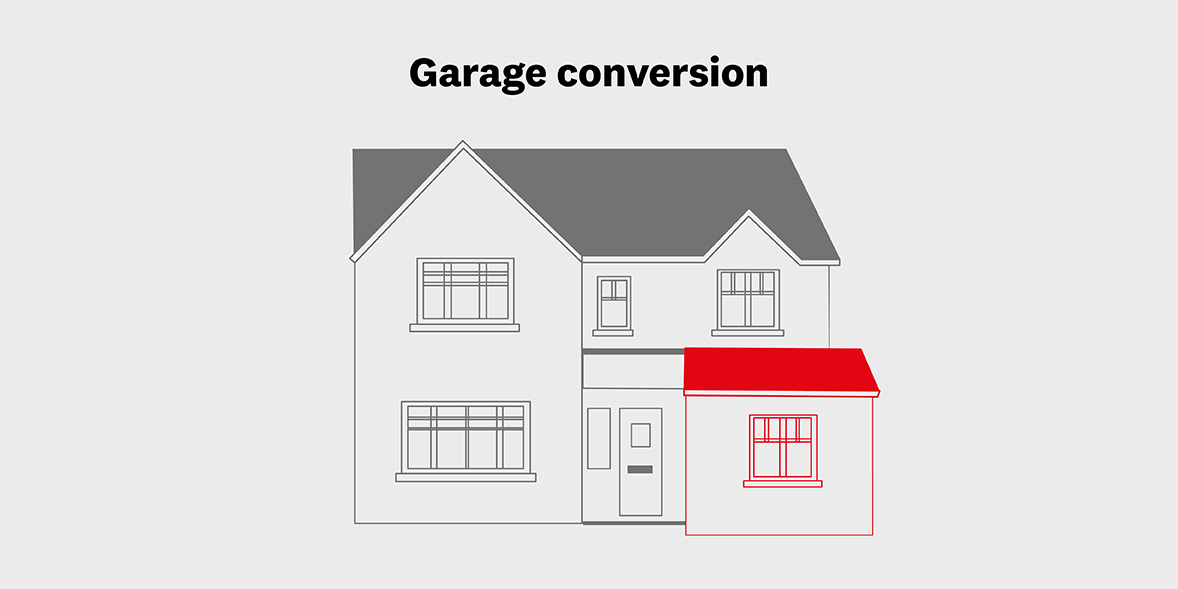
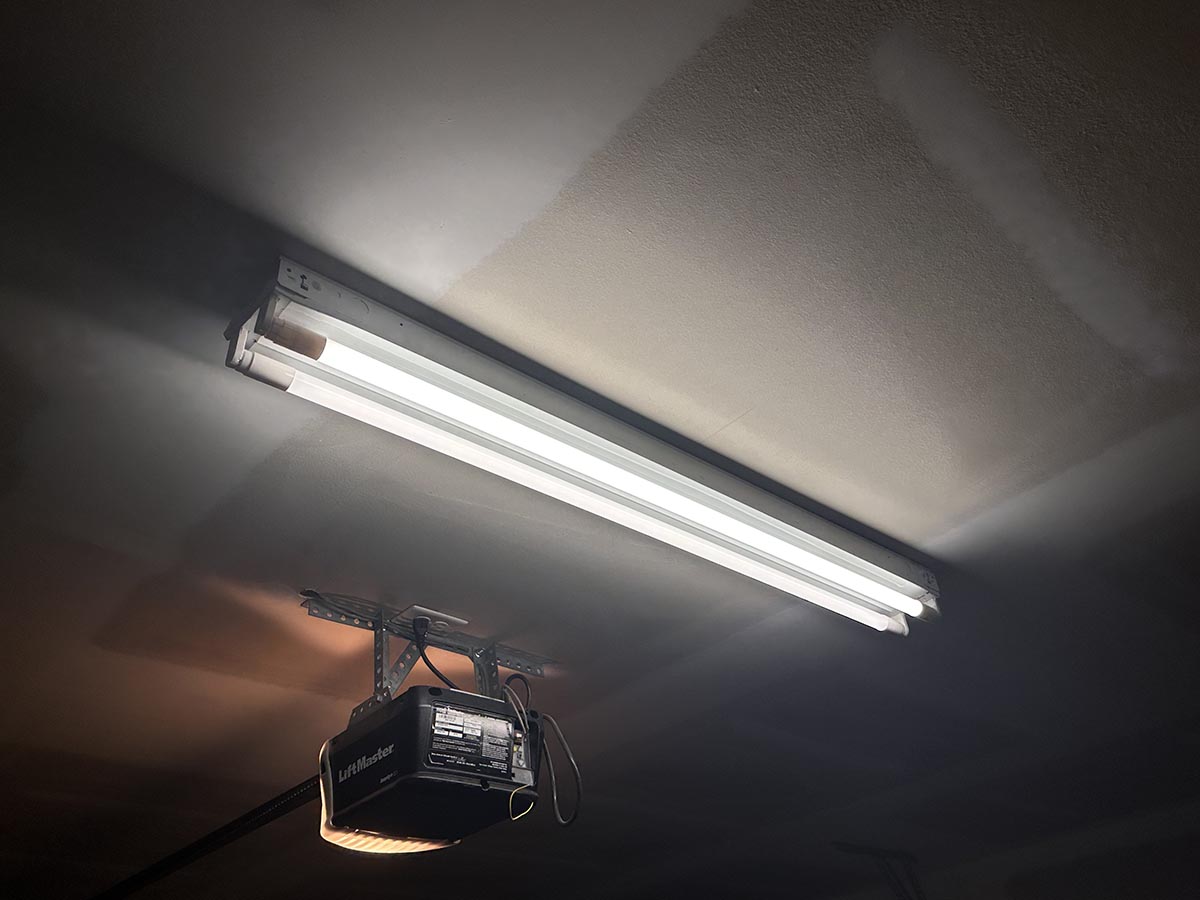
A homeowner, impacted by Section 24 and rising mortgage rates, seeks to convert an attached garage into Airbnb accommodation to supplement income, particularly due to its proximity to a major airport. The individual is confused by conflicting information regarding planning permission and permitted development regulations for such a conversion. The homeowner specifically asks whether planning permission is required or if it falls under permitted development. Additionally, clarification is sought on what amenities can be included, such as a shower, air fryer, kettle, and microwave.
The article then presents a series of comments from other members of the landlord community, offering diverse perspectives and advice on the matter. One commenter suggests contacting the local council for guidance, emphasizing the need to comply with local regulations, health and safety standards, and parking provisions. This commenter also highlights that Airbnb itself might have specific guidelines for hosts.
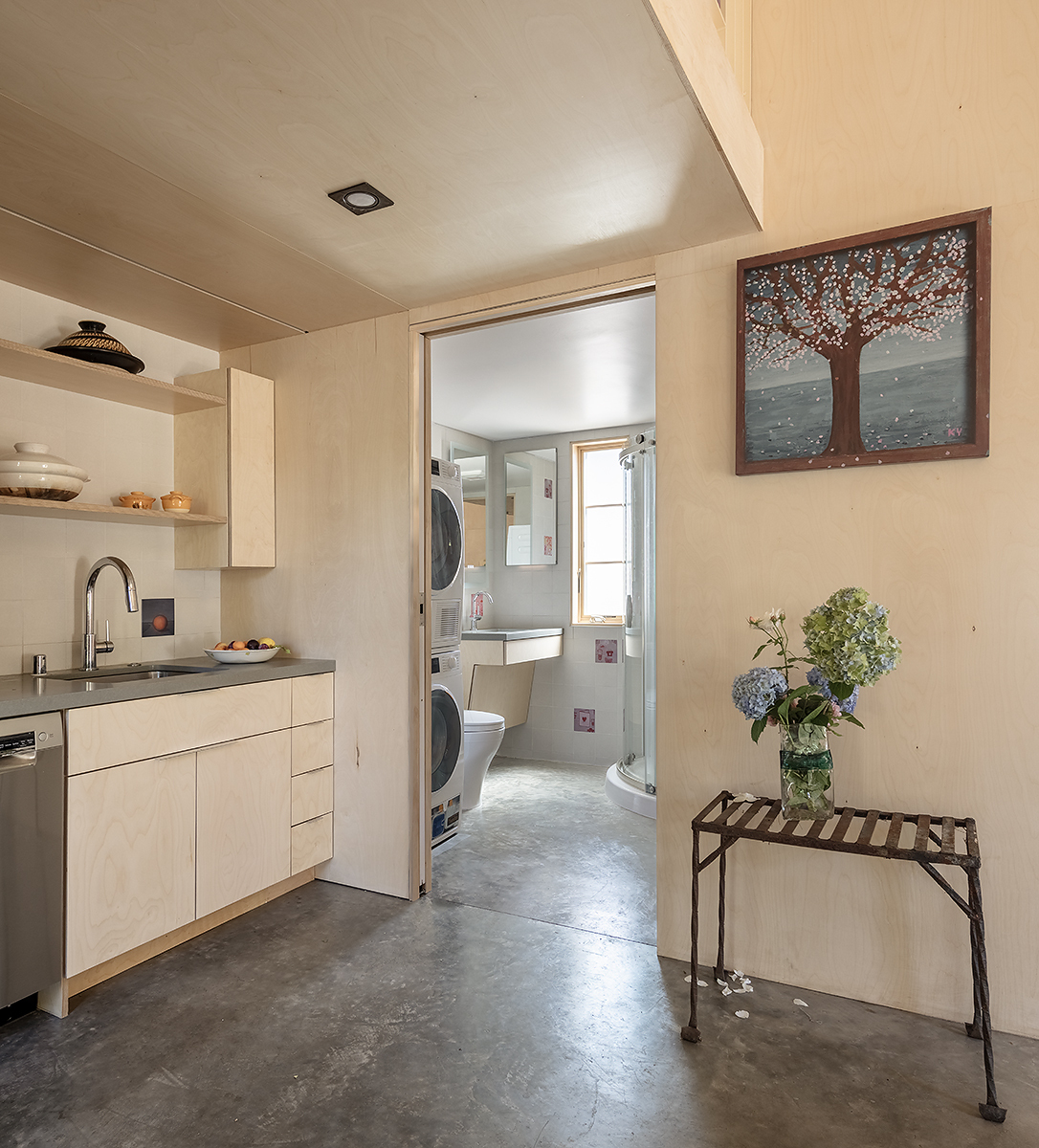
Another member, who has experience with a similar conversion, recommends structuring the garage conversion as an extension of the main house with an adjoining door that can be locked. This approach, they suggest, helps avoid the appearance of a self-contained unit, which councils may frown upon. They advise against installing a cooker to maintain the appearance of a non-self-contained unit but state that a shower room and utility room are acceptable. This member also suggests exploring alternative advertising platforms beyond Airbnb, as some platforms attract less negative attention from local authorities. They further advise that after council sign-off, the owner is free to make additional modifications.
A third commenter strongly recommends transparency with the local authority from the outset. This individual stresses that converting part of an existing dwelling into a dedicated business, even if Class C5 is not yet formally introduced in England, will likely constitute a material change of use. This change could impact neighbors through increased parking demand, noise, and constant foot traffic, potentially requiring planning permission. Building control inspections would also be necessary, necessitating adherence to updated U-Values, such as insulating the floor. The commenter also advises notifying the mortgage lender (if applicable) and reviewing their terms and conditions, as well as updating home insurance policies. They warn that a single neighbor complaint could trigger enforcement action and a retrospective planning application, which is generally an unfavorable outcome.
Finally, another piece of advice proposes initially undertaking the conversion as an extension to the main home, with the intention of later letting it out under the 'rent a room' scheme, which offers up to £7,500 tax-free income annually. However, a counter-argument to this suggests that being transparent with the local authority is crucial. The risk of neighbor complaints leading to enforcement actions and forced retrospective planning applications is reiterated, emphasizing that neighbors are often quick to complain, especially if they perceive the owner to be profiting. The overarching theme across the comments is the complexity of garage conversions for short-term rentals and the critical importance of understanding and adhering to local planning, building, and insurance regulations to avoid potential legal and financial repercussions.
#GarageConversion #Airbnb #PlanningPermission #PermittedDevelopment #RentalIncome #PropertyInvestment #LandlordAdvice #BuildingRegulations #HomeImprovement #GarageConversion #Airbnb #PlanningPermission #PermittedDevelopment #RentalIncome #PropertyInvestment #LandlordAdvice #BuildingRegulations #HomeImprovement
0 comment in total
 No comments yet
You may also like
Everything you need to know about garage conversions

Conversion tactics: making the most of unused space in your home
An Indiana DIYer Turned Her Garage Into a Living Room (Terrazzo Fireplace Included)
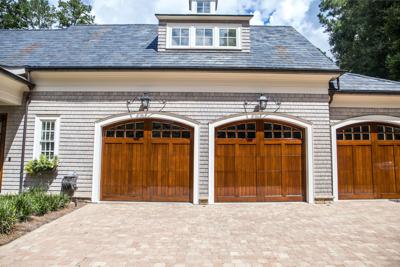
Column: Garage doors are for more than just new home repair project
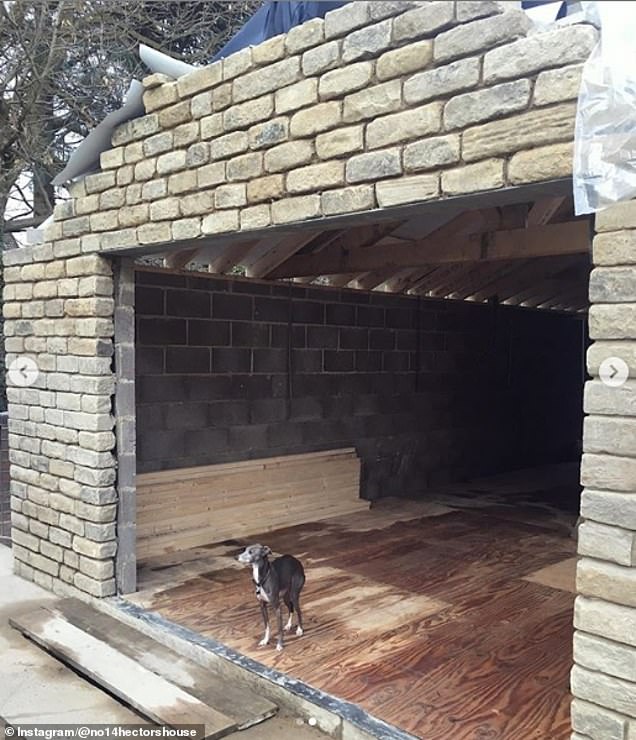
Homeowners transform their garages into luxury living spaces
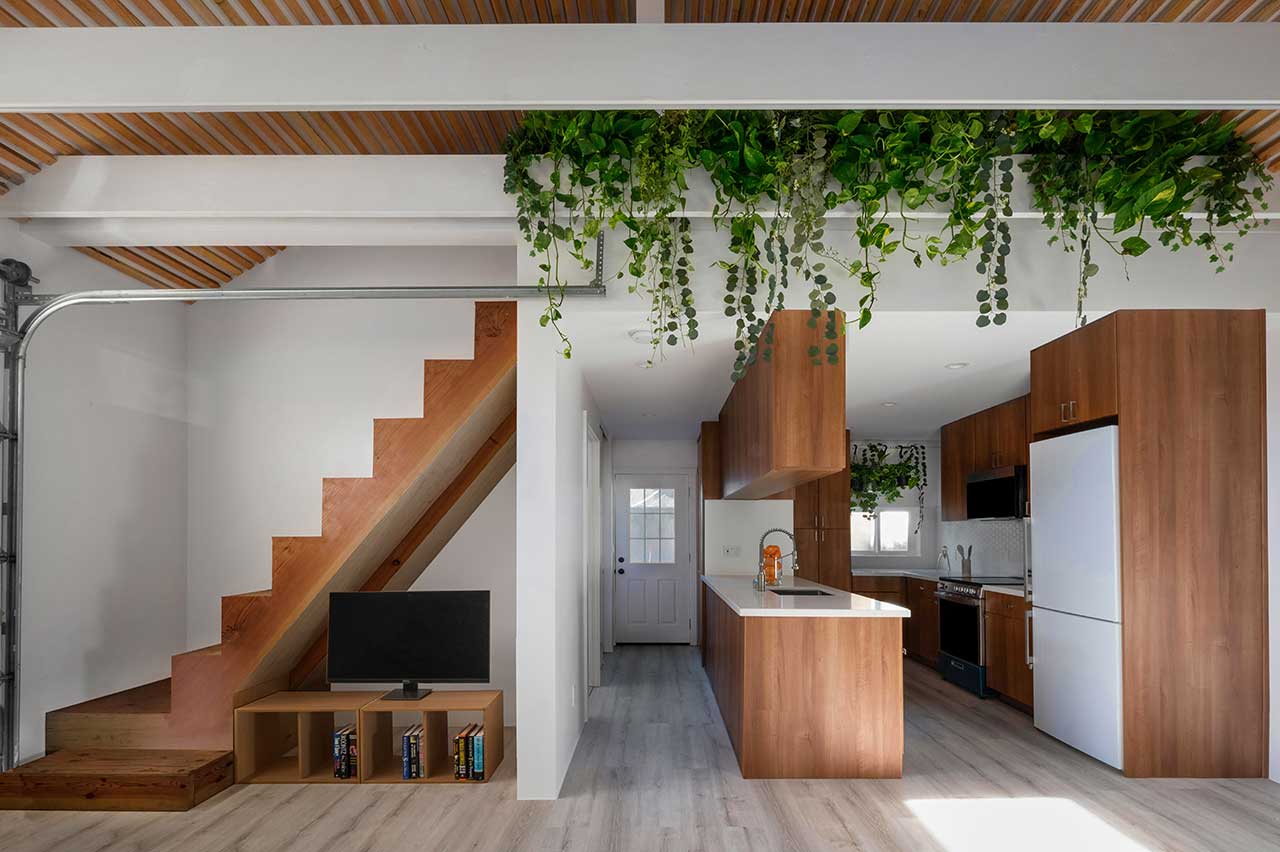
From Dirty Garage to a Modern, Flexible ADU for Guests + Work
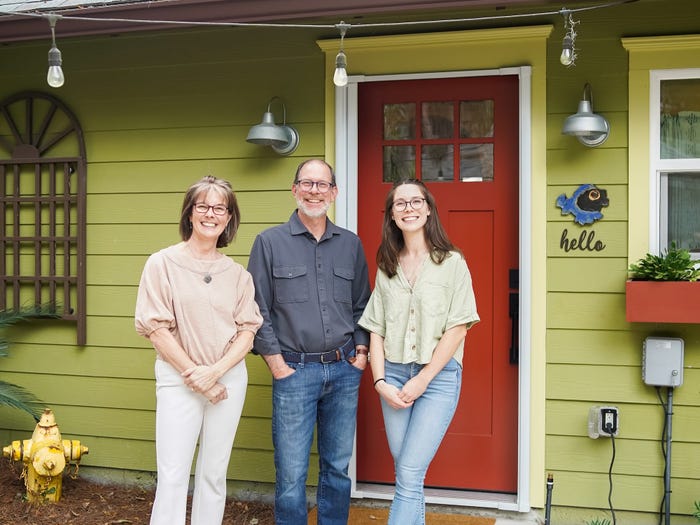
A family spent $69,000 turning their garage into an apartment so their son could live rent-free while launching his startup
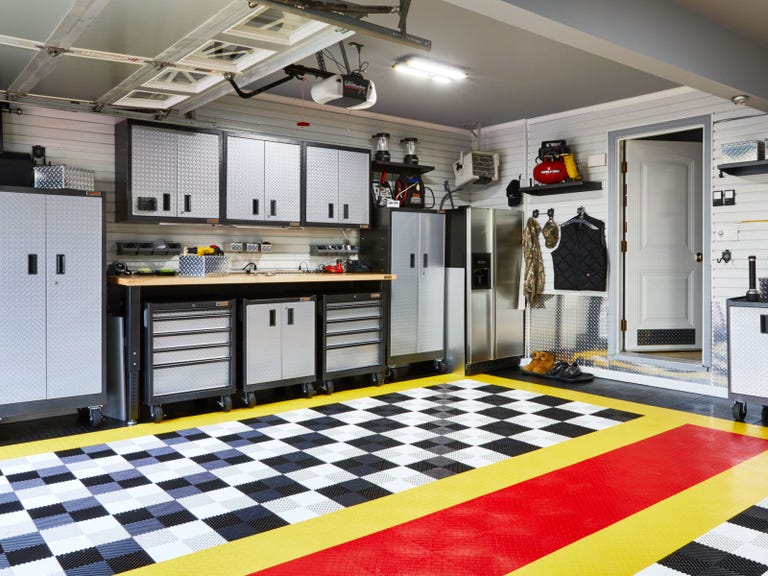
How to Upgrade Your Garage in 8 Days (Or Less)

Garage Conversion Toolkit

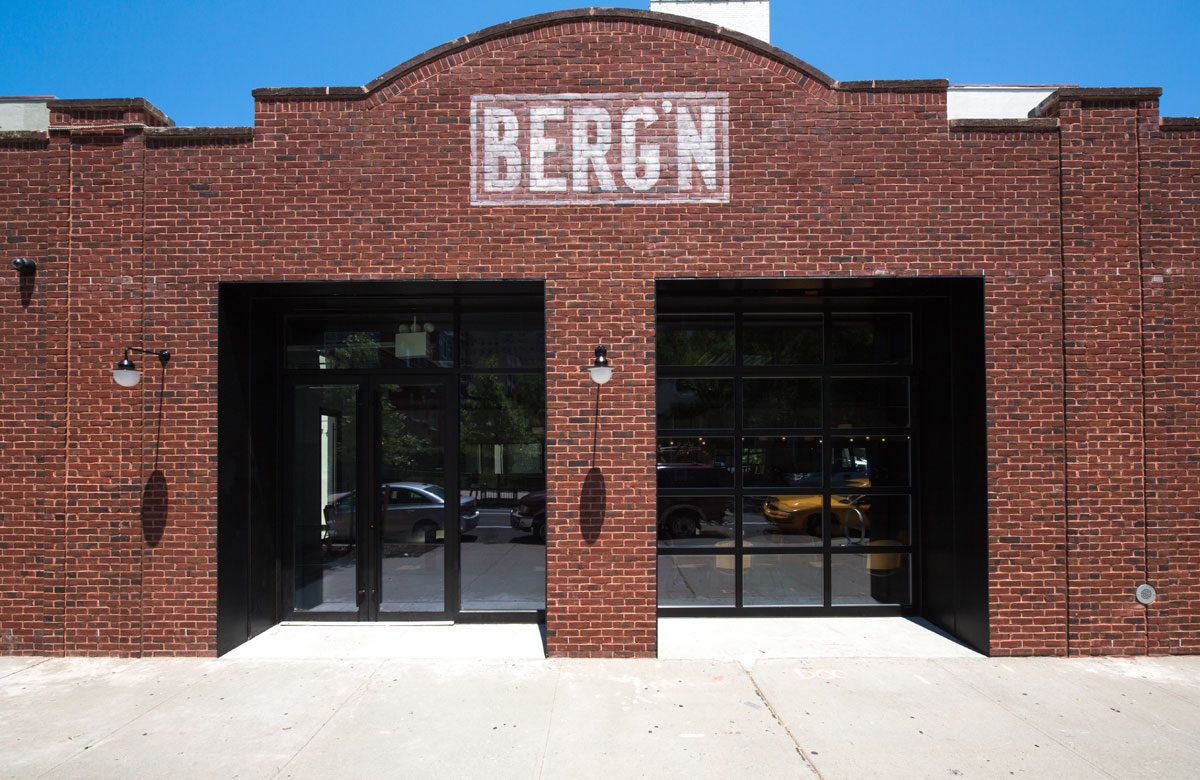
5 Stunning Garage Conversions

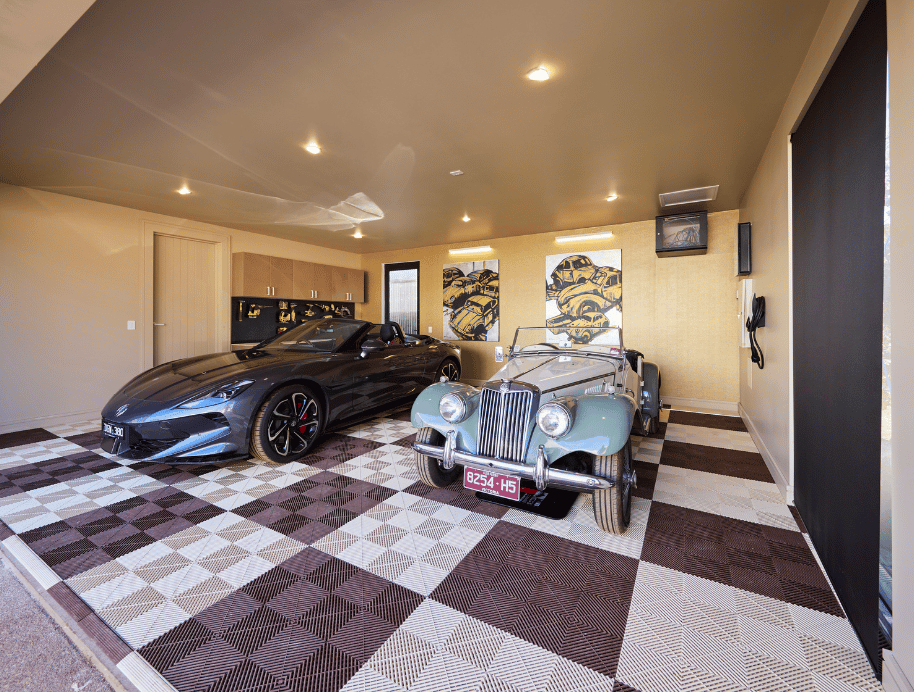
Take your garage to the next level
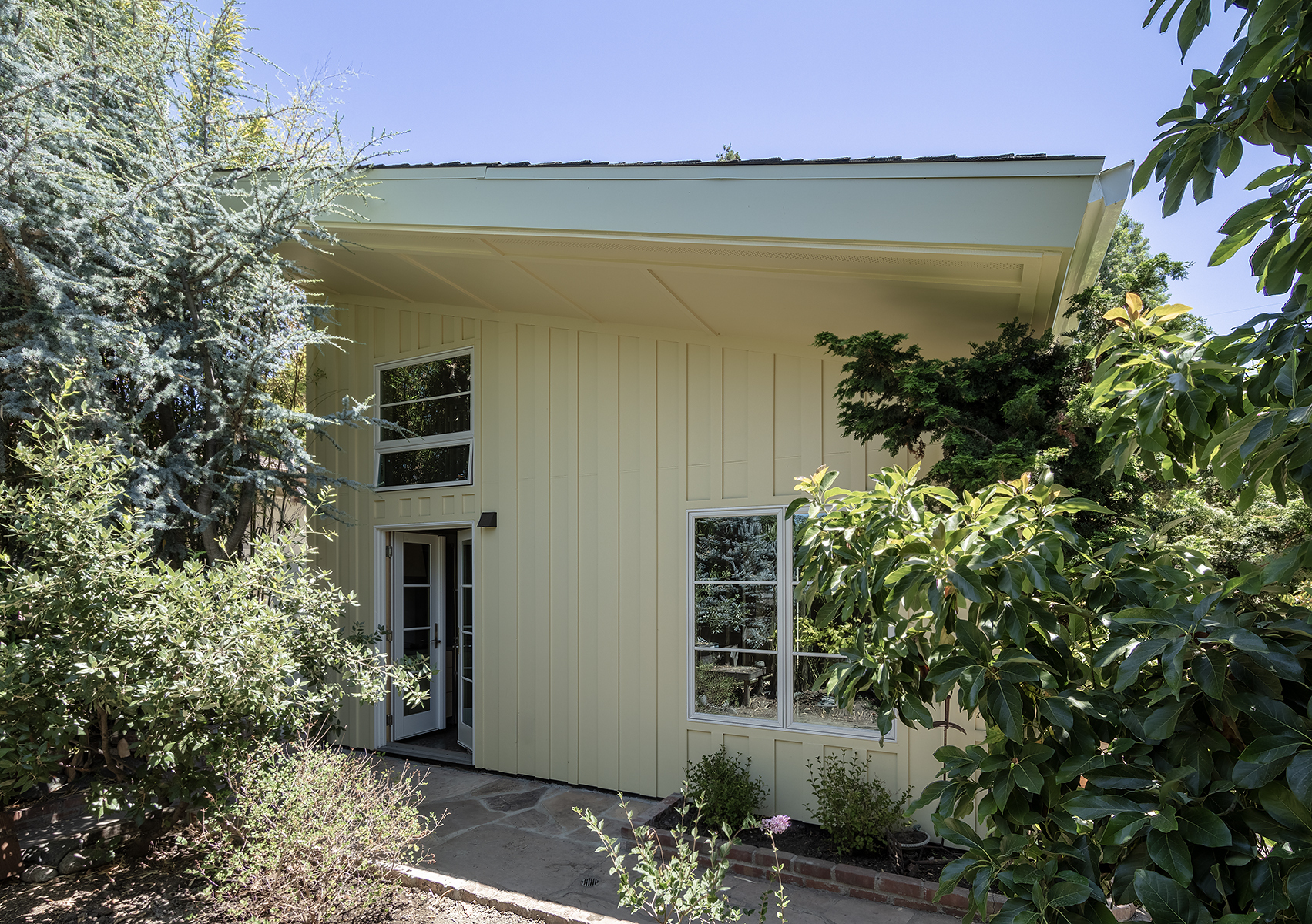
An Underutilized Garage in the Bay Area Is Transformed Into a Net-Zero ADU

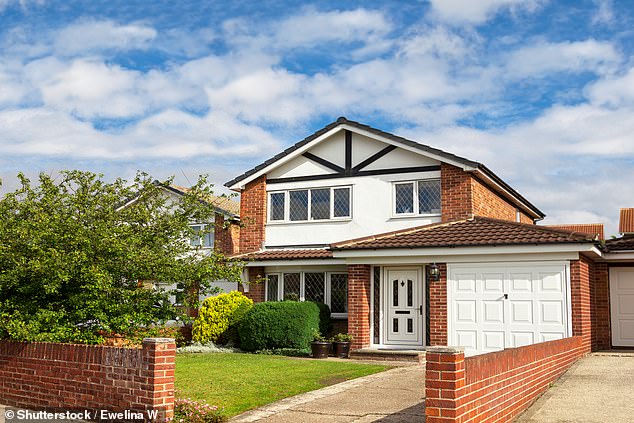
I want to convert our garage and put in a shower room: Do I need planning permission?

House extension and conversion ideas
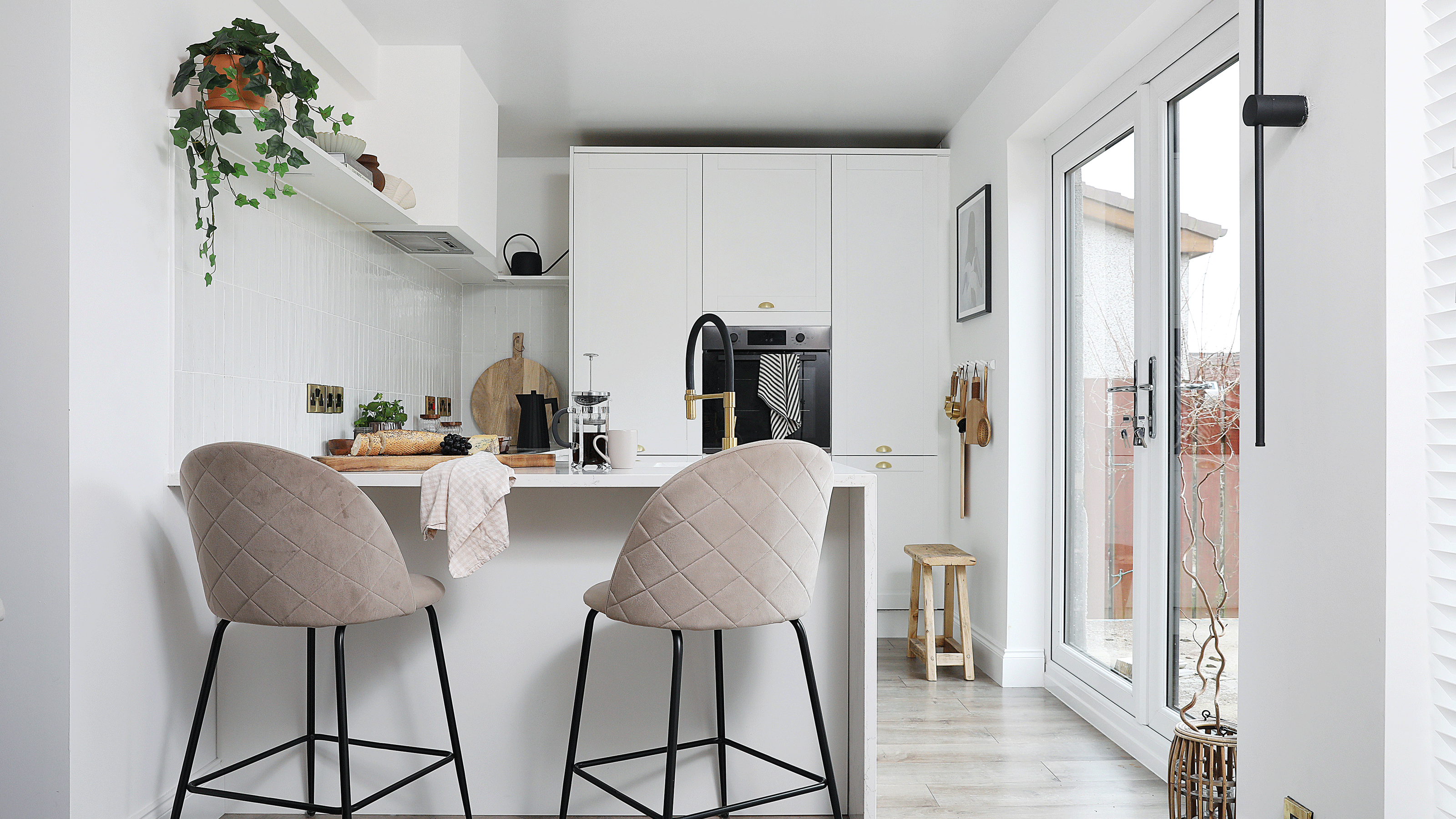
A small extension and a layout rethink have given this family all the extra space they need to thrive

This Simple Upgrade Can Give Your Garage a Complete Makeover

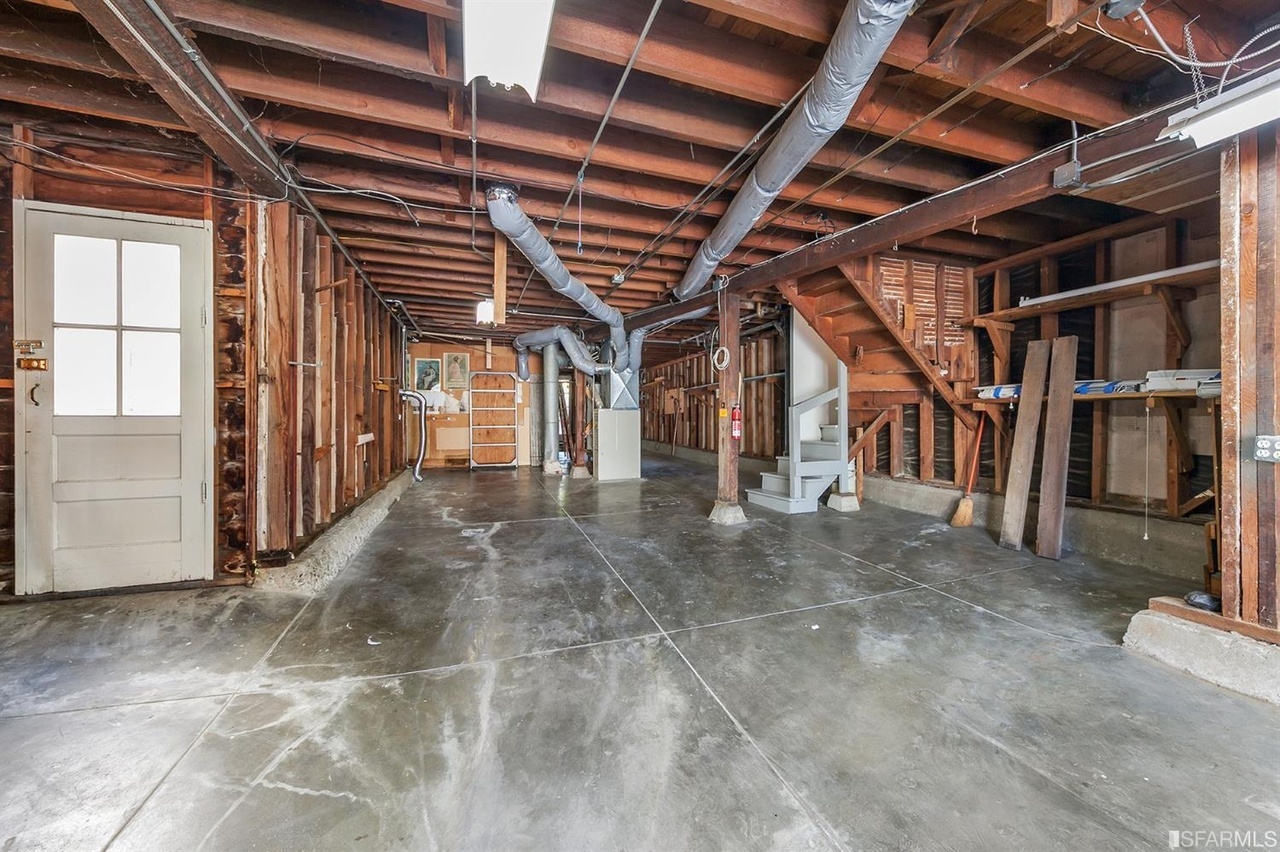
Before & After: A Gloomy San Francisco Garage Is Retooled as a Charming English Cottage
Renovate | Build

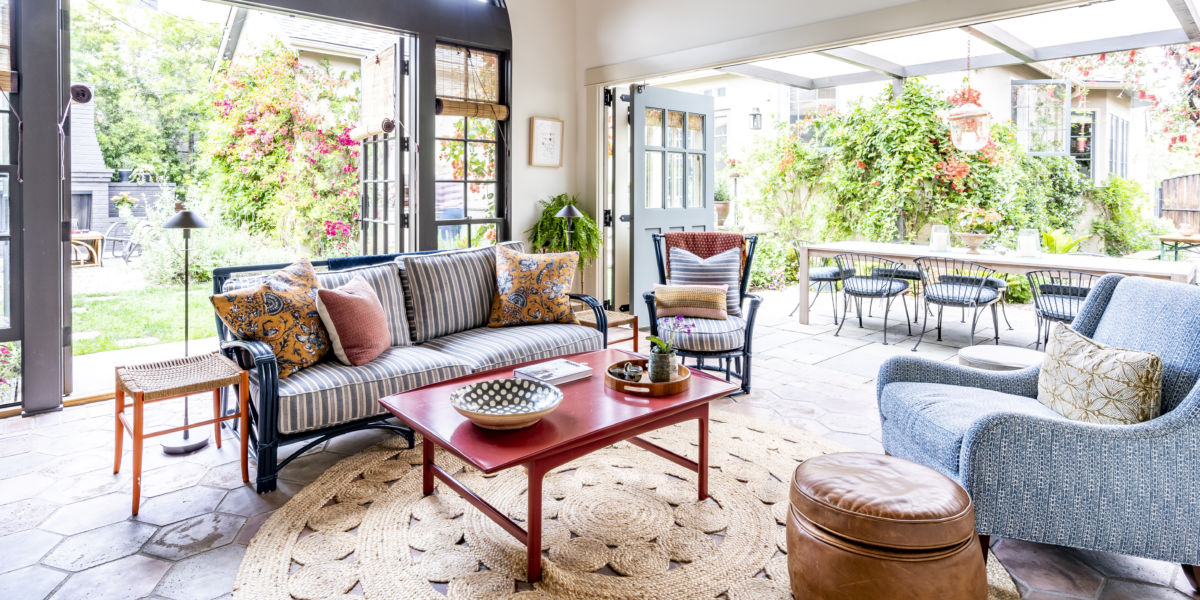
This L.A. Garage-Turned-Garden Room Is Full of Great Outdoor Living Ideas
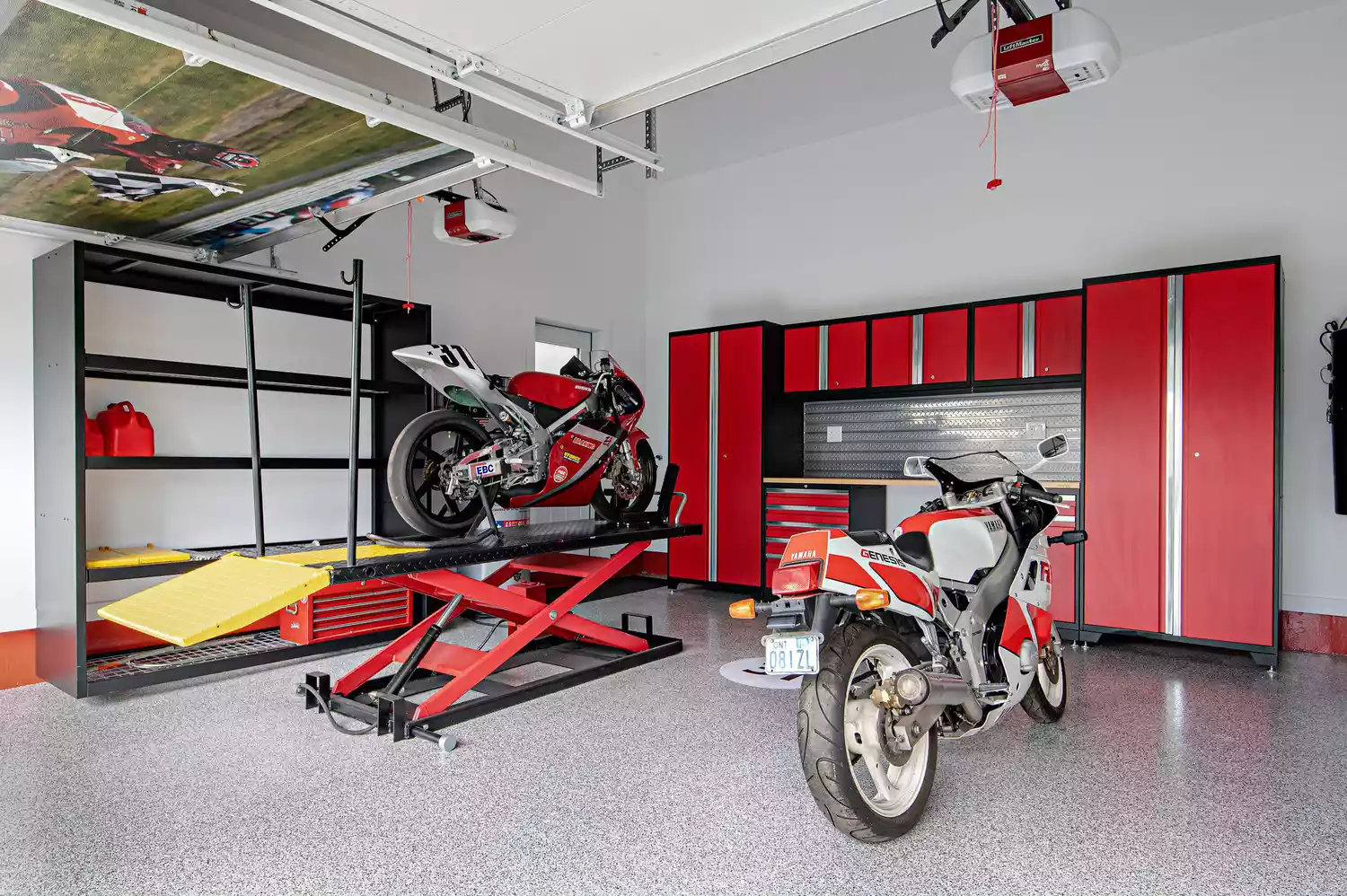
23 Garage Decor Ideas to Revamp the Inside and Outside